

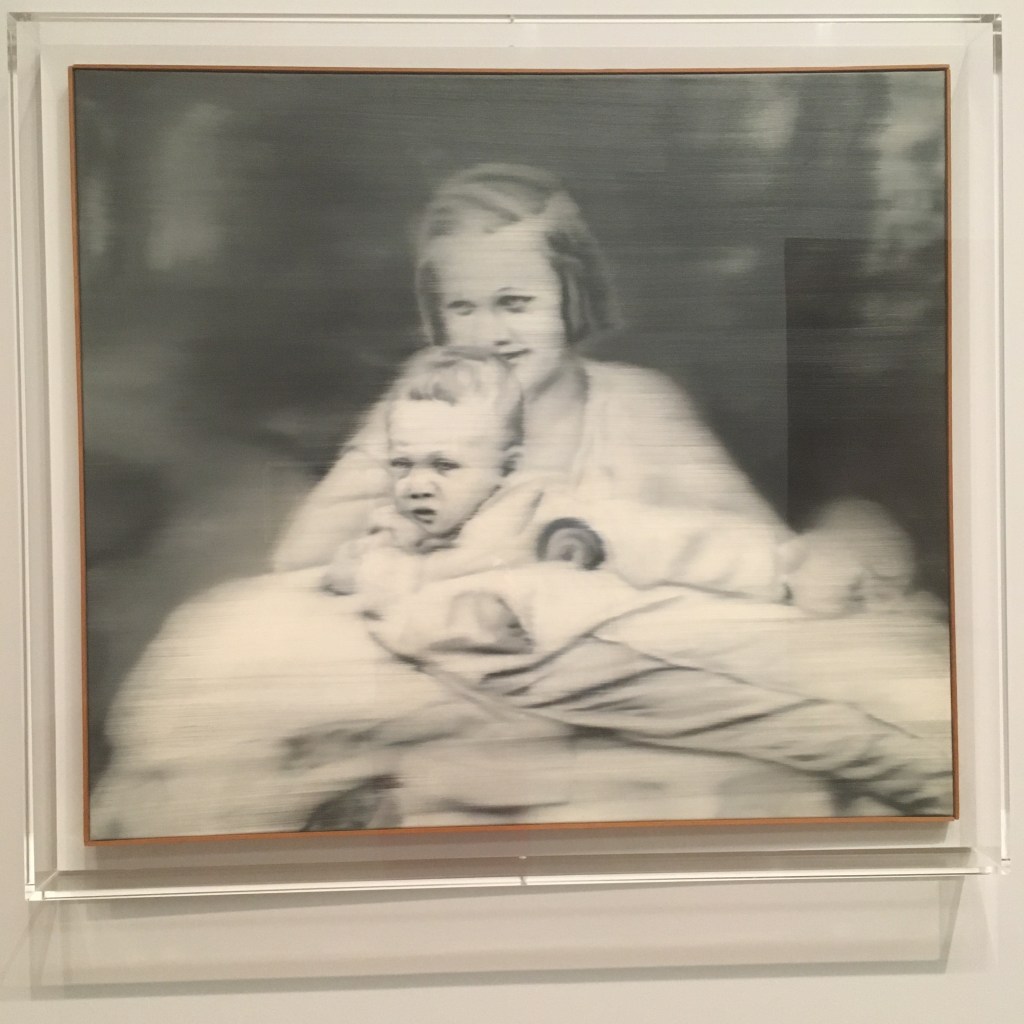
Above is a painting by the renowned German painter Gerhard Richter. He challenged himself to use paint to create a work which has a photographic quality and he’s been very successful in creating those strong contrasts and shadows which you find in photography. It’s called Barn and was painted in 1984. I also liked his painting based on a snapshot of himself as a baby in 1932 with his aunt Marianne, who was not much older than him. He painted it in 1965 and it’s a very touching way to represent the familiar black and white family snapshots which we all have in drawers and frames. But it’s dreadful to learn that young Marianne was murdered by the Nazi eugenics programme in Dresden during the second world war. So, while we glance at a snapshot of two children the hinterland of the image takes on greater significance when you look at the hazy painting which captures such a serious moment in time.
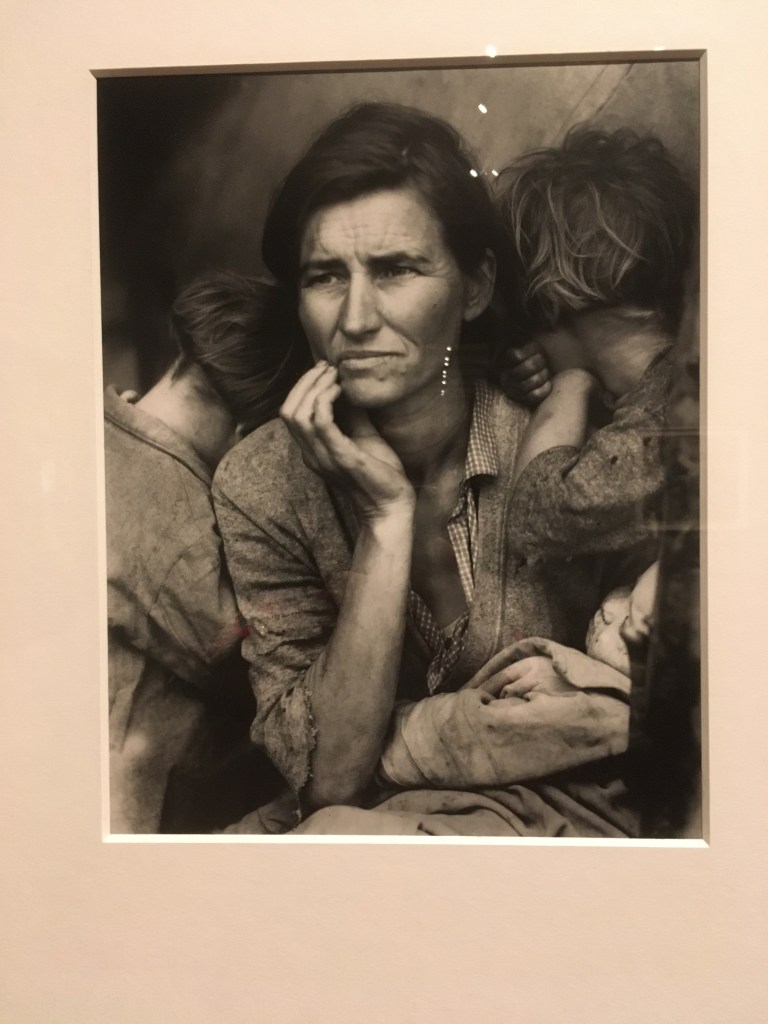
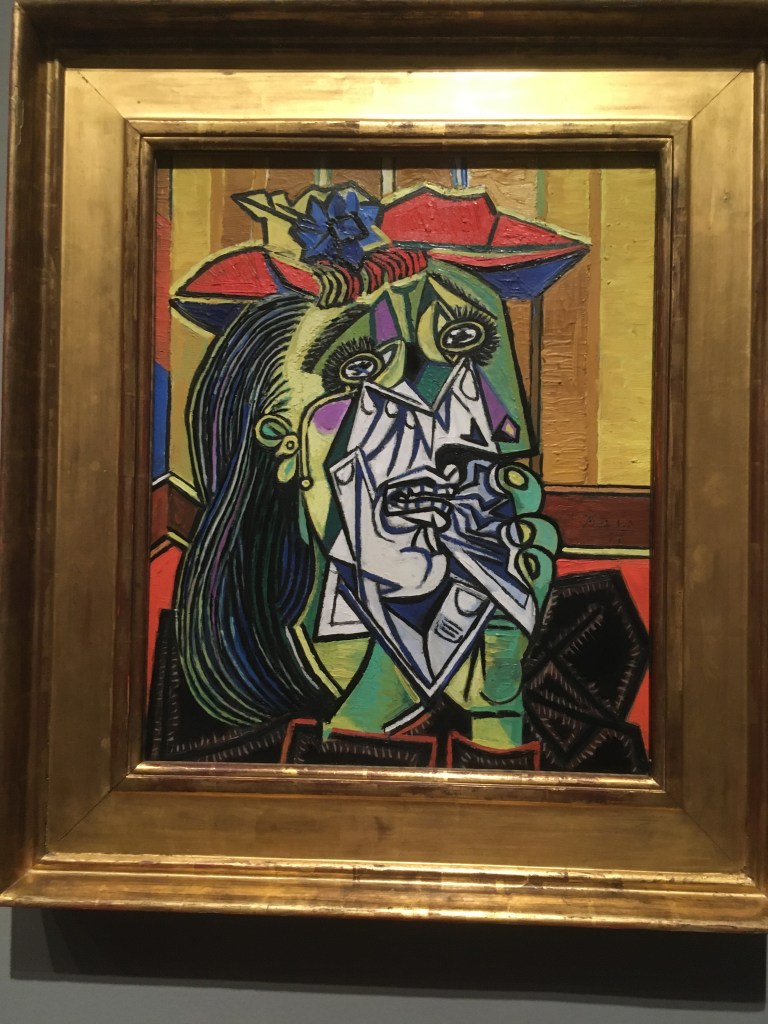
Once photography had been developed it was a boon to artists. At last there was a way to record a subject, a scene, a situation with accuracy. So, it’s no surprise to see examples of how artists used the immediacy and intensity of a photograph as a starting point for their work. To illustrate this, the show included the famous photograph of the Migrant Mother in California in 1936. It was taken by Dorothea Lange who was recording the work of the Resettlement Administration to raise support for impoverished farm workers during the Great Depression. Picasso also used references from the conflict in Guernica to paint Weeping Woman in 1937. However, the model for the painting was Dora Maar who denies it looks anything like her, referring to the portraits of her as “Picasso’ portraits, not one is Dora Maar.”
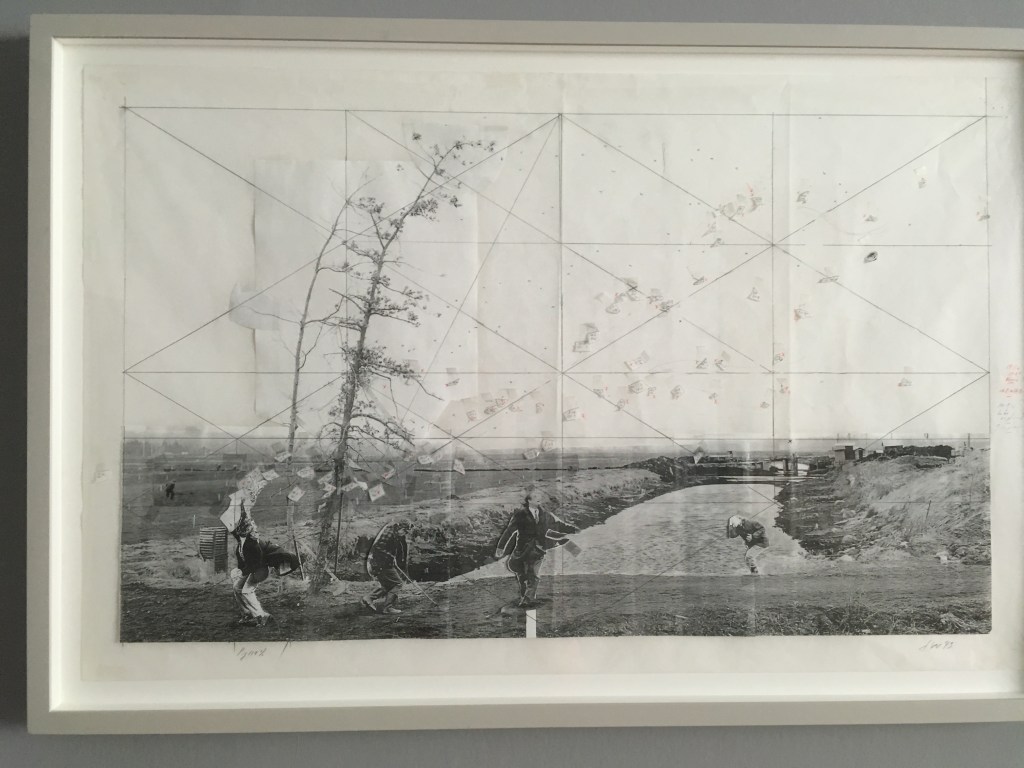
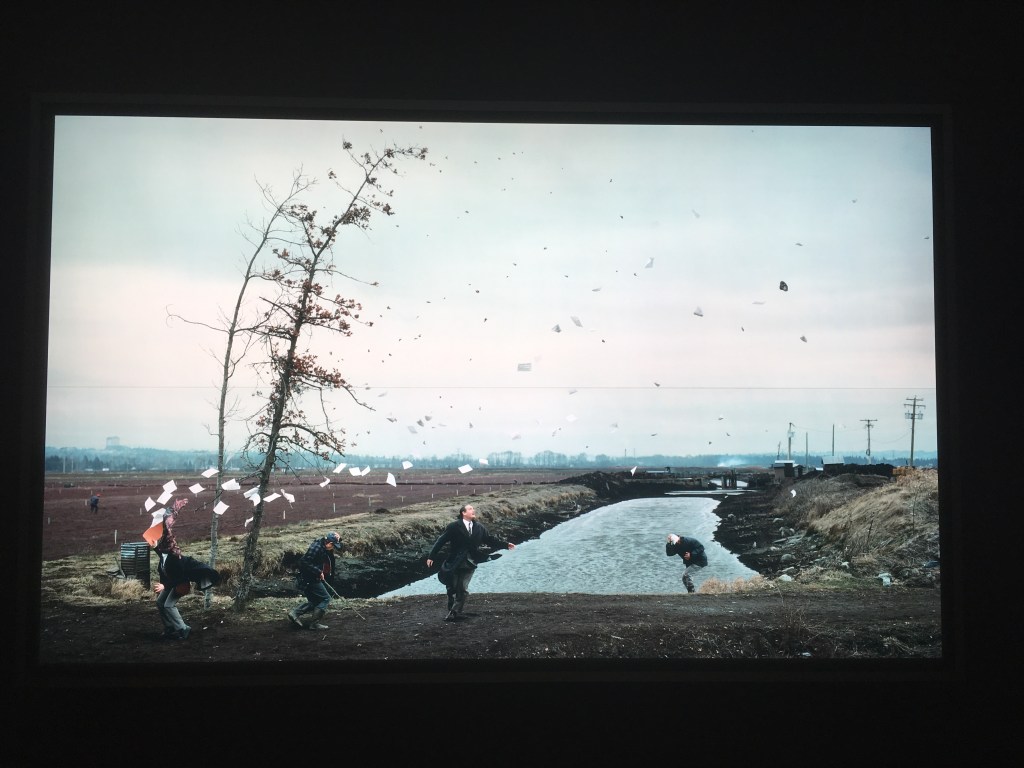
I was also fascinated to see a large collaged photograph which gave the impression of being a moment in time but it turns out it was wholly contrived. Jeff Wall’s large photograph entitled A Sudden Gust of Wind was inspired by a woodcut by Hokusai. Nearby is the paper layout of the photograph with all the players in place and the position of the fluttering pieces of paper. So, it’s looks like a photograph but was carefully constructed using a variety of images. Fascinating.
This exhibition has been realised in collaboration with the YAGEO Foundation in Taiwan. The collection possesses many photographs and the Tate curators have found a clever way to use works within their collection to match with these new pieces.
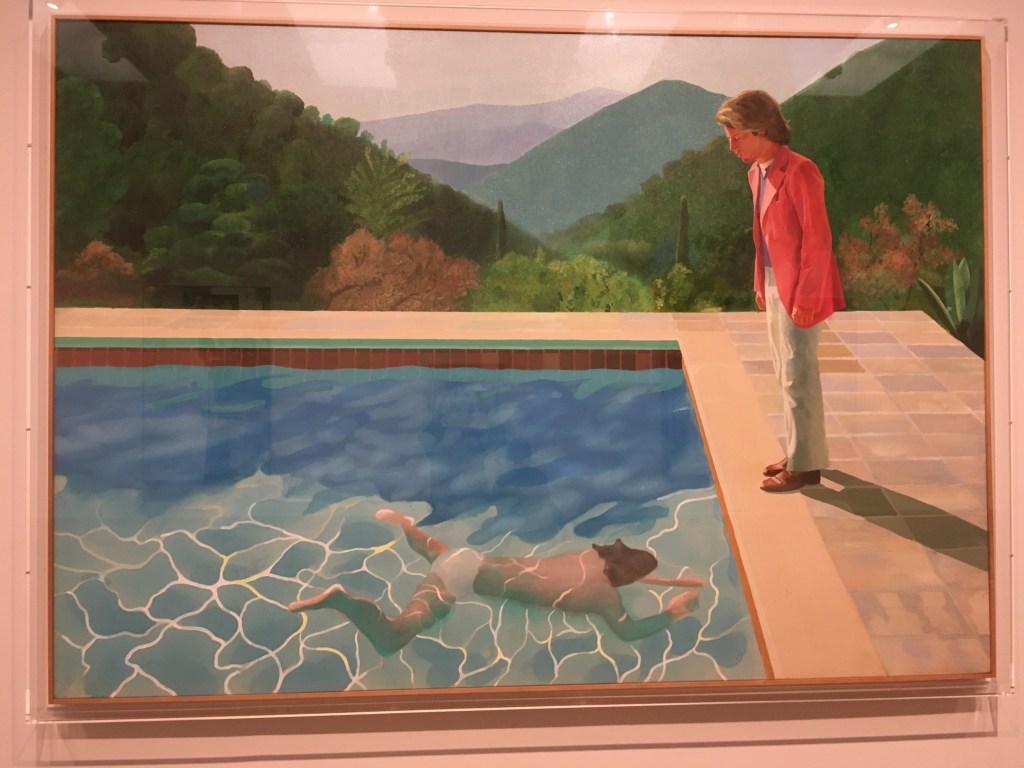
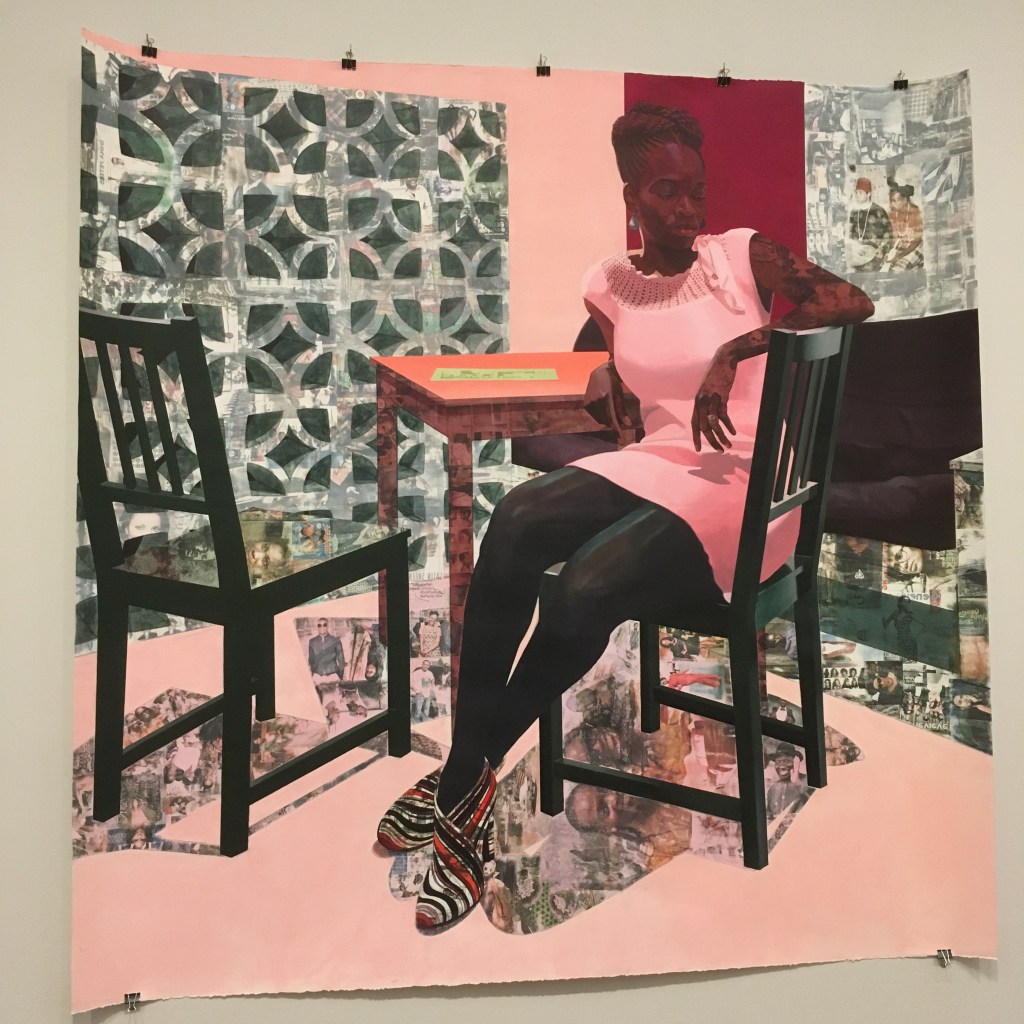
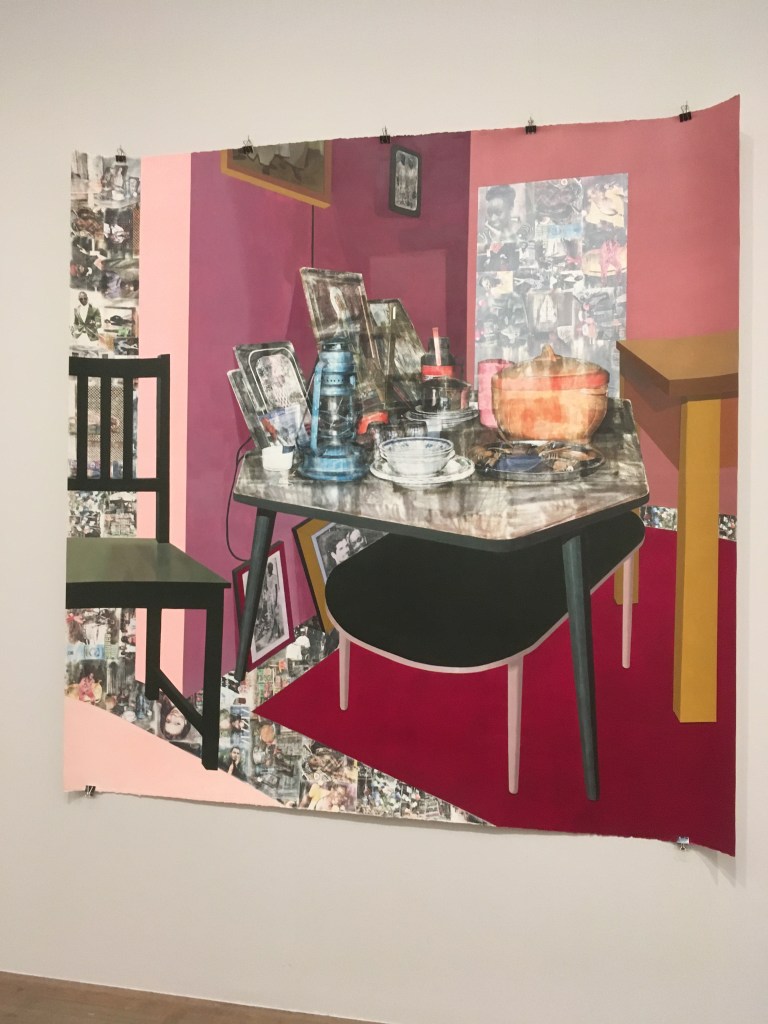
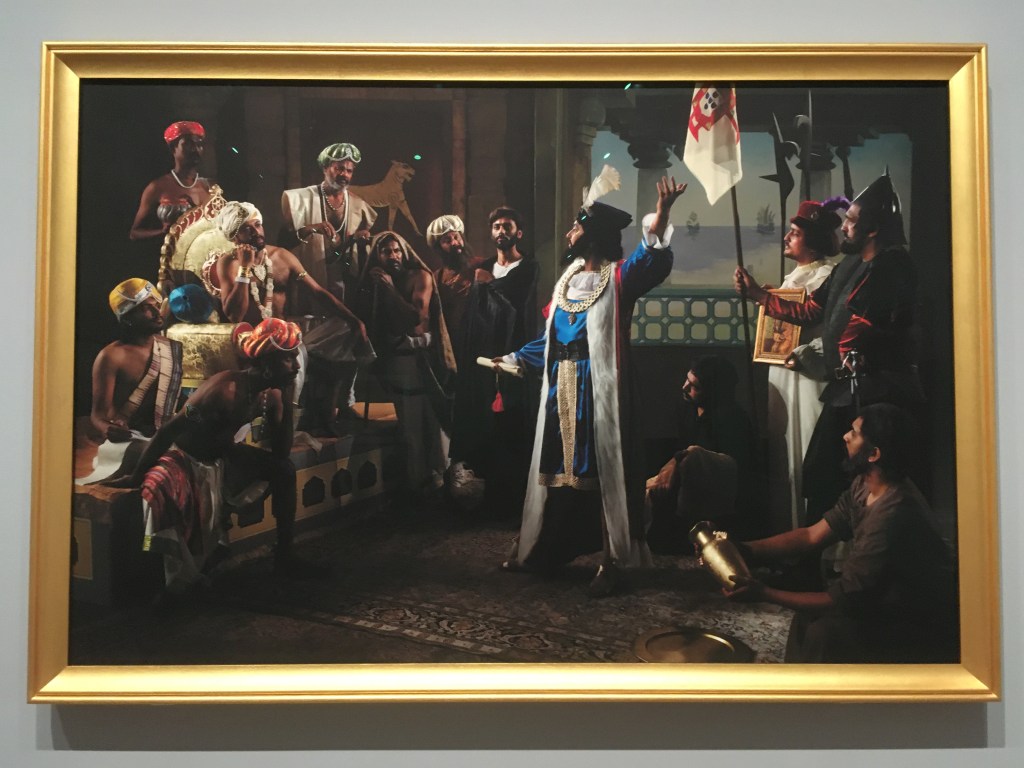
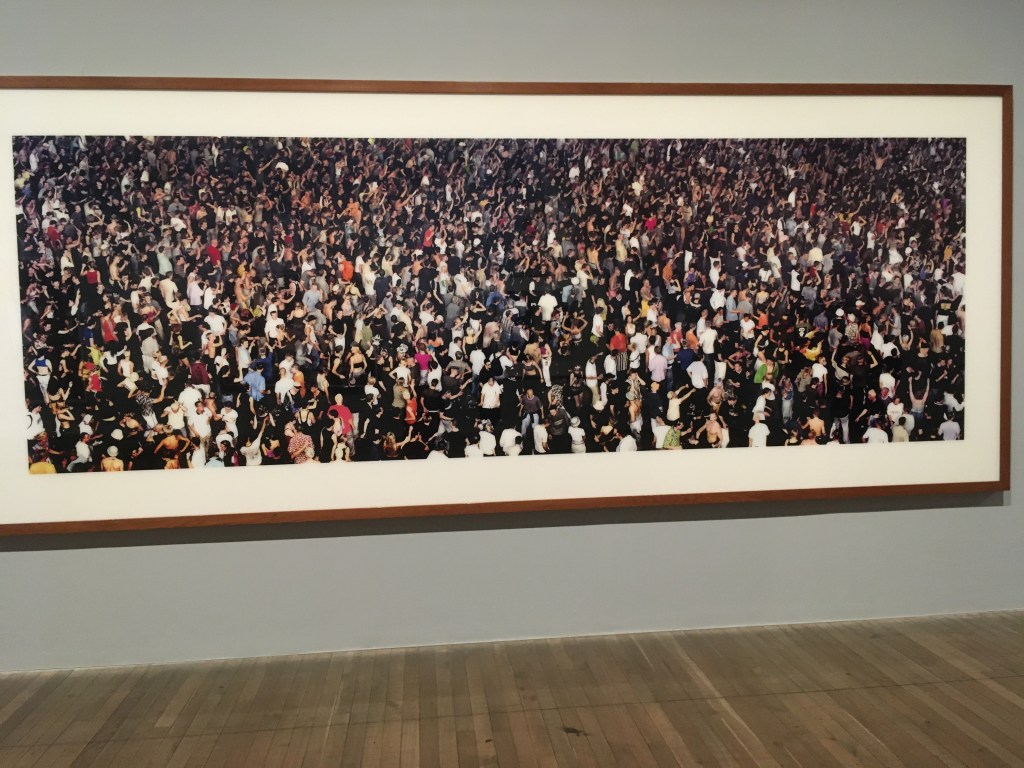
Below are just a few of the other images which caught my eye. Photography was the source for the paintings and painted art the source for the photographs.

The show is on until 28th January 2024.
 Paper Places