

You enter this show and are confronted by a dramatic painting which any mother can relate to. A woman is holding a screaming baby. She looks exhausted but resolute. She will get through this. The painting is by Maureen Scott and was made in oil on board in 1970. That is the year this show begins its trawl through the trials and triumphs of women as the huge social changes took hold in the latter years of the 20th century. Charting the history of feminism is a huge subject to tackle. Imagine doing the same thing with a subject like poverty…. ? There is no ending. And so it feels with women’s rights. Yes, things have changed a great deal and are still changing but it’s still far from perfect.
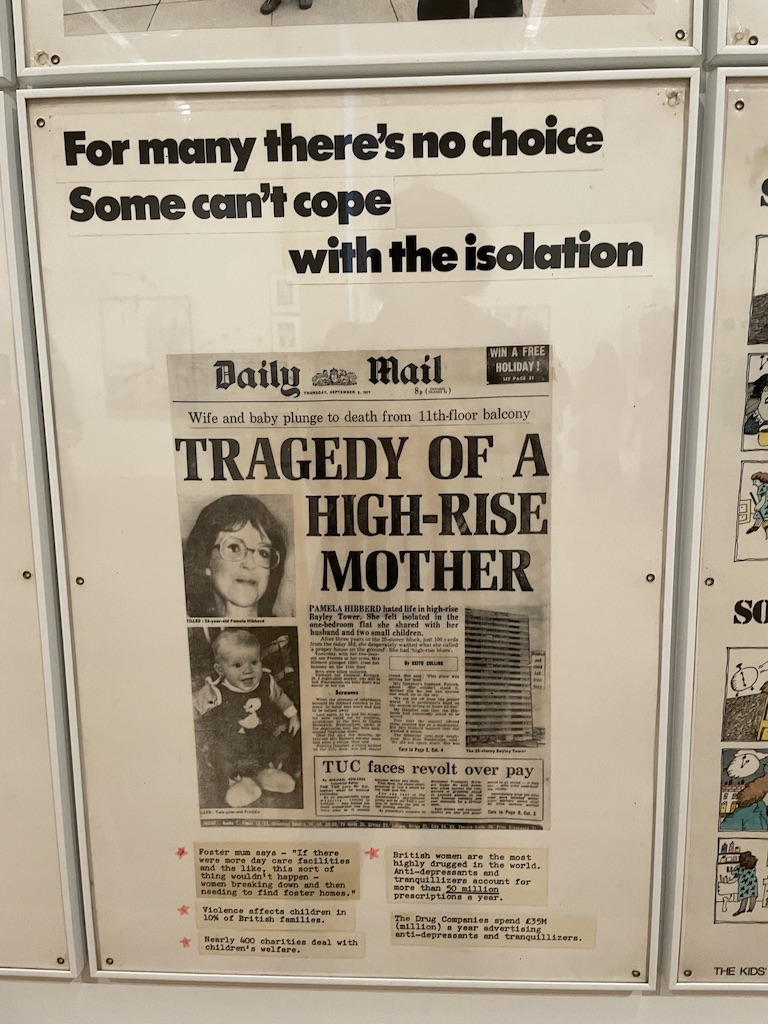
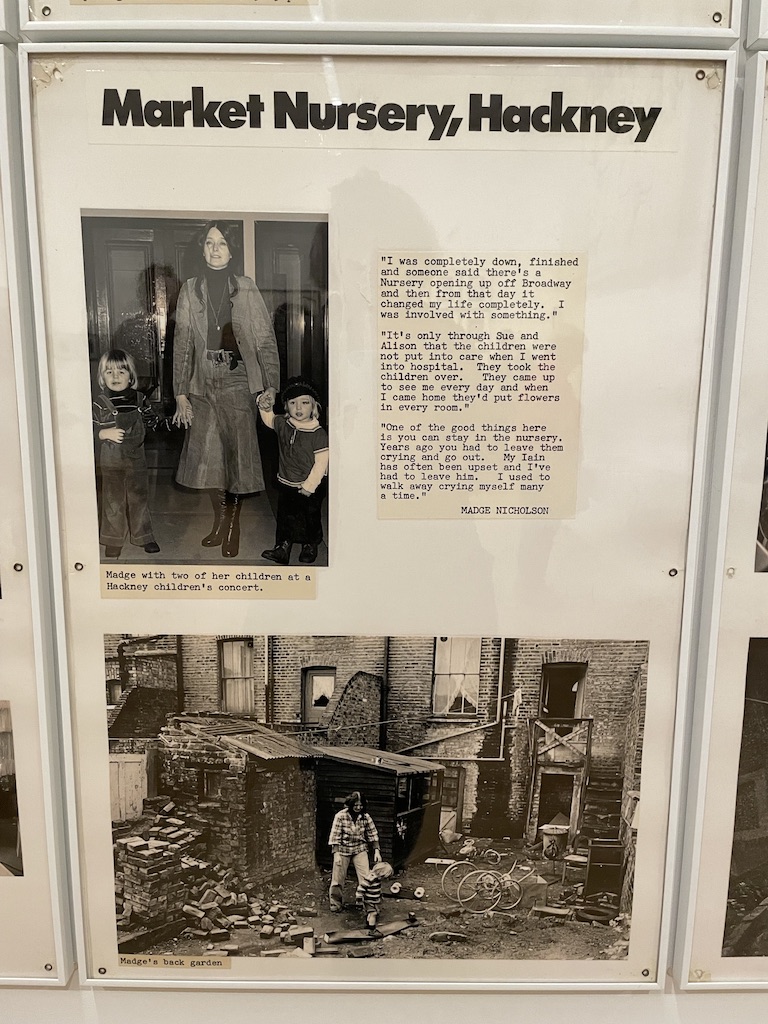
I was very struck by the newspaper cuttings charting the experience of women living in ‘modern’ high rise dwellings in Hackney in the 1980s. I would guess that the architects of these homes were not women. With no space for children to run about and the challenges of dragging everything up and down many flights of stairs when the lift doesn’t work it’s understandable some women reached the end of their tether. But a group of women did find a solution. They took over an old building (at ground level) with outdoor space and set up a nursery. Once a safe place for childcare is established then women can work. It seems so blindingly obvious that you do wonder why designers and planners never thought about such things.
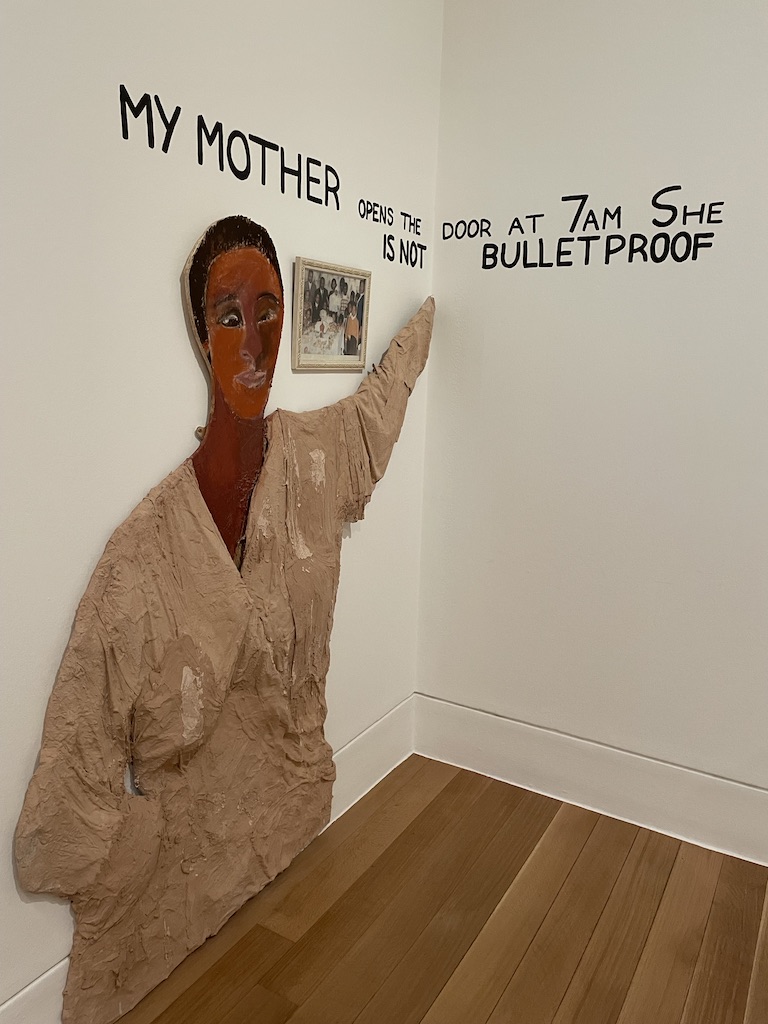
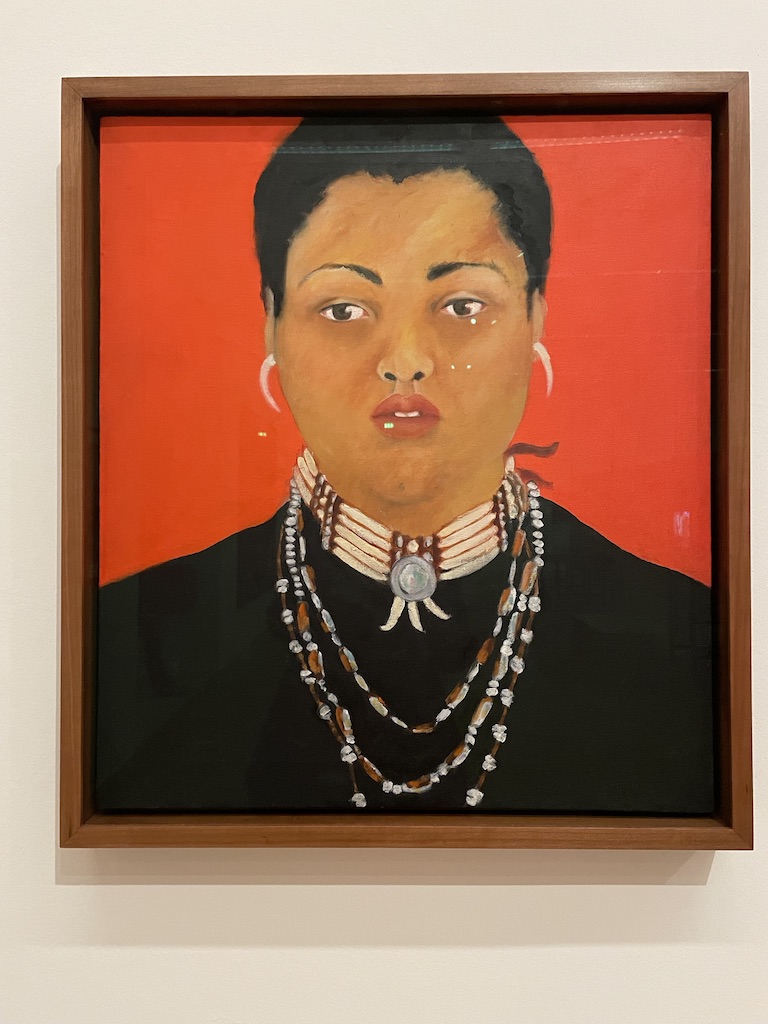
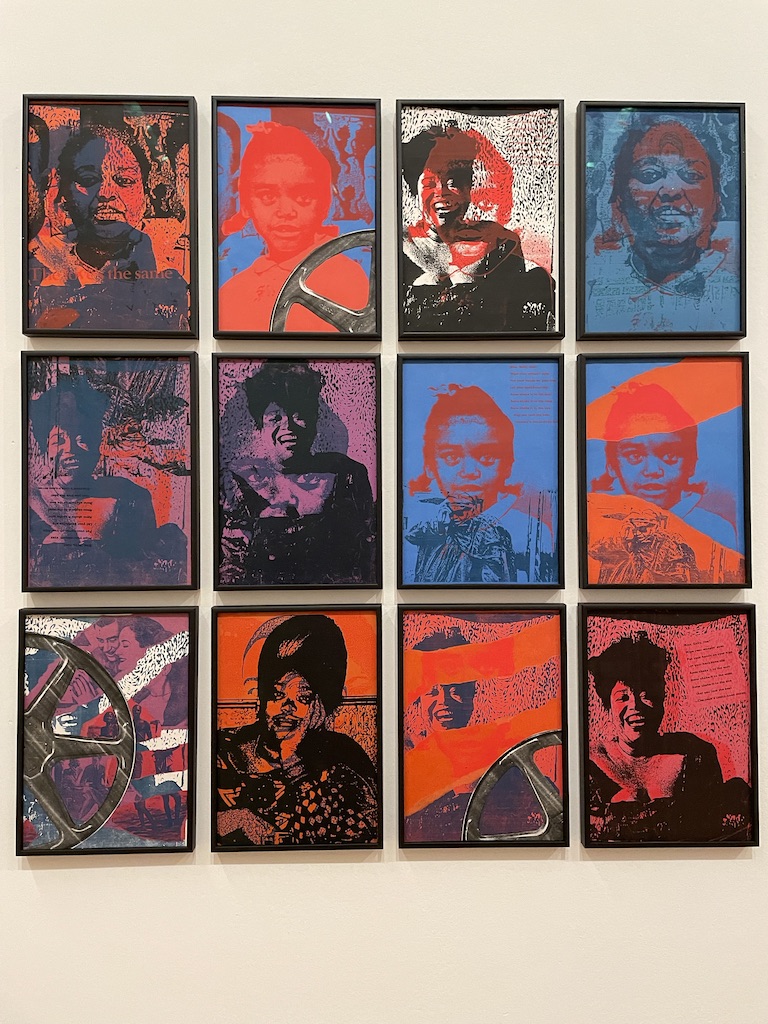
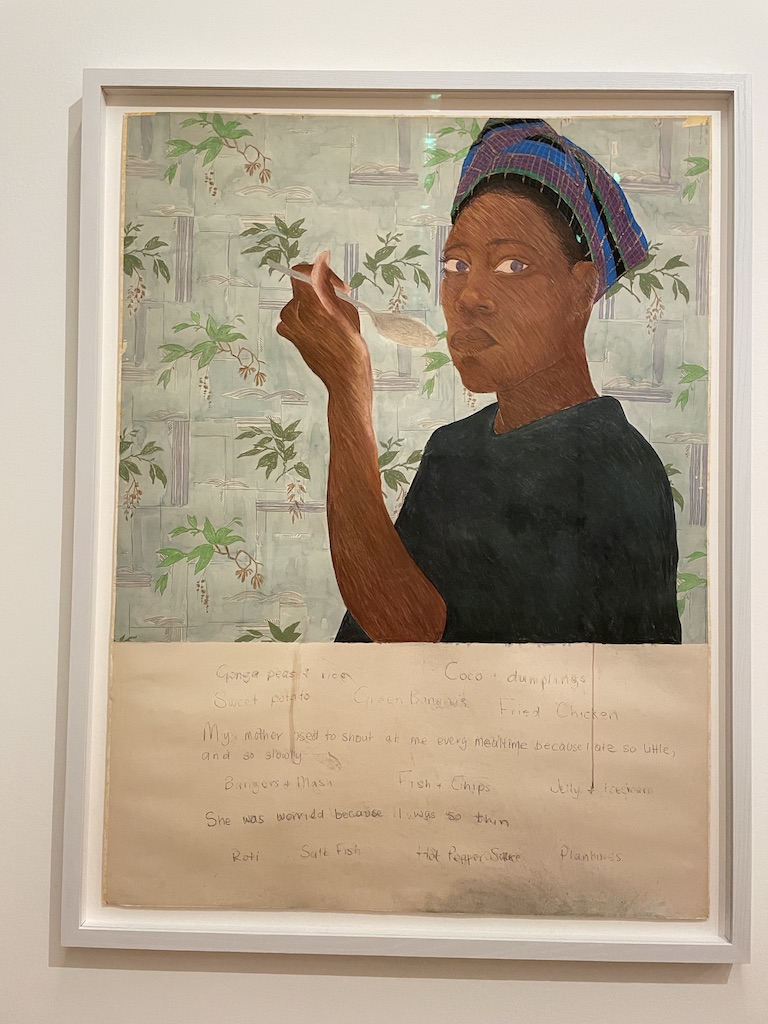

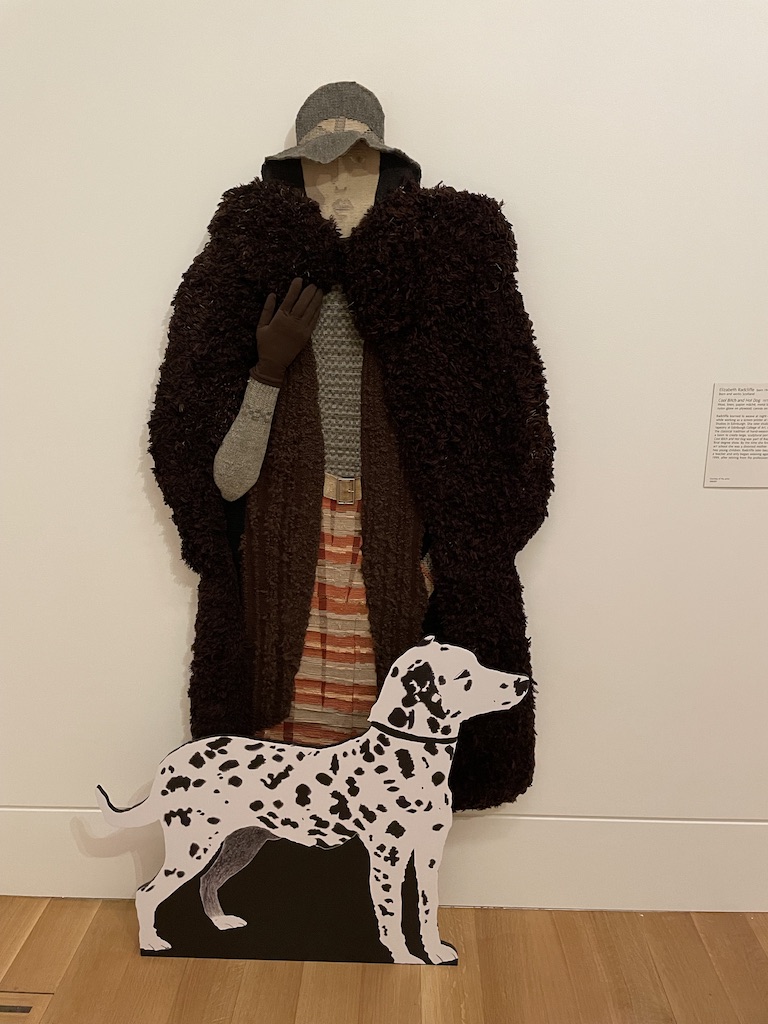

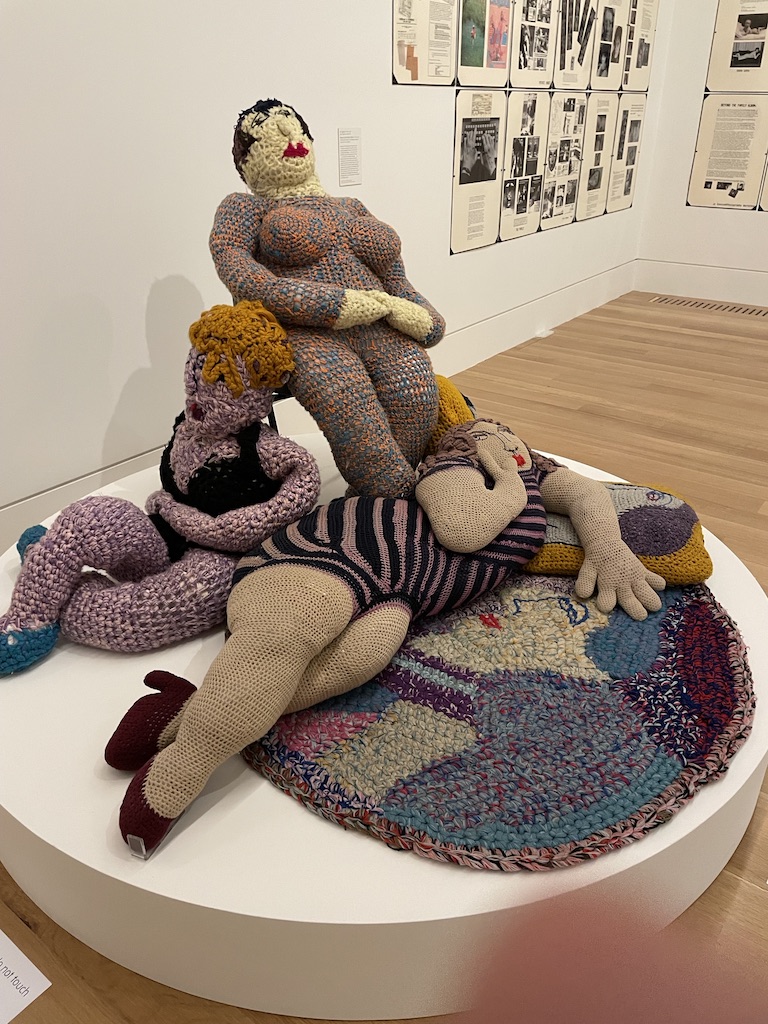
I liked a lot of the portraits and self-portraits on show and also the materials used to create the pieces. Much of the work was done using yarn, wool, cotton, weaving and materials which are not usually ‘valued’ by artists. I’m not sure they told us a huge amount about the social circumstances of the women featured but they are interesting to view.
On balance, I thought there was almost too much to take in within this show I felt exhausted by the breadth and variety of images and the huge range of women’s issues explored. But it’s good that the artwork created by women at the forefront of ‘revolt’ and social change should be collected, displayed and given the credence and authority to take their place within the history of not just protest art, but art.
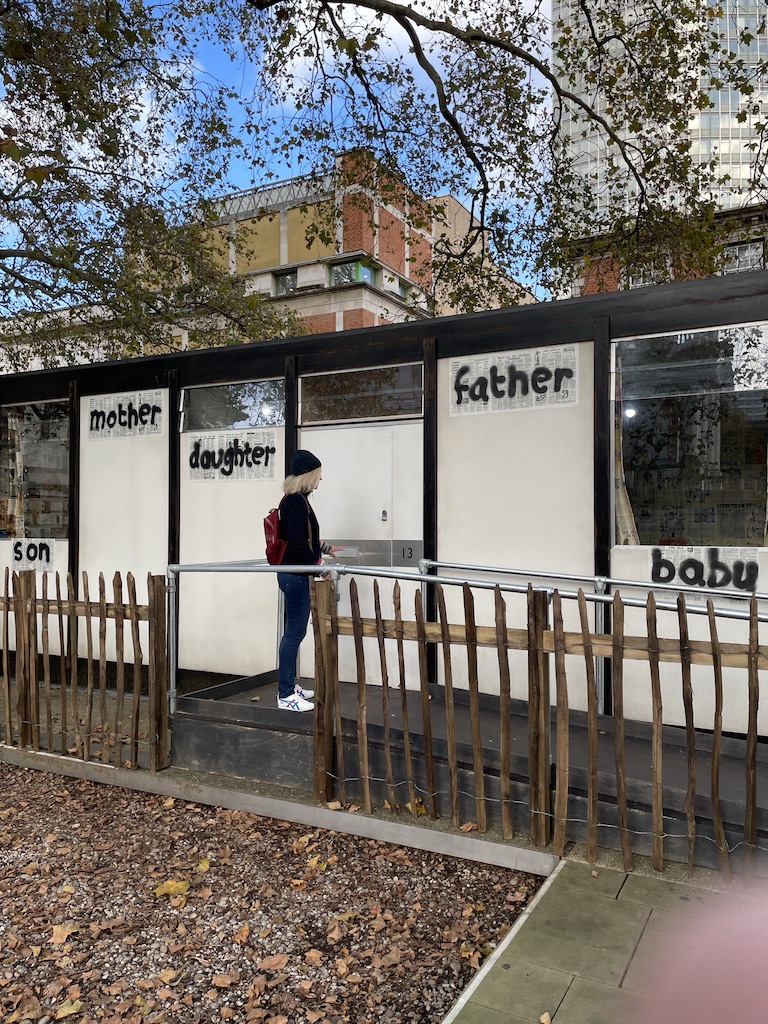

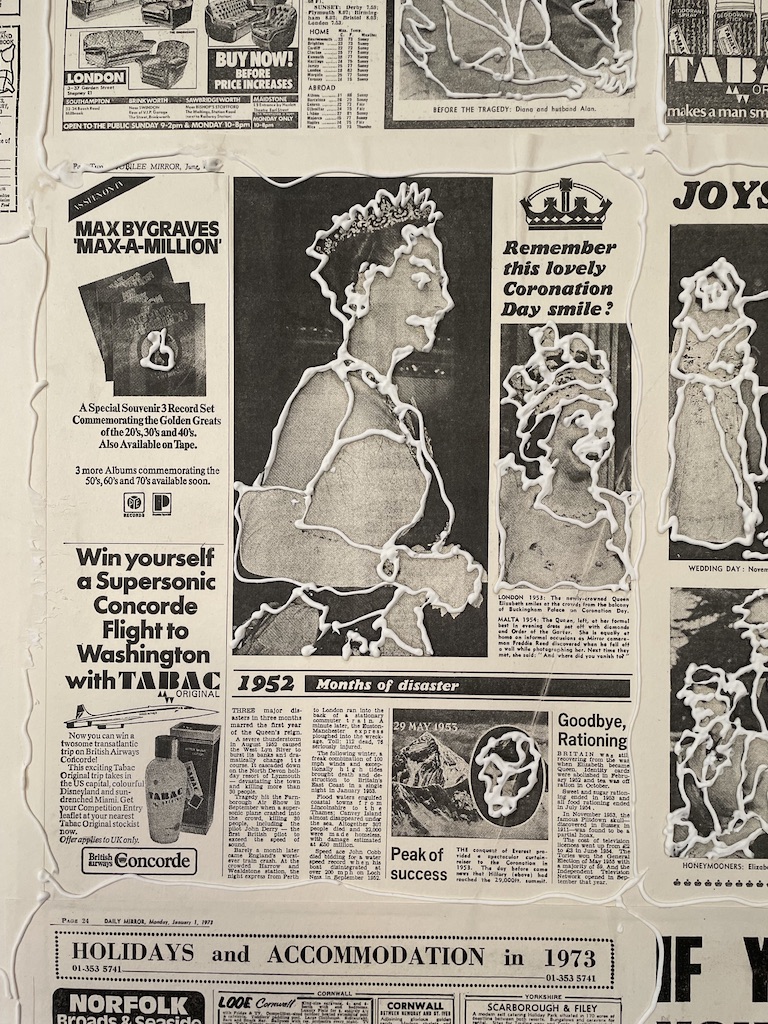
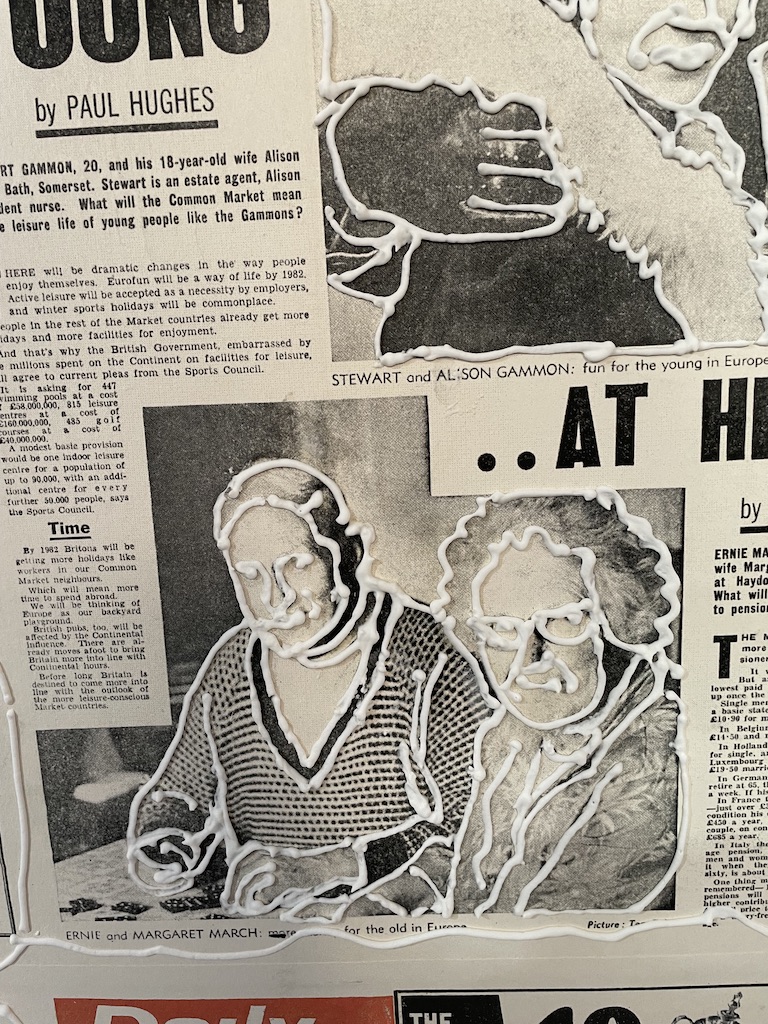
Outside Tate Britain, on the grass to the right of the gallery steps, is a really fascinating installation which is part of the show. It’s an ‘edible artwork’ by Bobby Baker. It’s the re-staging of an artwork entitled An Edible Family in a Mobile Home which was first presented in 1976. You enter a pre-fabricated East London house which has been entirely papered with newspaper and magazine pages. The images have been outlined in icing. The figures within the house are all made of cake and biscuits – a man slumped in a chair, a boy in a bath, a figure on a bed and a baby in a cot. The woman is portrayed by a mannequin with shelves in her abdomen where food is stored. This is a replica of the original work with some updates added by Bobby Baker. But all the food sculptures are edible and, as the exhibition lasts, the cakes and biscuits will be eaten. It’s a very intriguing installation. However, my feet stuck to the floor and on rainy days visitors might find the visit a very, very sticky experience, but it’s huge fun and thought provoking too. I do recommend you pop in if you’re passing Tate Modern.
Women in Revolt! runs from 8th November until 7th April 2024.
 Paper Places