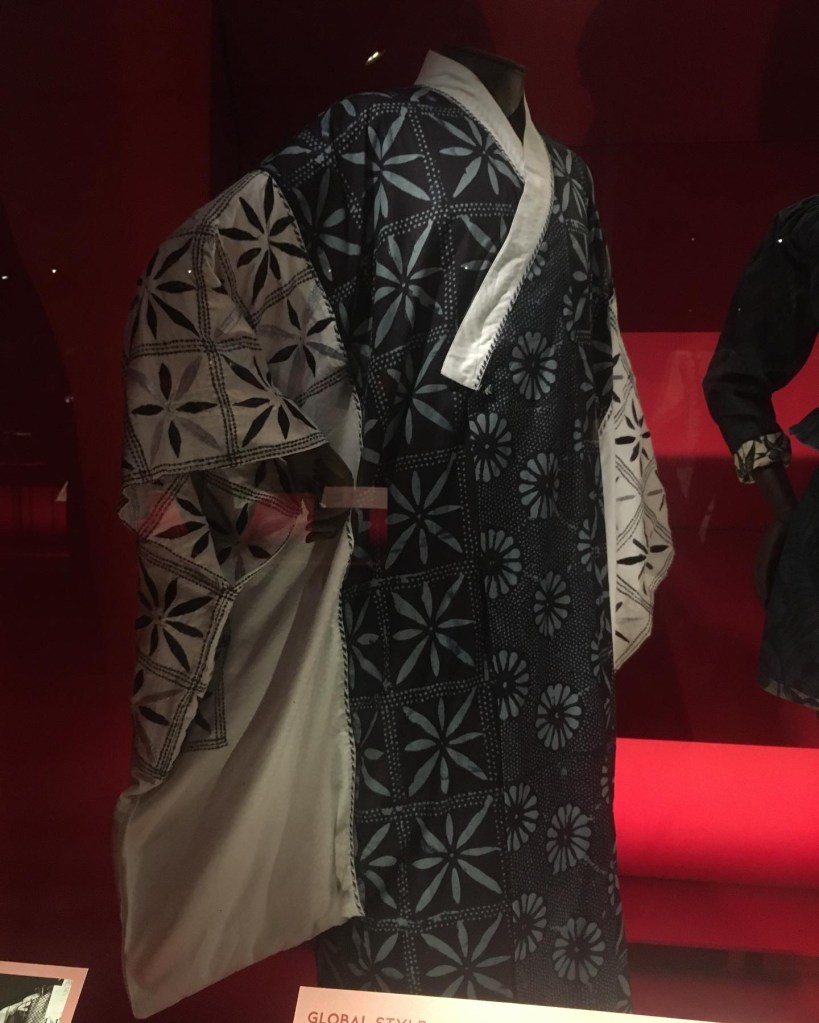
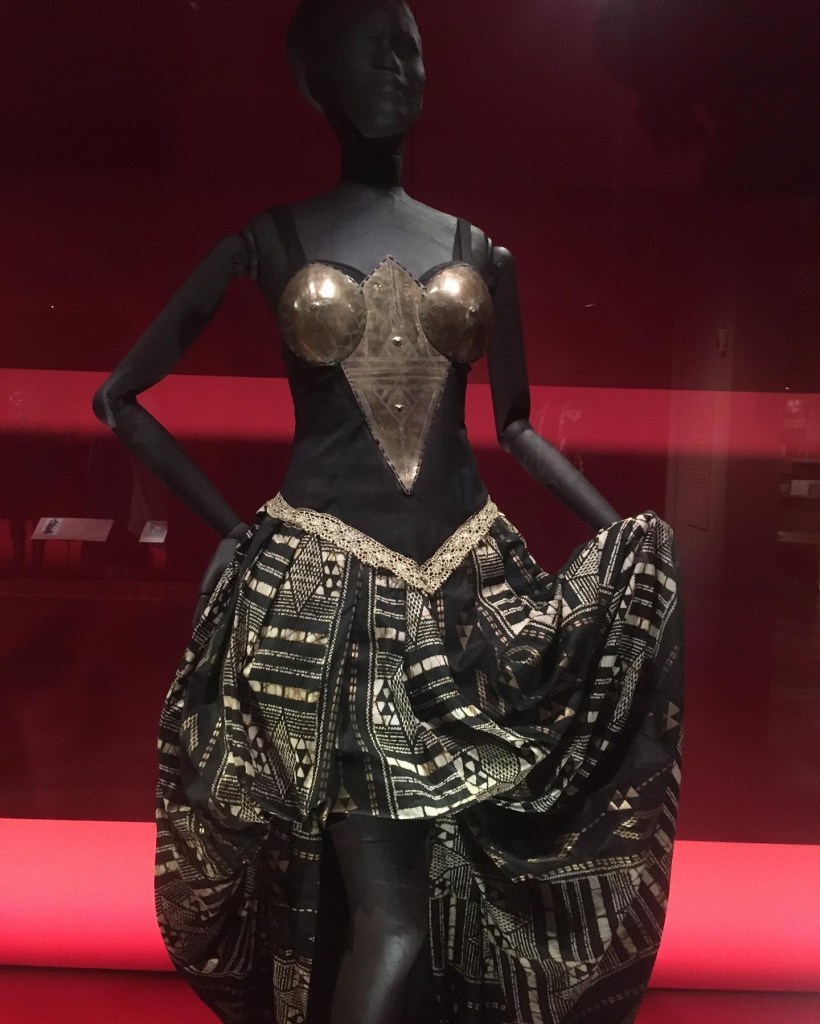
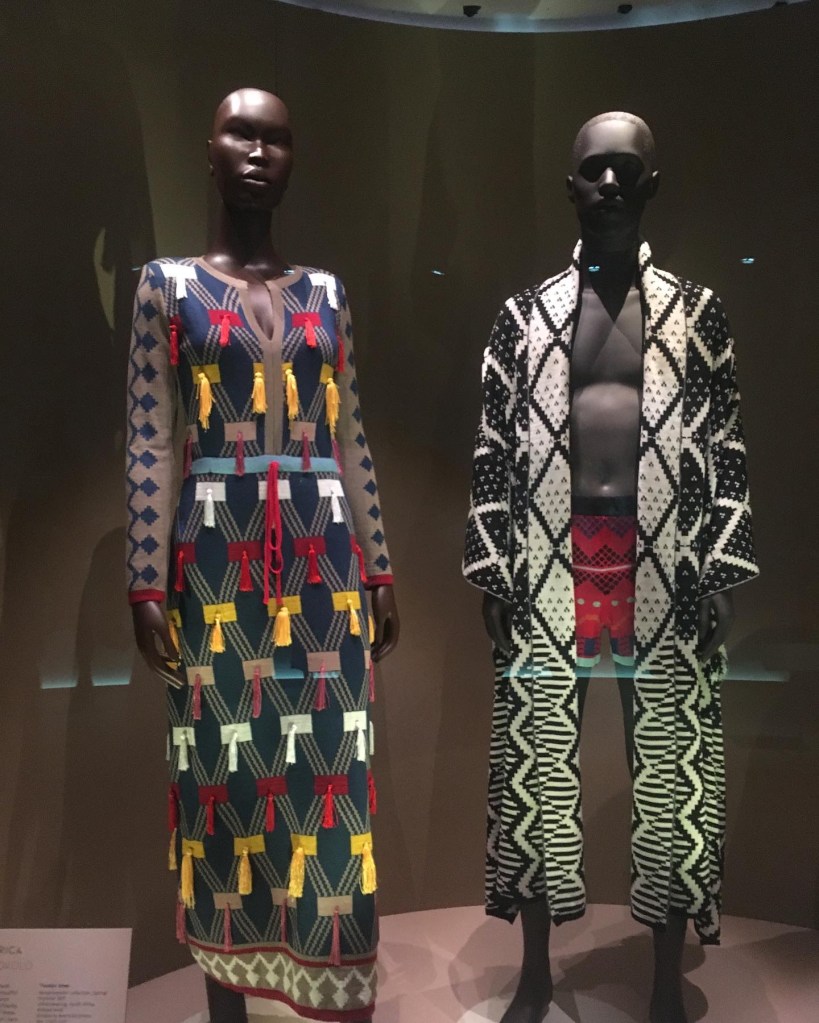
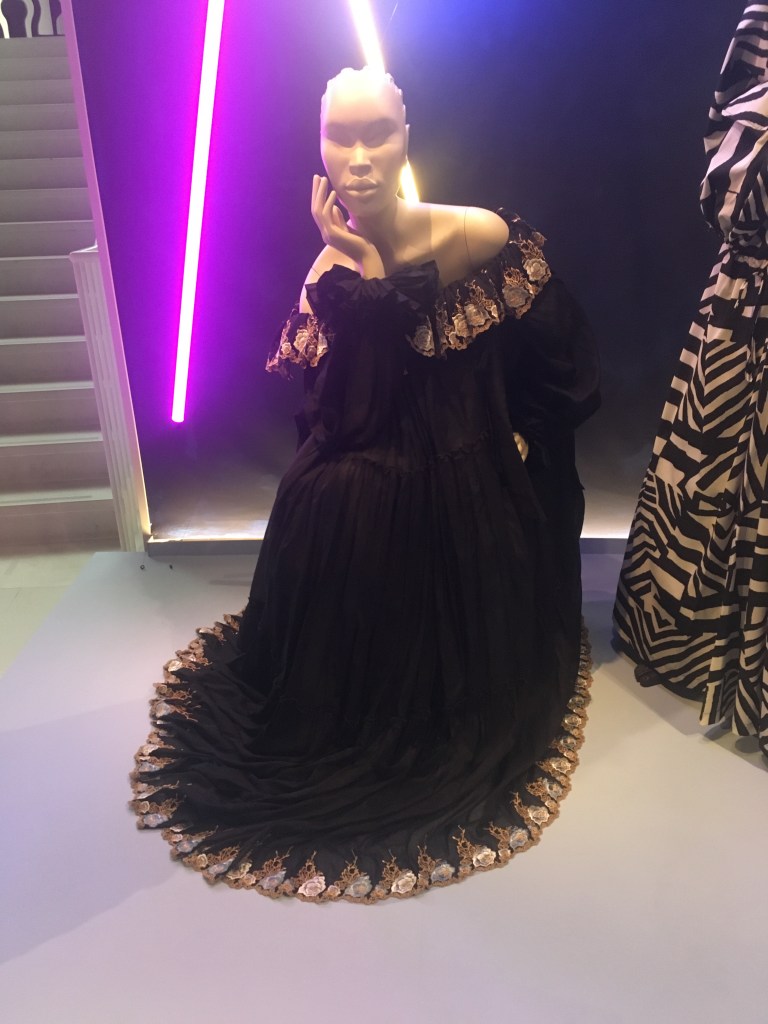
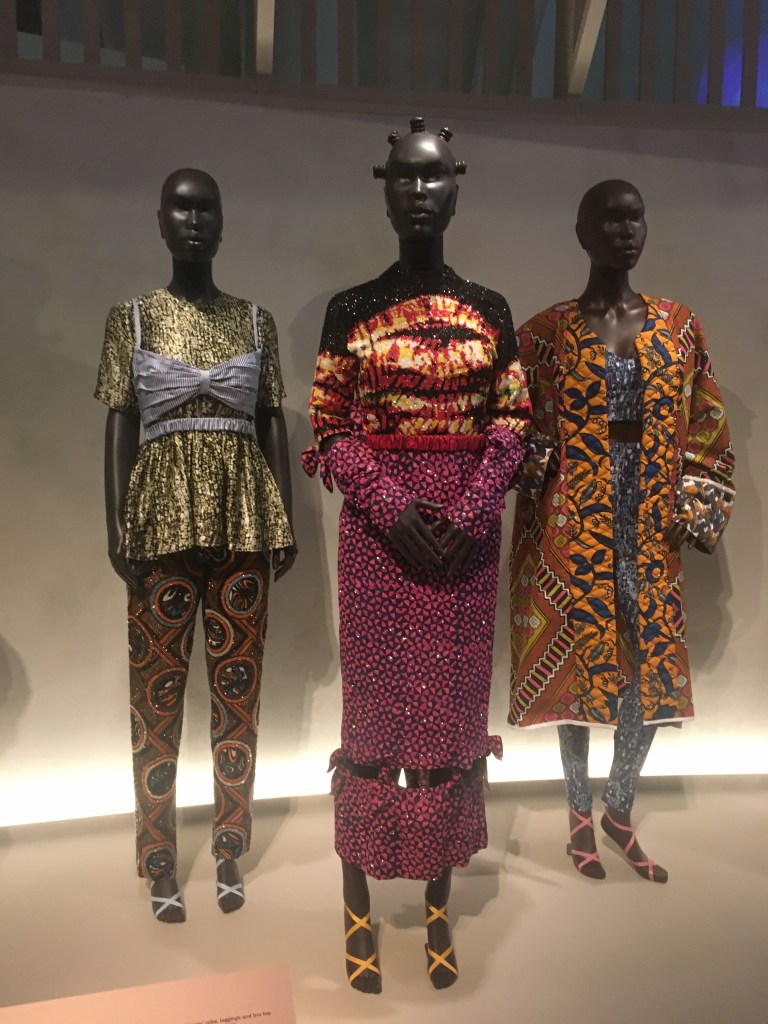
I don’t feel knowledgeable enough about fashion to give an opinion of the pieces apart from to say that they were amazing. So instead I’ll provide a gallery of the clothes which really caught my eye. I do love colour and bold statements and seeing how natural fibres and textiles are employed in a unique kind of haute couture.
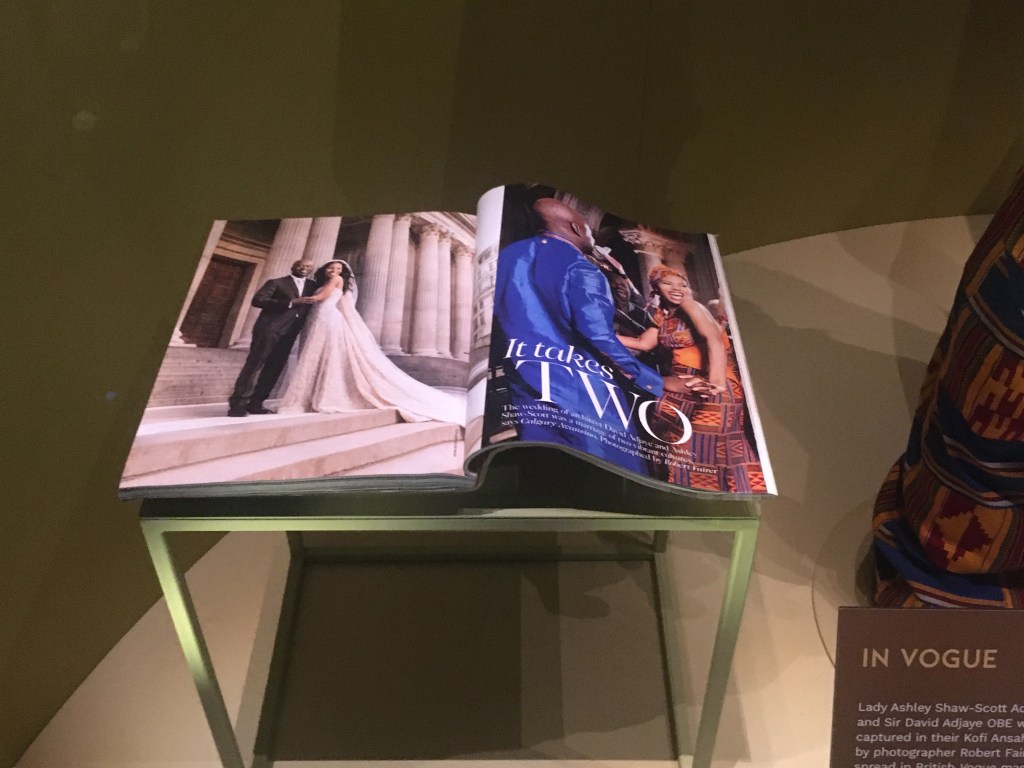
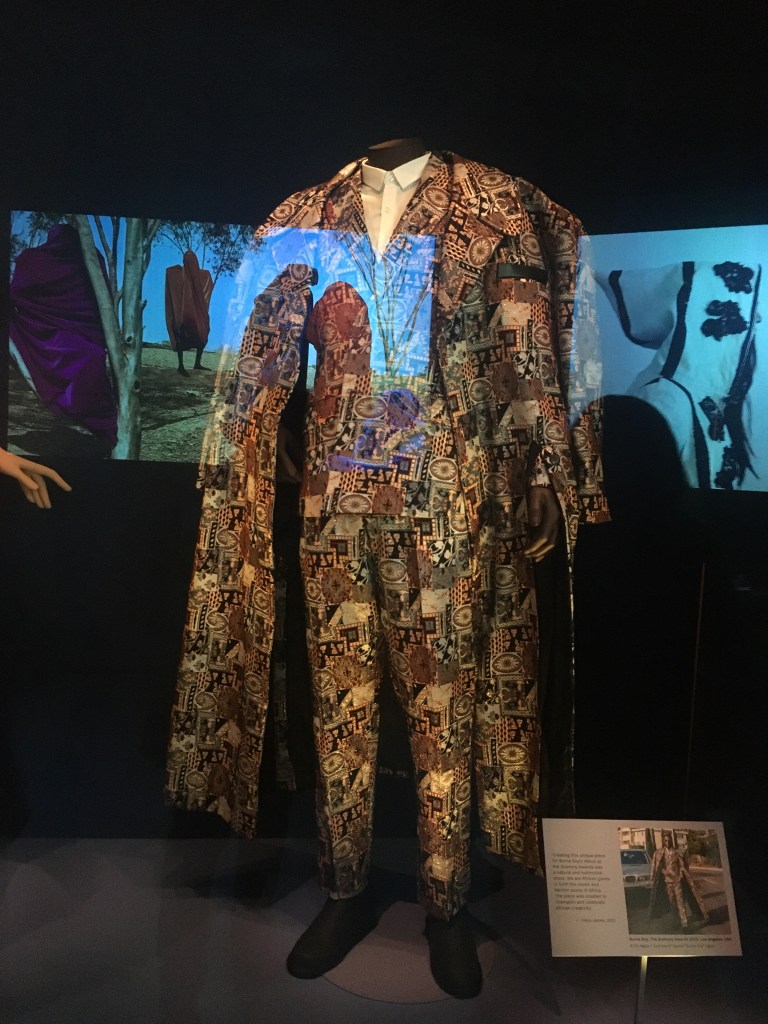
Kofi Ansah created this Judges robe inspired by Japanese kimono.Dress by Alphadi as a homage to Tuareg jewellers.Laduma Ngxokola for Maxhosa AfricaGlamorous dress by Patience TorloweiDesigns by Kofi Ansah for Sir David Adjaye OBE and Lady Ashley Shaw-Scott for their engagement party in London featured in Vogue magazine.The wedding featured in VogueOutfit by Tokyo James created for Burna Boy’s debut at The Grammys.Three outfits by Lisa Folawiyo
African Fashion at the Victoria and Albert Museum is on show until April 2023.
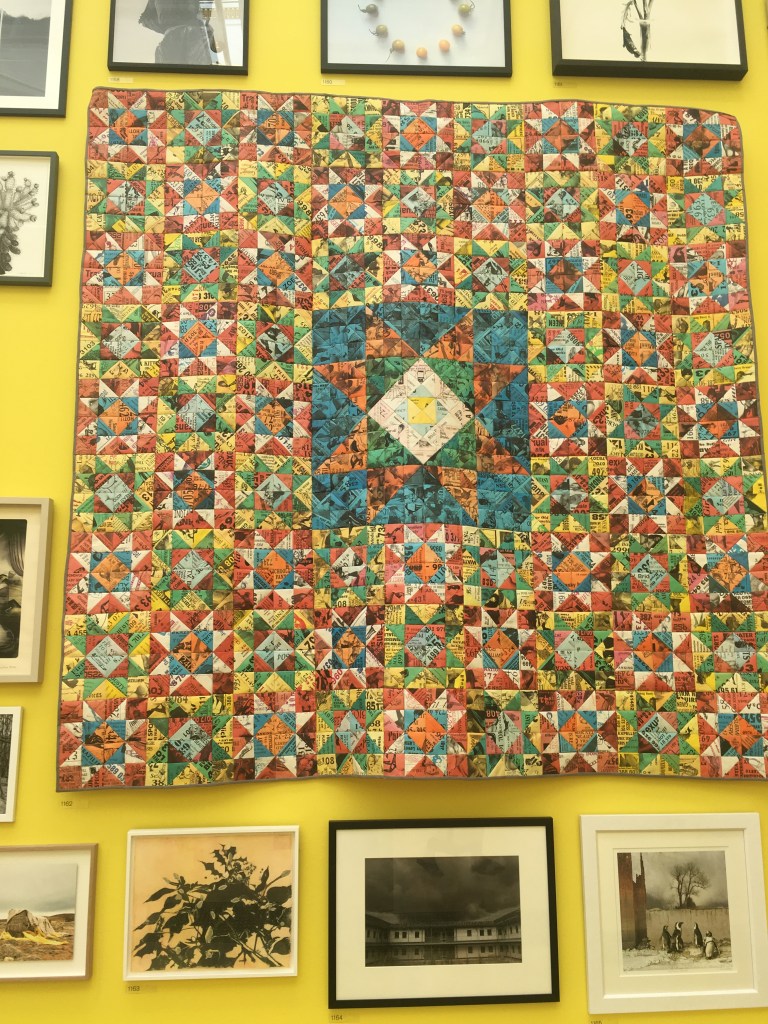
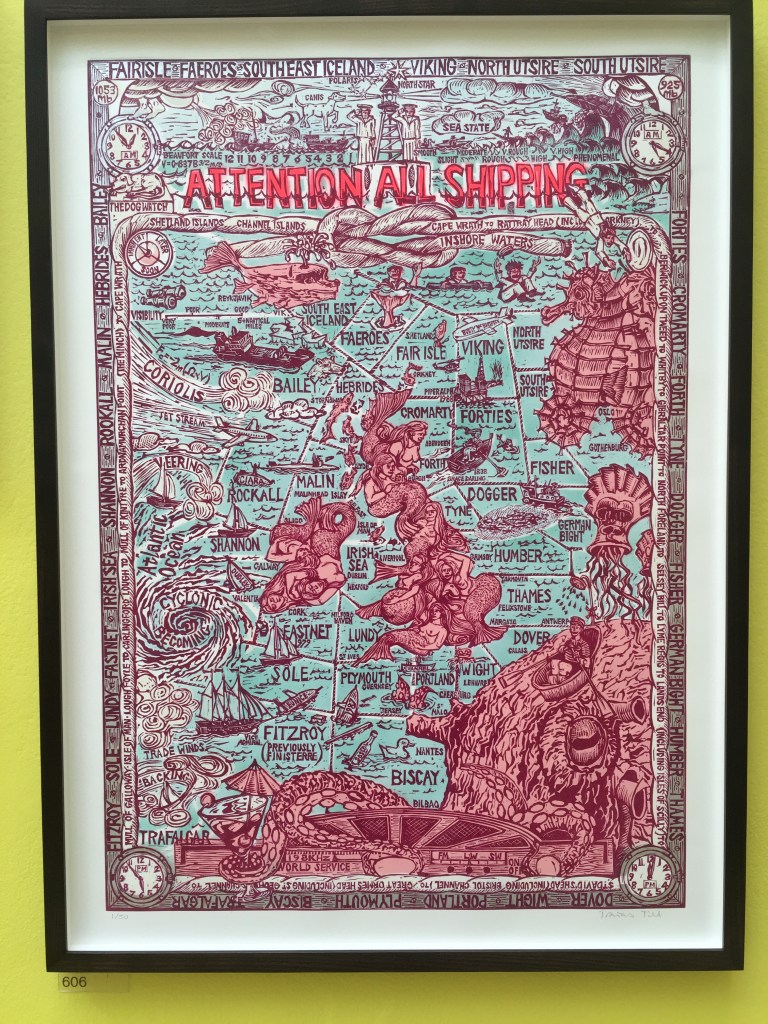
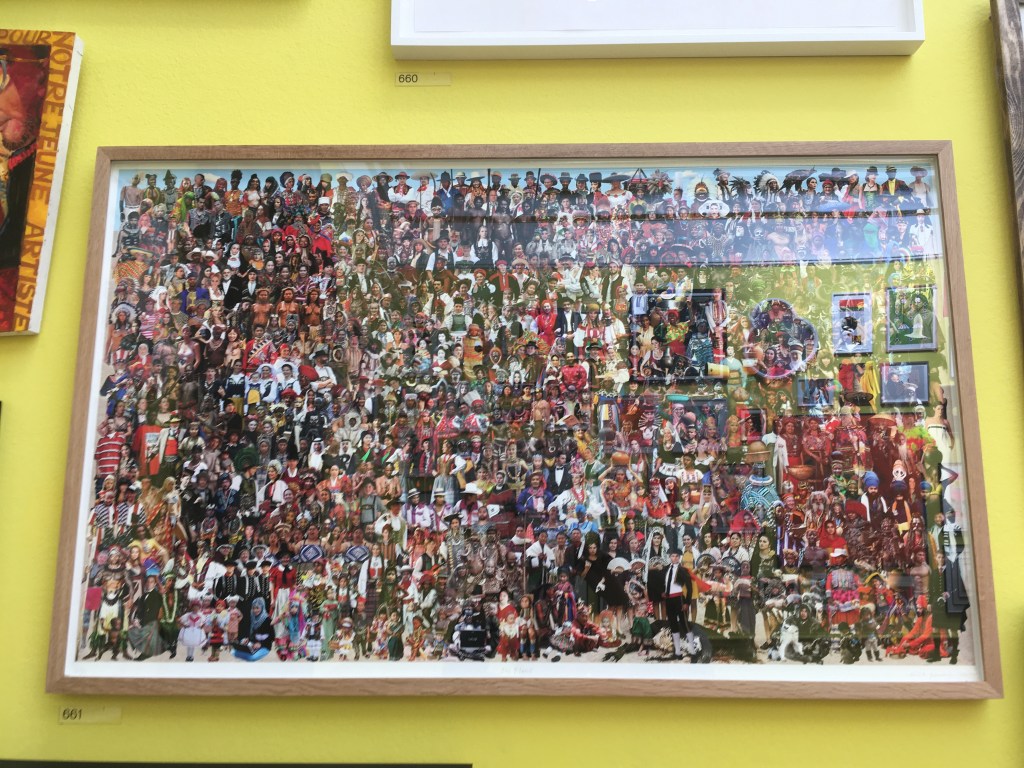
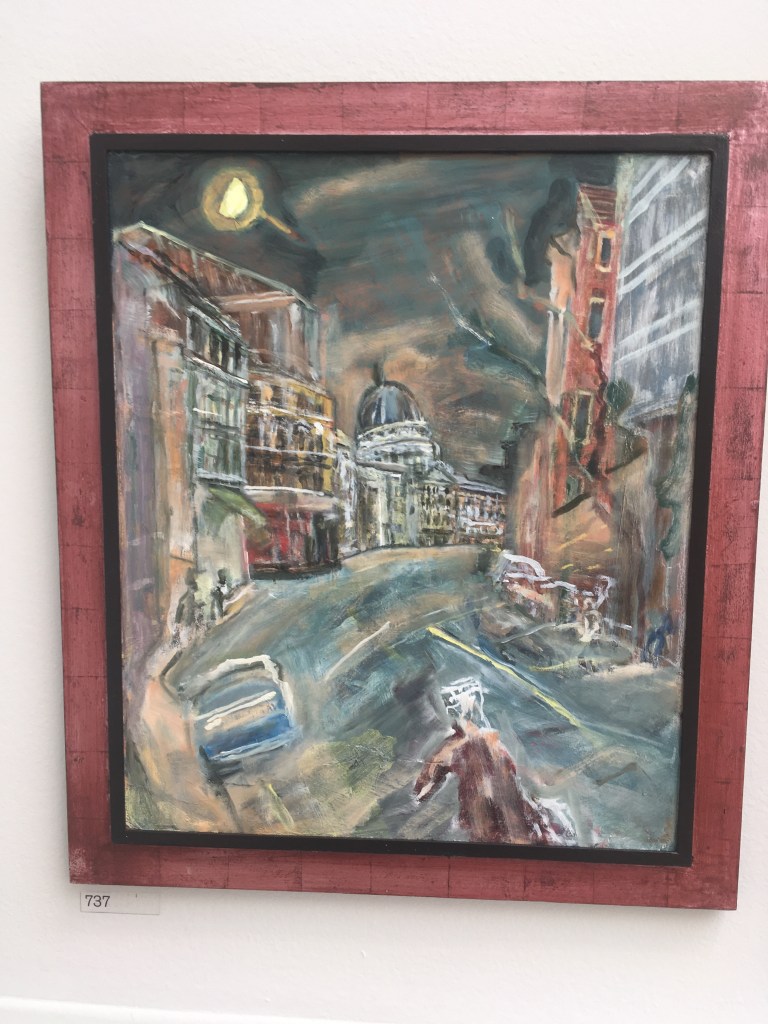
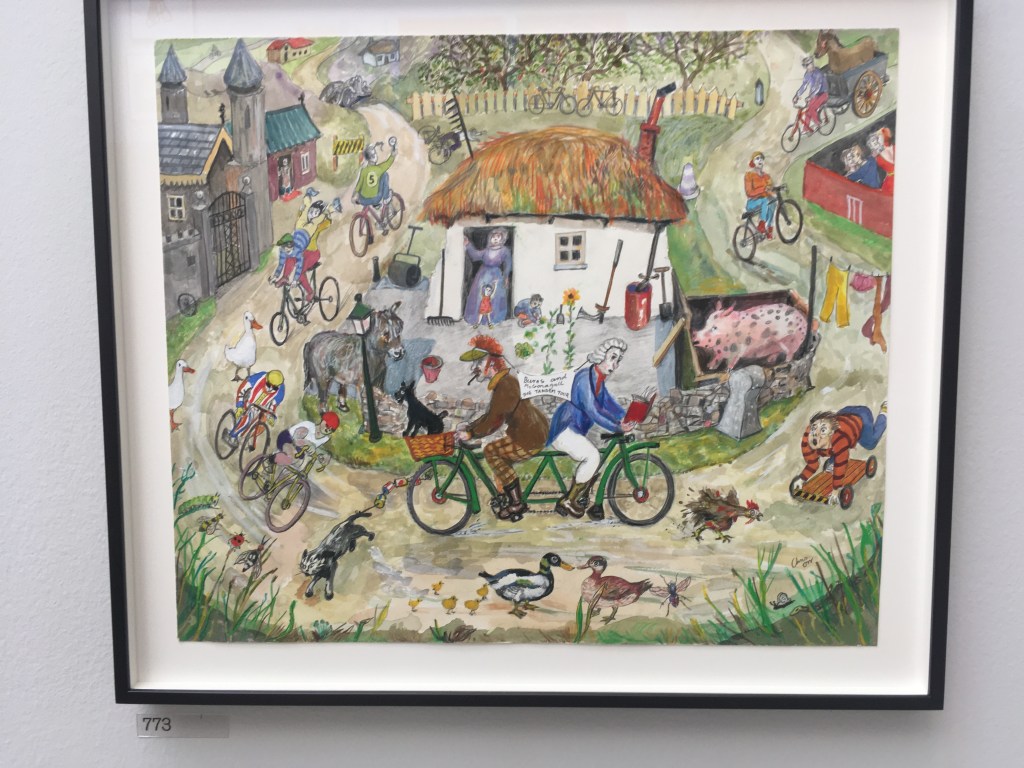
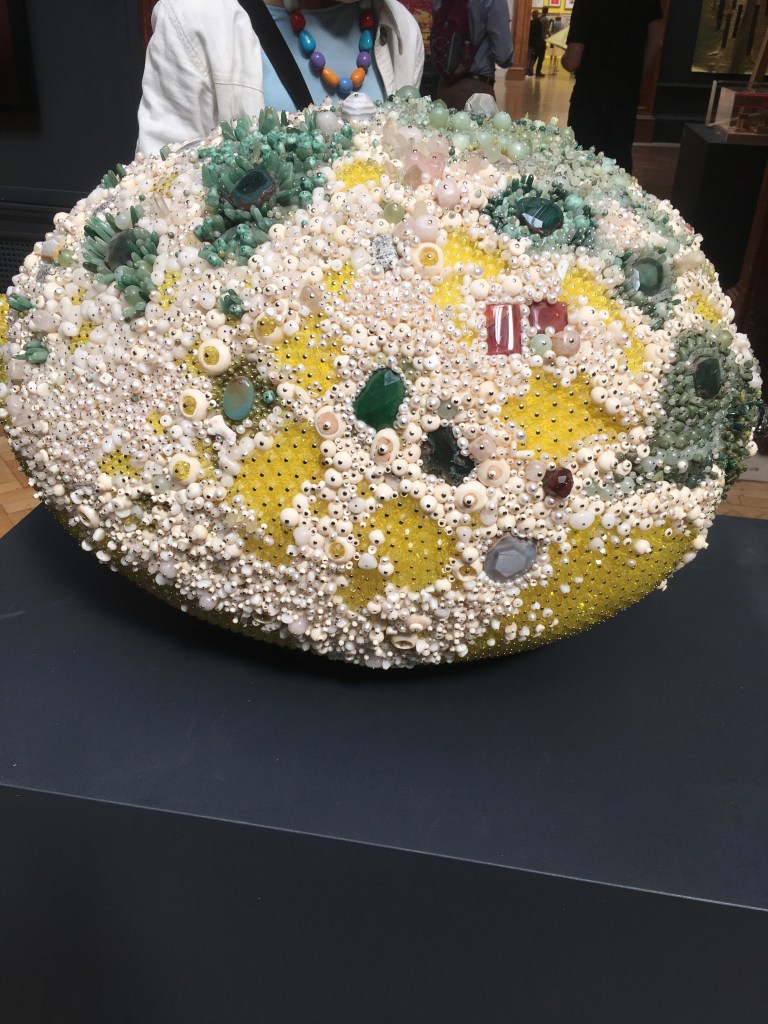
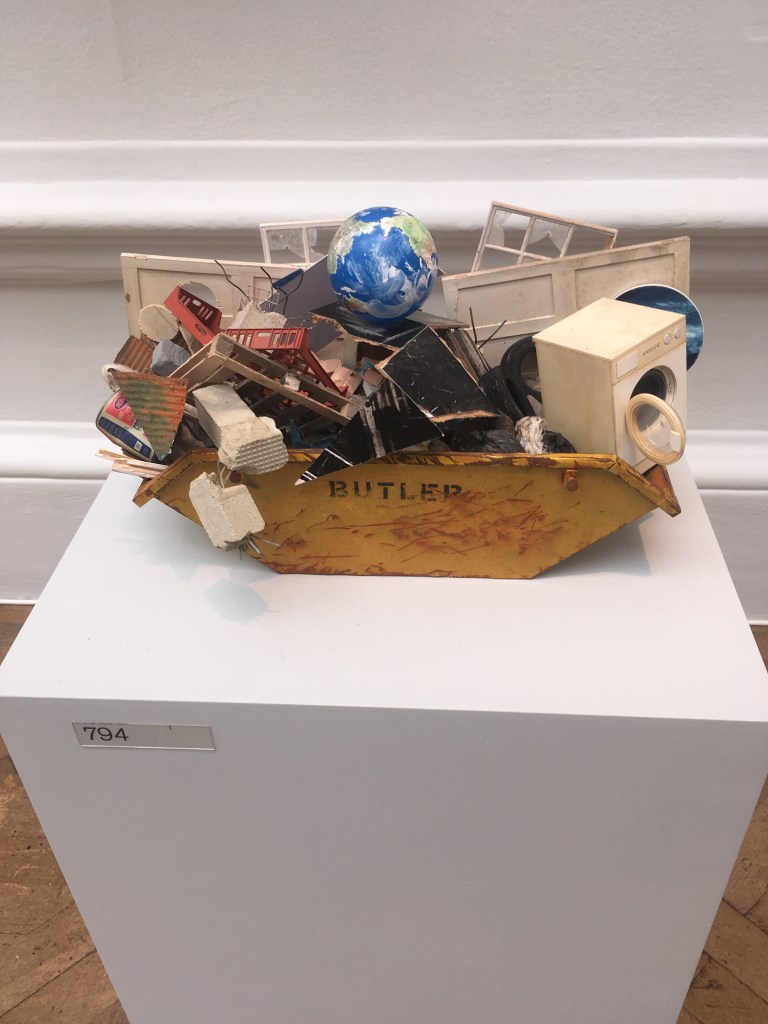
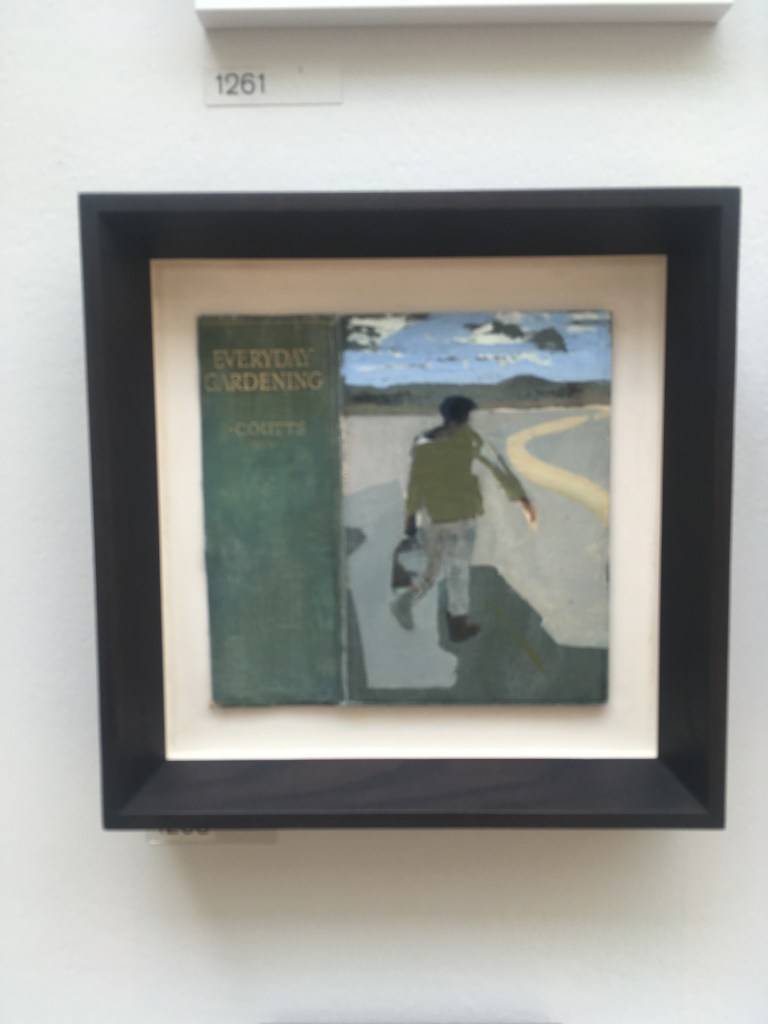
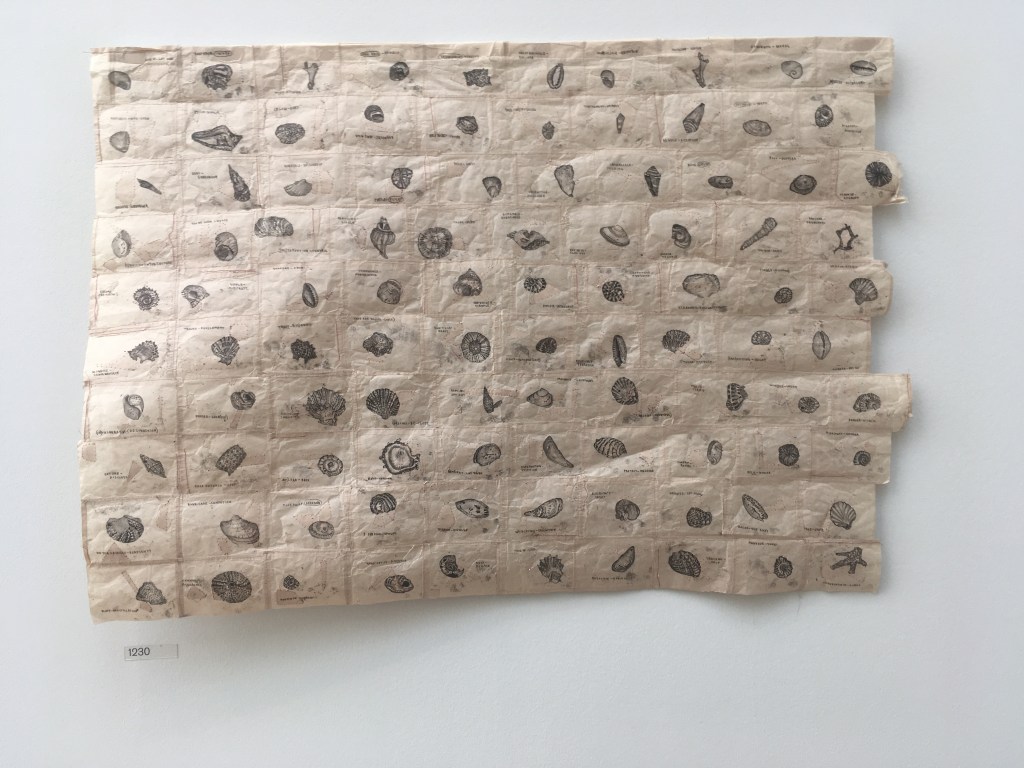
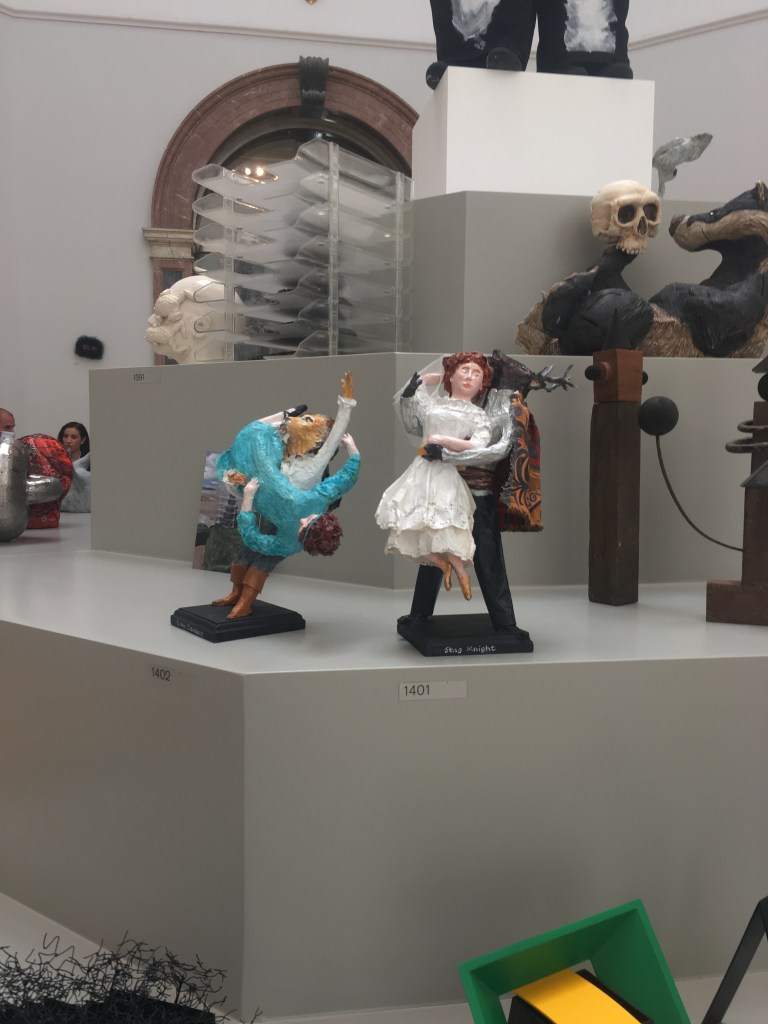
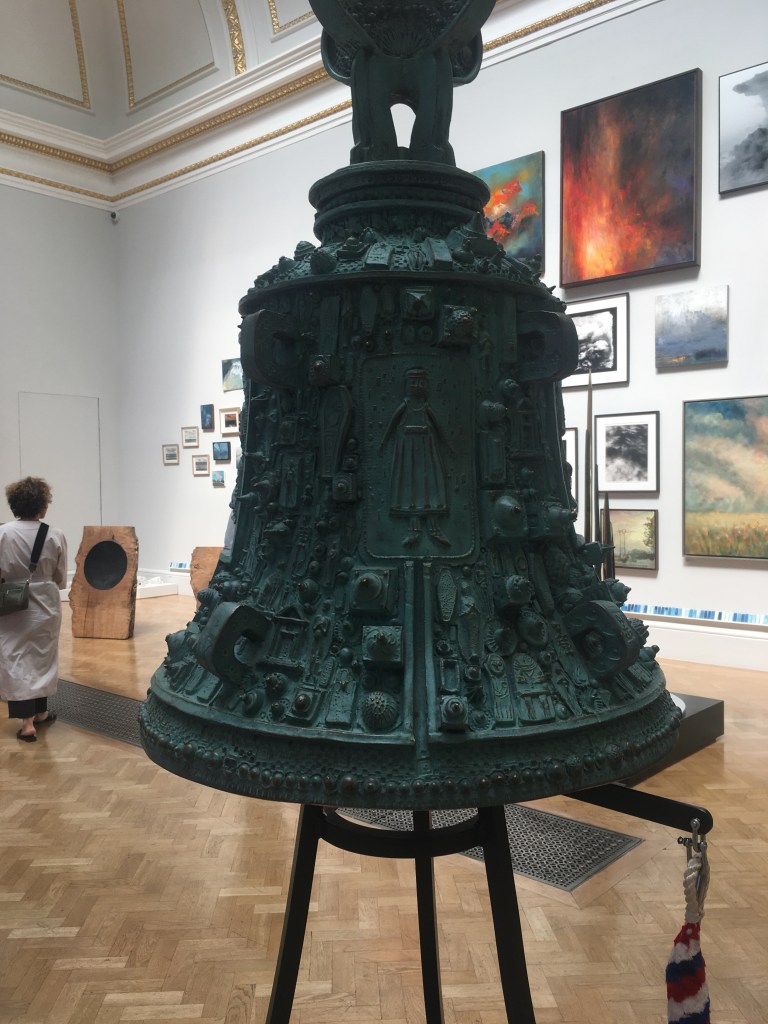
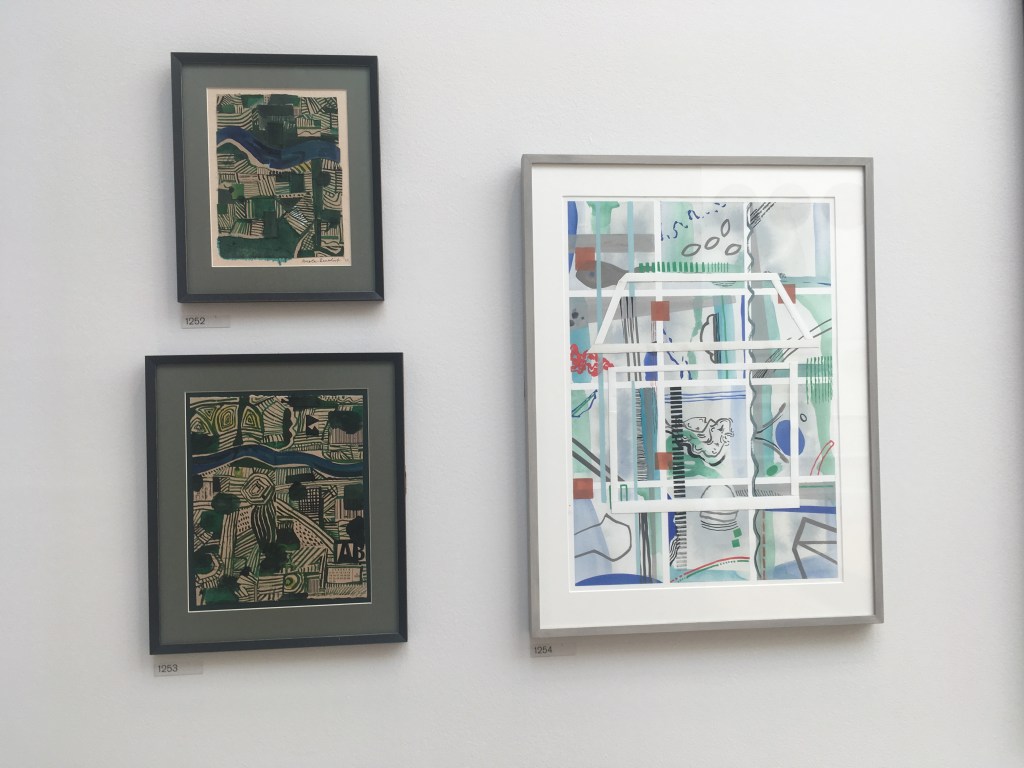
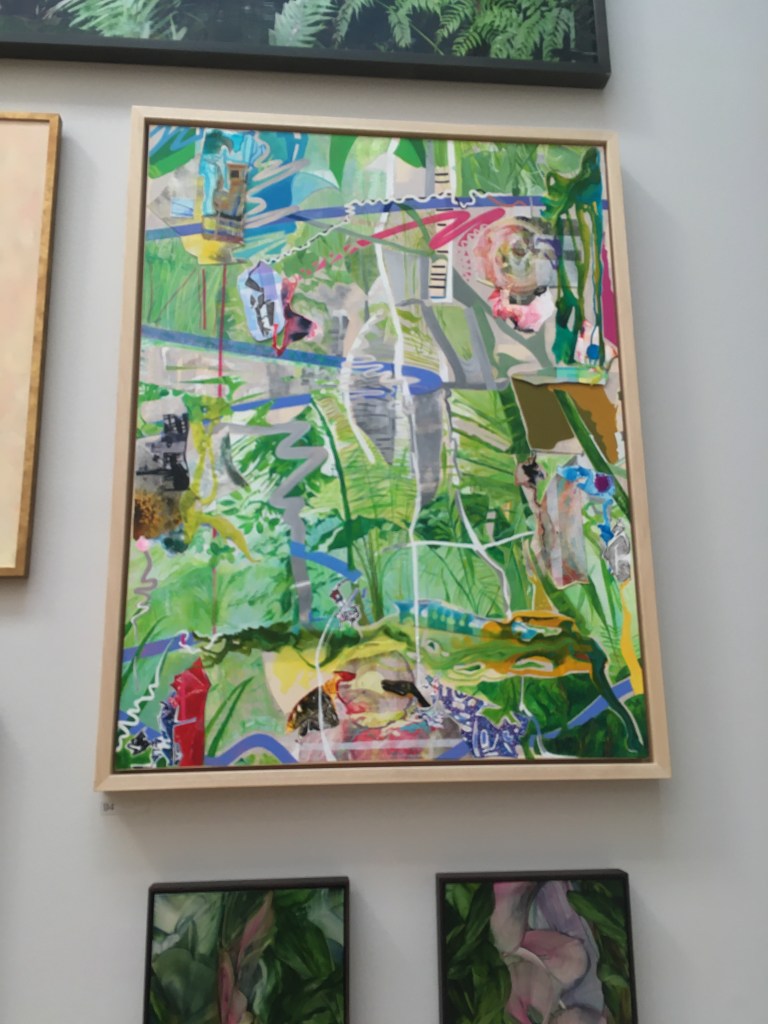
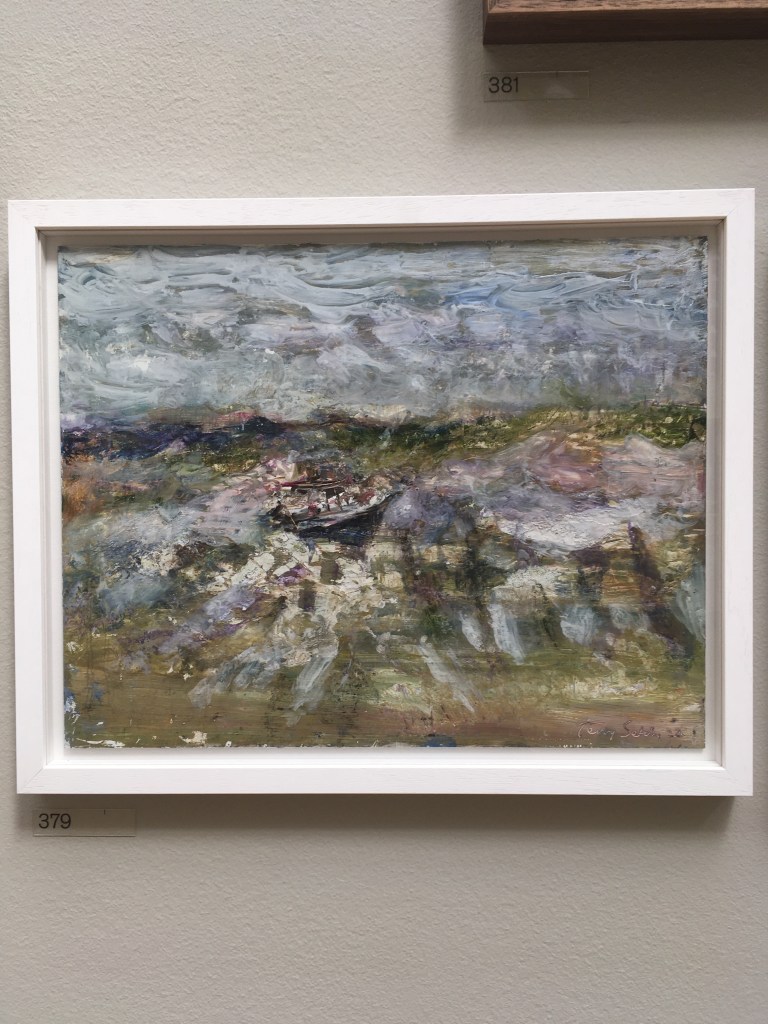
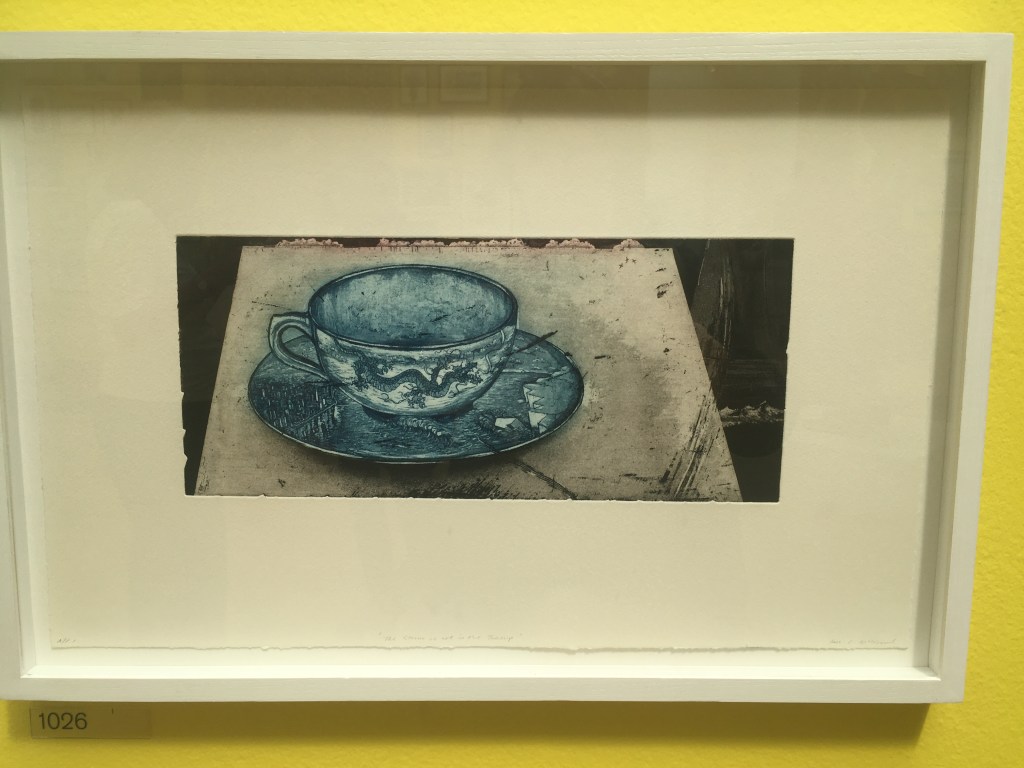
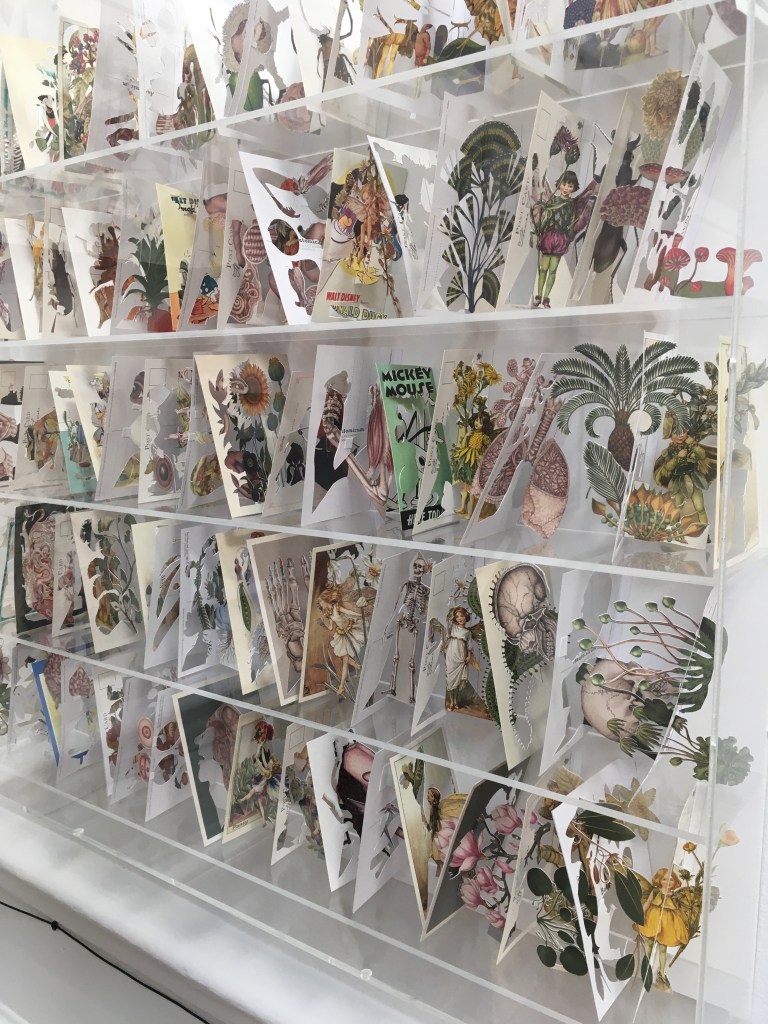
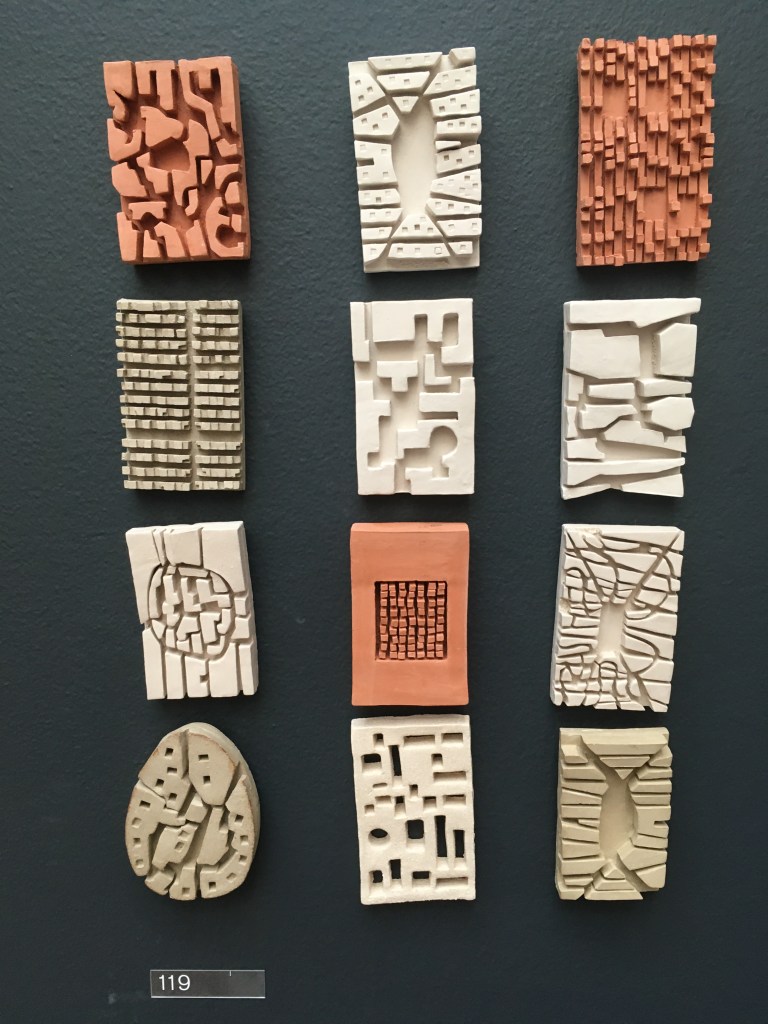
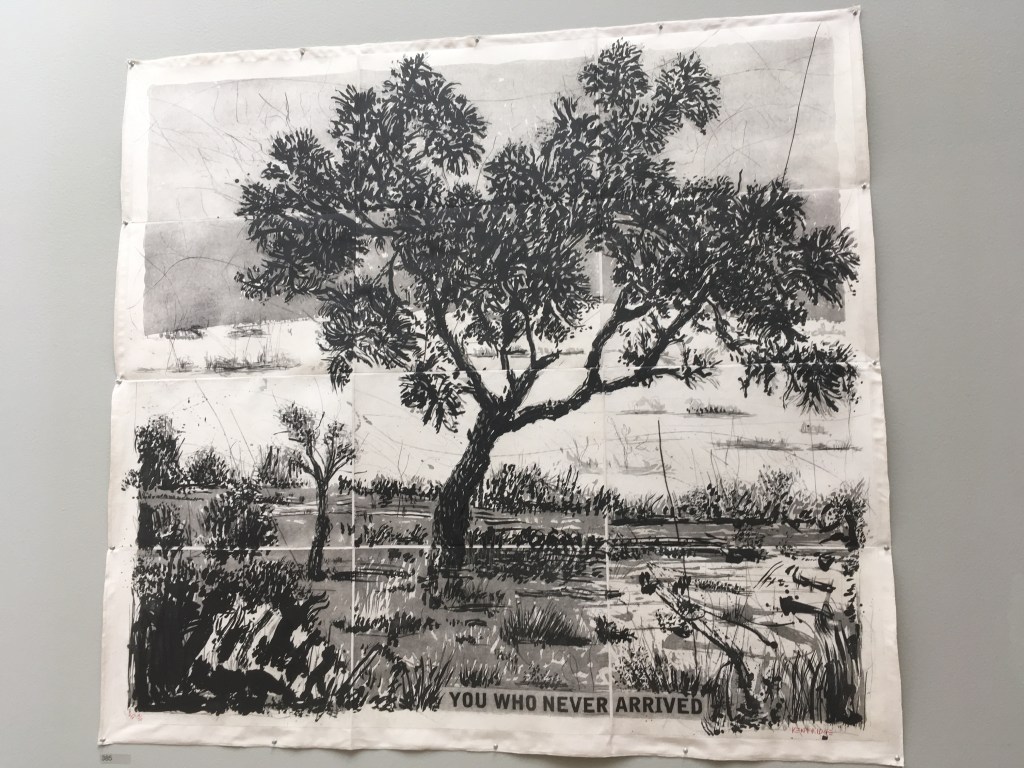
Quilt by Tom Phillips RA Hand stitched paper and cotton fabricAttention All Shipping by Tobias Till lino cut and stencilOne Blood by Dick JewellMoon above St John Street by Timothy Hyman RABurns and McGonagall – the Tandem Tour, by Chris Orr, RA watercolour and oil pastel Bad Lemon by Kathleen Ryan Land skip – Blue Planet by Jeremy ButlerI used to Love you by Kevin KnowlesEveryday Gardening by Davina Jackson acrylic ink and gouache on book cover Unsheltered by Emily Lucas monoprint drawingStag Night by Eleanor Clutton-Brock paper and wire Check 5 and Check 7 by Francesca Simon acrylic and pencil Grayson Perry’s Covid BellMoments Home Sweet Home by Chloe Fremantle gouache and collage on paperErasure by Sarah ArsenaultSunloungers by Jessic Rose, linocutWreck on the Ely by Terry Setch RA oil and encaustic wax on aluminiumListen to the Darkness Sleeping at the Water’s Edge by Kate Davis and David Moore Woven music score and text The Storm is not in the Teacup by Ian McNicol etching and aquatintShort Stories II by Jack Milroy Cut and constructed postcardsVillages ceramic by Peter Barber RA ElectYou Who Never Arrived William Kentridge Hon RA coffee-lift ground aquatint etching
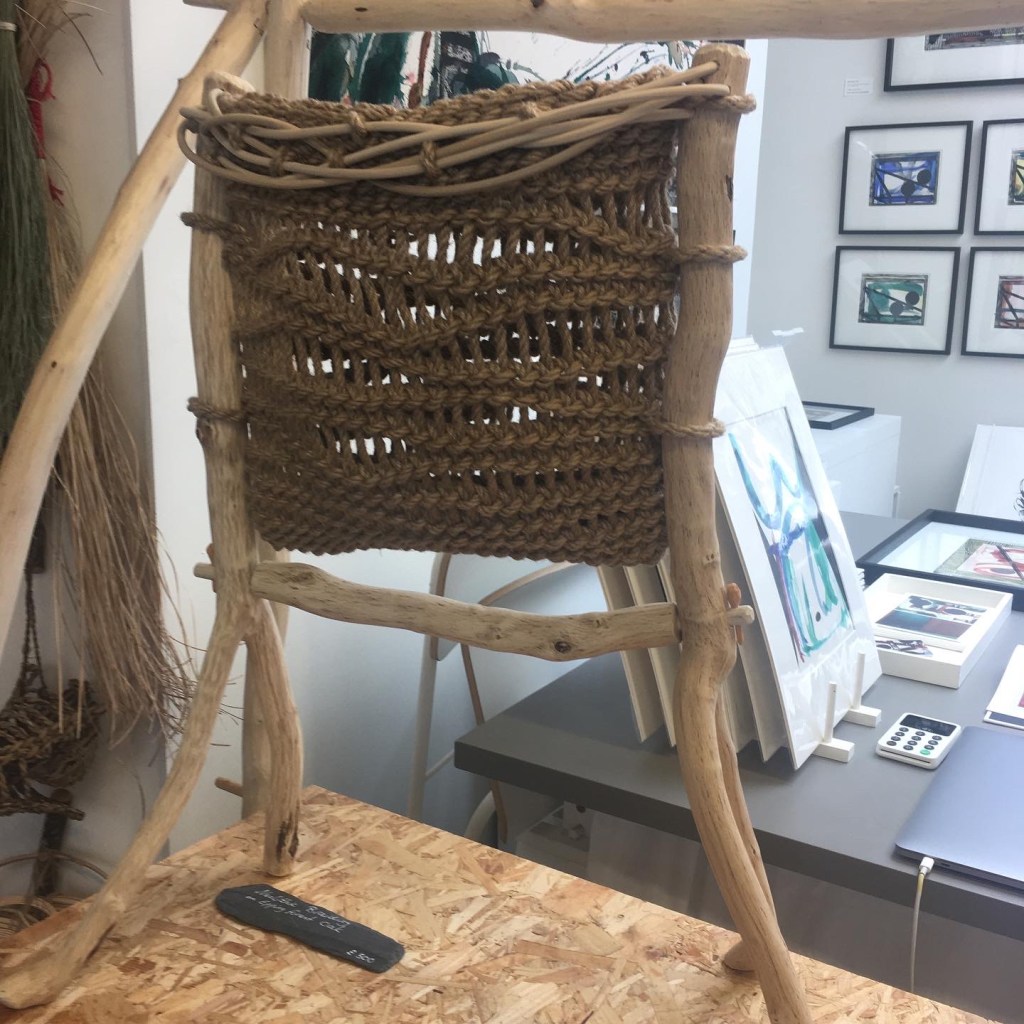
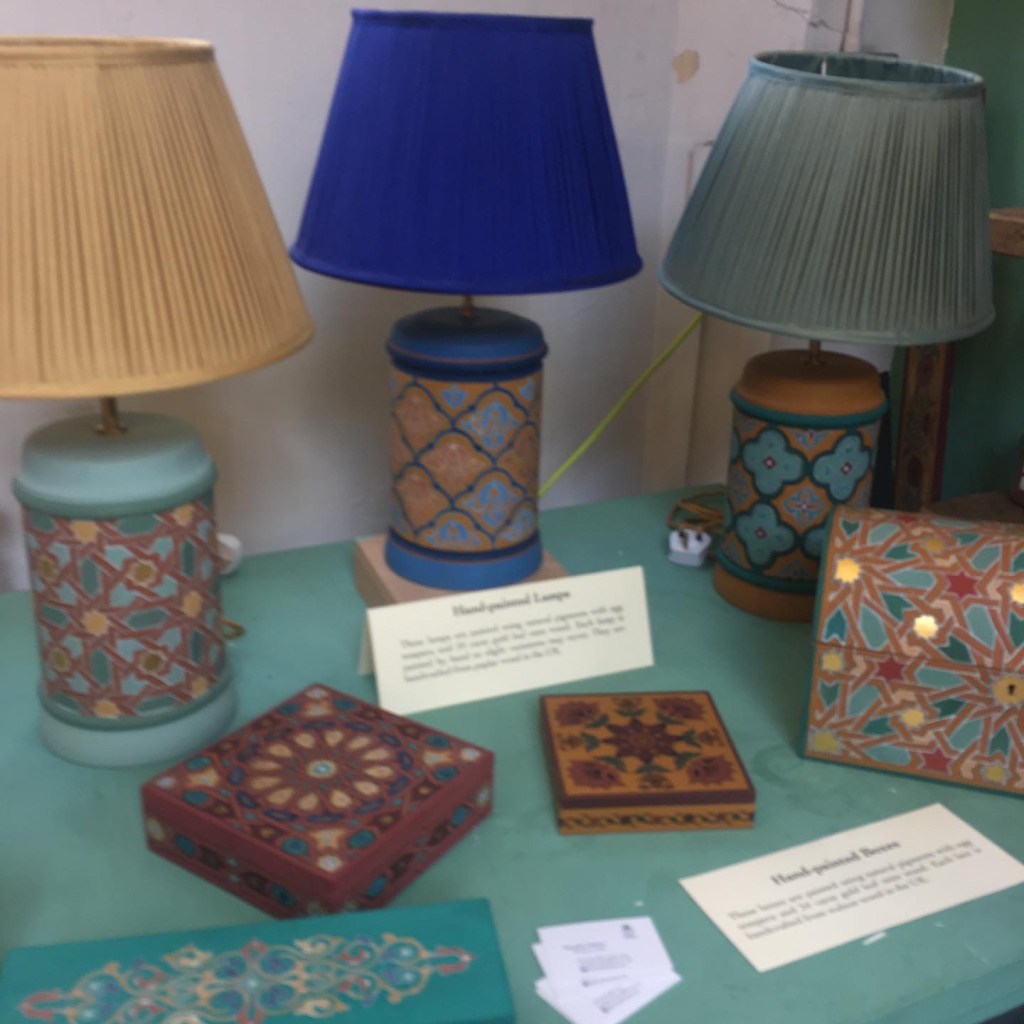
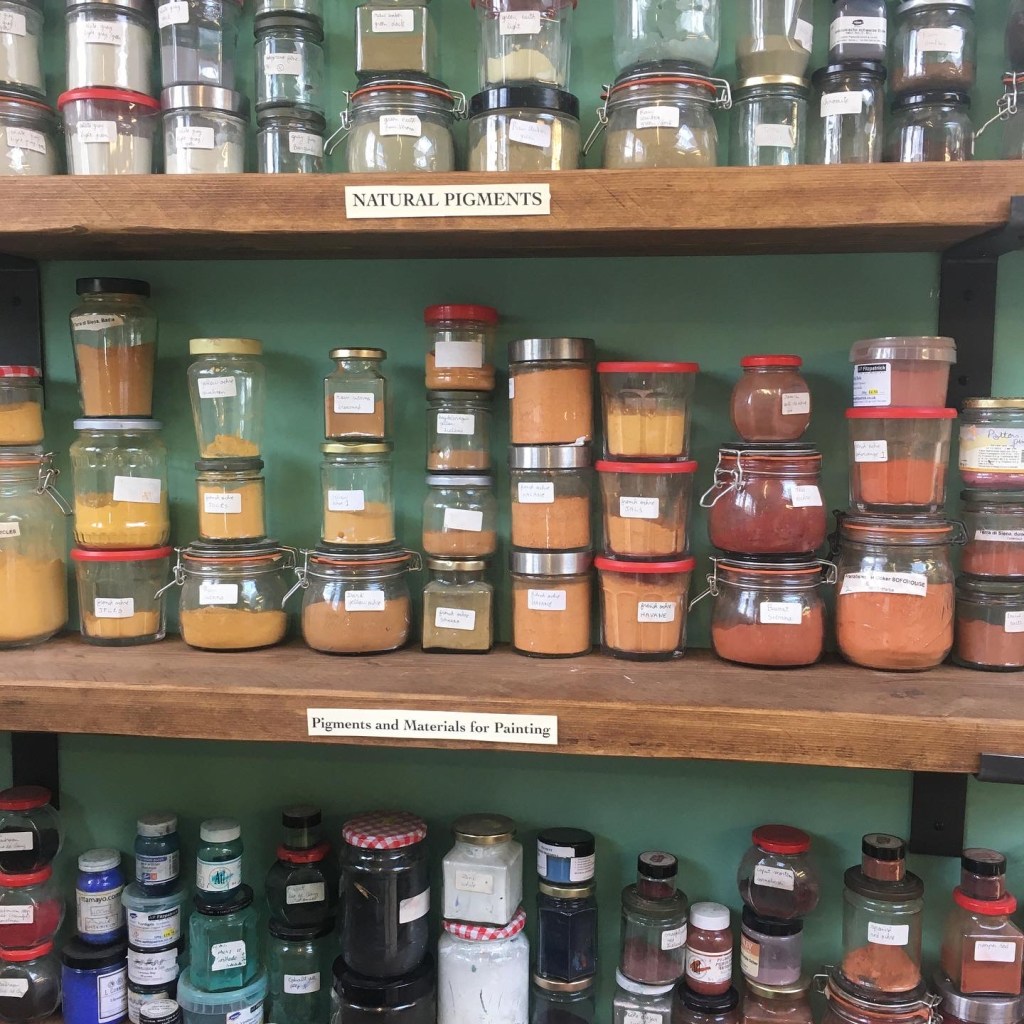
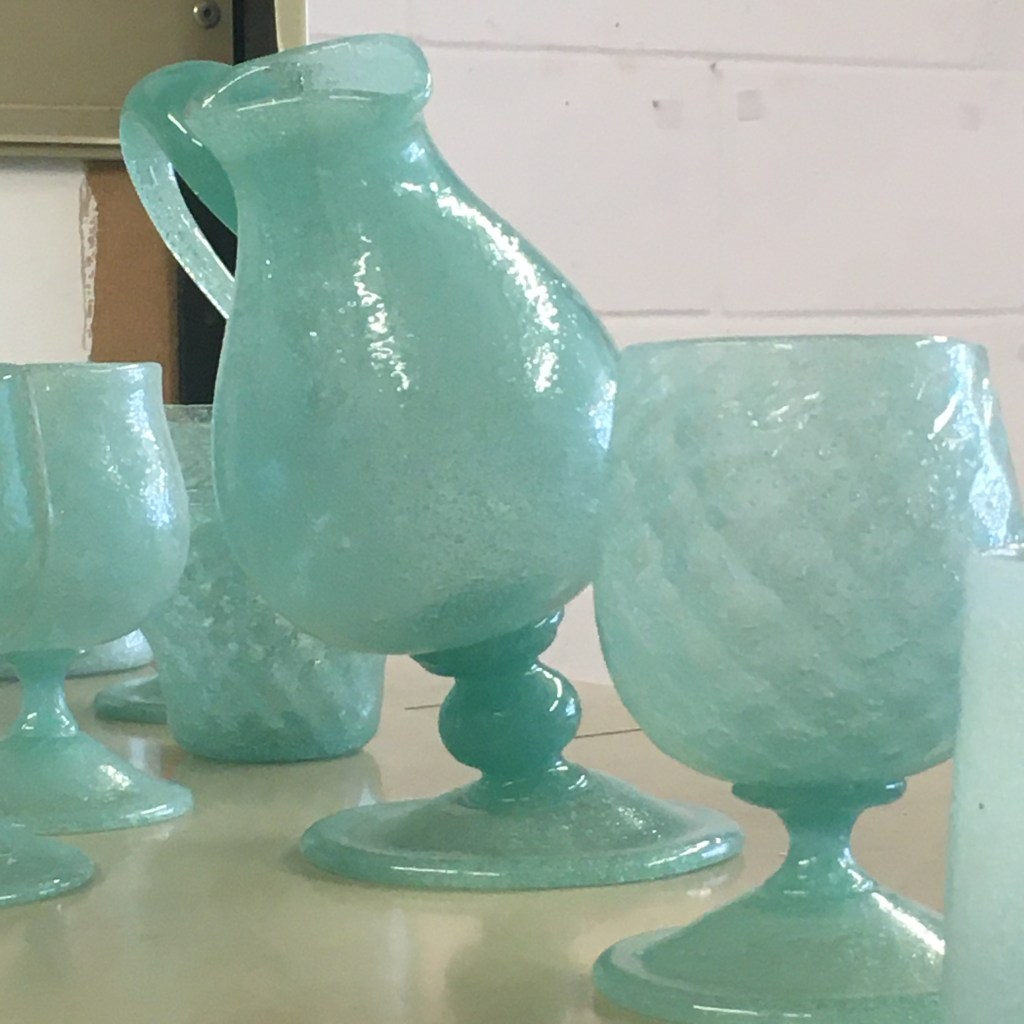
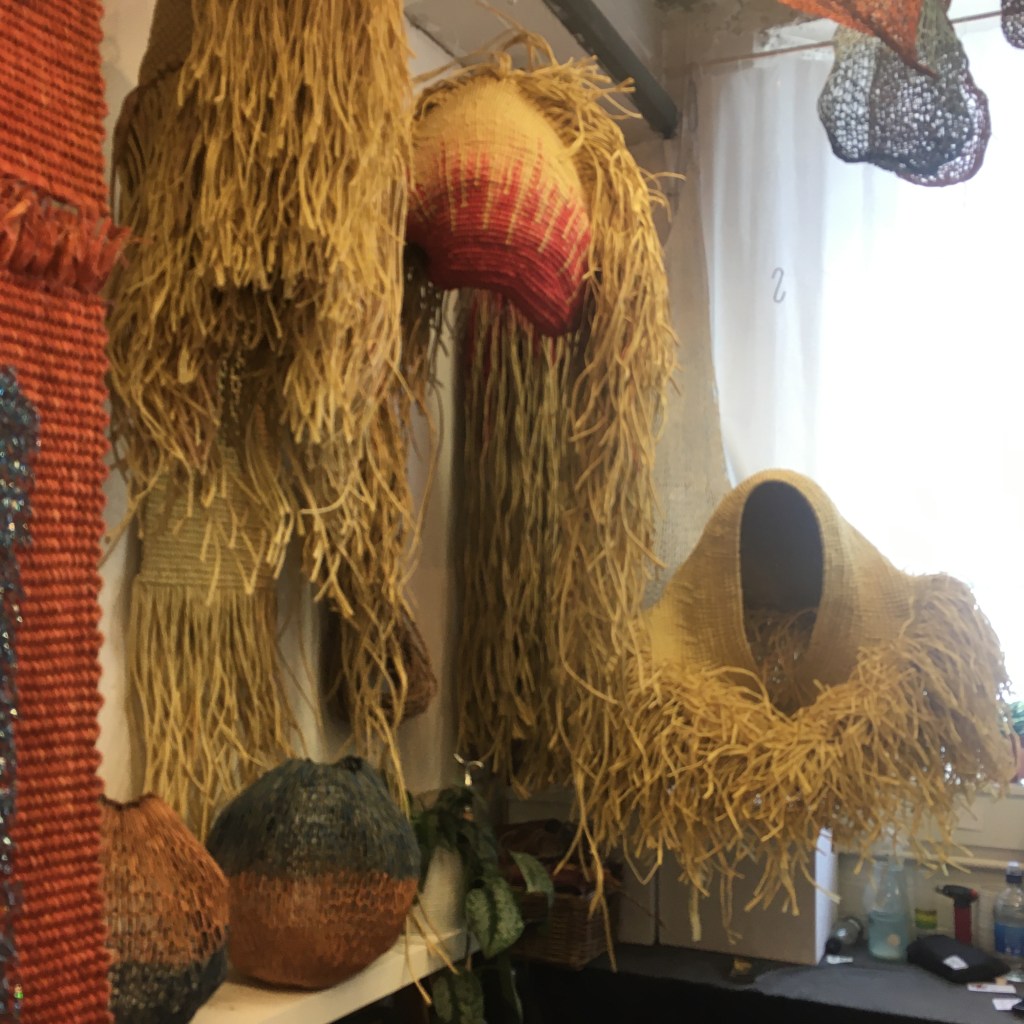
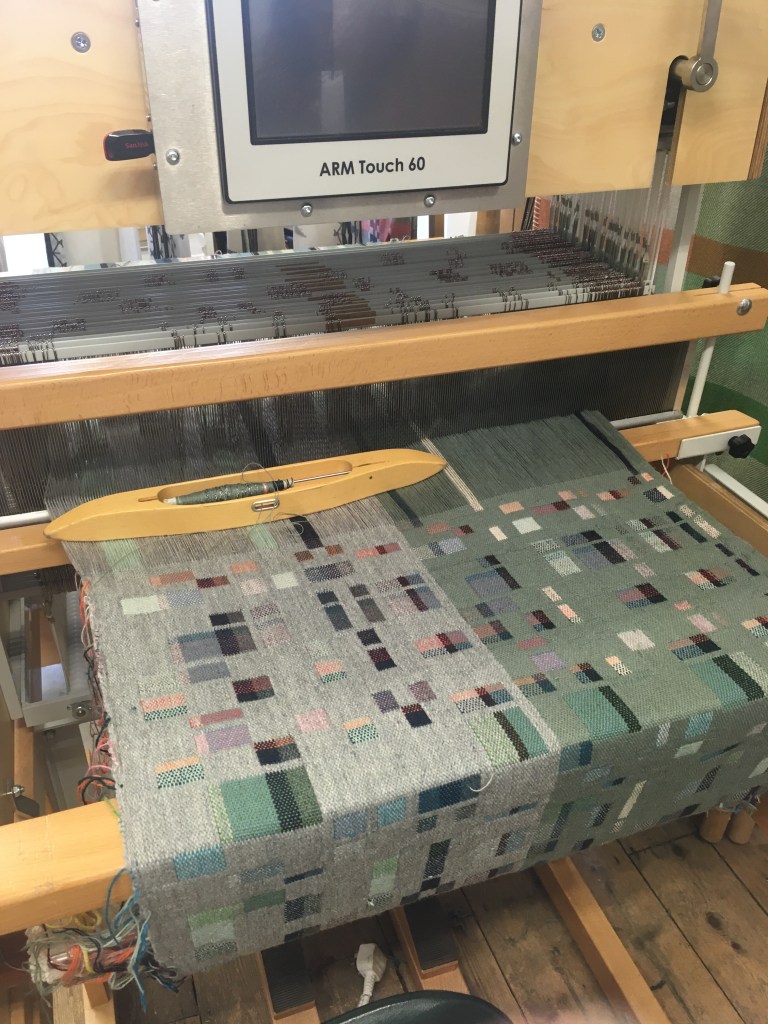
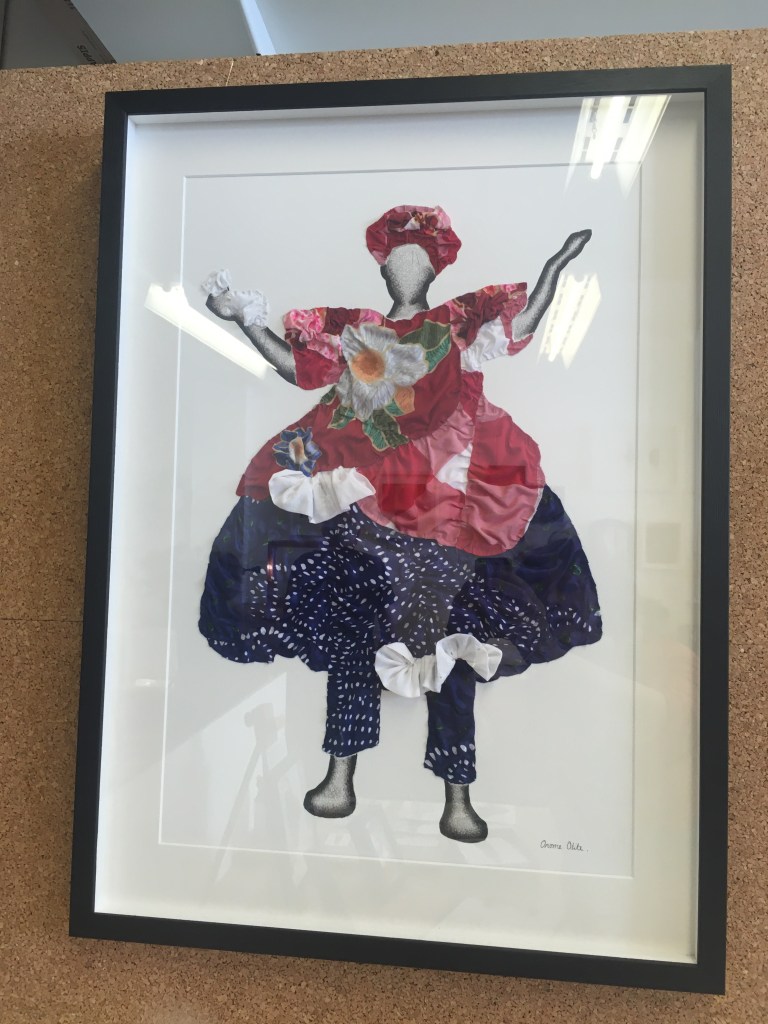
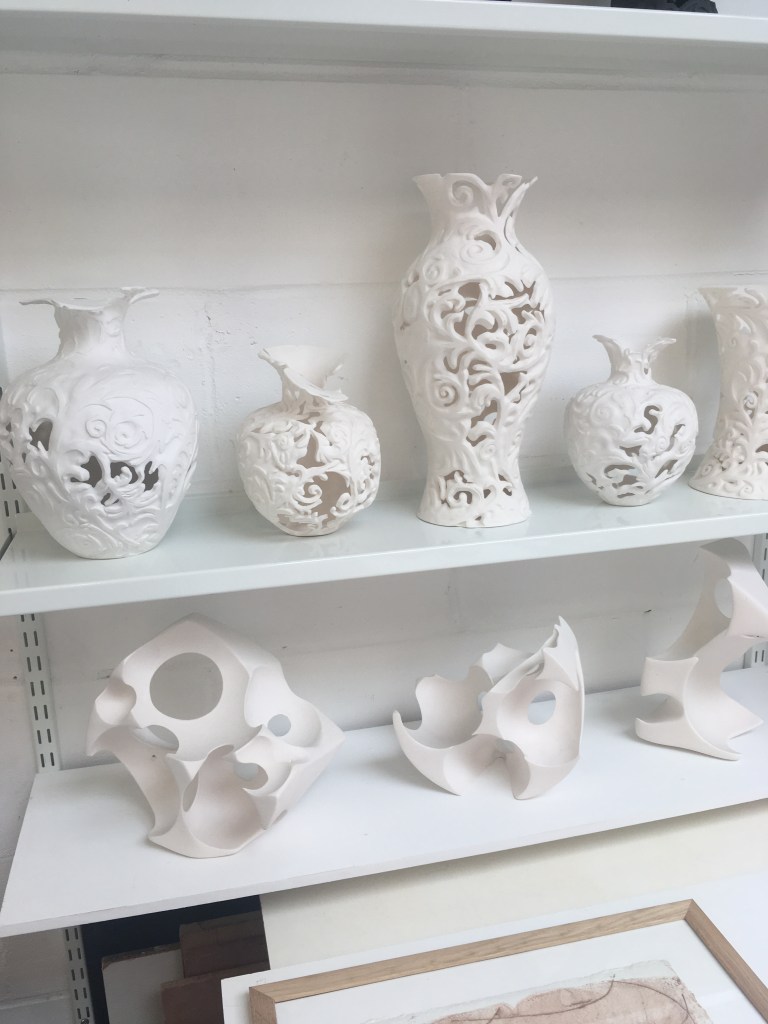
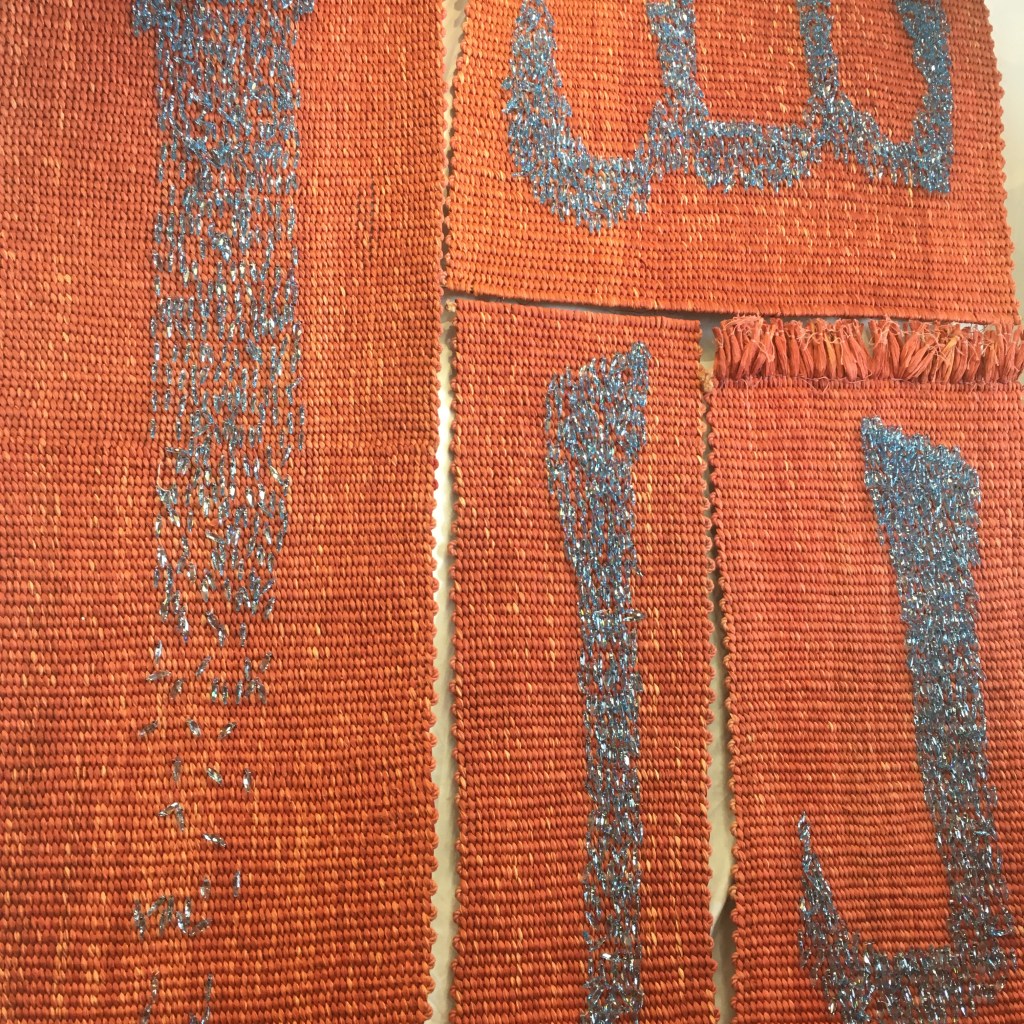
Loved Lisa Atkin’s creative weaving.These woven chairs on chunks of trunk were wonderful Natasha Mann is a decorative aritst who has a collection of wonderful earth colours to paint with. http://www.natasha-mann.comNatasha Mann’s collection of pigmentsLucille Lewin creates very intricate and exotic ceramicshttp://www.lucillelewin.comThis tipsy jug was so appealing. All the pieces were made from the sand and silt from the River Thames.Enjoyed chatting to Jacky Oliver about her work and the way her creations convey strong messages about the environment and social issues.http://www.jackyoliver.co.ukEsnasu Onome itite http://www.onomeotite.comFascinating pieces by Tamsin Van Essenhttp://www.tamsinvanessen.comhttps://thornbackandpeel.co.uk/
There were so many more amazing works I saw but I simply can’t include everything. Look forward to returning next year and seeing how everyone has progressed at Cockpit Arts.
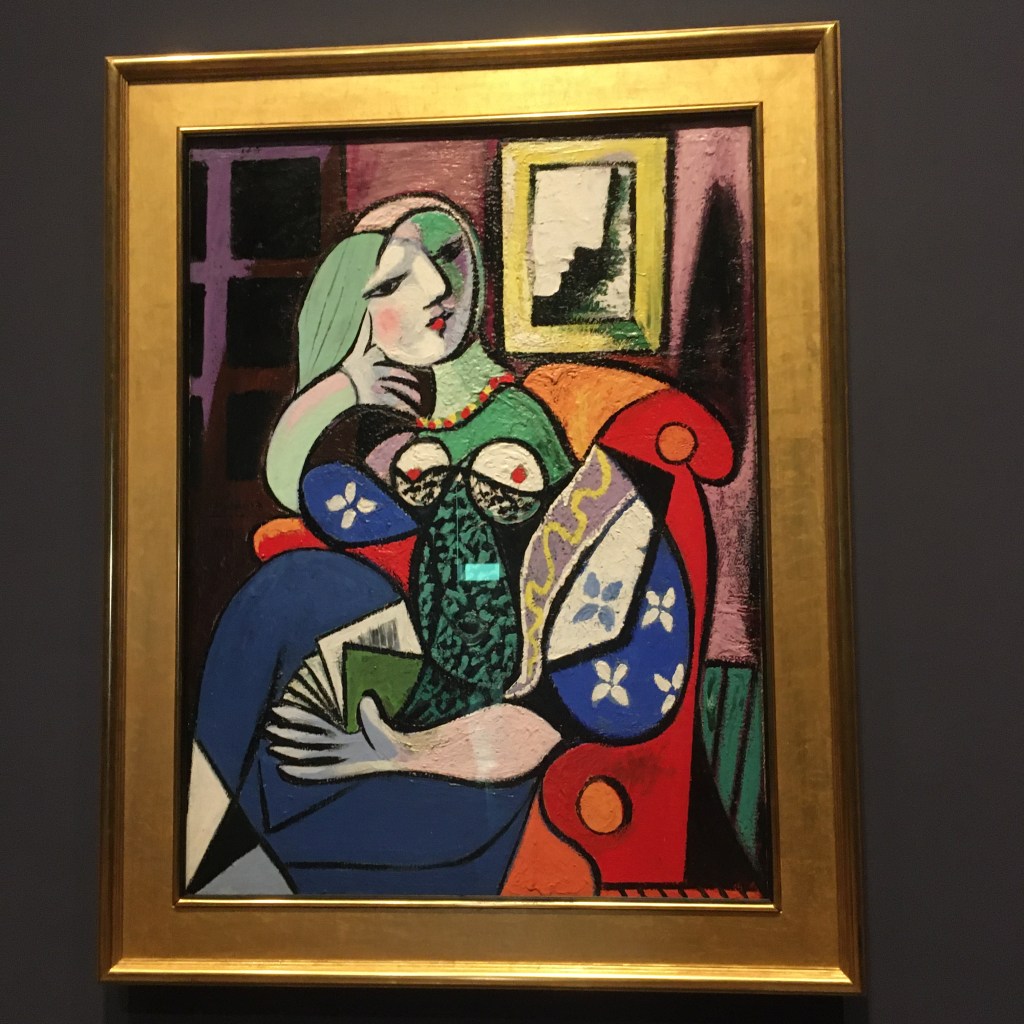
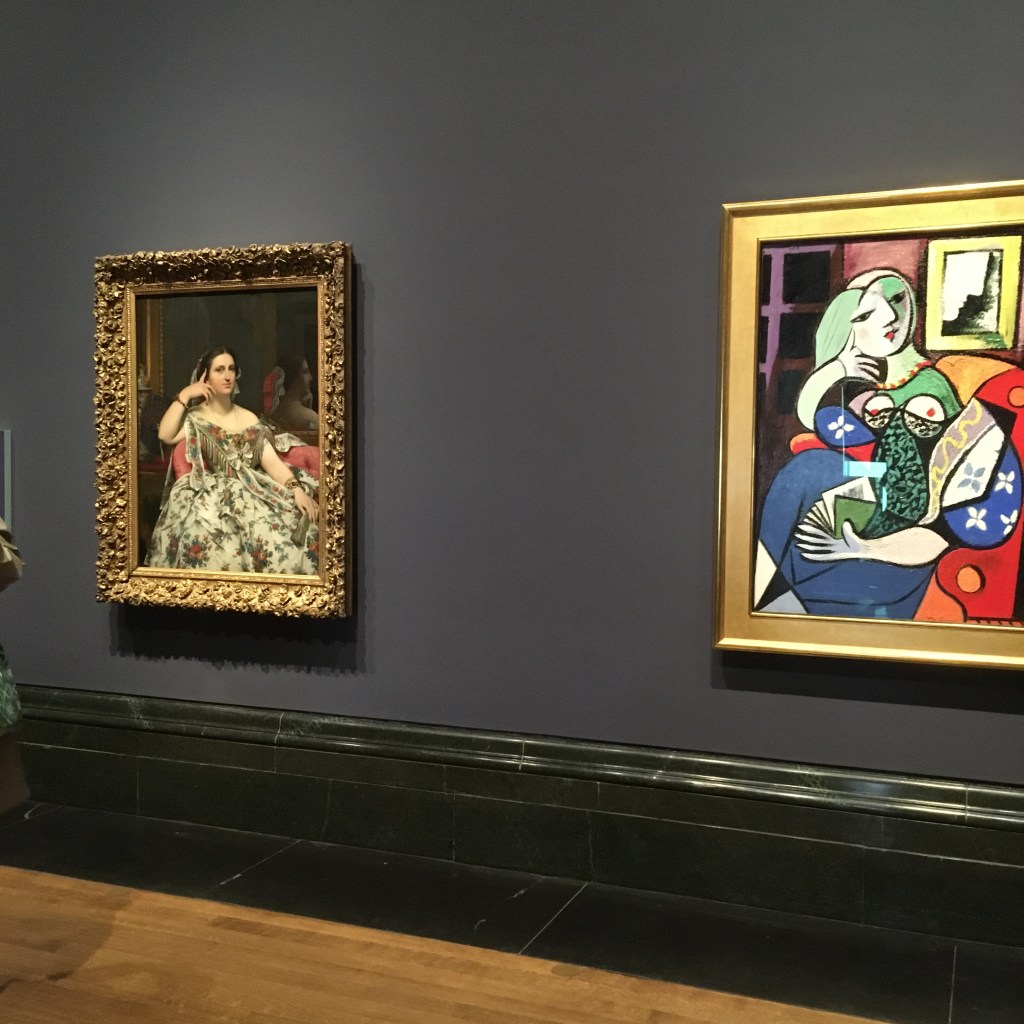
You get almost a visceral hit when entering Gallery 46 at the National Gallery and encountering two utterly stunning portraits placed side by side in the space. Your eye is initially drawn to the hot, bold and striking colours used by Picasso and then you slide to the left and are seduced by the gorgeous, smooth porcelain skin created by Ingres along with a bravura depiction of sumptuous floral silk fabric and a rich interior.
It was fascinating to hear that the pose Ingres chose was, itself, ‘stolen’ from a painting found on the walls of the buried Roman city of Herculaneum depicting the Roman goddess Arcadia with her right hand placed near her face, her finger to her head representing intelligence, thoughtfulness and education. That image, in turn, can be found in even older images from Greek civilisation. Artists do indeed ‘borrow and steal’ and have done for millennia.
Where Madame Moitessier is holding a fan, Marie-Therese is holding a book. They are both seated in comfortable chairs or chaise-longue and the background is dark. Apparently Ingres took many years to complete his portrait and, at one stage, changed the fabric of the dress from yellow to the gorgeous floral design which was the fashion of the day. Picasso’s portrait oozes speed and urgency and the brush strokes and thickly layered paint gives the piece tremendous drama and appeal.
It’s great to see the two pictures side by side. It’s the ultimate artistic compare and contrast.
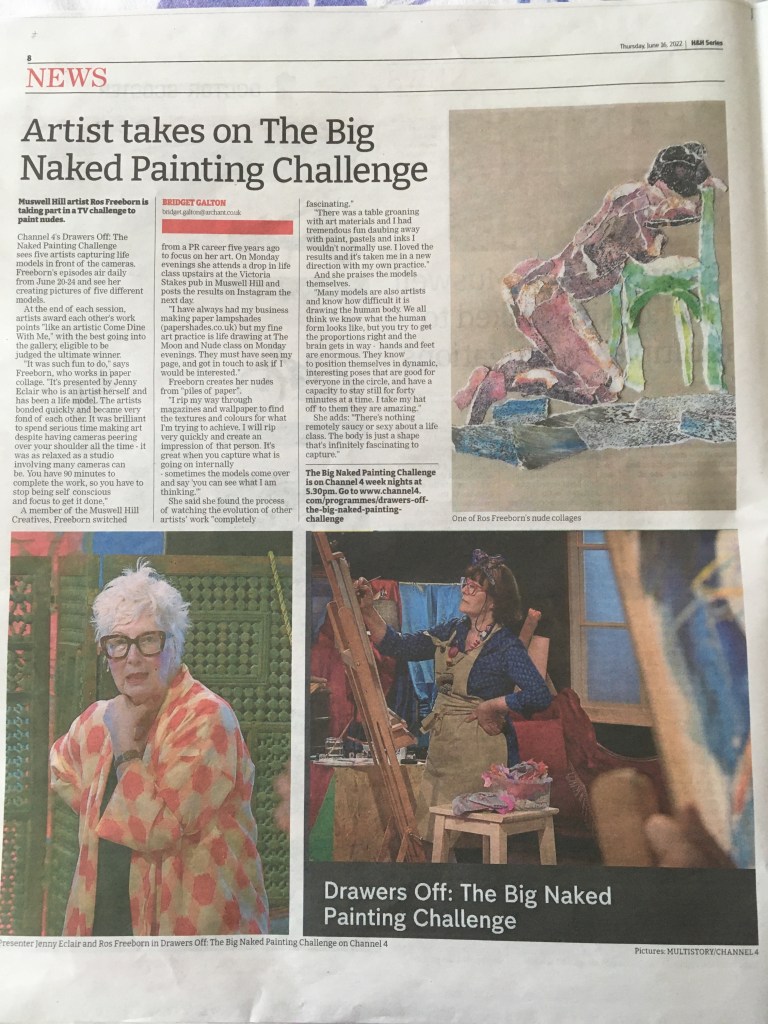
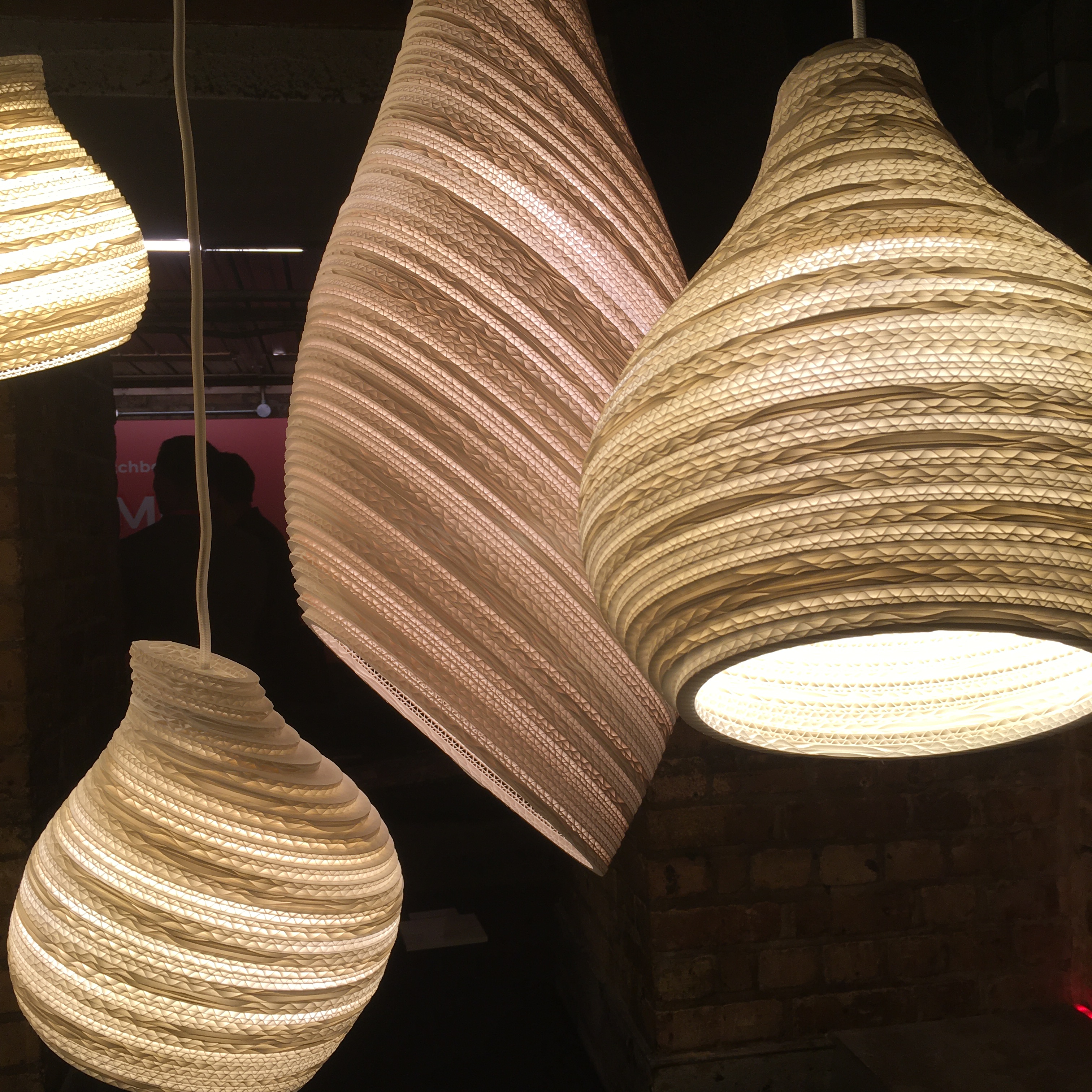
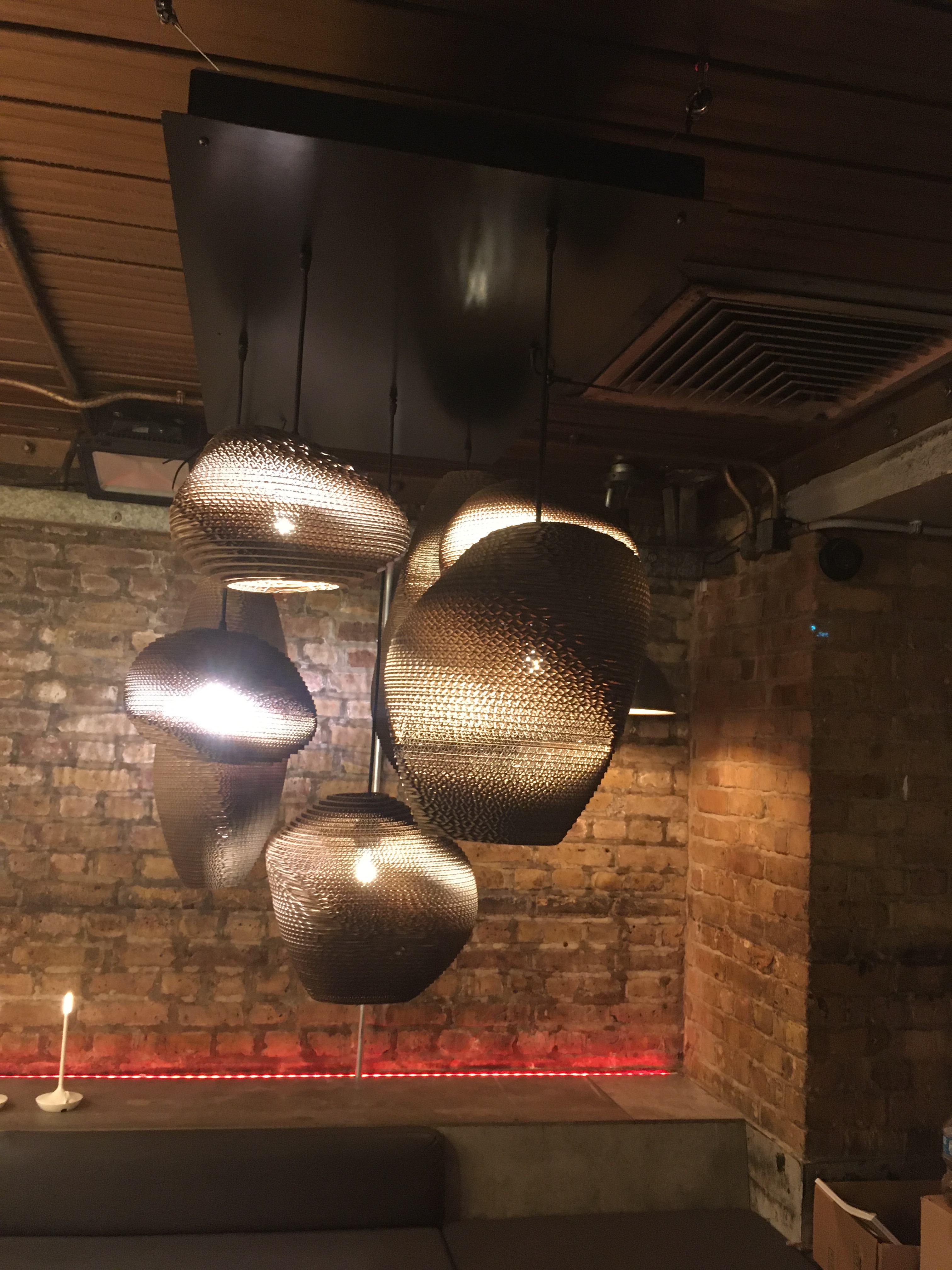
It’s great to be back in Clerkenwell and even more exciting to be there the day after the brand new Elizabeth Line opened. So, of course I had to explore the new whizzy concourse at Farringdon Station, hop onto one of the the sleek, swift, silent new trains and take a modest ride to Tottenham Court Road before returning to Clerkenwell to start my tour of Clerkenwell Design Week. There was lots to see in this fascinating part of London. I’m always drawn to paper in any form and was delighted to see these charming paper lampshades at Pad Home. They’re made from layers of corrugated card and look really cool with their curvy, organic shapes and they shed a beautiful light too.
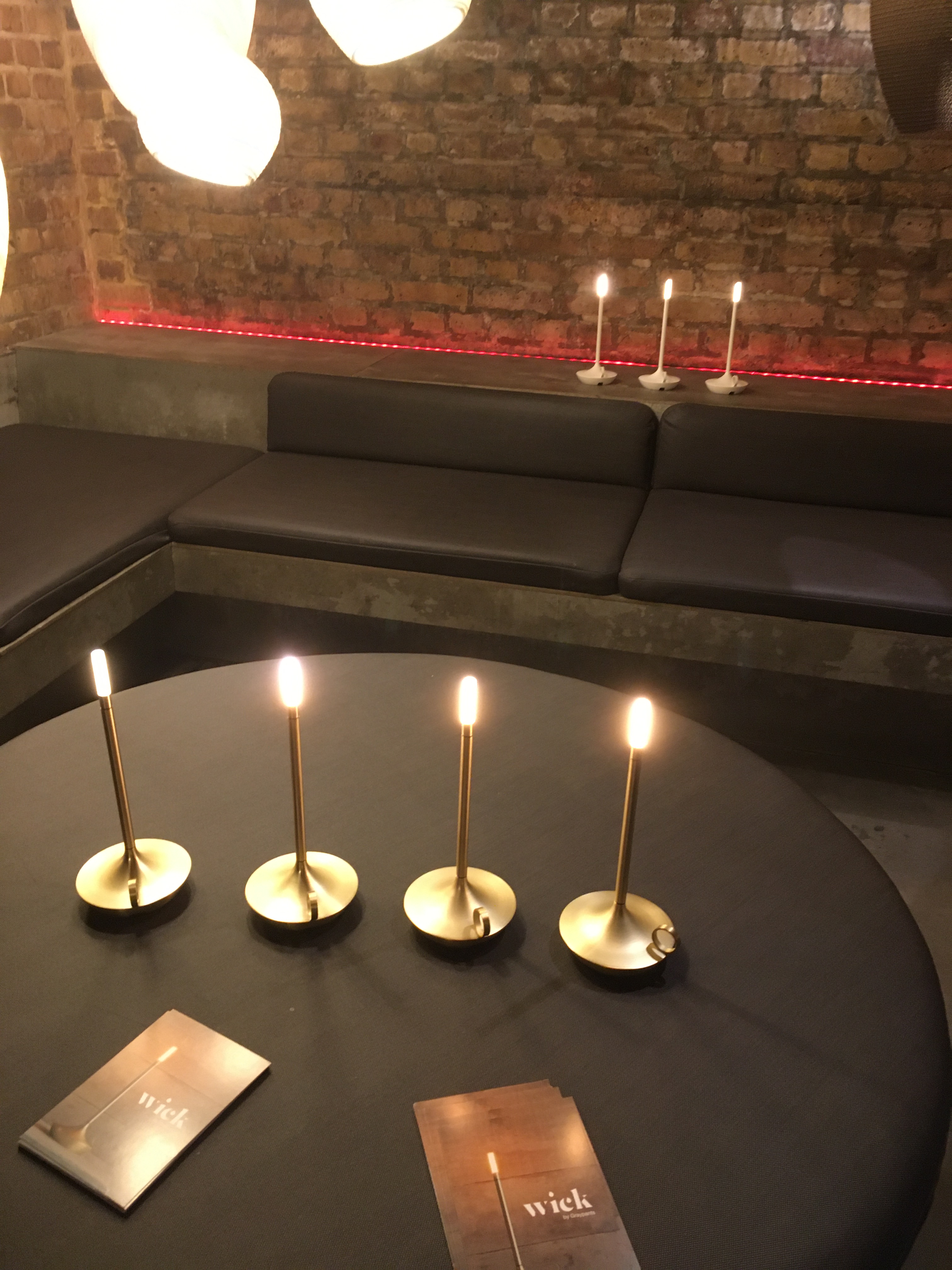
I was also taken by the little Wick Candlesticks which are LED lights which you can charge up and will keep going for around 100 hours. Given the current crisis over energy I think we may well be returning to a time of darkened homes when we will just have a ‘candle’ to light you to bed rather than spending a fortune on keeping the entire house in a blaze of light all night long.
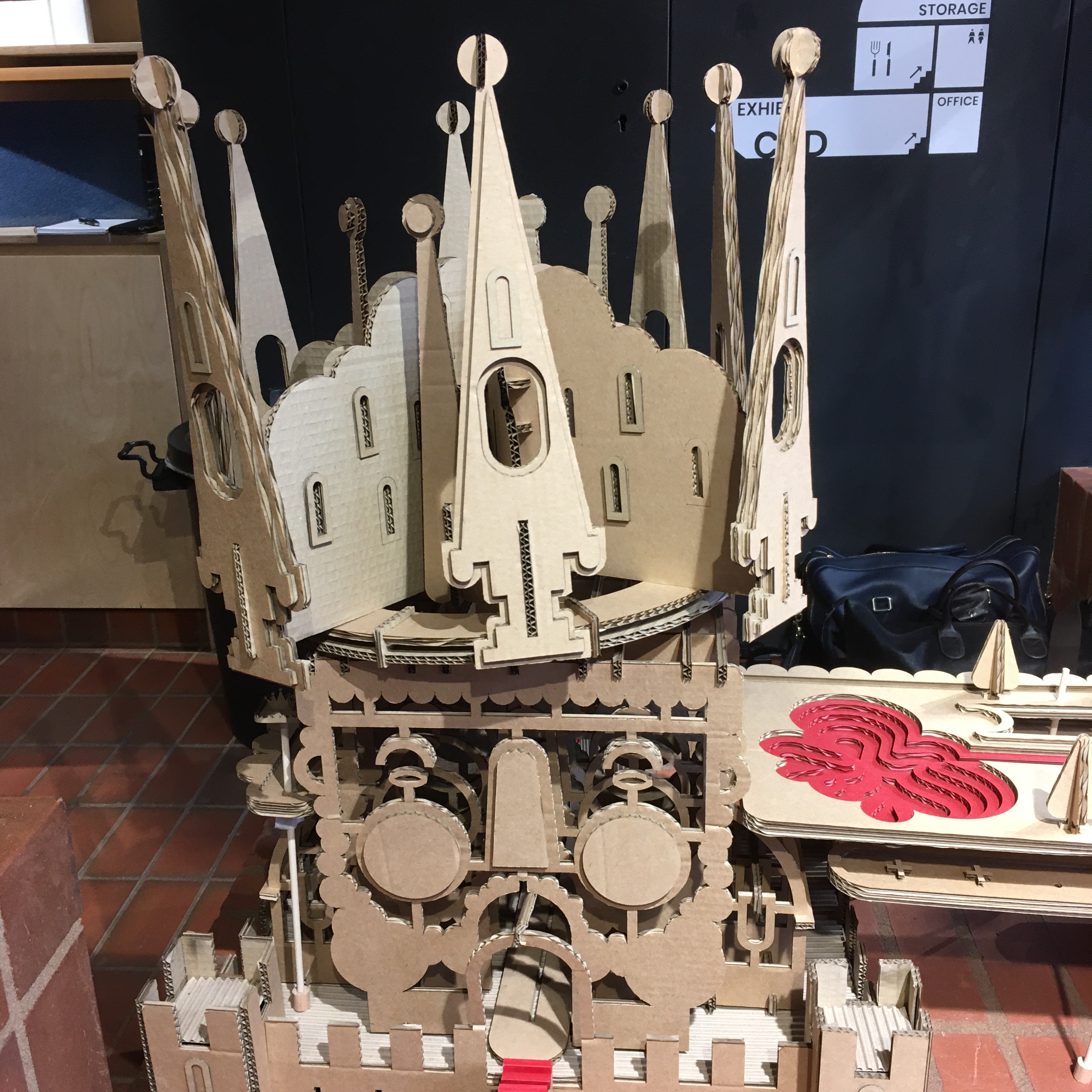
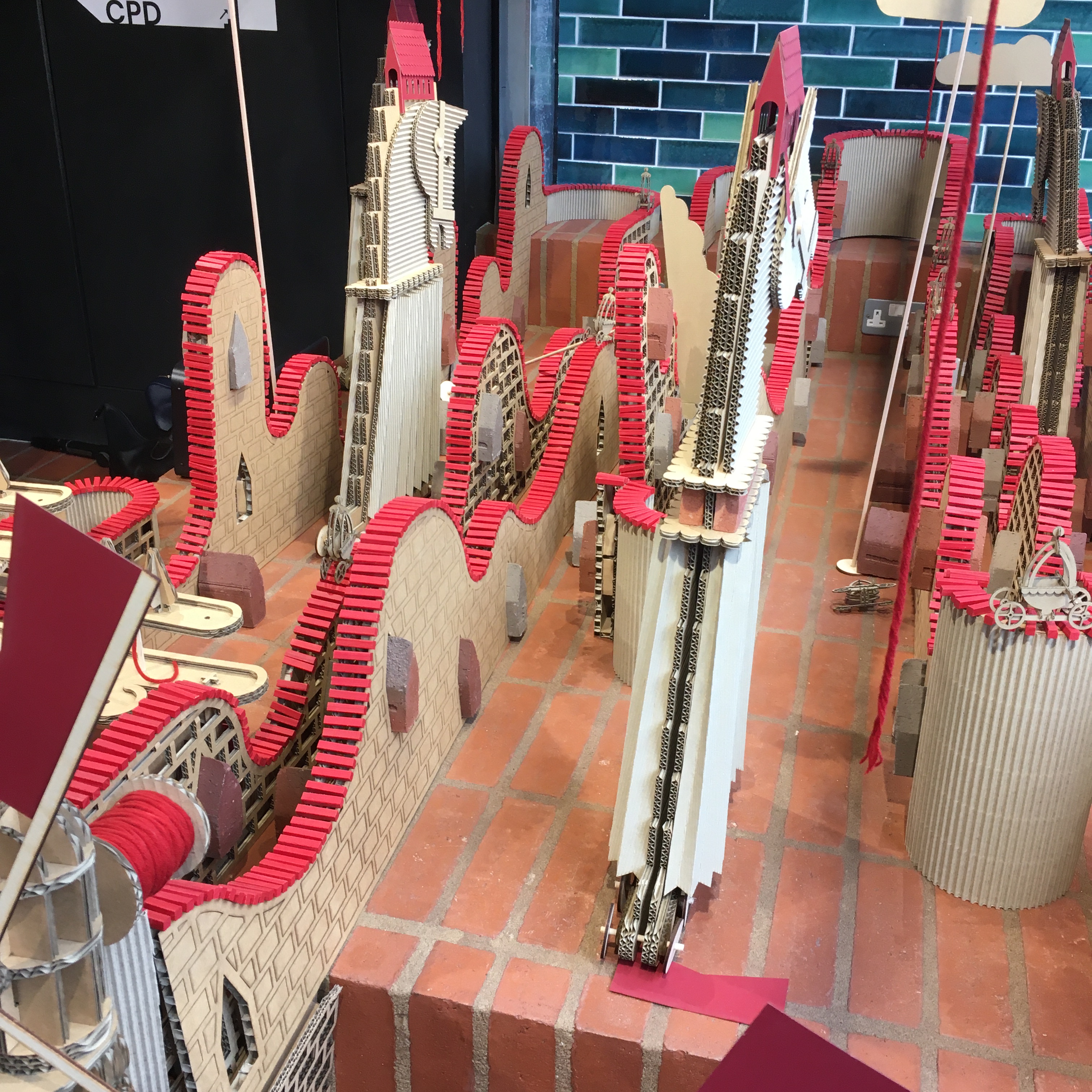
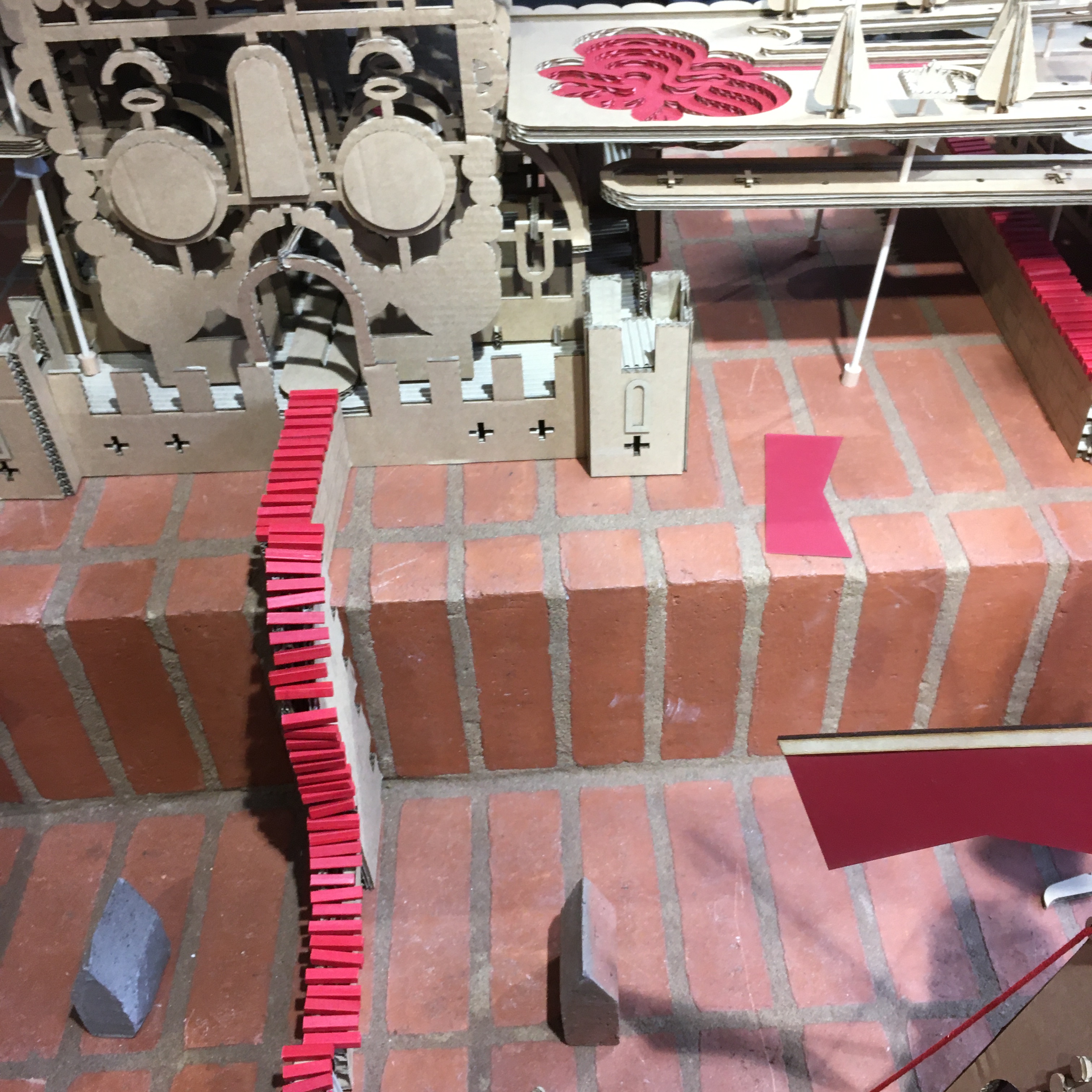
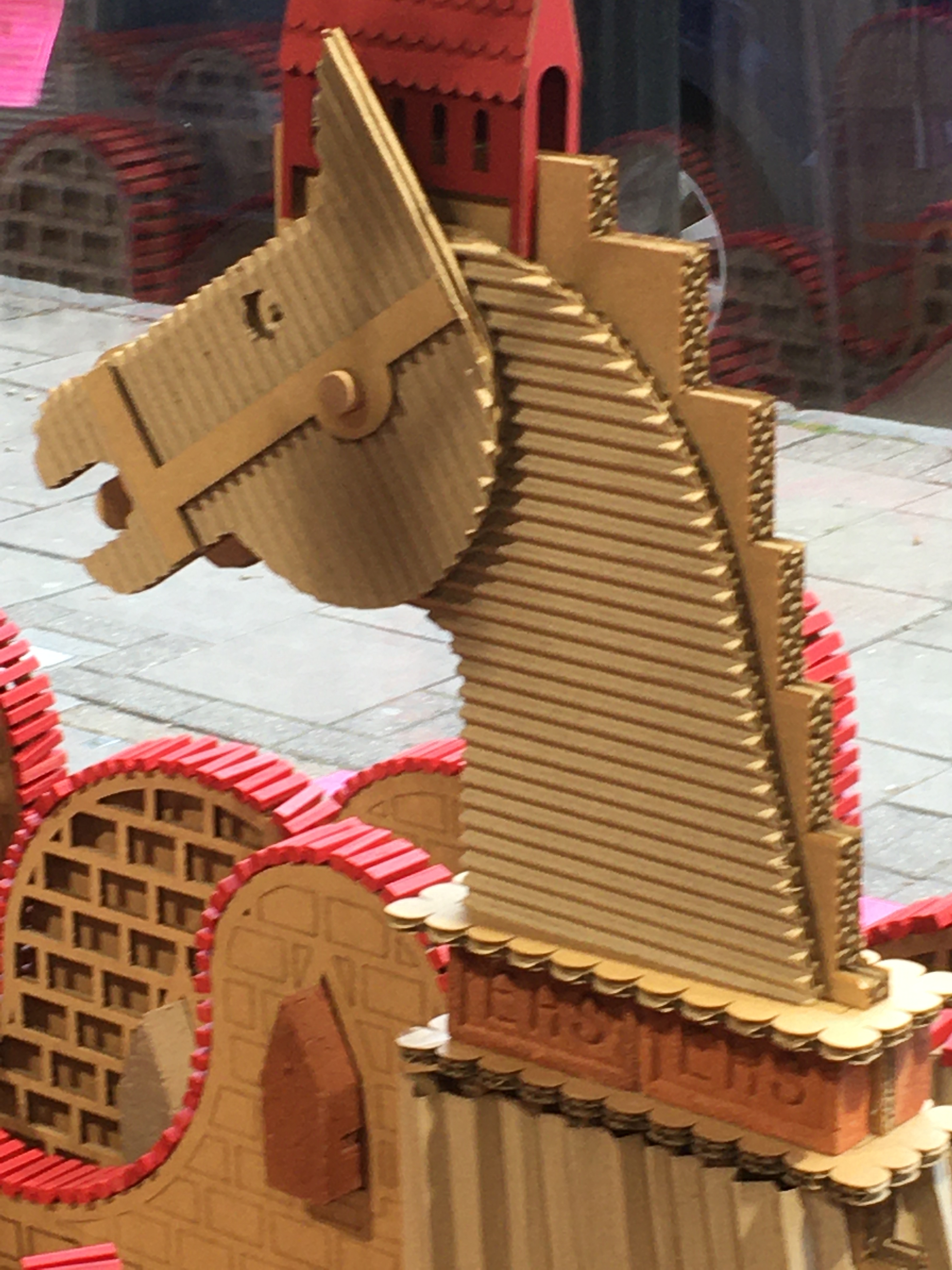
I popped into EH Smith Architectural Solutions. The showroom in St John Street is really all about bricks, which was fascinating to see, but in the window was a great display made entirely from laser cut corrugated cardboard. It depicts Humpty Dumpty and is full of intricately cut and very playful freestanding figures which I loved.
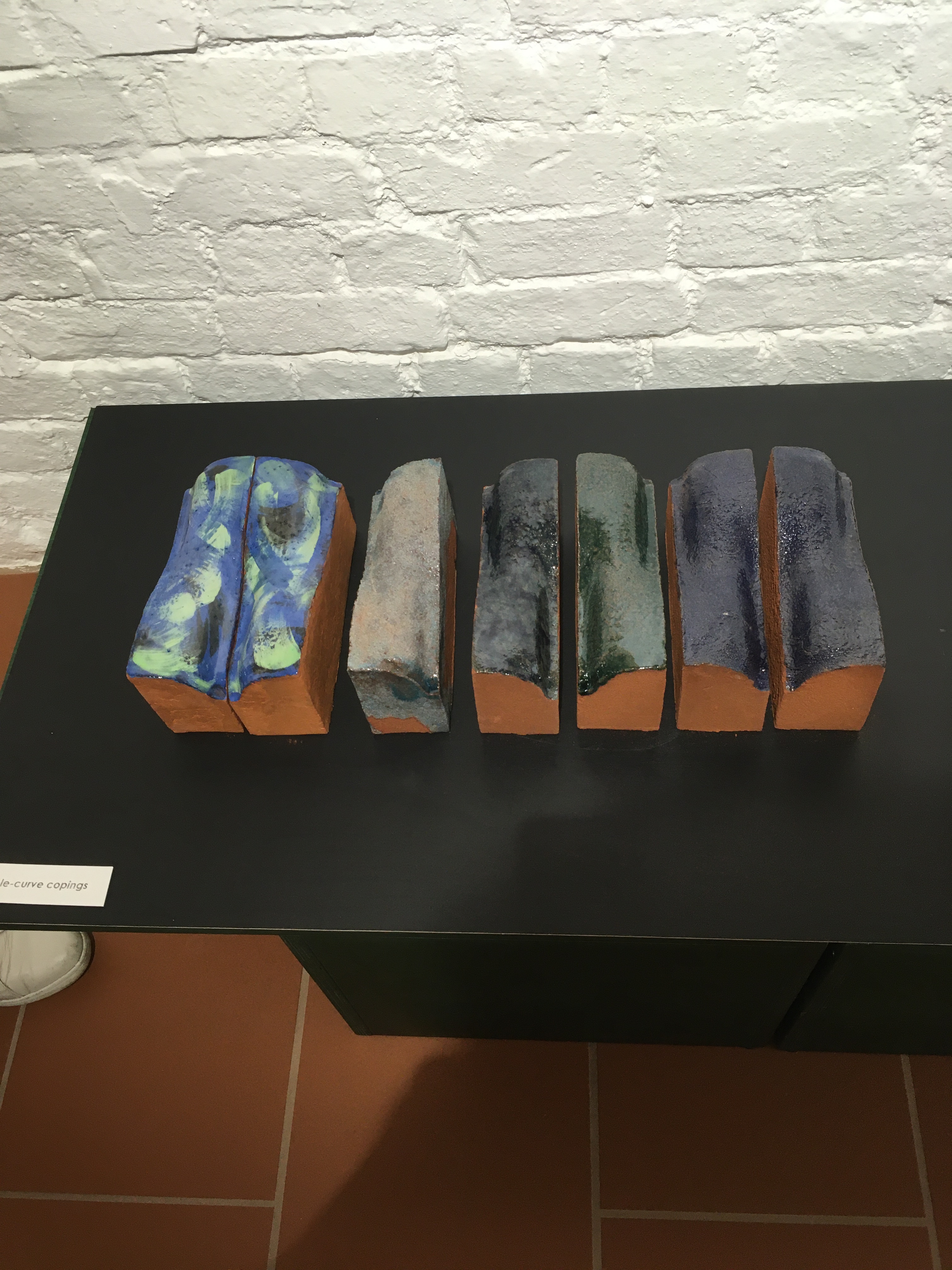
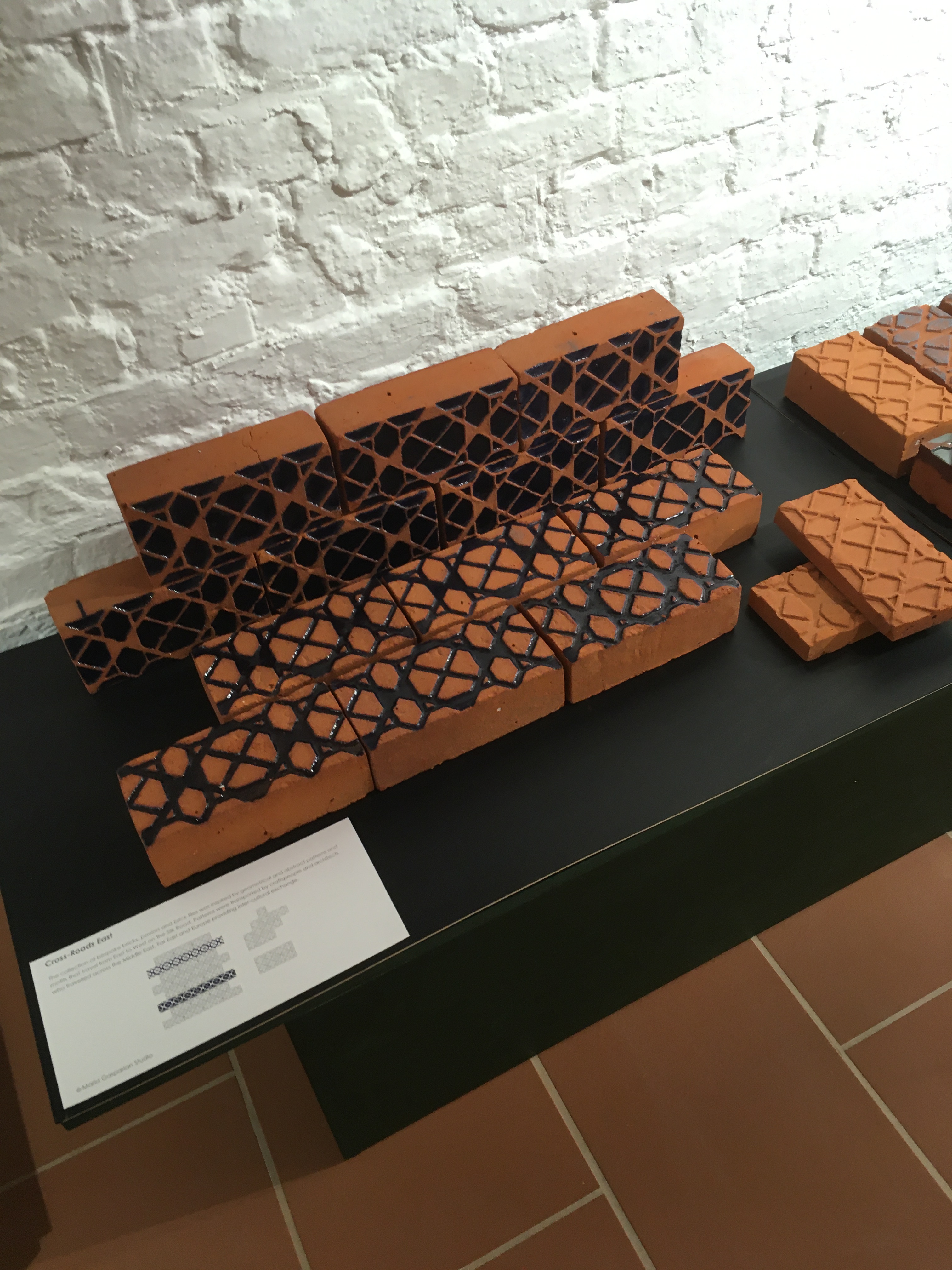
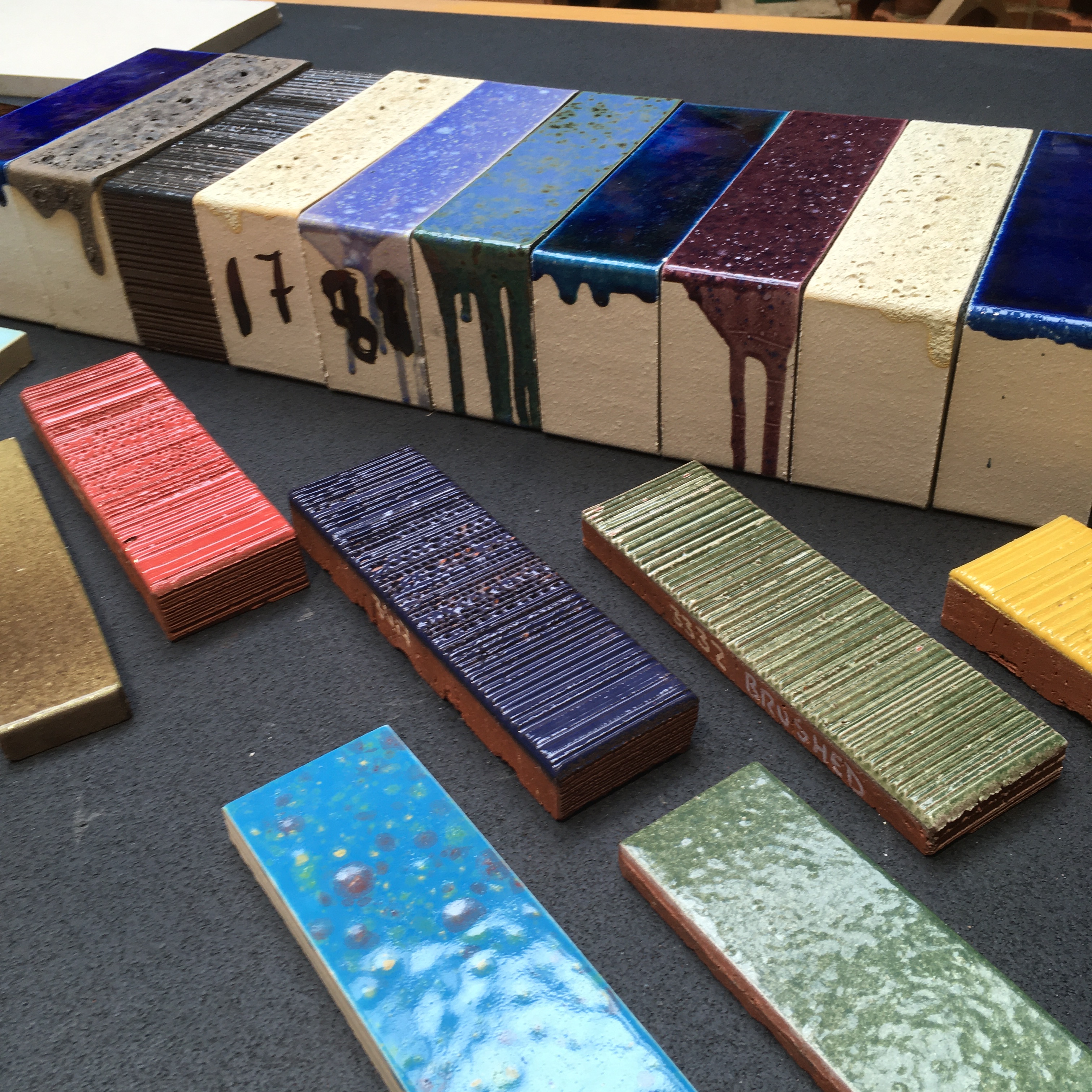
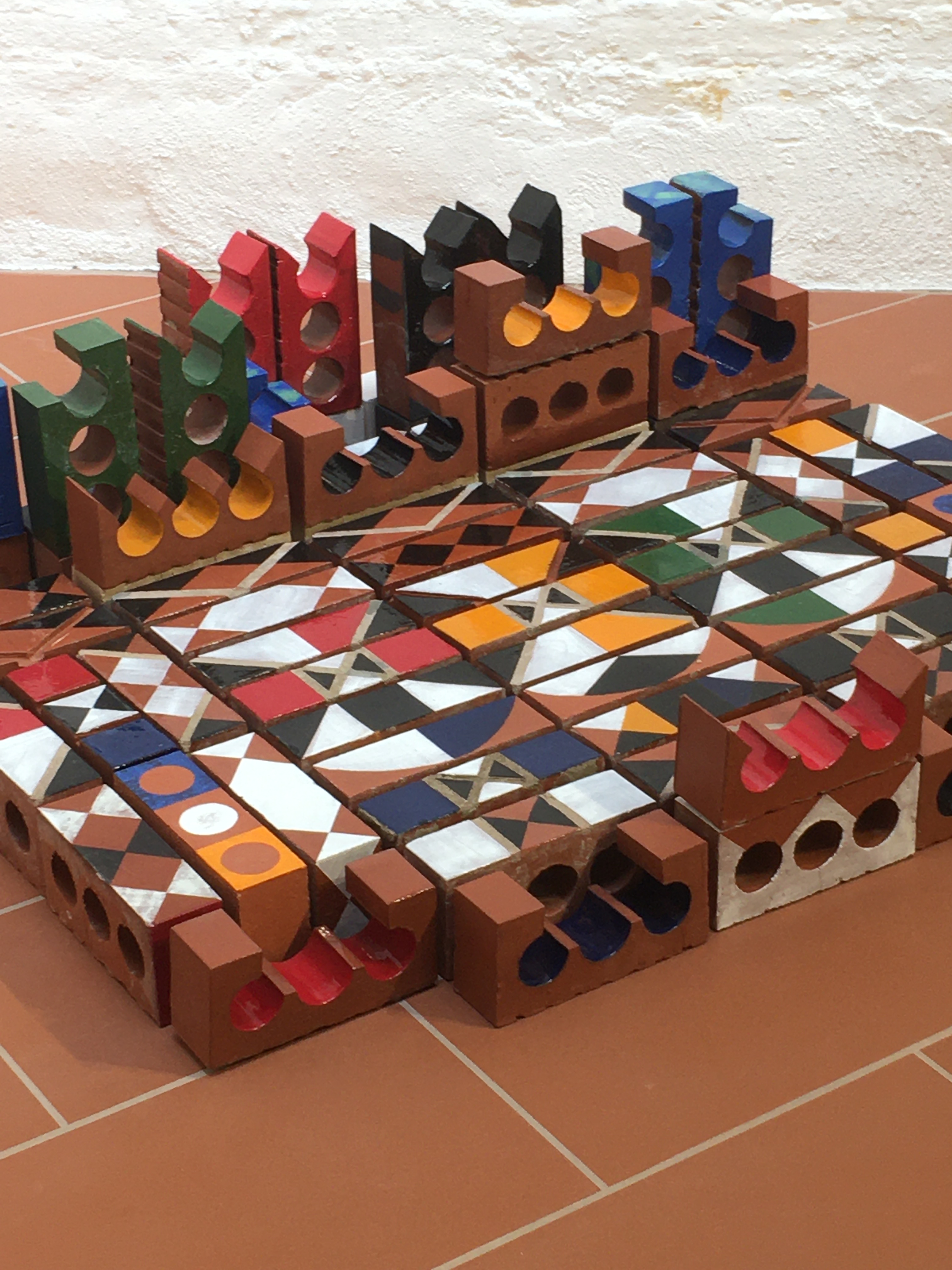
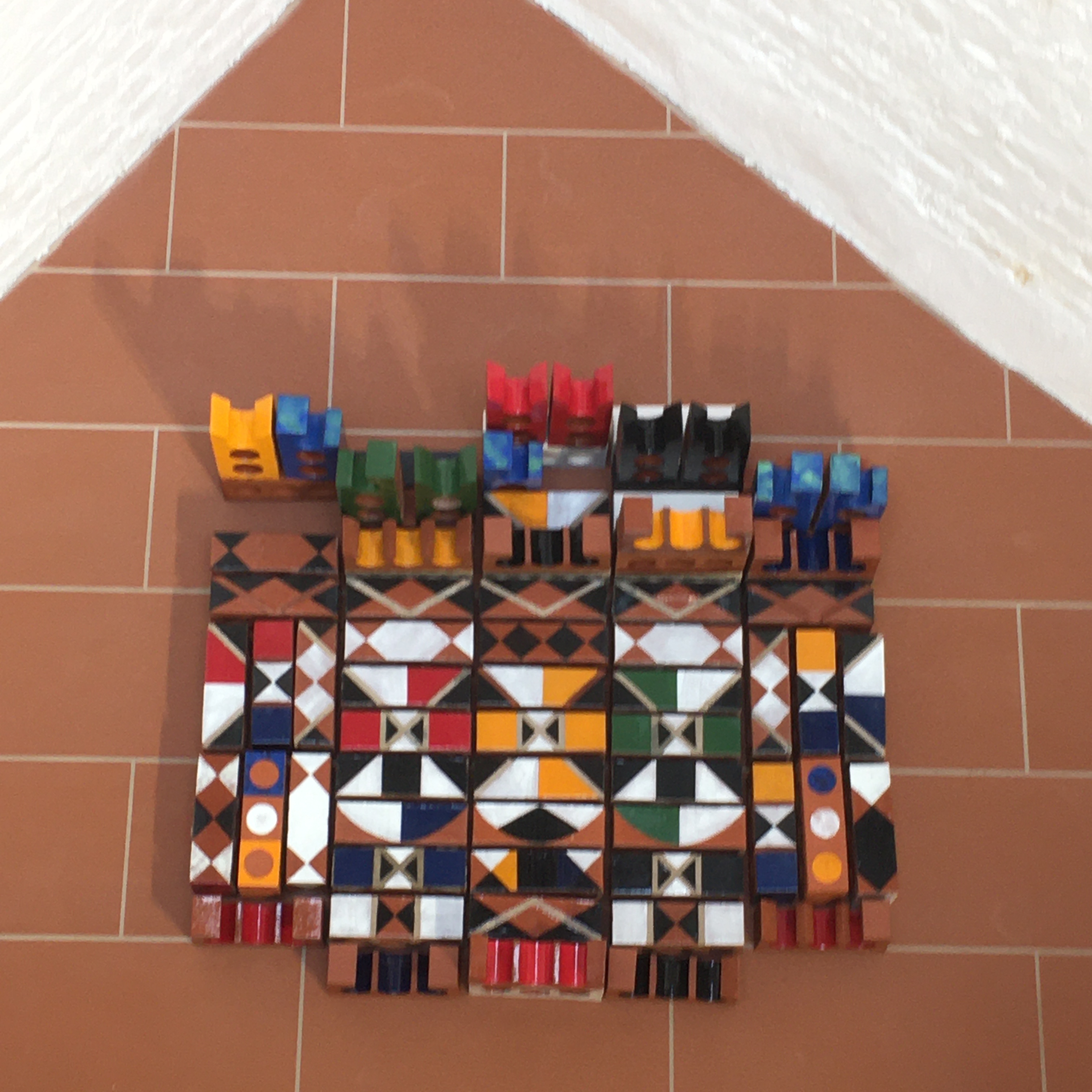
And here are some examples of the fabulous bricks on display at EH Smith. You come away thinking that no architect should ignore the creative, practical and decorative potential of bricks. They really don’t have to be boring, they can be colourful, shiny, patterned, indented or just quirky and still do a perfectly good job keeping the occupants of a building secure.
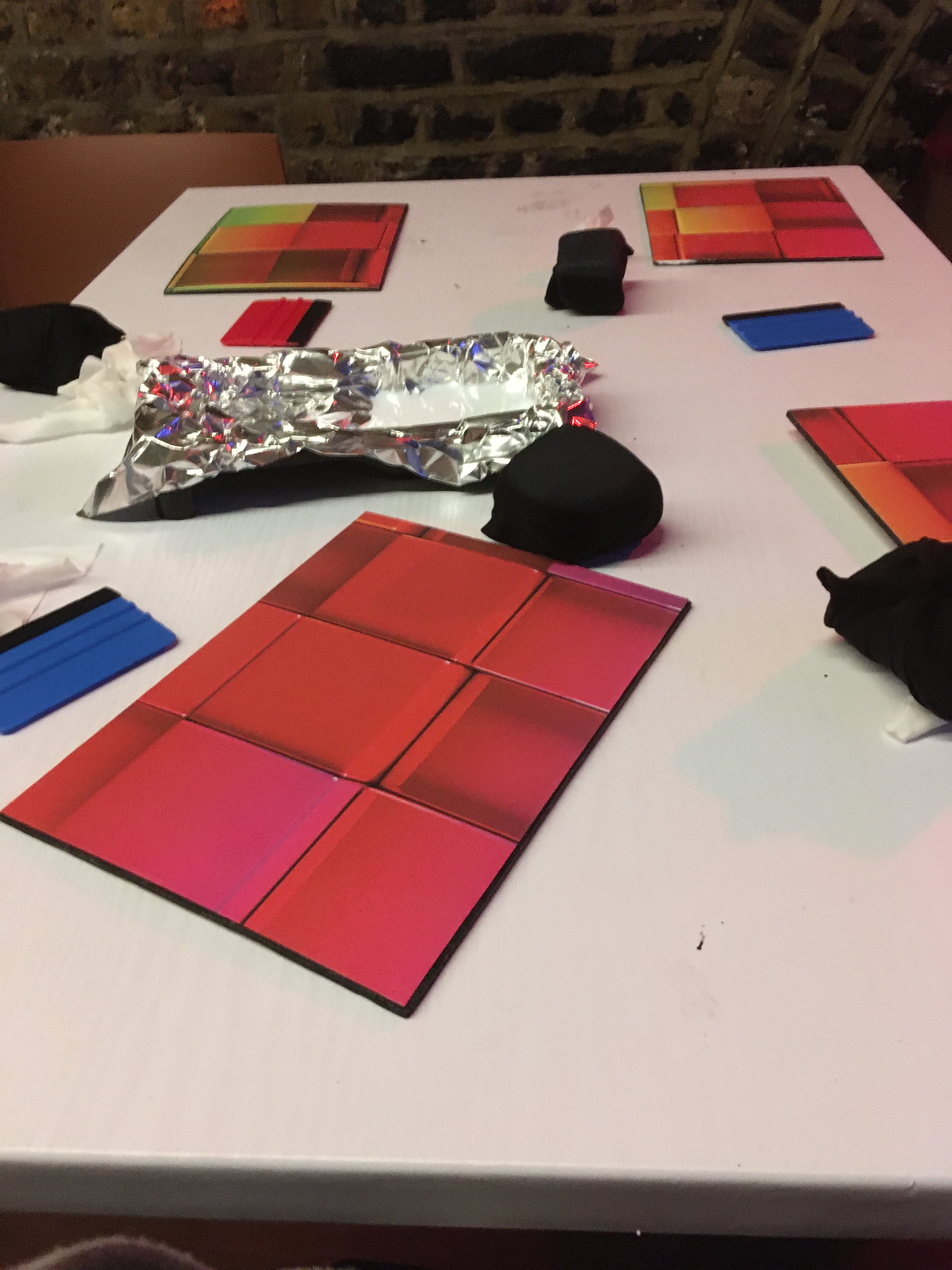
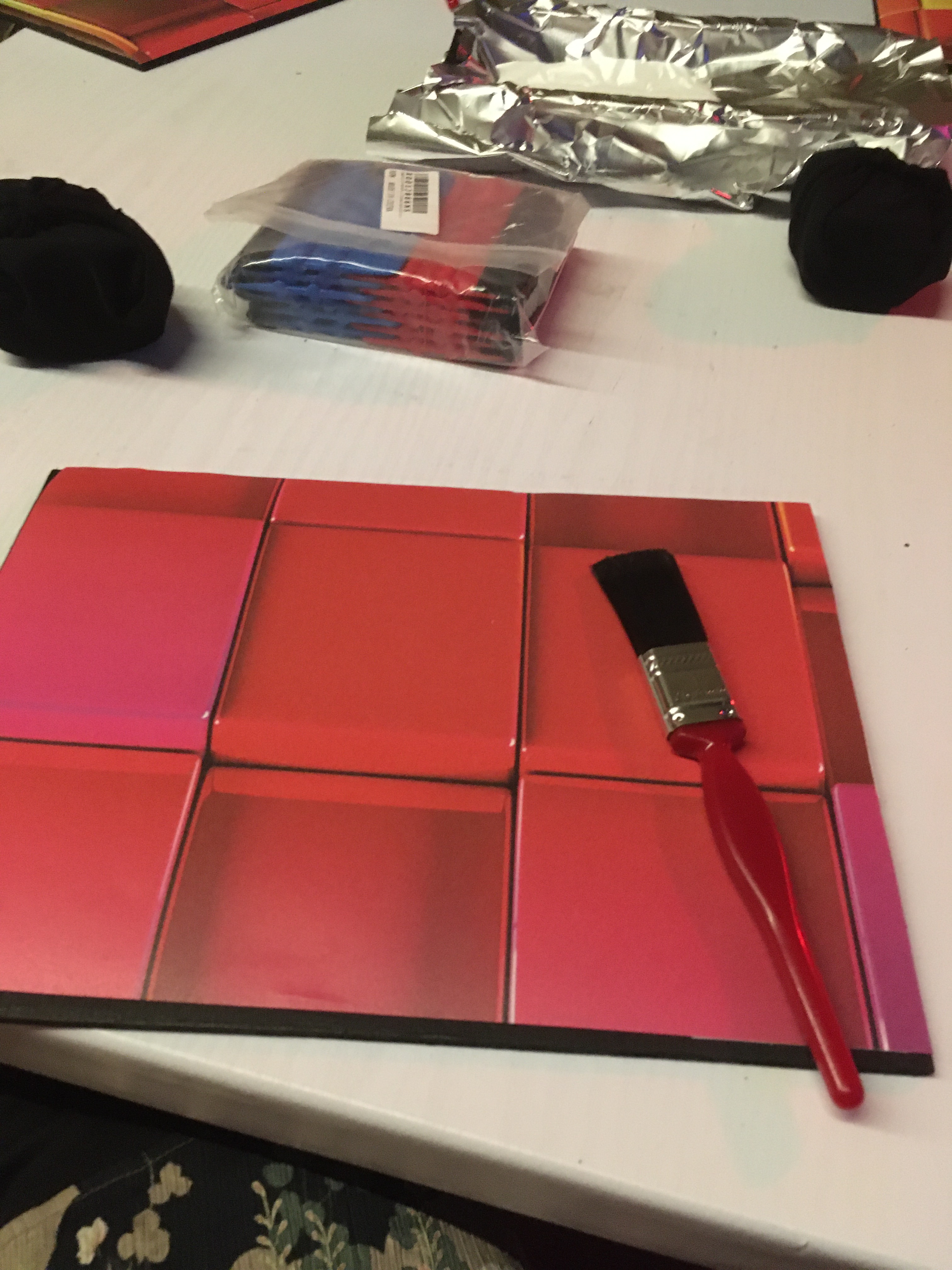
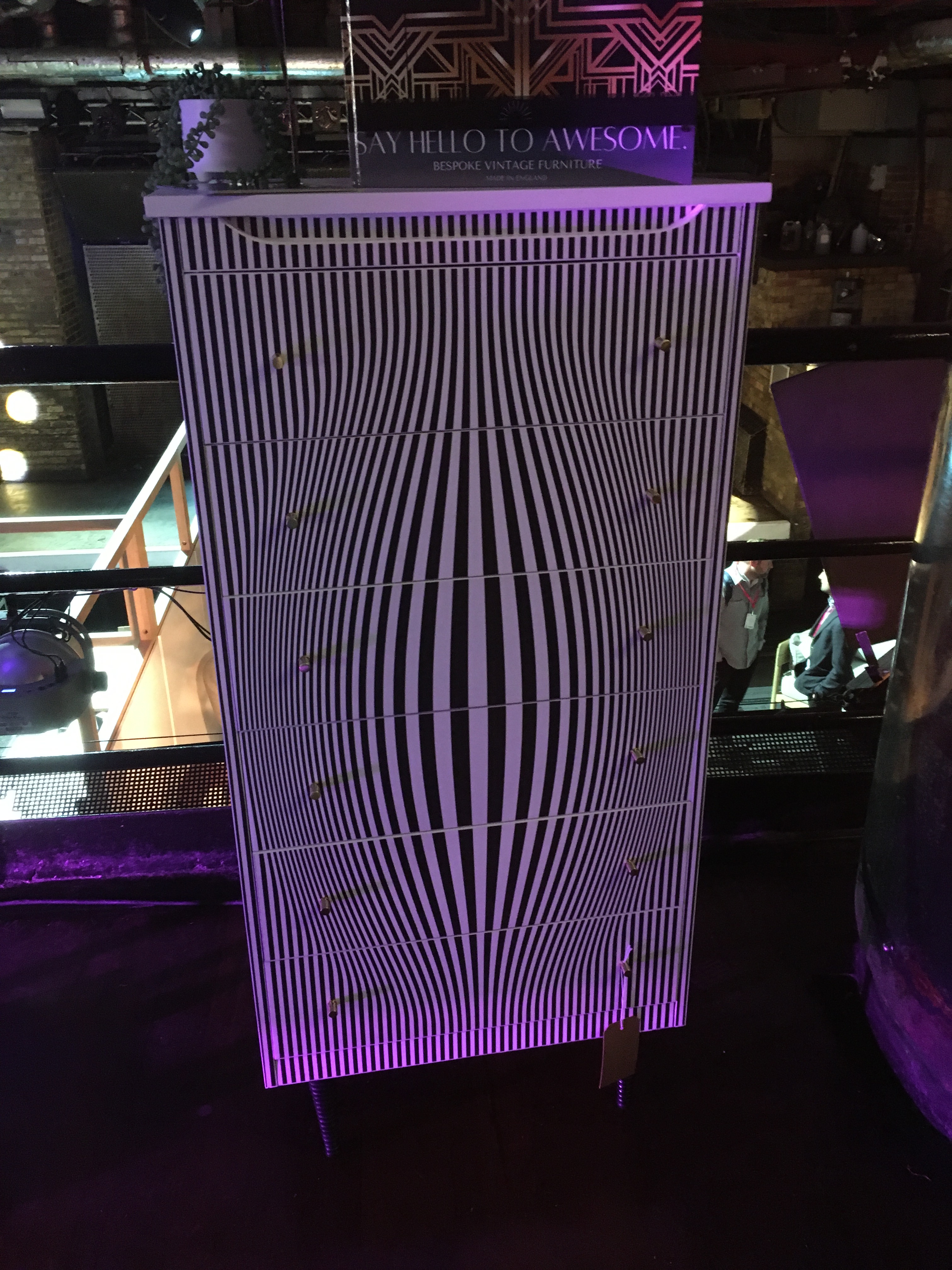
Then it was over to Fabric (yes, the nightclub- but in daytime) to check out The House of Upcycling. Again, I’m very interested in paper and how you can use it to transform old or everyday items. I joined a masterclass/workshop with Kata from Studio Twenty Seven and learned a bit about decoupage. Kata used to have a job in the city but gave it up to pursue something more creative and rewarding. She sources old furniture and turns it into smart contemporary pieces which are much sought after. She also runs workshops for professionals and anyone with an interest in upcycling. Yes, I have an interest, and certainly in using paper in an imaginative way. A small group of us learned how to successfully glue paper to board and give it a coat of varnish. Great to have information on the materials to use and the techniques to develop.
CDW is on until end of play tomorrow, 26th May and there’s so much to see, do and learn about. Oh, and you can check out London’s newest train line too!
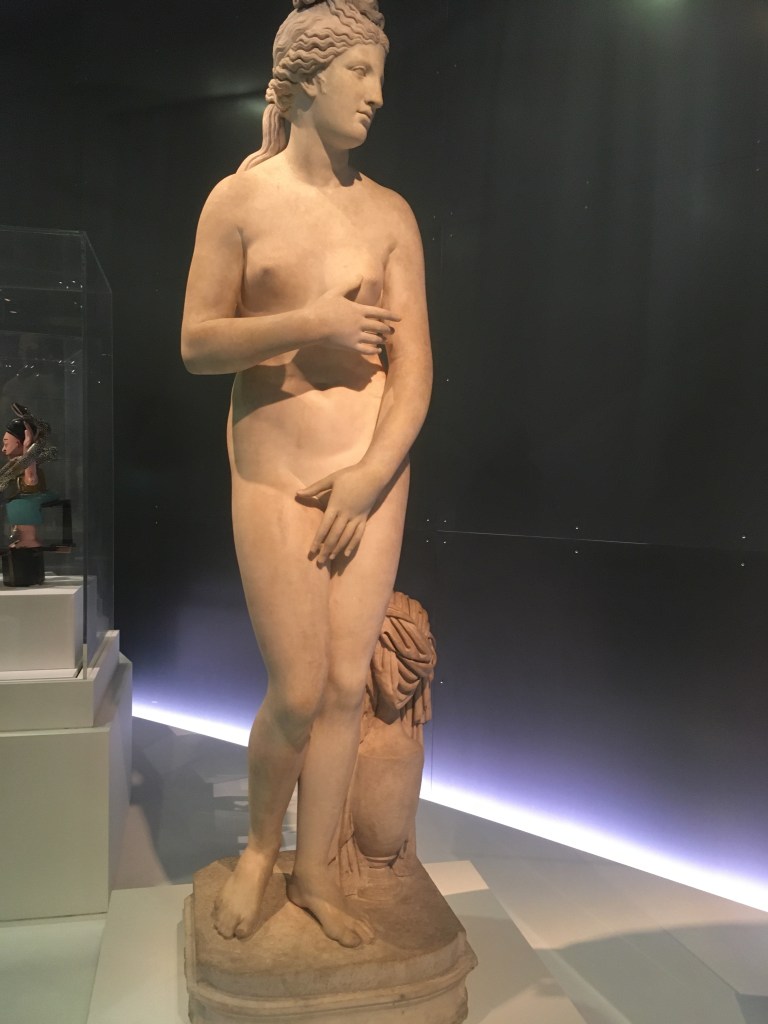
Here’s Venus, beautifully carved by Roman sculptors in around AD 100-150. She’s stepping out of her bath and looking gorgeous. She was the choice of Mary Beard, one of the guest contributors of The Citi Exhibition Feminine Power: the divine to the demonic. This impressive exhibition at the British Museum provides an opportunity for rarely seen objects, or ones which might not be noticed as boldly whilst on display, a chance to take centre stage.
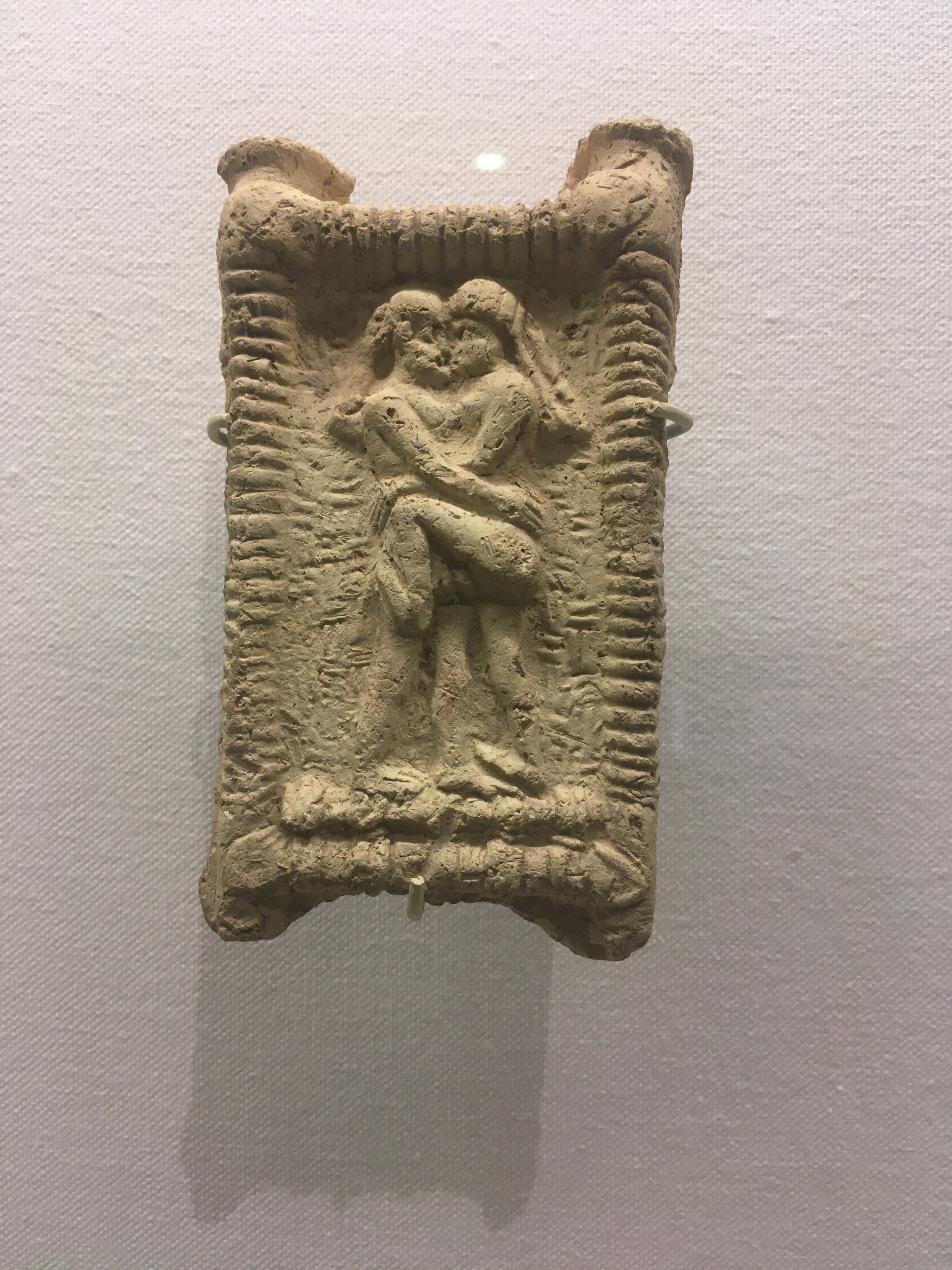
Clearly, the female human form has been represented across the globe from ancient times to today. Perhaps you could argue that the female has never been more objectified since we now have so many images of perceived beauty and power in female form across our visual and social media.
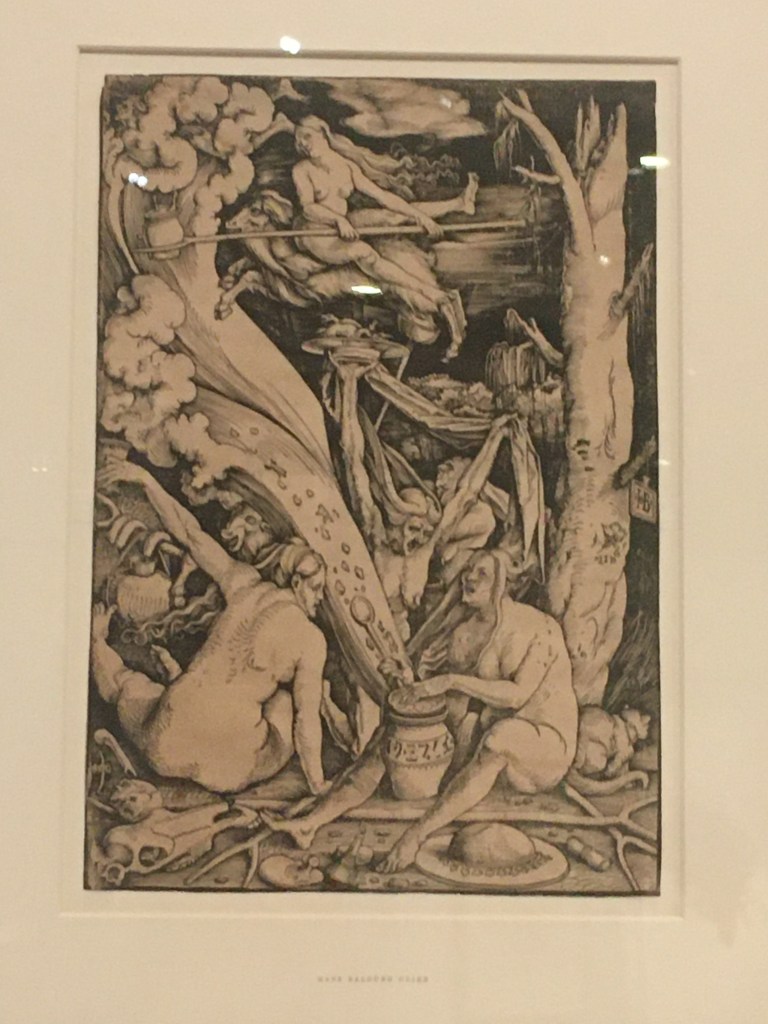
It’s fascinating to see very early impressions of the female form as a deity and also the fear which women could engender. Were they witches? The image of The Witches Sabbath by Hans Baldung Grion about 1484 conjures and promotes the idea that women can be dangerous. I can’t help wondering whether William Shakespeare might have seen this image and been inspired to introduce the three ‘hags’ into his famous cauldron scene in Macbeth.
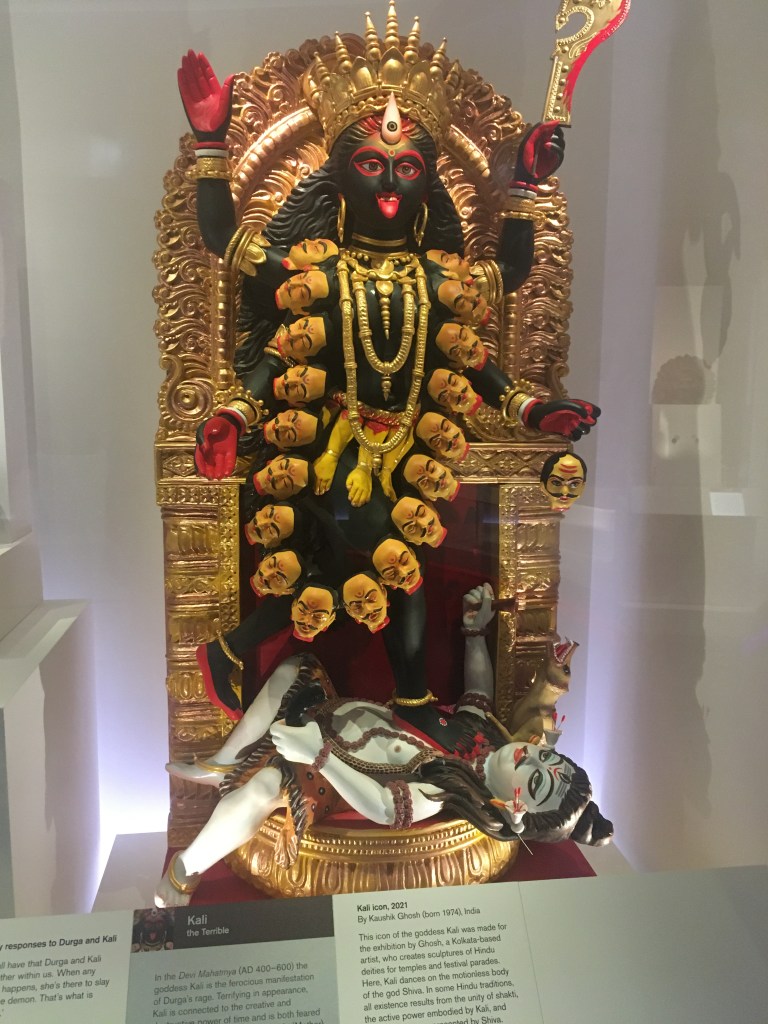
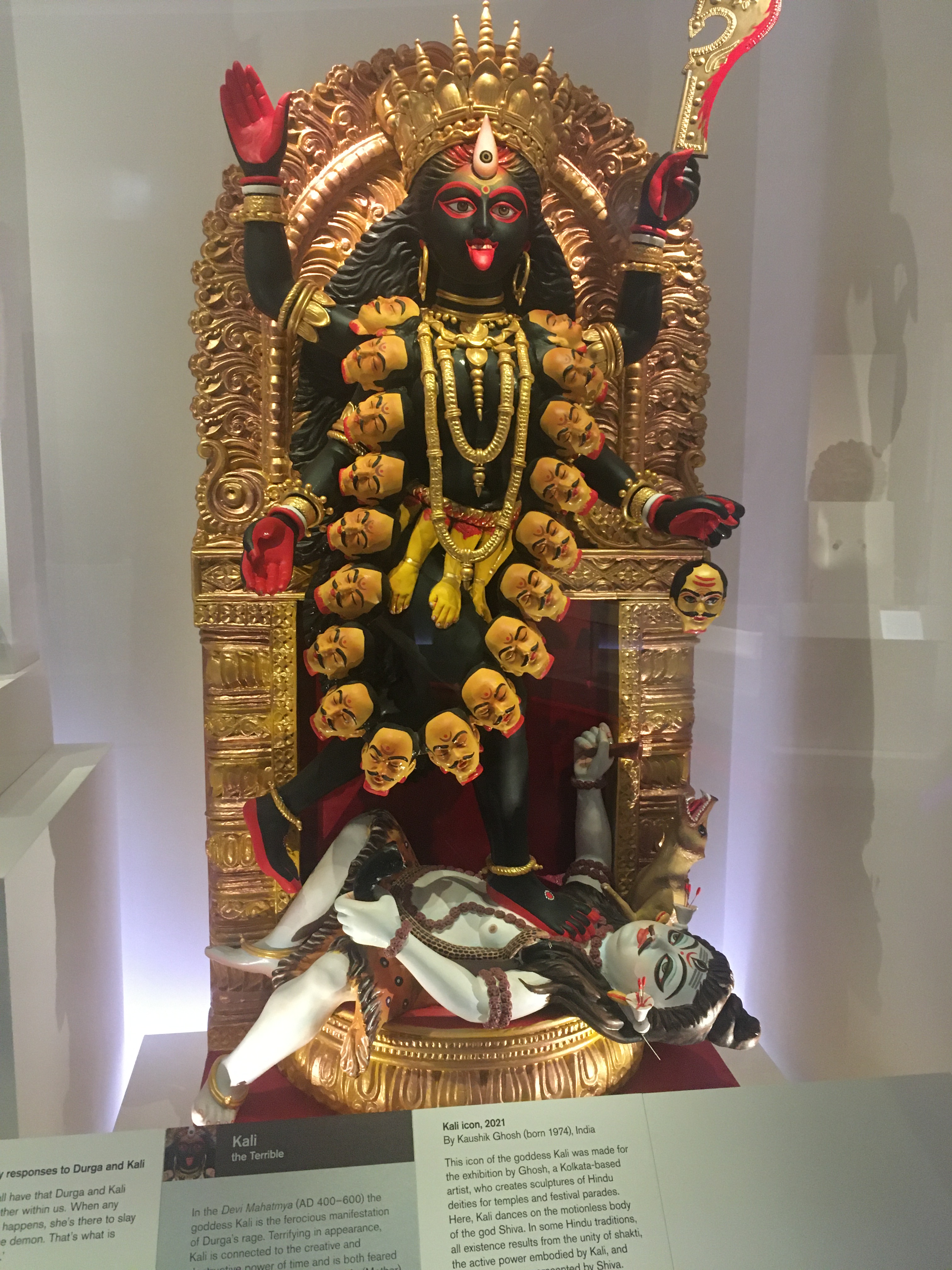
All the major religions have female deities and it’s fascinating to see the relics from past civilisations jostle with impressions of female power in a contemporary style.
The show is on until 25th September in the Joseph Hotung Great Court Gallery.
This piece is quite familiar: Perpetual Cannon. I’ve seen it before, at the V&A and also at the Baltic Centre in Newcastle. It was made for a circular installation but looks amazing in every space it is displayed. There’s something both comforting and strange about seeing brass instruments which have had the last breath squeezed out of them beneath the weight of a steam roller. And then you think, yes, that’s a perfect conclusion for these pieces which were designed to absorb human breath and make music. Once no longer functioning, this is the perfect way to recycle and retire old trumpets, tubas and horns.
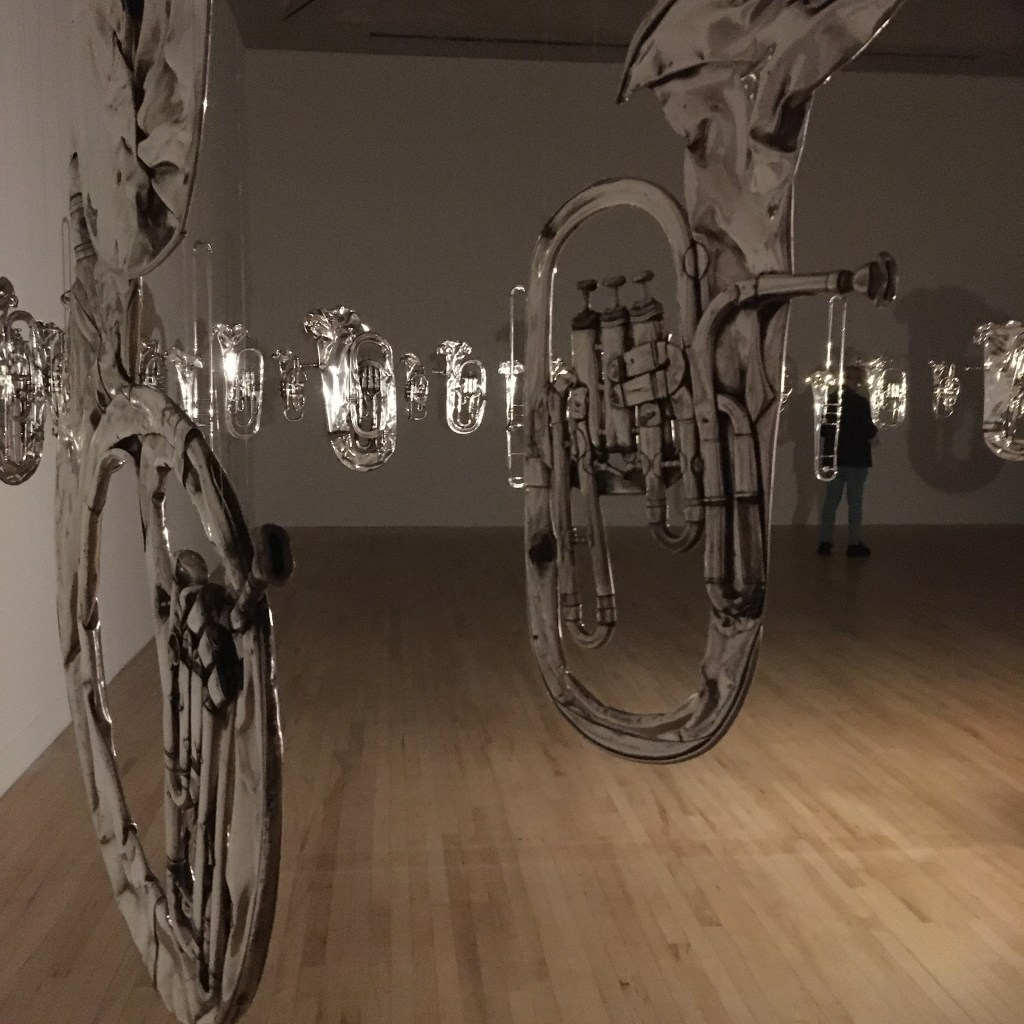
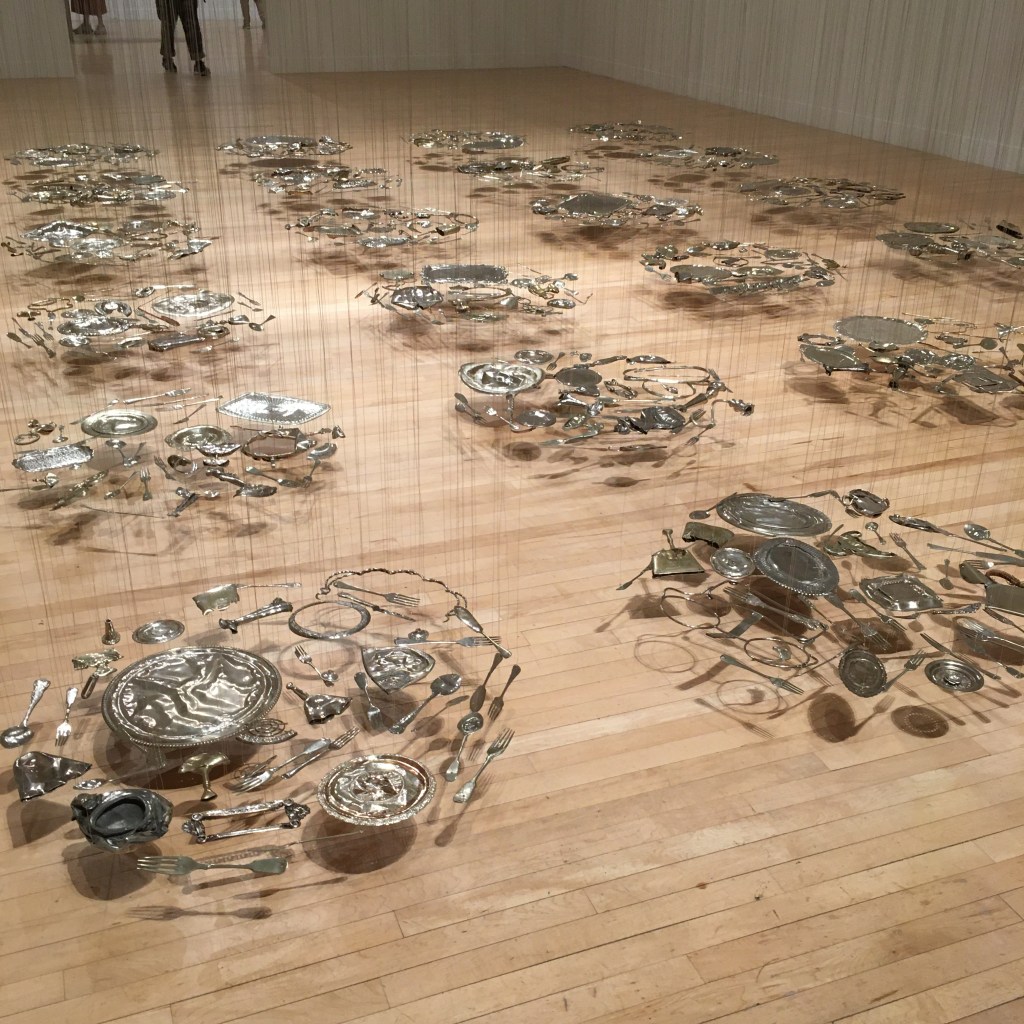
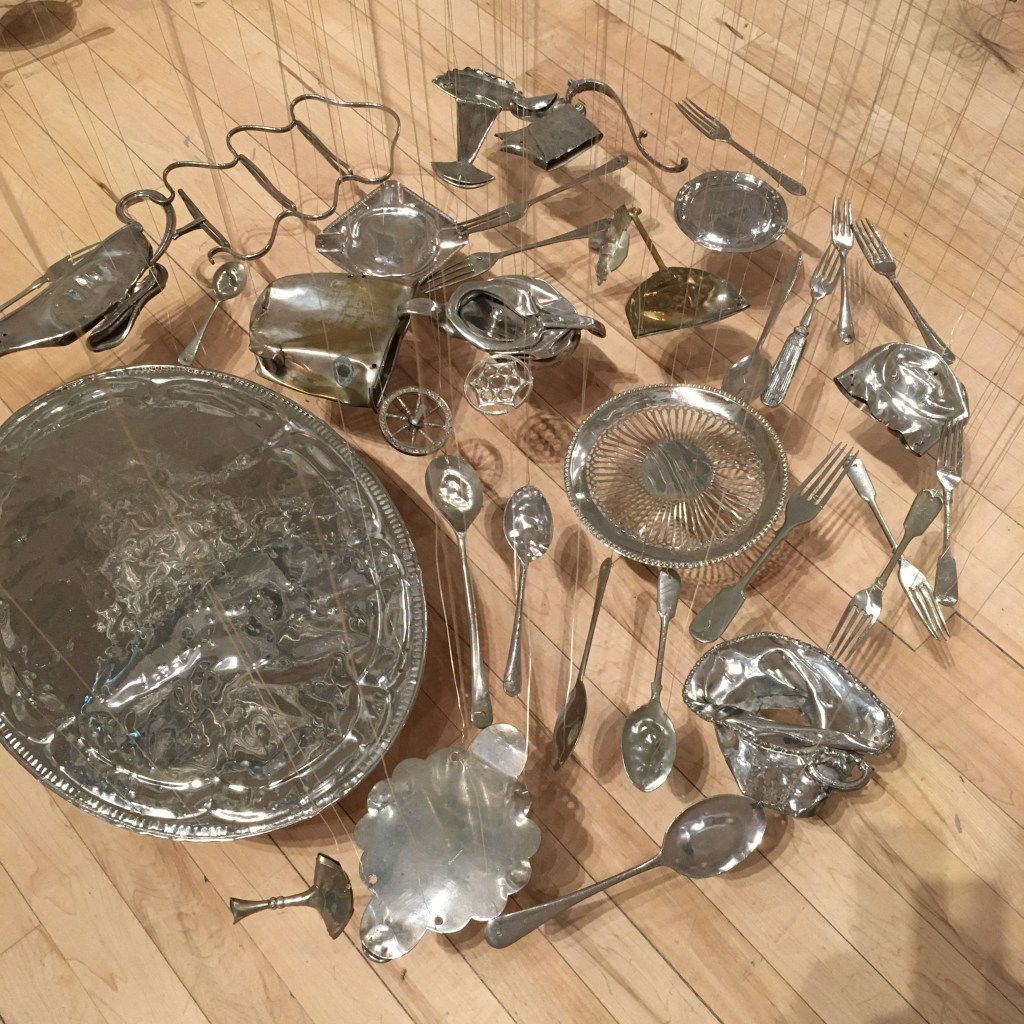
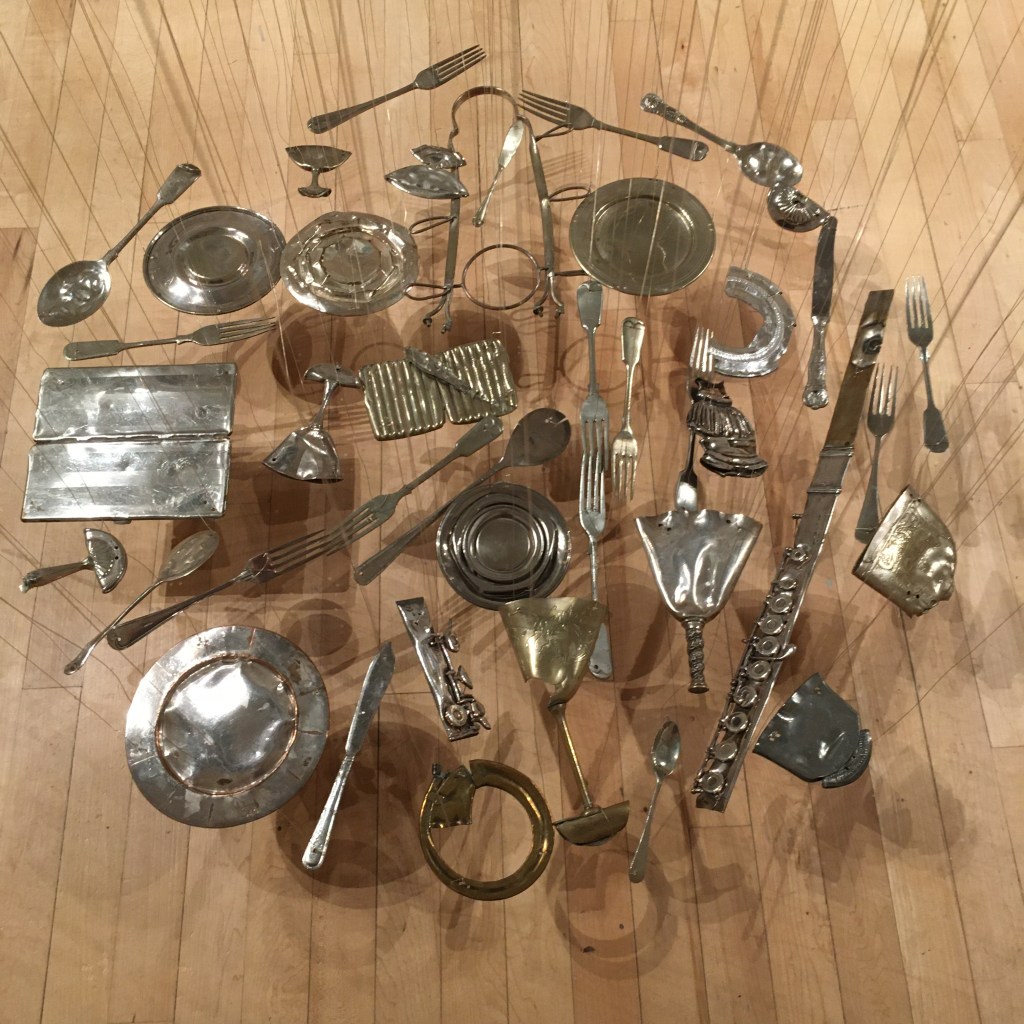
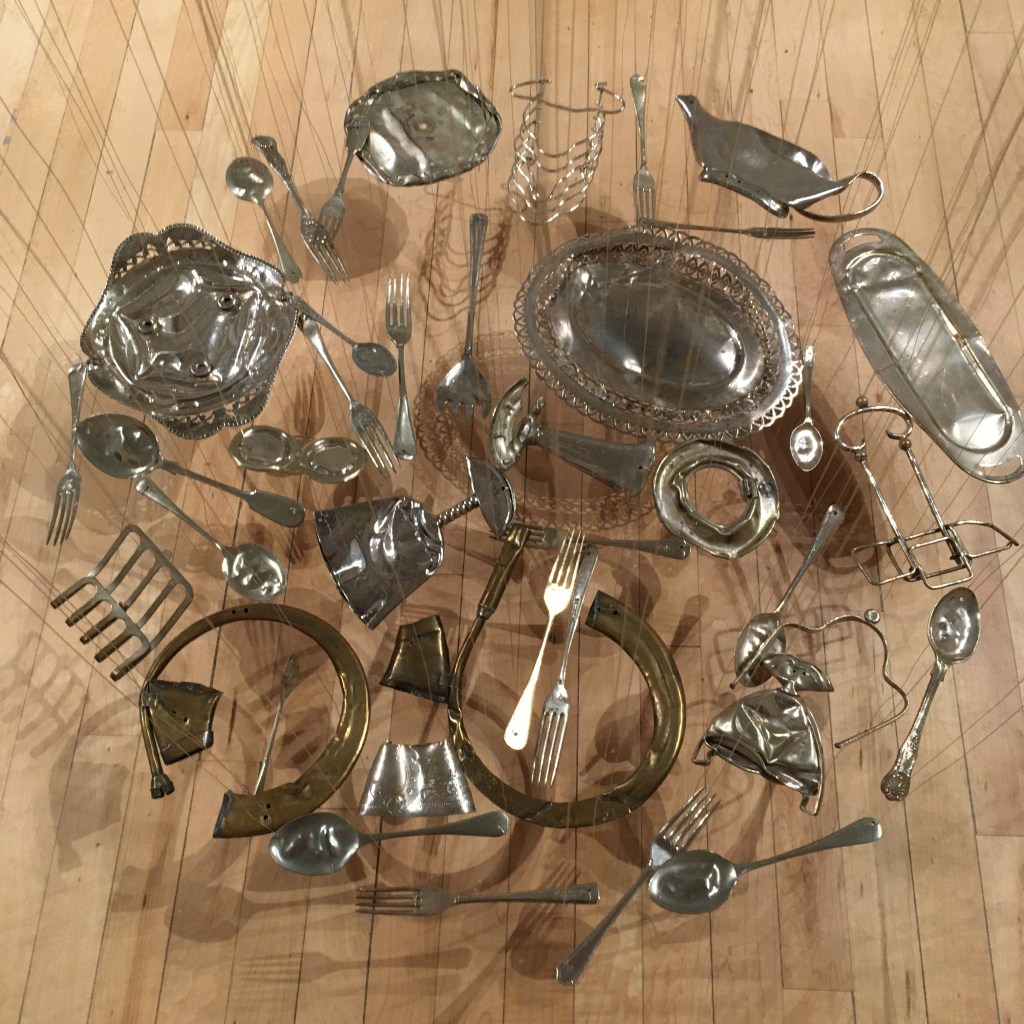
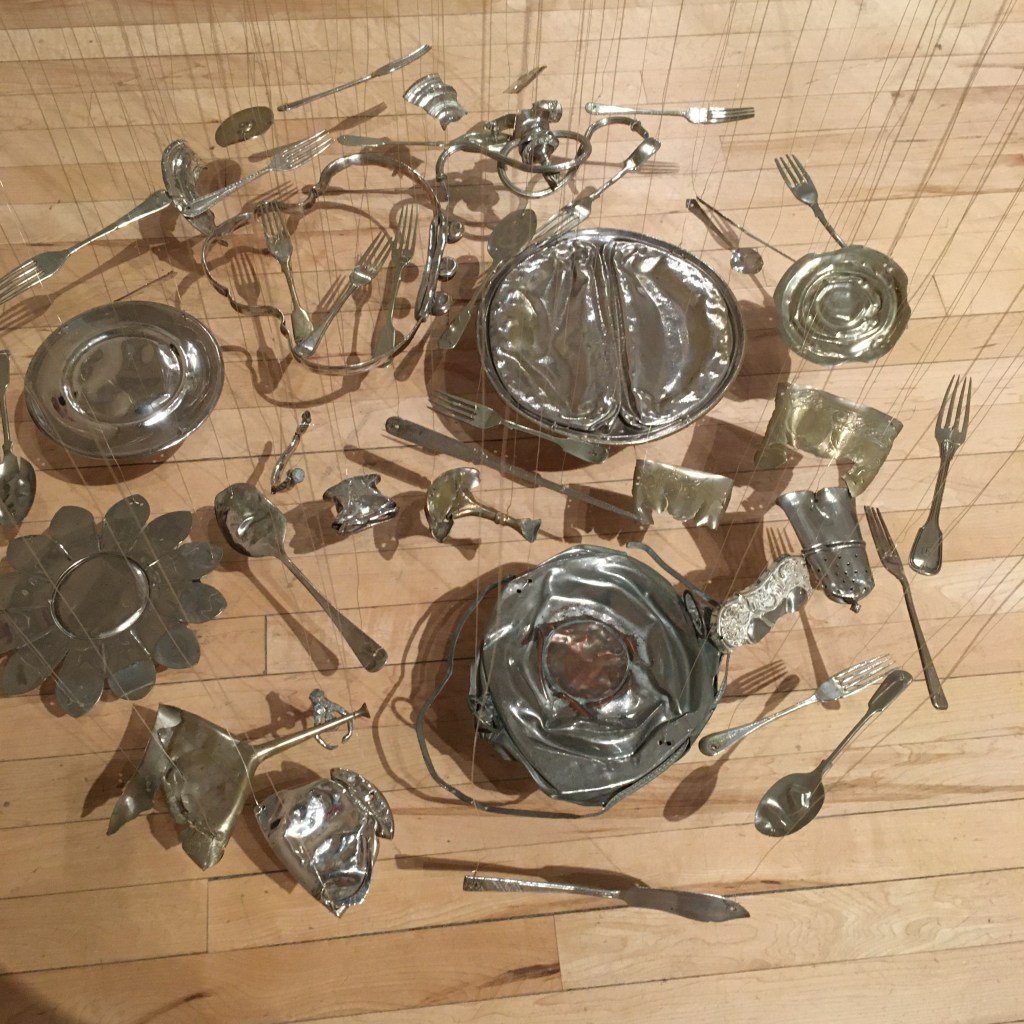
This is a close up of Thirty Pieces of Silver. It fills the space in the most beguiling and attractive way. The flattened pieces of silver plate objects seem to float above the floor in perfect circles. The squashed form seems to enhance the memory of the 3D life these pieces once led and they all have stories to tell.
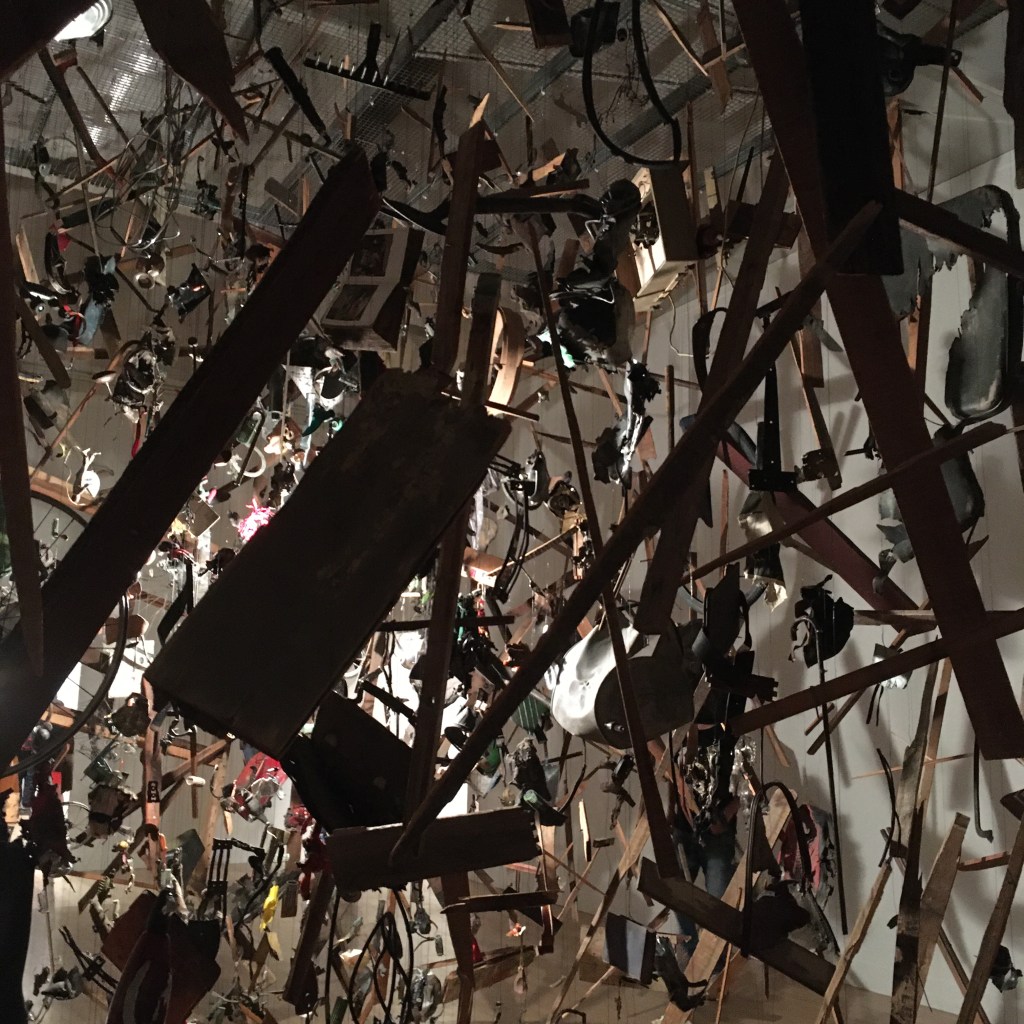
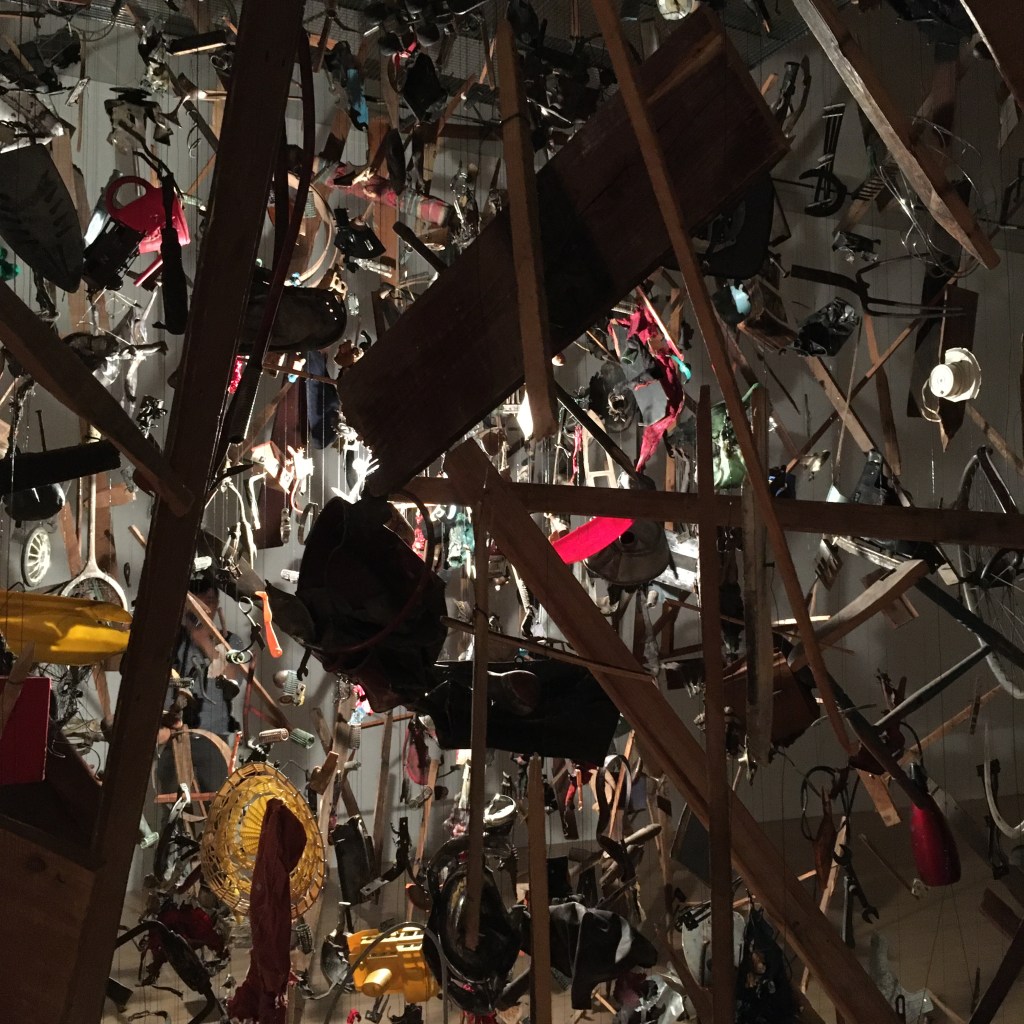
Cold Dark Matter : An Exploded View is great. Who wouldn’t want to blow up a garden shed? Parker worked with the Army School of Ammunition who obligingly obliterated an old shed and contents she transported to their training site. Then, when all the pieces were picked up after the explosion, she arranged them in this fabulous configuration, like a moment frozen in time, when everything was spinning away from its place and into space. You get a tension of what was once there, what was meant to be and what can be replaced by destructive actions.
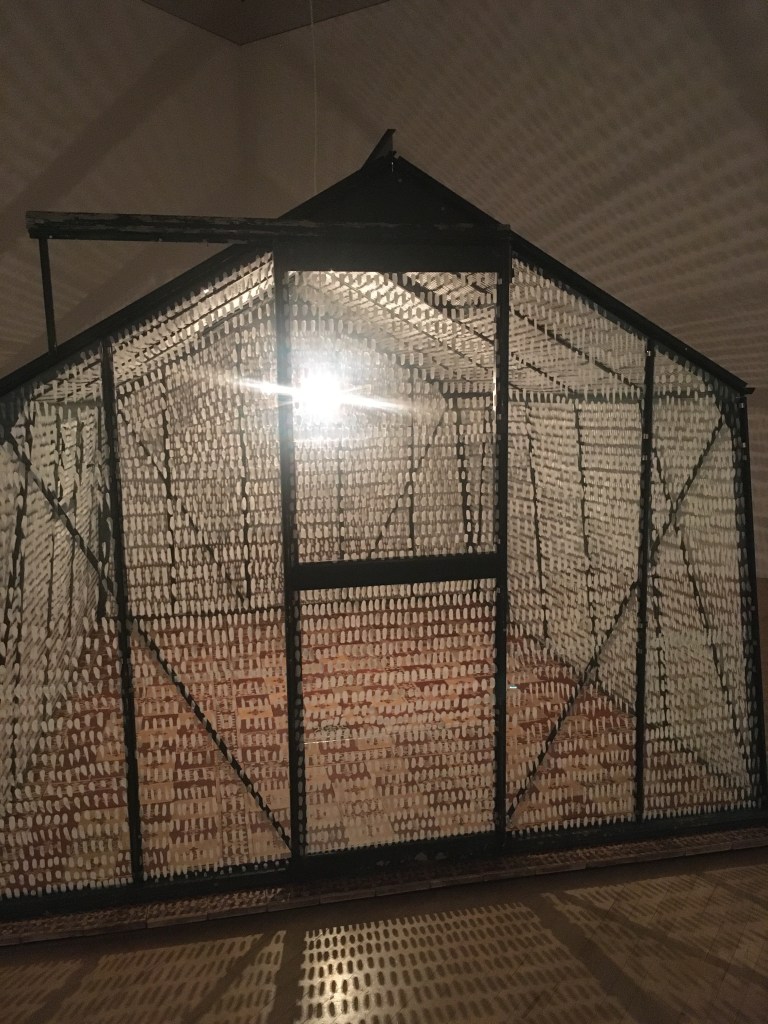
I enjoyed her piece entitled Island. She painted the panes of a greenhouse with white brushstrokes of cliff chalk and lined the floor of the greenhouse with worn encaustic tiles from the Houses of Parliament. The light inside flickers, grows, glows and fades as if the piece is breathing.
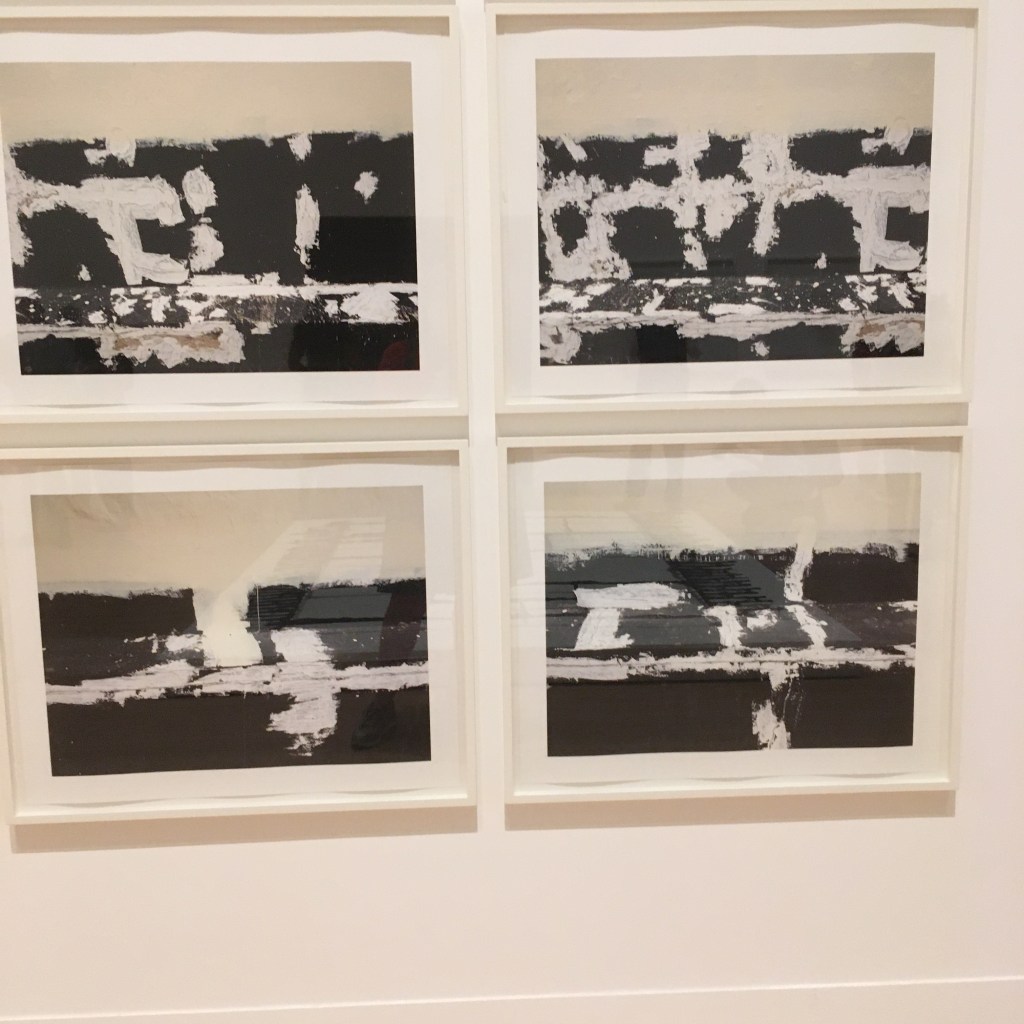
Throughout this excellent exhibition are examples of Cornelia Parker’s enquiring mind spotting objects which may be beyond use, may be altered by accident or human hand and capturing the moment when they become art. I loved the photos of the wall outside a prison near her home when the cracks had just been painted. Apparently later that day a prisoner convicted of murder scaled the walls and escaped. The images look like monochrome expressionist art.
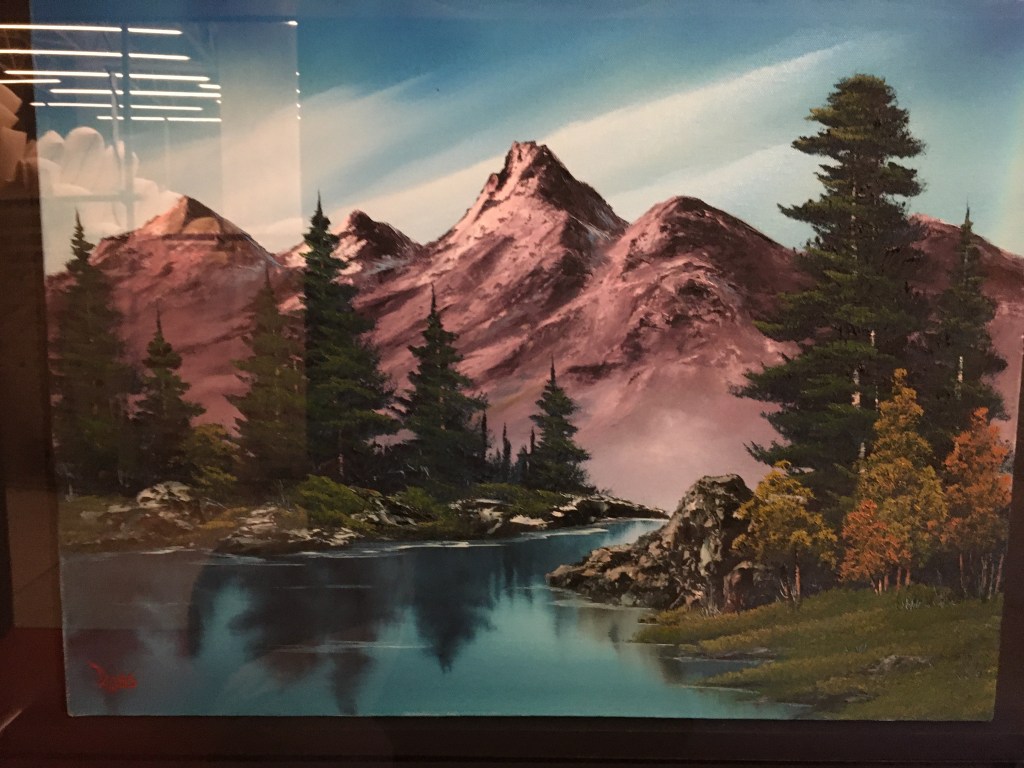
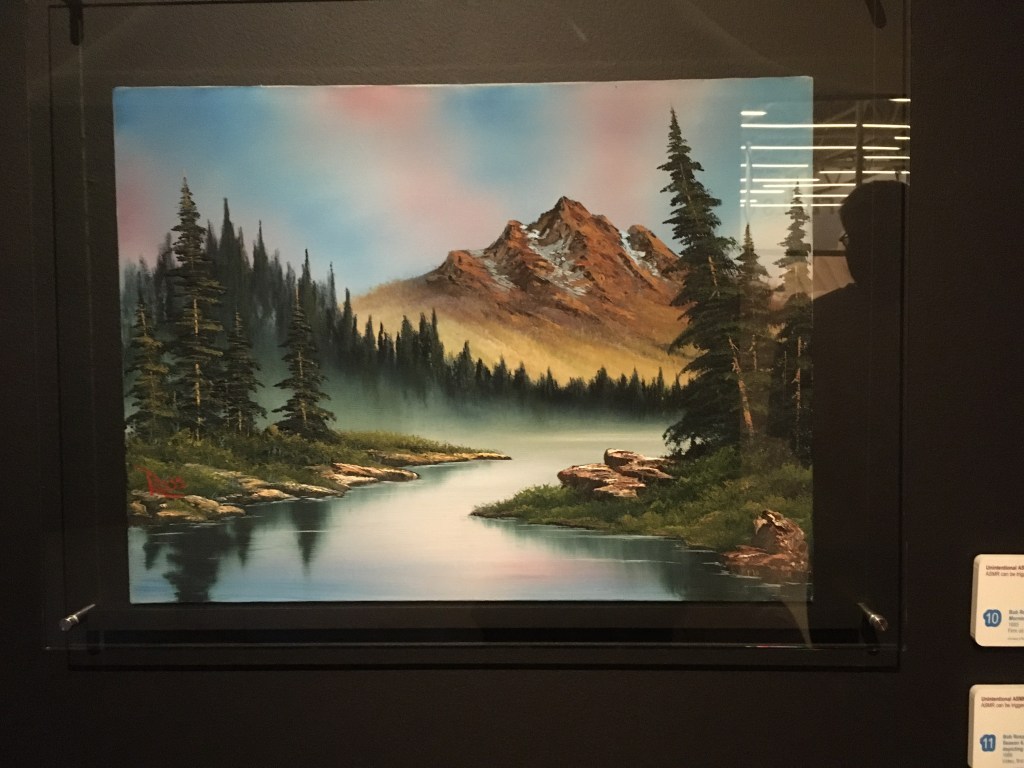
Yes, this is a painting by the American artist Bob Ross. We see him a lot on BBC 4 in the early evening. What I hadn’t realised about this charming show with the shuddery camera work is that we are being influenced by the impact of ASMR of both an aural and visual kind. We watch with fascination as Bob scrapes paint onto canvas with a palette knife or whispers to us as he dabs and daubs paint with a brush to create the highlights of a fir tree or scrapes back paint with the tip of his brush to create little lines which depict branches. The finished paintings are quite chocolate-boxy in style but very expertly done. It was a pleasure to see three examples of his paintings close up. Chatting to this show’s curator, James Taylor-Foster, at the press preview, he told me that Bob Ross created every painting in exactly 26 minutes. He created one painting for reference (glancing at it as he is filmed) another for the camera and a third, immediately afterwards which was photographed for a book about his art. I was riveted.
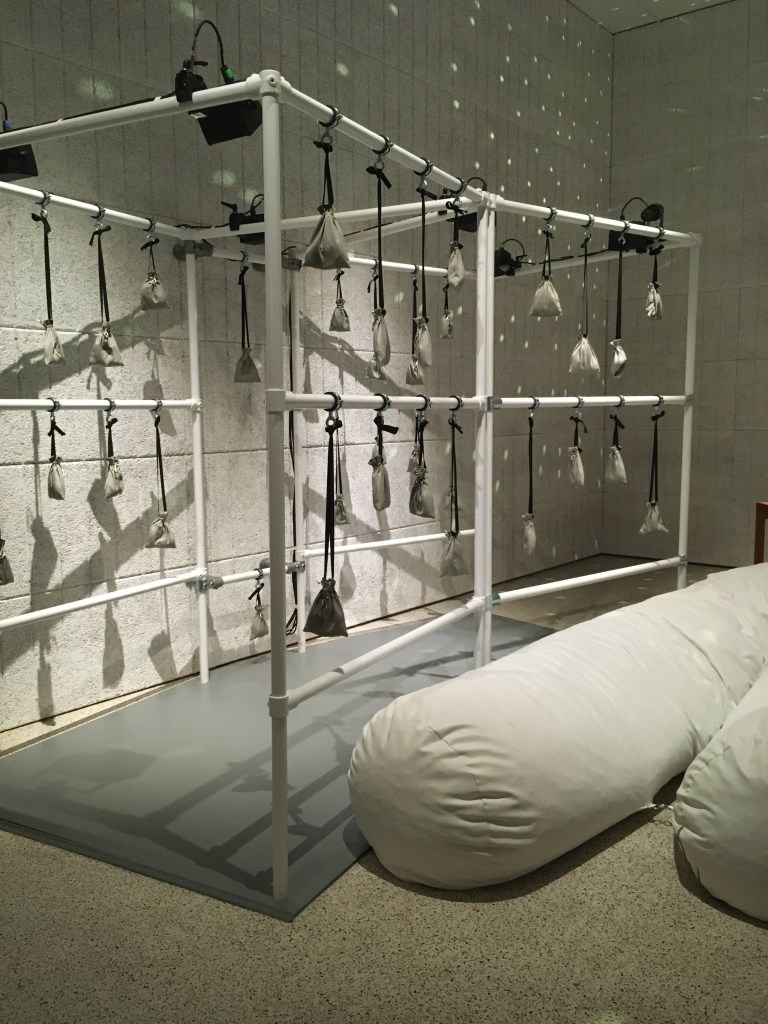
The show invites you to listen to earphones and hear a wide variety of sounds created by ASMR experts. For example little taps, scrunching a plastic bag, hearing rain on a roof are all sounds which give pleasure. Some people can whisper in a compelling way or simply speak within a timbre, generally quiet, which makes us sit up and pay close attention. Being told a story, no matter how rambling, can be a pleasure if the speaker’s voice is sonorous, warm and attractive.
Then there are sounds made by objects. I did enjoy dropping a coin into a round box and hearing the satisfying whirr as it went round and round before clattering into the well at the bottom. All children love marble games for the same reason.
Being a paper collage artist I’m for ever ripping and snipping paper. Well guess what, the sound of paper tearing or being carefully cut with scissors is one of those sounds. I’ve alway thought my art was a kind of meditation and now I know why.
Because this show was more about sound than images I don’t have that many images to post here but I do recommend this exhibition. It is a pleasurable experience and, in a room filled with big, baggy worm-like beanbags to loll upon, there are good reasons for staying there a while and simply immersing yourself in a relaxing experience.
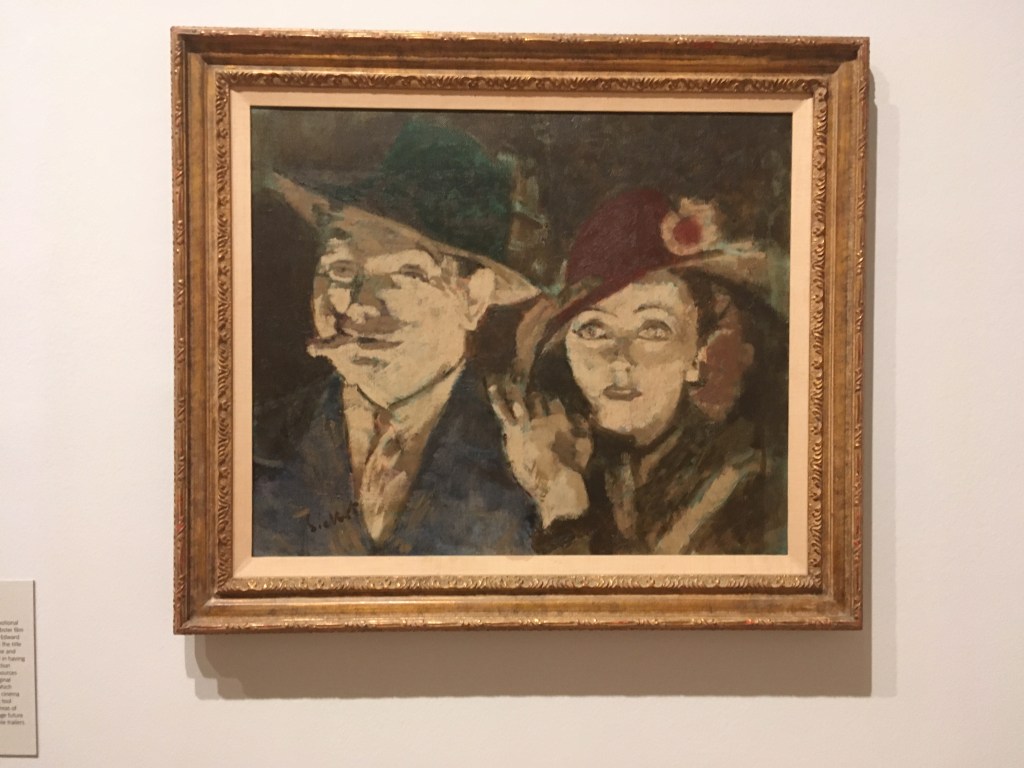
Jack and Jill, 1937, based on a promotional image for the 1936 mobster film Bullets or Ballots.
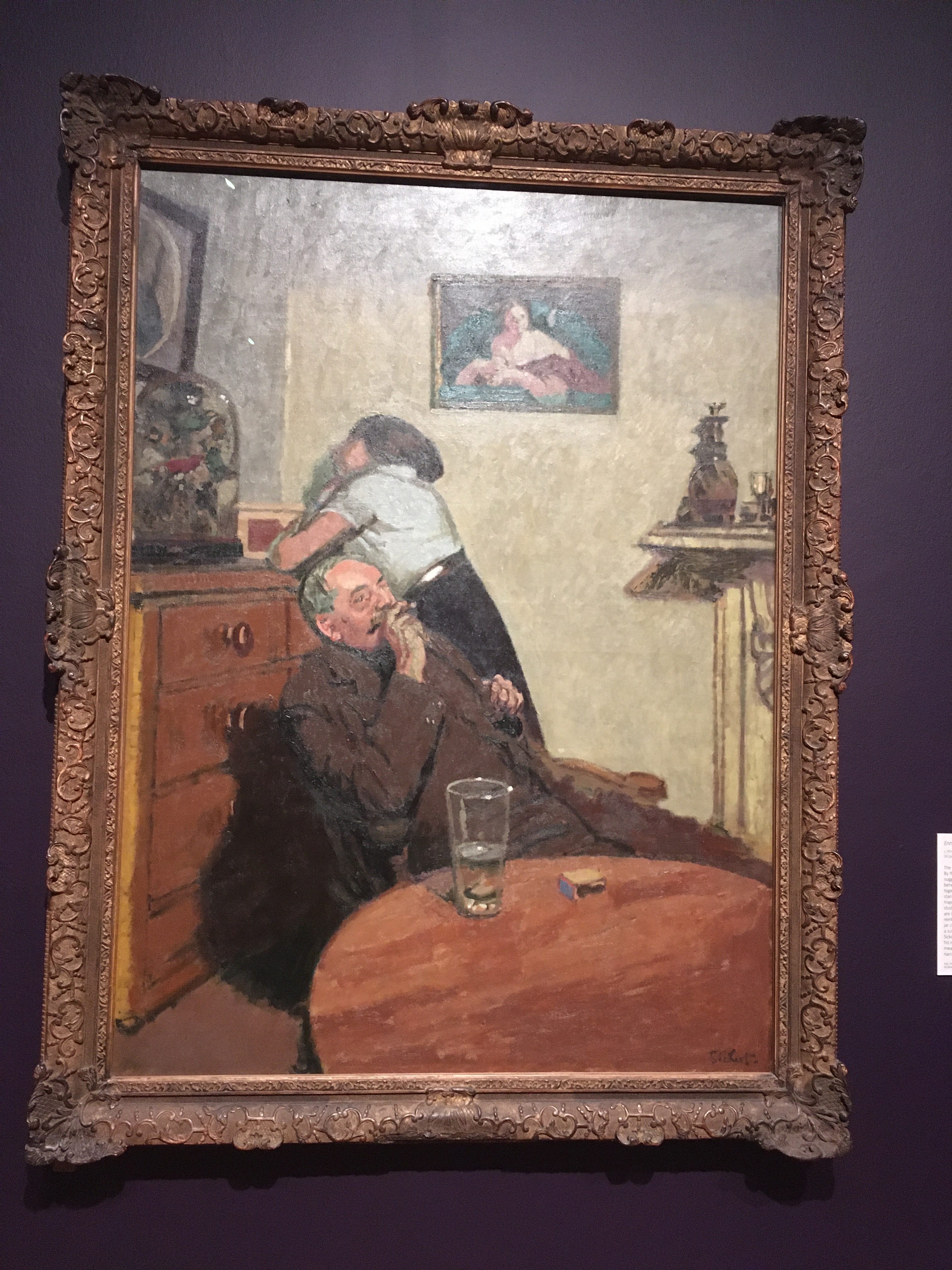
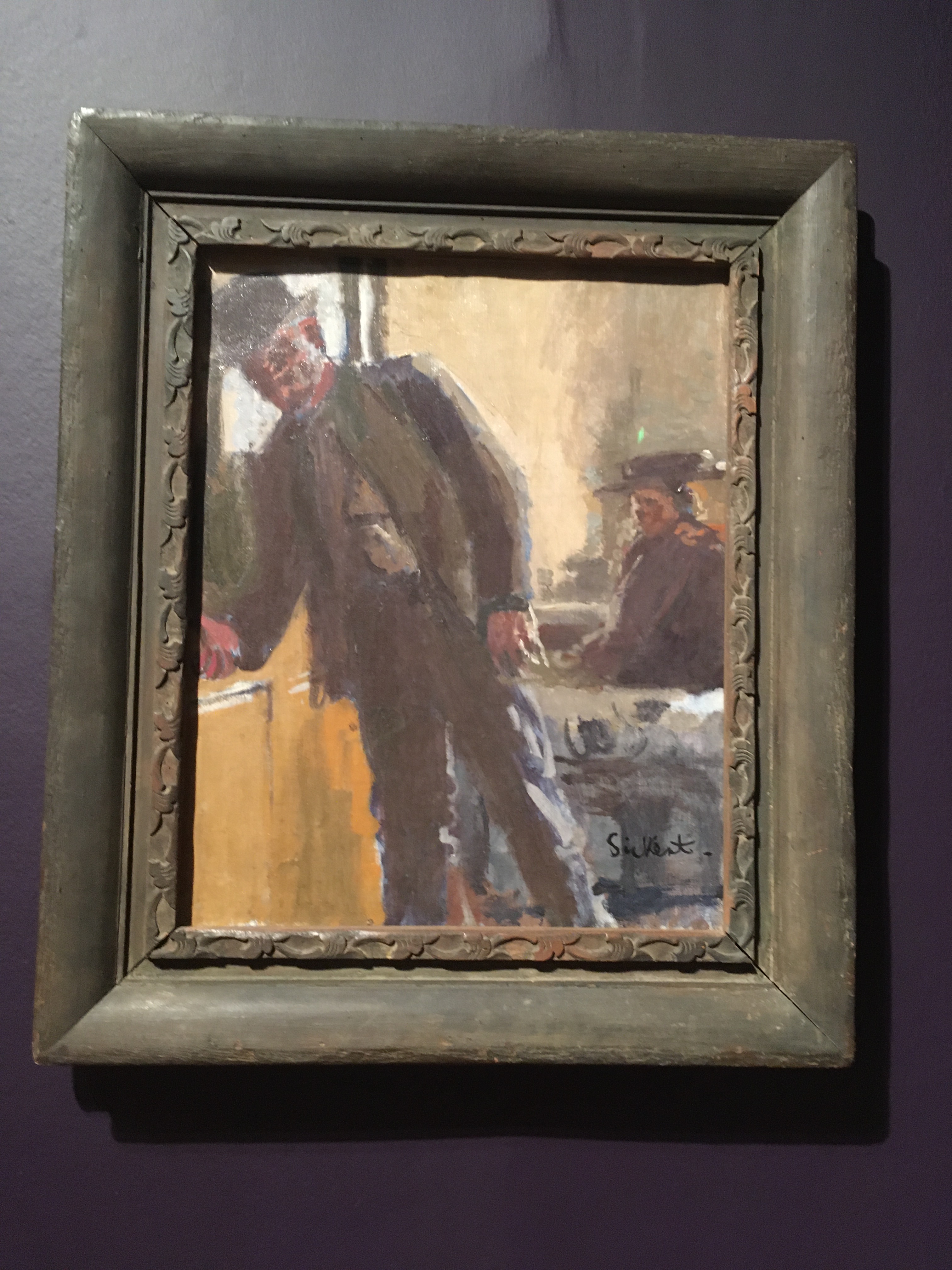
I’ve always been a Sickert enthusiast. OK, he doesn’t do pure colour, or even much colour, but his subjects always have a wonderfully intense feel to them. He often used photographs as reference – so many artists do, and why not when you need an interesting image to work from – and, as you can see in the image above, which is based on a promotional still for the mobster film, Bullets or Ballots, he has taken a photograph and rendered it painterly. There’s very little under-drawing and he has plunged into the painting with broad brush strokes creating a very urgent impression of the two protagonists.
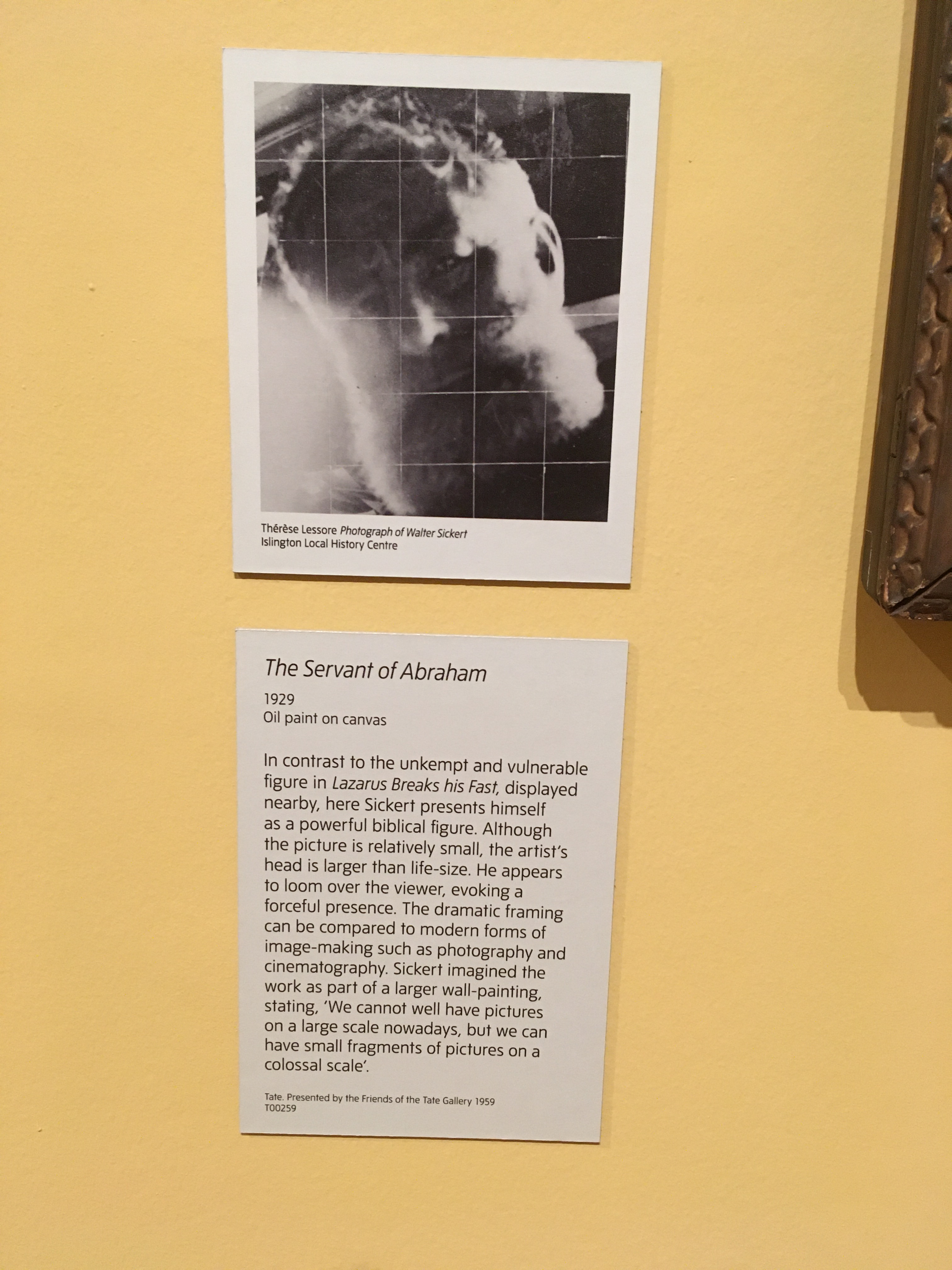
But going back in time, here’s a self-portrait, also made from a photograph. The blobs of paint are cohesive and blend beautifully to create a wild, expressive painting. I have a theory that Sickert worked at high speed too. I don’t think you can get this effect from a piece which has been slowly laboured on (but I’d love to talk to more experts about this).
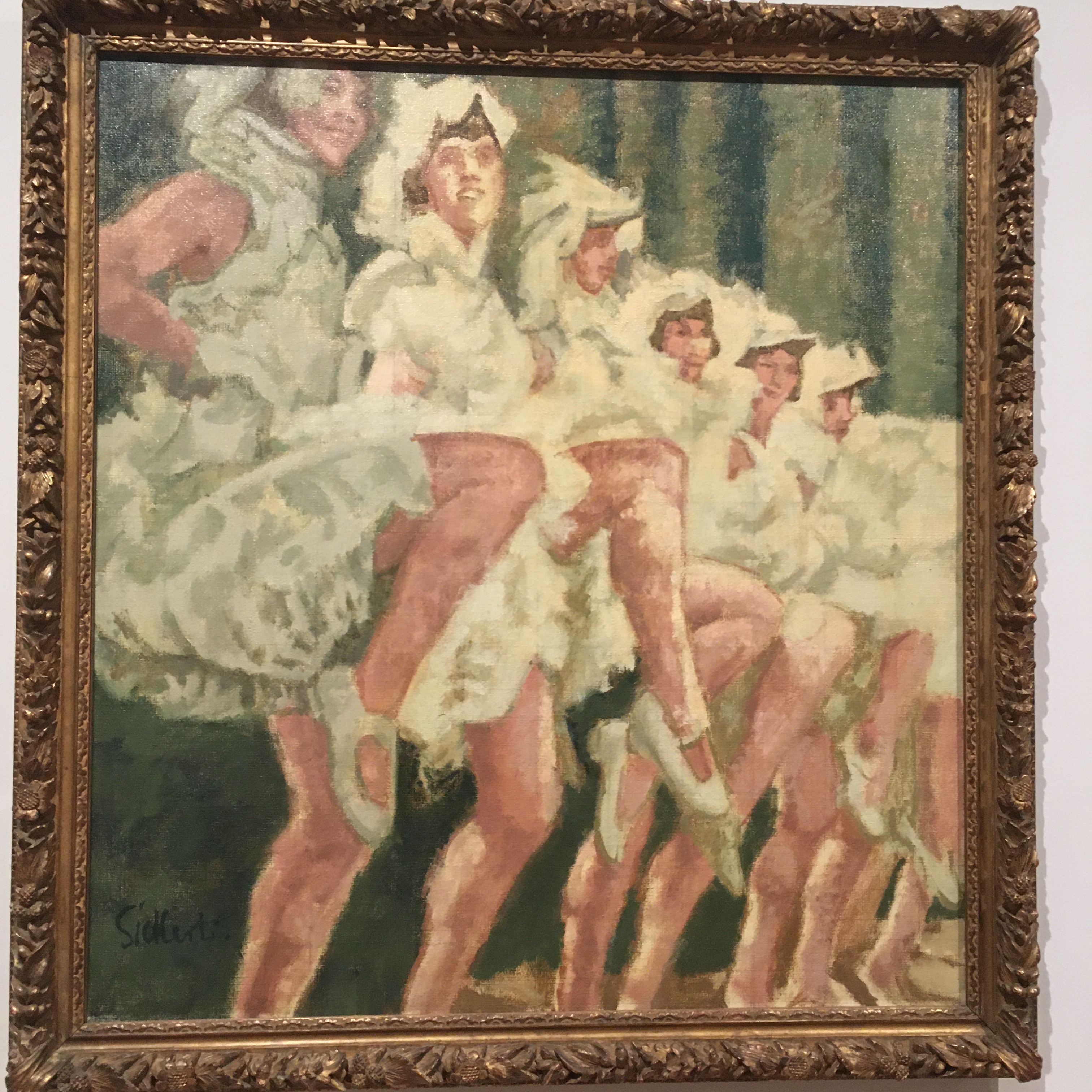
Sickert, born in 1860, started out as an actor. He was clearly drawn to theatre, performers and the audiences who filled music halls and arenas. He follows in a fine tradition of artists such as Hogarth, who loved a bawdy crowd in a theatre, or Degas who loved dancers and musicians and Lautrec who captured unusual angles of performers. These three examples, above, include High Steppers 1938, Theatre de Montmartre 1906 and Bonnet et Claque, Ada Lundberg at the Marylebone Music Hall.
You get a real sense of Being There from the paintings. The angles are curious and, with many of them, you feel as though you are right in the action; Ada Lundberg is singing right in front of you.
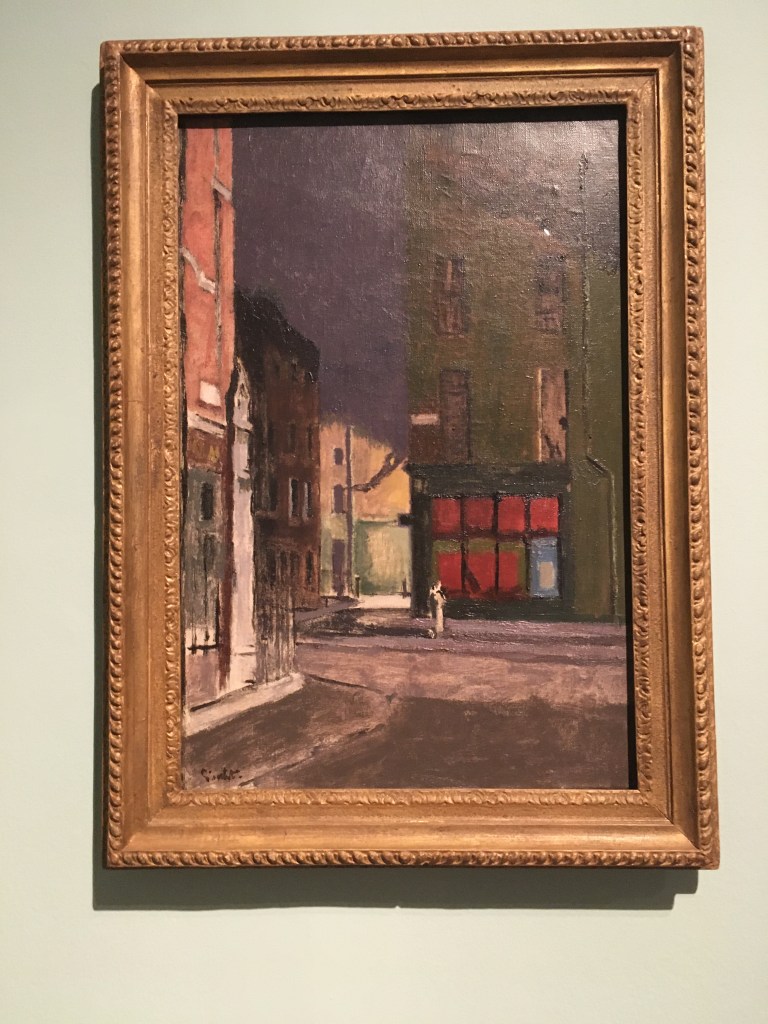
I was very drawn to this moody impression of a deserted Maple Street from 1916. It’s just a bit sinister, unpeopled, possibly late at night but that pop of red in the shop window is not only thrilling but quite chilling too. Loved it.
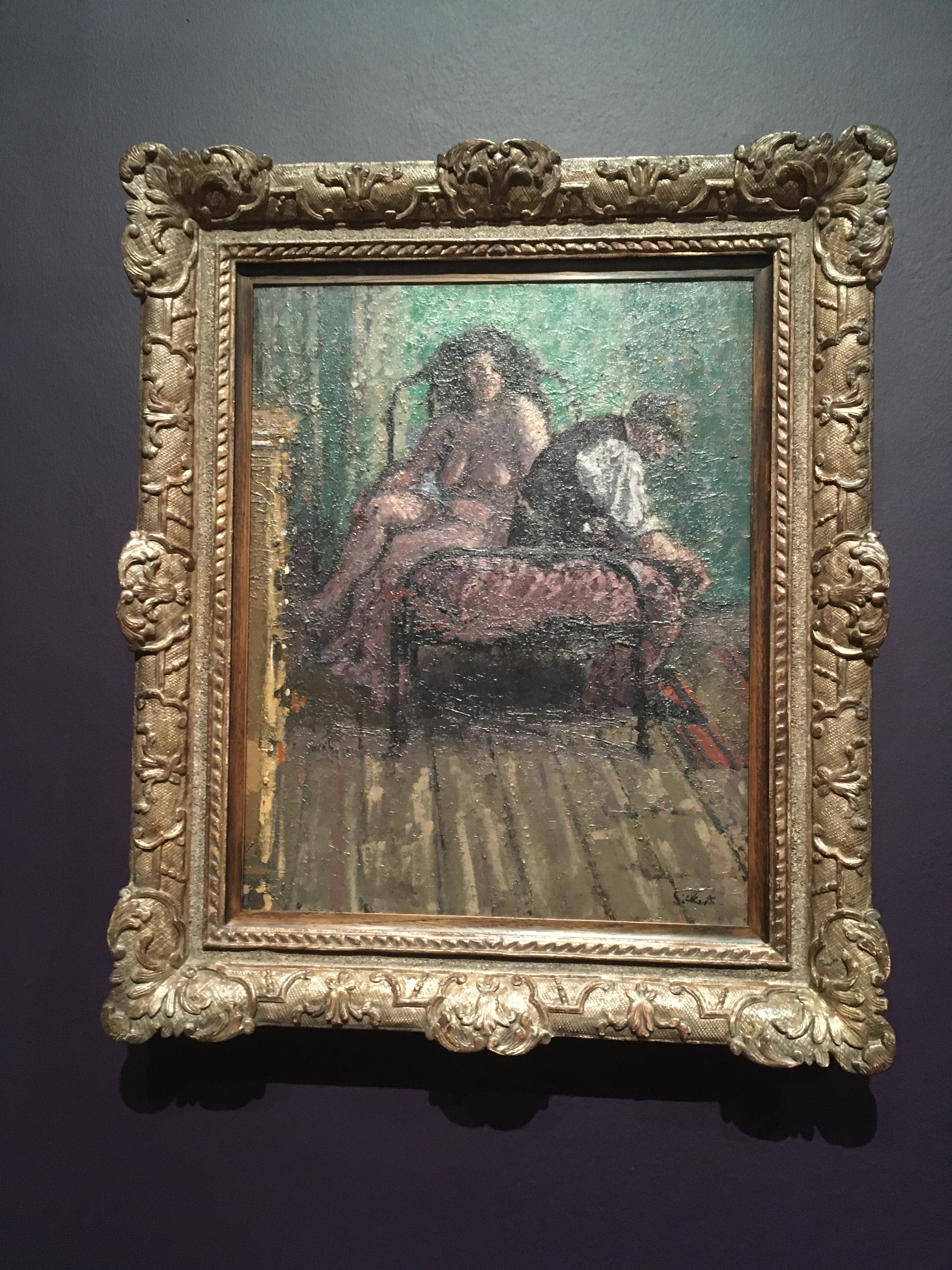
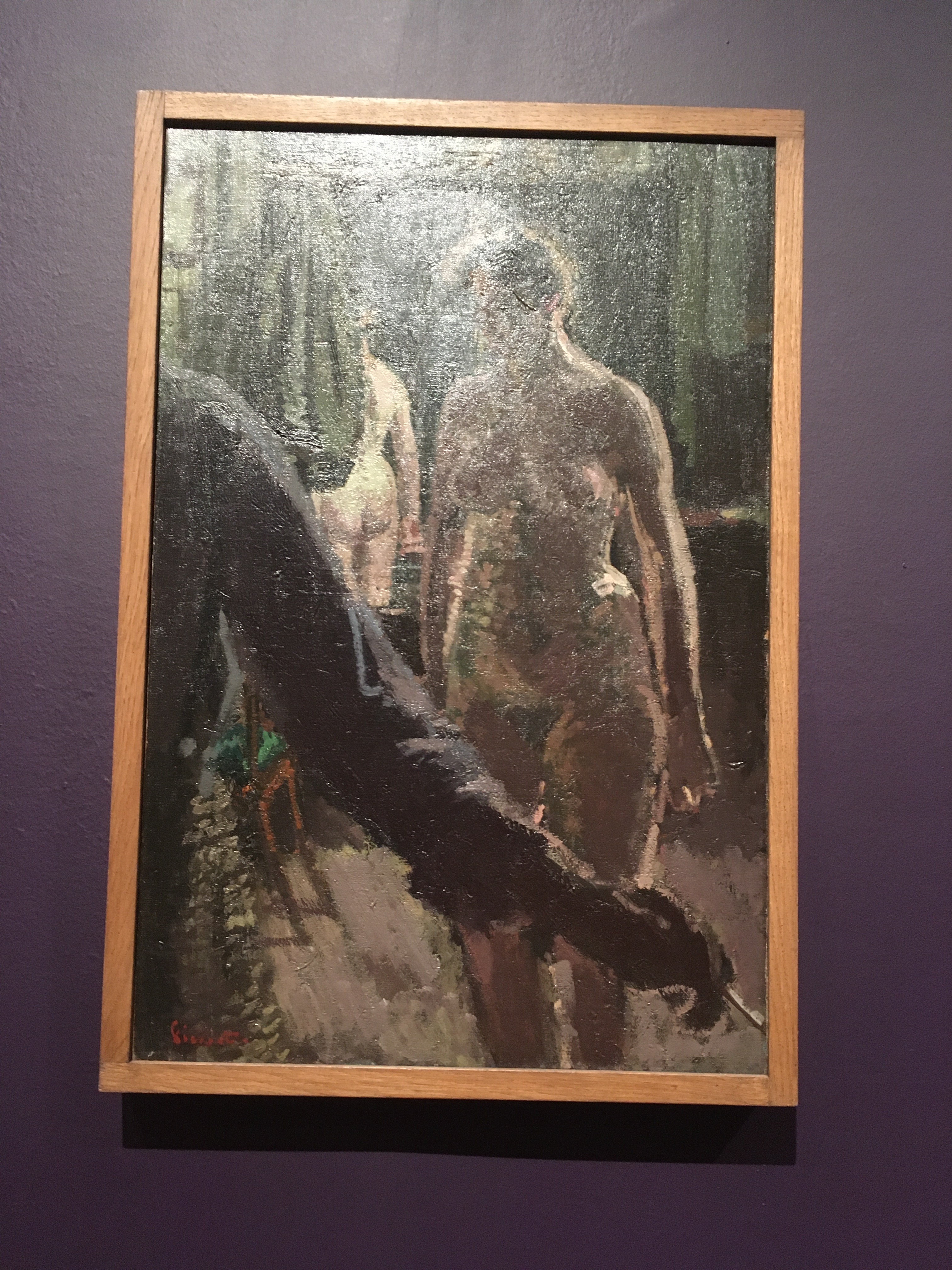
Ah, relationships. I get the feeling that Sickert was not successful in his relationships with women, but perhaps I’m reading these paintings too literally. These three all show couples operating at an emotional distance from each other. There is no tender gaze going on, more a sense that they’re on the brink of separating or just putting up with a claustrophobic situation. His Camden Town Murder range of paintings are unsettling. His nudes are amazing but you do feel that the women depicted have a defeated look about them.
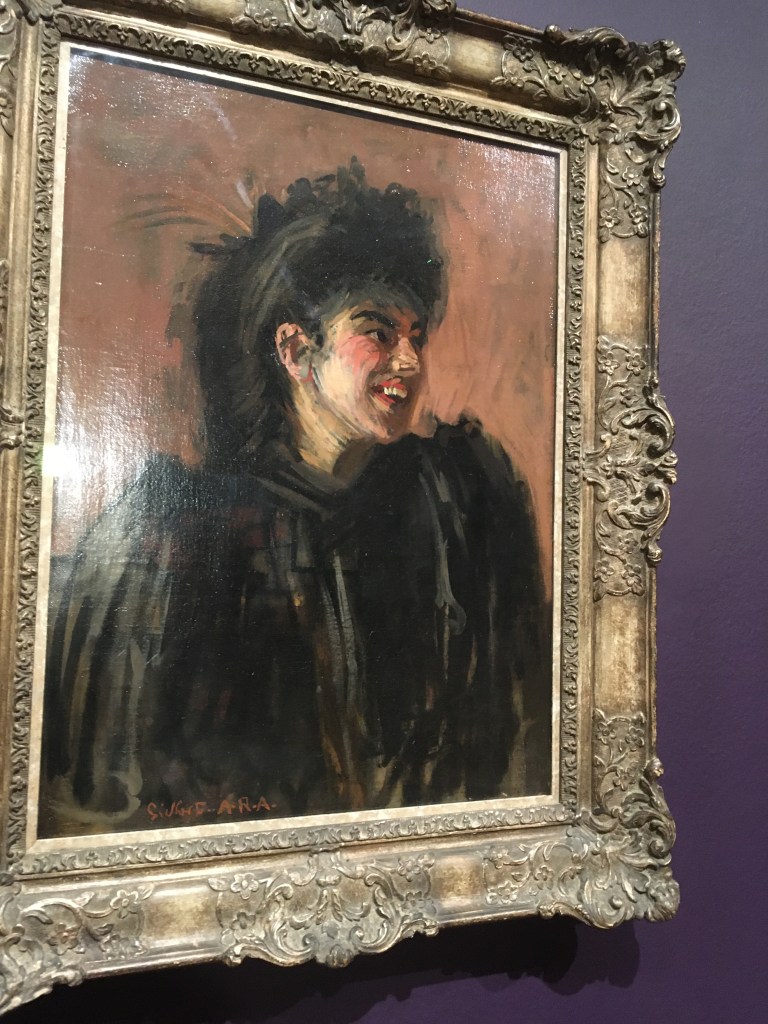
Here’s a really unusual portrait. It’s rare to see teeth in a portrait, or teeth that are the focus of the painting but he’s captured the character of The Blackbird of Paradise in 1892 which was exhibited with the title ‘A Study of Expression’. Again, I see speed of painting and a freedom of style which is very engaging. I think Hogarth would have approved.
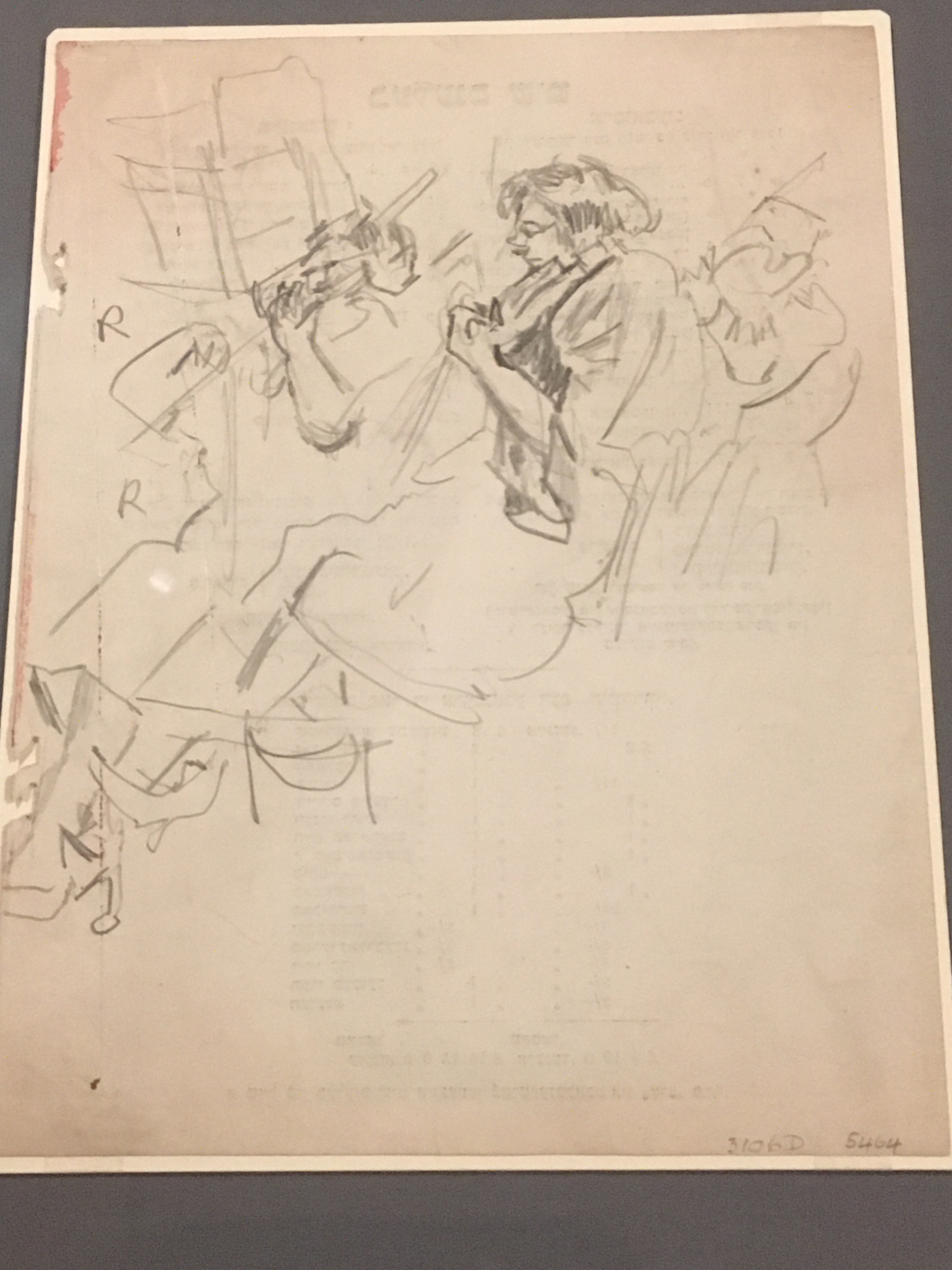
And finally, a few sketches which show us that Sickert didn’t only use photographs but liked capturing the action as it unfolded in quick and expressive drawings which inspired the paintings.
Walter Sickert is on at Tate Britain from 28th April to 18th September 2022.

































 Paper Places