London Mithraeum Bloomberg SPACE is currently hosting an interpretation of an ancient Korean Temple situated above the Roman ruins of one of London’s most mysterious survivors from its ancient past. Artist Do Ho Suh brings his impression of a beguiling space in South Korea to London in a very abstract ‘compare and contrast’ of disparate histories.

It’s not every day you get to explore the London Mithraeum in the basement of a dynamic City building like the new Bloomberg SPACE in Walbrook Street and discover the remains of a curious stone and brick Temple built during Roman times in London in praise of the God Mithras who ‘slew the sacred bull’.

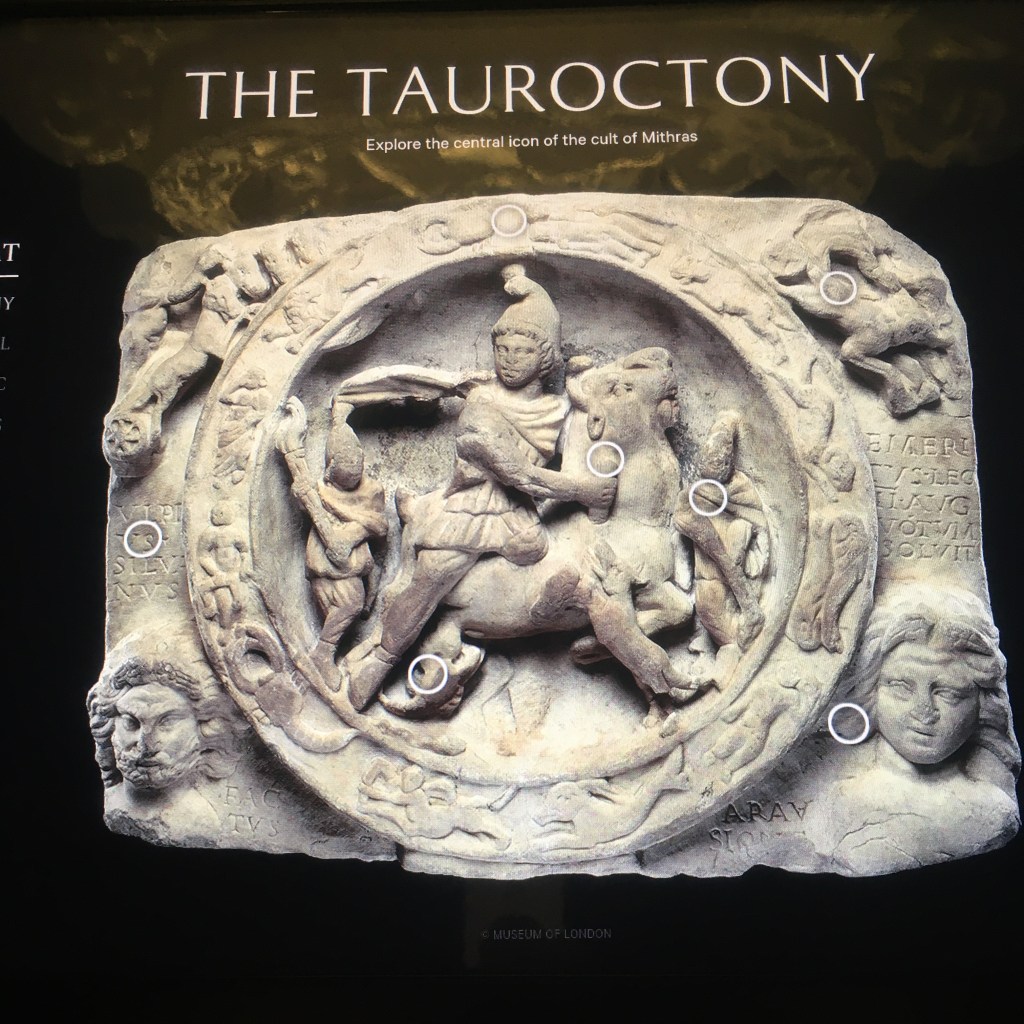
Above this fascinating remnant from London’s history is an impressive exhibition area, at the base of Bloomberg SPACE’s headquarters. Currently on show is an intriguing sculpture/installation by South Korean artist Do Ho Suh which conjures the memory of a similarly strange temple hurriedly erected in the ancient city of Gyeongju, South Korea at around the same time – the early hundreds, BCE. Doh specialises in installations in spaces which ‘capture the psychological energy of that place and create markers of memory’.
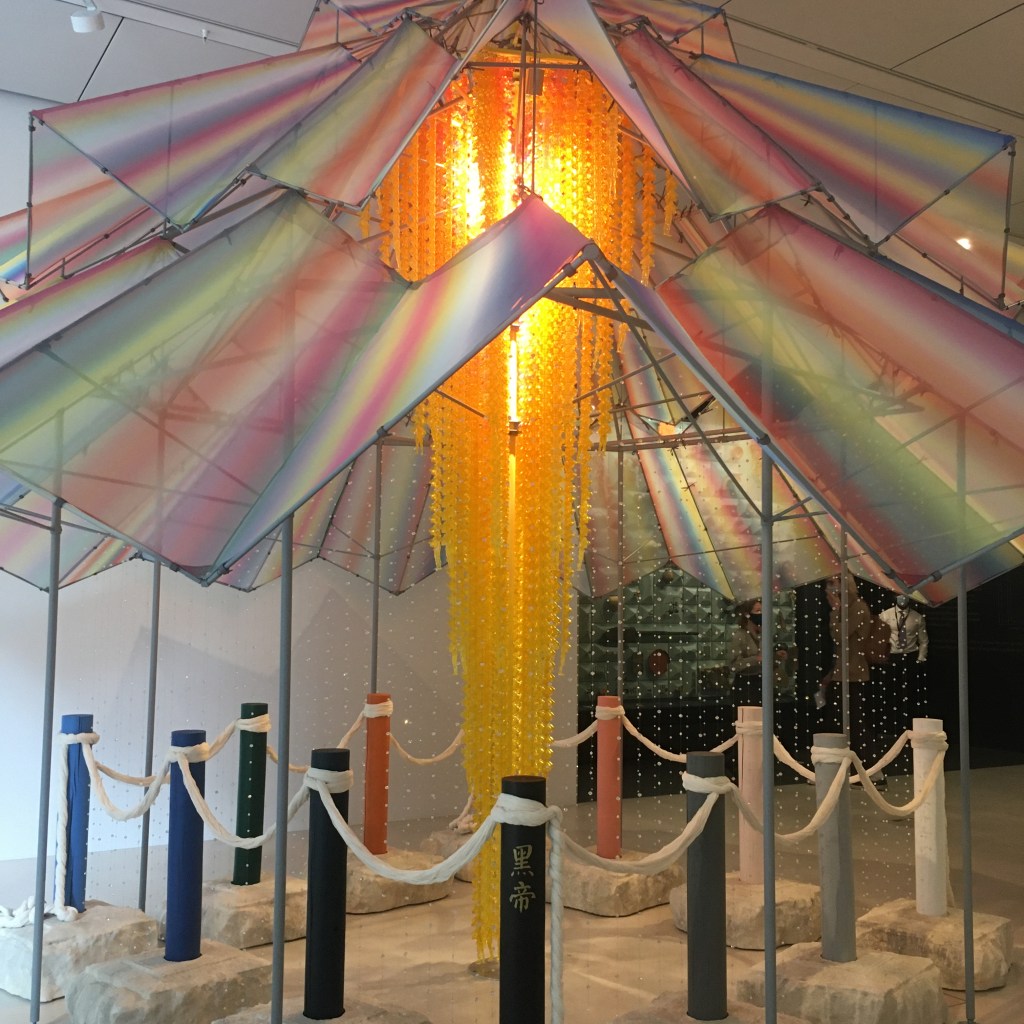
According to legend, the region of Silla in South Korea was under threat of invasion from a massive army from the Chinese Tang Empire. Thousands of soldiers were approaching in hundreds of ships across the sea. What to do? A clever monk came up with the idea of building a temporary temple made from fabric and for everyone to pray hard for salvation. It worked. A fierce storm blew up in the sea and all the invading ships were sunk.

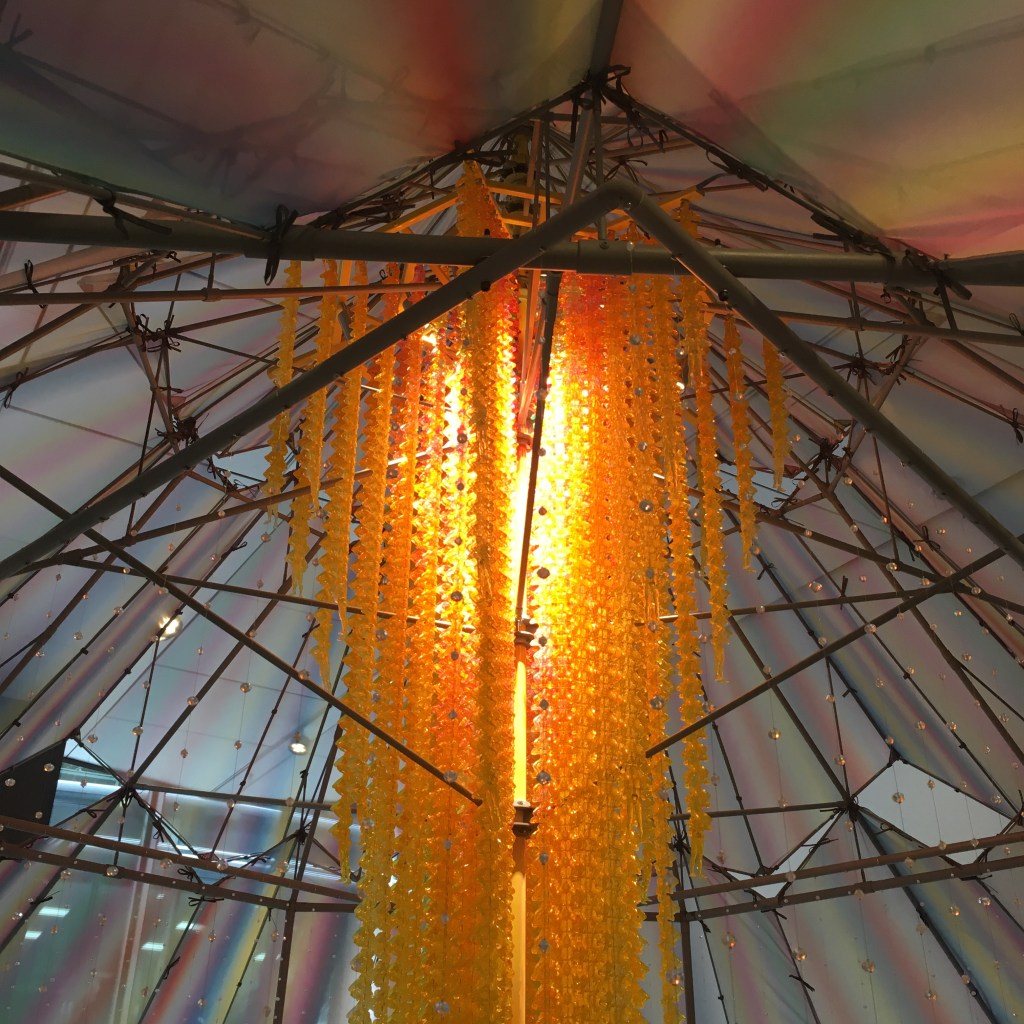
The site of the hastily built temple at Sach’onwang-sa was replaced by a more permanent one but only a few stone foundations of this building remain today. Suh’s creation, made like a multi-layered geometric parasol festooned with colourful silks imagines the way the temple could have appeared when it was hastily constructed. In the centre hang fronds of orange jewels illuminated by an inner light.

The exhibit is on show until 22nd January 2022. www.londonmithraeum.com

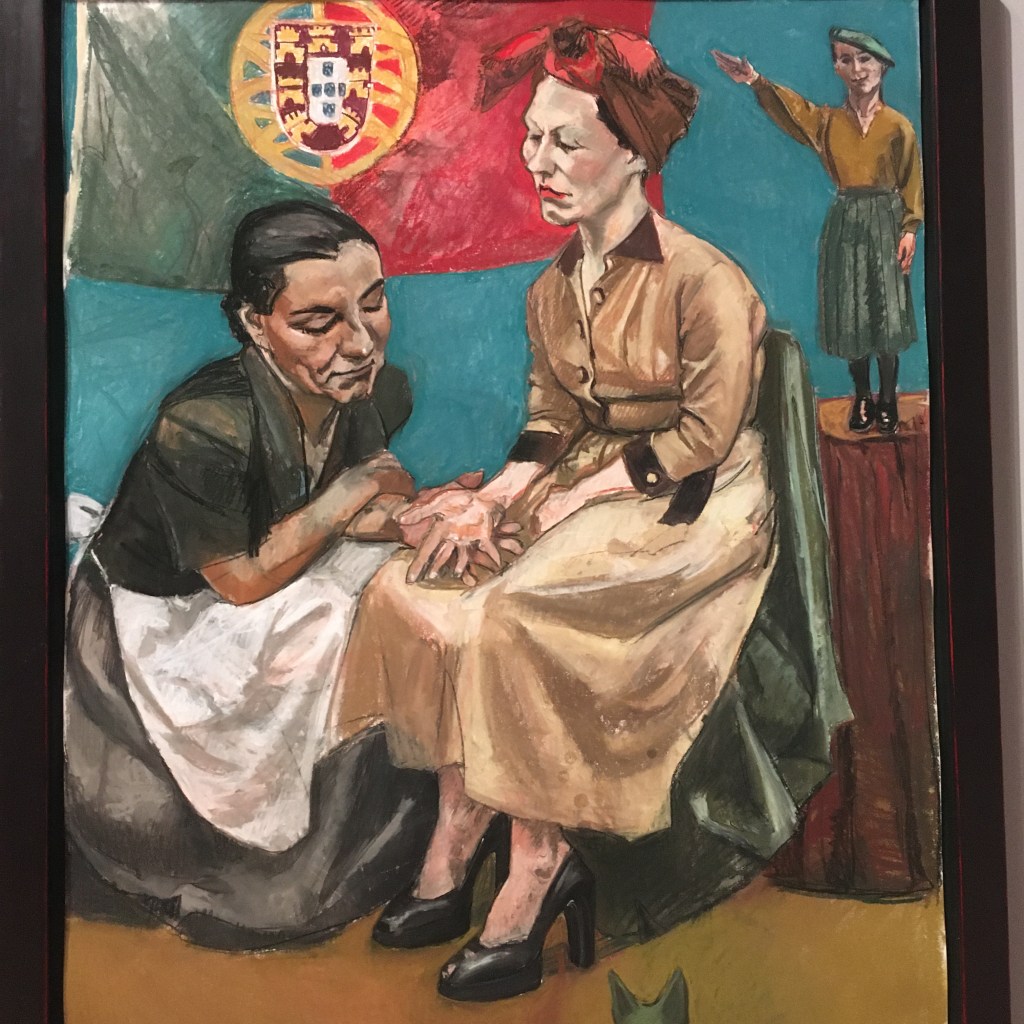
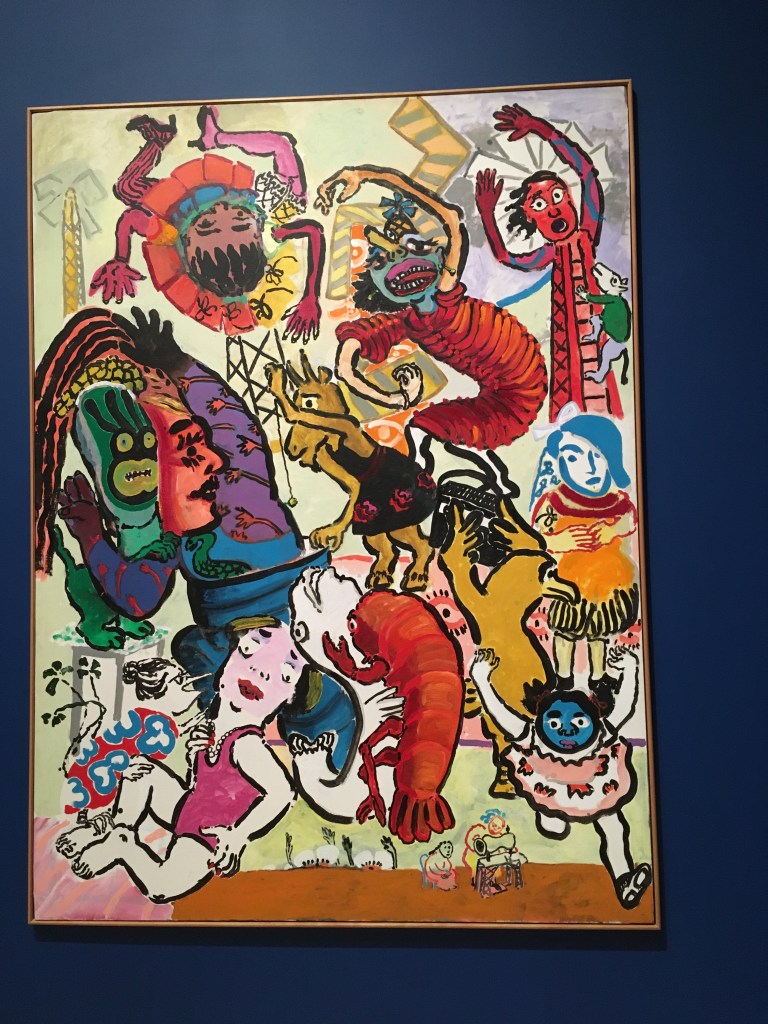
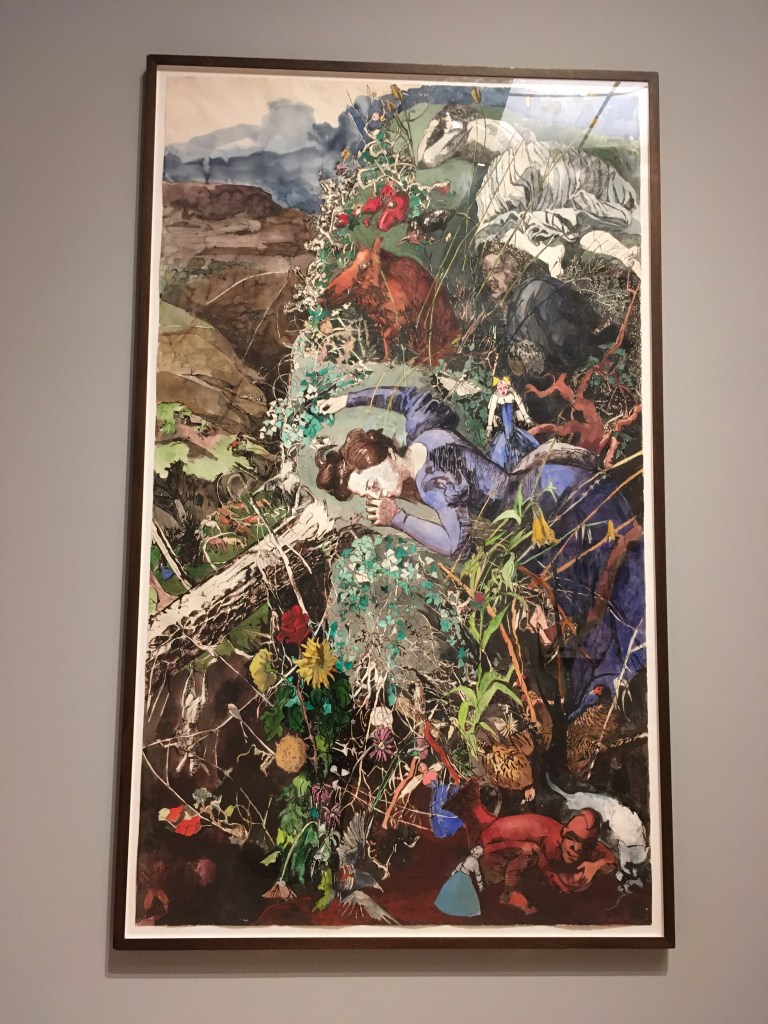
Paula Rego can feel confident that she is ‘amongst the grown ups’ (something she always craved) with a spectacular retrospective at Tate Britain. Concerned that, as woman, her art won’t be taken as seriously as male artists, this show is a huge moment of recognition for one of the world’s leading contemporary artists and provides a fascinating perspective on her upbringing, the political state she escaped in her native Portugal and her dark, narrative-driven work which illuminates injustice towards women.

Self portrait in red 1966, Paula Rego

‘It’s all about the story,’ says Paula Rego of her work. And it’s certainly true that her paintings are loaded with symbolism, imagery, a great cascade of consciousness and dreamlike elements that suggest a great number of stories. Her works are generally quite demanding, challenging the viewer to look at painful or difficult subjects. We are not given answers in the way that narrative or genre paintings of the 18th or 19th century tried to illustrate a situation; with Paula Rego’s works we are presented with emotions, issued and, very often, dark, abusive situations involving women who are threatened or who look about to wreak a terrible vengeance on their abuser.

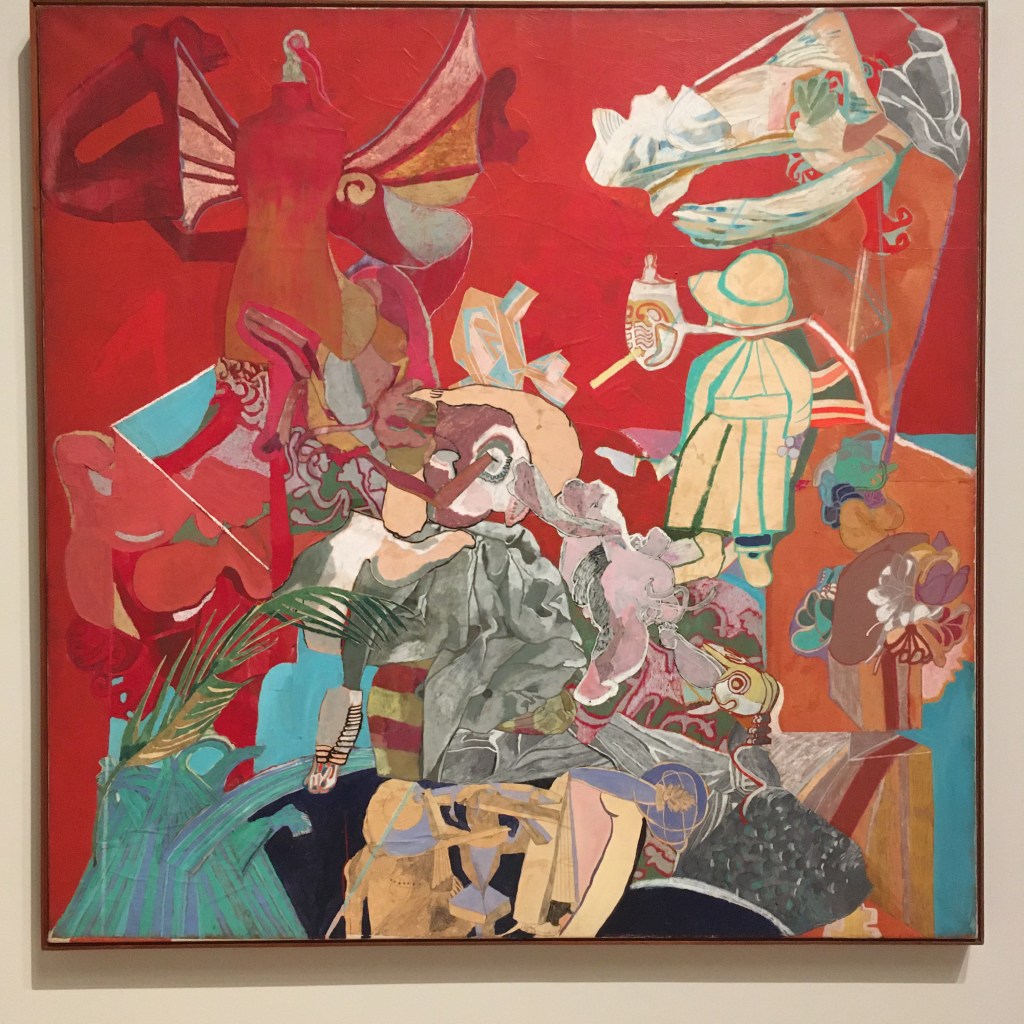
Turkish Bath, collage with oil paint, paper and ink on canvas, 1960

I really enjoyed this new show at Tate Britain. It’s particularly fascinating to see so many of her early collages (an artist after my own heart!) and her imaginative use of fragments of drawings, newspaper clippings, photos snipped from magazines and photos all mixed up with paint, ink and gouache.

‘When we had a house in the country we’d throw marvellous parties and then we’d go out and shoot black people.’ 1961 Oil paint, graphite and paper on canvas

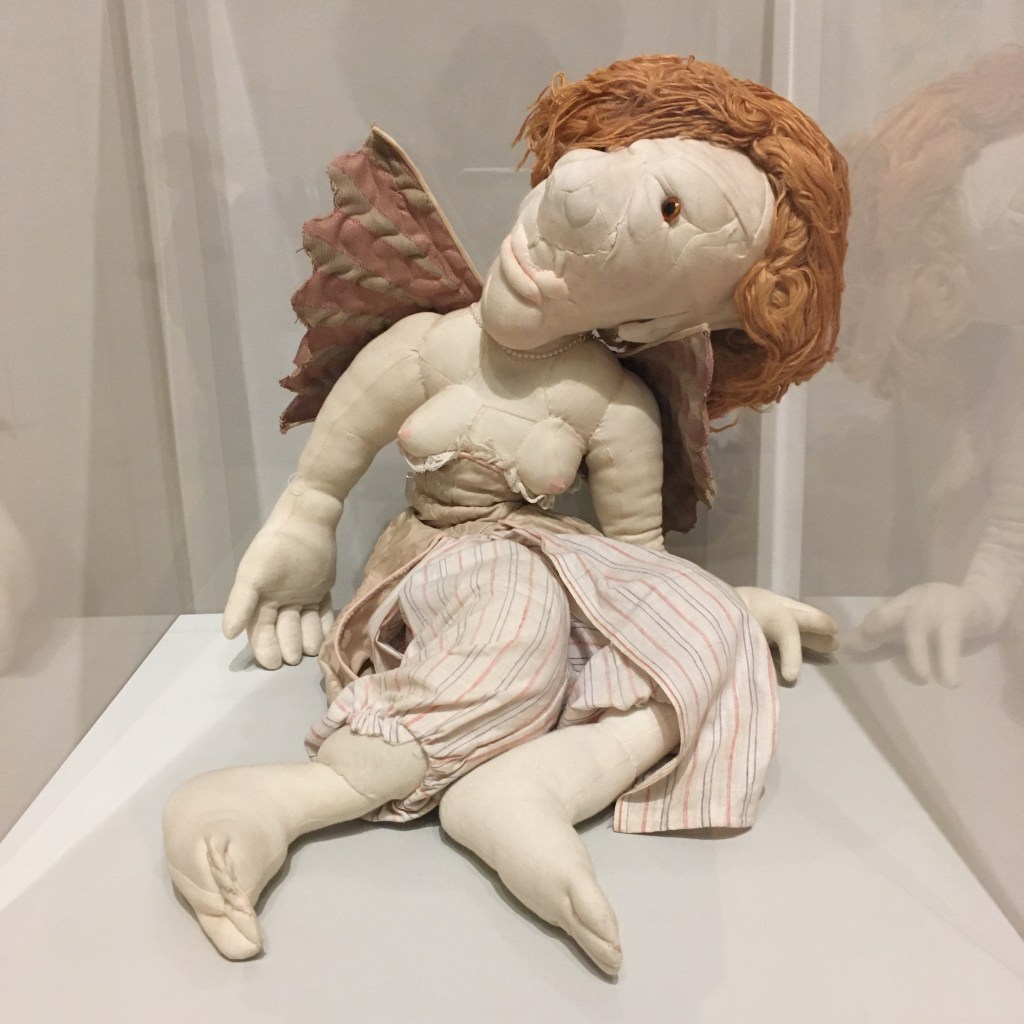
Her early work has a very surreal feel to it, often filled with uncomfortable subjects and uneasy images. As her work evolved she started using models in the studio along with props, often curious puppet-like creatures who interact with the live models.

Sea Nymph, 1978, Fabric, wool, plastic and kapok

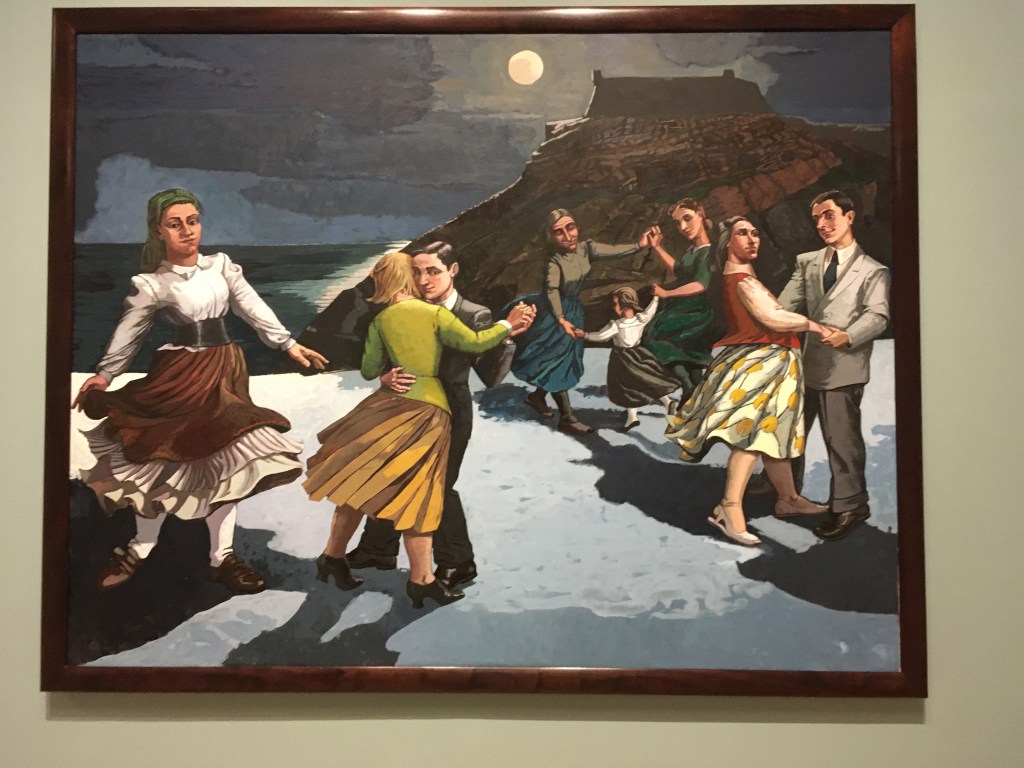
These works often referenced the political situation in Portugal (which she escaped aged 16 when her parents sent her to London to study art), her own relationship with Victor Willing, a fellow student whom she married and the agonies of infidelity, illness and frustration. The Dance, below, was completed after her husband’s death and features him dancing with Paula and with a blonde lover.

The Dance, 1988, Acrylic paint on paper on canvas.
The Artist in her Studio, 1993, acrylic paint on canvas

This fabulous show is on at Tate Britain until 24 October 2021.

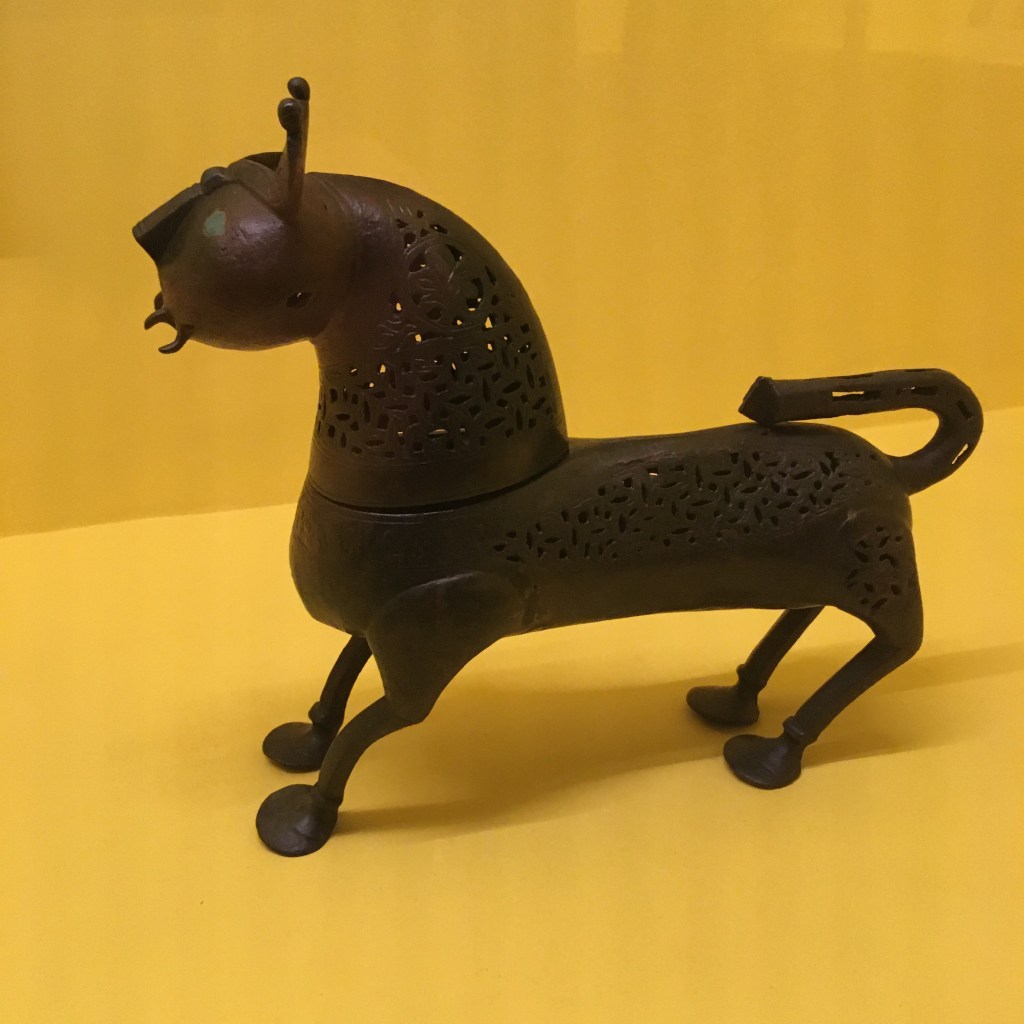
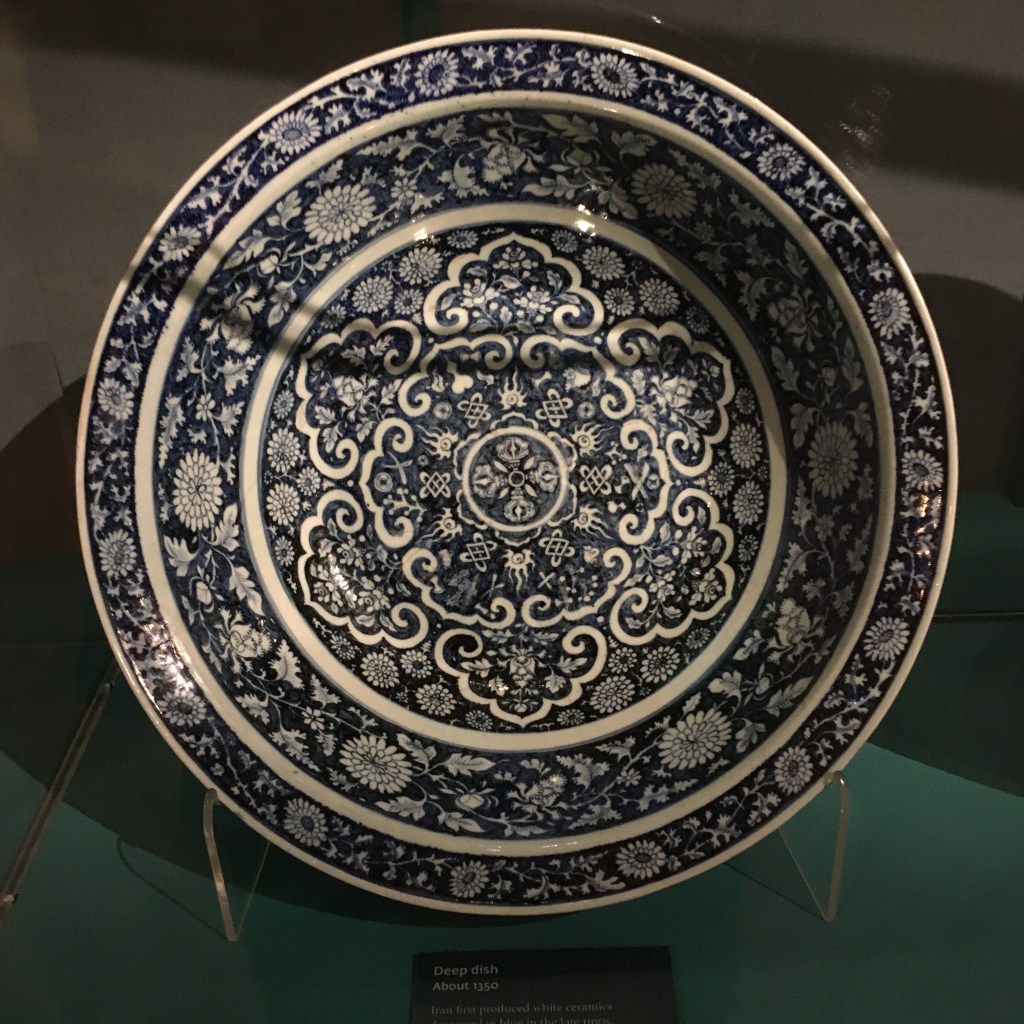
Epic Iran: an astounding exhibition at the Victoria and Albert Museum charts 5,000 years of Iranian art, design and culture. From objects created over 1000 years BC to examples of contemporary art, this is a visual and sensory feast which brings the evolution of Persia and Modern Iran into sharp focus.

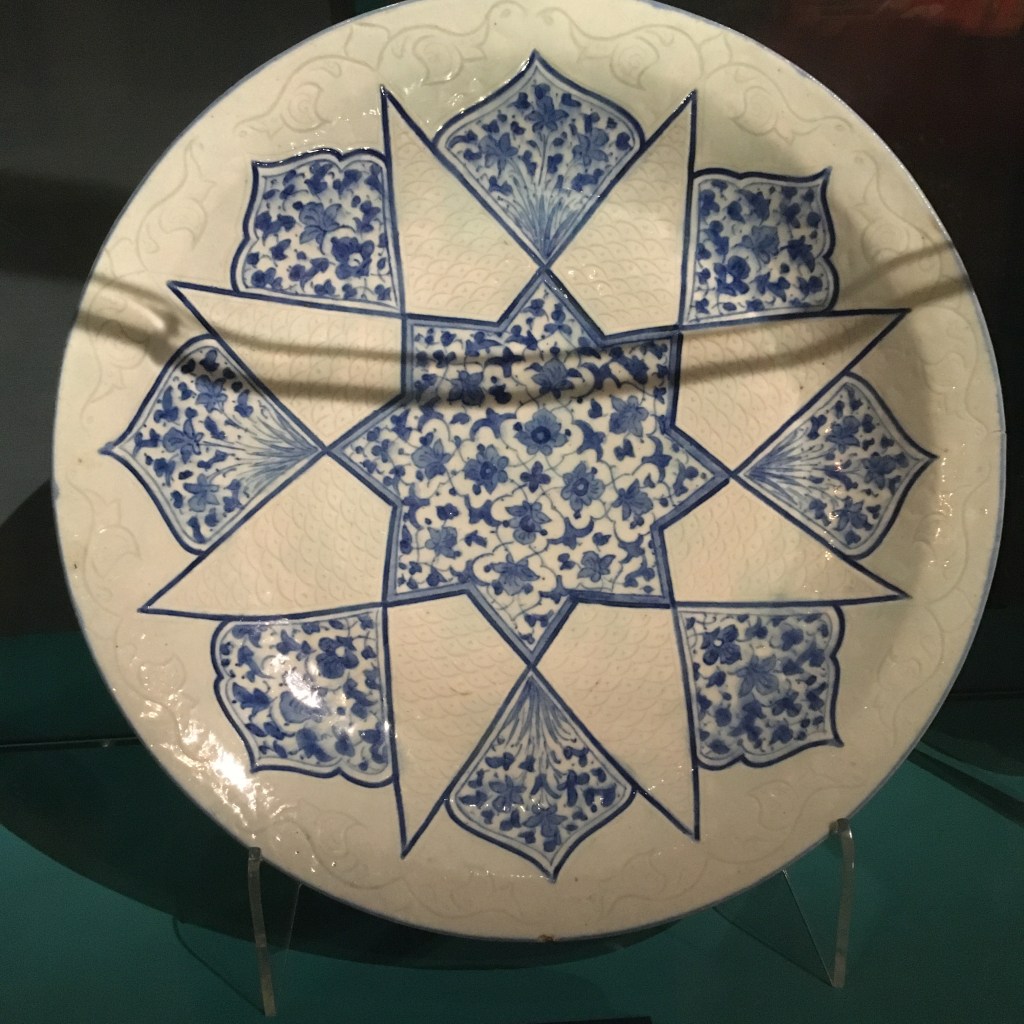
It’s very easy to go into an exhibition and think that you know what to expect and that you’ll be greeting a lot of familiar ‘old friends’ we’ve seen behind glass in different areas of the V&A and other museums. Oh, but this is so much more. It’s great that British museums do have great international collections of sculpture, tiles, fabric, rugs, pottery, artwork, books…. goodness, there’s so much to view. But seeing all these pieces from the country we now know of as Iran in one exhibition is truly breathtaking and a fascinating journey through time as we see the evolution of a nation’s cultural history illustrated by some remarkable pieces.

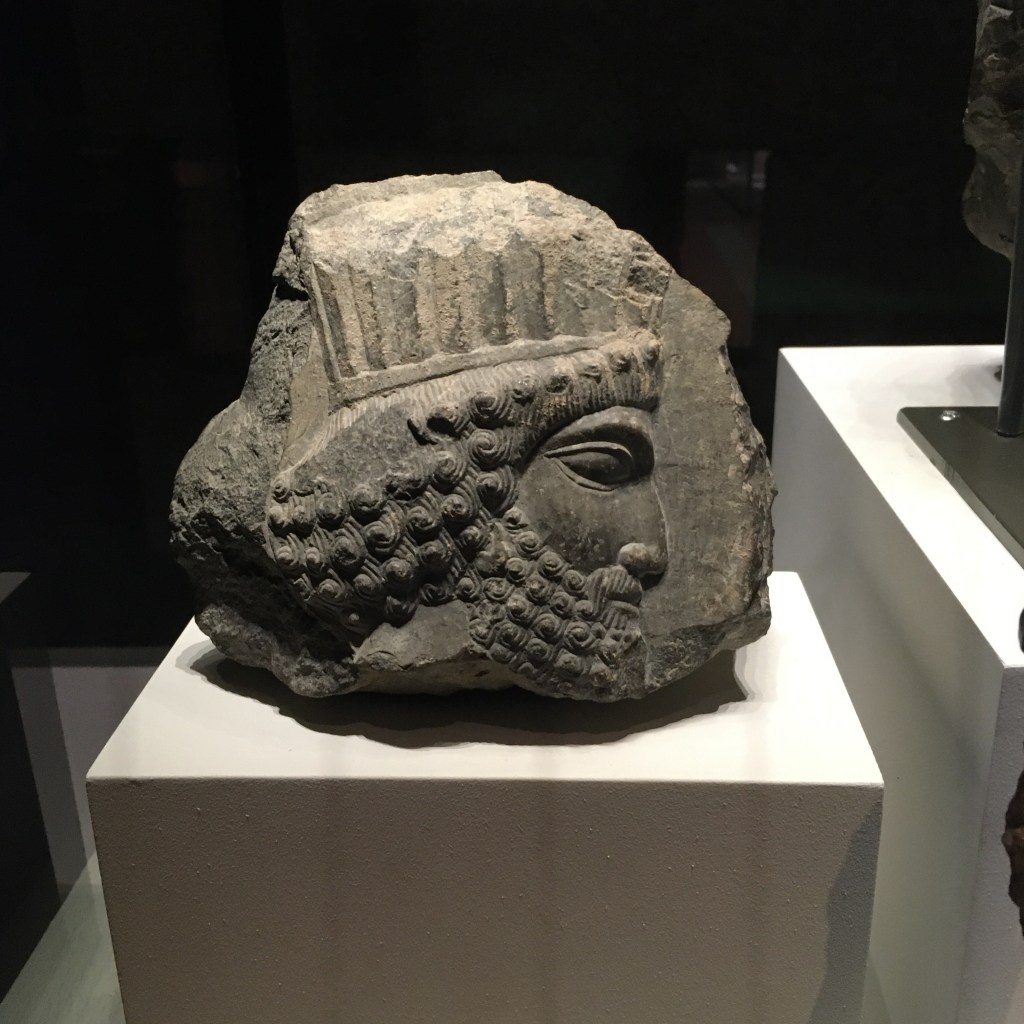
Head of a Persian 515-480 BC from Persepolis, Iran

We start way back in time – 800 – 1000 BC. Things were pretty sophisticated and whizzy on the plateau of Persia and it still seems incredible that these pieces have survived in what looks like perfect working order.

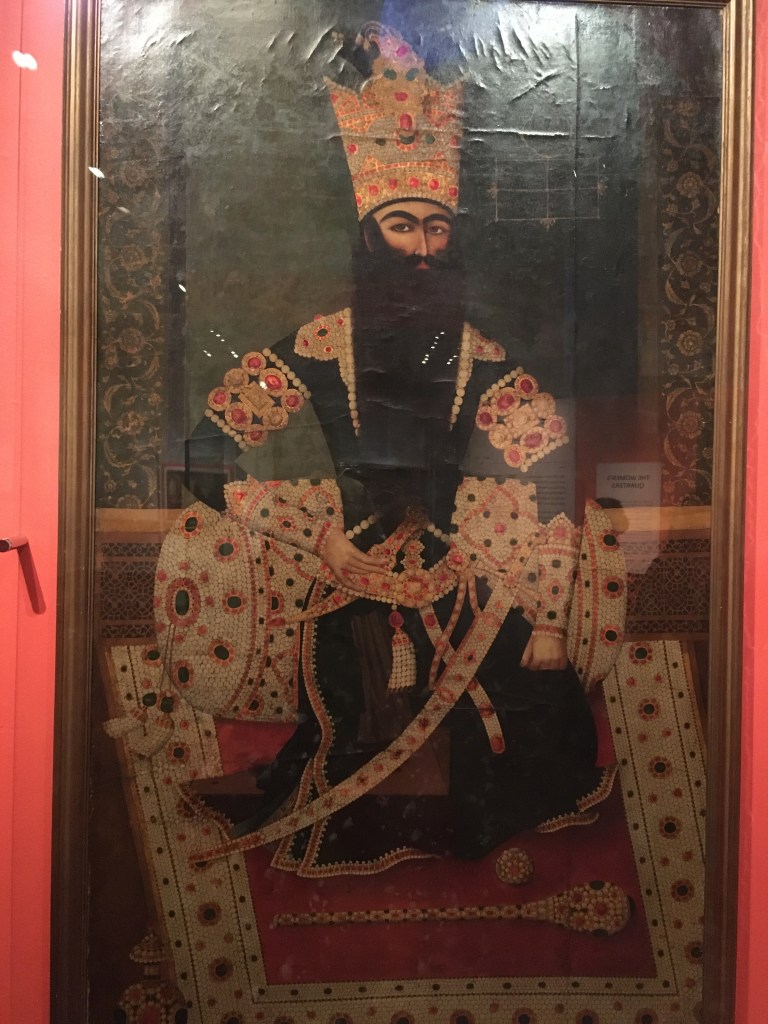
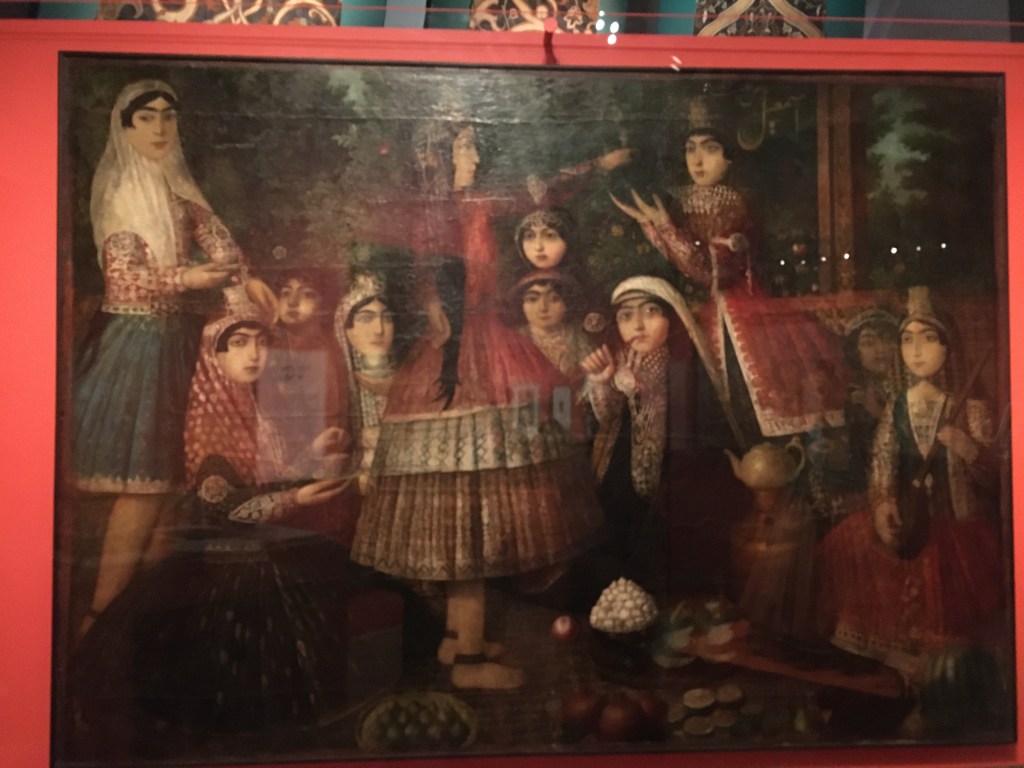
The Sarikhani Collection must be thanked for many of the pieces. This family has made it their life’s work to collect and protect ancient Persian/Iranian treasures which tell the story of the country’s creative journey so fully. Of course I’m impressed by the intricate patterns and the glorious colours but what really fascinated me was the incidence of portraiture and the depiction of people in their everyday activities, or at home or war or, if you’re a king, looking powerful.

Portrait of Fath Ali Shah, about 1815
Ladies around a Samovar, about 1870

You’re also left with a feeling of relief that this region of the world, which has seen atrocious fighting, brutal invasions and huge cultural upheavals, has managed to maintain its cultural identity and keeps on evolving.

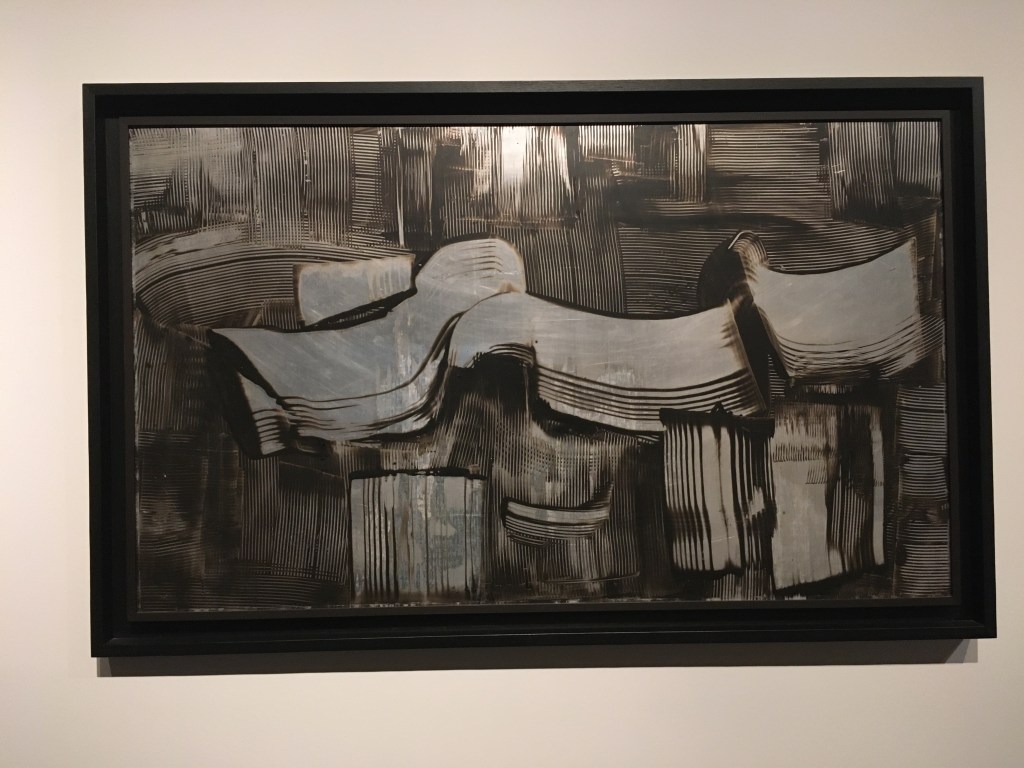
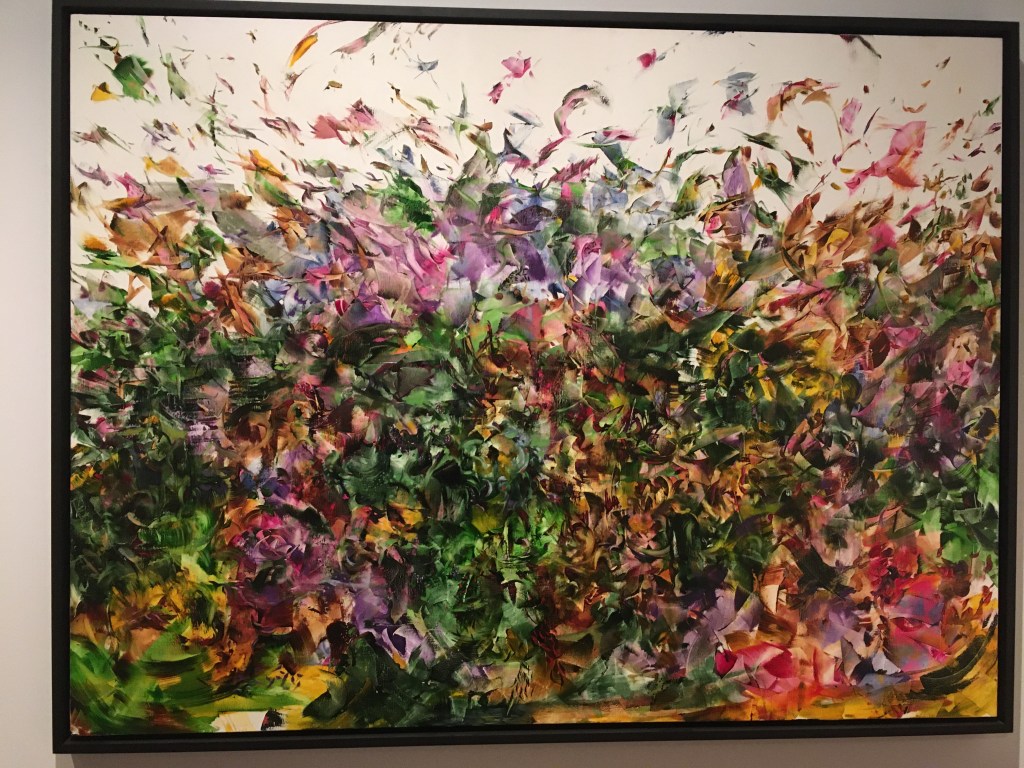
The last rooms were filled with contemporary works by current and 20th century artists who reflect the turmoil, changes and challenges of Iranian life. I liked the way a simple medium like oil slick was used on aluminium by Behjat Sadrto create art on canvas, and the wonderful colourful shapes by Ali Banisadr evoking violence and battlefields.

Epic Iran is on show at the V&A until 12th September 2021.

The truth about Nero….

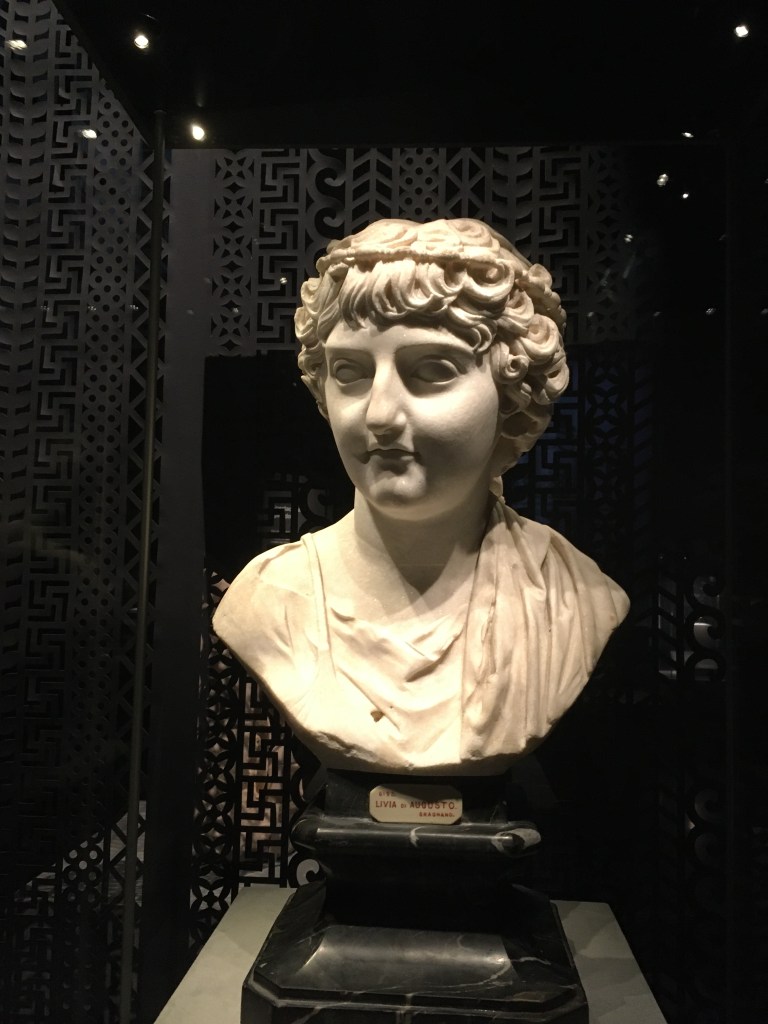
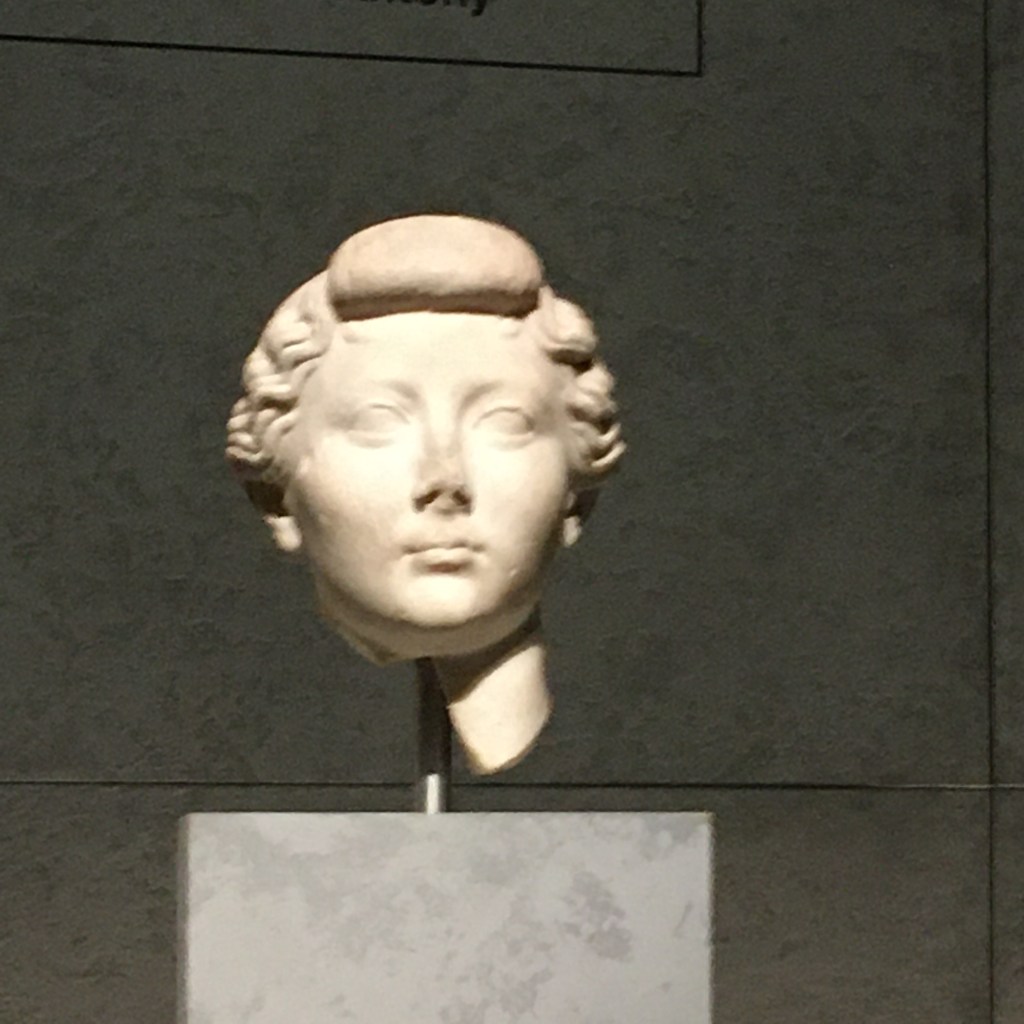
Nero: the man behind the myth. The British Museum has assembled sculpture, images and artefacts which capture the image and spirit = of one of the most notorious Roman Emperors. Nero is presented in the context of his turbulent reign with some fascinating portraits of the man and the historical villainy for which he is best remembered. Fascinating stuff.

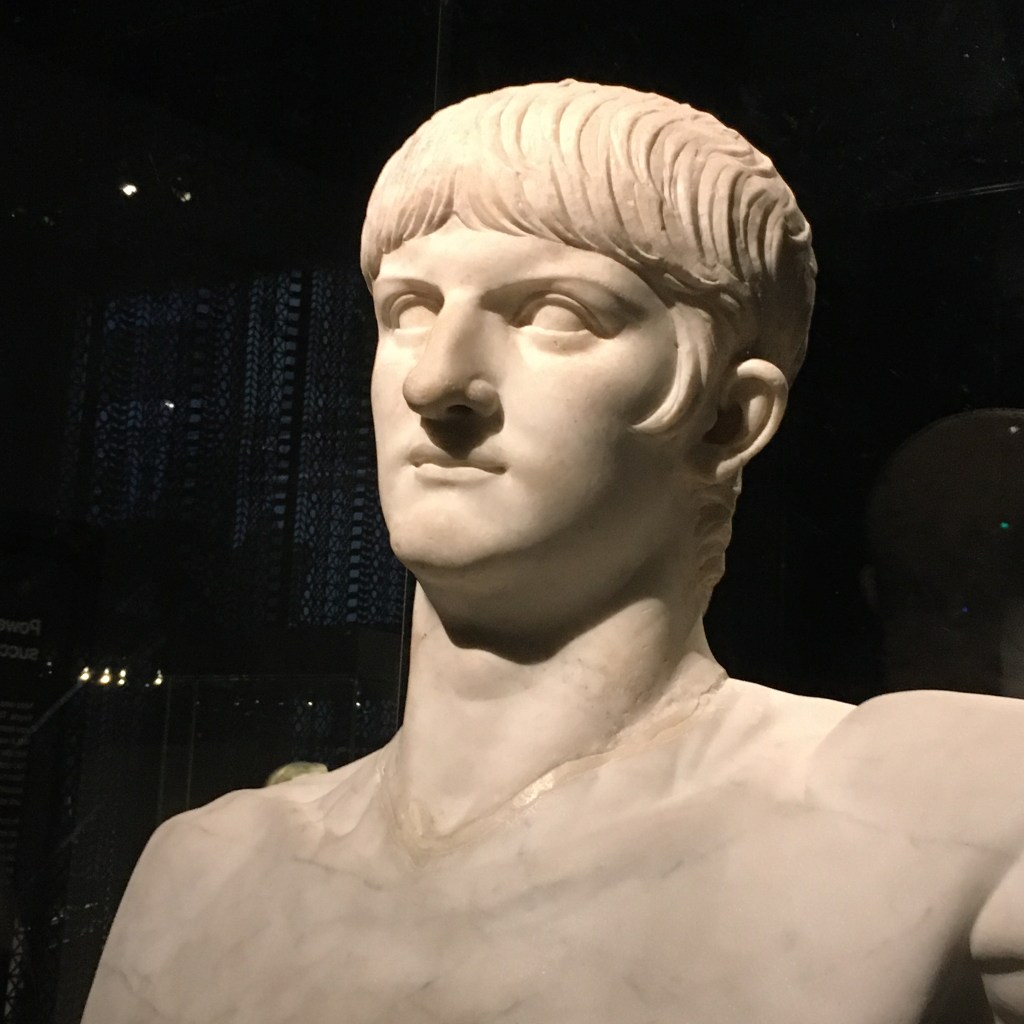
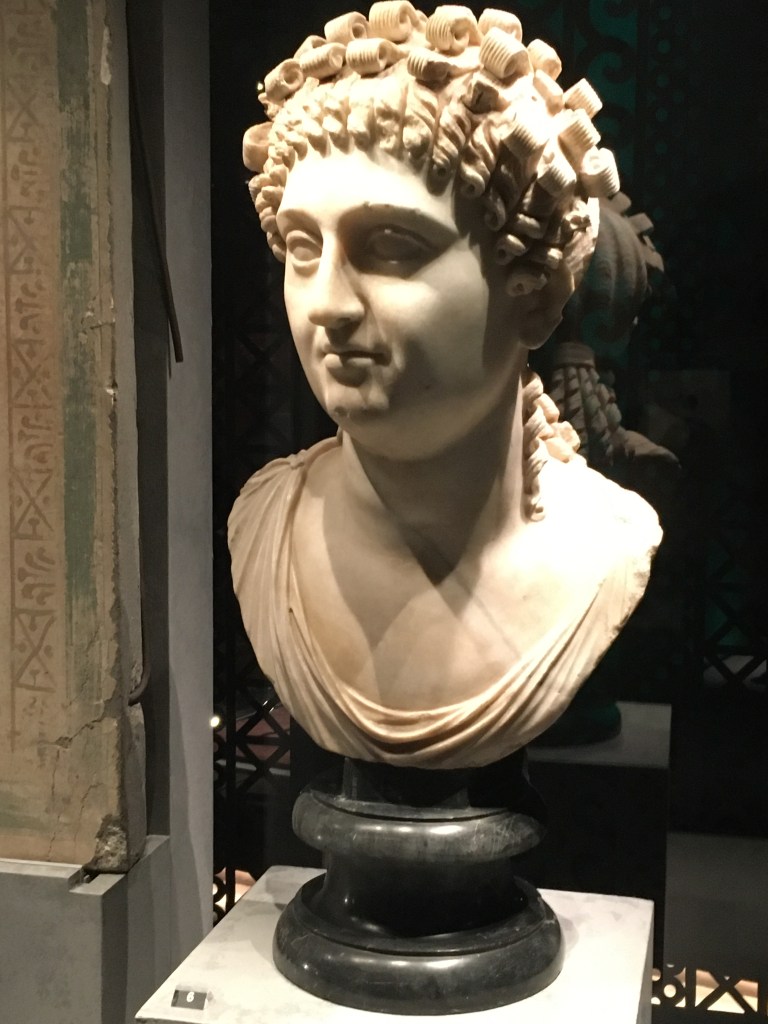
Young Nero, depicted as the perfect hero.

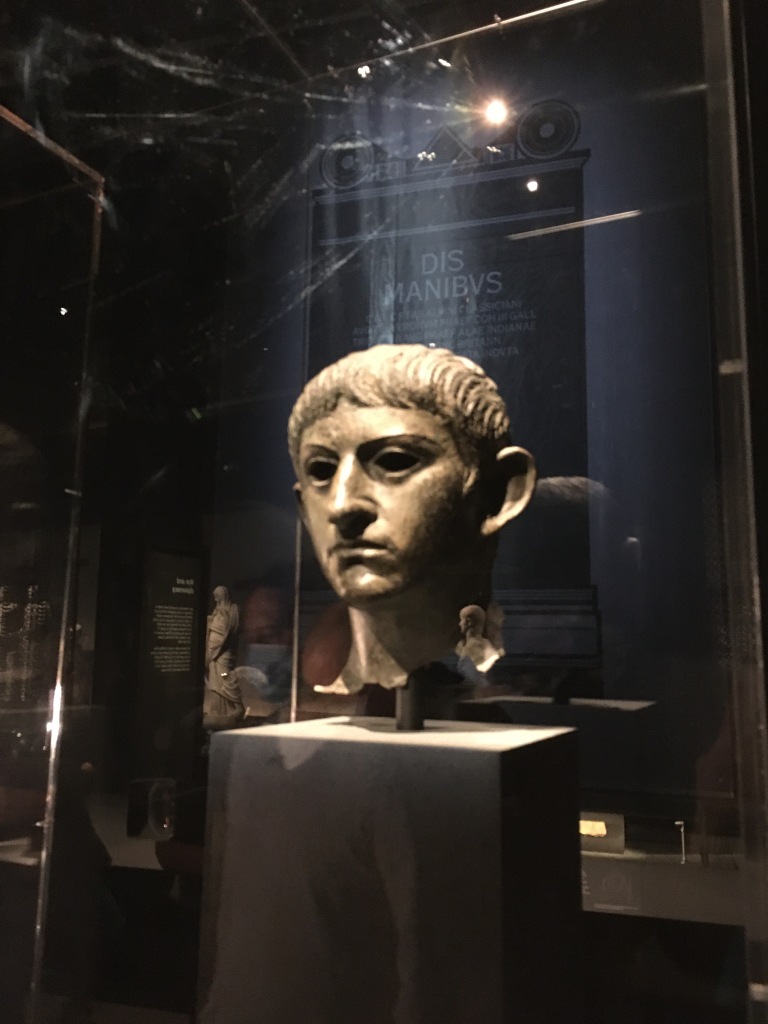
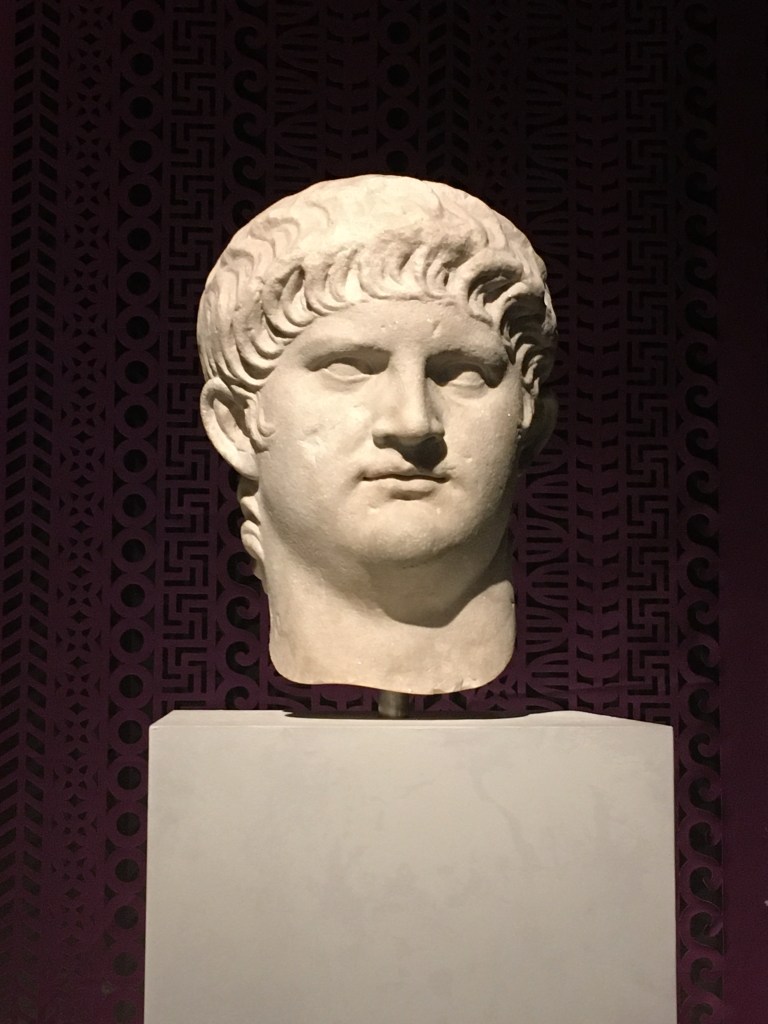
If you’re going to be a hero, a political tyrant or any kind of celebrity it’s a good move to have a distinctive hair do. Nero was no exception. His long fringe with fetching curls around the forehead stayed with him throughout his life and was meticulously depicted by sculptors during his 30 years. Born into the first Dynasty – a powerful family – the son of ambitious mother Agrippina, he became Emperor of Rome and its huge empire in AD54 when he was just 16. This is what we see in this early bust of Nero – a healthy, strong, ambitious young man taking the reins of power in both hands and making his mark.

Bronze head of Nero found in Colchester. The eyes would have been made of enamel or glass.

Nero was renowned for his careless cruelty. He thought nothing of slaughtering any opponent and seems to have had no allegiance to his family. He ordered the murder of his mother and his wife (who did not produce an heir) and maintained a reputation for brutal treatment of enemies and anyone who threatened his power.

I was first introduced to Nero through the compelling books by Robert Graves – I, Claudius and Claudius the God. The television series in the 1970s was brilliant too. You gather, from these fictional and dramatic interpretations of life in Rome in the first century AD is that you had to be ruthless if you wanted to maintain your power.

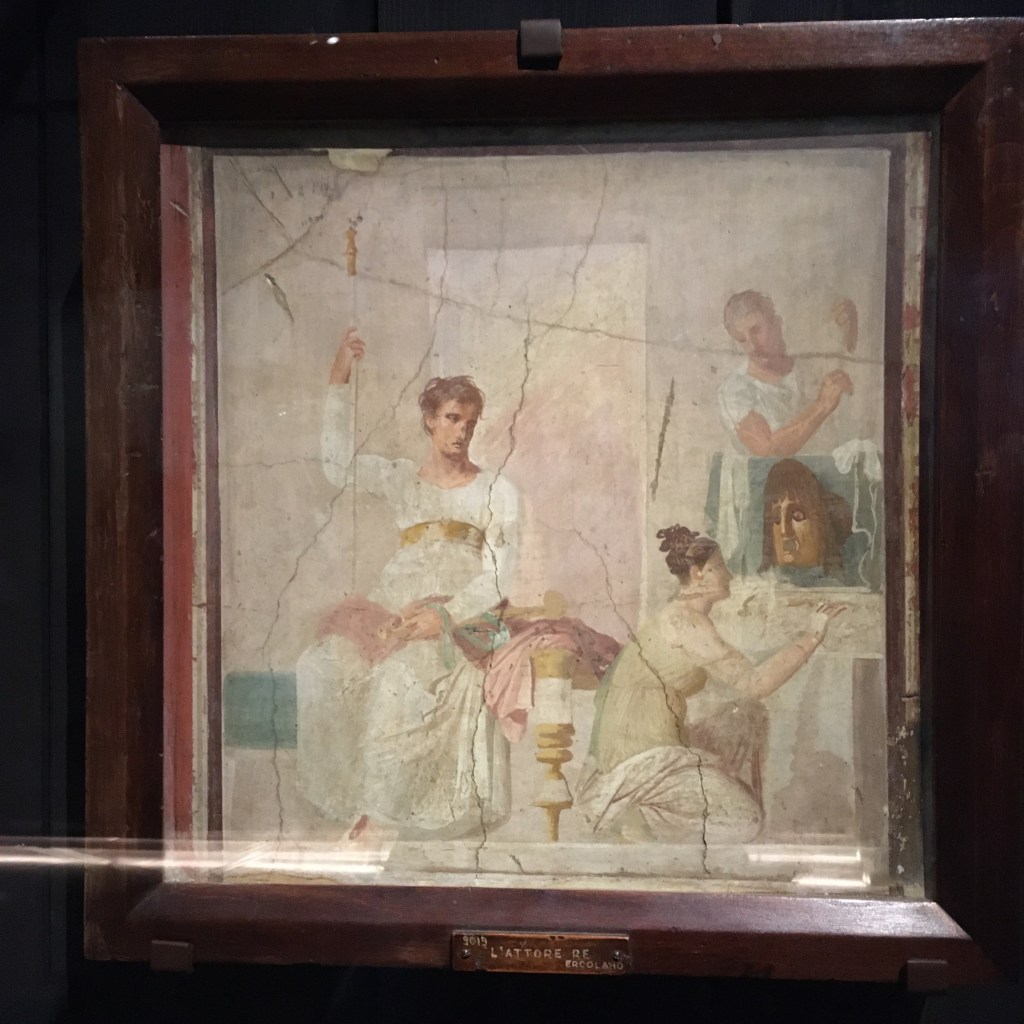
Image of a play from a wall in Herculaneum, Italy.

One is left with the sense that Nero was successful as a leader but that he was not loved by his people. He used only brutality, cruelty and power to keep his great empire in check but there were protests and it was only a matter of time before the farthest flung regions of the empire – like Britain – would chase away the Romans through bold and courageous insurrections by local leaders such as Boudicca. He reigned through turbulent times, not least the terrifying nine days when Rome burned out of control and much of the city was razed to the ground. We are told in this exhibition that he wasn’t at home (fiddling or playing the lyre) but away at a holiday palace. To his credit he returned to Rome to help the rescue operation and assist the survivors.

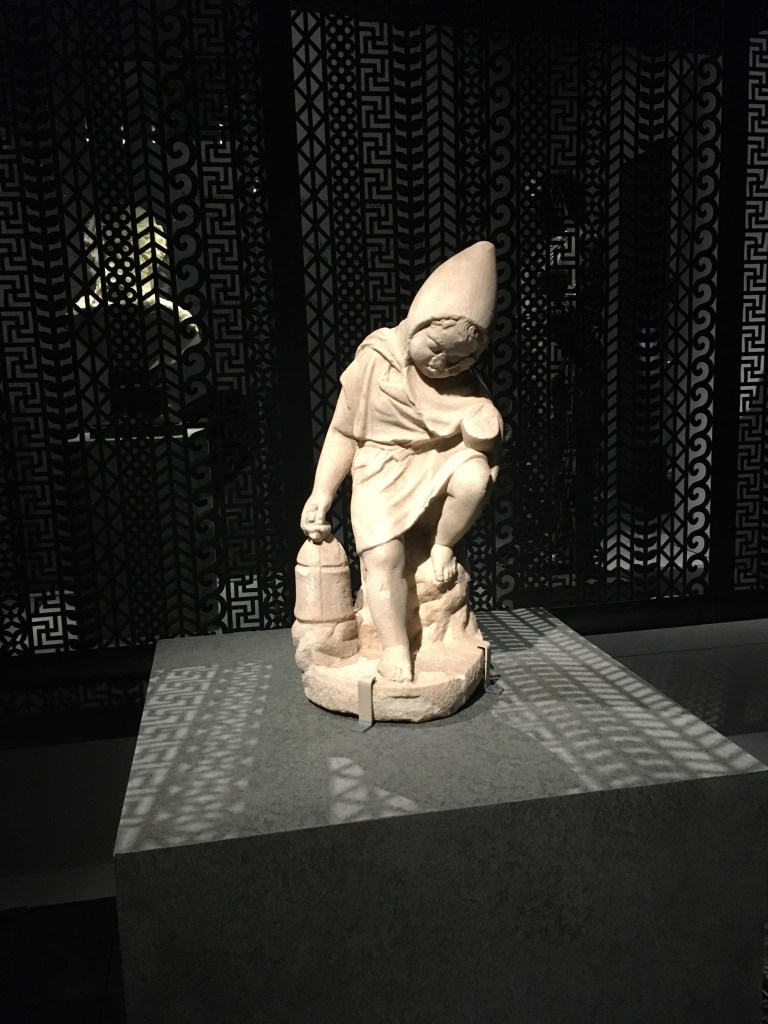
This may look charming but it’s a depiction of a small child slave employed to walk in front of his owners and light their path.

A portrait from the last days of Nero’s reign, probably to mark his tenth anniversary as emperor. His face is fuller, he still looks determined but the fringe of curls is still in place.

But this is a fascinating show and a great way to time travel to a terrifying period in history.

Nero: the man behind the myth is on show at the British Museum until 24th October 2021.

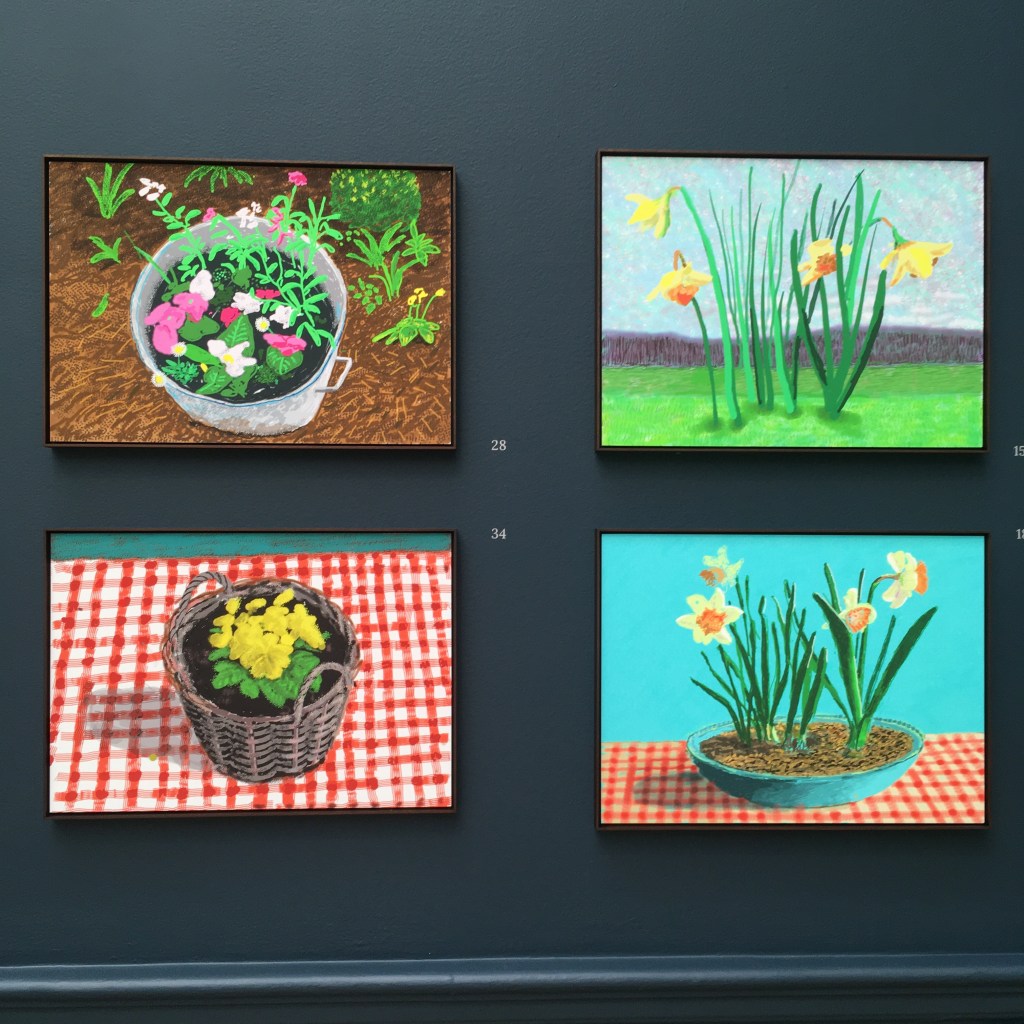
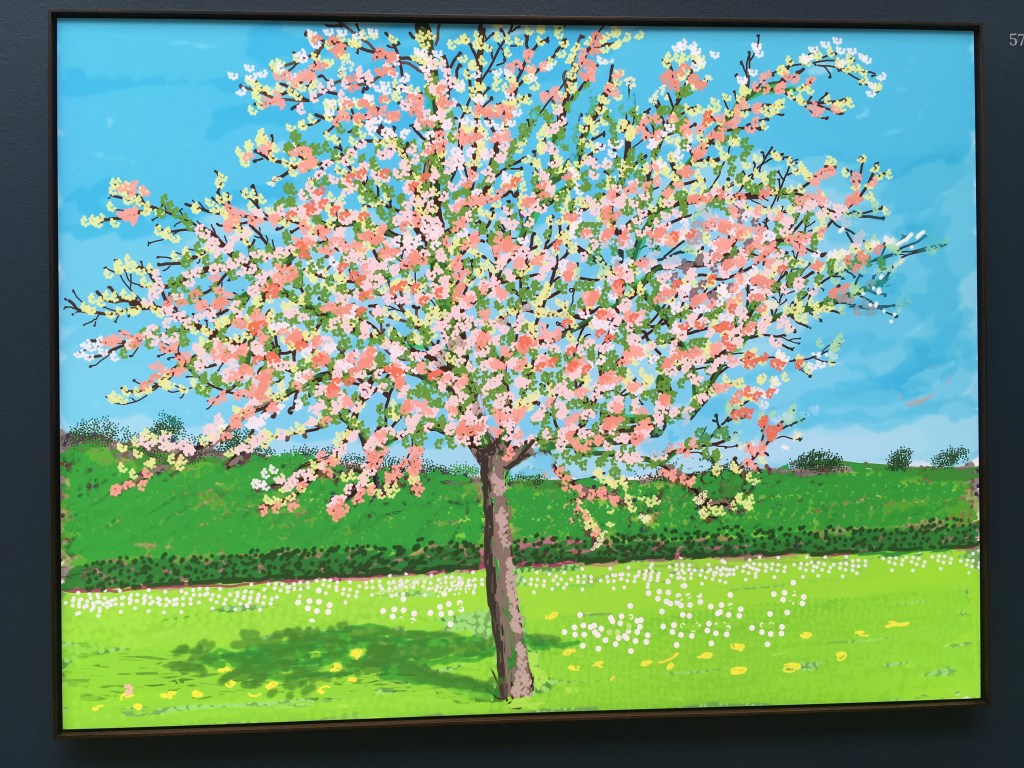
Finally it feels like we are on the brink of summer. David Hockney captures last year’s beautiful 2020 lockdown spring from his retreat in Normandy. Charting the emergence of new growth from the blank emptiness of winter to the brilliantly overblown blossom and blooms of spring and early summer, this exhibition at the Royal Academy gladdens the heart.

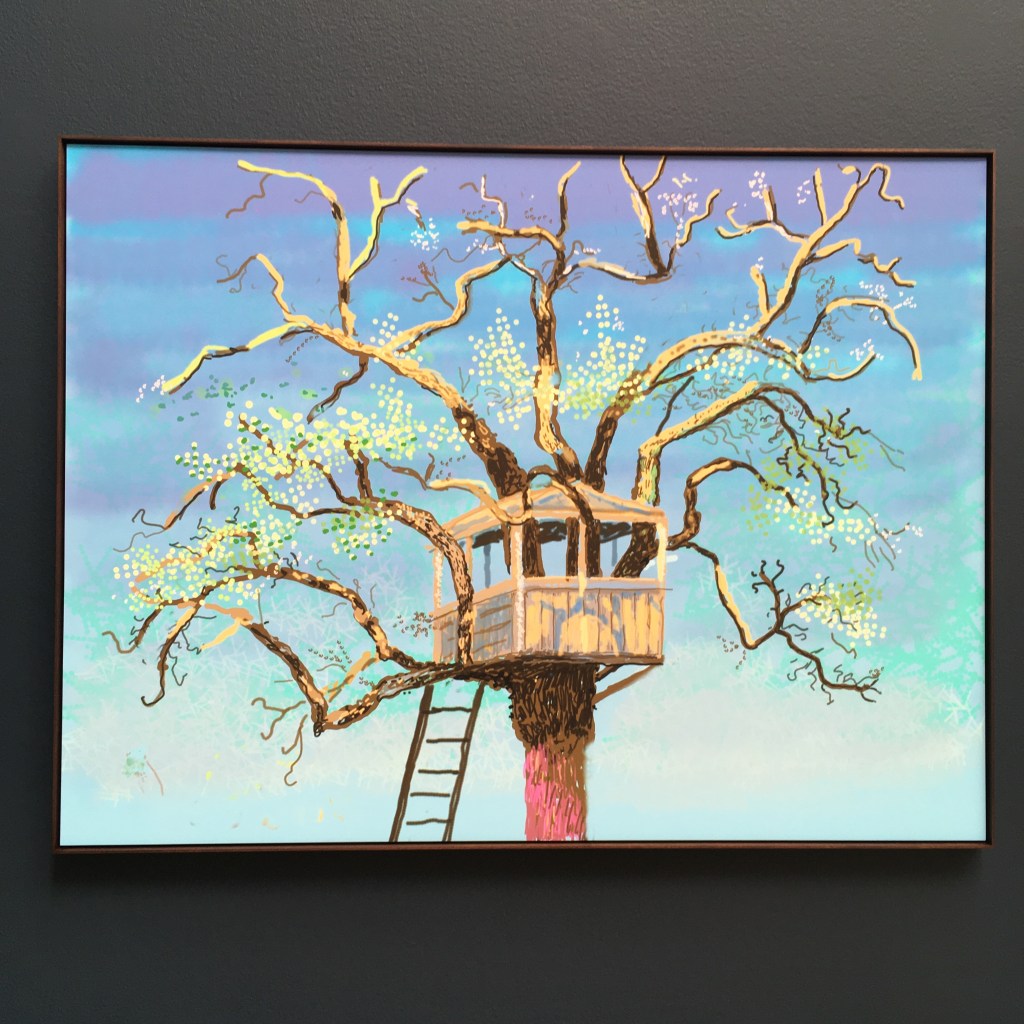
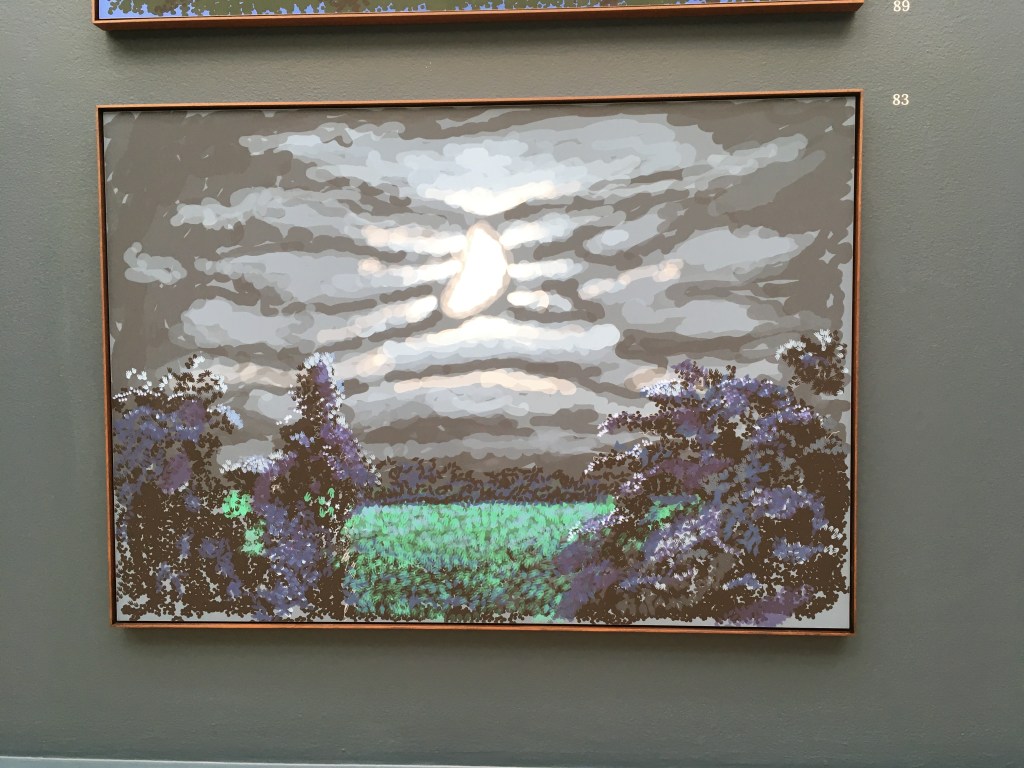
The master of many media, David Hockney displays his prowess with the iPad for this stunning exhibition of landscape artworks: The Arrival of Spring, Normandy, 2020 at the Royal Academy, London. Two years ago Hockney decamped to France and settled in an ancient rural property to chart the changing seasons. Referring to this ‘most classical of subjects’, he has made a point of putting the focus on a specific landscape and manages to capture, forensically and with wonder, the annual alteration wrought by nature.

Just as we all spent the early months of 2020 in a state of lockdown, valuing the the impact of nature, listening to birdsong, tending gardens and marvelling at the greening of landscape, Hockney was comfortably ensconced in Normandy, to concentrate on capturing the changes, however minutely, on his iPad. The results have been blown up onto canvas in a collection of 116 printed artworks which take the breath away.

Starting with the stark bare branches of winter trees, sculptural in shape yet full of promise, we progress through the early stages of spring, first shoots and the emergence of blossom and full canopy of leaves. We see the blooming of daffodils, primroses and tangled wild flowers in the lush garden surrounding the house. The colours mix and dance and remind one of those Haystack and lily paintings by Monet who gloried in viewing the same scene altered by light and seasons.

I loved the immersive feel of the show and the chance to see such deft use of digital drawing and painting techniques used on the iPad. Hockney is amazing; he never stays still, always pushing his art – pushing.

#HockneySpring is at the Royal Academy of Art 23rd May – 1 August.

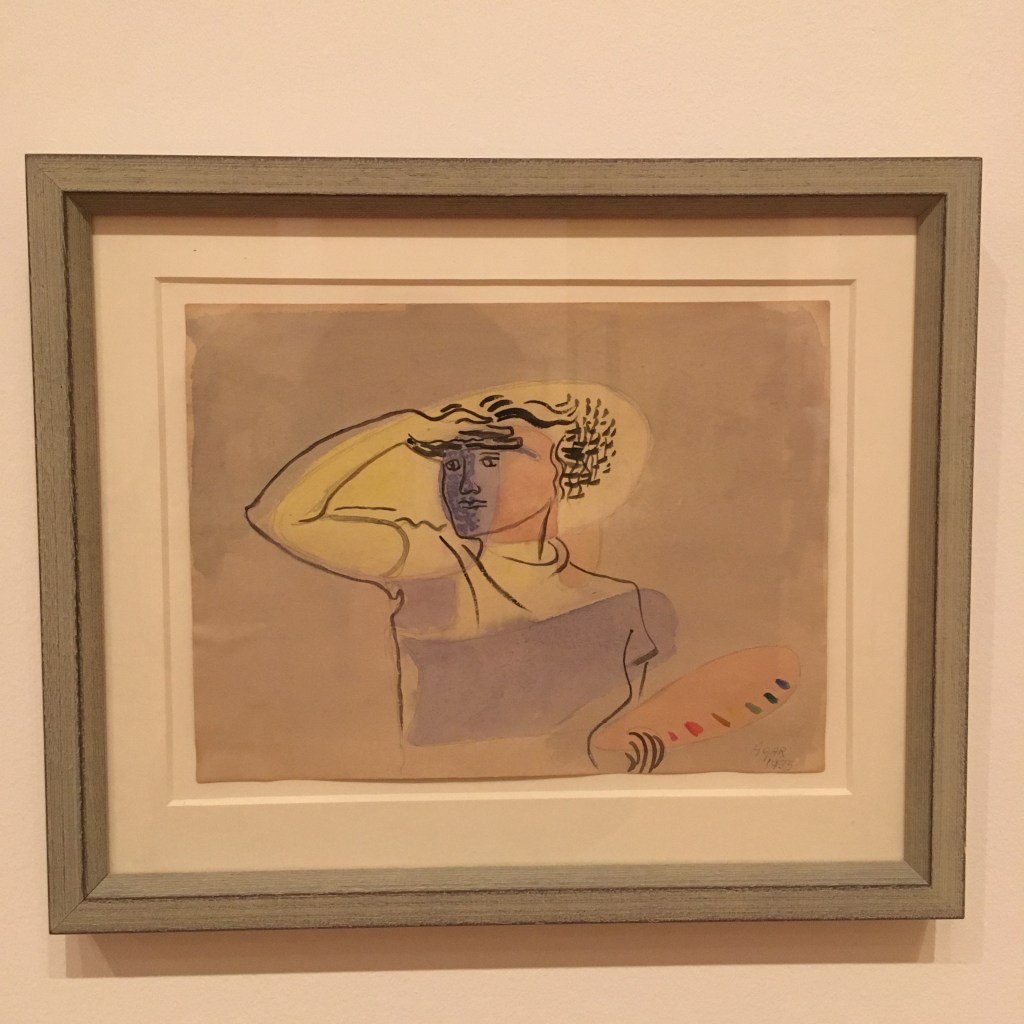
Eileen Agar: Angel of Anarchy – the subject of a glorious new show at the Whitechapel Gallery charting her long artistic career and the innovative way she introduced collage and the power of ‘found objects’ into her art.

For my first visit to a gallery after so long I would have been pleased to have seen anything. But to have the chance to review the work and long artistic career of a creative hero of mine was a huge treat. I’ve only ever seen Eileen Agar’s works represented within larger shows on post-war artists, the British surrealists or collage. To see the full span of her work was hugely enjoyable and a great insight into the evolution of this fascinating artist.

Self-portrait: Eileen Looking Out Pencil, watercolour and wash

Eileen Agar’s artistic life ran in parallel with some of the 20th century’s huge art movements and she was at the heart of the influential groups, often the only woman in the mix, reflecting the thoughts of the day and pushing her art into new realms. You can see the influence of Picasso and the cubists on her work, and then she became absorbed into the world of the surrealists (although she claims never to have been a ‘surrealist artist’).

The Modern Muse 1937

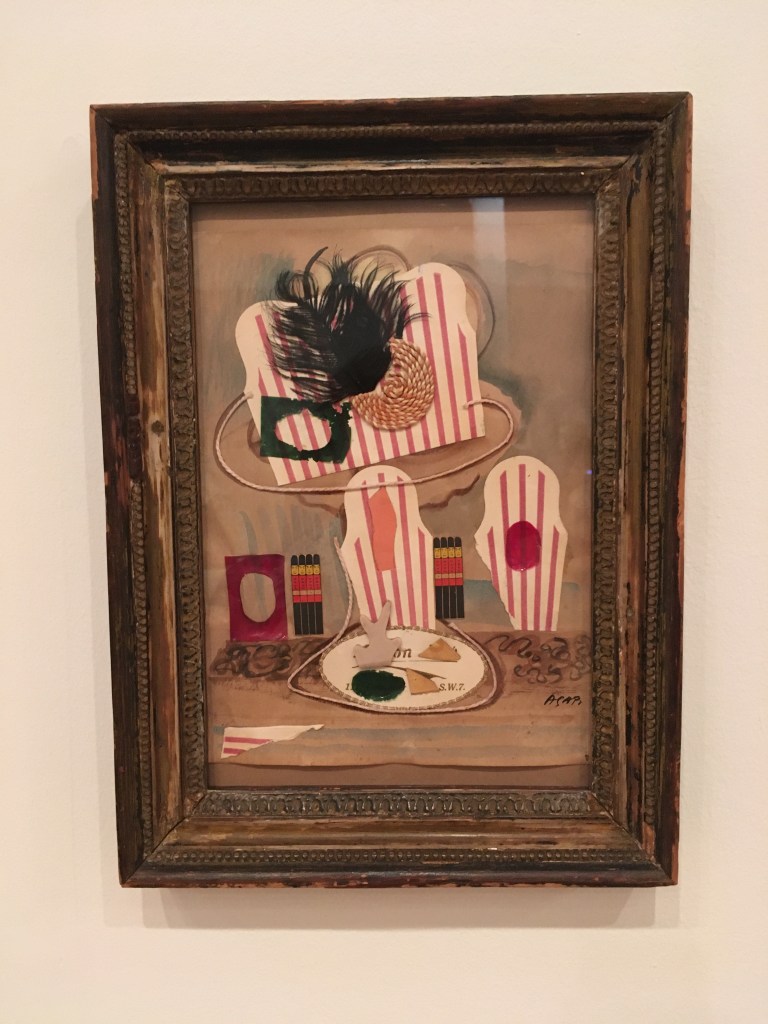
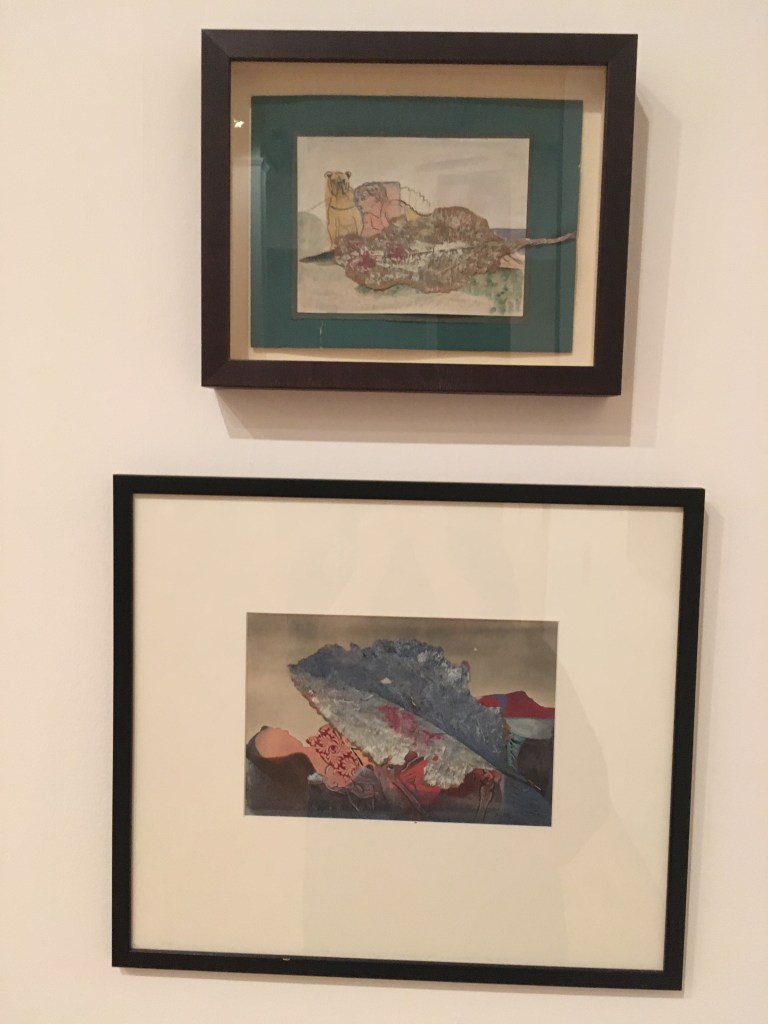
But what draws me so strongly to Eileen Agar is her enthusiasm for collage. She started with leaves, then bits of paper and all kinds of ‘found objects’ which she simply incorporated into artworks. Some of her paintings are impressions of collages filled with that intoxicating variety of colour, texture and pattern.

Untitled, Collage 1936 Collage and Mixed media on paper
Untitled collage, 1936 Mixed media and collage on paper
Self-portrait with Dandy, West Bay, Dorset 1934, Drawing with Collaged leaf and also Untitled Landscape 1940 Collage with horse chestnut leaf, vintage photographic print and other elements with coloured chalks and gouache.

One of my favourite images is of the dancers. It is figurative but contains all the variety and freedom of collage but made entirely with paint. It’s a charming picture.

Eileen Agar: Angel of Anarchy is on show at the Whitechapel Gallery from 19th May to 29th August 2021. Glorious. #EileenAgar

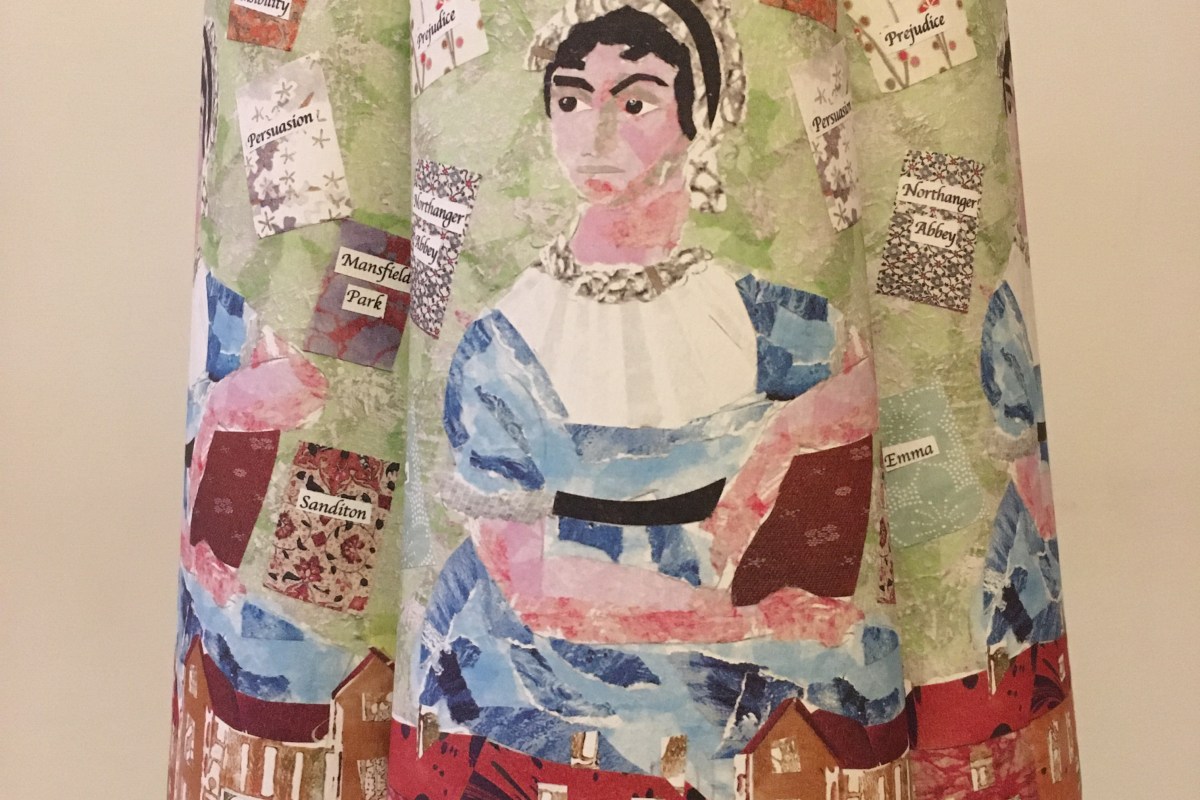
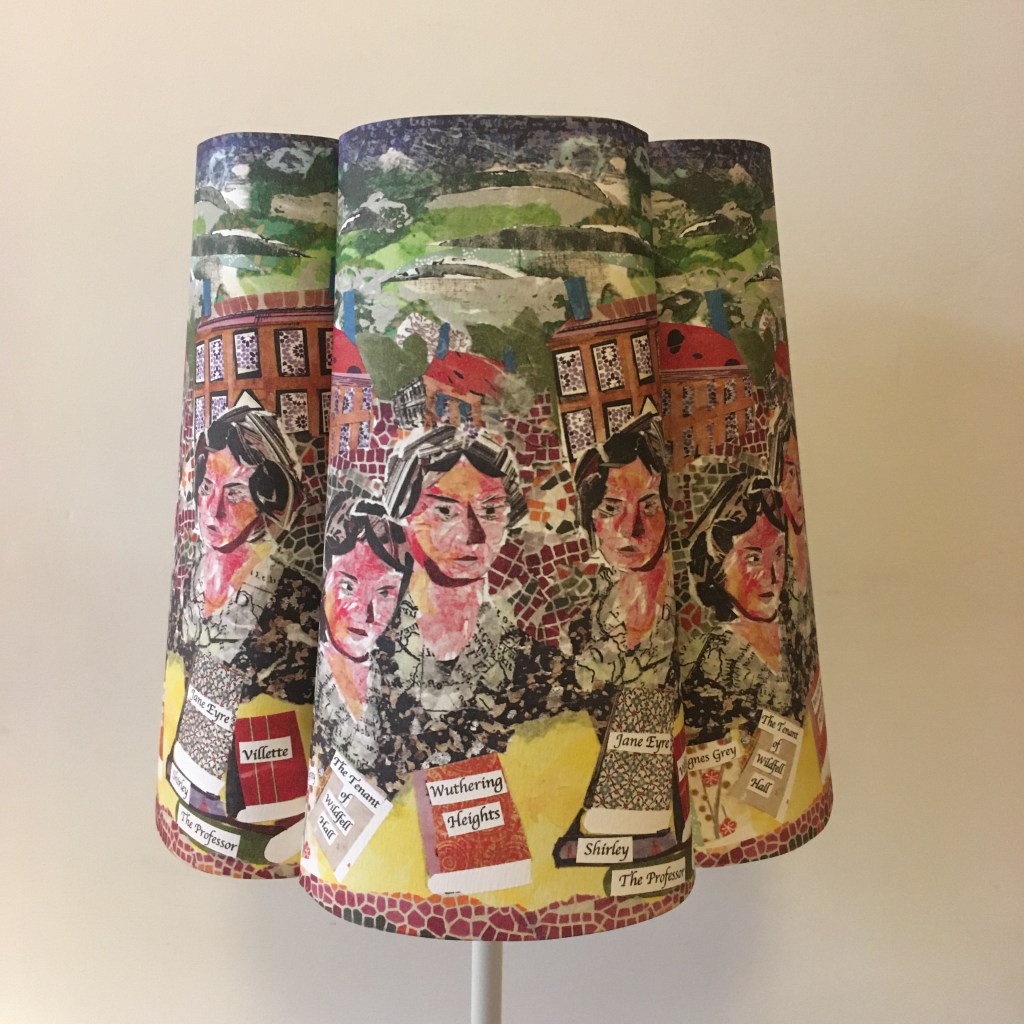
Papershades goes all bookish with the addition of a Literary Collection

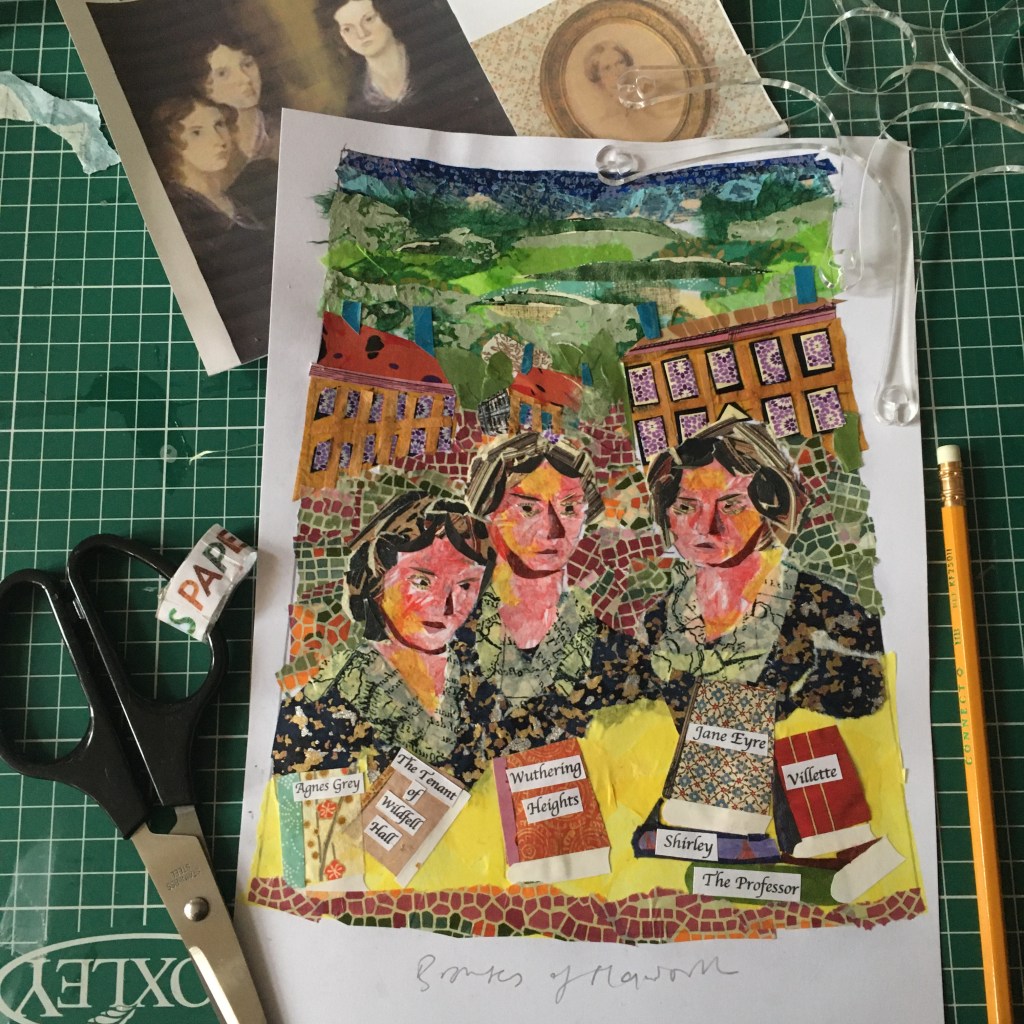
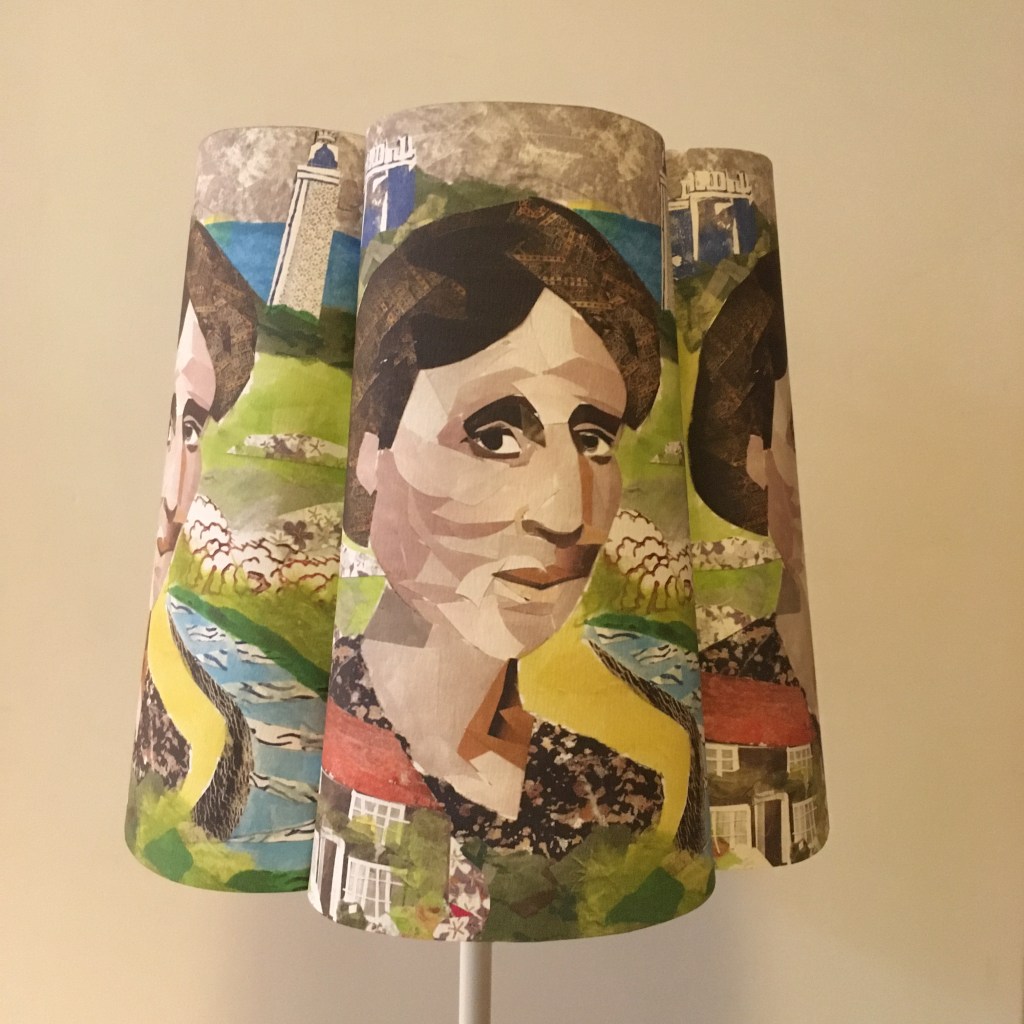
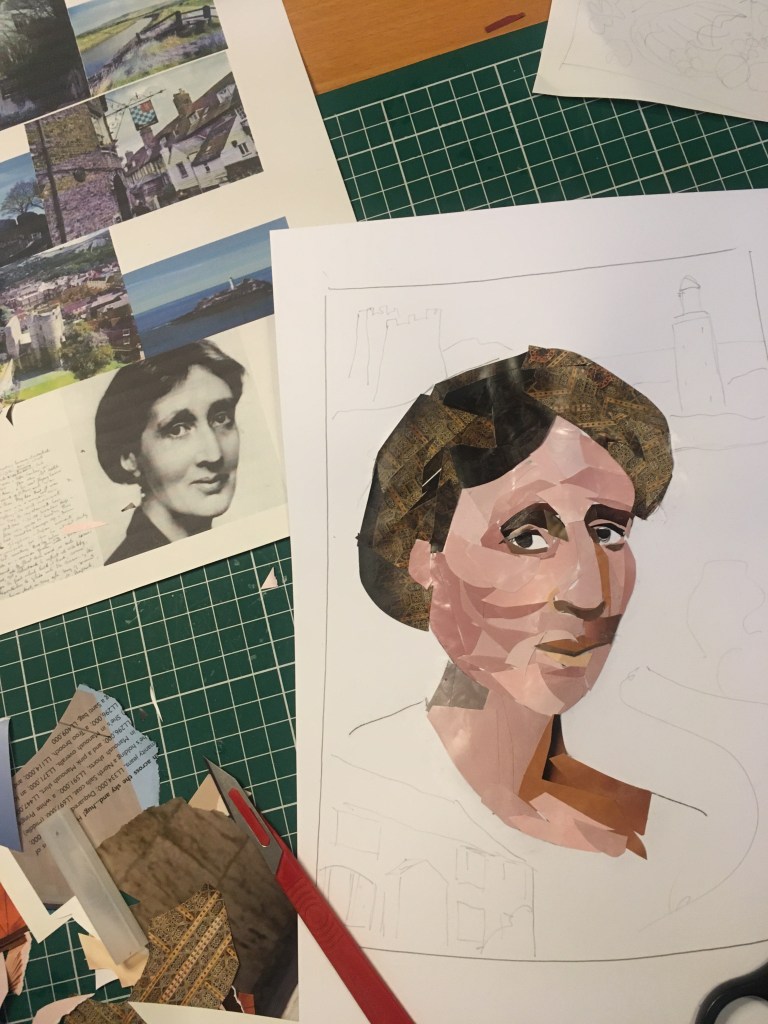
During lockdown I’ve had rather more time in my studio than usual and busy with new paper collage designs for my Papershades. The latest collection celebrates books and writers. I’ve found great pleasure in reading ‘old friends’ during lockdown and decided to immortalise some of my favourite authors on a Papershade. It all began with the Brontes. I created a Papershade of Yorkshire and this was an extension of my love of the county. What astonishing siblings they were and how atmospheric the Parsonage at Haworth is. I read Jane Eyre first and adored it. I wasn’t as enamoured of Wuthering Heights as other people and came late to Anne Bronte’s books but loved The Tenant of Wildfell Hall.

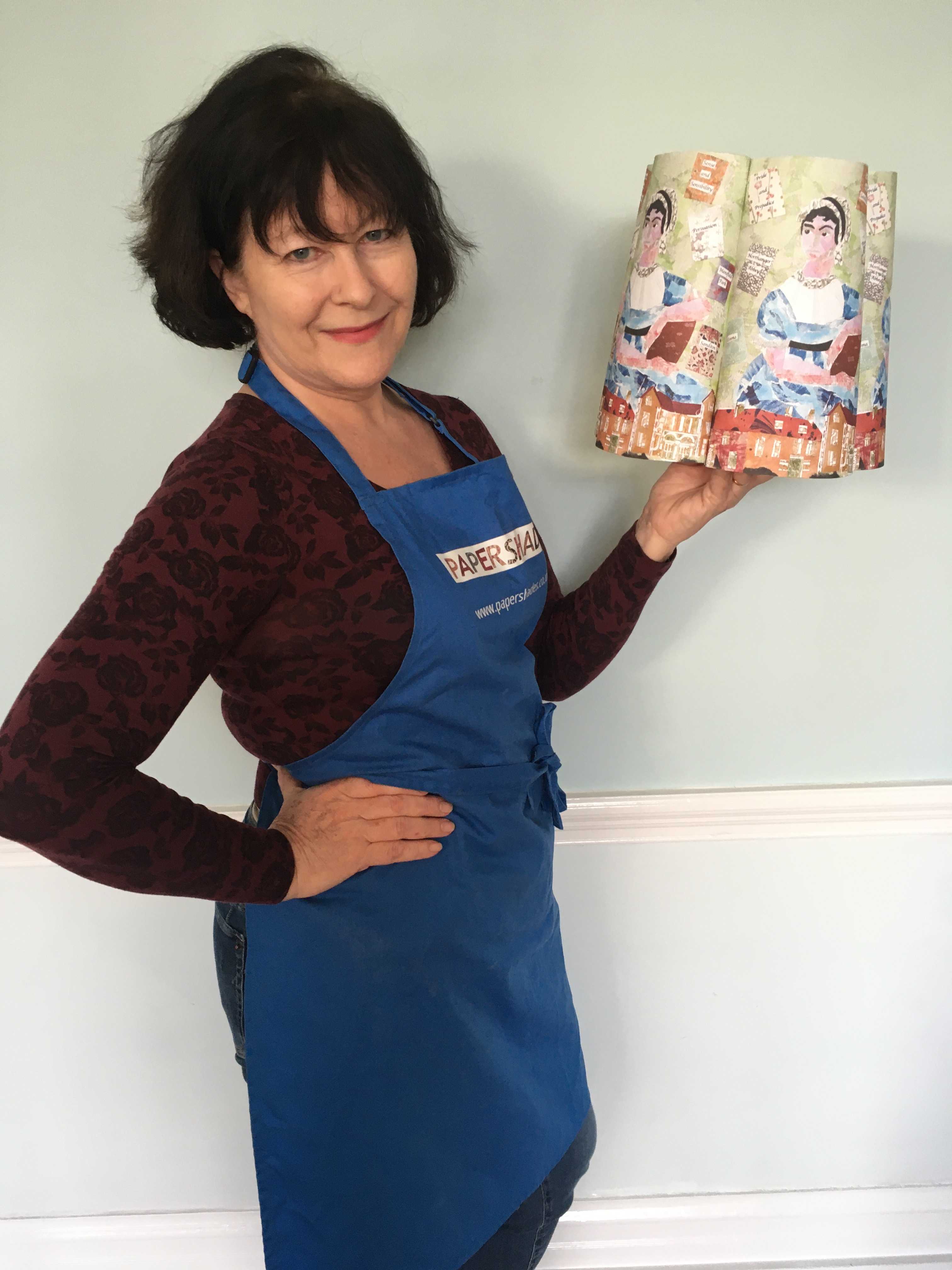
So, having created the three talented sisters I thought about the other formative books I’ve read and of course thought of Jane Austen. It’s a comfort to all writers out there that she was in middle age when her first novel, Pride and Prejudice was published and, by then she had a nicely full ‘bottom drawer’ of other novels to polish up to readiness once her success had been established. It’s always a joy to visit Chawton in Hampshire. You get a very strong sense of the environment she lived in and it’s great to see the tiny table where she wrote her novels.

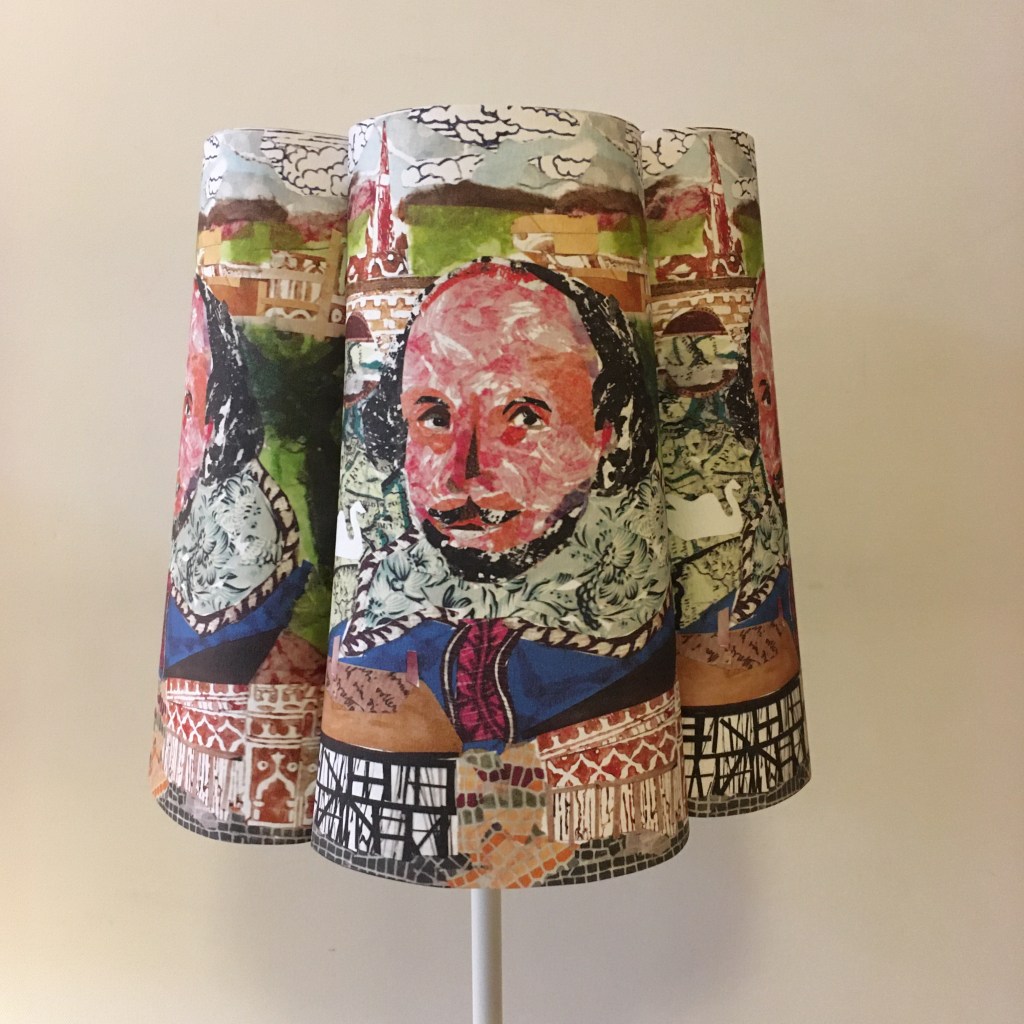
Of course you can’t make a list of British literary giants and not include Shakespeare. Again, I haven’t seen all his plays – there are some of the history plays I’m yet to bag but I ‘collect’ productions of Macbeth and pretty much know the play off by heart. It’s always a treat to go to Stratford to see plays but I’m just as happy with a room above a pub if the production is good.

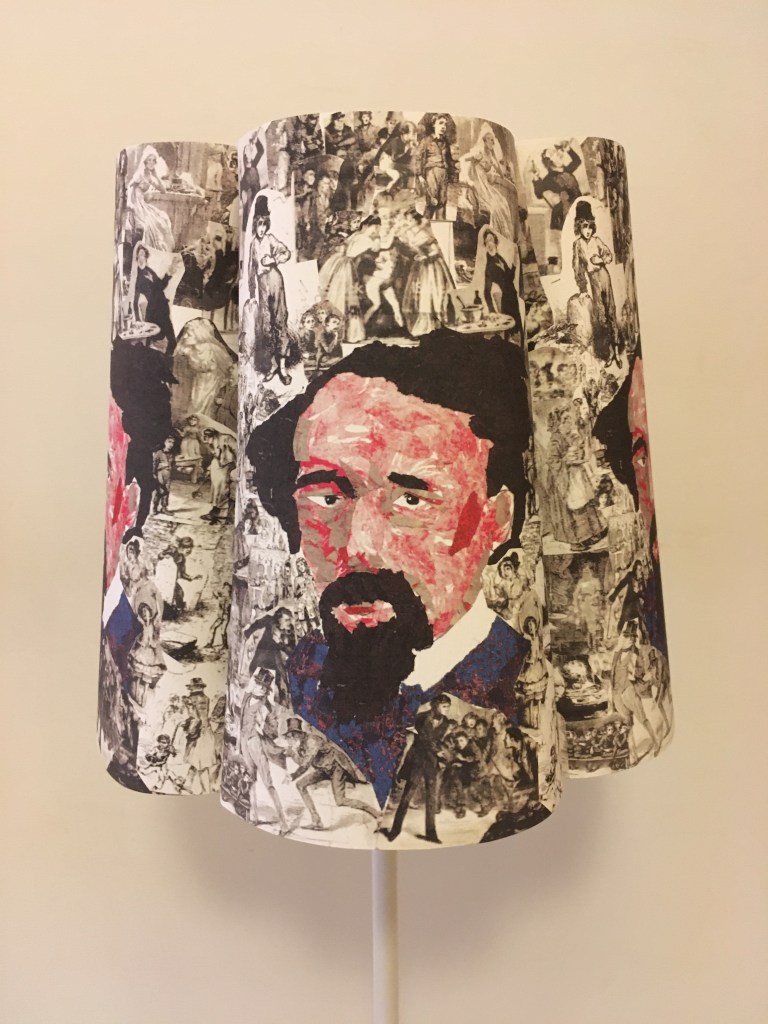
Next up is Charles Dickens. I confess haven’t read all his novels – meaning there are still some treats in store – but I recently read Pickwick Papers (his first published work) and was dazzled by the witty writing and the stylish promise of all those novels to come. I think my favourites are still Nicholas Nickleby and David Copperfield. And I read Barnaby Rudge a year ago and was fascinated by his descriptions of the old coaching inns which used to line all the main roads of England and were the ultimate meeting places and source of all news and gossip.

Coming a little more up to date we have Lewis Carroll. There can’t be many children who haven’t encountered the Alice books. I still possess very old and battered copies of Alice in Wonderland and Alice Through the Looking Glass which were given to me as a child but had belonged to my grandparents so I know I’m not ht only one responsible for the pencil scribbles on the blank bits. I adored those Tenniel illustrations. I do have a very tenuous connection. My great, great uncle married a Miss Liddell, cousin of Alice Liddell who inspired Charles Dodgson to write these astonishing and surreal stories. Yes, it’s very tenuous, I realise!

Last up is Virginia Woolf. I don’t like all her books – I find her writing quite difficult and fragmented but I do appreciate that she really pushed the genre of the novel in the first quarter of the 20th century and is a towering figure in literature. My favourite novel of hers is To The Lighthouse, though it’s very sad. The older I get the more I relate to that sense of ‘going back’ and the notion that by visiting places from your youth you can reconnect with that time. You can’t. We just keep moving forward and all that experience simply mulches down into memory.

Anyway, this collection has kept me happily and creatively distracted during these weird lockdown days of early 2021. I’m sure one day we’ll look back upon with some strange nostalgia.

All the Literary Papershades are on my website: http://www.papershades.co.uk and for sale at £25 including postage and packaging.

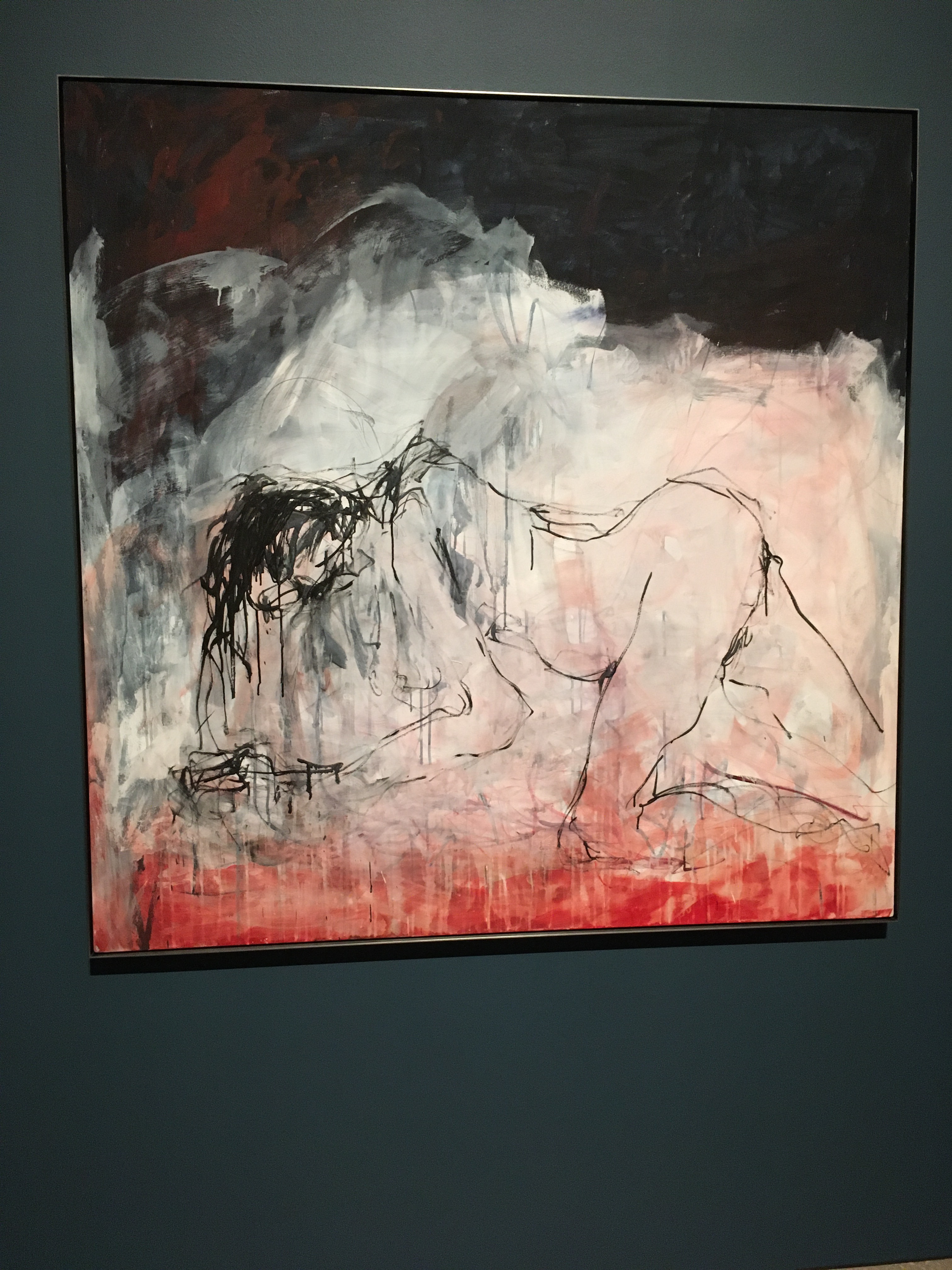
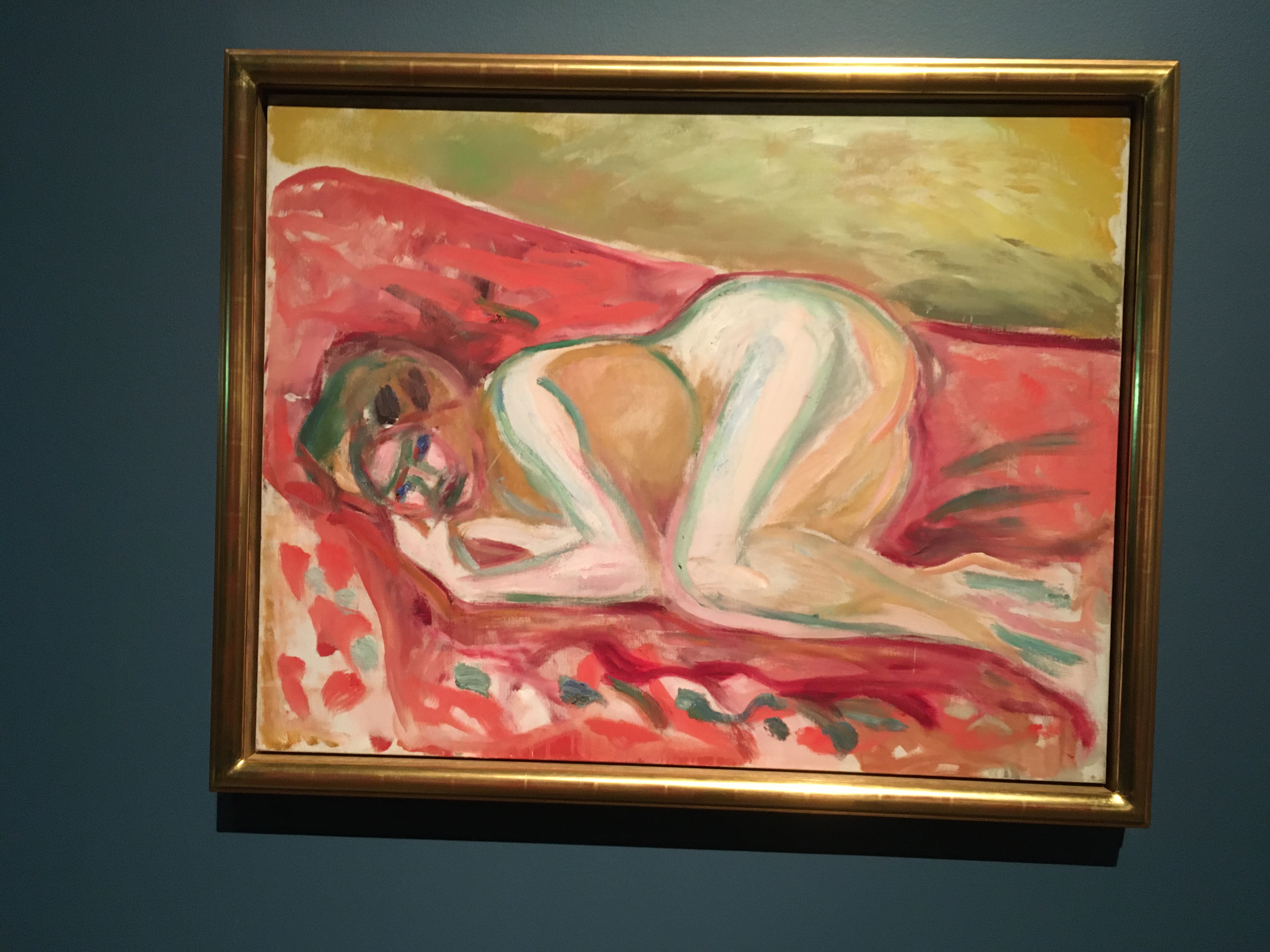
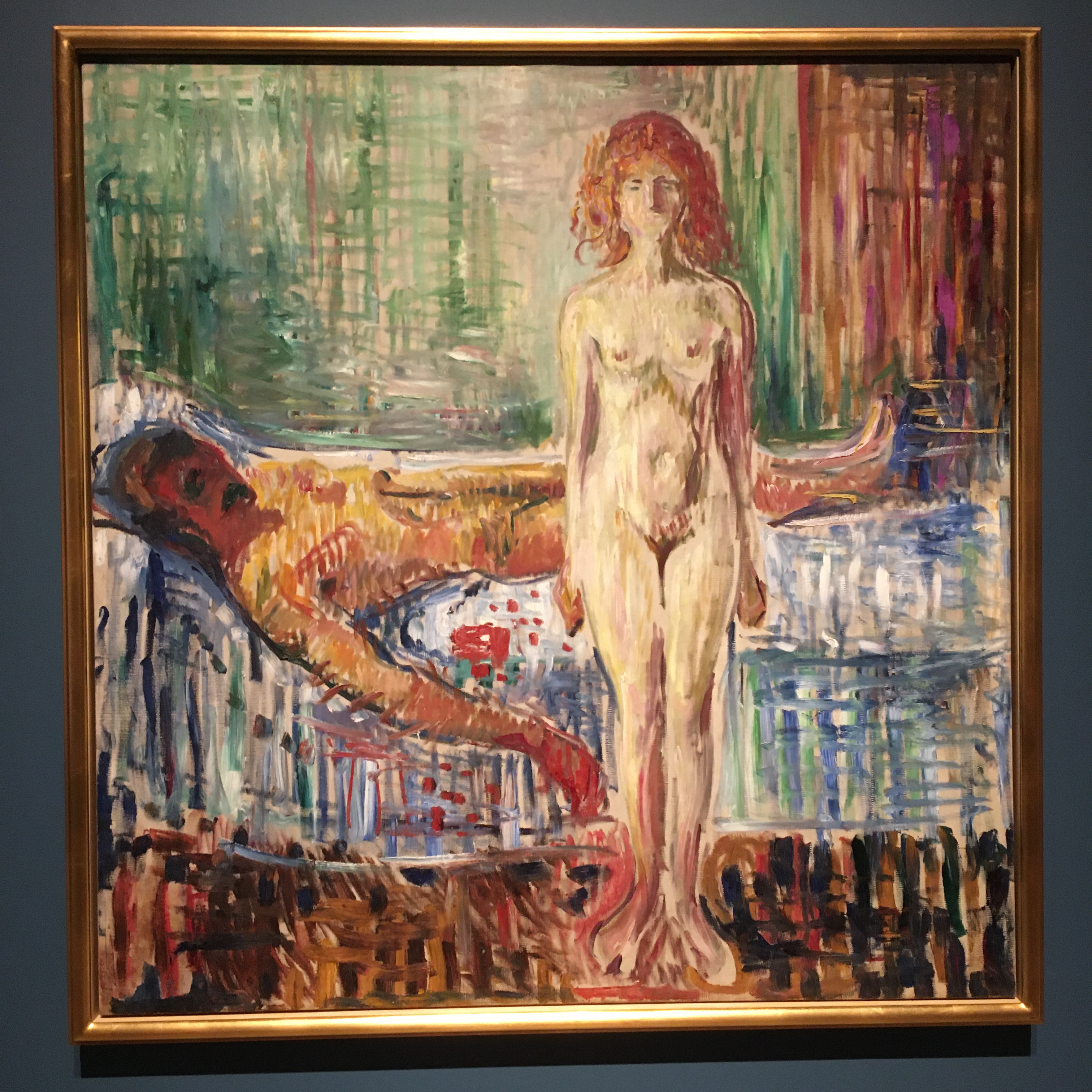
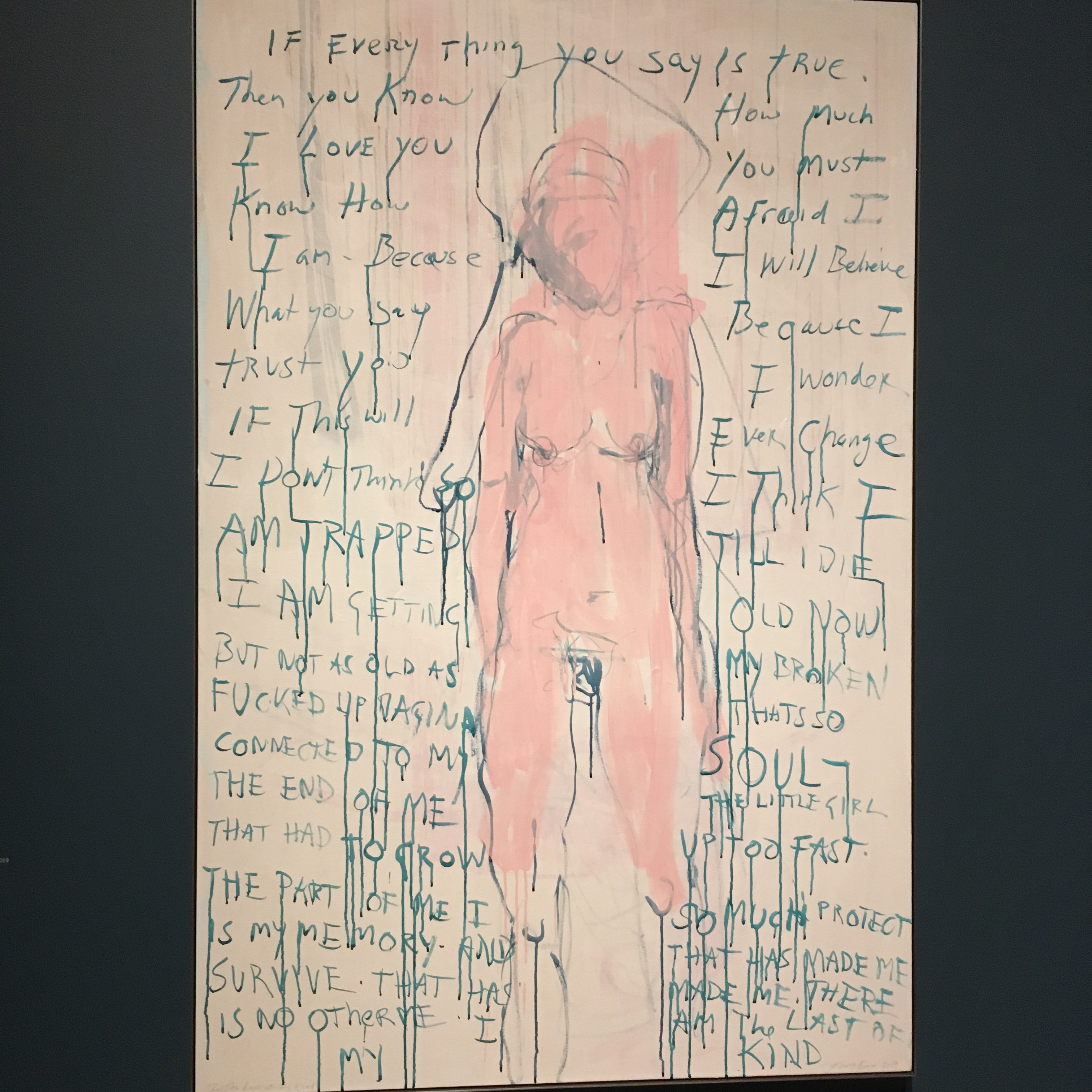
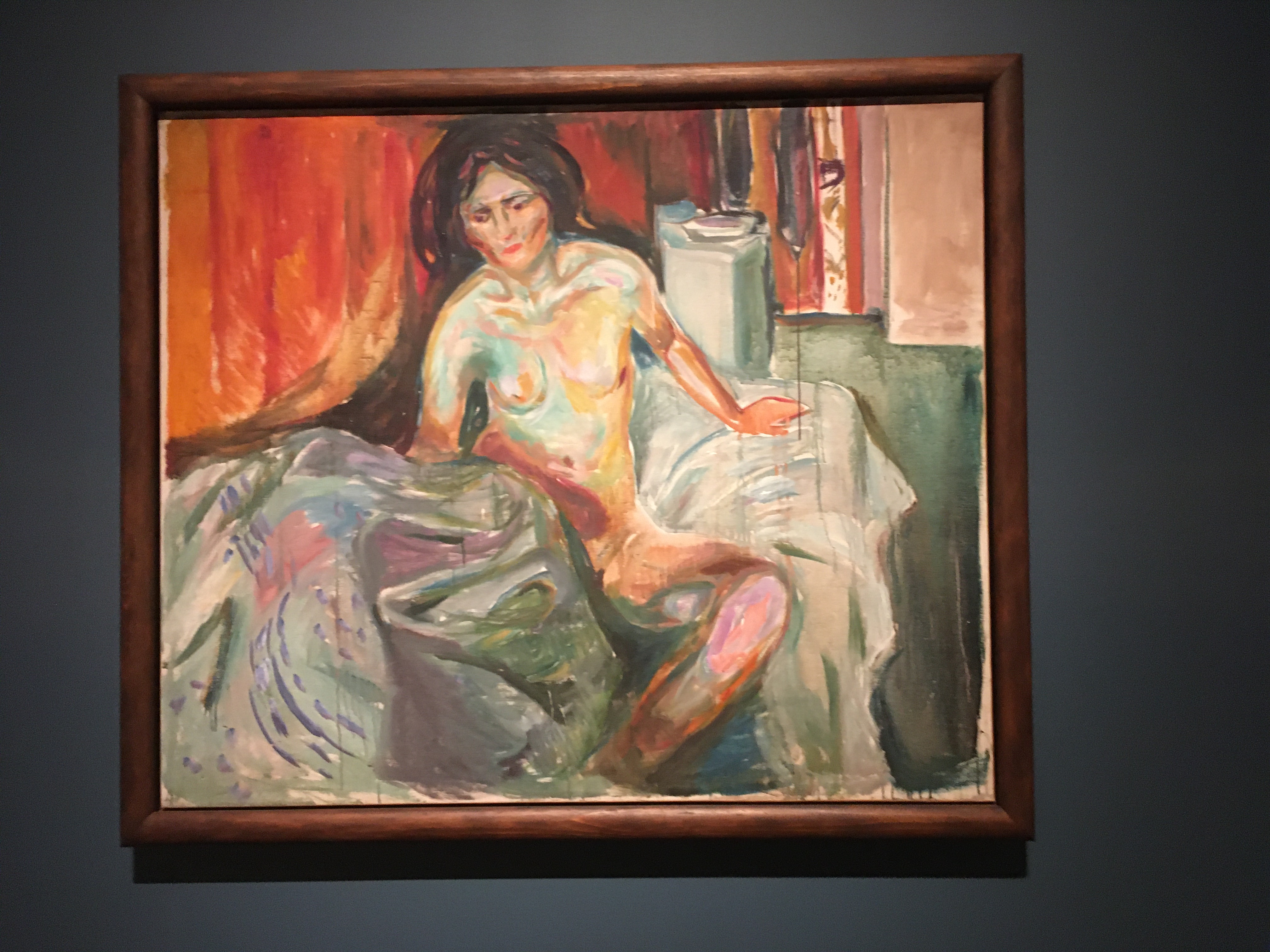
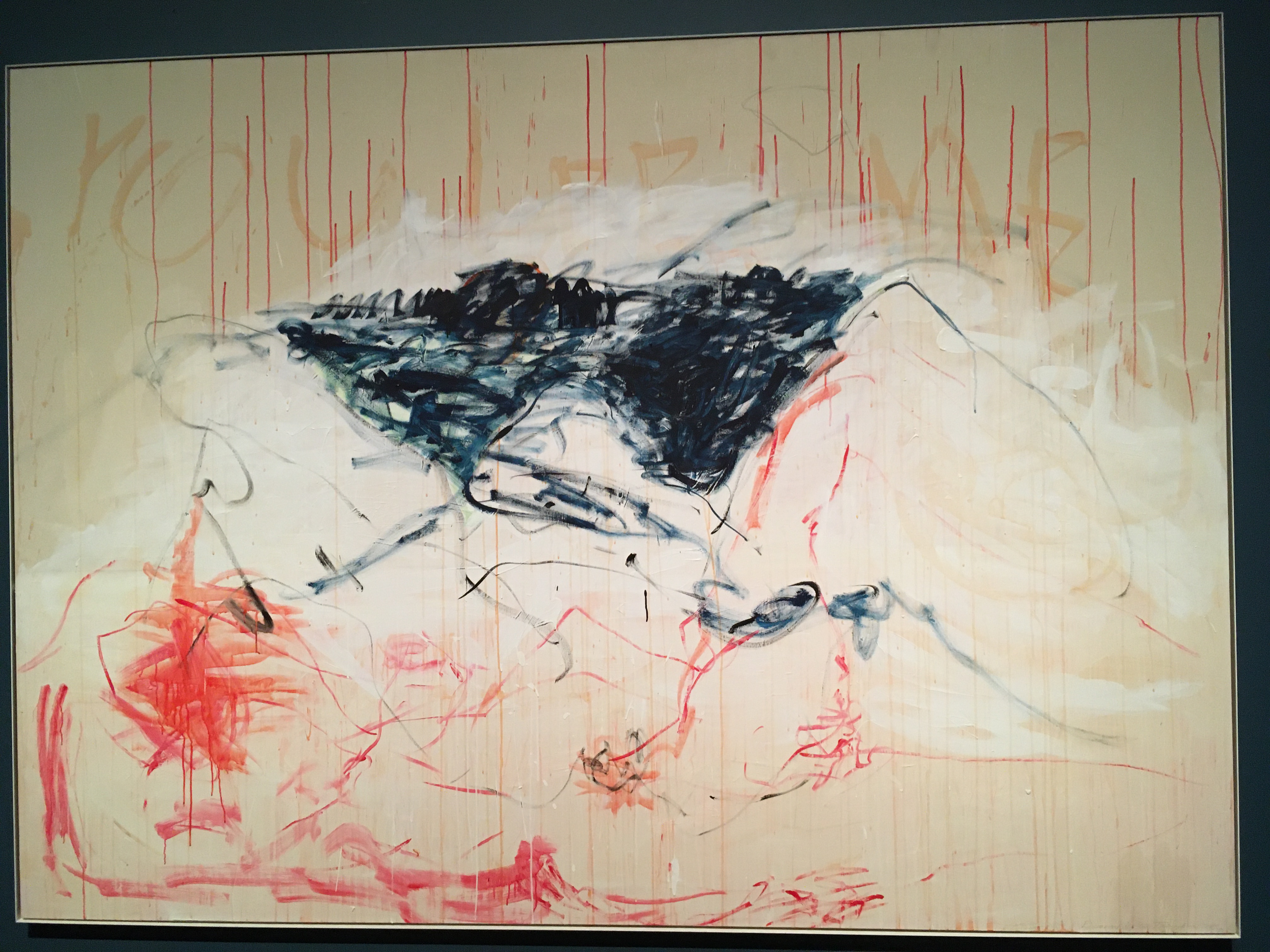
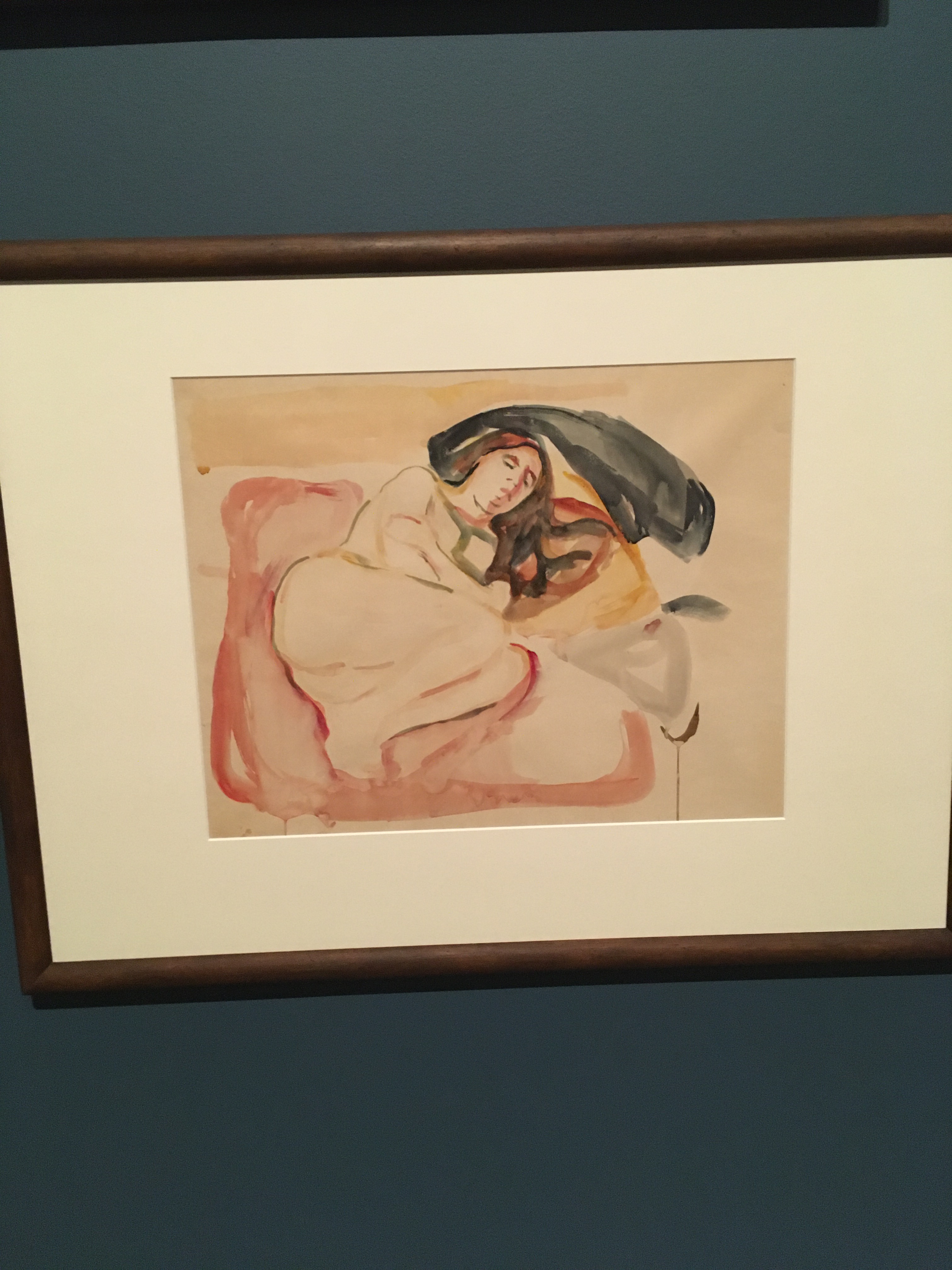
Tracey Emin/Edvard Munch – The Loneliness of the Soul. A new show of works by Emin inspired by Munch at the Royal Academy, London. An intriguing exhibition showing the influence of Munch, Emin’s ‘friend in art’, on her artistic development and in her practice. Here we see the parallels in their work as they explore emotion in art.

Loneliness, fragility, isolation, vulnerability – these are all words which spring to mind when viewing the works in this show by Edvard Munch and Tracey Emin. Where Munch presents naked emotion in colourful daubs of paint, Emin appears to strike at the canvas covering it with wild lines, drips, smudges of single colour and intense scribbles. It’s very interesting seeing the work of these two artists – born 100 years apart – in the same space. It’s unsettling seeing the emotion of Emin’s very frank assessment of loss in her life laid bare. I’ve no idea what was happening to her when she was making these works but the sense of abandonment and unrequited love is very strong.

Munch appears to be more the observer. He feels for his subjects – weeping women, women standing naked in chilly, inhospitable environments and situations. It’s hard to know whether he’s projecting his own emotions into these figures or whether he’s responding to them. But clearly Tracey Emin has responded to his work with a mix of passion, respect and reverence.

I admire her confidence and bombast in displaying so many canvases – mostly painted between 2017 -18 – which capture her innermost feelings. Of course, that is what Emin is famous for; her own life and the experiences and painful episodes, are always laid bare. She never seems to be the observer, she IS the painting, she is the subject.

I’m sorry that she’s been through such a tough time with her health recently. Listening to her talking about her work and her life she sounds far more positive and happier than these paintings suggest. Of course, they come from a different time. Perhaps, when she returns to work we’ll see work which reflects her newly cheerful outlook. I do hope so.

The Loneliness of the Soul is on show at the Royal Academy, London until 28th February 2021.

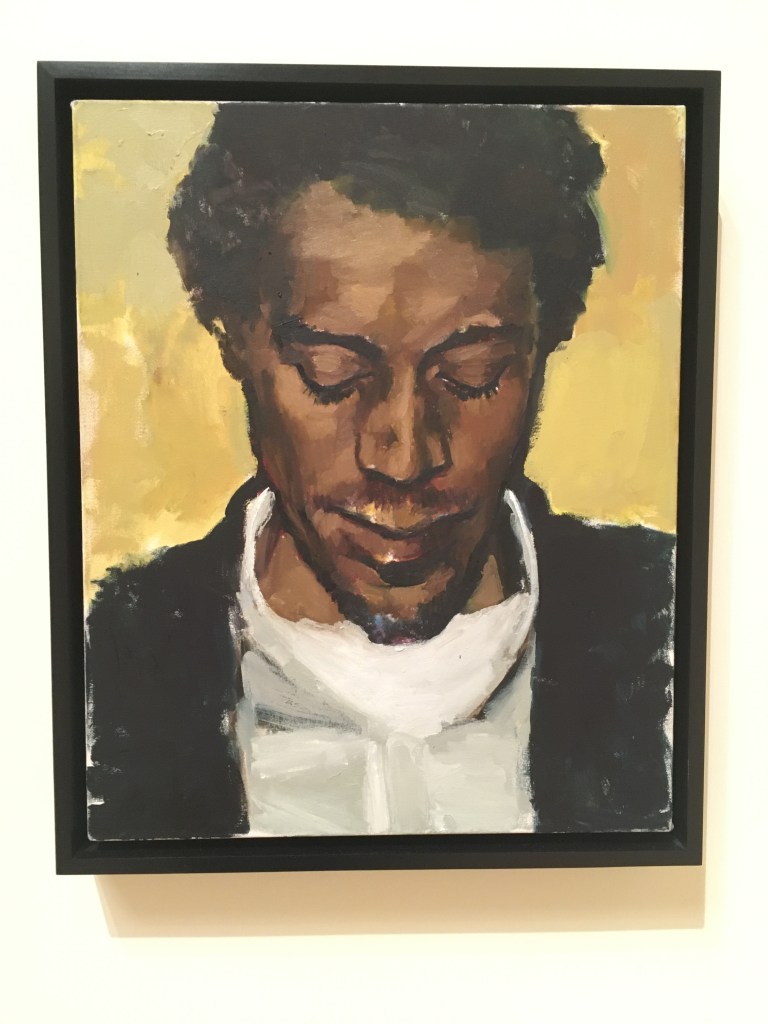
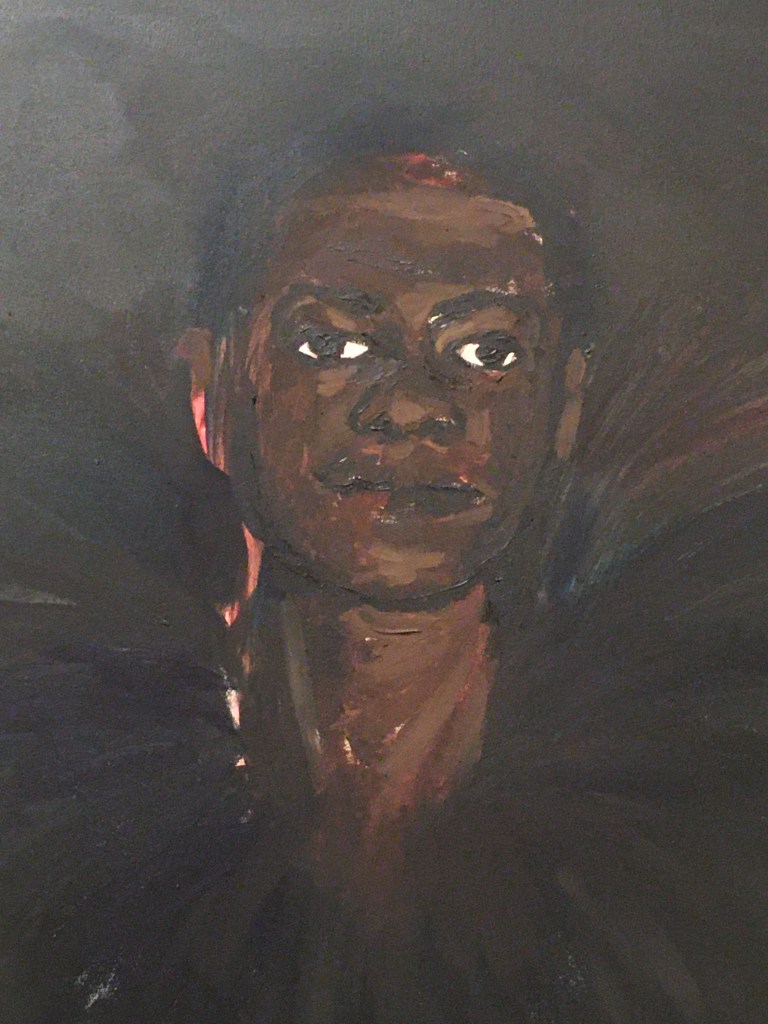
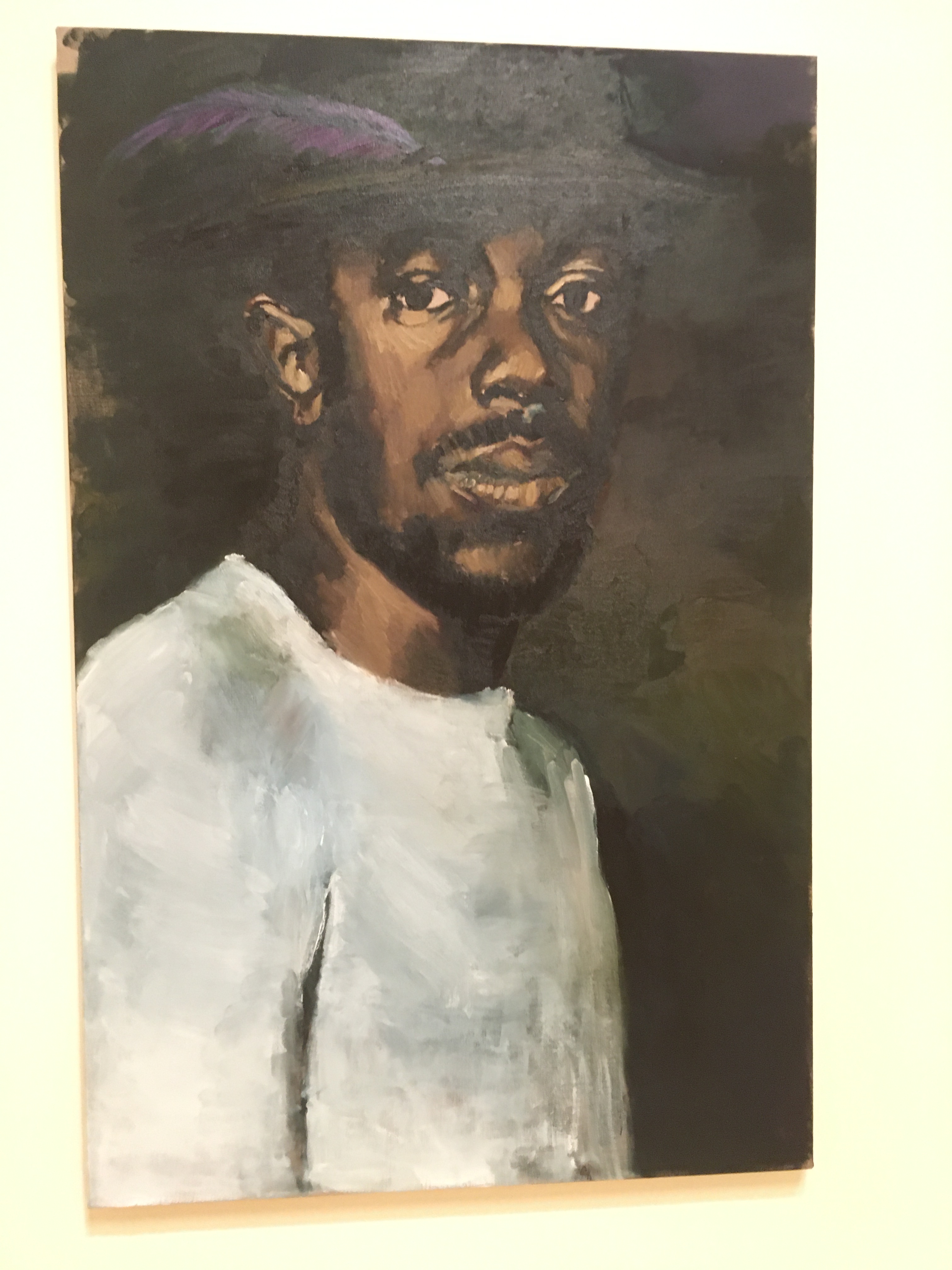
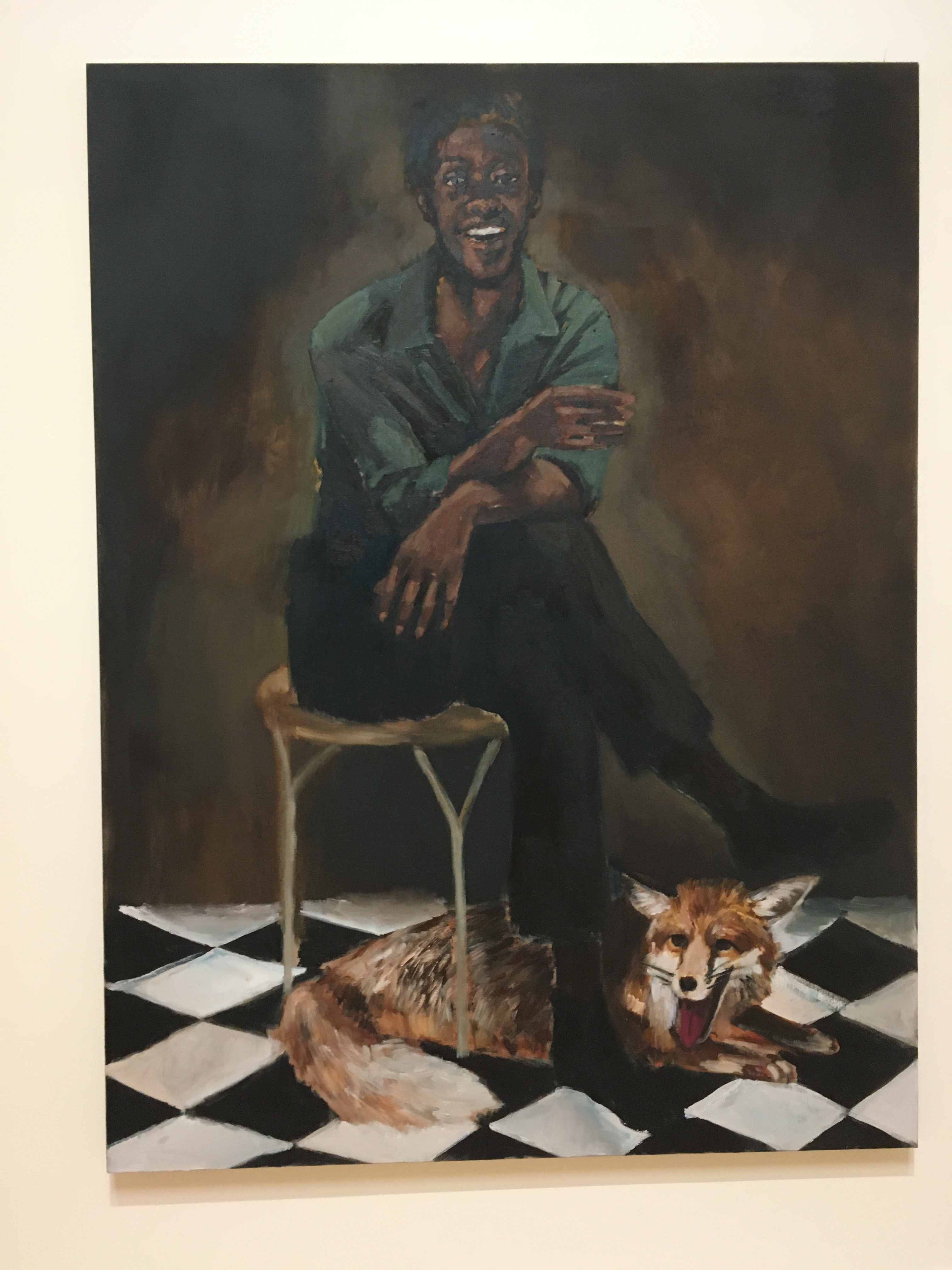
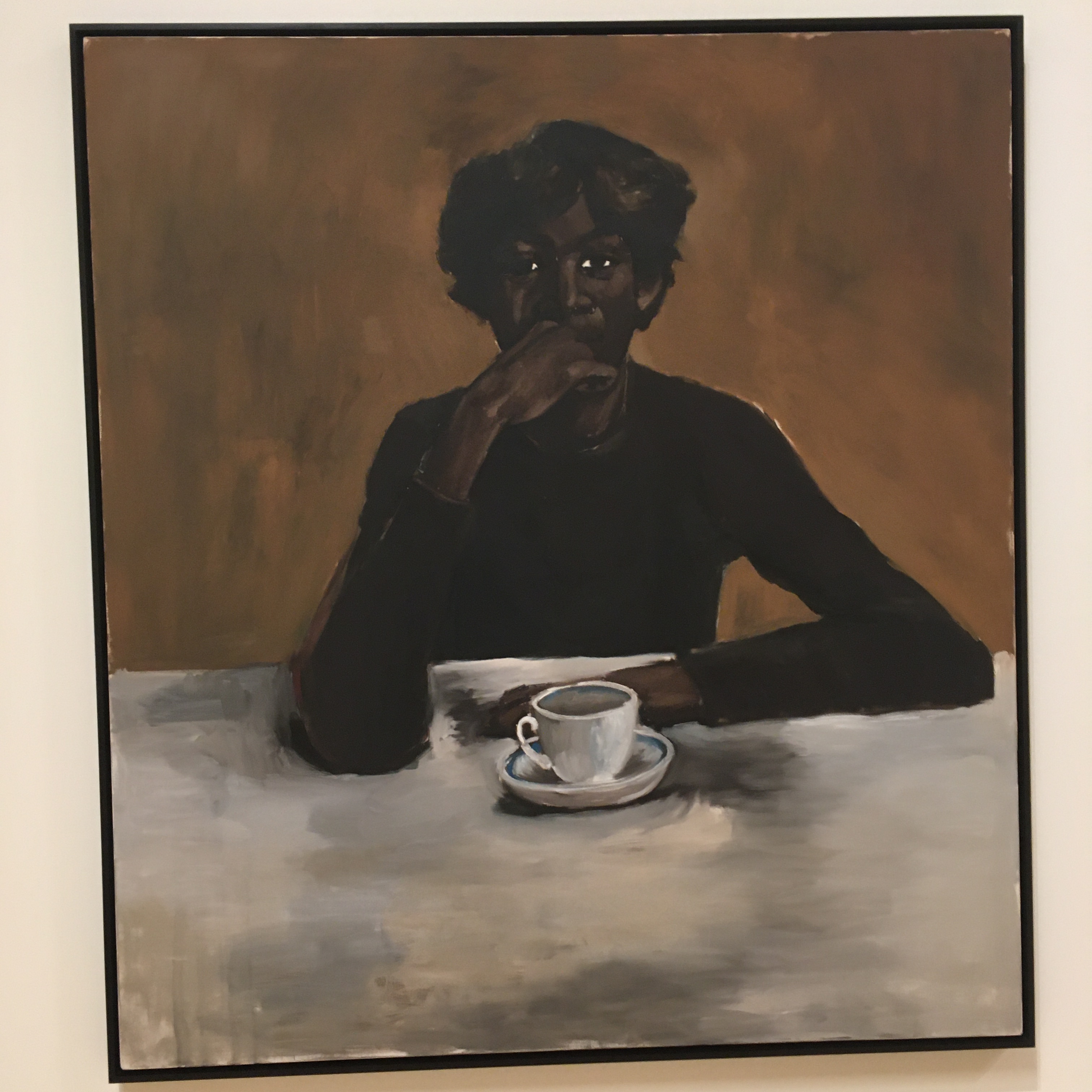
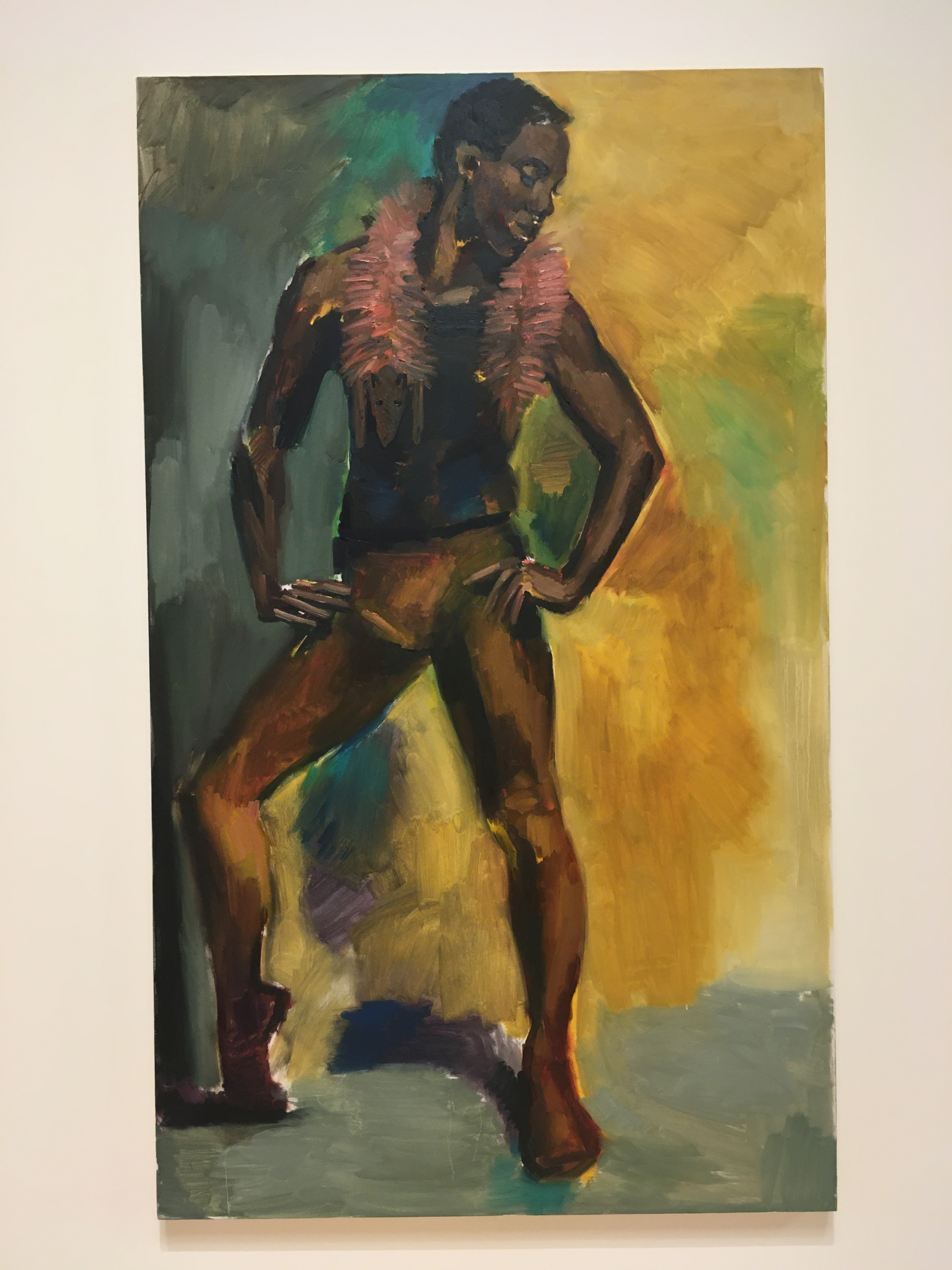
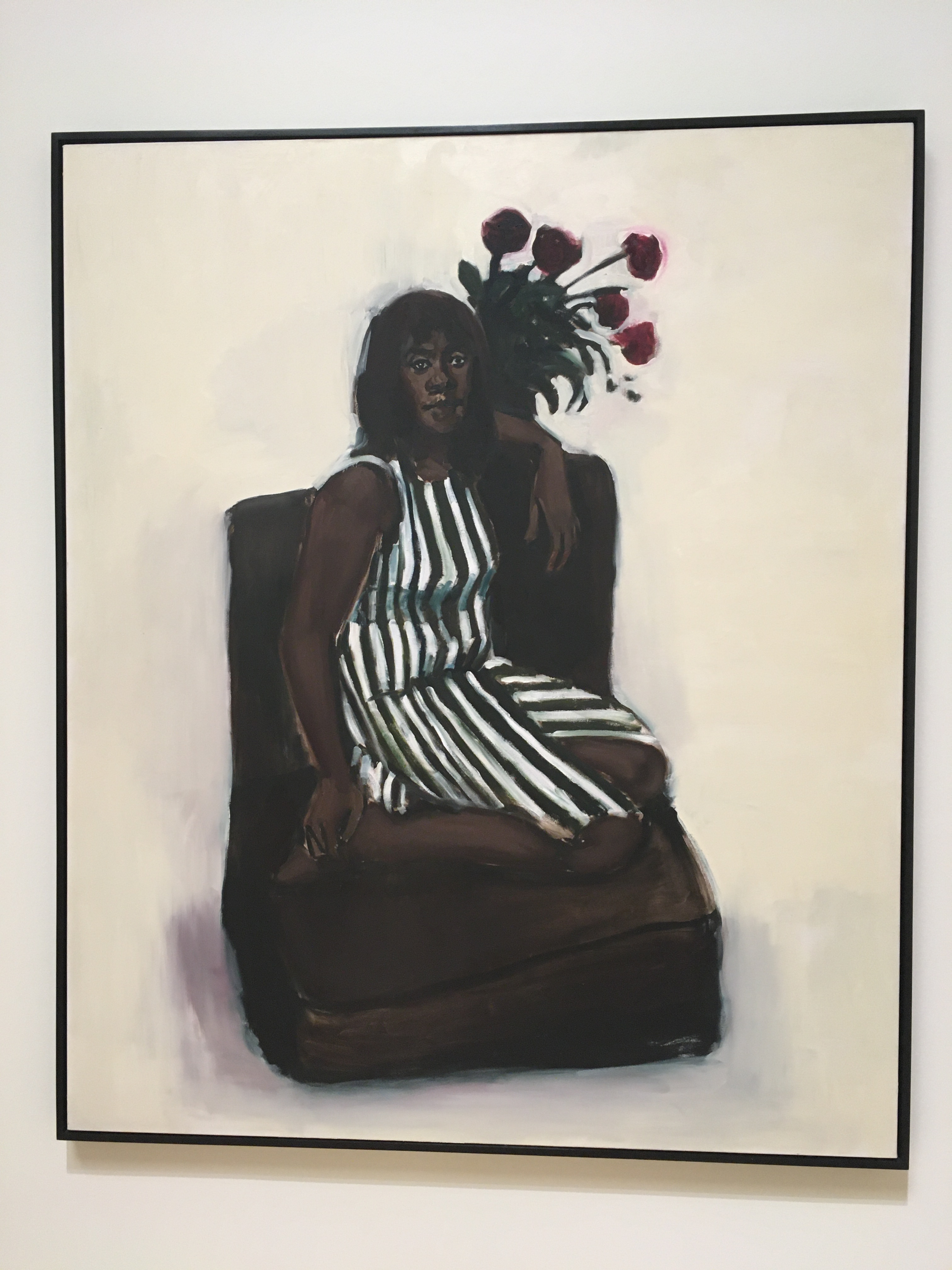
Lynette Yiadom-Boakye is a fascinating contemporary artist. She’s also very prolific, which is apparent at the new show of her work at Tate Britain. Painted from her imagination, this collection of figurative works gives a satisfying insight into her creative process.

This enigmatic artist paints portraits which look so directly at the viewer that you stand in the gallery basking in the scrutiny and wondering about the process and time spent creating the image. It’s quite rare to find a contemporary artist who is so committed to figurative work and I find that a delight. But what’s so intriguing about these paintings is that, apparently, they are not made from life (though I may be wrong). Lynette Yiadom-Boakye uses a variety of reference material to conjure impressions of people who occupy her imagination.

Looking closely at the work, many of which are on a large scale, she clearly uses brightly coloured grounds beneath the oil paintings. There’s a great strength and vigour to be seen in paintings which don’t cover the canvas totally with paint but lets the bright light of the original surface leak through into the finished work. That takes confidence.

But oh, what a relief and joy it is to be able to return to the newly opened galleries after November’s lockdown. It’s only when we’re deprived of art that we realise how keenly we crave it.

Fly in League with the Night is on show until 9 May 2021

Turner’s Modern World at Tate Britain – a welcome chance to see the artist’s thought processes, passions, fierce desire for social justice and representations of contemporary conflict. Yes, we’ve seen many of these pictures before but it’s a treat to view rarely-seen paintings, sketches and engravings which provide a richer insight into Turner’s life, views and work.

This new show at Tate Britain provides a good opportunity to get a real view of JMW Turner’s long and adventurous artistic career. You really get a sense of the causes and passions which drove his best work and of the works which probably bored him to make but were created in a bid to gain royal patronage.

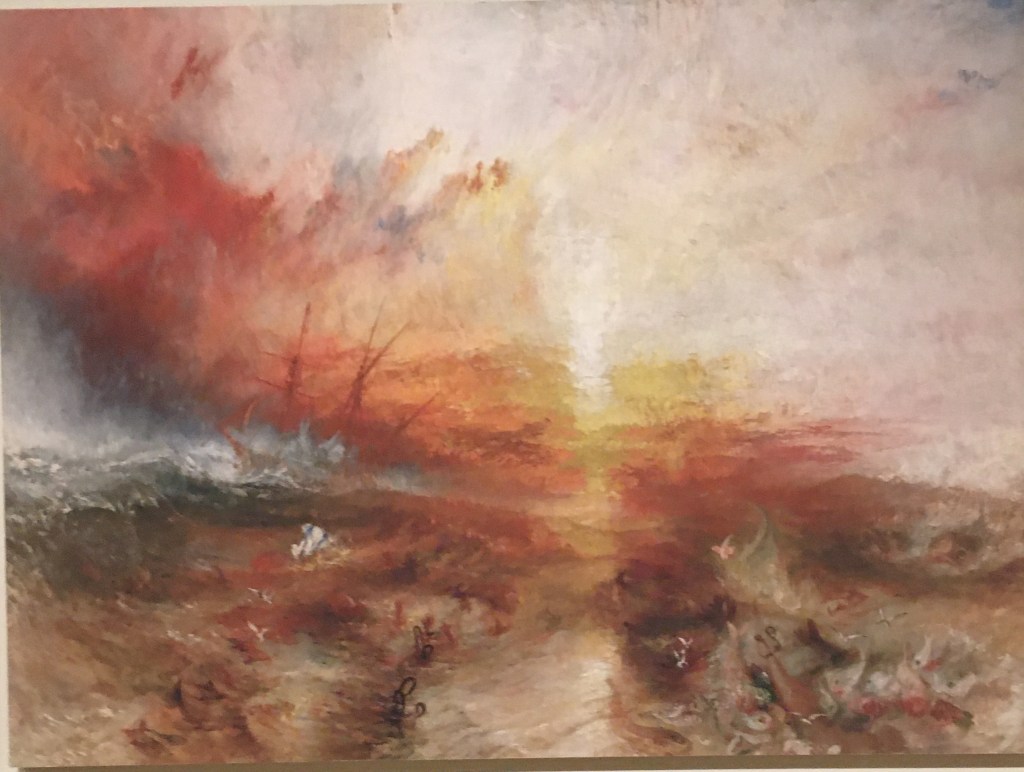
Turner the humanitarian is the strong message of this show. You can read his intense fury in the vigour of the brush strokes. For example, I’ve never before seen his painting called The Slave Ship – we have a copy to view rather than the original which is in Boston. You feel his rage at the iniquitous behaviour of slavers who, rather than allow their illicit trade to be intercepted by the Royal Navy, cast their ‘goods’ – captive slaves – into shark- infested water. Shocking to view.

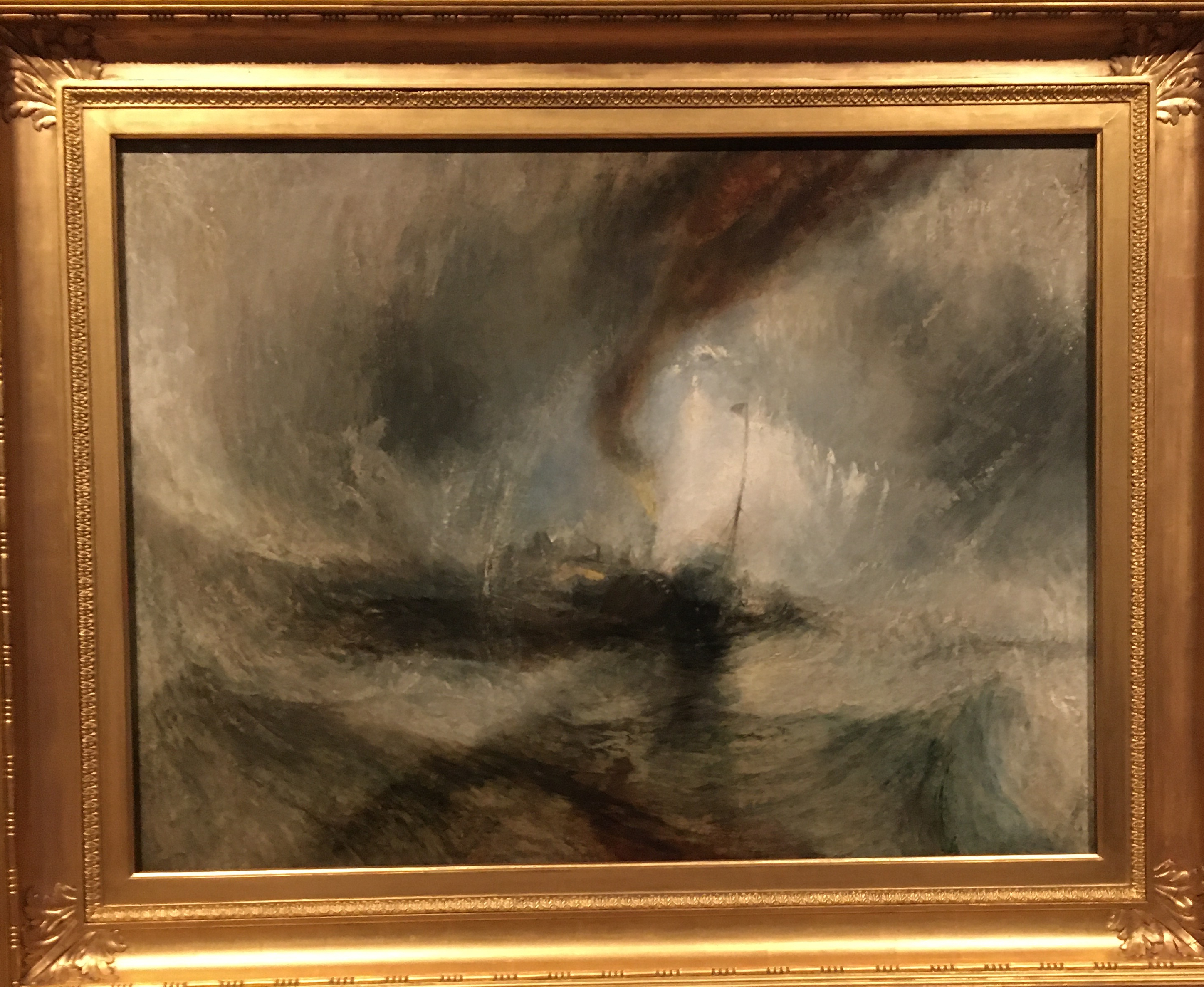
Likewise, there’s huge drama to be felt and seen and felt in a painting entitled Snow Storm – Steam-Boat off a Harbour’s Mouth making signals in Shallow Water, and going by the Lead. The author was in this Storm on the Night the Ariel left Harwich. Turner says the storm was so ferocious that he feared he would be drowned and was lashed to the ship’s mast. The vigorous brush strokes and hectic swirls of paint capture convincingly the atmosphere and drama of the terrifying ordeal.

The takeaway from this show is a very strong sense of Turner’s outrage at unfairness and ill-treatment in all areas of society and his fury at the way the government of the day was draining funds from the people to pay for the war with France.

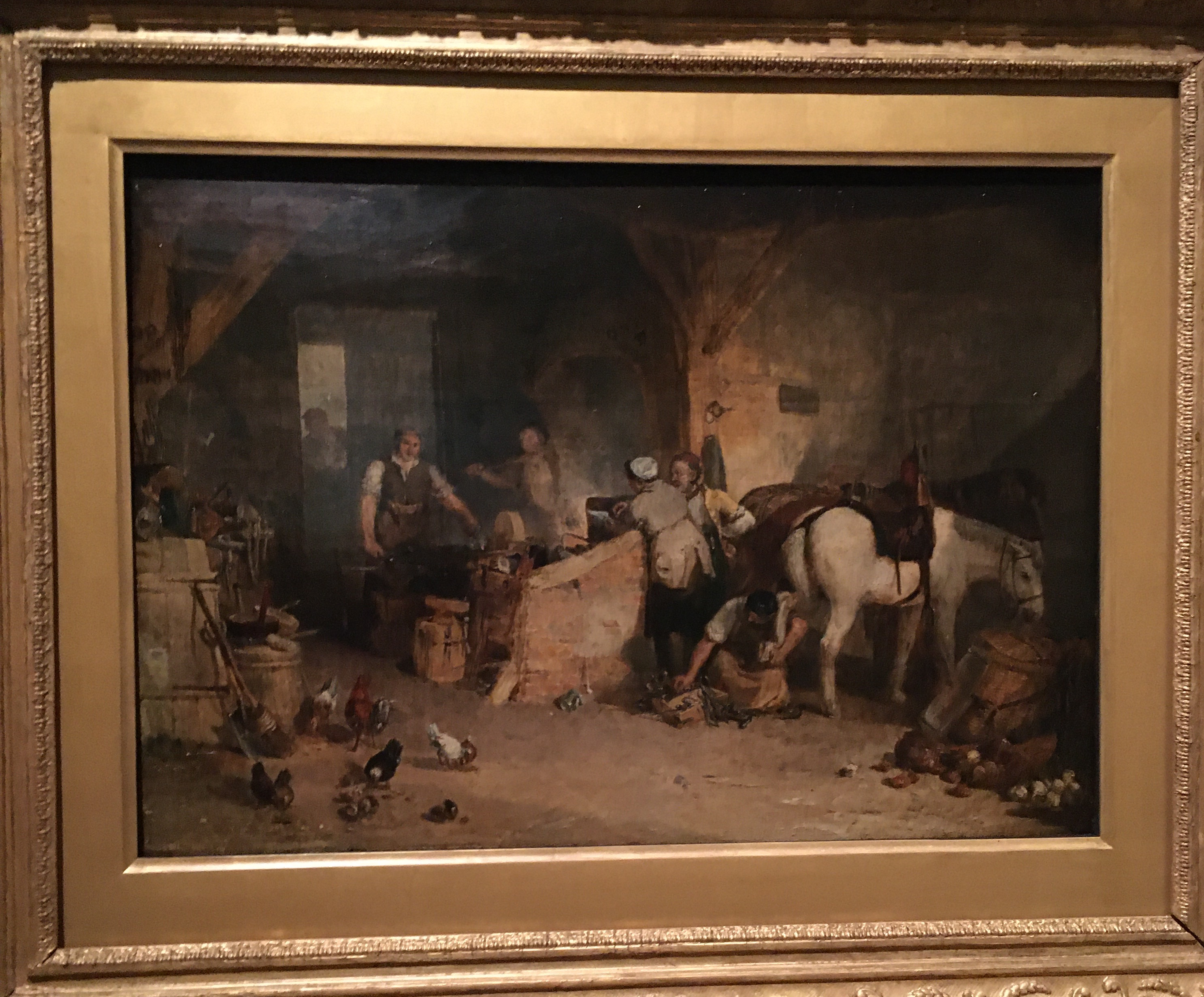
We often imagine that he might have mainly earned his living by creating attractive, acceptable landscapes of beautiful countryside or handsome cities (rarely featuring people) but this show demonstrates that he was very interested in the work people do. I did enjoy his painting of the Blacksmith. It’s not just a bucolic record of the man’s work but is entitled: A Country Blacksmith Disputing upon the Price of Iron, and the Price Charged to the Butcher for Shoeing his Pony. There’s a tremendous message to be found within the picture – it’s fury at taxes on trades and duty on essential materials (pig iron) introduced to pay government war debts.

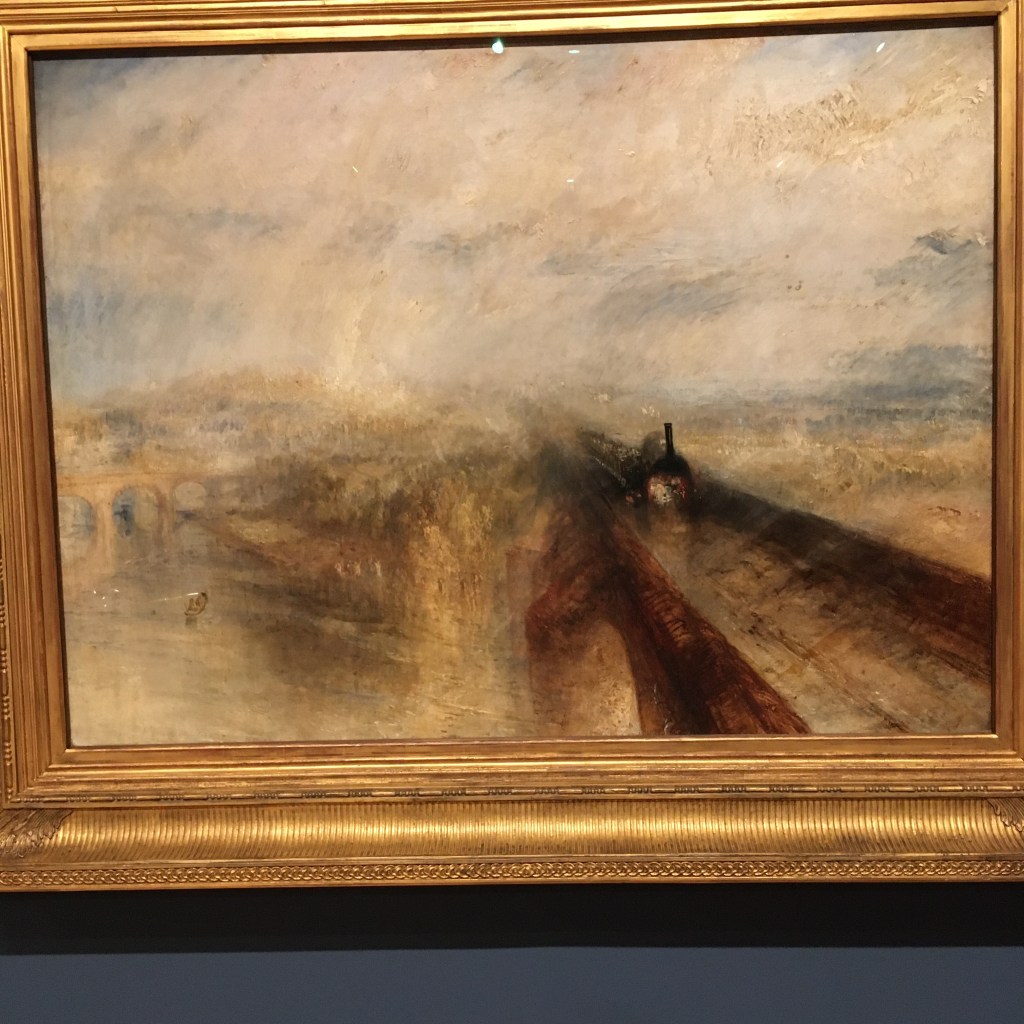
It’s always good to see those favourites such as: Rain, Steam, and Speed – The Great Western Railway and The Fighting Temaraire tugged to her last berth to be broken up, 1838. These two paintings acutely express Turner’s interest in the future and compassion for the passing of old technologies and innovations. All things must change.

The show is on at Tate Britain until 7 March 2021. It’s supported by the Manton Foundation with additional support from the Turner’s Modern World Exhibition Supporters Circle, Tate Americas Foundation, Tate Patrons and Tate Members. http://www.tate.org.uk