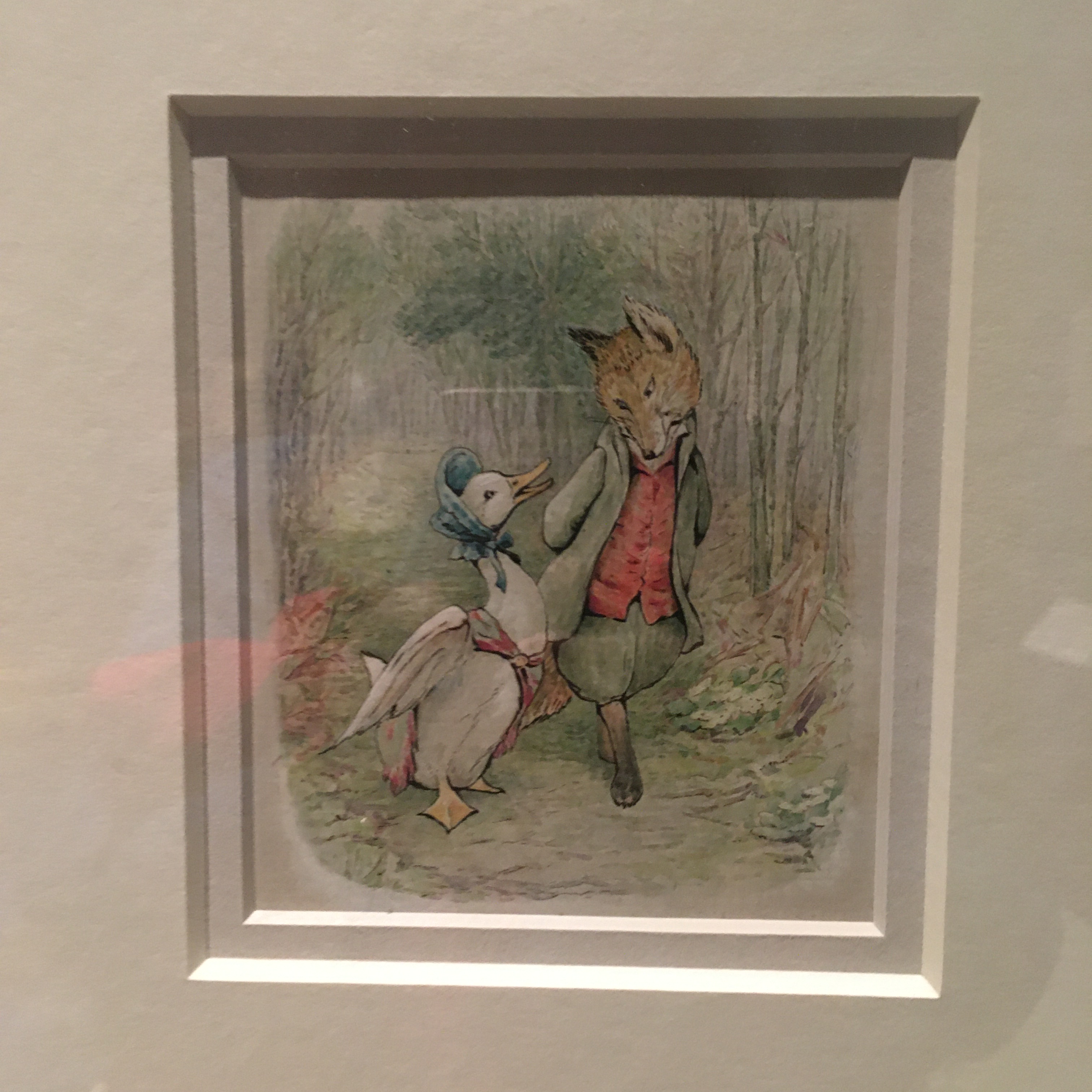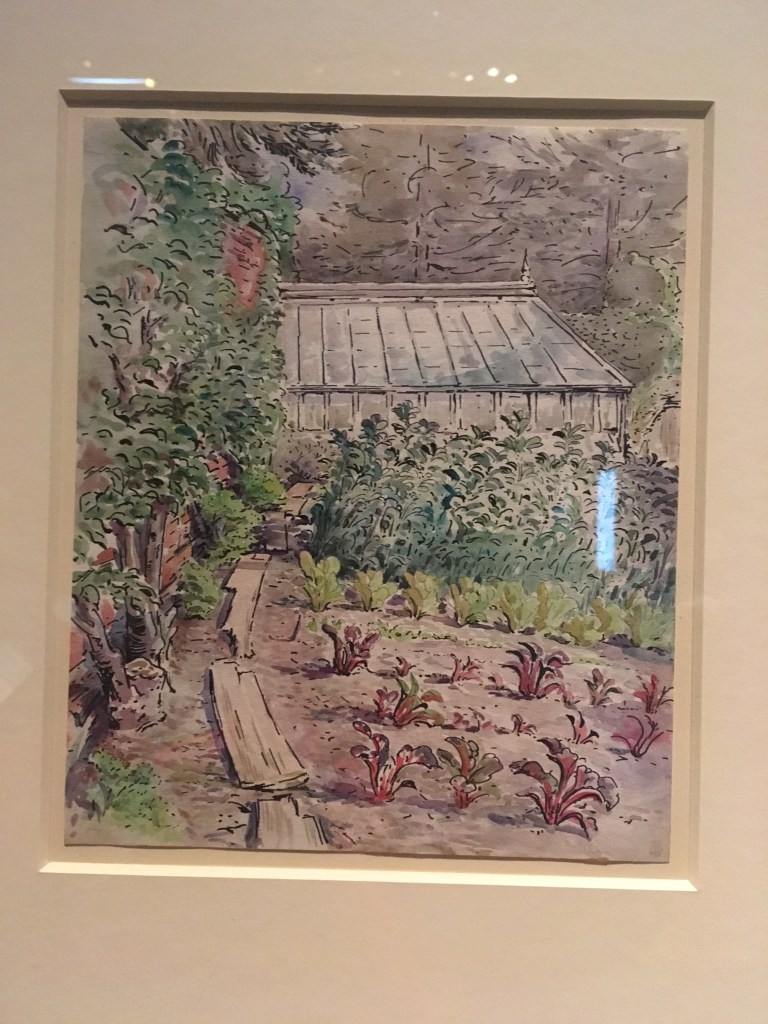
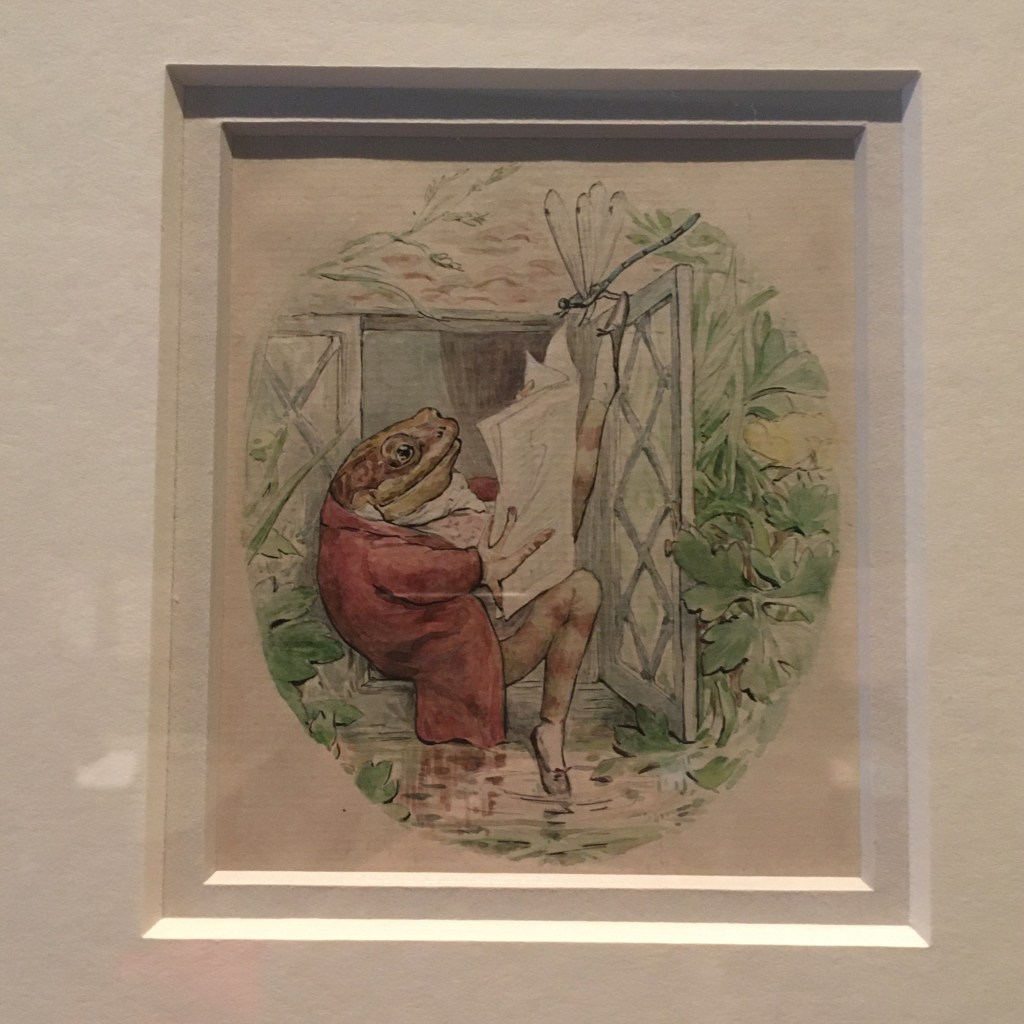
Beatrix Potter, author, artist and creator of Peter Rabbit, Jemima Puddleduck, Jeremy Fisher and many more characters, beloved by generations of children, has been given a charming exhibition , Drawn to Nature, at the Victoria and Albert Museum.

It was a joy to see the originals of some of those famous watercolours painted by Beatrix Potter at the new exhibition at the Victoria and Albert Museum, Drawn to Nature. I hadn’t realised that the little books were printed to the same size as the small drawings of her characters. And they are all so charming.

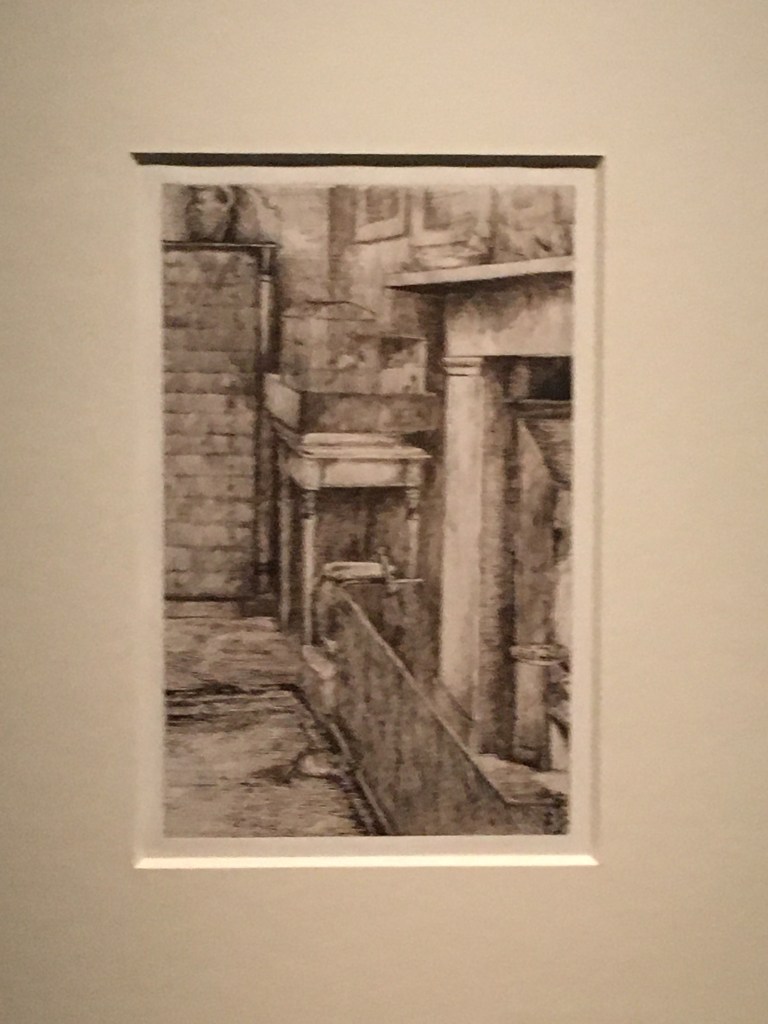
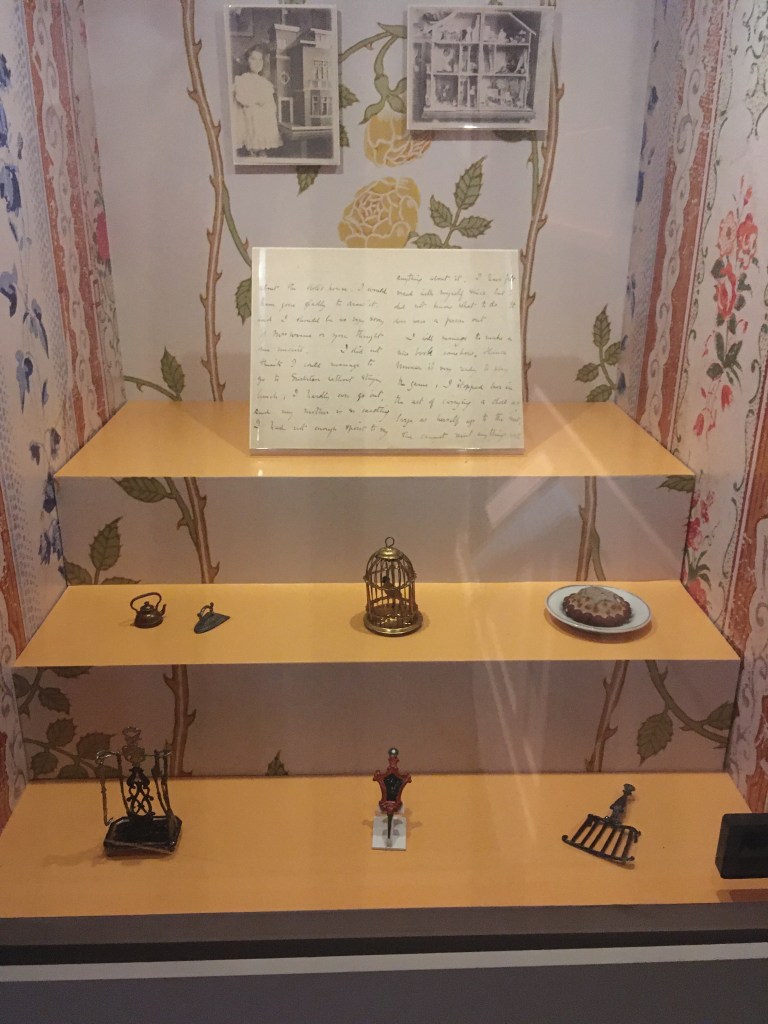
But what we learn from this show is that Beatrix was precociously talented from a tender age. She and her brother Rupert were both creative and curious – encouraged by their wealthy parents and grandparents. While Rupert was sent off to school Beatrix was educated at home. She was taken to museums and also met a famous neighbour near the family’s Kensington home – John Everett Millais who could see young Beatrix’s talent and declared her not only to be a good artist but a very good observer. Beatrix made a very detailed drawing of her home school room, complete with cage for birds and equipment for scientific investigation and even taxidermy.
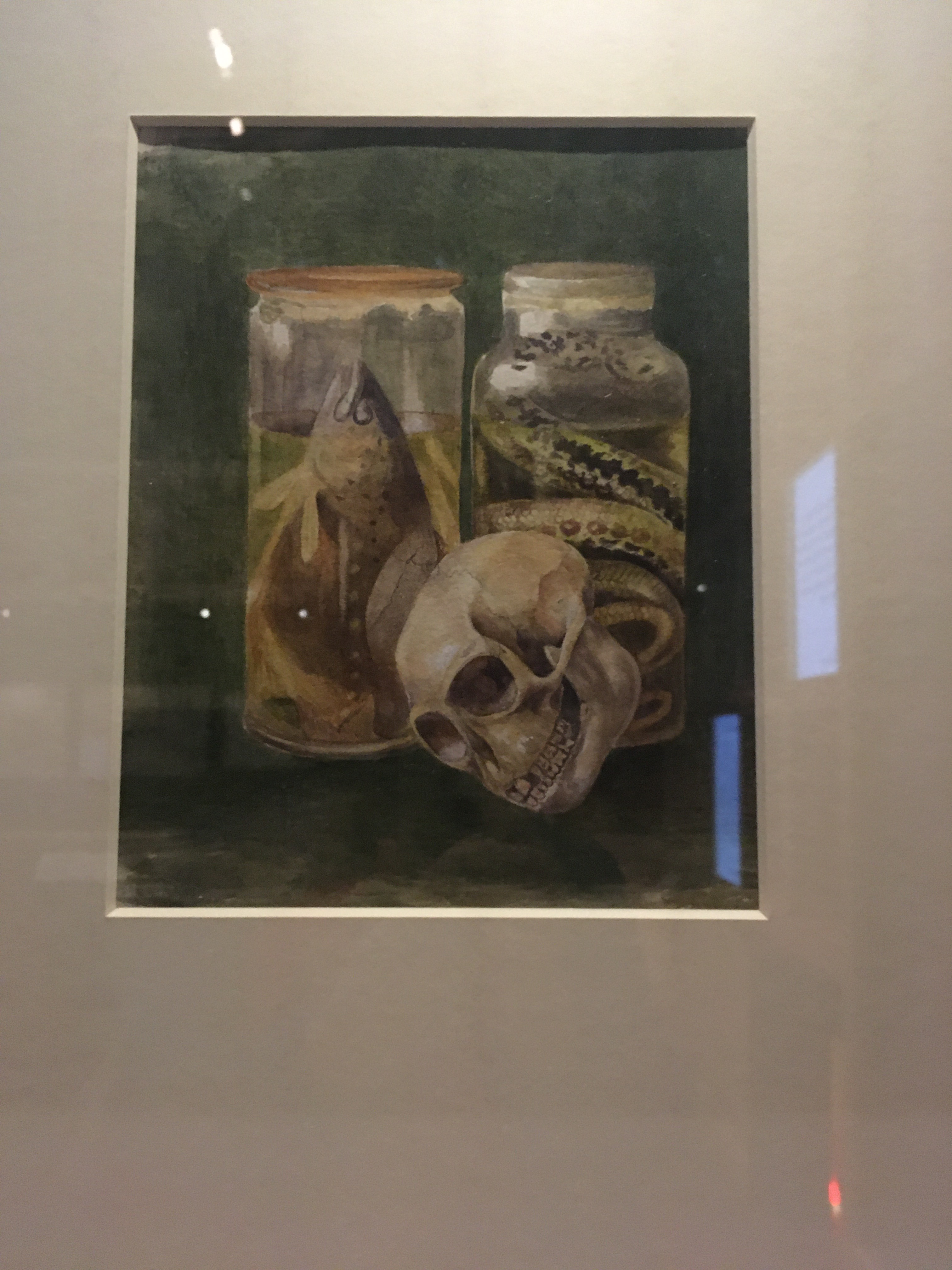
She became very good at making observational drawings and really getting to know the physiognomy of animals, insects, fish and birds.
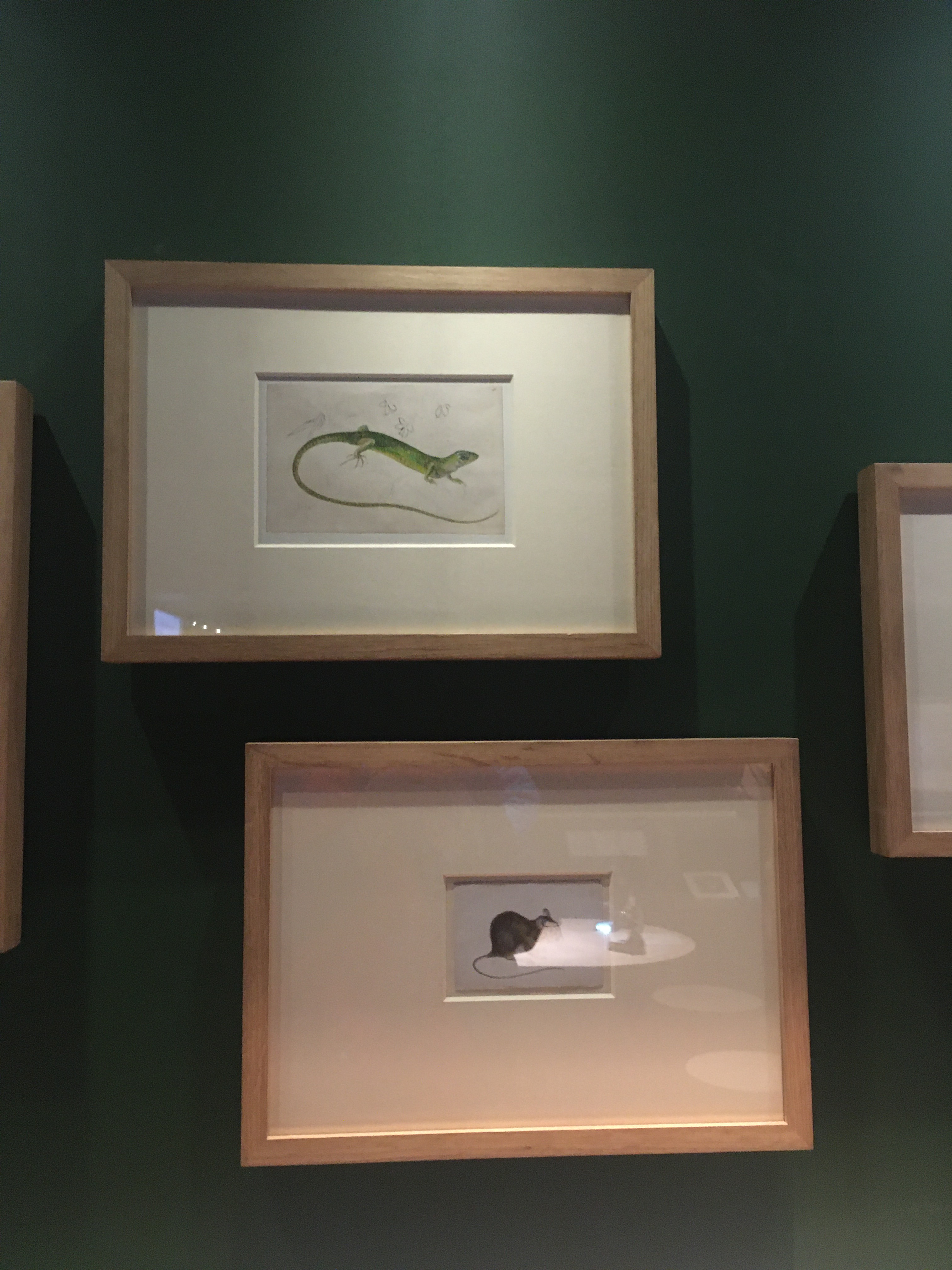
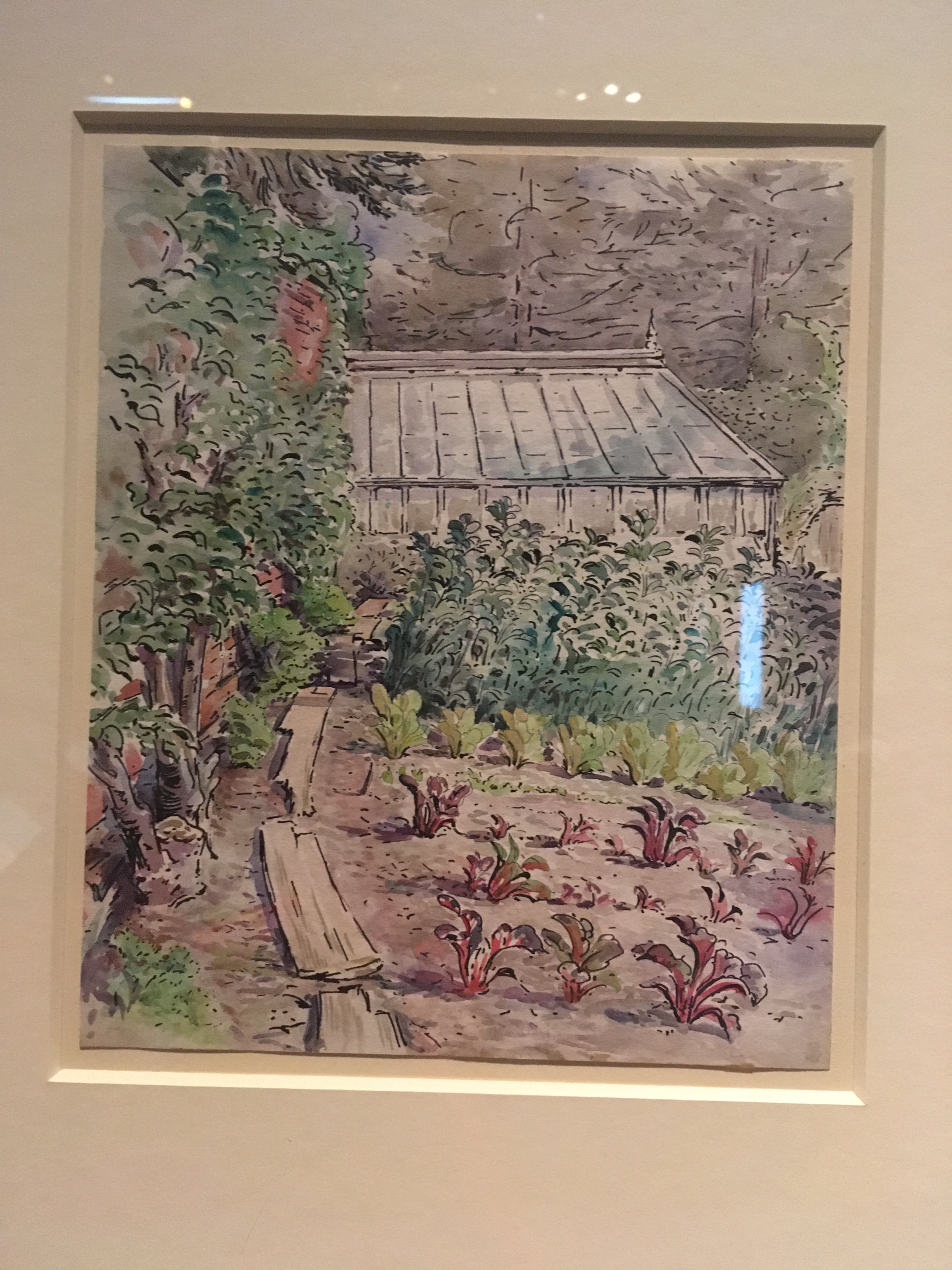
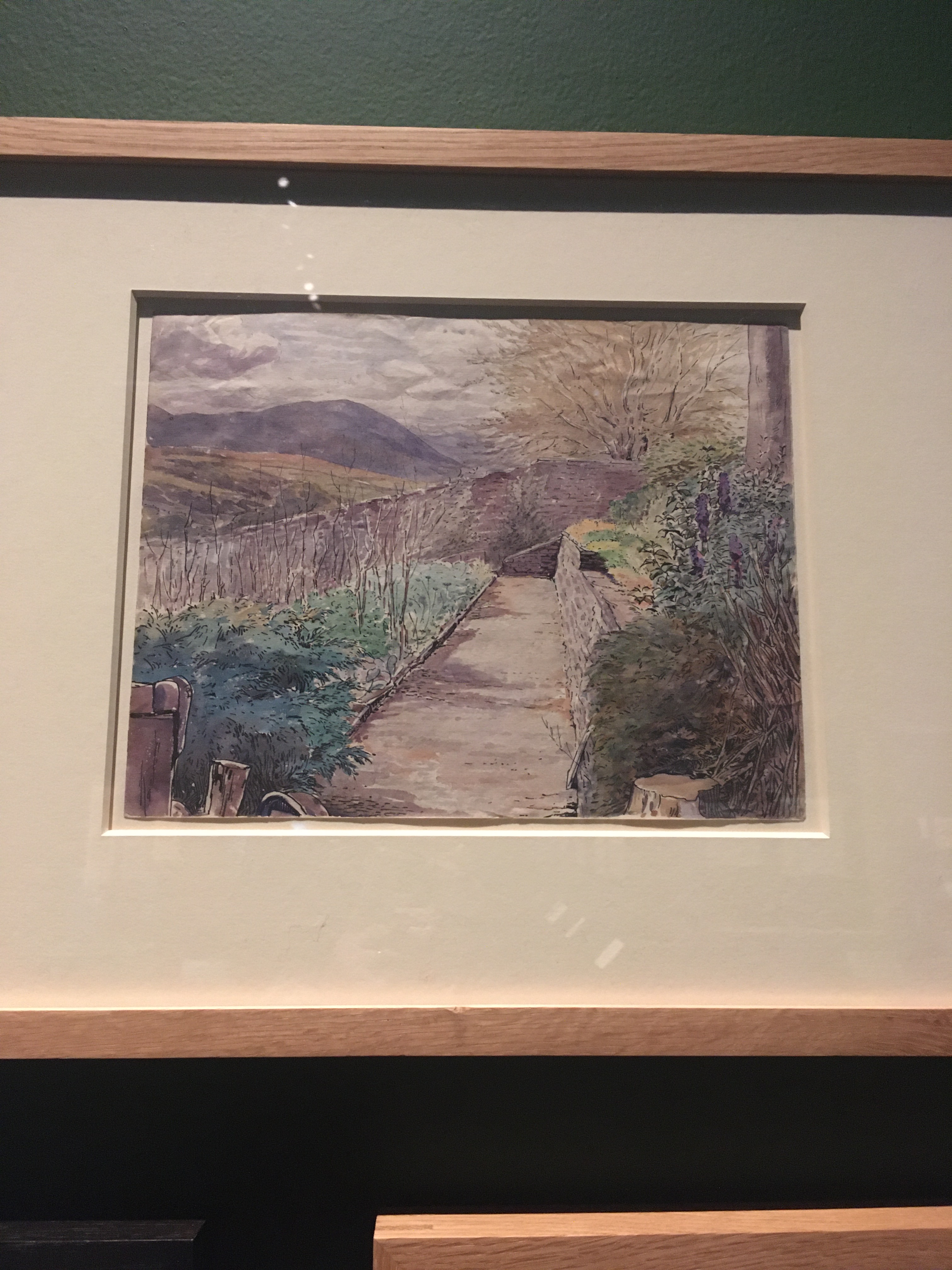
Beatrix and her family would spend holidays – or days when the London house was being cleaned by the servants – in country houses, estates or her grandmother’s home at Canfield Place, which she was very fond of. She clearly loved the freedom to roam these places, really burrow into the hedgerows, examine wildlife and capture images in watercolour. She did love a busy garden and apparently brought all kinds of animals indoors to keep as pets or examine in detail.
The road to publication sounds as though it was enviably easy. She submitted some of her illustrated letters and stories she’d written to young friends and the publisher Frederick Warne immediately saw the appeal of these images and the stories and commissioned more.

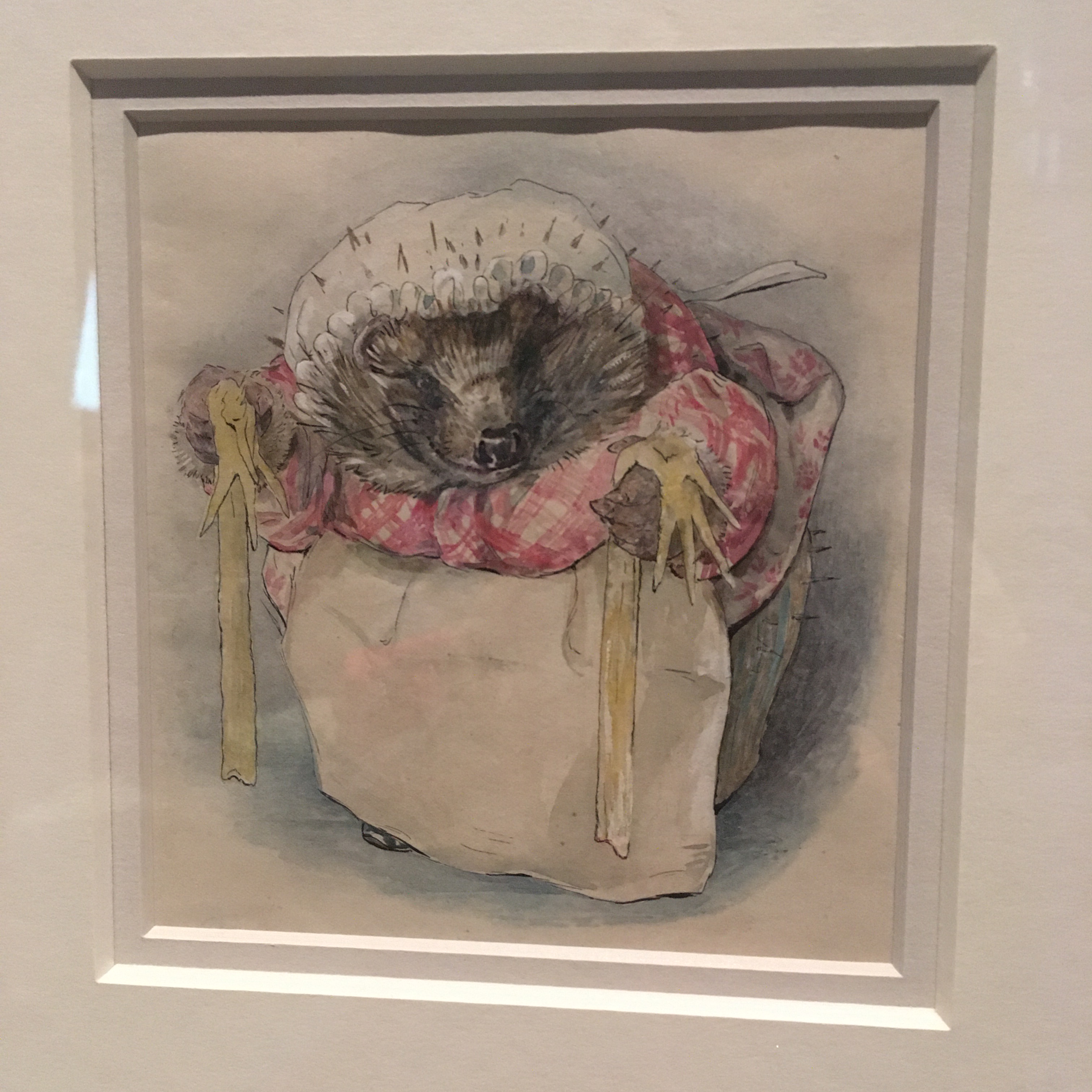
Children and adults – especially those who have fond memories of poring over these books as a child (as I do) will really enjoy this show. It’s a snapshot of this clever woman’s life. Beatrix clearly held onto a lot of her own childhood work as well as artefacts and furniture, and many of these things found a permanent home in her adult home at Hilltop Farm. It’s a treat to have them in London for the duration of this show.
Beatrix Potter settled in the Lake District having bought Hilltop farm on the proceeds of her books. She became a passionate farmer and conservationist and great protector of the rural landscape of Cumbria.
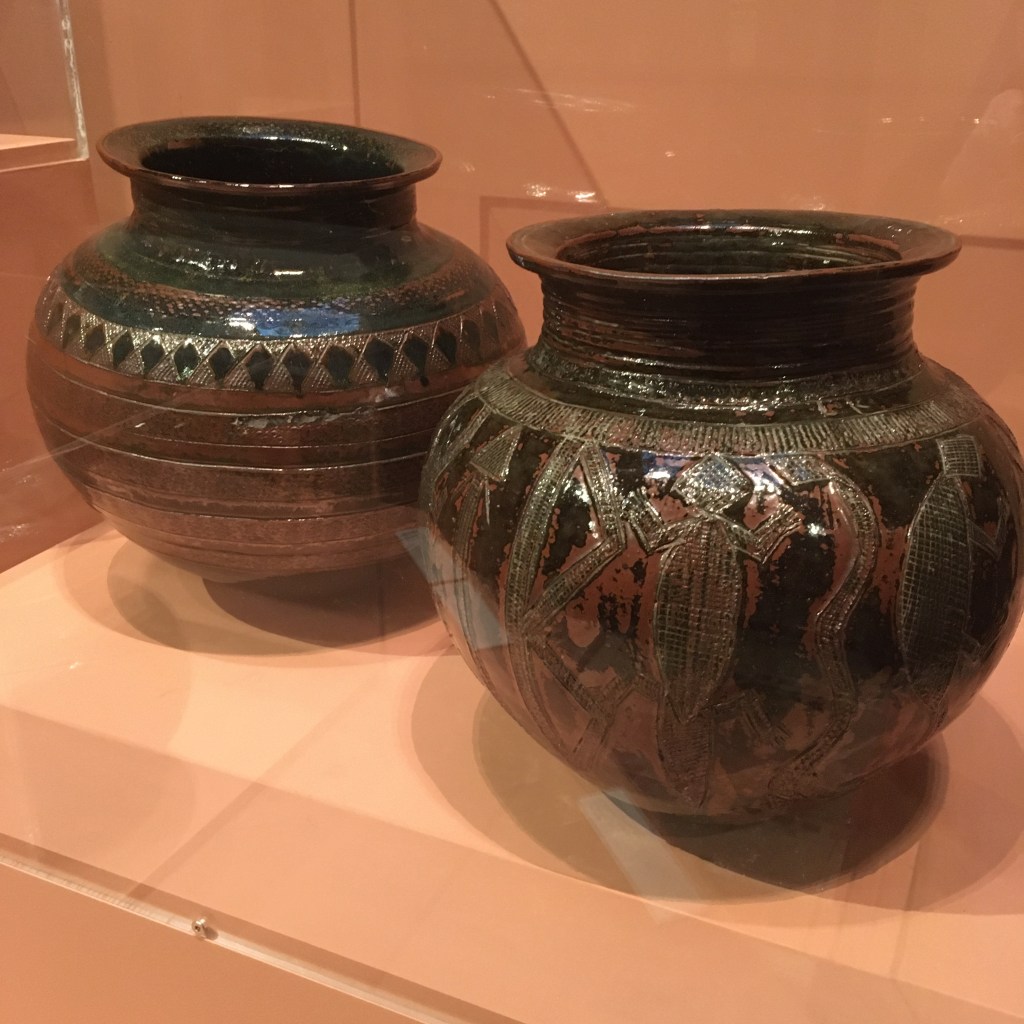
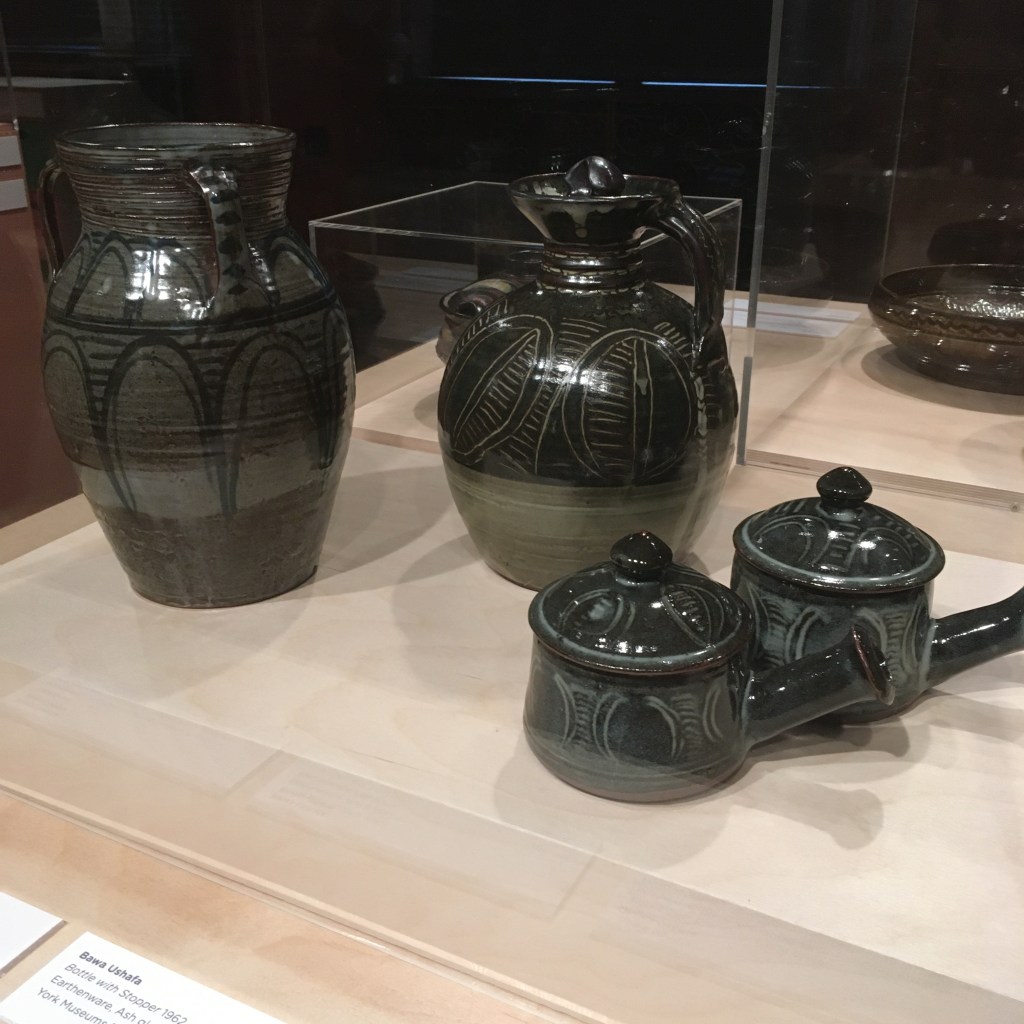
Body Vessel Clay – an engaging exhibition of pottery and ceramic art and the creative work of Black women over the last 70 years. From the traditional weighty water jug made in Nigeria to expressive painted ceramics by contemporary artists living outside Africa, the inheritance of clay and its many uses is explored and celebrated at Two Temple Place.

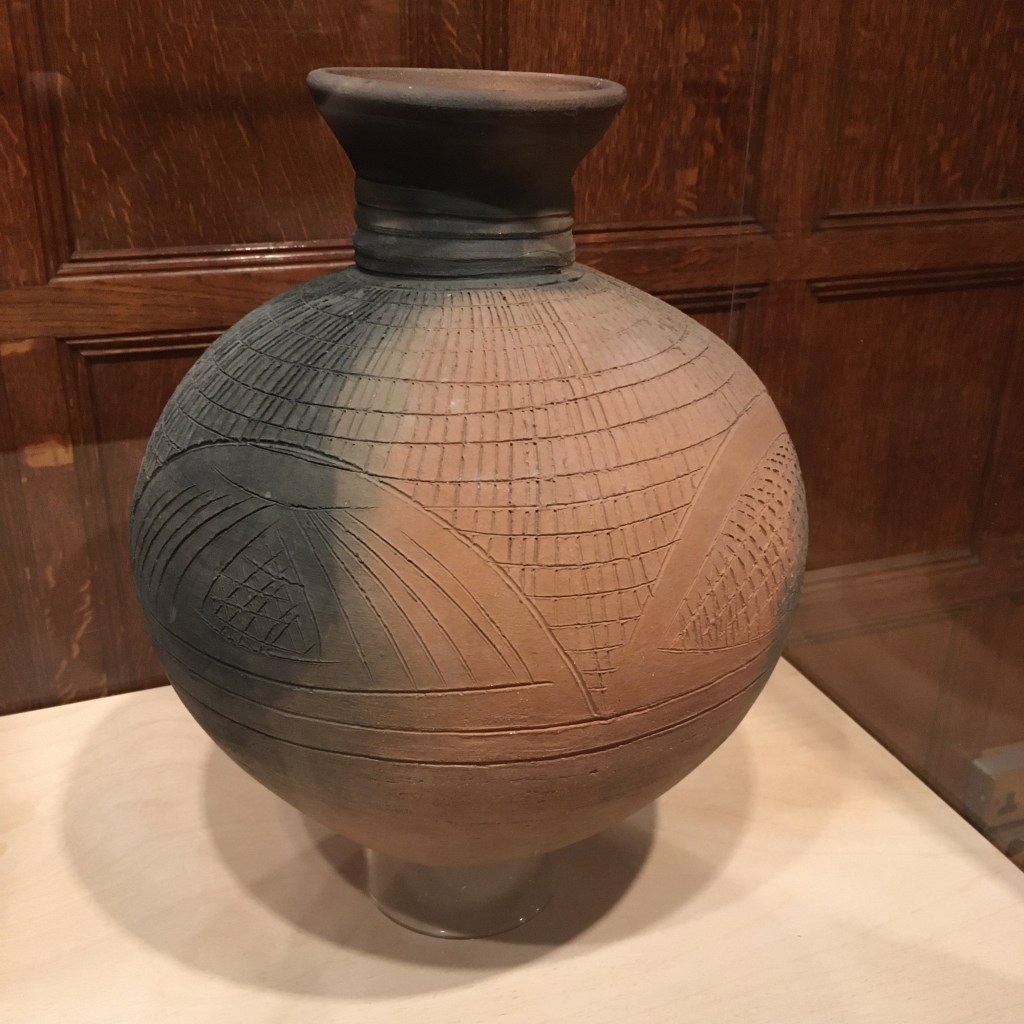
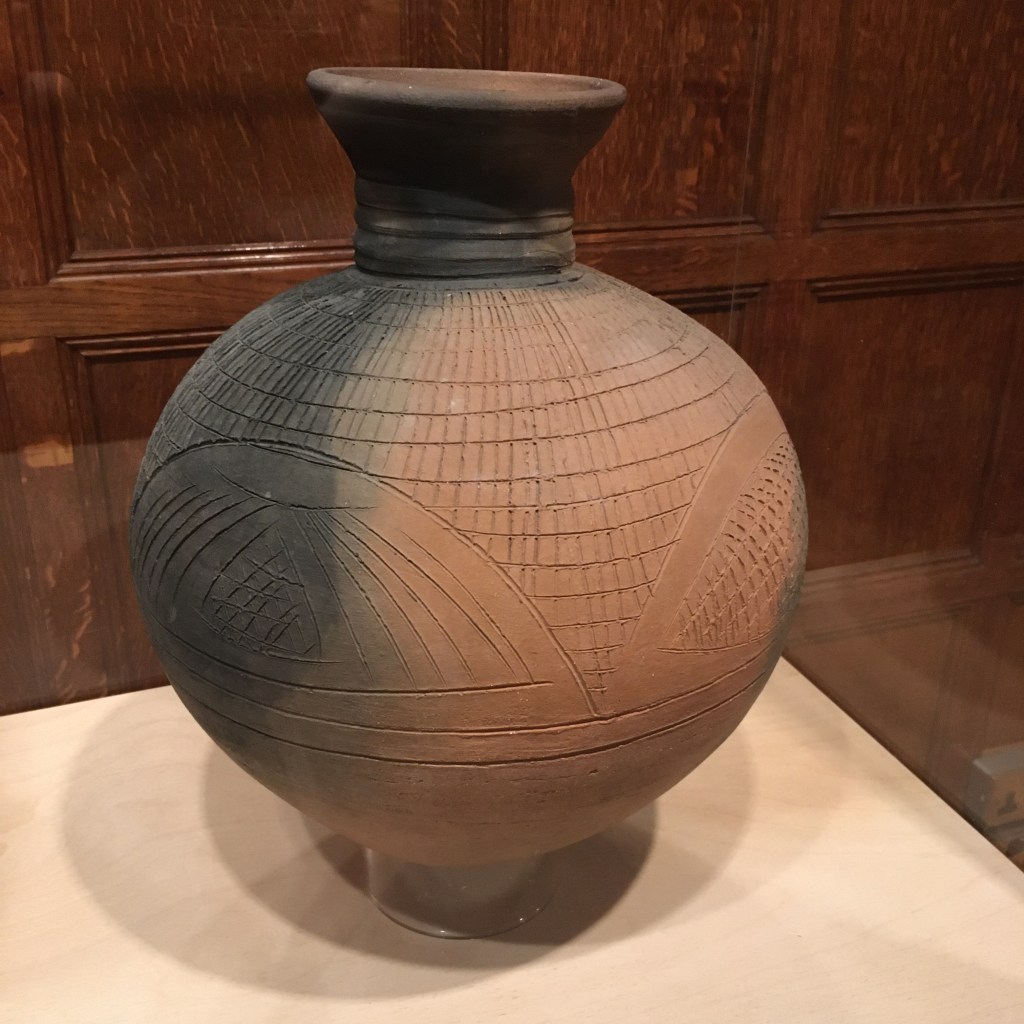
When you think of historical Africa it’s very easy to visualise beautiful rounded clay vessels used for food, water and cooking. What we often overlook is the remarkable artistic hinterland of these pieces. What we also forget is that women made these pots, using clay in its purest state, straight from the ground, using their hands and eye to form practical, durable yet beautifully decorated pots. The exhibition has assembled work by the seminal Nigerian Potter, Ladi Kwali (1925-1984) who was trained in the traditions of pottery and then worked closely with the British potter Michael Cardew to develop a new creativity within pottery. The pot in the picture above was by Dame Magdalene Odundo during her time in Abuja. She learned the skills from Kwali but wanted the world to understand and appreciate the aesthetic of this most ancient of artf-orms. Below is a photo of a pot by Odundo made in 1983.
The exhibition covers around 70 years of pottery practice and artistic evolution. In the upper rooms there are films, such as Jade Montserrat’s performance, Clay (2015 filmed by Webb-Ellis) where she immerses herself in clay, naked, digging, shifting great clods of clay and covering her body with a layer of liquid clay.

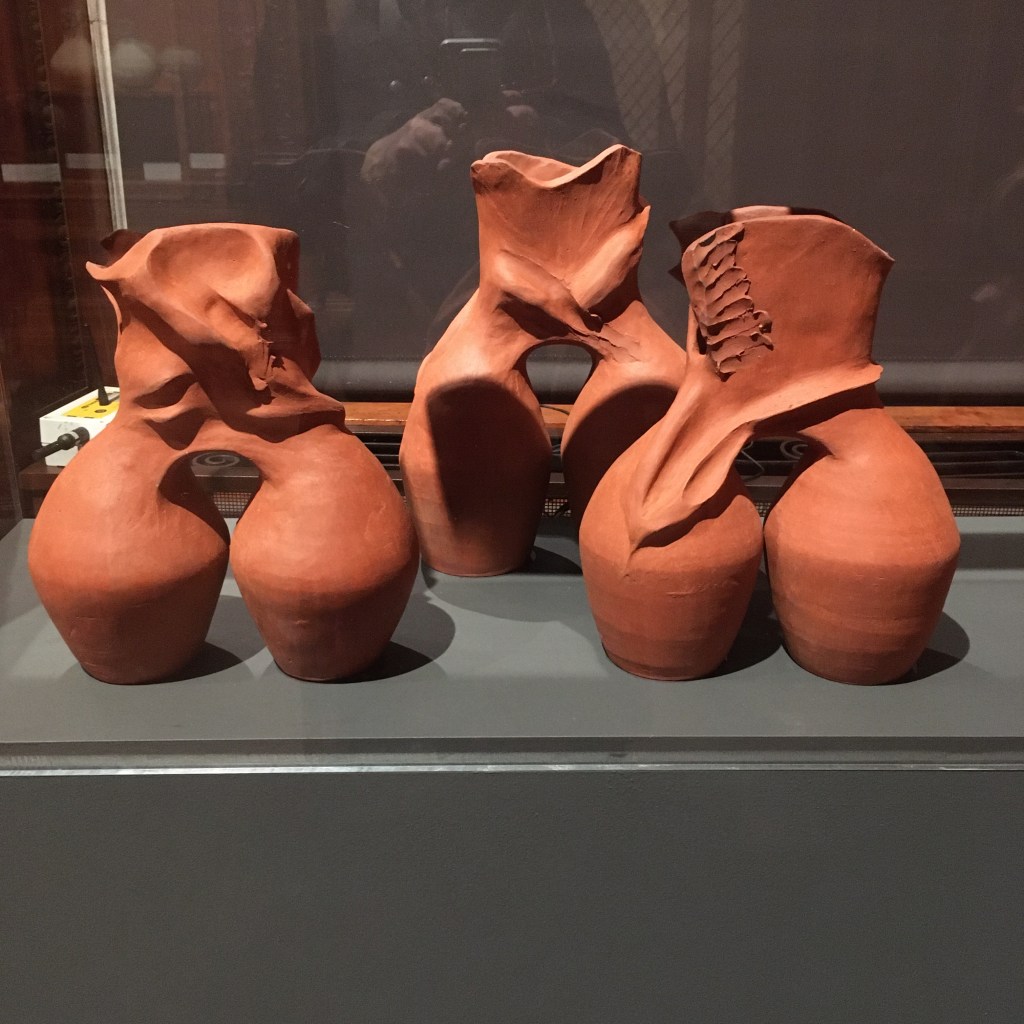
I liked the organic terracotta shapes by Bisila Noha – Dancing Goddess. Wonderfully free-fall.

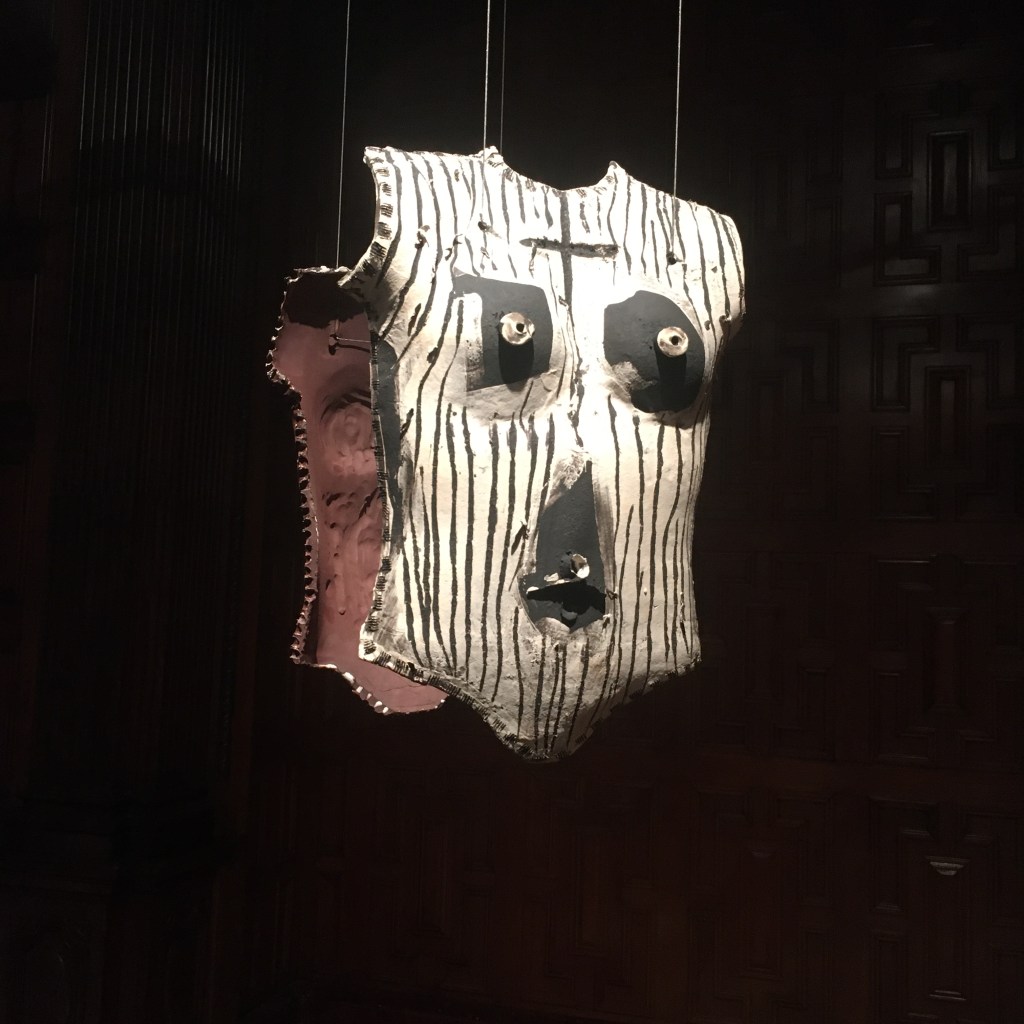
This ‘torso’ by Phoebe Collings-James entitled The subtle rules the dense (2021) relates to the body as a container.

I’ve added a few more images of pots which caught my eye. The show is on at Two Temple Place (worth a visit just to see this extraordinary building) until 22nd April 2022.

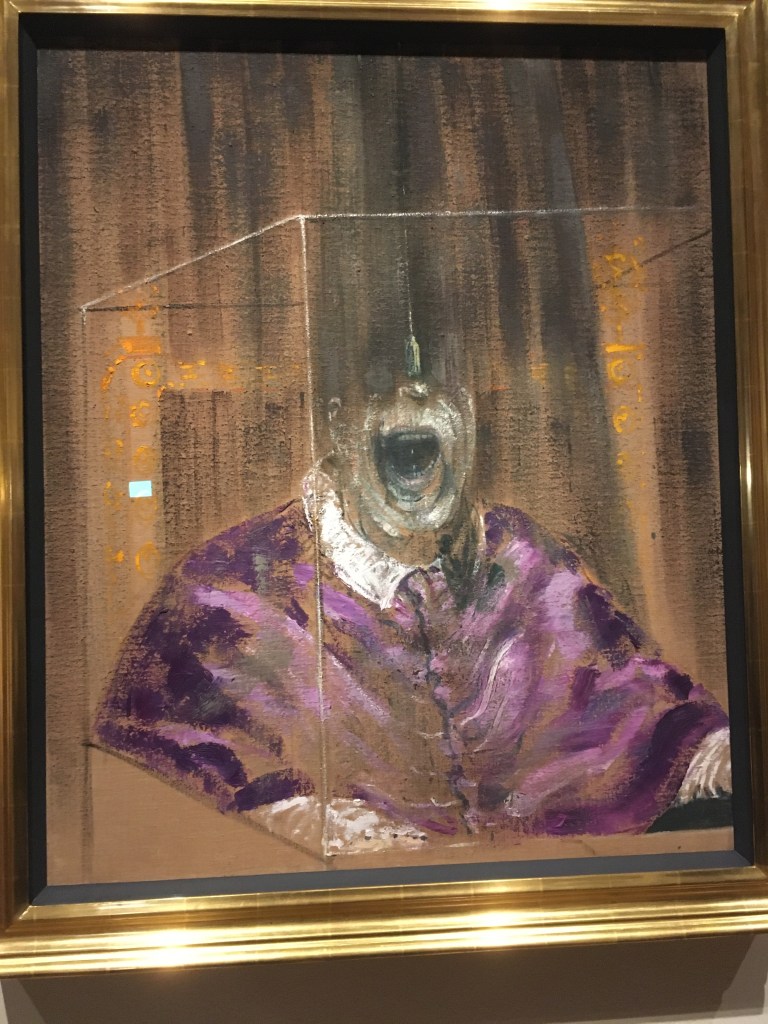
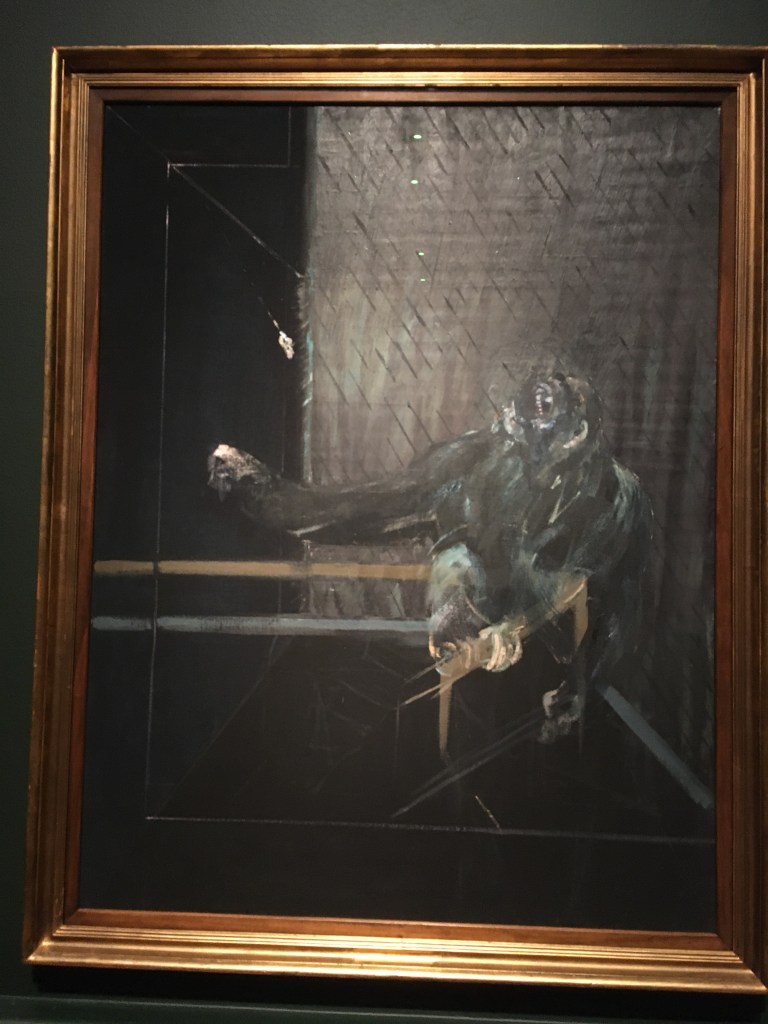
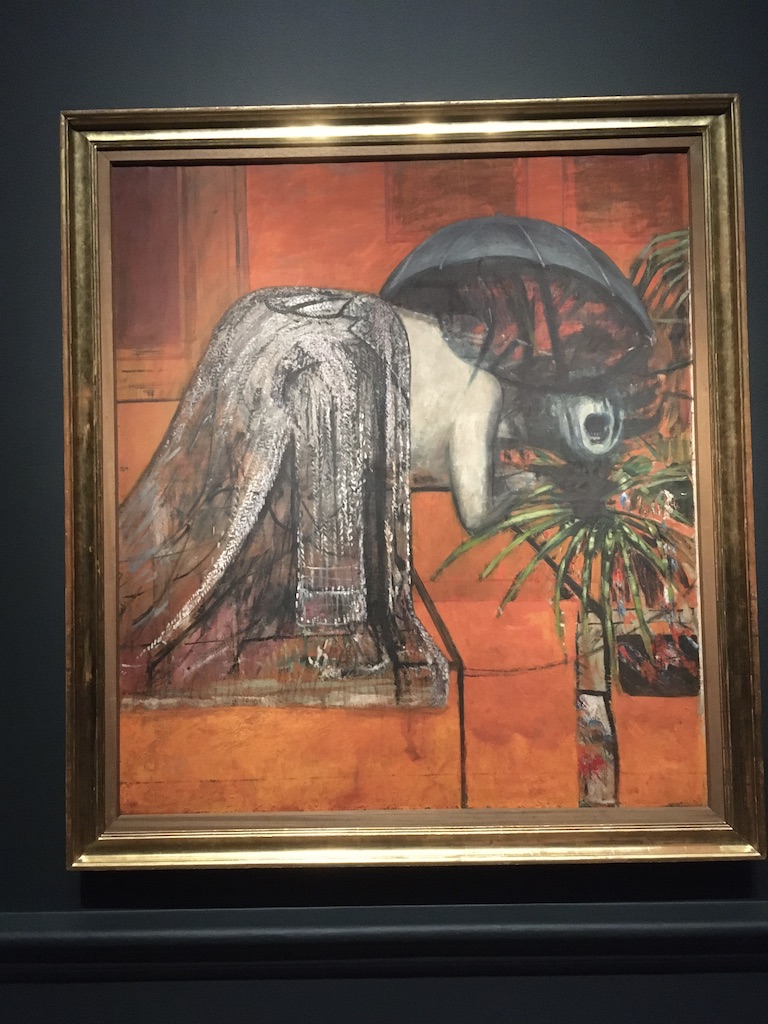
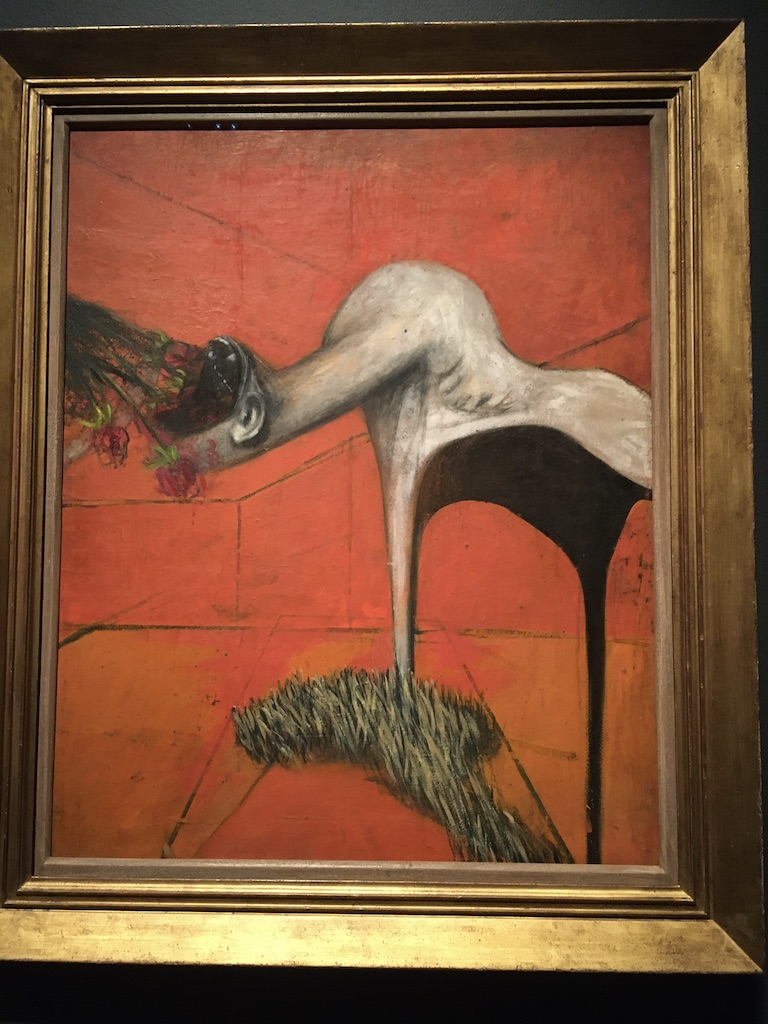
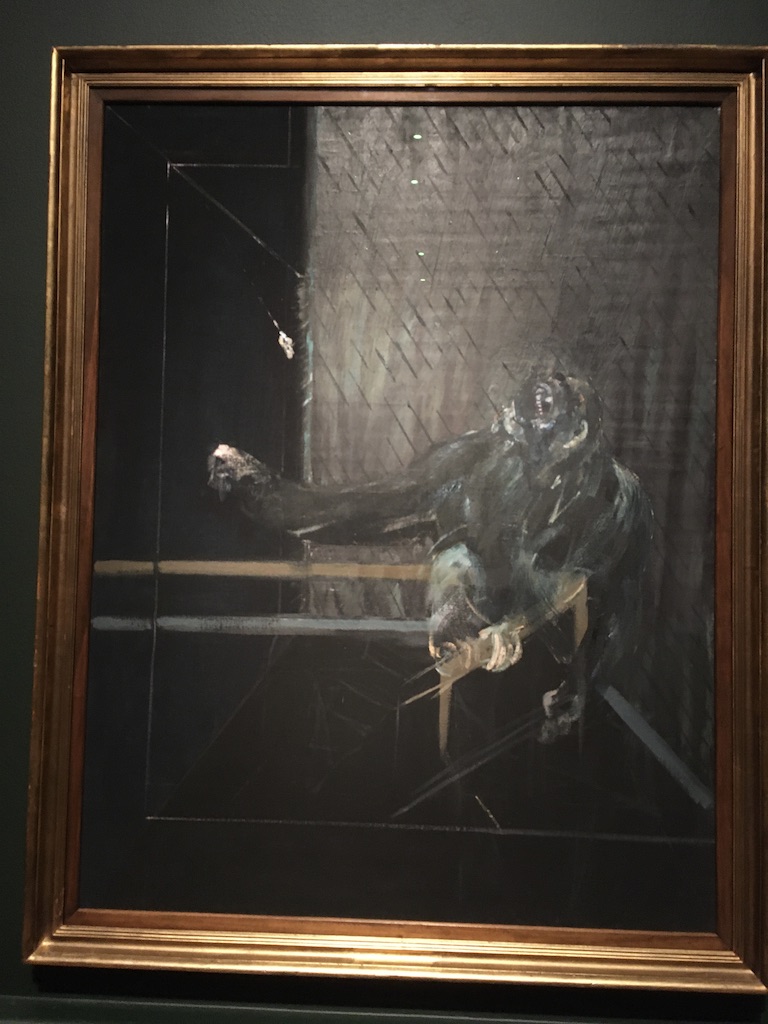
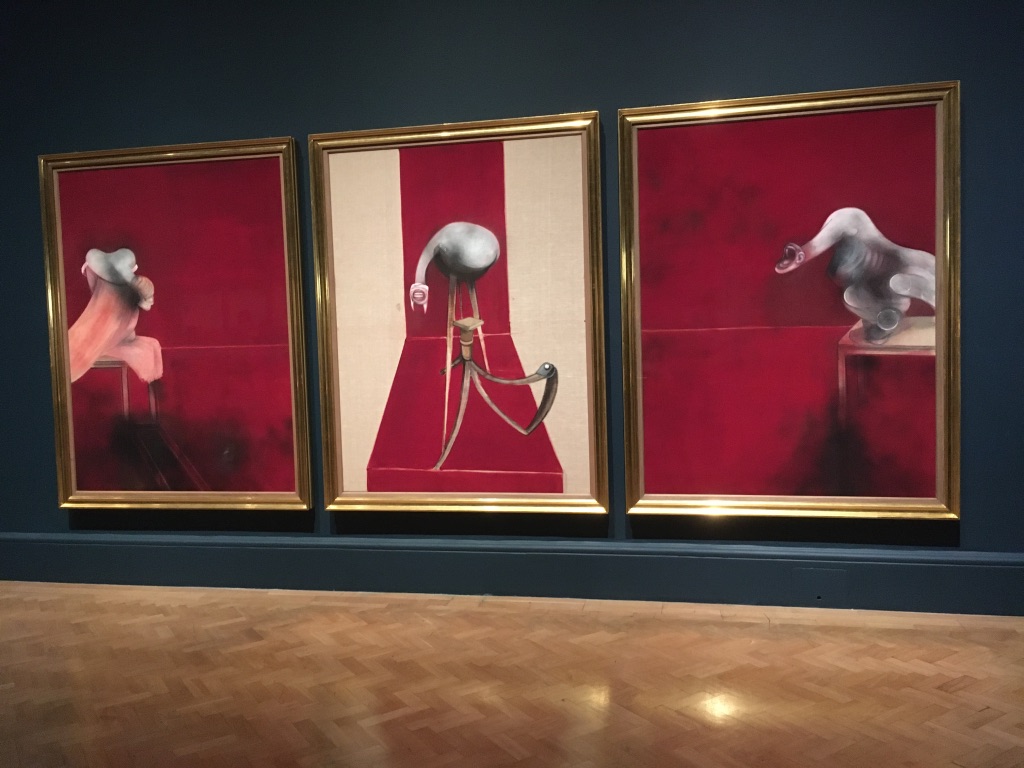
Francis Bacon, Man and Beast, a fulsome exhibition of his visceral work opens at the Royal Academy, London.

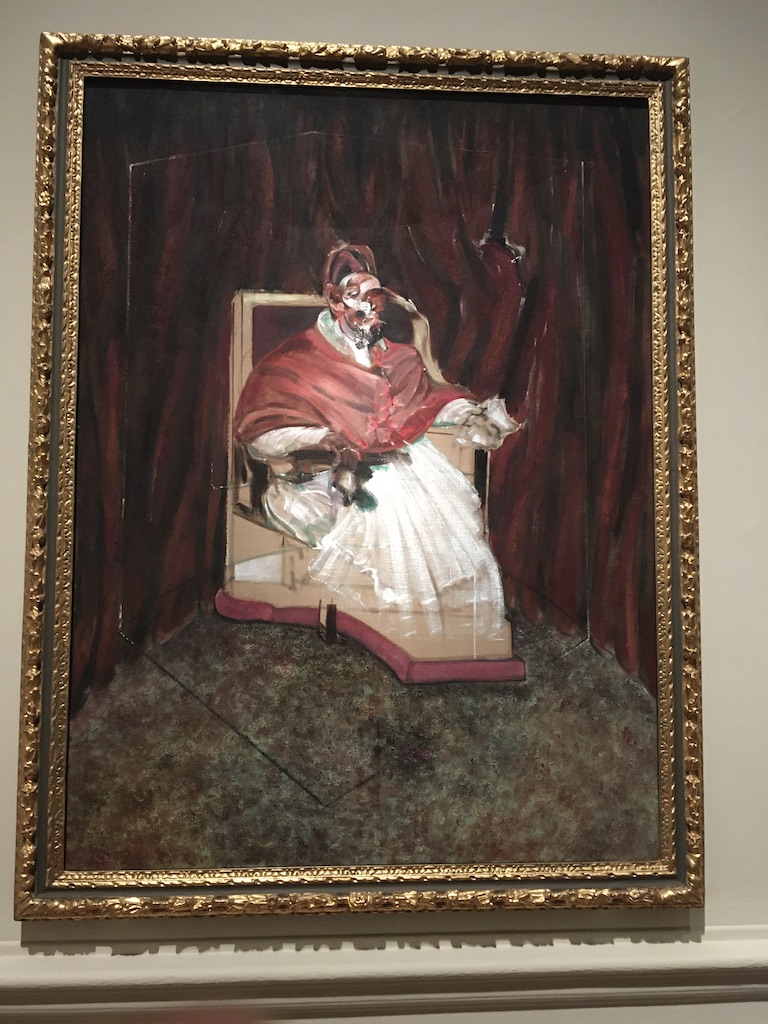
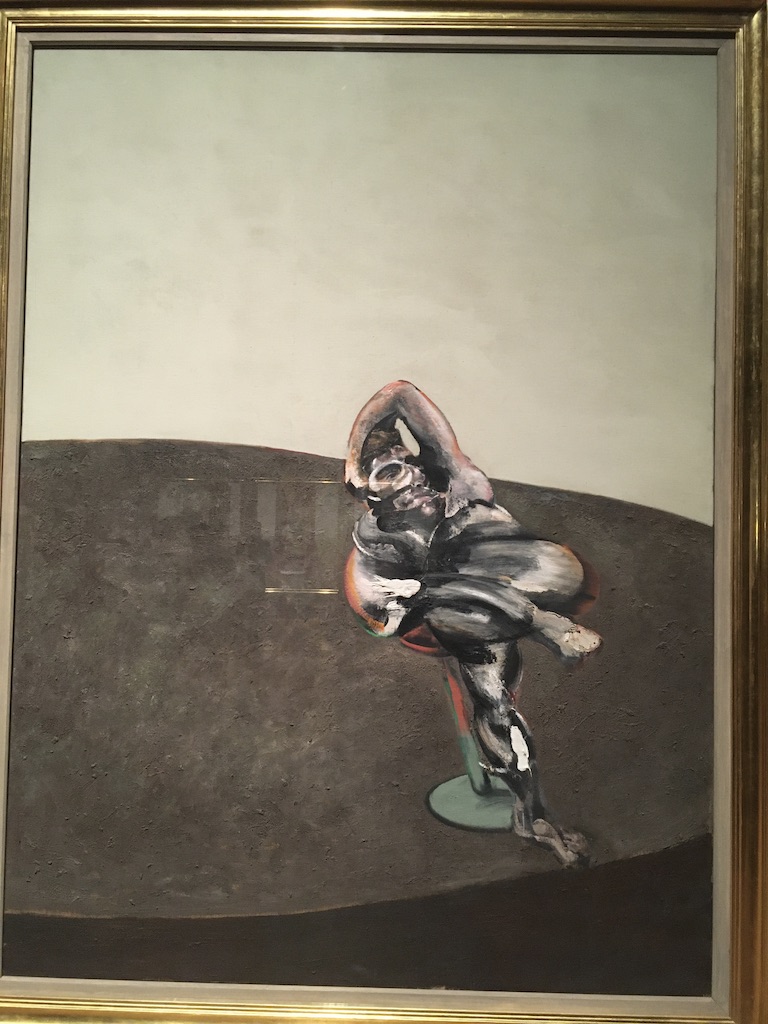
I guess I should begin by saying that I’ve never been that keen on Francis Bacon’s paintings. But I do admire them. He forged a very distinctive, expressive style, which is immediately recognisable, beguiling and fascinating to look at close up. In fact, what I liked most about this show at the Royal Academy was the chance to stare at the canvases at close quarters and see how he’d used a certain colour of ground (a great many start off with a kind of pale burnt umber wash) the vigorous brush strokes and the way he impressed wet paint with various fabrics; you can see the ridges of dishcloth or corduroy.

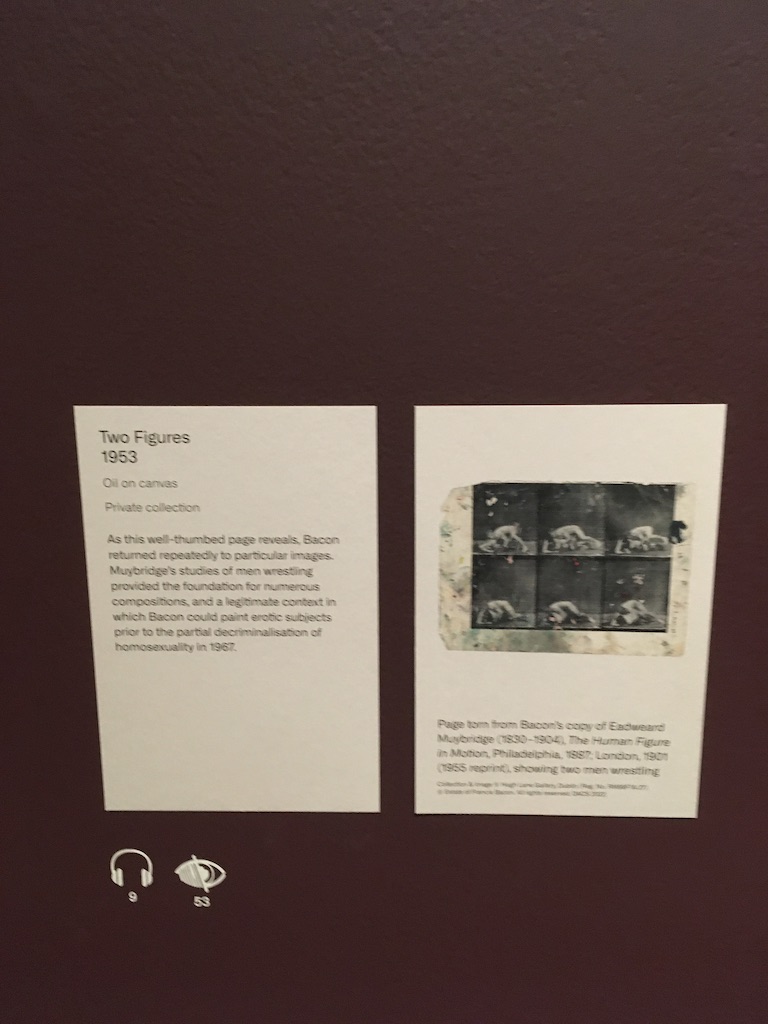
The title of this exhibition gives the steer to the show – it’s about his fascination with man as a human beast, simply a creature made of flesh and blood, skin and hair, and not vastly different from animals. I hadn’t known about his interest in the photographs of Edweard Muybridge which captured the movement of animals. The details to the side of some paintings show paint-spattered pages torn from these reference books and it’s clear that these animal images fuelled the composition of the paintings.

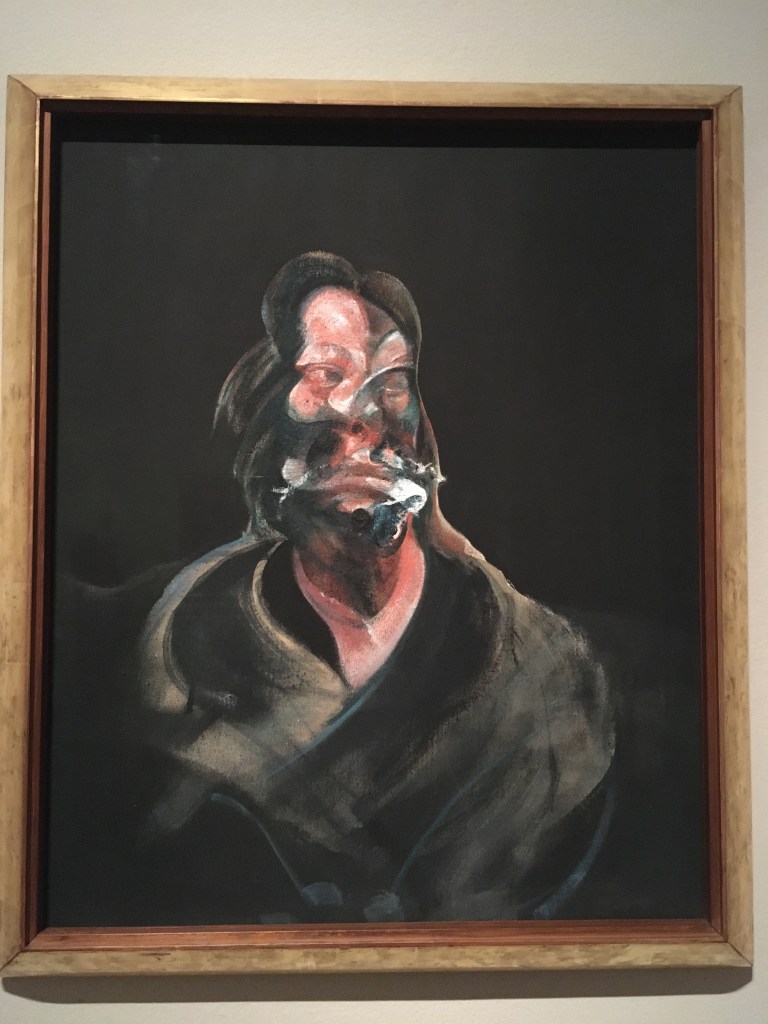
It’s impressive to see how, within the curious swirly, many-layered style, a strong likeness is achieved with his portraits. They’re not flattering but they do capture character and personality. it’s no surprise to learn that he was very impressed by the work of Picasso. He was inspired by an exhibition of Picasso’s work he saw while lodging with a family in France and determined to live in Paris and become an artist.

Isabel Rawsthorne, portrait 1966

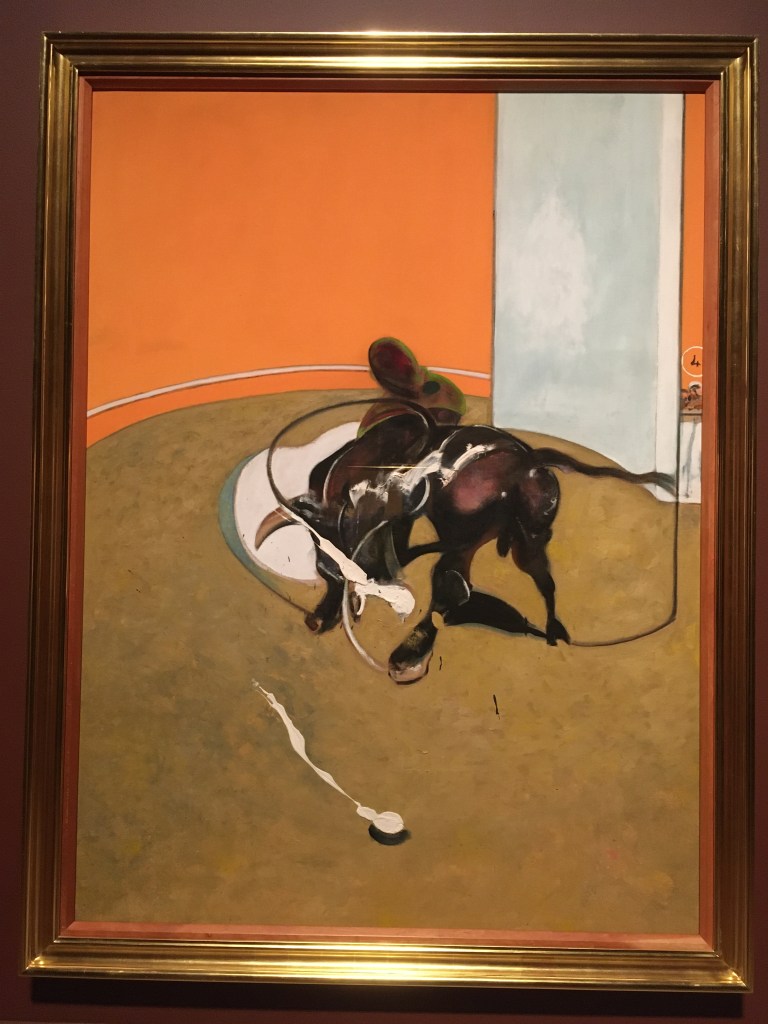
The other thing about being able to see these paintings, in the flesh (what an apposite expression!) and close up, is the bravery of his technique. He often created perfectly satisfactory works, in his distinctive style, and would then throw great gobbets of paint at the canvas. These random hurlings of pigment often enhanced the work with tremendous energy but there are some where you think, maybe it hasn’t really ‘helped’ the work.

Second version of Study for Bullfight No 1 1969

So, despite my innate reservations about Bacon, I was impressed by this work and very pleased to have seen such a strong selection of work and had the chance to understand more about his practice and his turbulent life.

On show at the Royal Academy until 17th April 2022

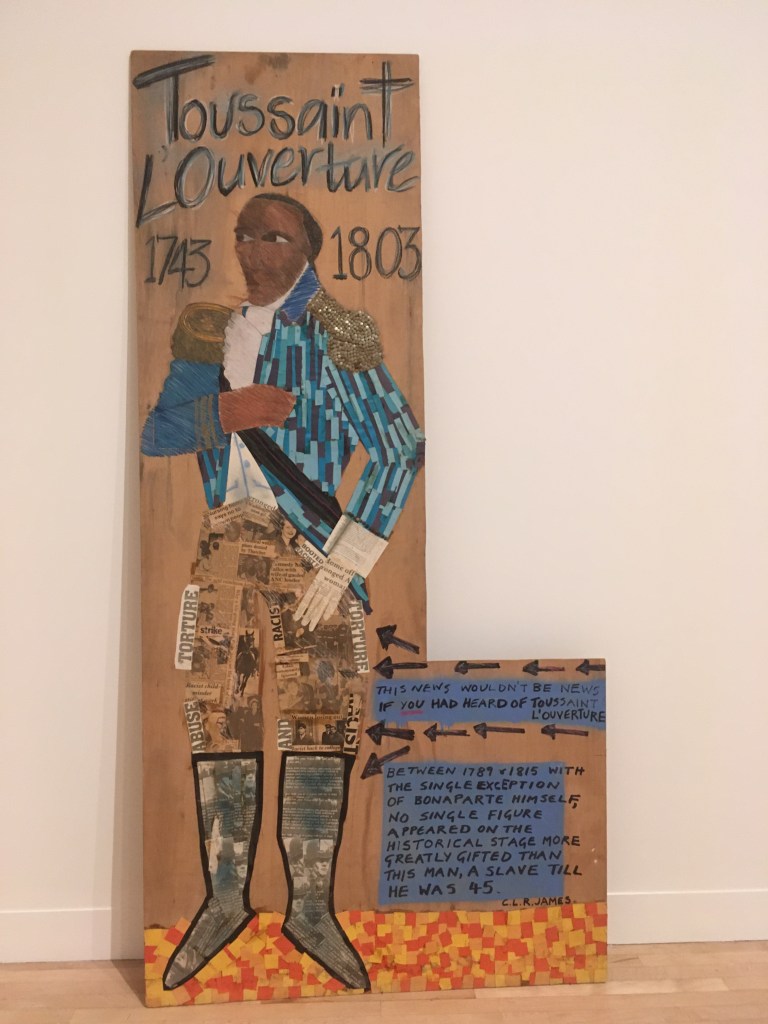
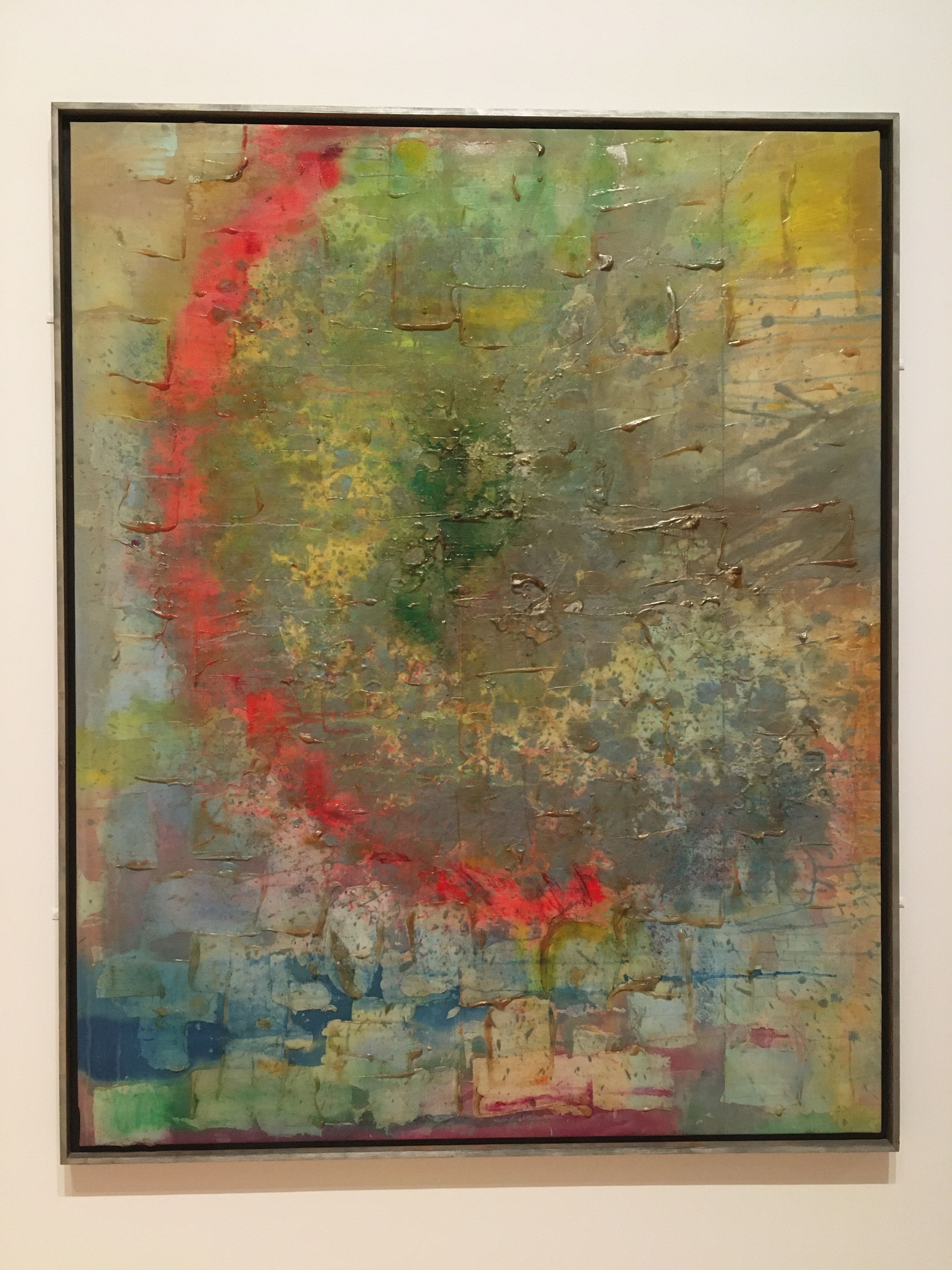
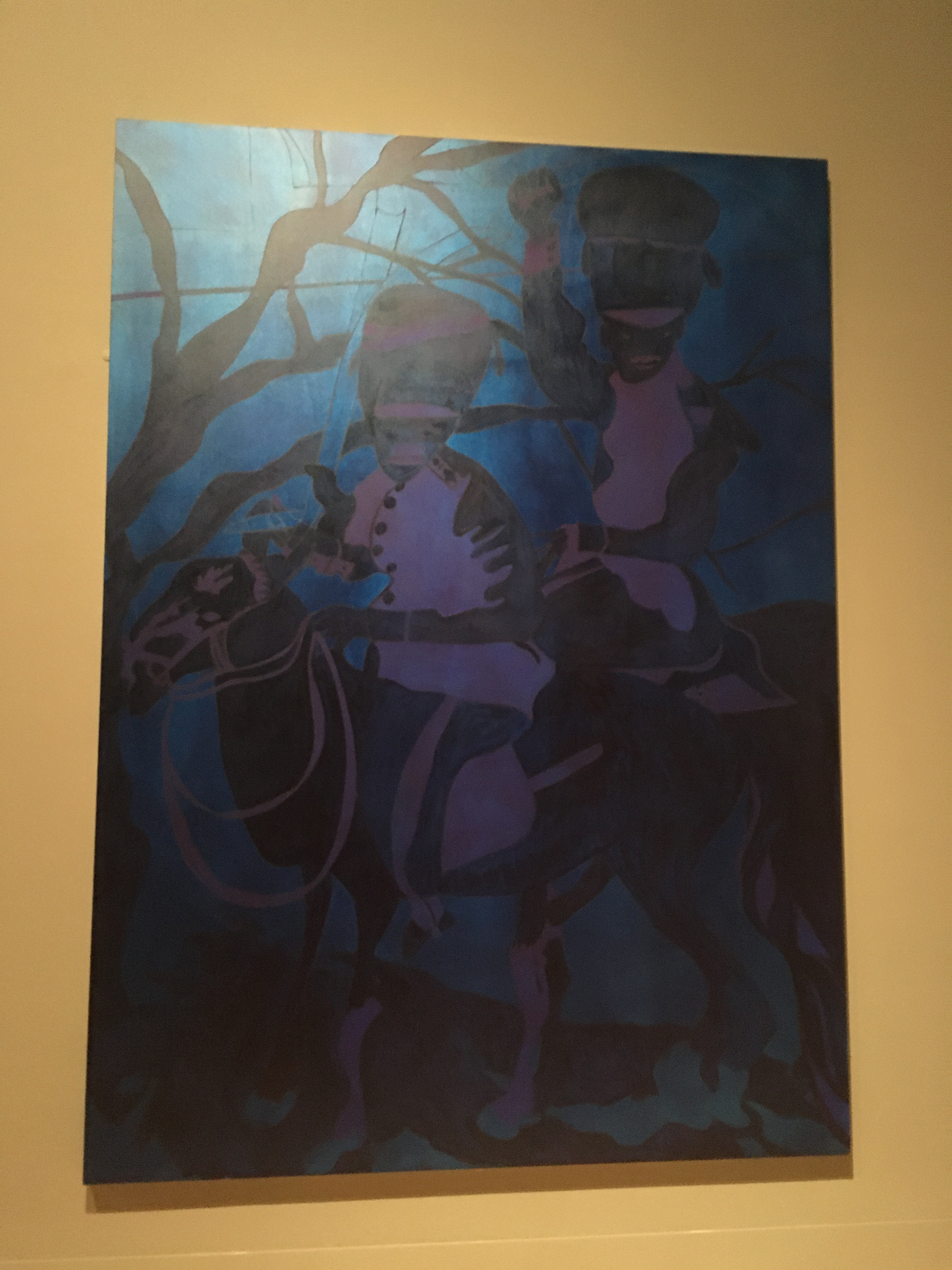
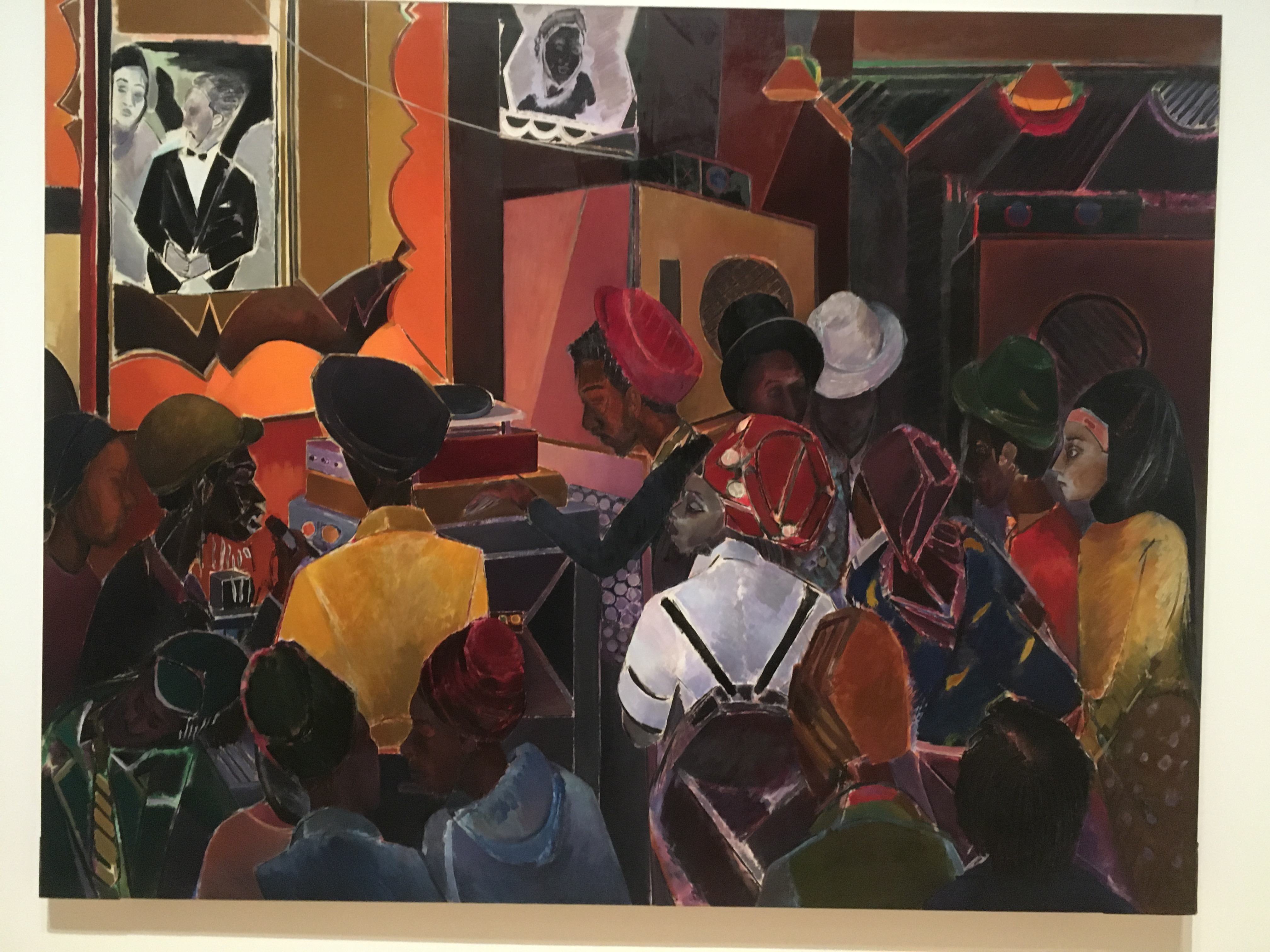
Life Between Islands : Caribbean-British Art 1950s – now is on show at Tate Britain and it’s great. The people of the Caribbean diaspora have a clearly distinct culture; it’s fascinating seeing the work of artists from the 1950s, many of whom travelled and settled in the UK, who have brought the spirit and ethos of their heritage into British society. And we also see the work of their ‘children’ – inheritors of that geographical and social change – who have much to say about the contemporary life of black people in Britain.

This is an enormous exhibition for Tate Britain and full to the brim with colour, music and sounds which conjure the sunshine of the West Indies which contrast with the darker experiences of the ‘Windrush generation‘ who have done so much to influence British culture. You can’t shy away from the history of slavery, the inequality, the racism which existed so unchecked in the last century; and the recent appalling treatment by the Home Office of Windrush ‘children’. This broad-based show brings the inheritance of social change and challenge into sharp focus.

I have long loved this self-portrait by Sonia Boyce entitled She Ain’t Holding them Up, She’s Holding on (Some English Rose) 1986. It’s pastels on paper. She portrays herself as a strong black woman supporting a family upon her arms by her head.

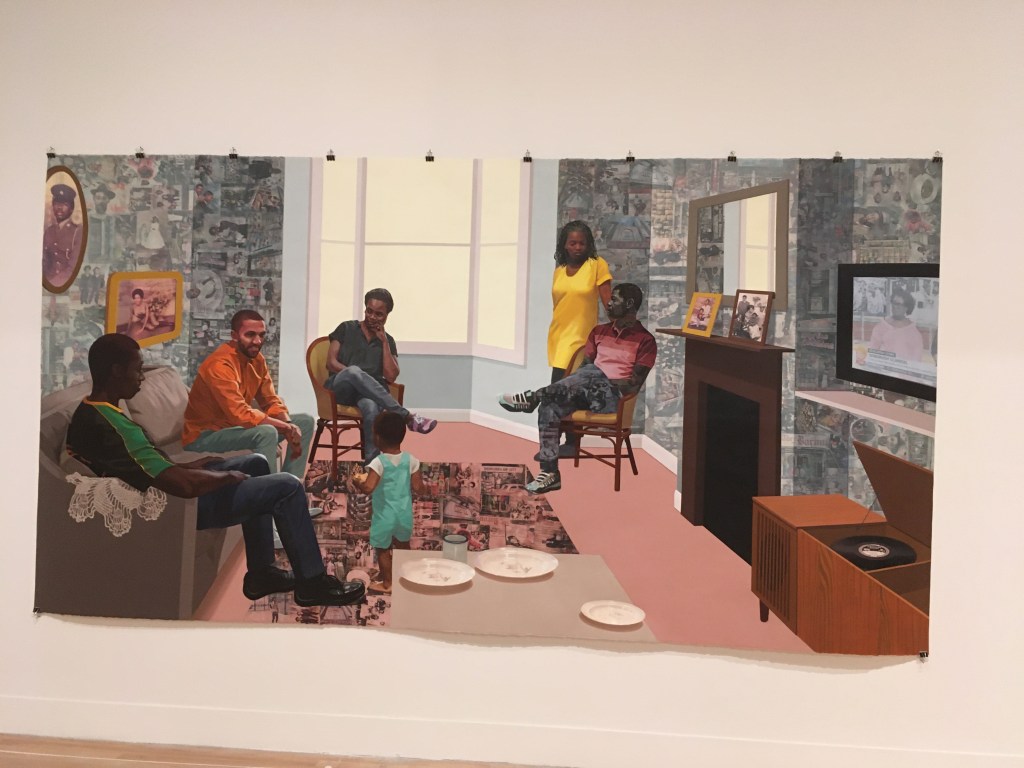
This, above, is one of the last paintings on show. It is by Njideka Akunyili Crosby (born 1983) entitled Remain, Thriving. It’s a work on paper made with acrylic paint, transfer print, coloured paper and pencil. It imagines a gathering of the grandchildren of the ‘Windrush generation’ and references the Windrush scandal of 2018.

The exhibition opens with artists who arrived in the UK between the late 1940s and early 1960s. They’d been invited to ‘return to the mother country’ and nearly half a million people left the West Indies to settle in the UK. Writers, artists and activists highlighted inequalities and established new Black identities – a modern Caribbean aesthetic.

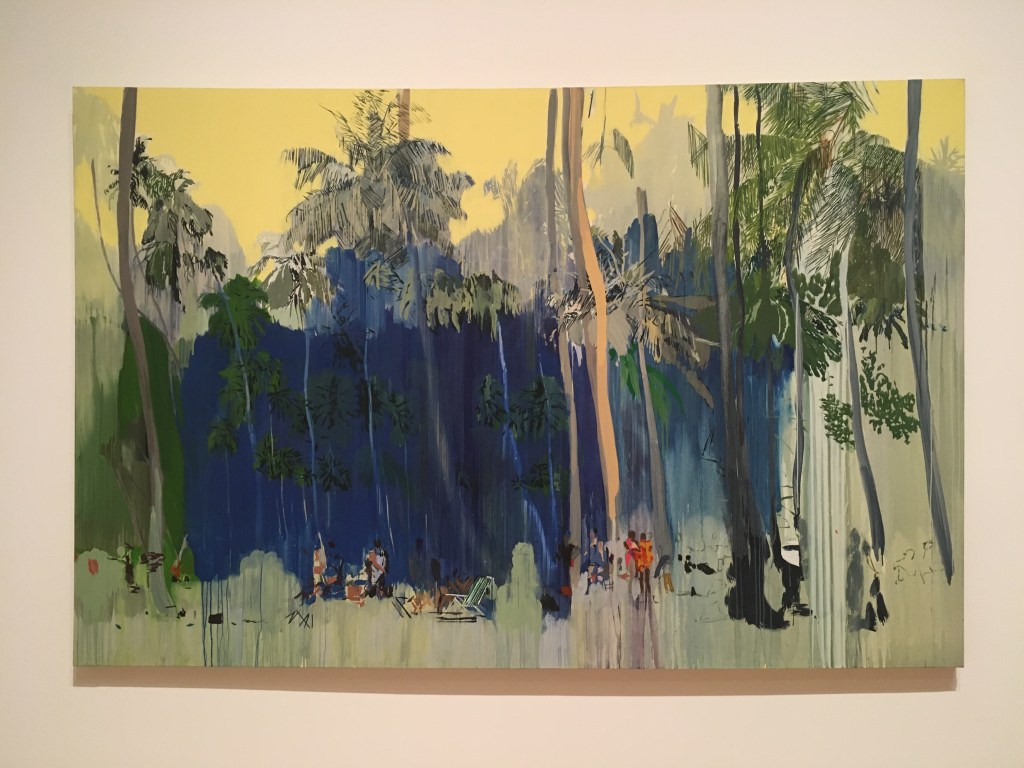
Maracas III by Hurvin Anderson (born 1965) Born in England to Jamaican parents he visualises the country his parents left. This depicts Maracas Bay a popular beach in Trinidad.

The howl of anger is clearly heard through some of the work. The unfair treatment of newly arrived Caribbean people shamefully highlights the latently Colonial attitudes within British society. It’s painful to look at photographs of riots, protests, and cruelty meted out upon the new arrivals and their families. However, it’s so fascinating to see the way Caribbean culture quickly established itself, especially in areas of West London, and the carnival tradition was established in Notting Hill.

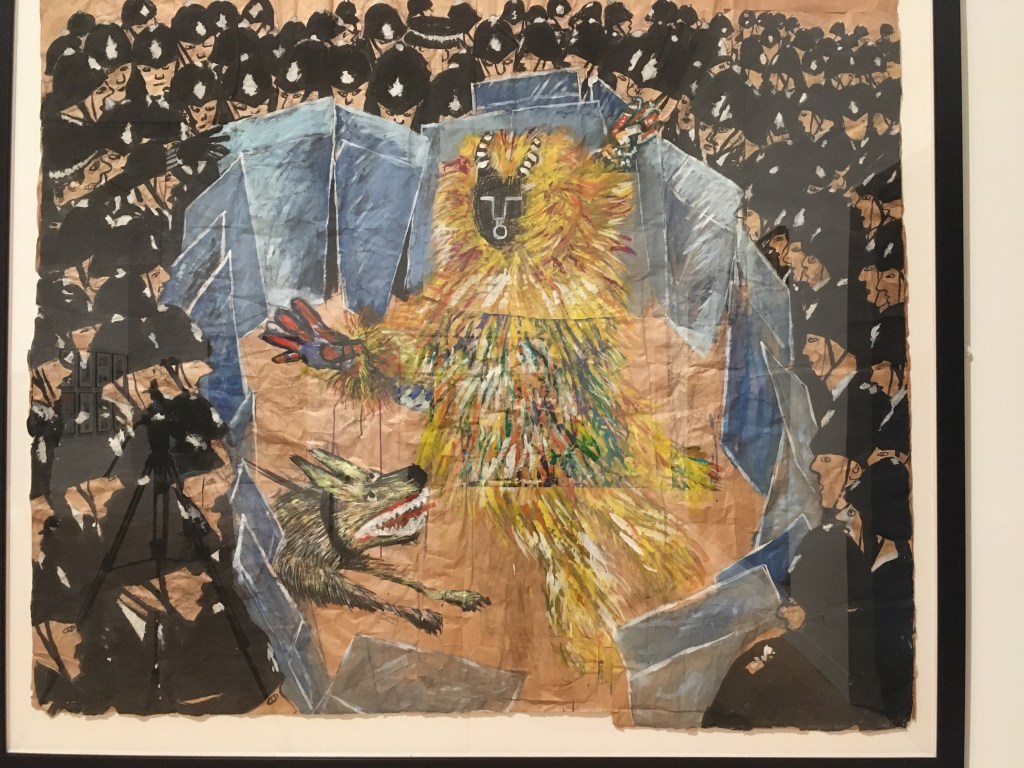
However, all was not straightforward despite the good intentions of introducing carnival life to London’s summer bank holiday experience. The police felt threatened by large gatherings of Black youths. This is well represented in a painting by Tam Joseph entitled The Spirit of the Carnival, below. It shows a masquerader surrounded by a snarling dog and crowds of police brandishing shields.

One comes away from this show the the clamour of colour fixed in the mind’s eye and a feeling that an ancient culture, which pre-dates slavery and colonialism is being given a chance to bloom and show its origins within this fascinating exhibition.

Life Between Island is on show at Tate Britain until 3rd April 2022

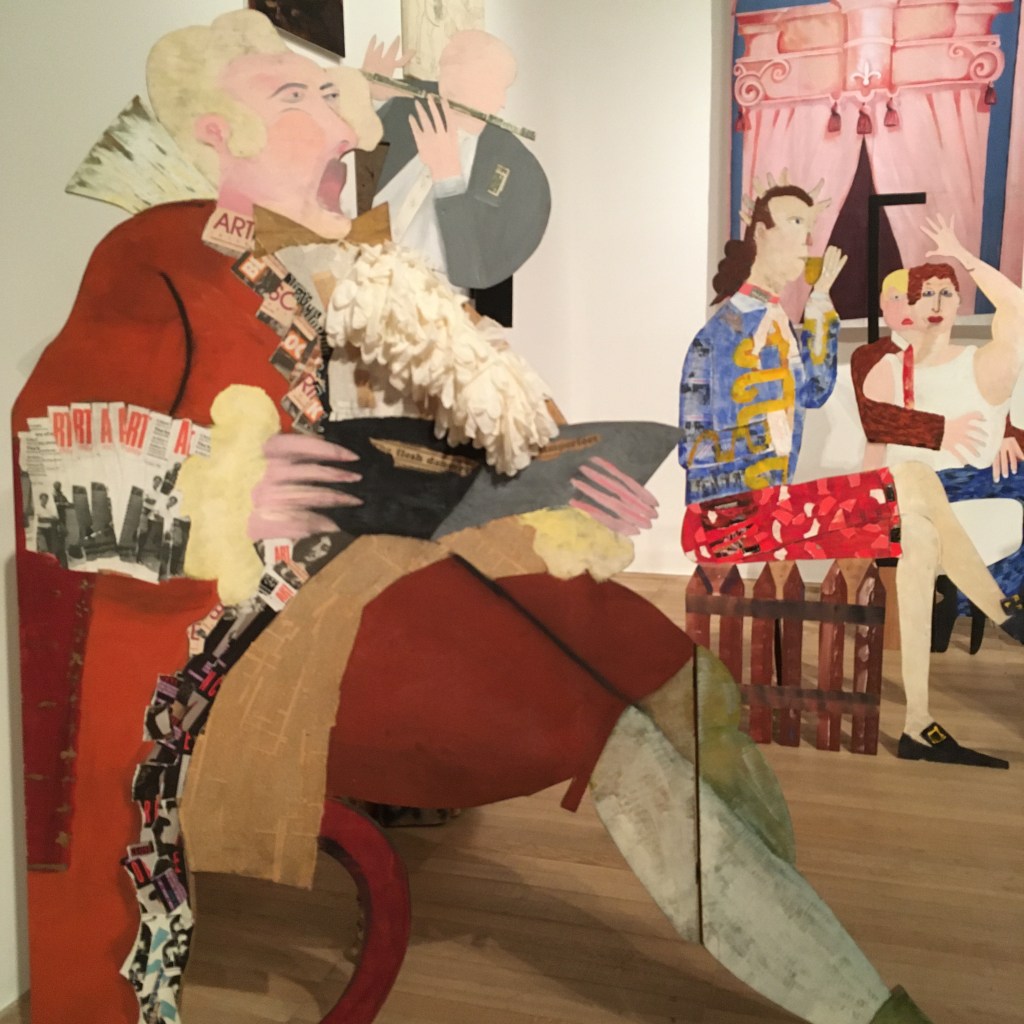
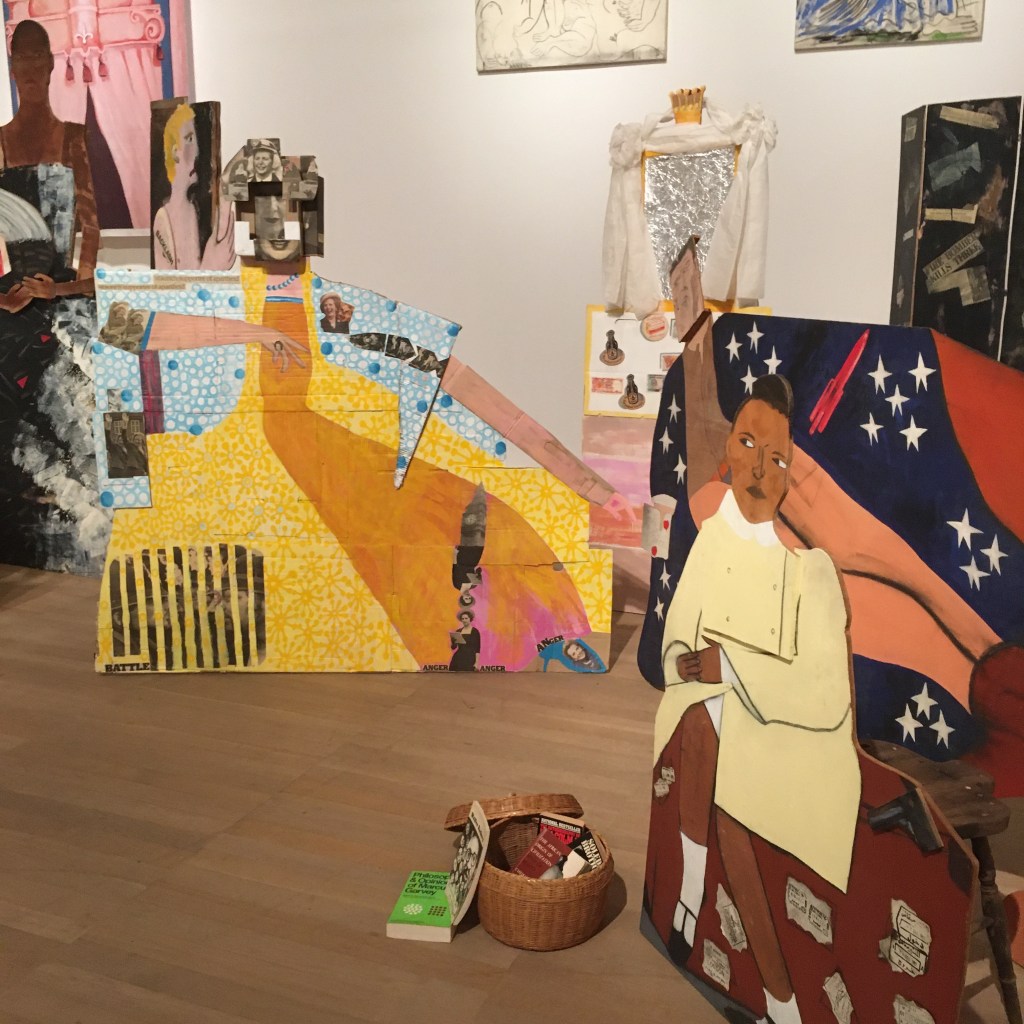
Lubaina Himid creates beguiling and thoughful artworks which surprise the viewer with a very original style and glimpse of an inner life. A new show at Tate Modern shows just how versatile, intriguing and important an artist she is.

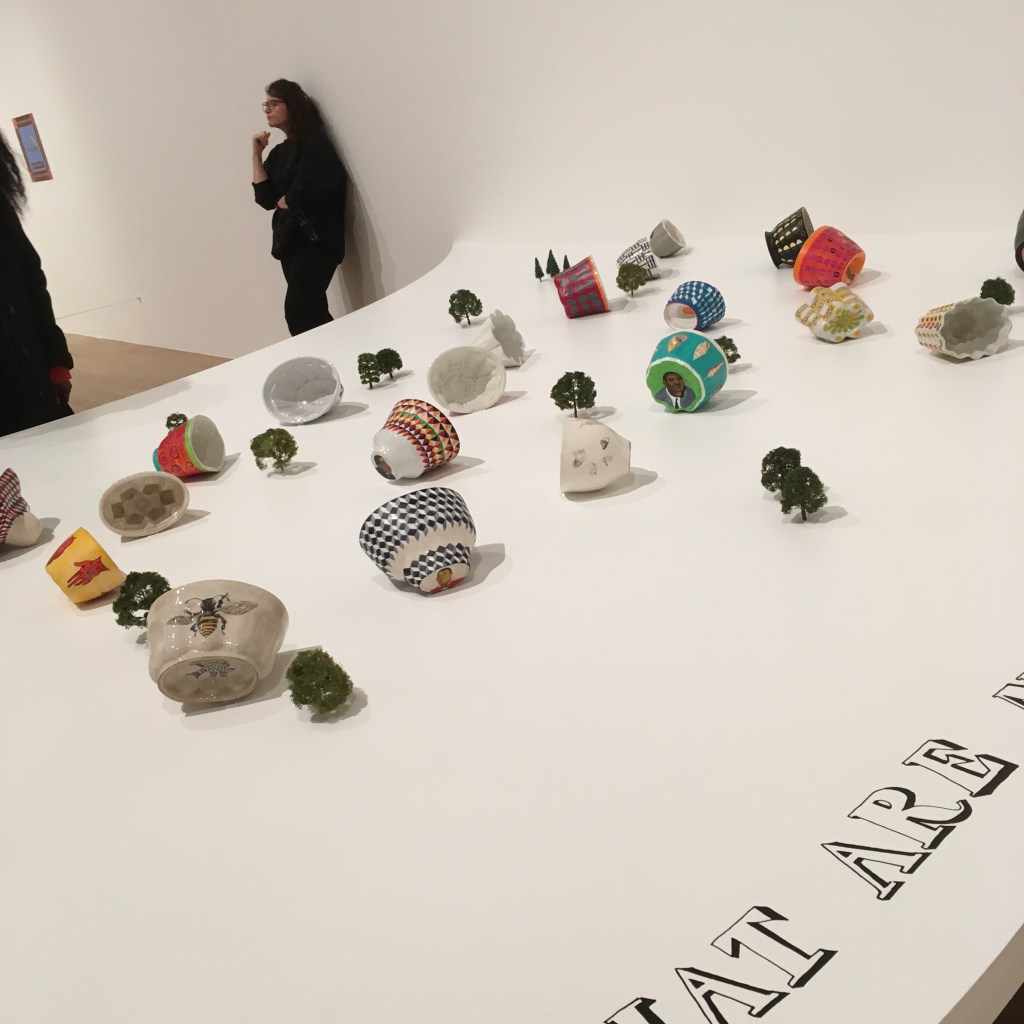
Jelly moulds. Yes, they are a thing although I don’t think many of us use them much these days. I loved the thinking behind Lubaina Himid’s installation of antique painted jelly moulds. Her view is that these humble kitchen objects are plain on the outside but full of pattern and potential on the inside. I see that as a splendid metaphor for the creative soul. Generally, you never know what thoughts and intrigue lie within a seemingly plain and inconsequential exterior.

I really liked these lively, contemporary interpretations of Hogarth’s Marriage a la Mode series of paintings. Himid has used a variety of media to create these dreadful characters who destroy each other with their loveless marriage bereft of respect. This male figure’s ruff has been created by surgical gloves. They’re all free standing on wood, hinged and adorned with a mix of paint, paper and other materials.

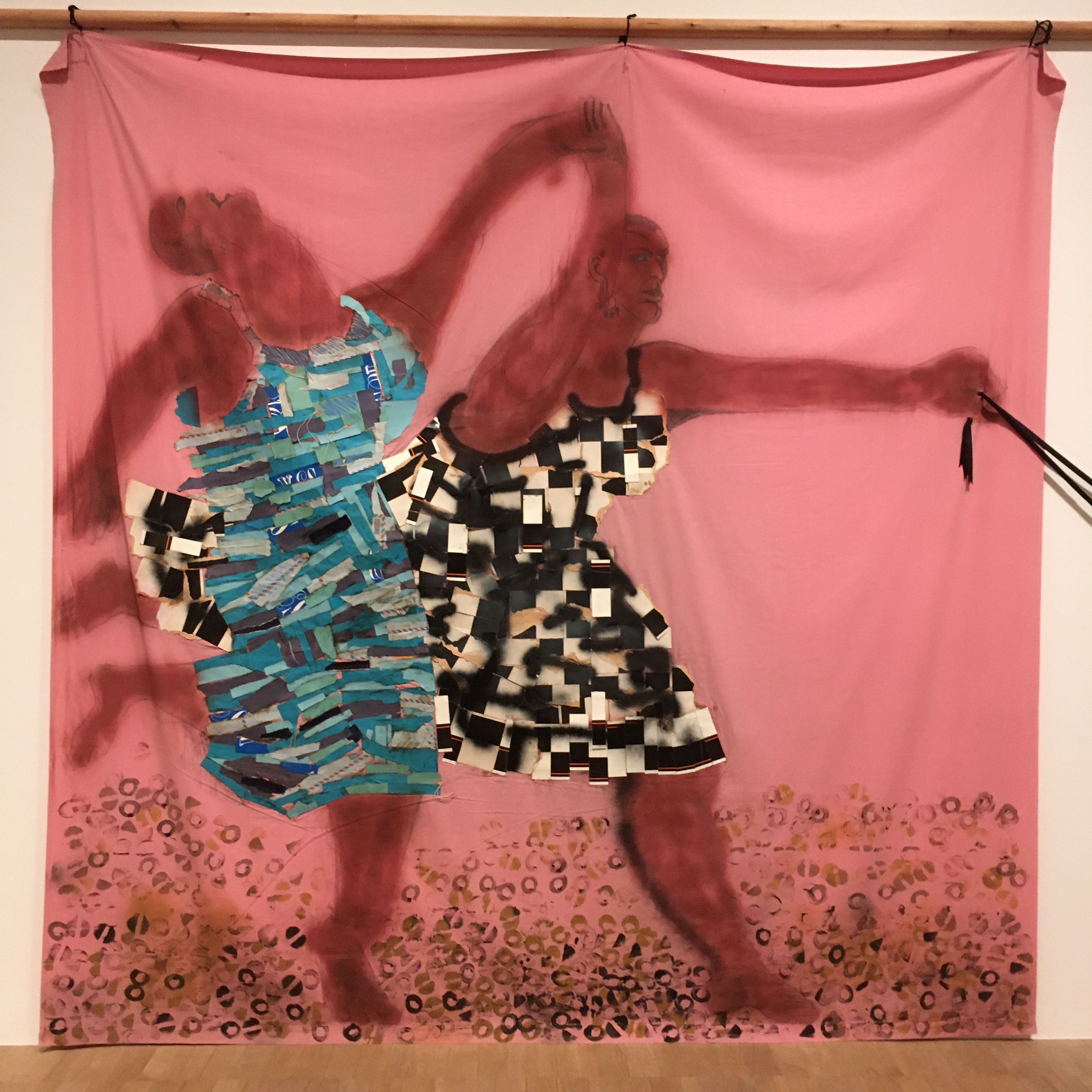
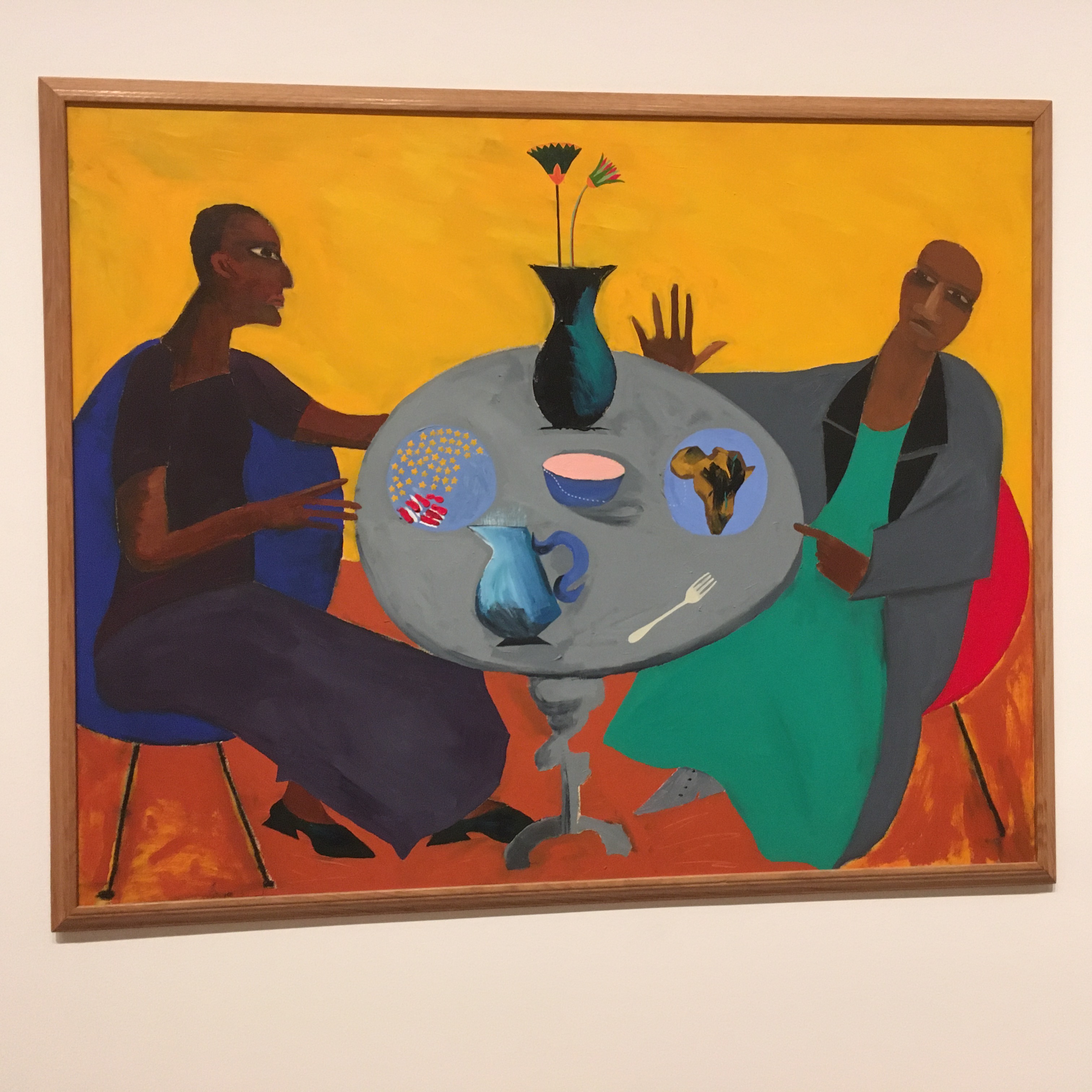
I liked the dancing ladies in Freedom and Change – canvas adorned with collage-style fabric – and the conversational ladies at their table. This is called Five.

Joyously bright colours, heat and intensity of human life. We don’t really need to know what’s going on but can feel sure that there’s some intriguing narrative behind the composition.

Lubaina Himid is on at Tate Modern until 3rd July 2022.

Glorious, gorgeous, exquisite and priceless. The Fabergé in London: Romance to Revolution exhibition at the V&A is stunning. It feels surreal to stare through glass at jewels which are so perfect in design and craftsmanship but also bear witness to a turbulent and tragic time in 20th century history.

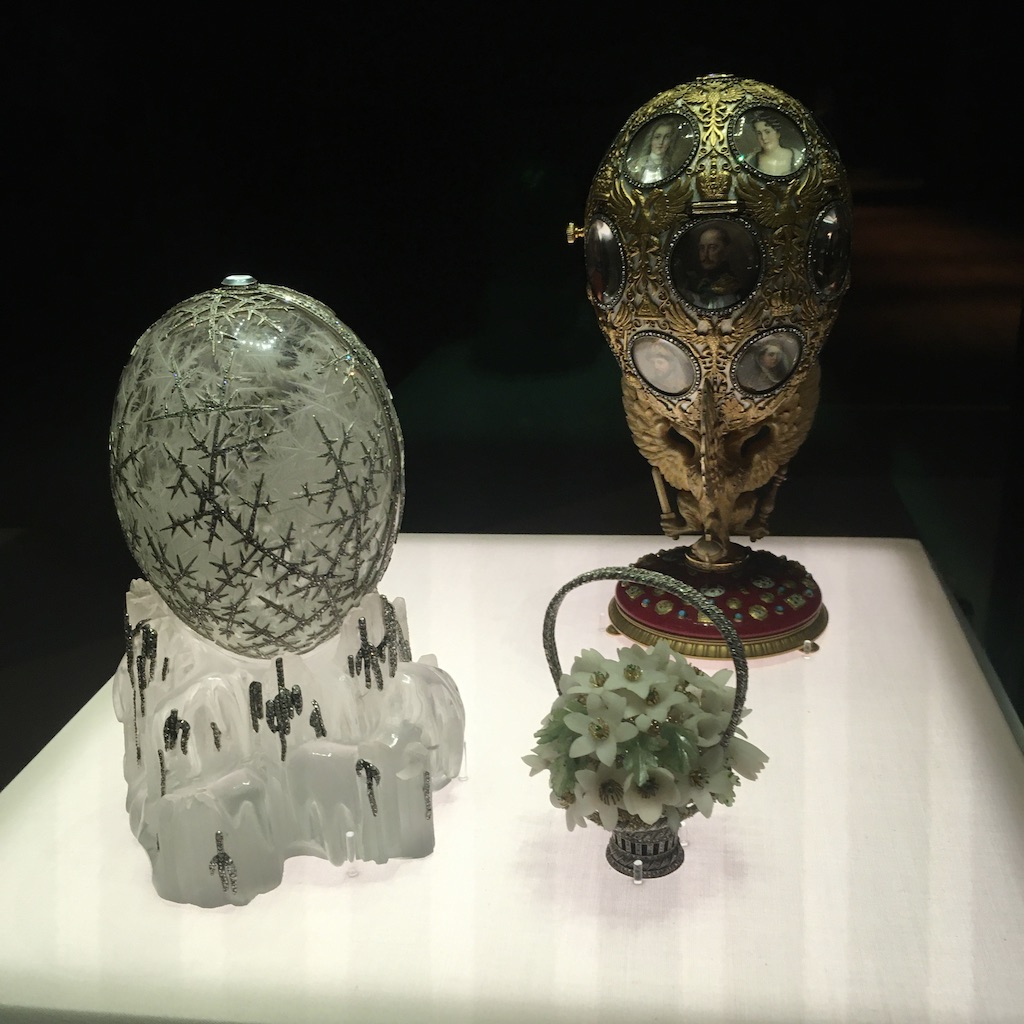
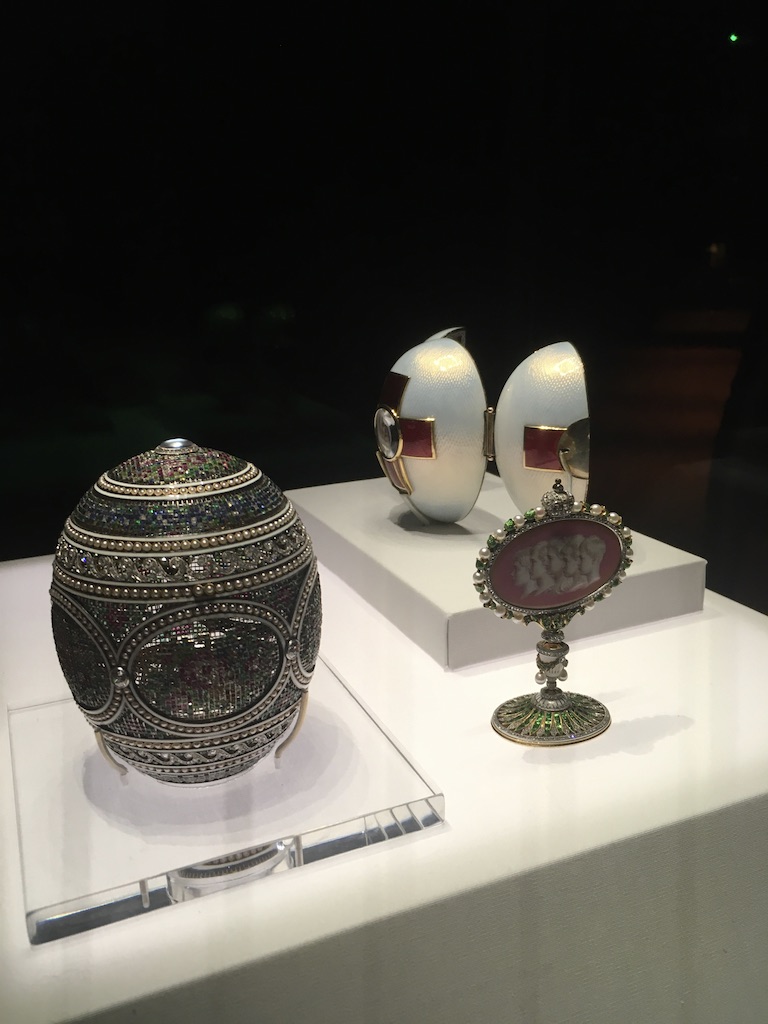
Inspired by Russia’s harsh winters this Easter egg was designed by Alma Pihl and features her beautiful frost-inspired designs.

This huge exhibition at the Victoria and Albert Museum has been four years in the making. The curators have managed to secure loans of priceless jewellery and sculptures crafted by Russian designer Fabergé and his team of craftsmen and women from the Queen, museums in Russia and around the world along with private collections. Imagine owning a piece of jewellery so magnificent – would you ever dare handle it, use it, wear it?

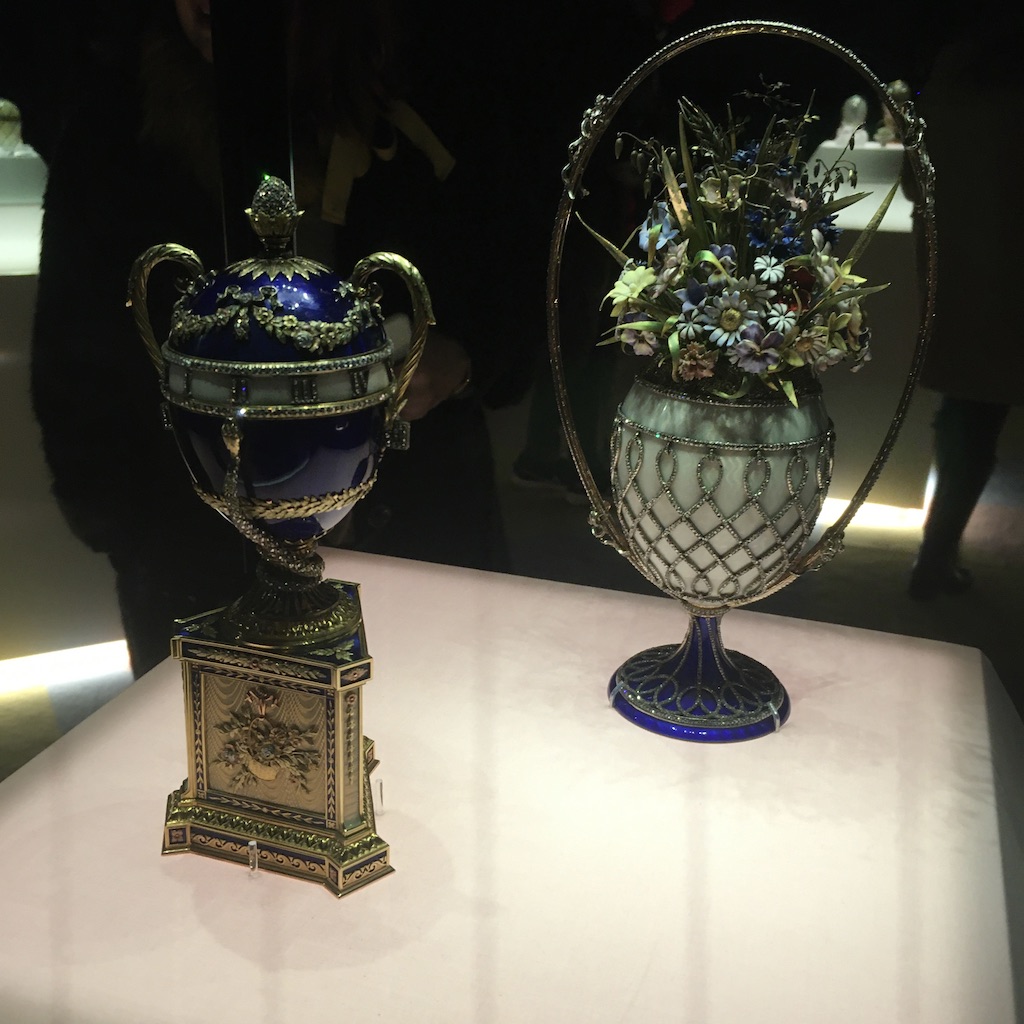
Carl Fabergé was a favourite of the Russian royal family and his name is synonymous with those extraordinary Imperial Easter eggs commissioned by Tsar Nicholas II and Empress Alexandra. The exhibition has assembled the largest collection of these eggs and they certainly create an impressive finale.
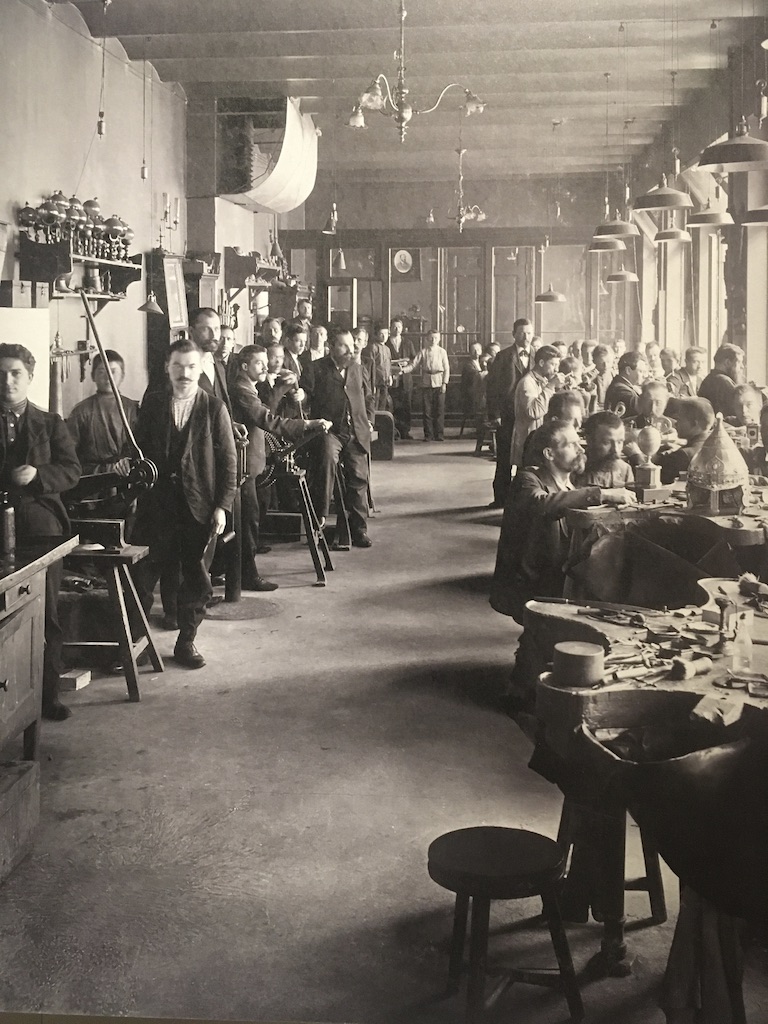
Chief workmaster’s workshop about 1901 in St Petersburg

But it was the earlier pieces which I really enjoyed. Carl Fabergé built up a huge atelier of craftsmen and women in St Petersburg and enjoyed patronage from the Russian royal family until the Russian Revolution in 1917. He then moved to Finland and later to London where he set up a workshop, studio and showroom which attracted Edwardian aristocrats and wealthy patrons from around the world.

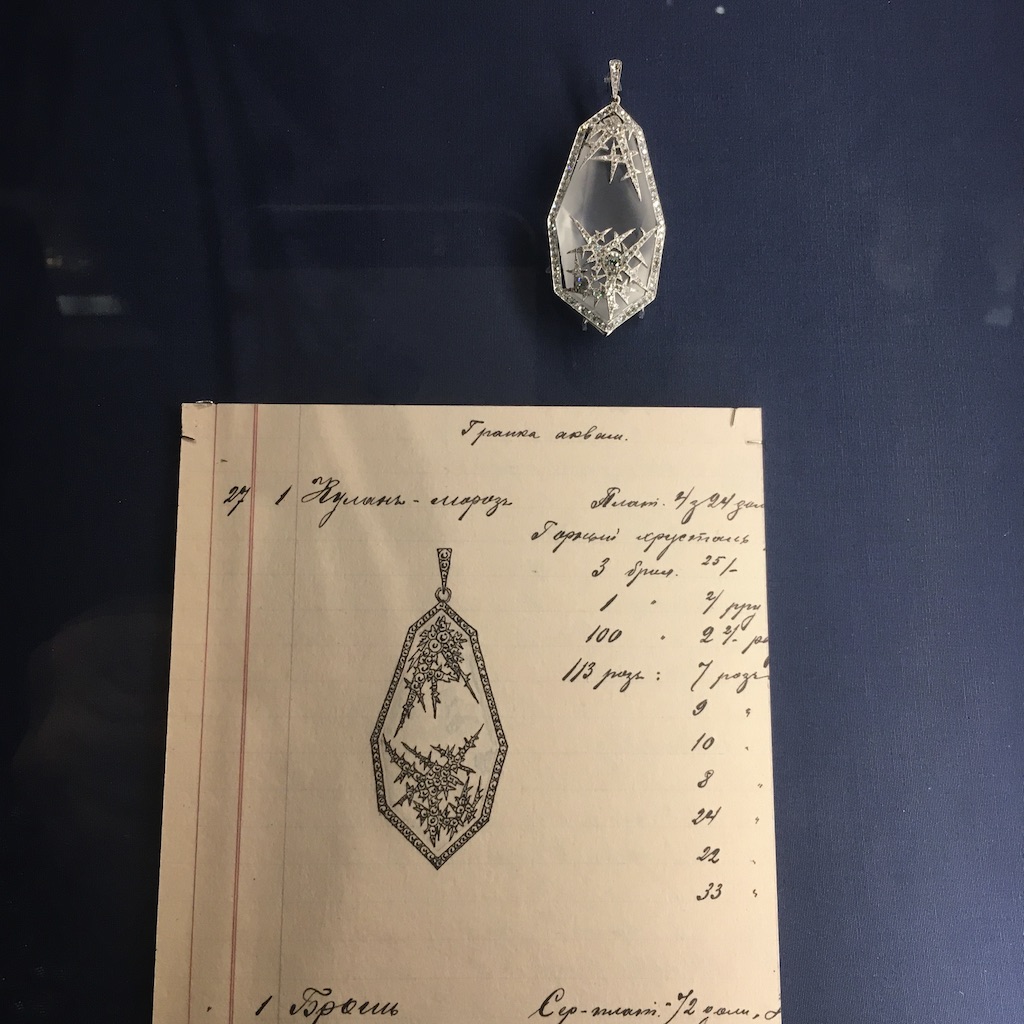
Amongst his team were talented artists and sculptors who found ways to use the most precious stones and metals in extraordinary and radical ways. I was particularly struck by the work of Alma Pihl who created a range of “Winter Jewels”. I loved the pendant made from rock crystal with diamonds and platinum silver which was based on frost patterns she saw on the window of her St Petersburg studio.

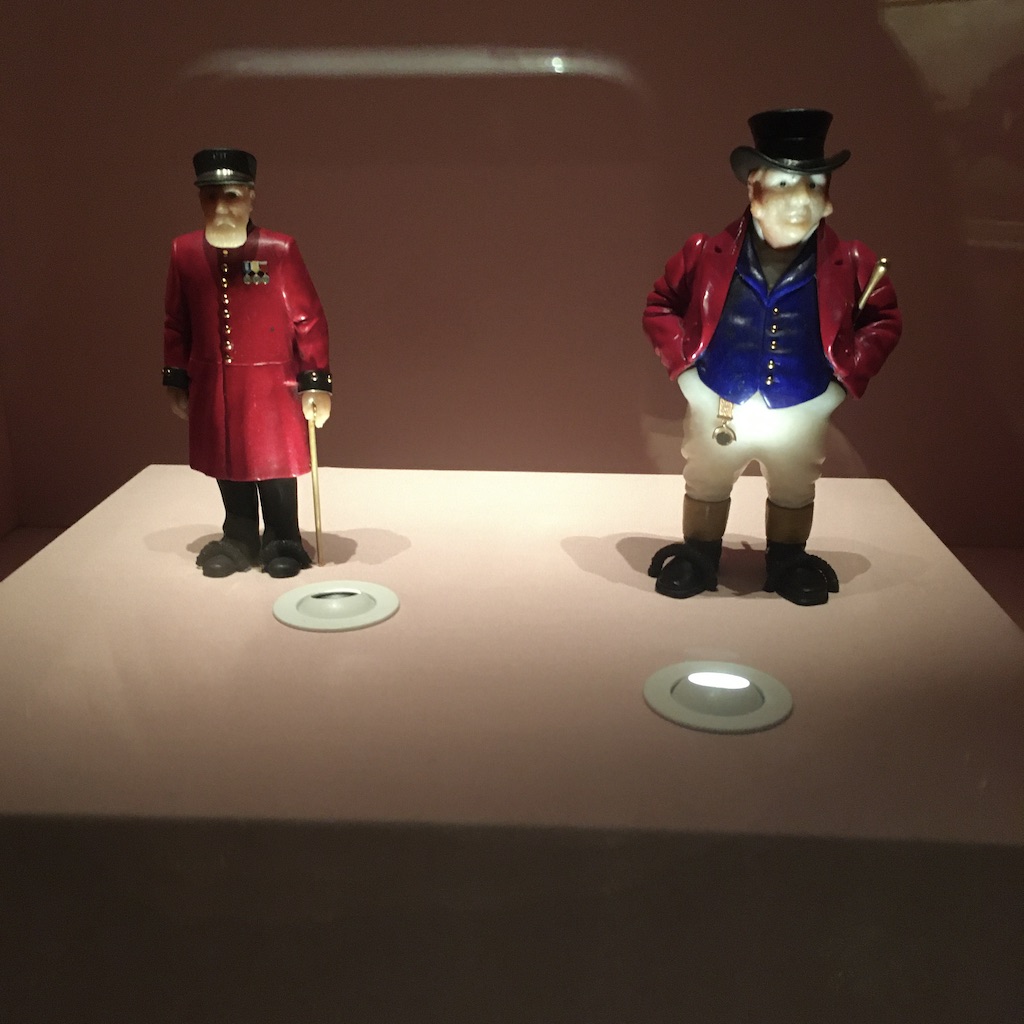
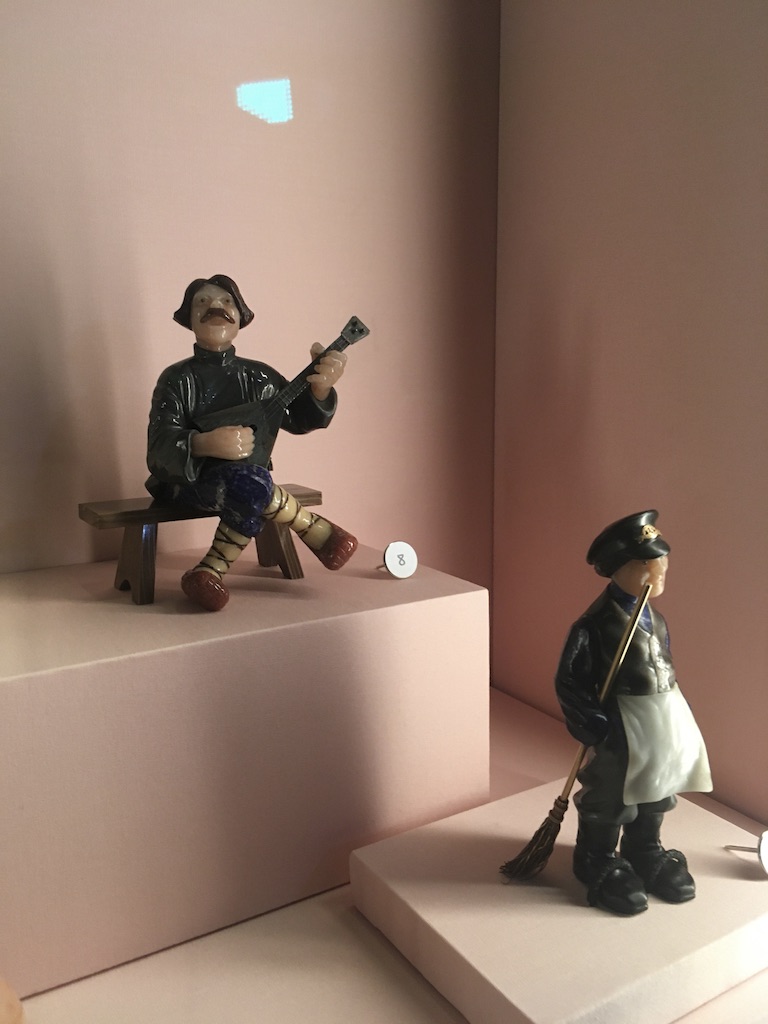
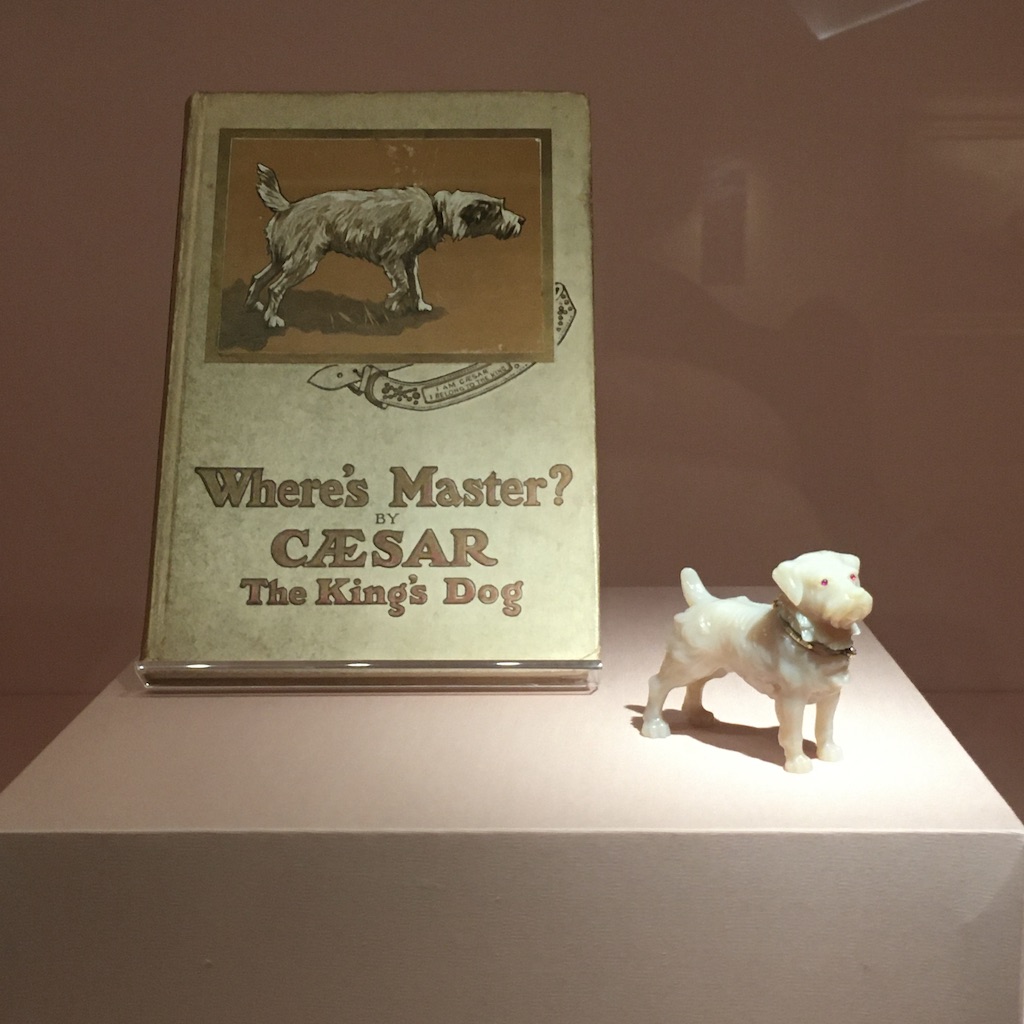
The pieces I was most drawn to were of people and animals. There are some astonishing miniature portraits of Cossack body guards, so detailed, so lifelike. And some more playful ones of characters made for the British royal family as gifts or simply objects for their own collections.

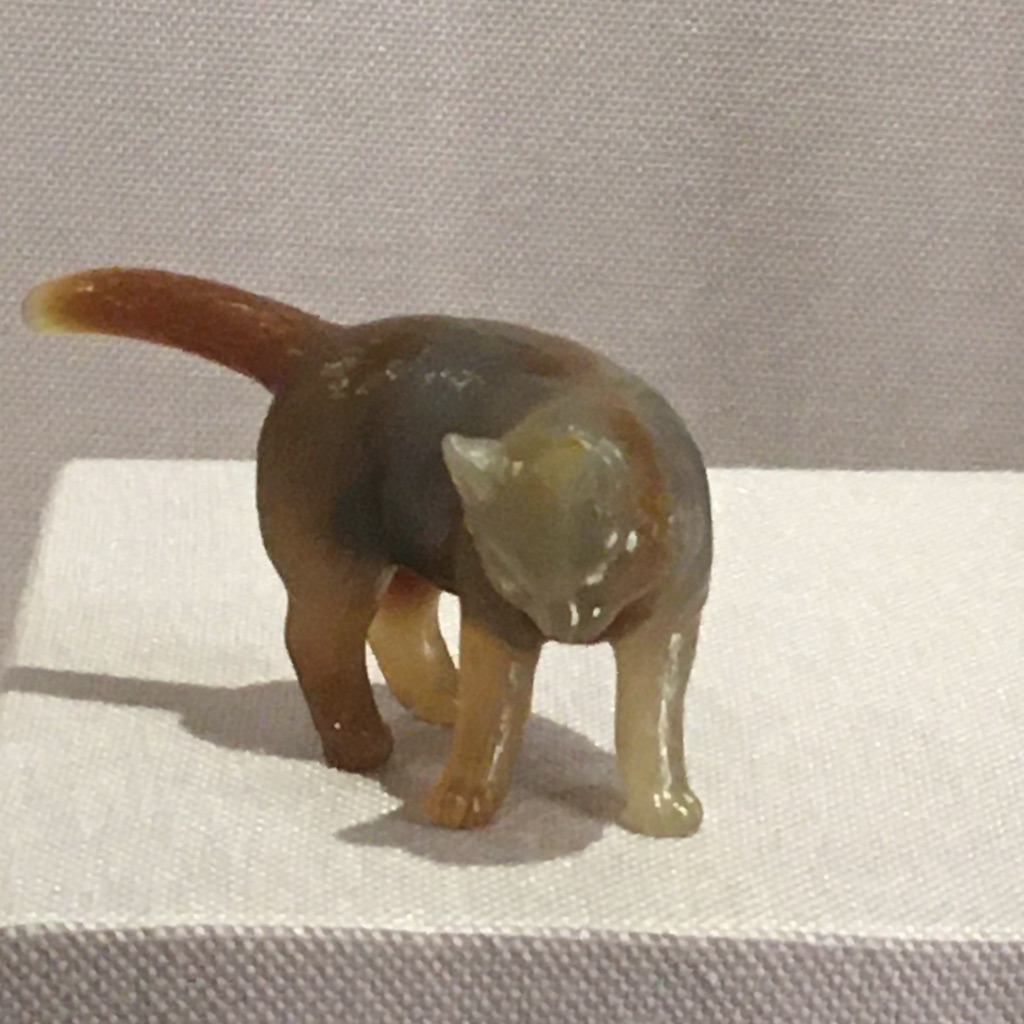
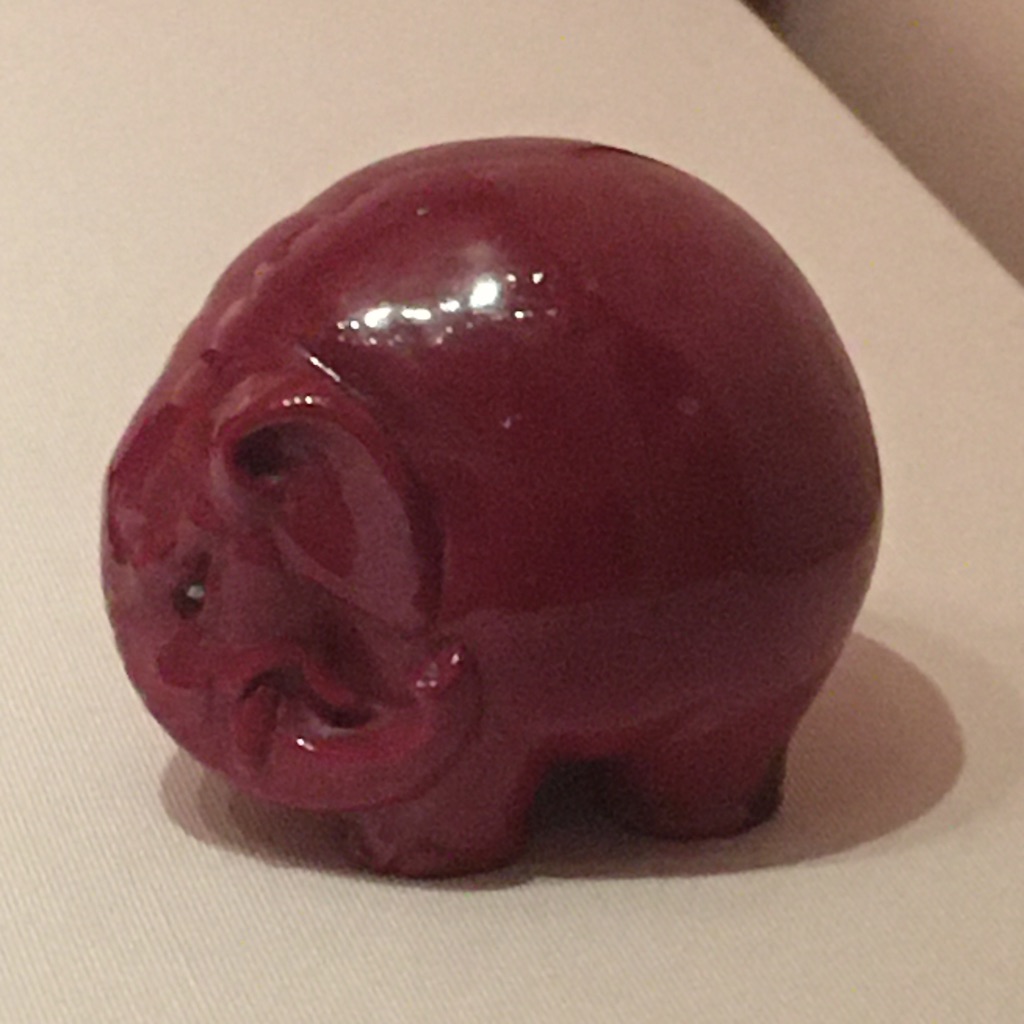
These impressions of animals carved from hardstone are so expressive and charming.

But it’s those Easter eggs which are spectacular to view. In a large gallery, they are arranged on plinths, each with their own bodyguard. I don’t think I’ve ever been in a space filled with so many objects of such value and exquisite beauty!

The show is on at the V&A until 8th May 2022.

Peru: A Journey in Time at the British Museum. This new exhibition offers a rare opportunity to view objects and artefacts – some made two thousand years ago. The portraits are stunning, the fabrics are beautifully preserved and some of the stories which these objects tell shed light on a long-lost civilisation.

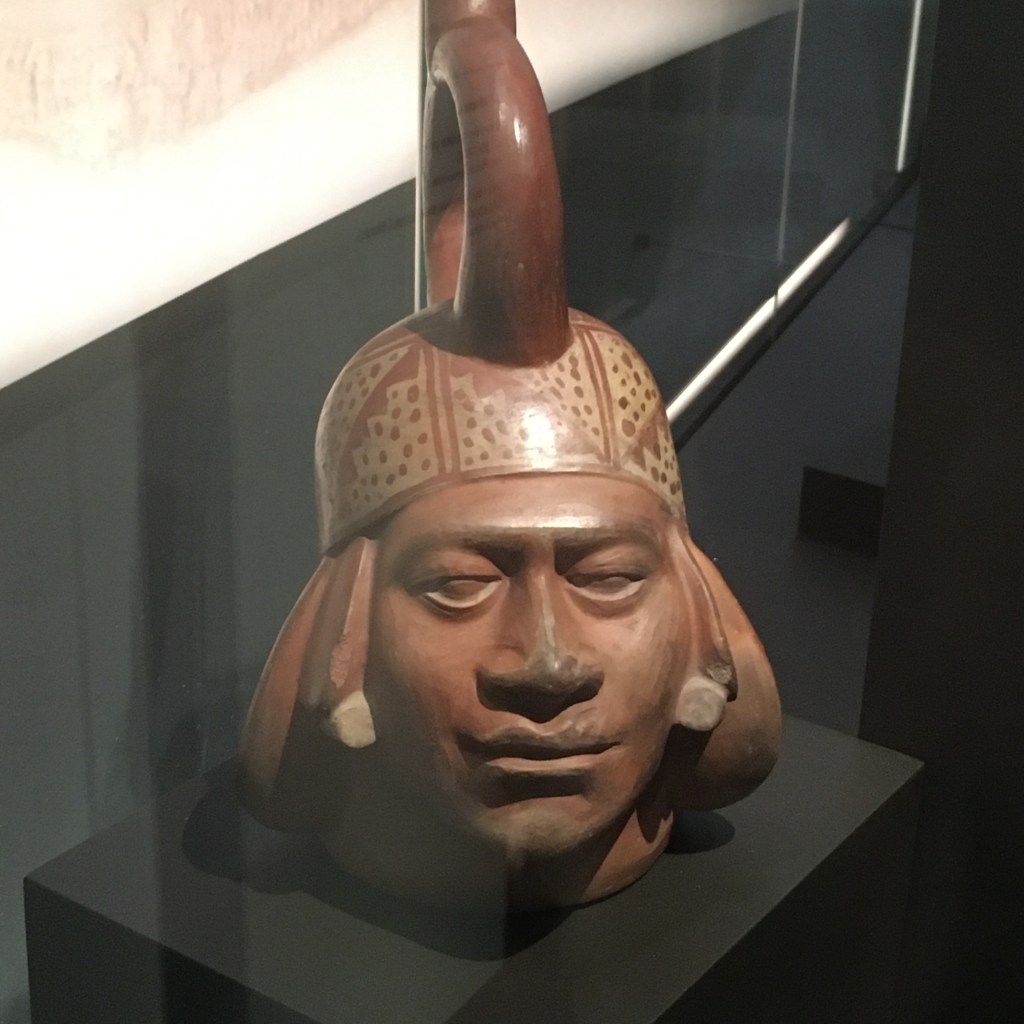
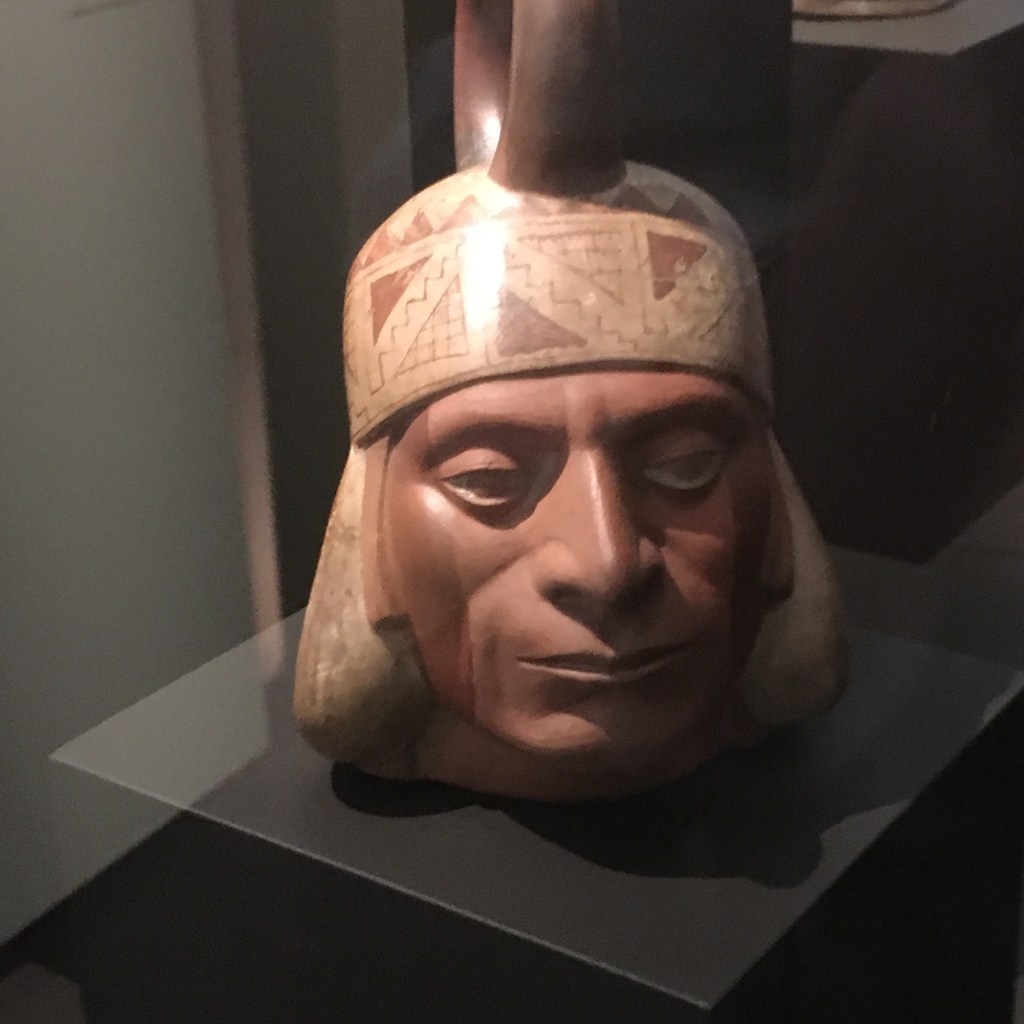
These are human portrait pottery vessels. To me they look like portraits of real people. The artist has really looked at the faces of people around him and I’m entirely prepared to believe that they are of real people, leaders or important figures in the region. They’re dated between 100 – 800 AD. It’s rare to find such early portraits made by artists who have really studied their subject’s faces.

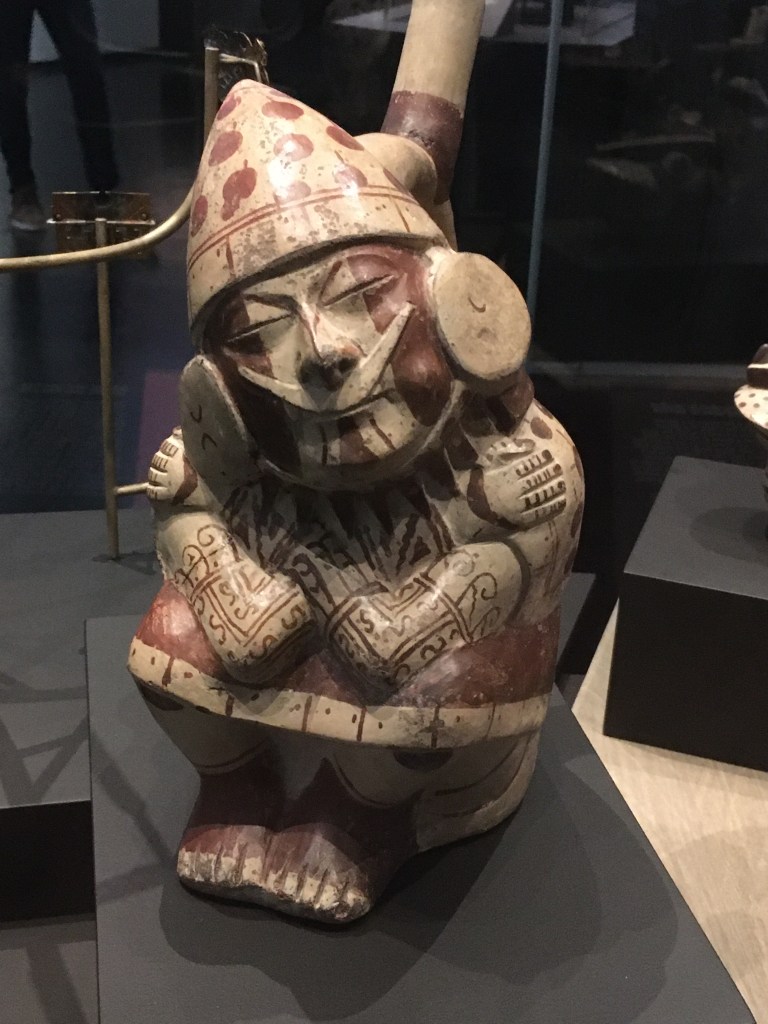
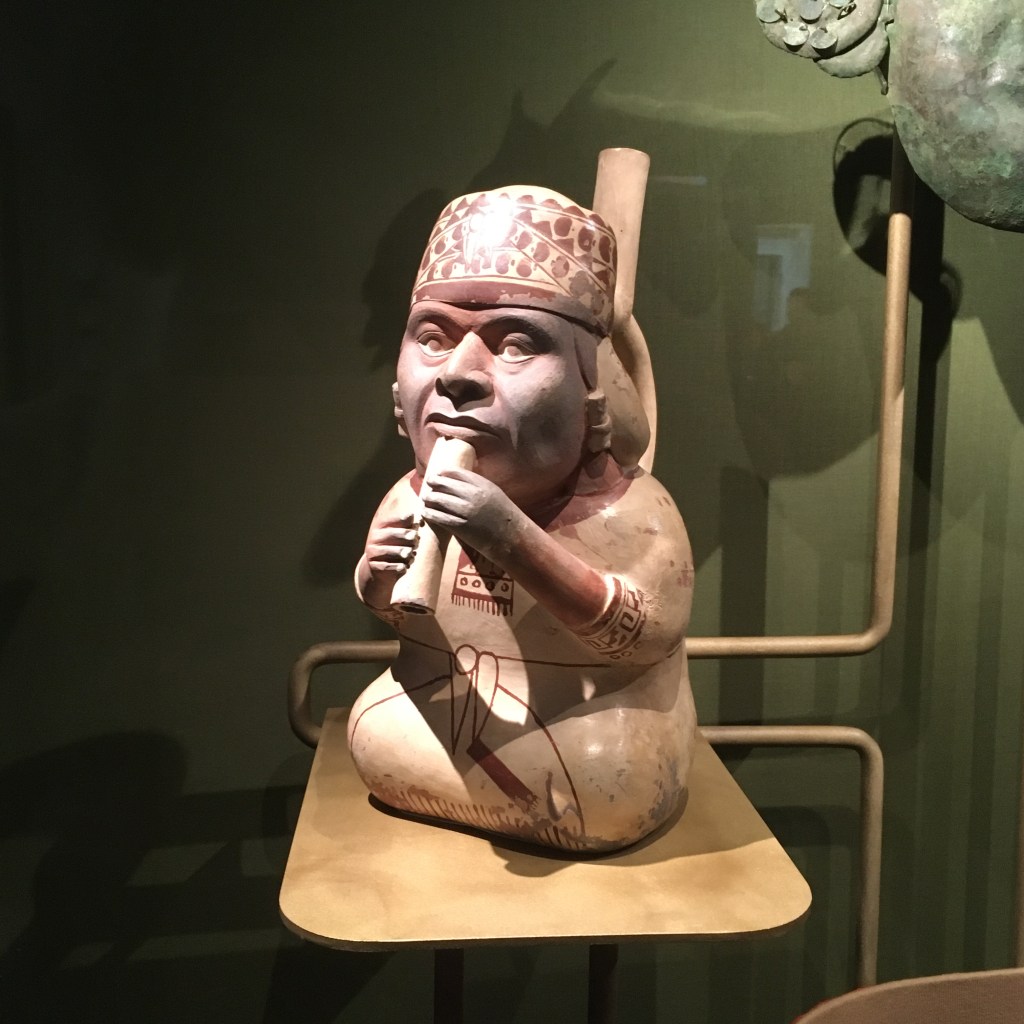
Charming pottery vessels. One is of a sleeping warrior with an elaborate nose ring, the other is a musician playing a flute. Considering they are dated from 100-600 AD I’m amazed by the way they have survived intact and we can see such detailed paintwork on them.

The potters who created these figures are abstract artists and also story-tellers. The terrifying fish vessel on the right is carrying prisoners to the place where they will be sacrificed. There are several examples of sacrifice, sometimes of children, which is very disturbing. The friendly looking deer was believed to have healing and magical properties. And the little figure on the left is a musician.

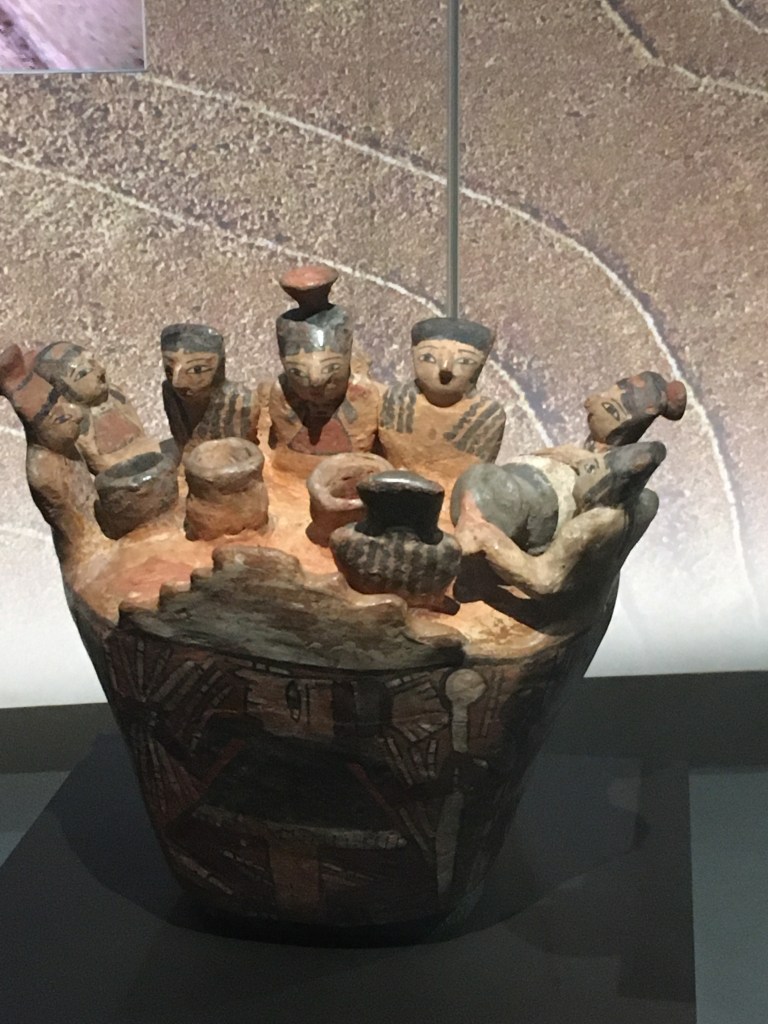
I liked this scene of ritual celebration with music. The figures are women, which is reassuring that they were represented in art as well as the men. It’s also good to see that they are enjoying an alcoholic drink made from fermented purple maize while they make music. This is painted pottery from Nasca, 100BC – AD650.

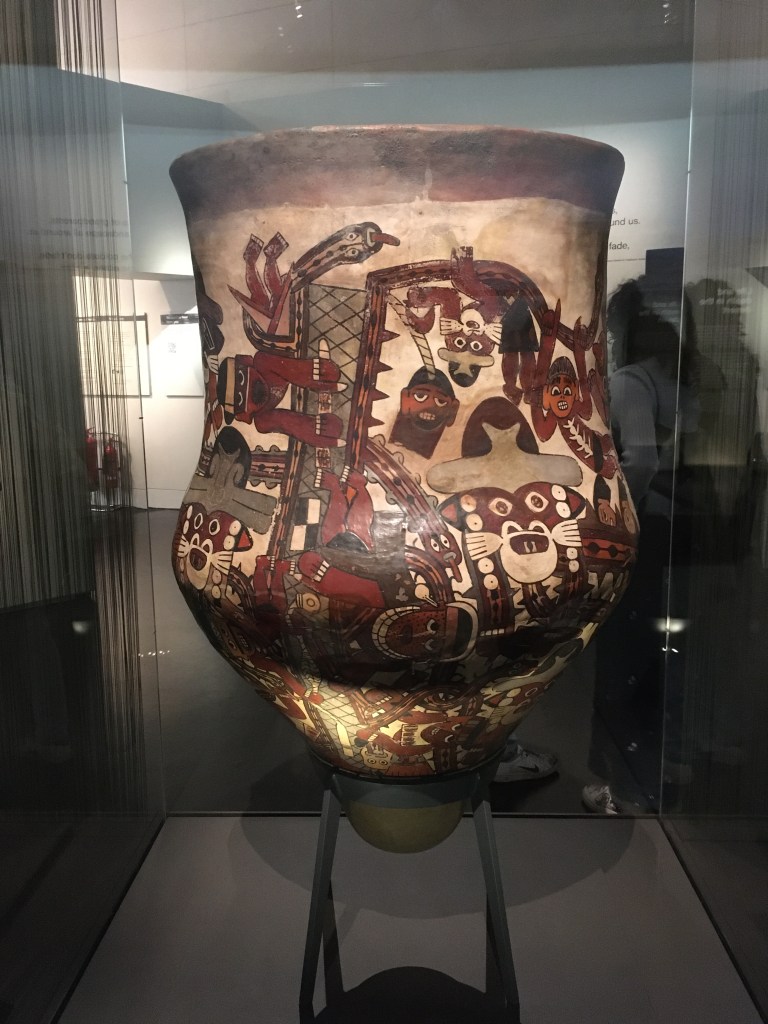
A massive ceremonial pot with mythical scenes. It’s not very pleasant. There’s a corpse, and severed heads along with strange snake-like creatures. Clearly life in Peru two thousand years ago was pretty terrifying and full of warriors you would not want to mess with.

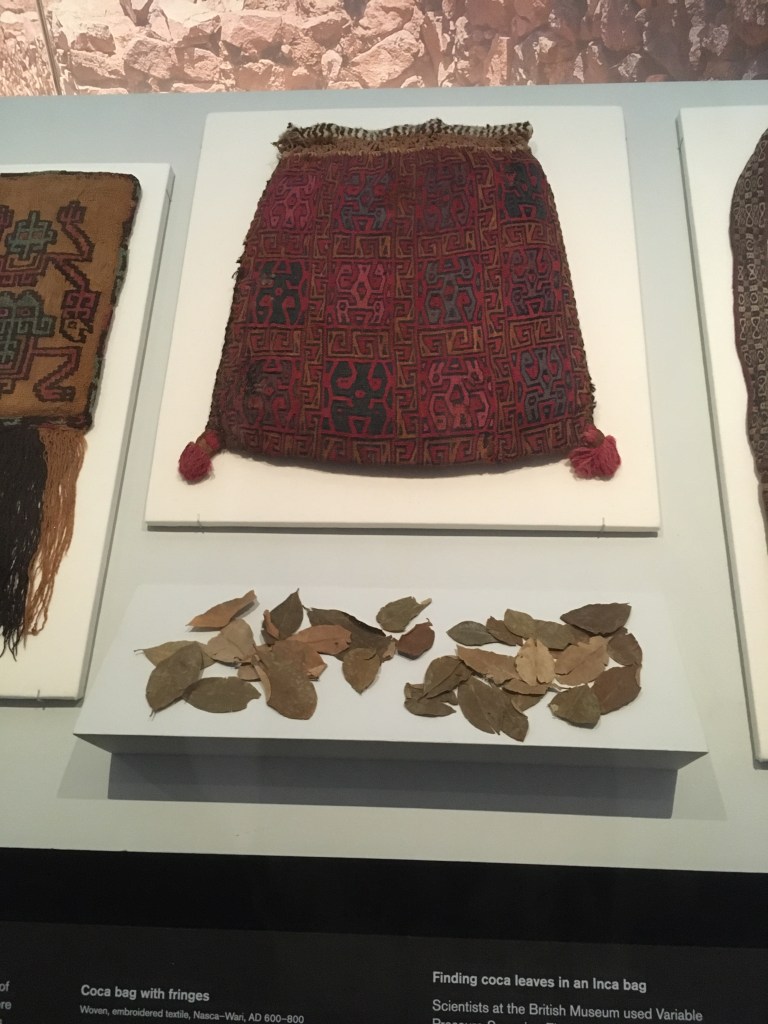
These are coca leaves from Brazil from the 20th century. They were found in a specially woven bag. Chewing coca leaves was a key part of Inca and Wari life. They contain an intoxicant that reduced altitude sickness and were also used as offerings when meeting new people.

Fascinating stuff. Peru: a journey in time is on at the British Museum until 20th February 2022.

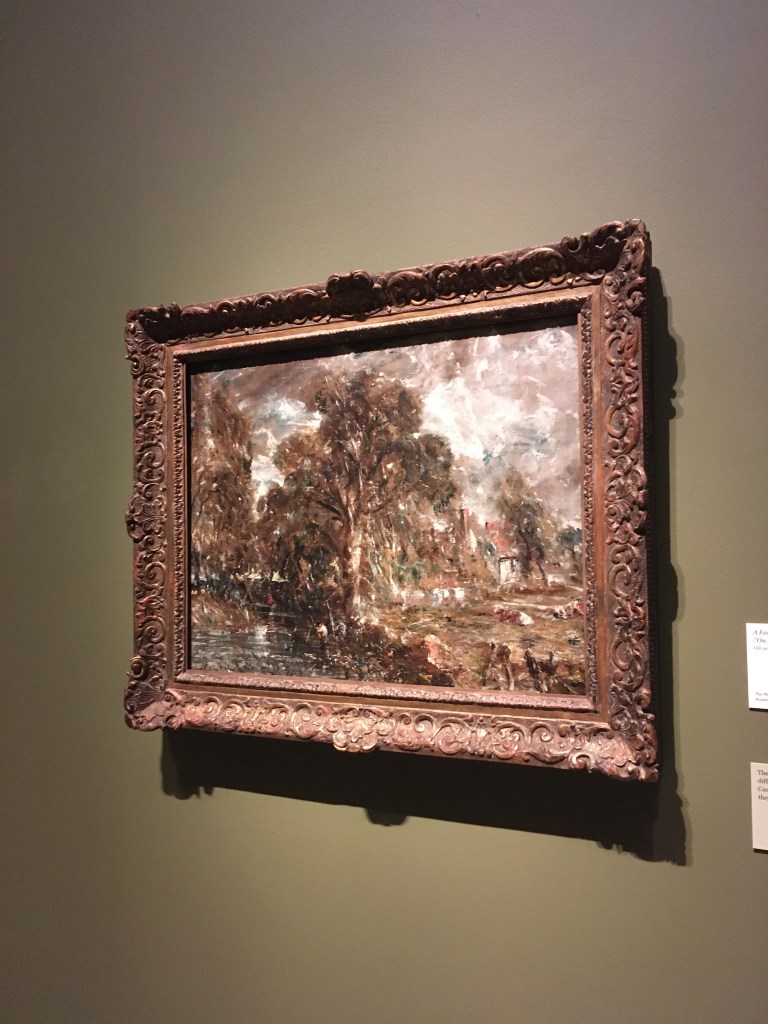
There’s always something new to discover in John Constable’s paintings. An exhibition at the Royal Academy – Late Constable – provides a great opportunity to view works made in the last two decades of his life after he’d become an Academician and his career was established. But it’s clear to see that he still kept pushing his art.

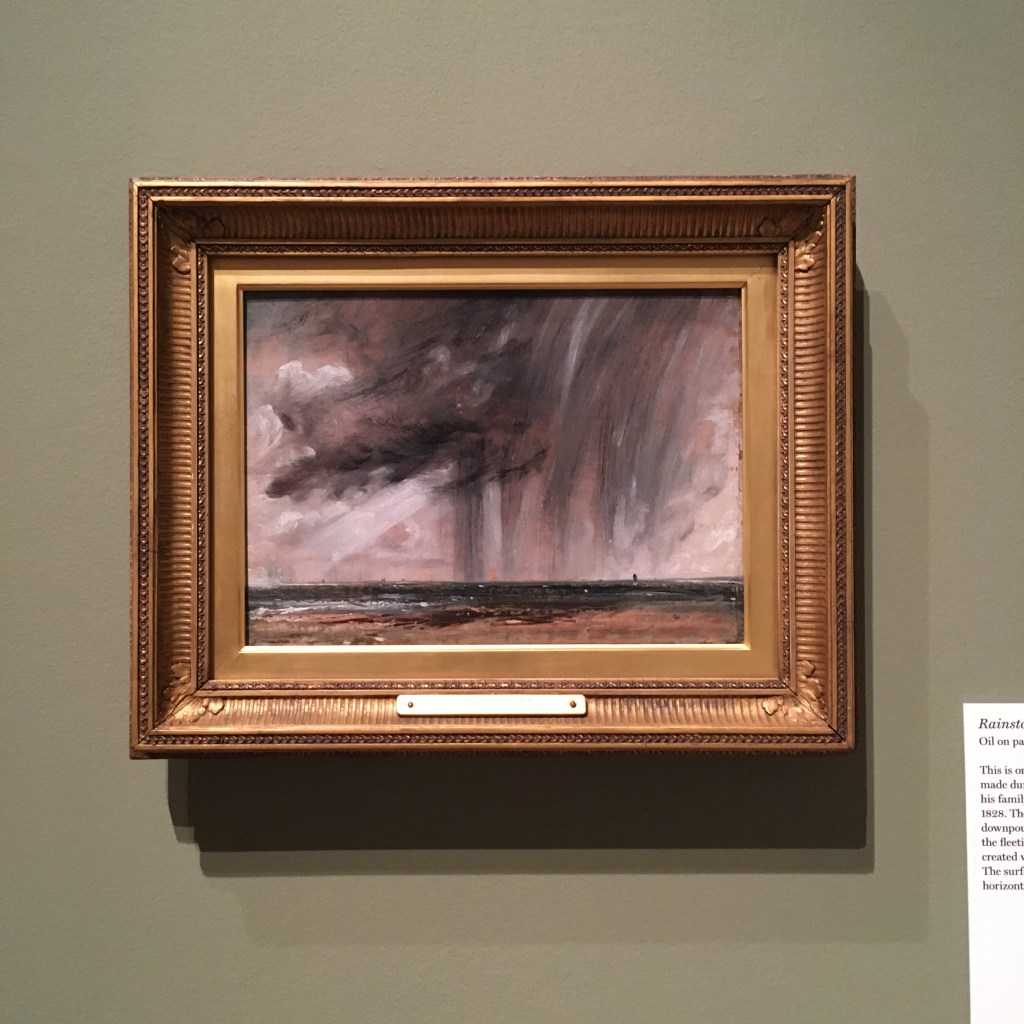
I don’t think I’ll ever tire of looking at this fabulous oil sketch on paper which captures the arrival of a violent storm at sea. The artist’s hand is clear to see in the dynamic down strokes of a brush laden with dry pigment, dragging it over the paler ground, which is slightly damp, and capturing that moment when the wind gets up, the heavens open and the drenching rain starts pouring. I look at it and imagine that he must have painted it in a hurry, seated on the shingle, seeing the approaching storm and quickly capturing the moment before being soaked and rushing back to his home in Brighton.

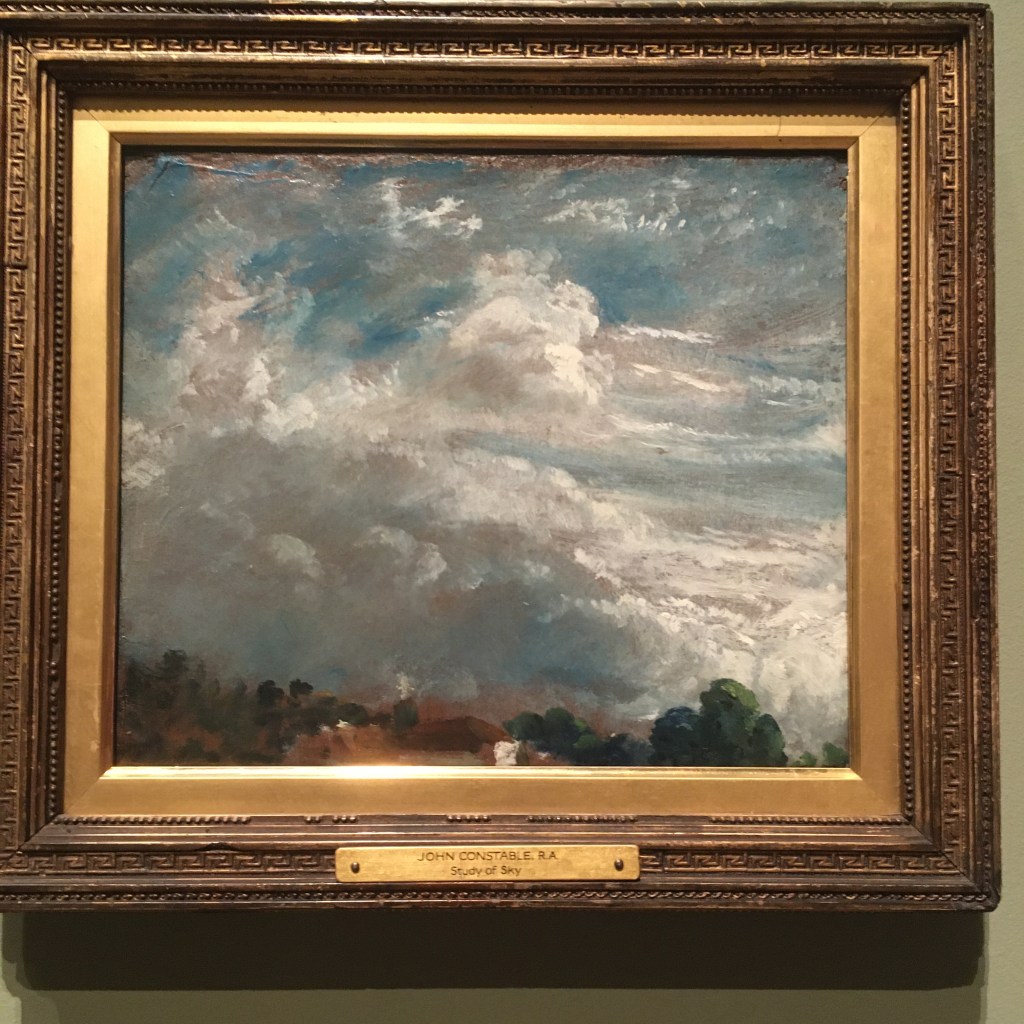
So many of Constable’s most memorable paintings are about the sky. He must have spent hours gazing upwards at the variety of clouds, forever looking for the perfect vantage point and sketching them in oil, watercolour and pencil. I wonder, with this one, whether he thought he was going to concentrate on the view and the landscape in front of him but became totally distracted by the billowing clouds, the gathering wind and the astonishing atmosphere of the sky above him.

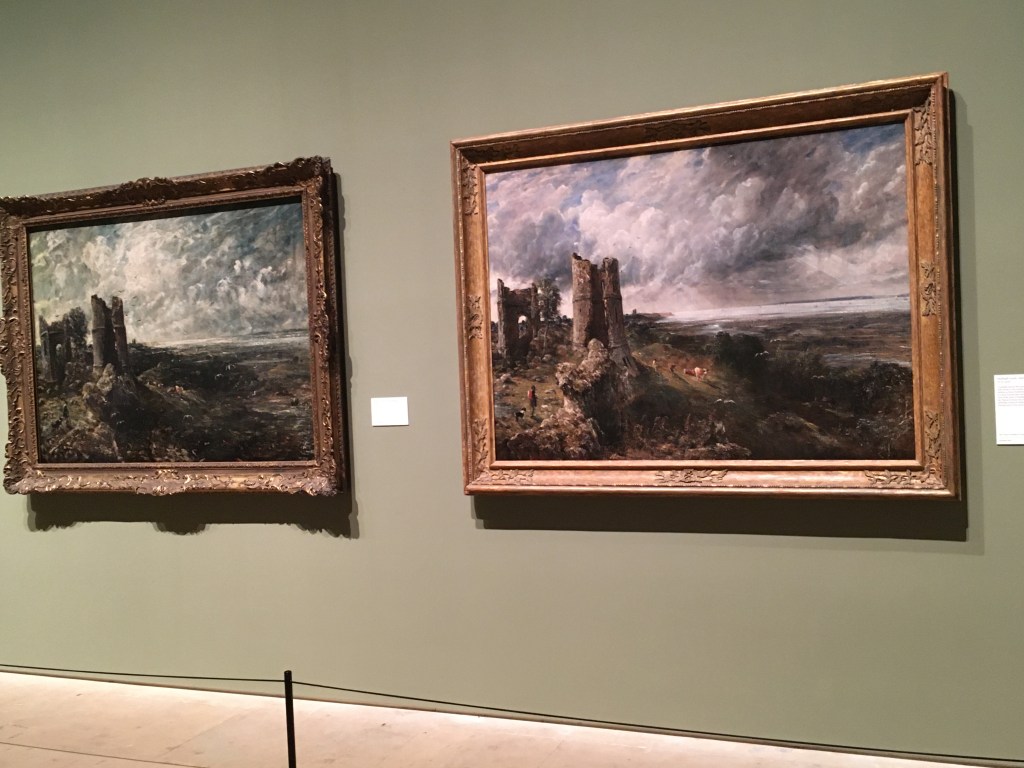
It’s always satisfying to see the ‘finished’ versions of paintings along with the sketches. I haven’t really got any close up images of the paintings, but when you stand in front of these huge pictures it’s the use of white paint, impasto, which is really striking. Once he gets going with brush and the white paint I think he finds it quite hard to stop. Some of the pictures feel a bit ‘overdone’ in comparison with the simple purity of the sketches which preceded them.

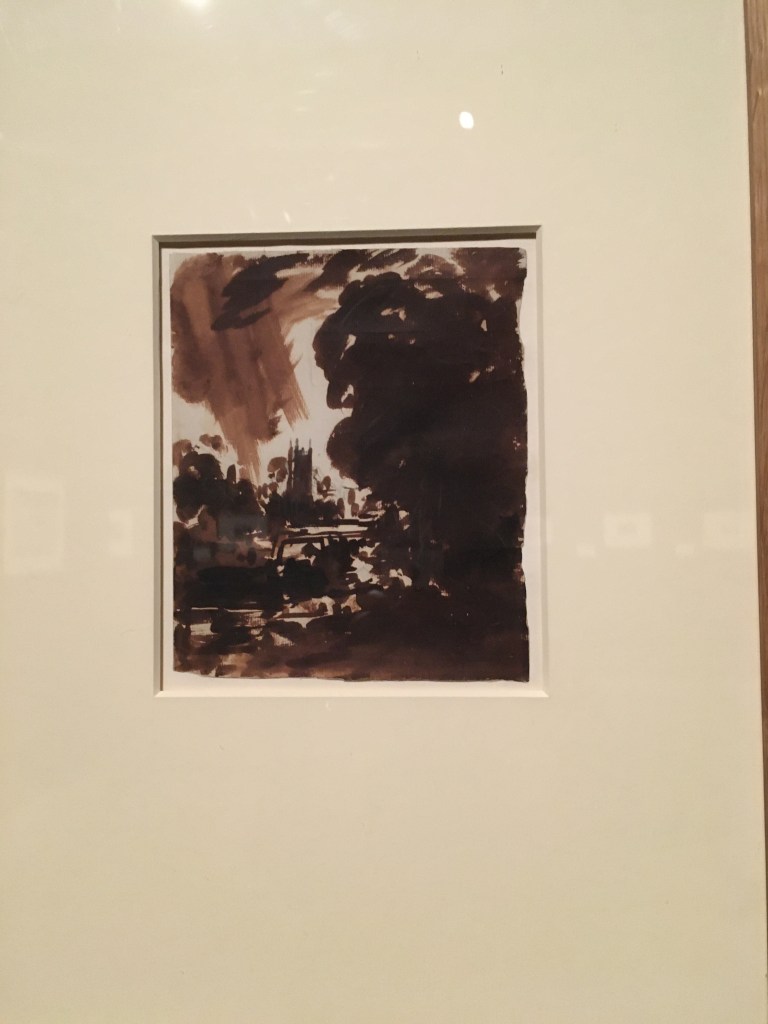
These swift sketches convey far more energy than the more worked up and finished paintings. I do wonder, as he got older, whether he felt he dared leave the ordered life of the big studio piece and ‘let himself go’ as a plein air painter, simply capturing what he saw and not reordering everything to suit the conventions of composition and saleability.

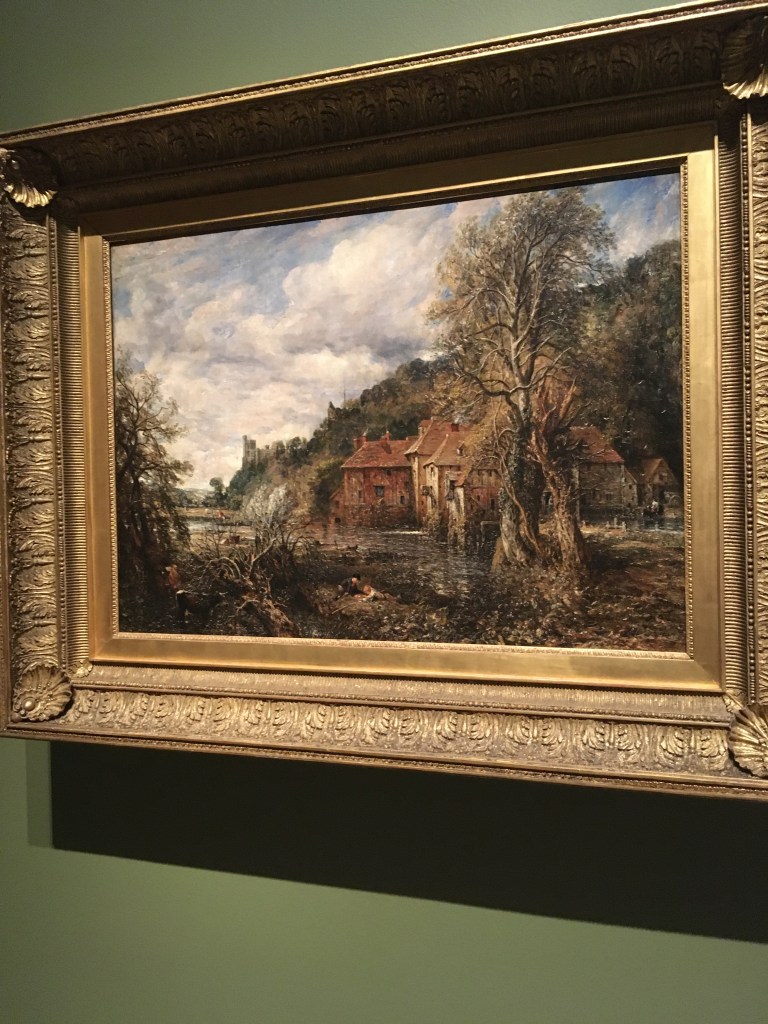
Arundel Mill and Castle 1837

This is Constable’s last painting. He’d visited Arundel with his eldest son, John Charles, who suggested he should make a large painting of the view. He was working on this when he died and the family considered it to be sufficiently finished to be sent to the Royal Academy and exhibited posthumously at its new premises on Trafalgar Square, shared with the National Gallery.

#lateconstable On show at the Royal Academy until 13th February 2022

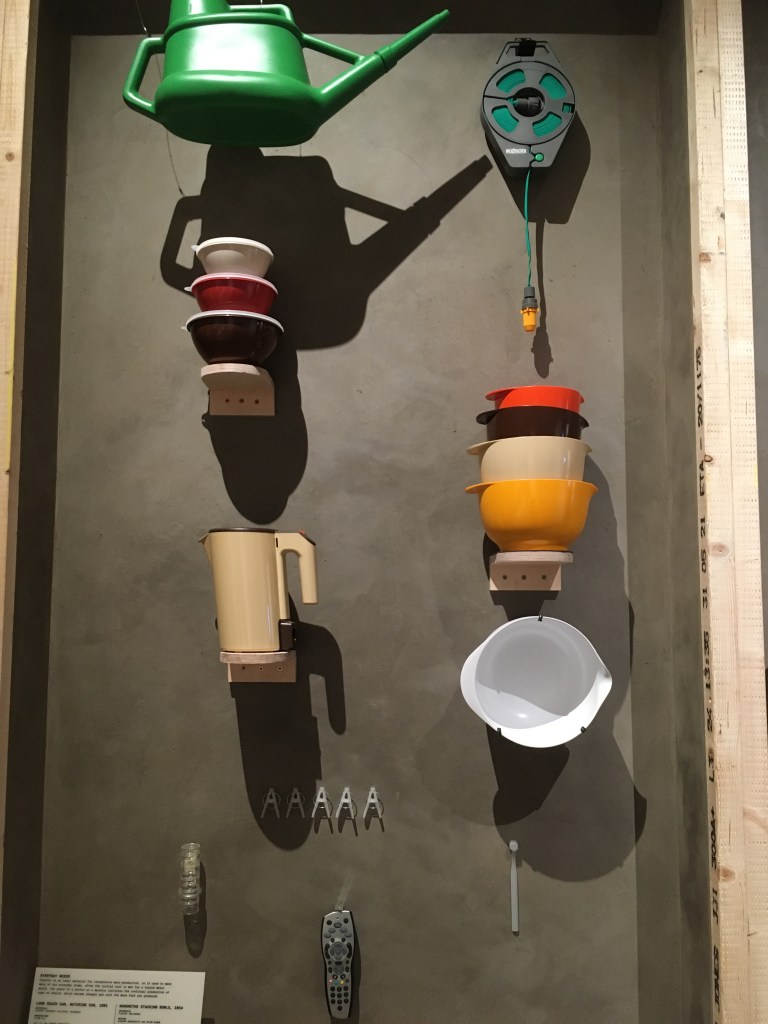
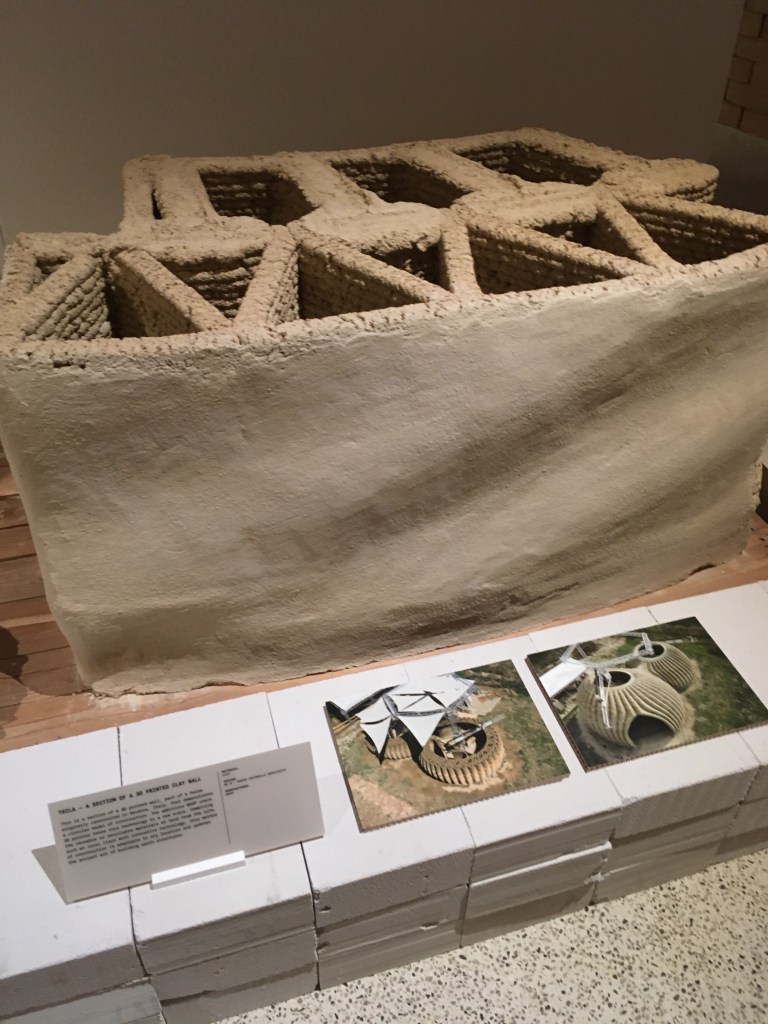
Can we ‘end the waste age’? The Design Museum presents some satisfying, and encouraging solutions to the appalling and polluting impact of plastic and our wasteful approach to living which has endangered the planet.

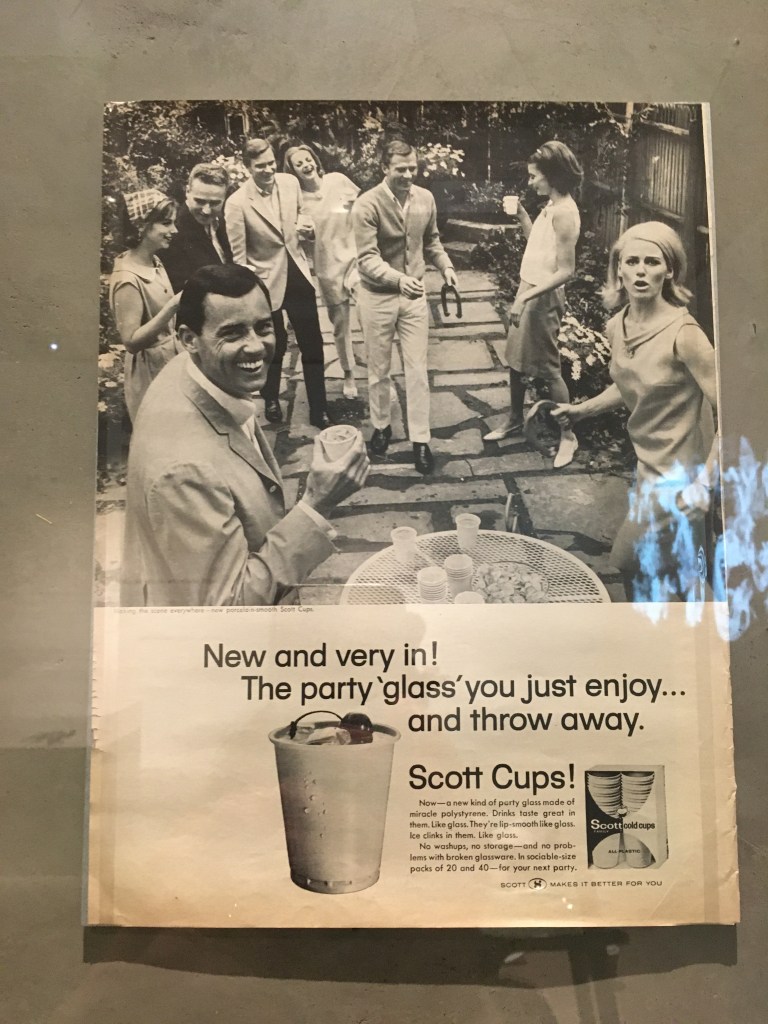
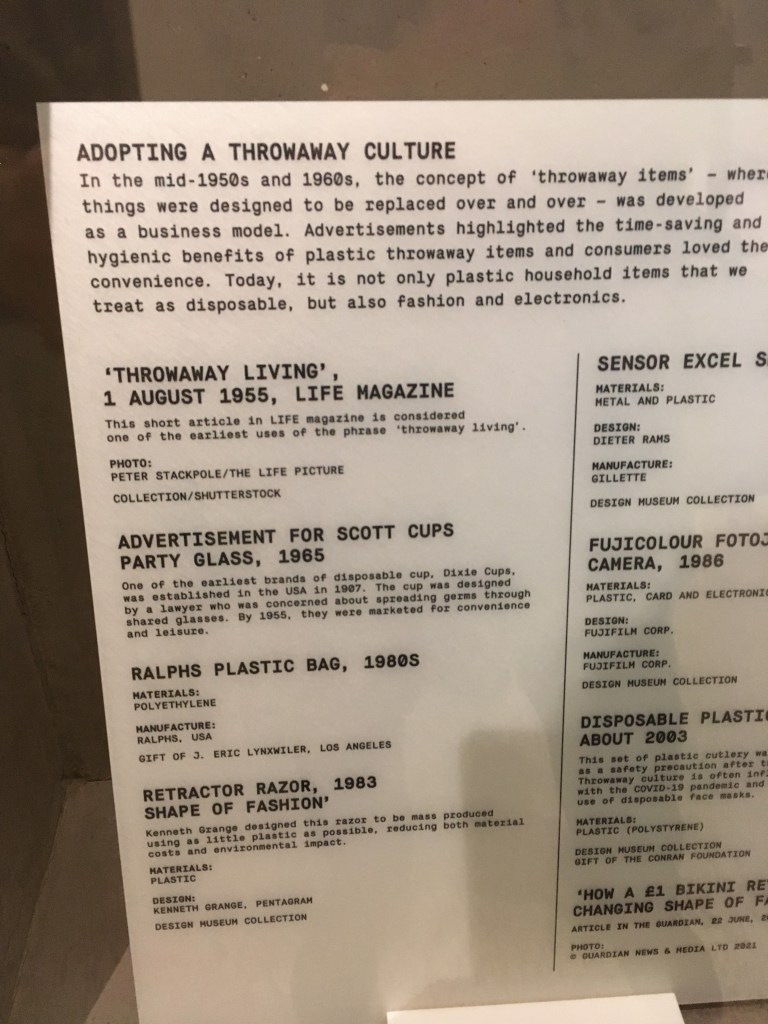
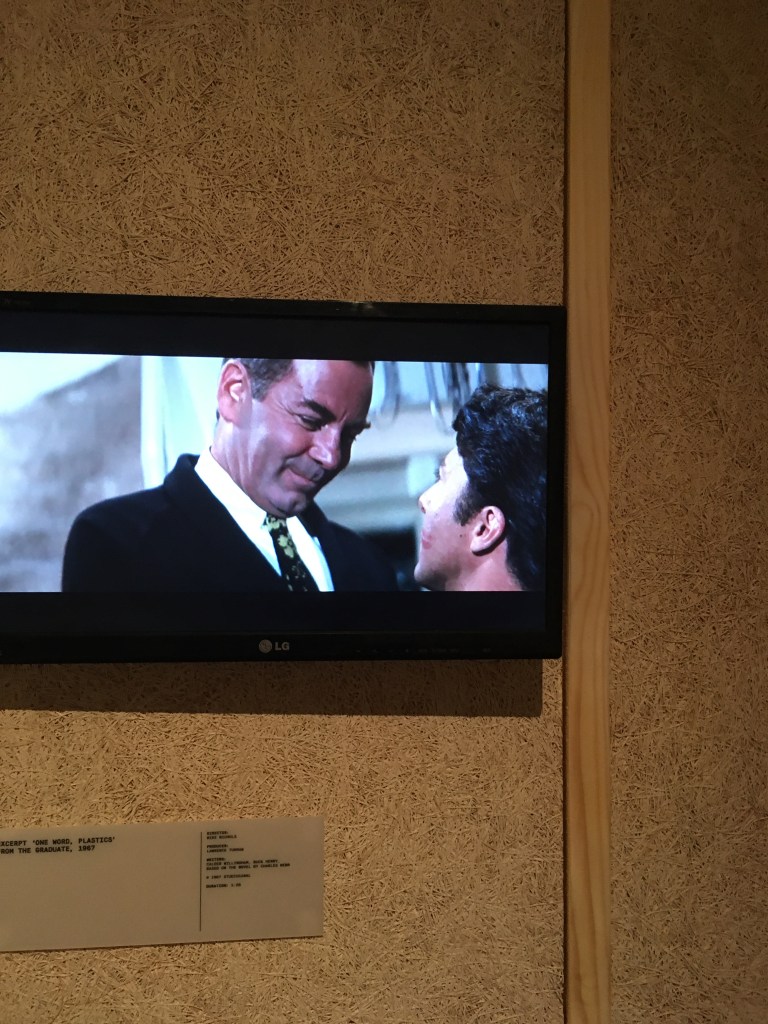
There was a time when plastic was regarded as the answer to everything. Why wash up and put away when you can chuck that glass/plate/dish in the bin and not worry about it. Remember that scene in The Graduate when young Benjamin is told the secret of success in just one word – plastics? We might have chuckled at it decades ago but now we shudder.

The exhibition, Waste Age: What Design Can Do? at the Design Museum shows us many of the good things which have been made from plastic and still work well for us but oh dear, when you see the images of choked rivers, landfill swelled with plastic rubbish and acres of the world scarred by the careless dumping of waste material. We all hang our heads in shame.

But, the heartening aspect of this exhibition is that designers are coming up with solutions. I enjoyed hearing the optimistic views of creatives and innovators who regard all waste material as an opportunity for creating new uses. “They’re just molecules” And you can use molecules in so many ways.

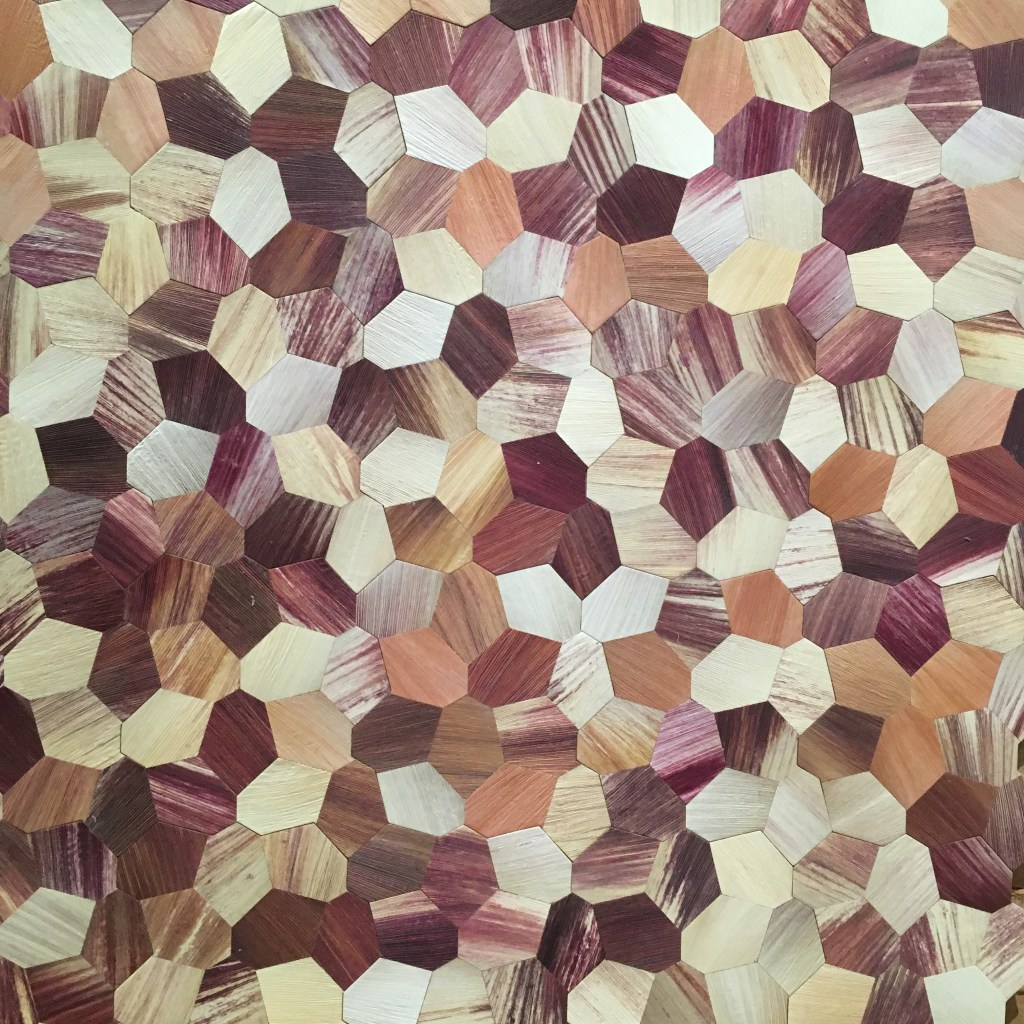
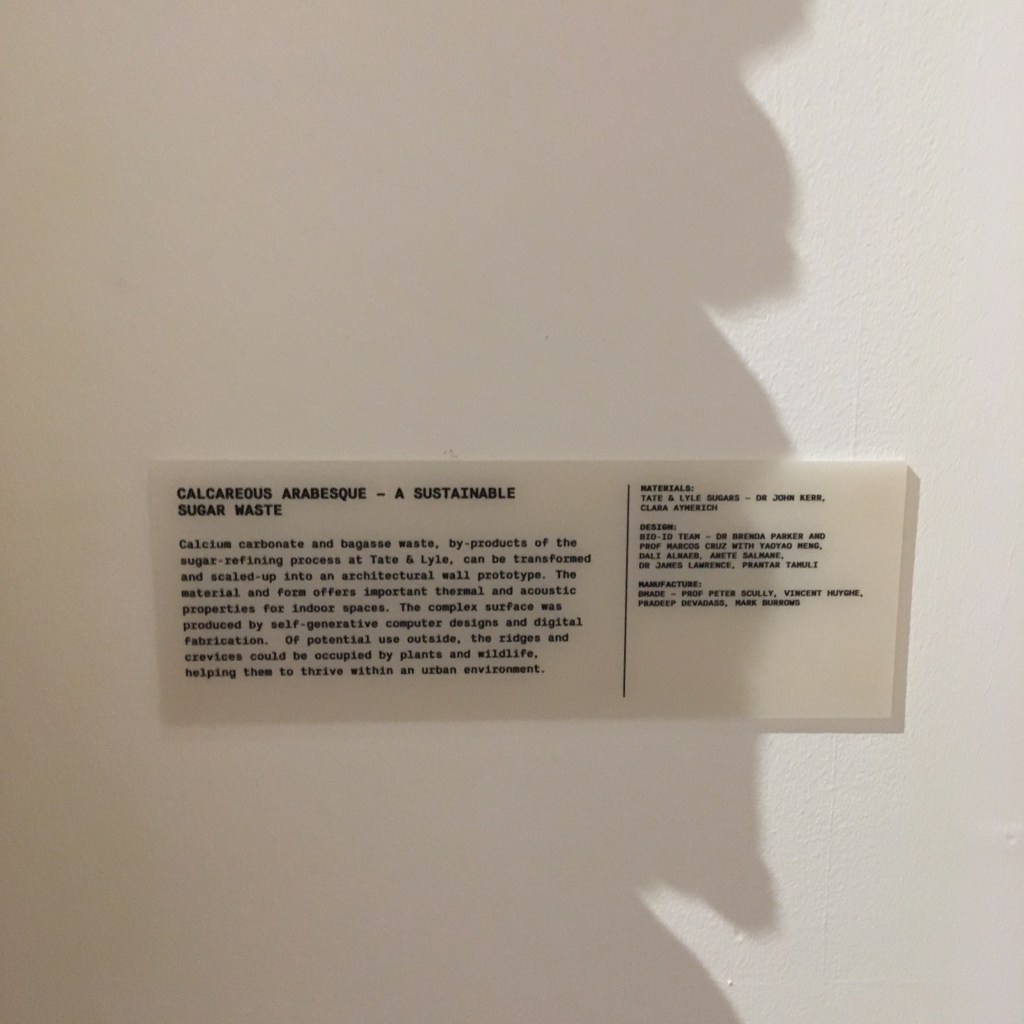
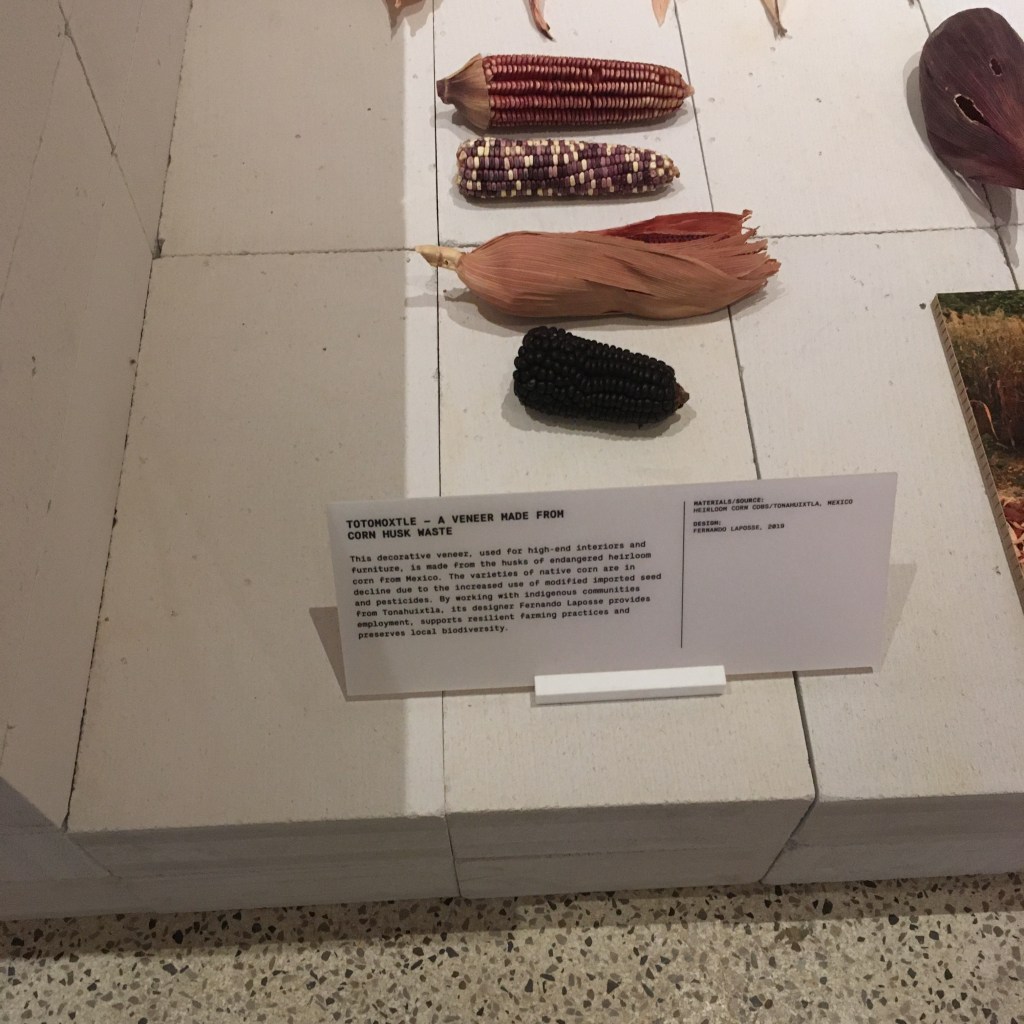
There are some great examples of what can be done too. So, we have waste product from the production of sugar beet being turned into a material which can be used for building. The husks of corn can be made into a kind of wood veneer and there are clever things to be done with fungi and strange mushroom materials which can be grown.

This is good. I felt a lot better coming out of the exhibition than I did in the first half when faced with all that’s wrong about human behaviour. However, no matter how clever the designers and innovators are, their ideas still have to be taken up by the big manufacturers and retails and, as consumers, we’ve got to DEMAND that what we purchase is no longer bound up in plastic wrapping, sealed up in unnecessary layers of packaging and not made with a built in obsolescence to ensure we will need to buy more.

The exhibition is a little bit worthy in places but we need to be bludgeoned into awareness of our wasteful behaviour and, I hope, we’ll all start to use what exists already with more enthusiasm and not constantly demand the shock of the new – perhaps make do for a bit and mend the world.

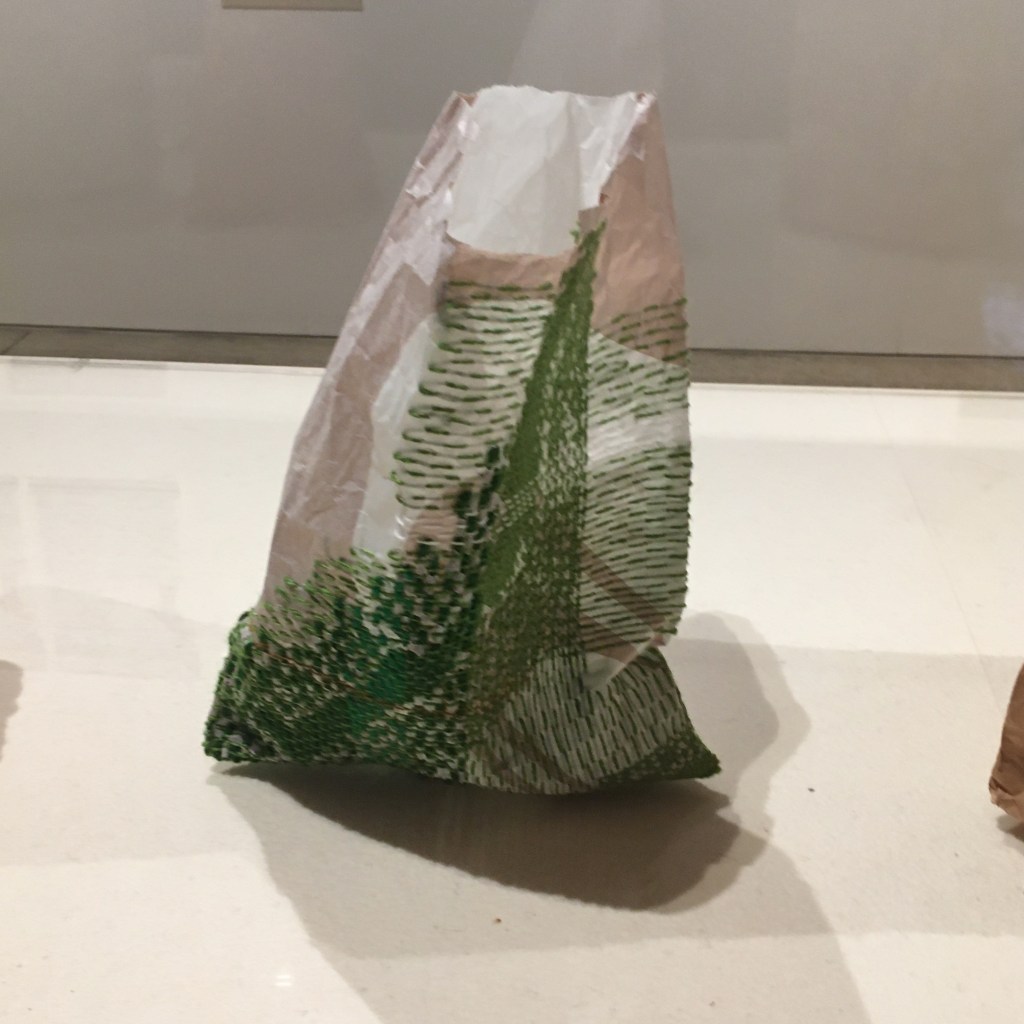
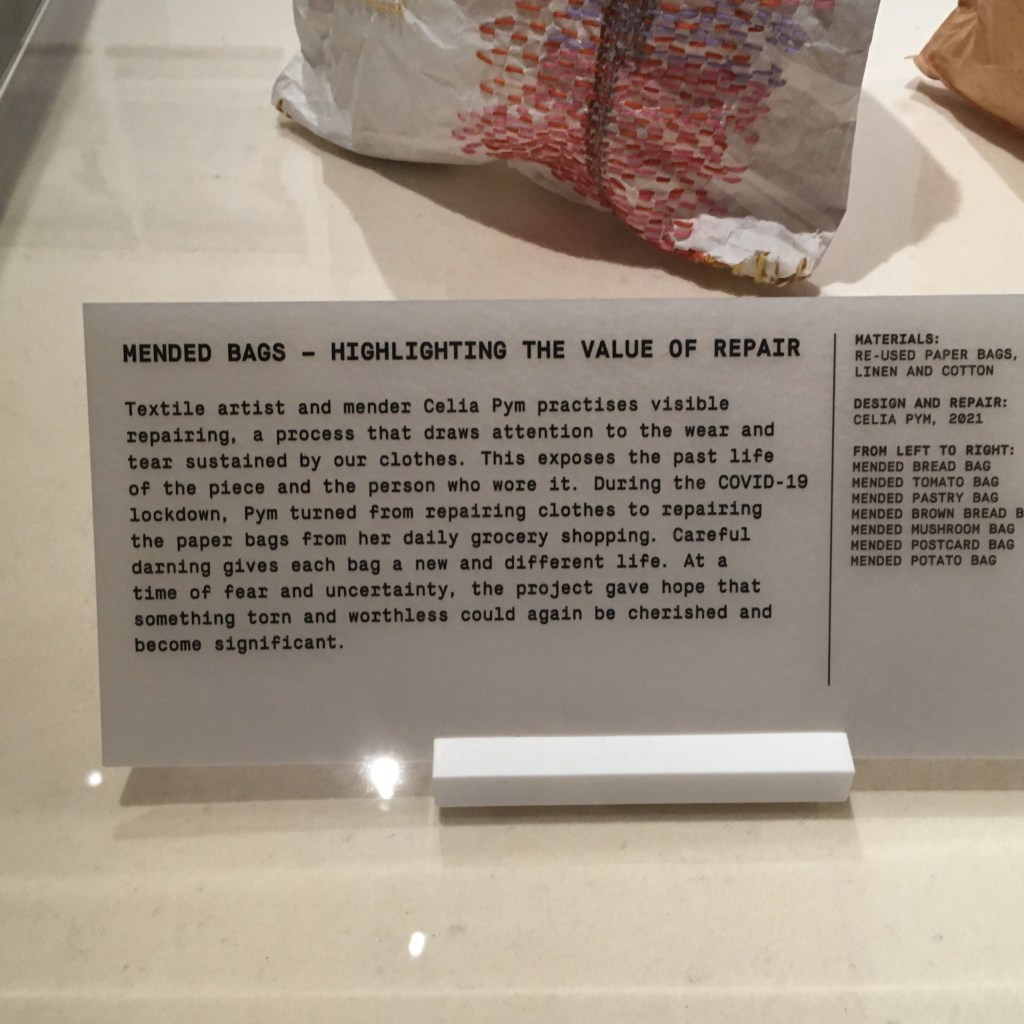
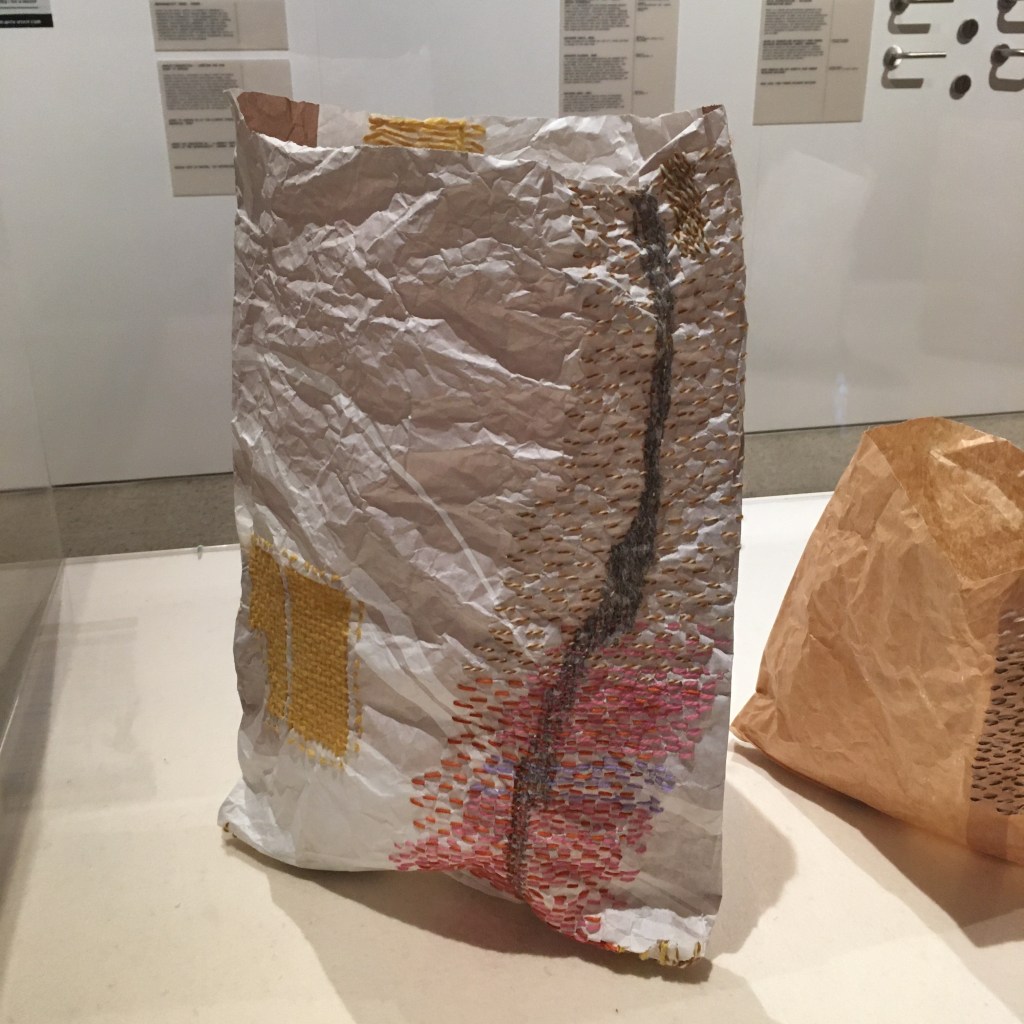
And, as a little postscript, as a paper enthusiast, I did enjoy the stitched paper bags by Celia Pym. She took a variety of paper bags used for her shopping and carefully mended each rip and tear. Lovely stuff!

#EndTheWasteAge is on at @DesignMuseum from 23rd October to 20th February 2022

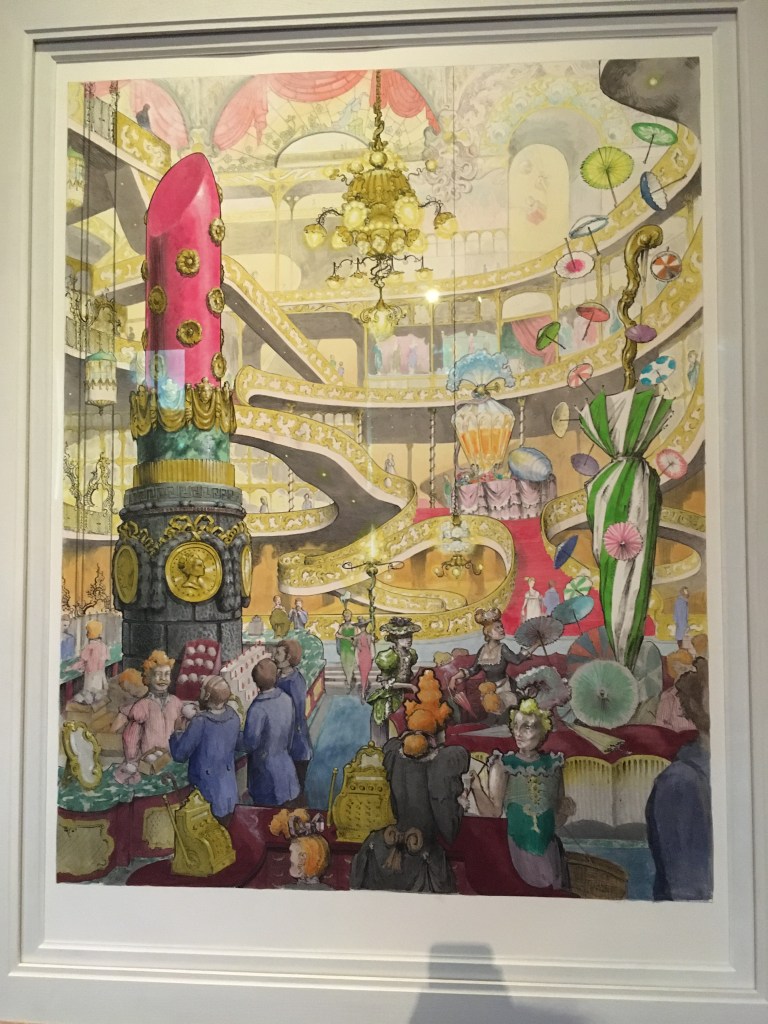
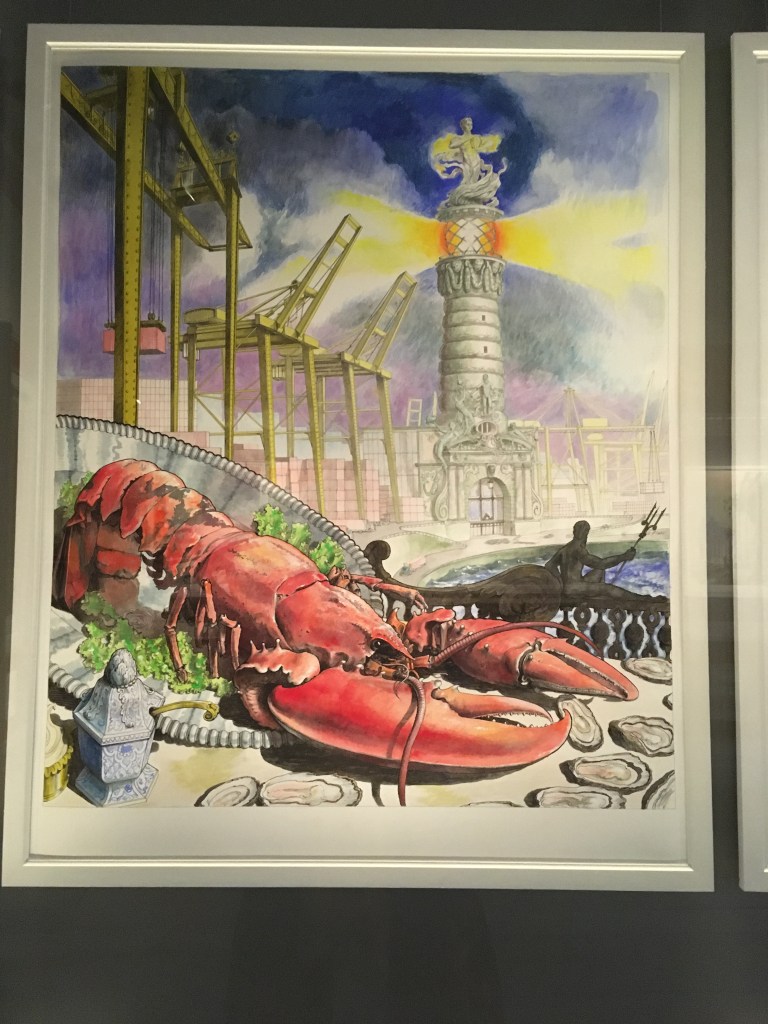
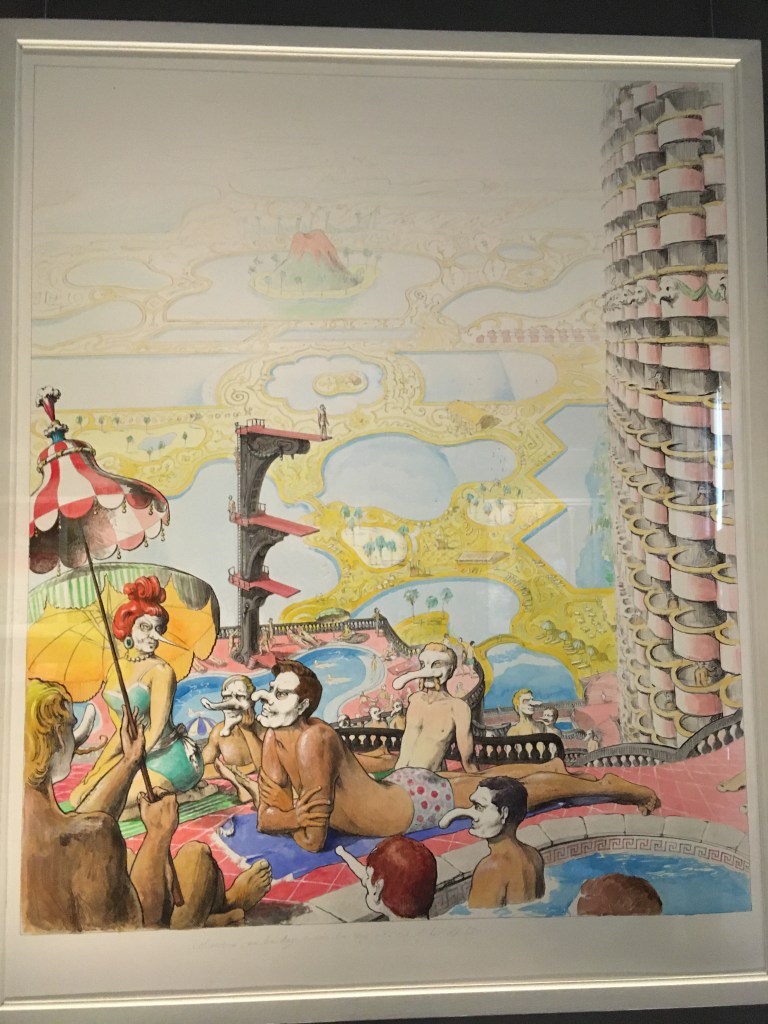
If HELL turns out to be anything like artist Pablo Bronstein’s vision it might be rather a fun place to hang out. Bronstein has produced a series of large watercolour paintings – Hell in its Heyday – now on show at Sir John Soane’s Museum. The show is filled with visions of a cityscape mingling contemporary technology and invention with the design aesthetics of the Baroque and decorative past. The results are beguiling and fun.

If you’ve ever been to Sir John Soane’s Museum in Lincoln’s Inn, Holborn, then you’ll know that you are entering both the mind and the professional world of the man who created the interior. Each room is filled with fascinating artefacts, architectural models, sculptures from the ancient world along with paintings, drawings and sketches collected by this 18th/early 19th century man of culture.

Sir John Soane was an architect steeped in the order of ancient world. He saw cities as the ancient Greeks or Romans might have seen them – meticulously laid out with orderly avenues flanked by gracious buildings built to a rigid sense of classical proportion.

Pablo Bronstein is a contemporary artist who has created his version of HELL with a cycle of 22 large-scale watercolours which are displayed on the first floor of the museum. There is an eclectic range of elements within each picture – 18th century interior design and decoration, early advertising posters, fancy dress, fancy food, playful machines and curious creatures. The familiar is corrupted in surprising and beguiling ways. Buildings loaded with decoration appear to topple, machinery is covered with overblown decorative designs and people wear fantastical clothes. These are some of the ‘noisiest’ paintings you could see! There’s a sense of dazzling excess on show and great fun to view. The meticulously drawn and painted theatrical landscapes draw you into a surreal, fantasy world. The experience is definitely enhanced by seeing them within an already picaresque space.

The collection took two years to create and the exhibition was delayed because of the pandemic but now its timing coincides with the 700th anniversary of the death of Dante, who planted the idea of Hell, or the Inferno, into our minds. It’s free to visit and the show will be there until 2nd January 2022.

#SoaneMuseum @soanemuseum