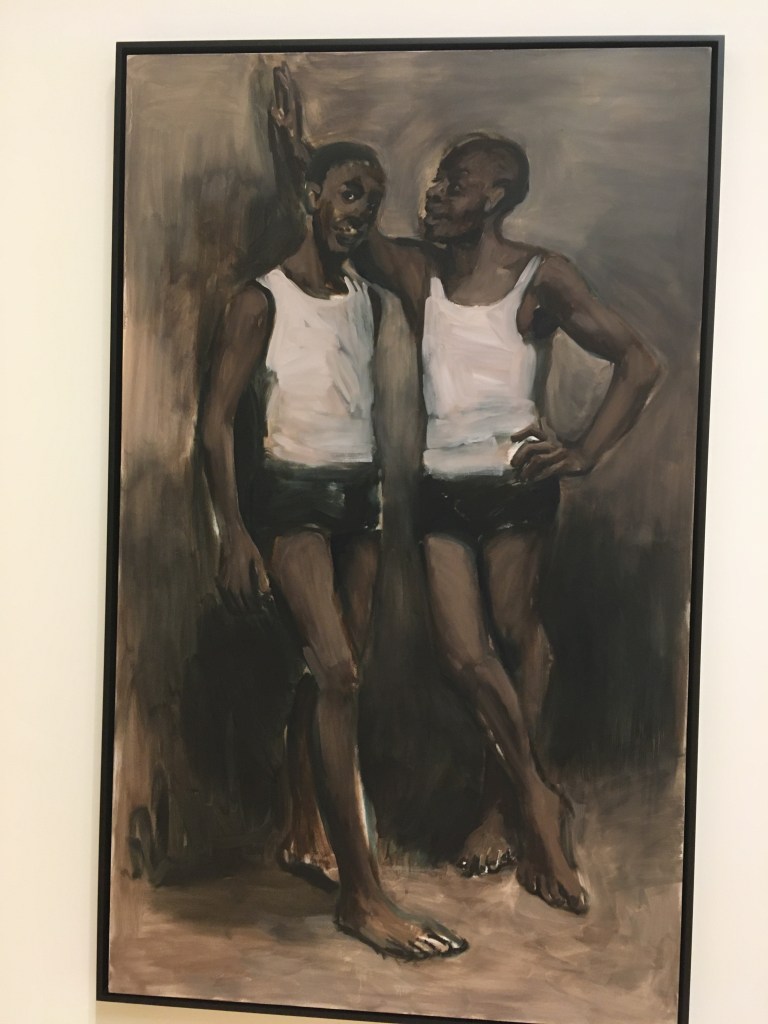
Lynette Yiadom-Boakye Fly in League with the Night. This remarkable artist, marking 20 years of her artistic practice, has a huge show at Tate Britain which charts her impressive career (which is barely at its half way mark!) with her figurative paintings of imagined people.

I did come to this show when it first opened in early 2020 – but it was barely on for two weeks before the pandemic caused all galleries to shut and it was gone. I was impressed then but I was even more impressed at today’s press preview. Lynette Yiadom-Boakye is still young (she was born in 1977 in London to Ghanaian parents) yet she has created a huge body of work and established an international reputation. It is so satisfying to see a figurative artist simply revelling in the act of painting. Yes, the paintings are of people and she does use photographs, cuttings from magazines and papers and collected images, but the finished works are not of people with a name. But, in a way, the very anonymity of these paintings invites the viewer to fill in the narrative, to give the figures a place in the world, a career, education, relationships and philosophy.
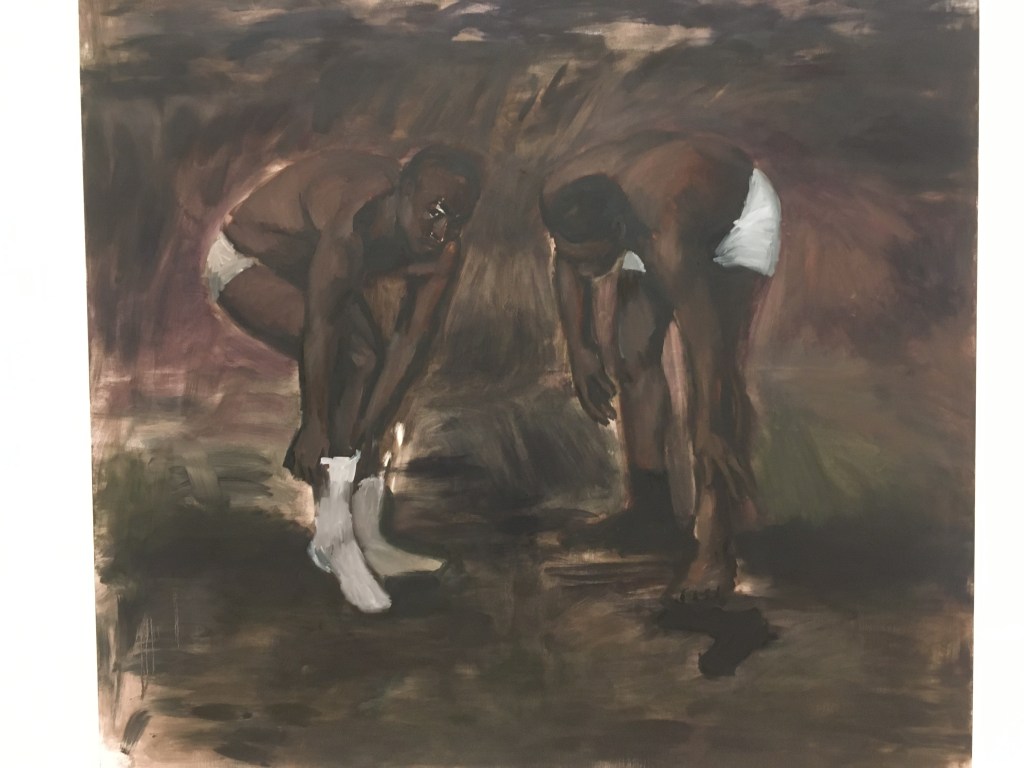
She likes to capture her figures in the action of thinking, being and doing. There’s a lot of movement to these subjects. And, best of all, she features the smile and the laugh. This is rare in portraiture mainly because it’s hard to find a sitter who will stay fixed in mid chuckle or amused gaze. This is where the photos for reference come in handy. But there’s nothing better than seeing someone in a painting looking directly at you, in your viewer’s space and engaging you in a shared thought.
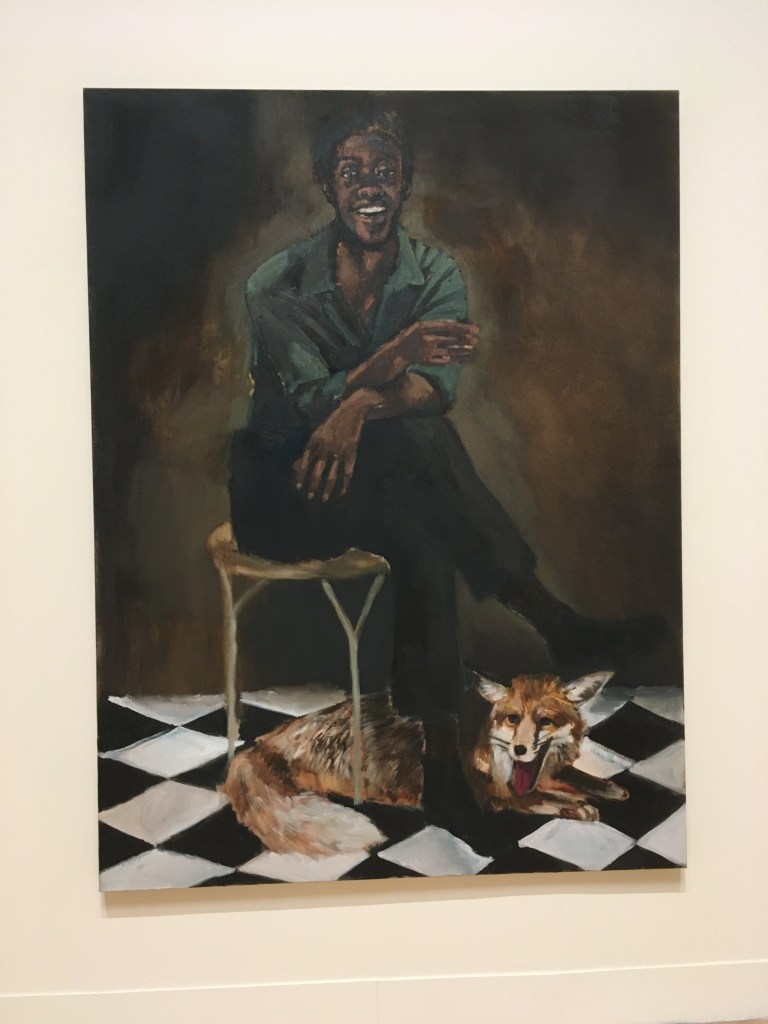
The exhibition is not organised chronologically. The artist has worked with the curators to assemble paintings in galleries because of their shared gaze or situation, or dialogue. You can imagine all these fantasy people coming to life after the gallery is closed and chatting to each other with great energy and zest.
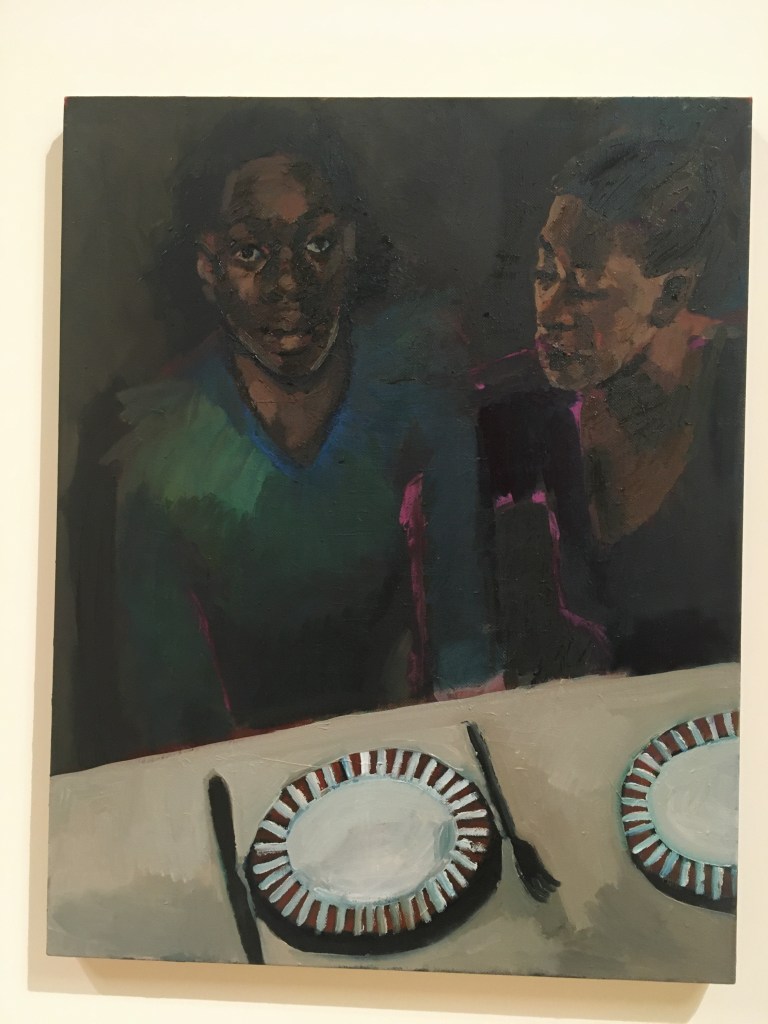
The painting technique interests me too. I look at them and see speed of work. This is, apparently, the case. Yiadom-Boakye does choose to work quickly. I can see that she starts on a white canvas or linen, uses great sweeps of red paint for the underdrawing and swiftly creates the image on top using dark tones but leaves little flecks of white and light to enliven the image. There is nothing laboured or detailed about these works yet you get just enough information. The gaze, the sense of engagement is very strong.
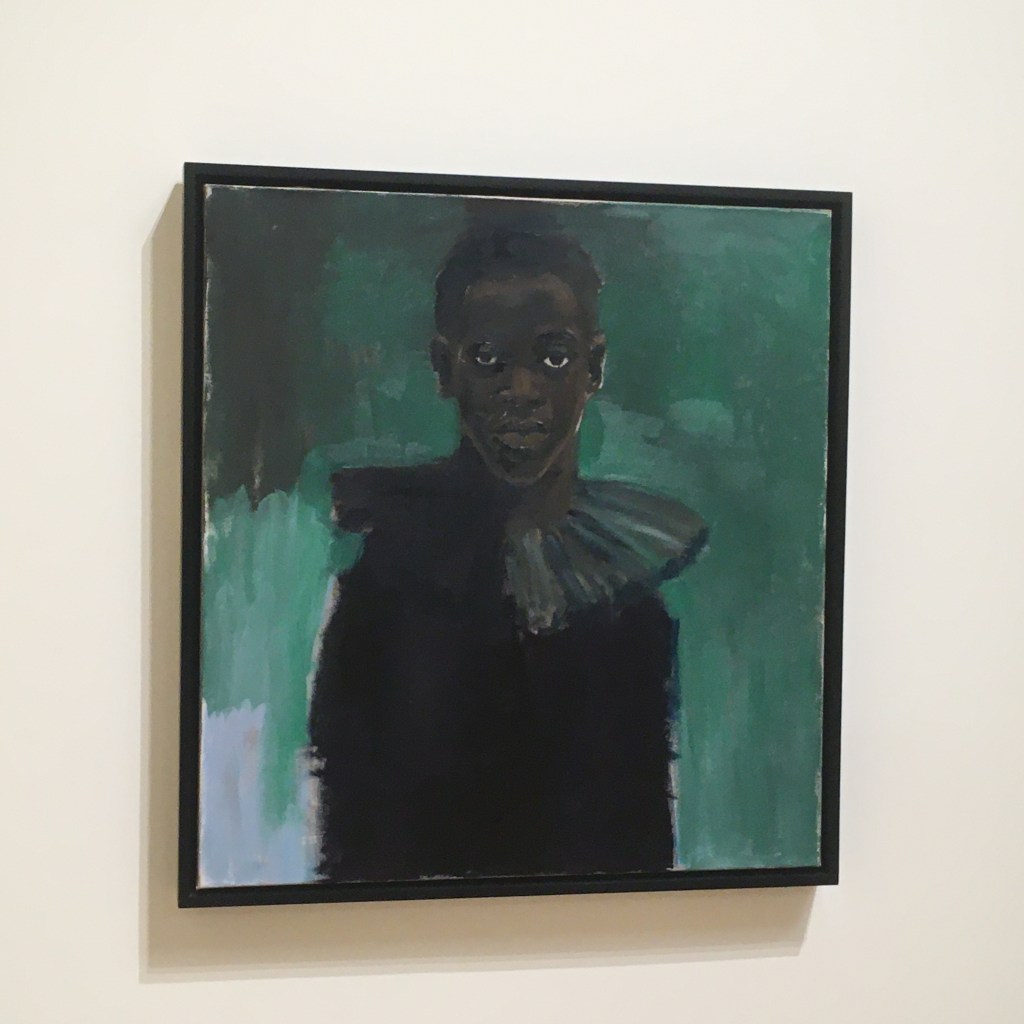
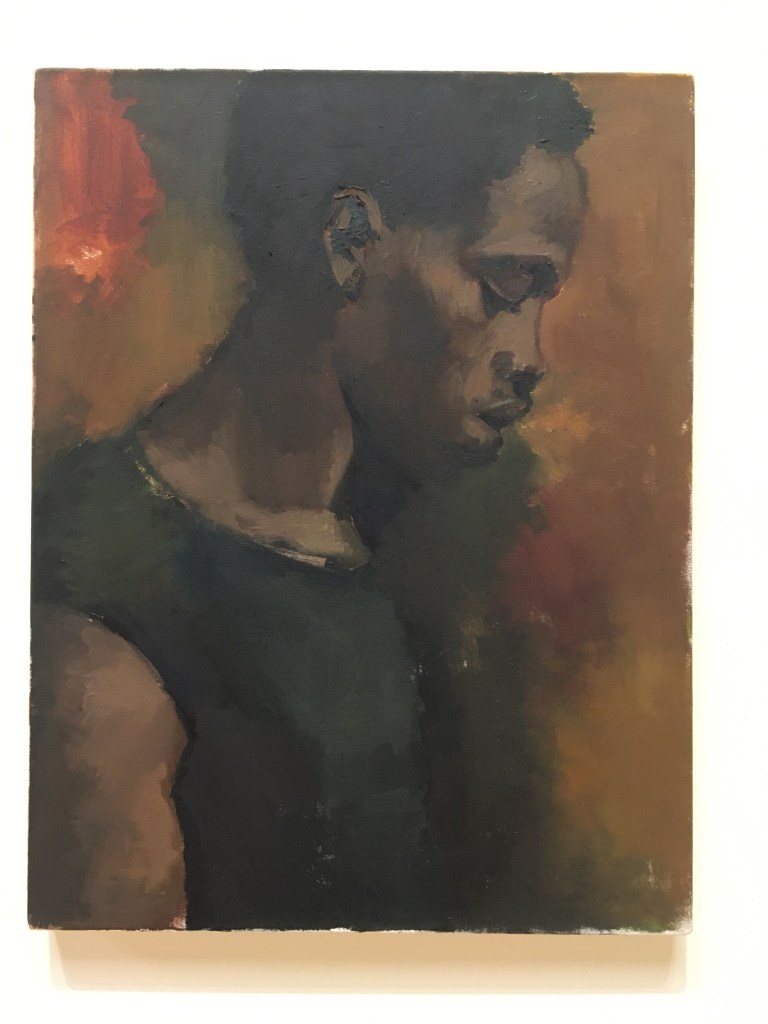
This is impressive to see at a 20 year mark. Who knows what the next 20 years will allow her to create!

Fly in League with the Night is on show at Tate Britain until 26th February 2023

Photograph by me of photographer’s subject! This is Iris and her bunny in front of a photograph taken in her family kitchen by her mother, Kirsty Mackay. It’s one of the many sensitive and charming portraits in this year’s Taylor Wessing Photographic Portrait Prize on show at the National Portrait Gallery’s temporary space at Cromwell Place.

As paper portrait person it’s always interesting to see what photographers do with their subjects. Rather than hours of ‘eyeballing’ they can watch their subject (s) carefully and then capture just the right moment. In this year’s Taylor Wessing Photographic Prize exhibition there’s real emphasis on the spontaneous and personal.

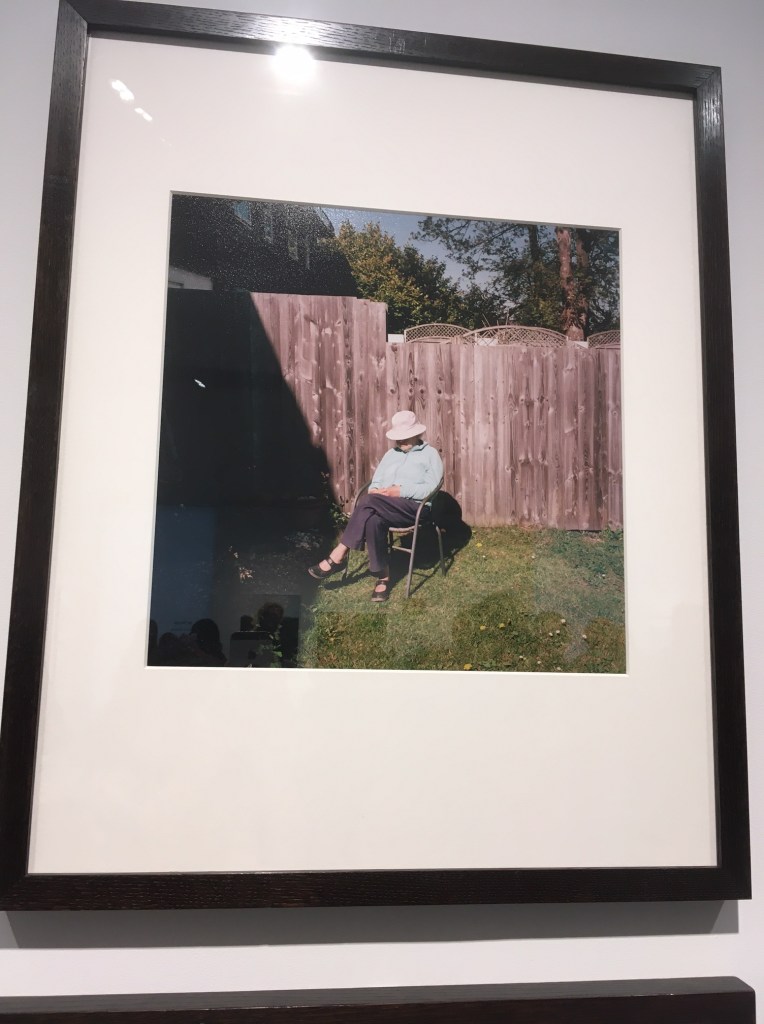
The winning photographs were of seemingly mundane images taken by Clementine Schneidermann of her neighbour from the series Laundry Day. It shows that you don’t have to do close up portraits in perfect focus but you can capture the essence of a person from a distance and, in this case, during lockdown.

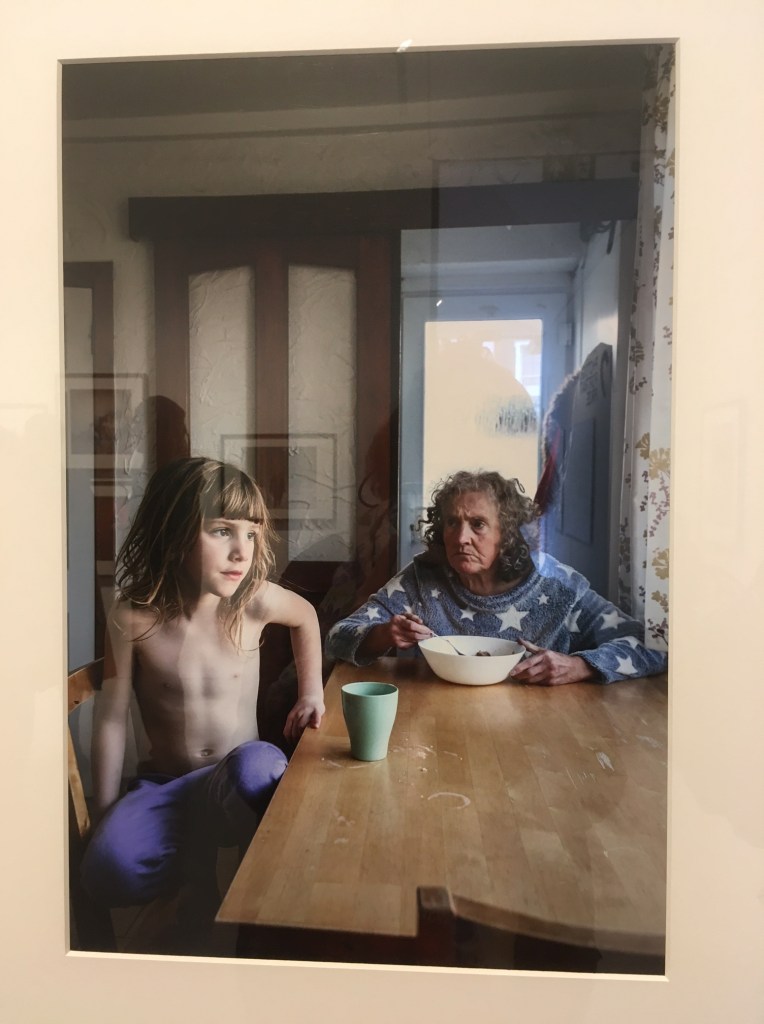
I like a photograph with a sense of narrative and was very taken by this one which shows a grandmother and granddaughter in the family kitchen. The grandmother has dementia and you can tell from her eyes that she is not ‘seeing’ things in the same way. Yet the child is all coiled energy ready to jump up and get on with her life. It’s by Helen Rimell from the series entitled No Longer Her(e).

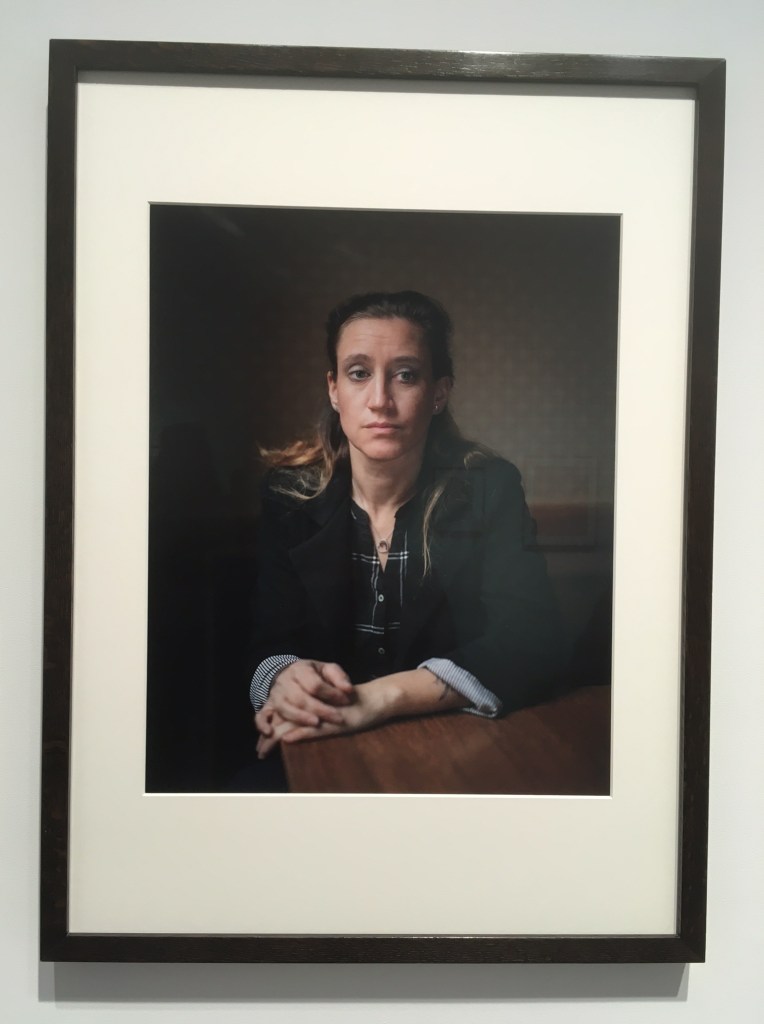
Above is a portrait by Ed Alcock of Valerie Bacot. This woman had endured years of abuse at the hands of her step-father and then her husband. Her life’s history is one of unbearable pain and suffering. After 24 years of physical and psychological violence she shot and killed her husband and was sentenced to four years in prison, with three years suspended. As she had already spent one year in pre-trial detention she was free from that day onwards.

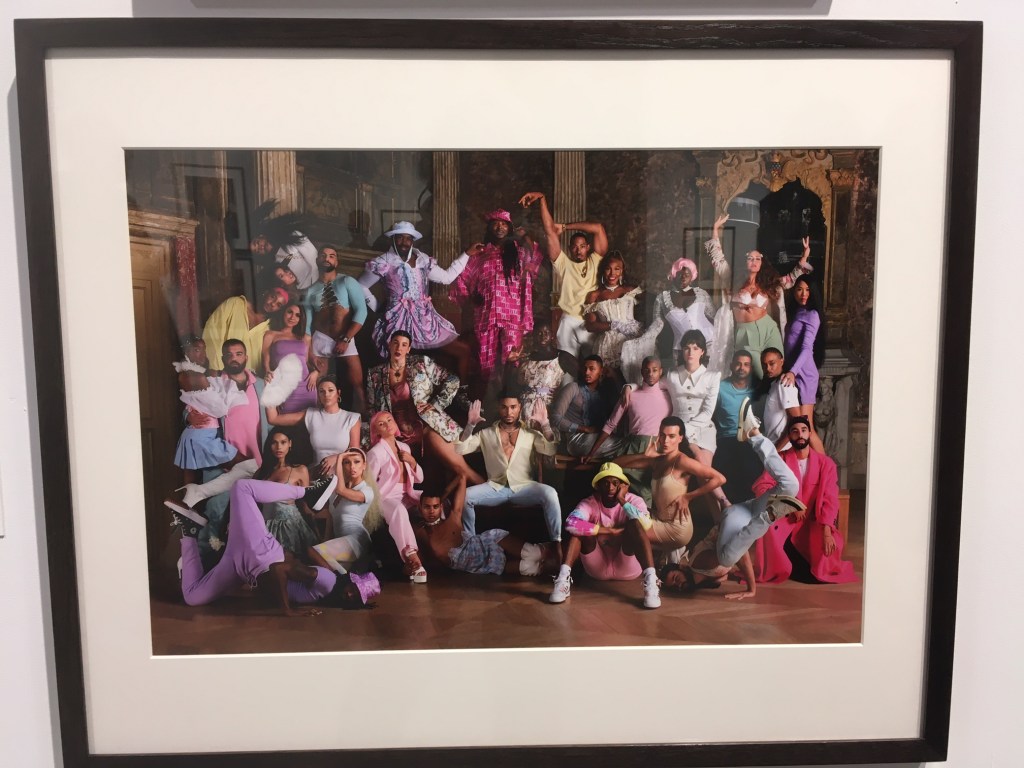
Here are just a few more of the portraits which caught my eye. It’s a very interesting show and a great opportunity to visit the impressive exhibition space at Cromwell Road in South Kensington. The National Portrait Gallery is currently undergoing a redevelopment and won’t be open until next year.

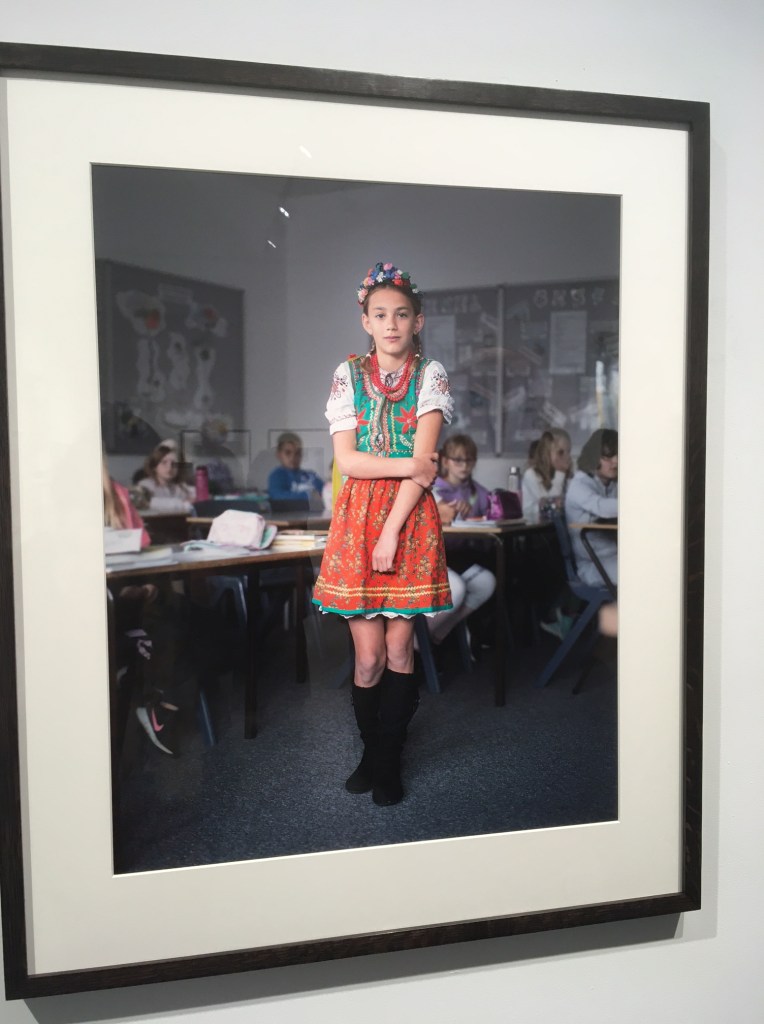
Emilia, 12, Polish Saturday School by Craig Easton
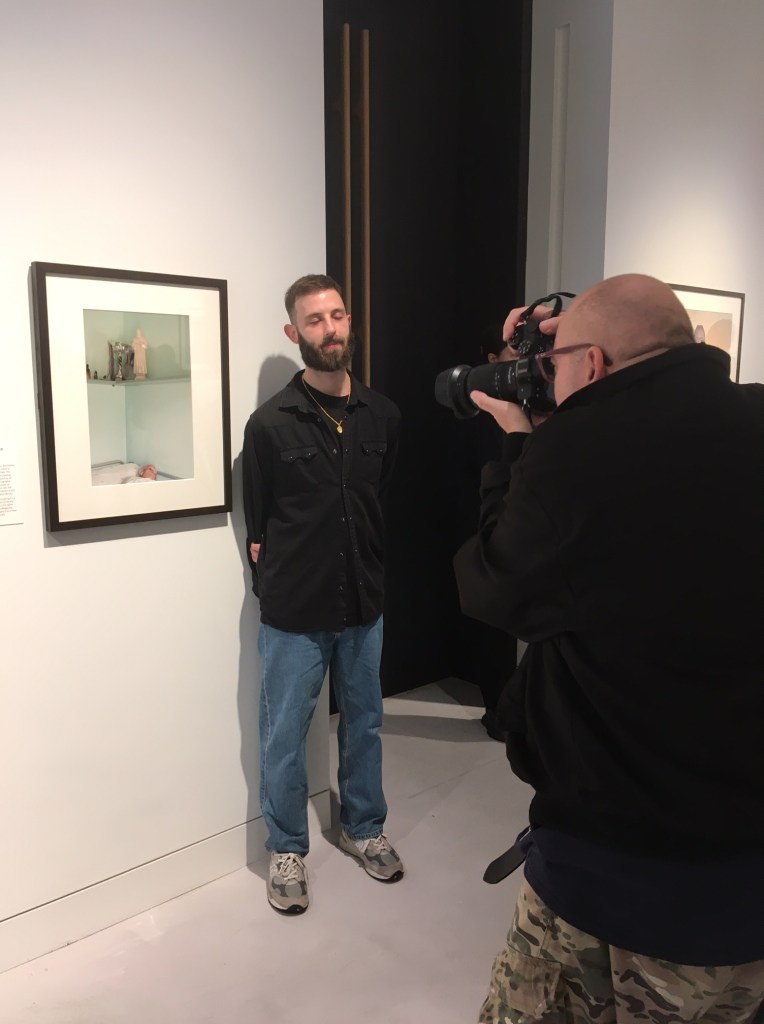
Marco Marinucci being photographed in front of his photograph entitled Antonietta Resting in Bed.

The Taylor Wessing Photographic Portrait Prize 2022 at Cromwell Place is on until 18th December 2022

If you ever thought surrealism was something from the last century the Design Museum’s new exhibition shows that the spirit of the surreal has prevailed and finds form in design ideas and movements from all around the world and continues to influence contemporary designers and artists.

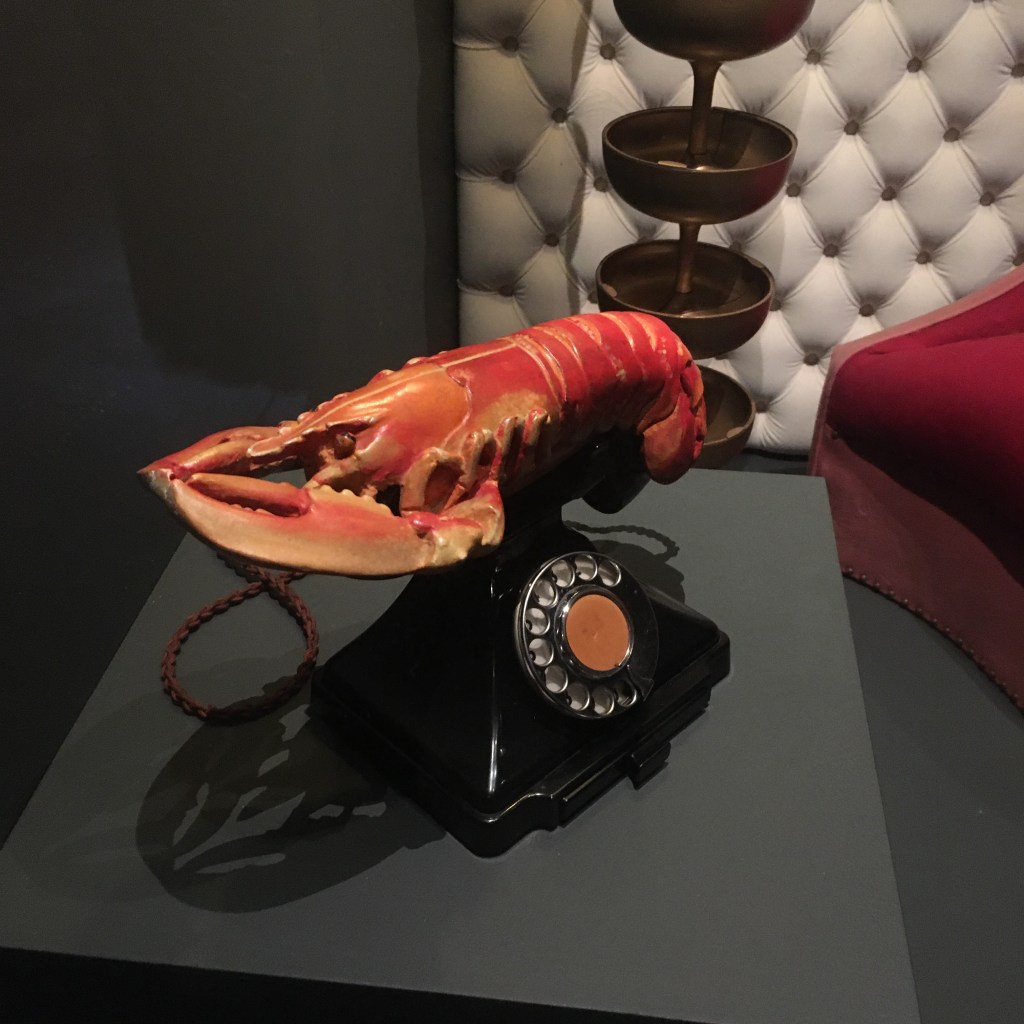
Well, why shouldn’t a lobster be used as part of a telephone? Salvador Dali was very much the high priest of the surrealist movement in the 1920s and 30s. Both artists and designers at the time asked themselves the question – does the object I’m making have to be functional or literal or can I introduce a wild idea into the making of this and beguile the viewer? I do like the playful approach of these makers and thinkers who realised that you don’t always have to follow the rules. For contemporary artists and designers this feels like a natural state of things, especially when we are all thinking so keenly about reusing and recycling. Why not use left over glass, metal or wood to create a piece.

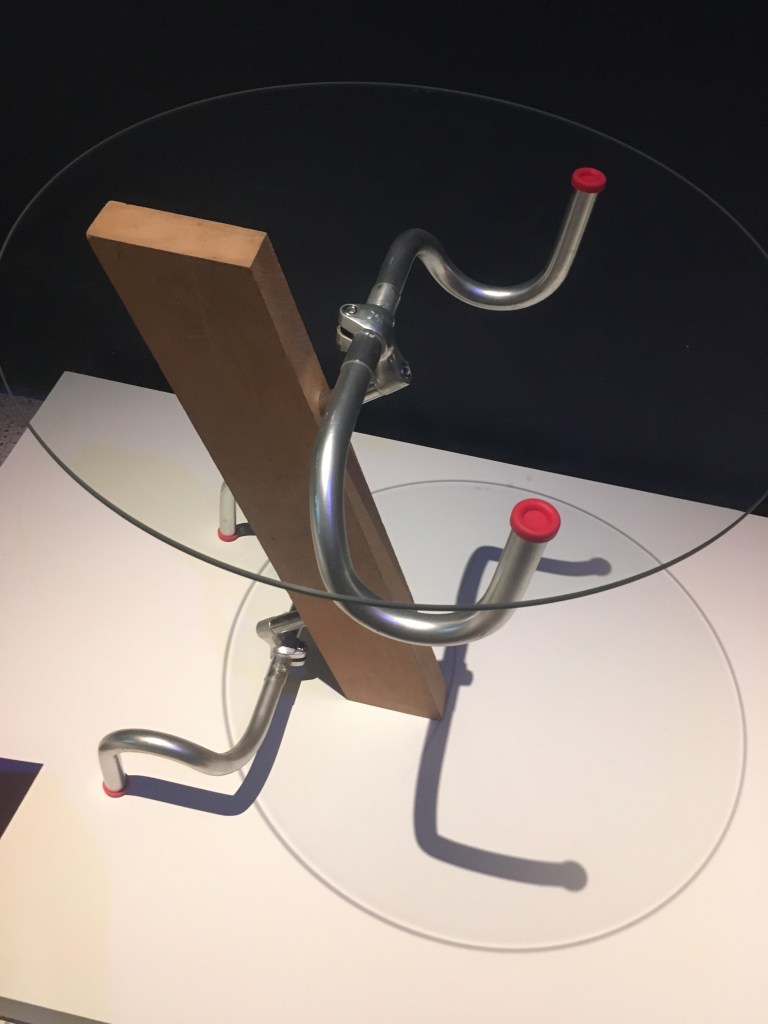
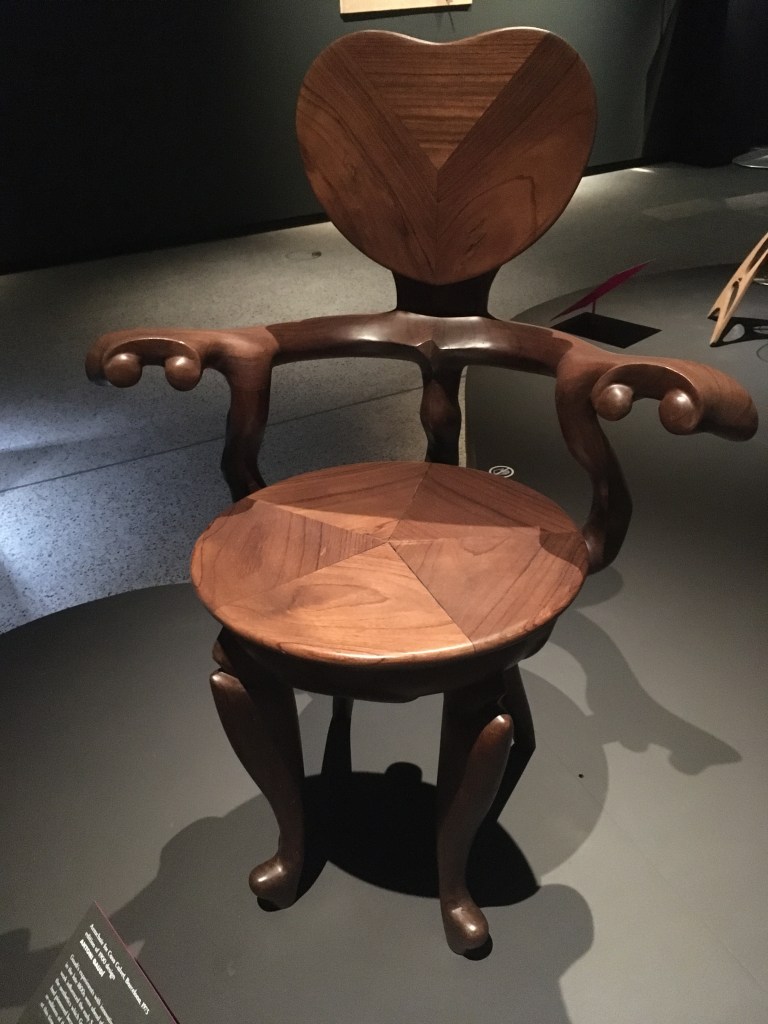
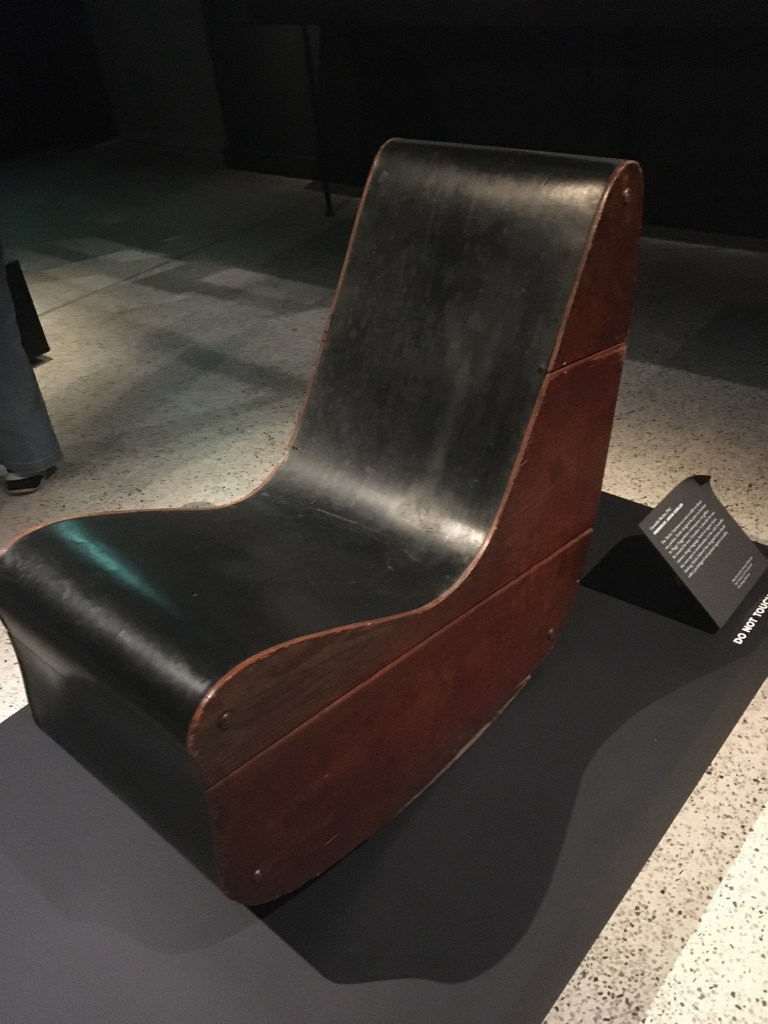
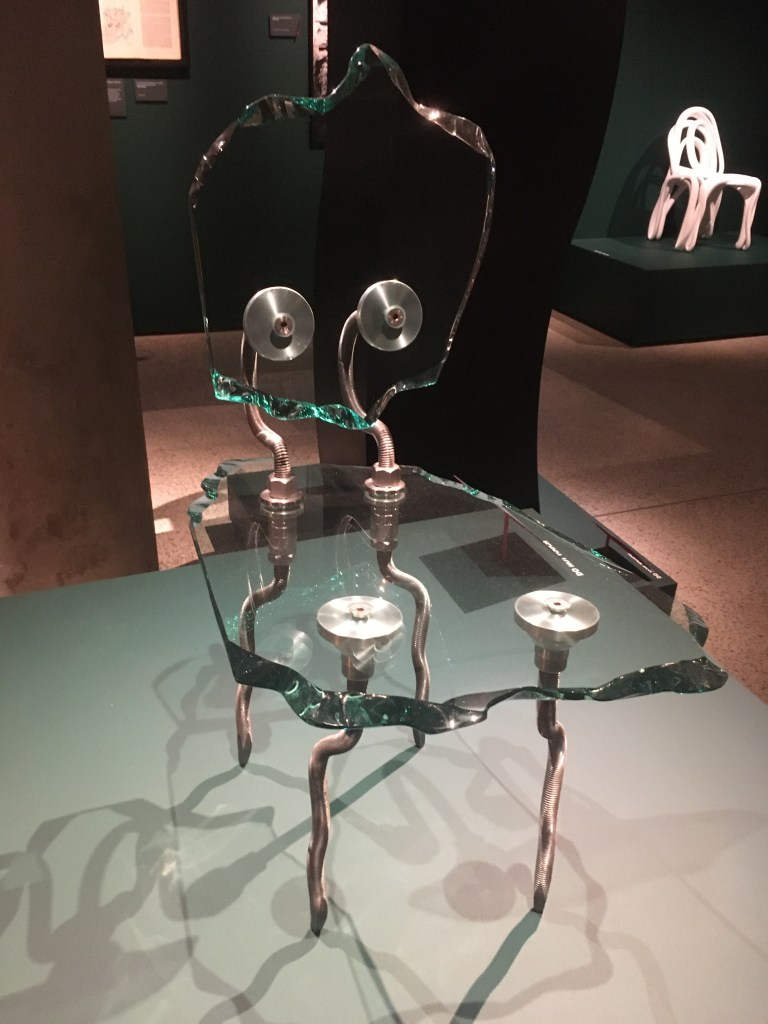
These are all functional objects but they’ve been elevated by a kind of surreal idealism. Jasper Morrison uses elements of a bicycle to create his table, Gaudi uses gorgeous carved lines in wood to create chair which looks set to embrace you, Kiesler came up with a rocking chair idea which can transform into a table and Danny Lane’s Etruscan Chair uses broken glass combined with industrial pipes.

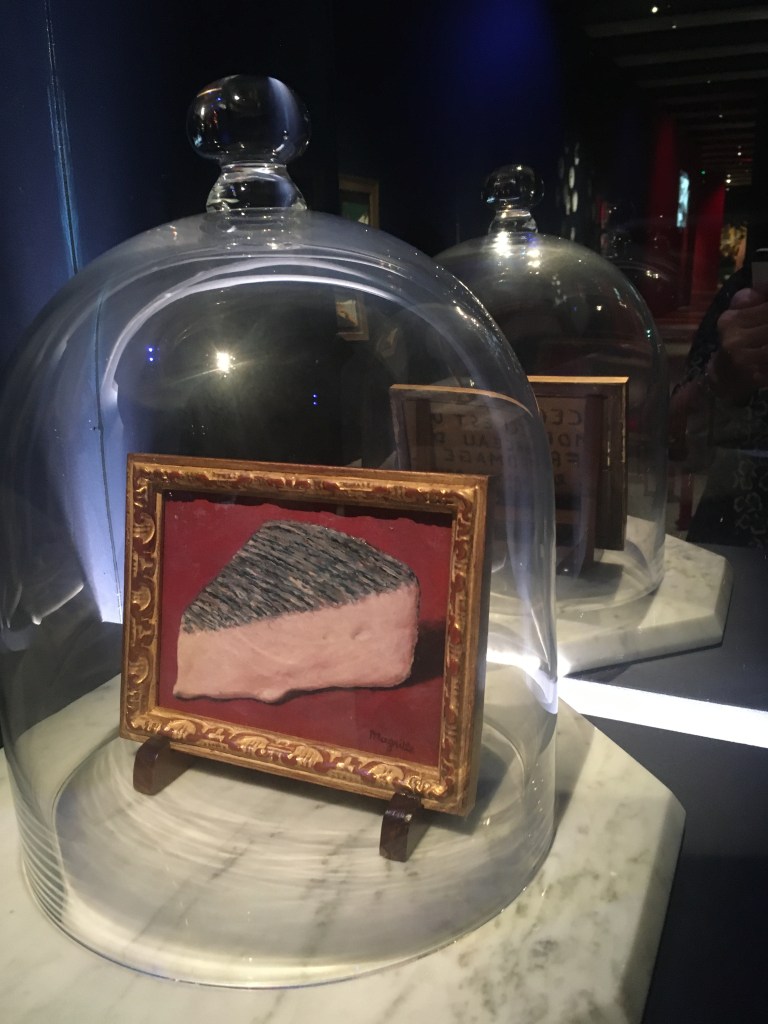
This is a Piece of Cheese, (Ceci est un morceau de fromage) 1936, is scribbled on the back of this painting by Magritte, of the picture set inside the glass cloche. It’s witty and clever and is the start of artists’ views that you can use the everyday, the mass-produced and the hum-drum to make a statement and create art.

I was very taken by this lighting installation by Nacho Carbonell made from left over scraps of material found in his studio. It’s metal mesh and plaster but looks so ethereal.

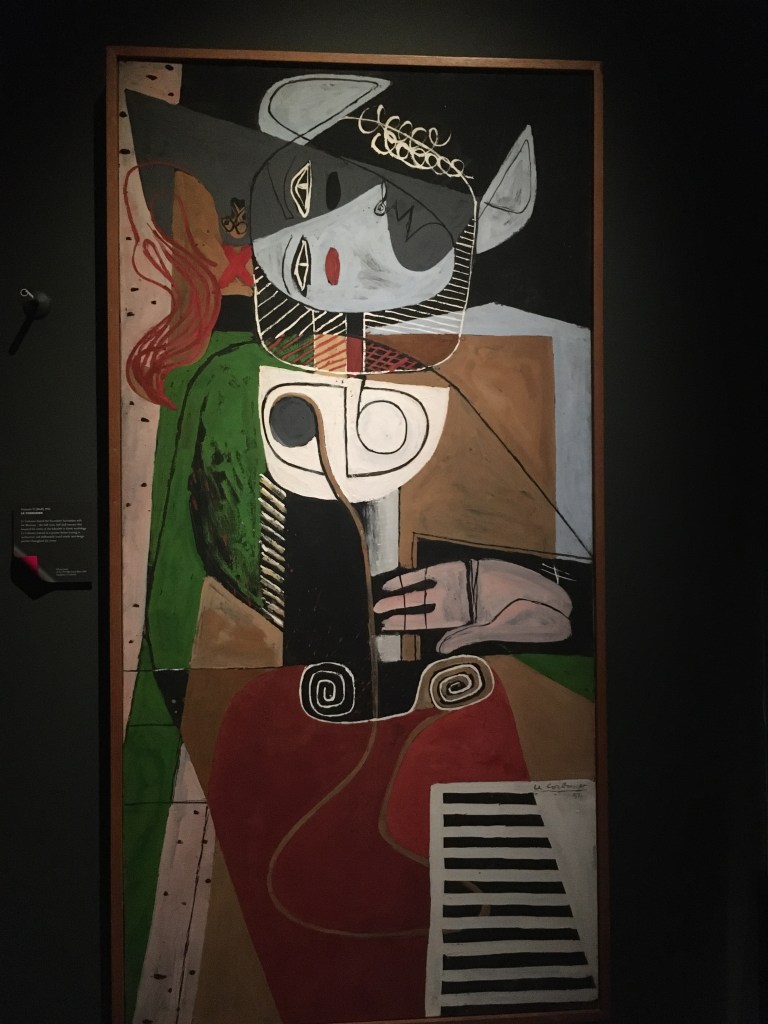
Great to see artists from the first half of the last century represented. On the left is Quadriga by Eileen Agar (1935) and on the right an intriguing painting by Le Corbusier from 1954, clearly still in cubist thrall. He was a painter before turning to architecture.

Objects of Desire is on at the Design Museum until 19th February 2023 and it’s fascinating show.
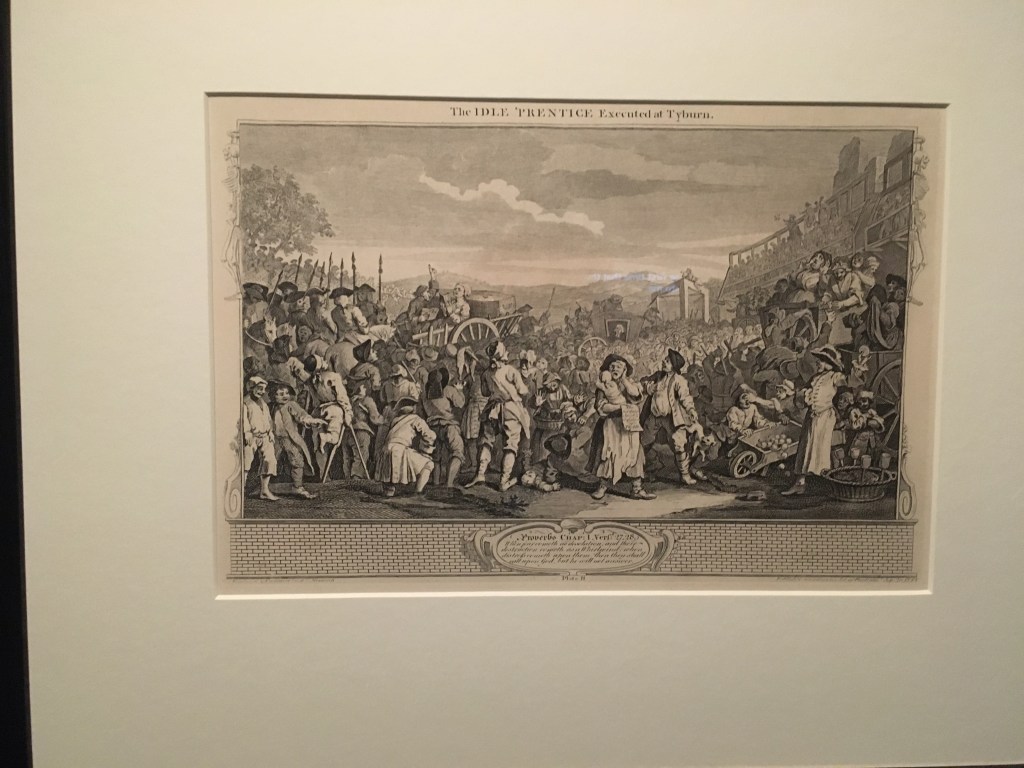
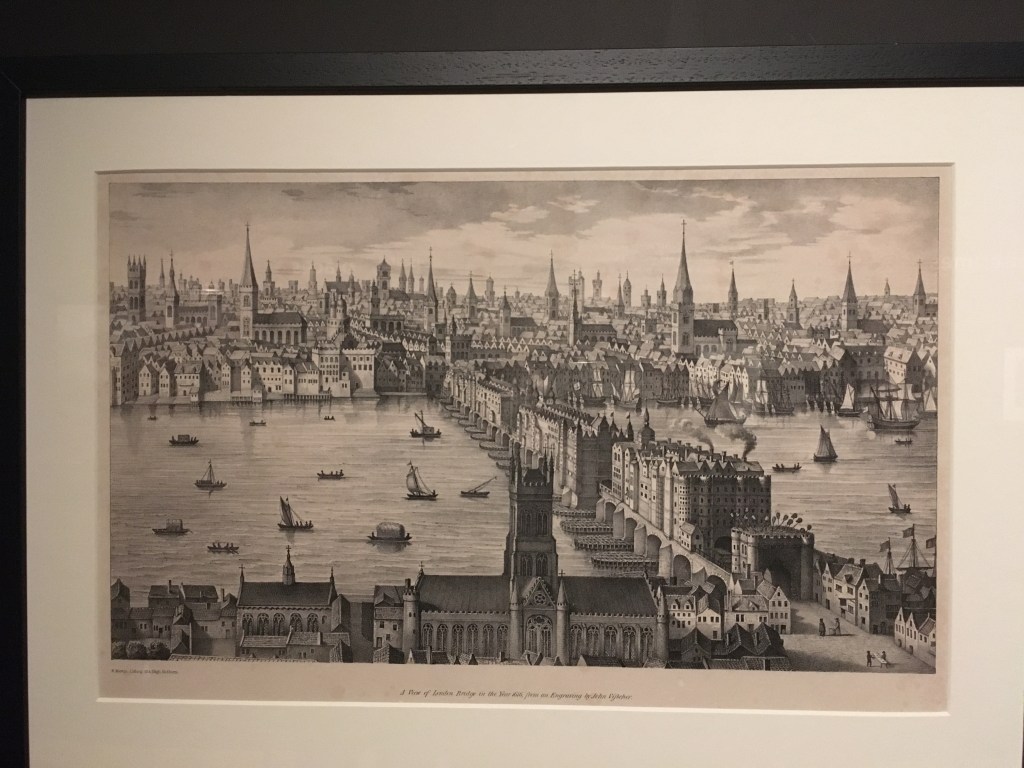
A King is executed and a huge crowd watches in Whitehall. It is 1649 and what a gruesome spectacle it must have been. Yet, centuries ago, executions were not only viewed as the ultimate deterrent to crime they were also a kind of entertainment. The Museum of London in Docklands has created an impressive and fascinating exhibition entitled Executions which charts the public deaths of people from 1196 until the last recorded public execution in 1868.

So this is the famous engraving of King Charles I immediately after he has been beheaded. We see cheering, jeering and also weeping. It seems that executions were the main opportunity people had to express their emotions in public and, dare I say it, to ‘enjoy’ the spectacle.

The Museum of London has assembled quantities of artefacts relating to executions: beheadings, burnings, hangings and all the other horrible things that man felt it was acceptable to do unto man in the name of punishment. And, for centuries, there were around 200 crimes which attracted the death penalty. Without a police force or strong justice system you could argue that deterrent was the best way of keeping men and women away from crime. But it didn’t work that way and, as we see from some of the sad letters written by prisoners on death row in the 1700s, they might protest their innocence to the end but were sent to the gallows anyway.

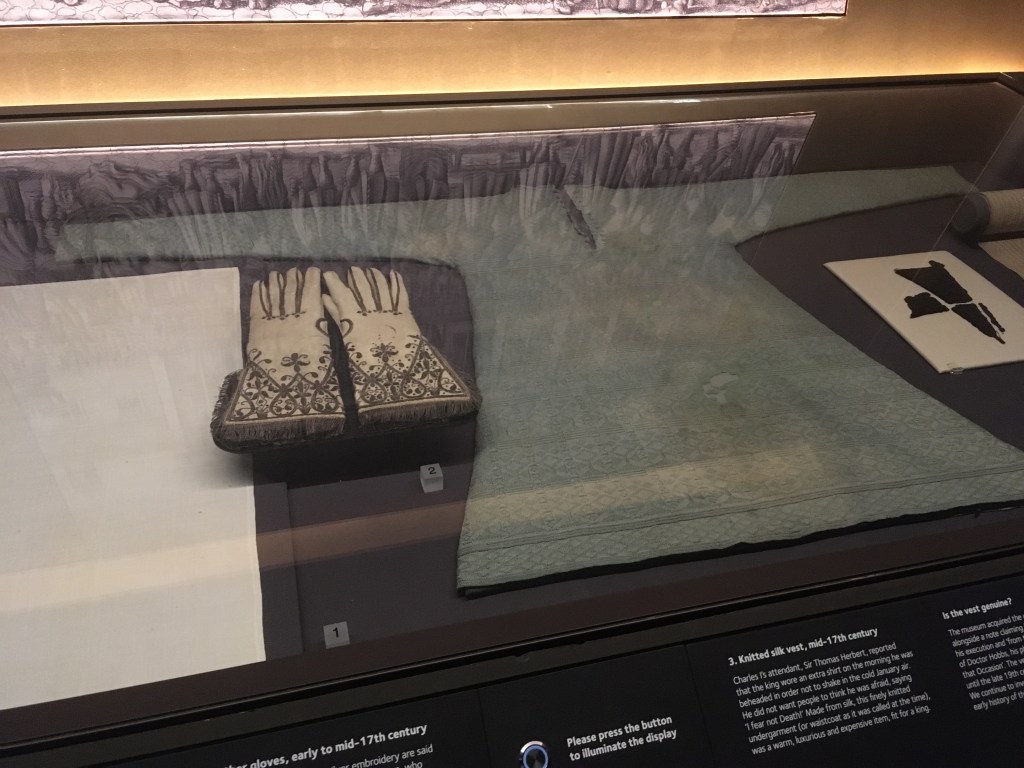
Below is my photo of the blue shift which is said to have been worn by Charles I on the day of his execution. I’ve also added a tiny token painted with his image which was kept by a supporter after his death. Holding onto items like this would have been extremely dangerous, if discovered, and it’s remarkable that these objects have come through careful curating to the Museum.

The exhibition takes you on a tour of all the hideous ways of putting people to death. One does feel a bit queasy afterwards but also very enlightened about the history of ‘justice’ and the bravery of people who endured these public endings whether they deserved it or not.

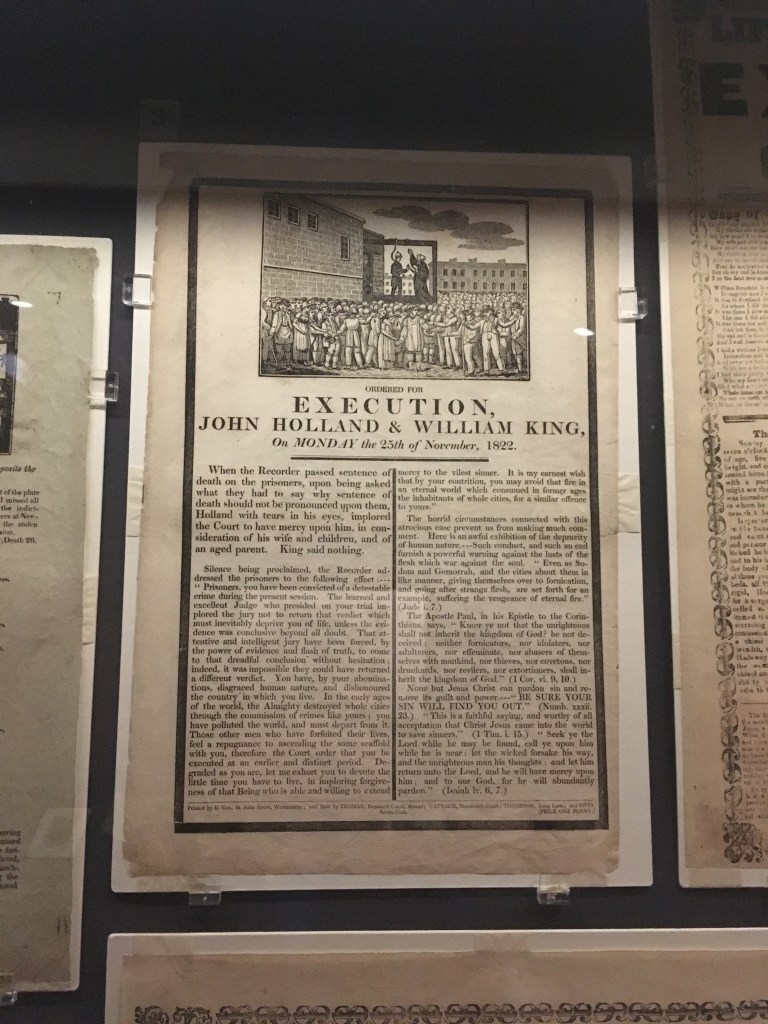
There was certainly a ‘business’ to these events. The paintings of criminals or executions would be made into the prints and sold to the benefit of the artists. You could buy a broadsheet on the day of a hanging and find out about the crimes committed and the history of the miscreant.

The exhibition is on at the Museum of London in Docklands until 16th April 2023. It’s not for the fainthearted and the overwhelming feeling of cruelty is something you carry away with you. But this was life as it was lived for many centuries. It’s amazing to think that the death sentence in the UK was ended in the 1960s – in my lifetime! We have moved on in terms of our understanding of human nature, of crime and of ways of either rehabilitating people who’ve committed crimes or being ready to lock them up away from our society for ever.

Below, check out the heads on spikes at the entrance to old London Bridge.

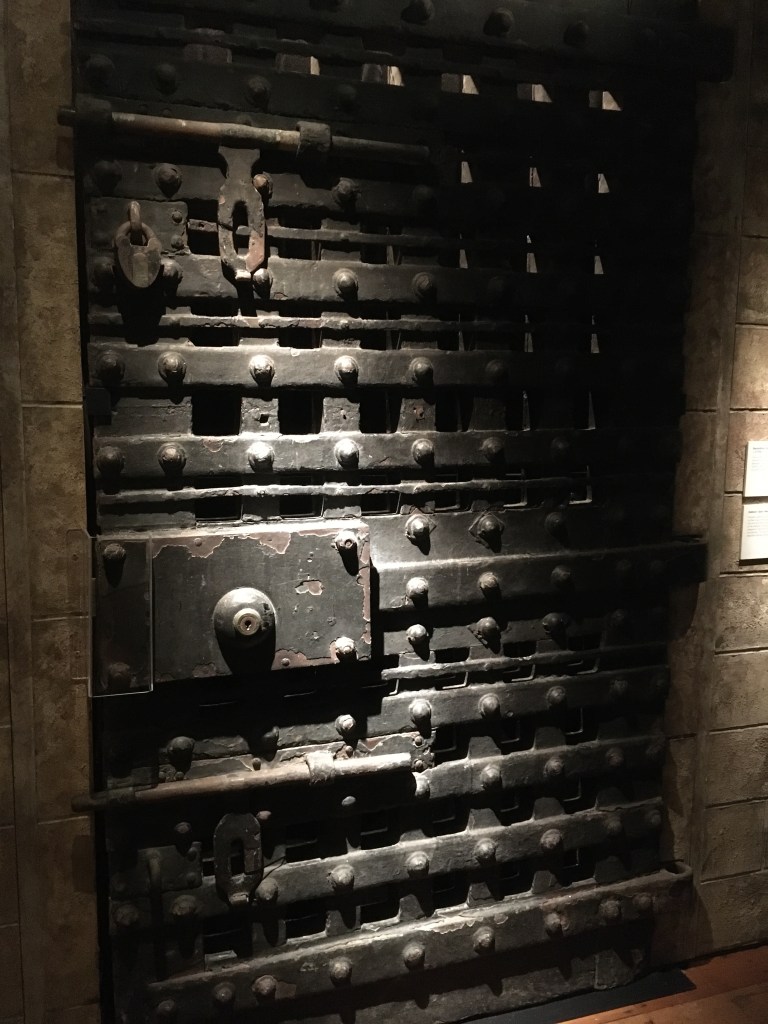
Above, the door from Newgate Prison through which the condemned prisoner would have walked to the gallows. Makes me shiver to look at it.

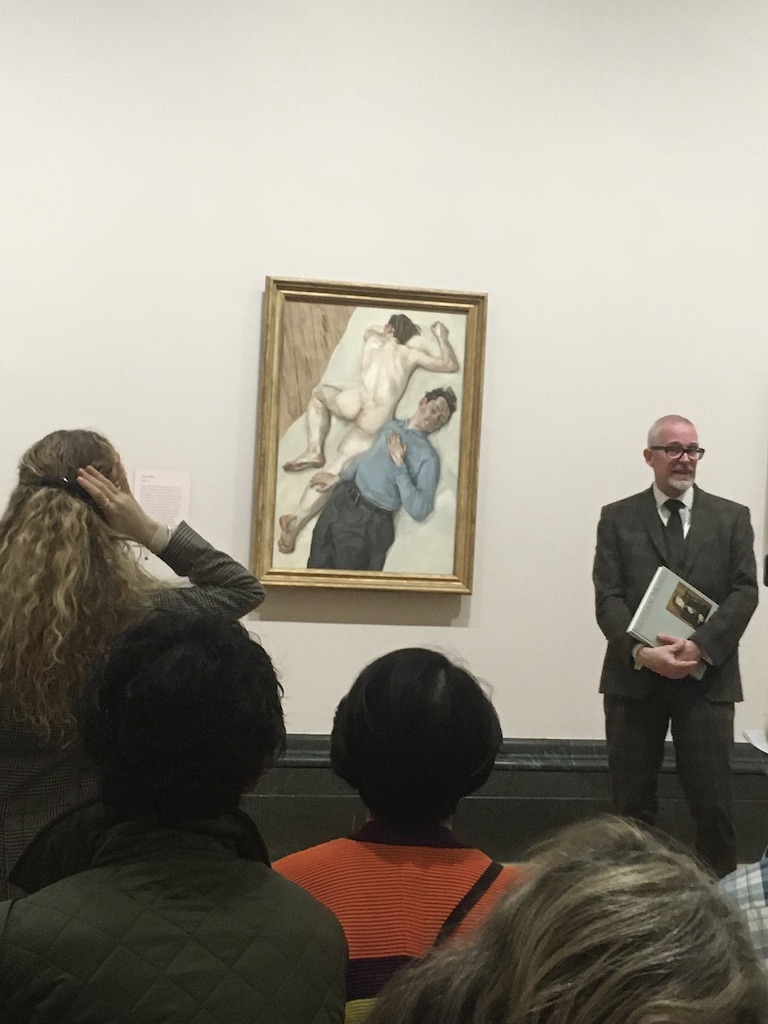
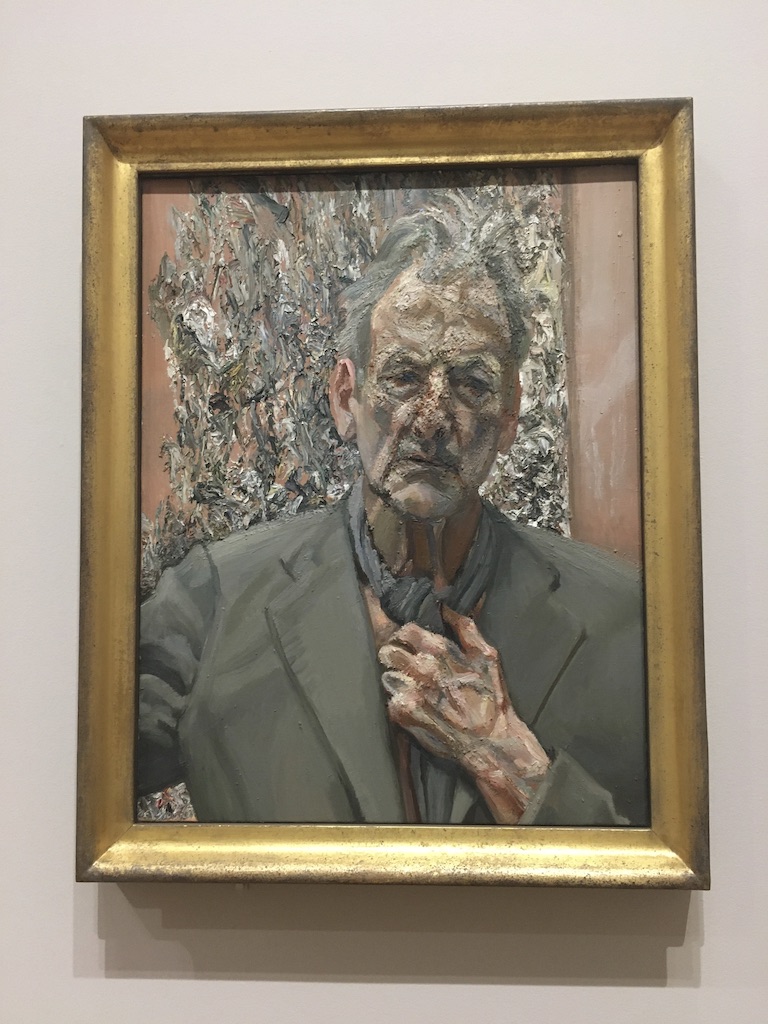
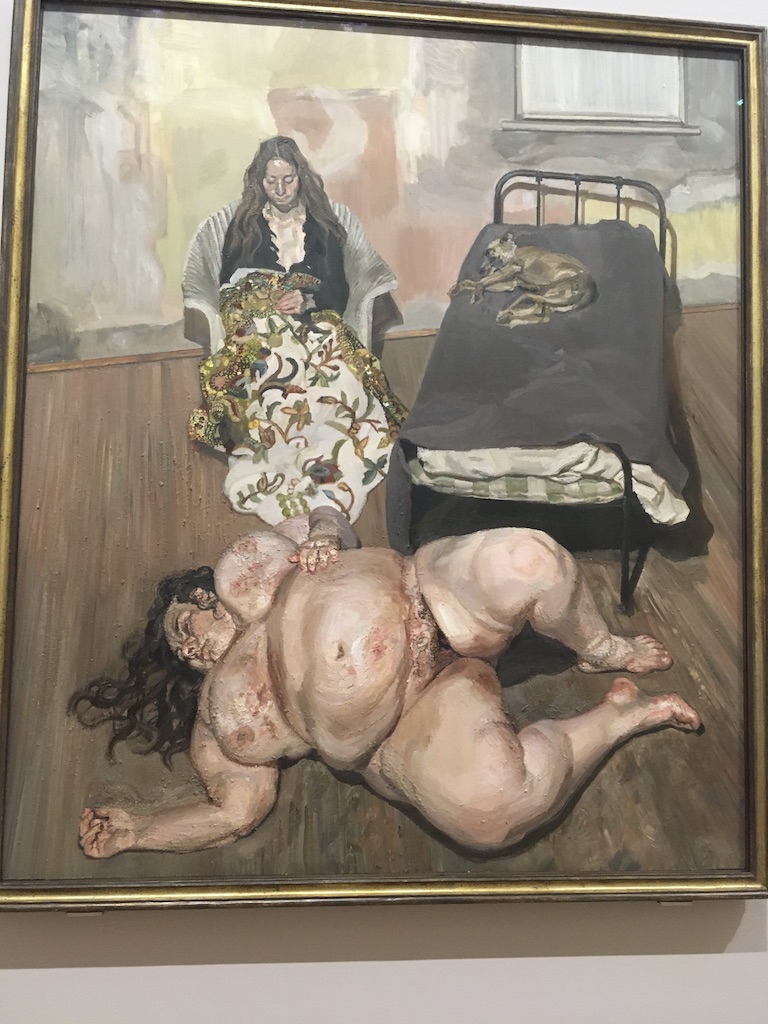
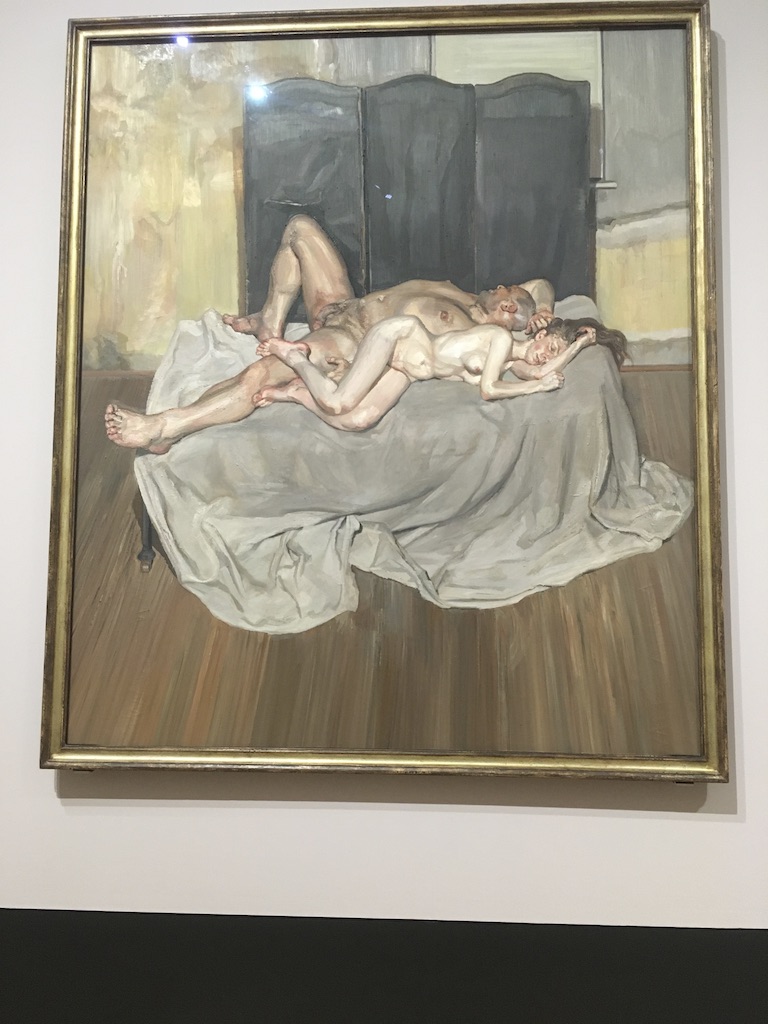
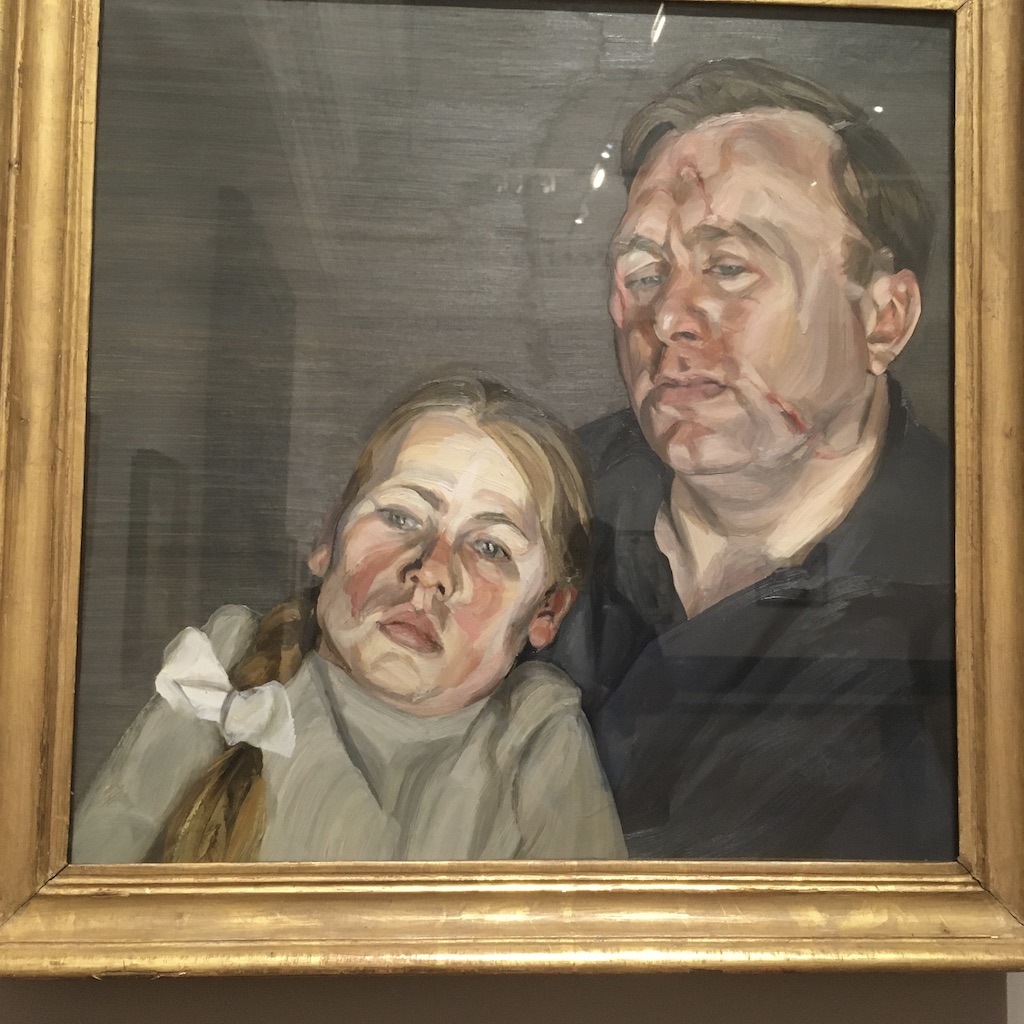
A very satisfying exhibition of work by Lucian Freud has just opened at the National Gallery. It’s well curated, using seven galleries to cover the seven decades of his working life. Freud died in 2011 but 2022 is the centenary of his birth and it’s a good opportunity to see the span of his work in one very impressive show.

I liked this early Self-portrait with Hyacinth from 1948 made on paper through painstaking use of pencil and crayon. The draughtsmanship is impressive and the stylistic influence of Cedric Morris, an early tutor, is clear to see.

It was interesting hear the curator, Daniel Hermann, talk about this show at the press preview. By all accounts Freud was an unashamedly selfish man who put his art and his focus on work above all relationships. He had many lovers and several of them have been immortalised in his paintings, but they would always be dropped or fade away while the commitment to painting prevailed.

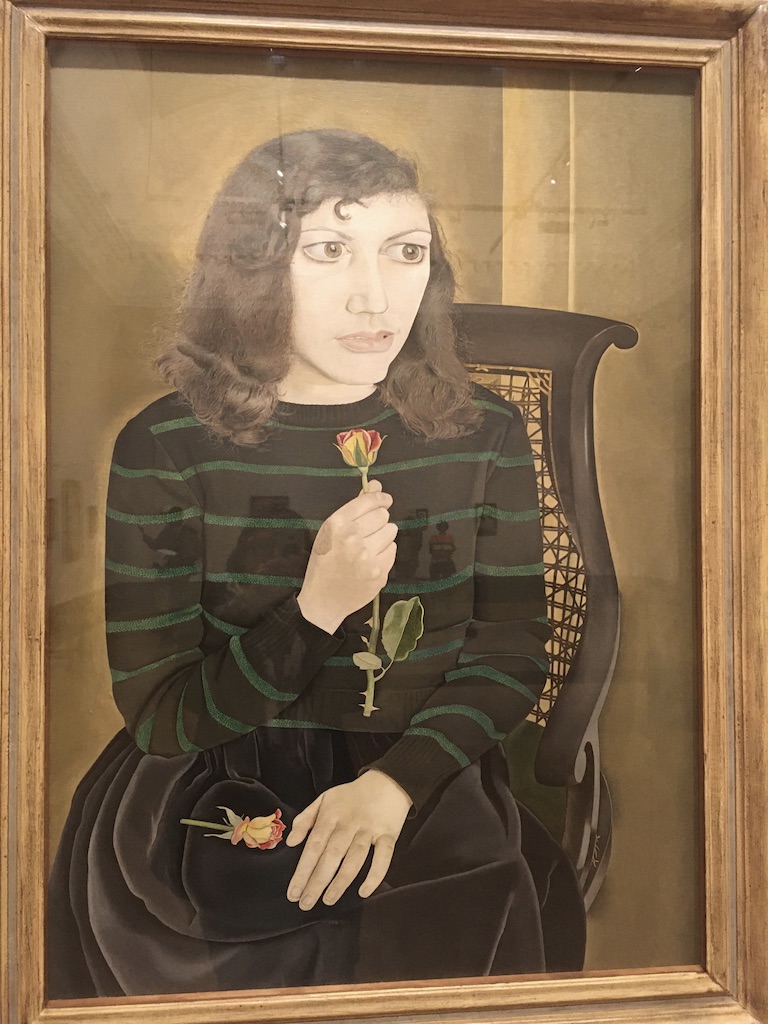
Above is Girl with Roses. It’s a portrait of Freud’s first wife, Kathleen (Kitty) Garman. Freud has created a very gorgeous surface of paint through many thin layers and careful detailing. You can see the reflection of the sash windows in the studio space reflected in her eyes.

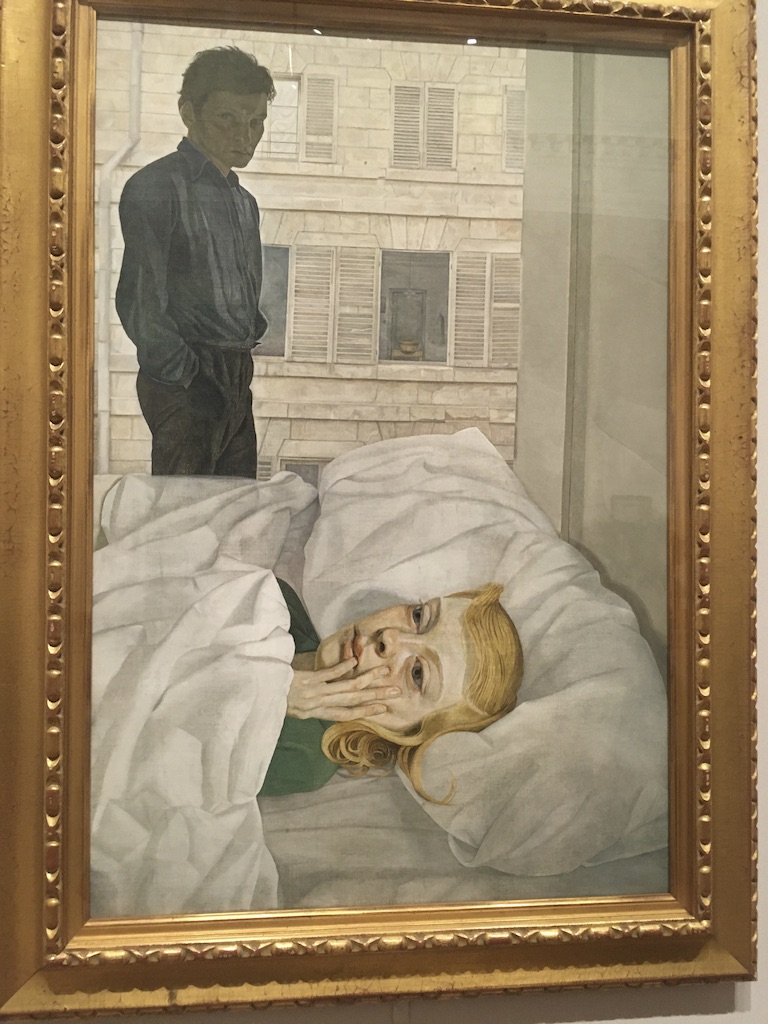
Above is Hotel Bedroom painted in 1954. The woman in the bed is Lady Caroline Blackwood, his then wife. Apparently the pair collaborated on the creation of the piece with lengthy poses, arrangements of the composition and a shared investment in the atmosphere of the piece. It smacks of the end of a relationship but it’s still ambiguous and hard to read.

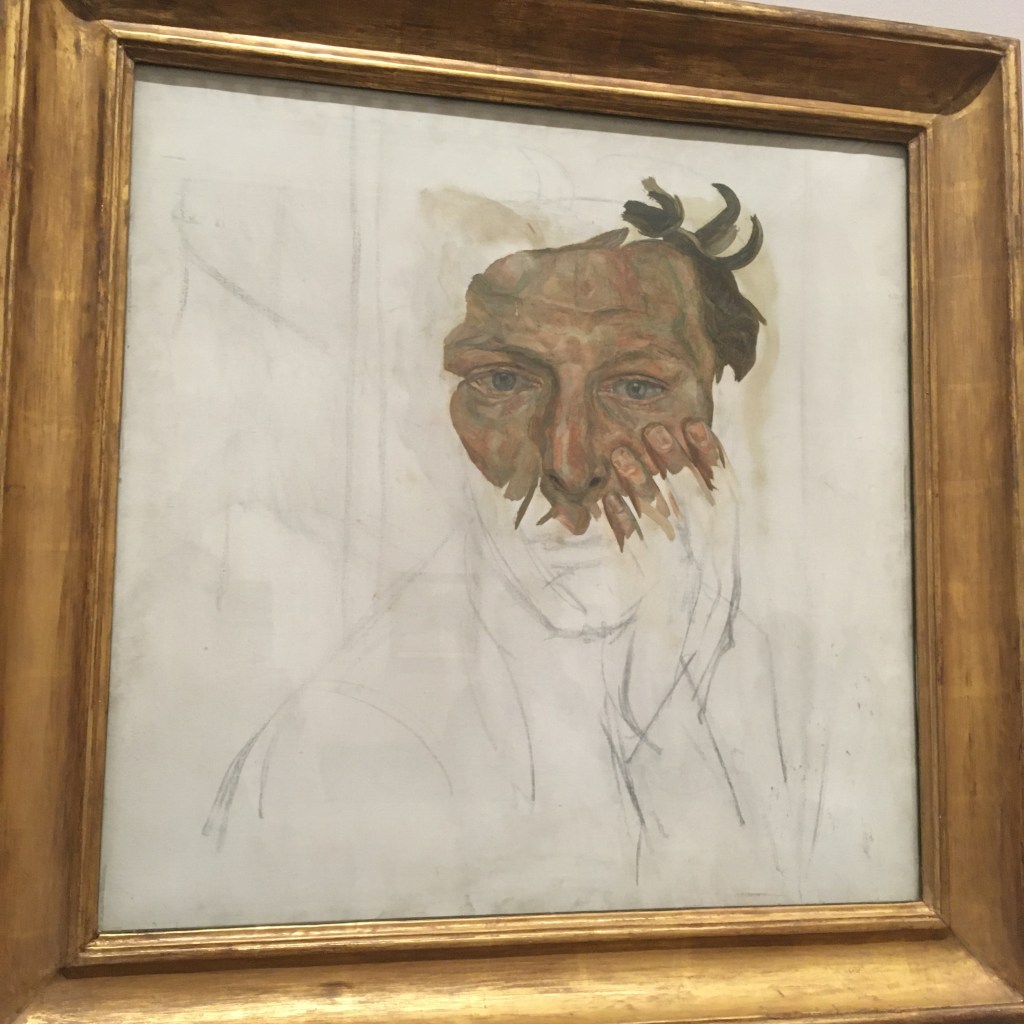
Above is a self-portrait studiedly left unfinished, so that we, the viewer can admire the finished painted part but also read the whole story, and where the artist could have gone, but didn’t feel the need to go.

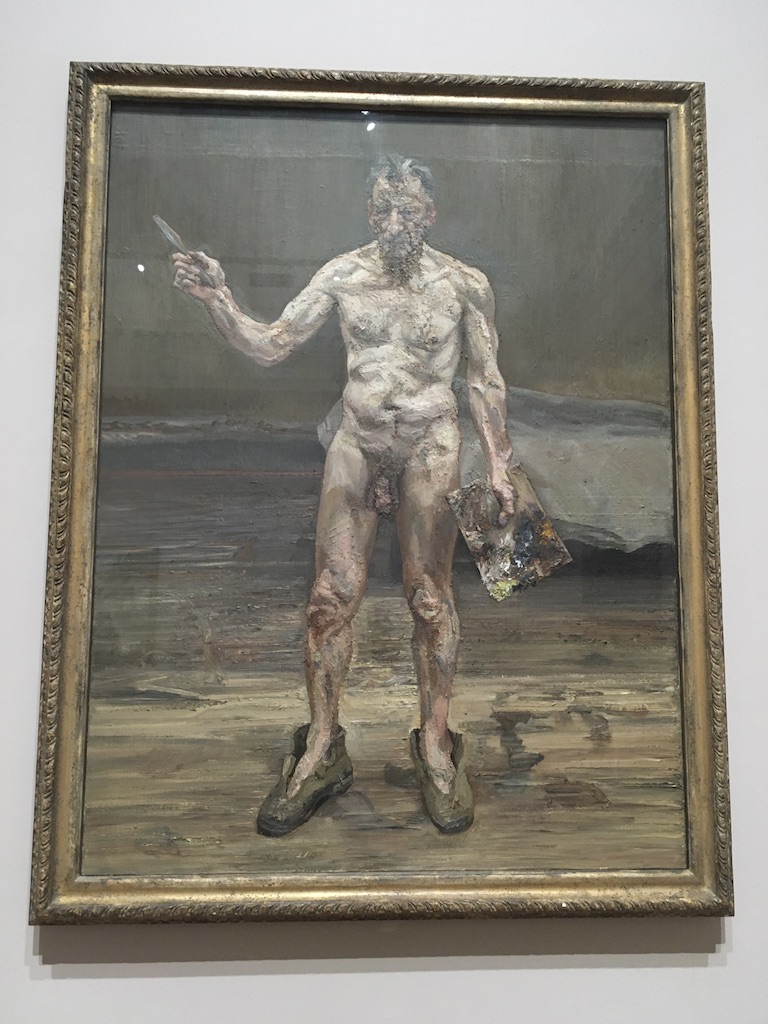
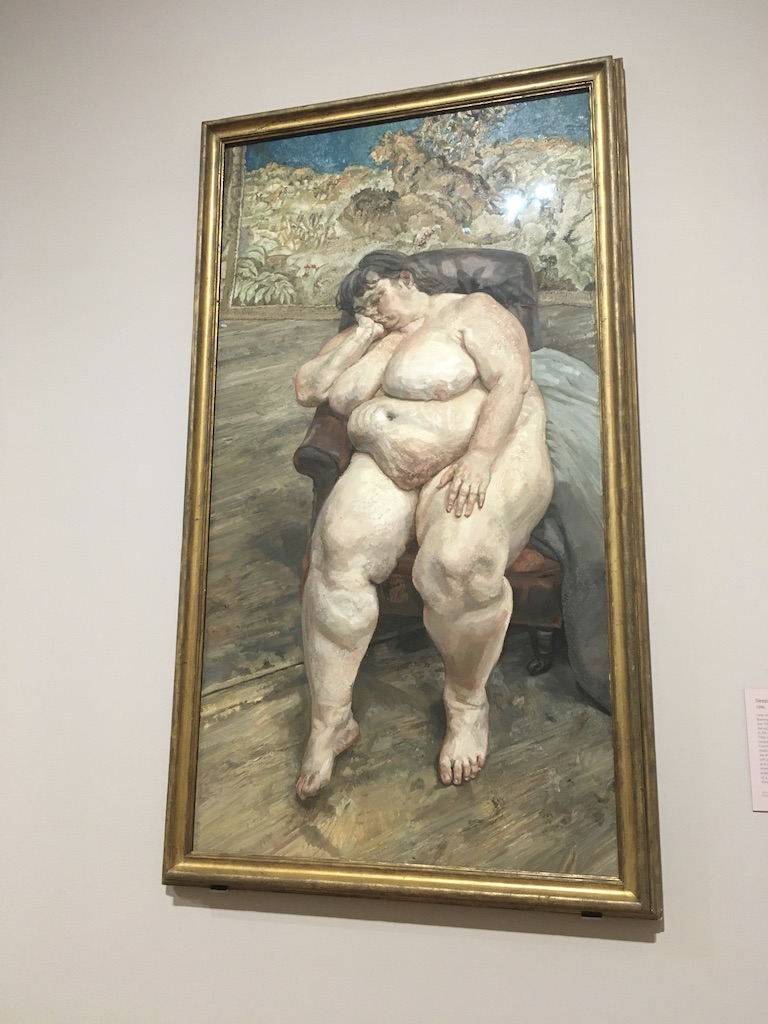
As the decades wear on Freud completely changes his style. Gone are the thin layers of paint and tiny, detailed brushstrokes. We start seeing monumental paintings made with impasto paint, thickly applied with broad, bristle brushes and bold lines. So begins a series of nudes (Freud often nude himself) using curious angles and perspectives.

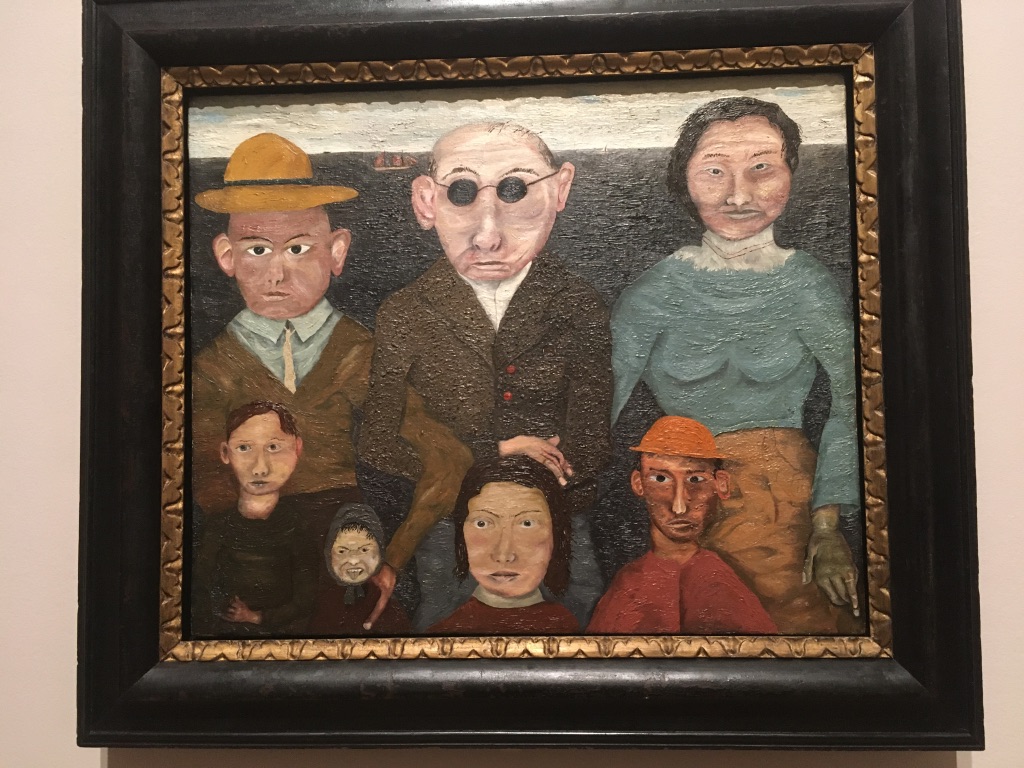
There are several familiar paintings in this show and quite a few which have not been viewed before. I was interested to see this early painting (below) entitled The Refugees which seems primitive but is deftly made. This group of curious men and women, oddly dressed all stare directly out at us. We, the viewer, can provide the narrative.

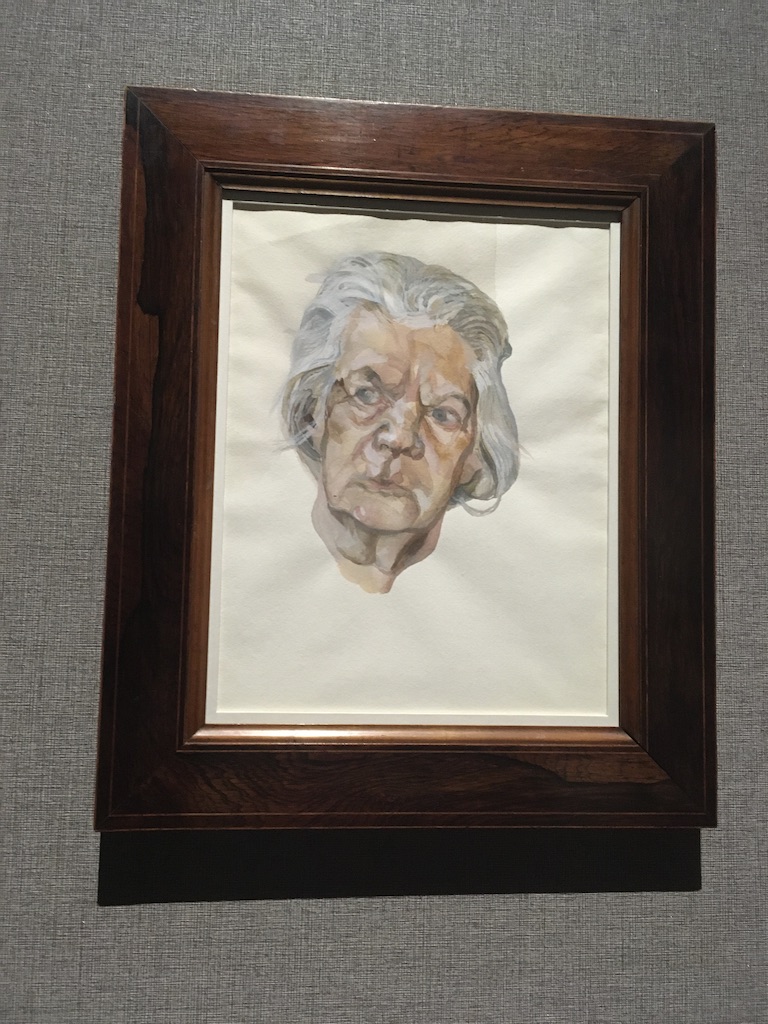
This watercolour portrait of Freud’s mother, late in her life, shows a woman of intense intelligence and resolution. It’s one of Freud’s later works and interesting to see the tenderness in the image through use of a different medium.

Lucien Freud, New Perspectives is at the National Gallery until 23rd January 2023.

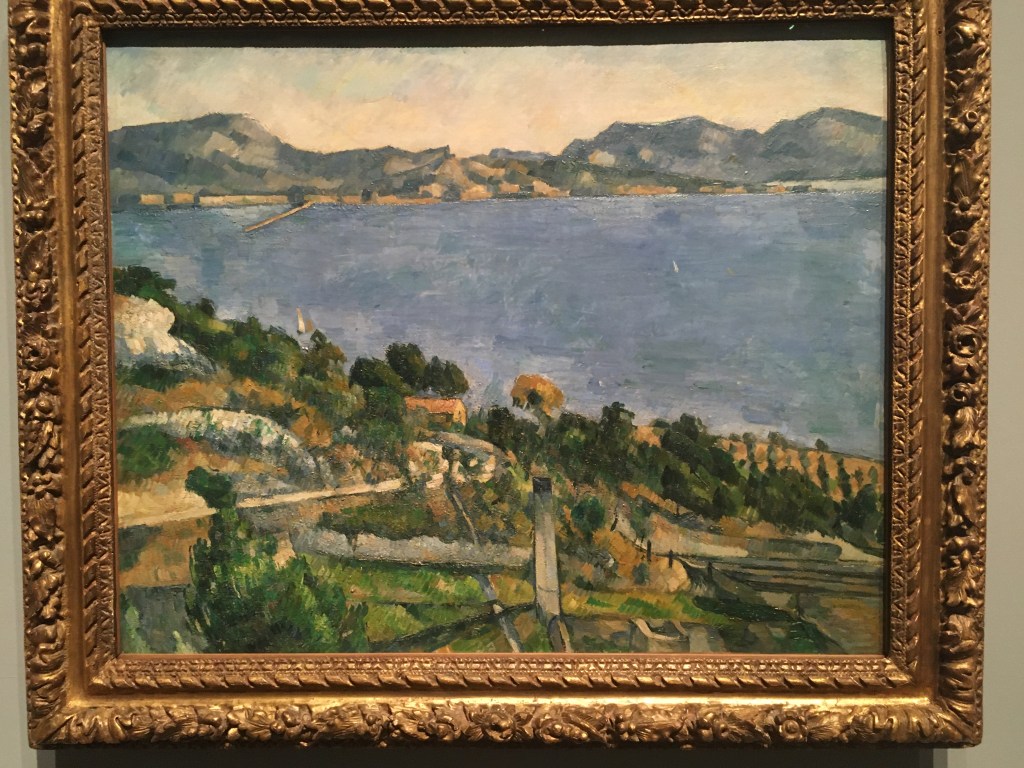
Cezanne: the EY Exhibition at Tate Modern is a huge treat. Described as a ‘once-in-a-generation’ chance to see a great collection of the French painter’s work this show has been five years in the planning. There are some ‘old friends’ familiar from London galleries but also many paintings which have never been seen in the UK before. Together they give the visitor a really ‘in the round’ impression of Cezanne’s artistic career and the landmark works which changed not only his personal style but that of his artistic confederates and those who followed in his wake.

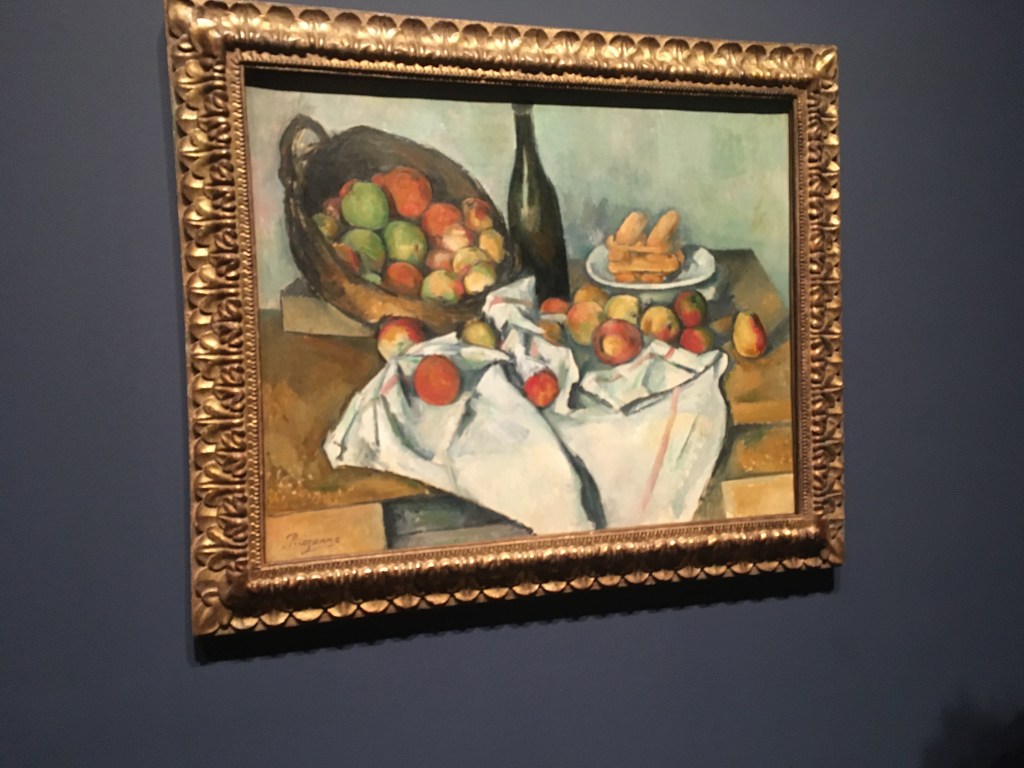
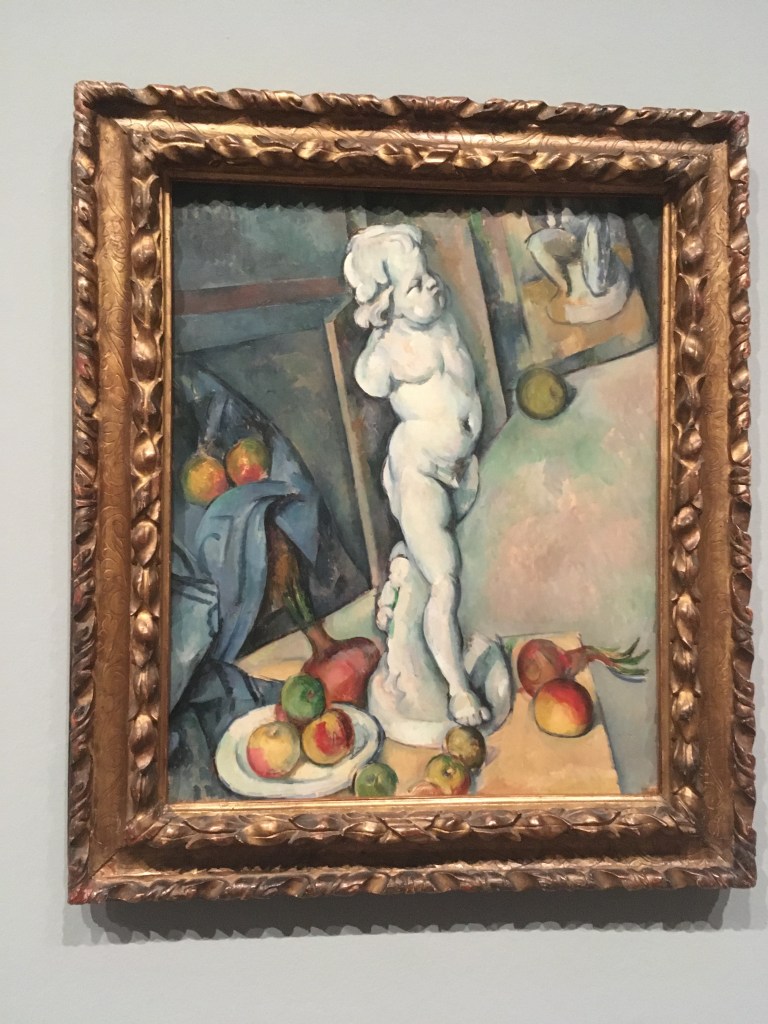
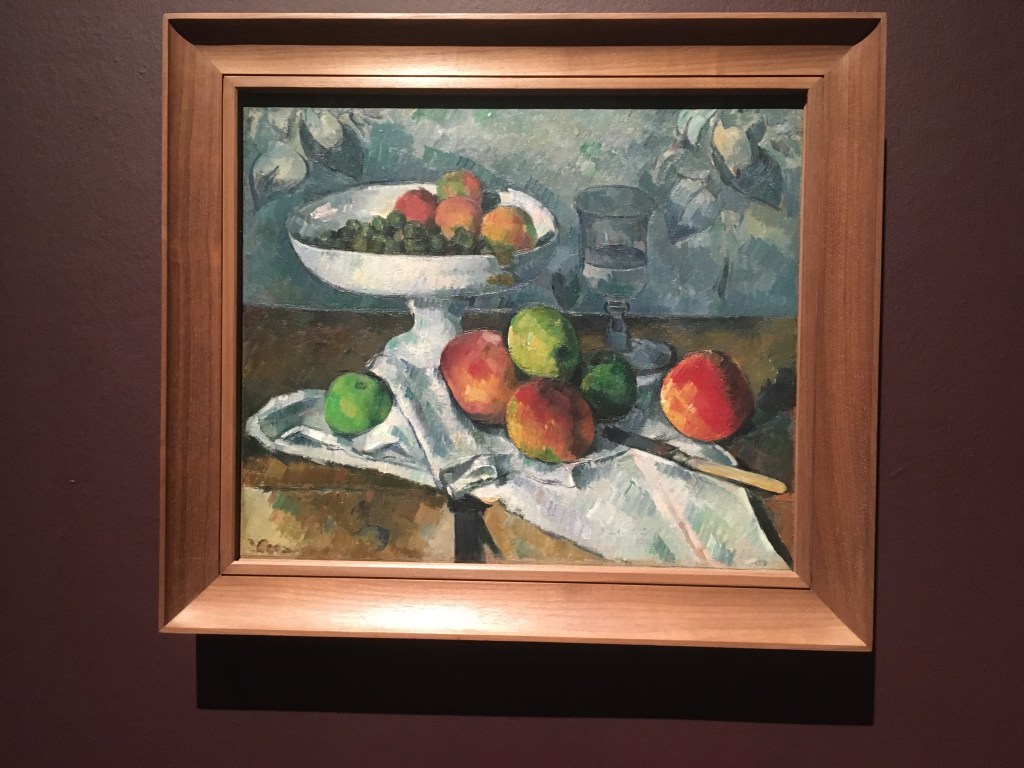
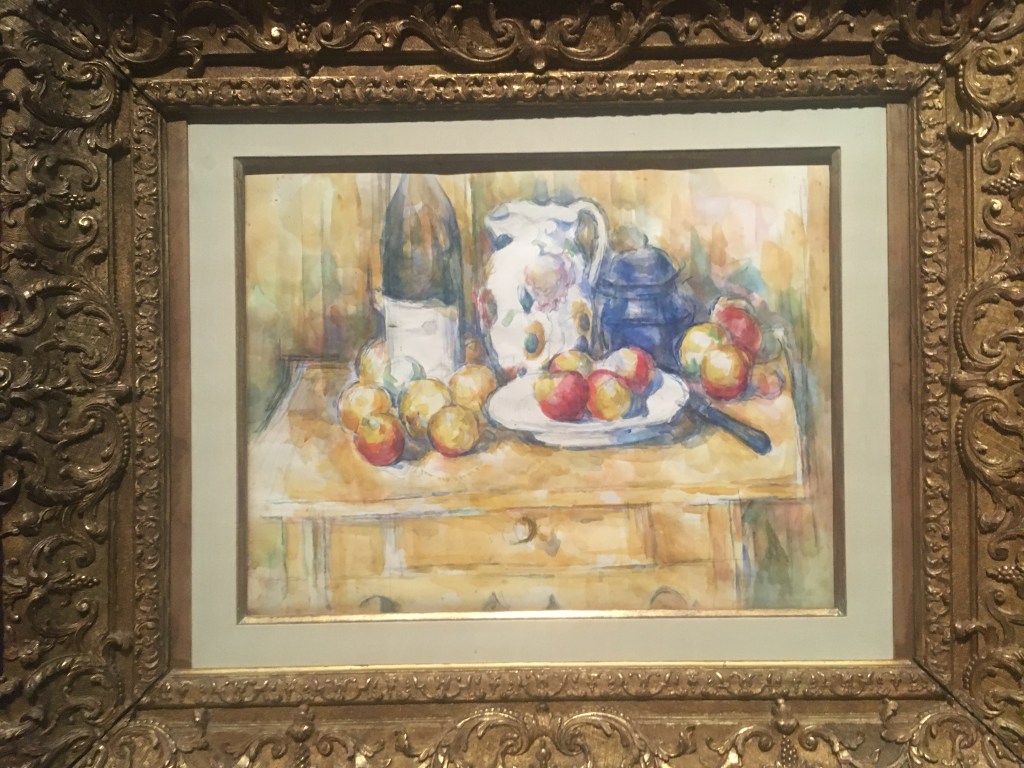
Think of Paul Cezanne (1839-1906) and you may well think of a still life and all those rosy red and green apples assembled with household objects in studio set ups. Oh, but there’s so much more to Cezanne and this exhibition takes you on a biographical journey from his early days as an artist developing his style right through to late paintings which revisit places and subjects which fascinated and challenged him during his life.

I couldn’t resist this line-up of still life paintings. They’re just a selection of the many on show. What’s so striking is the very considered and original composition and use of perspective. There’s really bold brushwork too. You can see that he’s playing with the conventions of perception, observing the objects from more than one angle and incorporating surprising viewpoints and colour combinations.

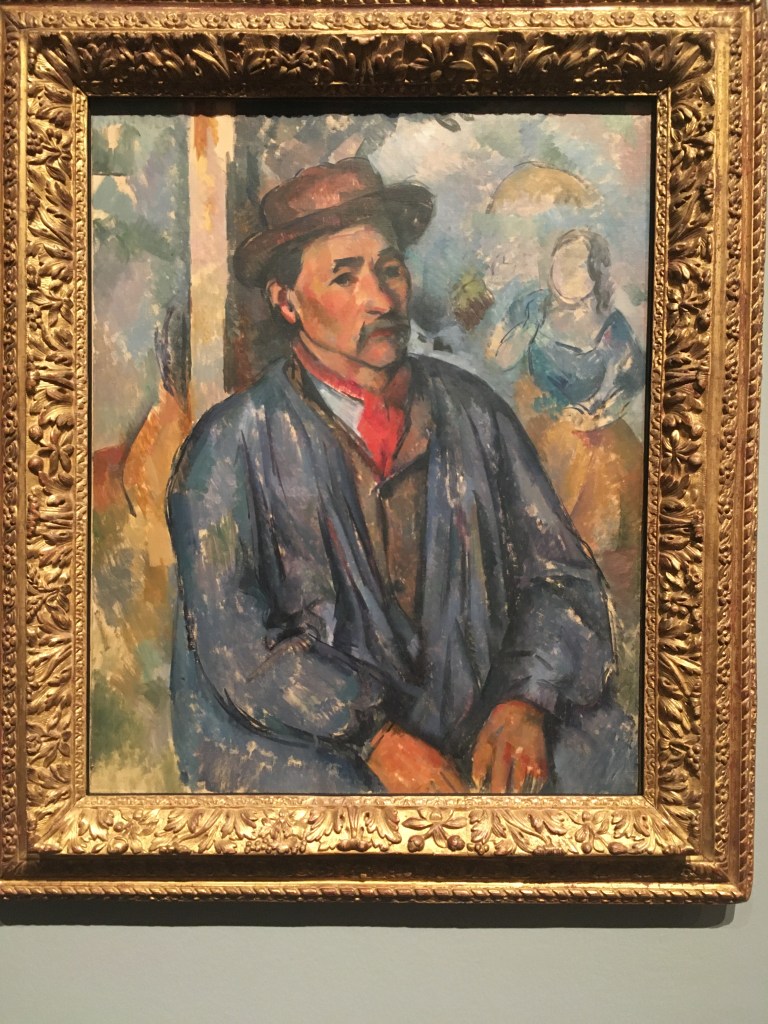
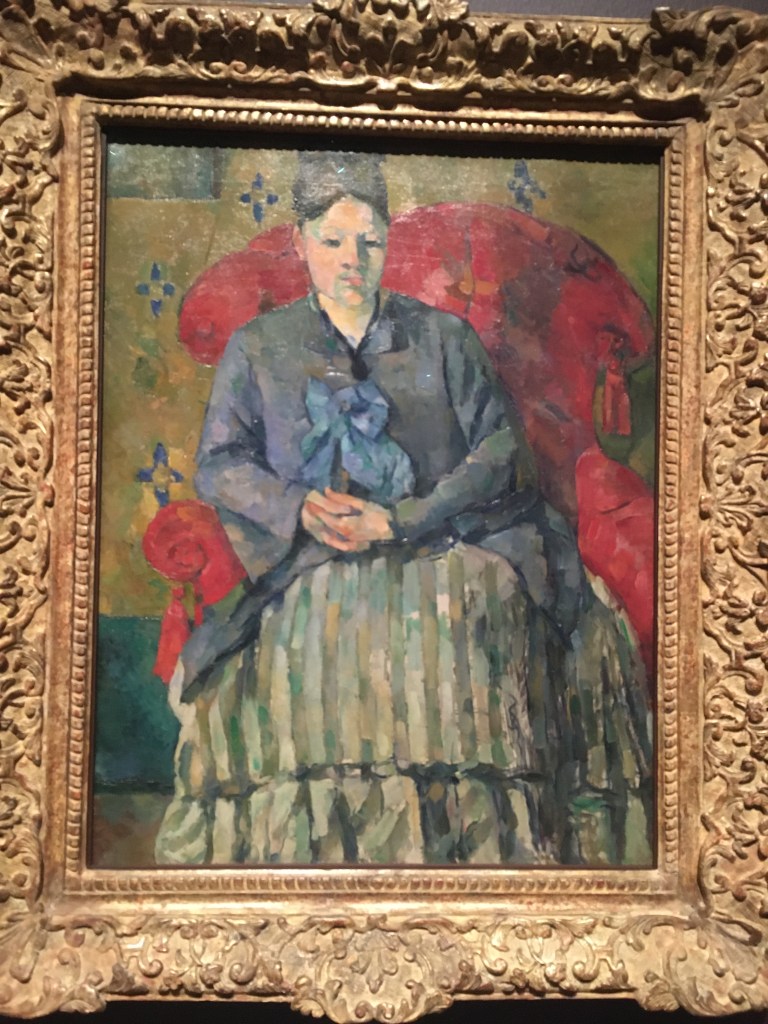
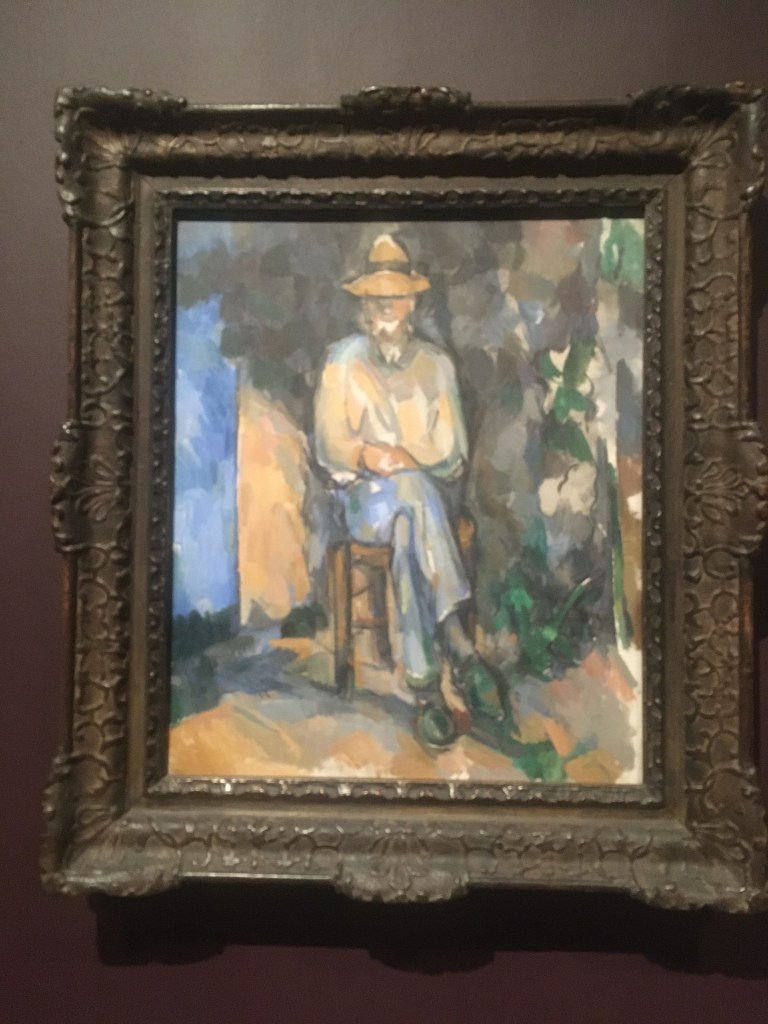
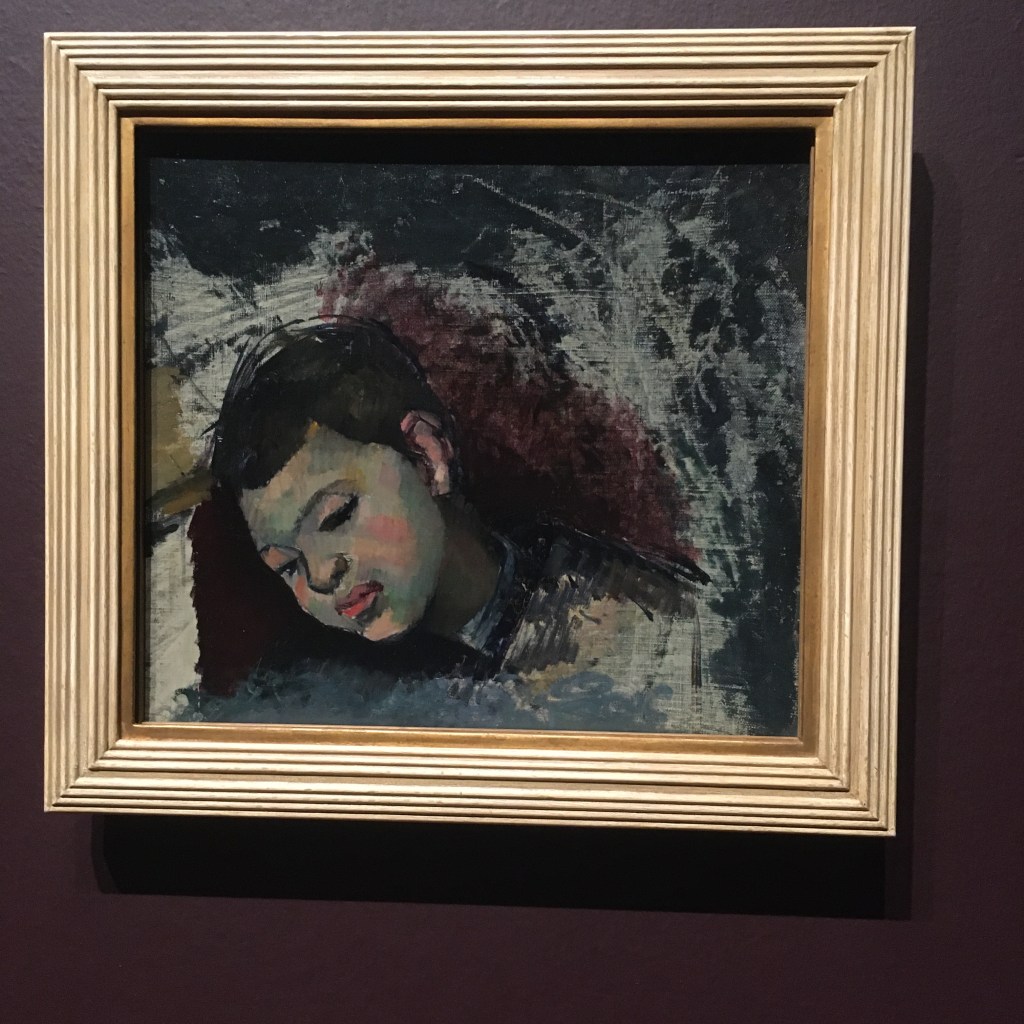
I’m so pleased that many of Cezanne’s portraits have been assembled for this show. There’s a real variety but they are all astonishing to view. I’ve been fond of the easy-looking, relaxed portrait of The Gardener Vallier (bottom left in the gallery above) for years. I feel it must have been painted very quickly on a sunny afternoon and both men enjoyed a conversation while the painting was made. Bottom right is an unfinished portrait of Paul, his son, which shows how Cezanne was experimenting with colour to create the child’s skin tones and, again, working against the clock to capture an impression of the sleeping child.

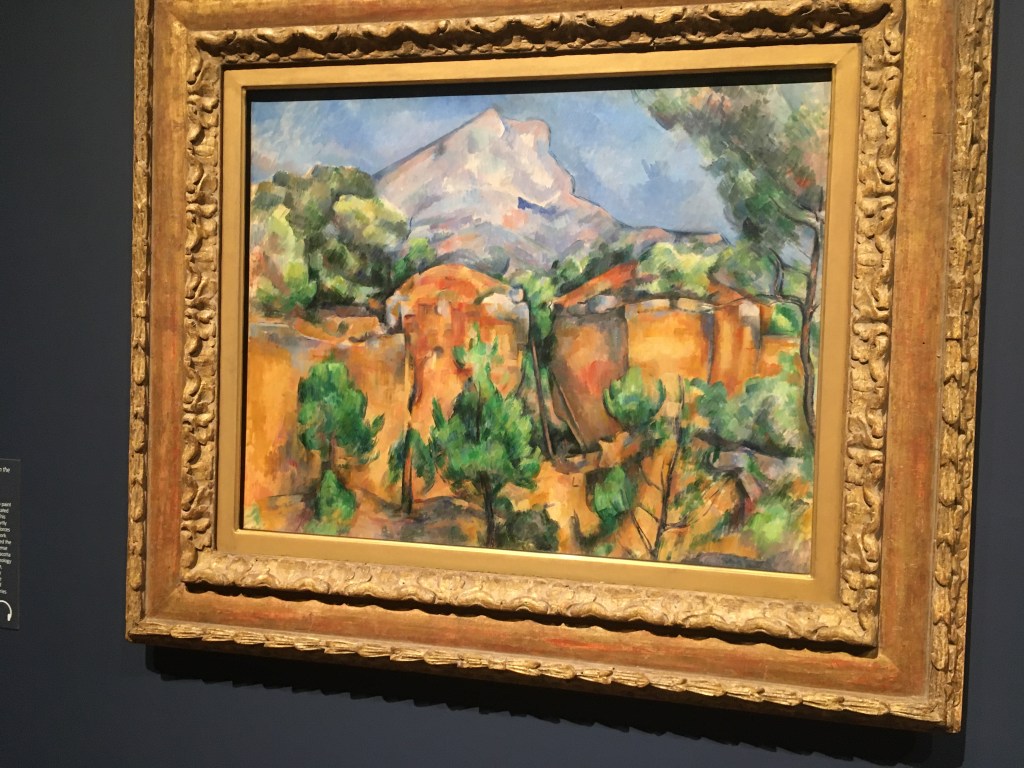
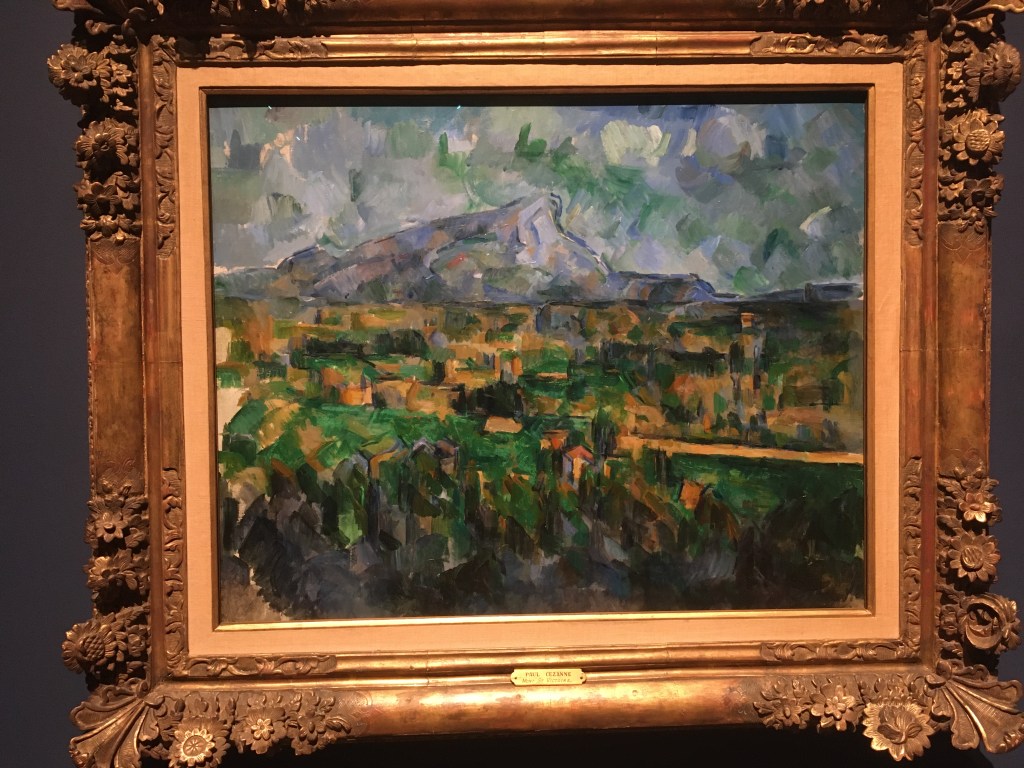
The paintings of Monte Sainte-Victoire (right and left) represented a real departure for Cezanne. His aim was to capture a moment in time, the way the sun illuminated the distant mountain and how shadows create depth and emphasise the terrain in front of him. It’s very telling that many of the paintings on show were owned by fellow artists such as Monet, Pissaro, Gaugin and Picasso. Clearly Cezanne’s originality and bravery in having the confidence to depict the world in a new way inspired contemporary painters who loved observing these works and letting the ideas seep into their own work.

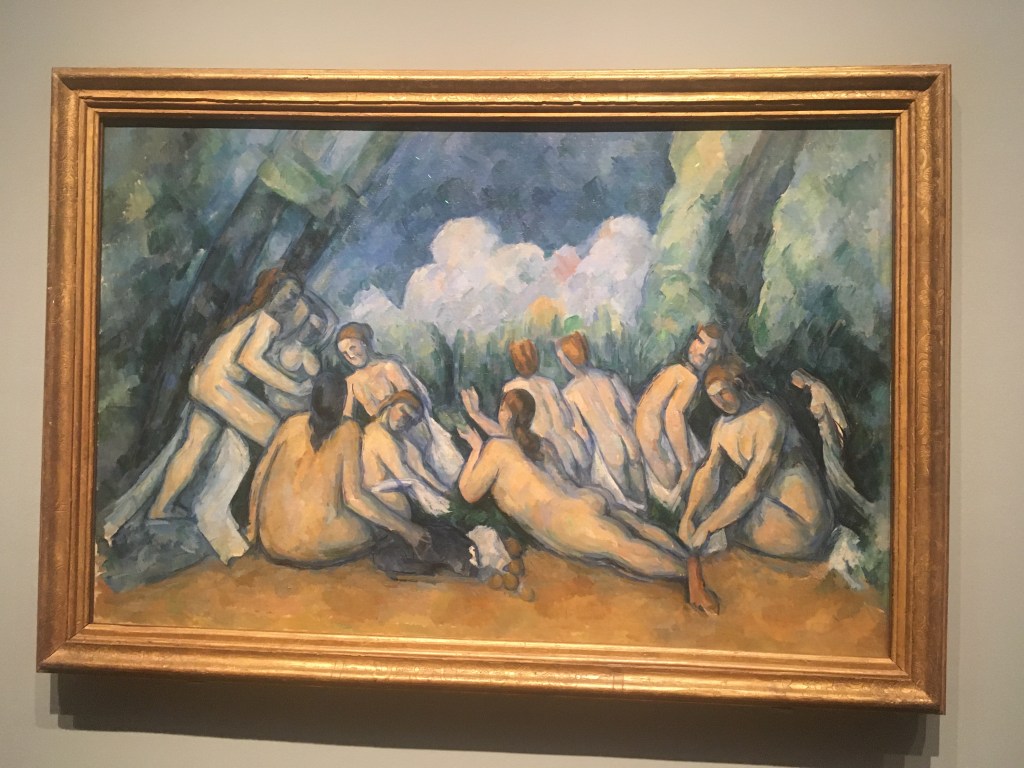
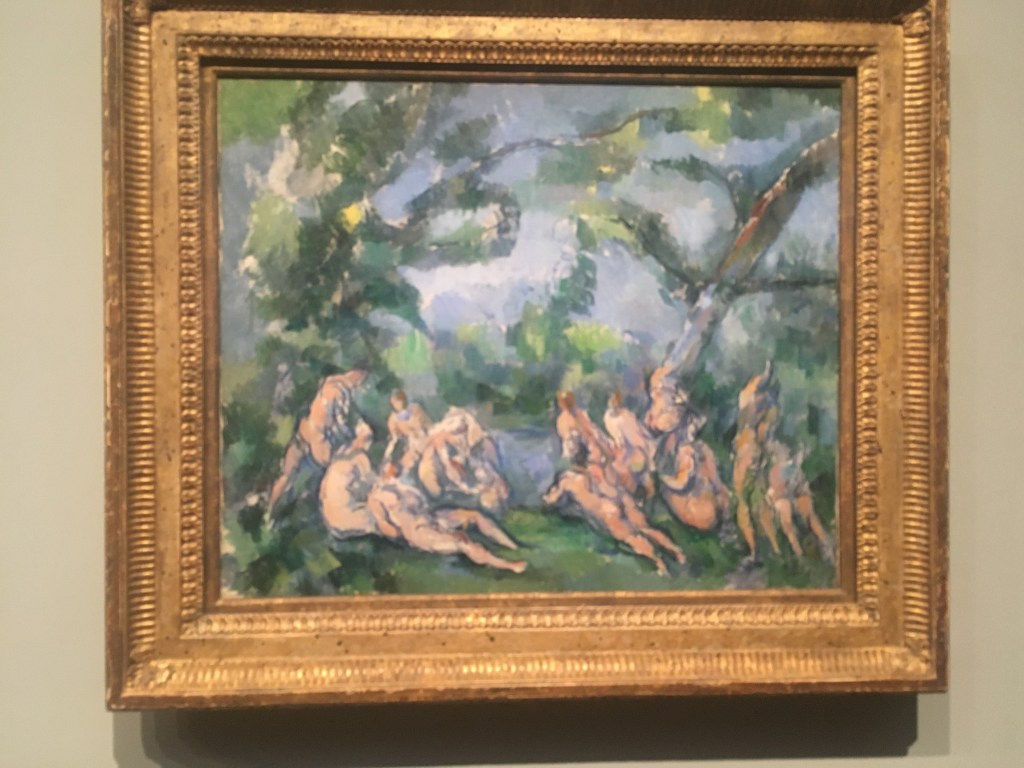
Cezanne’s figures have a sculptural and monumental feeling about them. Apparently he was loath to make drawings and paintings from life-models but clearly he has worked collaboratively with a model to achieve the composition of these groups of bathers. The use of paint in the oil version (left) gives the scene a rather threatening feel. Are those storm clouds in the distance? It’s so interesting to see the contrast with the watercolour version (right).

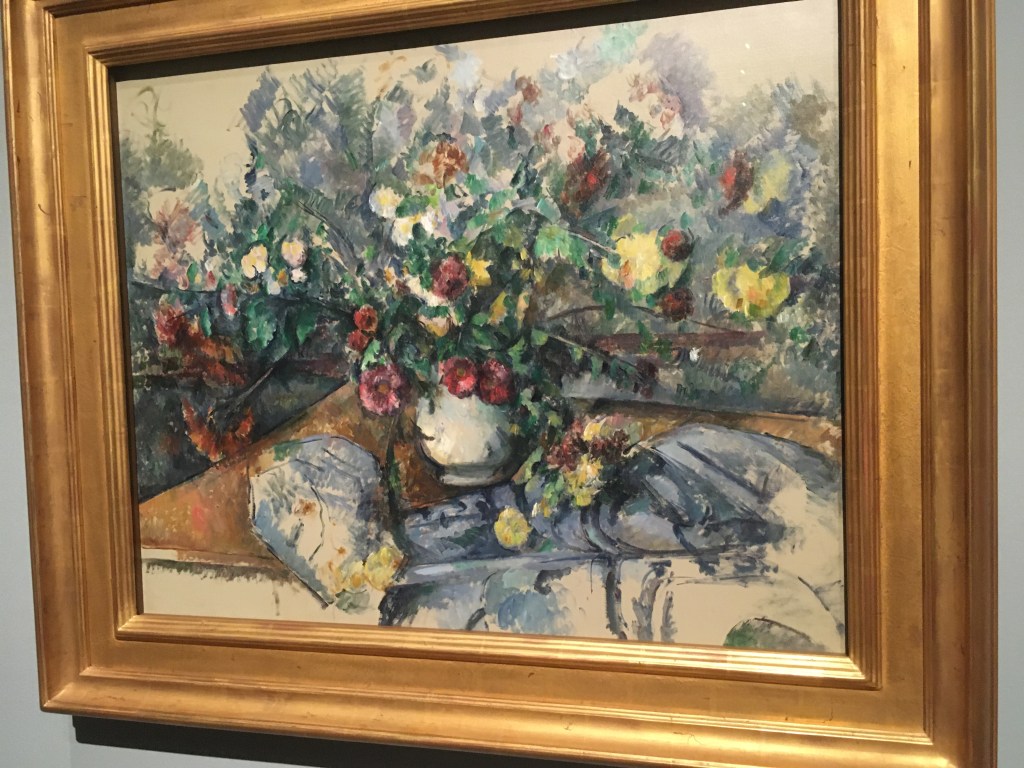
I’ll end this very brief assessment of a hugely enjoyable show, with this large oil painting of a big bouquet of flowers. It’s described as ‘unfinished’ but then that’s what gives the painting its freshness and energy. It’s so different from the highly wrought and polished floral still life paintings made by Dutch artists a century earlier. Seeing the bare, unpainted canvas and the rapidly scrubbed brush marks brings the whole image to life in such a satisfying and energetic way.

This is a wonderful show. It’s on at Tate Modern until 12th March 2023 and is a rare treat indeed.

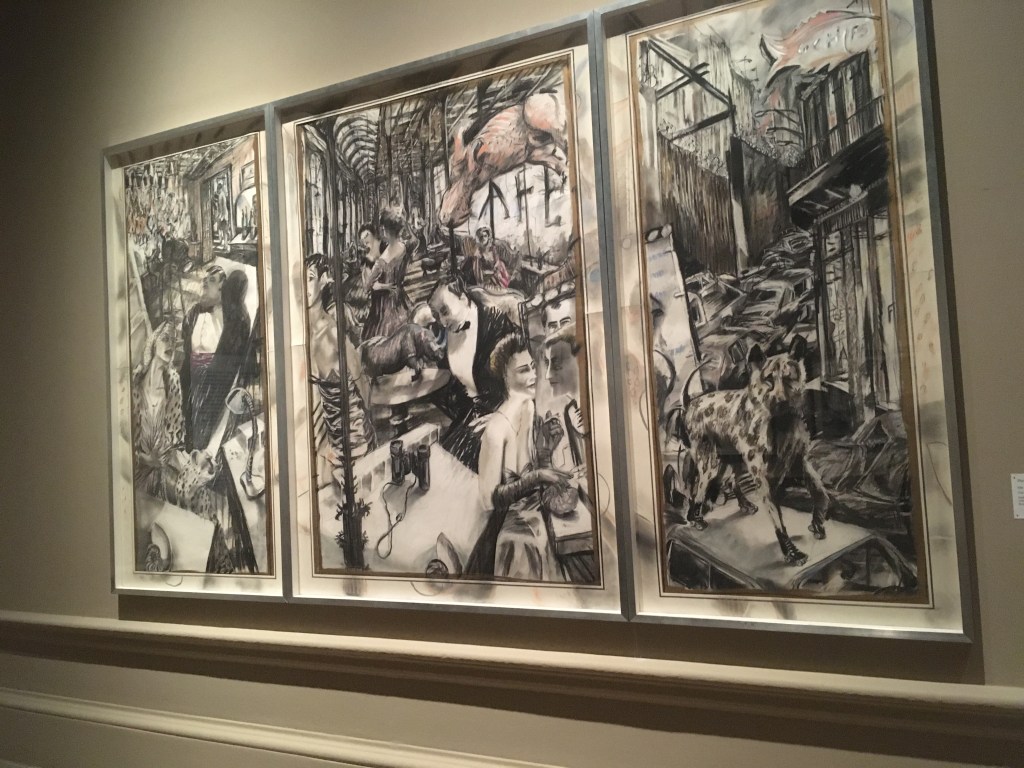
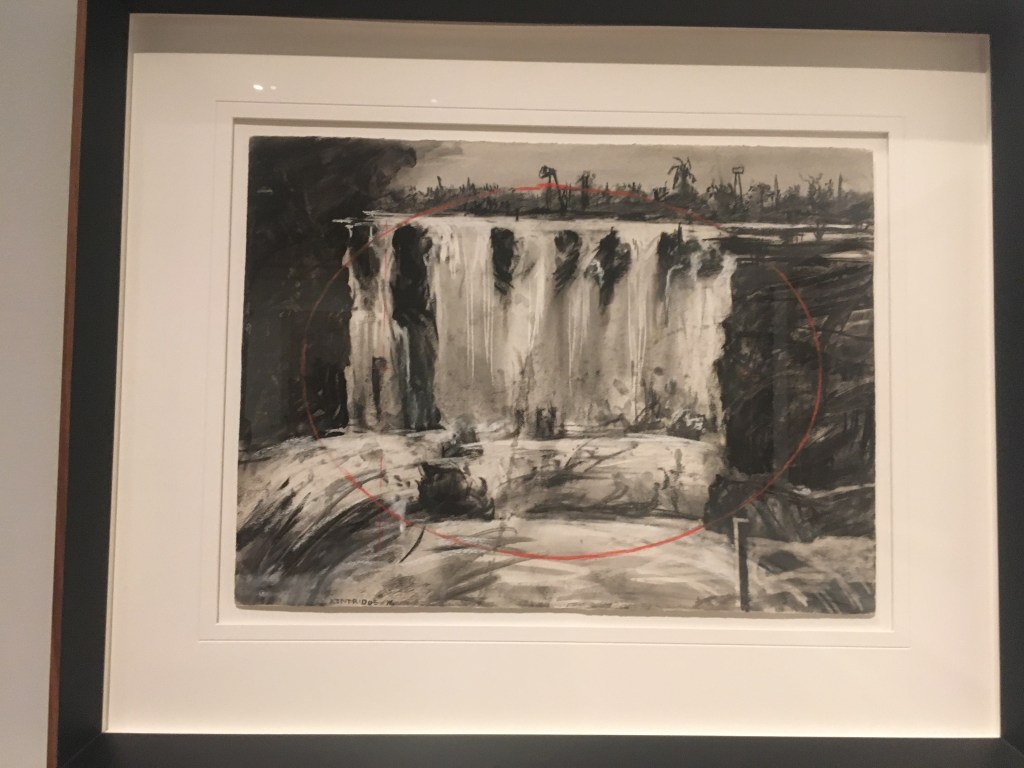
William Kentridge fills the Royal Academy galleries with such strong, graphic images that you feel he has only just put down his stick of charcoal and moved onto something else. This astonishing show give us a chronological view of this important South African artist’s development.

I first encountered William Kentridge’s work at the Marian Goodman gallery in Soho and was blown away by the bold, energetic works which really show a hand at work with drawing in charcoal at its heart.

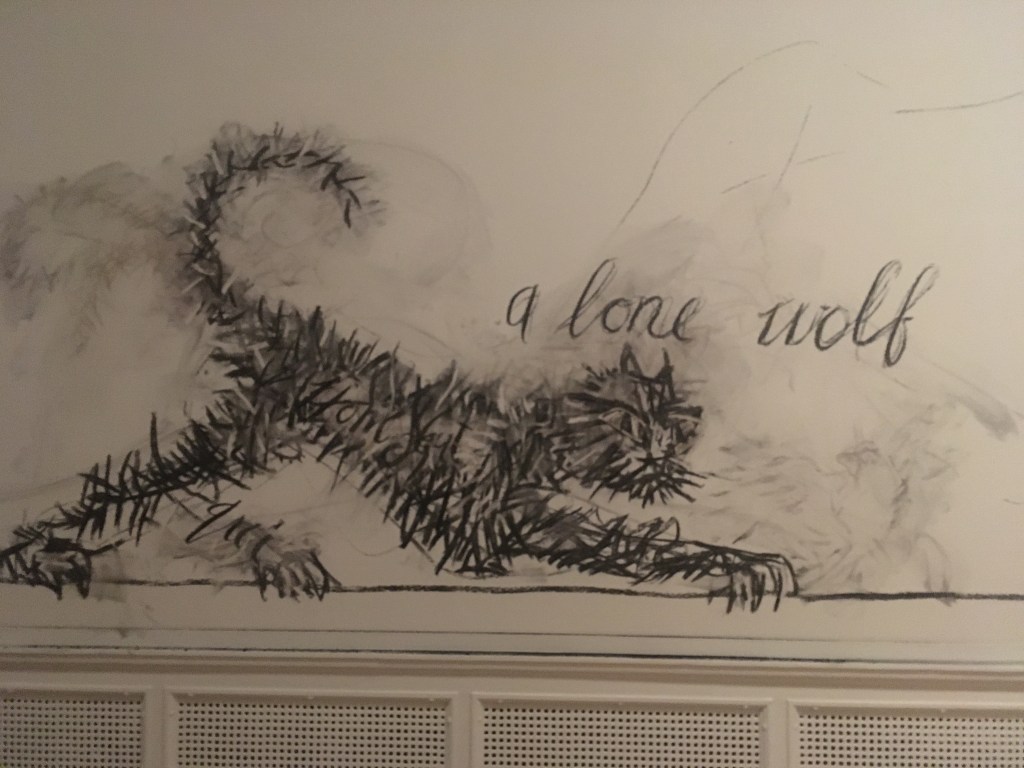
In fact, you can see where Kentridge has actually been in the RA gallery because he’s drawn directly onto the wall and you can see all the black charcoal dust on the dado below.

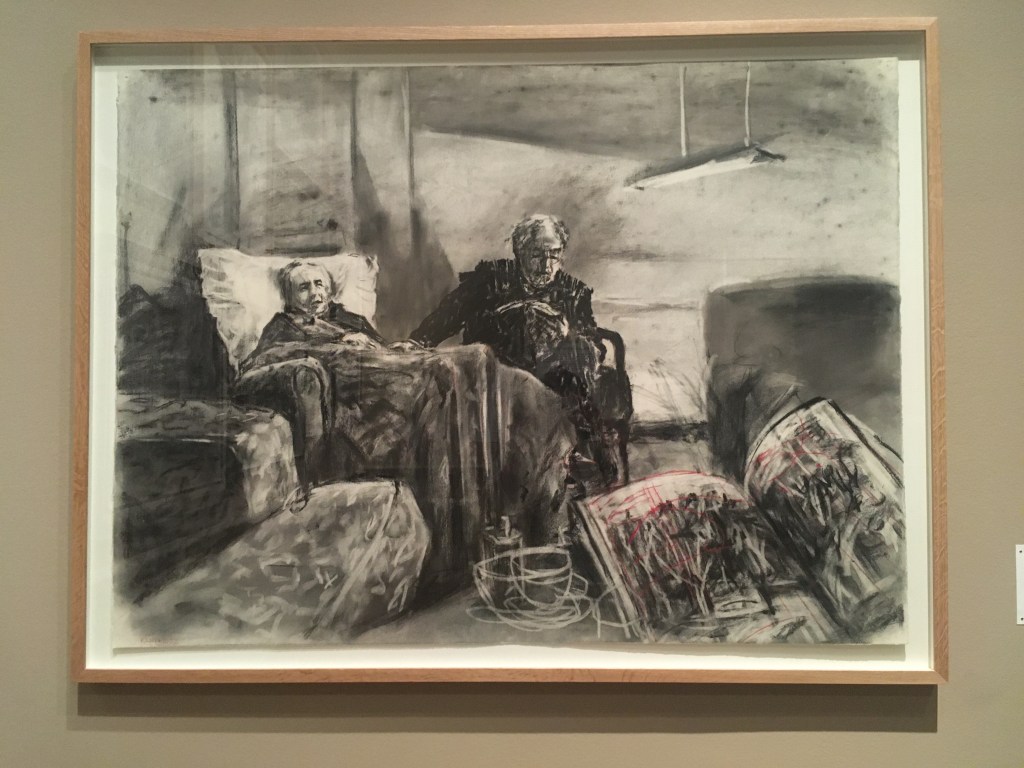
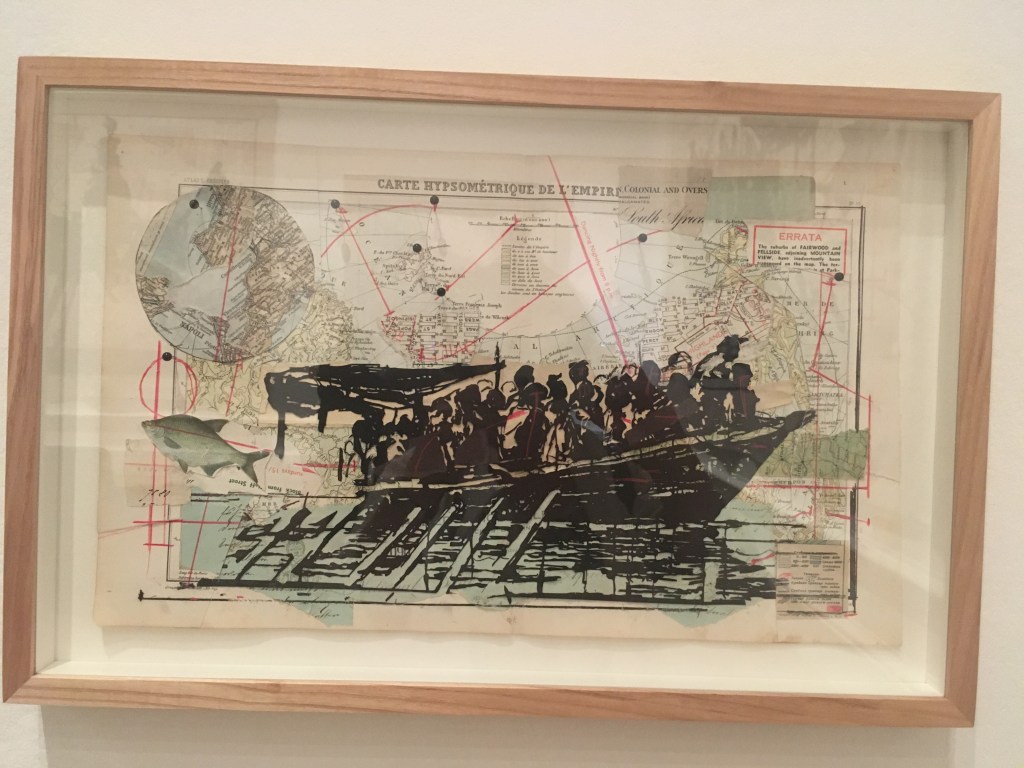
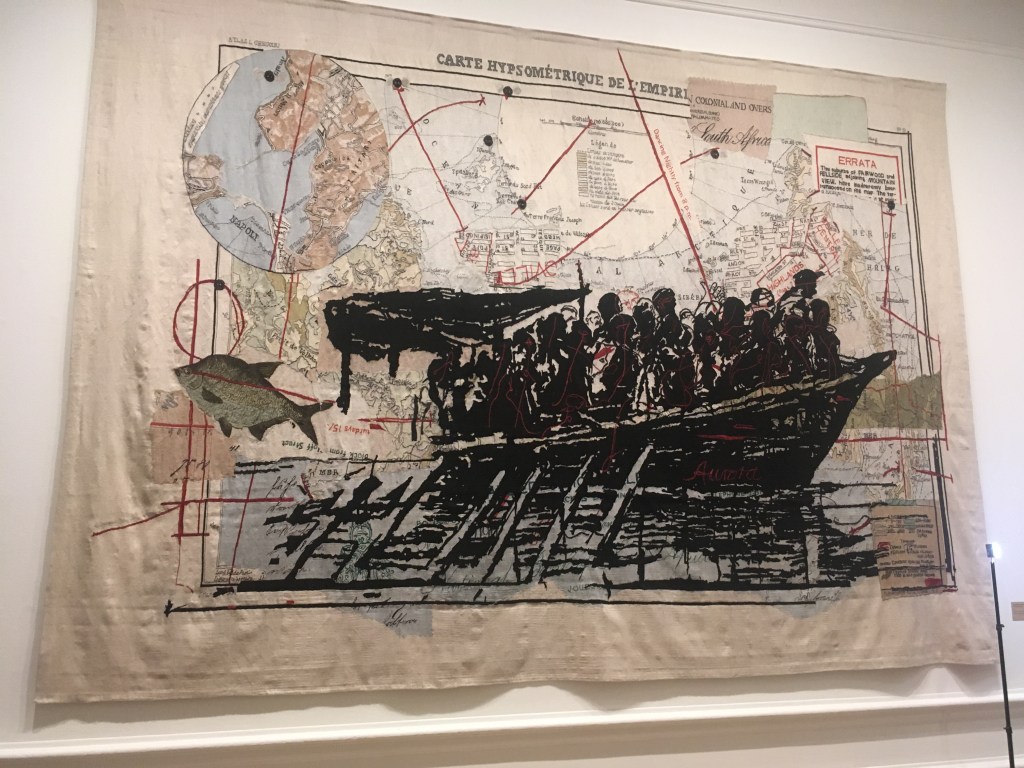
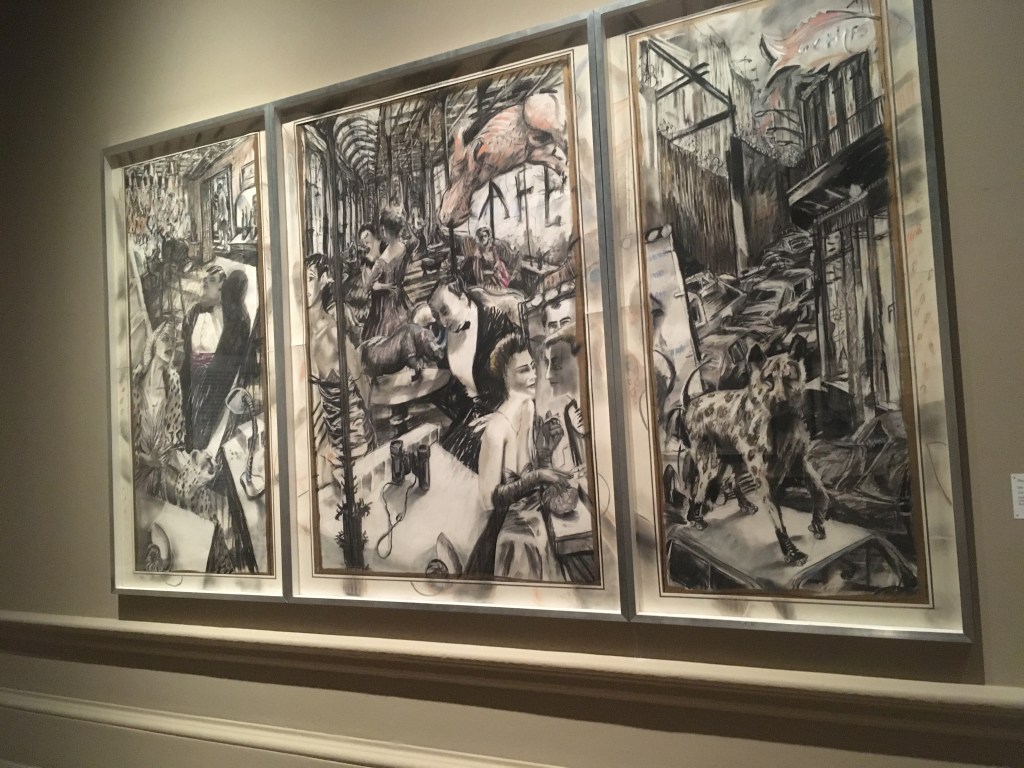
Kentridge is an artist who’s go-to is paper. He clearly loves all kinds of paper and uses it to create collages, smudged and scribbled impressions on all kinds of paper and combines his work with occasional splashes or streaks of colour. Some of his work has been developed into new media – animation, films and tapestry.

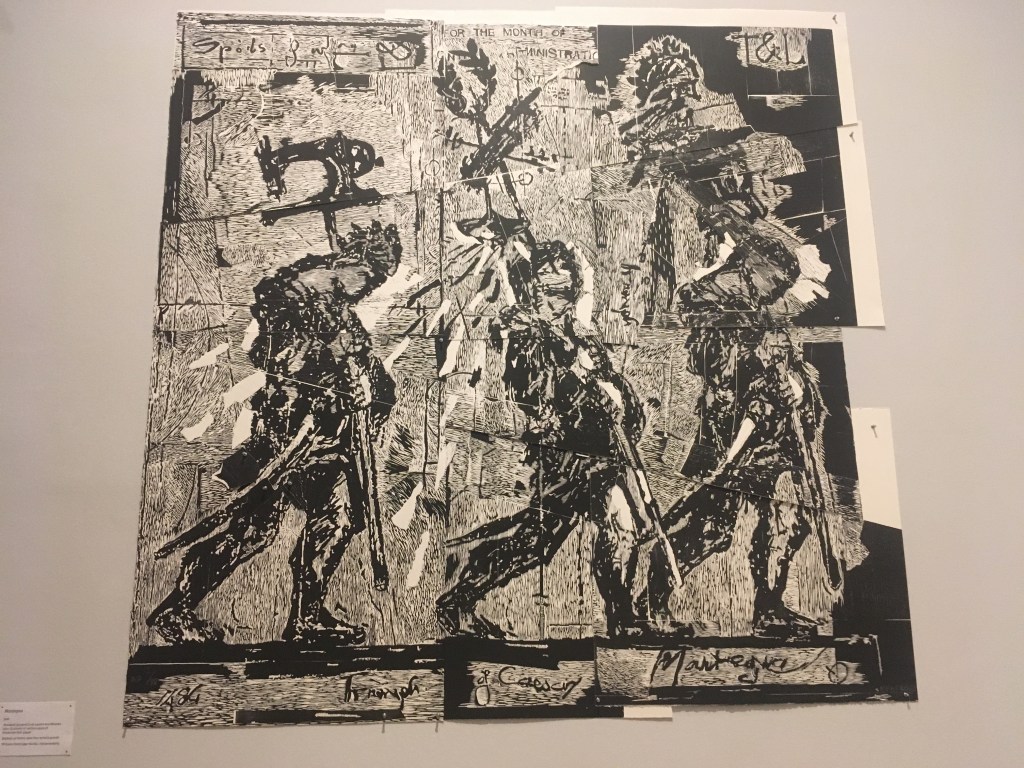
Above is a woodcut, entitled Mantegna, printed from twelve woodblocks onto 21 sheets of various sizes of Somerset Soft paper. 2016

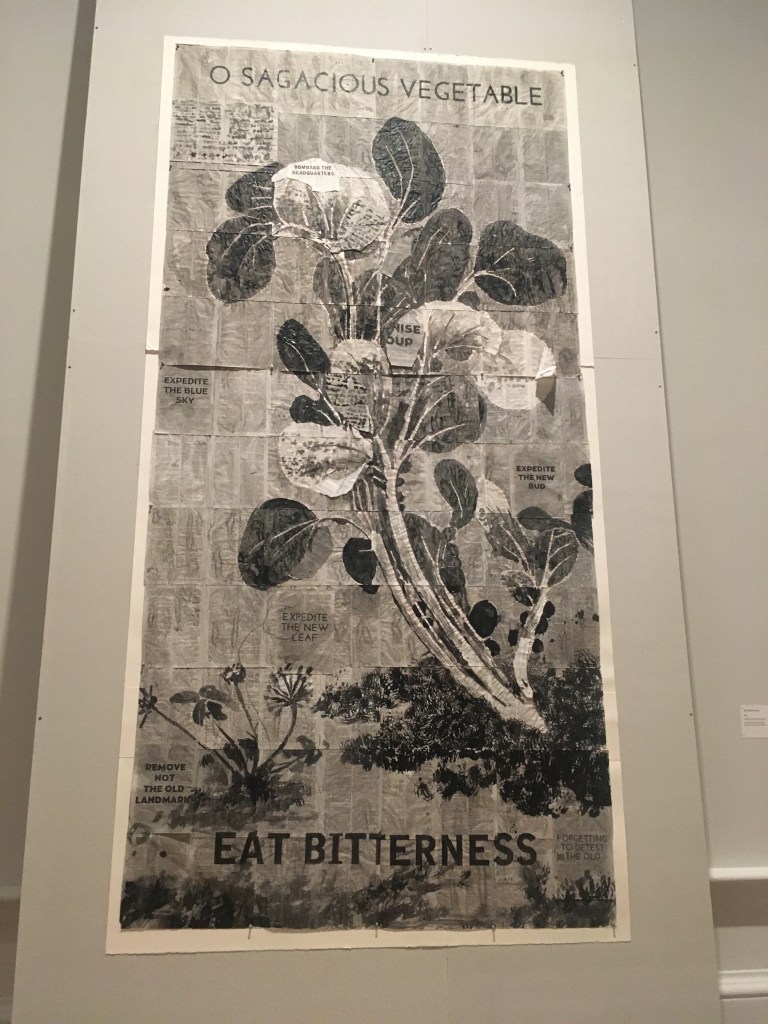
Kentridge’s work is often on a huge scale. I loved the work done with Indian Ink on fragments of newsprint and have added a detail of this one, Eat Bitterness, made on found paper in 2014. He demonstrates that you don’t need expensive canvases, paints and pricey materials to create artwork which dazzles and beguiles. As a paper collage artist myself I feel so pleased when I see artists choosing to work with such modest and ‘throwaway’ materials and making something magical with them.

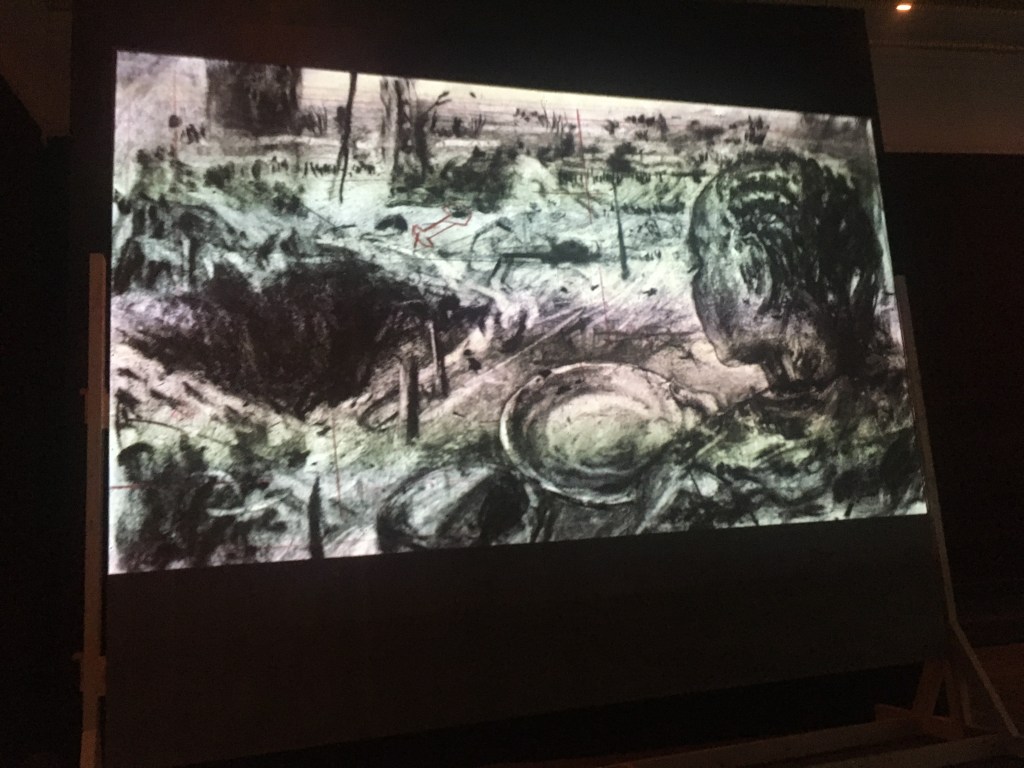
Below are a few snaps taken from some of the animated films in the show. Kentridge seems to create the movement by drawing in charcoal and then smudging and redrawing. The effect is mesmerising and it’s fascinating to see the scratches and echoes of the earlier drawings under the top layer. It’s not often you get to use the word pentimento but that’s what we’re looking at.

This is a wonderful show, a great celebration of a remarkable contemporary artist. Kentridge, born into a family in Johannesburg and growing up in the time of apartheid, has used his art to argue for political change in that country while at the same time showing us the beauty of the land.

It’s on at the Royal Academy until 11th December 2022.

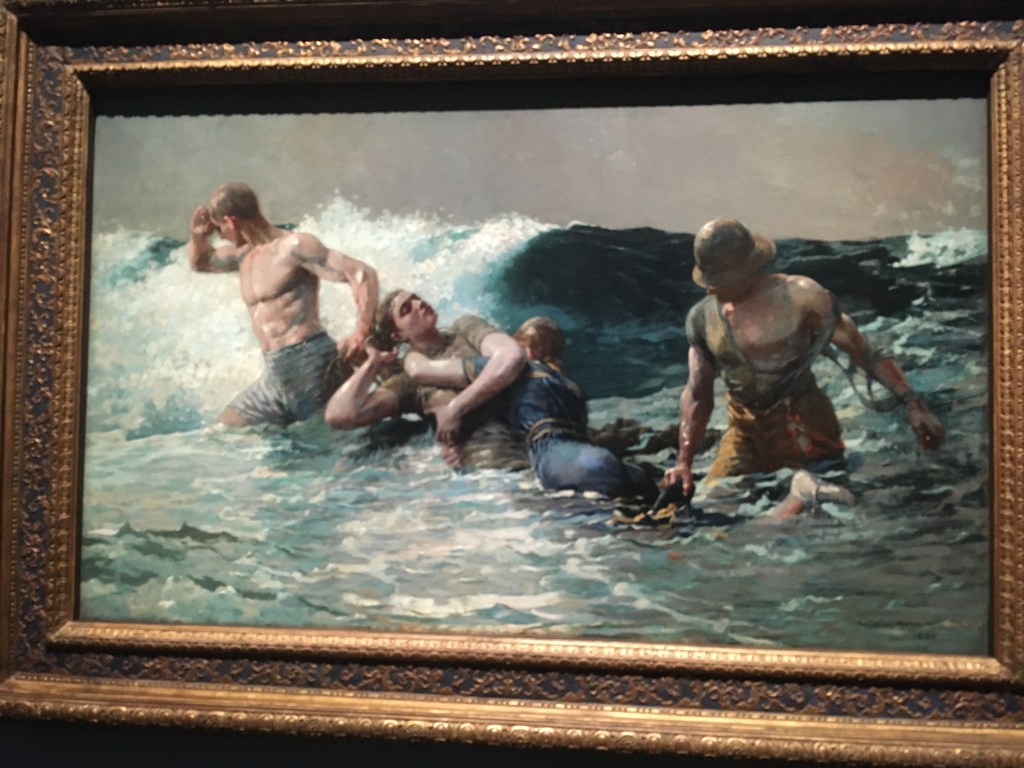
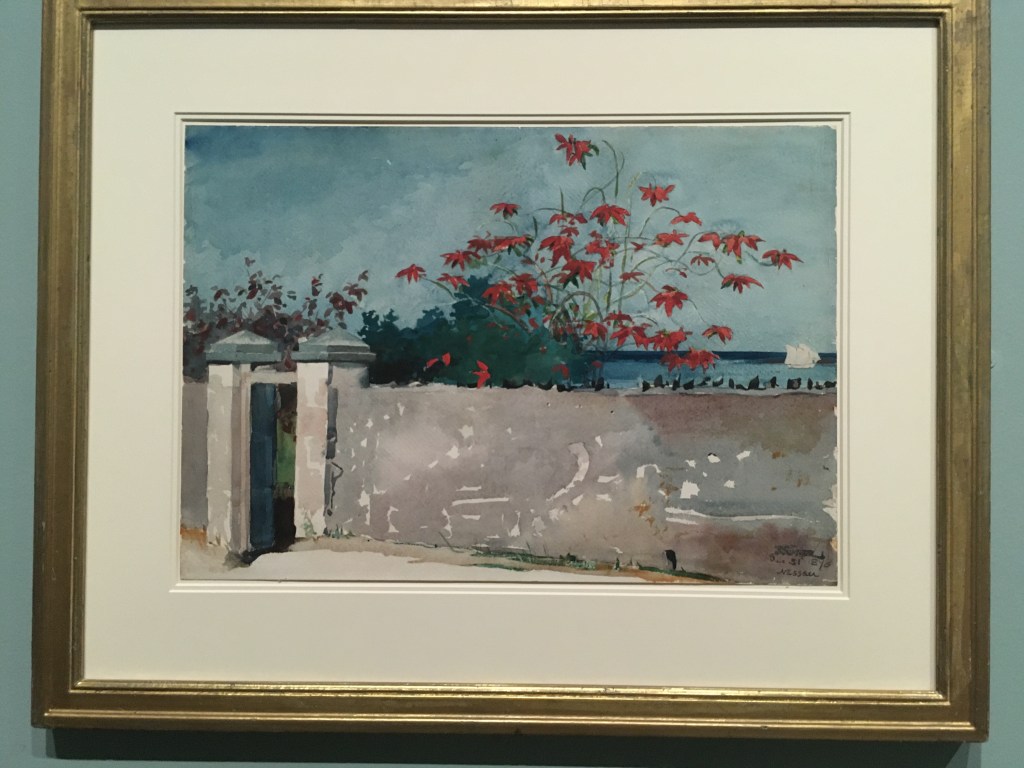
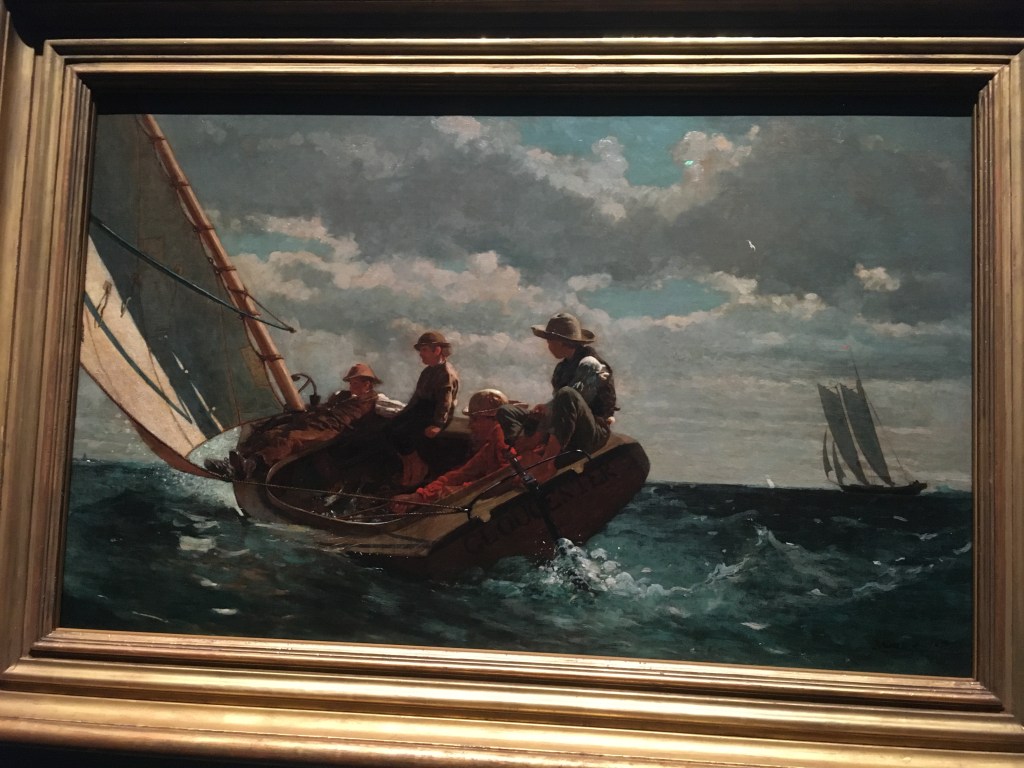
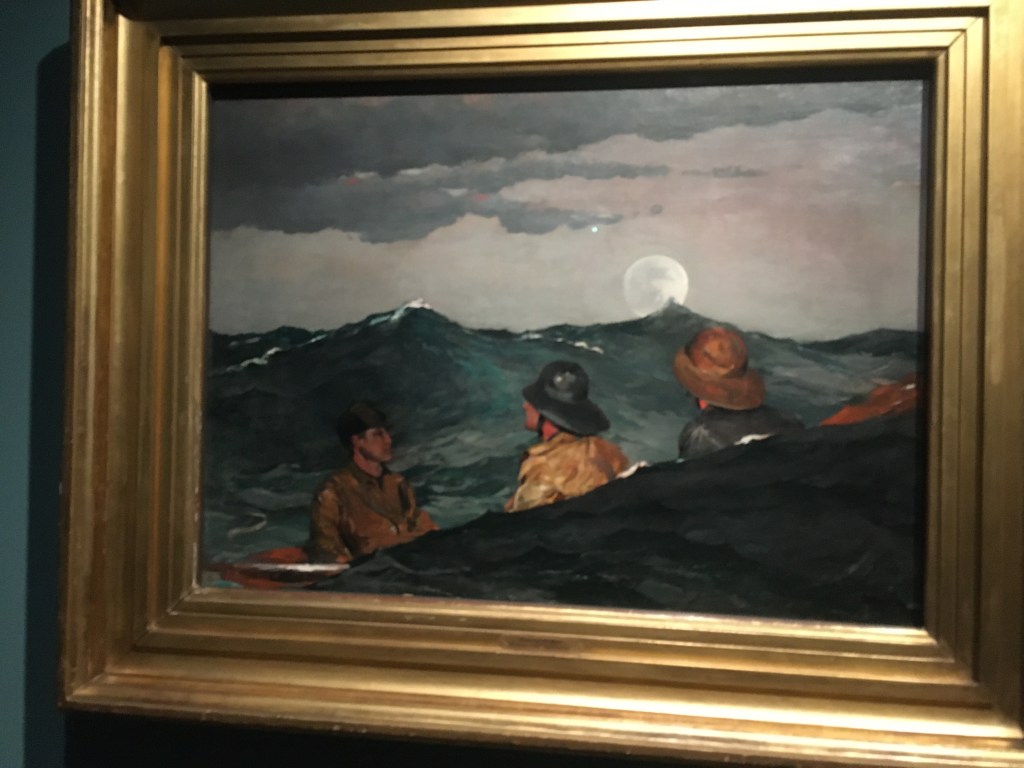
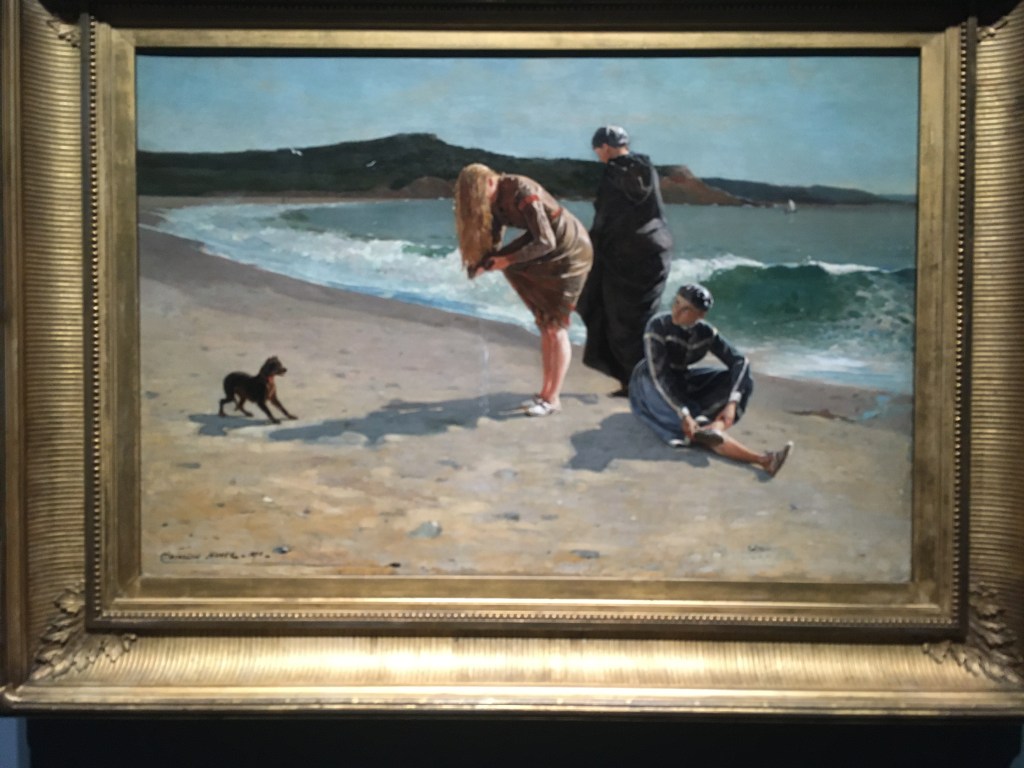
The National Gallery offers a fascinating introduction to American artist Winslow Homer with a terrific exhibition of his paintings from the time of the American Civil War to observations of a fishing village in Northumberland in the 1880s. A self-taught artist, Homer is technically brilliant in oils and watercolours and presents an enigmatic portrayal of people at times of transition, trouble and contemplation and is masterful at capturing the power of nature.

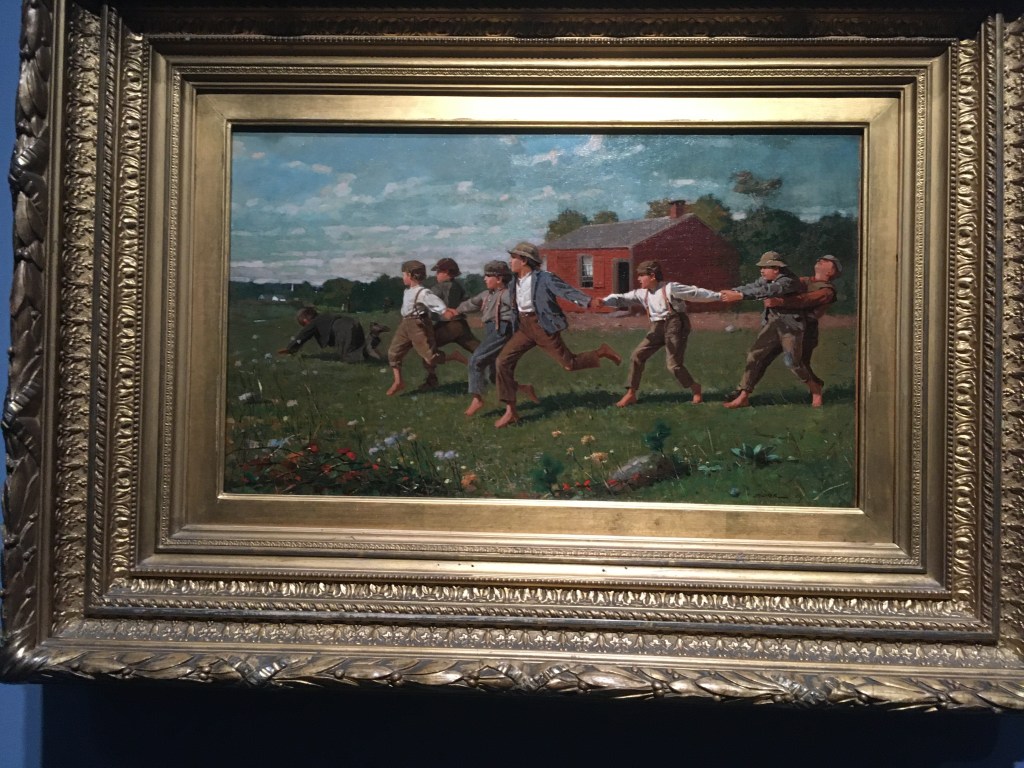
Snap the Whip – 1872. The pleasures of childhood in a running and tugging game.

Winslow Homer, Force of Nature. Well, this turned out to be a real treat. I was unfamiliar with the artist Winslow Homer but keen to find out more at the press view at the National Gallery. Homer was an American artist who never had a formal training but began his career as a printmaker and journalist. He was active for newspapers during the American Civil War, getting himself ’embedded’ in both sides of the war recording the conflict between the Union Army – wanting to abolish slavery – and the Confederates who were desperate to preserve the status quo in Southern States. In the early 1860s photography existed but newspapers still needed artists to create plates for the presses to publish. Clearly Homer was a very talented draughtsman who could draw from life, from models and from photographs. He later used his newspaper illustrations as source material for studio-made oil paintings depicting the Civil War and its aftermath and began his career as a fine artist.

This painting of The Veteran in a New Field (1865) shows a farmer who had spent time as a Unionist soldier casting down his old army jacket and getting back to work scything his field.

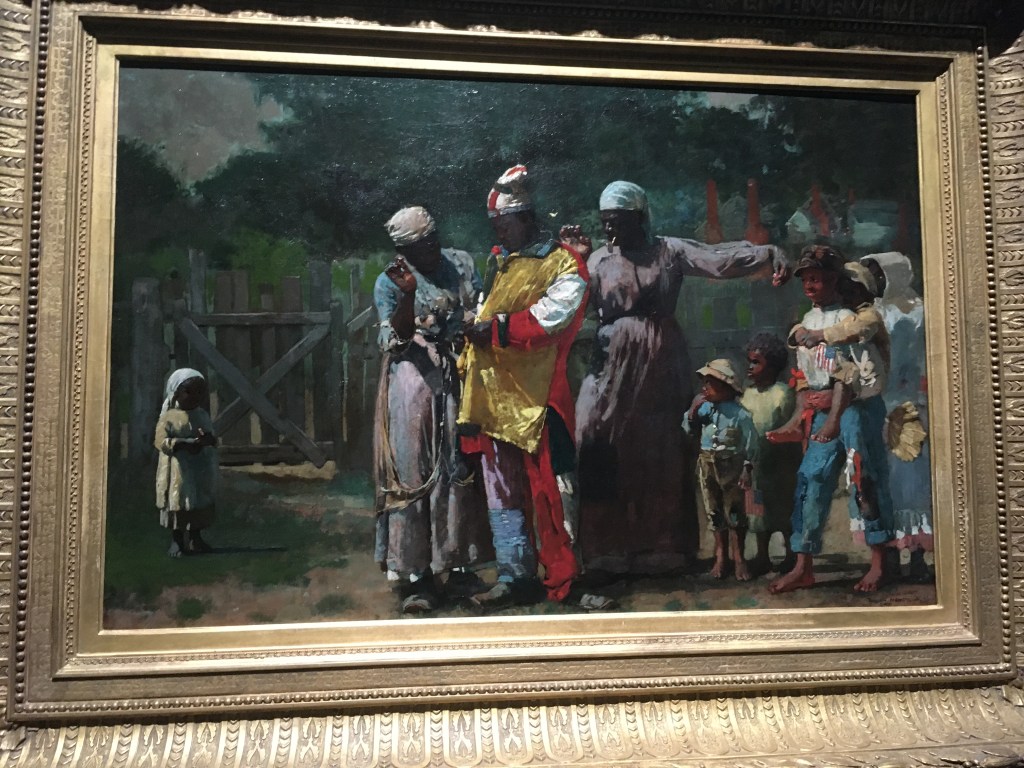
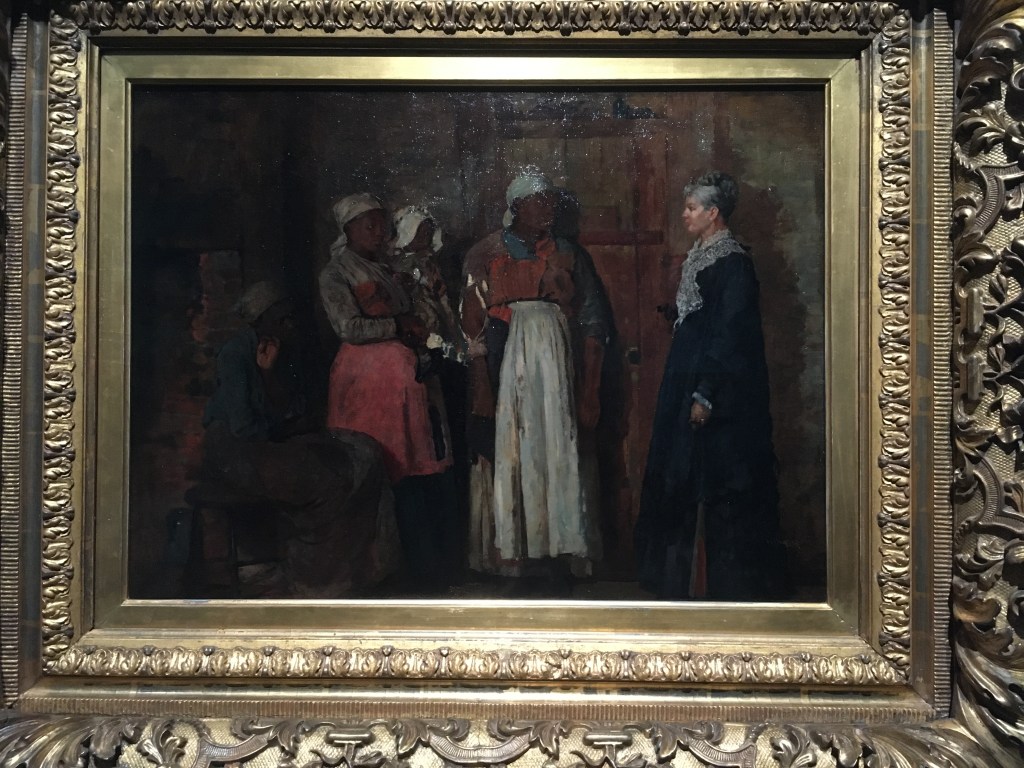
Homer was keen to represent the status of Black Americans following the Civil War and the end of their enslaved status. The painting on the left is called Dressing for the Carnival (1877) when Independence Day celebrations became a commemoration of Black liberation. On the right is A Visit from The Old Mistress. This depicts three freedwoman and a child as they meet an elderly woman – presumably their onetime enslaver who now pays for their labour.

Winslow Homer visited England 1881 and to spend a year and a half at a small fishing village of Cullercoats near Newcastle. The curators suggest there was an artists’ colony established there. This painting depicts a fisherwoman on the seafront, battered by gales and the lash of the sea but stalwart against the elements.

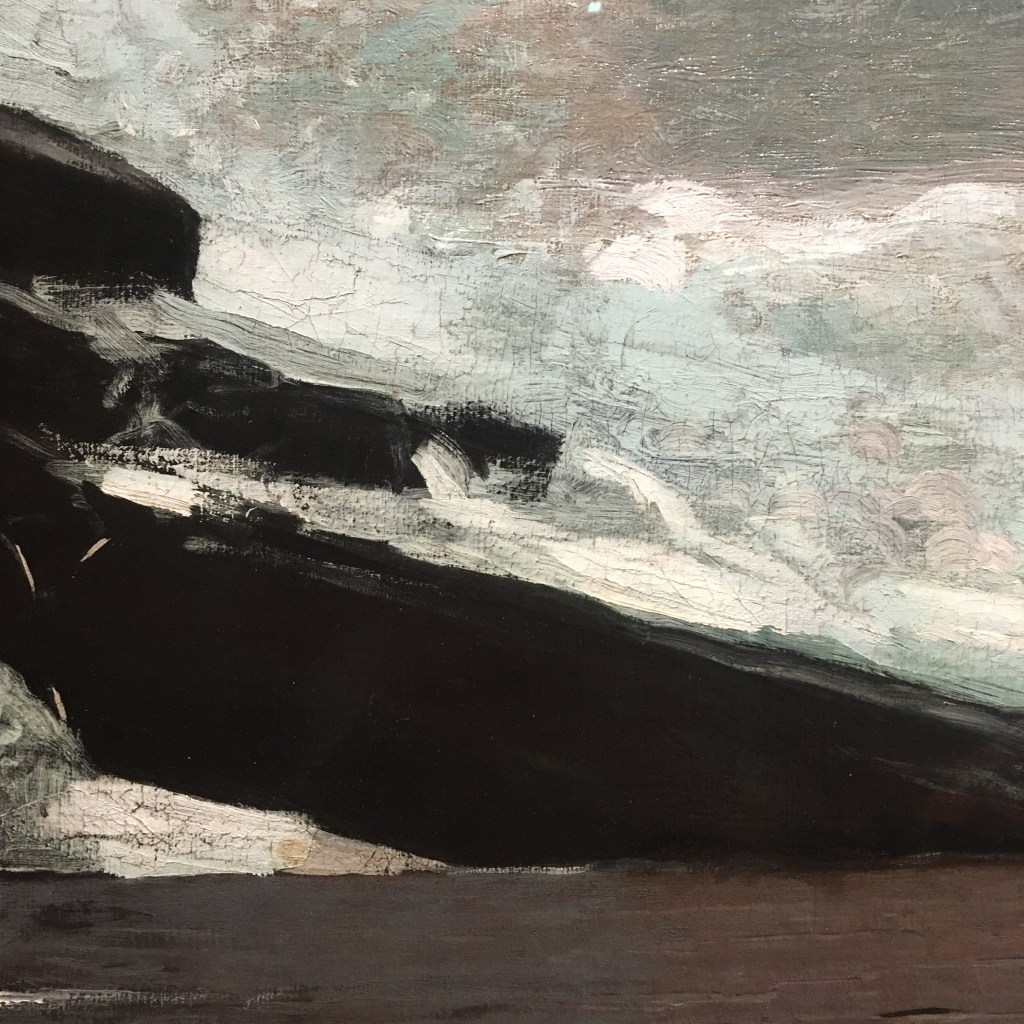
I’ve added a detail from the painting of the woman showing the freely painted rocks and the crash of the sea presented with great vigour. Apparently the painting was originally made with the Watch House on the left but it was criticised when exhibited so he painted over the building and made the woman and her child the focus of the composition.

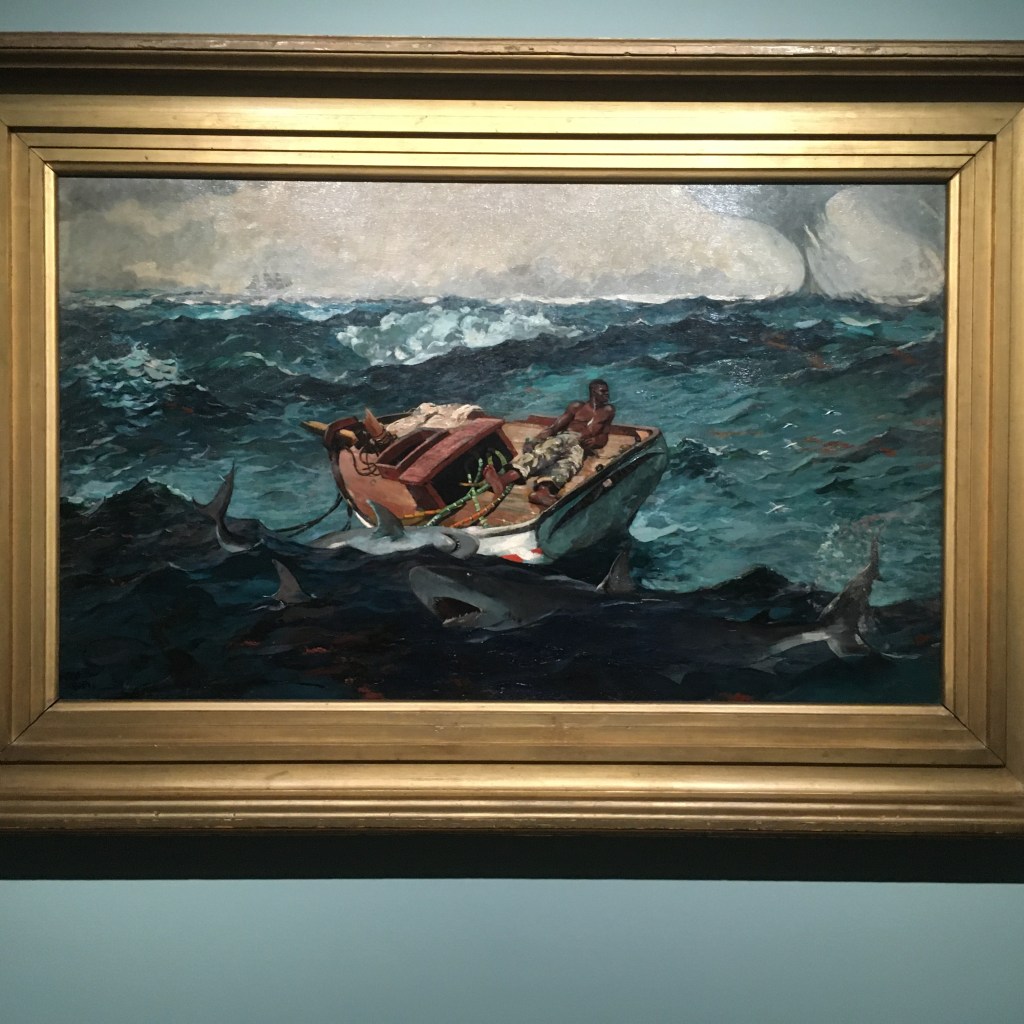
His paintings are inheritors of the ‘genre’ paintings of the 18th century in that he is telling stories but leaving many of the narrative elements unfinished. The painting entitled The Gulf Stream is filled with drama and threat. Will the lone Black sailor meet his death in the shark infested sea, be drowned by the encroaching storm or perhaps be rescued by the sailing ship on the horizon? It’s a very moving image.

What a great show. It’s on at the National Gallery until 8 January 2023 and well worth seeing.
Art goes figurative at City & Guilds of London Art School. At the show of work by MA students it was heartening to see so many artists being inspired by the need to make figurative and narrative images the abundance of seriously impressive work.

I love any opportunity to return to my old alma mater, City & Guilds of London Art School in Kennington. I can hardly believe it was over 20 years ago that I was preparing to be an art student embarking upon a Post-Graduate course in Fine Art. It changed my life. I finally felt able to define myself as an artist and the time I spent in the college really help solidify a new direction my life would take. With a passion for paper I wasn’t sure that my interest in collage would be acceptable. I’d signed up as a student with the aim of learning how to be a proper oil painter. But the kind and creative tutors were enthusiastic about my passion and said, ‘if paper is your language then learn to speak in it.’ So I did.

Anyway, I’m just going to show a few photos of the works I saw which caught my eye. I thought the standard was very high – technically and creatively – and send congratulations to all the MA students of 2022 who have created such impressive work.

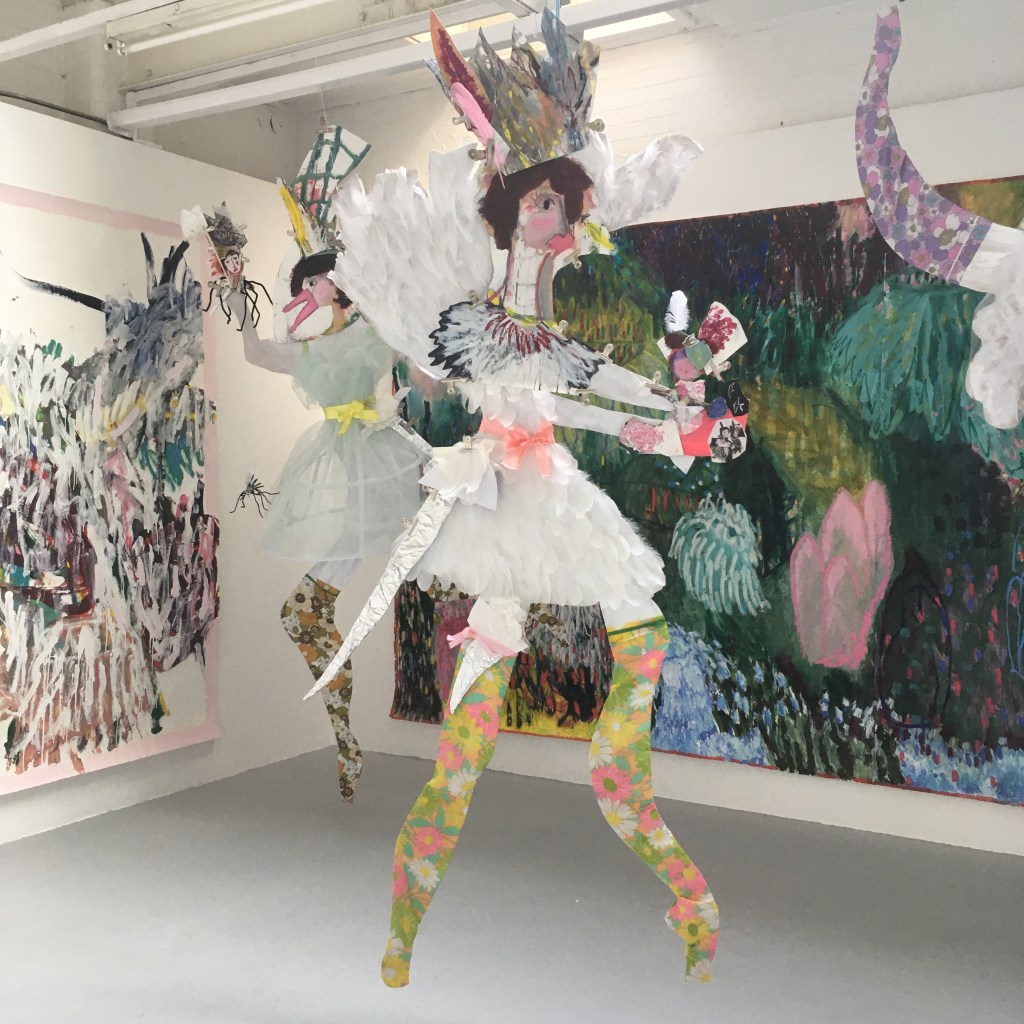
Liz Crossfieldhttp://www.lizcrossfield.com

Of course I was drawn to this lively piece by Liz Crossfield. It’s paper collage on steroids – wacky, fun, eye-catching and very clever. I liked the way the paper figures were held together with bulldog clips and looked so arresting against the big floral background painted on paper.

Lovely work from Thomas Cameron who makes paintings of everyday scenes. There’s an Edward Hopper feel to some of the works but they are satisfyingly done in limited palettes.

http://www.harrietgillet.co.uk

I liked the gentle narrative feel to Harriet Gillett’s pieces of interiors with limited lighting. The works give a sense of times past and domestic spaces which stay the same for years.

http://www.mrjohnw.com

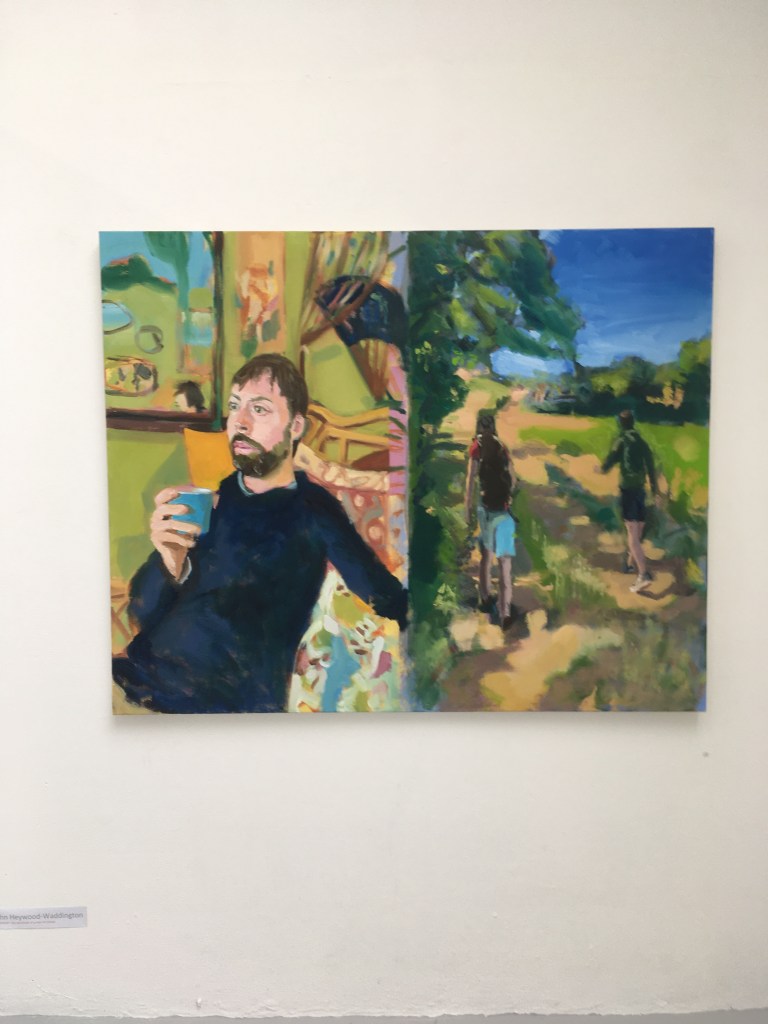
The portraits by John Heywood Waddington are very charming and wistful. You get the feeling there’s a backstory of narrative yet to be told, which the painting is just hinting at. As the viewer, you can imagine the scenarios and fill in the gaps.

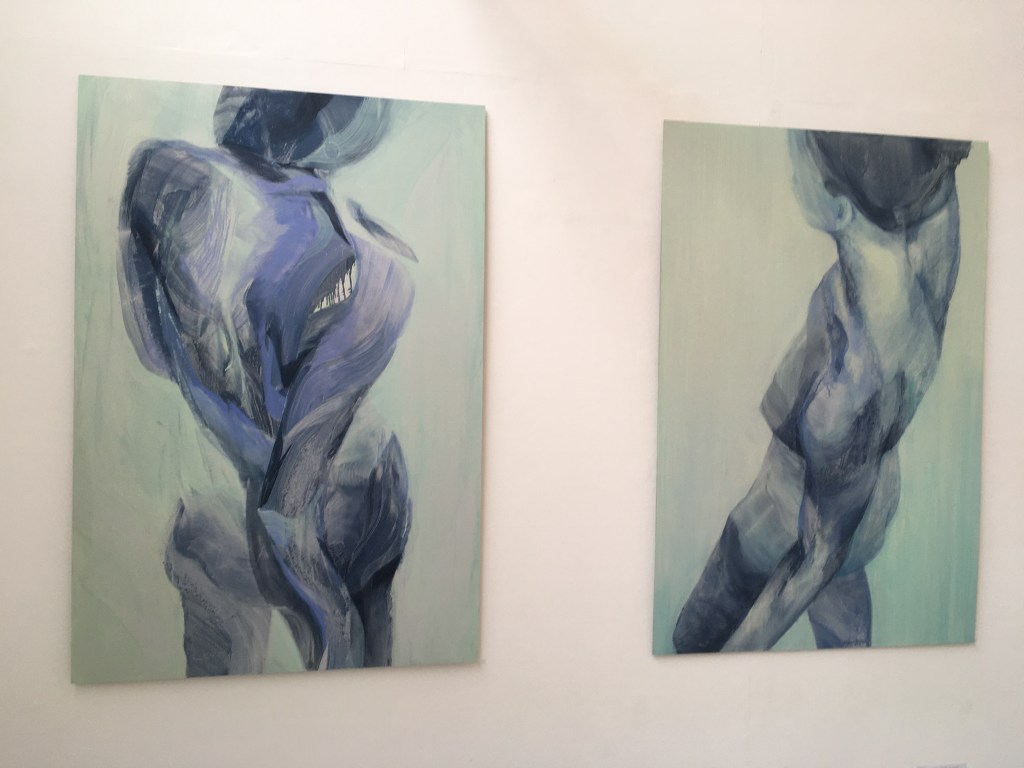
I liked the work of these two artists who focus on the human body, activity and the notion of bodies pushing themselves in challenging directions. And I liked the use of paint too, the way the pigment is wiped away or swished onto the canvas with confidence.

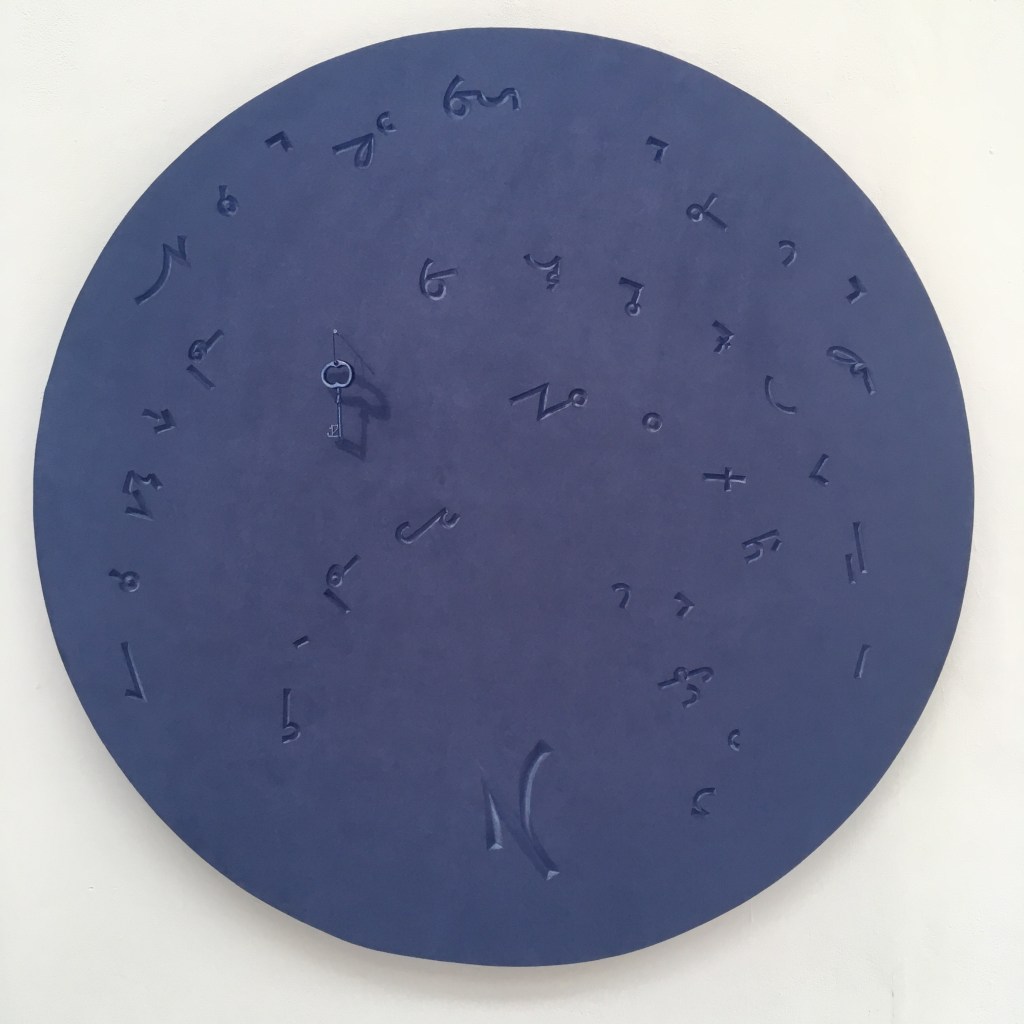
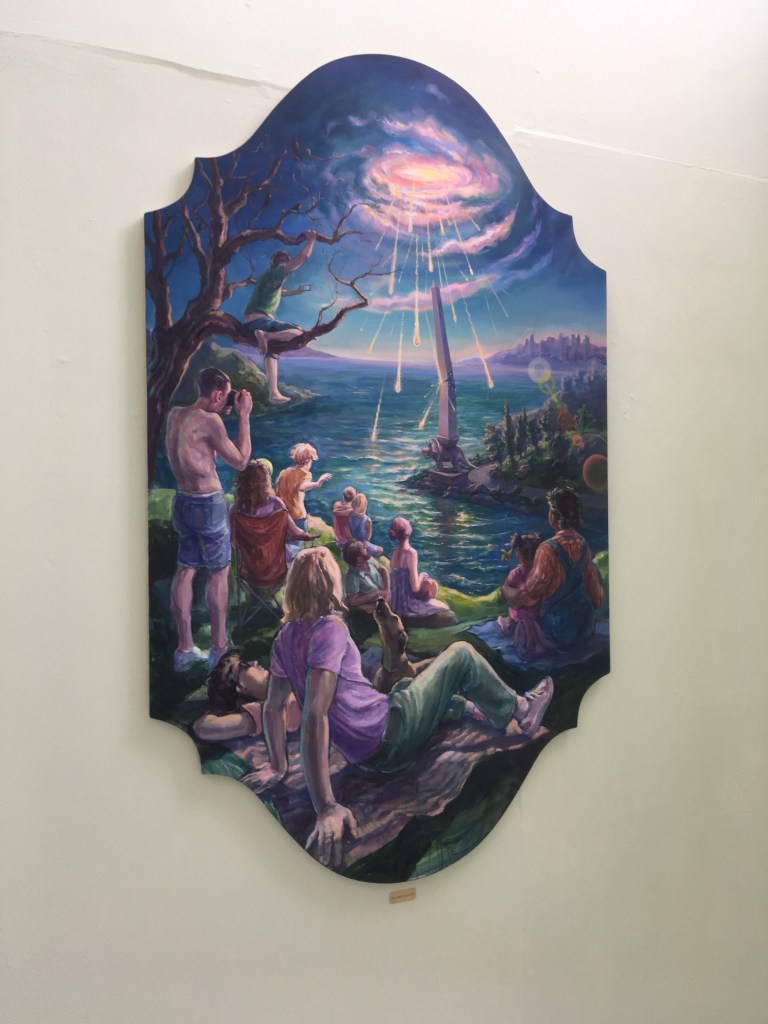
I’m concluding with these two – Nicholas Yau creates beguiling runic symbols on blue suede and Simon Bejer gives us a contemporary twist on epic renaissance paintings with dramatic scenes painted with terrific panache.

Basically I loved this show. In my dreams I too would have been busy in an attic room at the college creatingnew figurative and narrative works for an MA show. But I’ve not had a bad time of it in my own studio tearing up paper and creating my own work. Seeing all this accomplishment makes me want to push my own practice that bit further. Now, let’s get those old oil paints out!!

The MA show at City & Guilds of London is on until 10th September 2022.

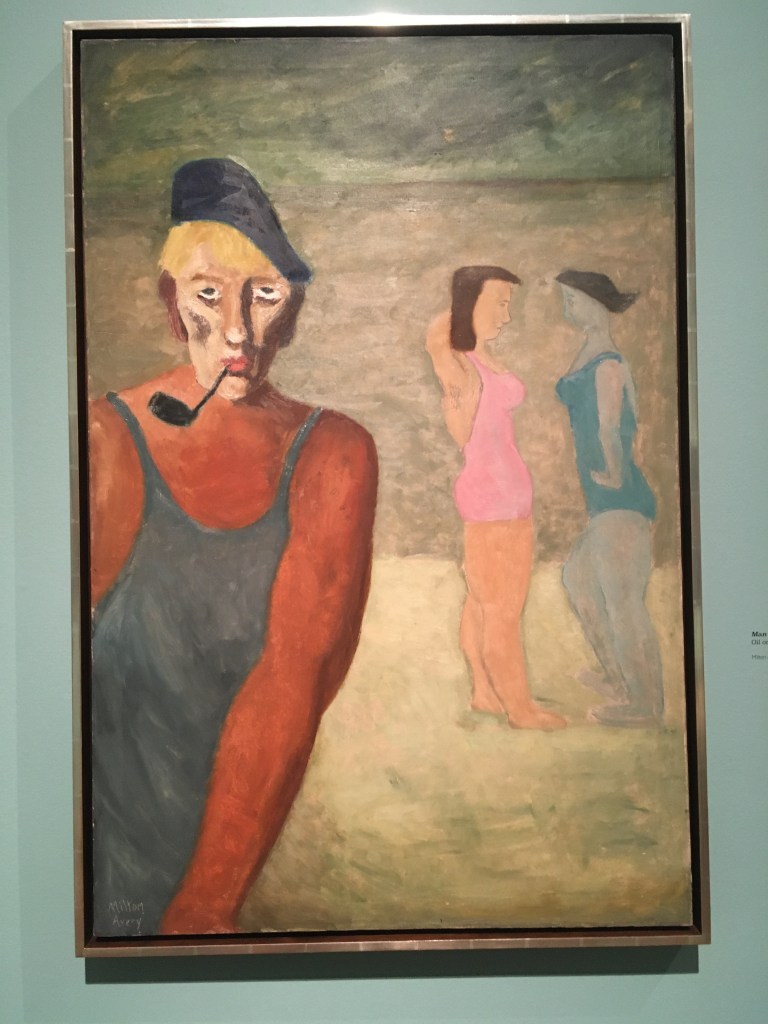
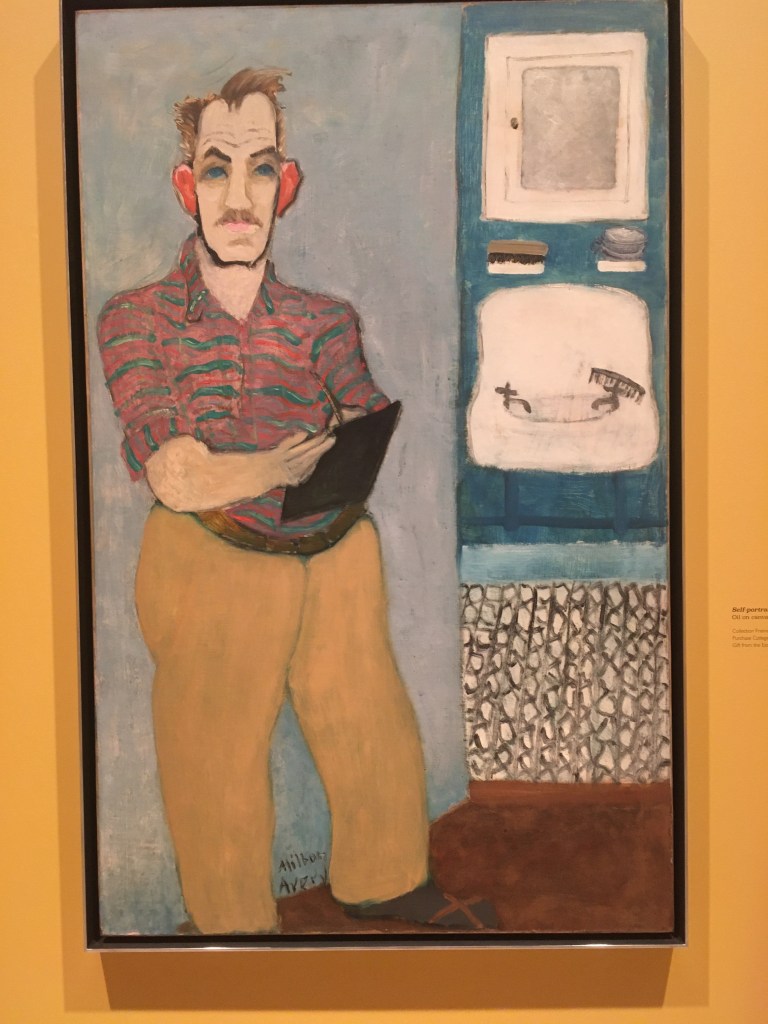
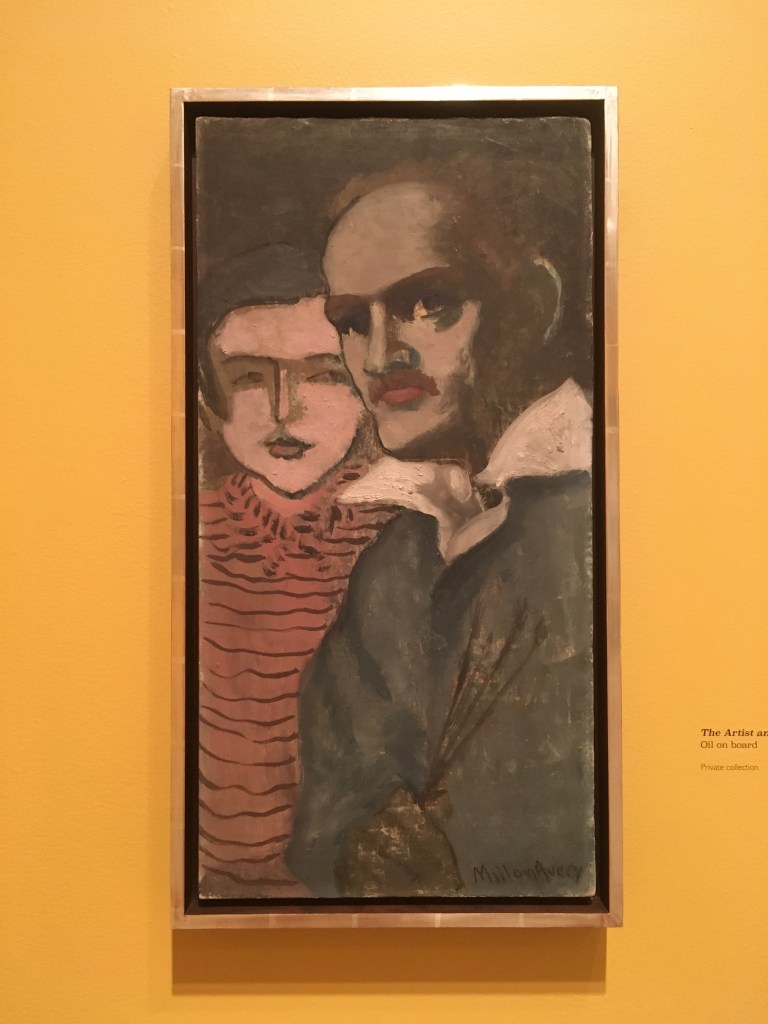
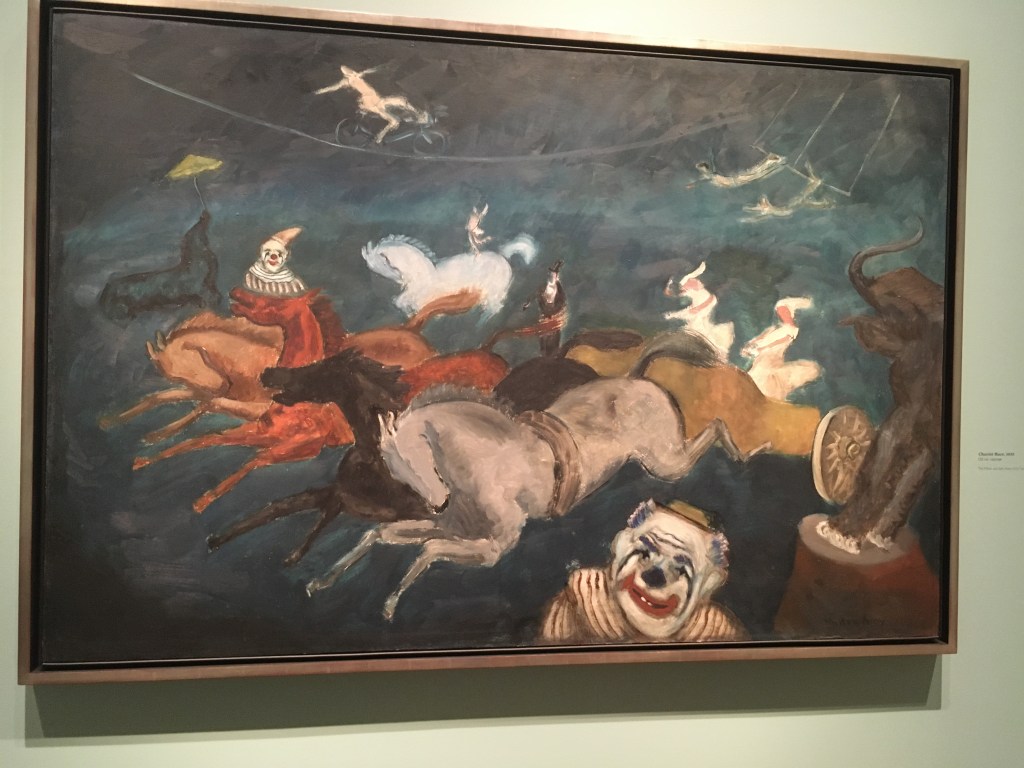
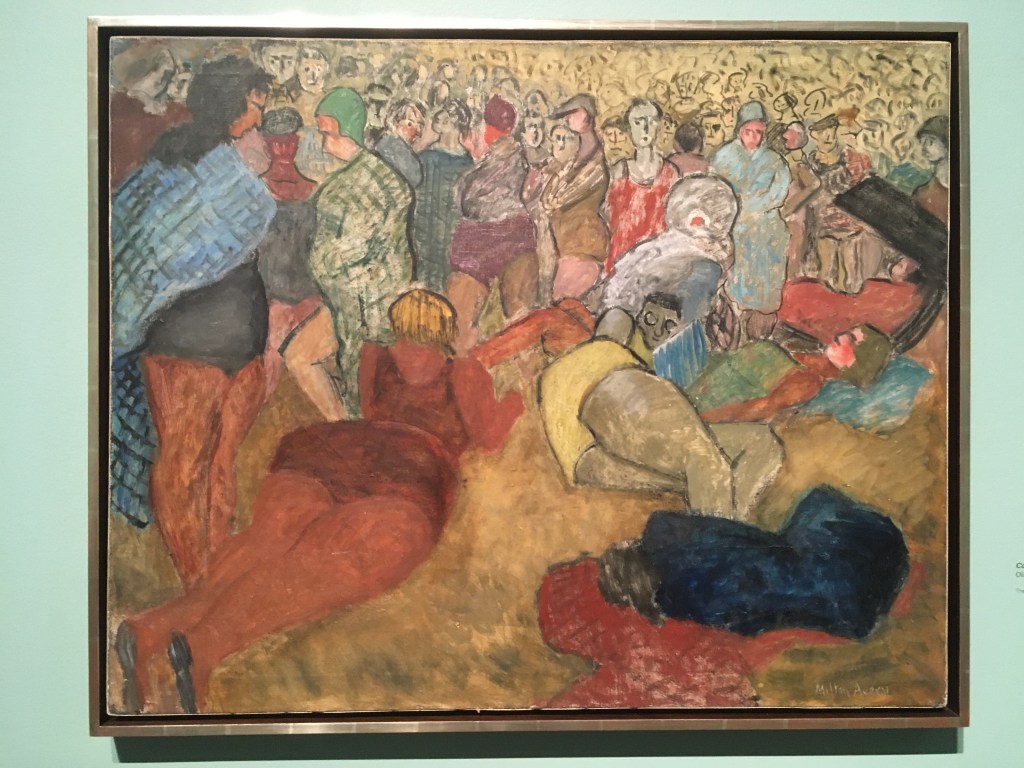
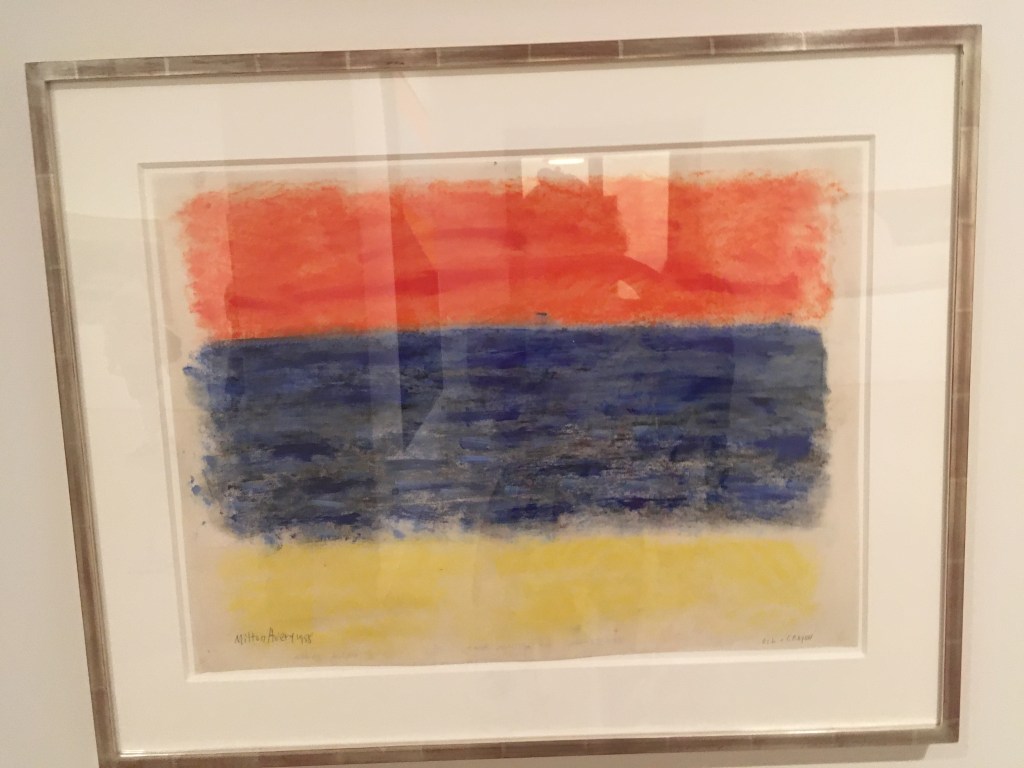
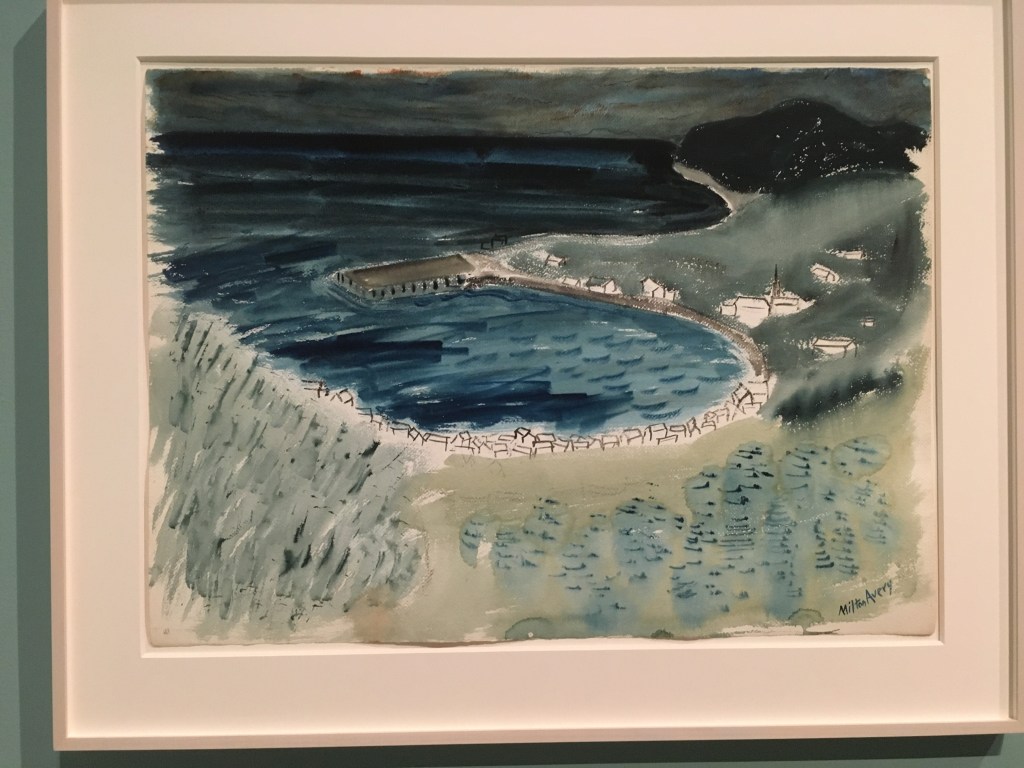
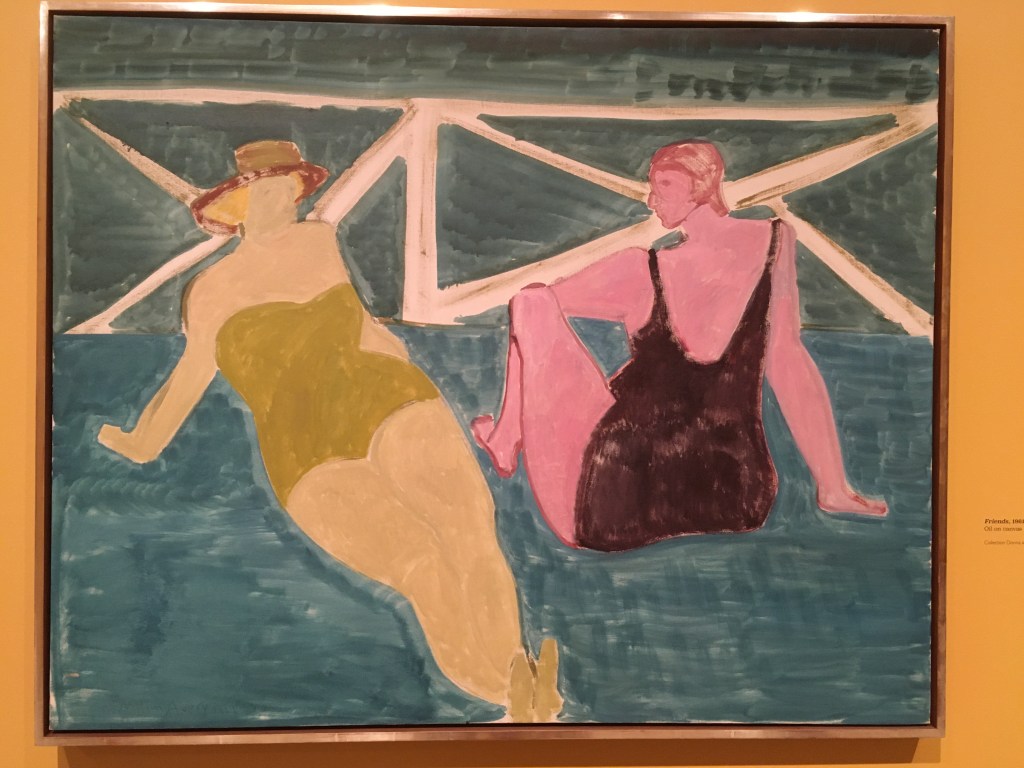
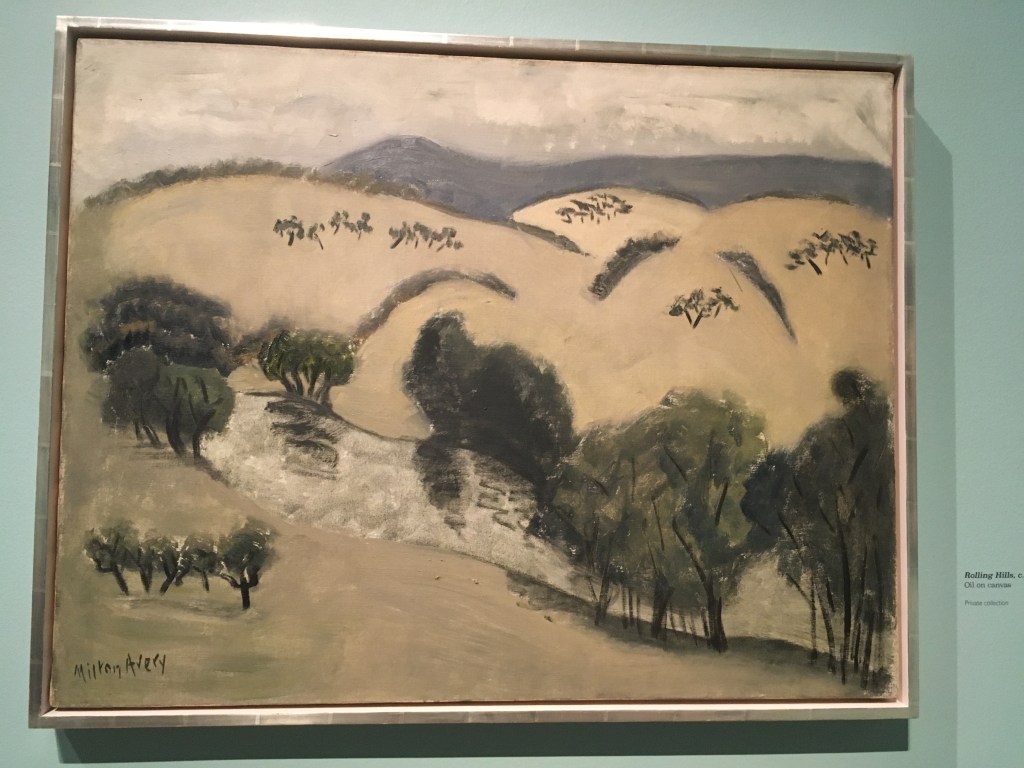
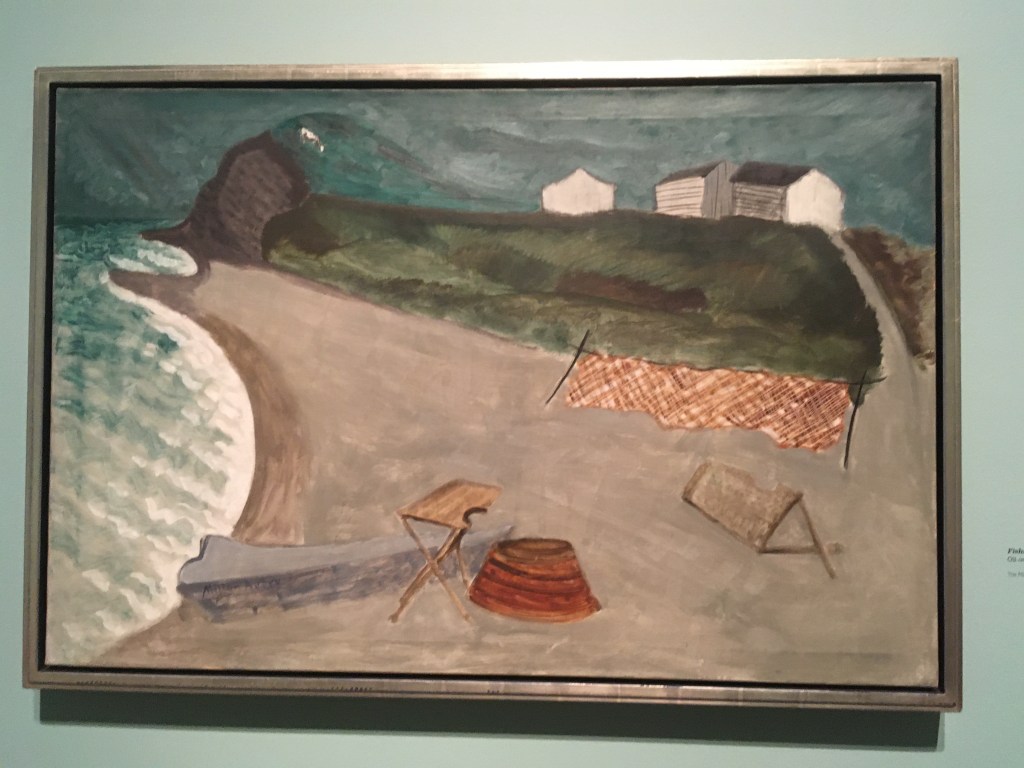
Delighted to be introduced to Milton Avery at the Royal Academy’s new show celebrating the ‘American Colourist’ and to see just how influential the artist was. He was a key player in the shift from a post-impressionist thrall into the new, whizzy world of Abstract Expressionism and found an inspiring new way to use colour to capture the ‘feel’ of a subject.

This new show at the Royal Academy really gives you the chance to see the evolution of a fascinating artist. I always find it encouraging when I hear about people who develop their art later in life. Milton Avery, born in 1885, in Altmar, New York left school at sixteen to work in a factory. Clearly, he was interested in art but thought he’d attend evening classes in commercial lettering but found that drawing was his passion.

The first room in this exhibition has a collection of his early works, many on bits of old board, fragments of canvas or card and you can see how he’s having a go at producing landscapes in the style of the European post-impressionists such as Van Gogh or Matisse and the use of impasto and colour-rich paint is impressive. But he continues pushing his art and becomes really interested in the ‘sensation’ that colour and shape on canvas can convey.

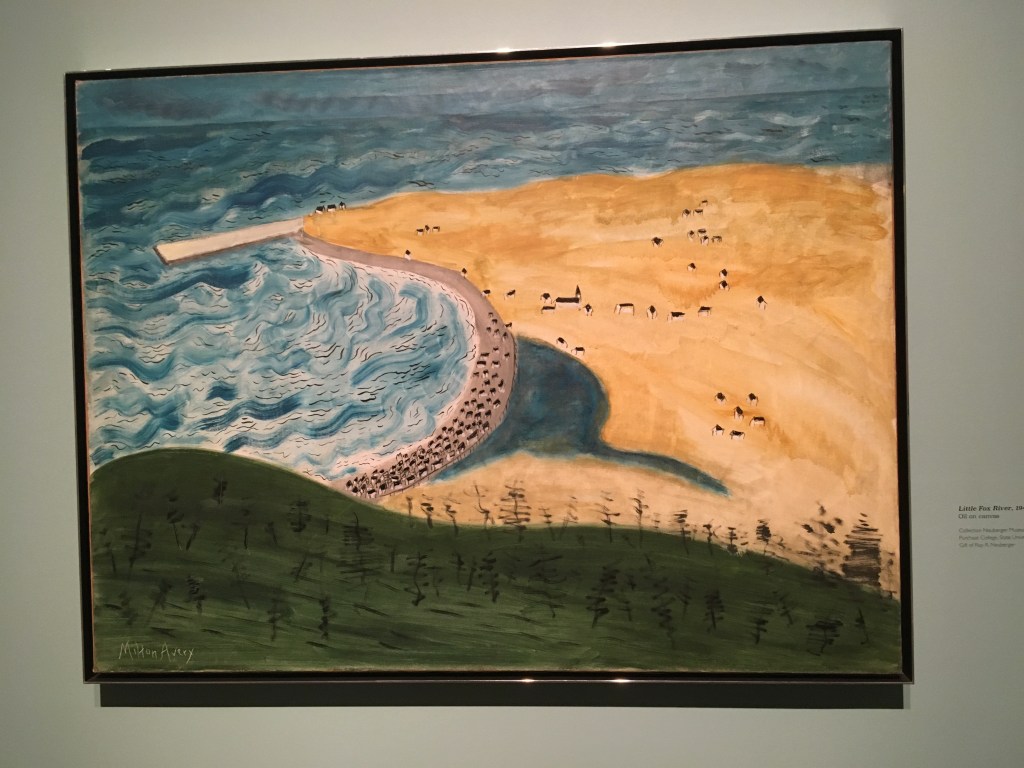
Below are two of my favourite paintings in the show. Apparently they were painted at high speed, and the scale is huge, capturing tremendous action and story-tellilng. You really get the feeling that he’s just witnessed these sites and wants to record the ‘feeling’ rather than exactly what he saw. Oh, they are inspirational.

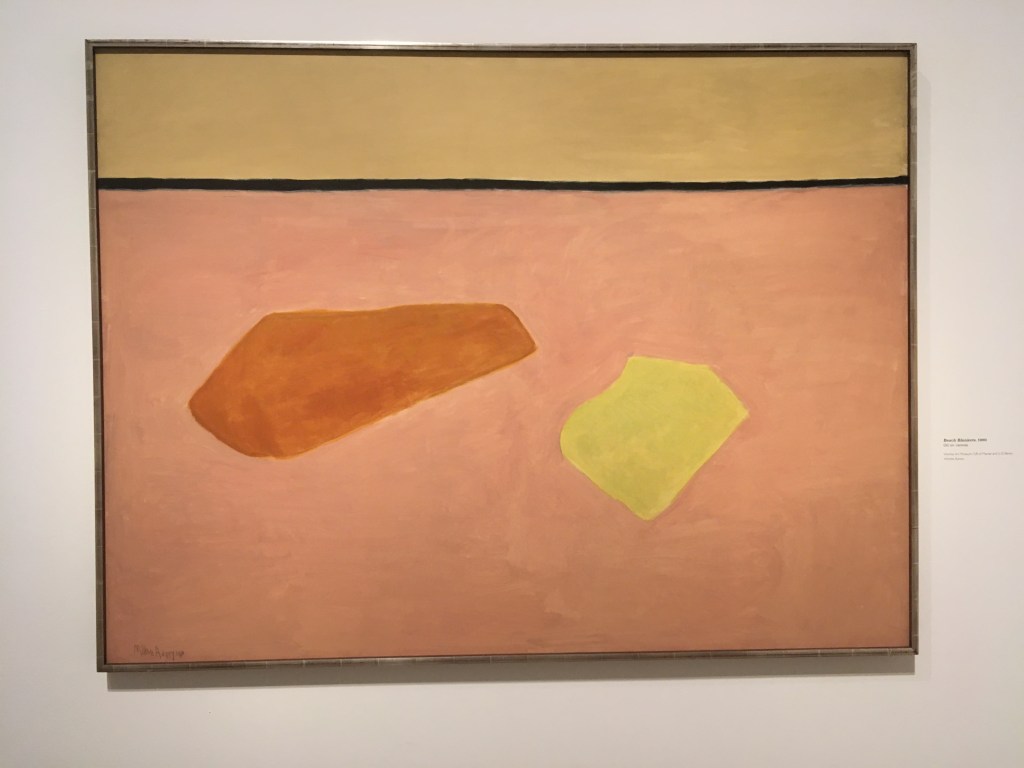
As we move through the exhibition chronologically you can see how the surface of the paintings flatten, he strips out all unimportant information and concentrates on the blocks of colour and shapes which he can see. As his work progresses he is finally able to see beach towels on the sand and convey them with minimal detail but the ‘feel’ of the image is all there. I really love these works.

I thought I’d put these two paintings (below) together. I’m assuming they are of the same scene but made several years apart. On the left is the early version, a bit more literal but still evoking scene and the atmosphere created by the weather. On the right, the later one, there is less detail but it’s still got a terrific sense of place and you also feel that it must have been made on the spot at high speed.

I liked his paintings of women together. He manages to convey a sense of energy and movement in his most static of situations. The women in these pictures may be still, possibly posing, but you feel that there is an interior world being seen too and the images are full of action and narrative.

As you can gather, this exhibition was hugely pleasurable and I’d love to go back for another look. It’s on at the Royal Academy until 16th October 2022.

https://wordpress.com/post/paperplaces.co.uk/6242