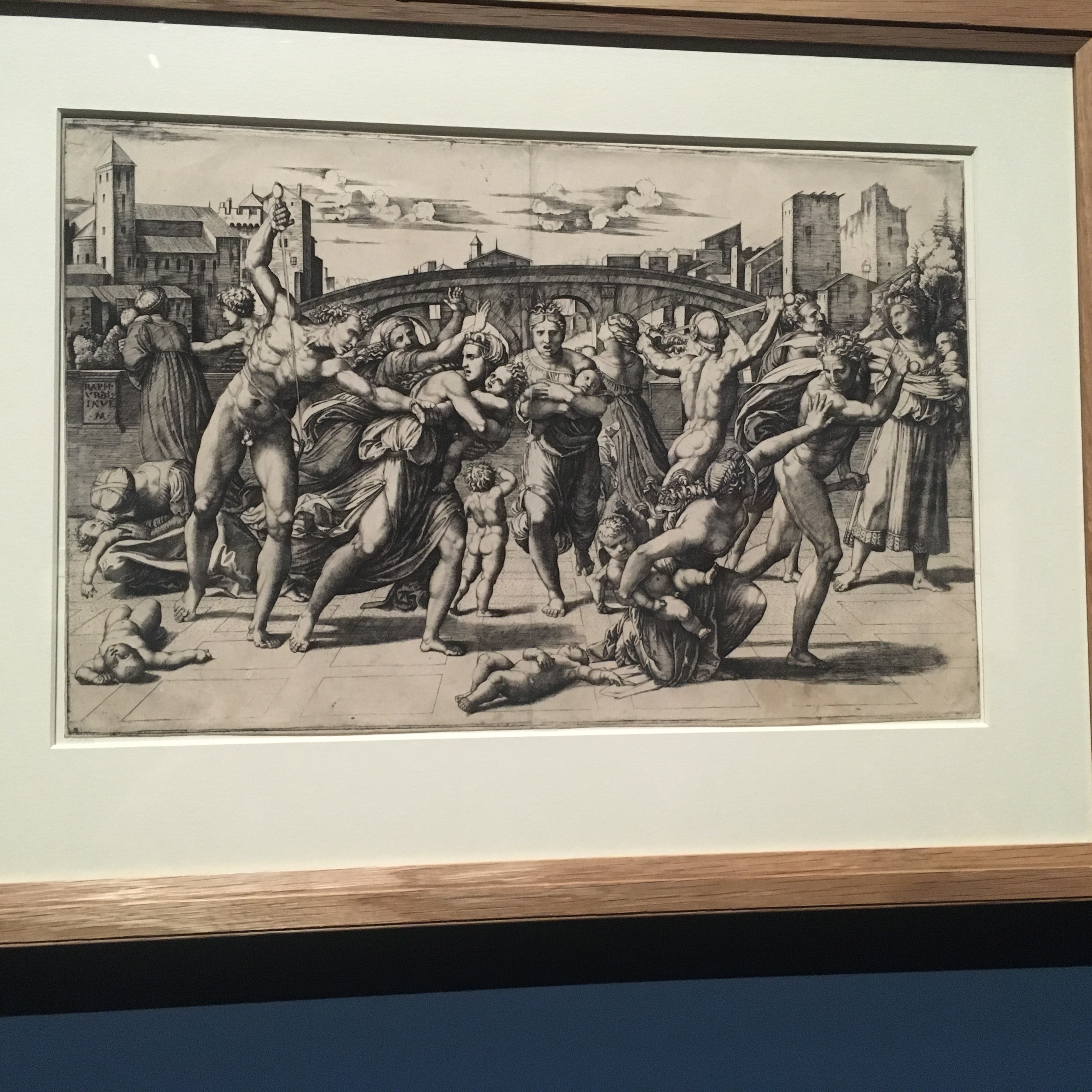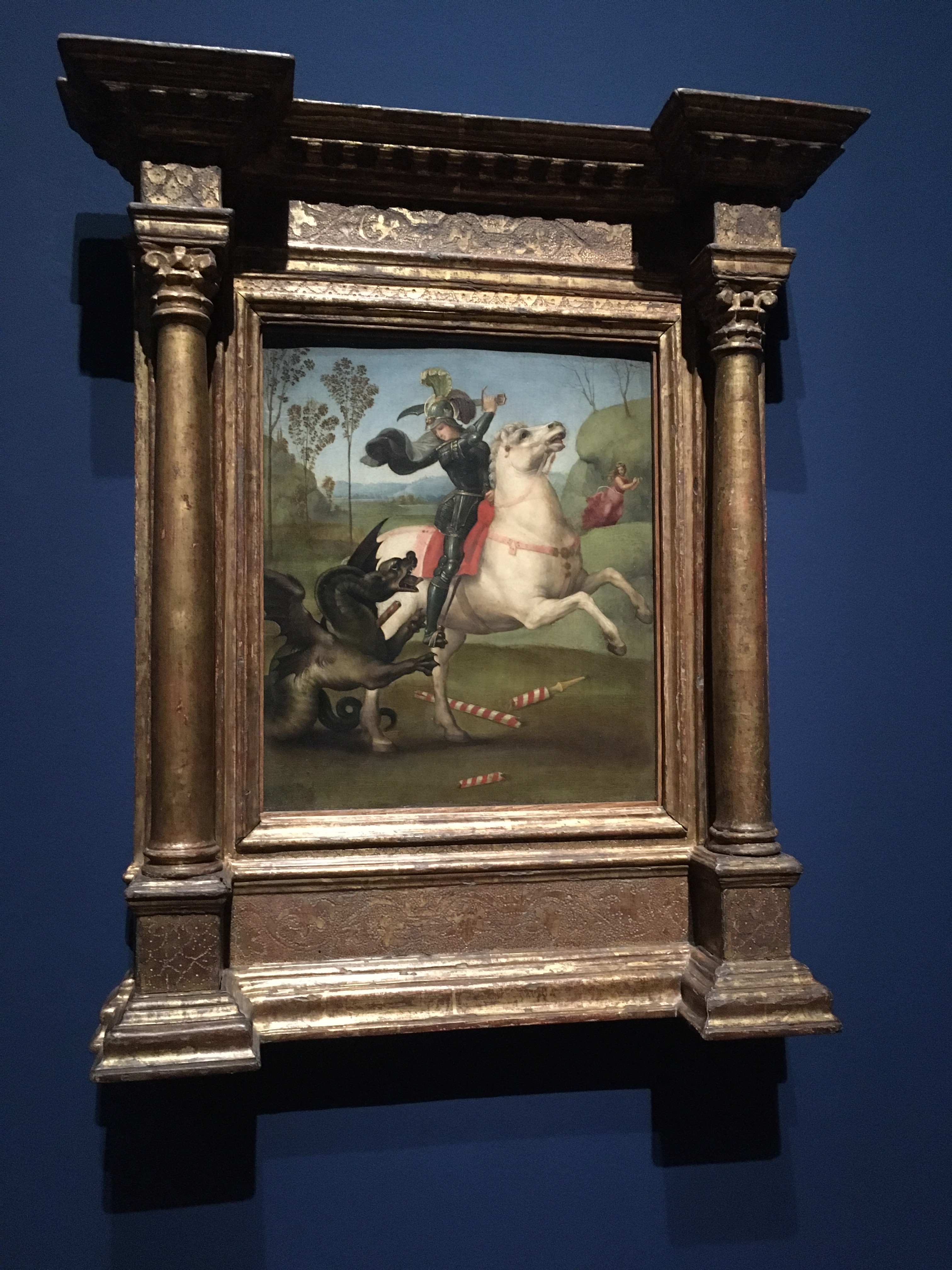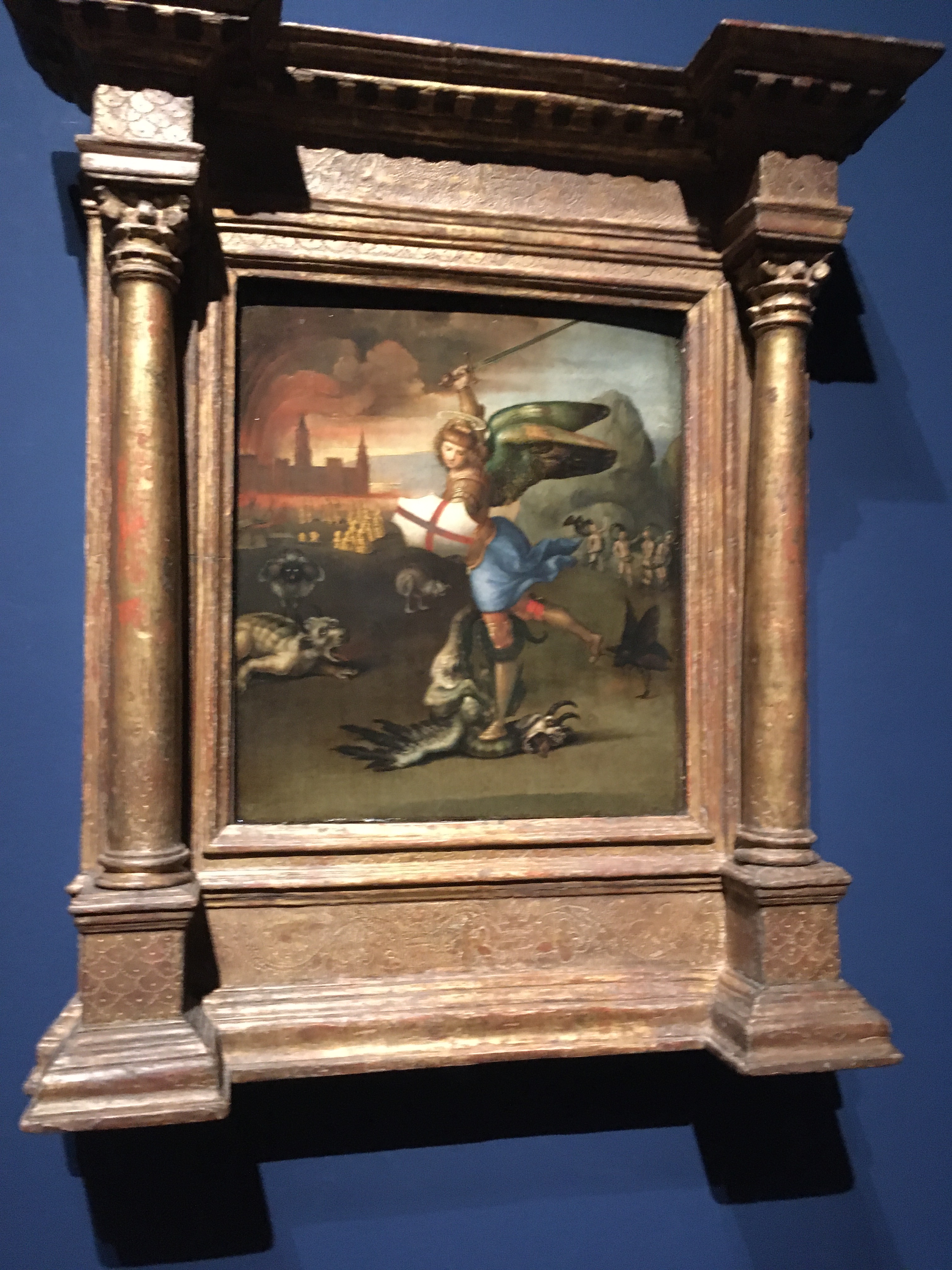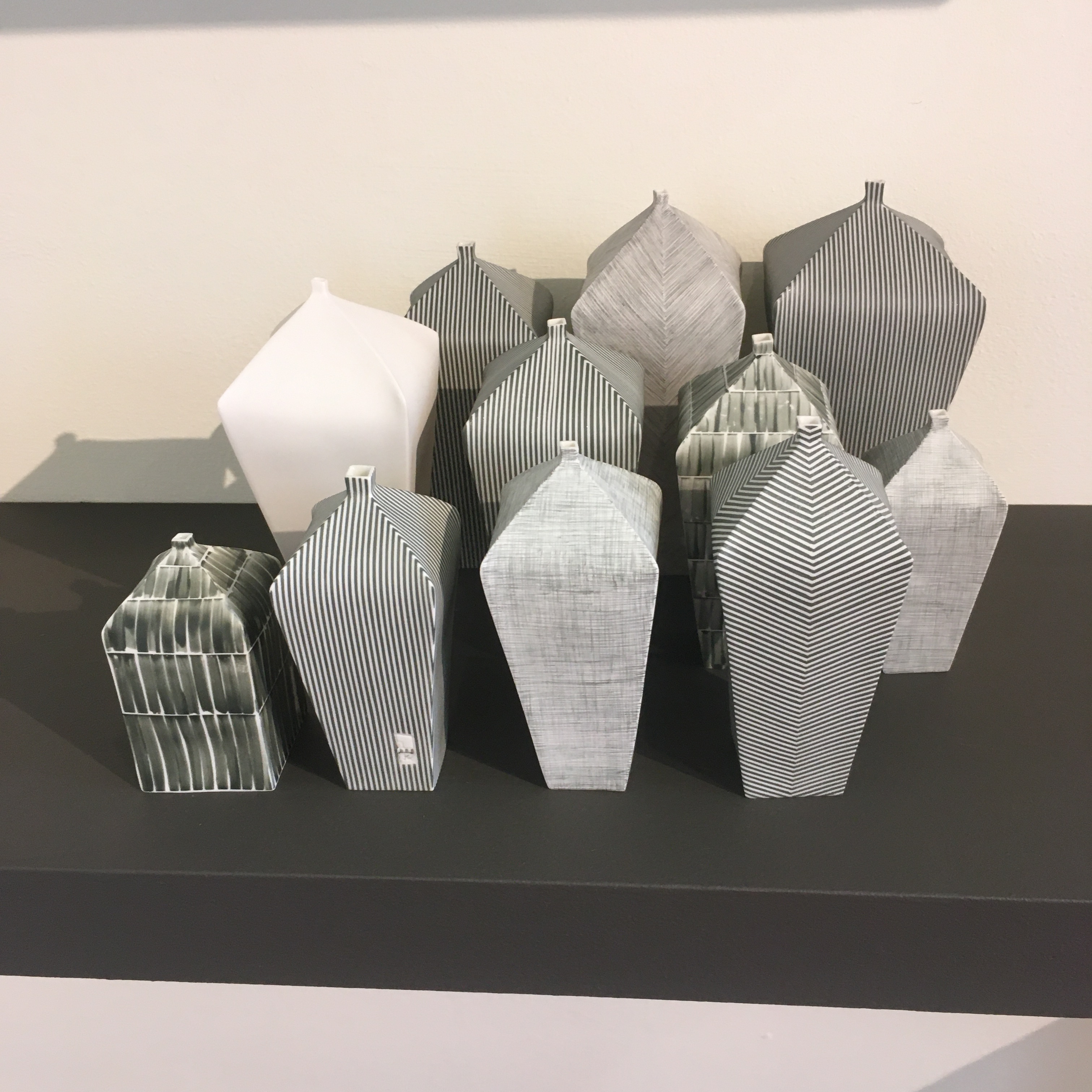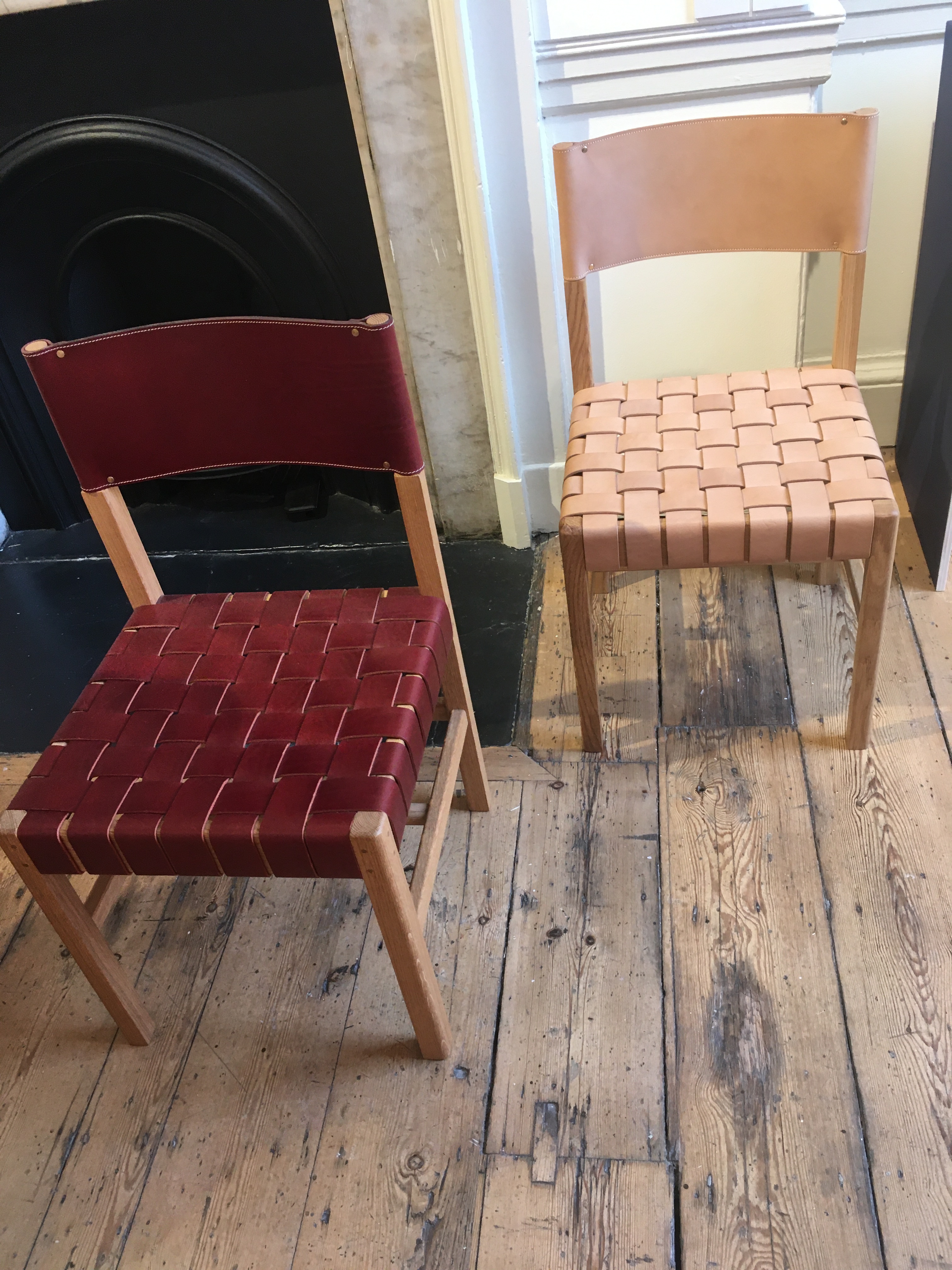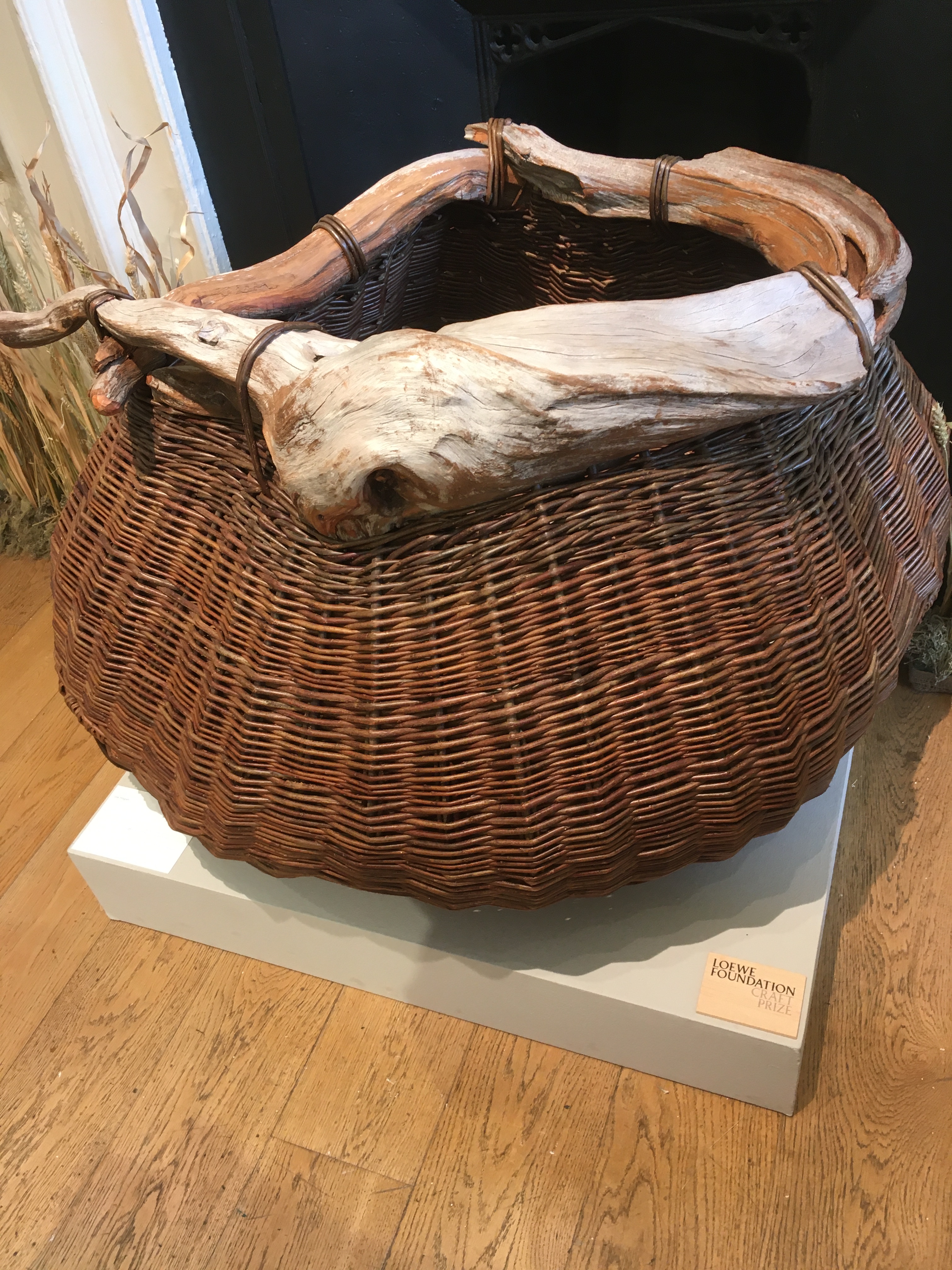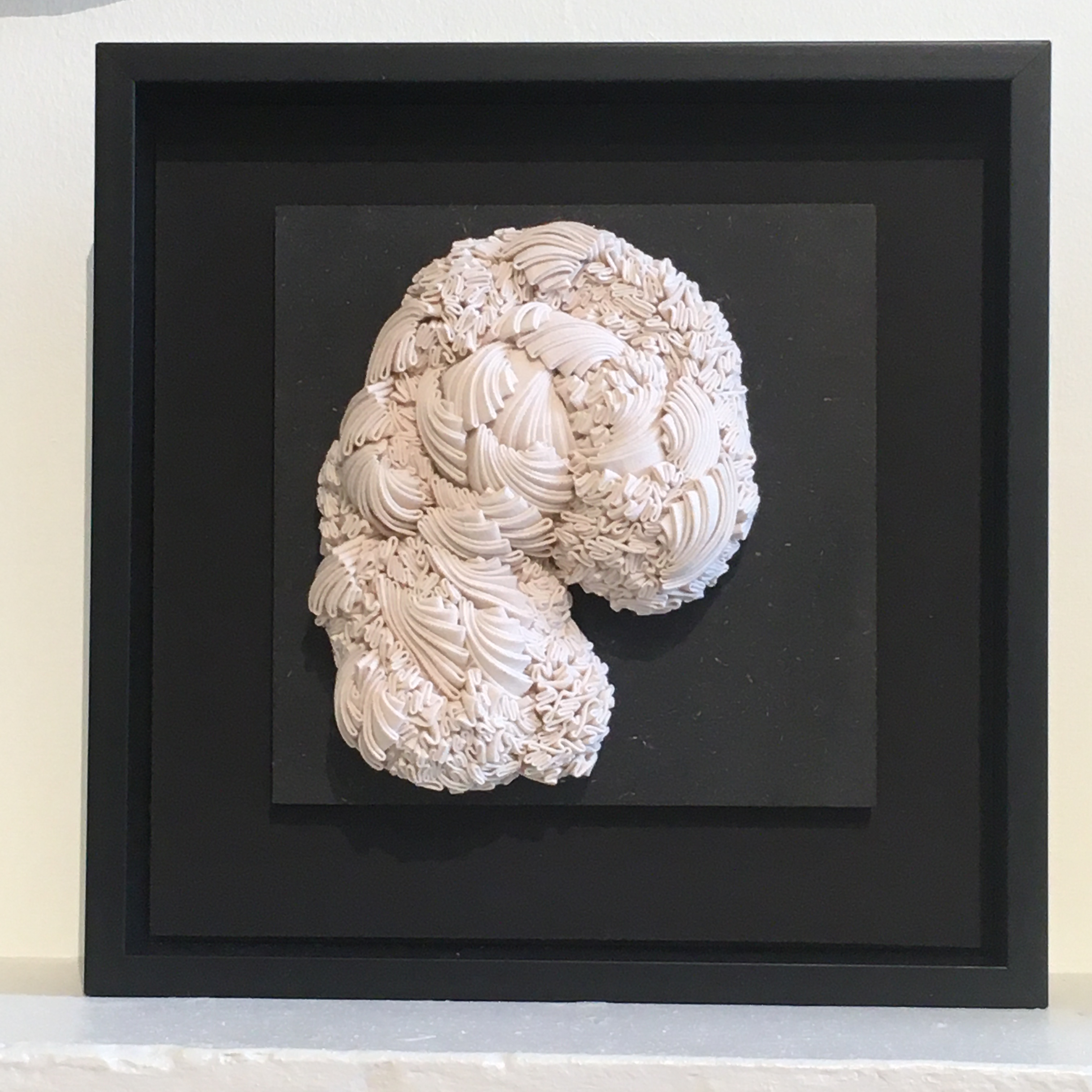
Raphael, the ultimate polymath, brilliant artist, designer, archaeologist, historian, philosopher and poet. He packed so much into his short life – he died aged 37 in 1520. He was a hugely successful artist of his time, with a vast workload, countless commissions and created work which was loved and lauded in his lifetime. This sensational artist has been given the exhibition he deserves at the National Gallery, London

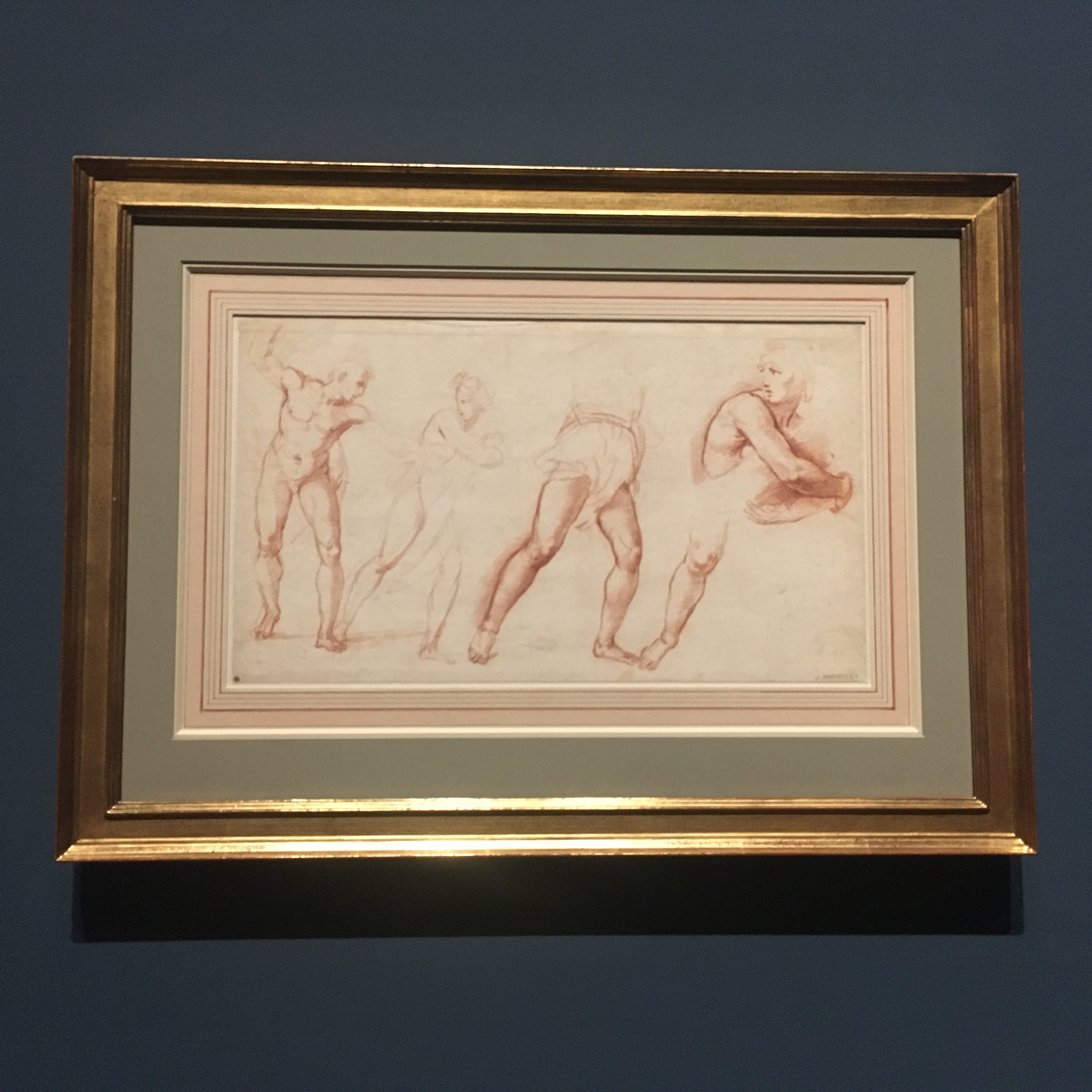
What makes this exhibition so fabulous is the way the curators have included many of Raphael’s sublime finished works but have also included many of the drawings or preparatory sketches which were made before each piece. With some exhibitions you might leave with the idea that the artist only ever completed finished masterpieces. The truth is that a great deal of ‘eyeballing’, as Hockney calls it, goes into the sketching of models, the arrangement of set pieces, selection of props and studies of backgrounds before the first layer of ground or glaze is put in place. With this show at the National Gallery, you really get a feel for the working artist, the way he saw the world, his relationship with his subjects, his assistants and his patrons as well as the philosophy which underpinned much of the work.
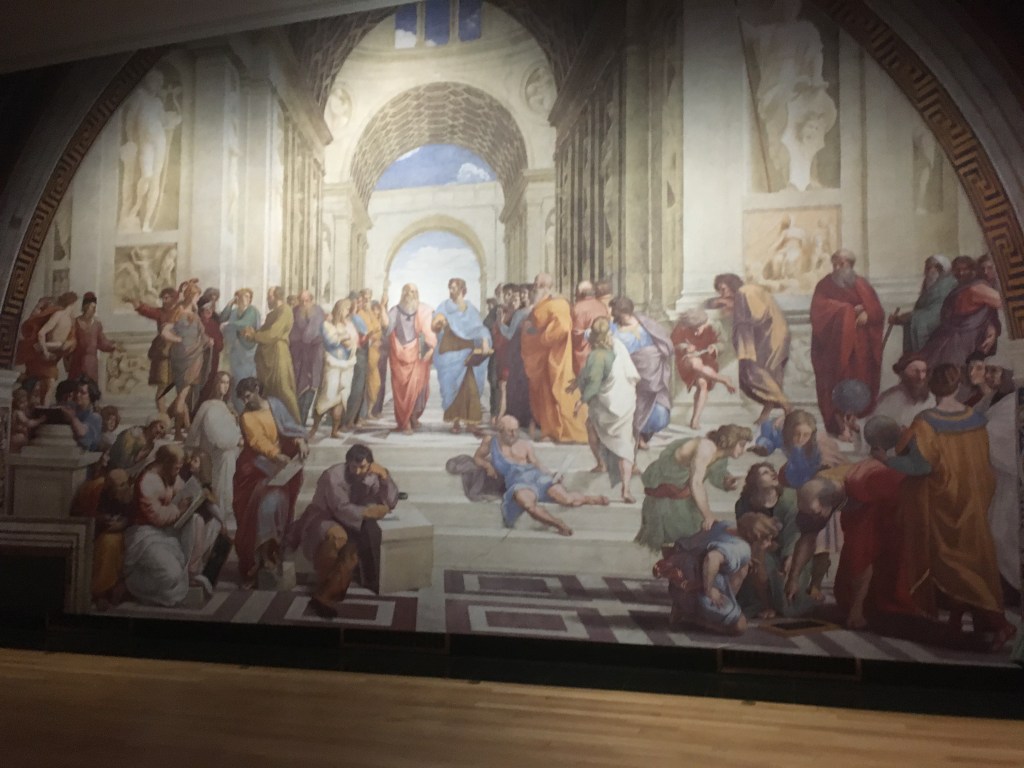
It’s great to see reproductions of huge frescoes. This, above, is a very clever reproduction of the work called The School of Athens – we see Plato (pointing upwards) and Aristotle (pointing downwards) at the centre. The figure at the front, seated and sketching on a block is reputed to be a portrait of Michaelangelo. The two artists, though working in Rome at the same time, were not friends.

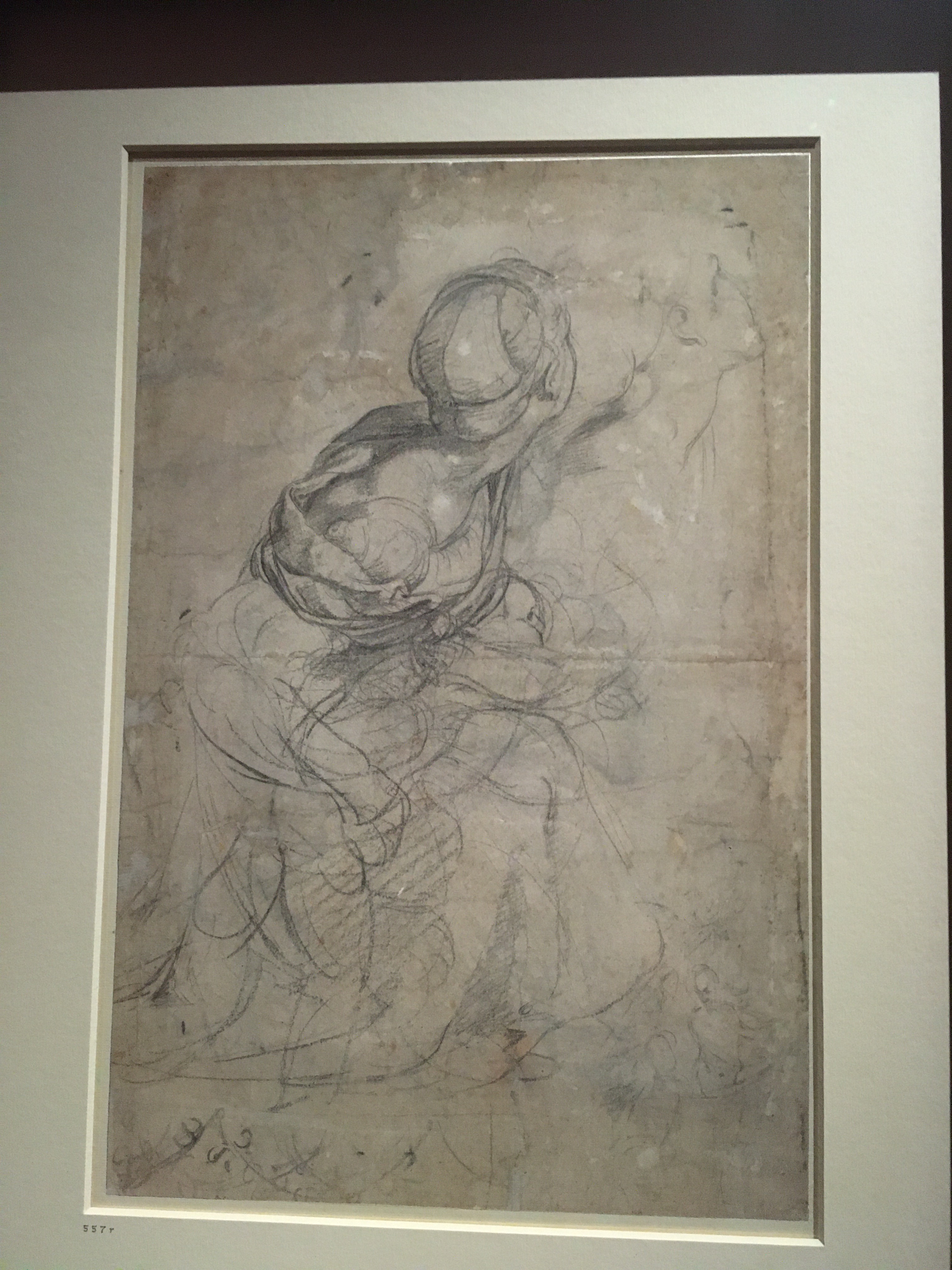
The preparatory drawings are rarely seen in exhibitions and it’s so enjoyable to peruse these sketches. Clearly Raphael had a very expert eye for the human form, male and female, and spent time working with life models to create poses which evoke emotion, movement, action. It’s like a peep behind the curtain of a very polished show and seeing all the ropes and pulleys which make illusions work.
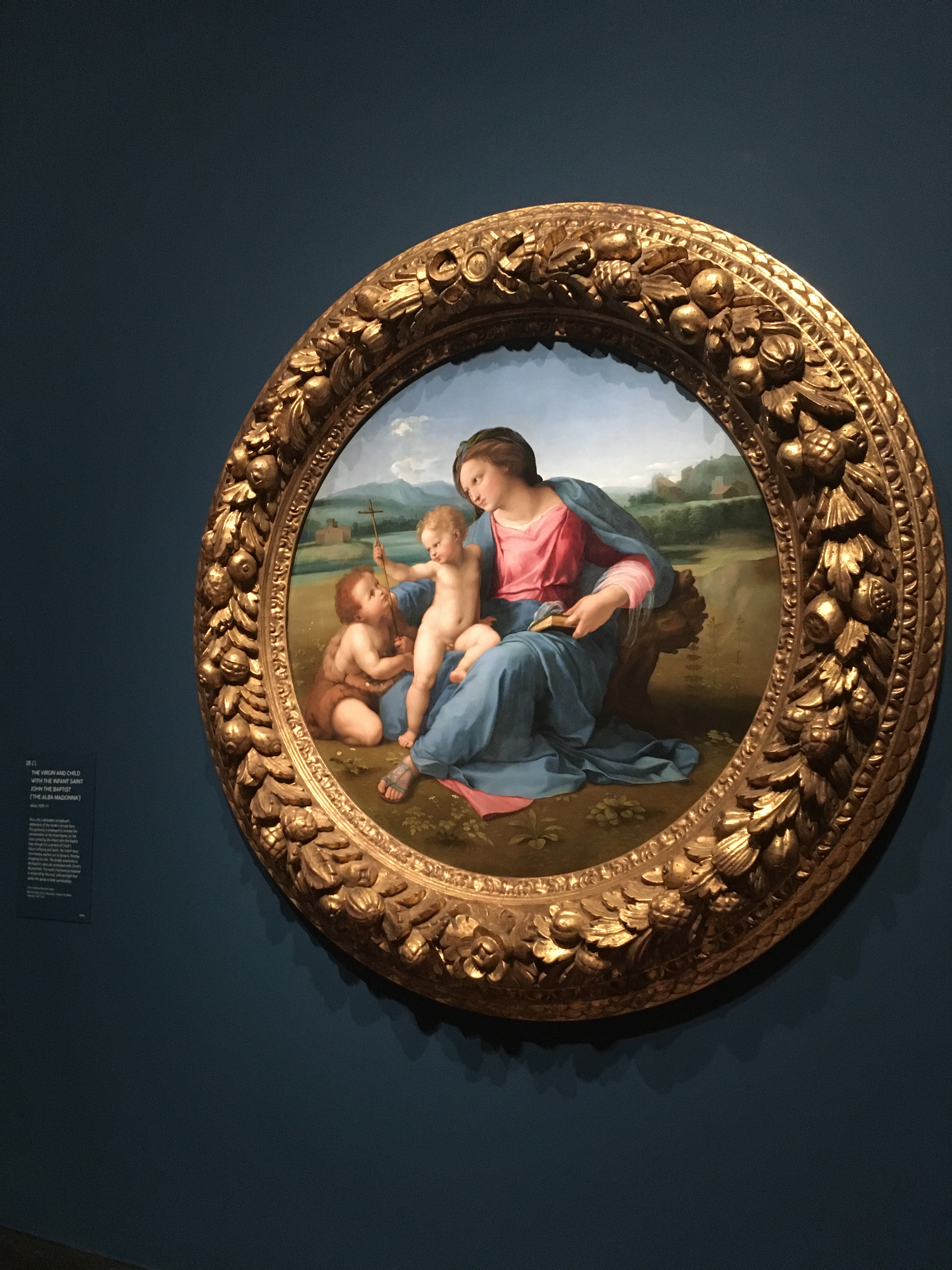
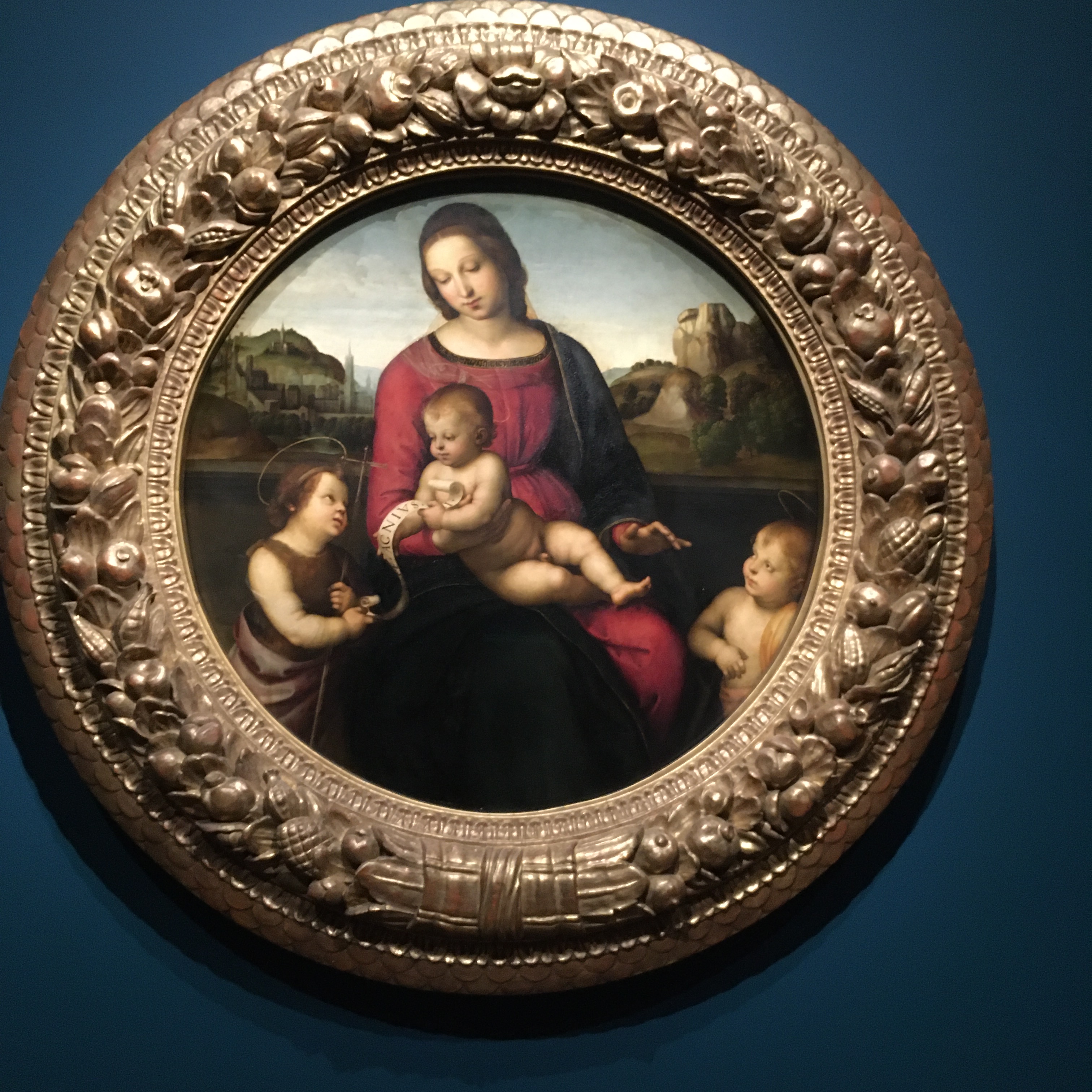
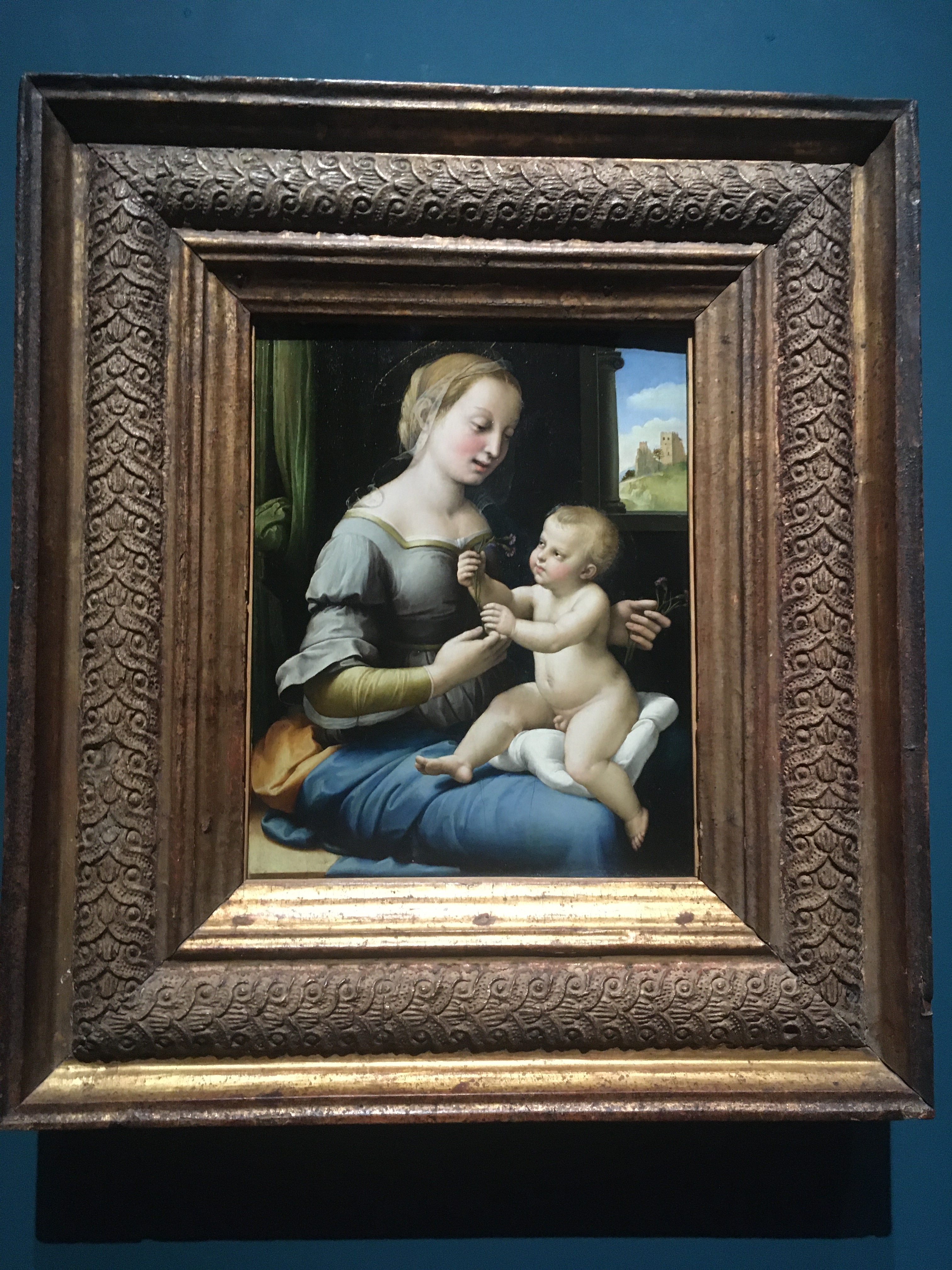
We have some beautiful madonnas – especially two Tondo (round) paintings which capture the bond between mother and child and the tenderness of their relationship.

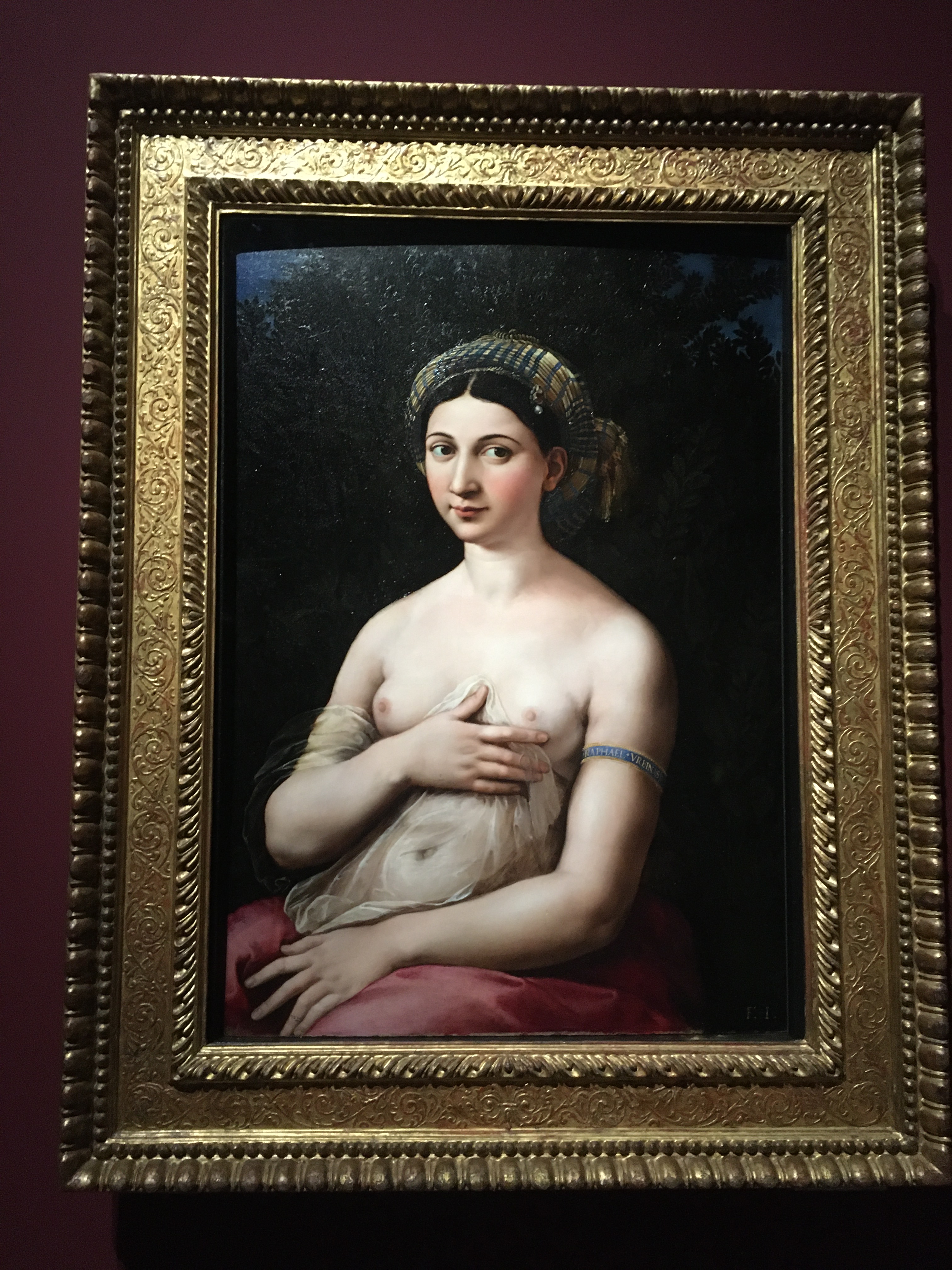
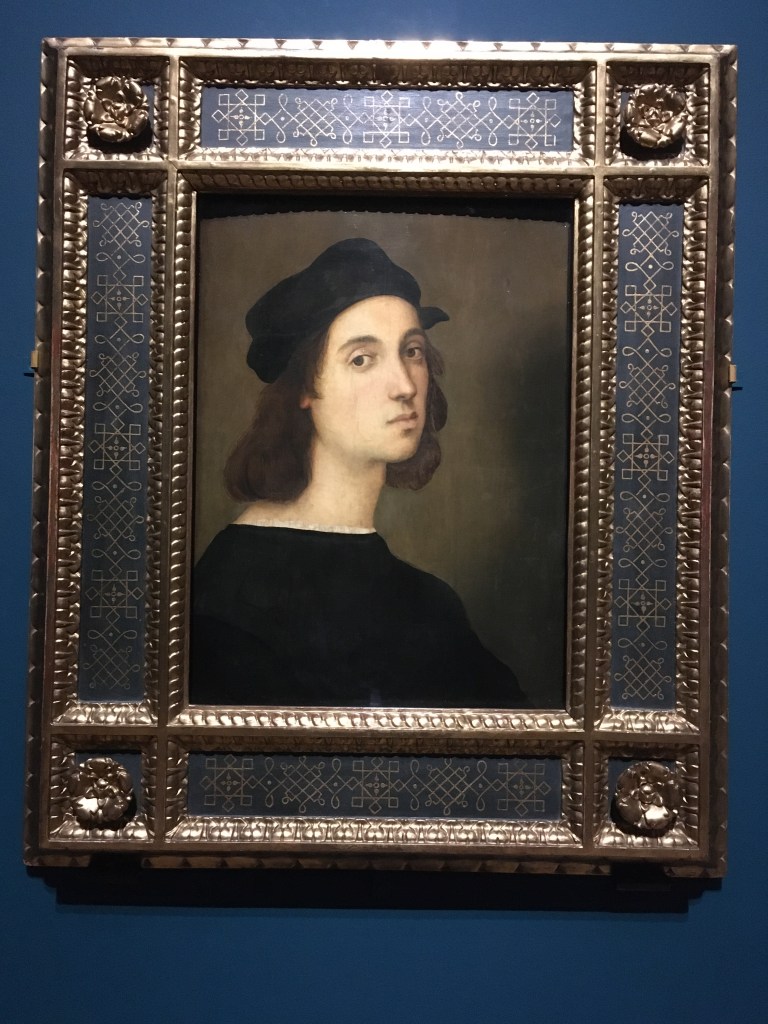
The portraits in the final room are a joy. On the left is a self-portrait of Raphael with his talented studio assistant, Giulio Romano. The central portrait is La Donna Velata (apparently a great love of the artist) and the rather more saucy Portrait of a Woman from 1519-20. What you take away from these portraits is the bond and the relationship between subject and painter. There’s a real feeling of engagement and affection.

What a shame that Raphael died so young but his legacy is huge and artists ever since have admired and tried to replicate his extraordinary style, his attention to detail and sheer technical brilliance. This is a fabulous show.

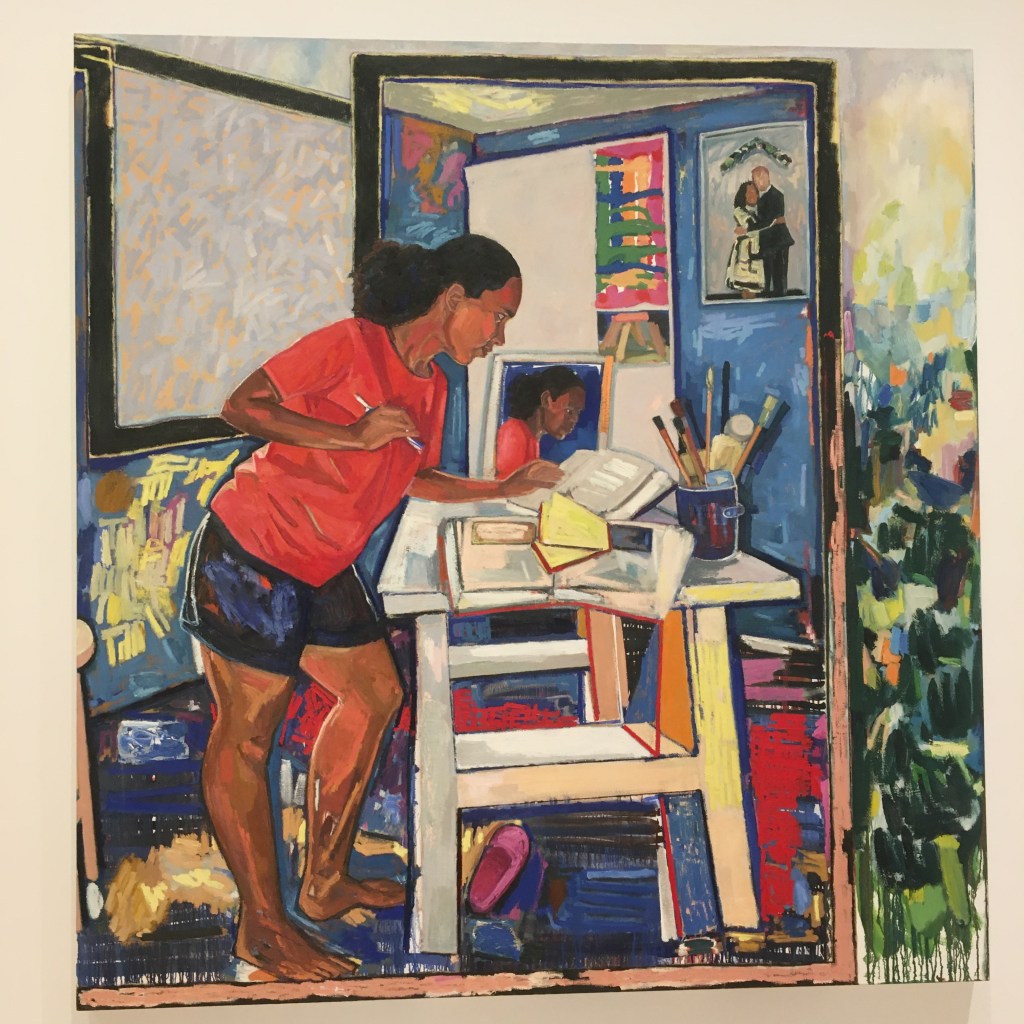
A room of one’s own – it’s all true. If you want to be an artist you must have space and the studio becomes an extension of the artist’s inner world. There’s a wonderful show at the Whitechapel Gallery called A Century of the Artist’s Studio1920-2020 and it charts the use of the studio by a variety of artists and their practice.

Mequitta Ahuja, Notation, 2017

Anyone who makes, paints or creates in some way needs a space. Virginia Woolf was right, you need a ‘room of one’s own’, a place where you can make a mess, explore ideas and do your own thing. It’s really satisfying to see an exhibition which celebrates the importance of the space you work in. It expands the notion of a physical space into the realms of experimental space, space as performance, space to live in and entertain in.

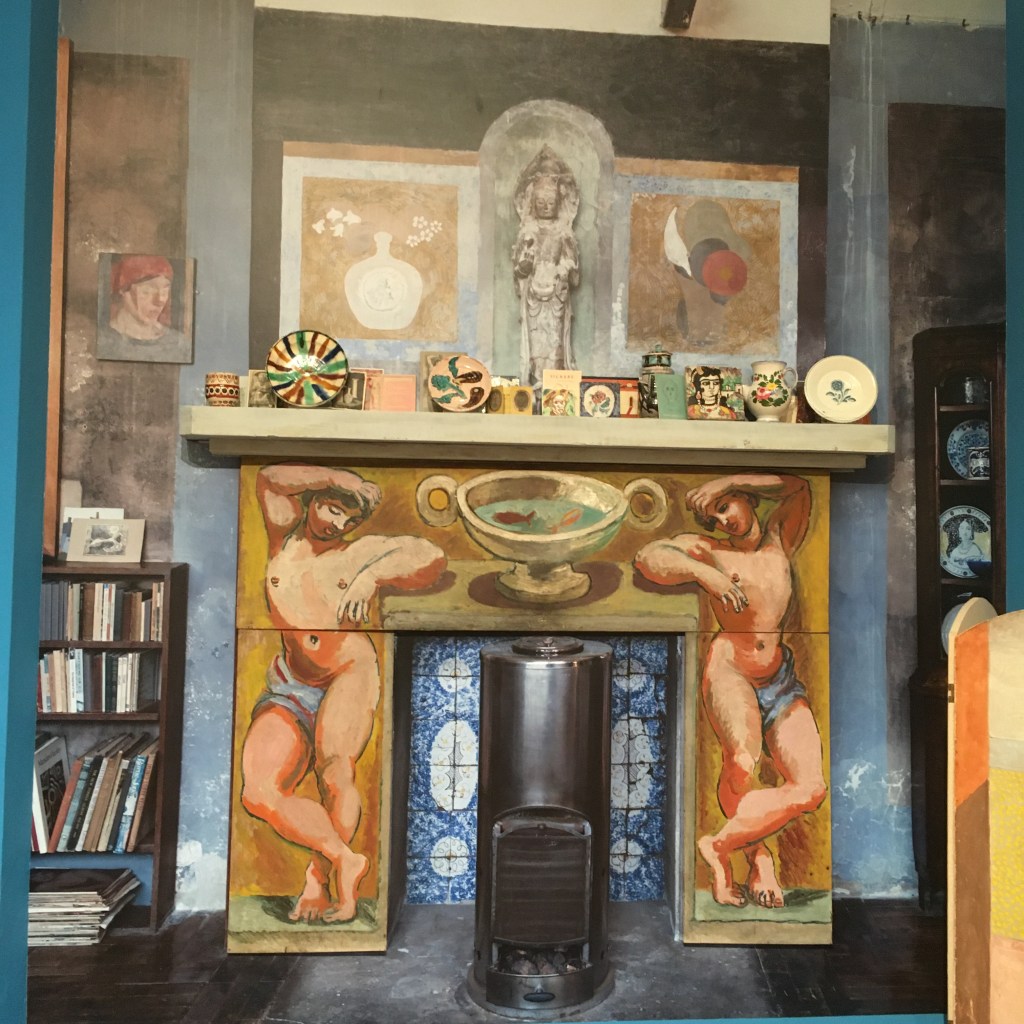
Duncan Grant, Chimney Piece, c 1925

I’ve loved the way the Bloomsbury set used their home as a vast canvas and this chimney piece, painted by Duncan Grant, gives you a great idea of the way Charleston Farmhouse was turned into a huge interior canvas for artwork.

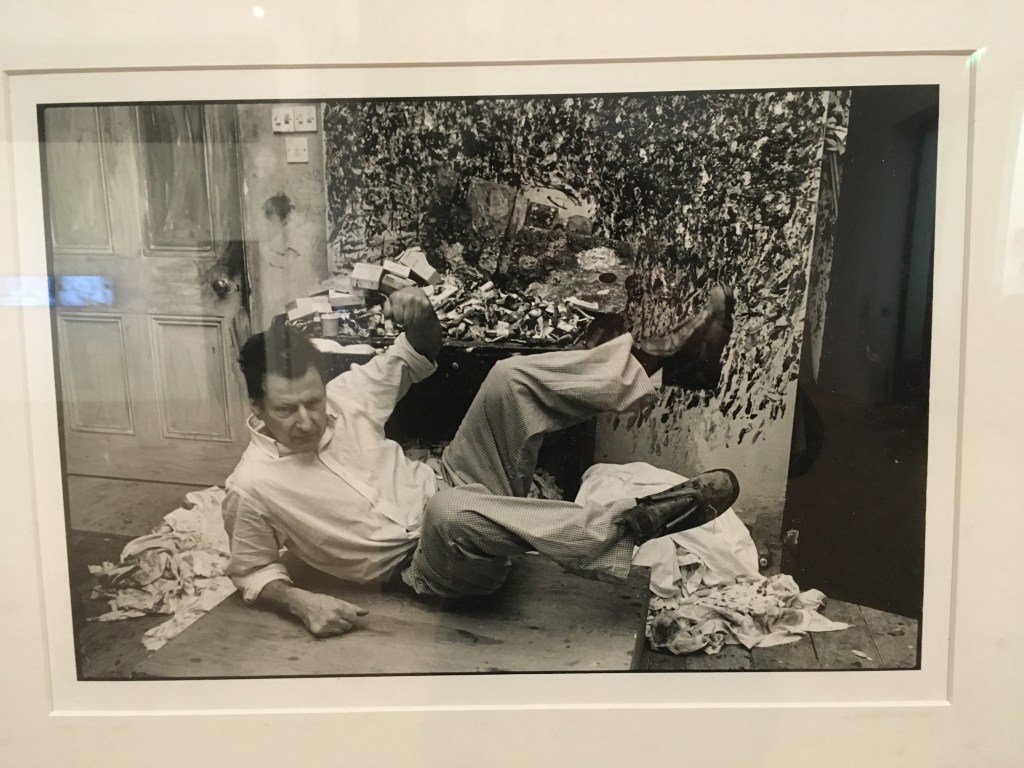
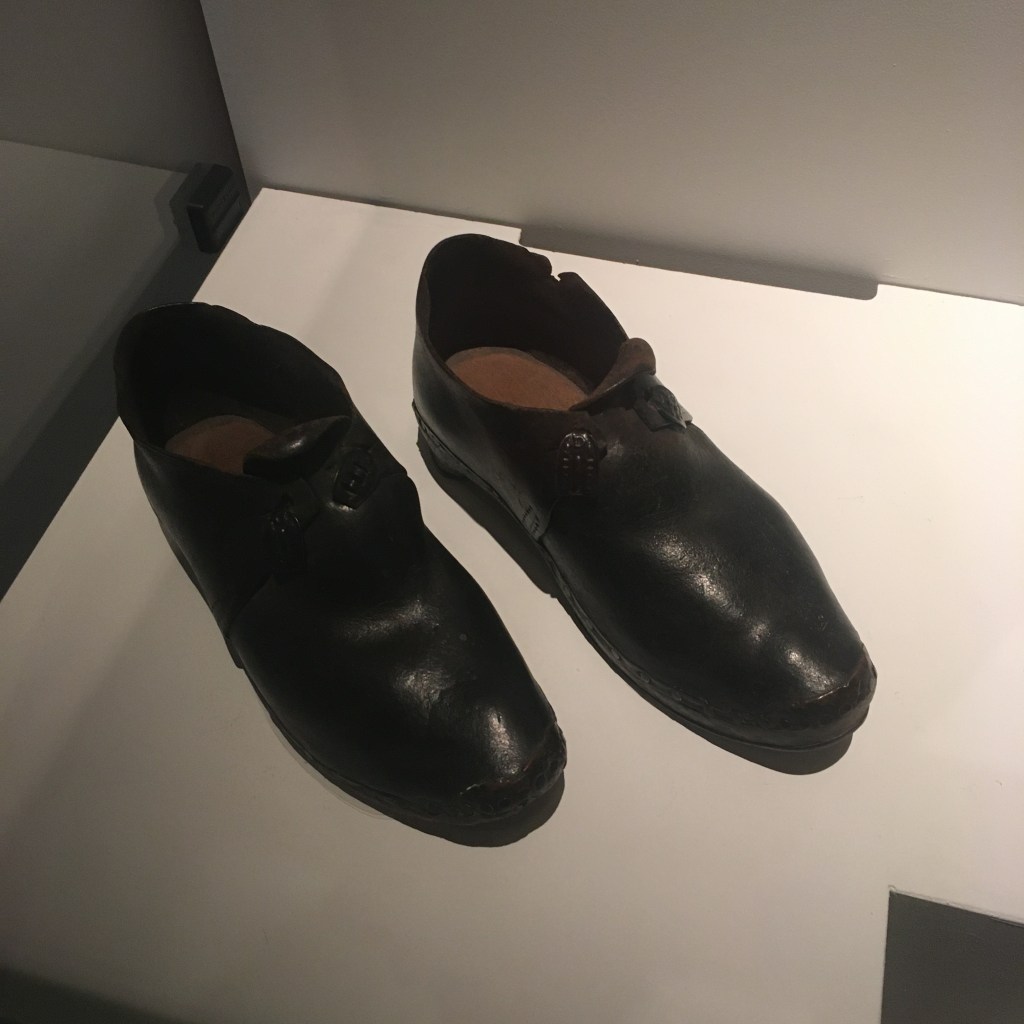
Here’s Lucian Freud in his studio with that famous wall daubed with excess paint, the pile of rags and mess of paint tubes on his table. The photo was taken by Bruce Bernard in 1983 and shows Freud in his famously painty spattered shoes which feature in a nude self-portrait he painted.

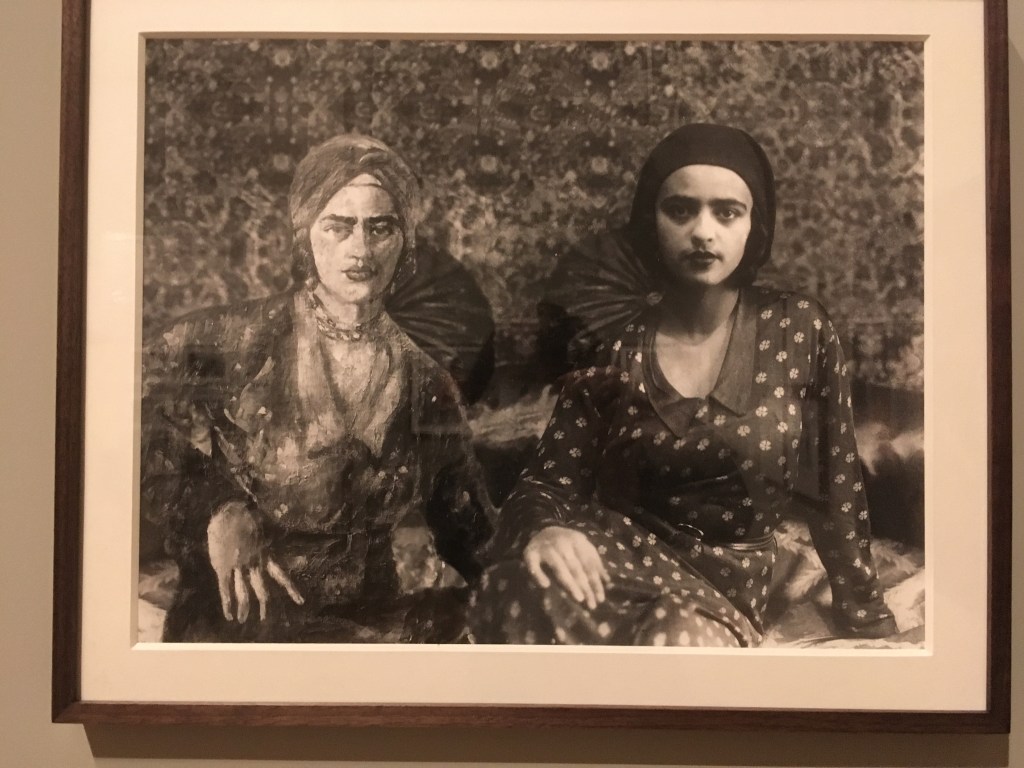
I was taken by this mingling of photography and painting by Vivan Sundaram 2001, which presents a very witty compare and contrast of art forms.

This show has been very imaginatively assembled in a non-literal way, with enjoyable artworks, installations, sculptures and films. But they all convey the sense that the possession of a personal space has allowed and encouraged the creation of art. And that’s what we all need.

A Century of the Artist’s Studio is on show at The Whitechapel until 4 June 2022

#The ArtistsStudio #ThisSpaceofMine

So much to see and so much to admire. The 2022 edition of Collect, organised by the Crafts Council at Somerset House, presents a dazzling array of top quality crafts made by many of the world’s best practitioners. It’s a treat and such a relief that it’s back. Collect is on until 27th February 2022.

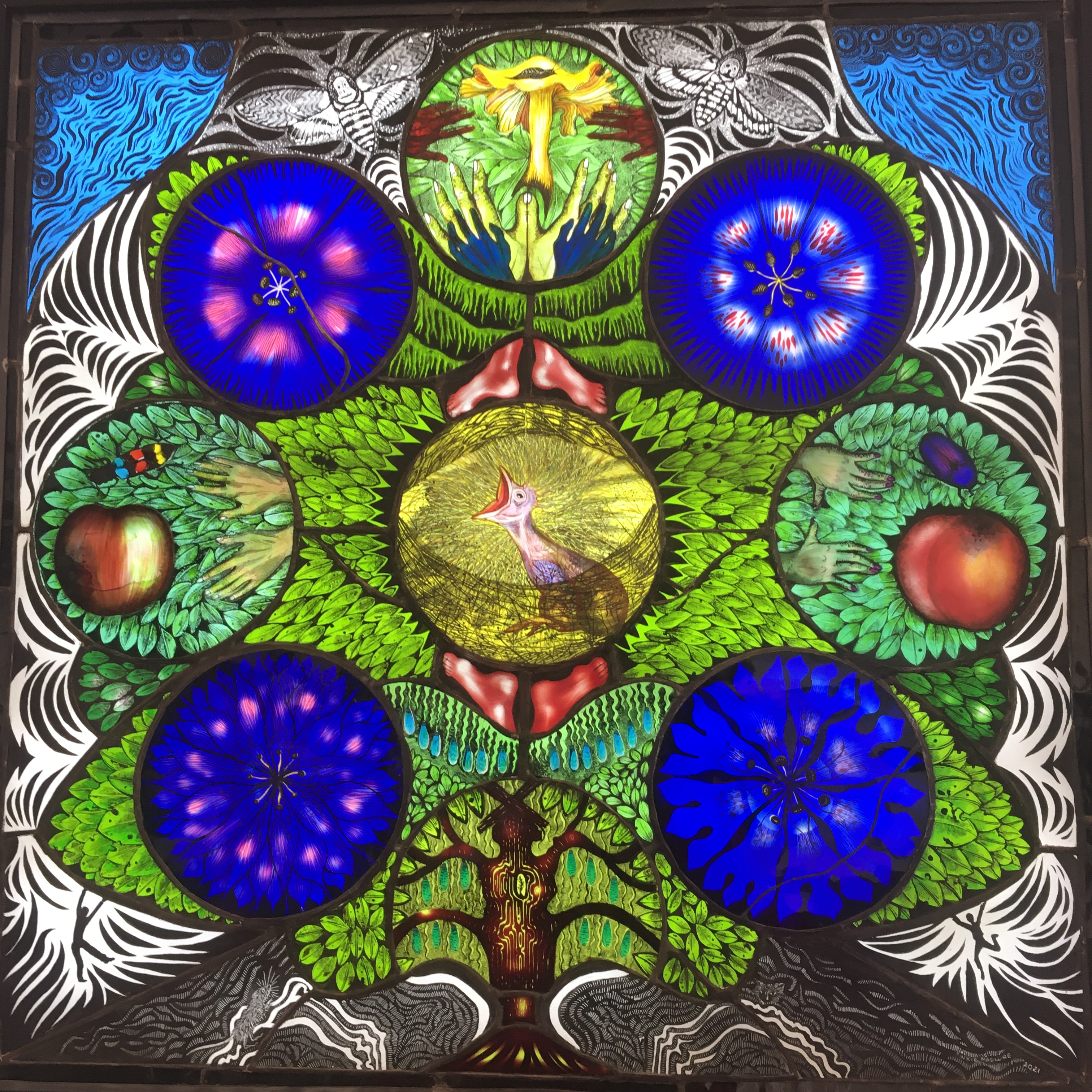
I guess I was attracted to this work by Pinkie Maclure, in North Lands Creative room East Wing E16, because of the fabulous colours and the intriguing narrative to the piece. It takes stained glass artwork to a new level.

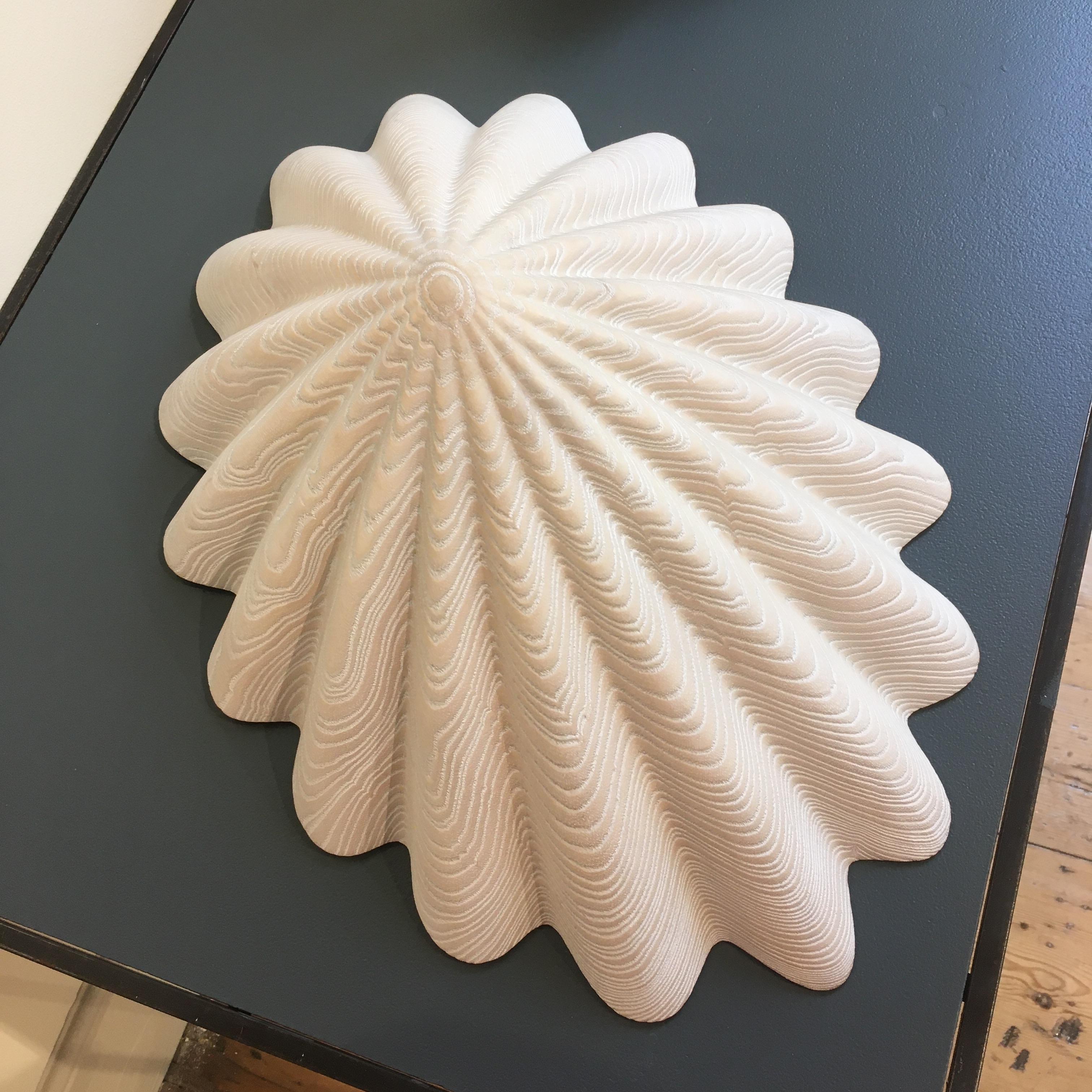
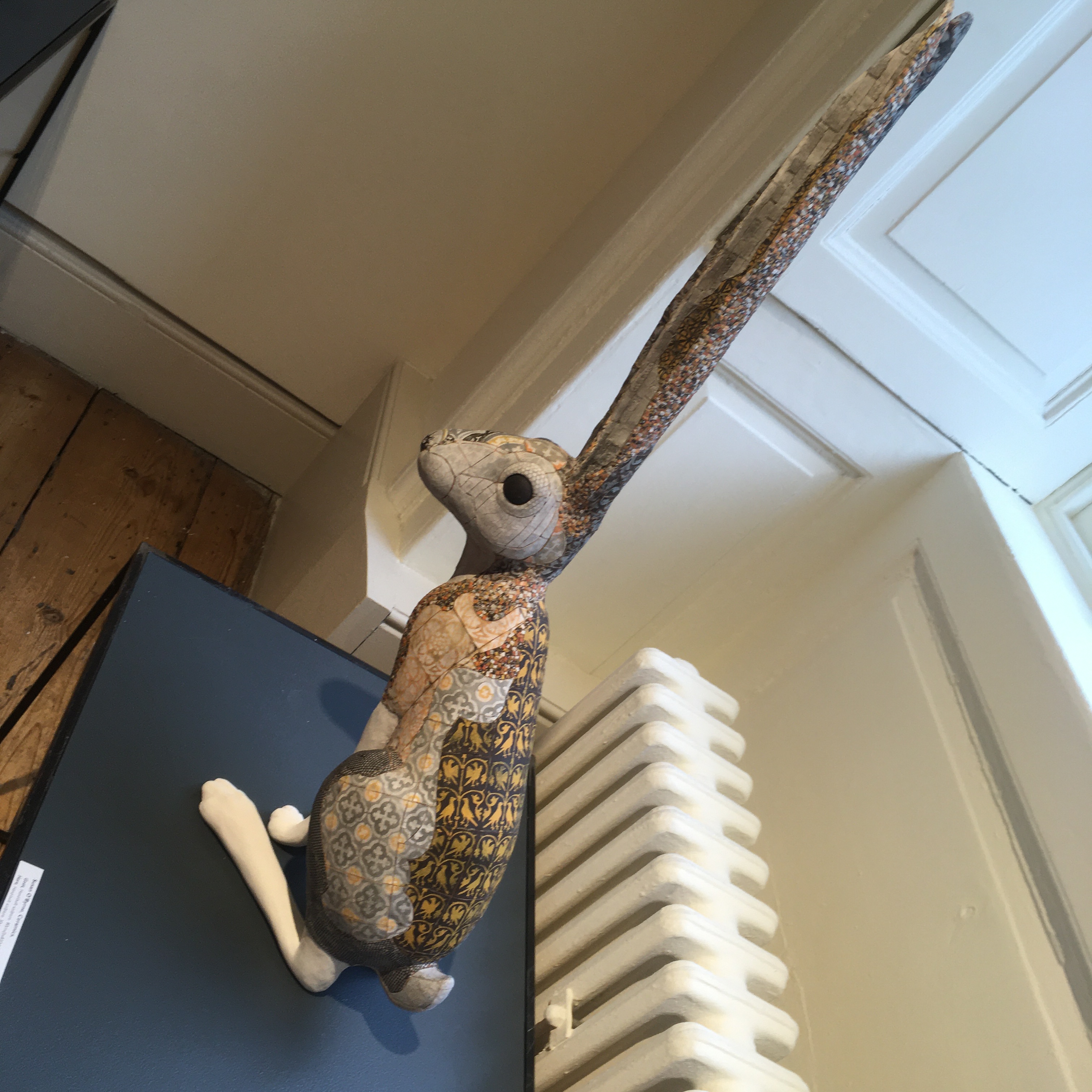
These two at the Craft Scotland room, West Wing W10, caught my eye. I loved the surface on these pieces: carved Limpet by Duke Christie and a very decorative ceramic hare by Susan O’Byrne.

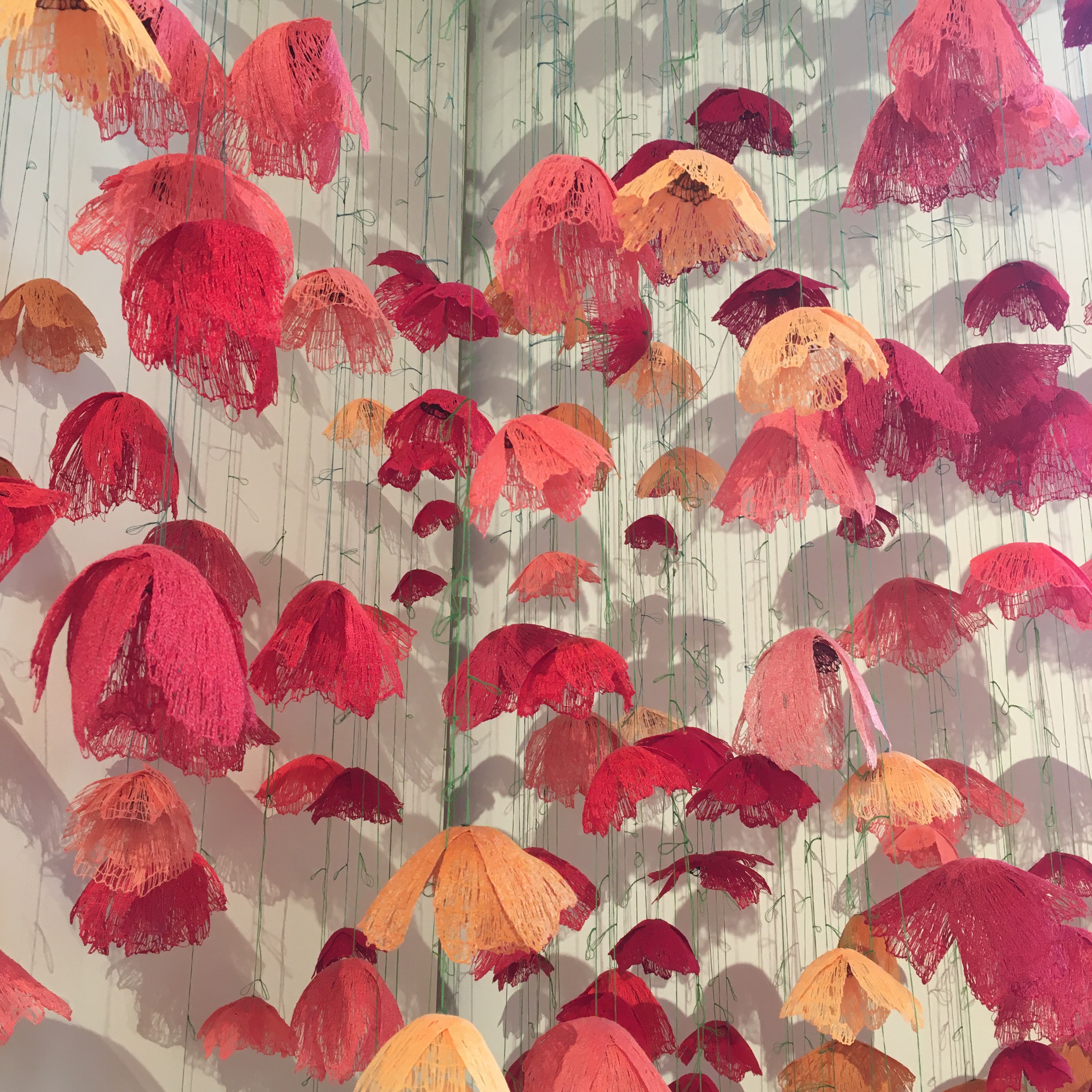
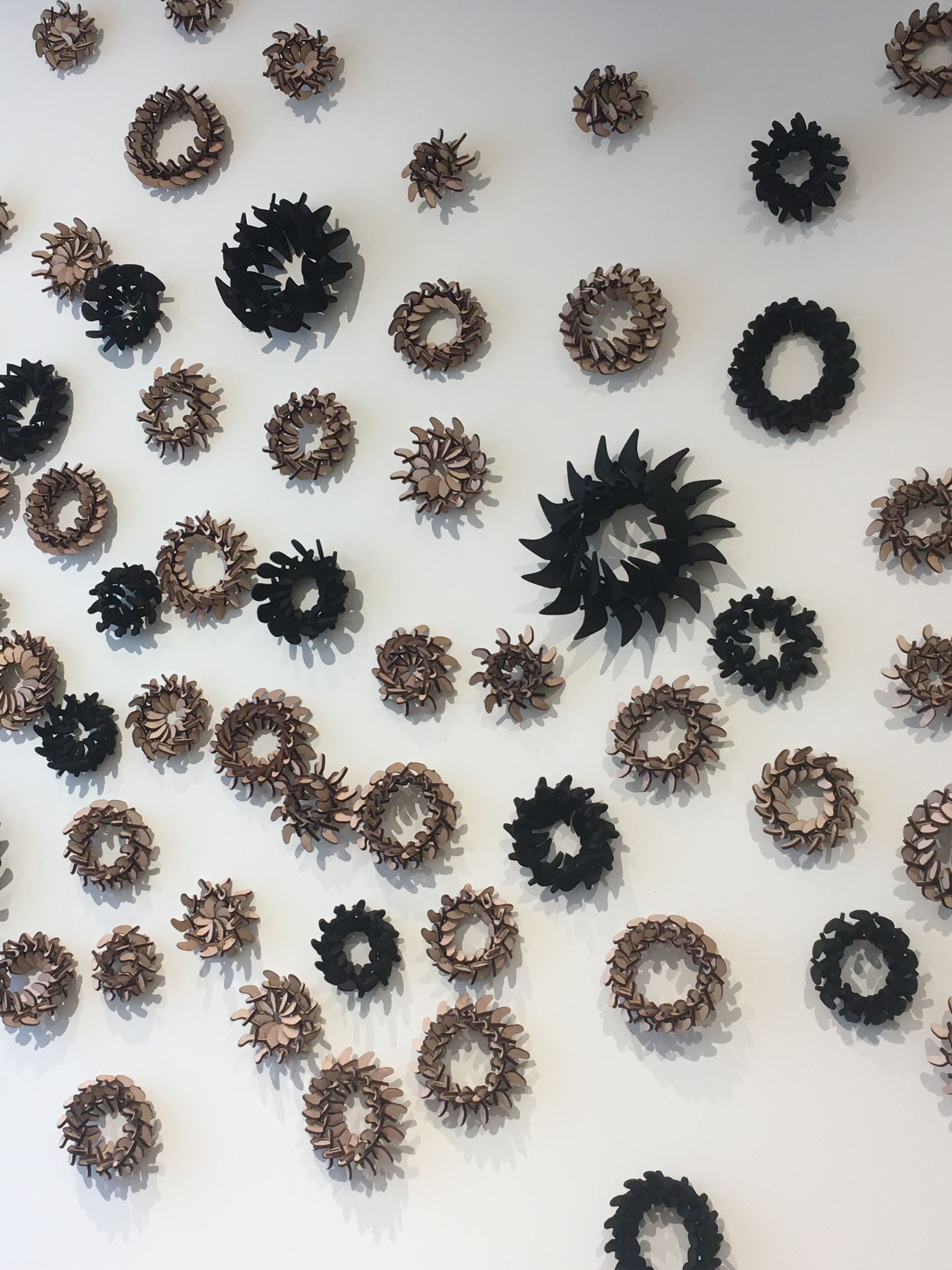
It’s hard to resist multiples when they festoon a wall. I was very taken by Amanda McCavour‘s very pretty paper and embroidery poppies which cut a dash in the Cynthia Corbett Gallery, South Wing S9. And Naomi Mcintosh’s installation was decorative and arresting.

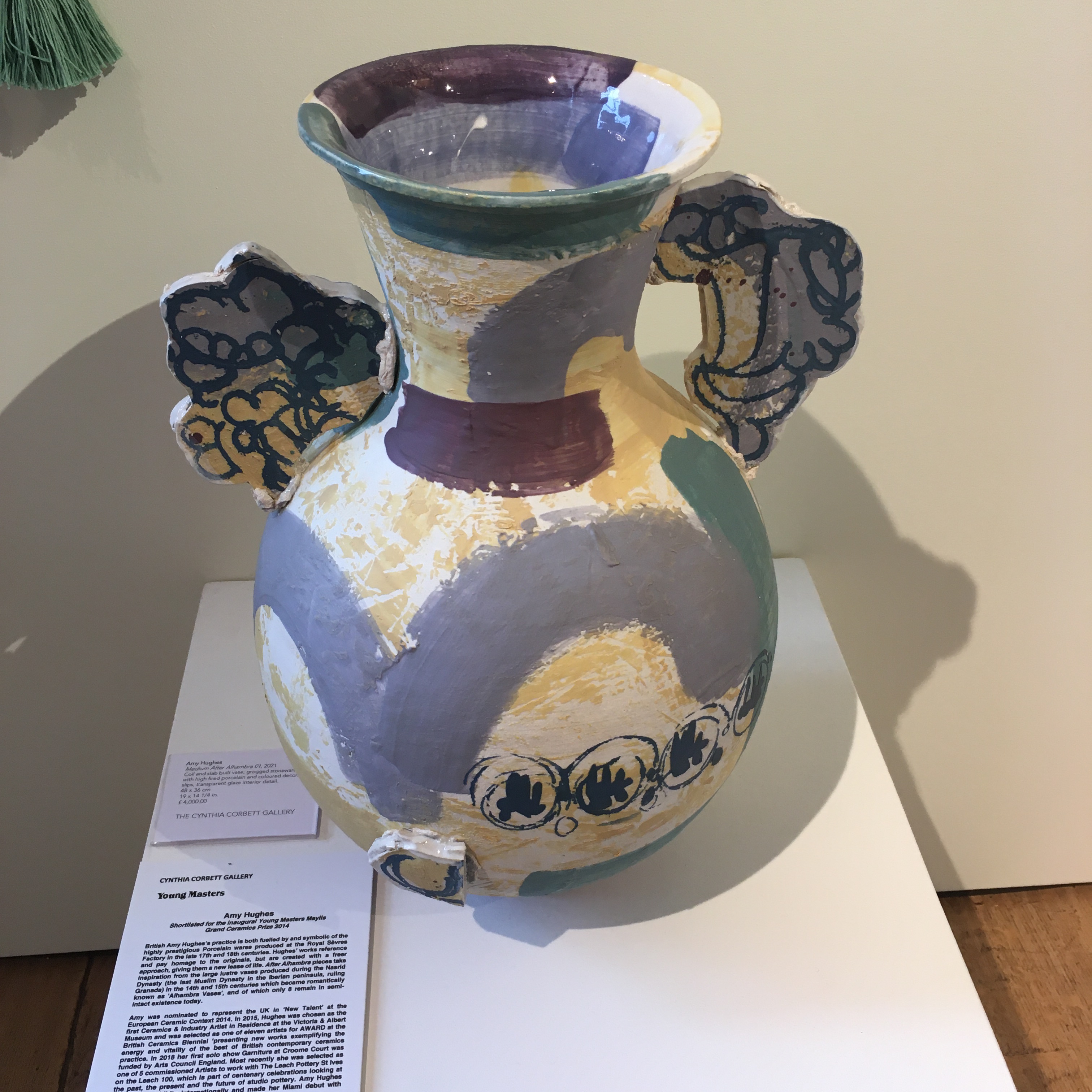
There’s a huge abundance of wonderful ceramics on show. I can’t show all the photos I took but here are couple. I think it’s the texture and decoration which does it for me.

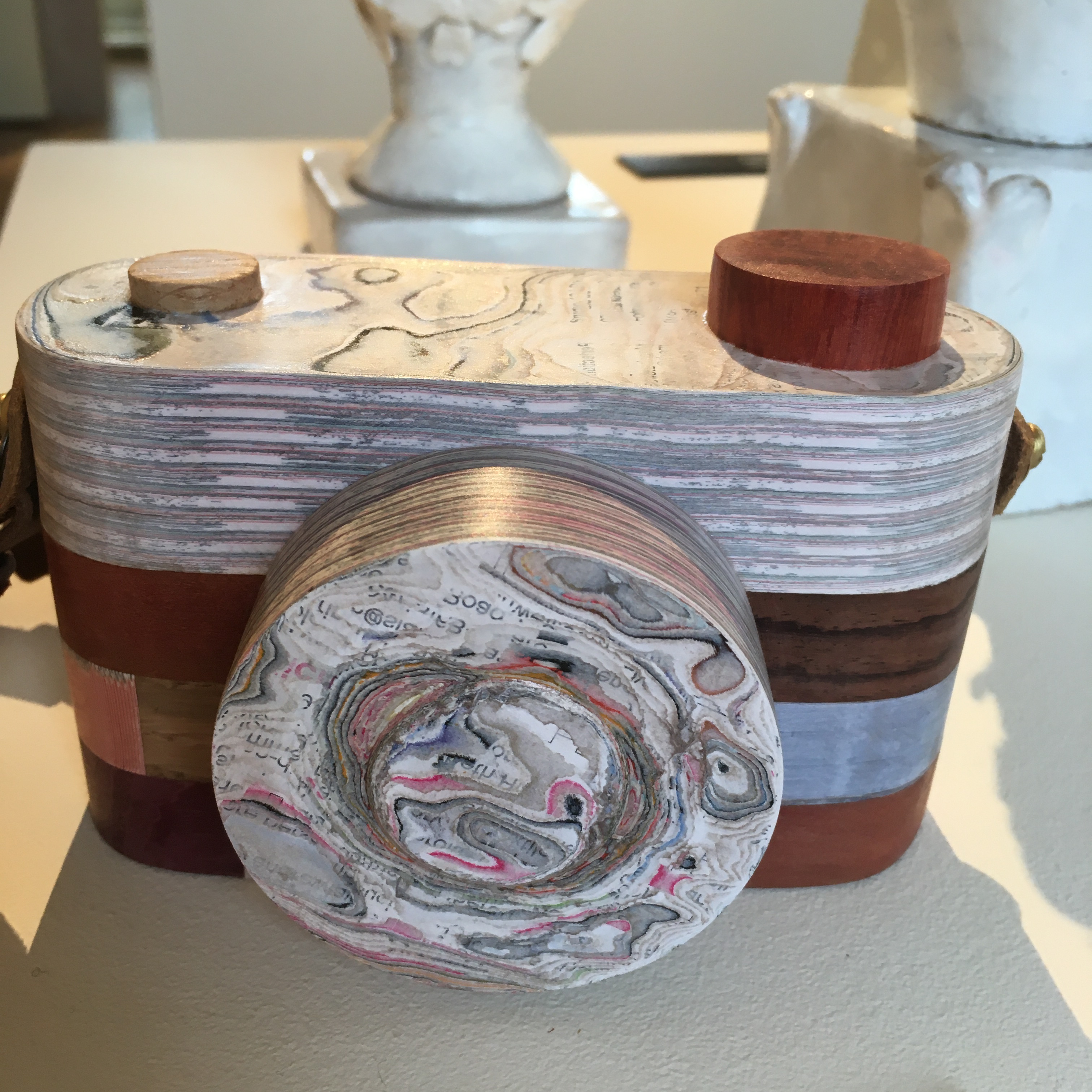
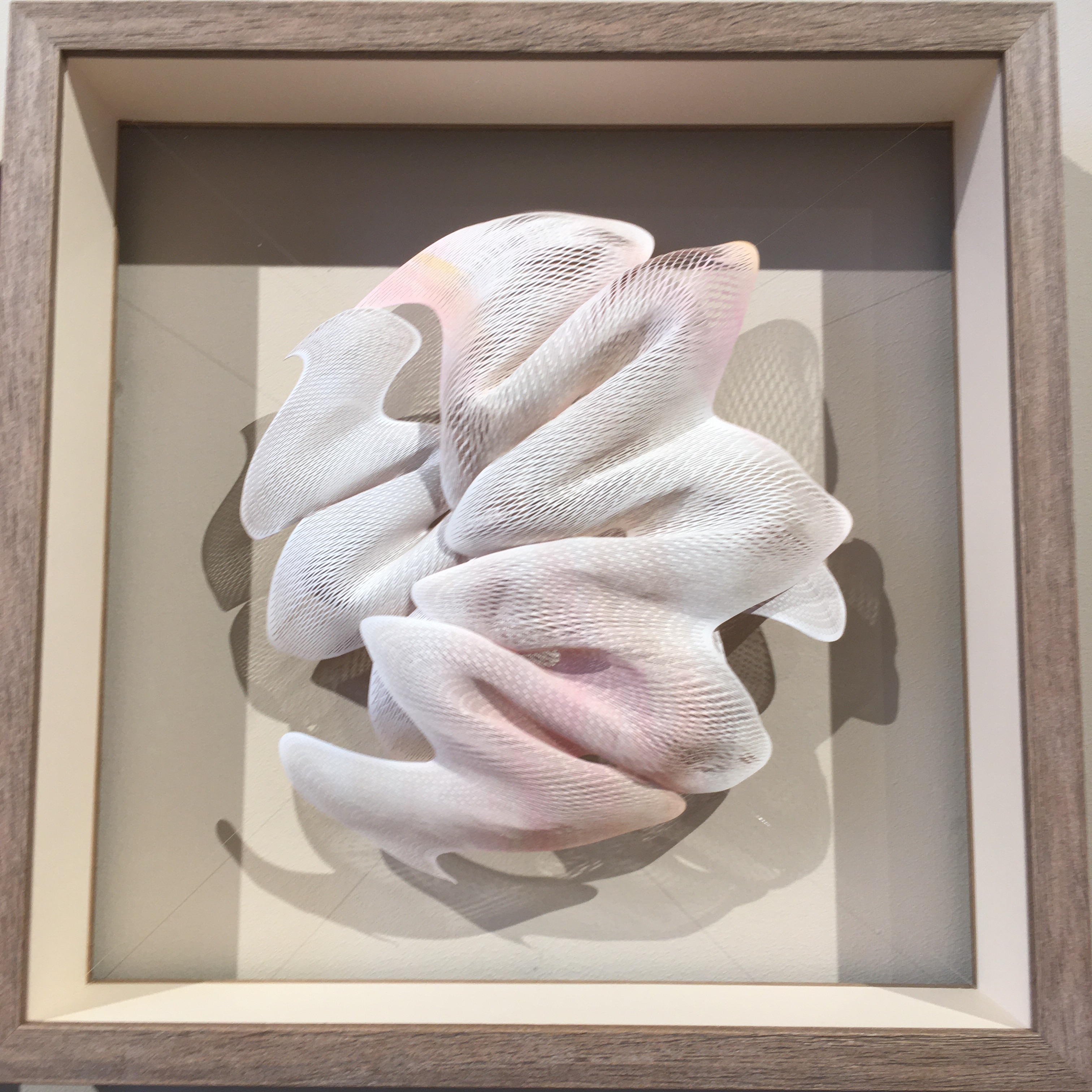
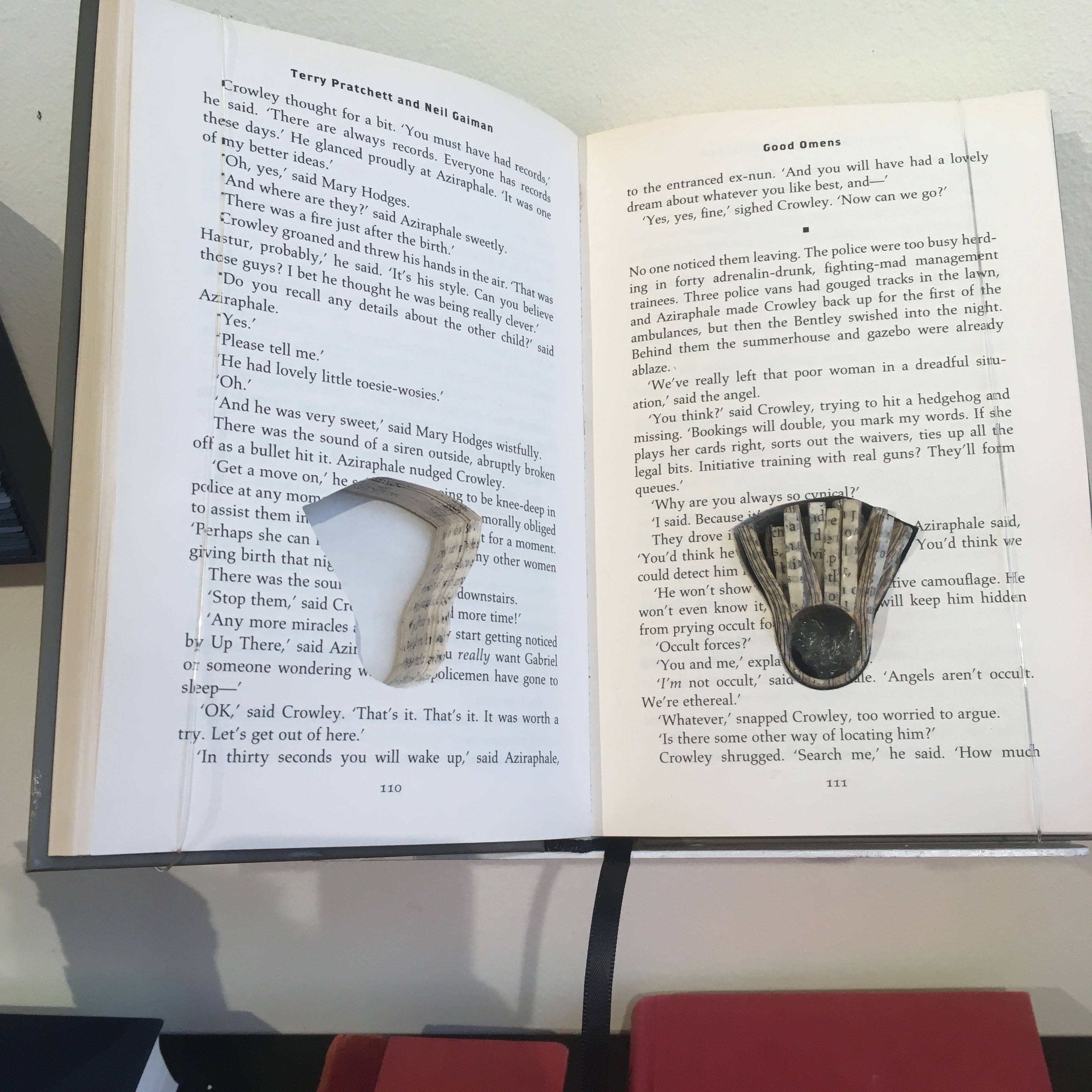
And finally, here are some pieces made from paper – always the material I’m keen to see used!

Above, art within a book by Jeremy May at the Jagged Art Gallery.

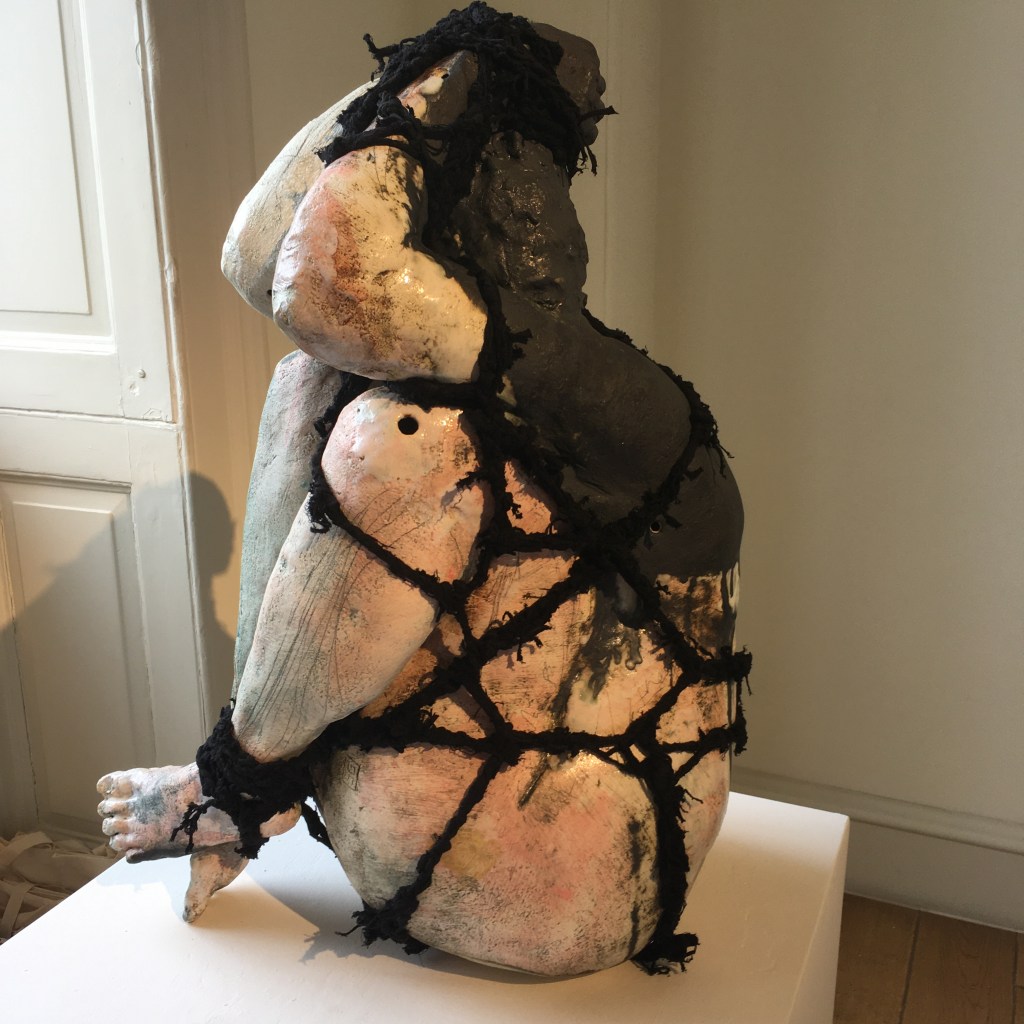
A bit disturbing. But very clever mix of talents and media from the partnership between Sharon Griffin and Wayne Chisnall in a show of work called Unlockdown.

Collect is on at Somerset House 25-27 February 2022. Great to have it back in action!

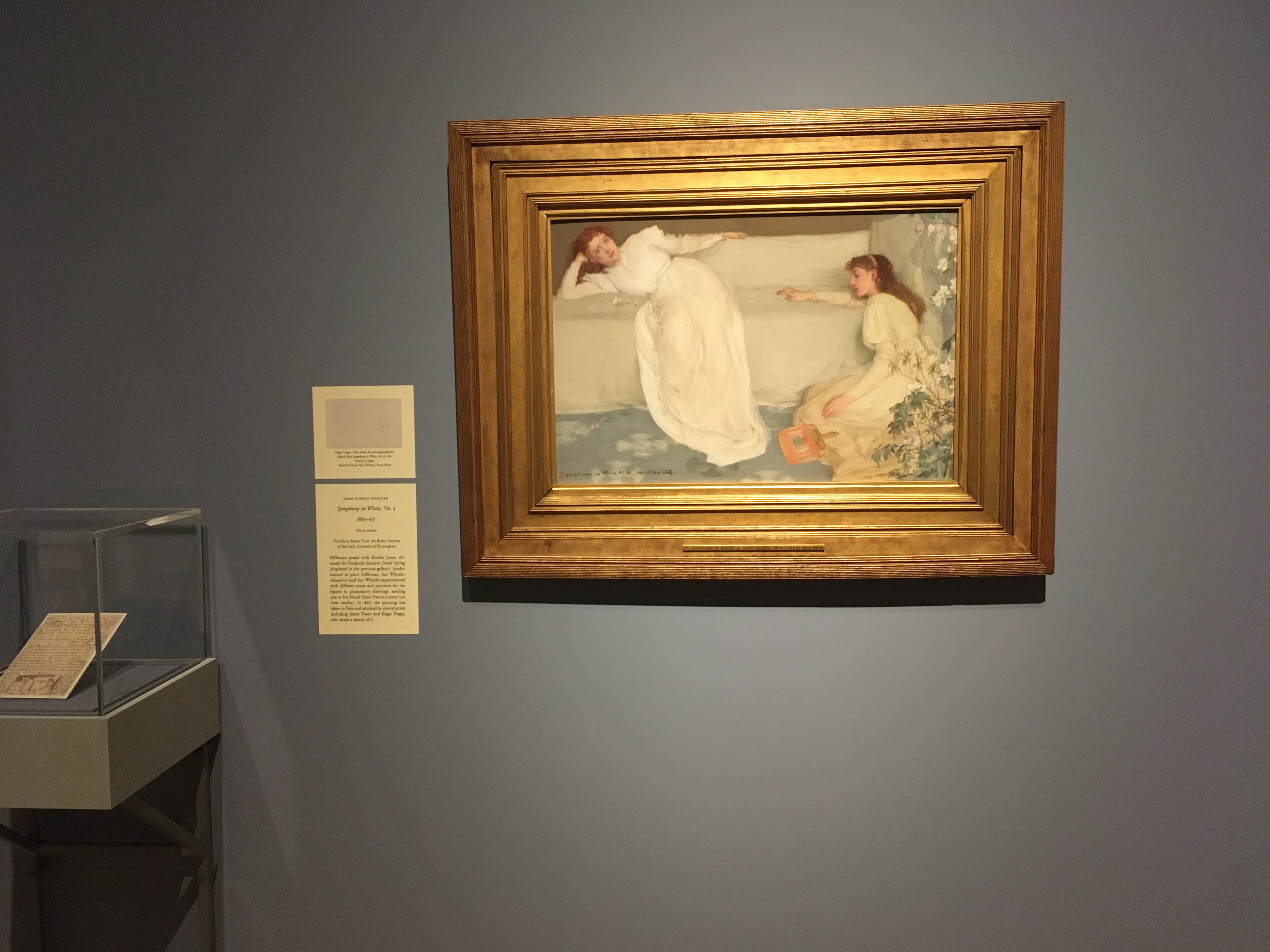
The remarkable beauty of a muse. Clearly the young artists’ model, Joanna Hiffernan, provided a remarkable inspiration for James Whistler – and his contemporaries, such as Courbet and her astonishing looks and glorious copper red hair has been immortalised in one of his most famous paintings, The White Girl. The Royal Academy has created a wonderful celebration of this exceptional model and the men who loved her.

It’s so good to see a model celebrated in an exhibition. Yes, it was the artist who created the work but without the generosity and creative contribution of the model it would have been so much harder to complete the work and develop an idea. James Whistler was fortunate to have met the beautiful young Irish girl, Joanna Hiffernan. She met Whistler when he moved to London, having initially made the journey to Paris from his home in Massachusetts to become a painter. Clearly she was a glorious girl, good looking with tumbling locks of long auburn hair, bright eyed, intelligent and a very sympathetic model. They were lovers, friends and confederates. They never married but Whistler left everything to her in his will. It sounds as though she endured long hours in chilly studio rooms posing for Whistler and his contemporaries. I commend the Royal Academy for telling her story through the works she contributed to as well as the broader context of the painters’ experiences.

Here is Joanna in the painting which made Whistler’s name. She stands there dreamily clutching a white flower (it looks a bit like syringa) staring into the middle distance in her demure white frock. It’s a mesmerising image and enjoyable to stare at. In the same gallery we can see other paintings featuring white clothing and they have the same engaging atmosphere.

Then there are the wonderful portraits of Joanna made by Gustave Courbet. Apparently he adored her and kept the first portrait but made copies for sale.

I did love this sketchy painting of the artist at work while the girls in the studio rest and chat. It’s a surprisingly intimate scene.

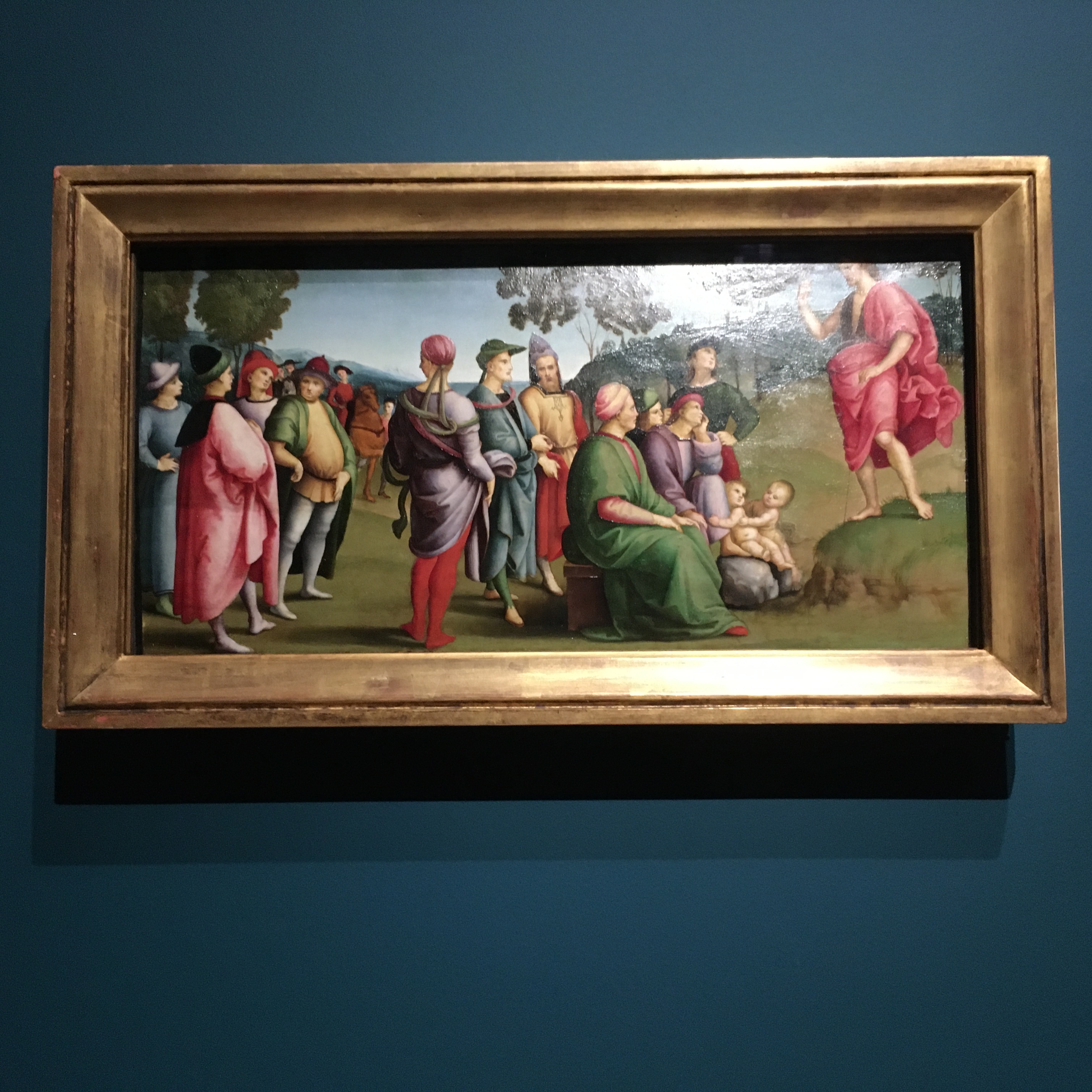
And Joanna features in one of my absolute favourite paintings. We see her in Wapping, leaning back against a pub balustrade at a pub overlooking the murky water of the River Thames which is crowded with ships, boats and the stuff of commercial river life. She’s with two men, at ease, confident and holding forth in conversation in her dark dress.

Whistler’s Woman in White: Joanna Hiffernan is on show at the Royal Academy until 22nd May. It’s glorious.

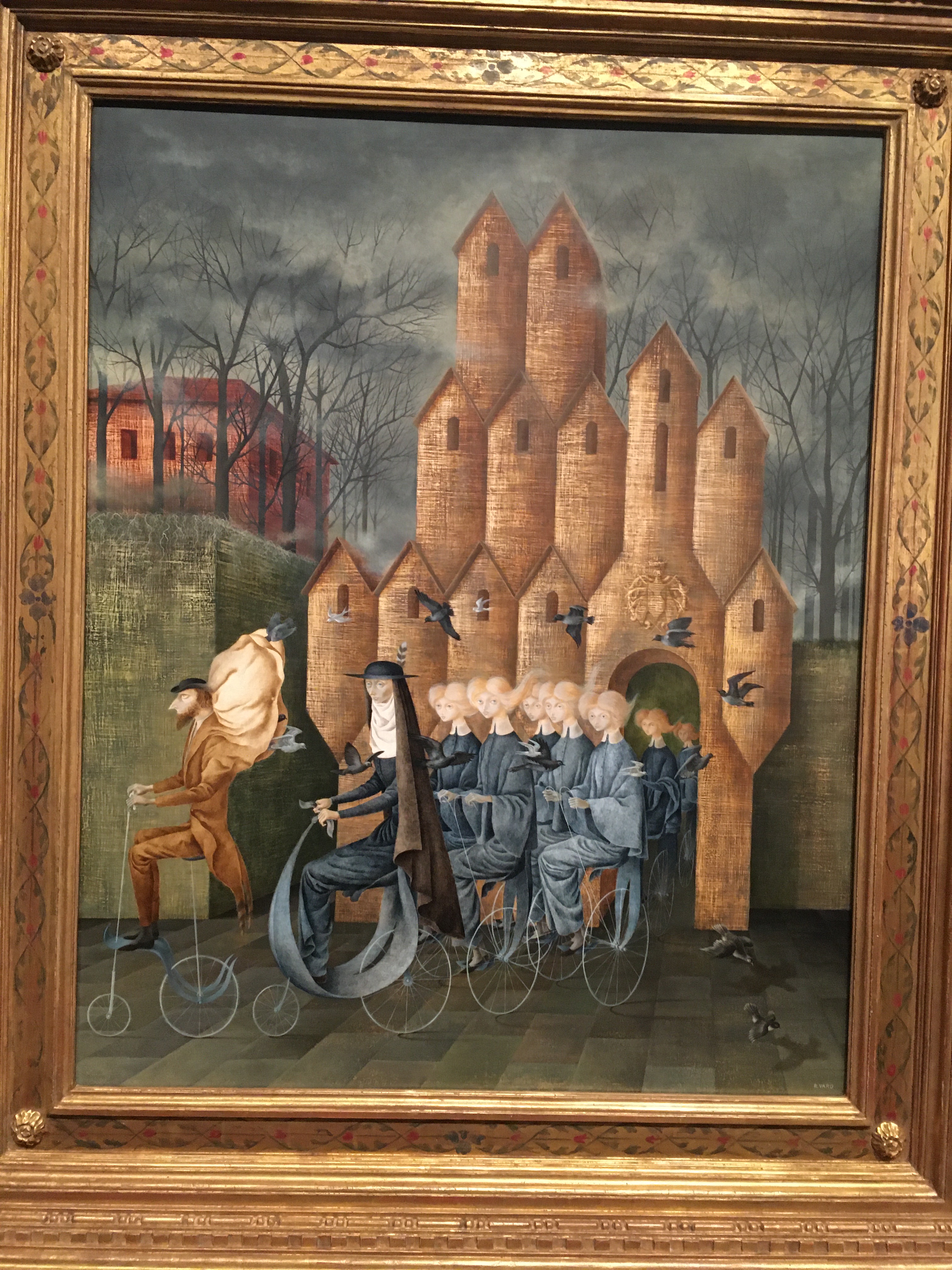
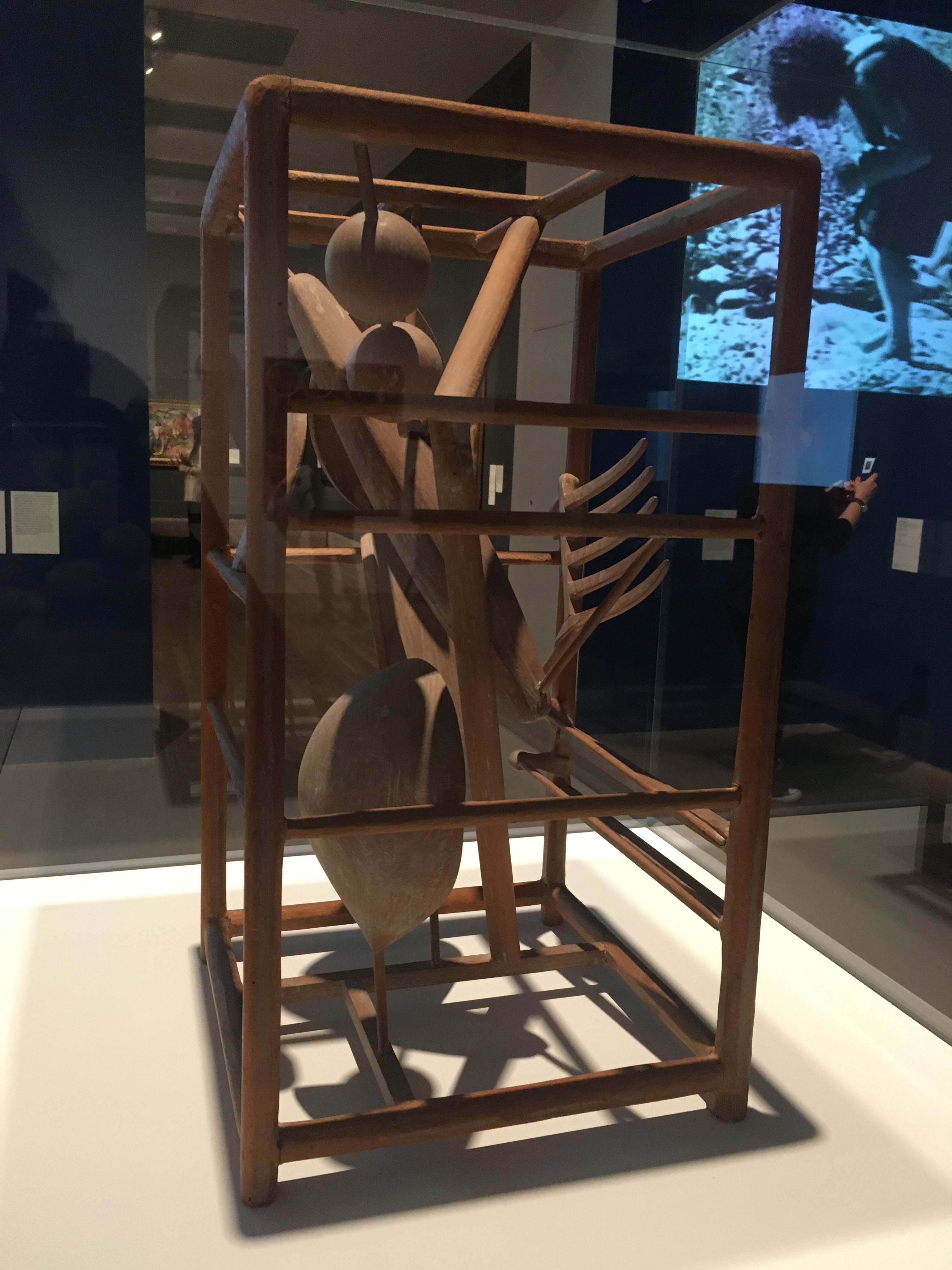
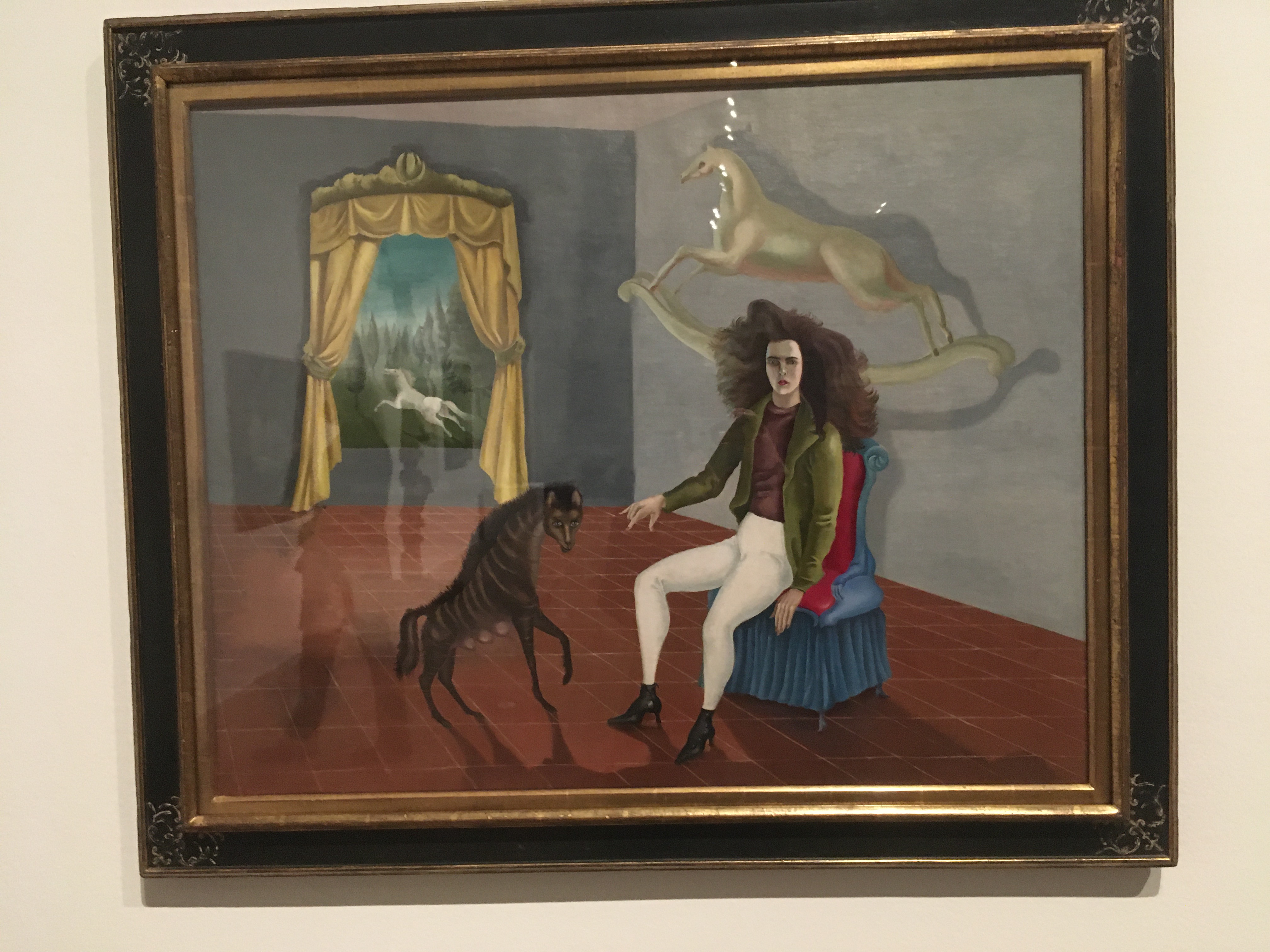
Surrealism Beyond Borders. We stumble into a world of the uncanny, the unconscious and weird dreams with this rather intriguing show at Tate Modern.

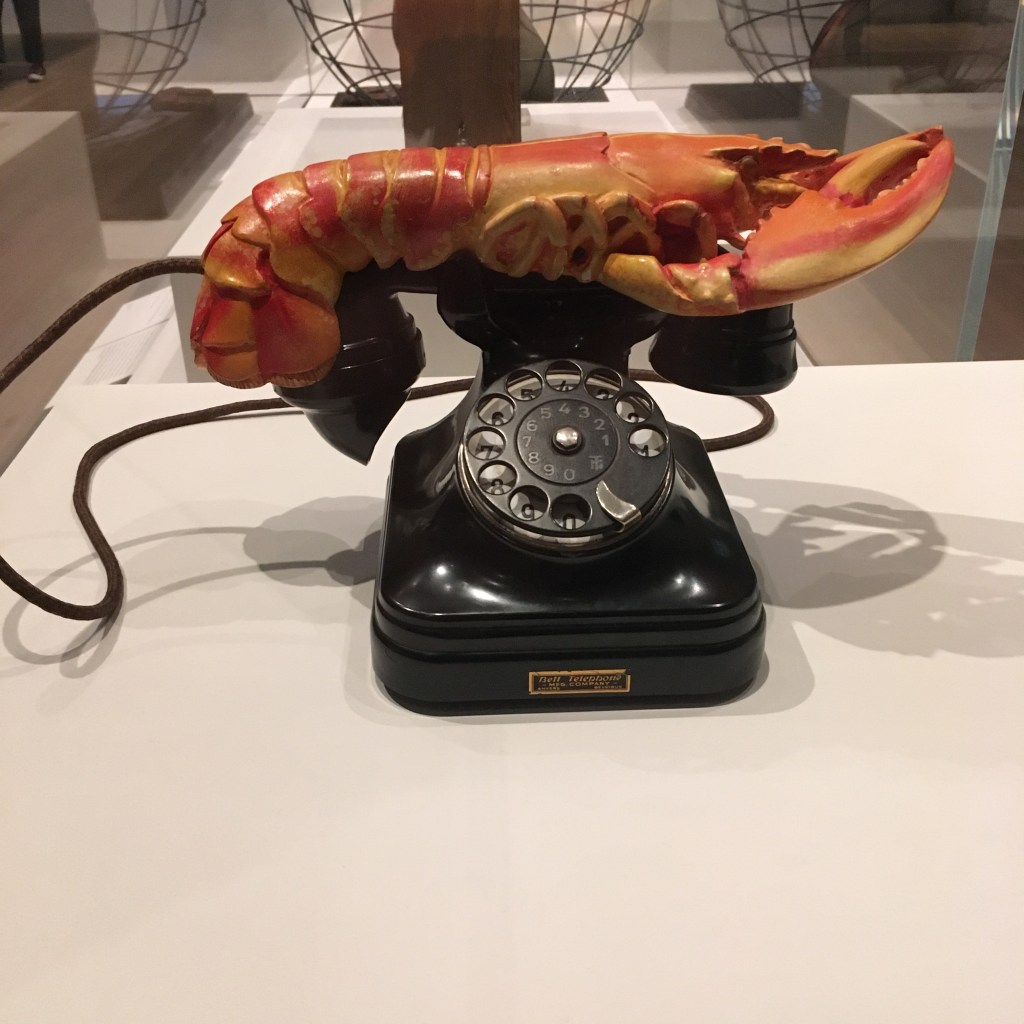
Salvador Dali – Telephone Homard Lobster Telephone 1938

Could the strange Lobster Telephone by Salvador Dali be the most famous example of surreal art? It’s probably the piece that springs to mind ahead of all others. It’s just so weird but, by dint of familiarity, feels almost normal. This new show at Tate Modern, Surrealism Beyond Borders, spreads the net pretty wide and scoops up examples of surrealist art from all over the world.

It’s suggested that surrealism began in Paris in 1924 but, I’d argue, we’ve seen elements of it in art for centuries. Think of those strange artworks by Heironymus Bosch or William Blake. Maybe the works by those artists were based on dreams or visions? I wonder whether surrealism is the ‘ism’ which many artists choose to adhere to when they stray from conventions of inherited art styles or the familiar and enjoy a sense of ‘permission’ to explore an interior world of their own.

I really enjoyed the words of Grace Pailthorpe who spoke on a radio programme- Mirror for Women – about Surrealism and Psychology in 1944. She suggests that everyone is an artist, in some sense, because we all have ideas and dreams and strive to find ways to realise these dreams. The surreal, she argues, is a means of experiencing personal freedom, the ultimate in self-expression, and the most humble doodle, made when the mind is pausing (for example, when a phone call is on hold) is when the human creative experience is at its most natural and uninhibited.

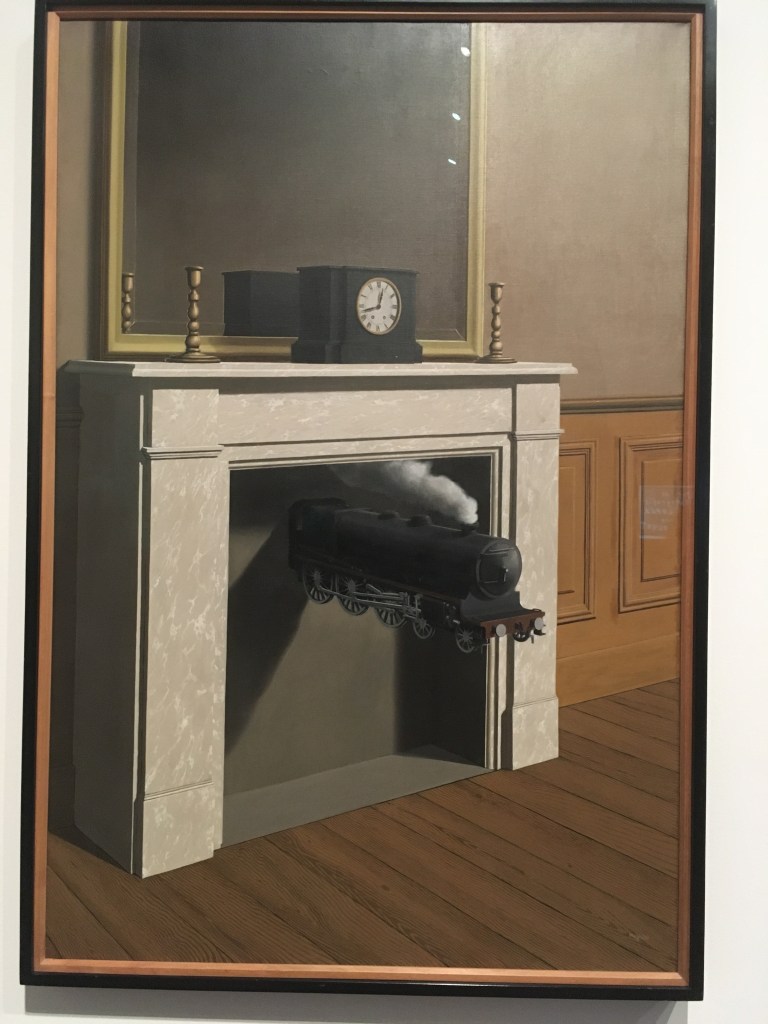
As a collage artist I was very encouraged to see many examples of collage as a form of surrealism. I totally relate to the idea of assemblage, of creating uncanny relationships between objects or creating visual jokes or challenges. Think of Henri Magritte and the smoking steam engine rushing from a fireplace.

Rene Magritte Steam engine in Fireplace 1928

Surreal art can take so many forms. I think the viewer can’t help but try to make ‘sense’ of the image but the point is that these artworks are nonsensical or capture some interior narrative which is peculiar to the artist.

Generally, I think it’s very healthy to embrace the strange and celebrate the weird. In all aspects of the arts this is the place where humans can, metaphorically, ‘let go’ and enjoy flights of fancy, the impact of religion, spirituality, magic and all the inexplicable things which exercise us. This is a good show to look at if you’re in mood to find out what you think about representing all that is odd.

Surrealism beyond borders is at Tate Modern from 24 February to 29 August 2022

Amazing Stonehenge exhibition at the British Museum brings the far distant past to life with a real sense of the people who lived 4-5,000 years ago on this island and identifies personal stories through the intriguing artefacts which have been uncovered over time.

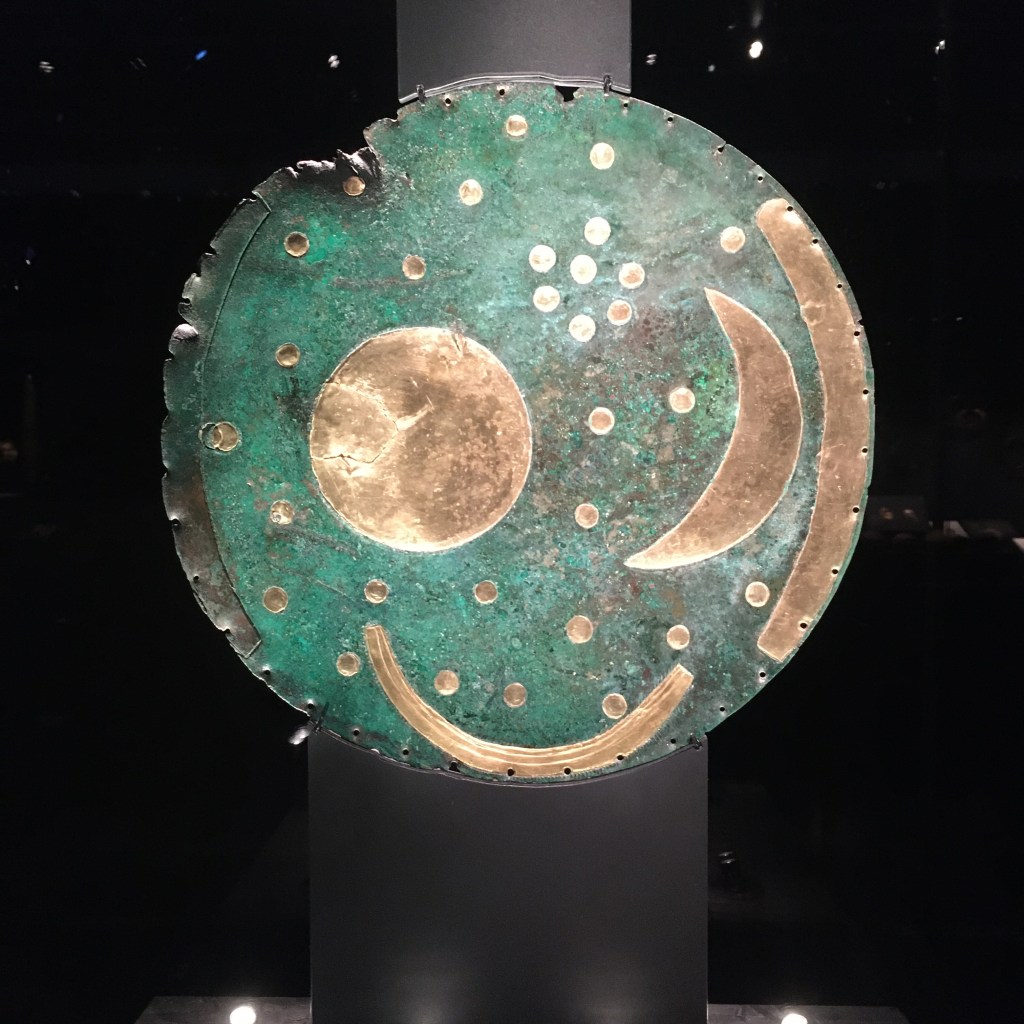
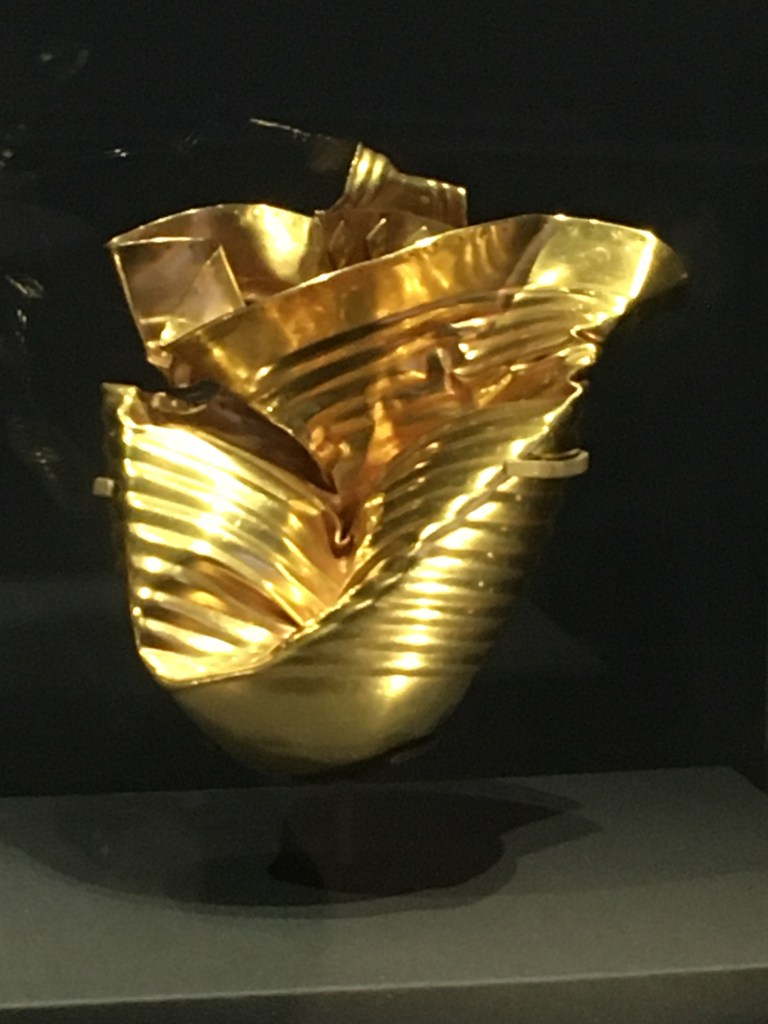
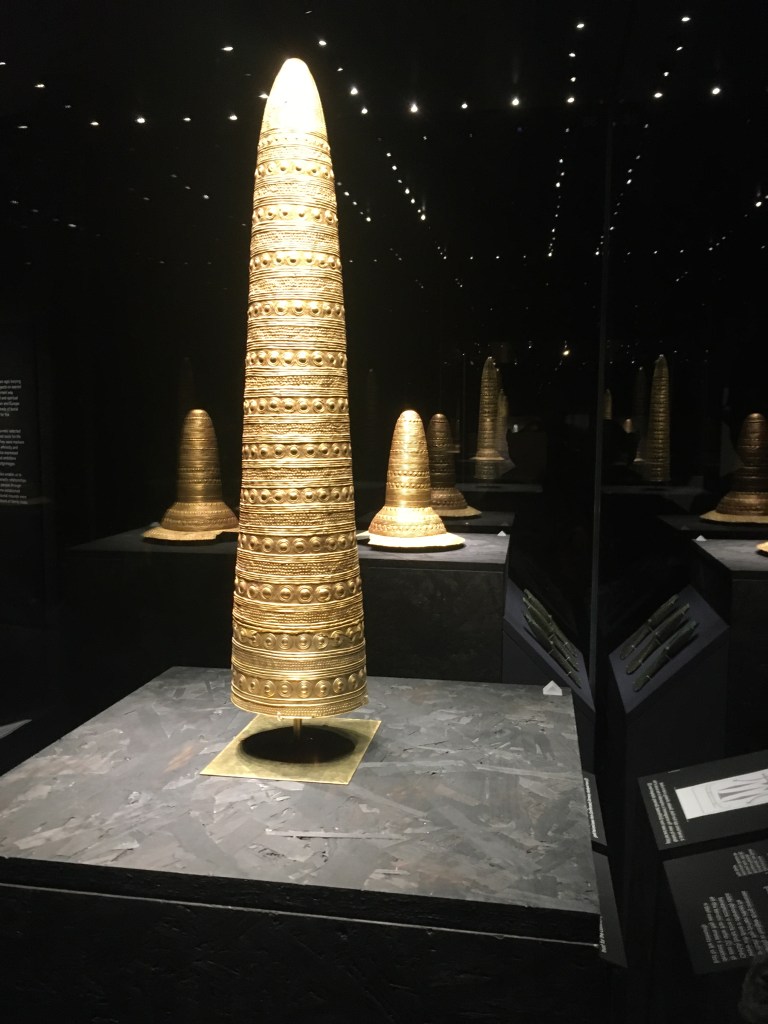
My photo doesn’t really do this piece justice. It absolutely glows with antiquity and mystery. It’s the Nebra Sky Disc. It’s 3,600 years old and was found in 1999 in east Germany. It depicts the sun, moon, stars and solstices and it absolutely shines a light on the sophisticated people whom we tend to dismiss as ‘prehistory’ humans. In fact, this incredible show at the British Museum really brings the ancient prehistoric world up close and personal with the presentation of household artefacts from the time of Stonehenge.

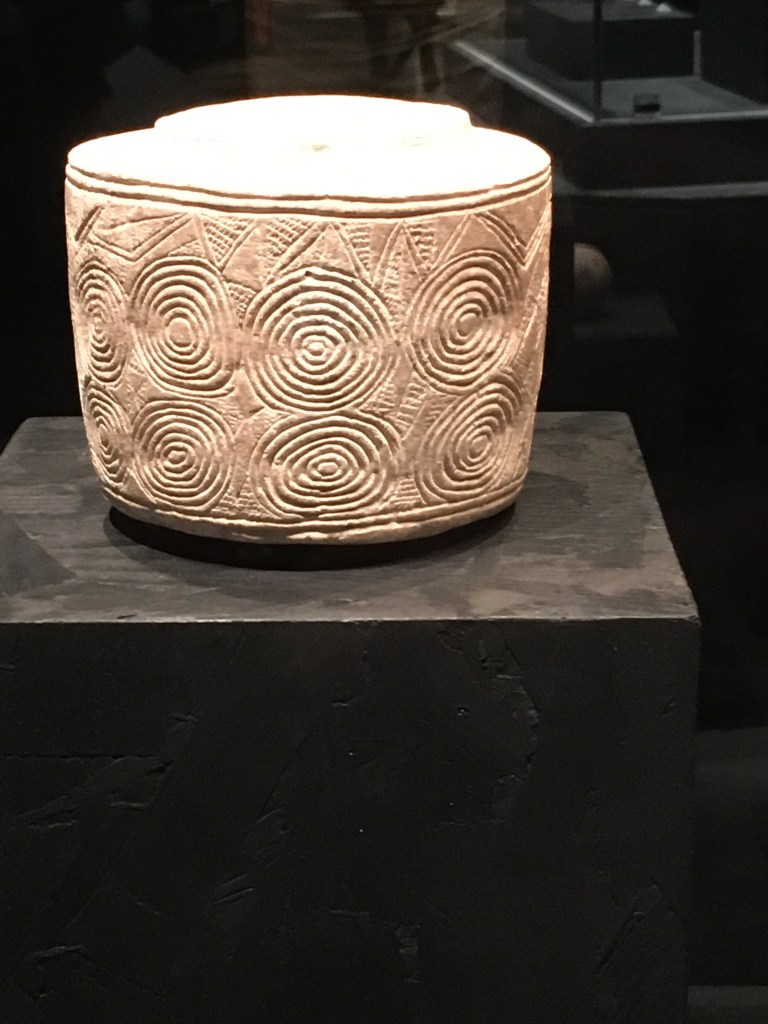
You cannot help but be moved by the sight of the ‘chalk drums’ – objects found carefully placed in the tombs of children, two clasping each other and an older one also within the grave. You are left convinced that only loving adults would have laid their infants to rest so carefully. Likewise, there’s a burial of an archer, within sight of Stonehenge, done with equal care and surrounding the body with the tools of his trade.

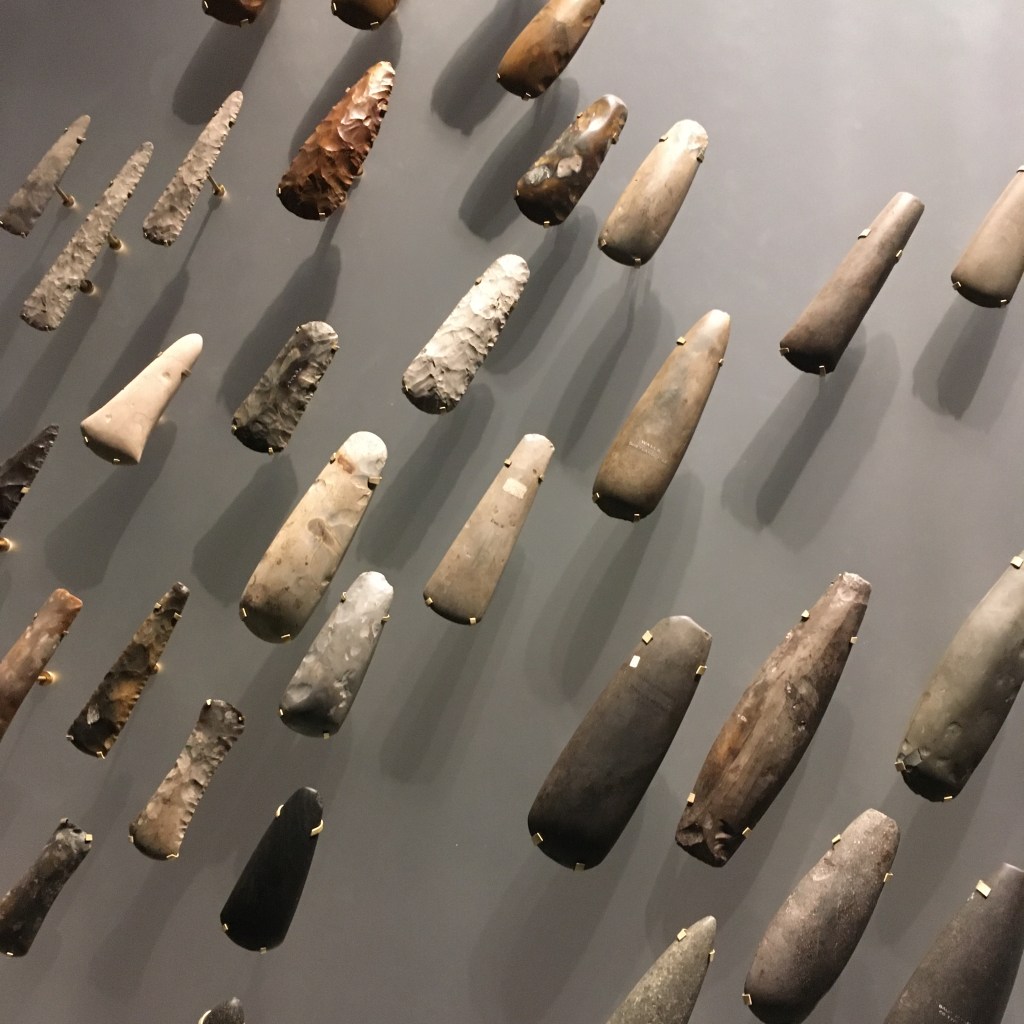
This exhibition definitely gives lives from so long ago a truly human perspective. Not only do we see tools which were carefully crafted by hours of skilled work, such as the stunning display of axeheads, but we get to see the hard stone that was used to smooth these axes and a real sense of the dedicated hands which spent time laboriously pushing the flints back and forth to create the required shape. These were useful and valuable tools, important for the hunting of animals, the preparation of food and creation of safe homes to live in.

The curators have referenced Stonehenge as the starting point but this exhibition is more about the people who lived in England and Europe before the great monument was built, those who worshipped within in, expanded it and those who were buried close to or within sight of this important site. It’s fascinating to understand that there was an indigenous race living in this island who were, most probably, overwhelmed by ‘visitors’, the hunter-gatherers, from Europe who arrived with radical ideas about farming, enclosing animals and managing their lives in a more proactive, organised and efficient way. Life was never the same for these people.

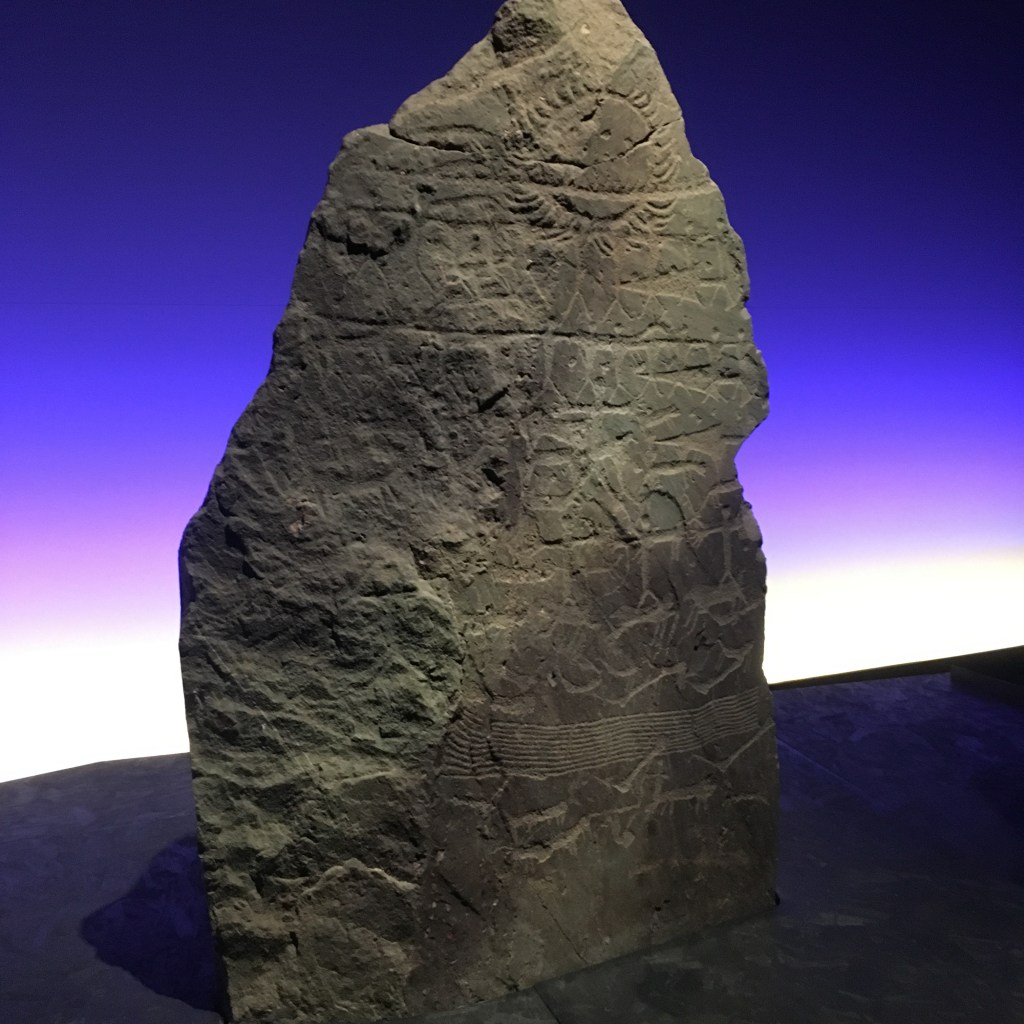
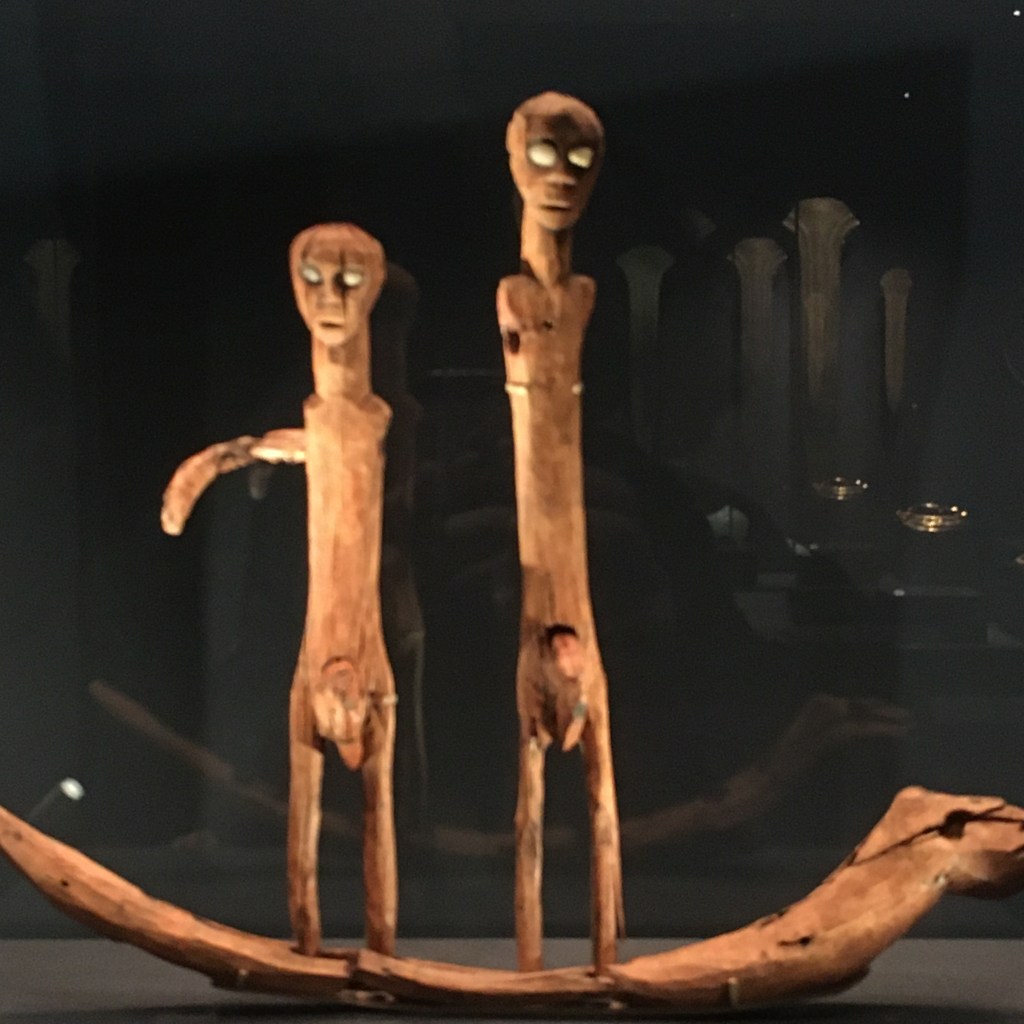
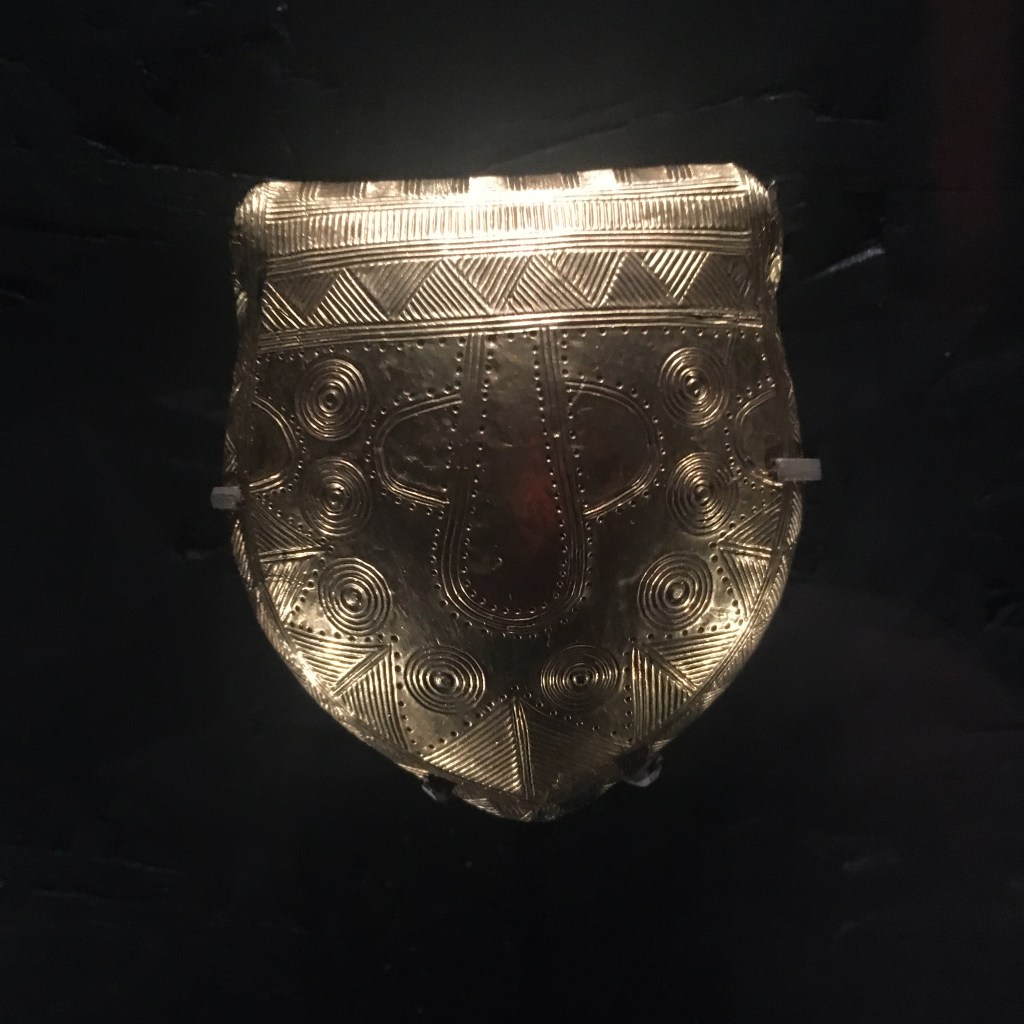
The worshipping of the sun was paramount to these people. Images of the sun, the rays of light emanating from the star appear over and over. But looking at these pieces I tended to see faces too – call me fanciful, but I am willing to believe that there might have been an element of human representation within the depiction of the sun.

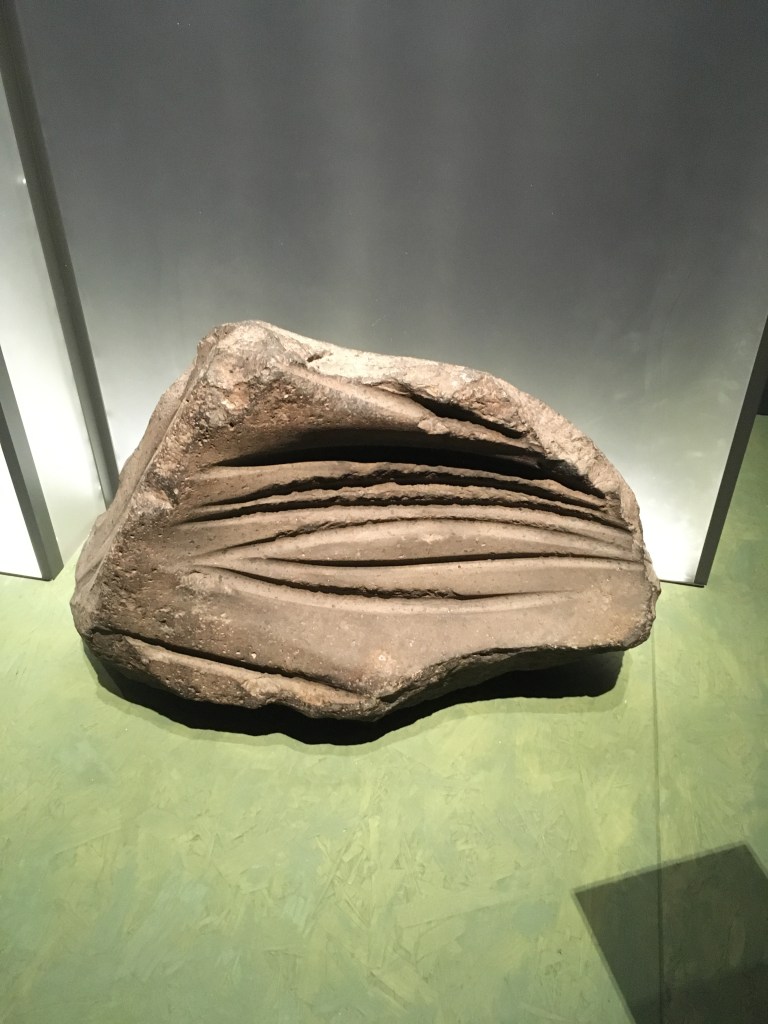
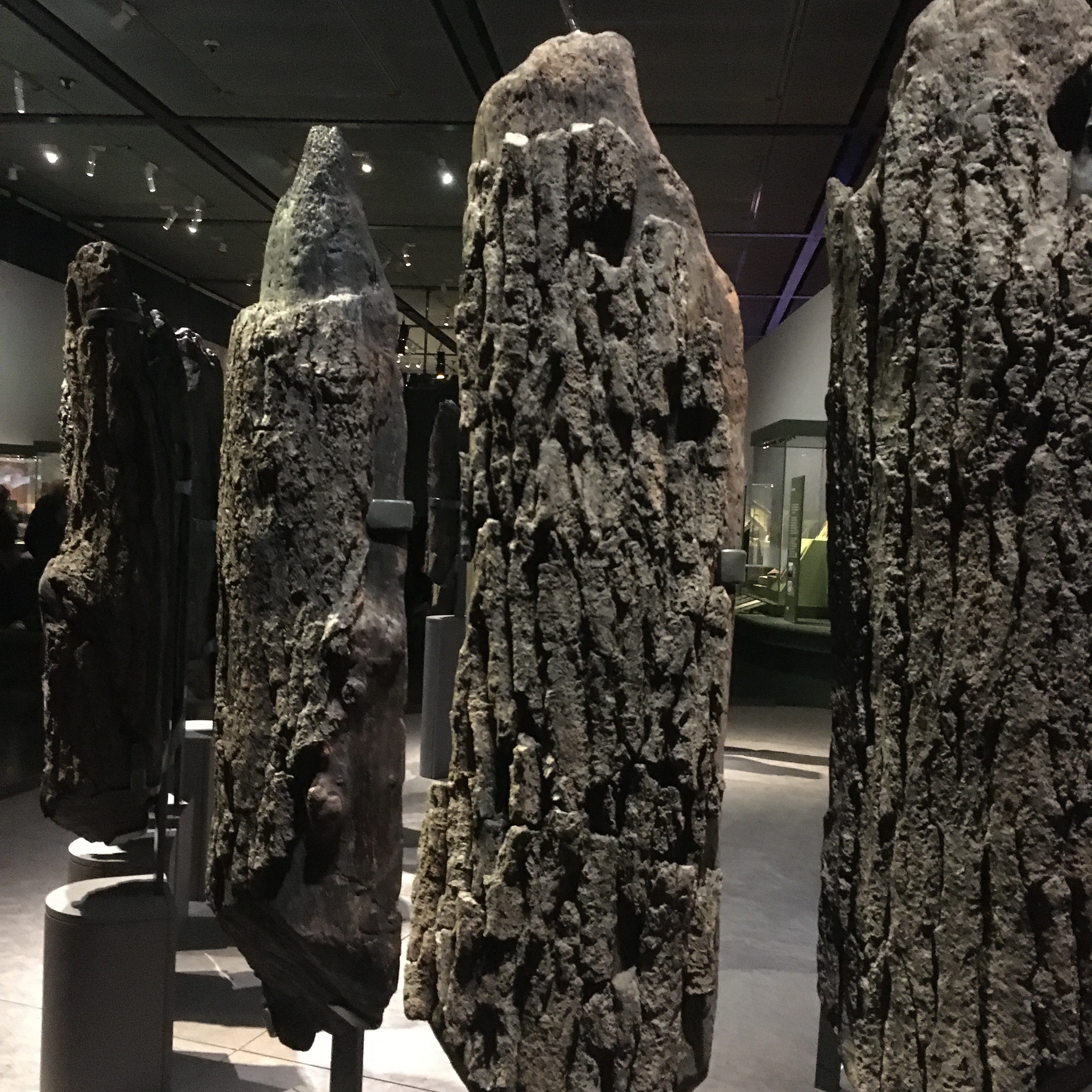
The highlight of the exhibition is the display of a 4,000 year-old Bronze Age timber circle, known as Seahenge, which reemerged on a Norfolk beach in 1998. it consists of a large upturned tree stump surrounded by wooden posts made from oak. The posts would have been tightly packed. I liked the artwork created by Rose Ferraby, one of the archaeologists who discovered the monument and contextualised it with her own artwork.

Rose Ferraby’s artwork Seahenge, painting and collage layer elements of the monument\s archaeology and landscape.

I’ll finish with a little gallery of images which caught my eye. There are so many astonishing elements to explore within this show but you certainly do emerge with a sense of the people who created the pieces and that the humans who lived all those thousands of years ago were not vastly different from the people we are today.

The World of Stonehenge is on at the British Museum until 17 July 2022.

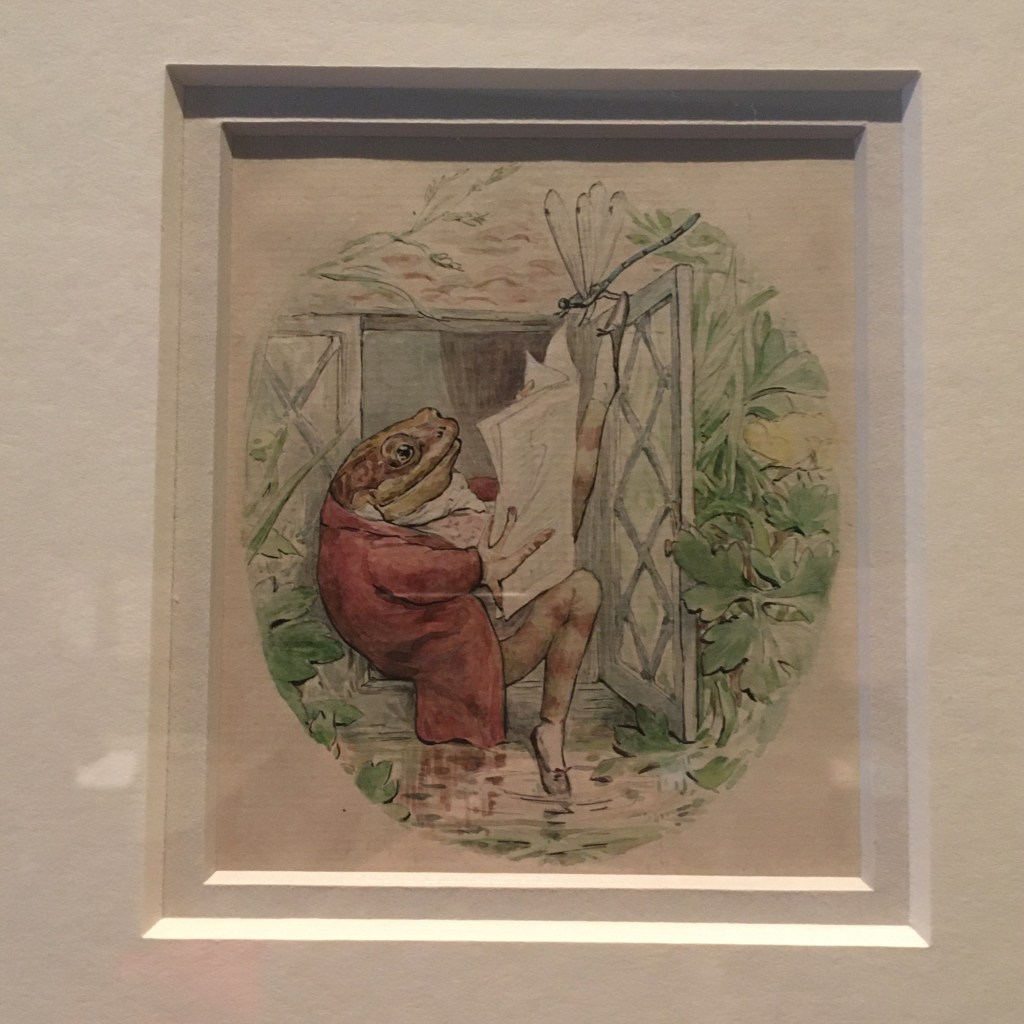
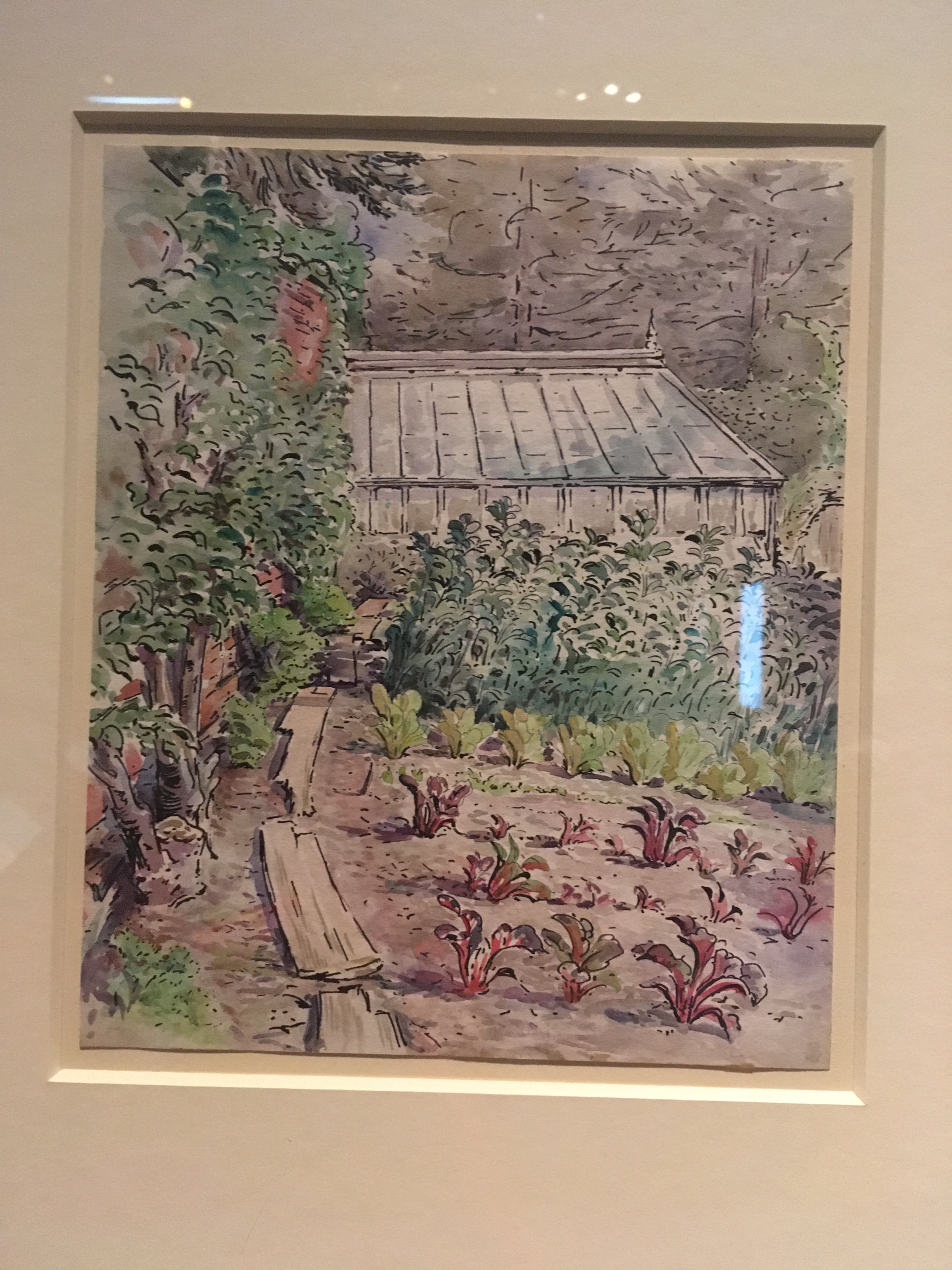
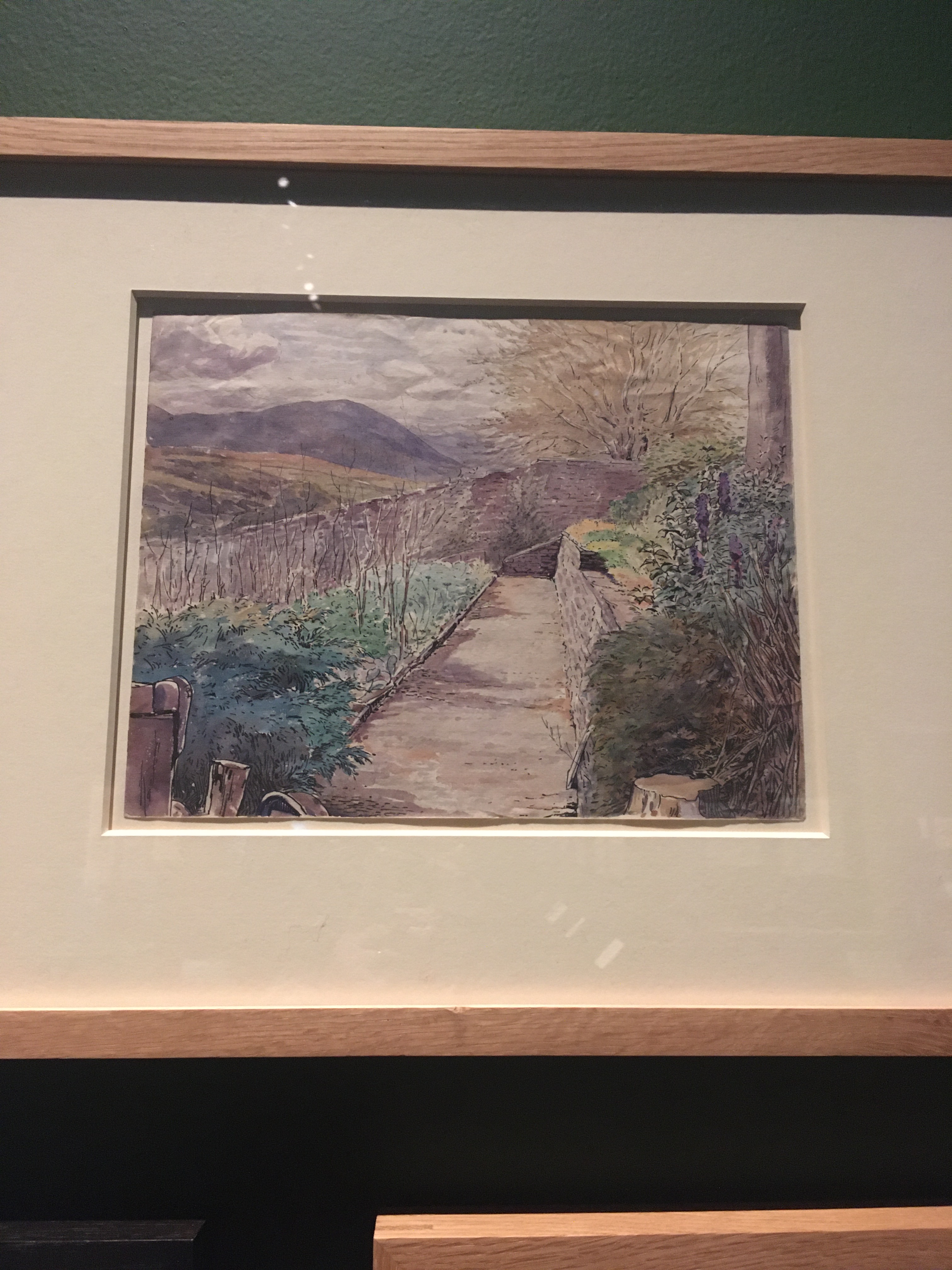
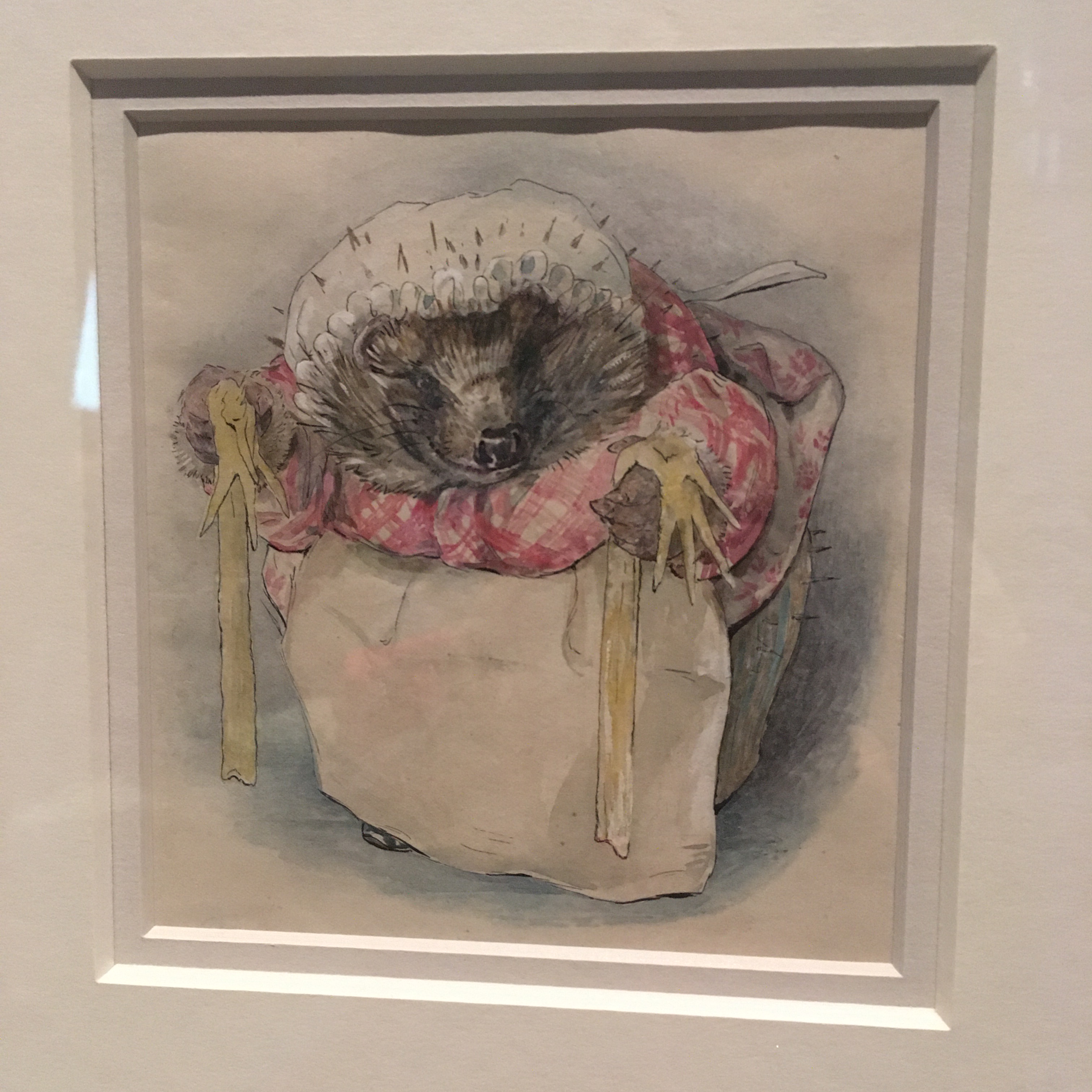
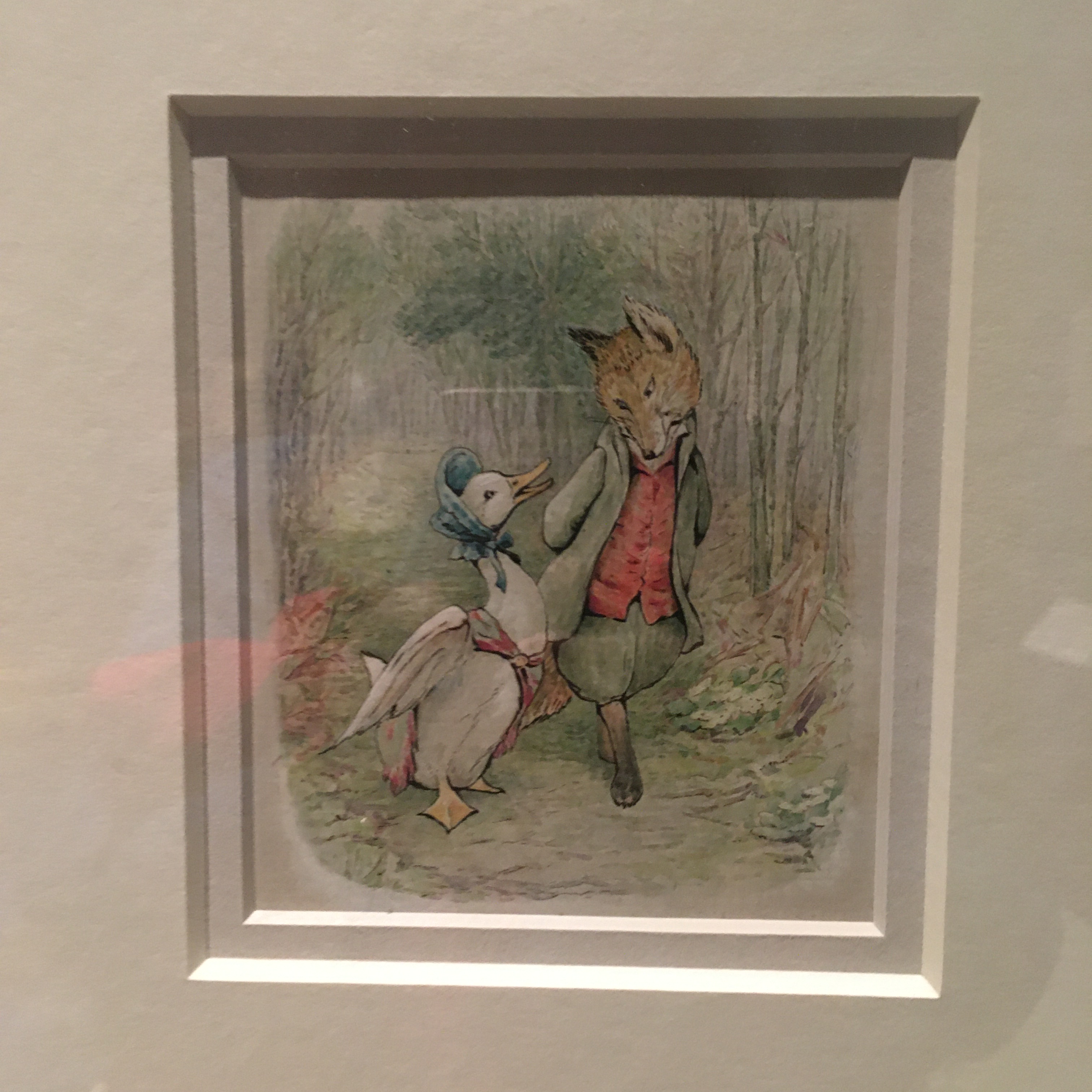
Beatrix Potter, author, artist and creator of Peter Rabbit, Jemima Puddleduck, Jeremy Fisher and many more characters, beloved by generations of children, has been given a charming exhibition , Drawn to Nature, at the Victoria and Albert Museum.

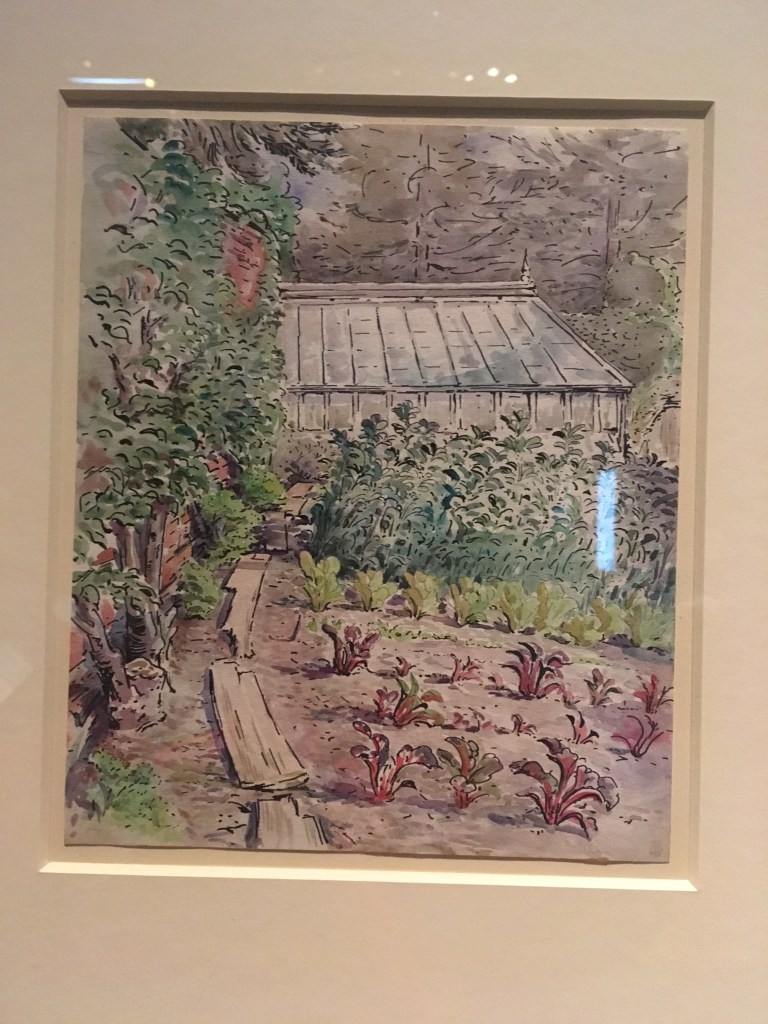
It was a joy to see the originals of some of those famous watercolours painted by Beatrix Potter at the new exhibition at the Victoria and Albert Museum, Drawn to Nature. I hadn’t realised that the little books were printed to the same size as the small drawings of her characters. And they are all so charming.

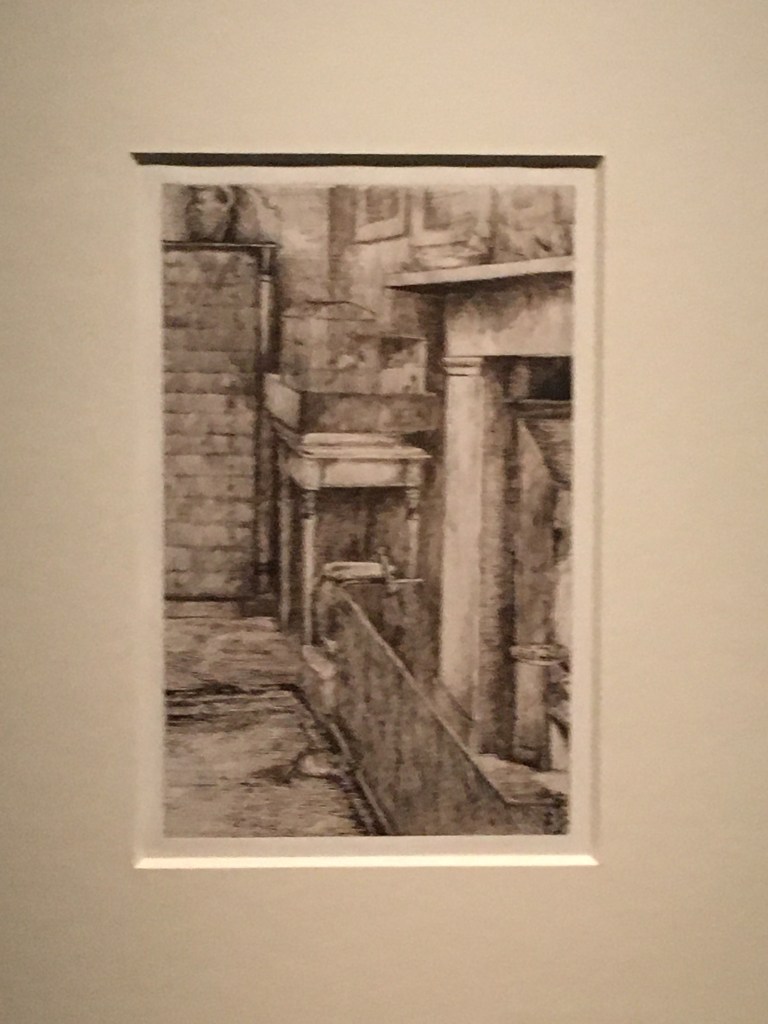
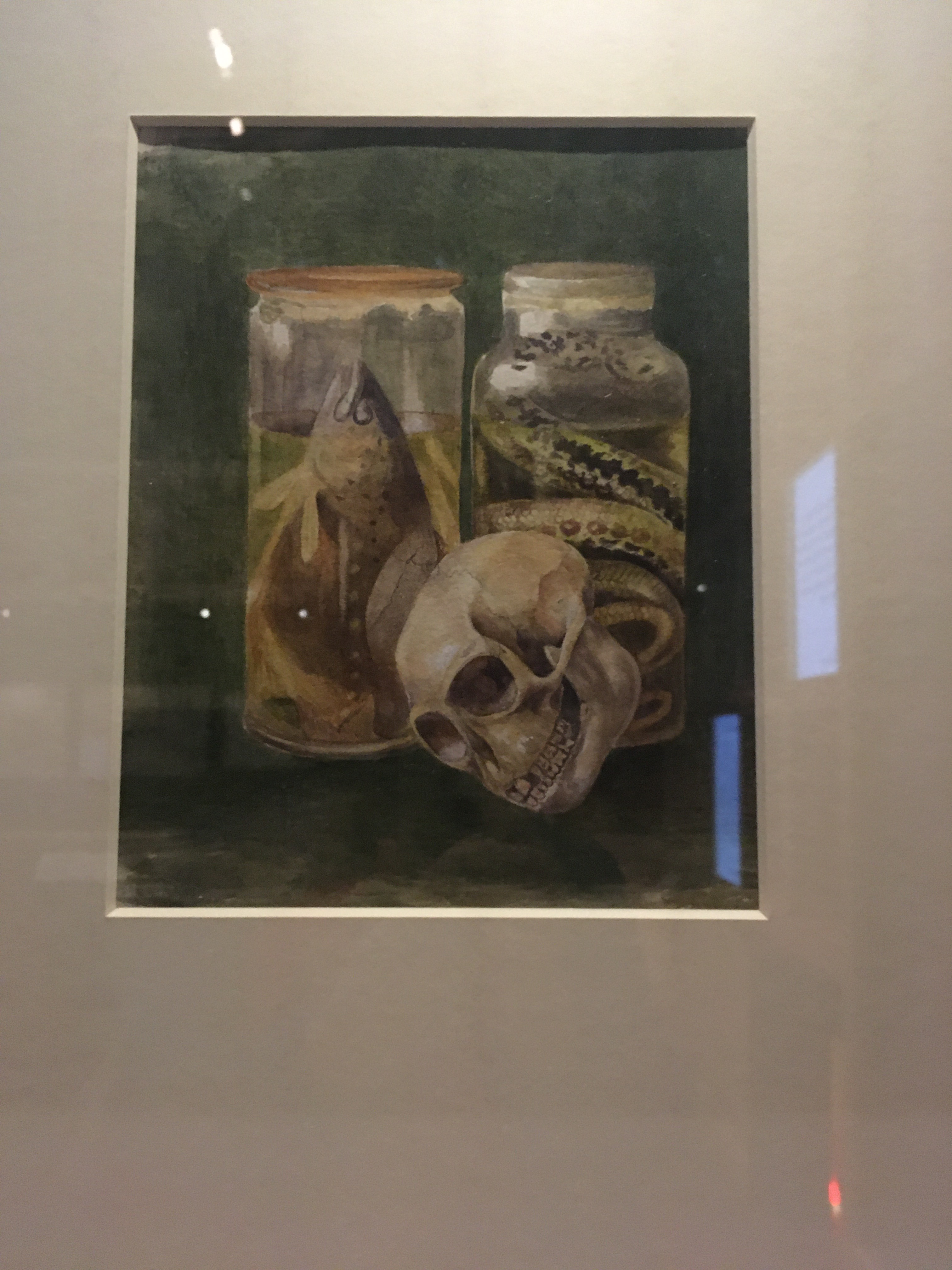
But what we learn from this show is that Beatrix was precociously talented from a tender age. She and her brother Rupert were both creative and curious – encouraged by their wealthy parents and grandparents. While Rupert was sent off to school Beatrix was educated at home. She was taken to museums and also met a famous neighbour near the family’s Kensington home – John Everett Millais who could see young Beatrix’s talent and declared her not only to be a good artist but a very good observer. Beatrix made a very detailed drawing of her home school room, complete with cage for birds and equipment for scientific investigation and even taxidermy.

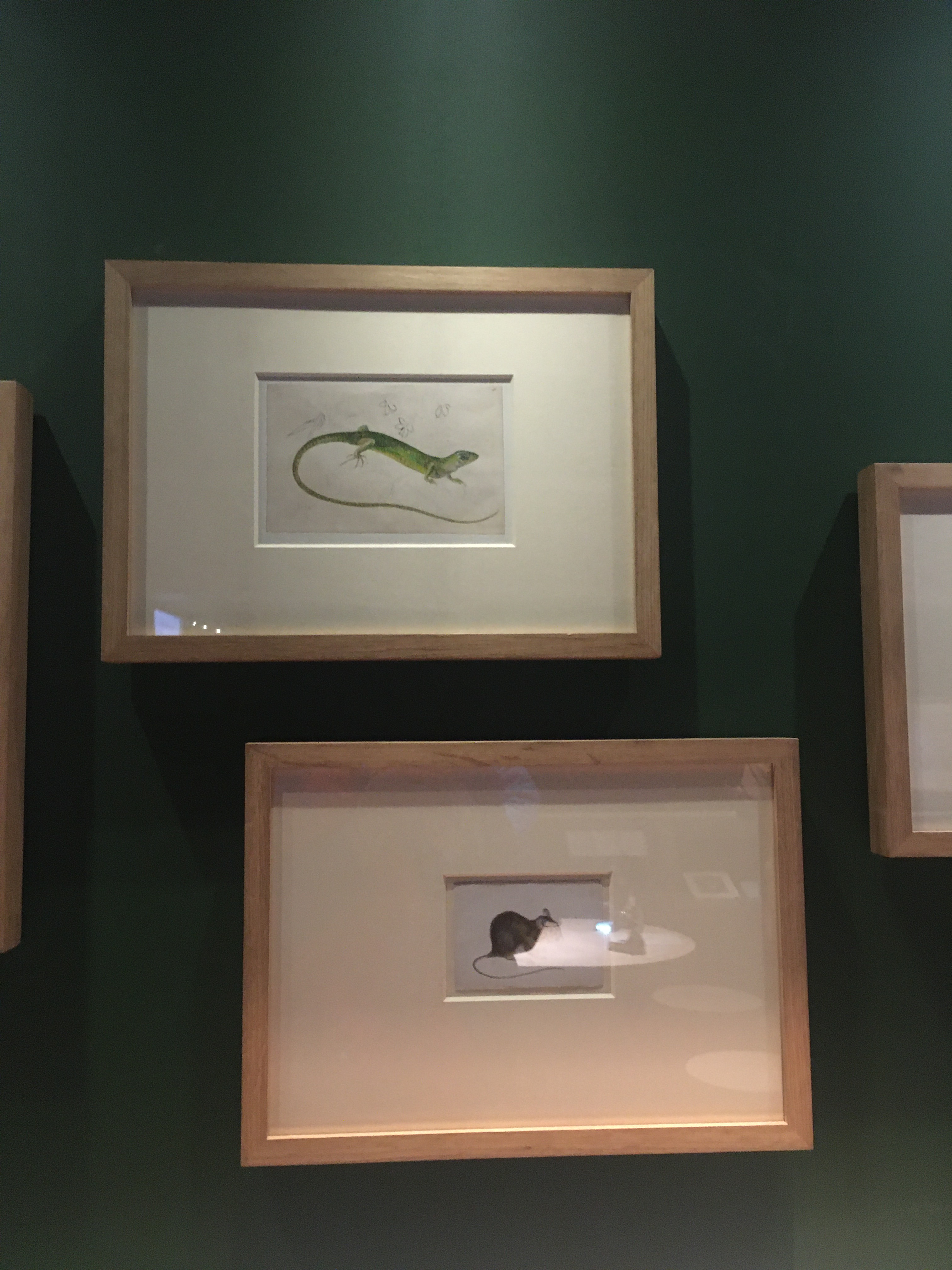
She became very good at making observational drawings and really getting to know the physiognomy of animals, insects, fish and birds.

Beatrix and her family would spend holidays – or days when the London house was being cleaned by the servants – in country houses, estates or her grandmother’s home at Canfield Place, which she was very fond of. She clearly loved the freedom to roam these places, really burrow into the hedgerows, examine wildlife and capture images in watercolour. She did love a busy garden and apparently brought all kinds of animals indoors to keep as pets or examine in detail.

The road to publication sounds as though it was enviably easy. She submitted some of her illustrated letters and stories she’d written to young friends and the publisher Frederick Warne immediately saw the appeal of these images and the stories and commissioned more.

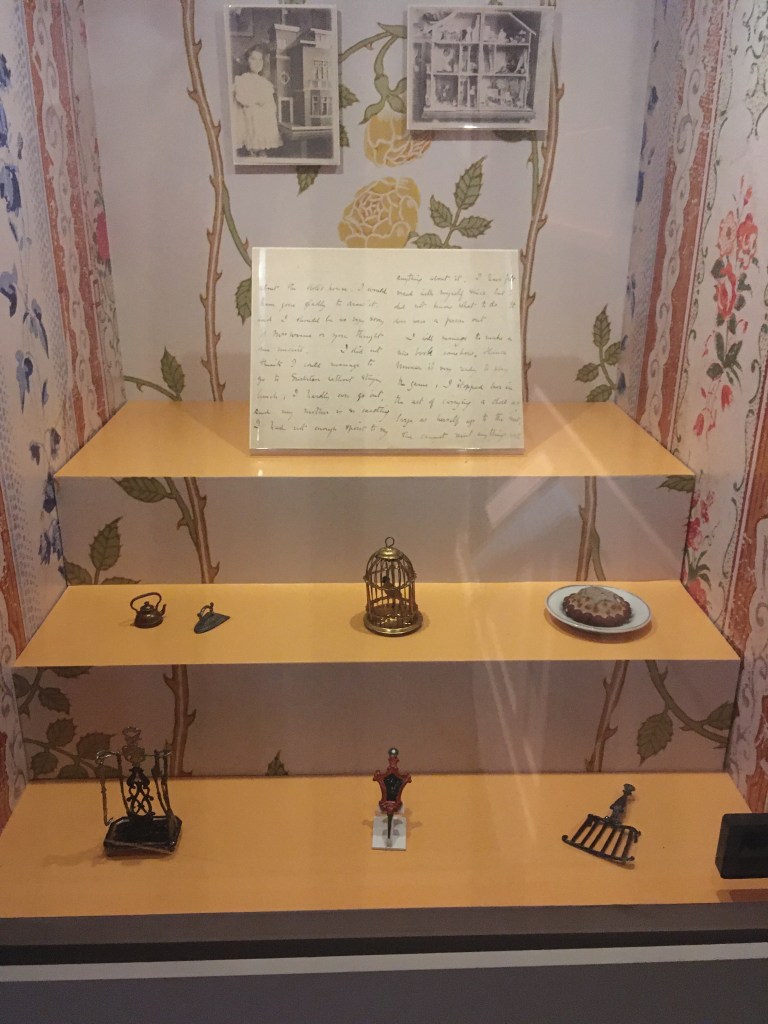
Children and adults – especially those who have fond memories of poring over these books as a child (as I do) will really enjoy this show. It’s a snapshot of this clever woman’s life. Beatrix clearly held onto a lot of her own childhood work as well as artefacts and furniture, and many of these things found a permanent home in her adult home at Hilltop Farm. It’s a treat to have them in London for the duration of this show.
Beatrix Potter settled in the Lake District having bought Hilltop farm on the proceeds of her books. She became a passionate farmer and conservationist and great protector of the rural landscape of Cumbria.

Body Vessel Clay – an engaging exhibition of pottery and ceramic art and the creative work of Black women over the last 70 years. From the traditional weighty water jug made in Nigeria to expressive painted ceramics by contemporary artists living outside Africa, the inheritance of clay and its many uses is explored and celebrated at Two Temple Place.

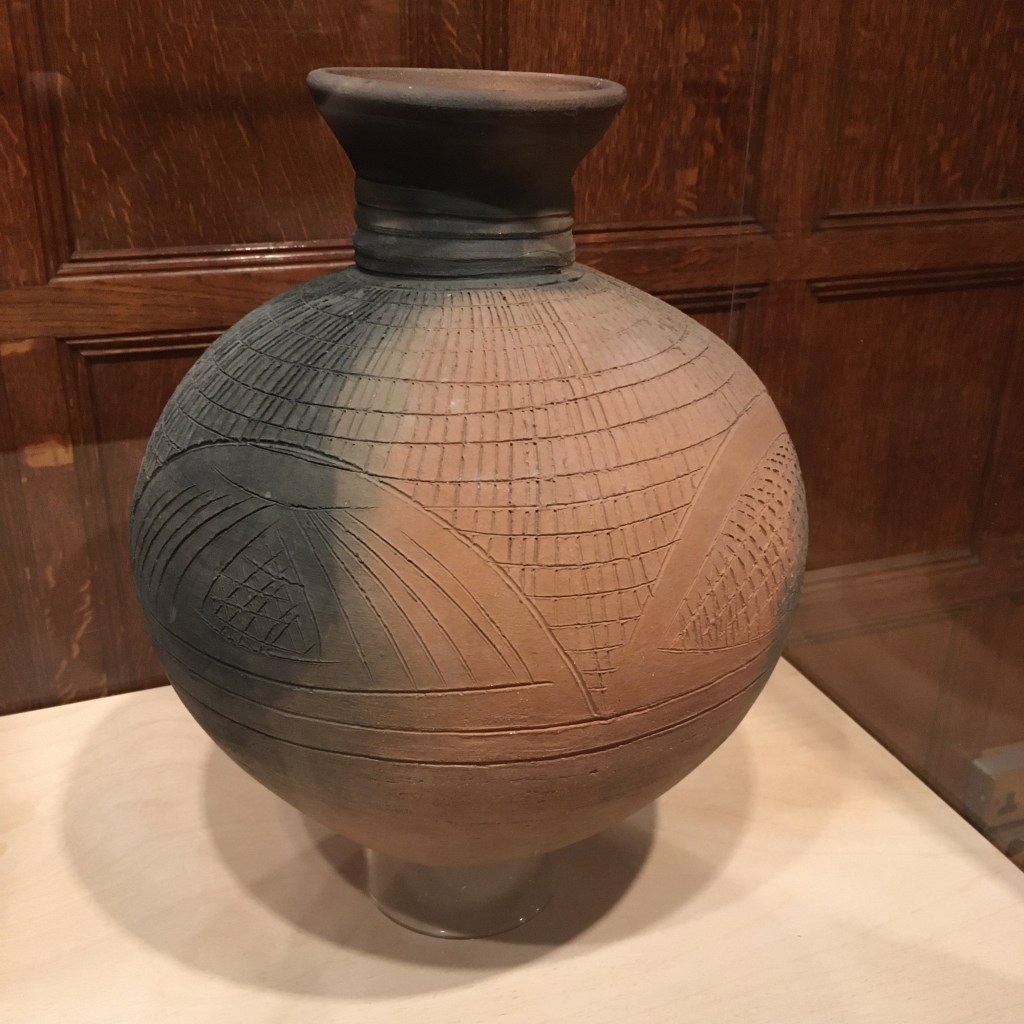
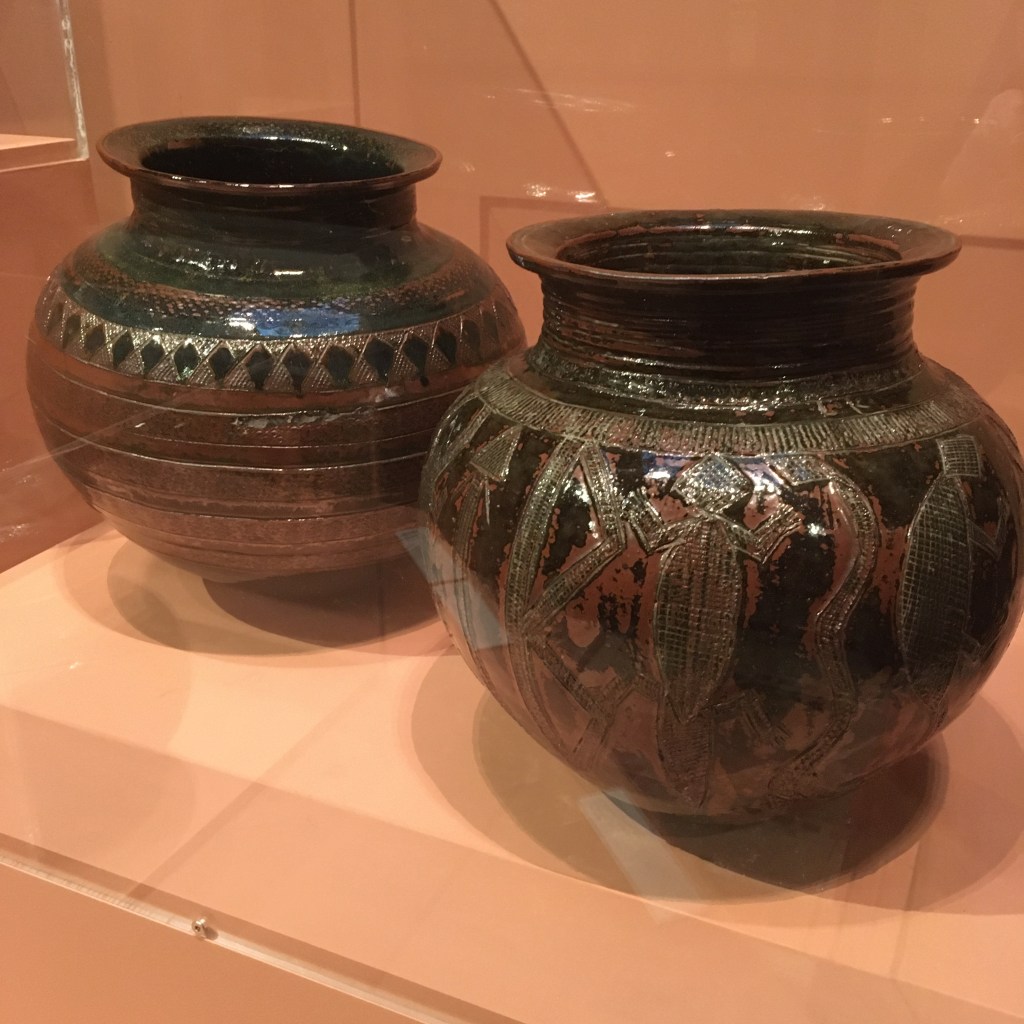
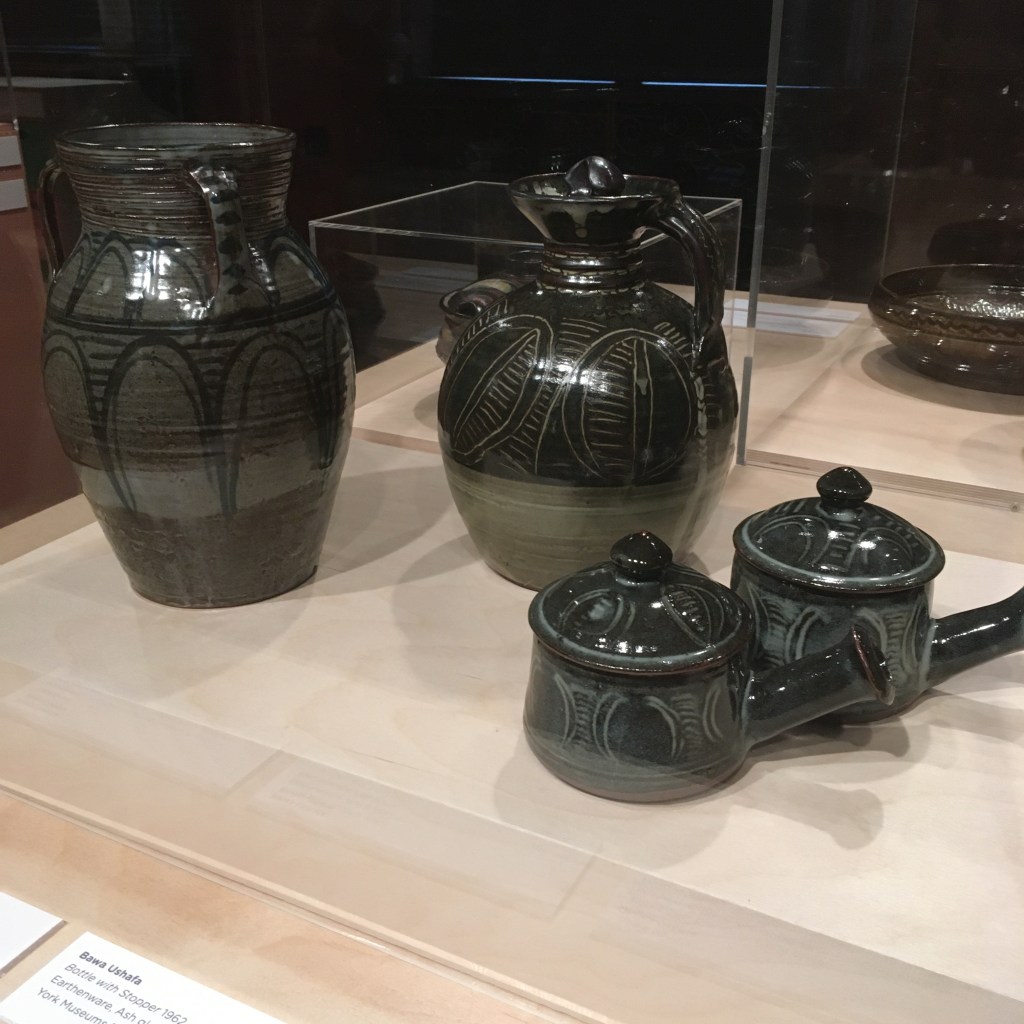
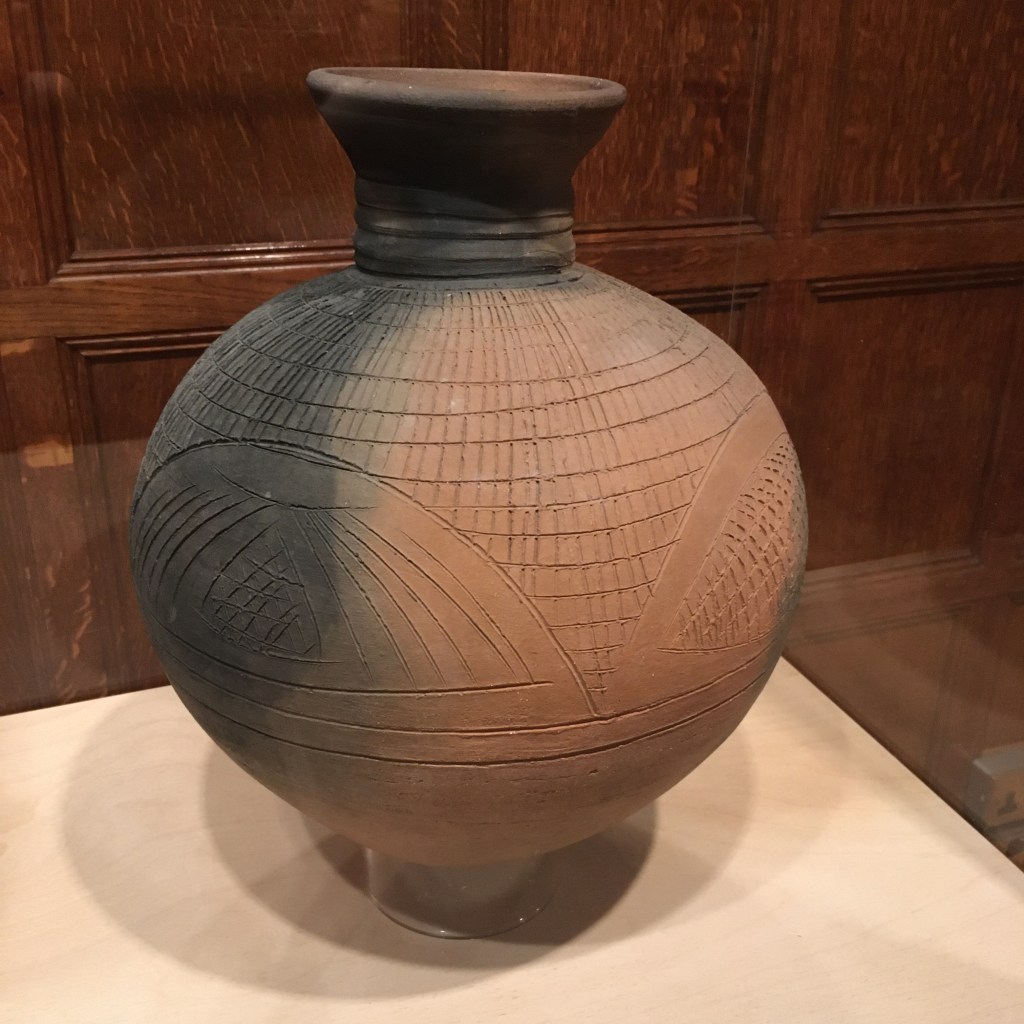
When you think of historical Africa it’s very easy to visualise beautiful rounded clay vessels used for food, water and cooking. What we often overlook is the remarkable artistic hinterland of these pieces. What we also forget is that women made these pots, using clay in its purest state, straight from the ground, using their hands and eye to form practical, durable yet beautifully decorated pots. The exhibition has assembled work by the seminal Nigerian Potter, Ladi Kwali (1925-1984) who was trained in the traditions of pottery and then worked closely with the British potter Michael Cardew to develop a new creativity within pottery. The pot in the picture above was by Dame Magdalene Odundo during her time in Abuja. She learned the skills from Kwali but wanted the world to understand and appreciate the aesthetic of this most ancient of artf-orms. Below is a photo of a pot by Odundo made in 1983.

The exhibition covers around 70 years of pottery practice and artistic evolution. In the upper rooms there are films, such as Jade Montserrat’s performance, Clay (2015 filmed by Webb-Ellis) where she immerses herself in clay, naked, digging, shifting great clods of clay and covering her body with a layer of liquid clay.

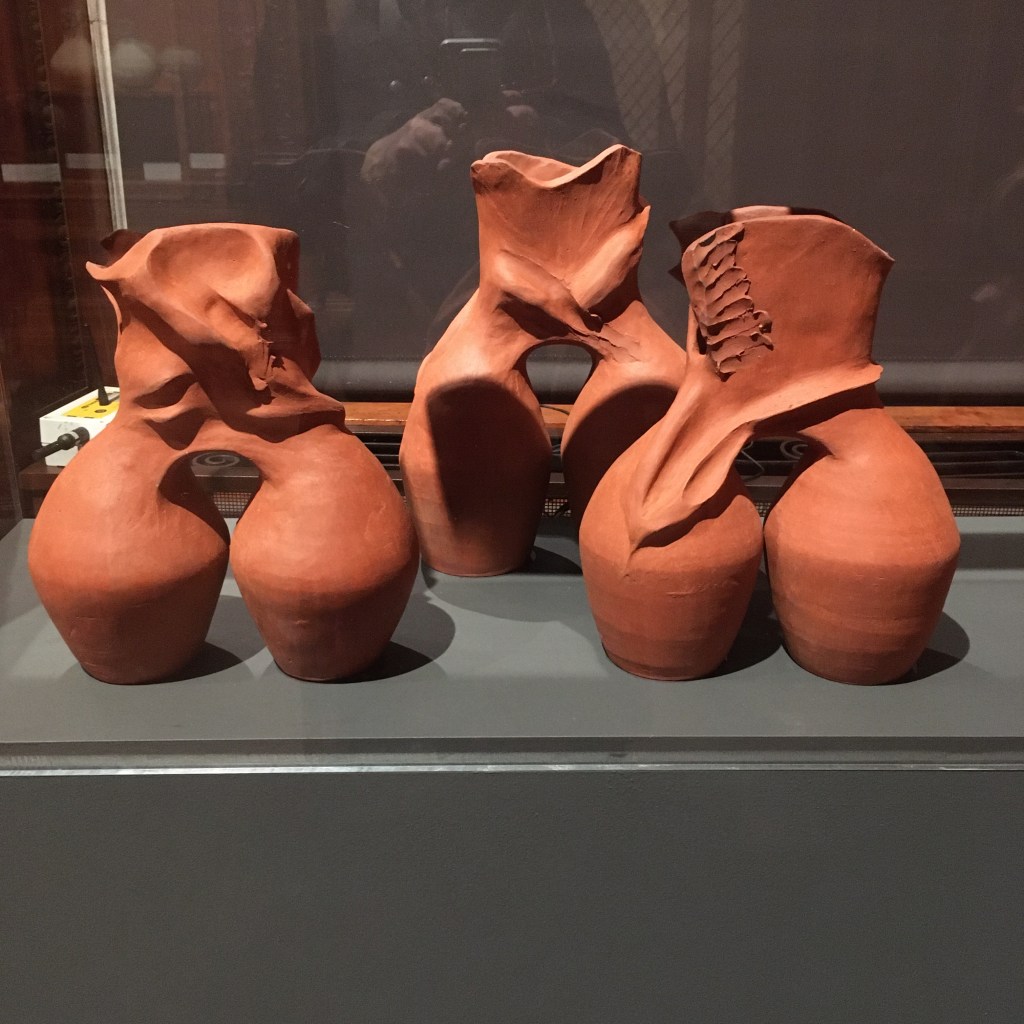
I liked the organic terracotta shapes by Bisila Noha – Dancing Goddess. Wonderfully free-fall.

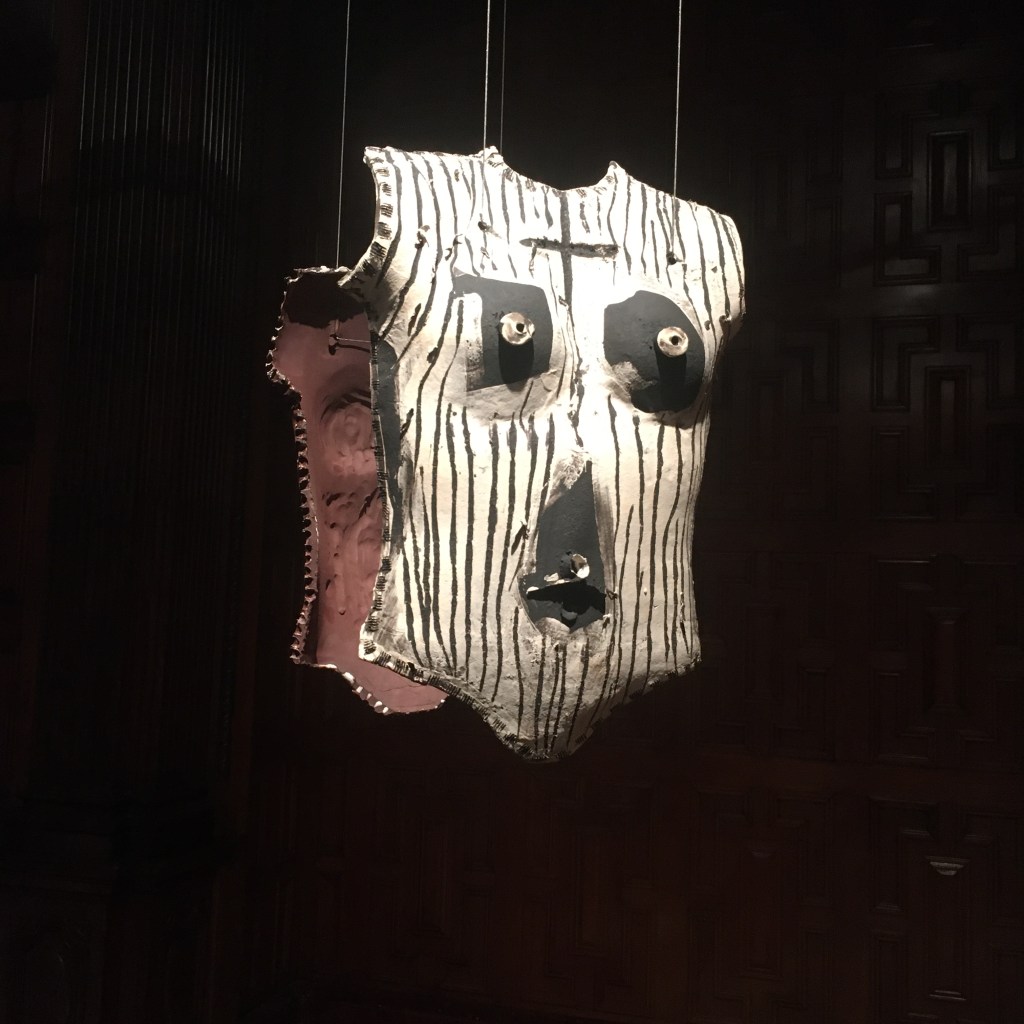
This ‘torso’ by Phoebe Collings-James entitled The subtle rules the dense (2021) relates to the body as a container.

I’ve added a few more images of pots which caught my eye. The show is on at Two Temple Place (worth a visit just to see this extraordinary building) until 22nd April 2022.

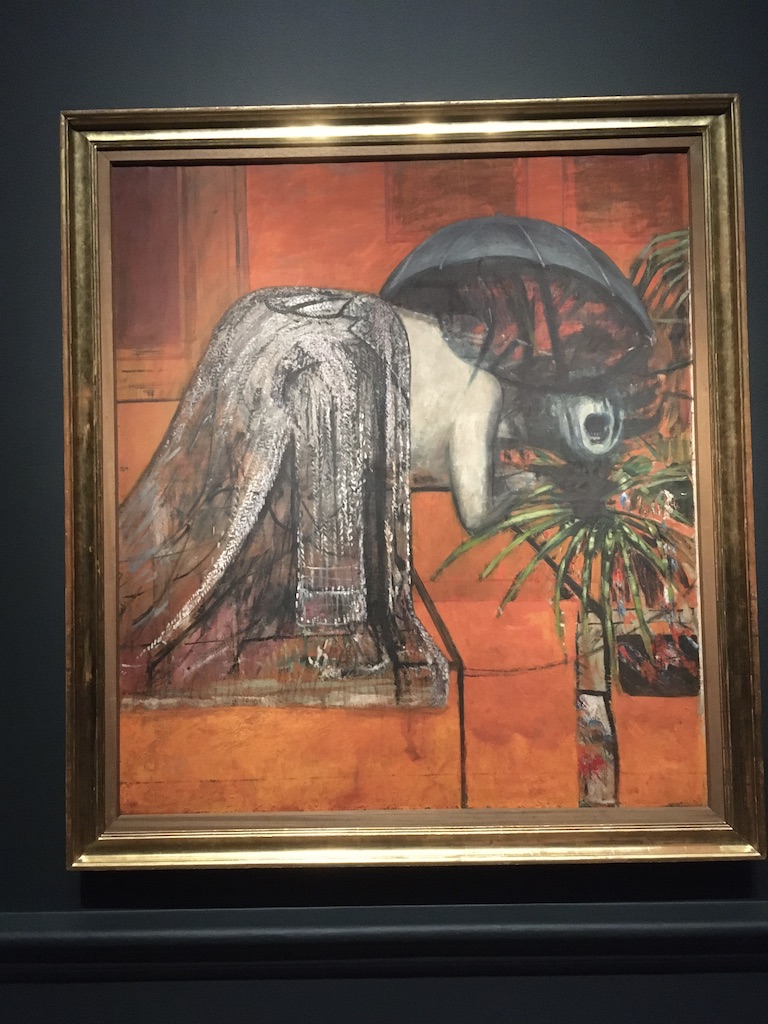
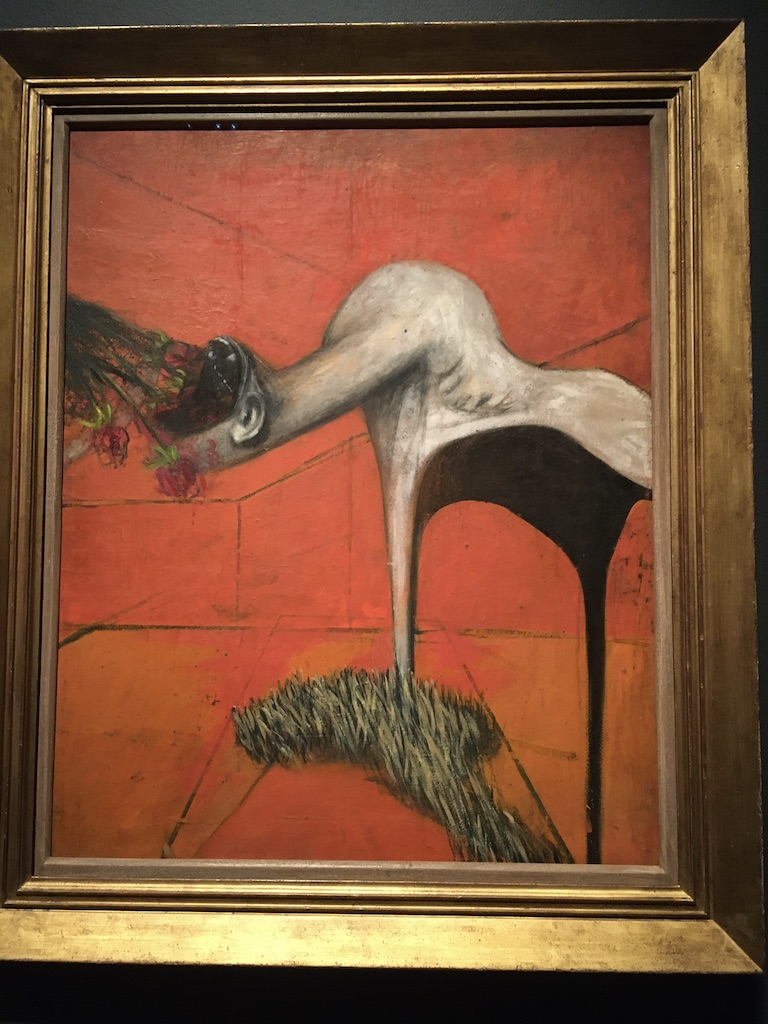
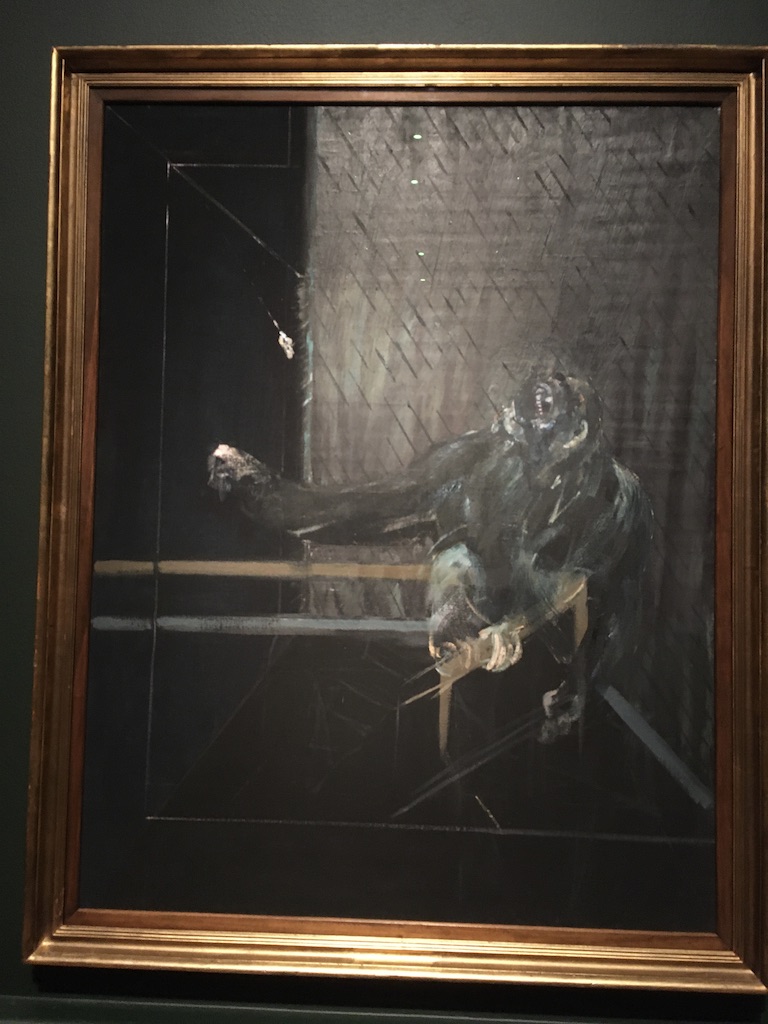
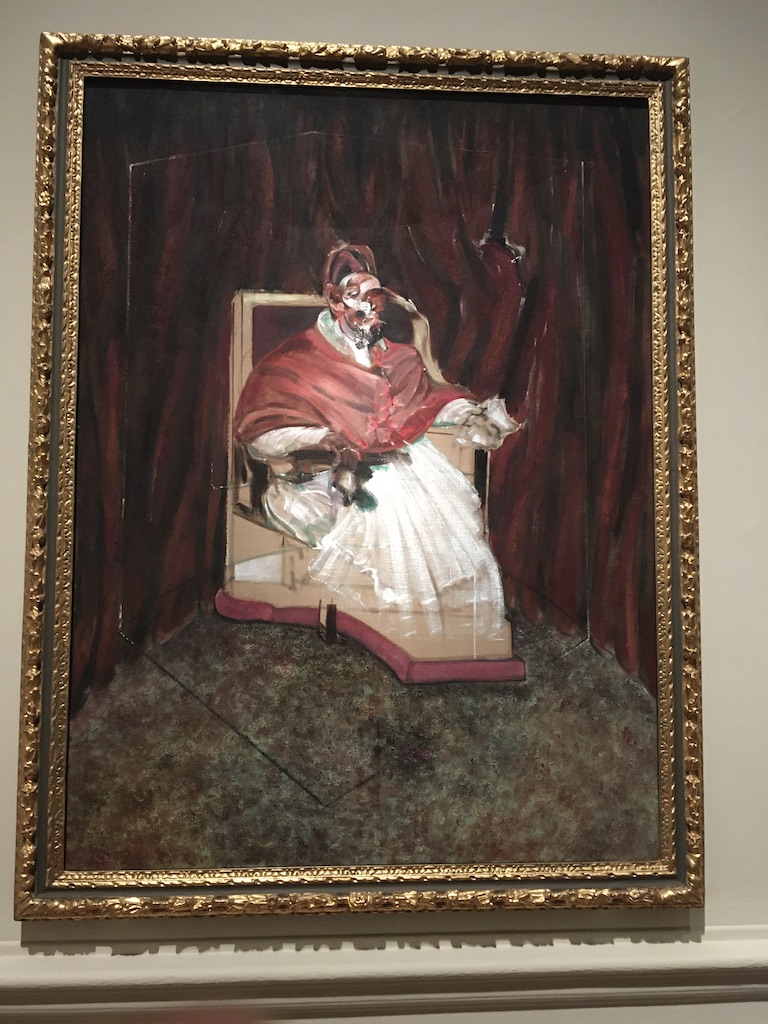
Francis Bacon, Man and Beast, a fulsome exhibition of his visceral work opens at the Royal Academy, London.

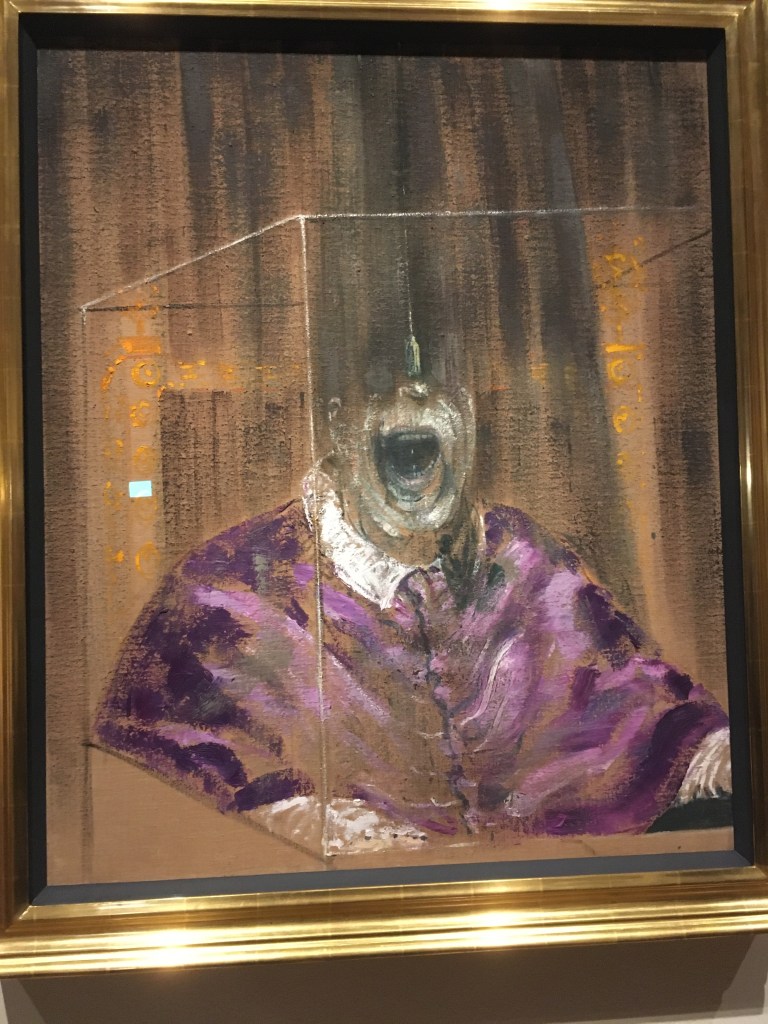
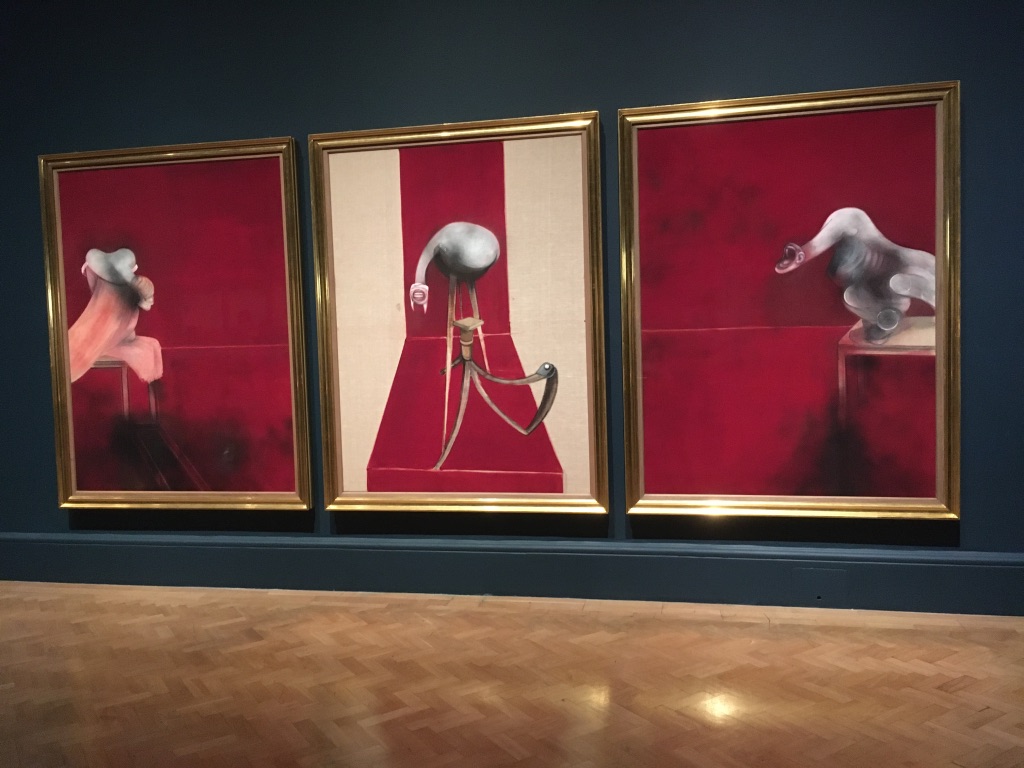
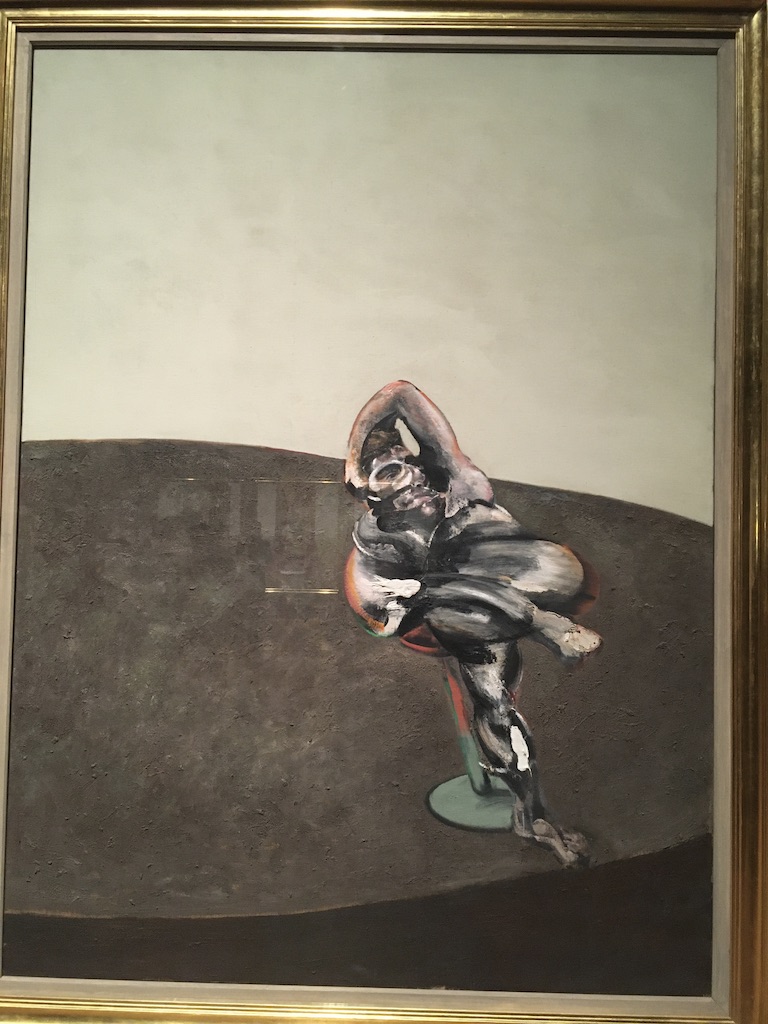
I guess I should begin by saying that I’ve never been that keen on Francis Bacon’s paintings. But I do admire them. He forged a very distinctive, expressive style, which is immediately recognisable, beguiling and fascinating to look at close up. In fact, what I liked most about this show at the Royal Academy was the chance to stare at the canvases at close quarters and see how he’d used a certain colour of ground (a great many start off with a kind of pale burnt umber wash) the vigorous brush strokes and the way he impressed wet paint with various fabrics; you can see the ridges of dishcloth or corduroy.

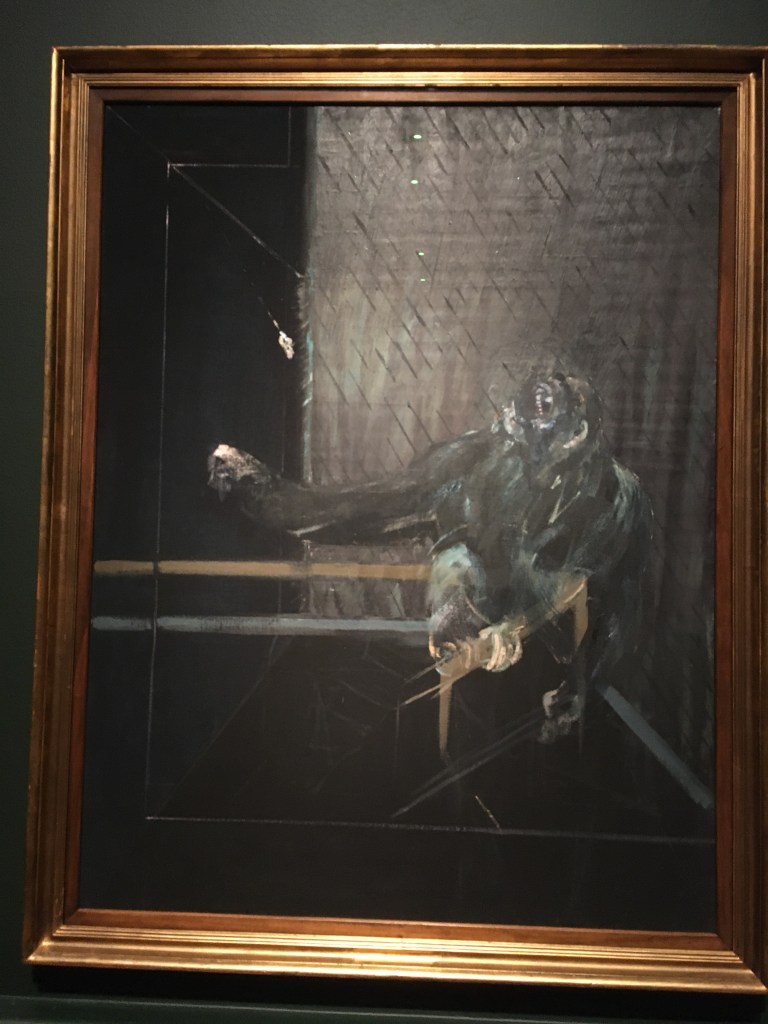
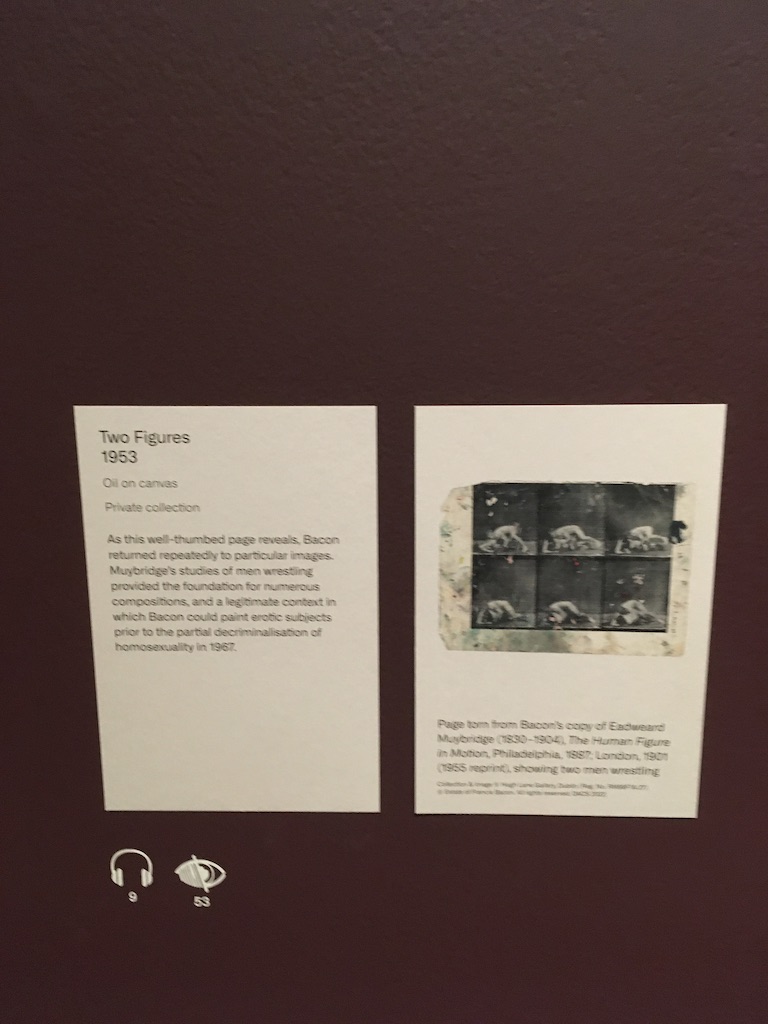
The title of this exhibition gives the steer to the show – it’s about his fascination with man as a human beast, simply a creature made of flesh and blood, skin and hair, and not vastly different from animals. I hadn’t known about his interest in the photographs of Edweard Muybridge which captured the movement of animals. The details to the side of some paintings show paint-spattered pages torn from these reference books and it’s clear that these animal images fuelled the composition of the paintings.

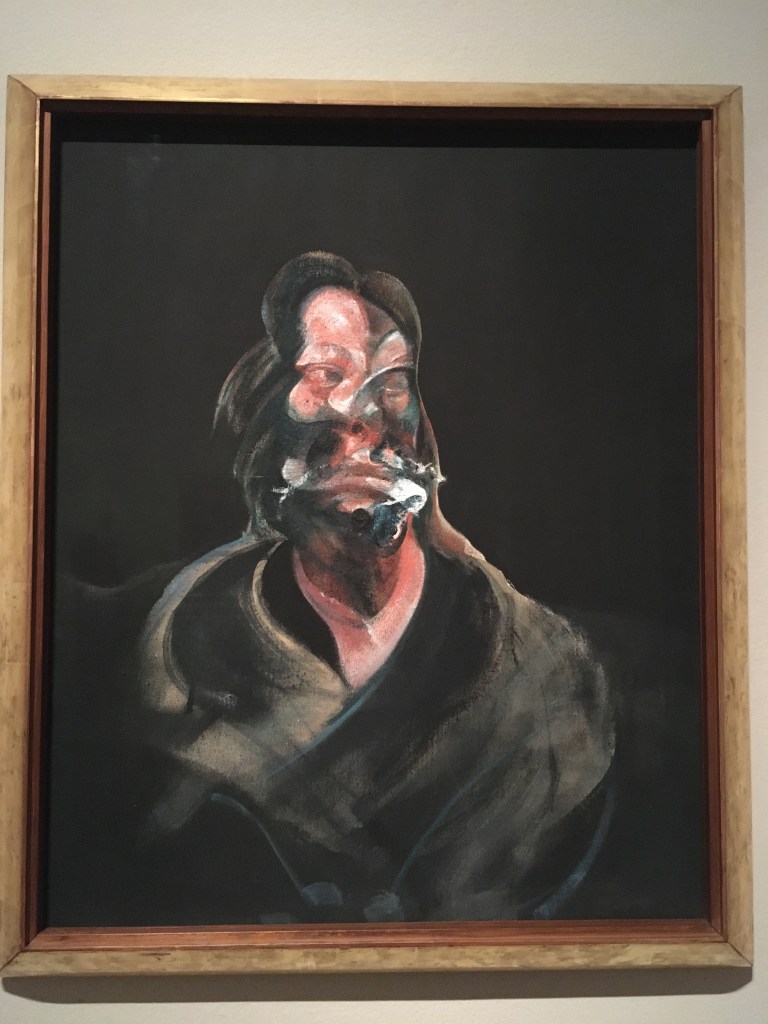
It’s impressive to see how, within the curious swirly, many-layered style, a strong likeness is achieved with his portraits. They’re not flattering but they do capture character and personality. it’s no surprise to learn that he was very impressed by the work of Picasso. He was inspired by an exhibition of Picasso’s work he saw while lodging with a family in France and determined to live in Paris and become an artist.

Isabel Rawsthorne, portrait 1966

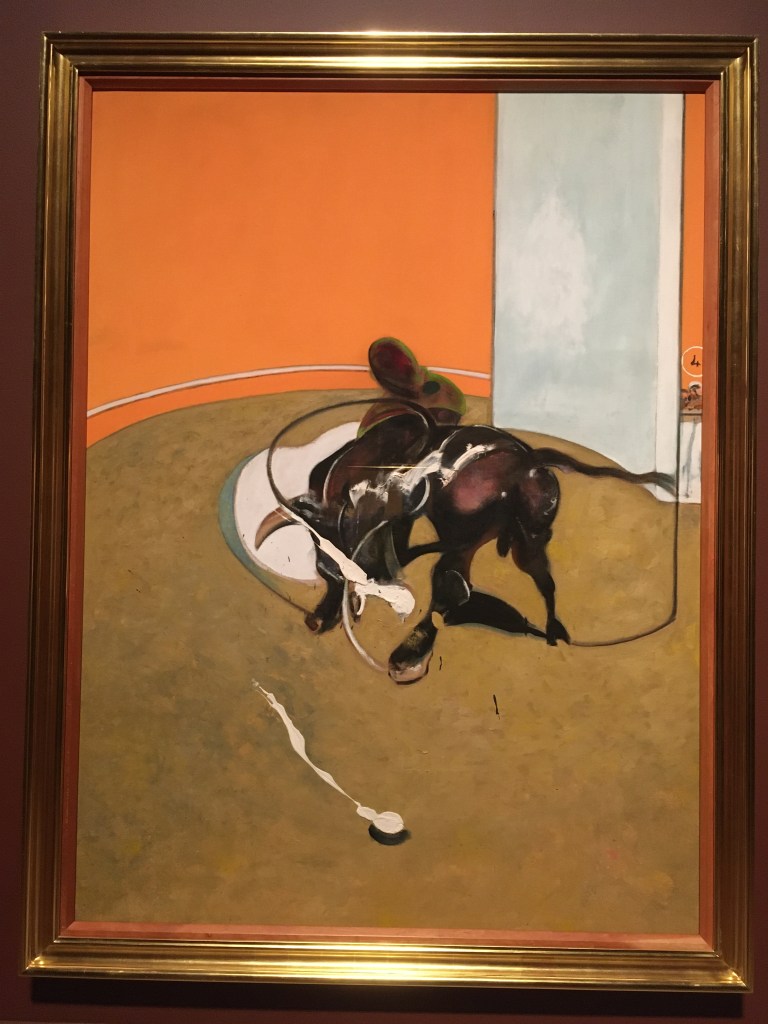
The other thing about being able to see these paintings, in the flesh (what an apposite expression!) and close up, is the bravery of his technique. He often created perfectly satisfactory works, in his distinctive style, and would then throw great gobbets of paint at the canvas. These random hurlings of pigment often enhanced the work with tremendous energy but there are some where you think, maybe it hasn’t really ‘helped’ the work.

Second version of Study for Bullfight No 1 1969

So, despite my innate reservations about Bacon, I was impressed by this work and very pleased to have seen such a strong selection of work and had the chance to understand more about his practice and his turbulent life.

On show at the Royal Academy until 17th April 2022

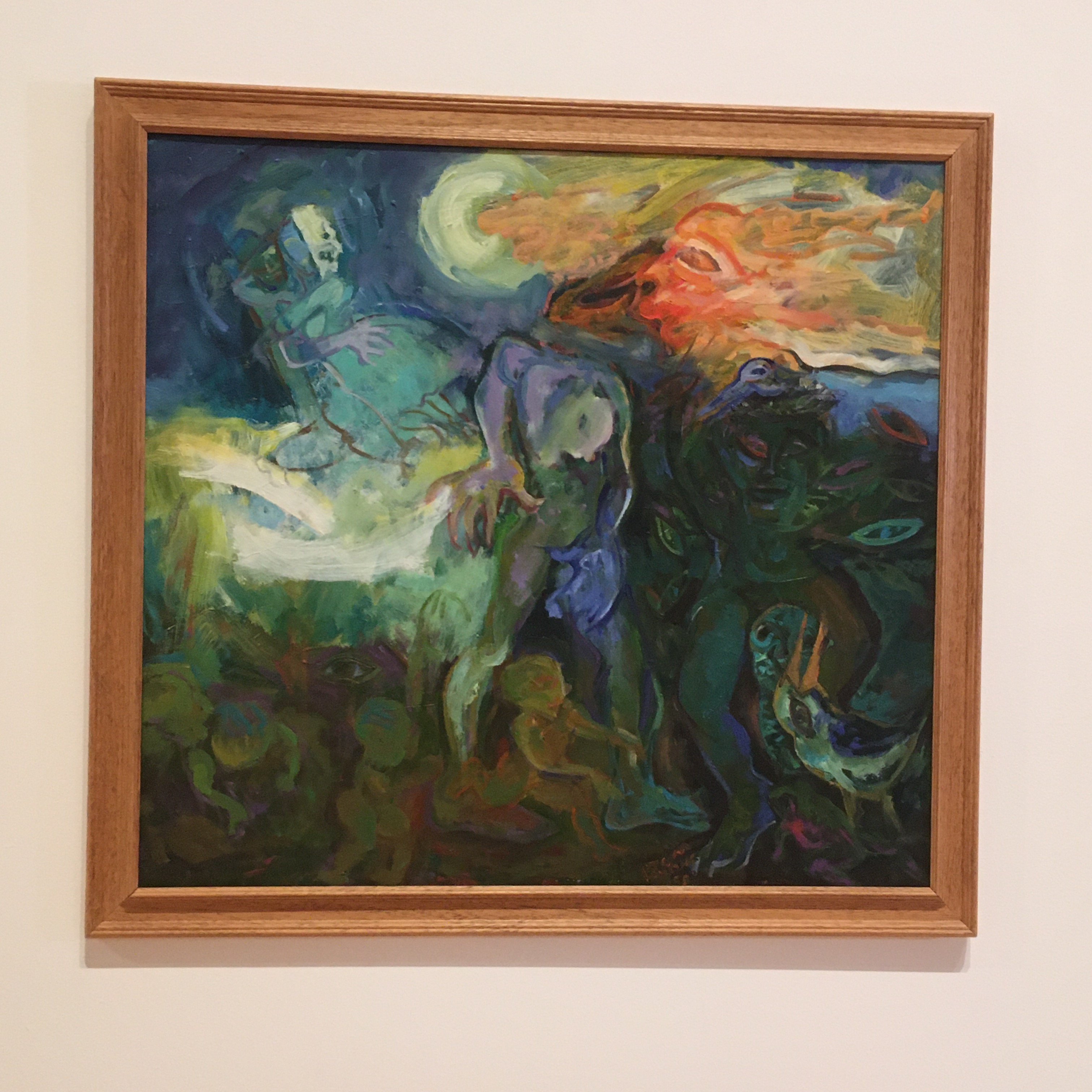
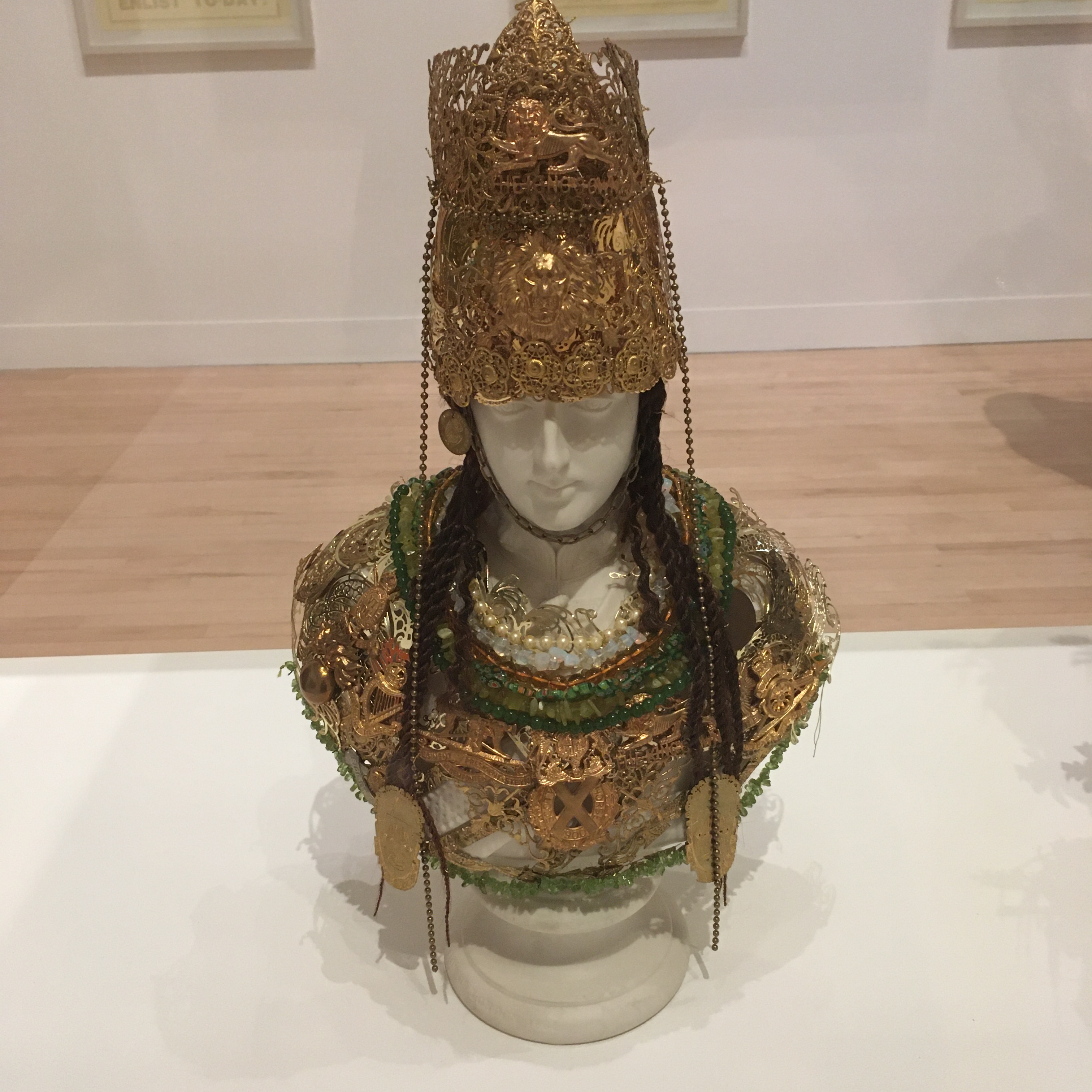
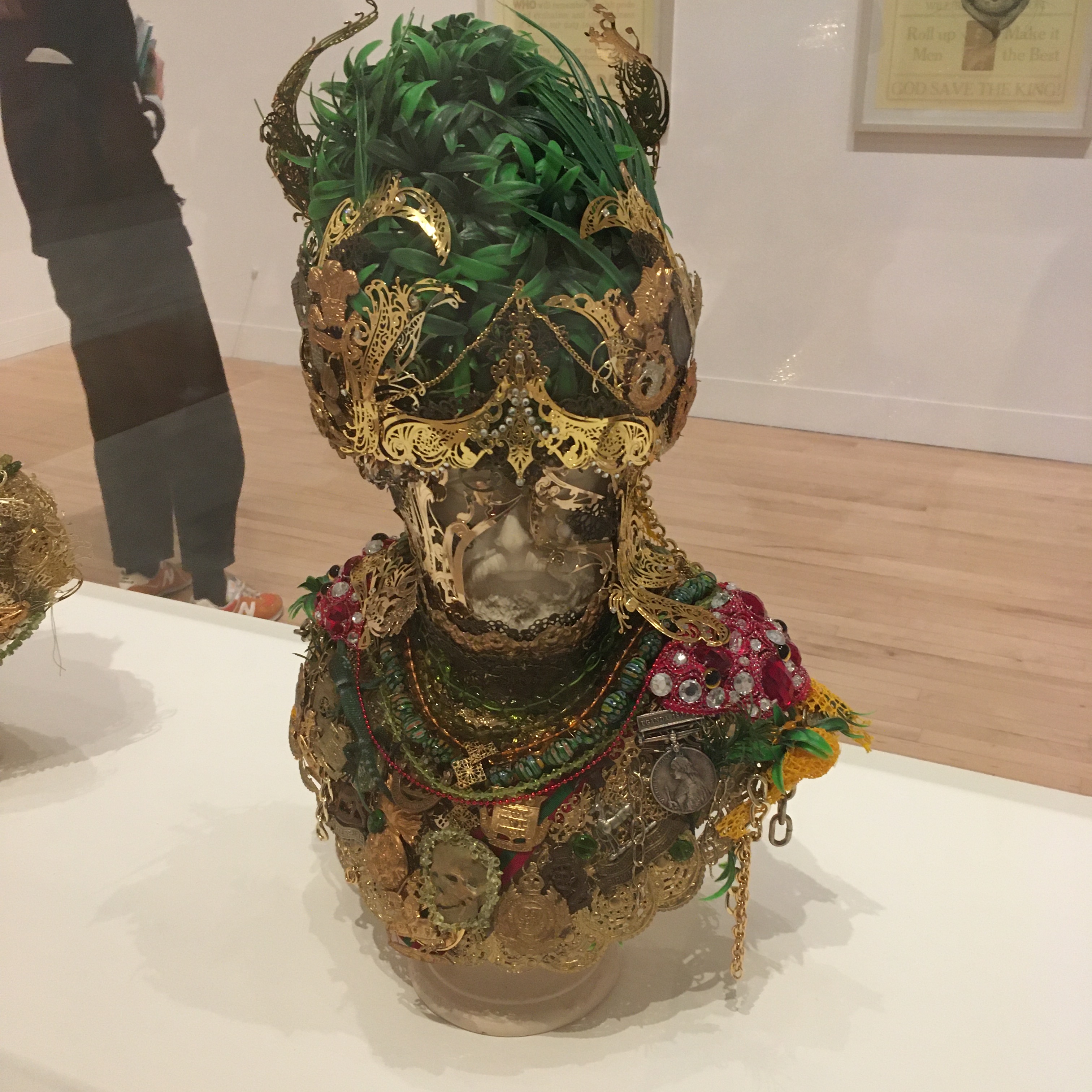
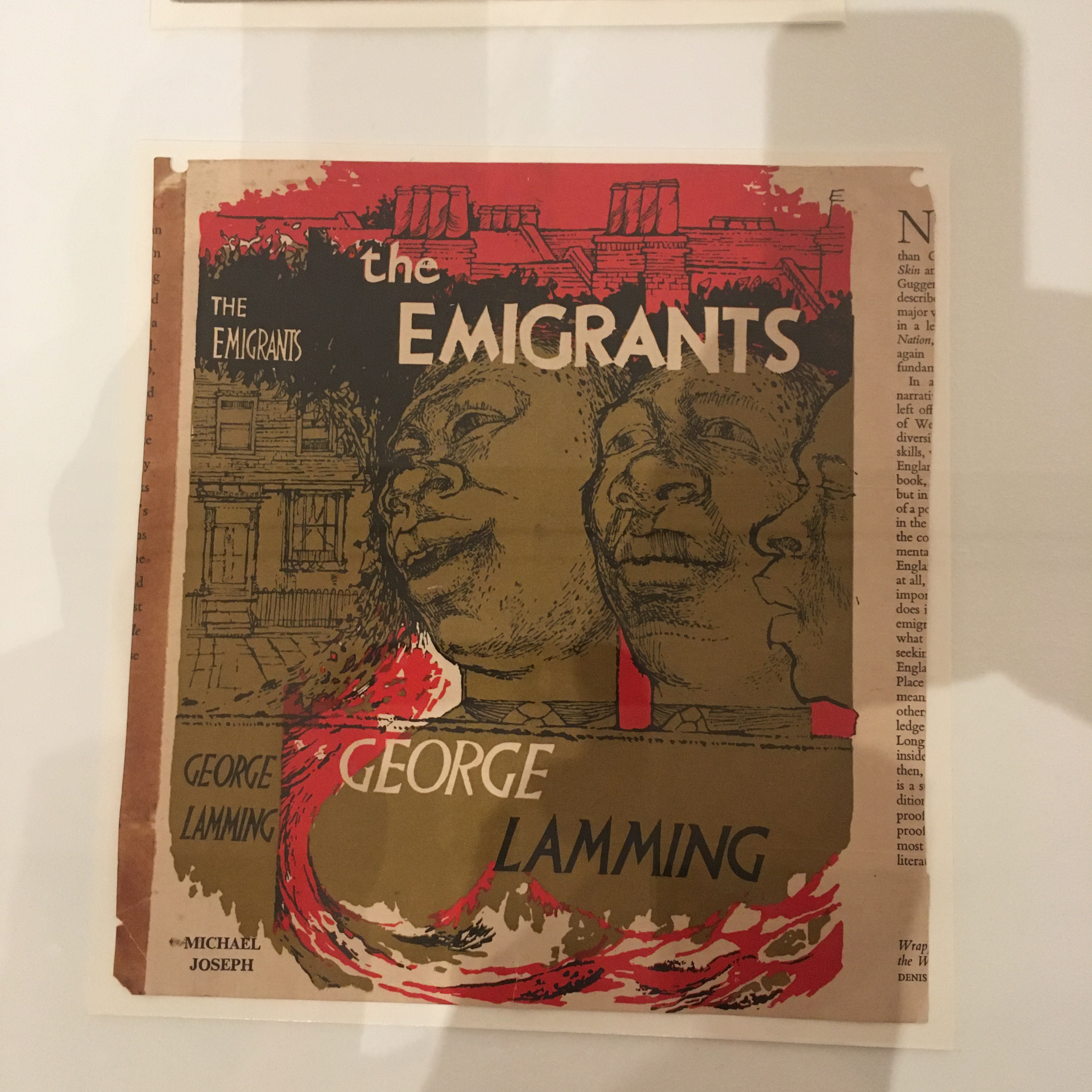
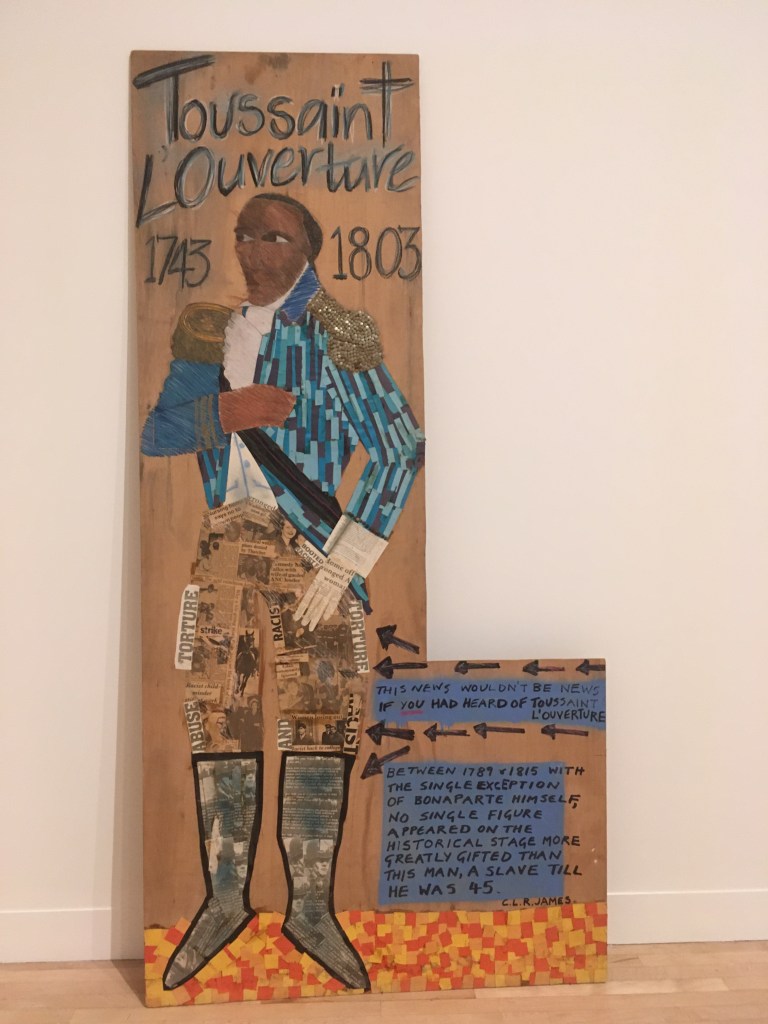
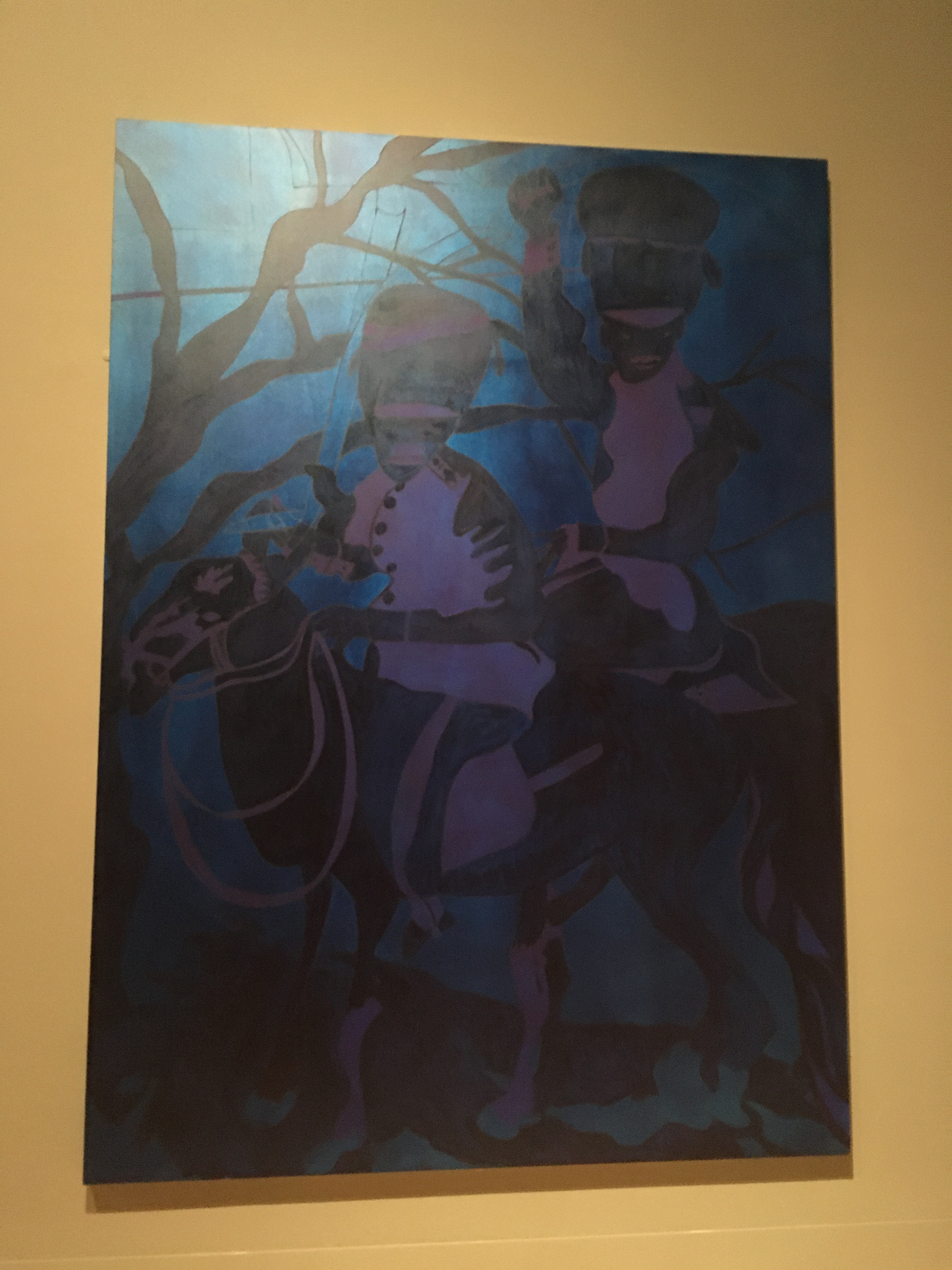
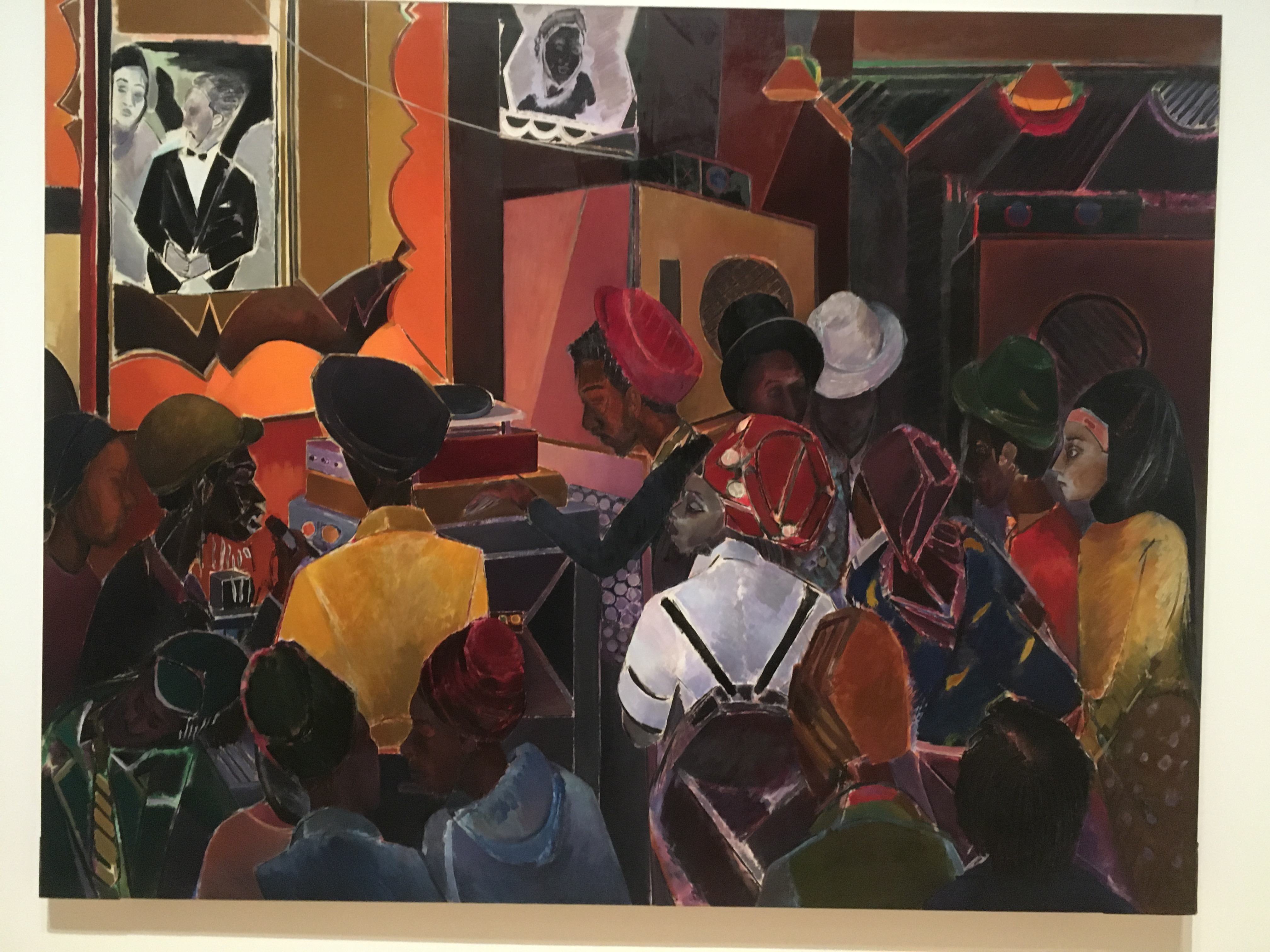
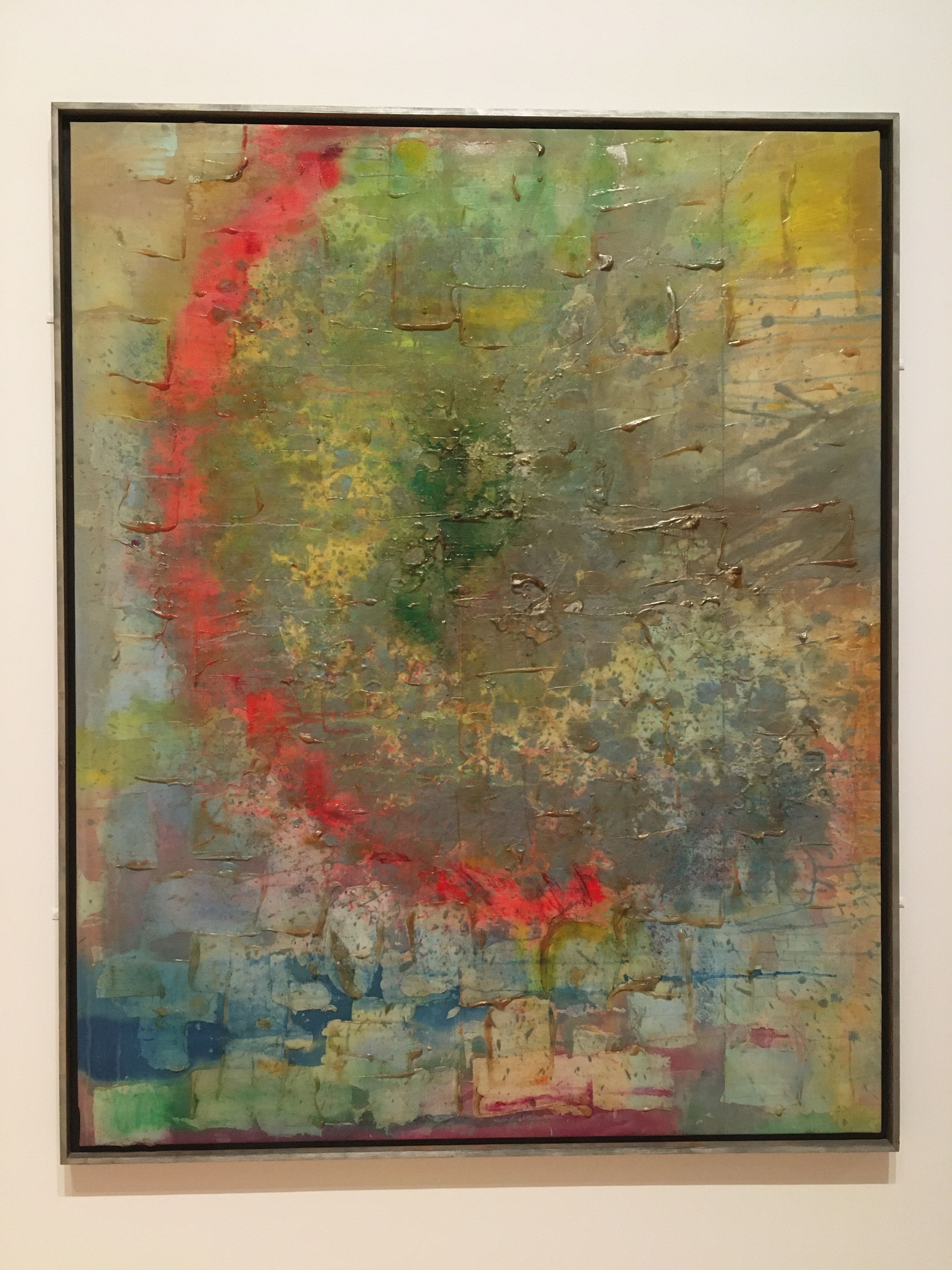
Life Between Islands : Caribbean-British Art 1950s – now is on show at Tate Britain and it’s great. The people of the Caribbean diaspora have a clearly distinct culture; it’s fascinating seeing the work of artists from the 1950s, many of whom travelled and settled in the UK, who have brought the spirit and ethos of their heritage into British society. And we also see the work of their ‘children’ – inheritors of that geographical and social change – who have much to say about the contemporary life of black people in Britain.

This is an enormous exhibition for Tate Britain and full to the brim with colour, music and sounds which conjure the sunshine of the West Indies which contrast with the darker experiences of the ‘Windrush generation‘ who have done so much to influence British culture. You can’t shy away from the history of slavery, the inequality, the racism which existed so unchecked in the last century; and the recent appalling treatment by the Home Office of Windrush ‘children’. This broad-based show brings the inheritance of social change and challenge into sharp focus.

I have long loved this self-portrait by Sonia Boyce entitled She Ain’t Holding them Up, She’s Holding on (Some English Rose) 1986. It’s pastels on paper. She portrays herself as a strong black woman supporting a family upon her arms by her head.

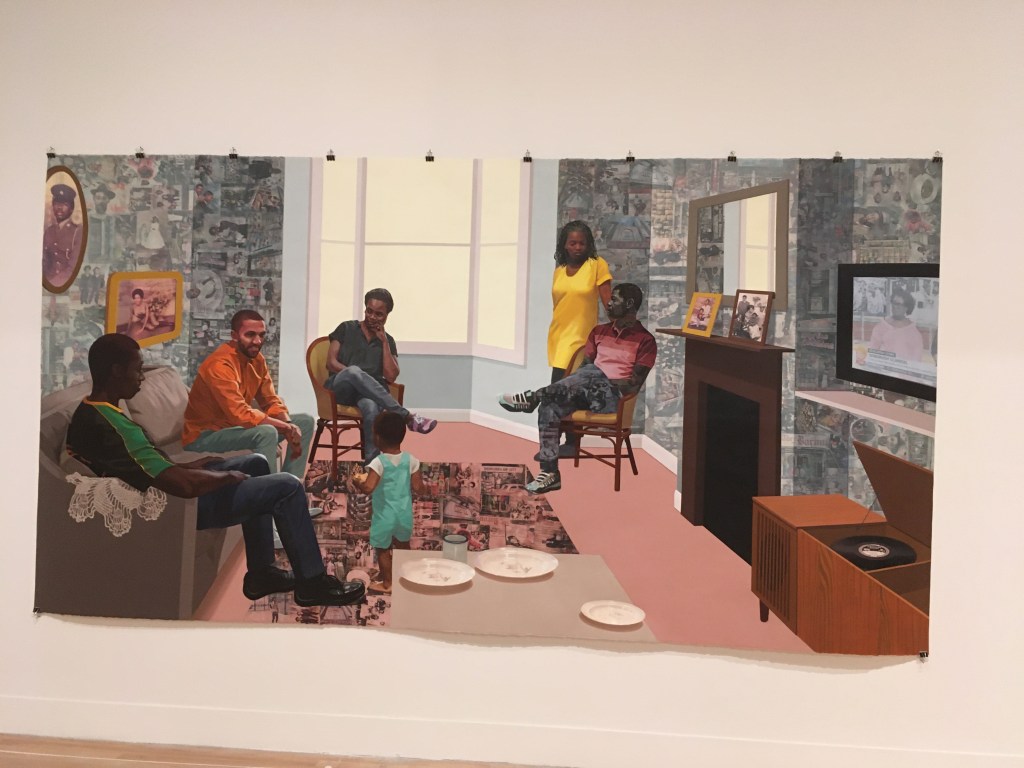
This, above, is one of the last paintings on show. It is by Njideka Akunyili Crosby (born 1983) entitled Remain, Thriving. It’s a work on paper made with acrylic paint, transfer print, coloured paper and pencil. It imagines a gathering of the grandchildren of the ‘Windrush generation’ and references the Windrush scandal of 2018.

The exhibition opens with artists who arrived in the UK between the late 1940s and early 1960s. They’d been invited to ‘return to the mother country’ and nearly half a million people left the West Indies to settle in the UK. Writers, artists and activists highlighted inequalities and established new Black identities – a modern Caribbean aesthetic.

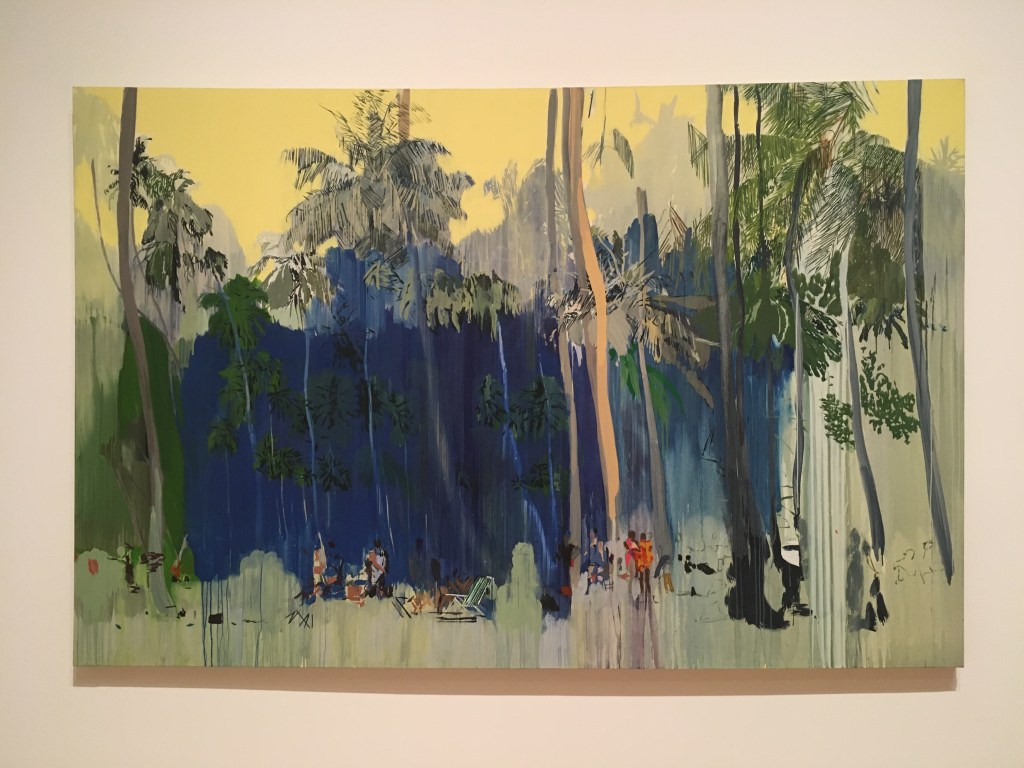
Maracas III by Hurvin Anderson (born 1965) Born in England to Jamaican parents he visualises the country his parents left. This depicts Maracas Bay a popular beach in Trinidad.

The howl of anger is clearly heard through some of the work. The unfair treatment of newly arrived Caribbean people shamefully highlights the latently Colonial attitudes within British society. It’s painful to look at photographs of riots, protests, and cruelty meted out upon the new arrivals and their families. However, it’s so fascinating to see the way Caribbean culture quickly established itself, especially in areas of West London, and the carnival tradition was established in Notting Hill.

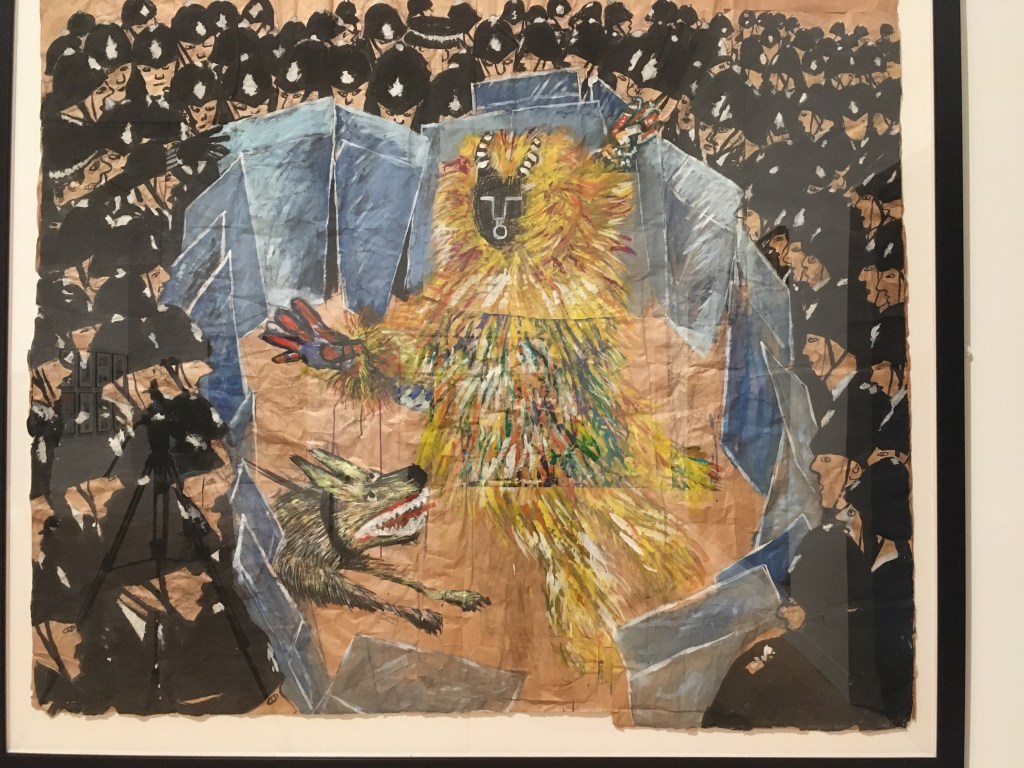
However, all was not straightforward despite the good intentions of introducing carnival life to London’s summer bank holiday experience. The police felt threatened by large gatherings of Black youths. This is well represented in a painting by Tam Joseph entitled The Spirit of the Carnival, below. It shows a masquerader surrounded by a snarling dog and crowds of police brandishing shields.
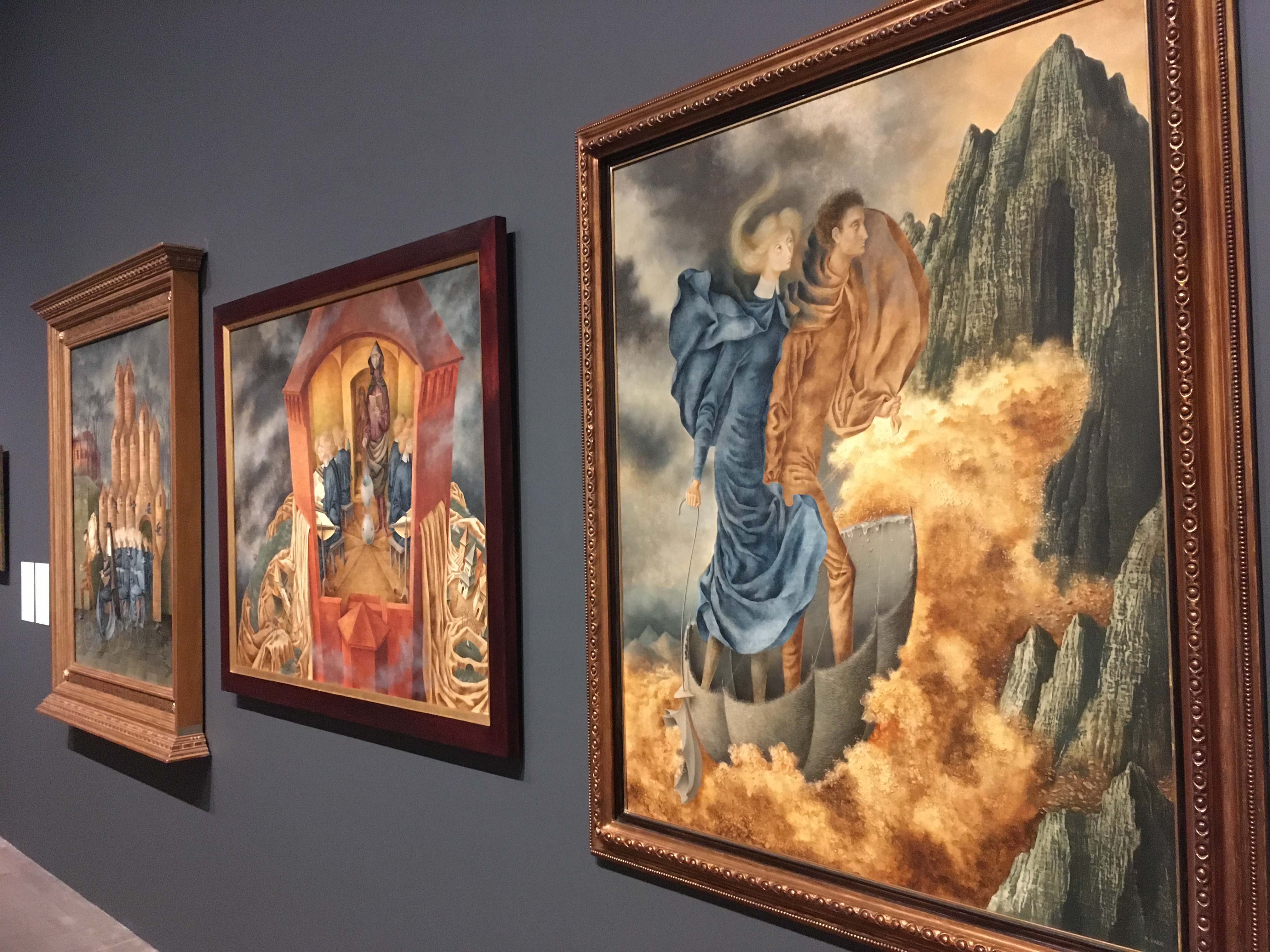
One comes away from this show the the clamour of colour fixed in the mind’s eye and a feeling that an ancient culture, which pre-dates slavery and colonialism is being given a chance to bloom and show its origins within this fascinating exhibition.
Life Between Island is on show at Tate Britain until 3rd April 2022