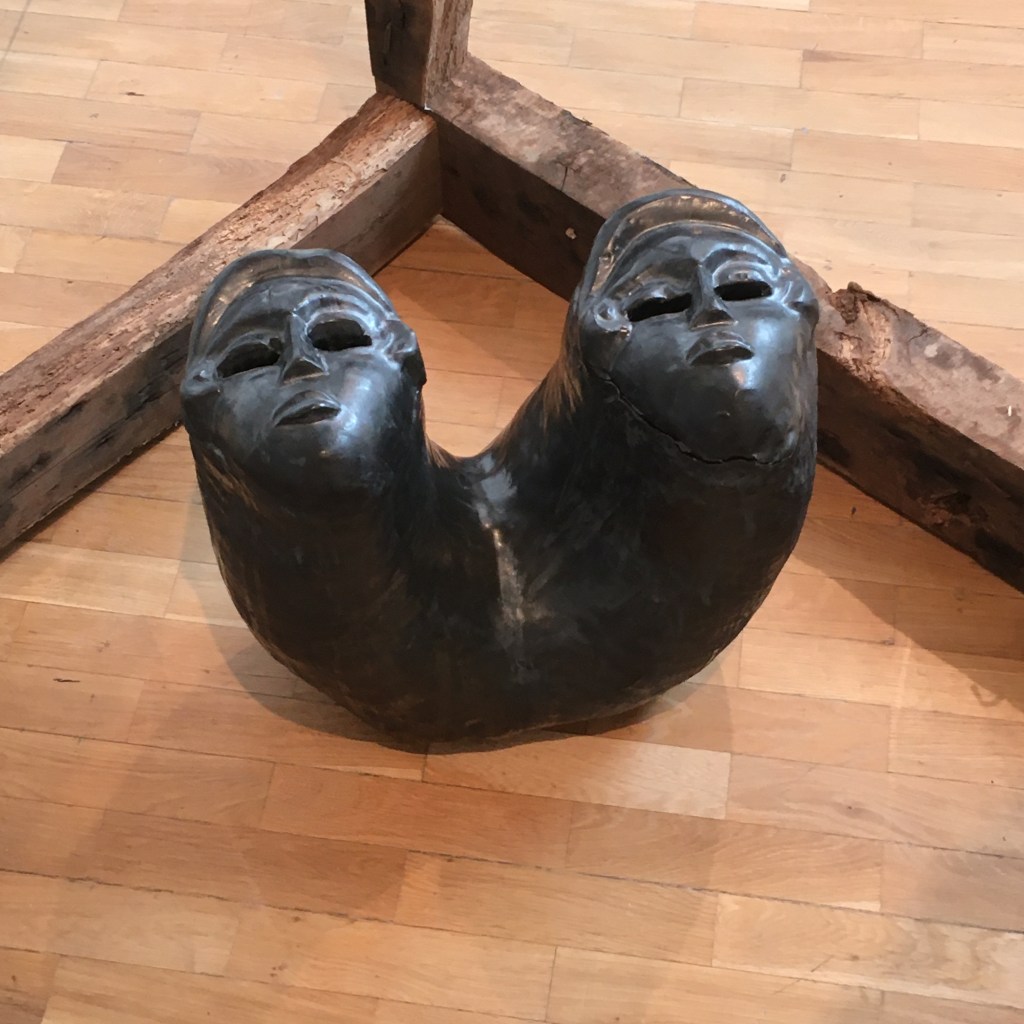
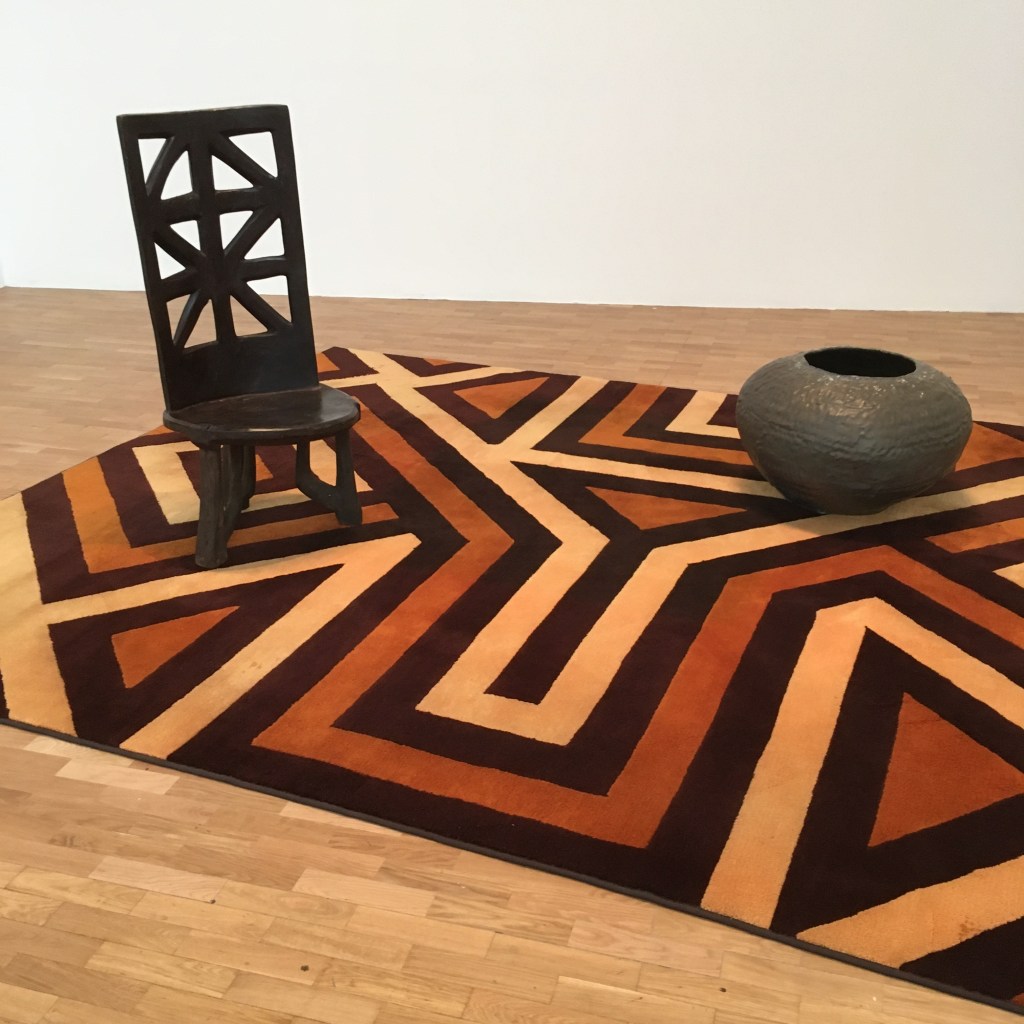
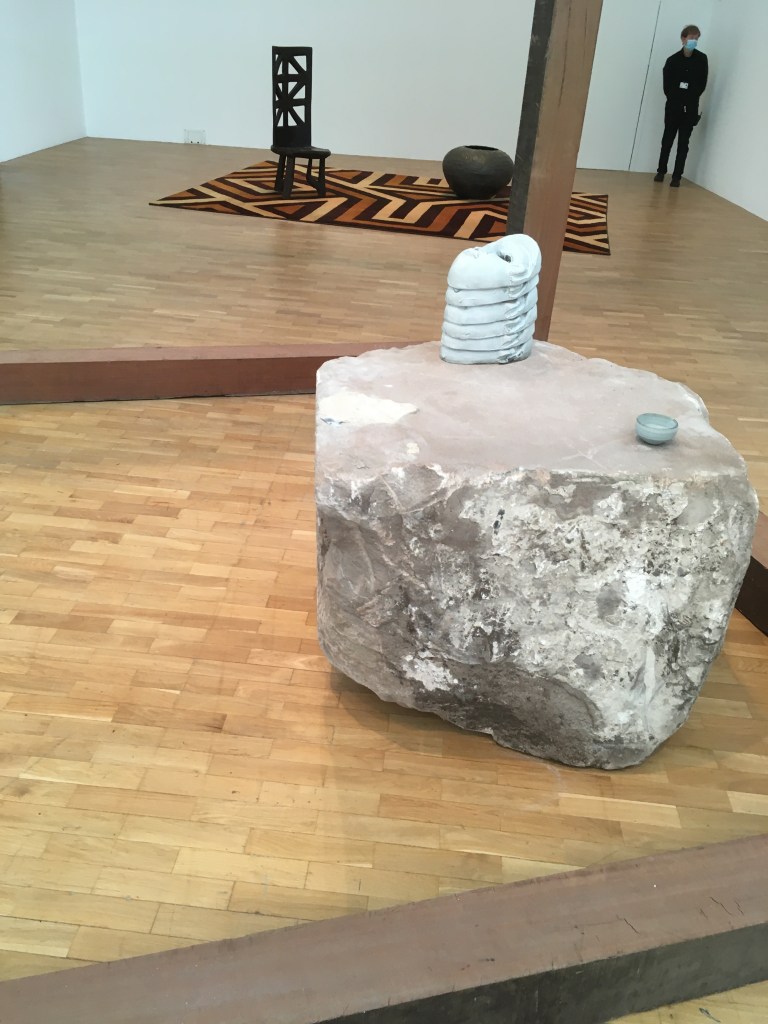
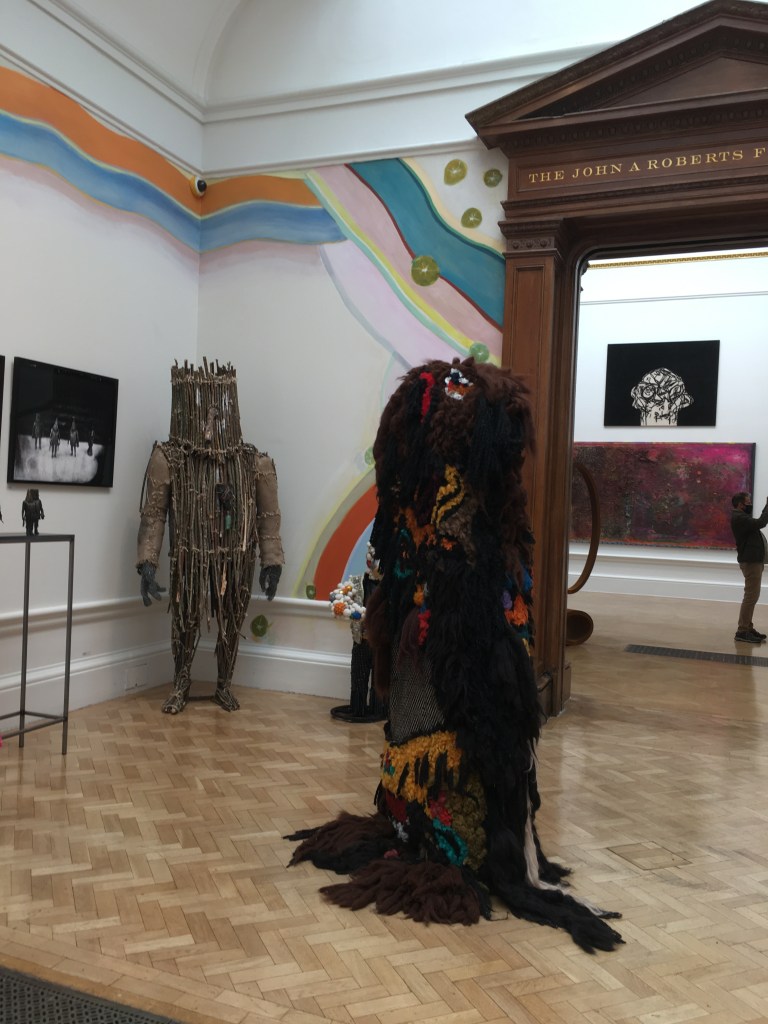
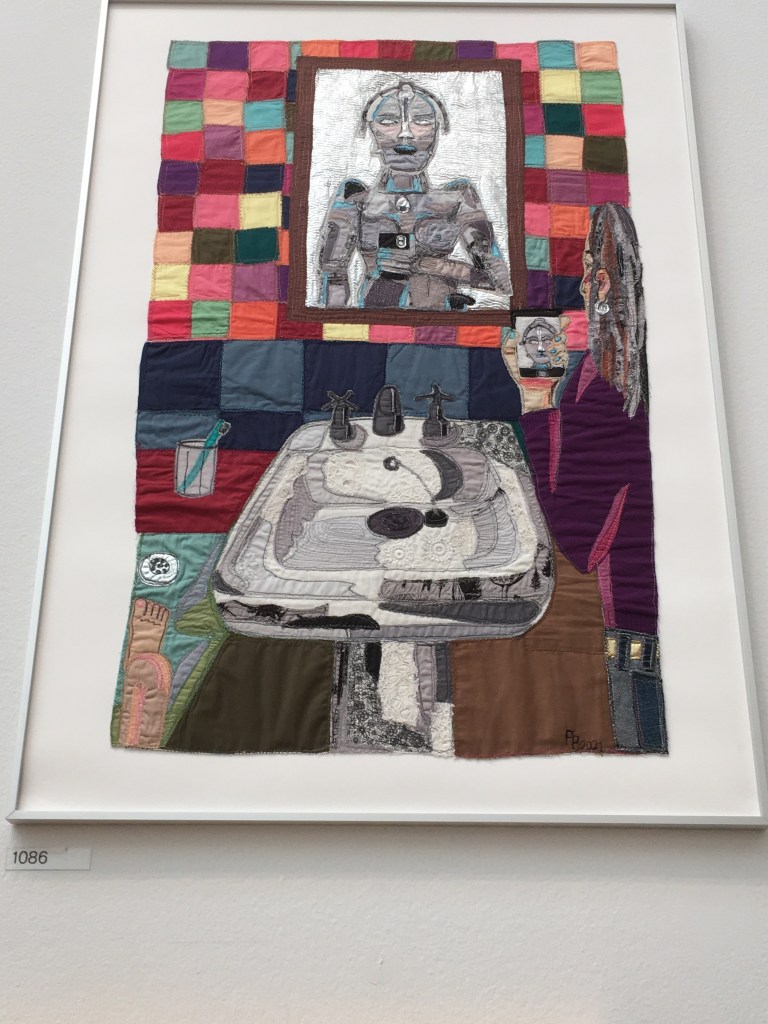
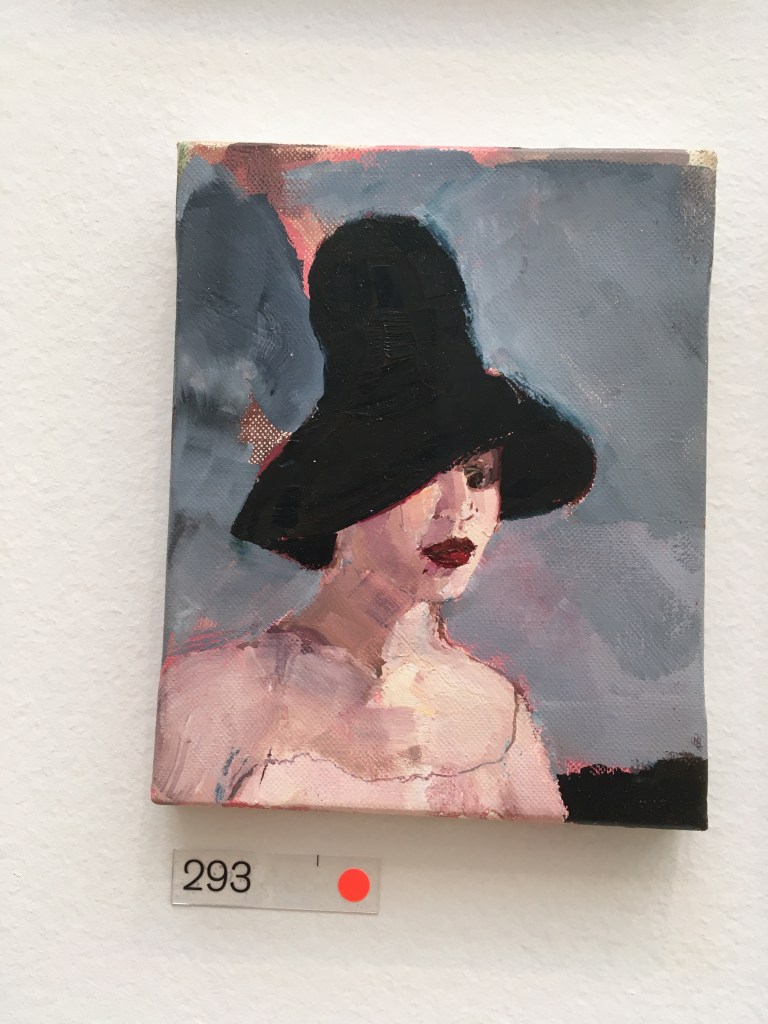
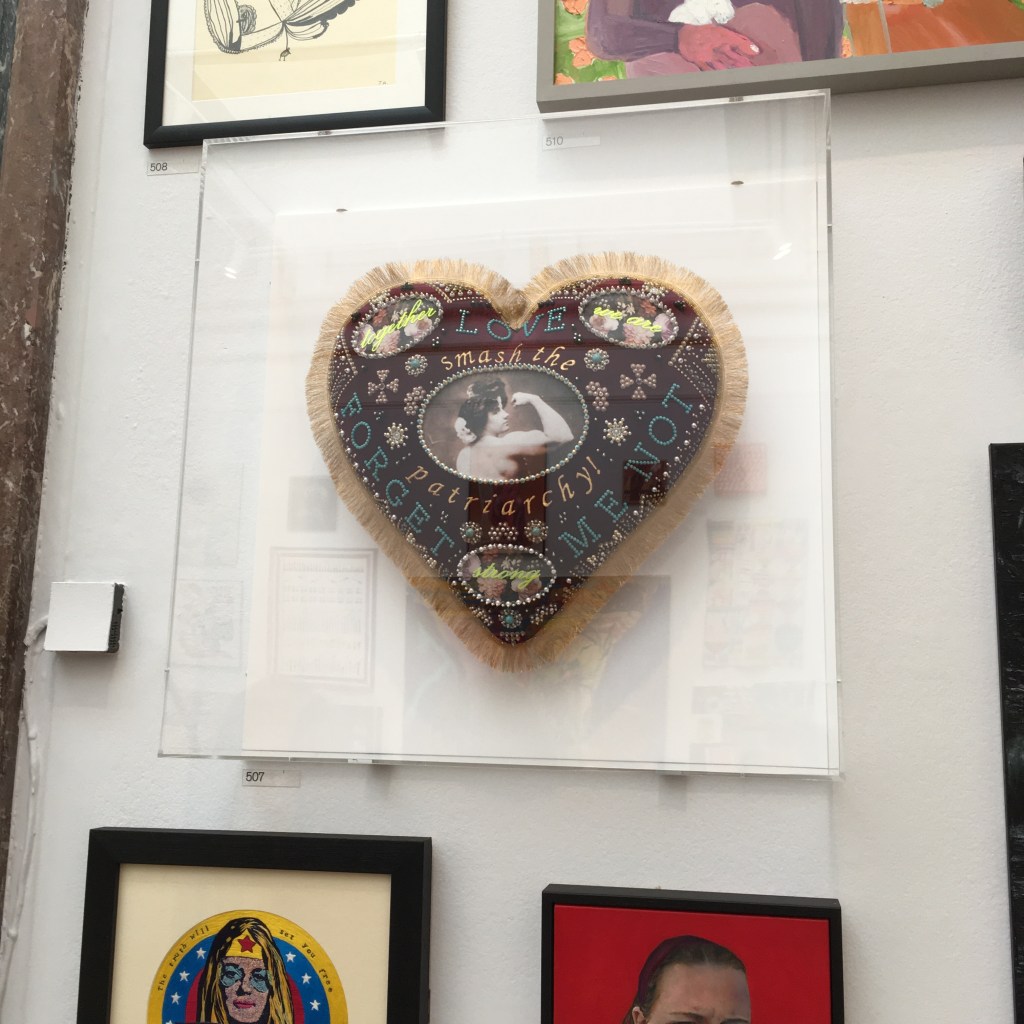
Theaster Gates: A Clay Sermon at the Whitechapel Gallery is a fascinating and thought-provoking exhibition which investigates clay in all its forms. Gates, from Chicago, has collected clay and ceramic objects of all ages, cultures and styles. The pieces on show are challenging, beautiful, uncomfortable and beguiling but always interesting.

Theaster Gates is a man with a powerful presence. This comes across strongly in his film, A Clay Sermon, which visitors to the Whitechapel Gallery can pause to watch between visits to the different rooms. He turns pottery into a performance art with singing, and lingering shots of him slapping clay onto a wheel and carefully shaping a pot with his hands. As he says, “everything begins with clay” – it’s the oldest material which humans have used whether it’s for practical purposes or for creating objects of remarkable delicacy and beauty.
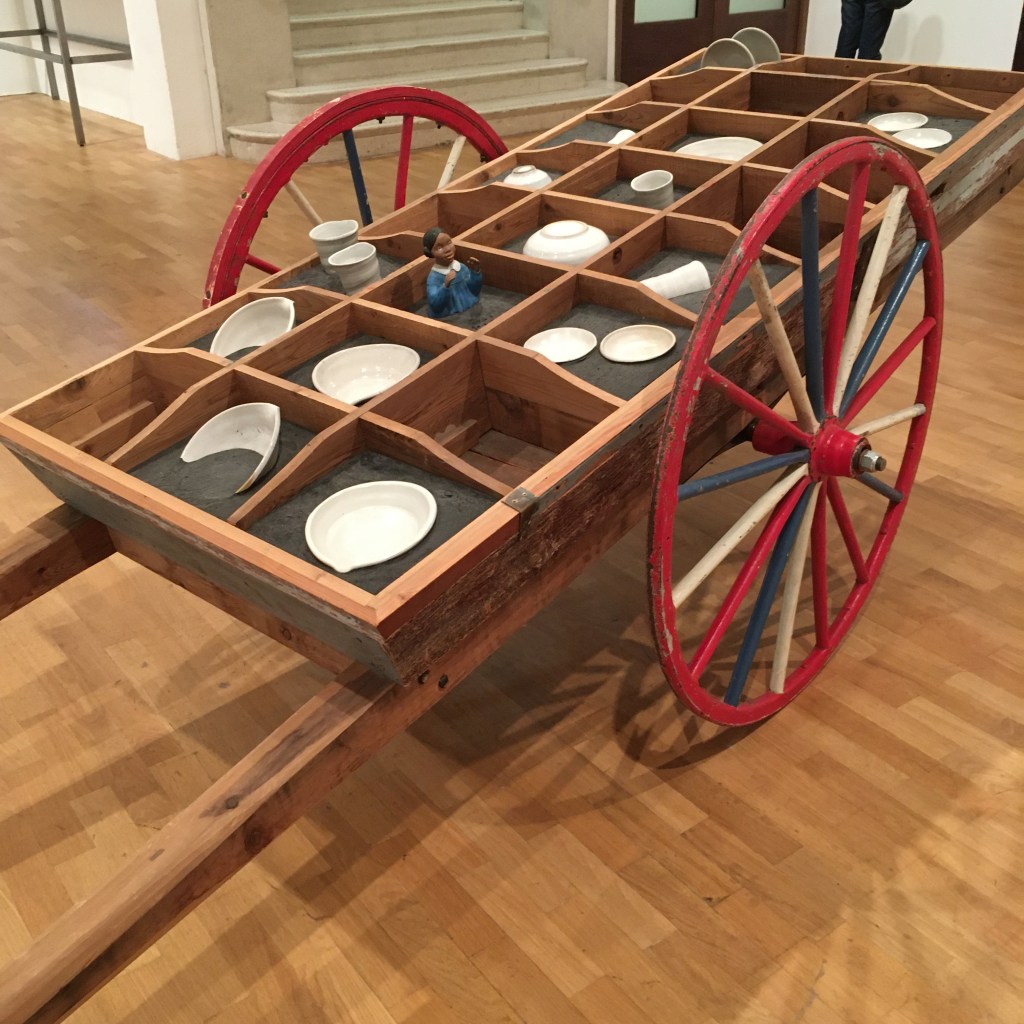
Theaster Gates: Ricksaw for Fossilized Soul Wares 2012, Wood, black cast concrete, clay and plastic

In this exhibition he has assembled examples of the work of potters who have influenced his art and shaped his approach to clay. There’s much to see, including fascinating vitrines of collected pieces.
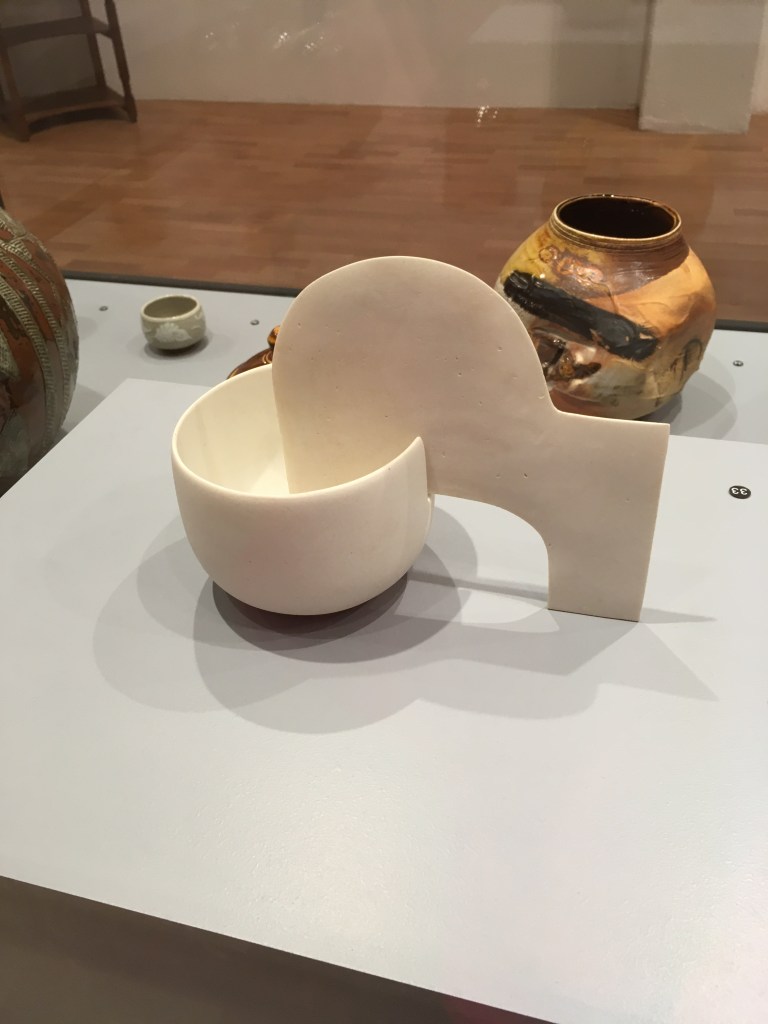
Bowl by Ruth Duckworth (1919-2009

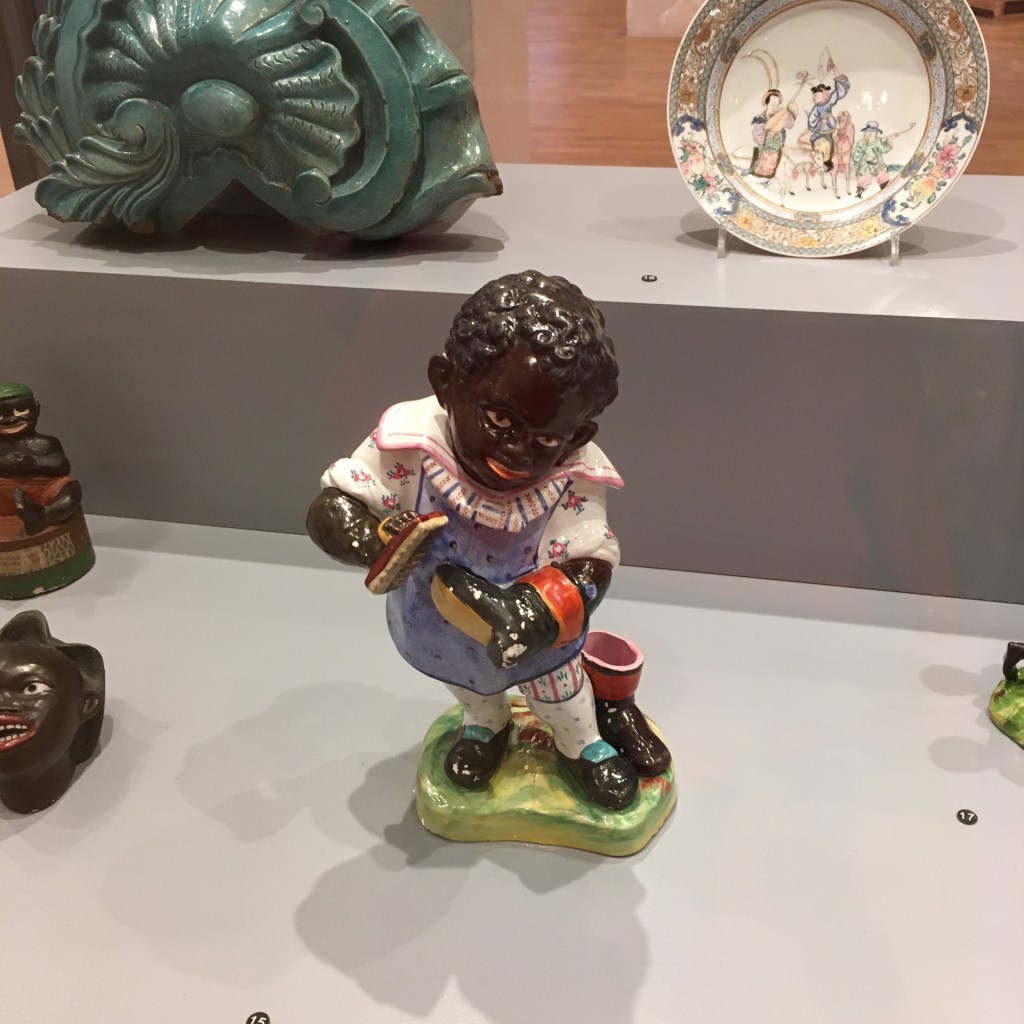
Some of the pieces are unsettling for their racist associations.
I loved the huge clay pots by Peter Voulkos (below) on the ground floor, a mix of slab built and wheel-thrown pieces, which look as though they’ve been smashed and glued together – a thought abstracted by some major disaster in the kiln but handsome in their celebration of process.

Gates’ father was a builder and bricks were a key part of his trade. You could regard architecture, and buildings made out of clay bricks, as artworks as well as practical structures for human habitation.
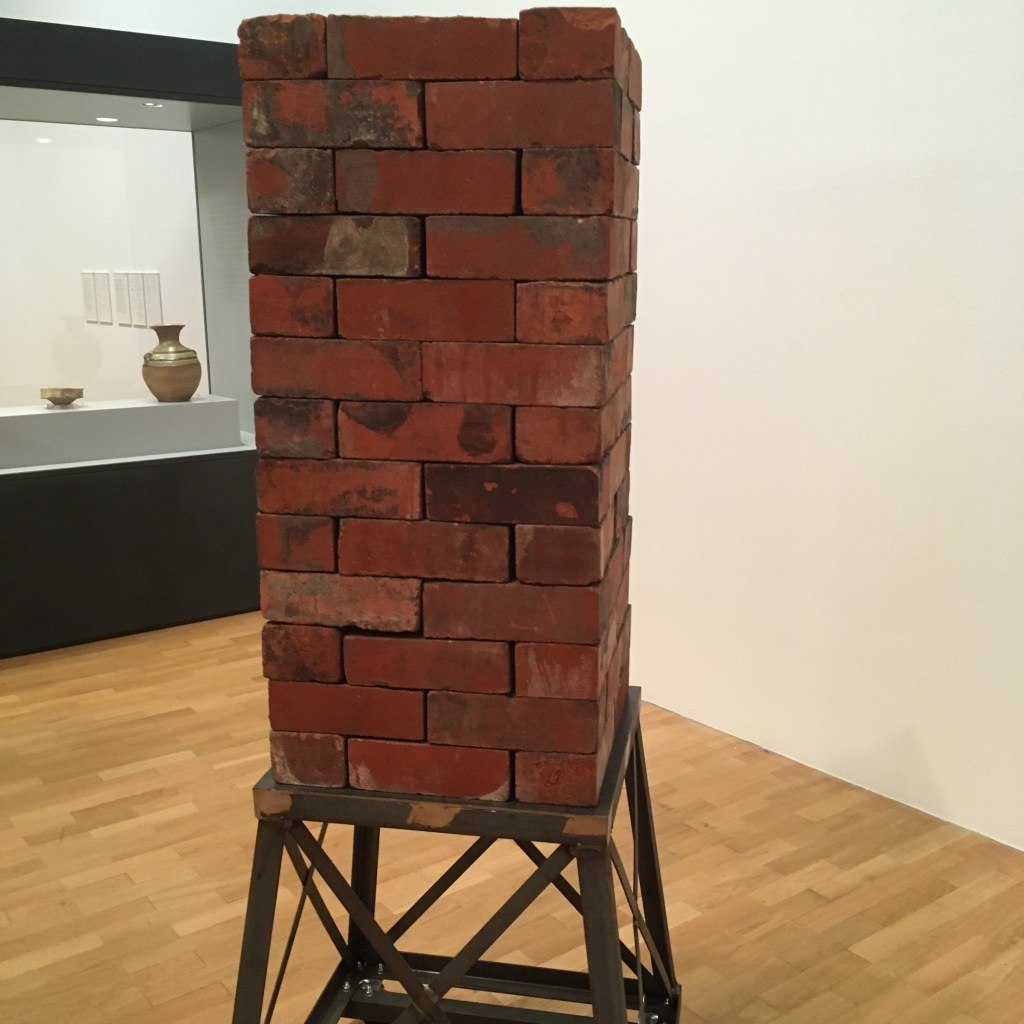
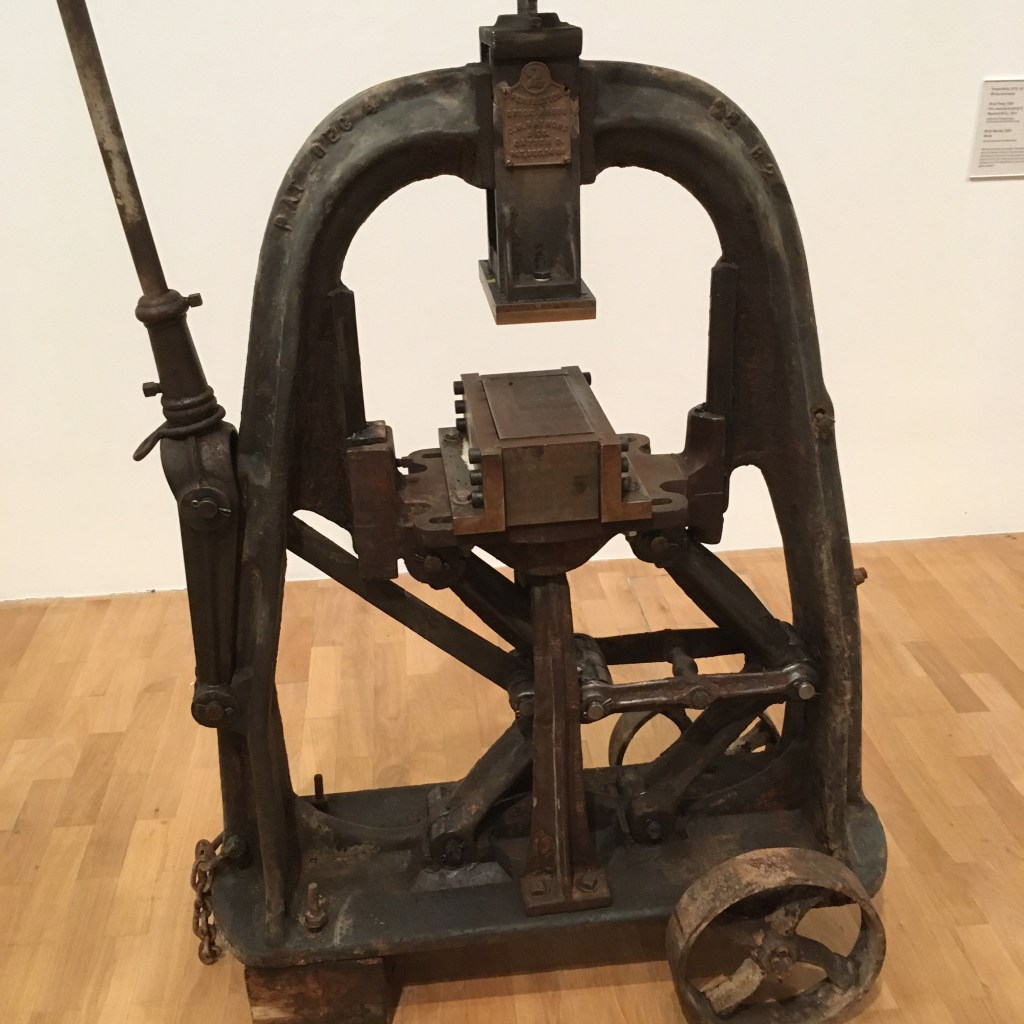
On the first floor, where the film is shown, is a collection of impressive pieces by Gates.
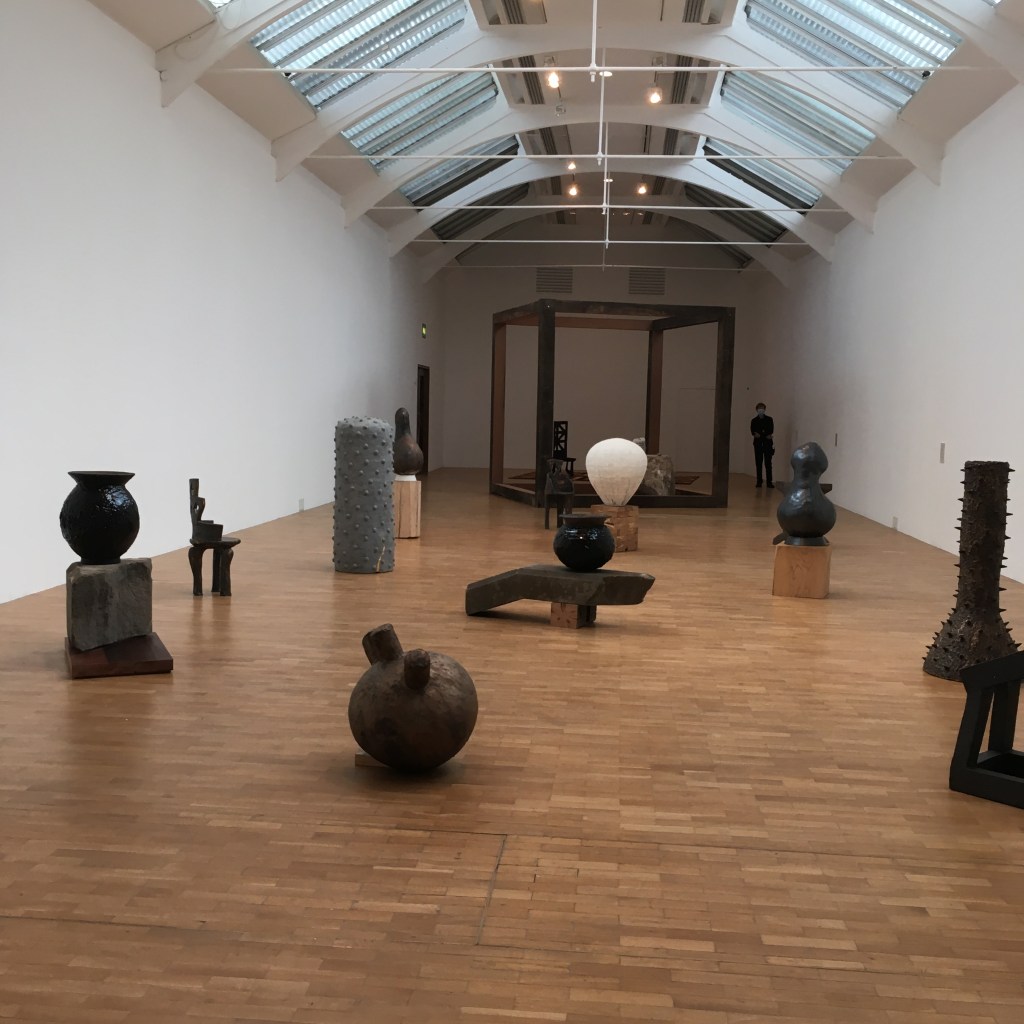
The show is on at The Whitechapel Gallery until 9th January 2022. Free entry.

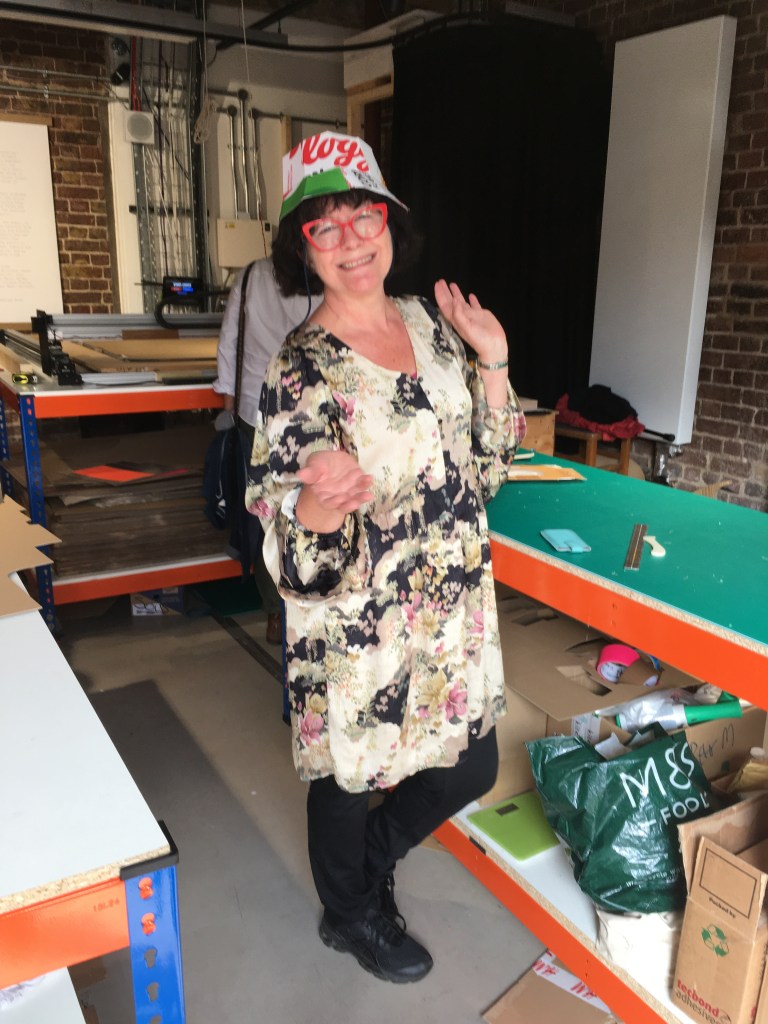
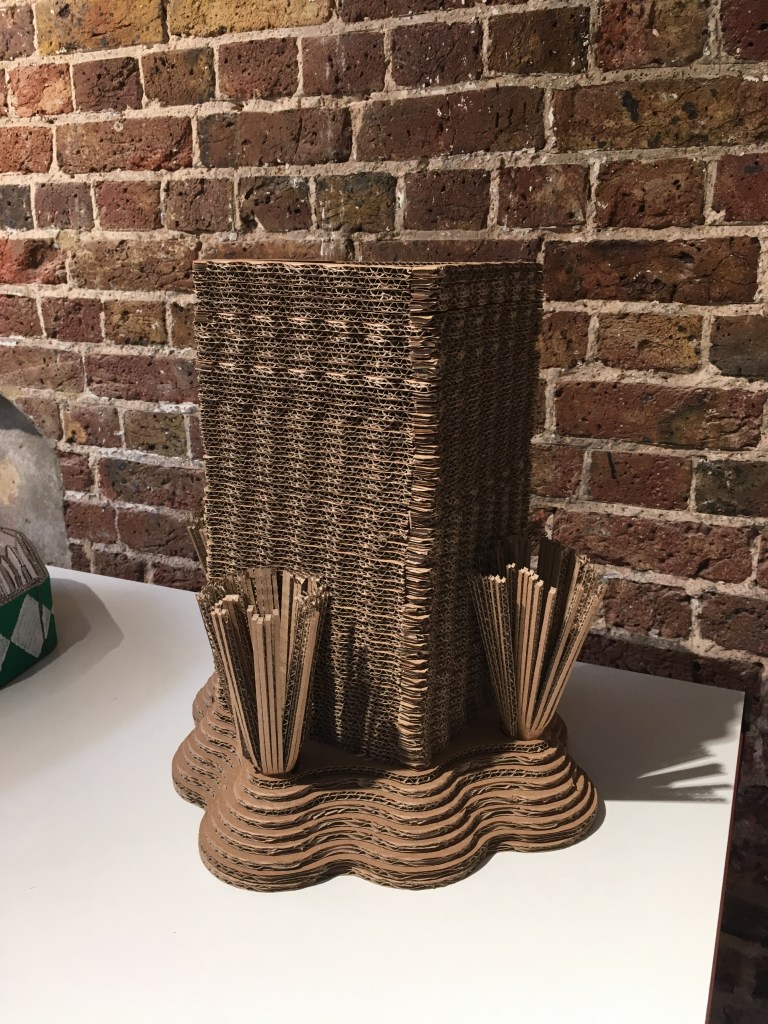
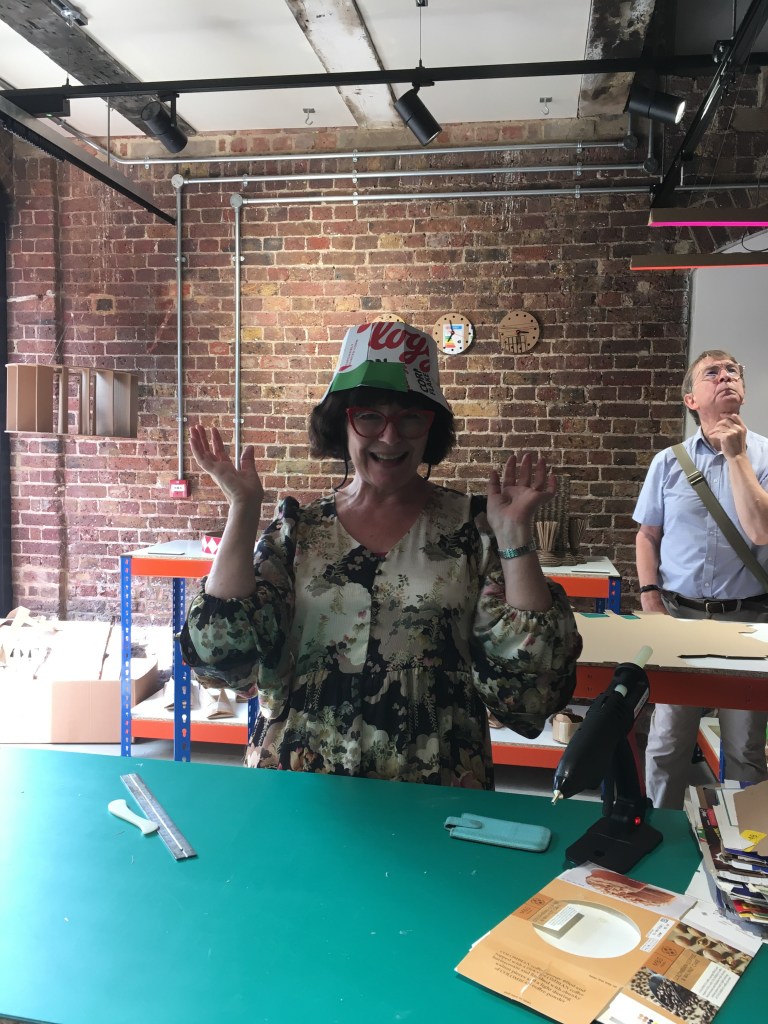
Where’d ya get that hat! At The Unboxing Show by Peter Marigold at Kiosk N1C Coal Drops Yard, Kings Cross. One of the London Design Festival commissions which demonstrates how cardboard can be recycled and turned into new objects. The hat design is by Sebastian Bergne. Brilliant!

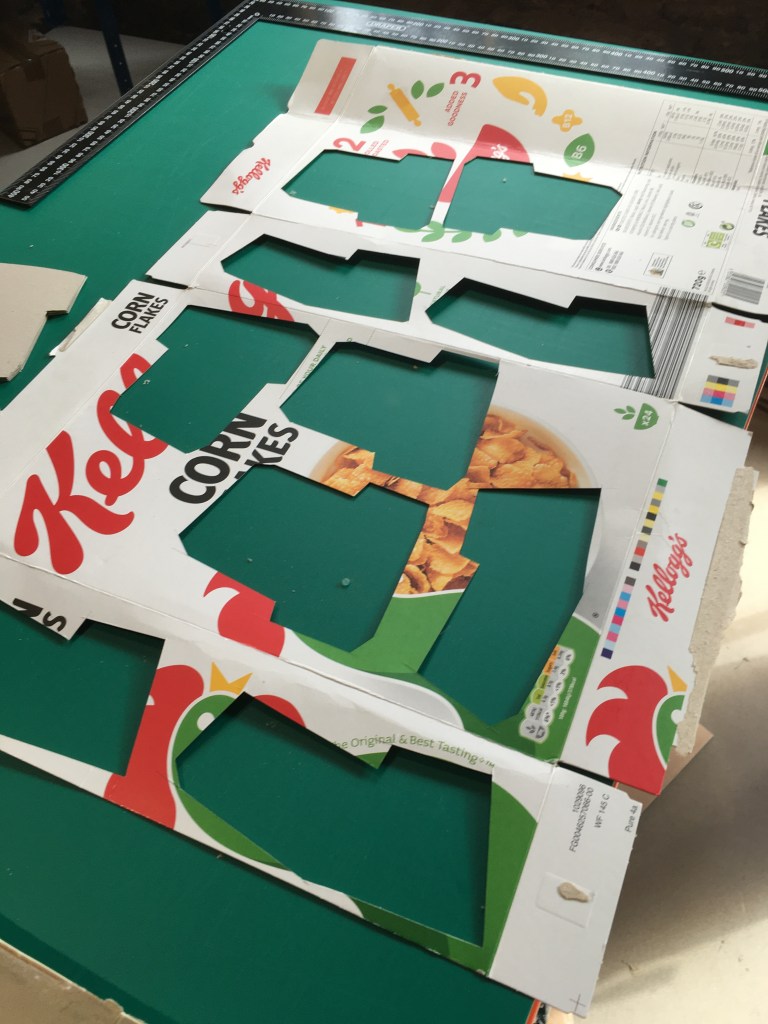
Ros wearing the hat created from a Kelloggs Cornflakes box to a design by Sebastian Bergne.

It’s that London Design Festival time of year. And what a relief to see the capital spring to life with lots to see in Design Districts, Design Destinations, Design and Events a whole range of exciting installations at the Victoria and Albert Museum.

Having a passion for paper I was immediate drawn to one of the Festival Commissions: The Unboxing Show organised by Peter Marigold to celebrate the repurposing potential of cardboard and waste paper. Apparently the lockdown – and all those deliveries from Amazon – have caused a world shortage in cardboard. It seems criminal that so much of this precious packaging will be chucked away, albeit in the recycling bins, rather than reused.

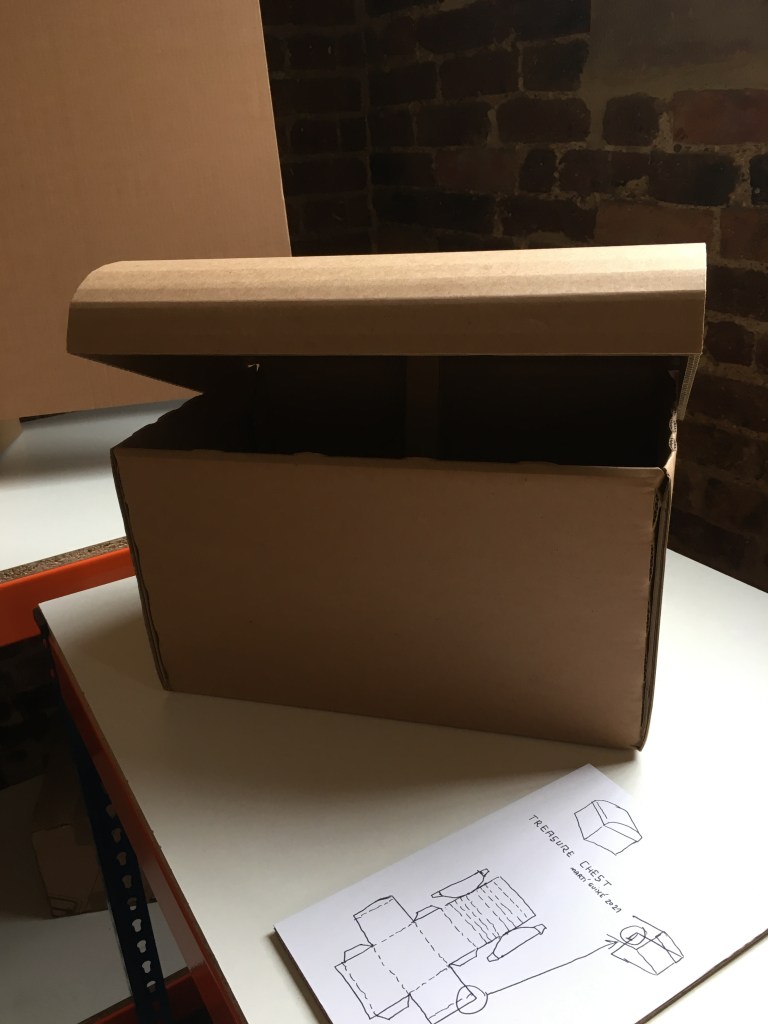
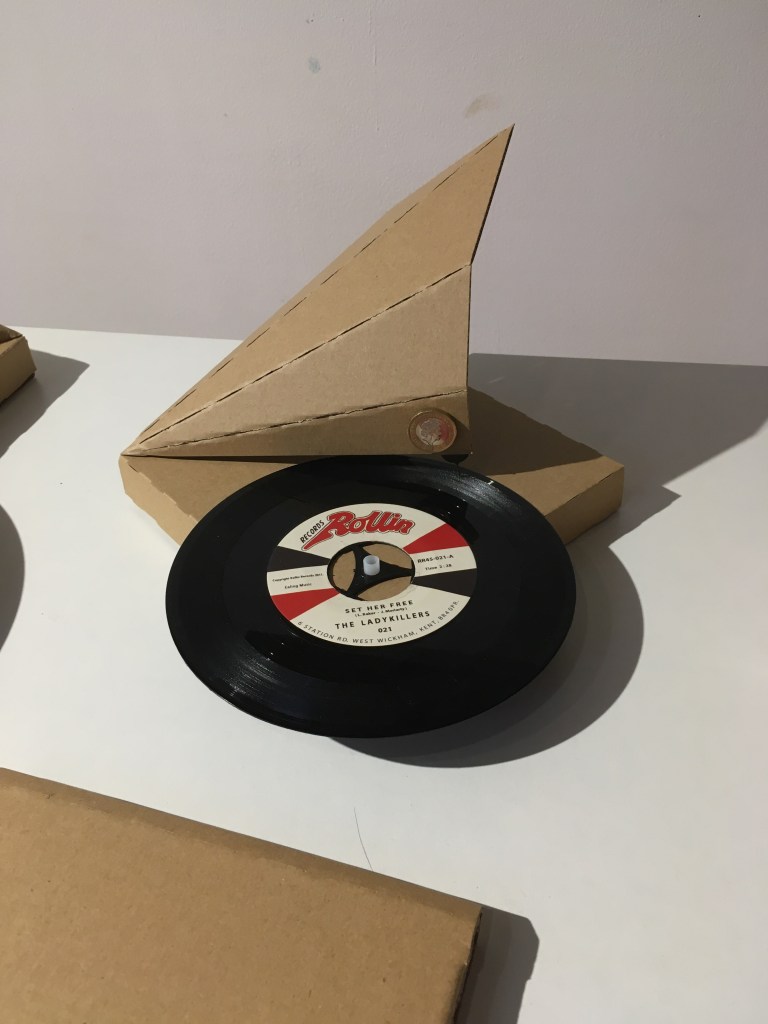
So, at Kiosk N1C in Coal Drops Yard in Kings Cross, Peter and his team have set up a workshop which creates objects by many well-known designers who’ve come up with designs and ideas for creating objects or artefacts from cardboard or stiff card. And it’s great. I loved seeing all the examples of pieces which have been sent to Peter as a design template and then made using his very whizzy cutting machine

Here are some of the pieces on show:

For example, Faye Toogood suggested a stool made from corrugated cardboard. It’s strong and stylish and I covet it.

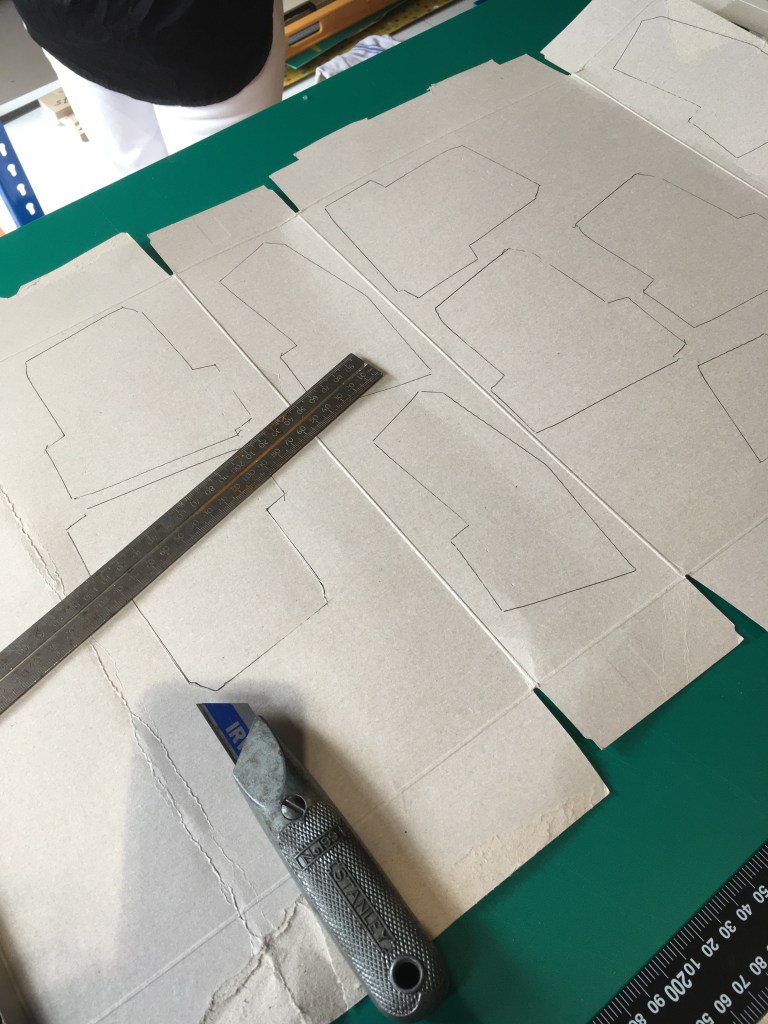
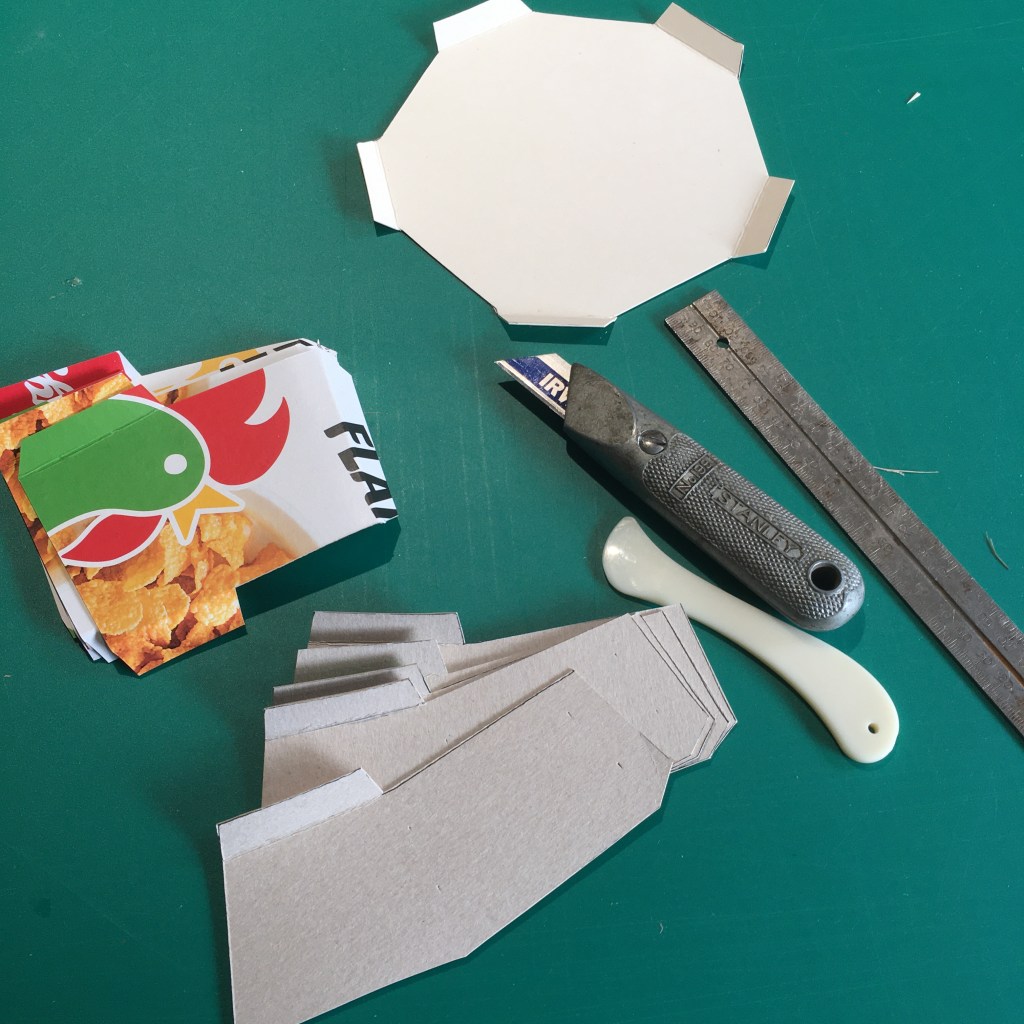
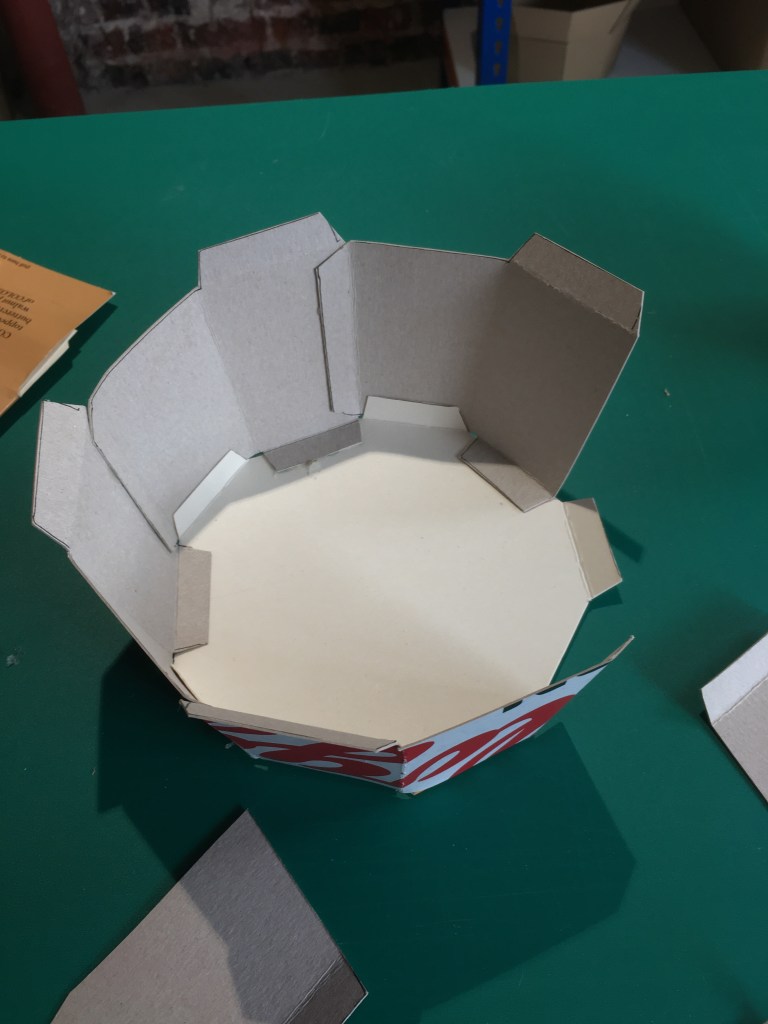
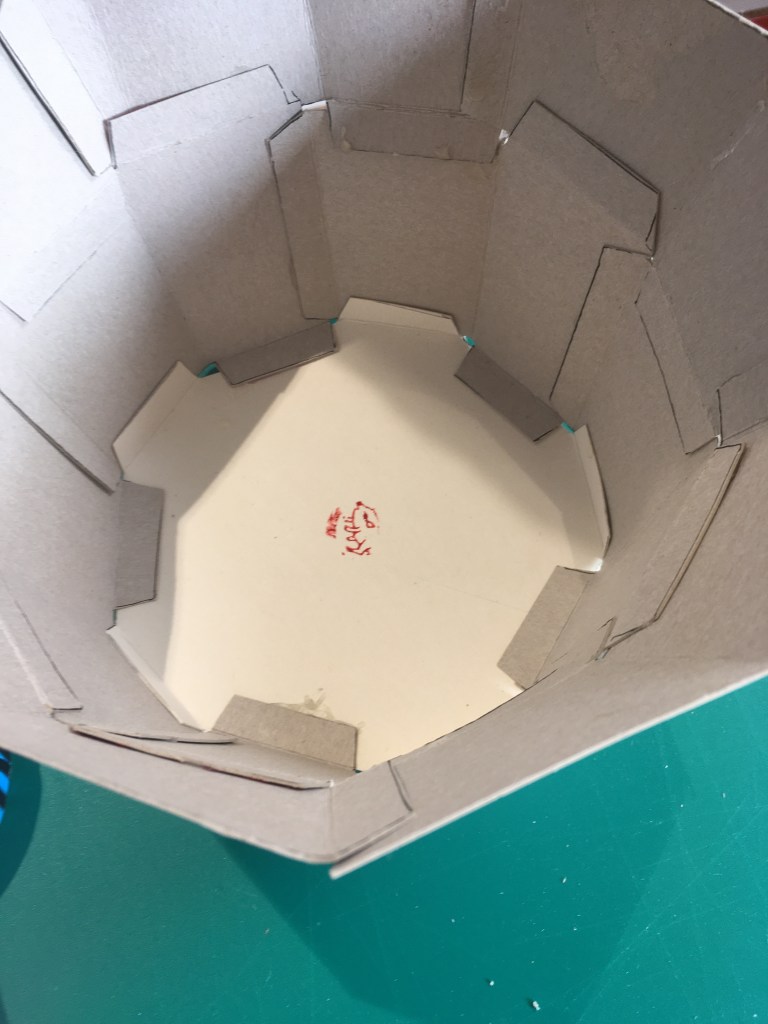
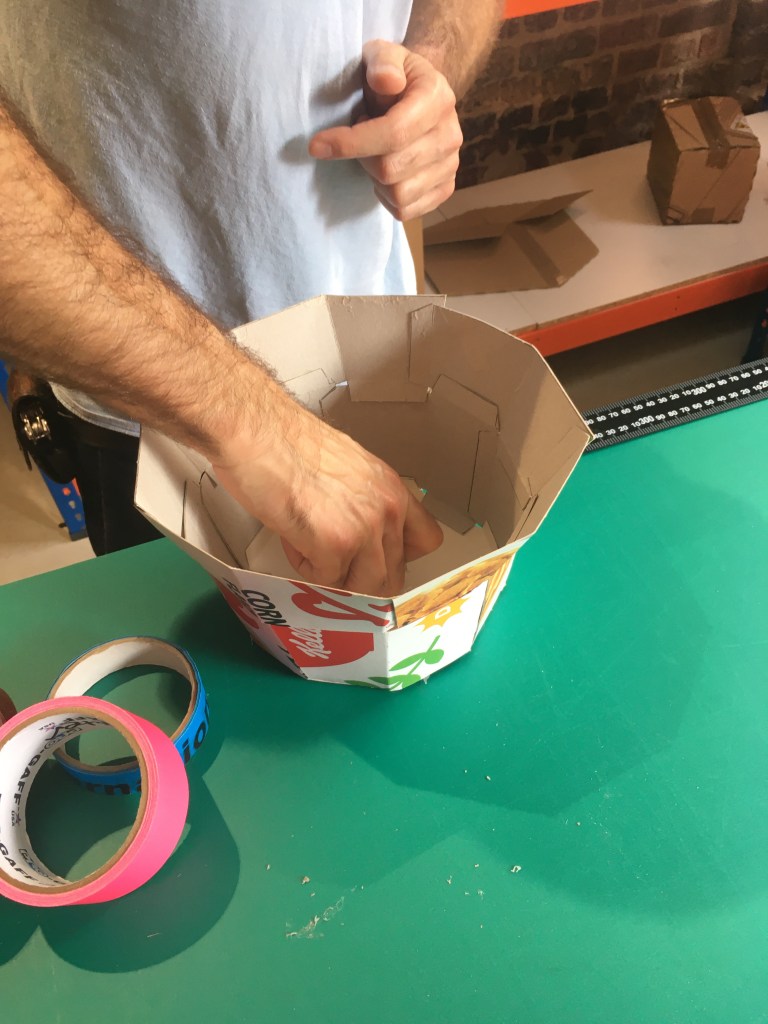
Visitors to the workshop can try their hand at creating various pieces. I chose to make a hat from a Cornflakes box to a template designed by Sebastian Bergne. It’s made with many small pieces and needs careful glueing together but the result is such fun. Here are images of the process:

The knife was satisfyingly sharp and the tool for scoring is a revelation. I must get one!

And the final flourish! I look forward to downloading the template and having a go again. I will never chuck away a cereal box again!

Wearing my Cornflakes hat.

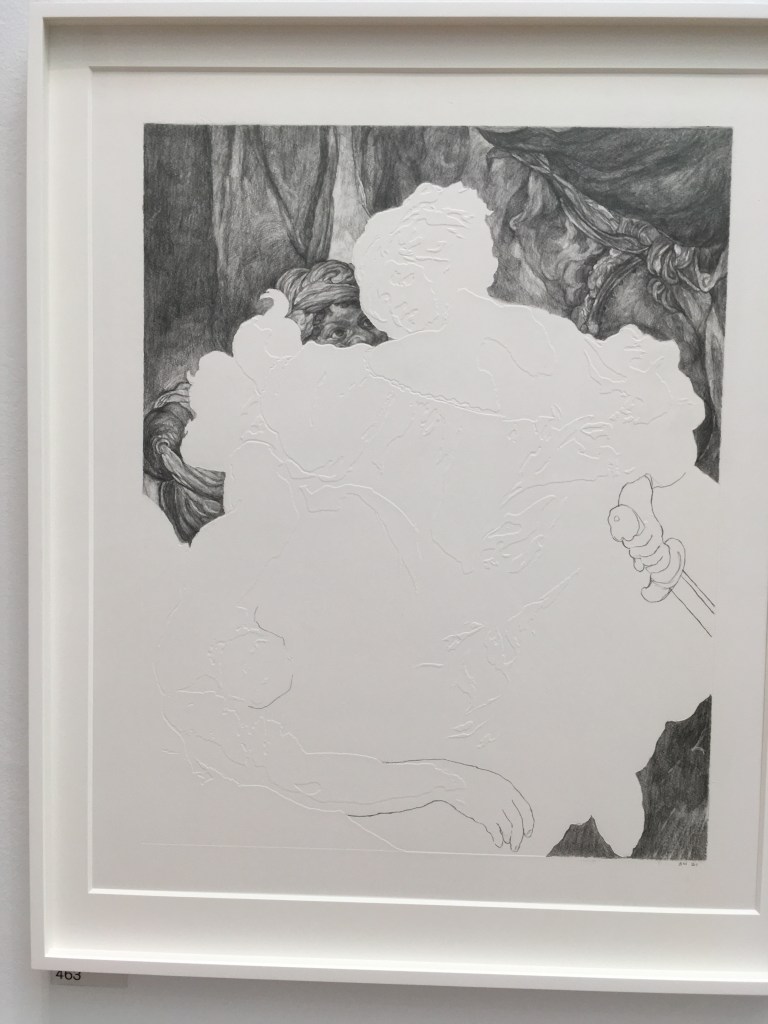
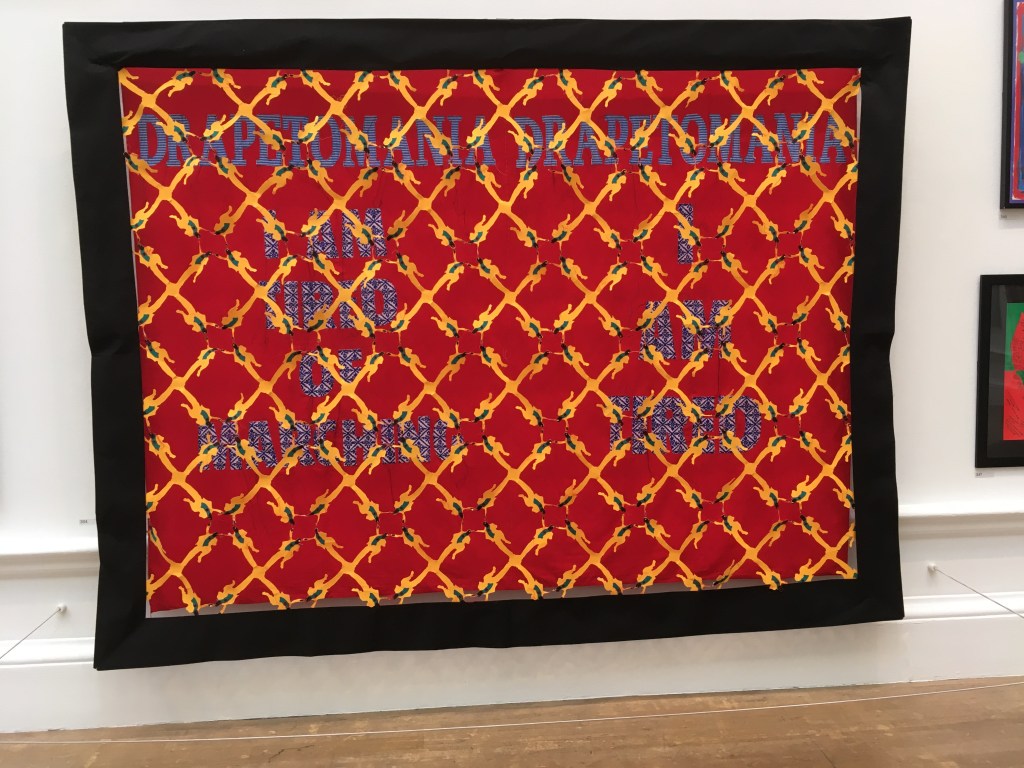
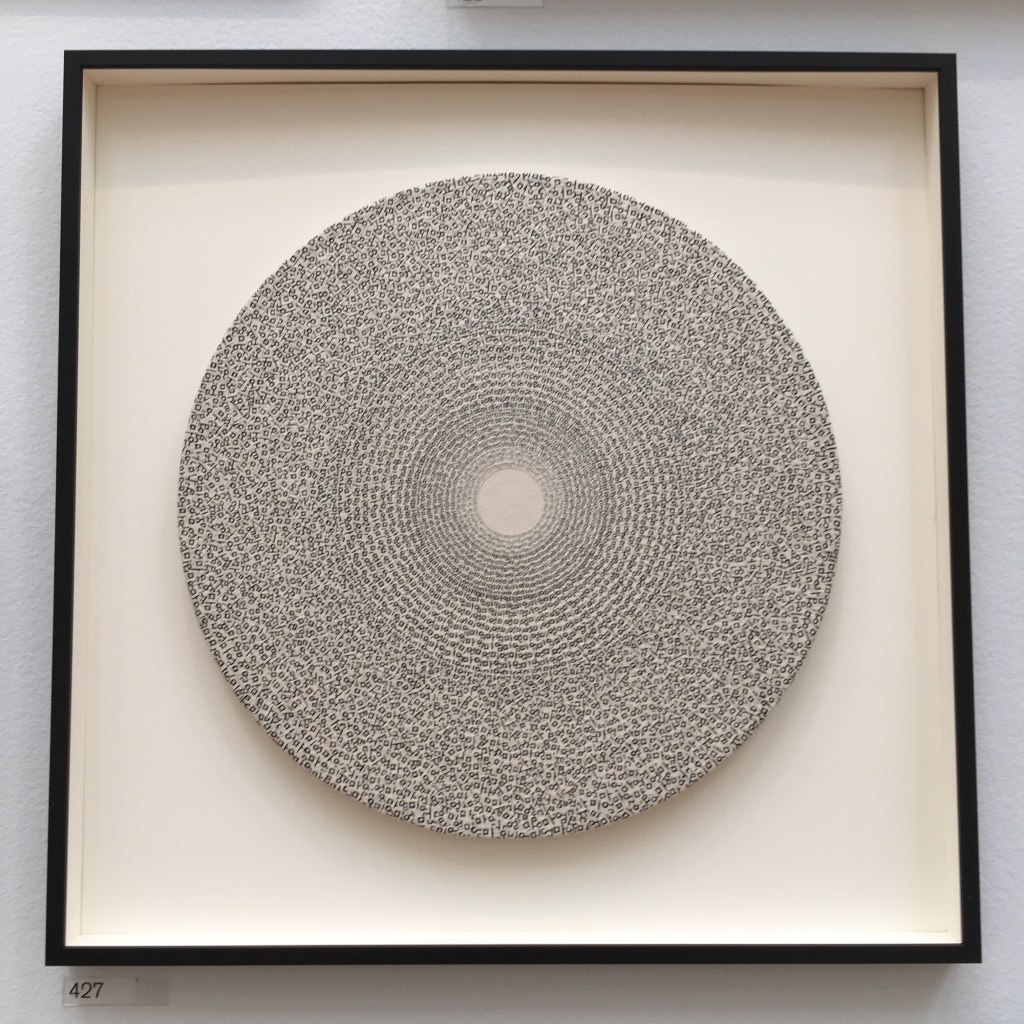
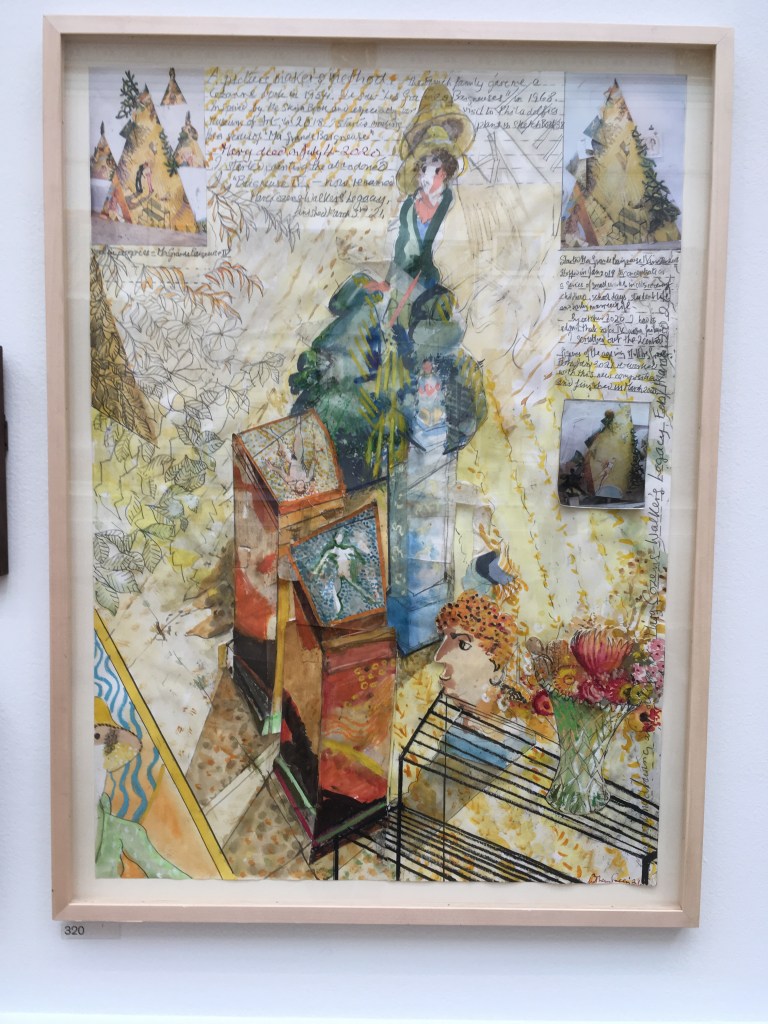
The Summer Exhibition at the Royal Academy in London – what a great show, full of colour, cleverness and wit. A creative tonic for our time.

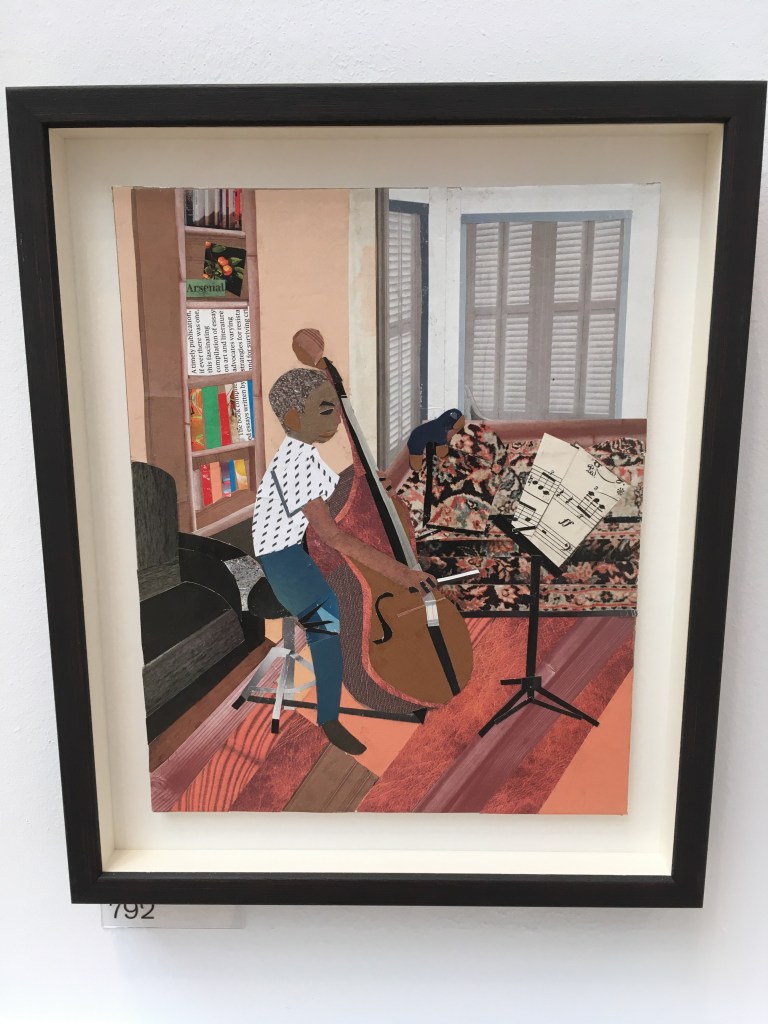
Nathan playing the Double Bass by Jane Rogers, paper collage
Head 1 and Head 1 coloured pencil, Russell Heron

It’s always so encouraging to see paper, whether it’s been used literally to create the art, or is represented. My eye was drawn to these two pieces on the walls of the Royal Academy because of the simple celebration of paper/cardboard and all it can do. The portrait of Nathan is a charming and direct collage made with a blade and the two cardboard portraits by Russell Heron are coloured pencil.

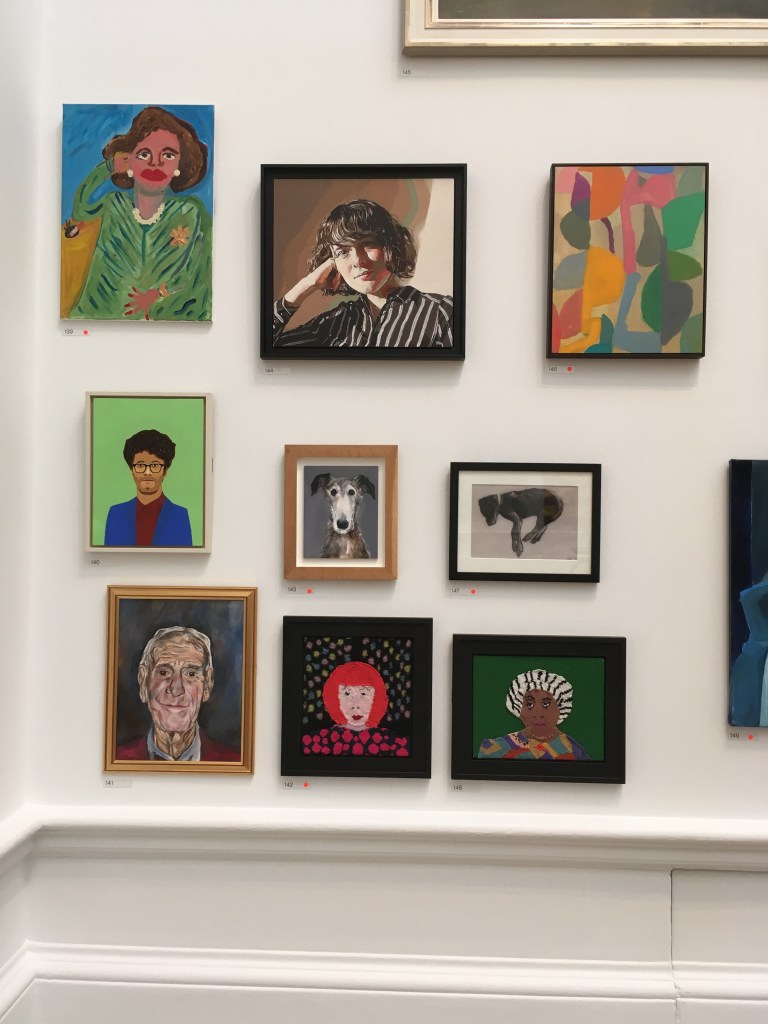
The main takeaway from this year’s ‘summer’ exhibition (which runs from 22nd September to 2nd January 2022) is a great sense of humour, delight in playful images and ideas and a really free approach to the selection of art. Sometimes these shows can feel very ponderous and dark this one absolutely revels in colour and variety and each room dazzles like a variety pack of sweeties as each image vies for your attention.

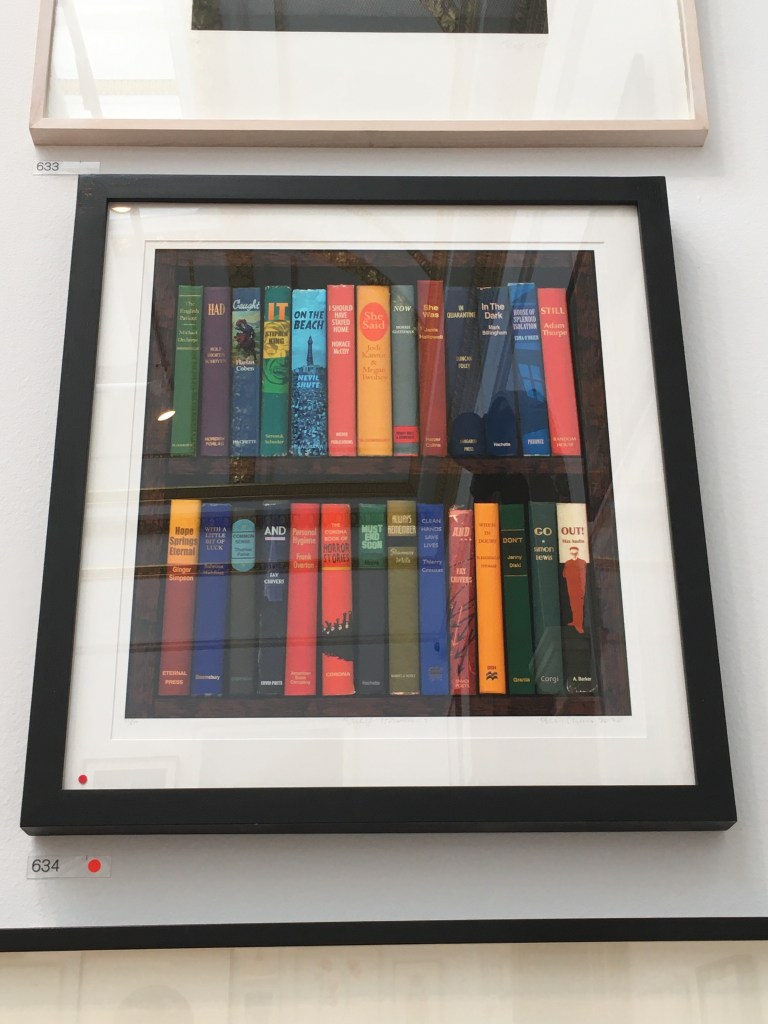
I liked the wittiness of Shelf Isolation by Phil Shaw (below). Just read the titles of the books – you get an entertaining narrative as well as a visual joke.

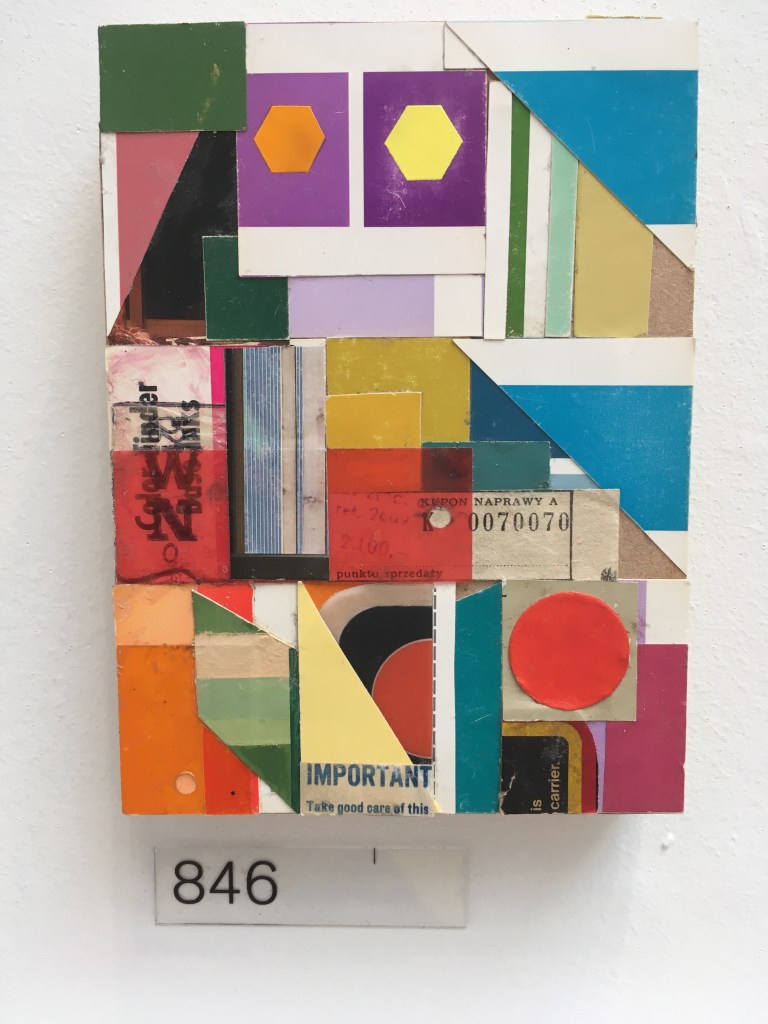
I loved the charming paper collage by Laurence Noga entitled Double Red Filtered Yellow using a variety of paint, paper and vintage papers.

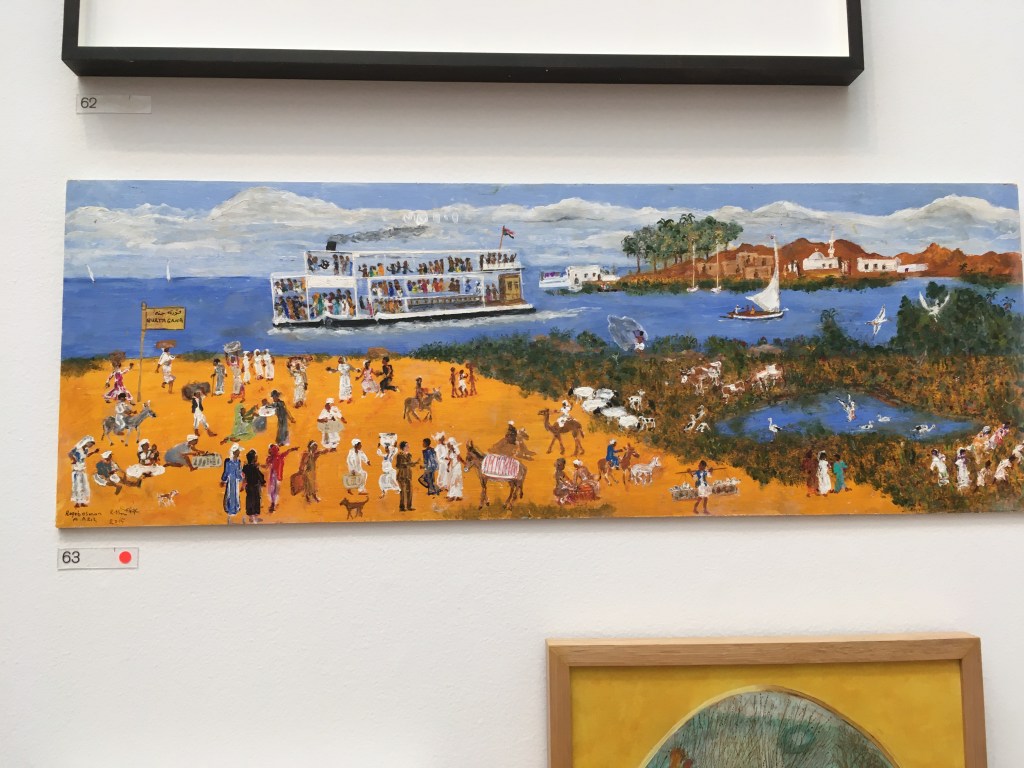
Narrative paintings always appeal to me. This delightful landscape – Nile River Boat by Ragab Osman Abdelaziz – is peopled with so much activity and loaded with stories of life in a busy place.

This one just amused me: entitled Families, Picking Noses by Colin Cameron. Made me smile.

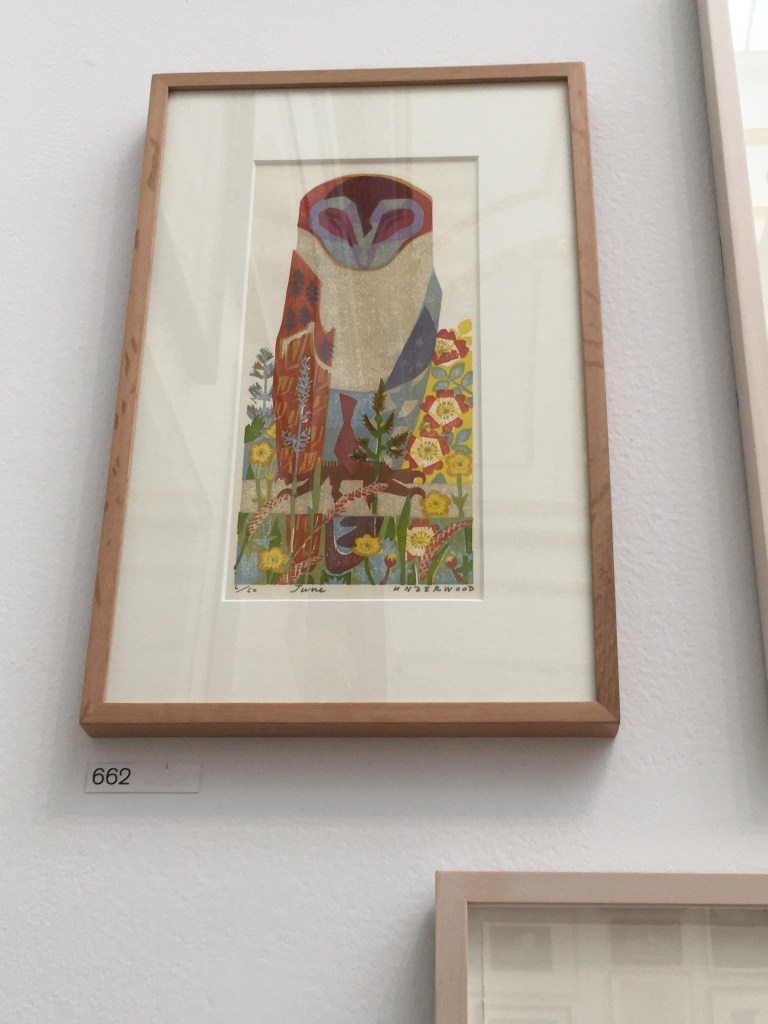
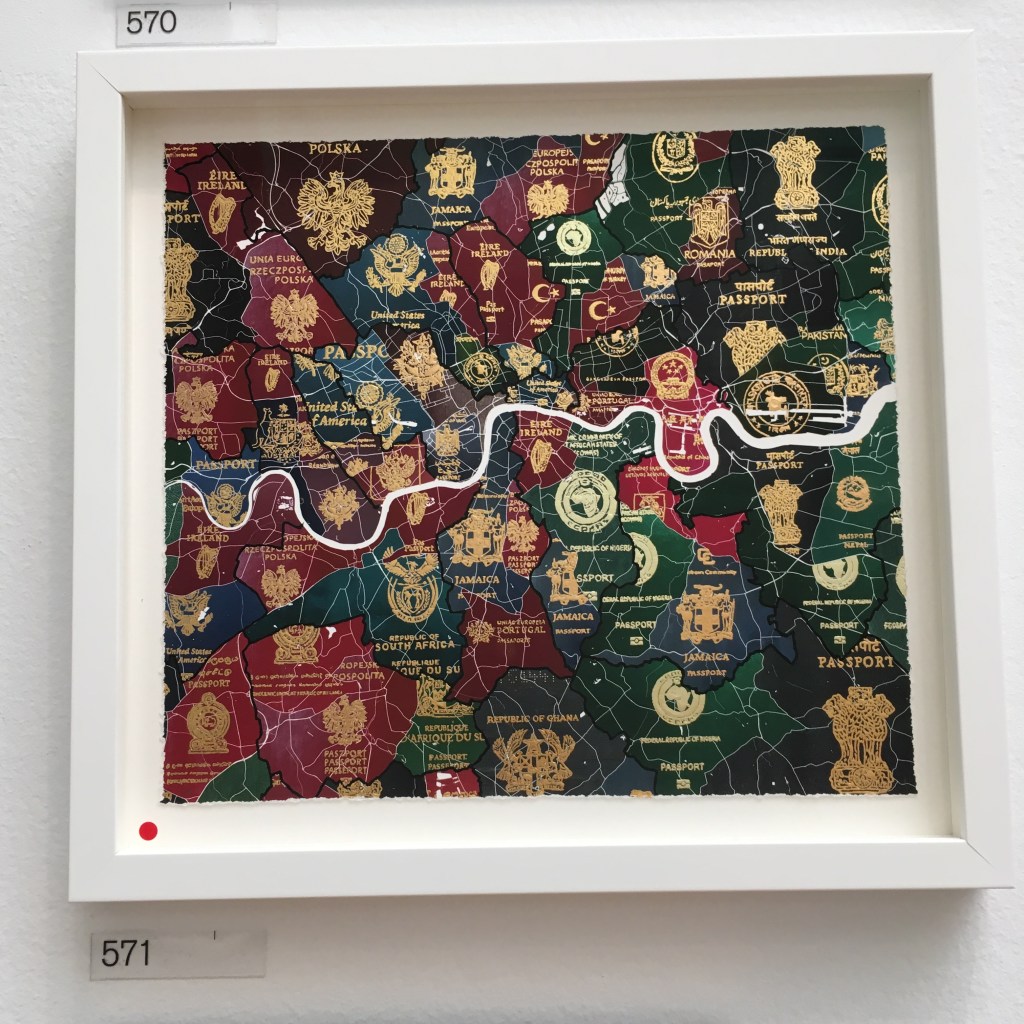
As ever, there is so much to see and much to praise and ponder. I’ll finish my very brief sprint around the galleries with a further gallery of works which I liked. I can’t tell you why I liked them, I just did.

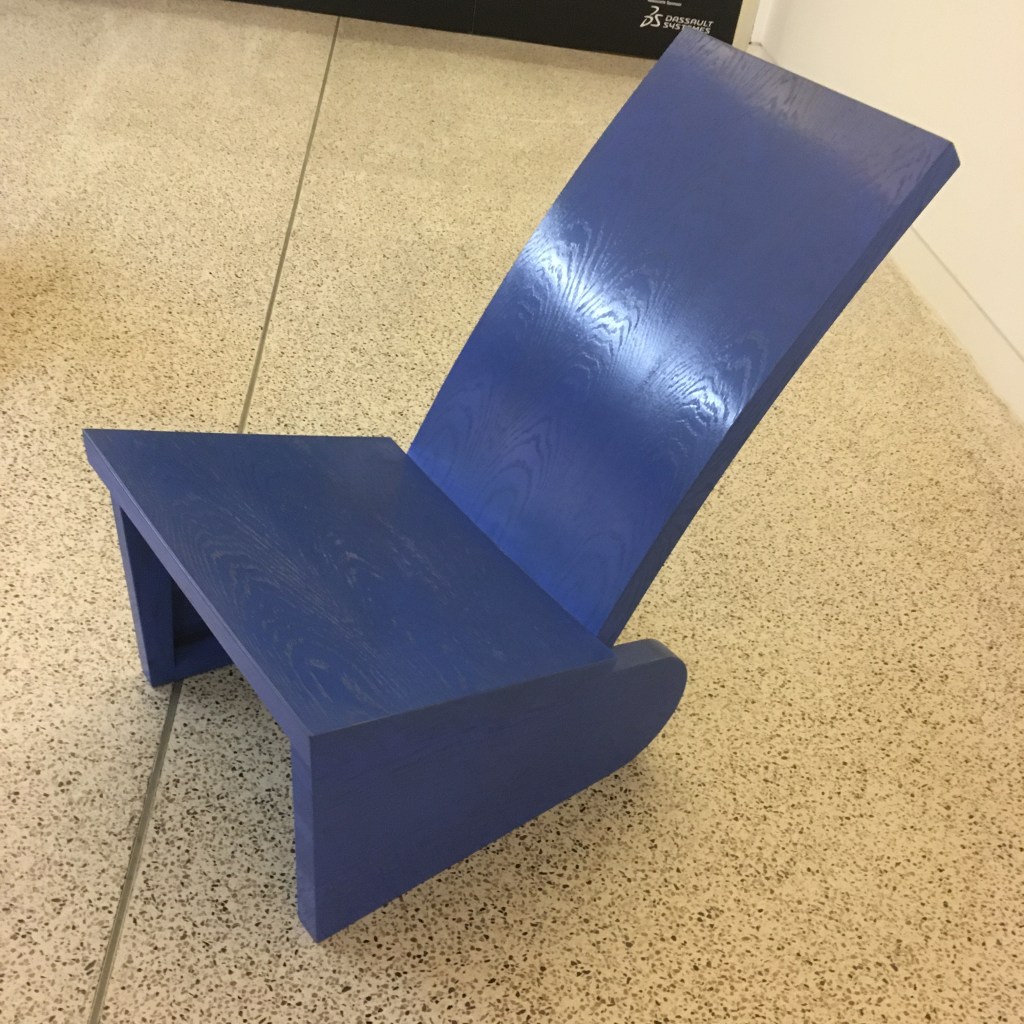
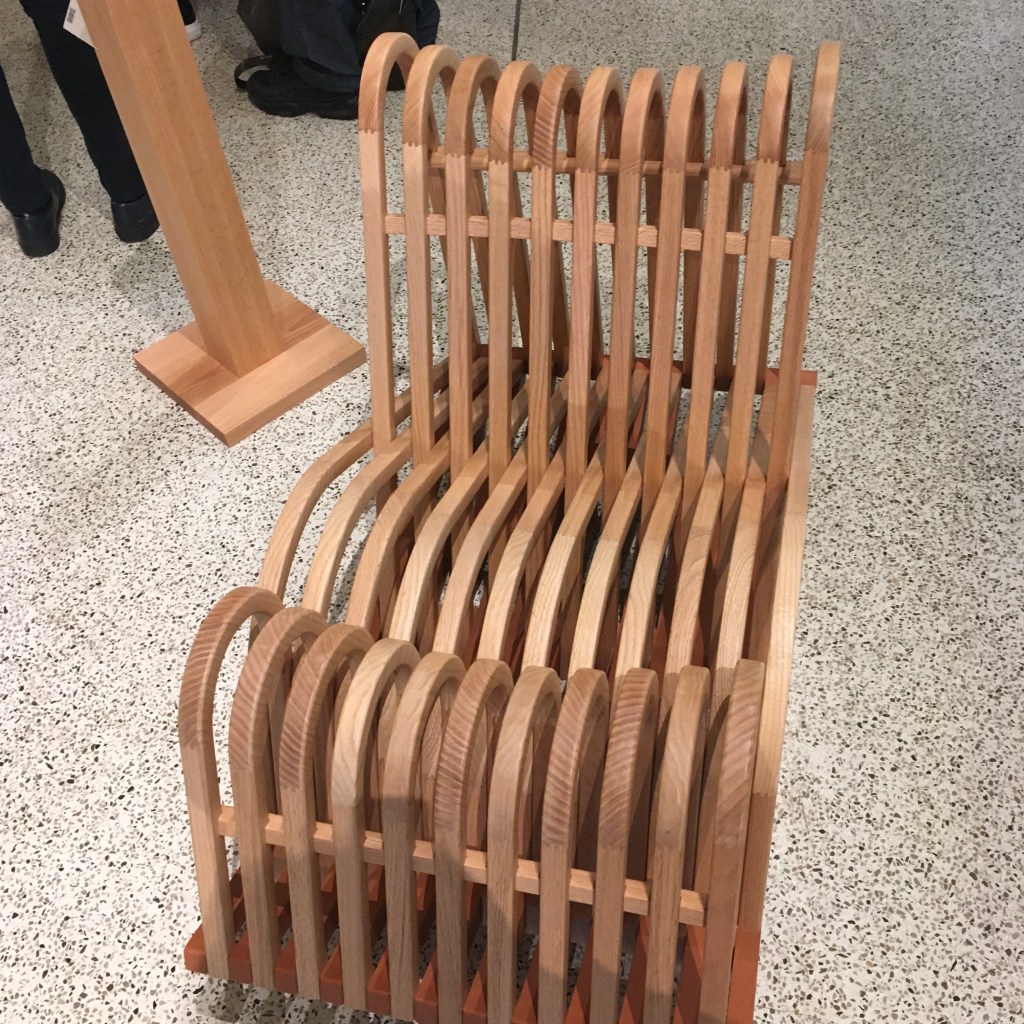
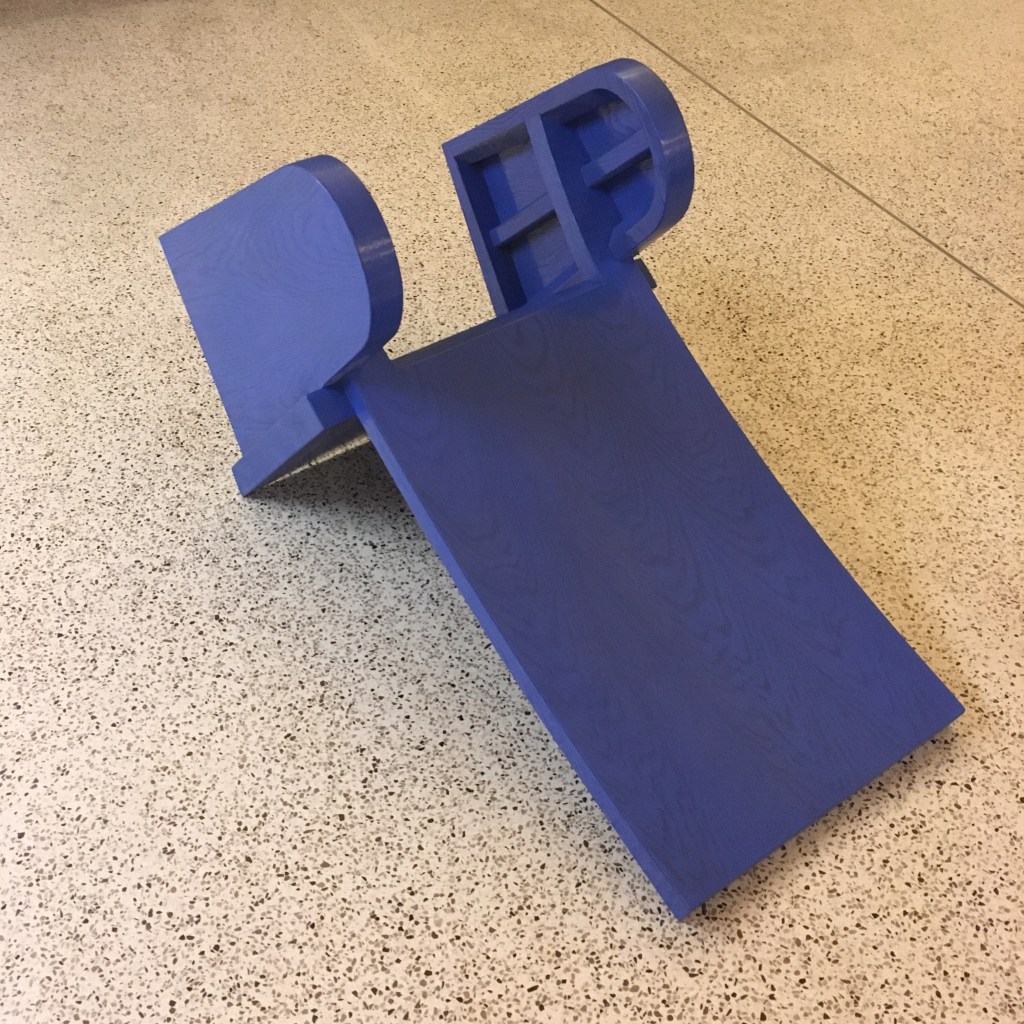
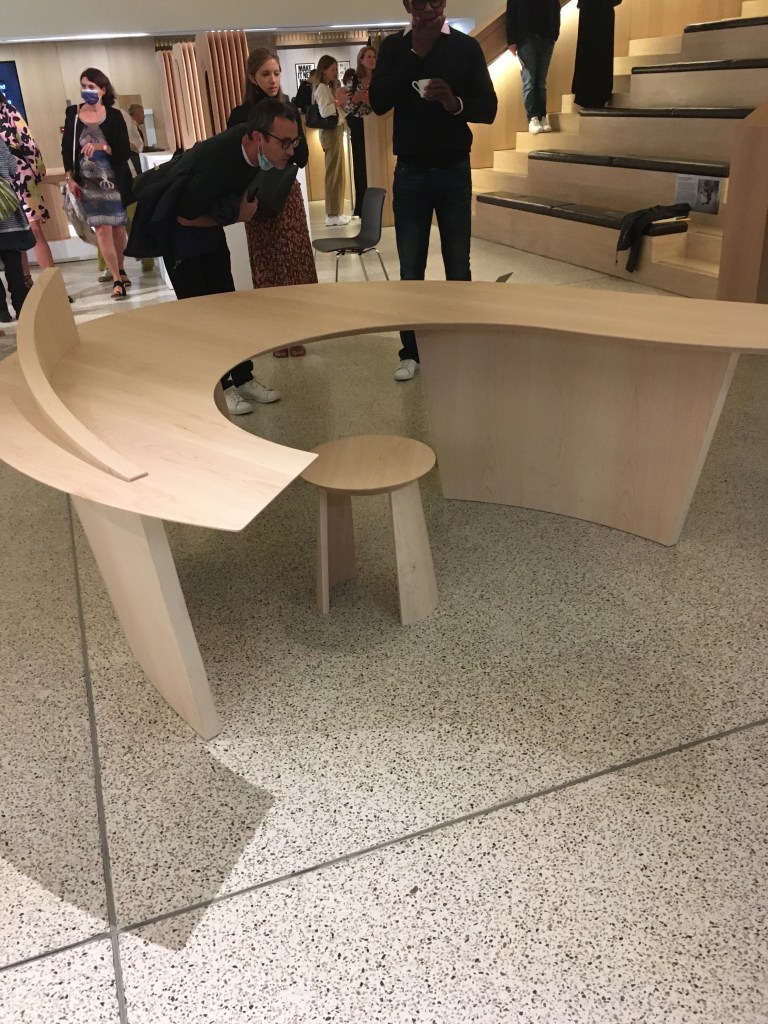
What can designers achieve with wood…? We find out at fascinating exhibition at the Design Museum in London where the experience of isolation during the pandemic has found form, entirely in wood. Wallpaper* and the American Hardwood Export Council (AHEC)invited 20 of the world’s emerging design talents to come up with ideas and now you can see the results.

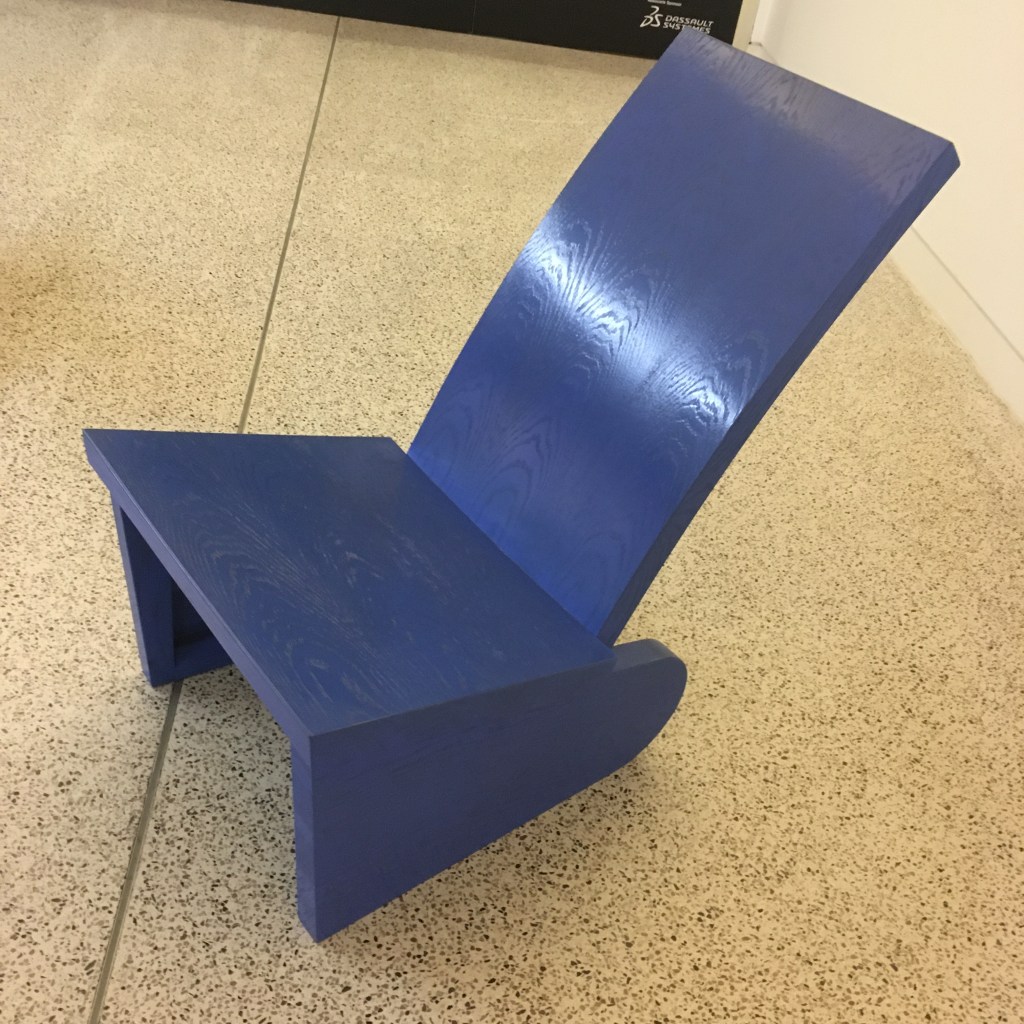
Chair / Child’s Slide by Martin Thübeck from Sweden. Made from American red oak

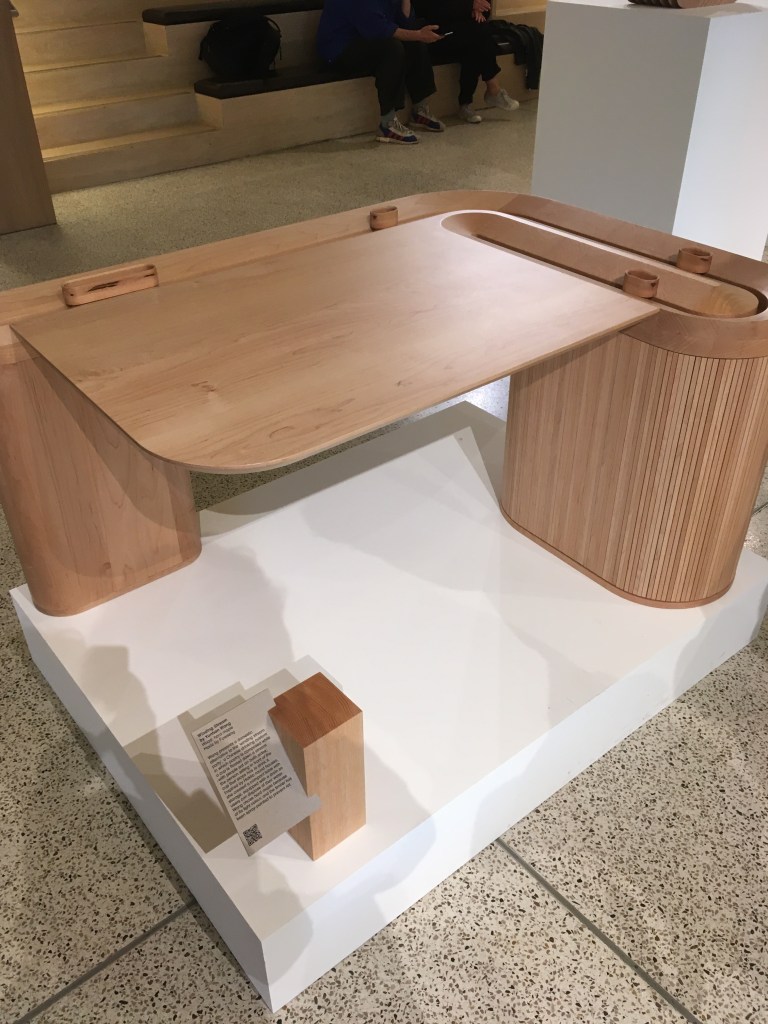
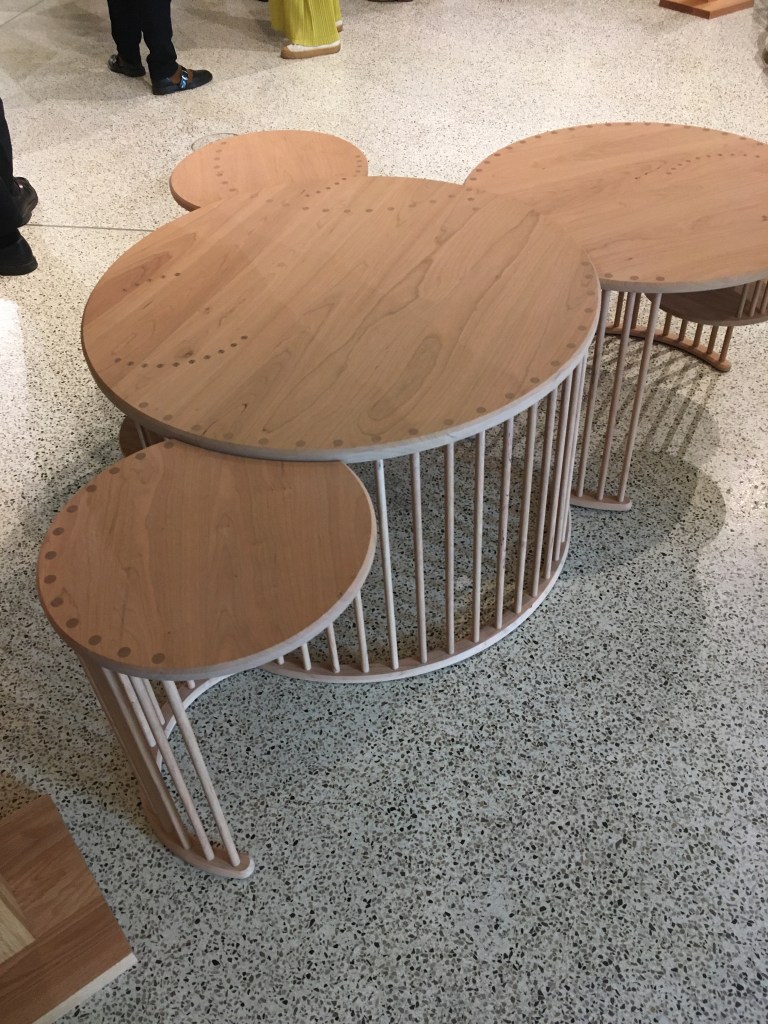
It’s so great to be out and about again. And it was a treat to go to the press preview for this show at the Design Museum in Kensington and see so much creativity in one place. AHEC and Wallpaper* have collaborated to pick 20 emerging designers from 16 countries charging them with the opportunity to create furniture, objects and sculptural works in wood.

Thought Bubble by Nong Chotipatoomwan from red oak, made by Fowseng

There’s nothing better than talking to an artist or designer about their work. Isolation was a challenge for all of us but these 20 designers have used the experience as an opportunity to think about their work and reflect the impact of the last 18 months in a 3D form, often functional.

Several of the pieces offered multi-functional solutions such as Martin Thübeck creation which could be a chair or a slide for a small child.

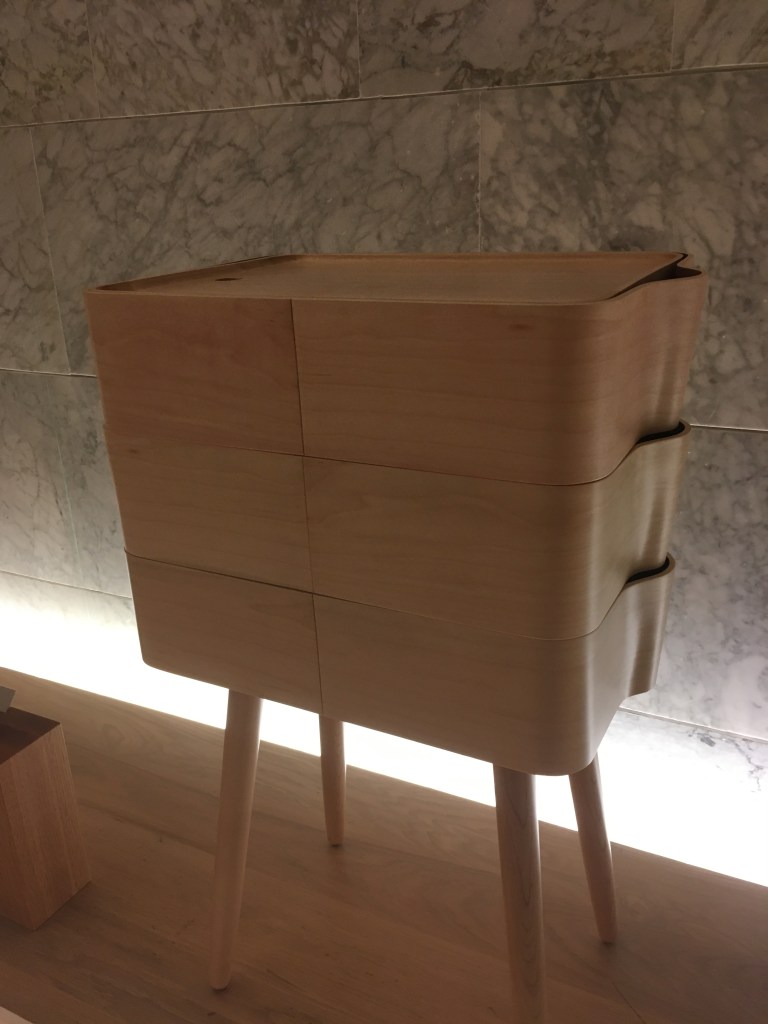
Josh Krute from Finland showed me his intriguing stackable storage system with elegant bent wood. Living in a small space during lockdown certainly concentrated the brain, he said.

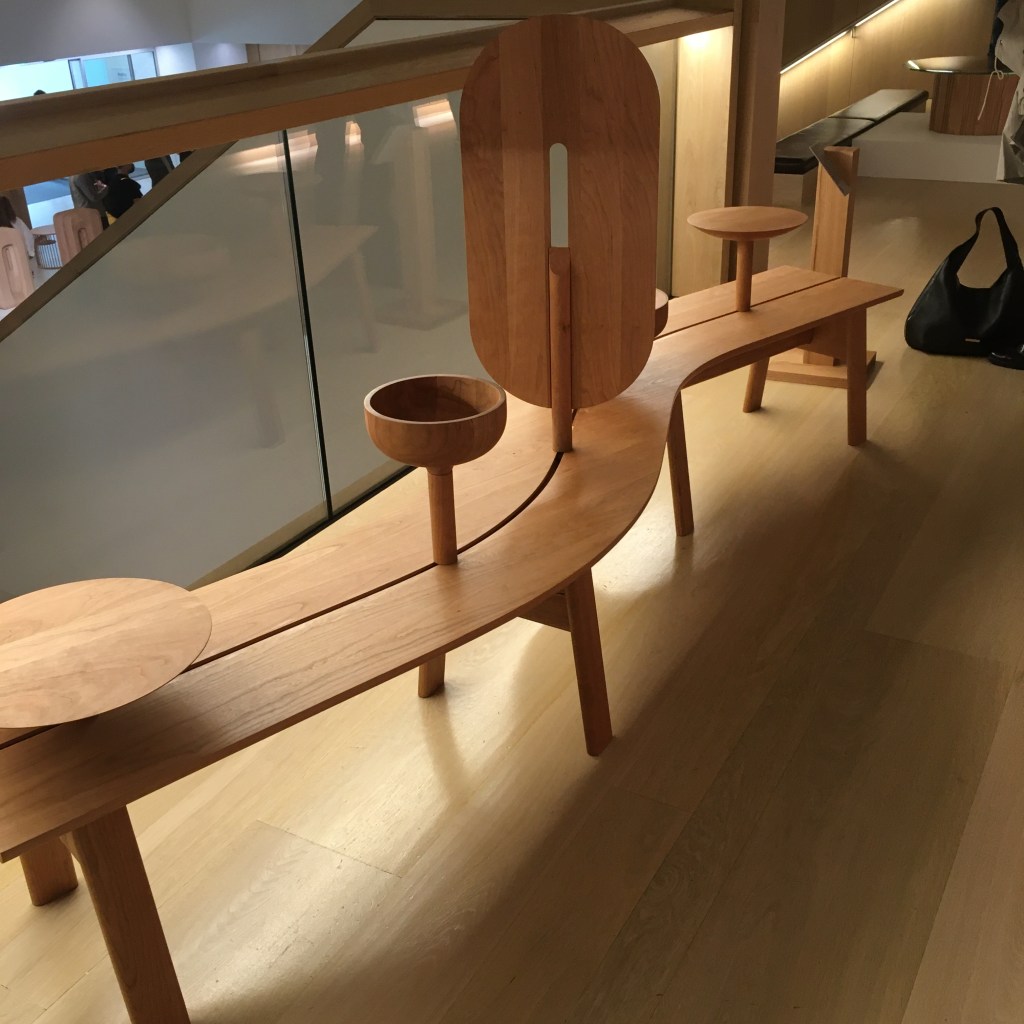
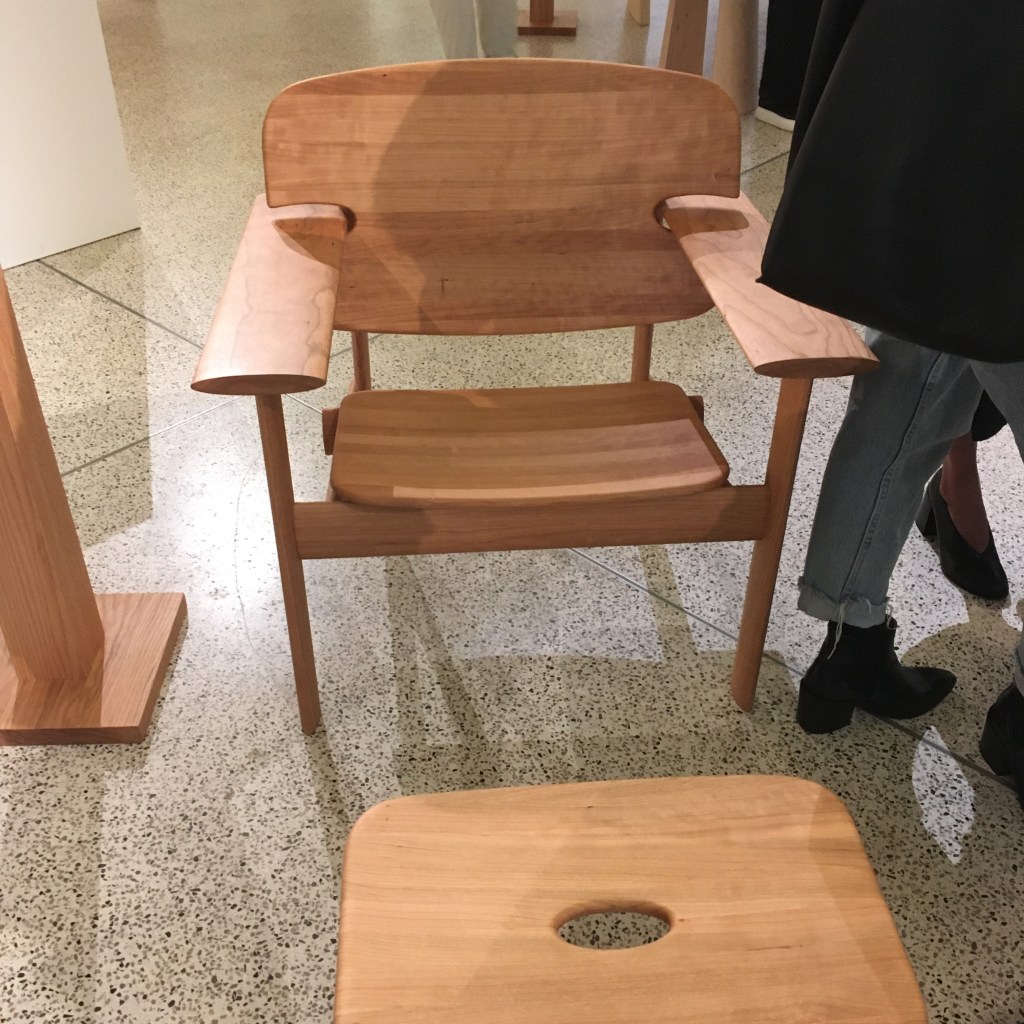
The Riverside Bench by Juan Carlos Franco and Juan Santiago used American Cherry to create a versatile bench which works in the home, at work and has built in containers and surfaces.

#DiscoveredGlobal is on at the Design Museum from 13 September to 10 October 2021. Free entry

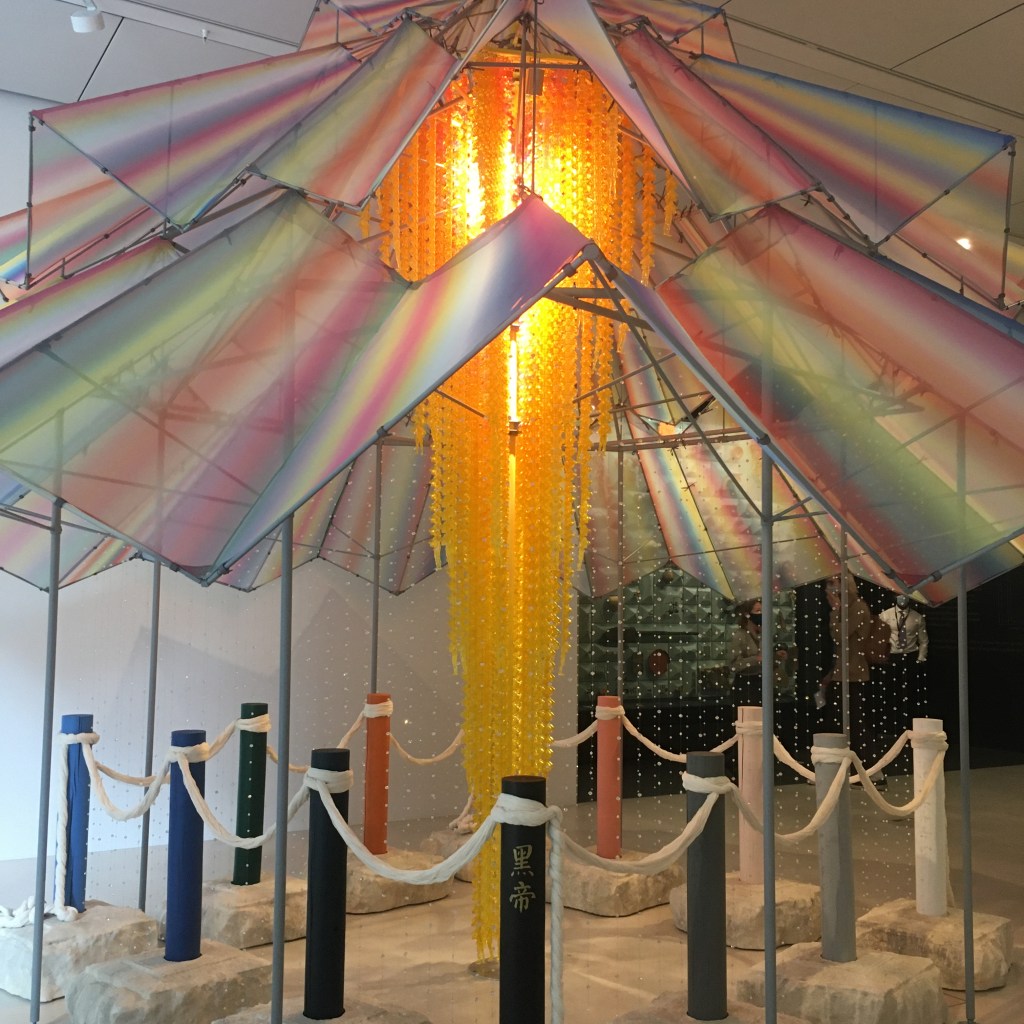
London Mithraeum Bloomberg SPACE is currently hosting an interpretation of an ancient Korean Temple situated above the Roman ruins of one of London’s most mysterious survivors from its ancient past. Artist Do Ho Suh brings his impression of a beguiling space in South Korea to London in a very abstract ‘compare and contrast’ of disparate histories.

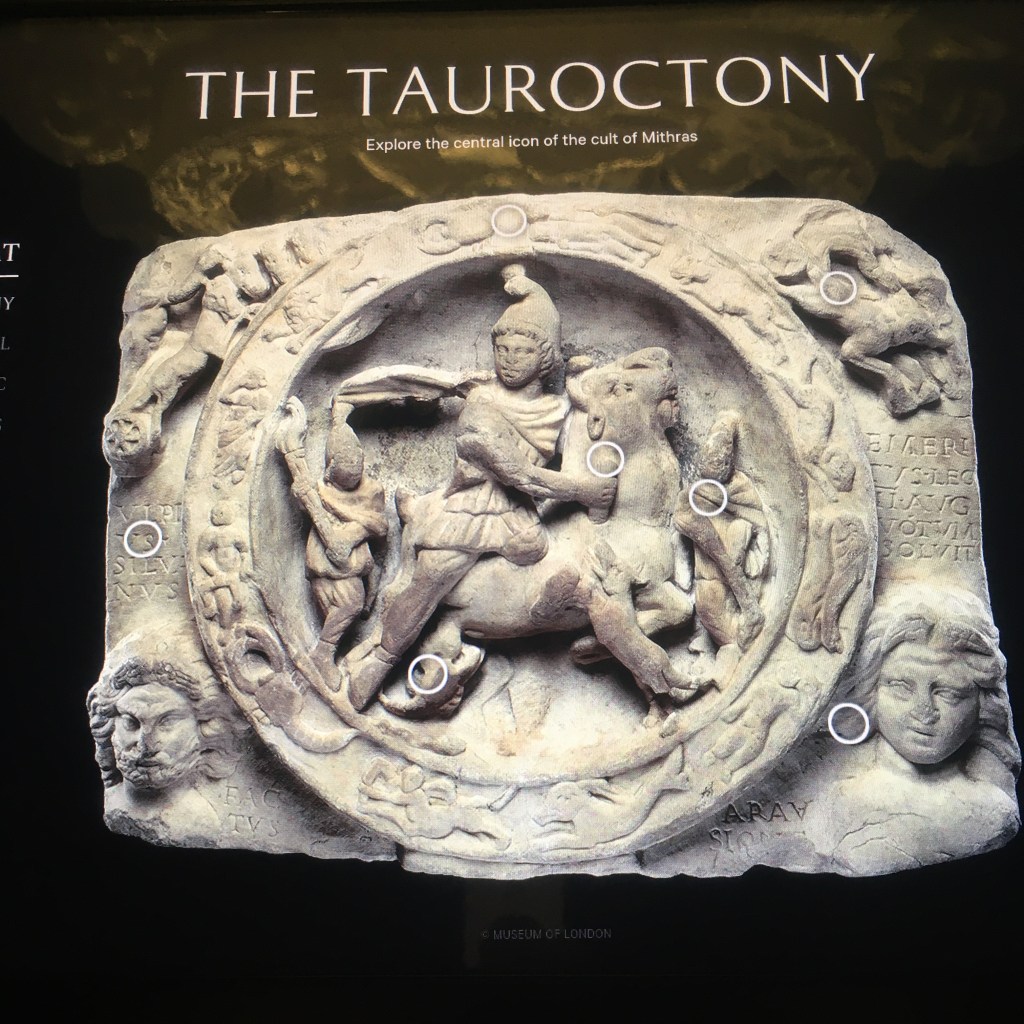
It’s not every day you get to explore the London Mithraeum in the basement of a dynamic City building like the new Bloomberg SPACE in Walbrook Street and discover the remains of a curious stone and brick Temple built during Roman times in London in praise of the God Mithras who ‘slew the sacred bull’.

Above this fascinating remnant from London’s history is an impressive exhibition area, at the base of Bloomberg SPACE’s headquarters. Currently on show is an intriguing sculpture/installation by South Korean artist Do Ho Suh which conjures the memory of a similarly strange temple hurriedly erected in the ancient city of Gyeongju, South Korea at around the same time – the early hundreds, BCE. Doh specialises in installations in spaces which ‘capture the psychological energy of that place and create markers of memory’.

According to legend, the region of Silla in South Korea was under threat of invasion from a massive army from the Chinese Tang Empire. Thousands of soldiers were approaching in hundreds of ships across the sea. What to do? A clever monk came up with the idea of building a temporary temple made from fabric and for everyone to pray hard for salvation. It worked. A fierce storm blew up in the sea and all the invading ships were sunk.

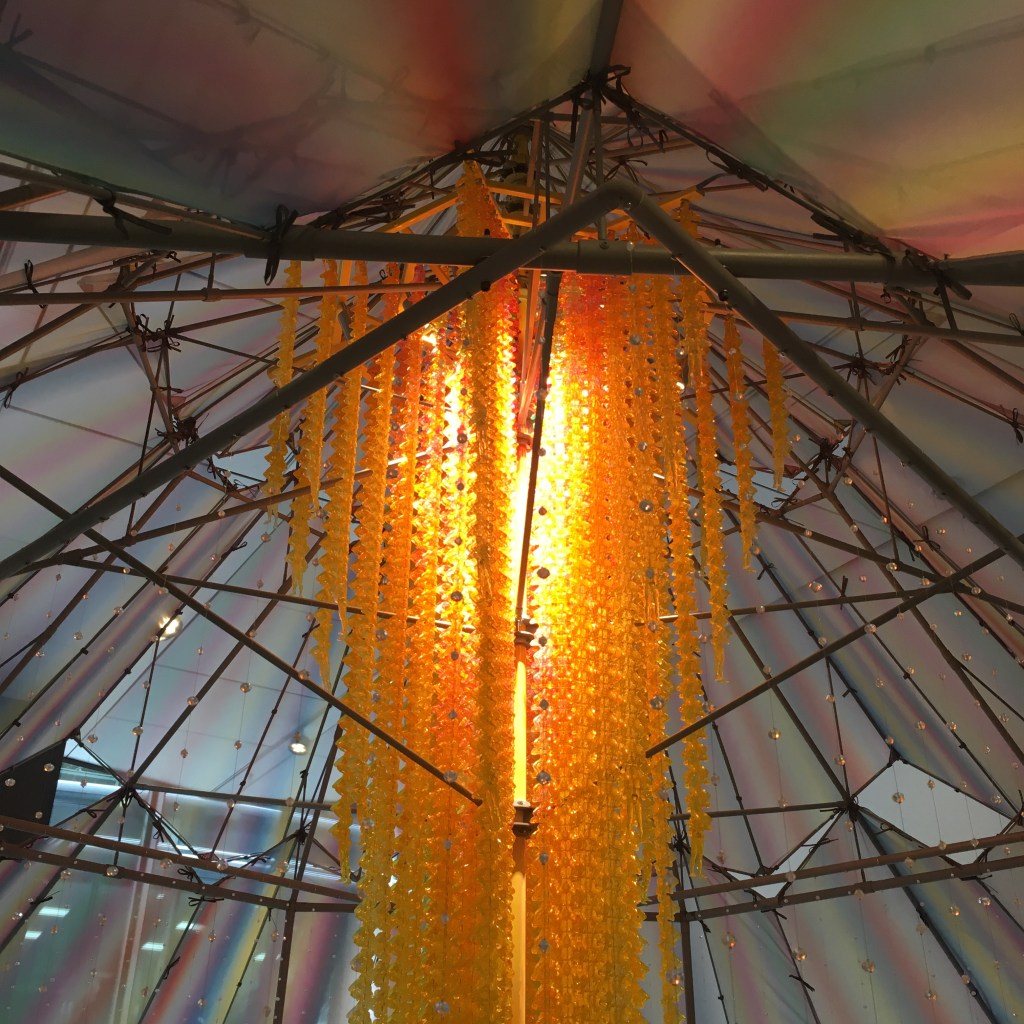
The site of the hastily built temple at Sach’onwang-sa was replaced by a more permanent one but only a few stone foundations of this building remain today. Suh’s creation, made like a multi-layered geometric parasol festooned with colourful silks imagines the way the temple could have appeared when it was hastily constructed. In the centre hang fronds of orange jewels illuminated by an inner light.

The exhibit is on show until 22nd January 2022. www.londonmithraeum.com

Paula Rego can feel confident that she is ‘amongst the grown ups’ (something she always craved) with a spectacular retrospective at Tate Britain. Concerned that, as woman, her art won’t be taken as seriously as male artists, this show is a huge moment of recognition for one of the world’s leading contemporary artists and provides a fascinating perspective on her upbringing, the political state she escaped in her native Portugal and her dark, narrative-driven work which illuminates injustice towards women.

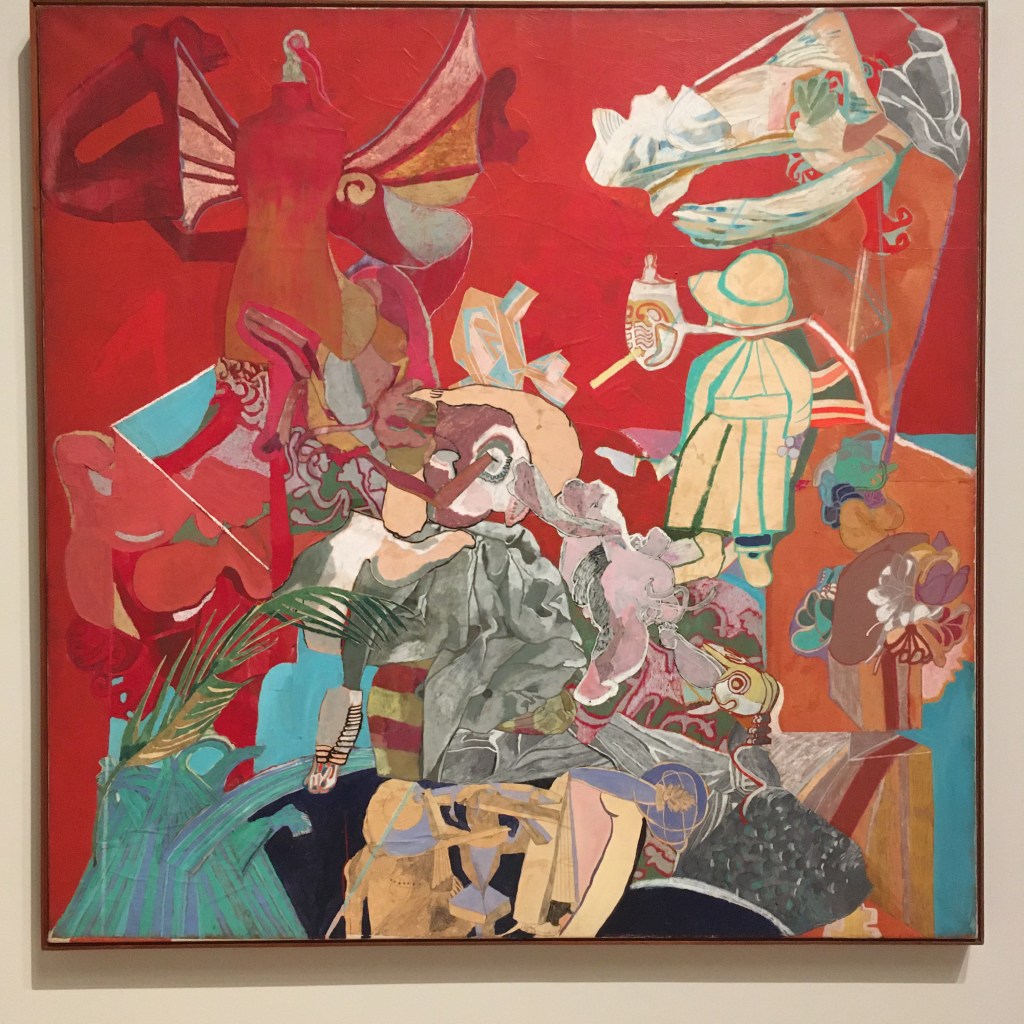
Self portrait in red 1966, Paula Rego

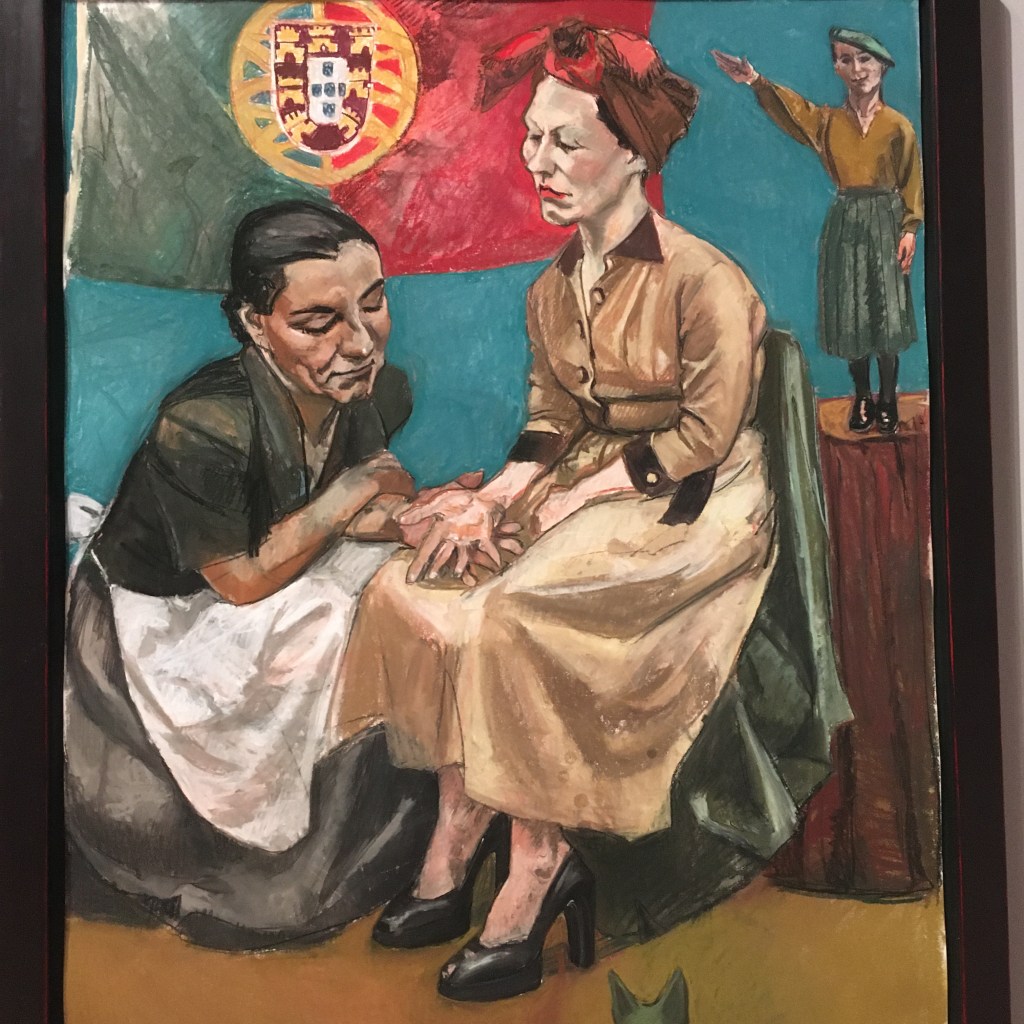
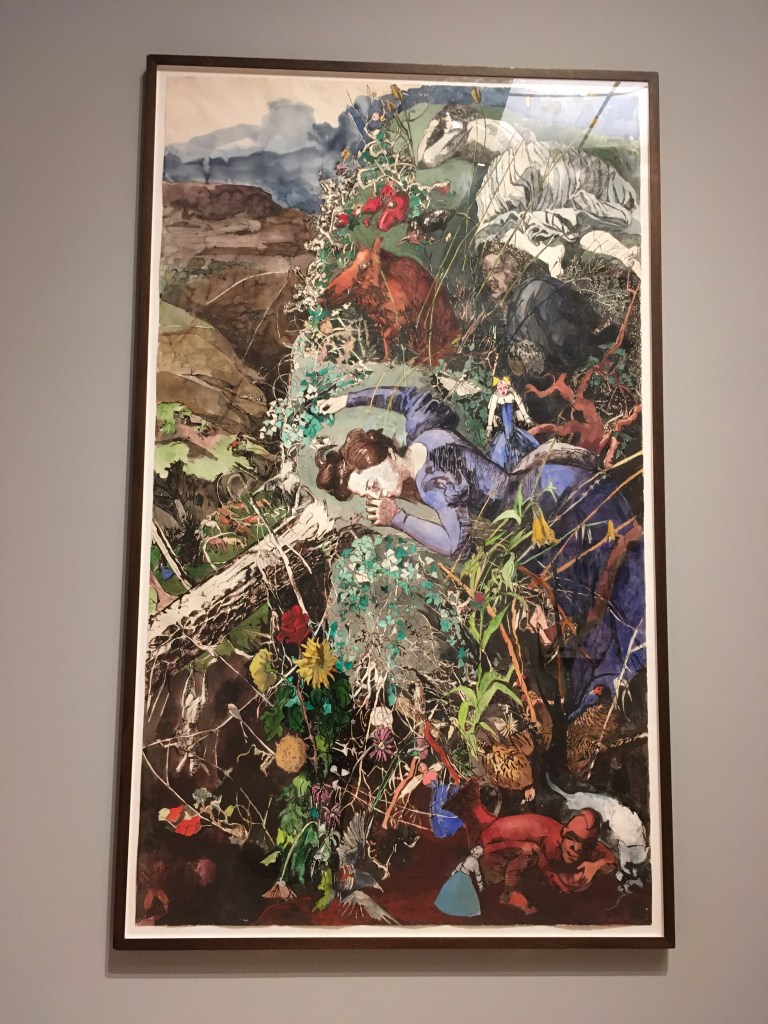
‘It’s all about the story,’ says Paula Rego of her work. And it’s certainly true that her paintings are loaded with symbolism, imagery, a great cascade of consciousness and dreamlike elements that suggest a great number of stories. Her works are generally quite demanding, challenging the viewer to look at painful or difficult subjects. We are not given answers in the way that narrative or genre paintings of the 18th or 19th century tried to illustrate a situation; with Paula Rego’s works we are presented with emotions, issued and, very often, dark, abusive situations involving women who are threatened or who look about to wreak a terrible vengeance on their abuser.

Turkish Bath, collage with oil paint, paper and ink on canvas, 1960

I really enjoyed this new show at Tate Britain. It’s particularly fascinating to see so many of her early collages (an artist after my own heart!) and her imaginative use of fragments of drawings, newspaper clippings, photos snipped from magazines and photos all mixed up with paint, ink and gouache.

‘When we had a house in the country we’d throw marvellous parties and then we’d go out and shoot black people.’ 1961 Oil paint, graphite and paper on canvas

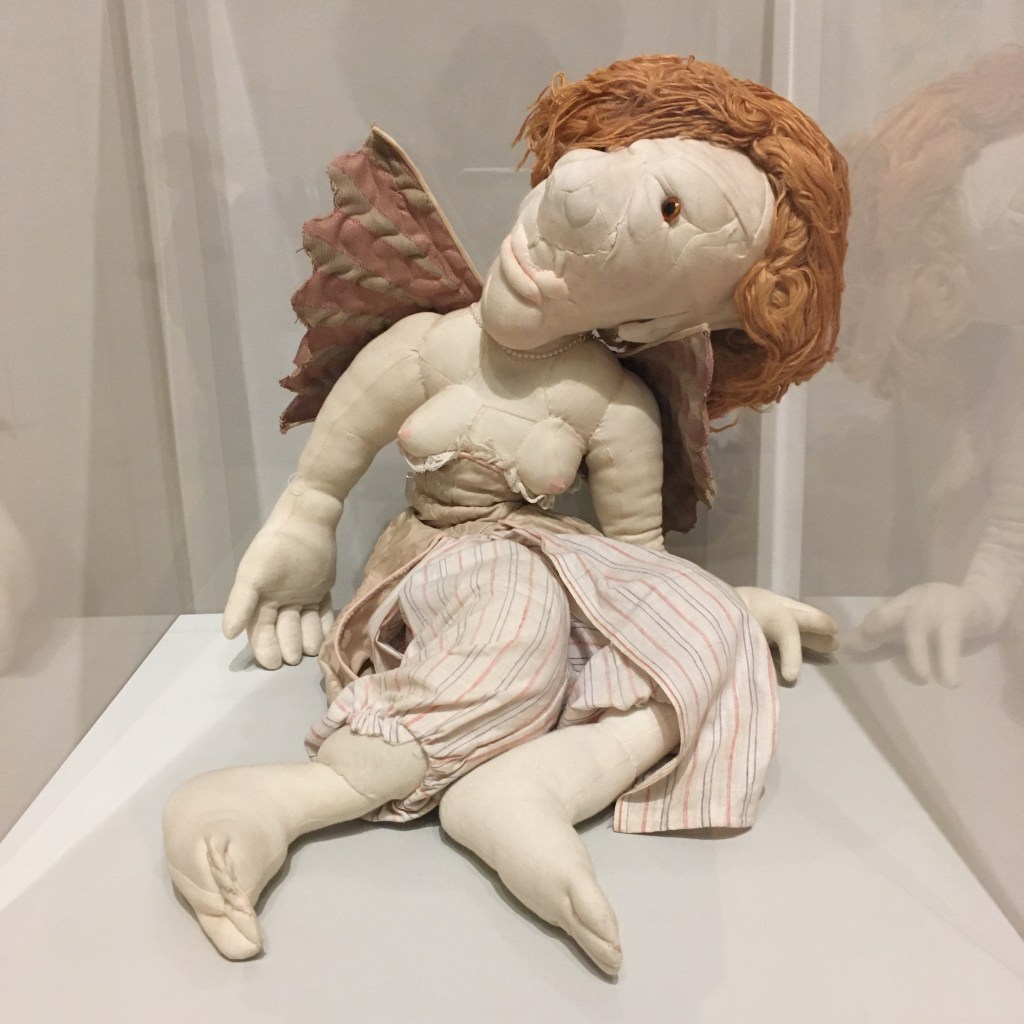
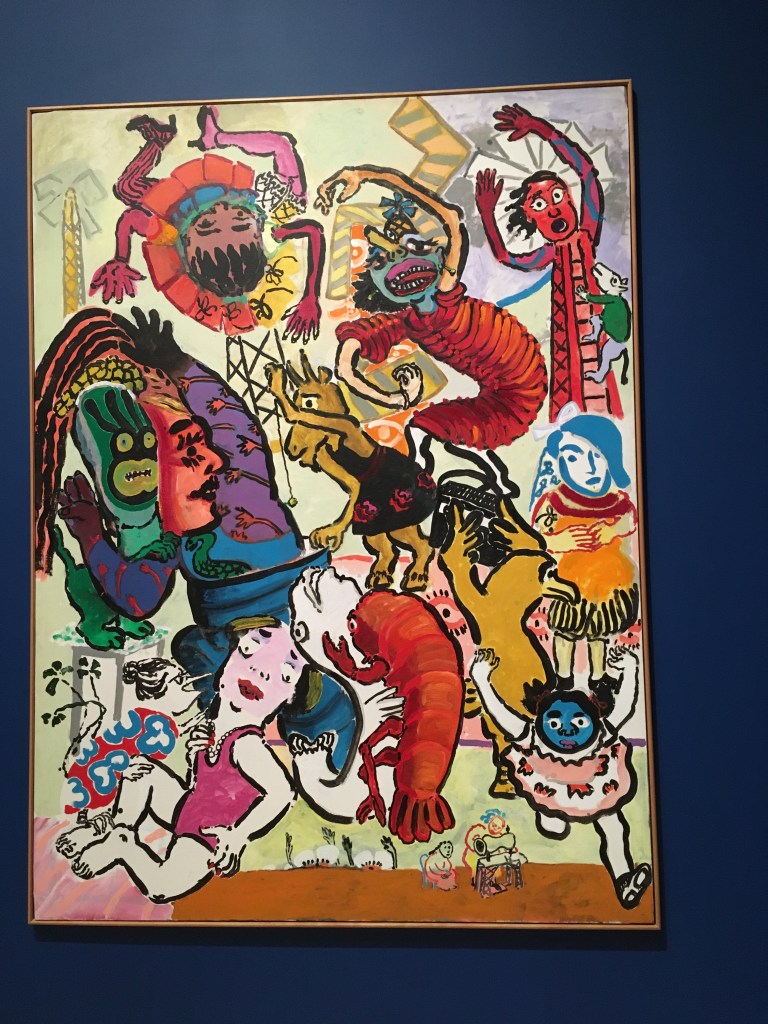
Her early work has a very surreal feel to it, often filled with uncomfortable subjects and uneasy images. As her work evolved she started using models in the studio along with props, often curious puppet-like creatures who interact with the live models.

Sea Nymph, 1978, Fabric, wool, plastic and kapok

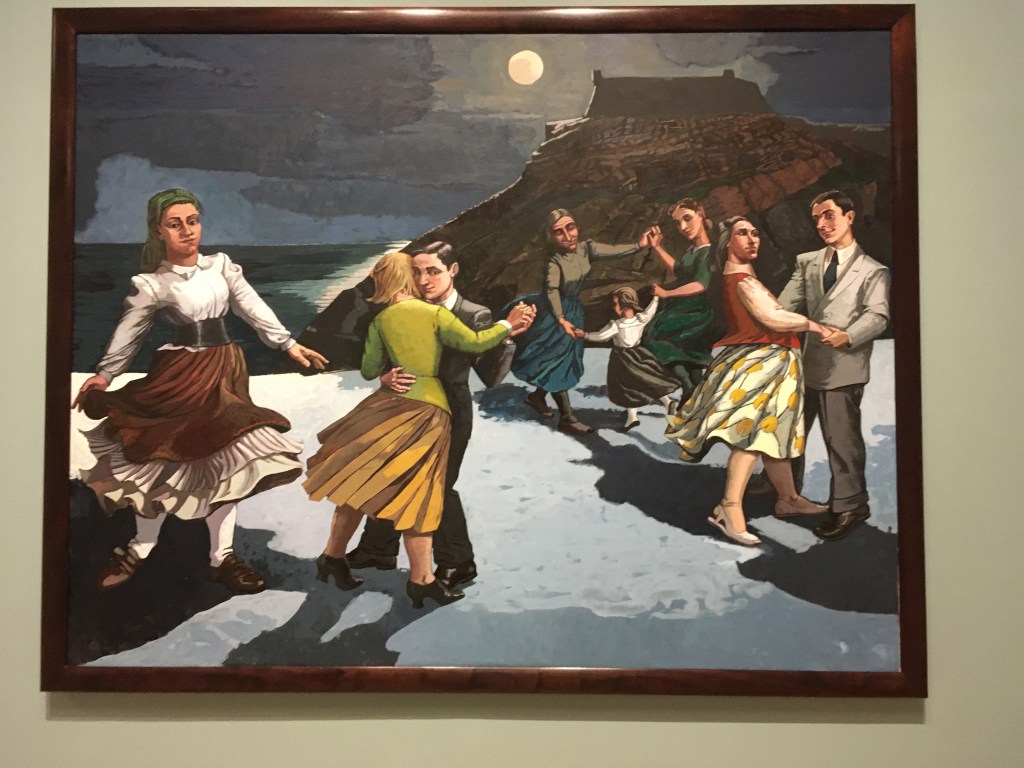
These works often referenced the political situation in Portugal (which she escaped aged 16 when her parents sent her to London to study art), her own relationship with Victor Willing, a fellow student whom she married and the agonies of infidelity, illness and frustration. The Dance, below, was completed after her husband’s death and features him dancing with Paula and with a blonde lover.

The Dance, 1988, Acrylic paint on paper on canvas.
The Artist in her Studio, 1993, acrylic paint on canvas

This fabulous show is on at Tate Britain until 24 October 2021.

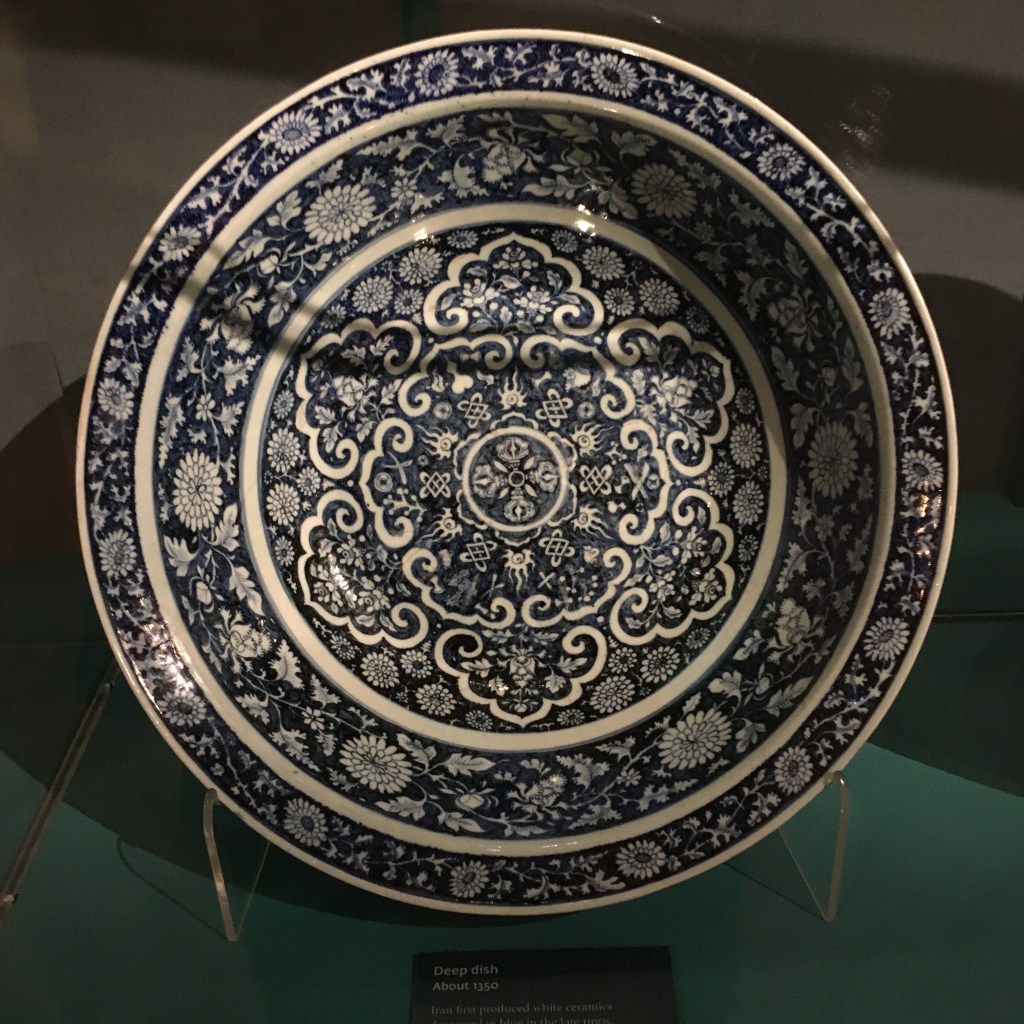
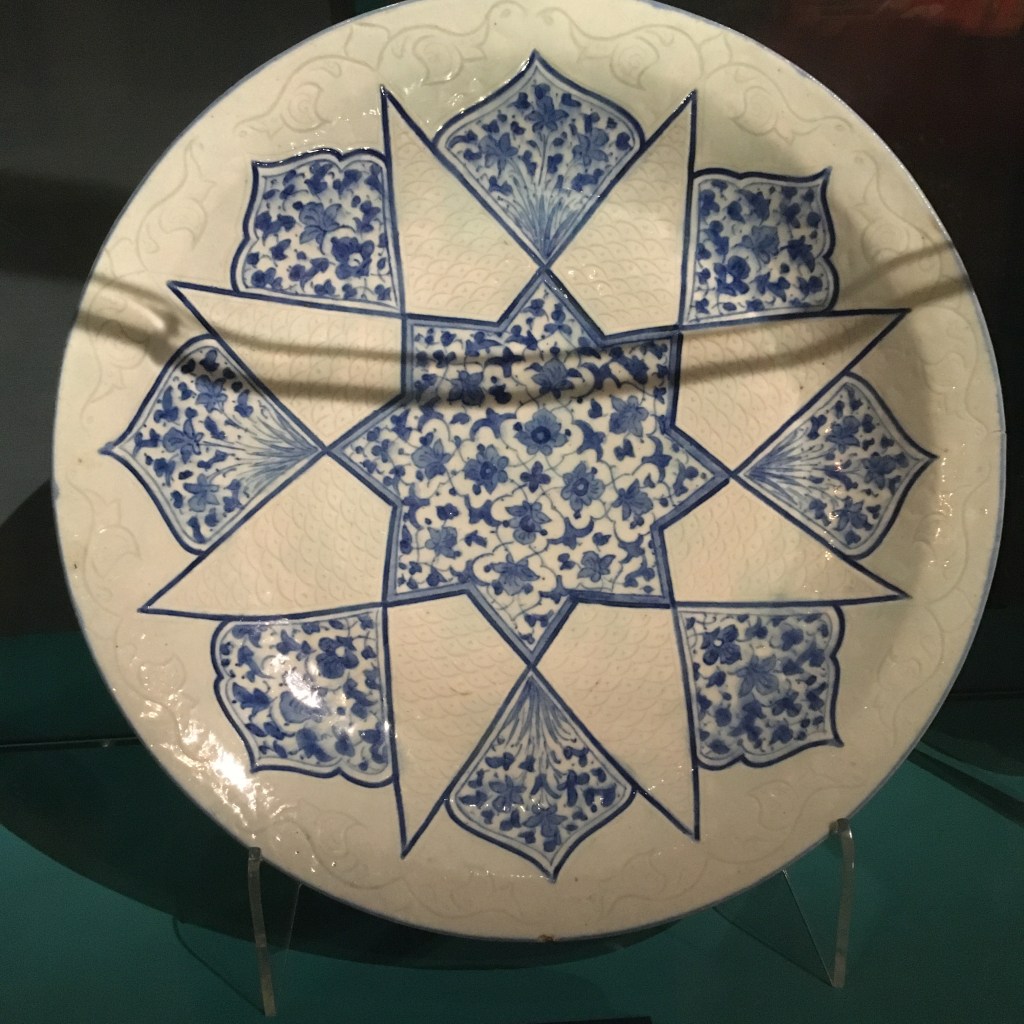
Epic Iran: an astounding exhibition at the Victoria and Albert Museum charts 5,000 years of Iranian art, design and culture. From objects created over 1000 years BC to examples of contemporary art, this is a visual and sensory feast which brings the evolution of Persia and Modern Iran into sharp focus.

It’s very easy to go into an exhibition and think that you know what to expect and that you’ll be greeting a lot of familiar ‘old friends’ we’ve seen behind glass in different areas of the V&A and other museums. Oh, but this is so much more. It’s great that British museums do have great international collections of sculpture, tiles, fabric, rugs, pottery, artwork, books…. goodness, there’s so much to view. But seeing all these pieces from the country we now know of as Iran in one exhibition is truly breathtaking and a fascinating journey through time as we see the evolution of a nation’s cultural history illustrated by some remarkable pieces.

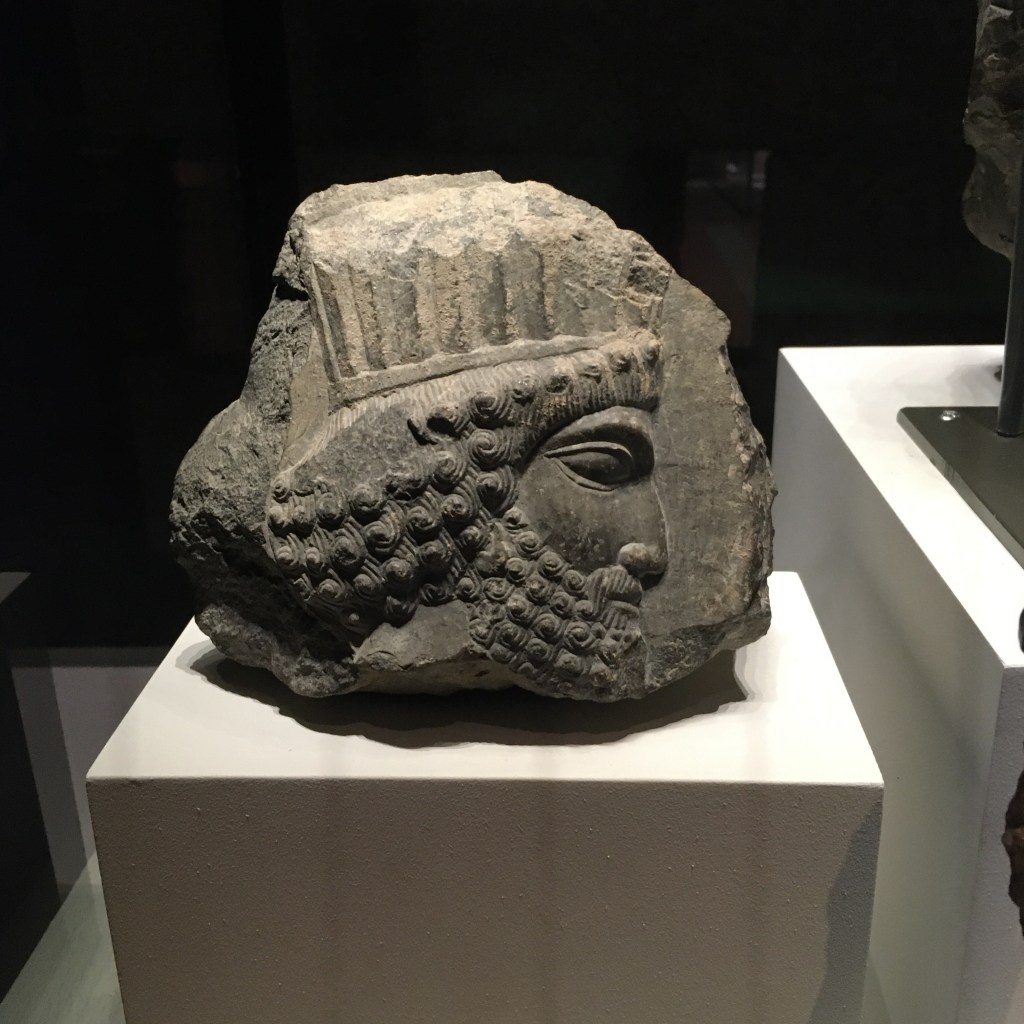
Head of a Persian 515-480 BC from Persepolis, Iran

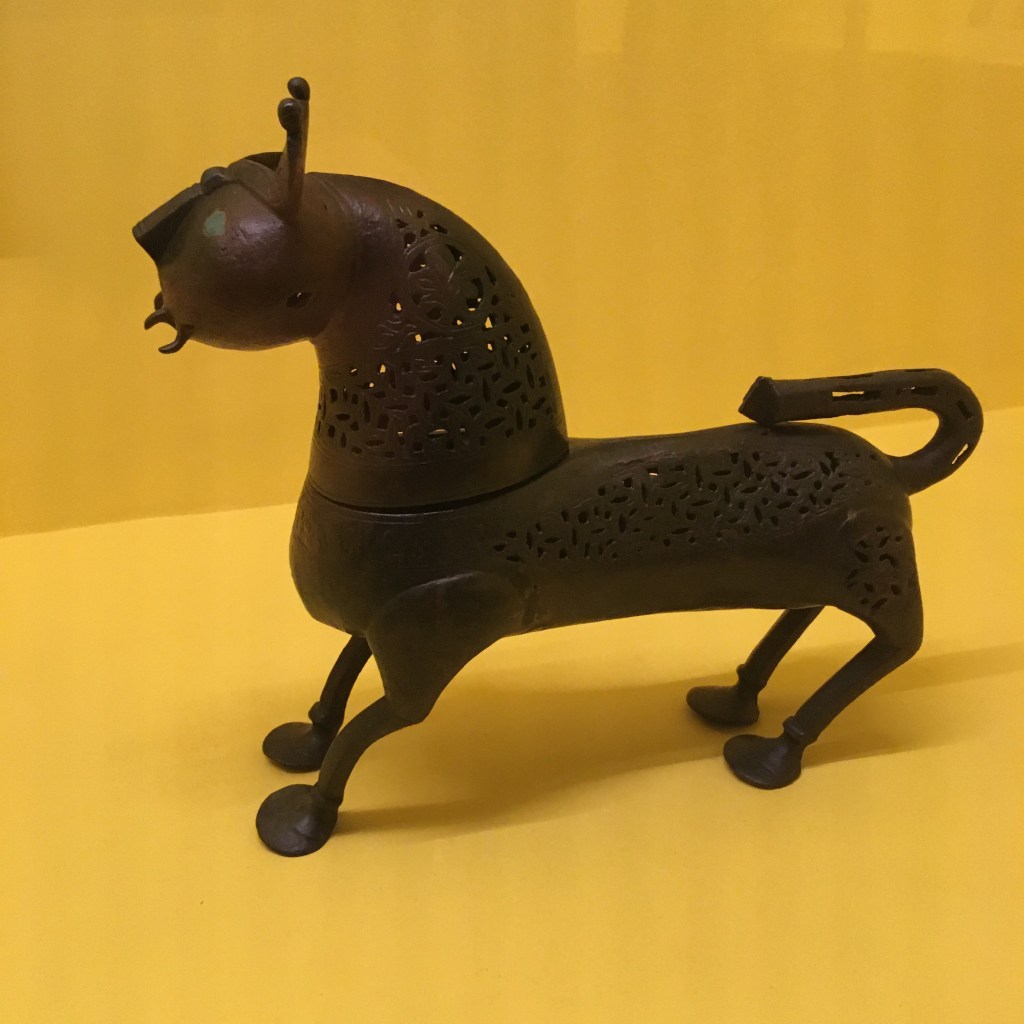
We start way back in time – 800 – 1000 BC. Things were pretty sophisticated and whizzy on the plateau of Persia and it still seems incredible that these pieces have survived in what looks like perfect working order.

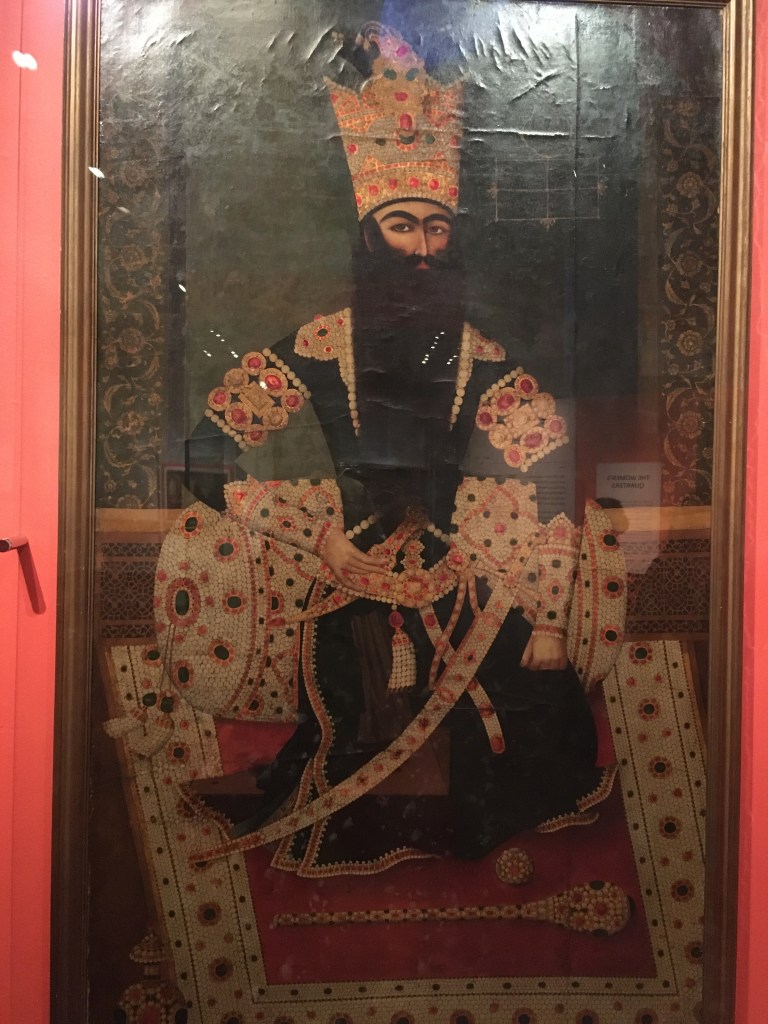
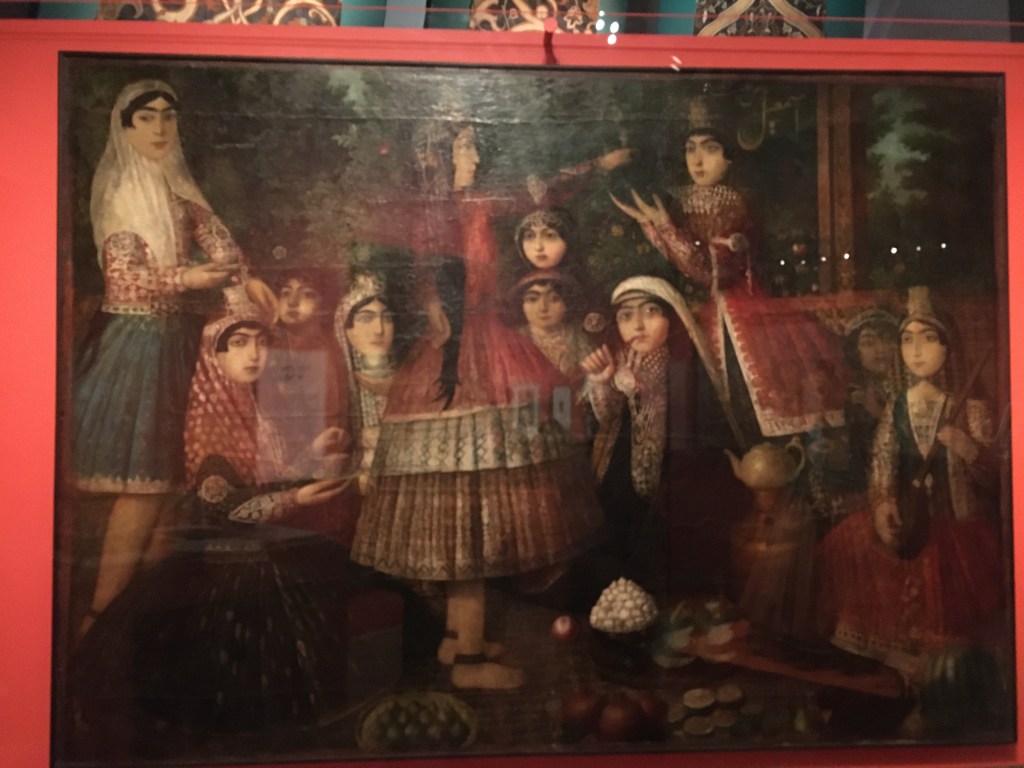
The Sarikhani Collection must be thanked for many of the pieces. This family has made it their life’s work to collect and protect ancient Persian/Iranian treasures which tell the story of the country’s creative journey so fully. Of course I’m impressed by the intricate patterns and the glorious colours but what really fascinated me was the incidence of portraiture and the depiction of people in their everyday activities, or at home or war or, if you’re a king, looking powerful.

Portrait of Fath Ali Shah, about 1815
Ladies around a Samovar, about 1870

You’re also left with a feeling of relief that this region of the world, which has seen atrocious fighting, brutal invasions and huge cultural upheavals, has managed to maintain its cultural identity and keeps on evolving.

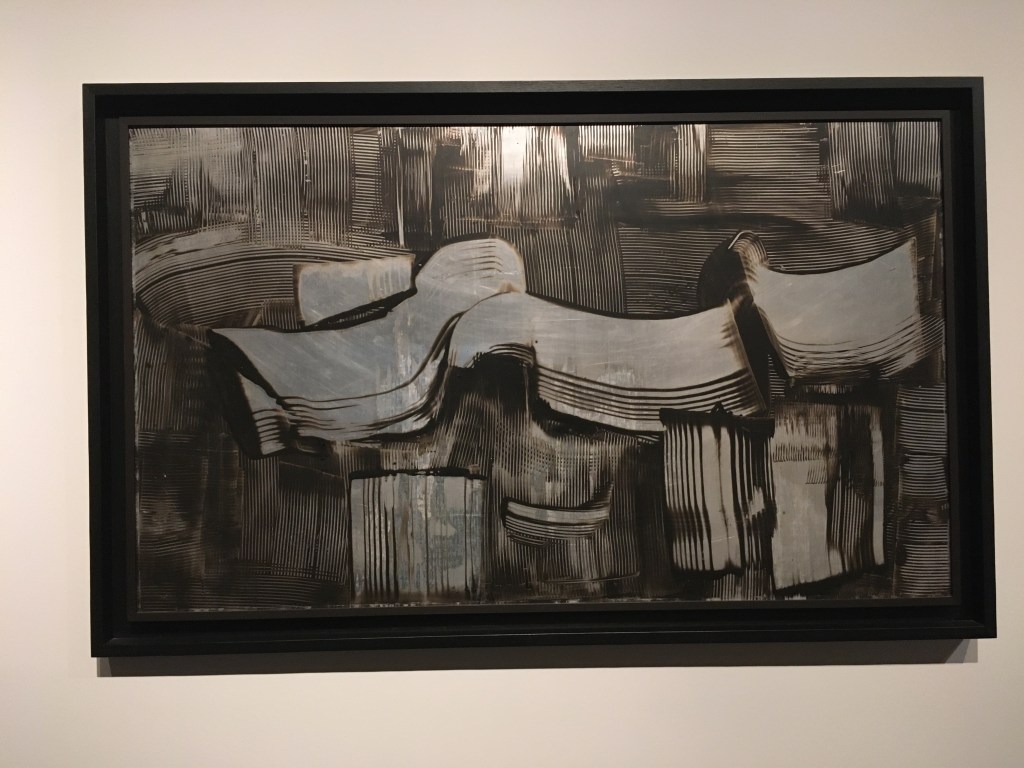
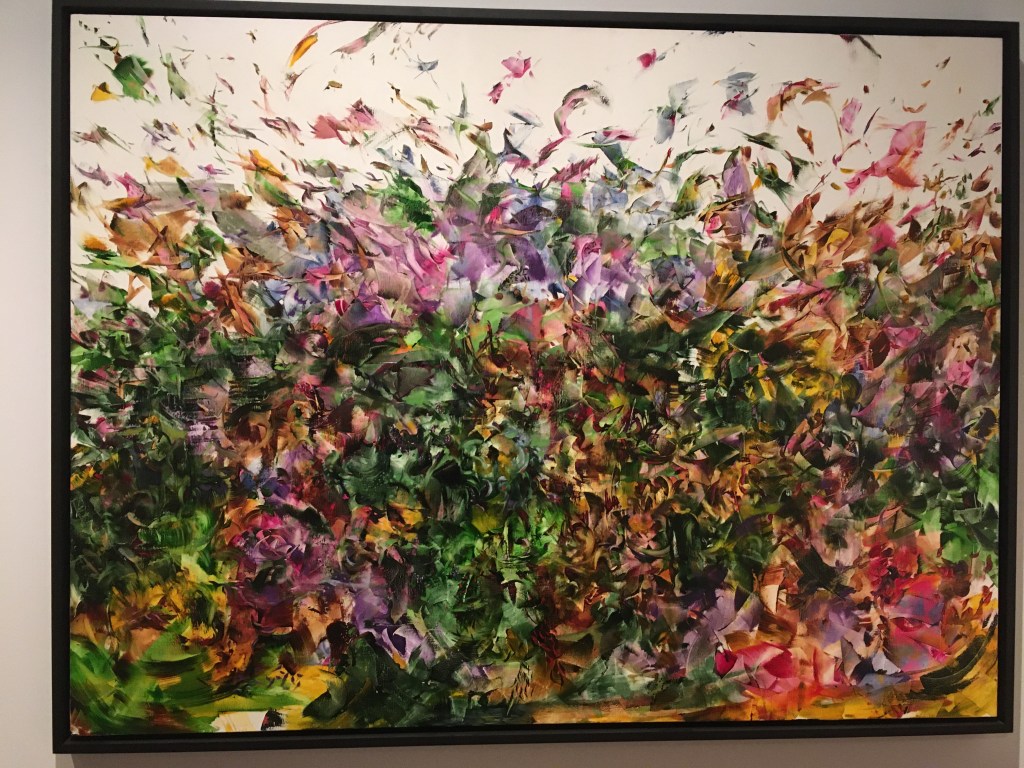
The last rooms were filled with contemporary works by current and 20th century artists who reflect the turmoil, changes and challenges of Iranian life. I liked the way a simple medium like oil slick was used on aluminium by Behjat Sadrto create art on canvas, and the wonderful colourful shapes by Ali Banisadr evoking violence and battlefields.

Epic Iran is on show at the V&A until 12th September 2021.

The truth about Nero….

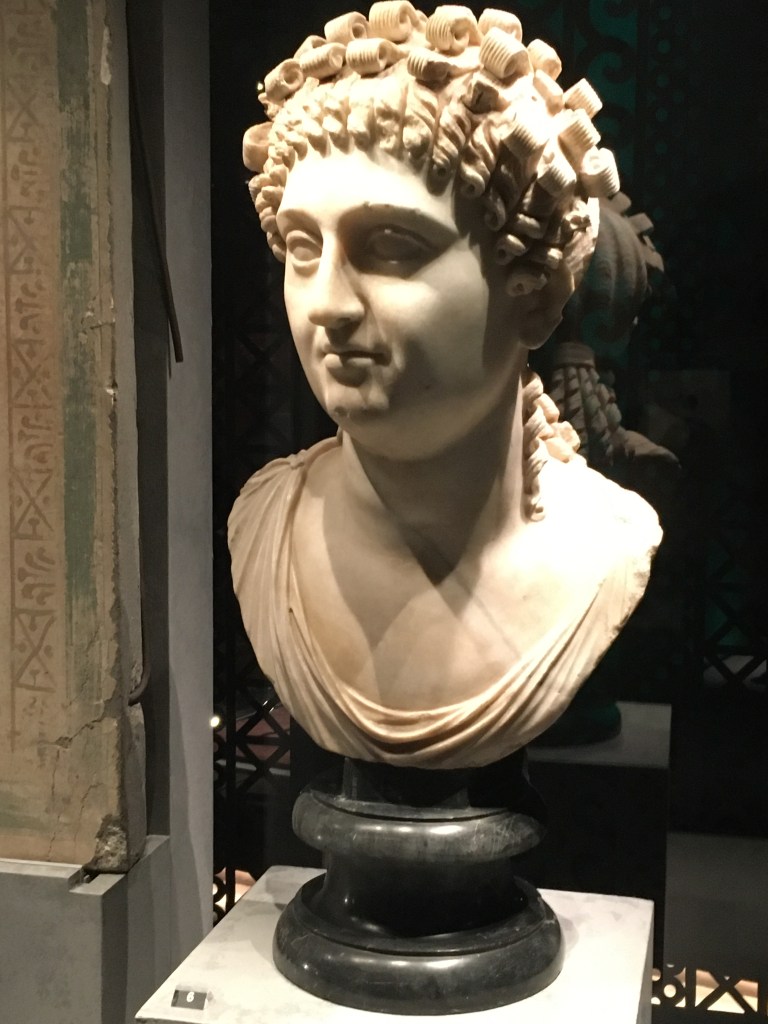
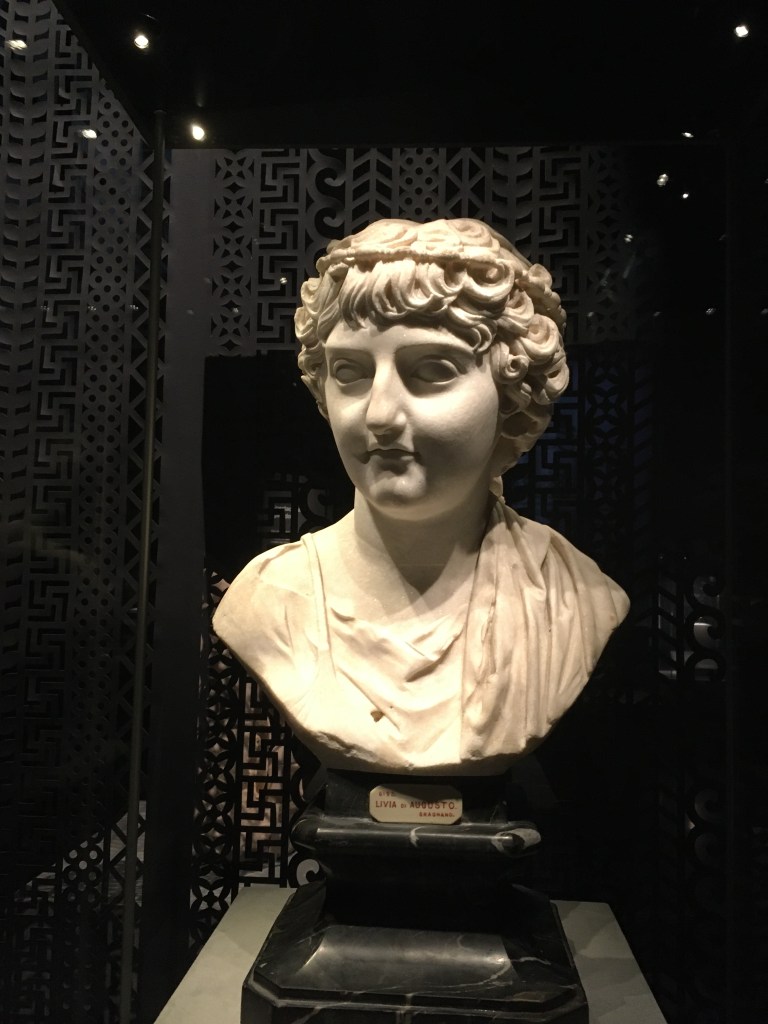
Nero: the man behind the myth. The British Museum has assembled sculpture, images and artefacts which capture the image and spirit = of one of the most notorious Roman Emperors. Nero is presented in the context of his turbulent reign with some fascinating portraits of the man and the historical villainy for which he is best remembered. Fascinating stuff.

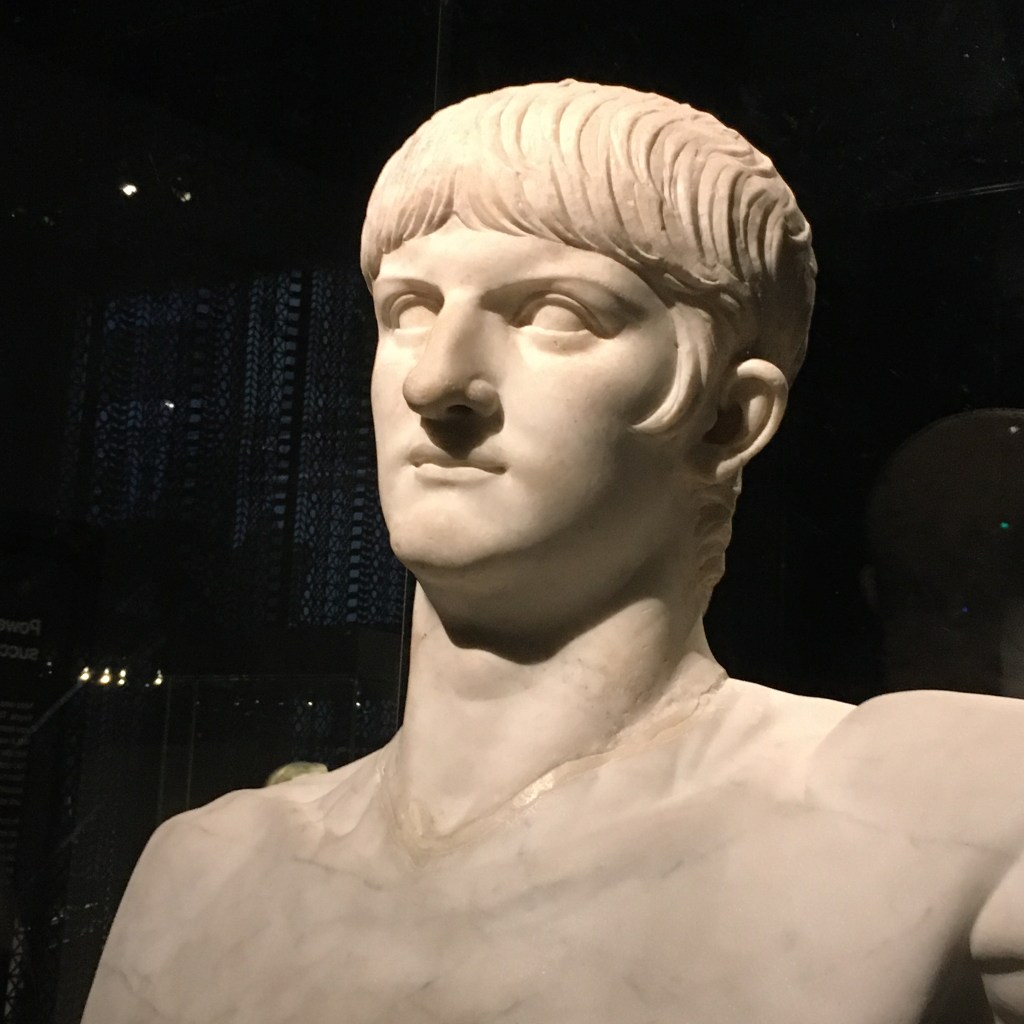
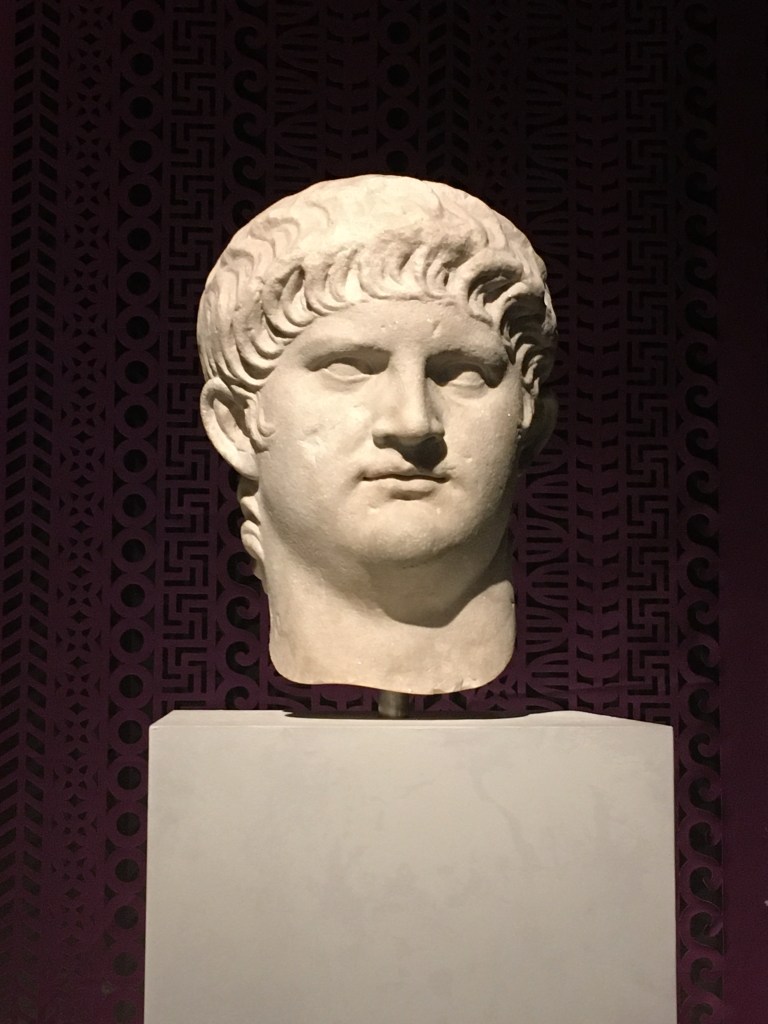
Young Nero, depicted as the perfect hero.

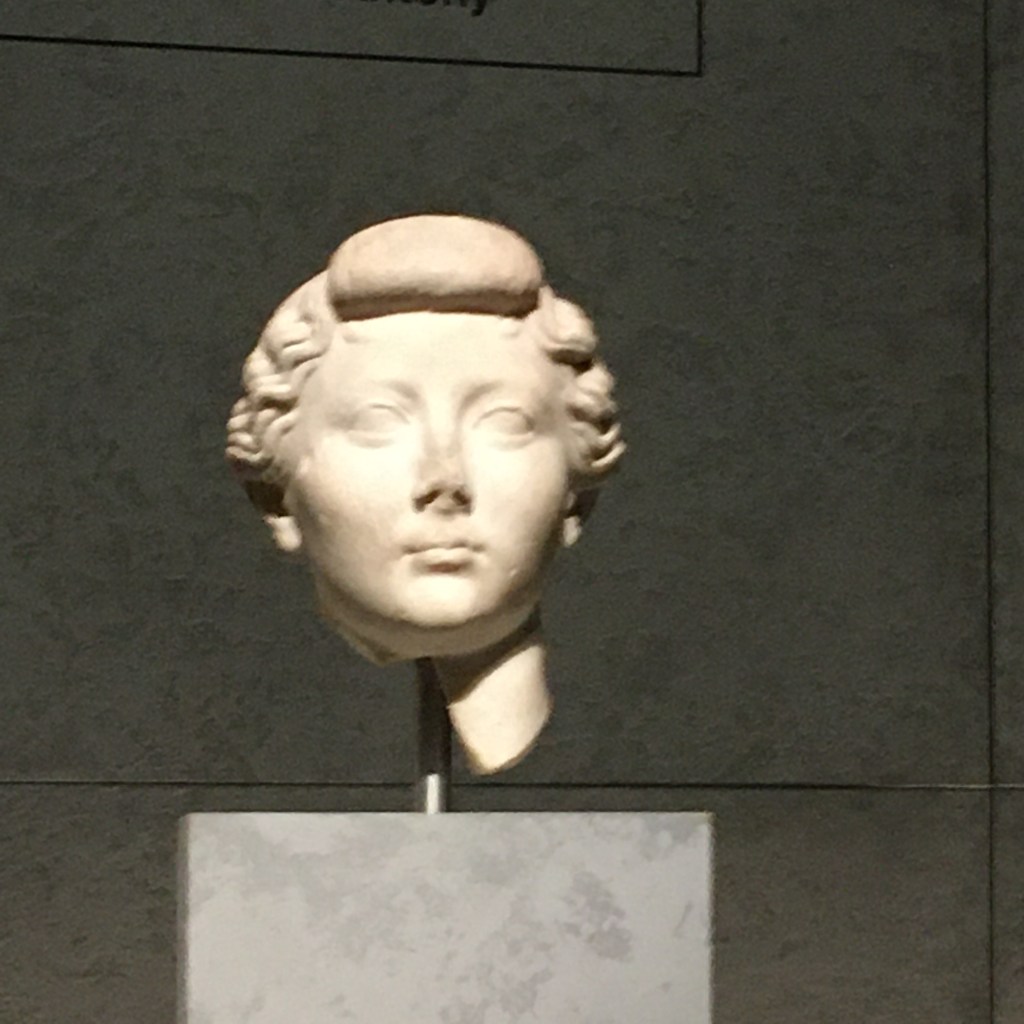
If you’re going to be a hero, a political tyrant or any kind of celebrity it’s a good move to have a distinctive hair do. Nero was no exception. His long fringe with fetching curls around the forehead stayed with him throughout his life and was meticulously depicted by sculptors during his 30 years. Born into the first Dynasty – a powerful family – the son of ambitious mother Agrippina, he became Emperor of Rome and its huge empire in AD54 when he was just 16. This is what we see in this early bust of Nero – a healthy, strong, ambitious young man taking the reins of power in both hands and making his mark.

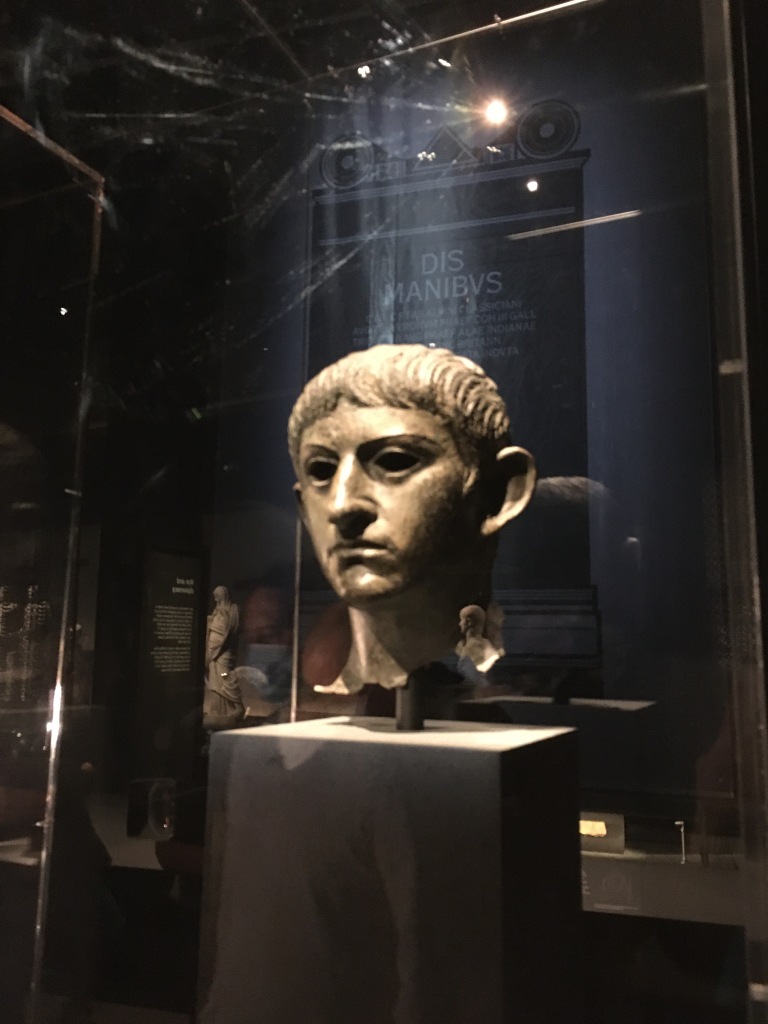
Bronze head of Nero found in Colchester. The eyes would have been made of enamel or glass.

Nero was renowned for his careless cruelty. He thought nothing of slaughtering any opponent and seems to have had no allegiance to his family. He ordered the murder of his mother and his wife (who did not produce an heir) and maintained a reputation for brutal treatment of enemies and anyone who threatened his power.

I was first introduced to Nero through the compelling books by Robert Graves – I, Claudius and Claudius the God. The television series in the 1970s was brilliant too. You gather, from these fictional and dramatic interpretations of life in Rome in the first century AD is that you had to be ruthless if you wanted to maintain your power.

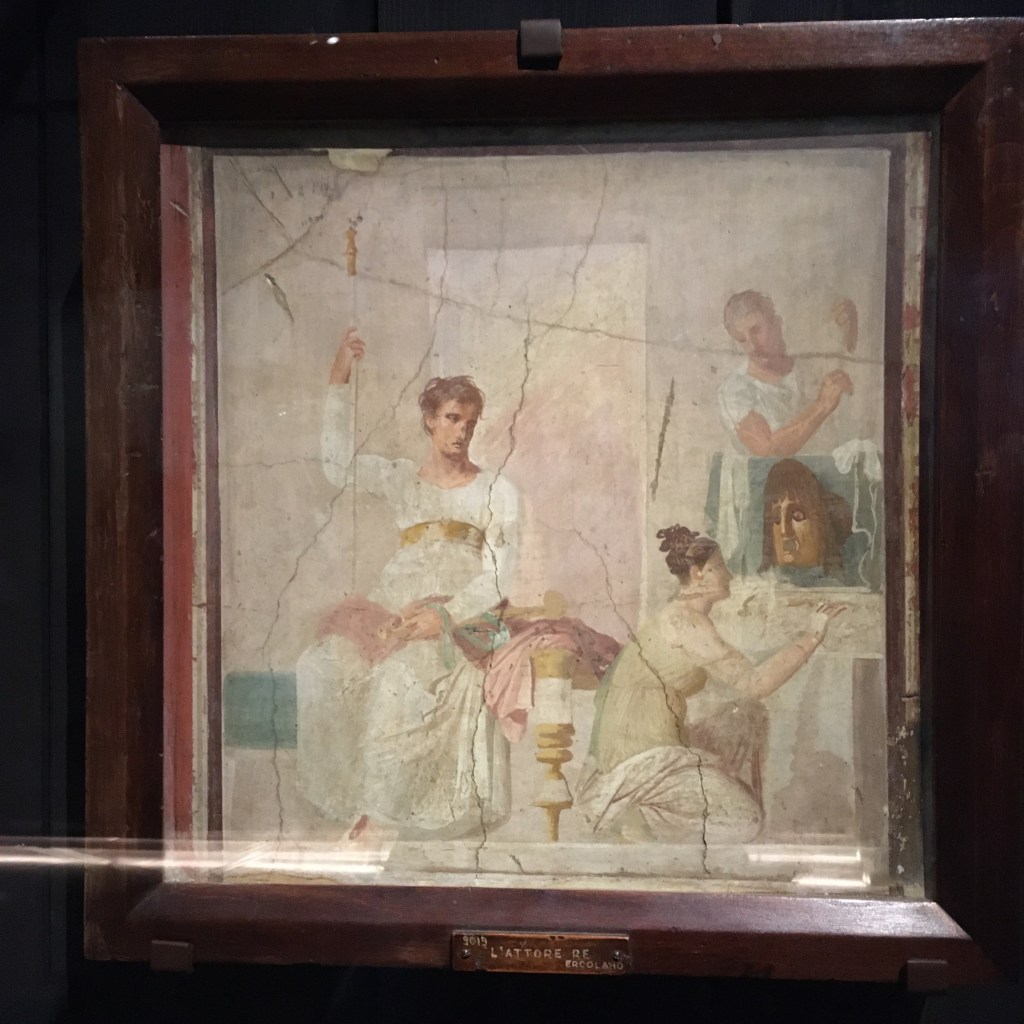
Image of a play from a wall in Herculaneum, Italy.

One is left with the sense that Nero was successful as a leader but that he was not loved by his people. He used only brutality, cruelty and power to keep his great empire in check but there were protests and it was only a matter of time before the farthest flung regions of the empire – like Britain – would chase away the Romans through bold and courageous insurrections by local leaders such as Boudicca. He reigned through turbulent times, not least the terrifying nine days when Rome burned out of control and much of the city was razed to the ground. We are told in this exhibition that he wasn’t at home (fiddling or playing the lyre) but away at a holiday palace. To his credit he returned to Rome to help the rescue operation and assist the survivors.

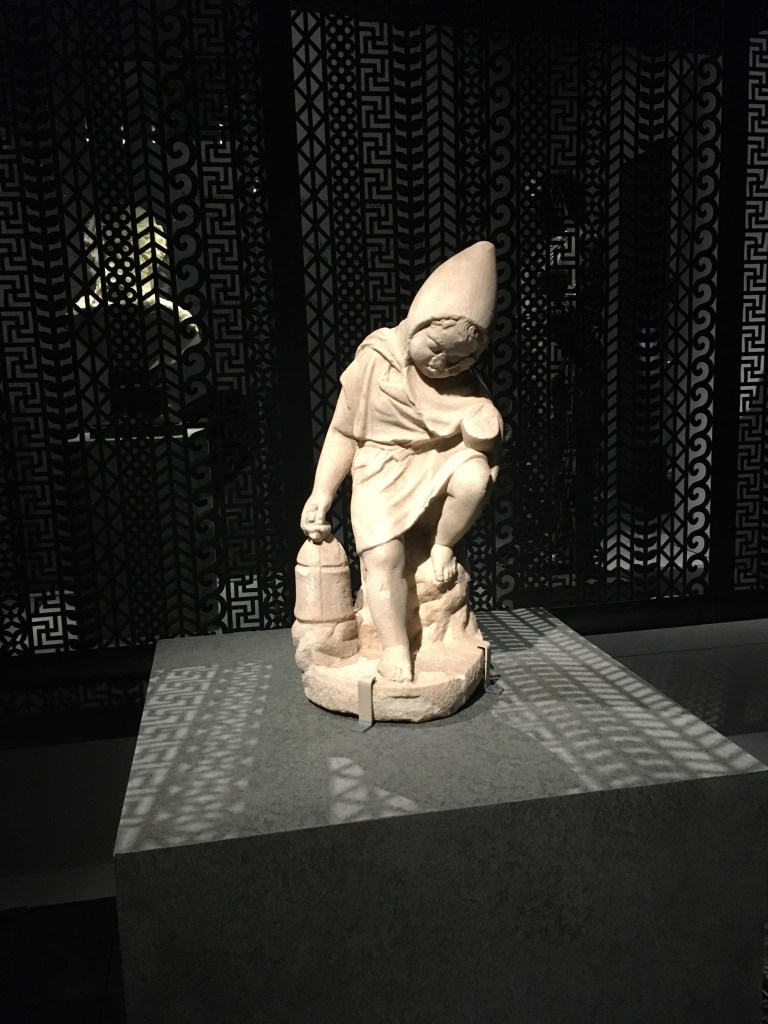
This may look charming but it’s a depiction of a small child slave employed to walk in front of his owners and light their path.

A portrait from the last days of Nero’s reign, probably to mark his tenth anniversary as emperor. His face is fuller, he still looks determined but the fringe of curls is still in place.

But this is a fascinating show and a great way to time travel to a terrifying period in history.
Nero: the man behind the myth is on show at the British Museum until 24th October 2021.

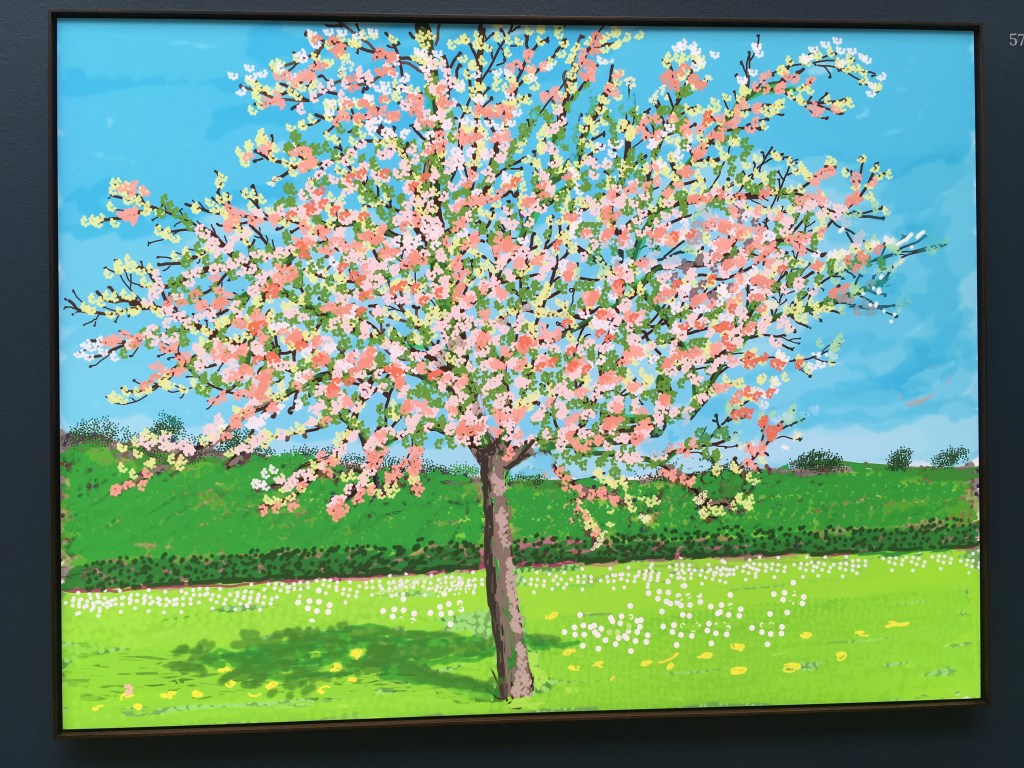
Finally it feels like we are on the brink of summer. David Hockney captures last year’s beautiful 2020 lockdown spring from his retreat in Normandy. Charting the emergence of new growth from the blank emptiness of winter to the brilliantly overblown blossom and blooms of spring and early summer, this exhibition at the Royal Academy gladdens the heart.
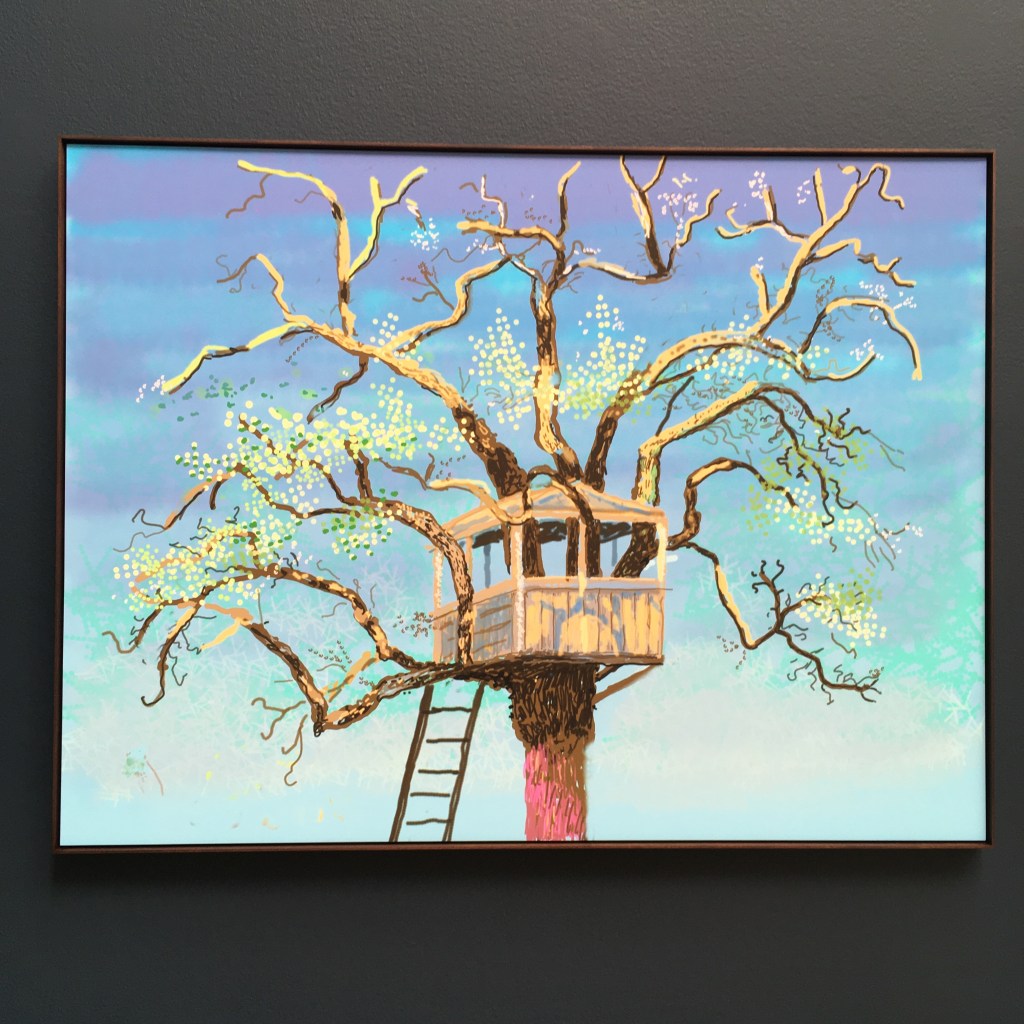
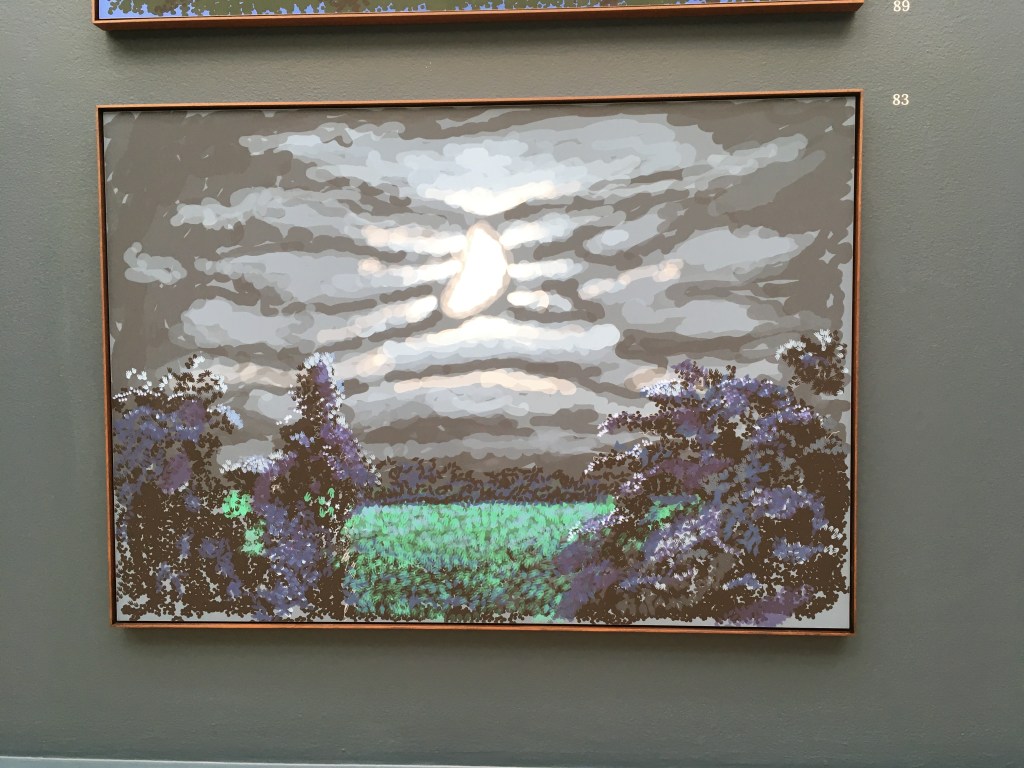
The master of many media, David Hockney displays his prowess with the iPad for this stunning exhibition of landscape artworks: The Arrival of Spring, Normandy, 2020 at the Royal Academy, London. Two years ago Hockney decamped to France and settled in an ancient rural property to chart the changing seasons. Referring to this ‘most classical of subjects’, he has made a point of putting the focus on a specific landscape and manages to capture, forensically and with wonder, the annual alteration wrought by nature.

Just as we all spent the early months of 2020 in a state of lockdown, valuing the the impact of nature, listening to birdsong, tending gardens and marvelling at the greening of landscape, Hockney was comfortably ensconced in Normandy, to concentrate on capturing the changes, however minutely, on his iPad. The results have been blown up onto canvas in a collection of 116 printed artworks which take the breath away.
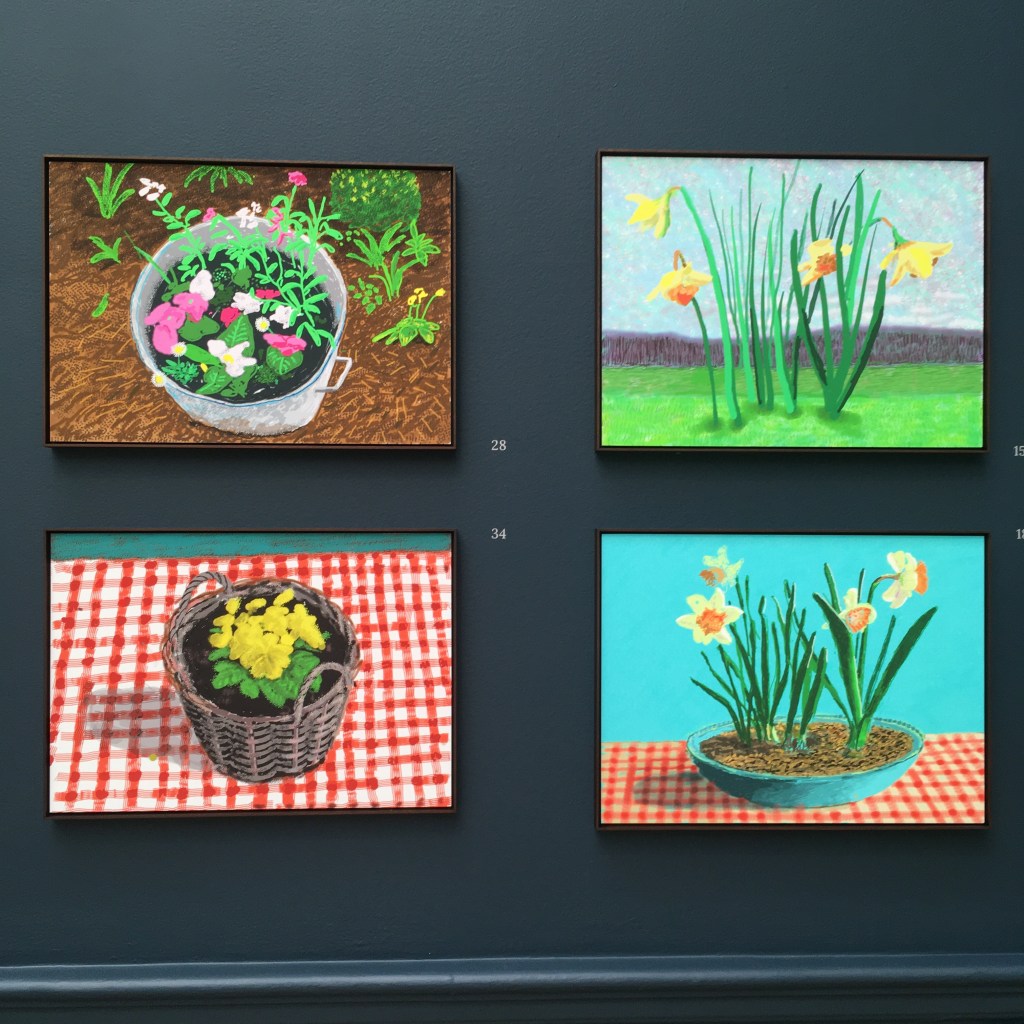
Starting with the stark bare branches of winter trees, sculptural in shape yet full of promise, we progress through the early stages of spring, first shoots and the emergence of blossom and full canopy of leaves. We see the blooming of daffodils, primroses and tangled wild flowers in the lush garden surrounding the house. The colours mix and dance and remind one of those Haystack and lily paintings by Monet who gloried in viewing the same scene altered by light and seasons.
I loved the immersive feel of the show and the chance to see such deft use of digital drawing and painting techniques used on the iPad. Hockney is amazing; he never stays still, always pushing his art – pushing.

#HockneySpring is at the Royal Academy of Art 23rd May – 1 August.

Eileen Agar: Angel of Anarchy – the subject of a glorious new show at the Whitechapel Gallery charting her long artistic career and the innovative way she introduced collage and the power of ‘found objects’ into her art.

For my first visit to a gallery after so long I would have been pleased to have seen anything. But to have the chance to review the work and long artistic career of a creative hero of mine was a huge treat. I’ve only ever seen Eileen Agar’s works represented within larger shows on post-war artists, the British surrealists or collage. To see the full span of her work was hugely enjoyable and a great insight into the evolution of this fascinating artist.

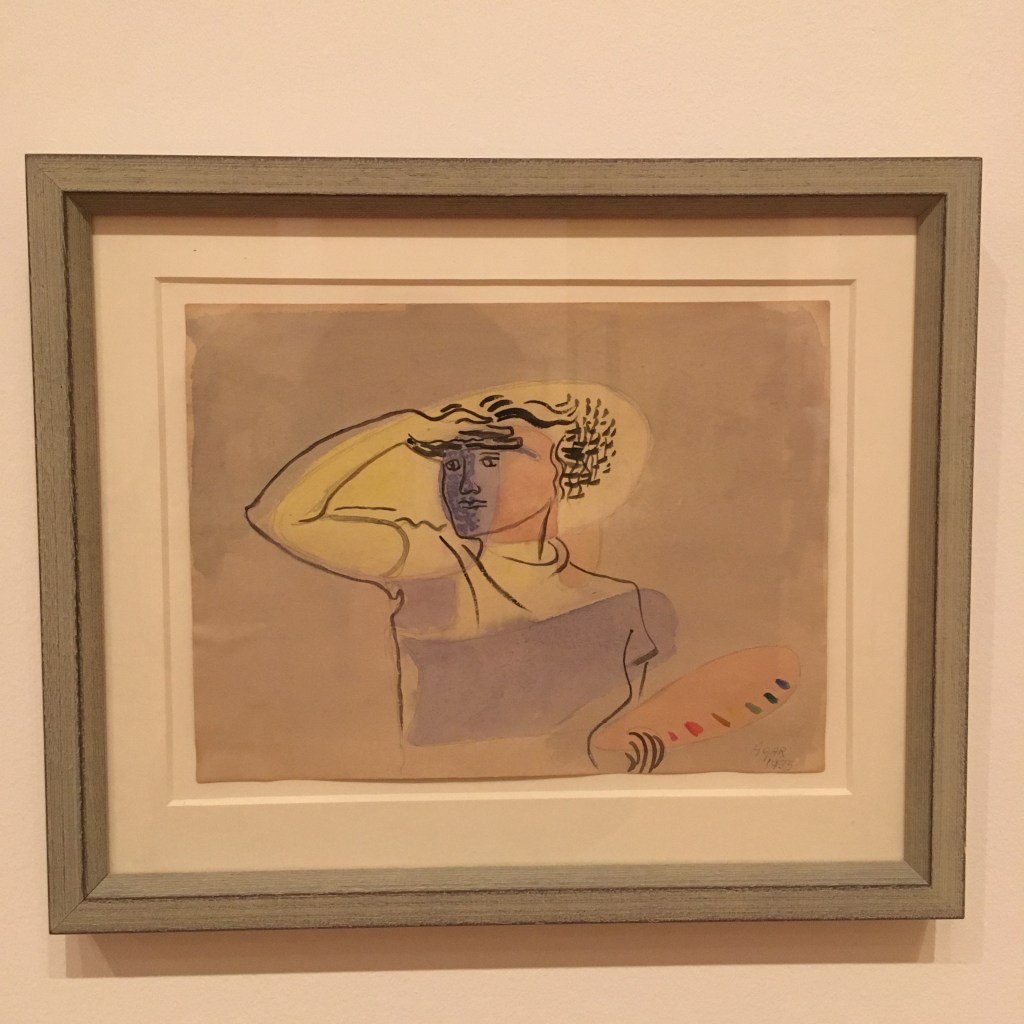
Self-portrait: Eileen Looking Out Pencil, watercolour and wash

Eileen Agar’s artistic life ran in parallel with some of the 20th century’s huge art movements and she was at the heart of the influential groups, often the only woman in the mix, reflecting the thoughts of the day and pushing her art into new realms. You can see the influence of Picasso and the cubists on her work, and then she became absorbed into the world of the surrealists (although she claims never to have been a ‘surrealist artist’).

The Modern Muse 1937

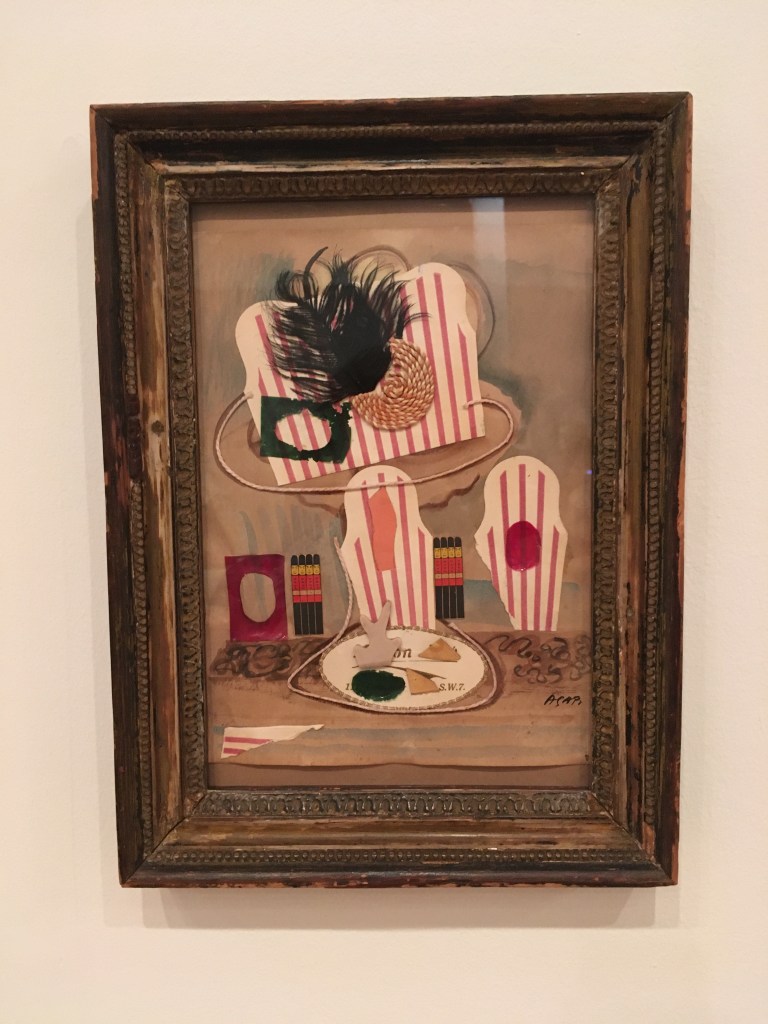
But what draws me so strongly to Eileen Agar is her enthusiasm for collage. She started with leaves, then bits of paper and all kinds of ‘found objects’ which she simply incorporated into artworks. Some of her paintings are impressions of collages filled with that intoxicating variety of colour, texture and pattern.

Untitled, Collage 1936 Collage and Mixed media on paper
Untitled collage, 1936 Mixed media and collage on paper
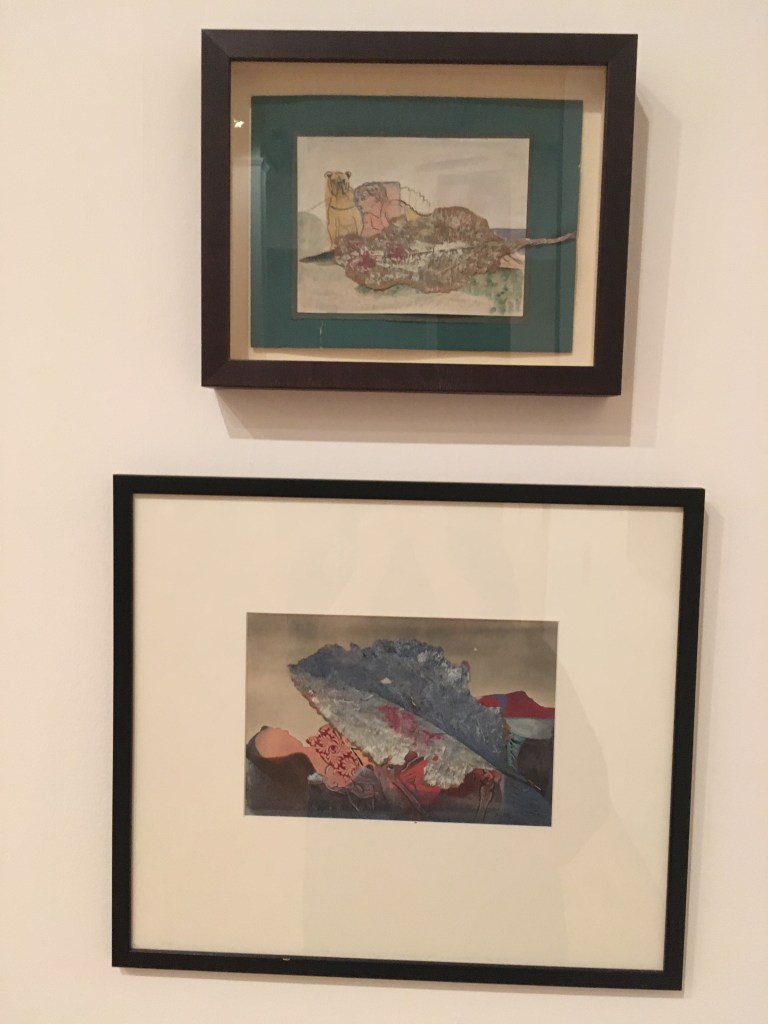
Self-portrait with Dandy, West Bay, Dorset 1934, Drawing with Collaged leaf and also Untitled Landscape 1940 Collage with horse chestnut leaf, vintage photographic print and other elements with coloured chalks and gouache.

One of my favourite images is of the dancers. It is figurative but contains all the variety and freedom of collage but made entirely with paint. It’s a charming picture.

Eileen Agar: Angel of Anarchy is on show at the Whitechapel Gallery from 19th May to 29th August 2021. Glorious. #EileenAgar