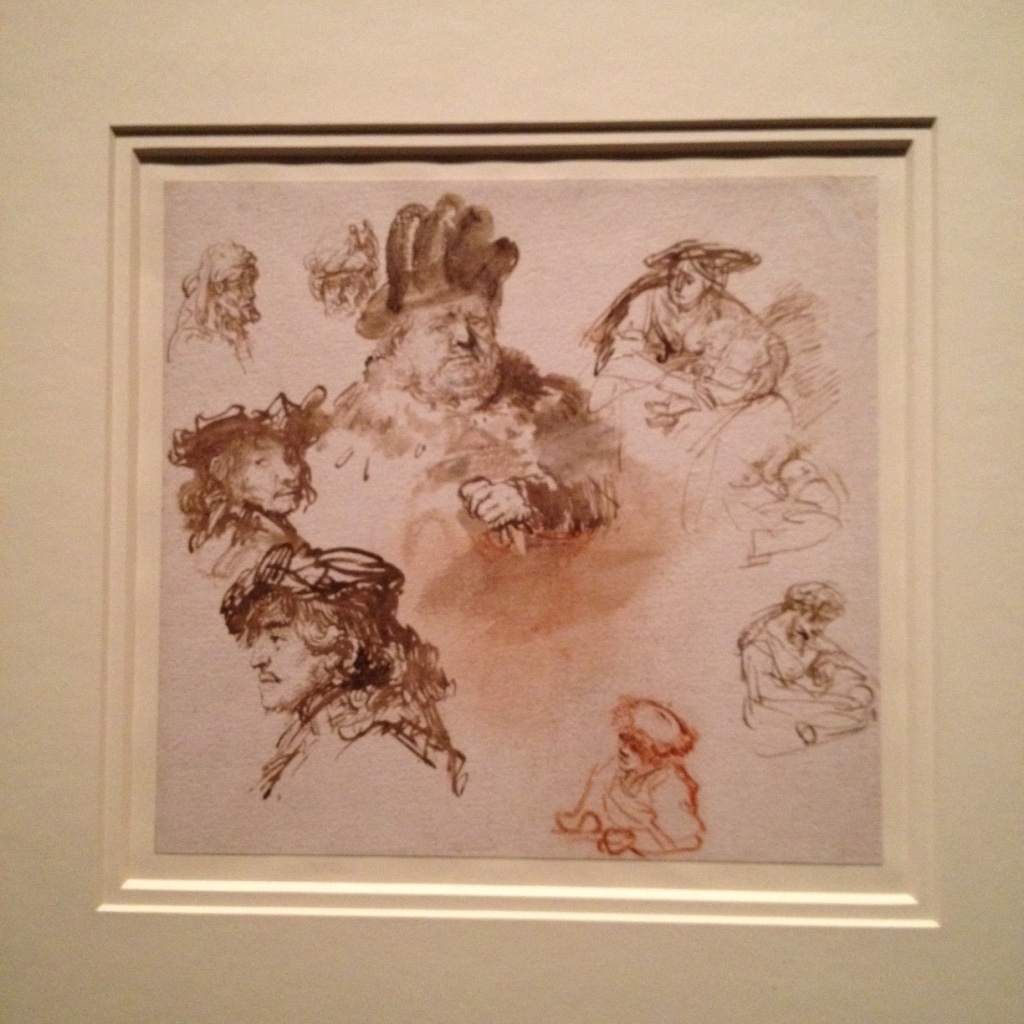
The mysterious connection between artist and subject is beautifully captured in a new exhibition at the National Portrait Gallery. The Encounter: Drawings from Leonardo to Rembrandt runs until October and is an absolute joy.

There’s something very special about making a portrait. It can be based on hours of scrutiny or just a few minutes, or less, of observation, and the result can capture that ‘close encounter’ when the artist’s eye somehow sees beyond the features and into the soul of the sitter.
thumb_IMG_7248_1024

Anew exhibition, The Encounter, at the National Portrait Gallery has gathered together some stunning examples of this ‘moment’.  Sitters can often think that being painted is quite a passive thing to do – surely, you just sit there and the artist draws or paints you – but no, it’s so much deeper than that.  When submitting yourself to an artist’s gaze there is nowhere to hide – your inner being is somehow exposed and the artist can’t help picking up on a subliminal, or even psychic connection.  The result is often more truthful than the sitter likes to accept and can be difficult for an artist to alter an image and make it more flattering once it has been set down.

The Renaissance painters were exceptional for their desire to capture likeness. For centuries there had been a different approach to art when people were just represented rather than observered. So, if the subject happened to be royal you would put the figure in a regal pose and add a crown. The idea of absolute scrutiny was new and utterly thrilling.

The exhibition has included many of the studio sketches which would have been a preliminary part to the production of finished oil paintings. They often didn’t survive and, today, they are very fragile and light sensitive. Many of the portraits on show are rarely displayed because of this.  It is an absolute delight to see drawings from the mid 1500s to mid 1600s of ‘real’ people where the connection with the artist is clear to see and sense.

Looking around the exhibition feels a bit like being at a party full of strangers whom you are interested to get to know because so much is revealed by their expressions.  The likeness is doubtless there but what you also pick up on is character and personality.  You might see a shiftiness in an eye, a weariness, a wariness or arrogance.  The artist could not help picking up on these things.

The Encounter is on at the National Portrait Gallery until 22nd October and well worth a visit.

From bendy furniture to planes, cars and boxes, there’s no limit to the versatility and beauty of plywood. A new show at the Victoria and Albert Museum, Plywood: Material of the Modern World, celebrates the phenomenal creative potential of ply.

The armchair in this picture was designed by the London designer Gerald Summers and show just how far you can bend a single piece of plywood. Cuts in the veneer formed the arms and legs – so simple, you might think – but how ingenious to take a single flat piece of plywood and come up with such a clever and original concept.

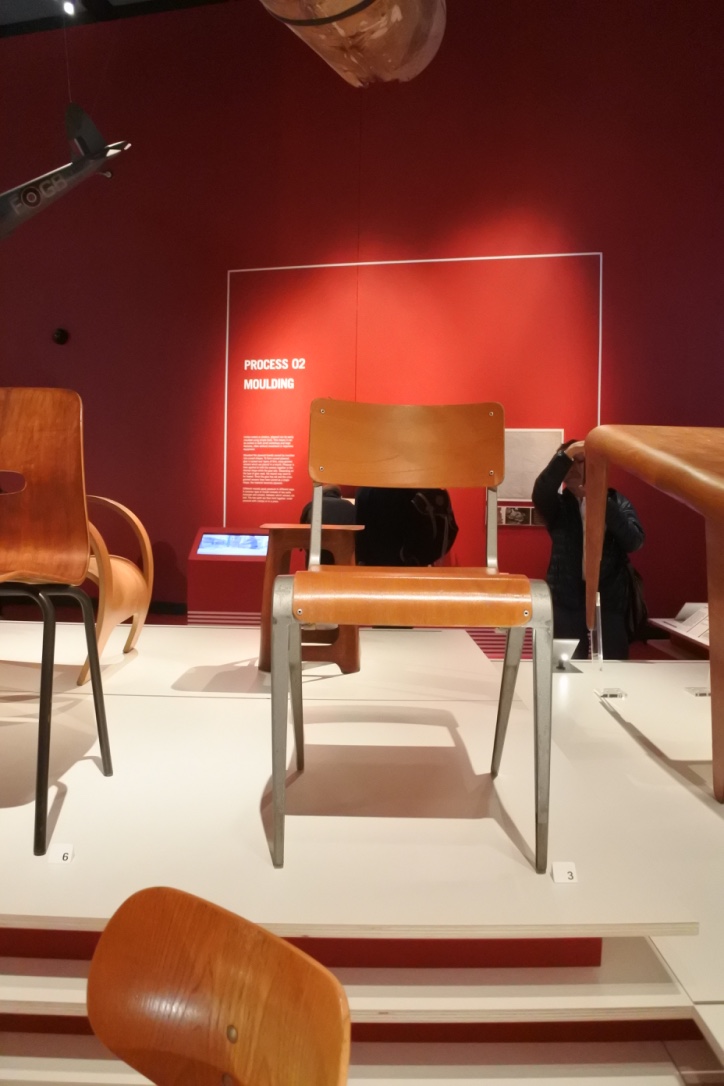
Before visiting this show I hadn’t really thought much about plywood but now I’m seeing it everywhere.  Remember those school chairs – you, sit up straight at the back! Yes, thanks to plywood, designer James Leonard came up with a durable, stackable solid chair which was piled up in the classrooms of thousands of schools between the 1940s and 60s and are still going strong.

thumb_DSC_1775_1024

It’s amazing to think that plywood is made from slicing thin layers of wood directly from a revolving log in long sheets and then glued together. Unlike solid wood, this flexible material can be bent, cut, sliced and generally employed in a multitude of ways.

Think of all those tea chests we used to move house – light, durable, strong.  And I’ve had a closer look at my grandmother’s old Singer sewing machine and, yes, of course that lovely bendy case was made of plywood.

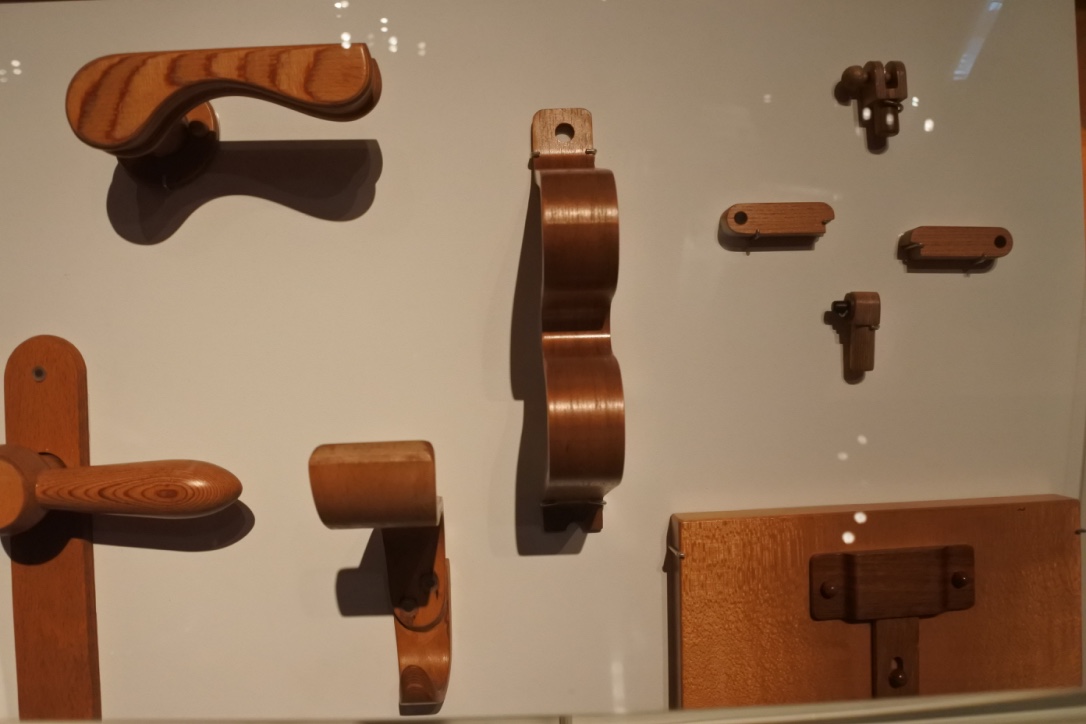
I loved seeing the uses on large objects such as boats, planes and even cars down to smaller items such as handles, hooks and doorknobs.

thumb_DSC_1762_1024

The latest use of plywood is to employ computer generated cuts to make mass produced objects such as this neat little stool made from a single chunk of wood. The show is on at the V&A in the Porter Gallery (on the left of the main entrance) until 12 November. #ISpyPly  vam.ac.uk/plywood

Shepherd’s Bookbinders – a glorious treasure trove of creativity for anyone who loves paper!

“I’ve got to go all the way to Pimlico,” I might be heard saying, as I leave the house. I’m pretending that I’m on a serious mission right across London and it’s going to take me ages.  Secretly, I’m whooping with delight at the knowledge that I’m going to visit Shepherd’s Bookbinders  and I’m going to buy paper.

DSC_1638

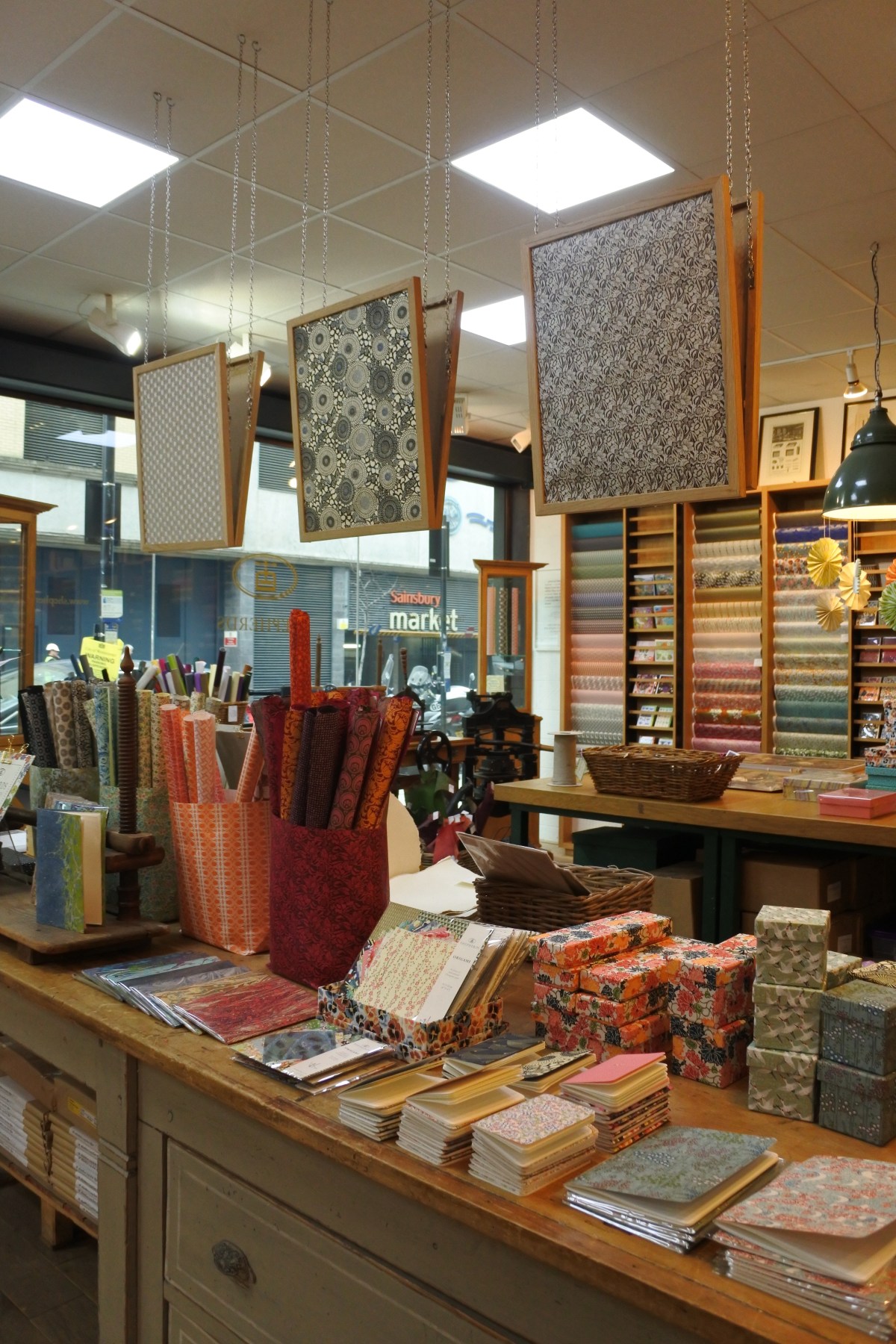
Shepherd’s is the Mecca for anyone who loves paper and is involved in creating handmade books.  I don’t make books – though I do love all the leather, the tools, the end-papers and the accessories – but I do love paper.  This shop has shelves, cupboards and drawers filled with the stuff.  But the process of choosing begins as if you’re in a library crossed with Argos or Ikea.  There’s a counter above a row of large boxes filled with sample papers and you flip through all the pages making a note on a little slip of paper the sheets you want to buy.  The sifting and handling of samples is an experience of utter pleasure to a paper junkie like me.  “Oooh,” I hear myself saying out loud, as my fingers and thumb test the texture, weight and substance of a sheet of paper. “I could do so much with this …. maybe I’ll order just one sheet, for research purposes.”


The next stage is equally delicious.  The little list of choices is then taken to the keeper of the serried files of paper and the selected sheets are drawn down, placed one on top of each other and then gently rolled up into a perfect cylinder, wrapped and handed over. At that moment I know it’s time to leave but my eyes will still gaze around the shop, drinking in the potential of all the products.  I know I must go but, deep in my heart, I know that I will have seen something I simply MUST have !  And that will provide an excuse to sigh deeply and head back to Pimlico!

IMG_7214

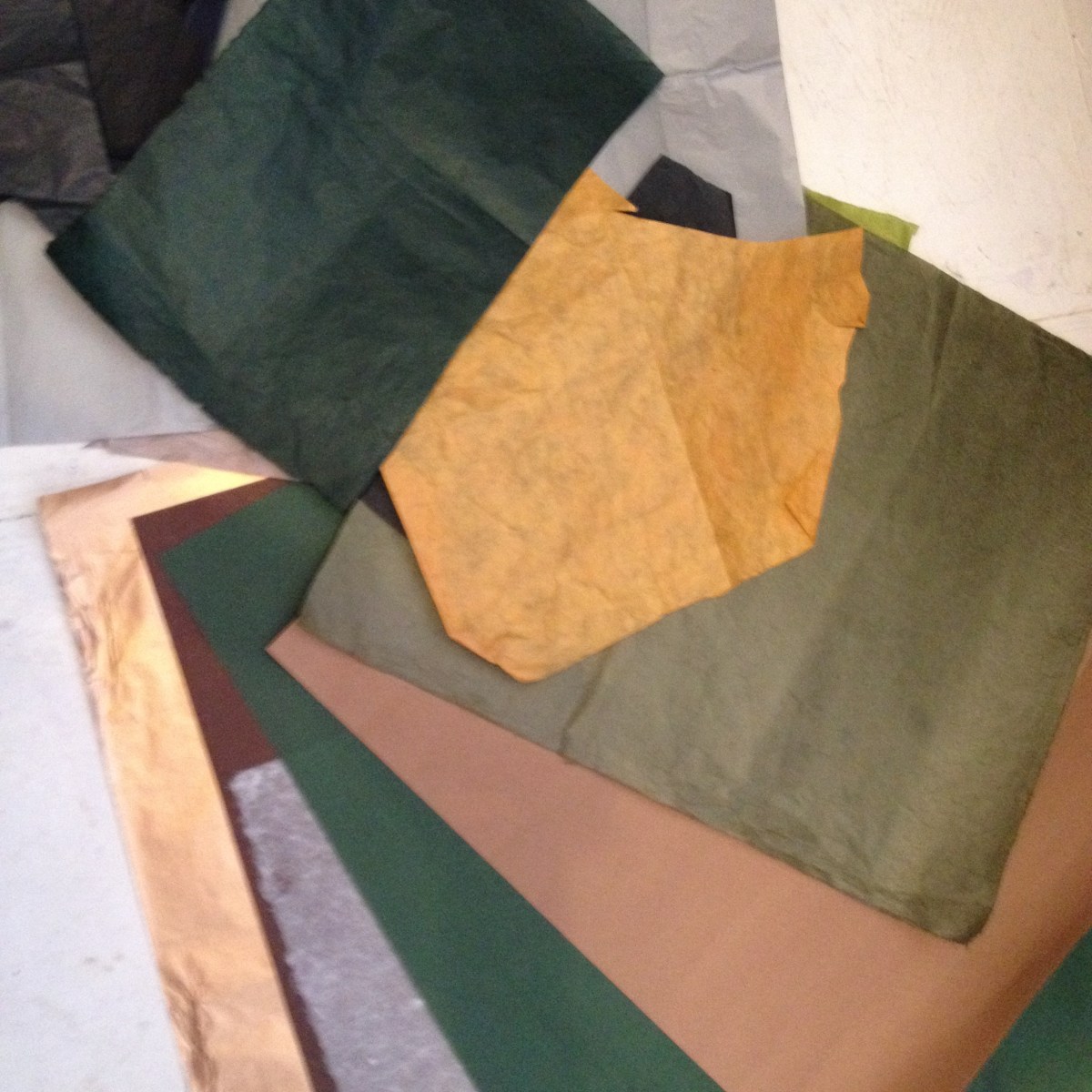
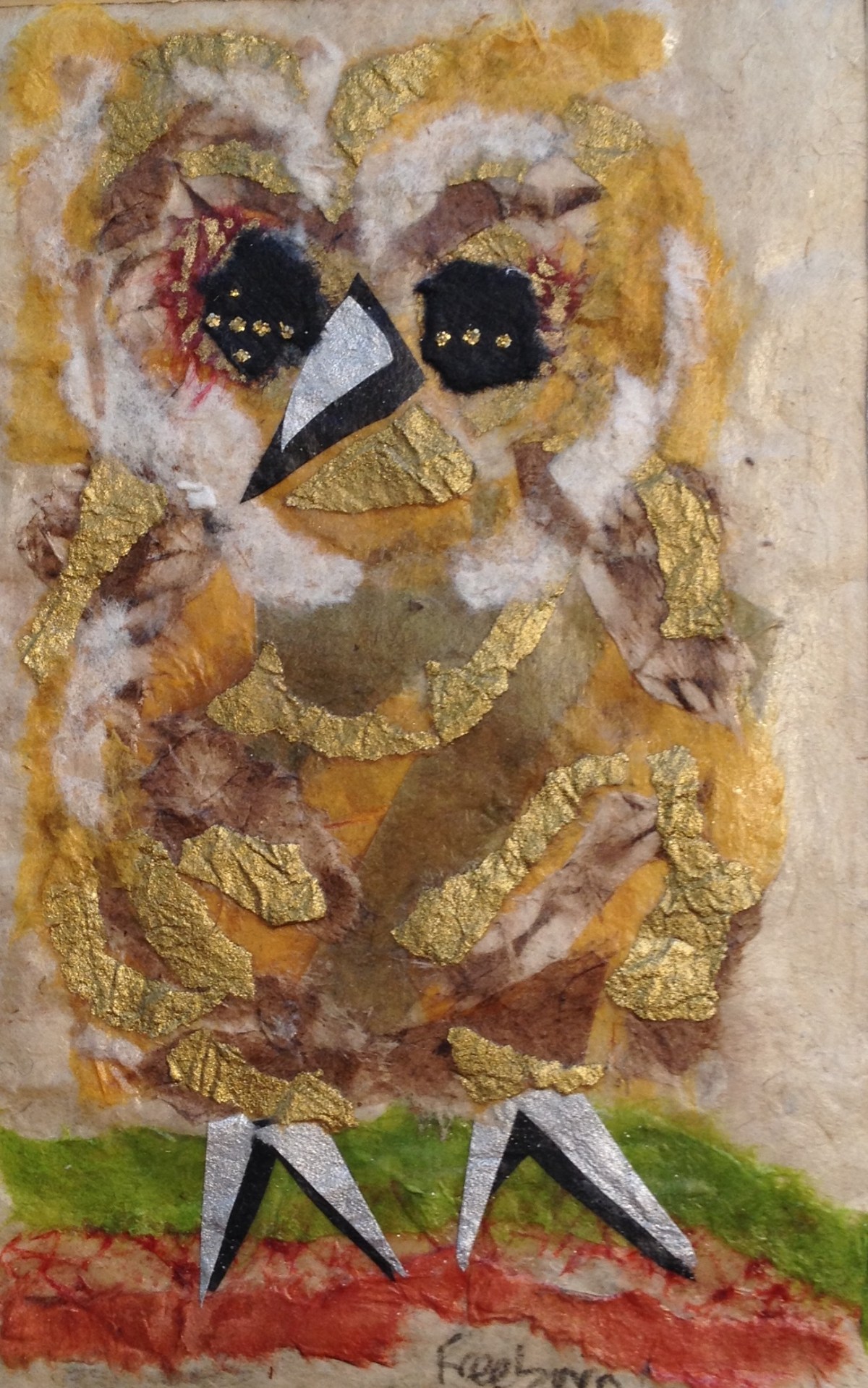
PS If you’re wondering why the colours I’ve chosen are a bit ‘earthy’, they are for an art workshop where I’m going to teach everyone how to make a collage owl like this one.

FullSizeRender

The V&A opens doors to a new glorious courtyard leading the way to vast new exhibition spaces and dynamic architecture.

It’s amazing to think that the newly revealed courtyard at the VVictoria and Albert Museum was once the site of a boiler room and unprepossessing utilities squatting between two wings of the magnificent museum.  A brand new V&A Exhibition Road Quarter opens to the public this week (with a programme of celebratory events) #RevealVAM #ExhibitionRoad and it is breathtaking to behold.

Architect Amanda Levete of AL_A has spent the last six years on this project and has transformed the wasted space into a cool piazza (The Sackler Courtyard) which leads temptingly through to the John Madejsky Garden and will draw visitors straight into the heart of the museum.

Below, through vast doors is an exhibition space which leads down, via fabulous shiny staircases in striking red and black, to a massive exhibition space. This is where the V&A’s temporary (blockbuster) exhibitions will now be on show.  The glory of the design is that, unseen to the public, is a further, subterranean space below, where all the objects and design ideas can be stored in a kind of rehearsal space, before being set in place above.

This project is the largest construction project since the Museum was built in 1909. It feels very contemporary, with smooth curves and sharp edges and clean lines.  I hope that everyone who comes will note the details too – the smart, grooved ceramic tiles which create the courtyard paving, the details in wood to direct you, the clever geometric mosaics in the floor and the way the lines unite to create pleasing abstract shapes.

I look forward to returning when the space is filled with visitors and watching how people interact with the architecture.  This is very much a space to represent the way we live now – complementing the Museum’s commitment to contemporary design and innovation, but offers us a portal into the brilliance and invention of the way people used to live and the astonishing collection of human achievement which the building contains.

The Royal Academy’s Summer Exhibition offers a lively and well curated selection of contemporary art by a wide range of artists in a huge variety of styles.

It’s always a joy to go to the annual Summer Exhibition at the Royal Academy.  This event has been embedded in the country’s cultural calendar for nearly 250 years and is as English as Victoria sponge cake.

It’s the ultimate ‘pick and mix’ of art.  You can see work by many of the members of the Royal Academy – some of whom have curated this year’s show.  But this show is also the opportunity for ANYONE to submit work and keep fingers crossed that it might be selected. Because of the open-hearted nature of this show the walls and plinths are covered with remarkable work and everything is for sale.

Other galleries put the focus on abstract work, prints, sculpture and figurative work. The glory of this show is that all the work is for sale. For those with deep pockets there’s a chance to shell out for names such as Fiona Rae (who made the gorgeous Red Sea, featured above – for £72,000) But at the other end of the scale there’s a chance to buy a picture made by a non-professional artist, or someone who has not yet gained a ‘name’ for themselves.

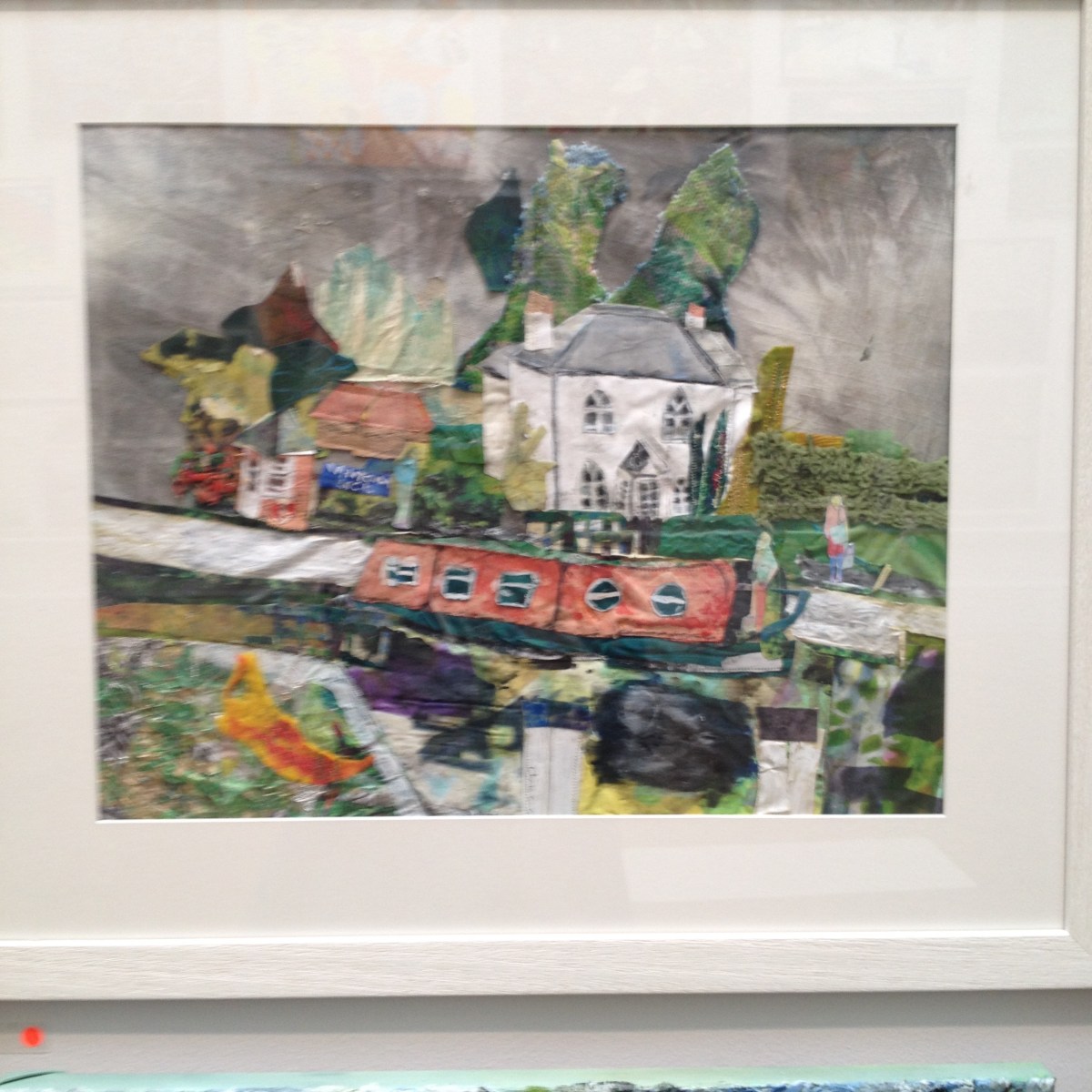
For a very modest £500 you could buy Whitchurch Lock by Christine Scoby-Smith, a really charming paper collage of a narrow boat tied up at a lock. (It’s actually been sold!)

IMG_6903The first gallery bursts into life with a selection of works chosen by Yinka Shonibare MBC who clearly loves colour, texture and narrative.
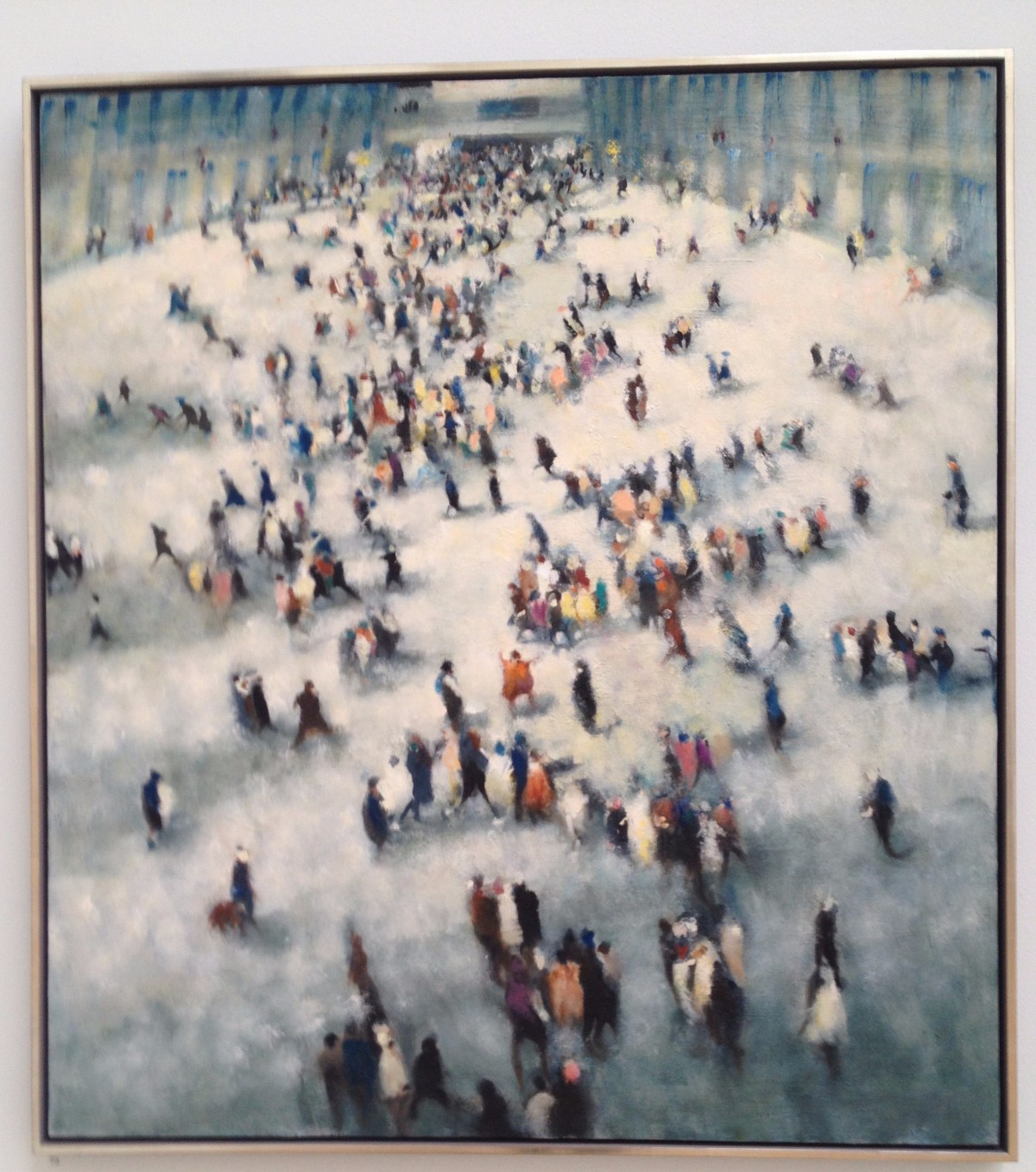
Of course I was drawn to the portraits on show and paintings which depict a multitude of people.  Bill Jacklin RA made this wonderfully busy painting called Hub 1. IMG_6908


I was also very impressed by the video installation by Isaac Julien entitled Western Union: Small boats.  It’s mesmerising and beautiful – a contemporary take on Visconti’s film, The Leopard, set in Sicily, juxtaposing the details of bobbing boats and clear sea with the impact of migrants who brave the sea and arrive upon the island.

The Summer Exhibition is the sort of show which is guaranteed to have something for everyone and reflects the hugely diverse range of art being made. Fascinating stuff.

The show runs from 13 June – 20 August 2017 at the Royal Academy, Piccadilly, London W1J 0BD

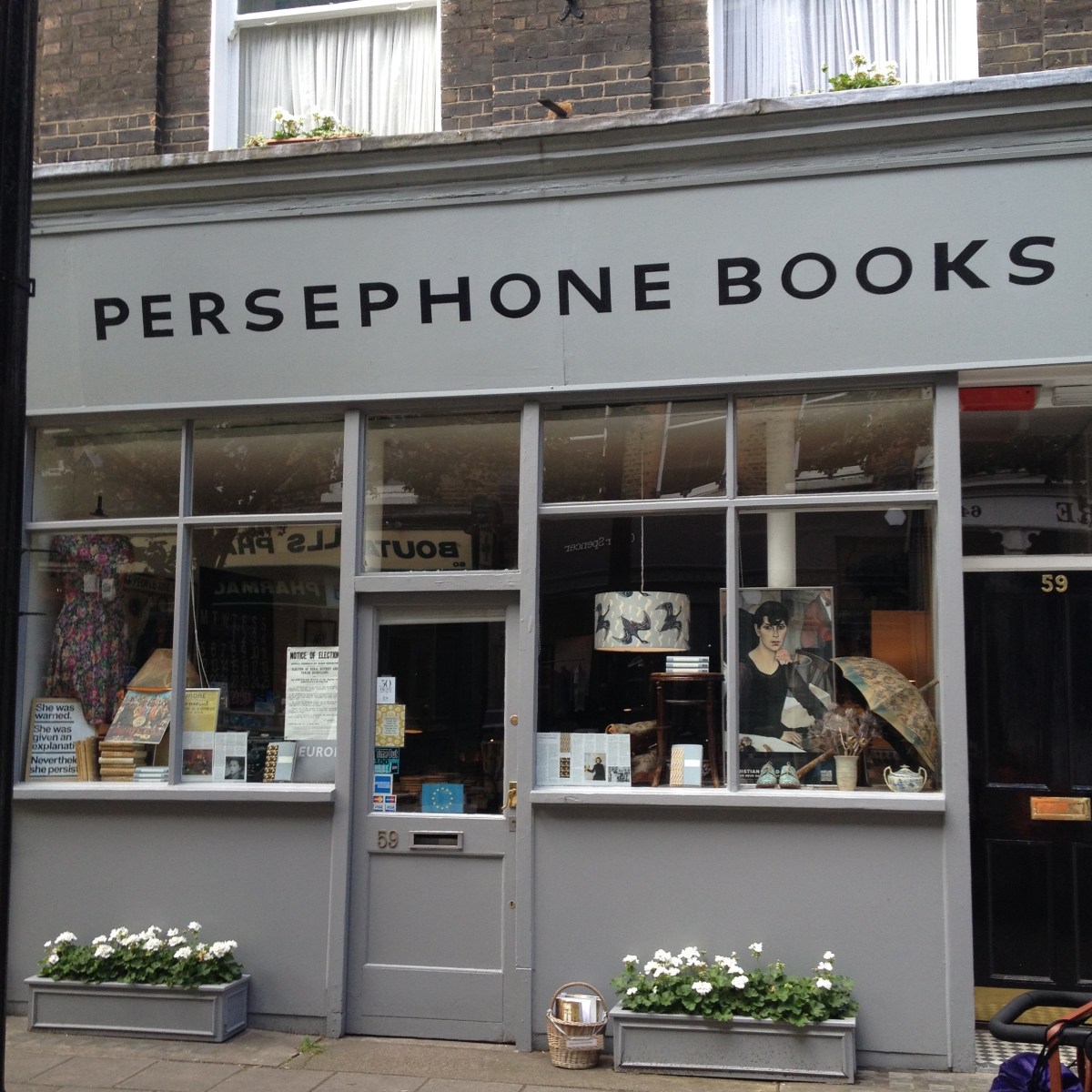
Papershades rubbing shoulders with literary gems in the wonderful Persephone Bookshop in Lamb’s Conduit Street, Bloomsbury.

IMG_6893It was thrilling to deliver a supply of Papershades lampshades to the magnificent Persephone books – my first ever retail outlet.  A supply of the duskily pink ‘Oxford’ Papershades will be on sale at this very special bookshop in Lamb’s Conduit Street, London WC1.

Oxford, pink

This little shop has been a jewel in Lamb’s Conduit Street for as long as I can remember. When I worked around the corner at Great Ormond Street Hospital charity it was a joy to nip out at lunchtime and browse the shelves of beautiful books.  All Persephone books are published in cool grey covers with the surprise of gorgeous designs on the inside cover pages – usually based on vintage fabric or wallpaper designs.  If anyone mentions Dorothy Whipple‘s titles or mutters, Miss Pettigrew Lives for a Day  to me I will go into raptures of delight. Those who share such feelings will understand what I’m talking about.

And, to further demonstrate this bookshop’s high level of English sophistication they stop at 4.00pm each day for tea and cake. So civilised!  And to think this place is now the home of Papershades… my teacup of happiness runneth over !

Papershades will be at the Country Homes & Interiors at the Business Design Centre in Islington from 1 – 3 June to demonstrate the joys of Papershades workshops – come along; I can offer you a discount on your ticket!

Magazine shows are always fun to go to – full of lovely things to buy, foodie joys, inspiration and entertaining talks and events.   Well, I’m thrilled to say that I’m going to be part of this summer’s Country Homes & Interiors Summer show which runs from 1 – 3 June. It’s at the Business Design Centre in Islington – close to Angel tube station. If you’re in London it’s easy to get to and if you don’t live in London, it’s well worth a visit.

I’ll be on the right hand side of the exhibition space, (stand D39) in amongst fellow makers and entrepreneurs.  I’ll being showing how you can create designs from paper and create your own Papershade – if you come to one of my Papershades workshops.  Here’s a short film which will give you an idea of how they work.  I hold them in my north London studio but I can bring everything to another venue and set up there.  The good thing about coming to my studio is that it’s cosy, fun and super chatty. I have ALL the paper you can think and…. there will be cake!

Error
This video doesn’t exist

But please think about coming to the Country Homes & Interiors show.   Here’s what the magazine and show organisers say:

We are offering 50% off Early Bird tickets to Country Homes & Interiors Summer –  a unique home show of modern country style in association with Country Homes & Interiors magazine. The event takes place at the BDC from 1- 3 June 2017 and is an exciting three-day gathering of modern country life and style. Bringing together your favourite high-street and high-end brands with over 100 artisan makers, upcoming designers and small independent businesses. 

Simply visit  www.ichfevents.co.uk/countryhomes/ by 5pm Monday 29th May to order tickets at 50% off using code CHI17FIFTY

Do let me know if you’re coming. Would love to see you there.  


Beyond the Great Wave and into the hidden depths of the artist Hokusai at the British Museum with a new show of rarely seen woodblock prints and drawings.

What a treat it is to go for total immersion into the deep, meaningful and often witty world of Katsushika Hokusai.  He’s Japan‘s most famous artist and the work he produced, a mere 250 years ago is as visually thrilling today it must have appeared when freshly printed.

The colours in the prints on show at the British Museum are rich and vibrant. Apparently the display will be rotated midway – it runs from 25 May to 13 August – so that none of the rare and fragile works are over exposed to light and none of them suffer from fading.

dsc_1561.jpg

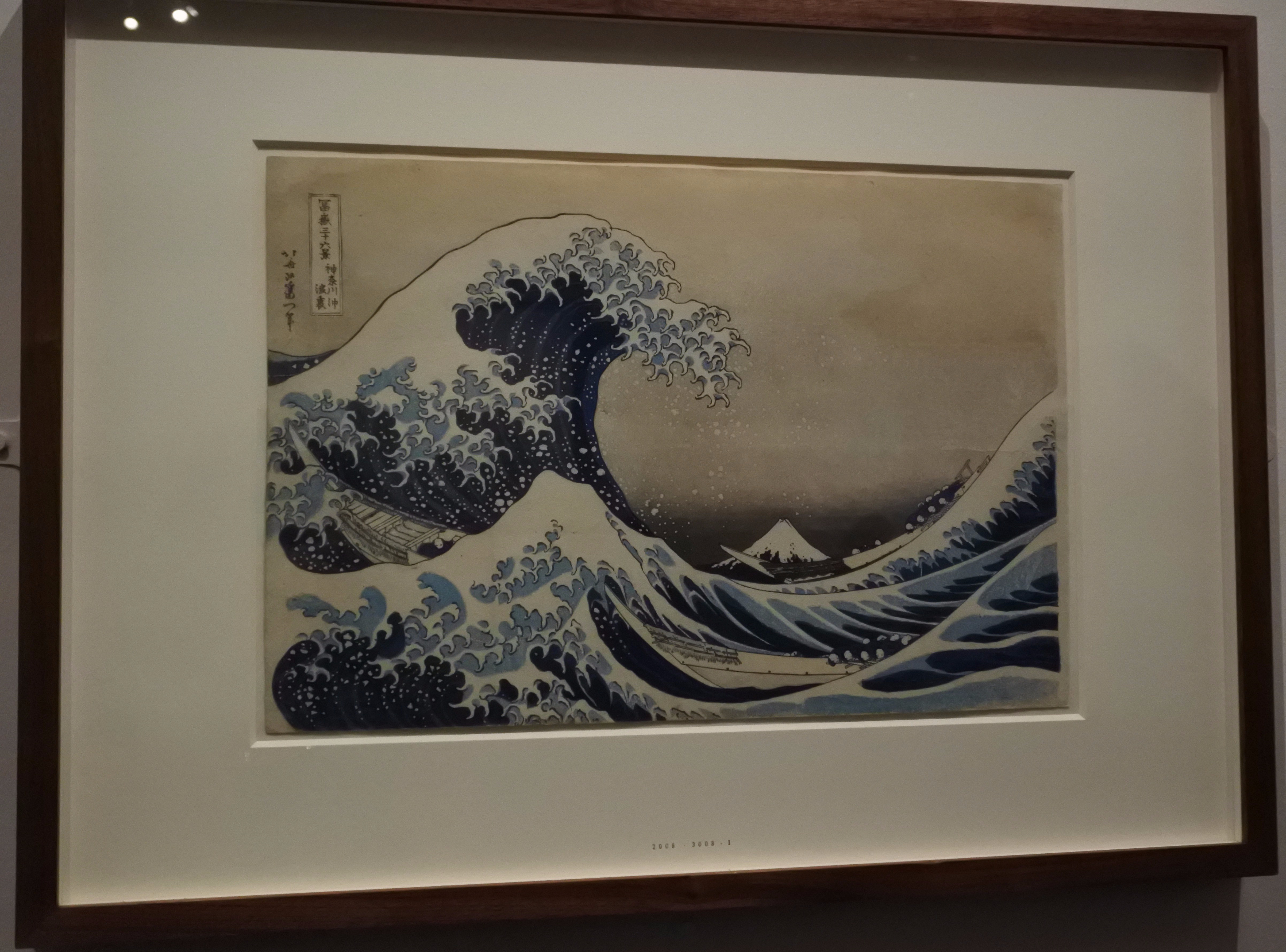
Of course the most iconic of the images on show is the Great Wave, that spectacular image of a mighty wave rising threateningly above three vulnerable open boats, bearing down on the hapless crew with talon-like terror.  It’s not just a brilliant piece of art, expertly created by an artist who understood the complex processes involved in wood block printing, but it’s a picture with a narrative and drama and great swell of movement.


What this magnificent show also reveals is the way Hokusai spent years attempting to capture the movement of the sea.  There are many early versions which contain the key to the masterpiece and also the artist’s fascination with the pure cone of Mount Fuji in the background. His extraordinary composition – use of perspective combined with flat planes and strong foreground images – influenced later painters, especially the Impressionists.

But Hokusai was an artist who clearly loved people.  I would liken him to Hogarth or Rembrandt, both artists who were fascinated by faces and the way emotion can be captured through expression and gesture.  Hokusai draws men, women and children, rich and poor, military and civilian with the same detail, fascination and good humour. His drawings are a joy to stare at, each delicate line revealing some new detail or surprise.  The picture below is of a particularly gruesome operation. I love the concentration on the face of the bespectacled surgeon who presses on with his treatment unbothered by the commotion of people around him, not least, the patient.

DSC_1543

I recommend this show for the pure pleasure, good humour, spiritual richness and artistic excellence it offers.  A real treat indeed.


Clerkenwell Design Week kicks off with panache and some wonderfully creative installations

If you venture down to Clerkenwell today – 23rd May until 25th May – there will be plenty to see, do and marvel at.  This is the eighth year that Clerkenwell Design Week celebrates this ancient part of London (complete with Medieval street layout, burial ground, prisons, Session House,  churches and crypts) has come to life with a festival of design and invention.

Pink flags flutter on every street and doors of fascinating tucked away, and hidden buildings, as well as showrooms and architectural studios are flung open to welcome curious travellers into a world of design entrepreneurs and experiment. Even the nightclub, Fabric, is open by day and in full illumination, to show designers’ offerings.  The brave can venture into the House of Detention, a former underground prison, complete with small cells and metal doors (thankfully unlocked) where emerging designers show their wares.

At ground level there is much to see too with the Fair’s array of installations. Even the shortest wander around the winding streets – fabulously quiet and traffic free, despite being so close to the City – will ensure you come upon many of them.  I loved the Next Generation Design Pavilion, a glorious curvy wooden staircase/bridge which was designed by Scale Rule in collaboration with GCSE students from London schools.

 Order, by Aldworth James & Bond have found a new way of using Corian by slotting together panels which have the Order of St John motif digitally carved into it.

Double Vision celebrates pattern and form and is made from Hakwood flooring and wall tiles.


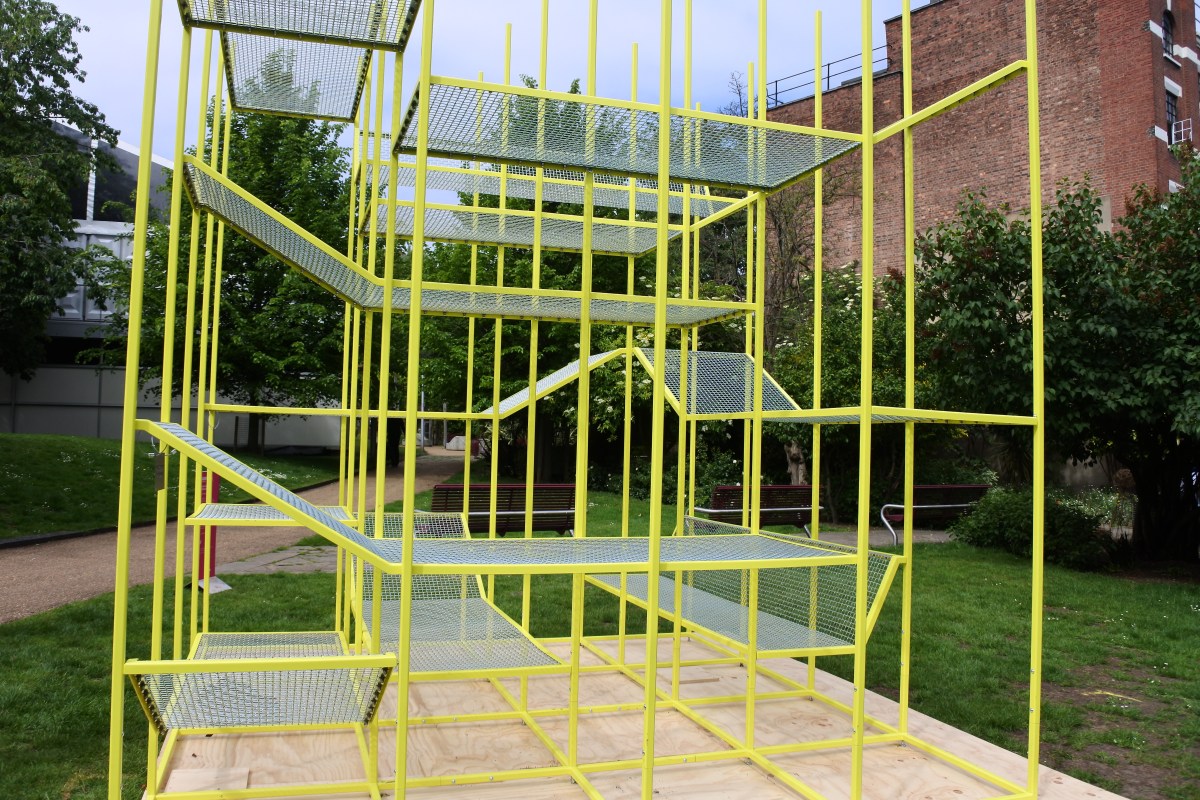
Up in Spa Fields is the entertaining  BuzziJungle which is pretty much a grown up climbing frame you can lounge in.

DSC_1541


The Bolt celebrates handcrafted products which are made by Detroit-based manufacturer Shinola.

DSC_1523


And if you start feeling a little foot sore you can hop into an electric Twizy which will whizz you to your next generation.

DSC_1536

Leading lights – so exciting to see the great Papershades photo in this weekend’s Observer Magazine on the We Love pages. My mission to stop lampshades from being boring has had a huge boost!

The build up is part of the fun. Knowing that something is going to appear in the papers is a huge thrill but it’s when you buy the Observer, open the magazine and actually SEE what has been done… that’s when you realise the enormous power of the media.

I was so lucky to have Papershades featured in the Observer Magazine‘s We Love pages on Sunday.  And the copy said all the right things too – the word is out there: lampshades don’t have to be boring, they can be art!  And there are Papershades workshops for anyone who wants to create an entirely unique paper lampshade.

This amazing publicity has resulted in a cascade of orders for my cheerful, floral Papershades.   Go forth, my paper creations and enjoy a new life in a new place.

IMG_6741

I’ll shut up now.