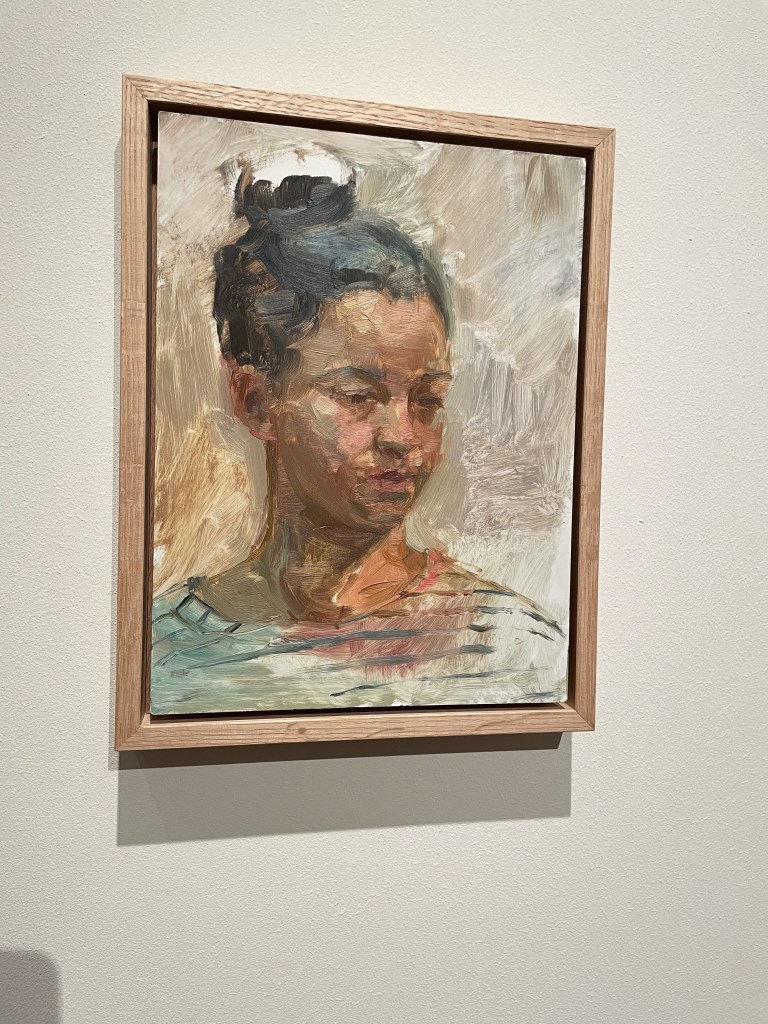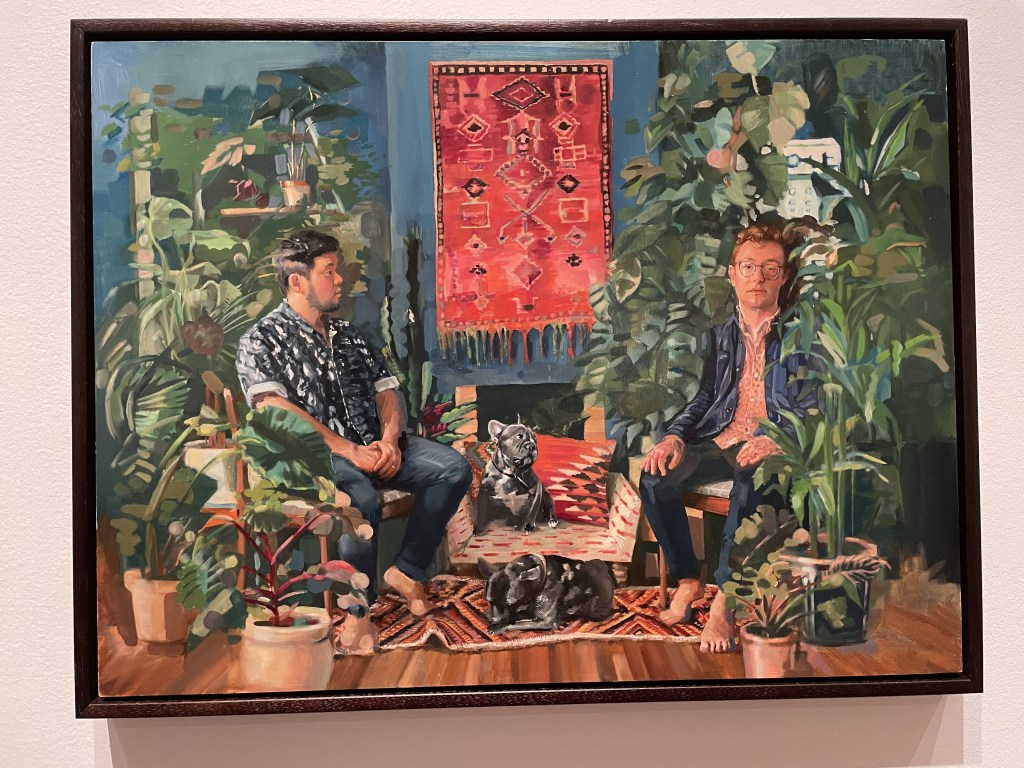
Brasil! Brasil! A glimpse of the artistic heritage of this lively country is on show at the Royal Academy and it’s fascinating to see how a mix of European and indigenous artists have combined to create a distinctive Brasilian aesthetic.

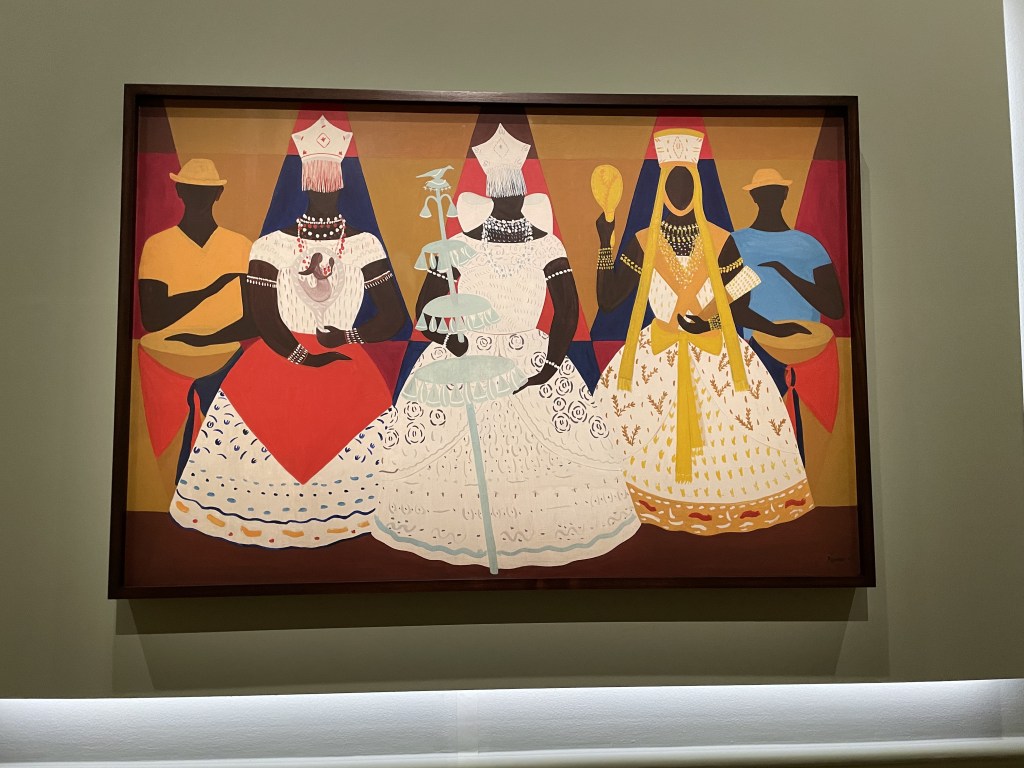
This image, entitled Three Orishas, was painted by Djanira da Motta e Silva in 1966. It’s an example of the ‘newer’ art in a show which exhibits the art of Brasil from the 1920-70s. The bright colours, stylised look and clear mingling of cultural languages captures, for me the true spirit of this young South American country.

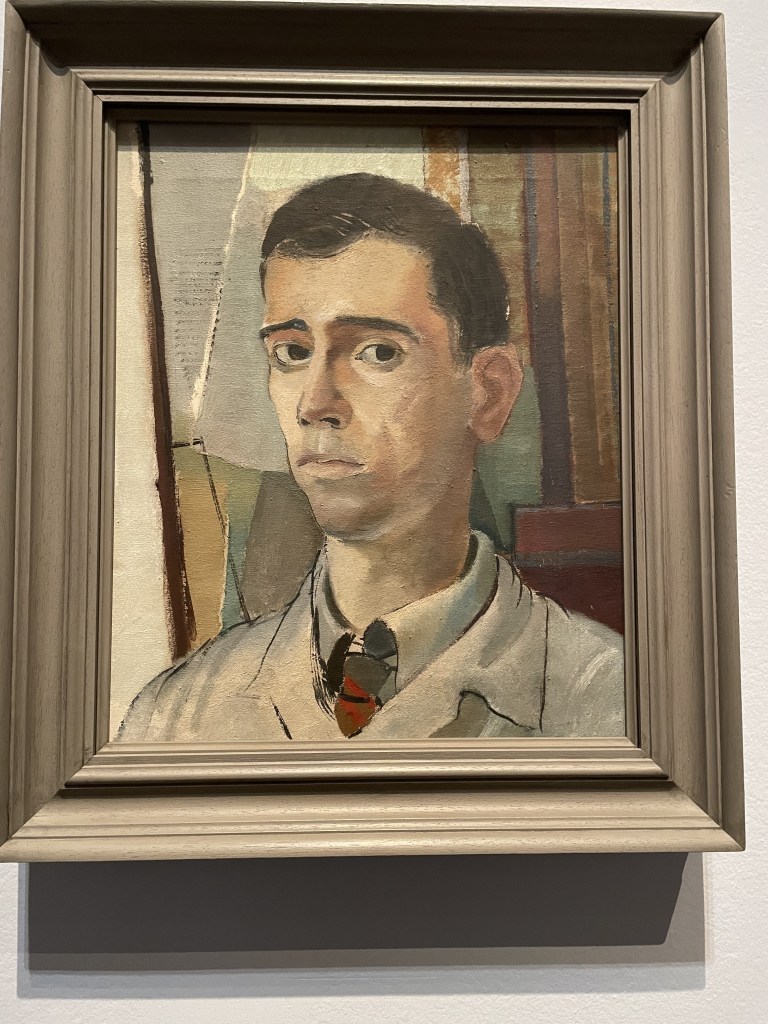
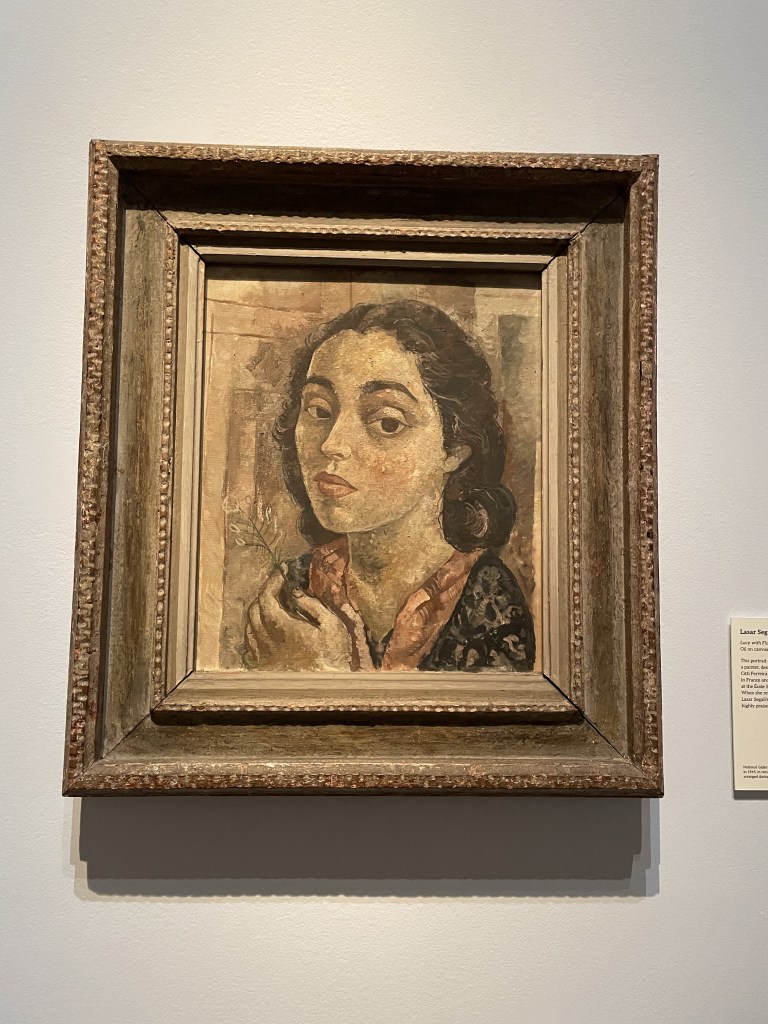
I’m always drawn to portraits and there are some very interesting examples. The muted colours betray the period of the painting and the inheritance of German expressionism. Left: Self-portrait with Orange Dress 1921 by Tarsila do Amaral, Portrait of a Young Man 1943 by Roberto Burle Marx and Lucy with Flower by Lasar Segall painted in 1939-42.
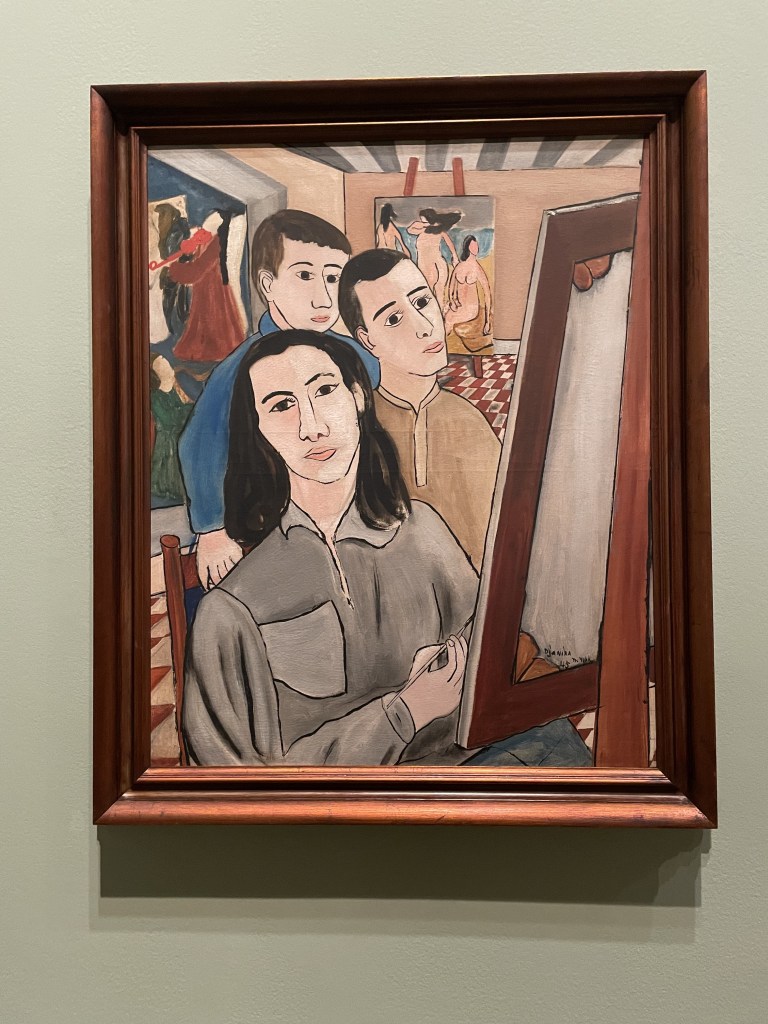
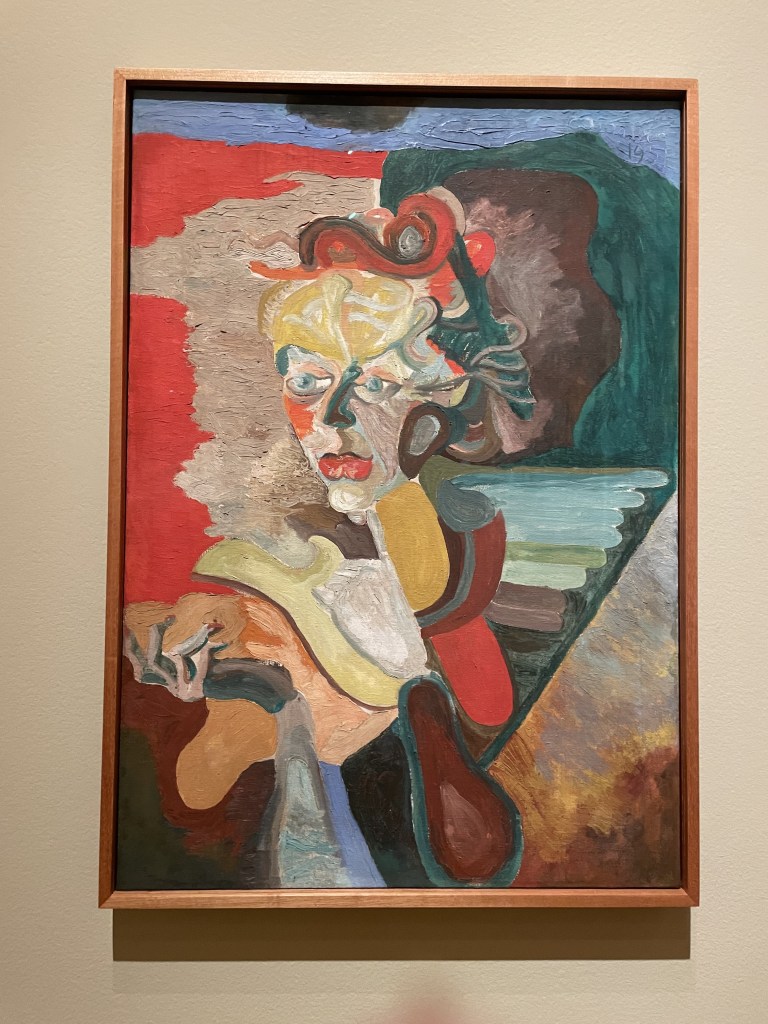
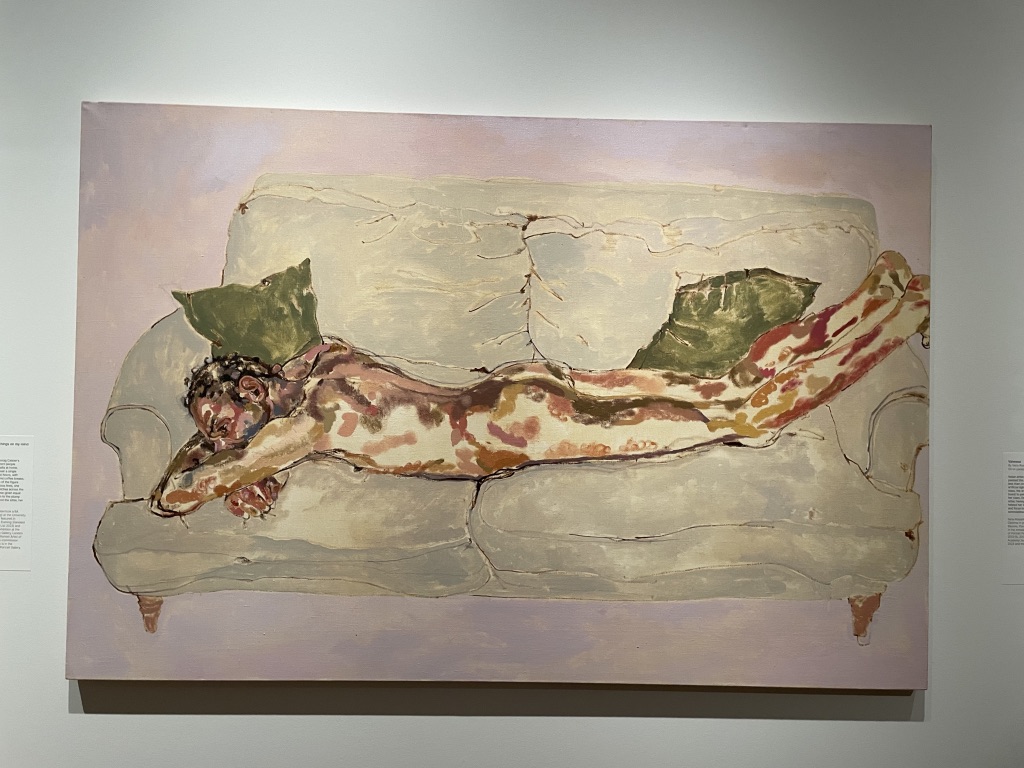
You can see the influence of expressionism and abstraction here with Djanira da Motta e Silva’s self-portrait from 1945, Flavio de Carvalho’s Portrait of Ivone Levi from 1951.
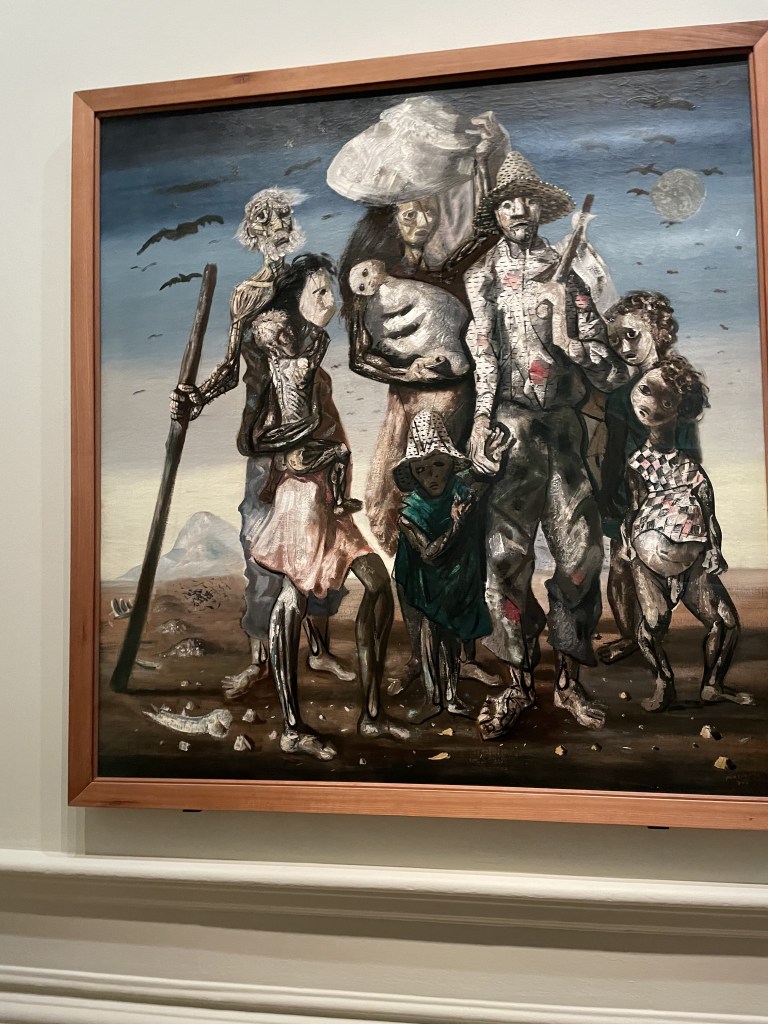
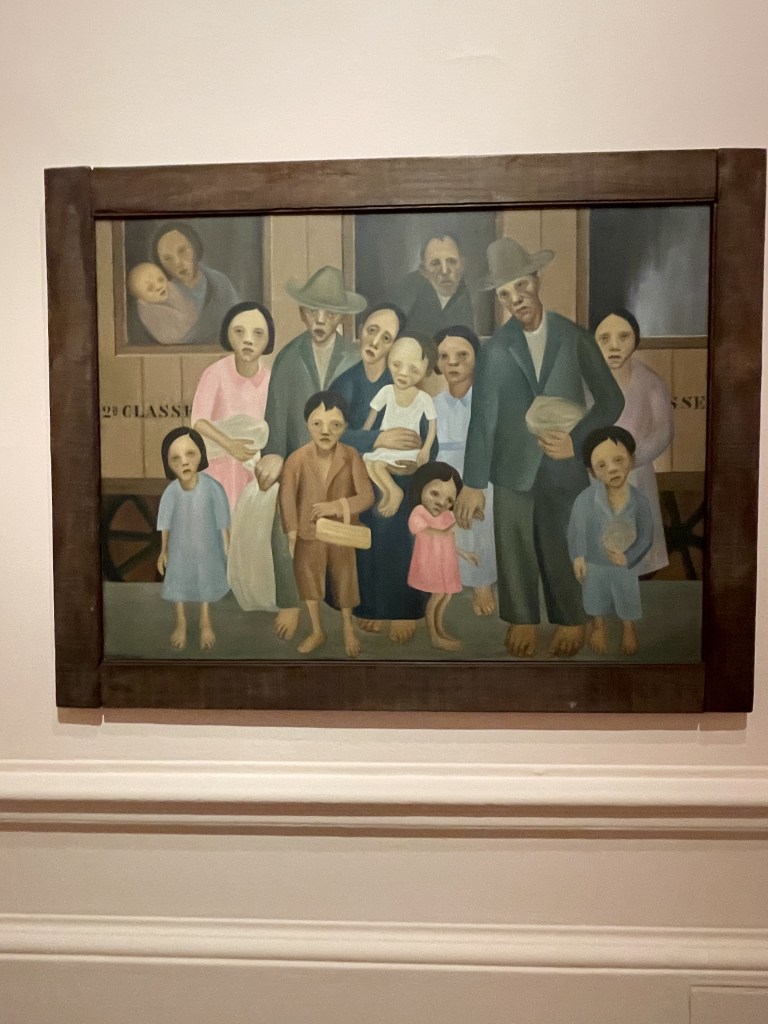
Interesting examples of social commentary with these two paintings. The rather sinister Migrants by Candido Portinari from 1944 represents the migration of northeastern rural communities who were forced to move to other part of the country in search of work. And Tarsila do Amaral’s ‘Second Class’ from 1933 illustrates the awful poverty resulting from the economic crash of 1929.
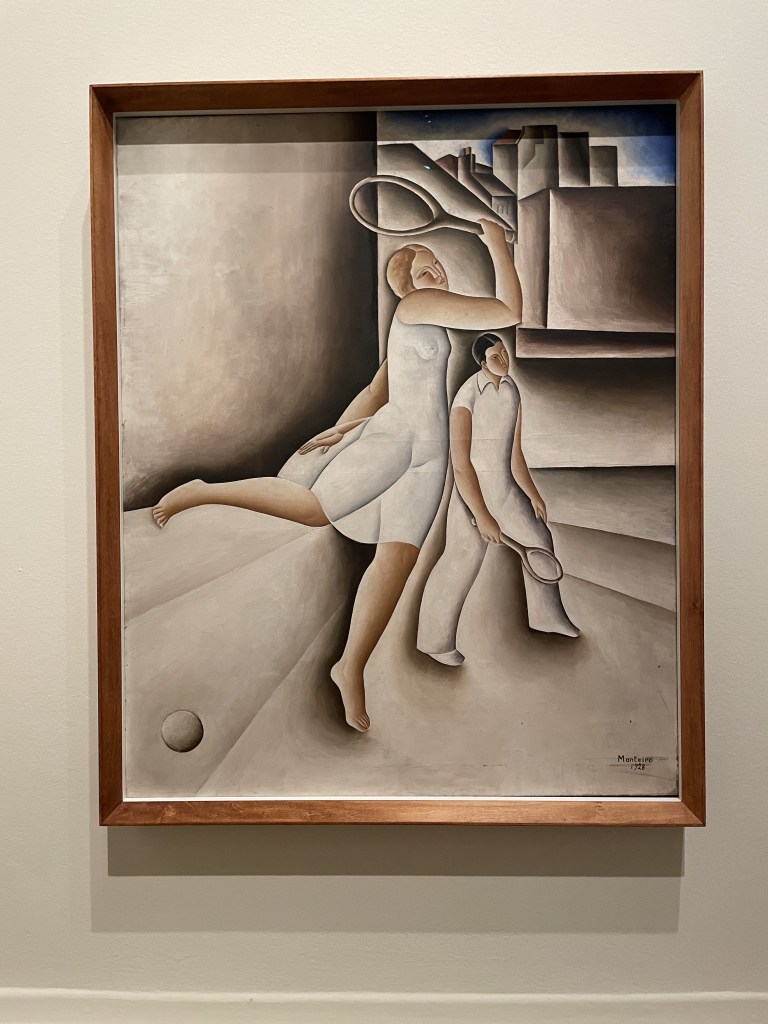
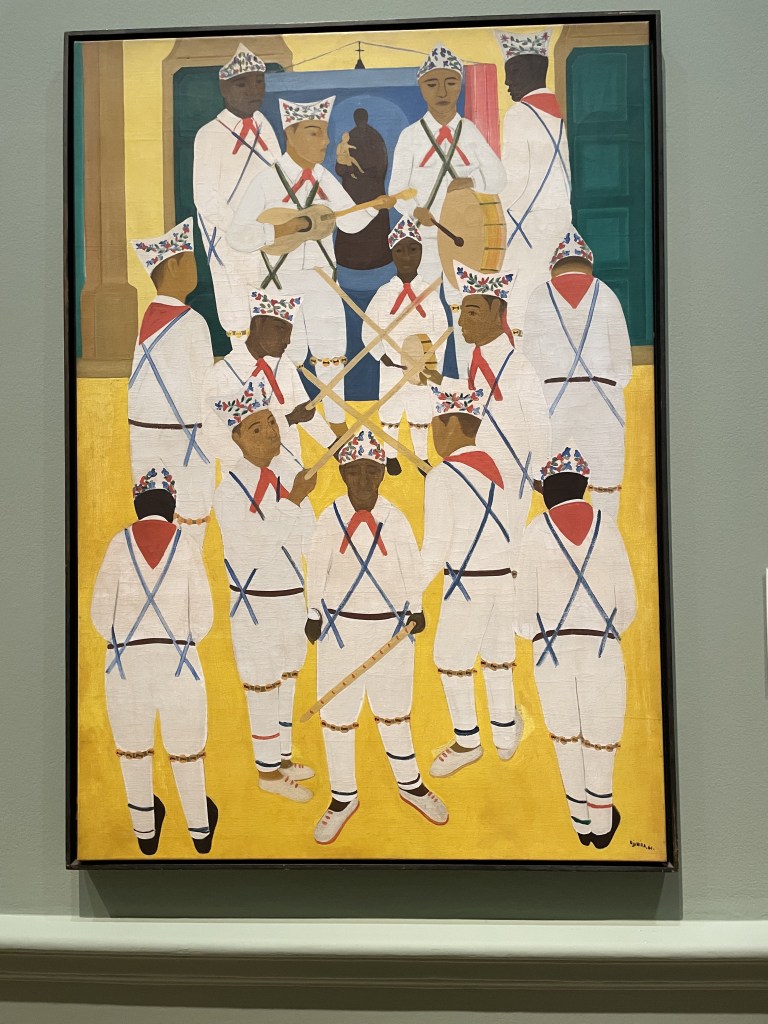
I liked the stylised tennis player in Vincente deo Rego Monteiro’s limited palette painting from 1928. And I really liked the Marrapaia Dance, Pariti painted by Djanira da Motta e Silva in 1961. Such a striking resemblance to the UK’s Morris dancers with strings of bells tied to the performers’ knees!
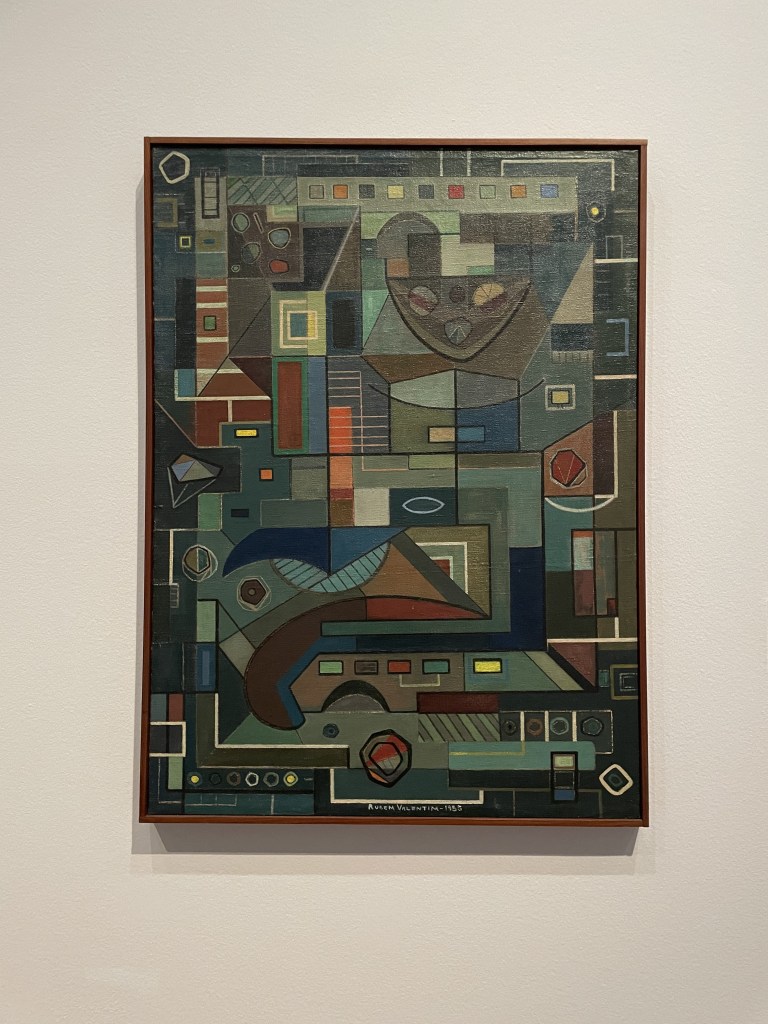
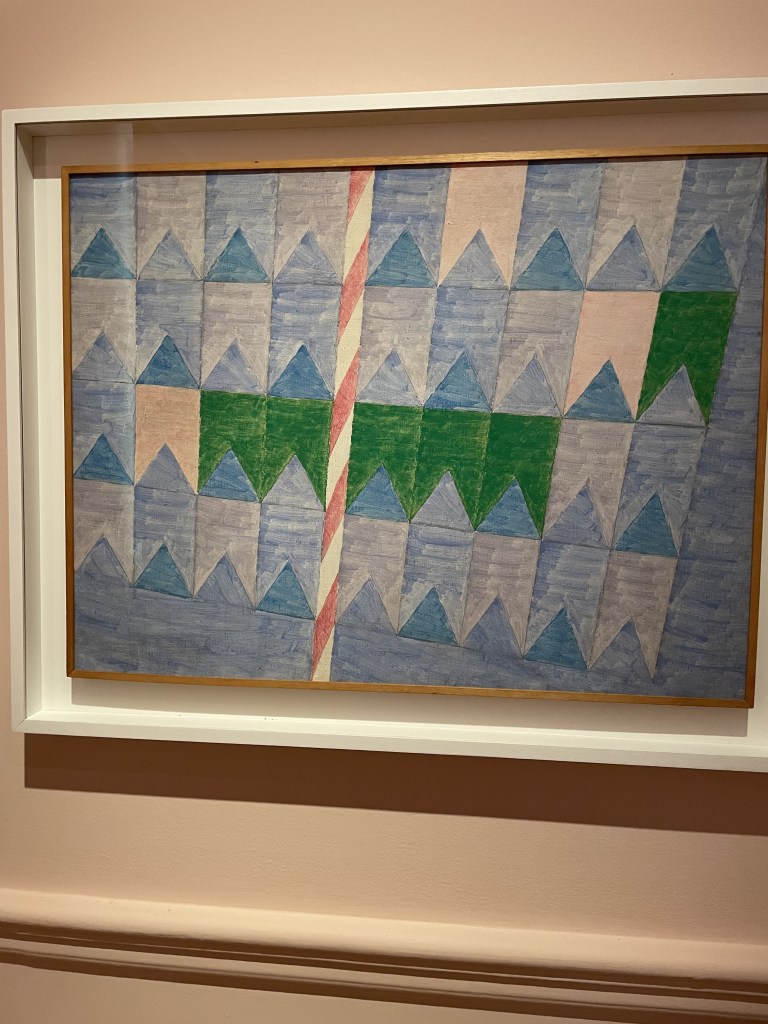
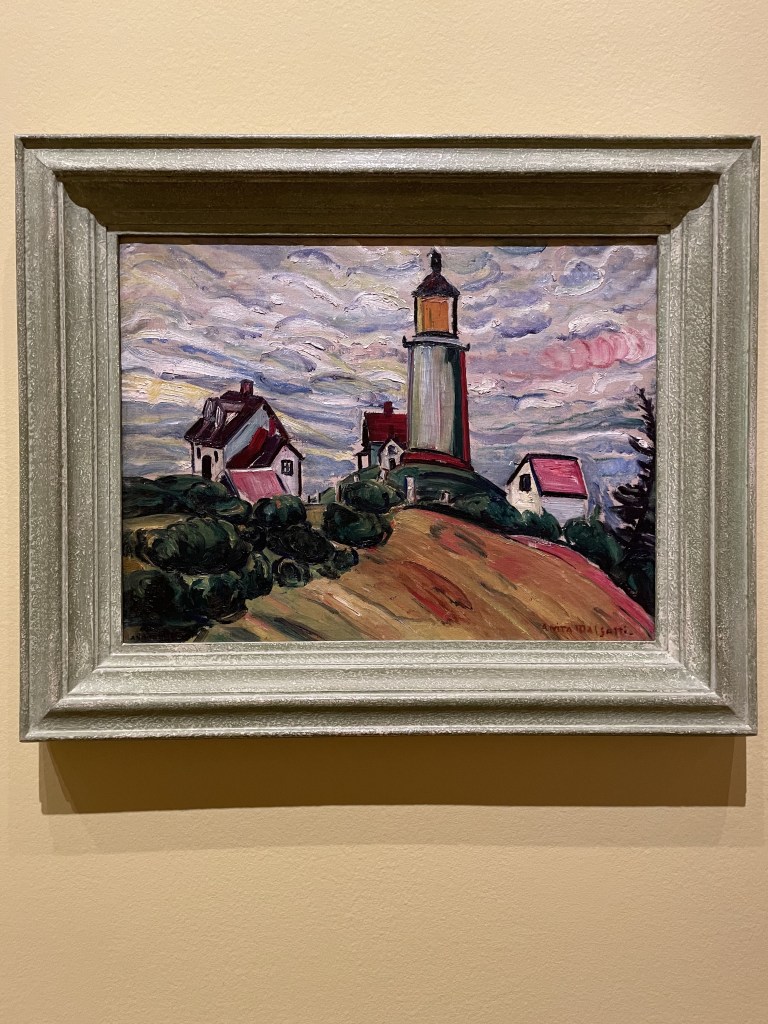
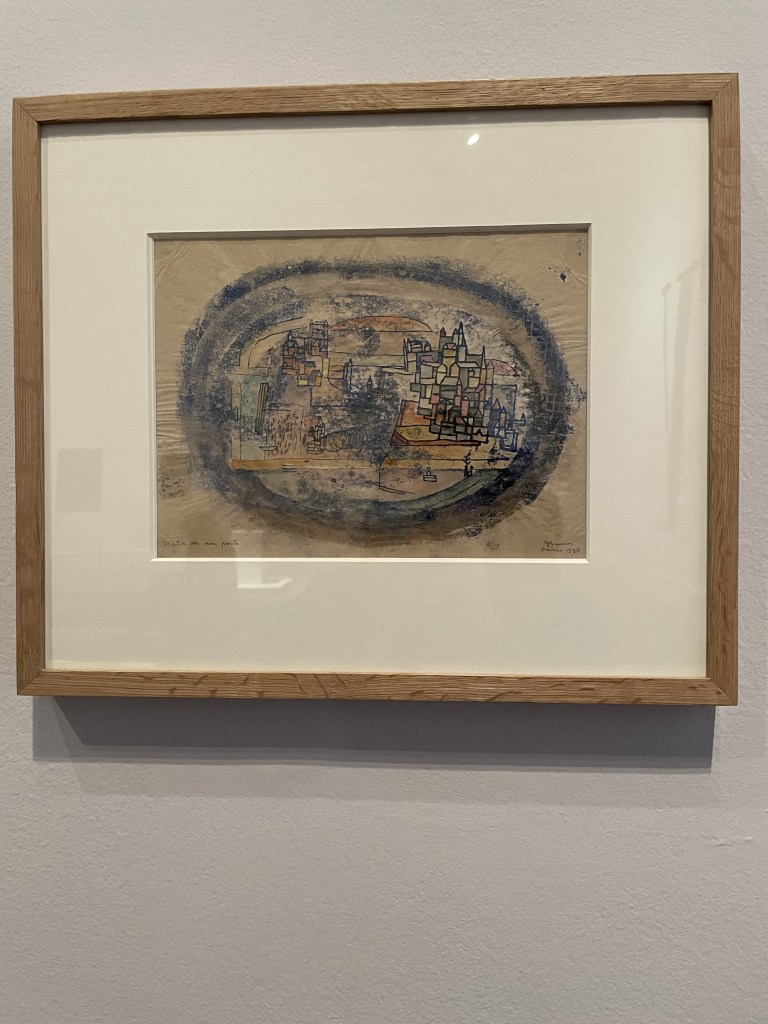
And here’s a pick and mix of abstracts and figurative work which show the evolution of Brasilian art.

The show is on at the Royal Academy until 21st April 2025

So good to be back at the National Portrait Gallery for the press launch of the Herbert Smith Freehills Portrait Award. Fifty portraits were selected from over 40,000 entries from all over the world. The results are fascinating, full of variety and made with many different media – but all involving traditional material such as oil, acrylic, tempera. And it’s always fun to meet the artists and some of the subjects too.

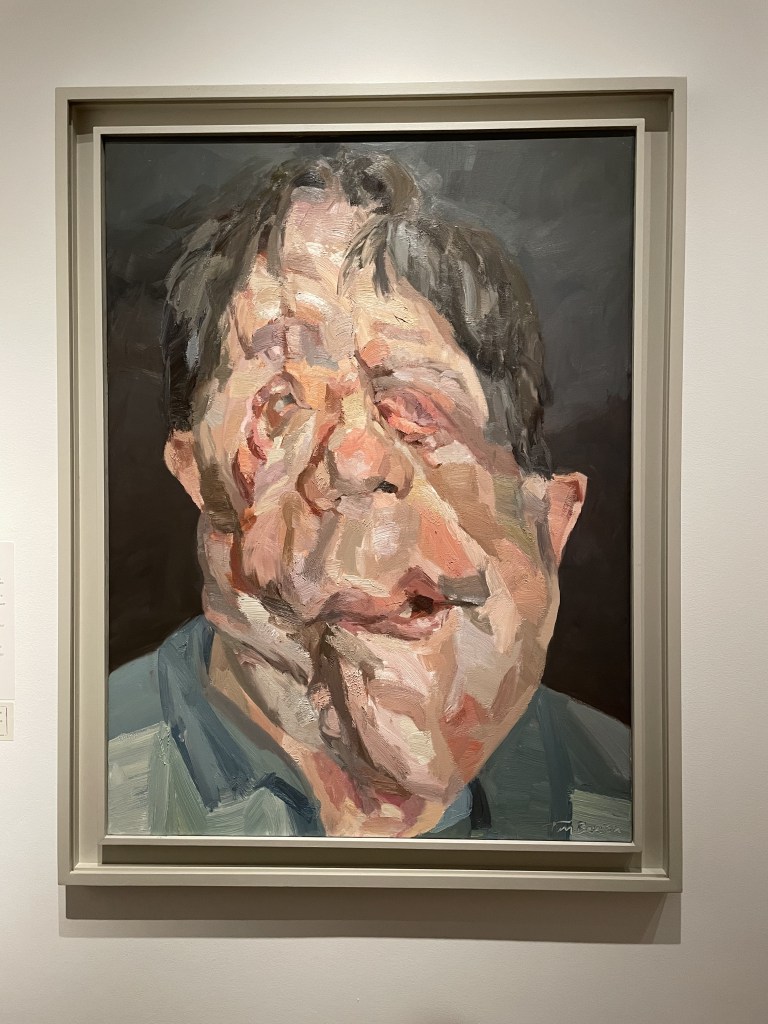
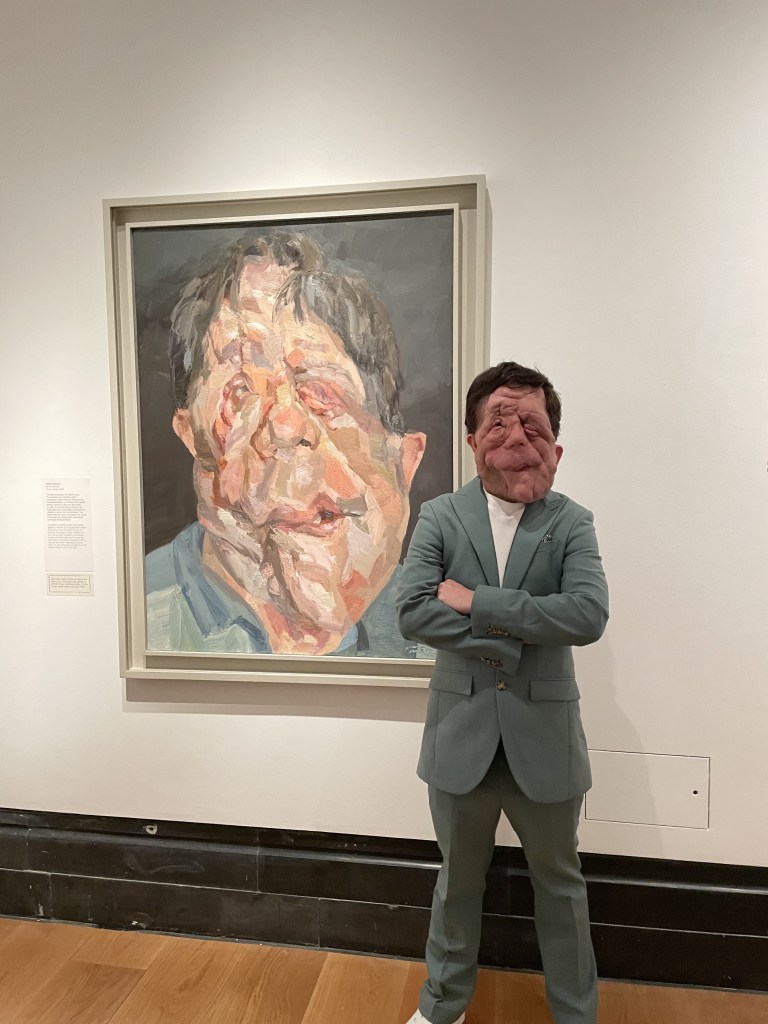
Above is a very compelling and painterly portrait of Adam Pearson, British TV presenter and disability rights campaigner, by Tim Benson. I chatted to Adam about the process and he told me that the portrait had been completed in under four hours in one sitting. It’s that immediacy of image and energy which really attracted me to it.

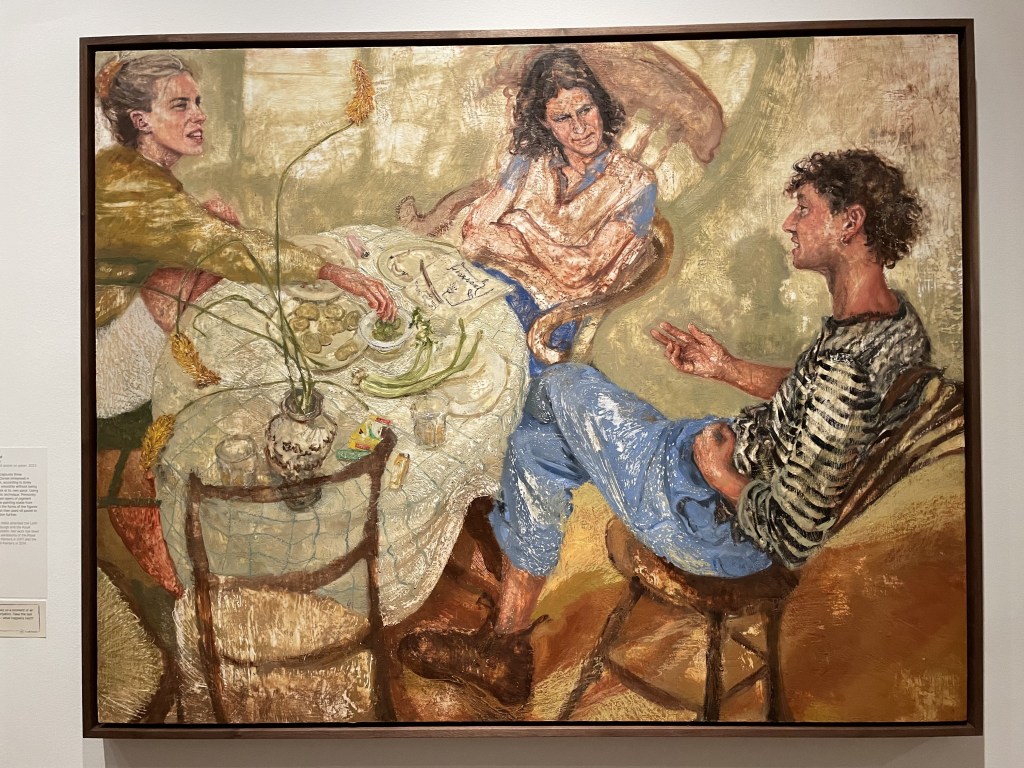
I was very taken by this portrait entitled Chewing the Cud by Emily Ponsonby. Using the ‘encaustic’ technique using honeyed wax, scraped and mixed with oil and oil pastel, I think it’s a very successful painting both technically and in terms of composition. The viewer is given a surprising ‘fly on the wall’ viewpoint and absolutely absorbed into the conversation in a Dorset kitchen.

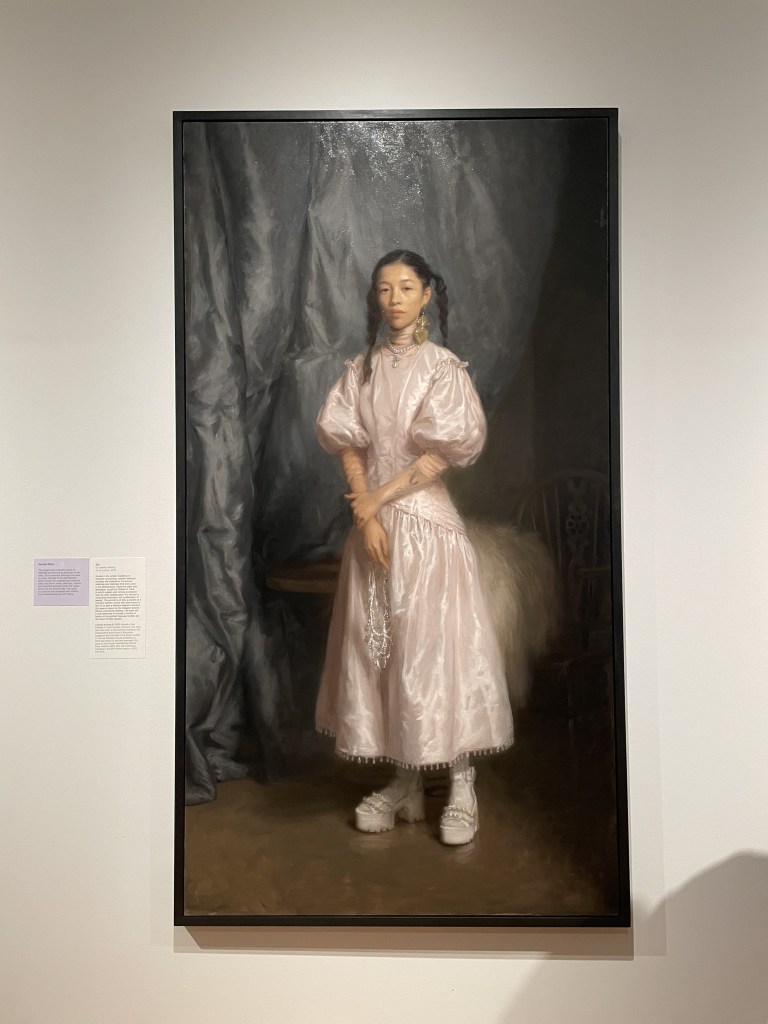
Above, a couple of winners. First prize went to Antony Williams‘ portrait: Jacqueline with Still Life. It’s been meticulously painted in tempera, which is a difficult medium (you mix egg yolk with pigment and it’s full of depth and interest. On the right is the Second Prize, Isabella Watling‘s portrait of Zizi which combines very traditional use of paint and pose but gives the subject and the whole atmosphere of the painting, a very contemporary feel.

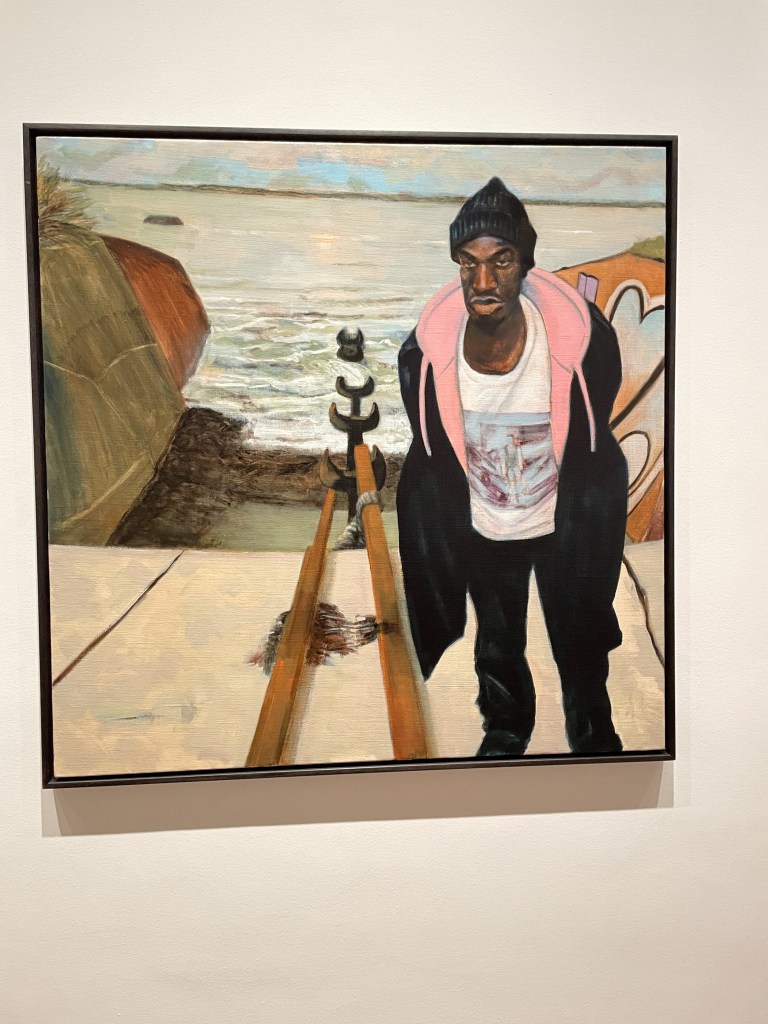
These two portraits, above, captivated me for their narrative quality. They are not just good paintings but they capture a moment and an emotion. On the left is Estuary English by Ray Richardson and the subject is Adé, a young actor. The two met by chance and became good friends. The title refers both to the body of water in the background of the painting and also the English accent associated with areas of London, along the River Thames, where both men live.

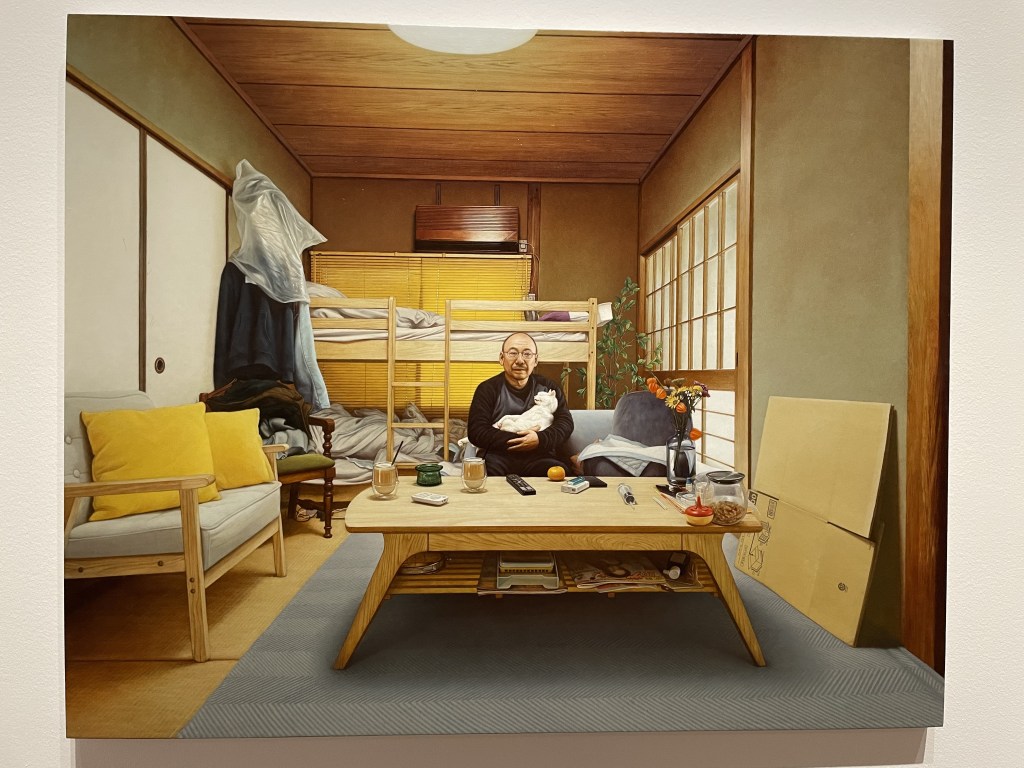
On the right is 1111, by Shinji Ihara. The artist records his partner on the day their beloved cat died. It took over a year and 90 sittings to complete.

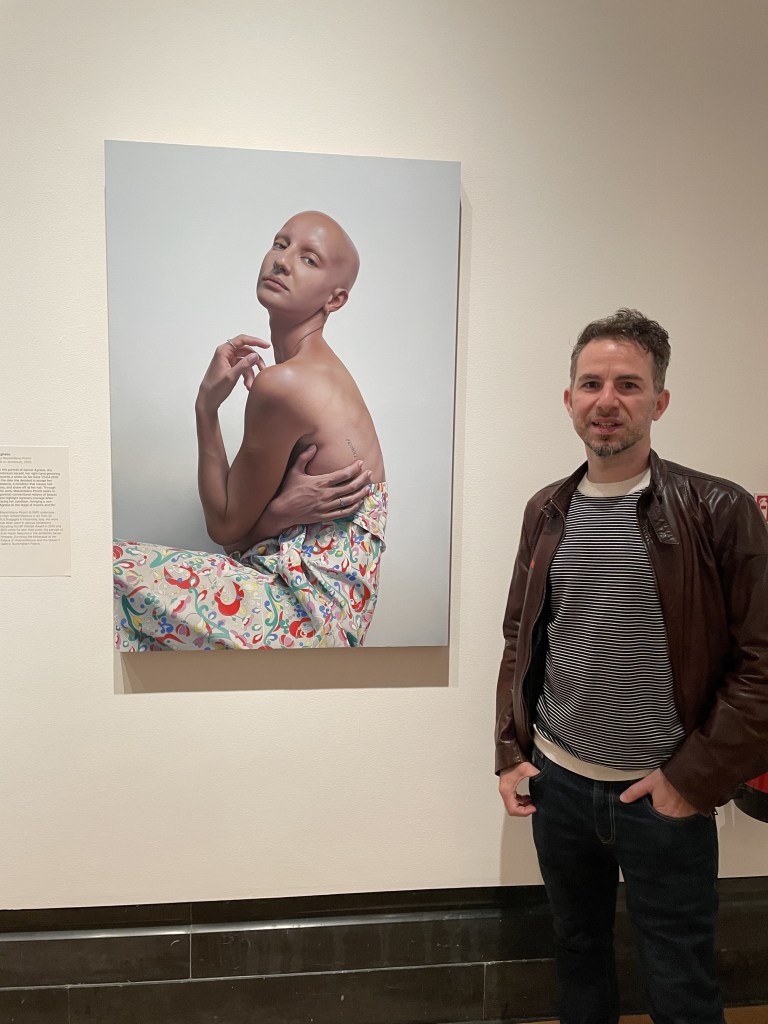
By contrast, I was very struck by the photo-realism of this painting on aluminium of Agnese by Massimiliano Poronti. I chatted to the artist who told me that it took a very long time to complete this one.

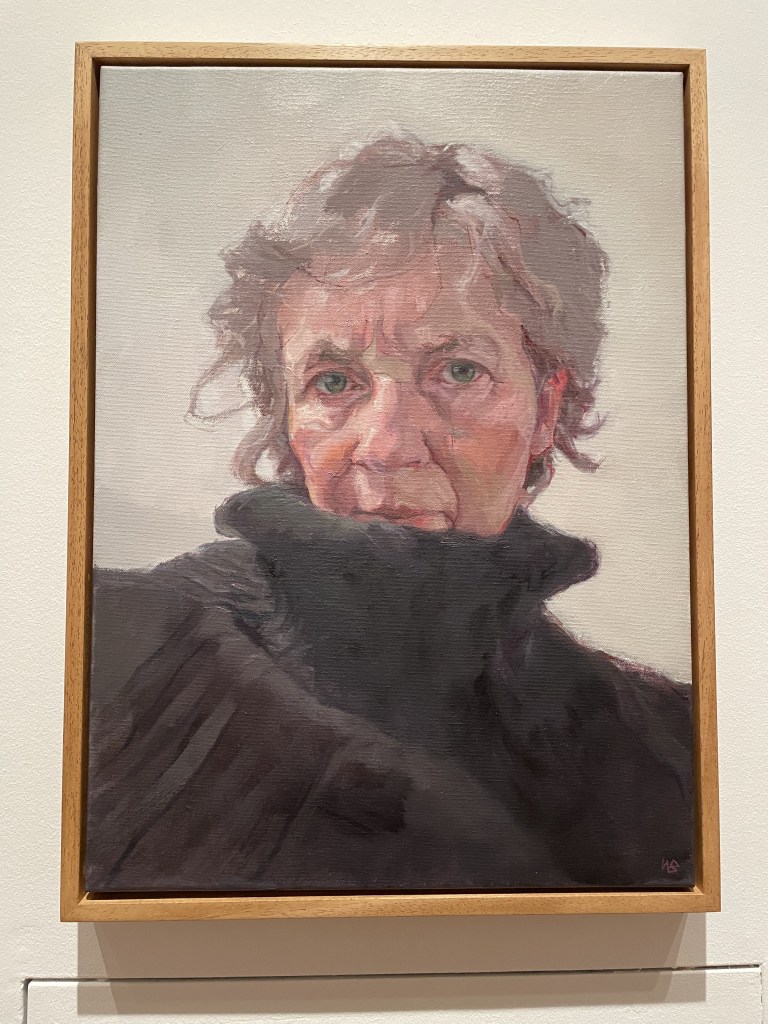
And above is just a selection of other portraits which caught my eye. I do like a brush stroke and these paintings delivered!

The Herbert Smith Freehills Portrait Award 2024 exhibition is free to visit at the National Portrait Gallery from 11th July until 27th October 2024. Good stuff.