Who knew that the artist best known for that agonising work, The Scream, started out as a painter of colourful portraits? Well, now we know – thanks to a wonderful exhibition at the National Portrait Gallery of Edvard Munch’s early portraits, mainly of family and close friends. It’s a chance to re-evaluate this artist’s work and enjoy the sunshine and affectionate relationships in his life.

Colour! Yes, serious colour and, to my mind, a speediness of thought and hand in the creation of many of these portraits. I enjoyed the dribbles, splodges and daubs of hasty painting, as if he were in a great hurry to capture the subject in front of him and then get on with something else. Above: Torvald Stang, a friend, and self portrait of Munch.
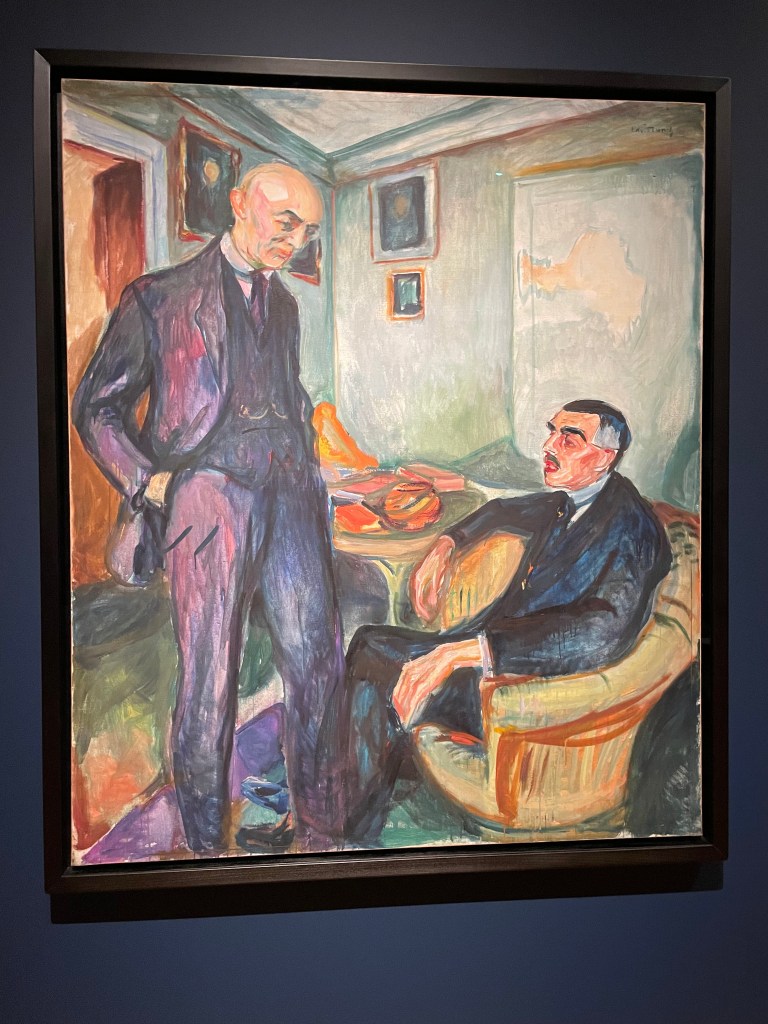
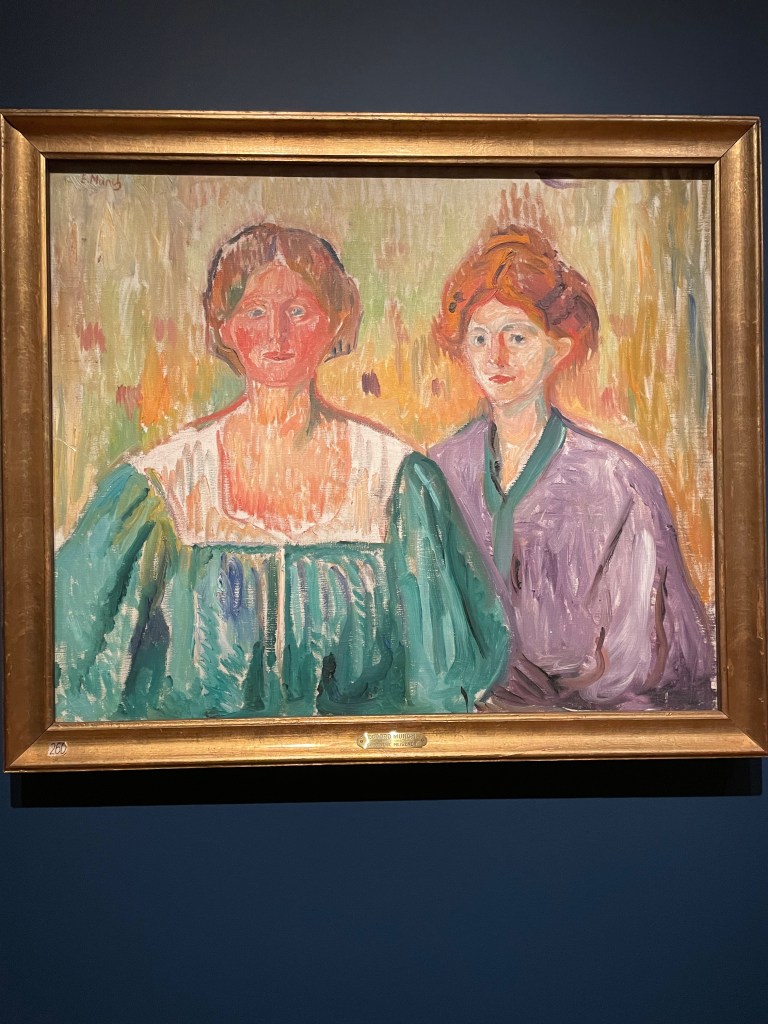
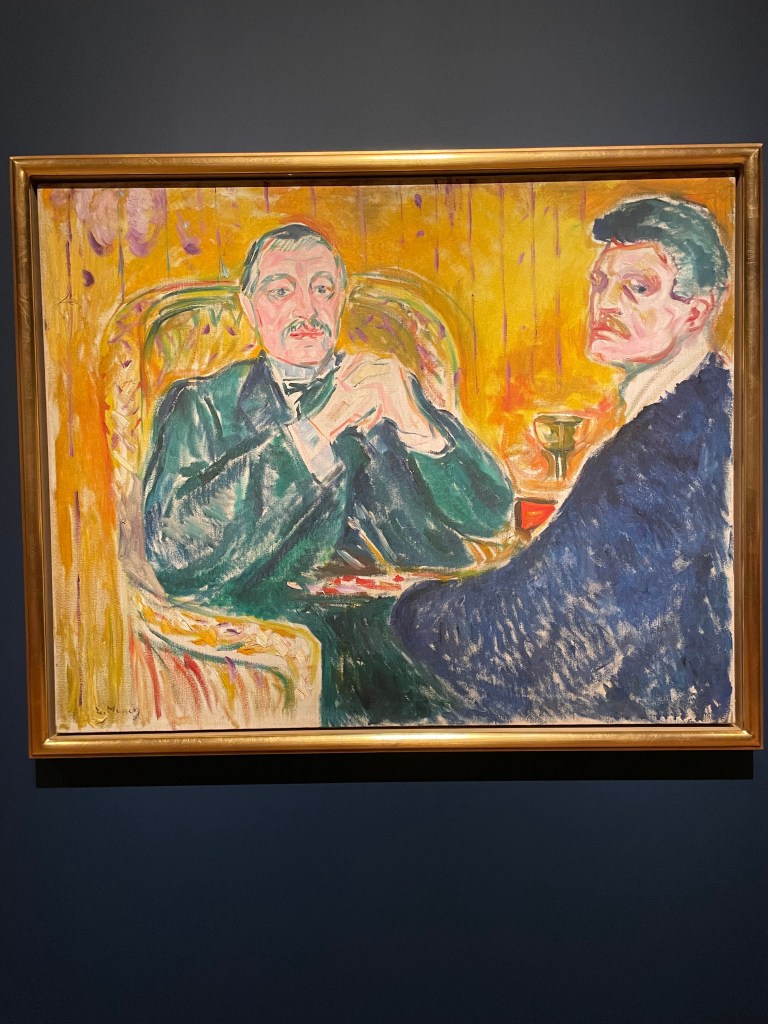
Munch was clearly very fond of his friends and family and painted them with obvious pleasure. And he liked depicting them in pairs. This is very much a theme. People with a connection occupy the same space and, again, were painted at much the same pace with an equal distribution of attention to detail. Above: Lucien Dedichen and Jappe Nilssen – friends from Munch’s student days. And on the right are sisters Olga and Rosa Meissner, professional models.
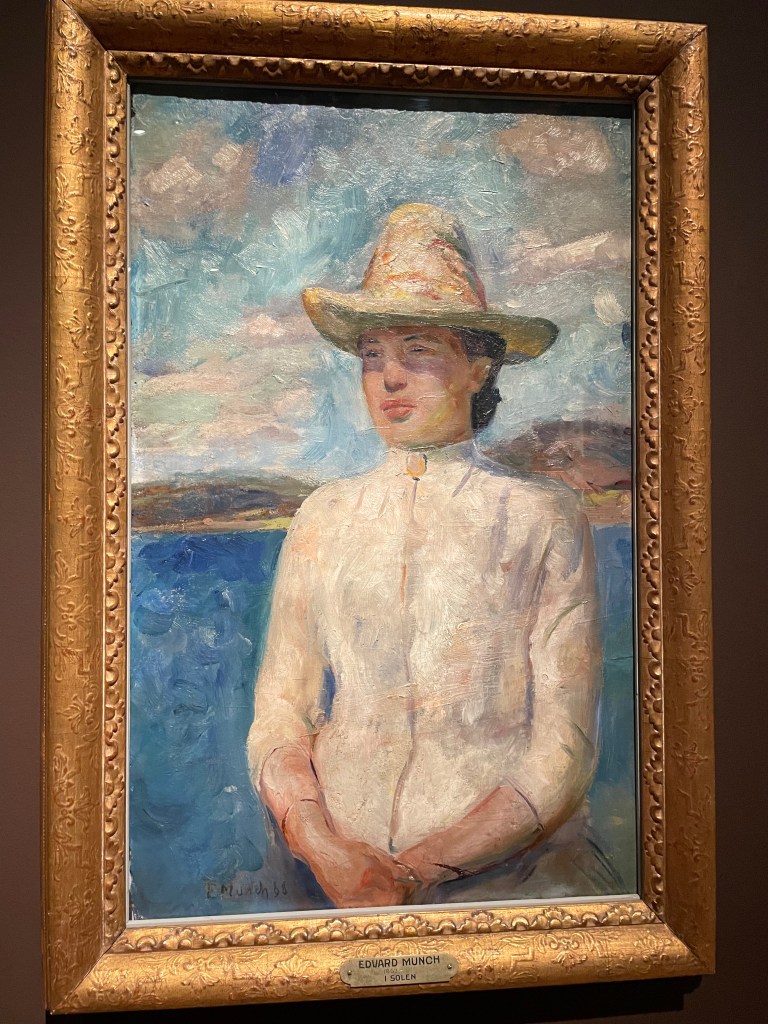
There’s an overwhelming tenderness to many of the paintings and, in some cases, they might not seem finished. But, to Munch, he had provided quite enough detail in the face and the rest of the figure can be filled in by the viewer’s eye. Above: Inger, Munch’s younger sister, looking charming in sunshine and Inger Barth, a friend. This work was confiscated in 1937 when it was among the works declared to be ‘degenerate’ by the National Socialist government.
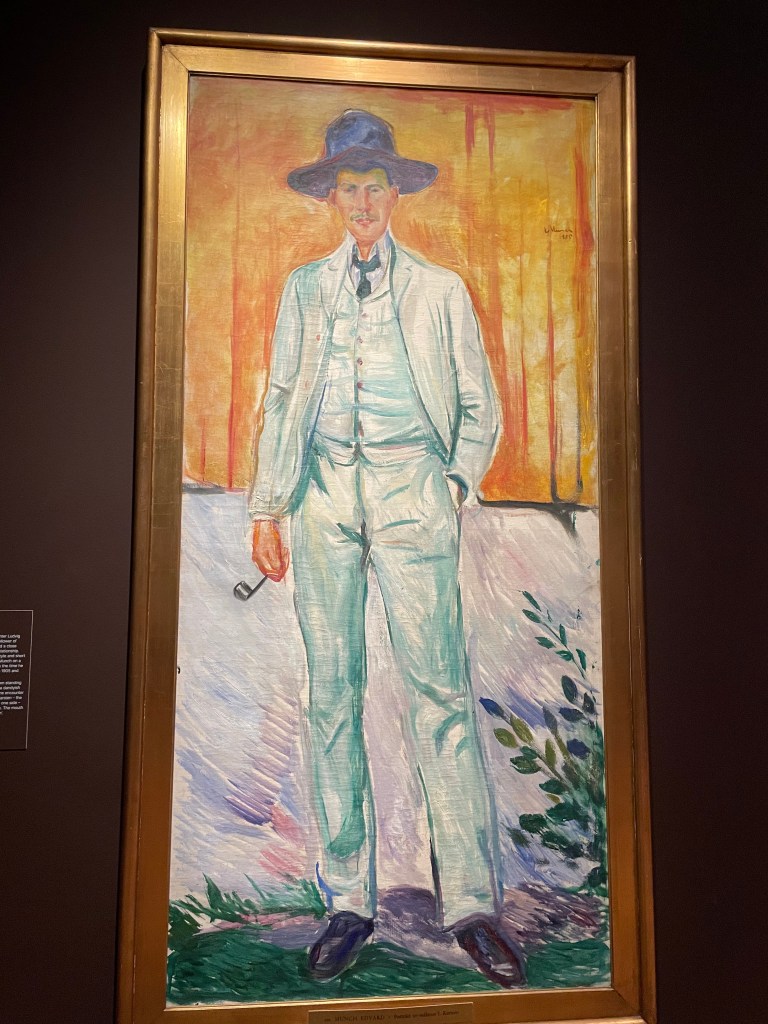
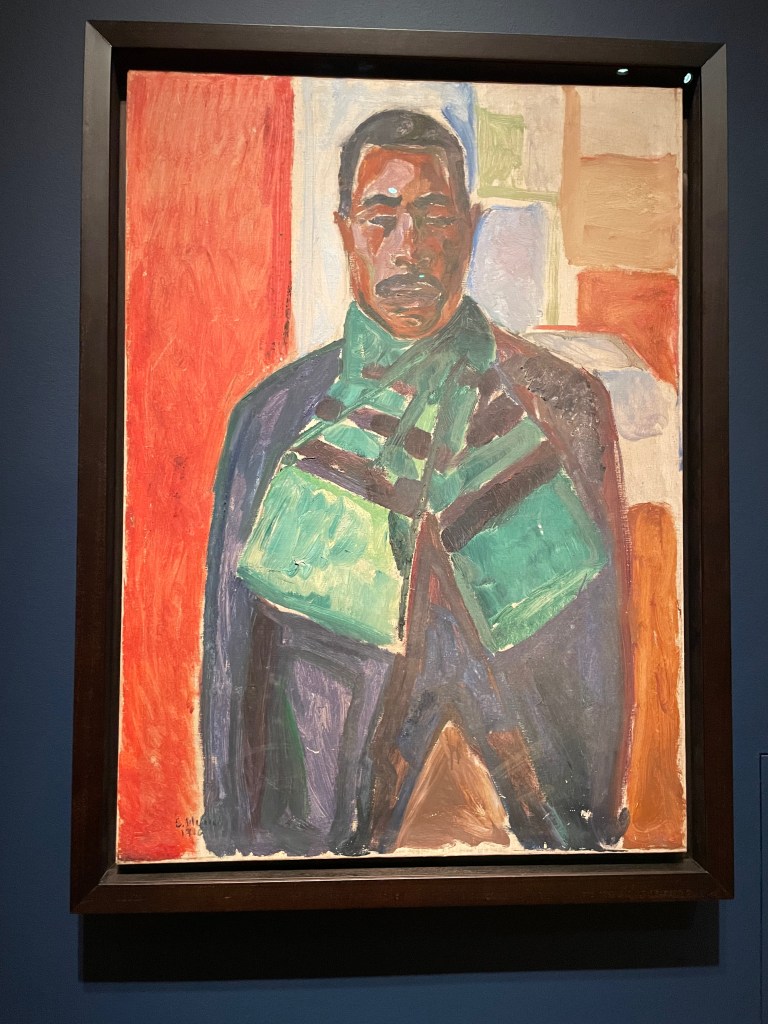
What’s absolutlely apparent is the free-flowing style we recognise from his later, angst-riven work. I like the direct gaze of his subjects. It looks as though they must have been deep in conversation when the portrait was being made and the affection between sitter and artist is very apparent. Above: the Norwegian colourist painter Ludvig Karsten in a ‘dandyish’ pose, August Strindberg, the playwright, and Sultan Abdul Karem whom Munch employed.
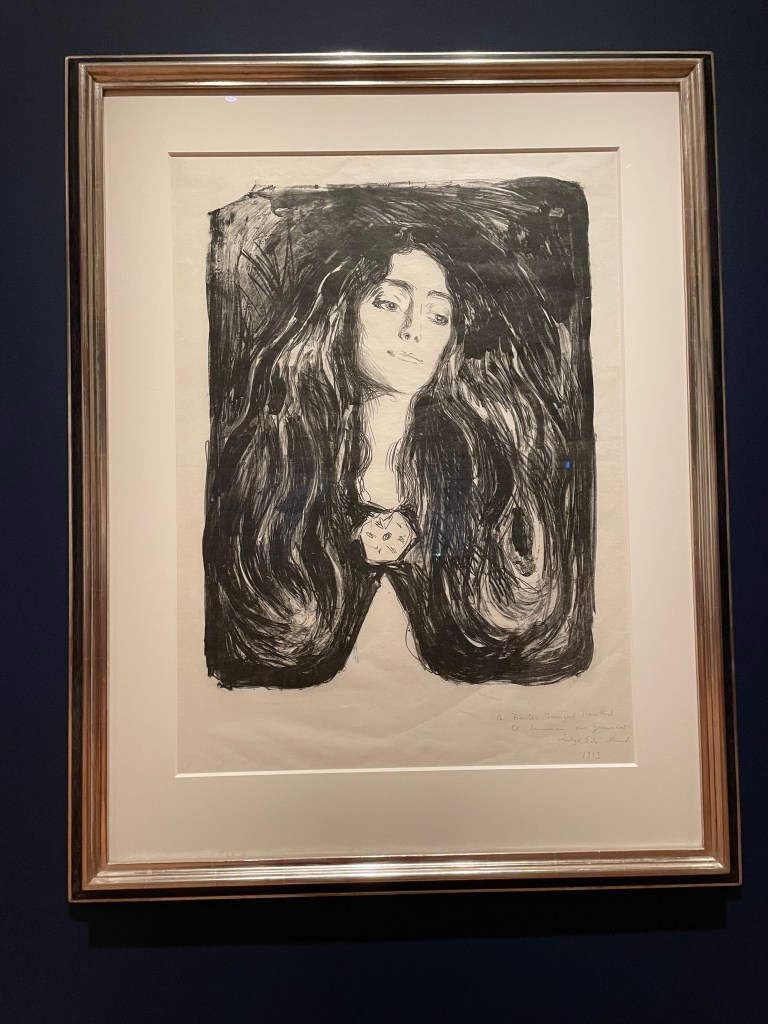
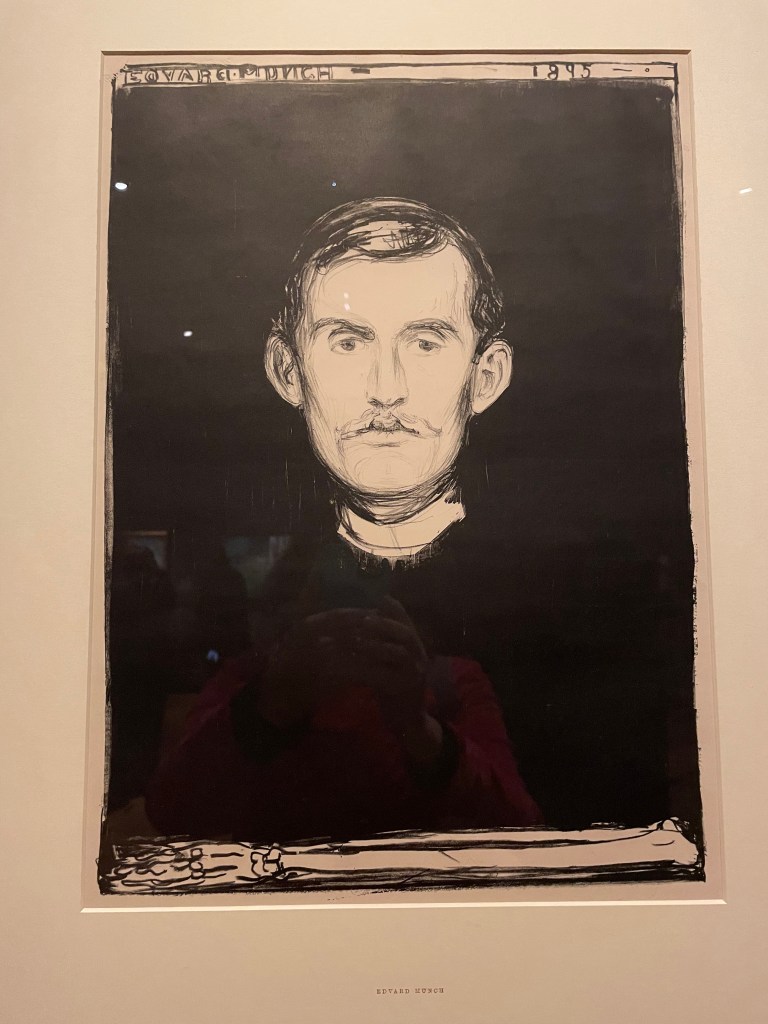
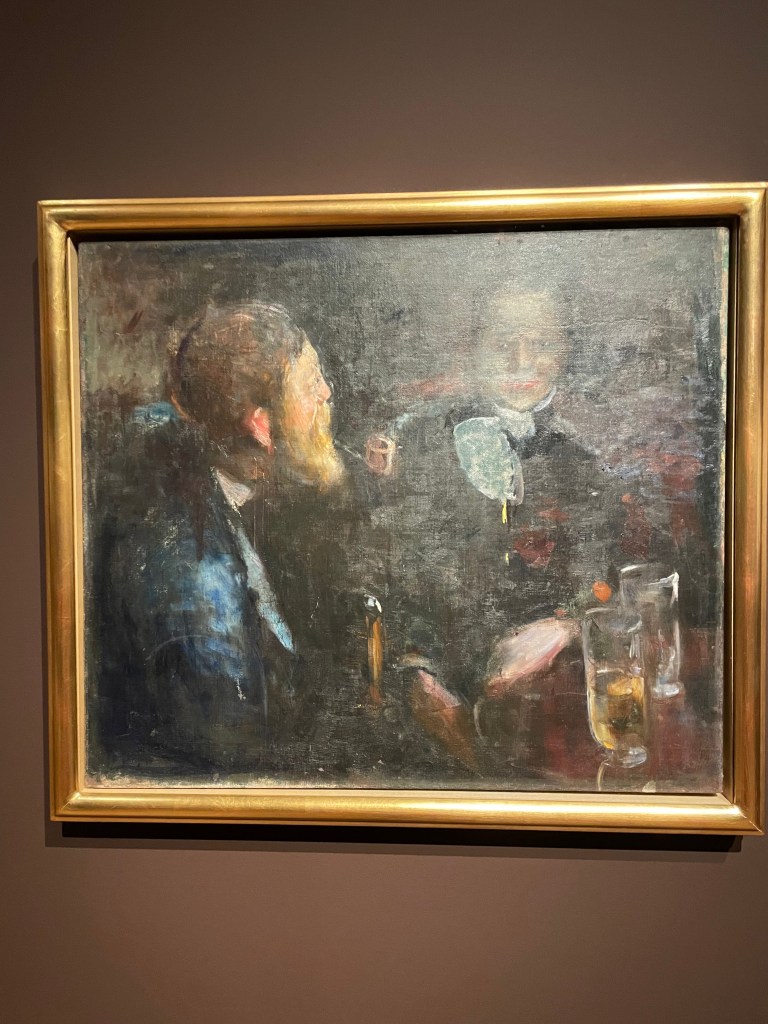
Just a few of the lithographs and black and white portraits (and the very dark one on the right) give a hint of the darkness within. But one comes away from this show in a very uplifted state, pleased to see such great portraiture by one of the 20th century’s finest artists. Above: lithograph portrait of Eva Mudocci, 1902, and self-portrait with skeleton arm, 1895 and on the right Tête à Tête, 1885, showing the painter Karl Jensen-Hjell drinking in the cafe in conversation with woman who might be Inger Munch. Very atmospheric.
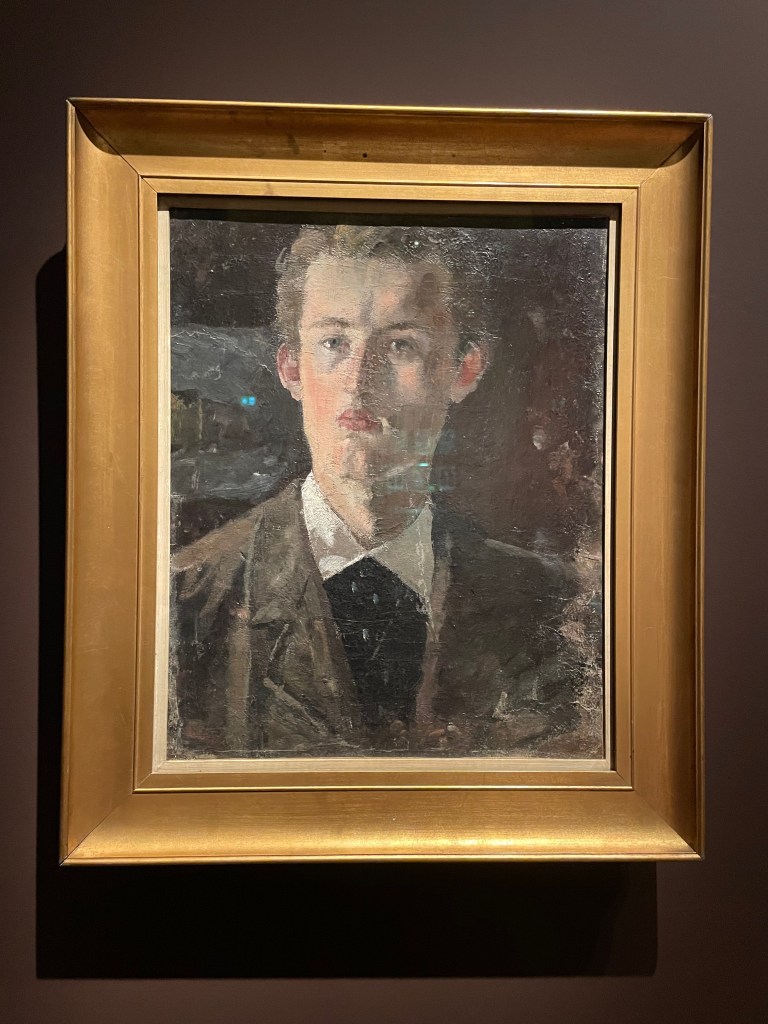
Above: a self-portrait and a very tender portrait of Munch’s father, Christian, a military doctor. The show is on at the National Portrait Gallery until 15th June 2025. Well worth it.

NOW YOU SEE US: Women artists in Britain 1520-1920. What a fabulous show this is at Tate Britain. We all know that, for centuries, women were not accepted as professional artists, but there were a few exceptions who earned their livings through art. It’s great to see the work of many unfamiliar female artists on show. The talent is breathtaking.

We take it for granted these days that men and women can forge equally successful careers in art. Four hundred years ago it was a different story. But women still studied art, became proficient at their skill and even earned a living. The curators of this excellent show have found examples of work by over 100 female artists working in Britain from 1520 – 1920 and it’s the most uplifting exhibition.

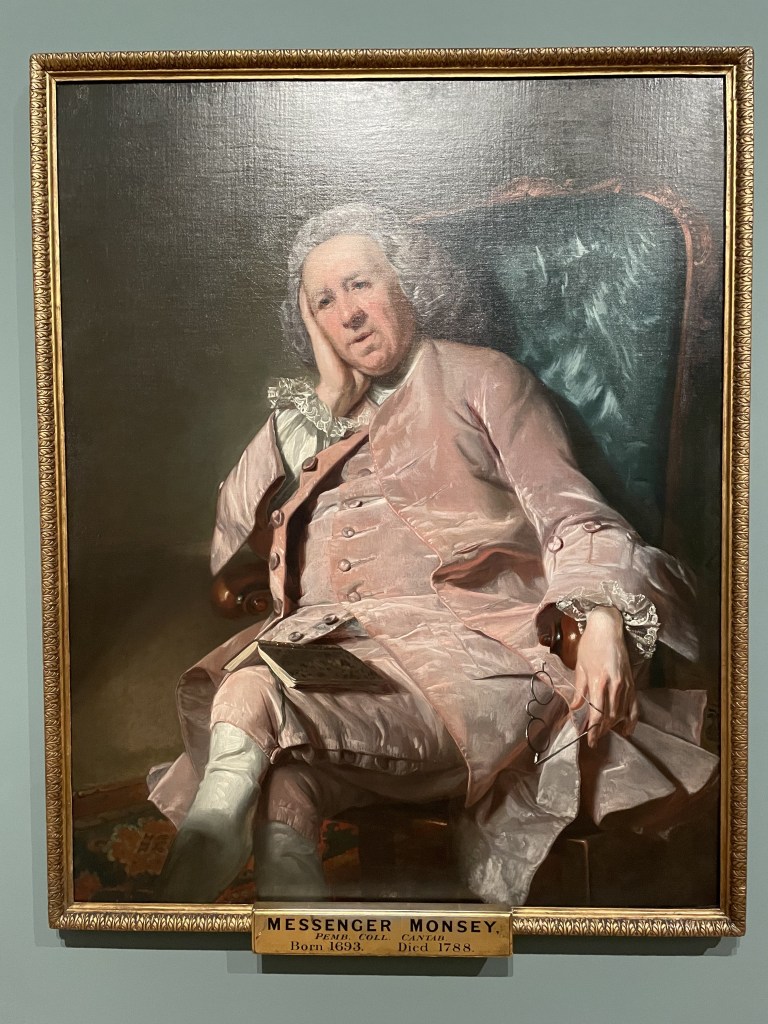
I really liked this portrait of Messenger Monsey by Mary Black,1737-1814. This is her only known oil painting and it’s so full of character and technical skill. Apparently, Black expected Monsey to pay her £25 for the portrait but her subject objected and suggested that she should not be paid at all for her work, claiming it would damage her reputation and that she might be regarded as a ‘slut’, if she sold her skills. Dear, dear.

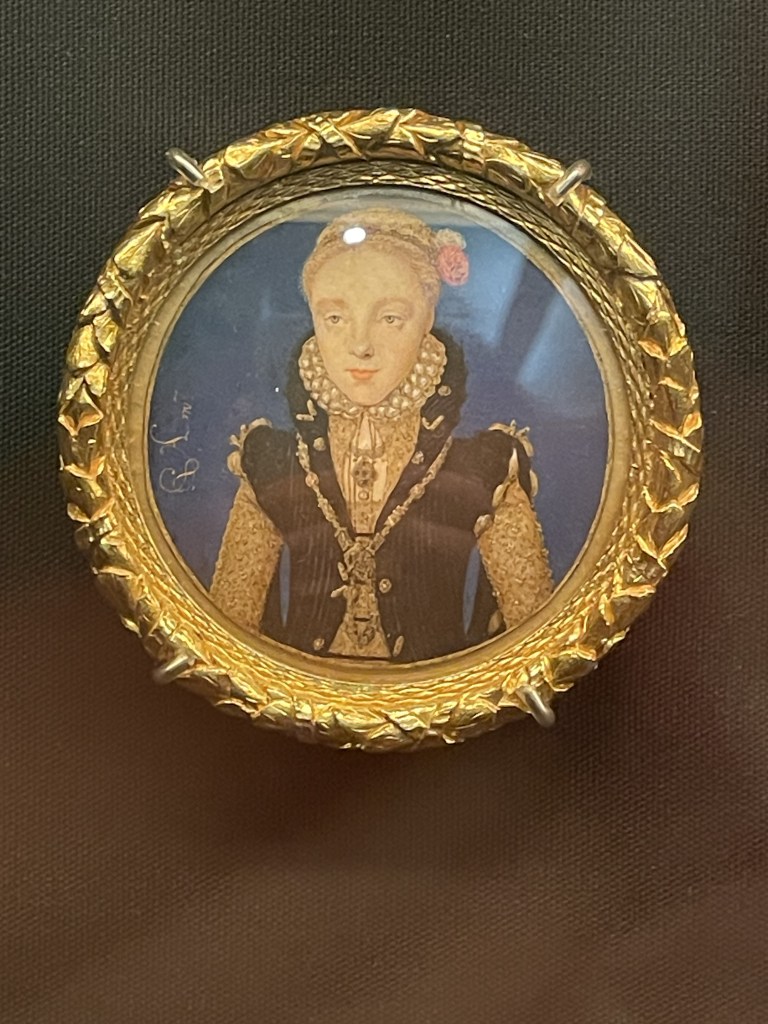
This is a tiny self-portrait by Sarah Biffin (1784-1850) who was born without arms or legs. Yet she taught herself to paint, sew and write using her mouth and shoulder. She specialised in portrait miniatures and often signed her work, ‘painted by Miss Biffin Without Hands’.

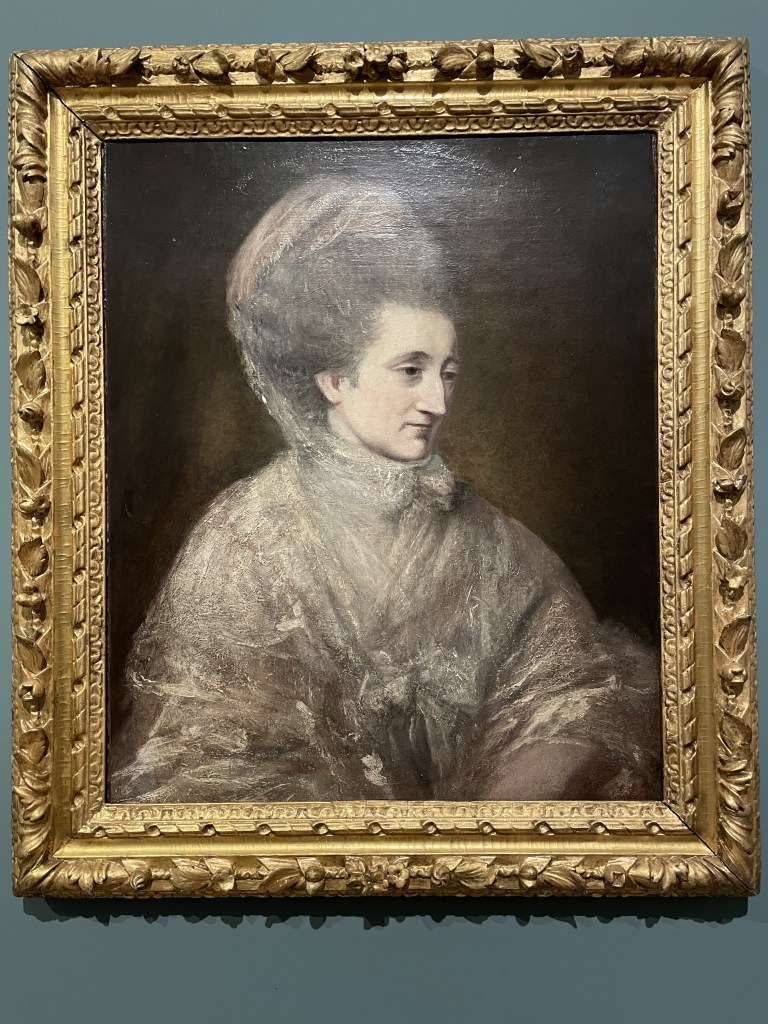
This is a portrait of Elizabeth Montagu by Frances Reynolds, sister of Joshua Reynolds, President of the Royal Academy. Frances was denied the opportunities of her brother and kept house for him in London and learned to paint by making copies of his work. She was a member of the Bluestocking Circle, a group of women writers, artists and intellectuals who met at the house of philanthropist Elizabeth Montagu, the subject of this wonderful painting.

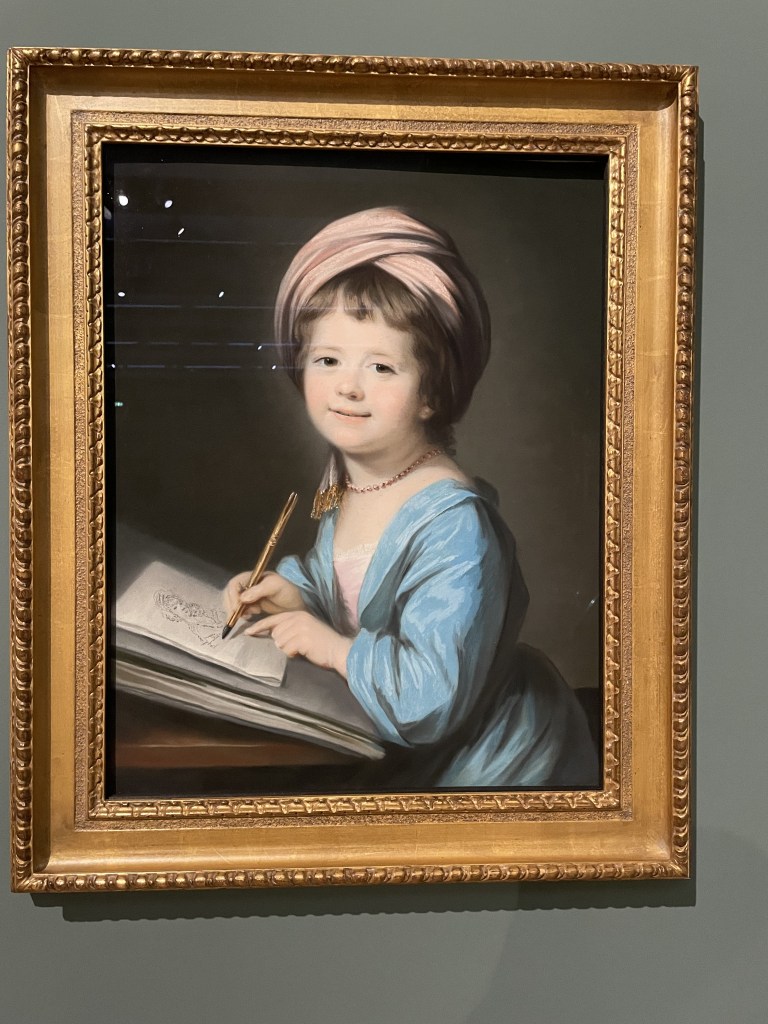
A charming portrait of Miss Helena Beatson made using pastel on paper by Katherine Read 1723-1778, her aunt. Pastels were not rated by the oil painting men of the period but they were easier to obtain and use by women. The young child in the portrait turned out to be a prodigy and was exhibiting at the Society of Artists at the age of eight.

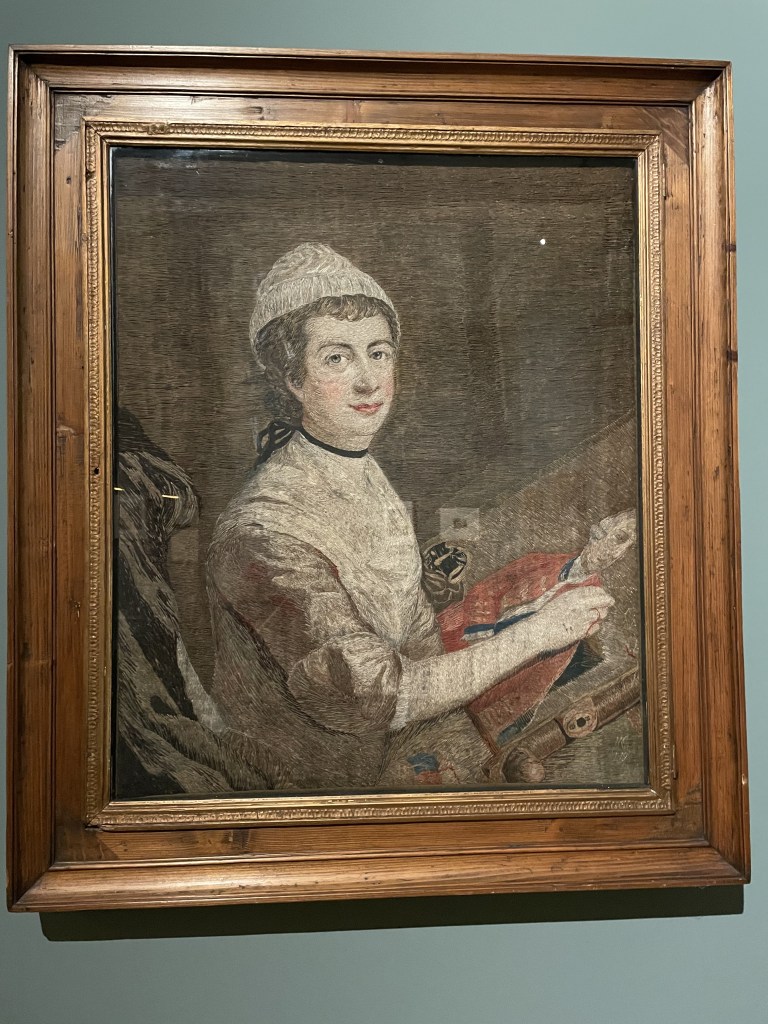
This fascinated me. It’s a self-portrait made entirely from embroidery by Mary Knowles 1733-1807. Queen Charlotte commissioned her to make a portrait of her husband, King George III, you can see she’s working on it. The clever way she uses silks to create the moulding and lively look of the picture is amazing.

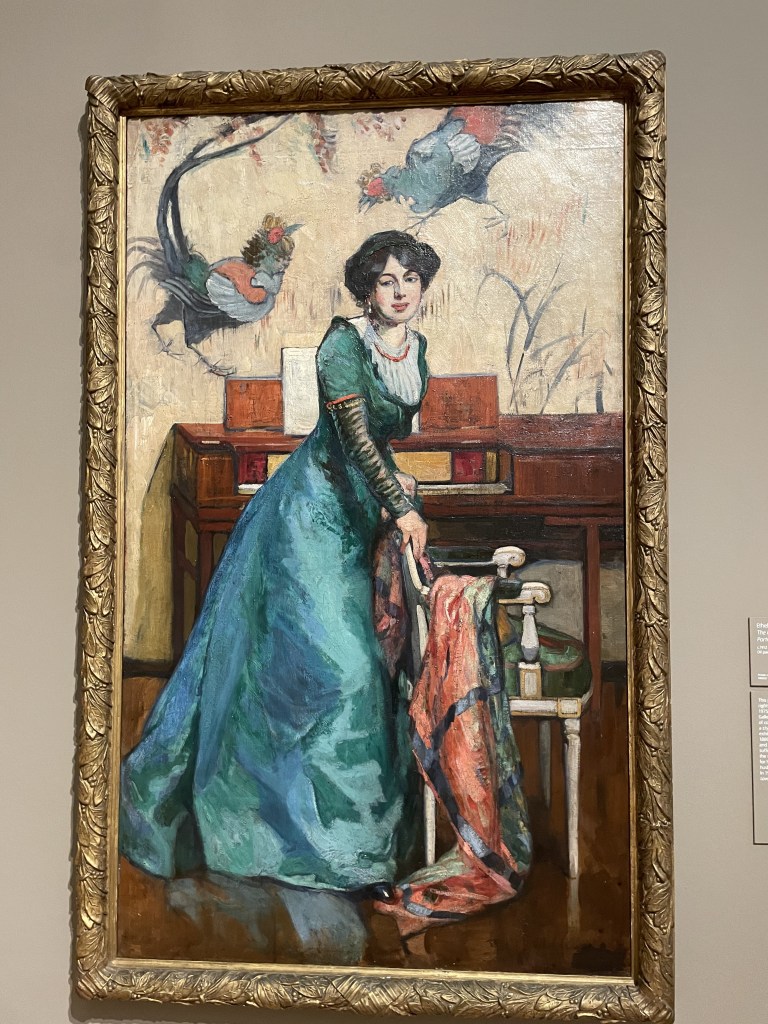
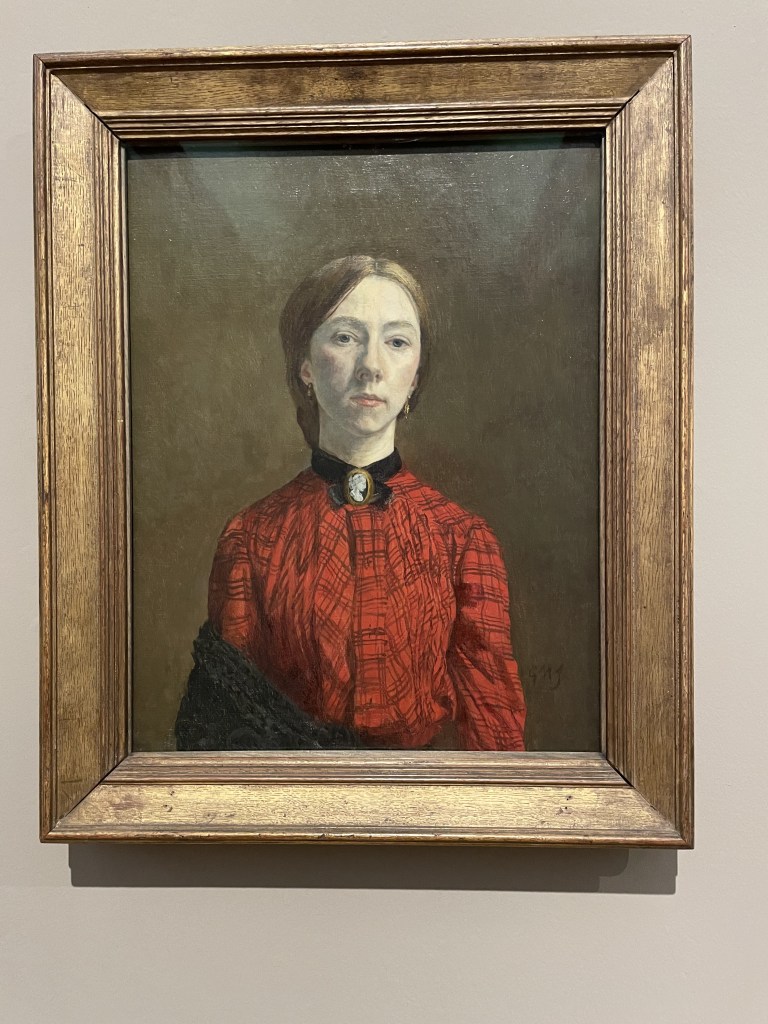
Loved the strength of this and the painterly confidence. It’s by Ethel Wright 1855-1939 and a portrait of Una Dugdale Duval who is famous for refusing to promise to obey her husband during their marriage vows in 1913.

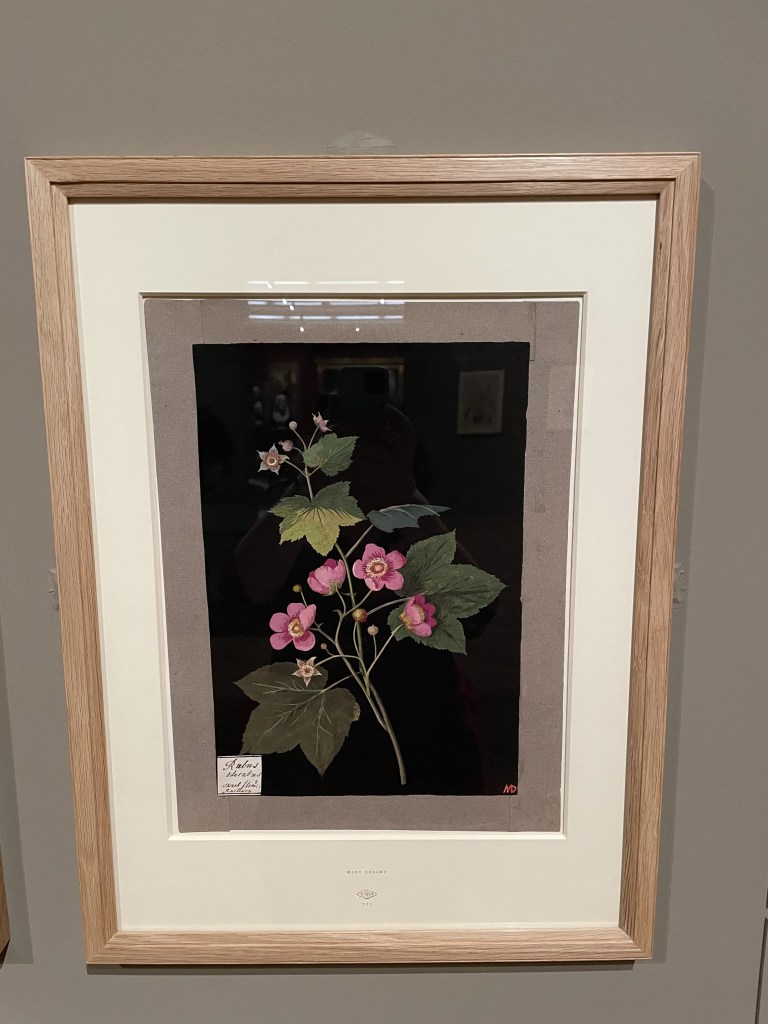
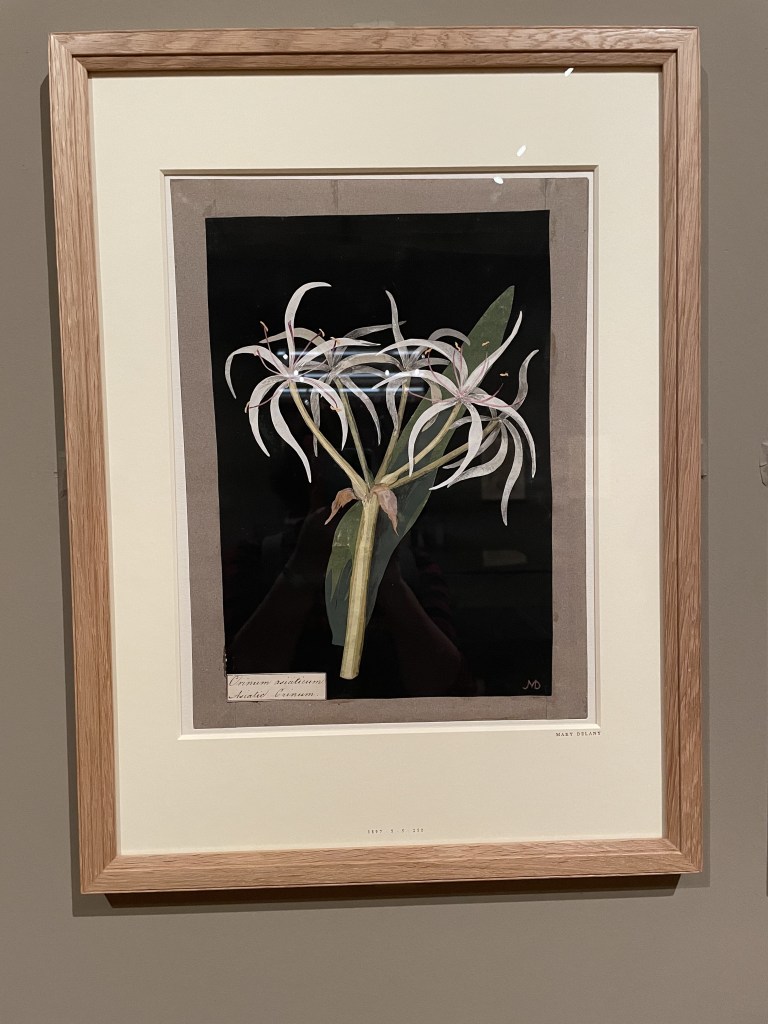
These are two paper cutouts, mosaics created by Mrs Delaney 1700-1782, who used collage, based on the Dutch art known as knipkunst, and used fragments of cut paper to depict, with amazing accuracy, examples of plants and flowers. Mrs Delaney was a favourite in the court of King George III and was given an apartment to live in at Windsor Castle.

Here are just a few more of the pictures which caught my eye. A really, really great show. it’s on until 13th October 2024 at Tate Britain.

Entangled Pasts 1768 – Now is a very thought-provoking show at the Royal Academy in London. In the late late 18th century many of the leading artists, and members of the new Royal Academy of Art, were instrumental in helping to change attitudes towards indigenous people and the abolition of slavery. There’s a very imaginative mingling of works from the late 19th century to pieces by artists working today, many of them contemporary members of the Royal Academy.

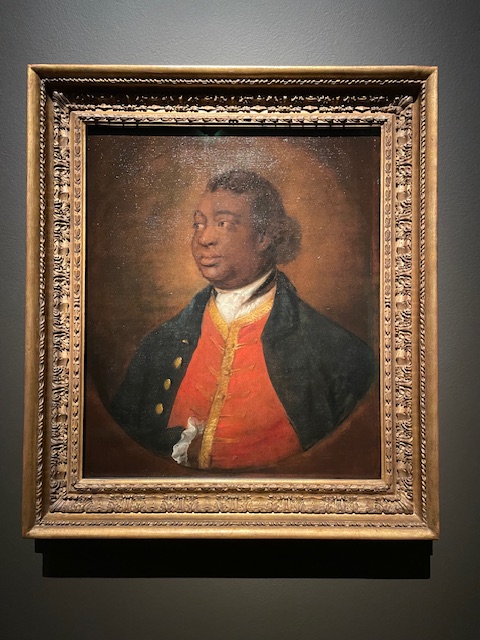
Starting with the late 1700s, the first gallery is filled with charming and sensitive portraits of black sitters. Above, I’ve selected a Portrait of a man in a Red Suit by an unknown artist and a wonderful portrait of Ignatius Sancho, the first man of African descent to vote in a British election. He was a musician, shopkeeper, man of letters and friend of artists. Apparently this portrait by Thomas Gainsborough was completed in one sitting in 1768.

This painting is quite familiar because the subjects, Dido Elizabeth Belle and Lady Elizabeth Murray were bought up together at Kenwood House in London and have been the subject of a film. Painted by David Martin in 1779 this painting is beguiling because Lady Elizabeth appears in a conventional pose, with her book, but she’s affectionately connected to her second cousin, Dido (the illegitimate child of an enslaved woman and a Royal Navy officer) who is depicted in a rather mischievous pose as if she’s about to dart away with her collection of fruit and flowers. Lord Mansfield, who owned Kenwood House was Lord Chief Justice in England and instrumental in the abolition of slavery.

This magnificent bust by Francis Harwood, made in 1758, is placed at the centre of the first gallery and gives a wonderful gravitas and graciousness which sets the tone of the the exhibition.

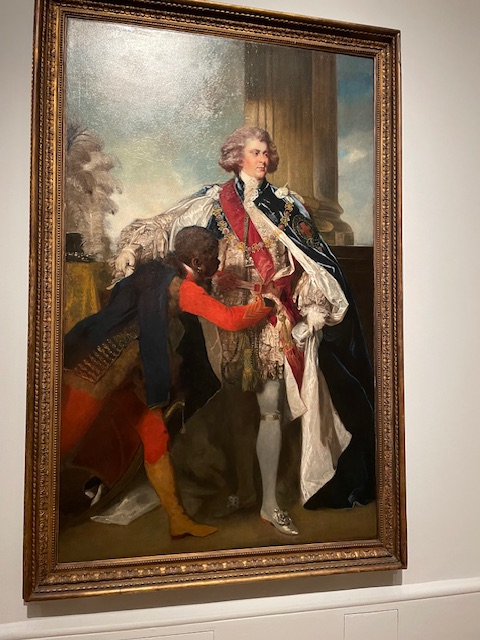
Inevitably we see the role of the black servant in aristocratic homes. And this painting by Joshua Reynolds shows George, Prince of Wales (later King George IV) by Joshua Reynolds. The pose of the attendant – who is intimately arranging the prince’s clothing, caused a stir amongst audiences who first saw it at the RA Annual exhibition in 1787. No identity is given to the attendant but he is described as ‘Black’ by Reynolds.

The shadow of slavery continues with Edwin Longsden Long’s The Balylonian Marriage Market. Young women are selected by male spectators for marriage. I get the feeling he used the same model for most of the young women but darkened their skin colour.
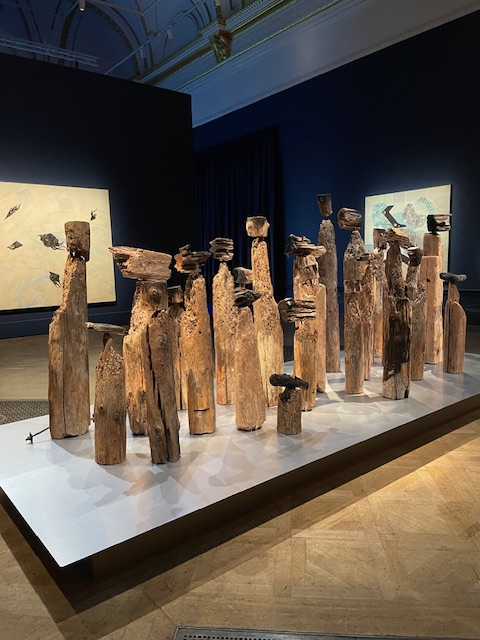
The later galleries leave the iniquities of slavery behind but still reference the engagement of the British Empire with indigenous peoples and leave us a bit troubled by the lack of respect which travelled with the expansive ideas of British Imperialists. For example, the found wood and metal sculpture by El Anatsui called Akua’s Surviving Children is very powerful. Primitive Matters: Huts (2010) depicts the plain, sparse slave huts which contrast with the dwellings enjoyed by Europeans in Trinidad.

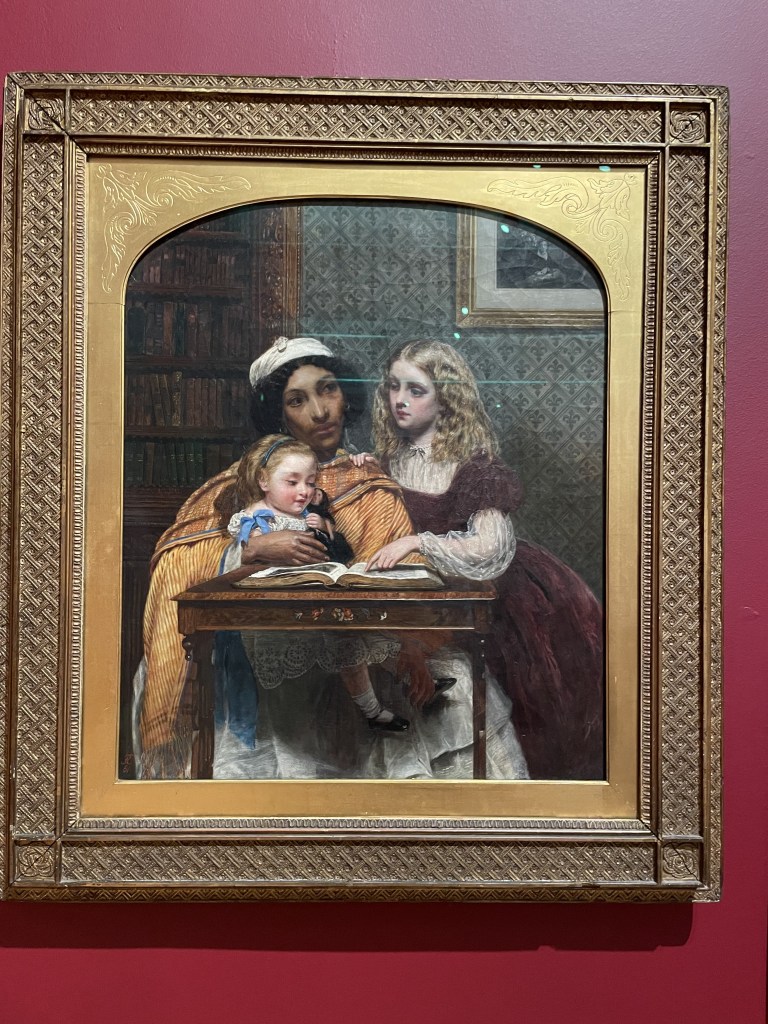
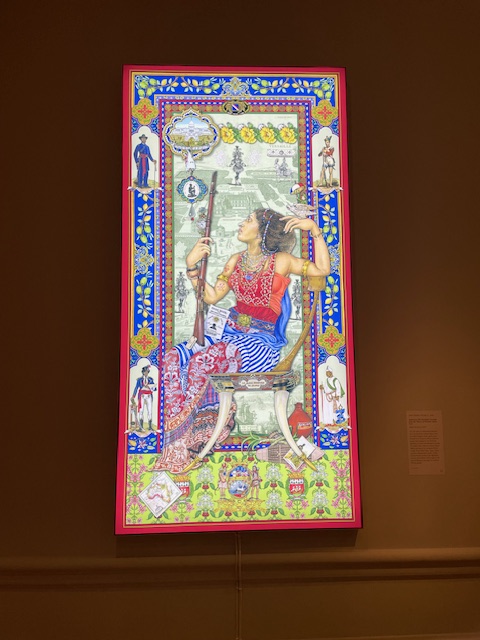
It’s good to see females well represented in the show. On the left you can see a work by The Singh Twins which references the ‘triangular trade’: goods were shipped from Europe to Africa, enslaved people were shipped to the Americas, plantation produce was shipped to Europe. The model featured is Fanny Eaton and you can see a sketch of her by Frederick Sandys on the right.

The show runs at the Royal Academy form 3rd February until 28th April 2024.

This fabulous sculpture placed in the courtyard of the Royal Academy is by Tavares Strachan. Made of bronze, black and gold leaf it’s called The First Supper (Galaxy Black) made in 2023.