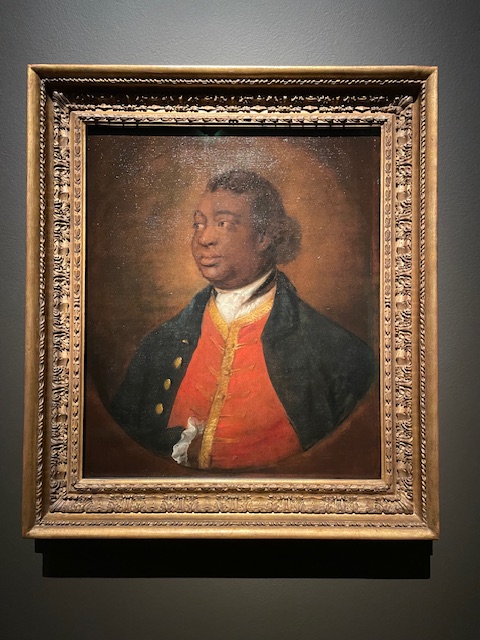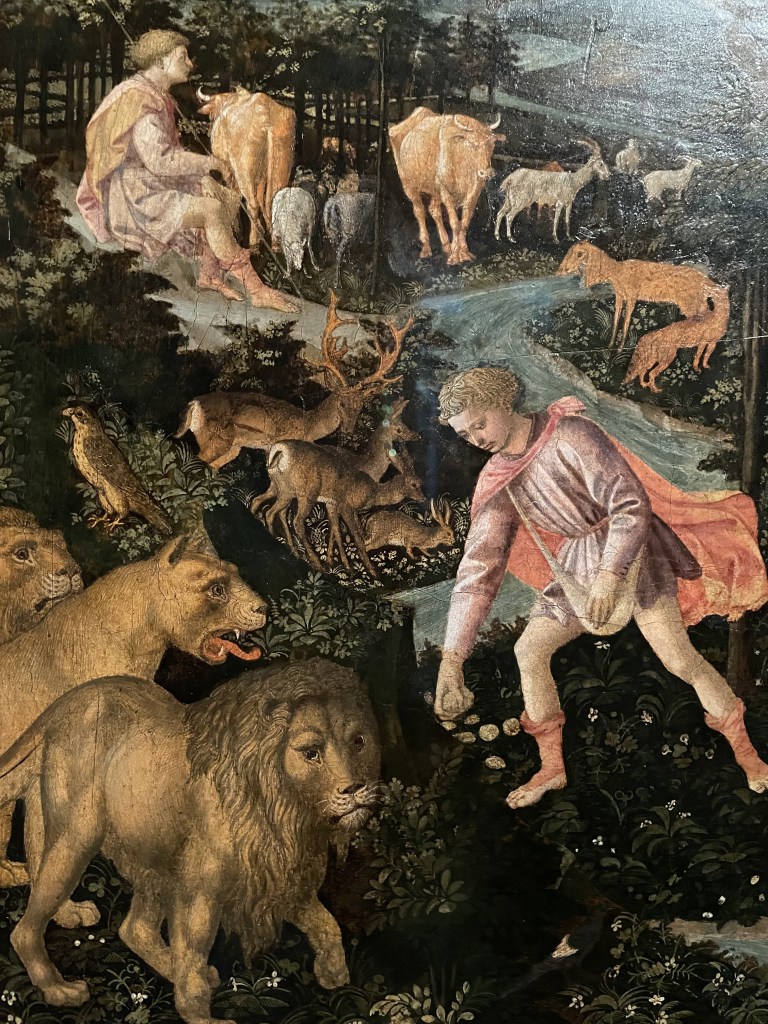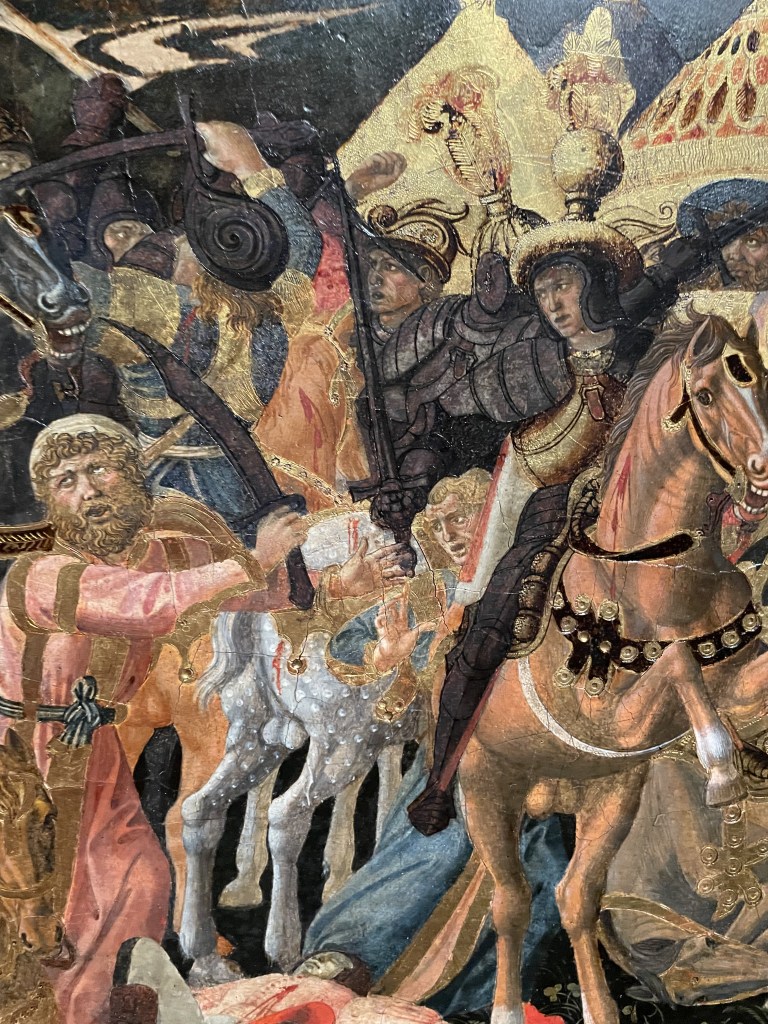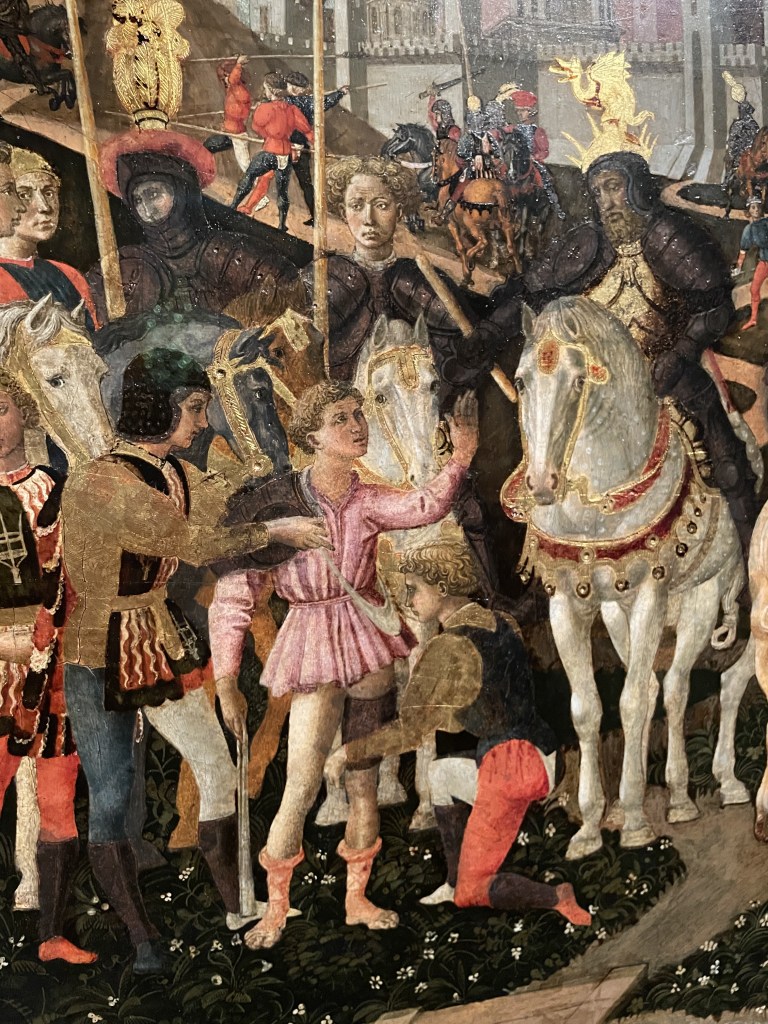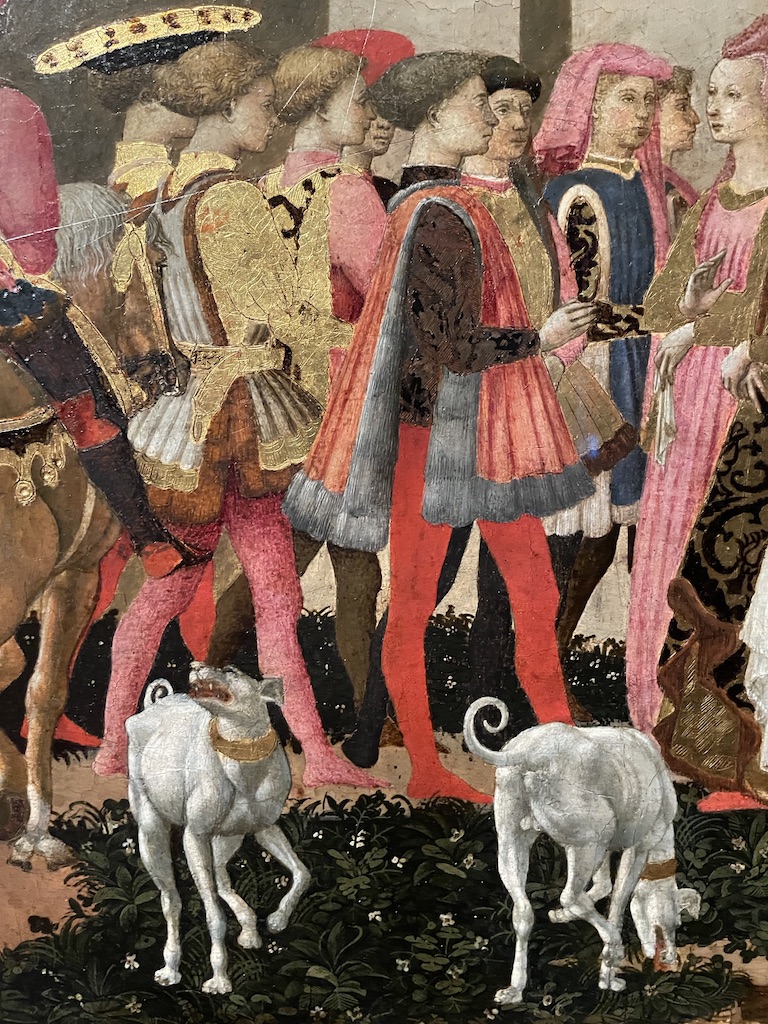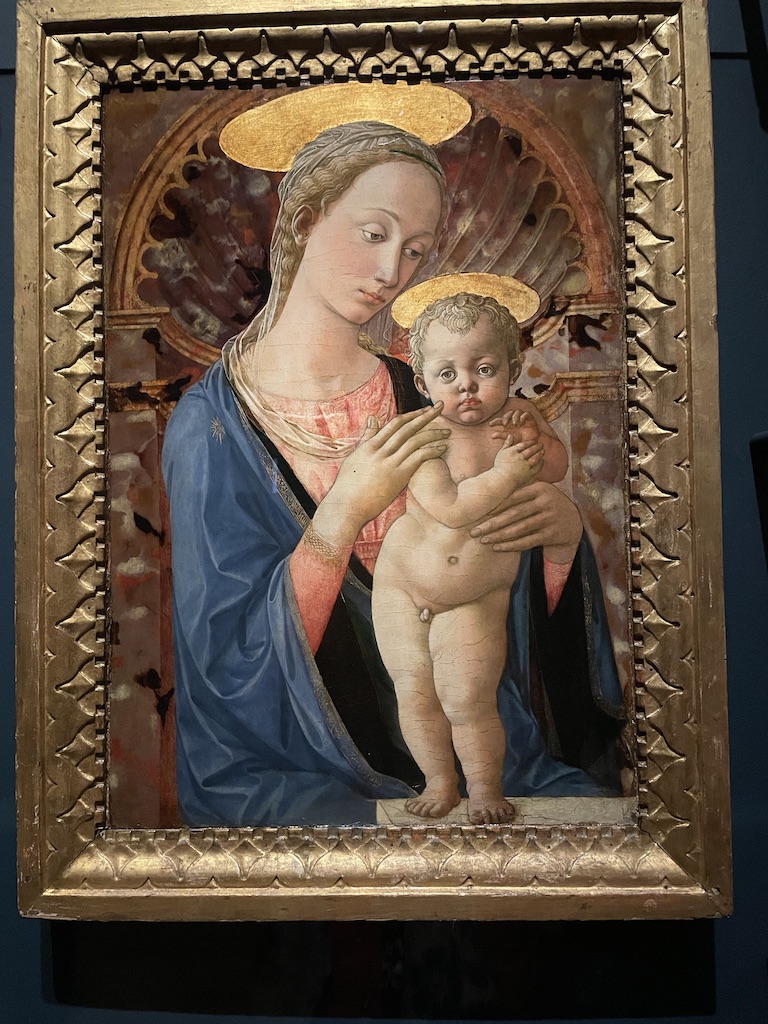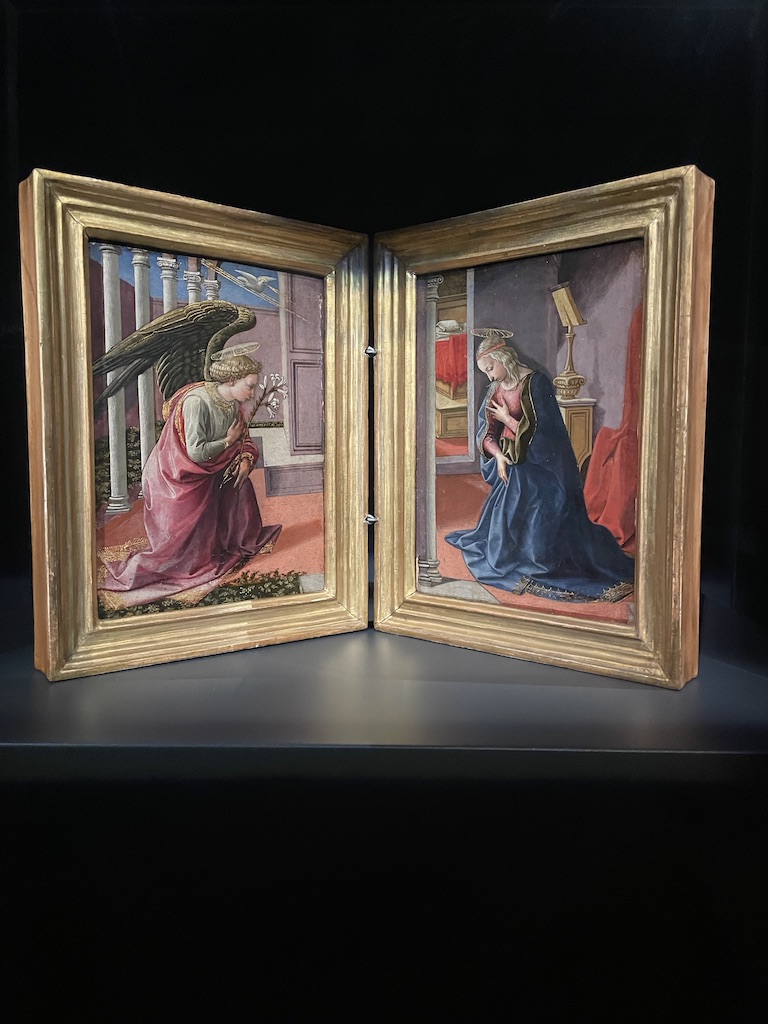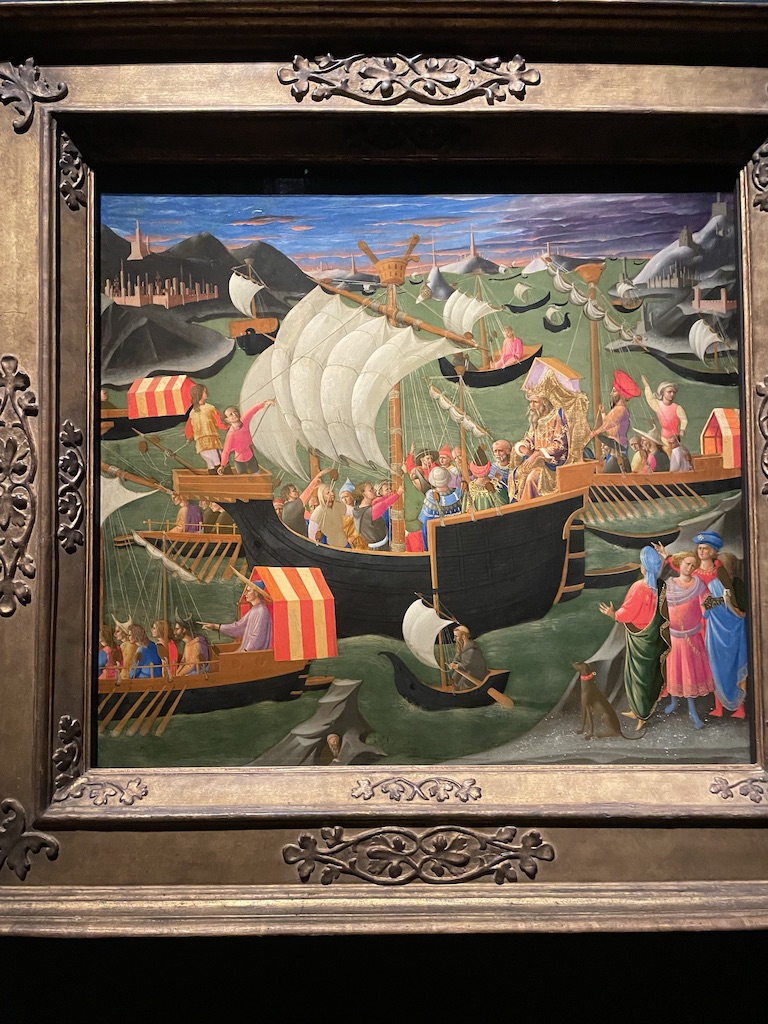
Pesellino. Every heard of him? No, I hadn’t either, but his work is amazing. In his short life, from 1422 – 1457, he produced the most fabulous narrative paintings along with epic commissions for the Pope and Medici family. We can now enjoy a glimpse of his genius at the National Gallery where there’s a wonderful jewel-box of an exhibition in Room 46.

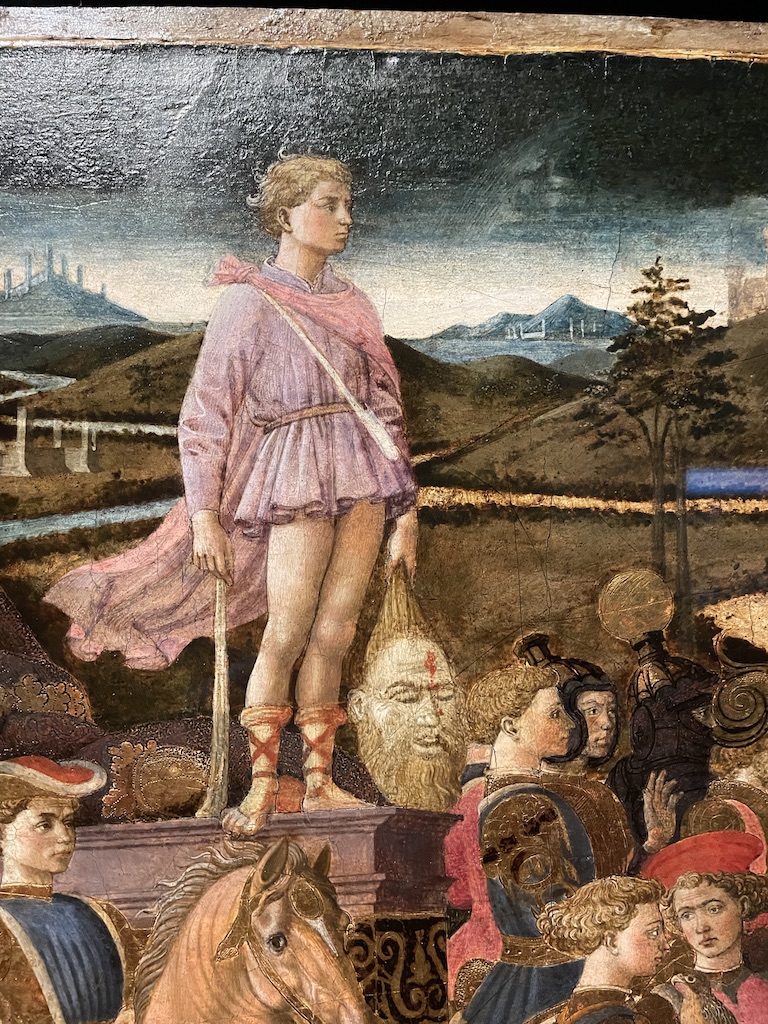
Above are a few details from one of the remarkable narrative paintings which once adorned the side of a strong box or container for a bride’s trousseau. It tells the story of David and Goliath and the long panels are just packed with fascinating images. You can’t really see the scale from these pictures but they are tiny and there is so much going on. You have to use a magnifying glass to really absorb the delicacy and detail.

As you scan these works you pick up more and more information. It’s like looking at a Breugel painting from the Renaissance world of a hundred years earlier. You get a real sense of clothing, the interiors, the layout of the towns and landscape. Then there are the animals.

The expressions and actions really tell a story. Here’s David holding the severed head of Goliath, below.

These pieces must have taken a very long time to paint. It’s astounding to think that they were fixed onto boxes which, most probably, were commissioned by the Medici family in Florence and used to store everyday goods. Pesellino was a favourite with the illustrious family and used this connection to gain more commissions to make altar pieces and religious paintings.

What a tragedy that he caught the plague in 1457 at the tender age of 35 and died. Vasari, who wrote about the lives of the artists of the period, rated Pesellino’s work and speculated on what he might have achieved if only he had lived. It’s a rare treat to see this charming exhibition at the National Gallery.

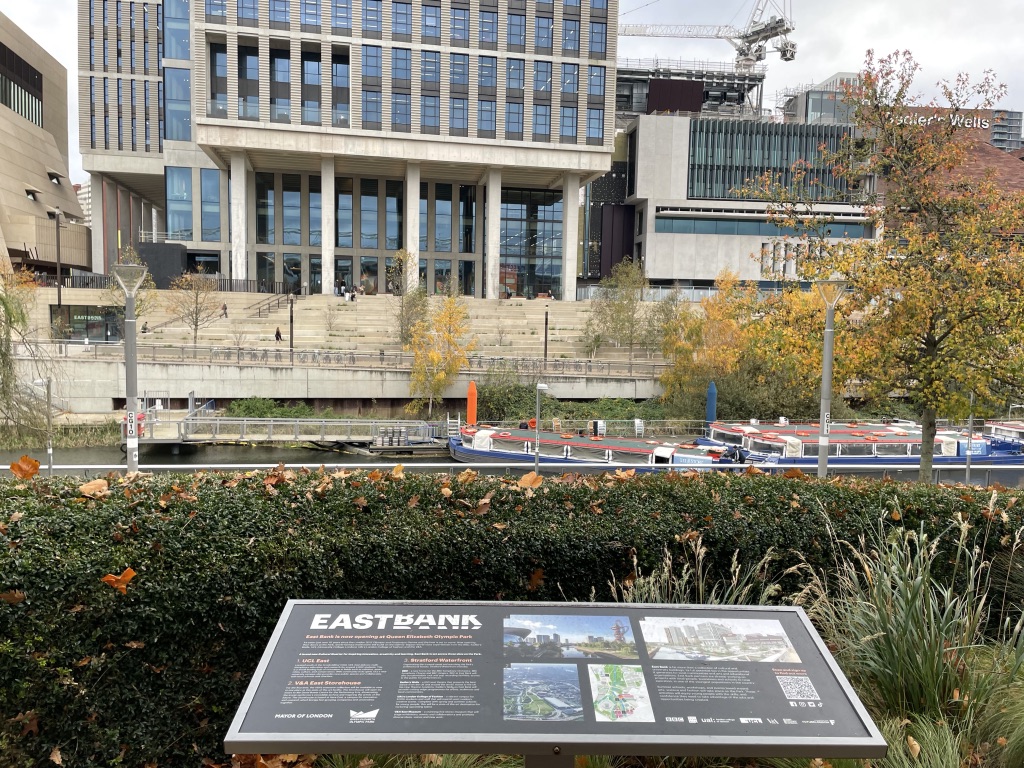
I have glimpsed the future and it’s looking good. Last week I joined a press tour of East Bank, the new cultural quarter for London within the Olympic Park at Stratford and was blown away by all the new buildings and the spirit of collaboration with fellow cultural institutions which is alive in East London.

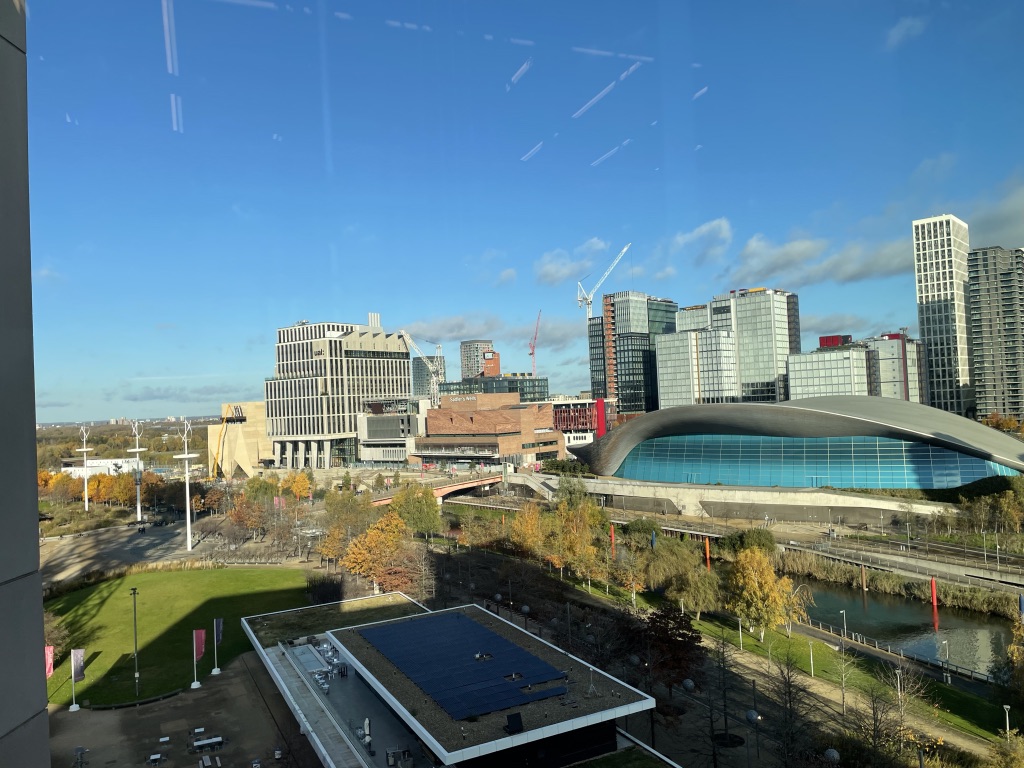
The full opening of East Bank is within sight. The London College of Fashion was the first building to open. It overlooks the canal which winds through the Olympic Park and is home for budding new designers who’ll benefit from a whizzy new learning space. Next door is the new V&A East Museum which will open in 2025 and a new Storehouse nearby which will give visitors the chance to see a vast array of exhibits which have not had the space to be seen in the Kensington site.

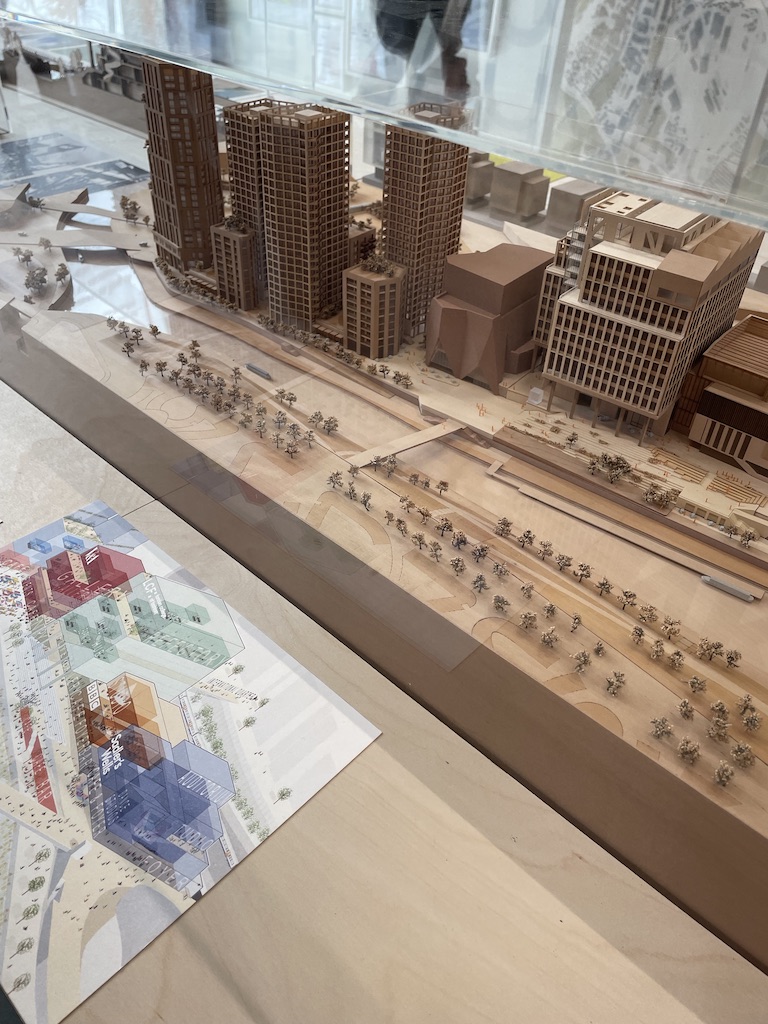
It was very thrilling to see the models which give an impression of the line up of new buildings. Each of the cultural institutions are full of enthusiasm for cooperation with their neighbours. The London College of Fashion will be able to send students to look at the V&A’s archive of clothing, fabric and patterns. The new BBC Studios, due to open in 2025 is located right next door to the new Sadlers Wells East which opens next year. There are plans for musicians coming to the studio to participate in dance projects in the new space, for music being recorded to be piped into the Sadlers Wells’ foyer and for a tremendous cross-pollination of ideas and learnings.

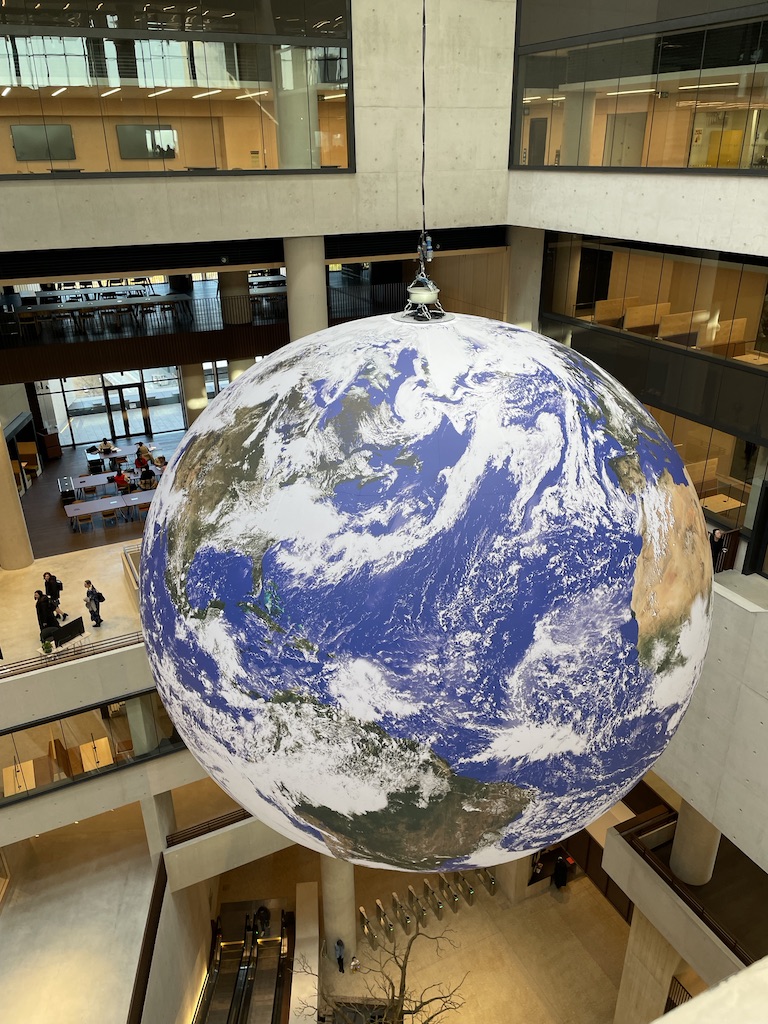
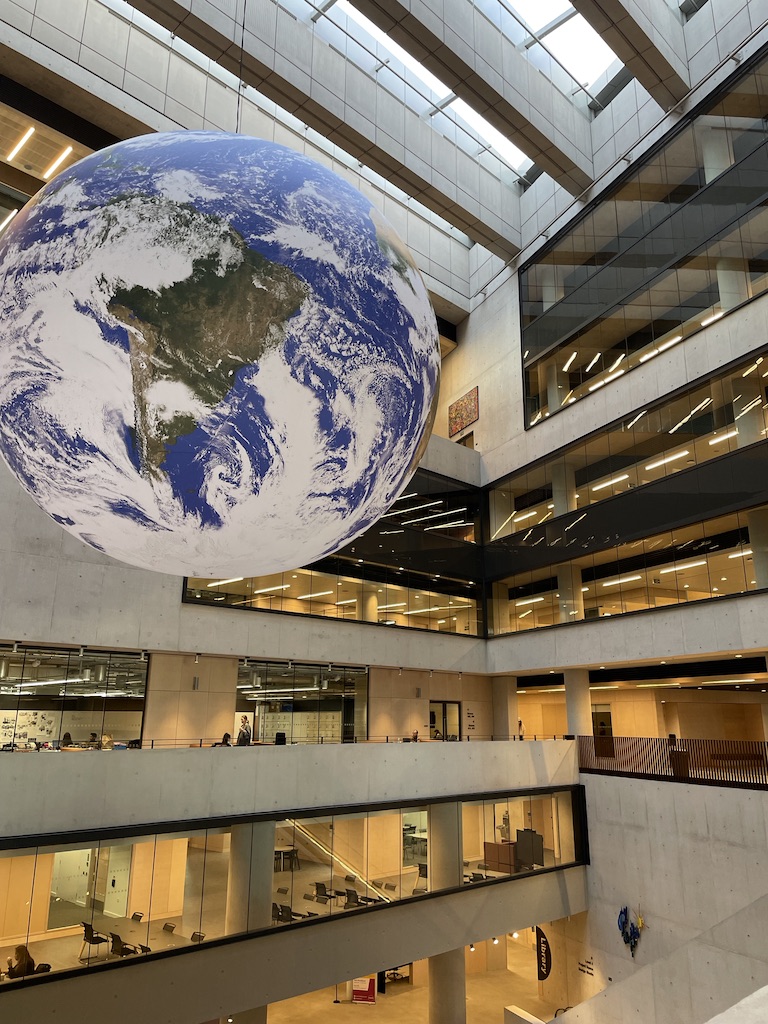
Then we walked over the canal to the new UCL East building. This is the building with the global ideas, literally. The Gaia Globe by Luke Jerram hangs in the atrium. On each floor students will have access to state-of-the-art facilities and, again, the chance to collaborate with different departments within their building. The new UCL building has welcomed its first batch of students and what a fortunate bunch they are. It’s very heartening to hear about the development of East Bank. It shows that the Olympic legacy is alive and kicking and showing just how exciting this area of London is going to become.

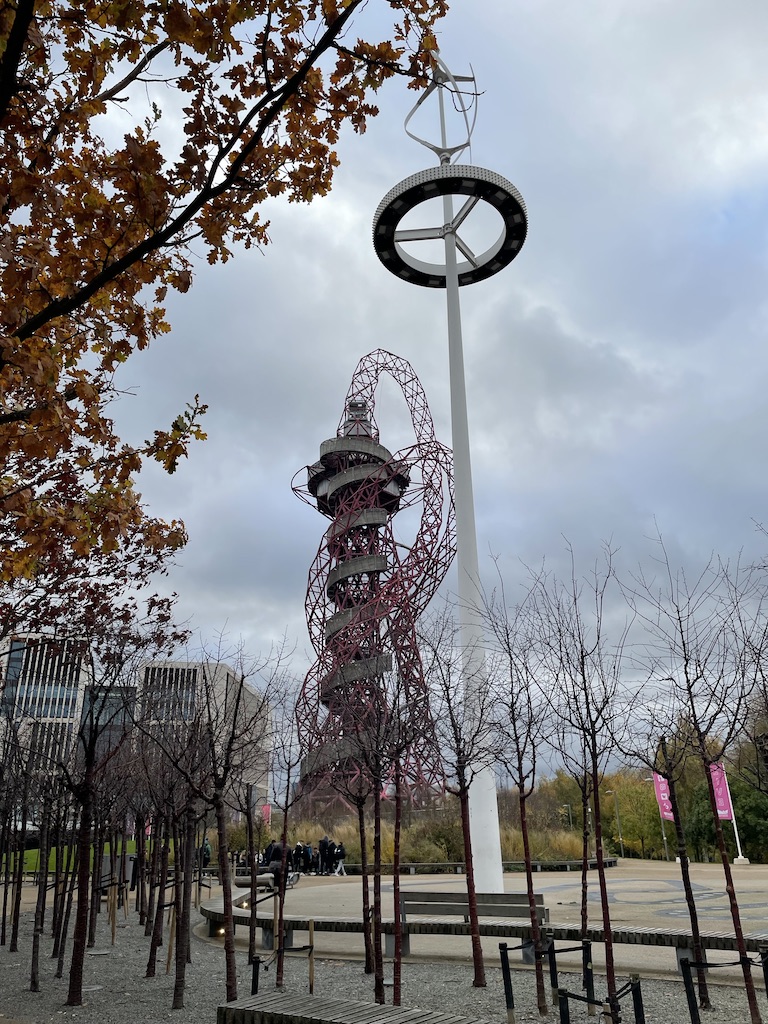
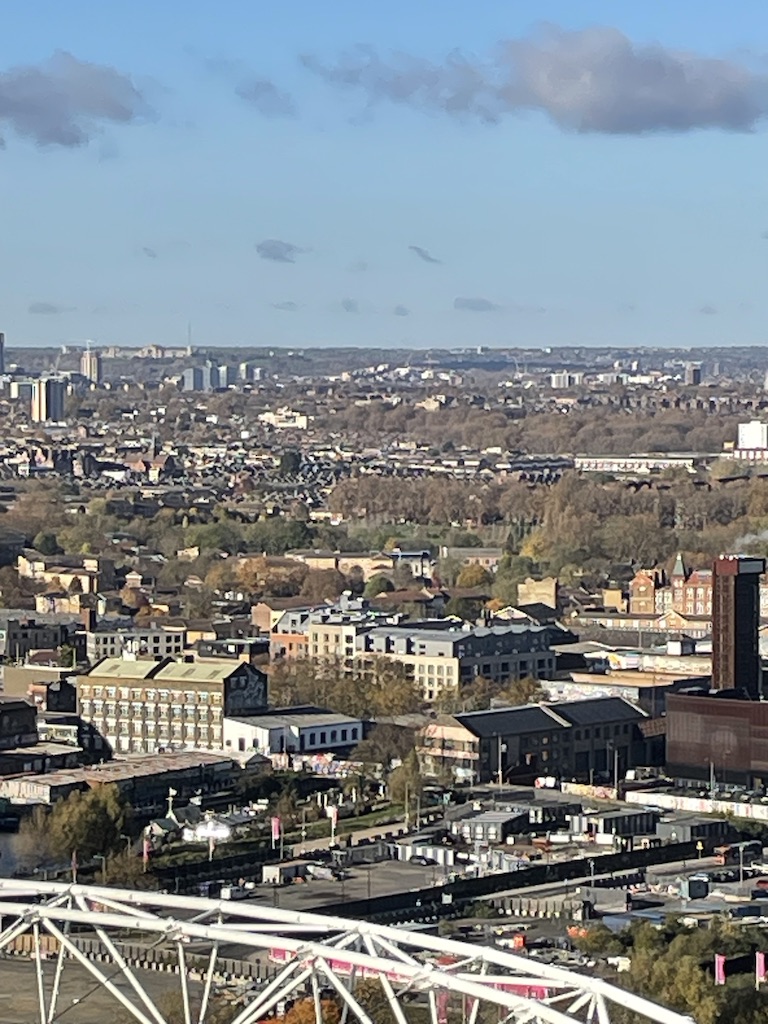
And, as a finale to the visit, I was able to go to the viewing platform of the ArcelorMittal Orbit. From that lofty vantage point I could survey not only the wonderful Olympic park but the views all across London on a bright sunny day. Can’t wait to go back to East Bank to see how it is progressing.

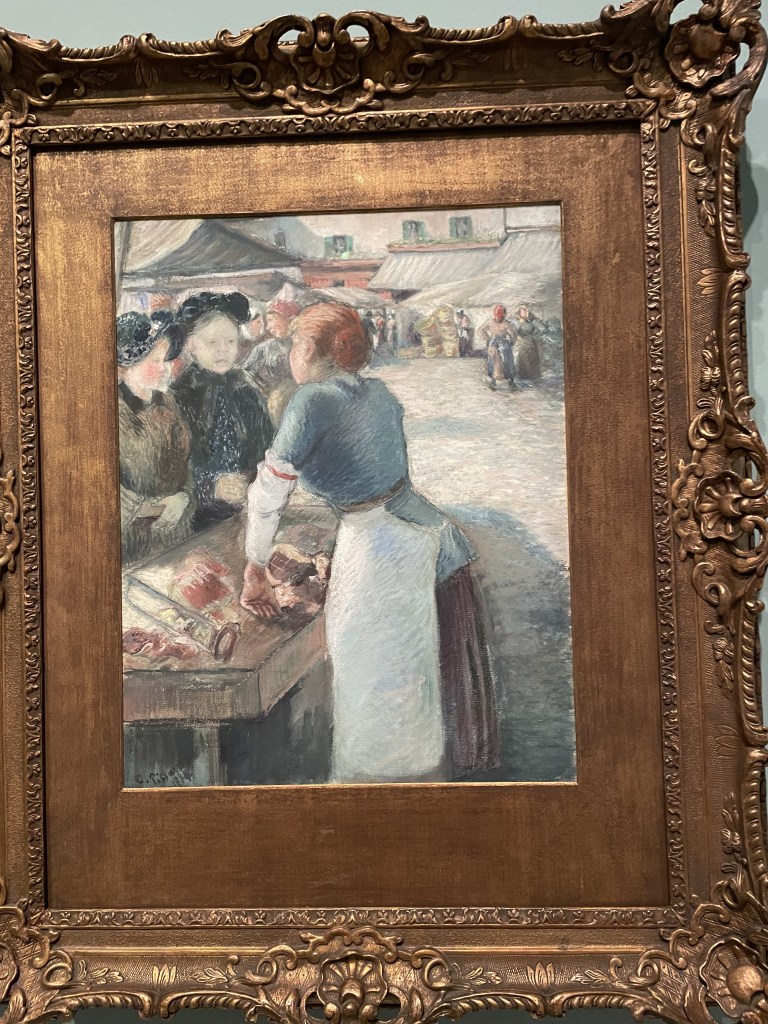
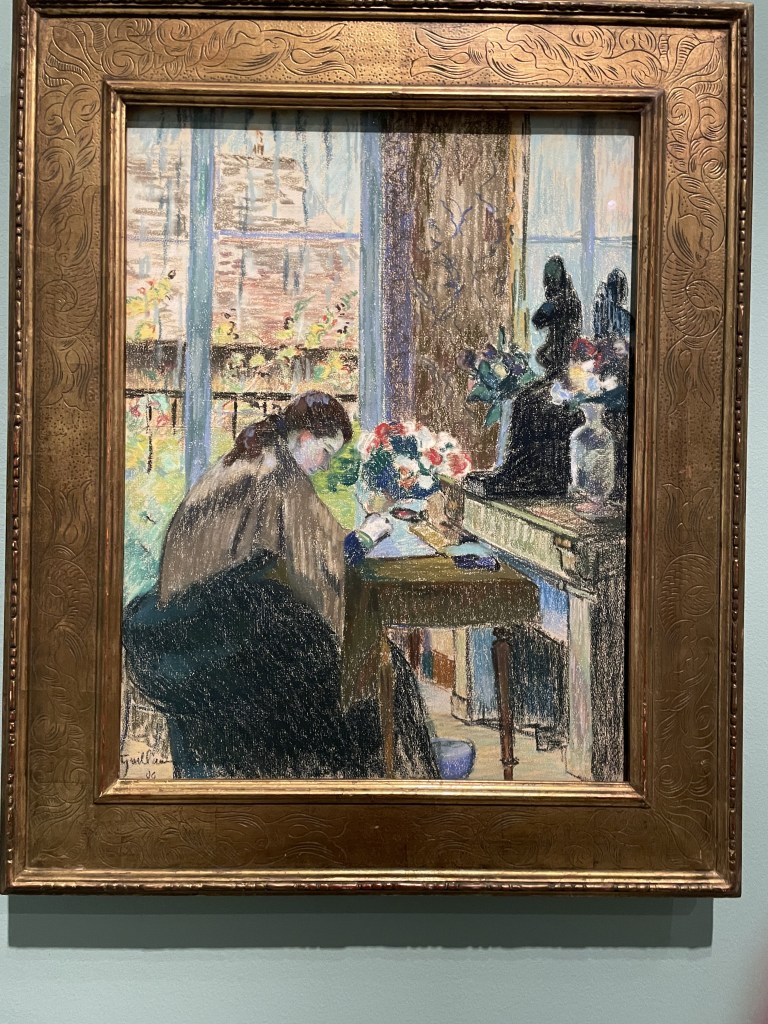
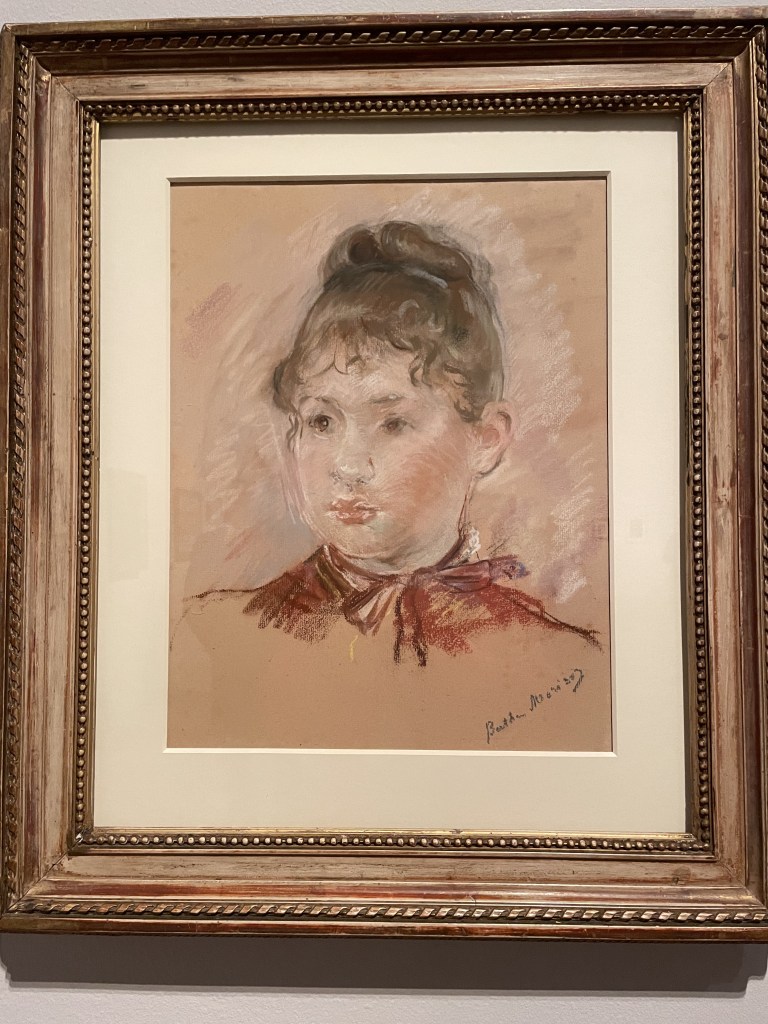
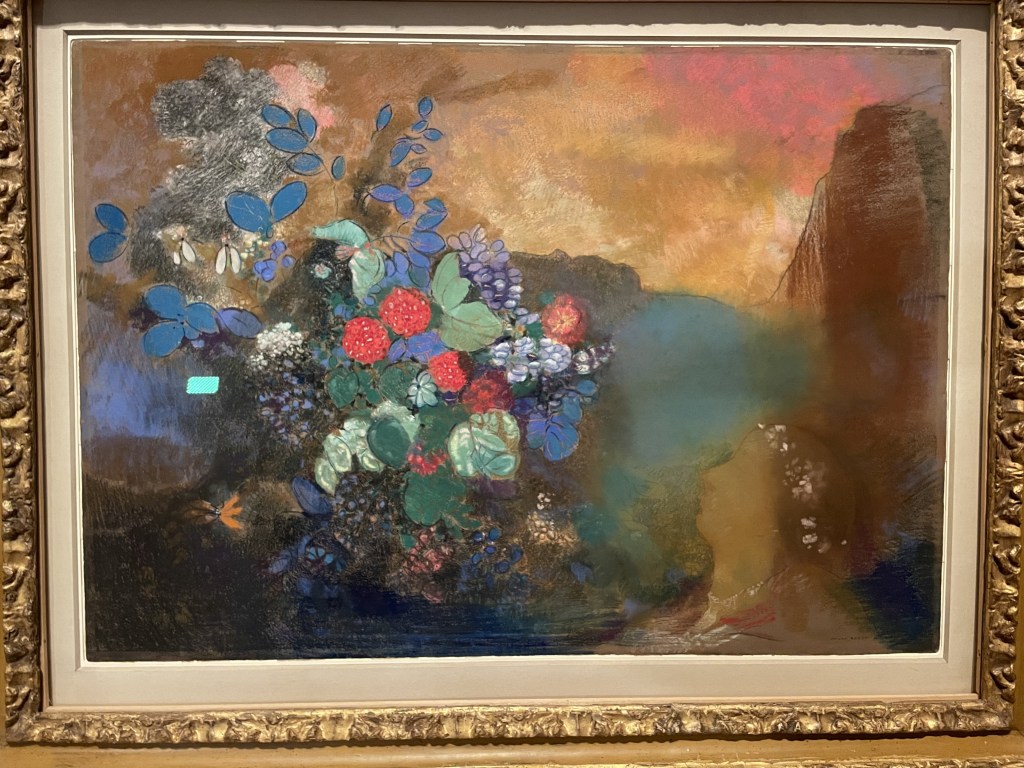
Ah, the power of the sketch, the immediacy of the scribble and the quick depiction. It’s something all artists do, have done, and continue to do. It’s really good to see so many of the works on paper which made by the impressionists gathered in one place. The Royal Academy in London has presented a very charming exhibition of works from Degas to Toulouse-Lautrec and everyone in between, showing how versatile and useful paper, of all sizes, has been for capturing the moment in pencil, charcoal, paint or pastel.

Some of the works on on show are ‘old friends’. We’ve seen Degas’ After the Bath (centre) done in pastel but I really enjoyed seeing The Market Stall by Pissaro (left) and a work by Armand Guillaumin – whom I was unfamiliar with – and his freely drawn Interior (right). All these three works are relatively polished and probably provided reference for larger scale oil paintings. But it’s the immediacy of these works which are so striking. You really get the sense of the artist’s gaze and feel that you, the viewer, are also in that space observing the same thing.

Three portraits, above. Two of them have clearly been made with the subject’s consent. On the left is a portrait of Isabelle Lambert in 1885 by Berthe Morisot. Centre is Woman with a Black Boa, done with diluted oil paint by Henri de Toulouse-Lautrec and, on the right is a rather fascinating charcoal sketch by Giusseppe de Nittis called In the Cab, circa 1880-83. With this one you can see that there’s the semblance of a photo in the ‘snapping’ of this moment done in charcoal. The two women in the carriage are unaware of the artist’s gaze. Apparently De Nittis bought his own carriage and turned it into a mobile studio and trundled around Paris making fleeting impressions of life on the move.

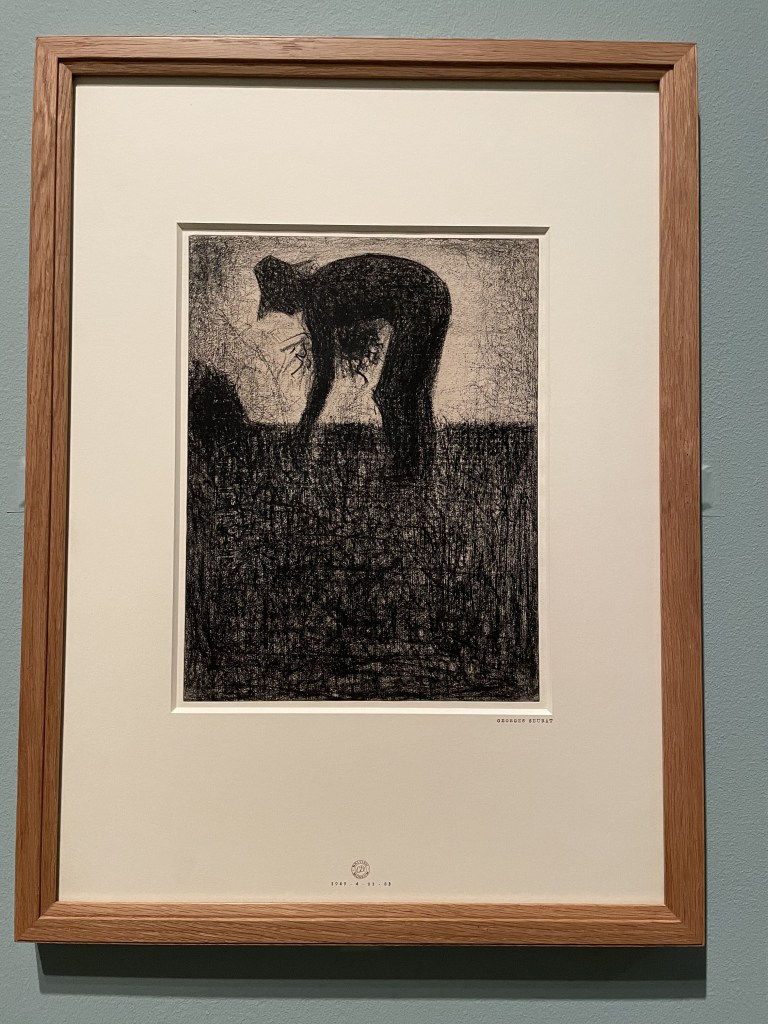
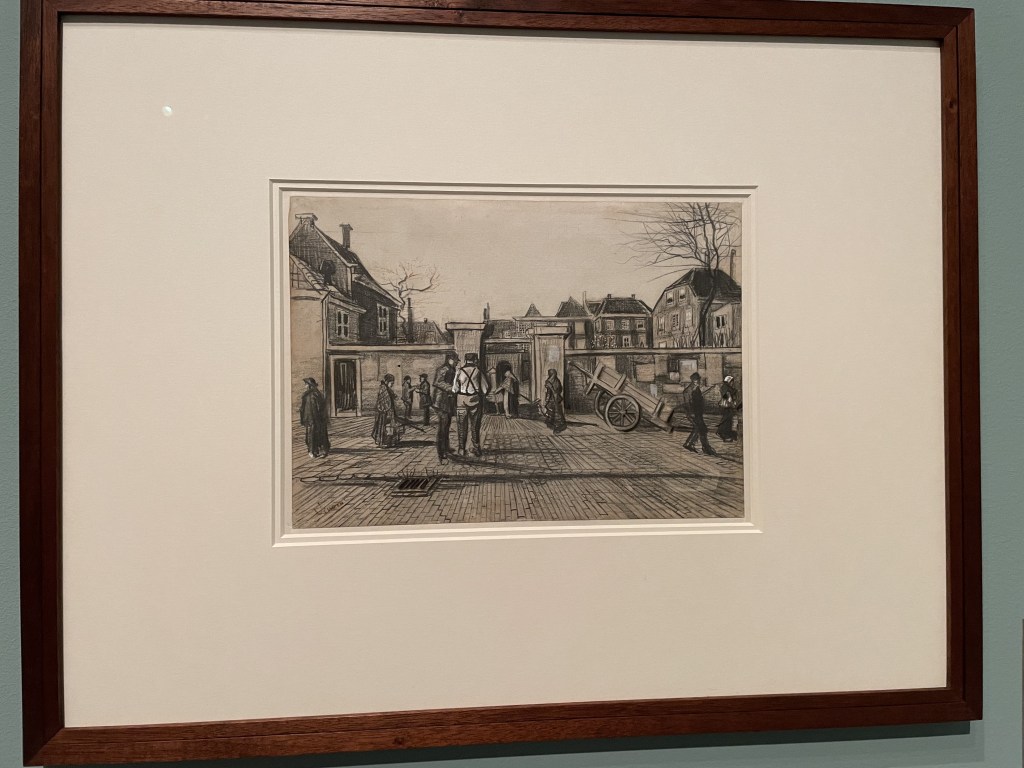
I was very drawn to the bright colours in pastel in this stylised scene on paper by Odilon Redon. It’s called Ophelia Among the Flowers, 1905-08. It is a very luscious example of pastel on paper and the strong colours this medium can produce. In the middle is a sketch by Georges Seurat called The Gleaner, c. 1882. He’s used black conte crayon in a very ‘printerly’ way – it could almost be a lithograph. Then there’s this intriguing scene on the right by Vincent van Gogh called The Entrance to the Pawn Bank, The Hague 1882. Why did he choose this subject, one wonders? It’s a mix of narrative scene and architectural landscape but so confidently drawn and very atmospheric.

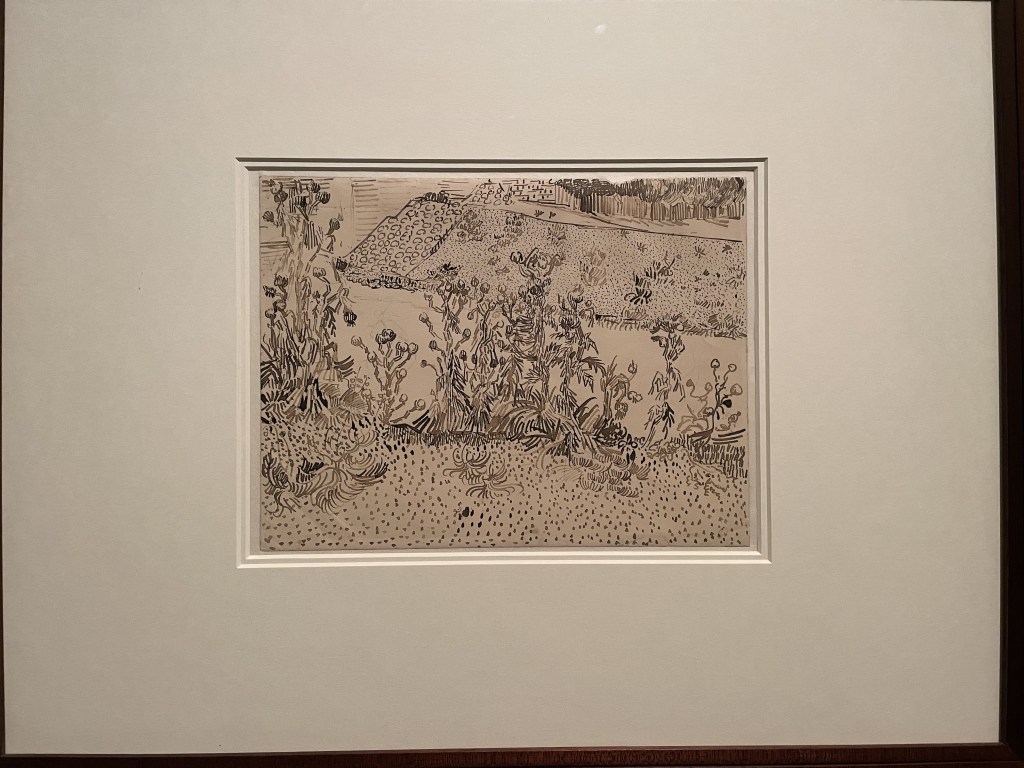
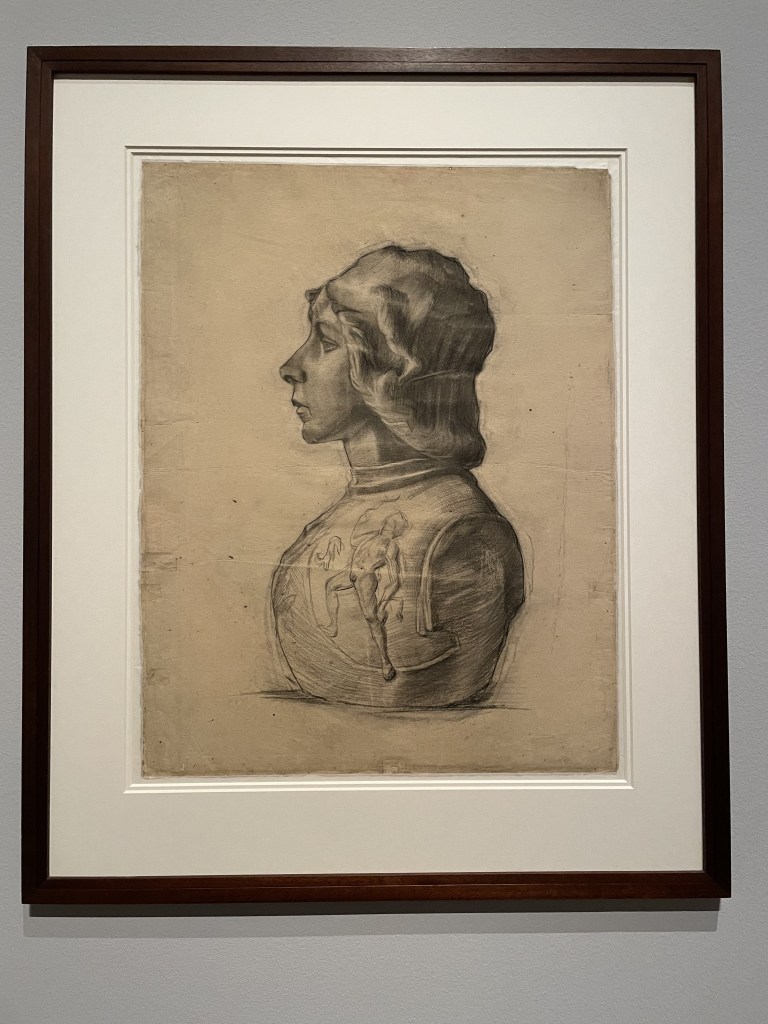
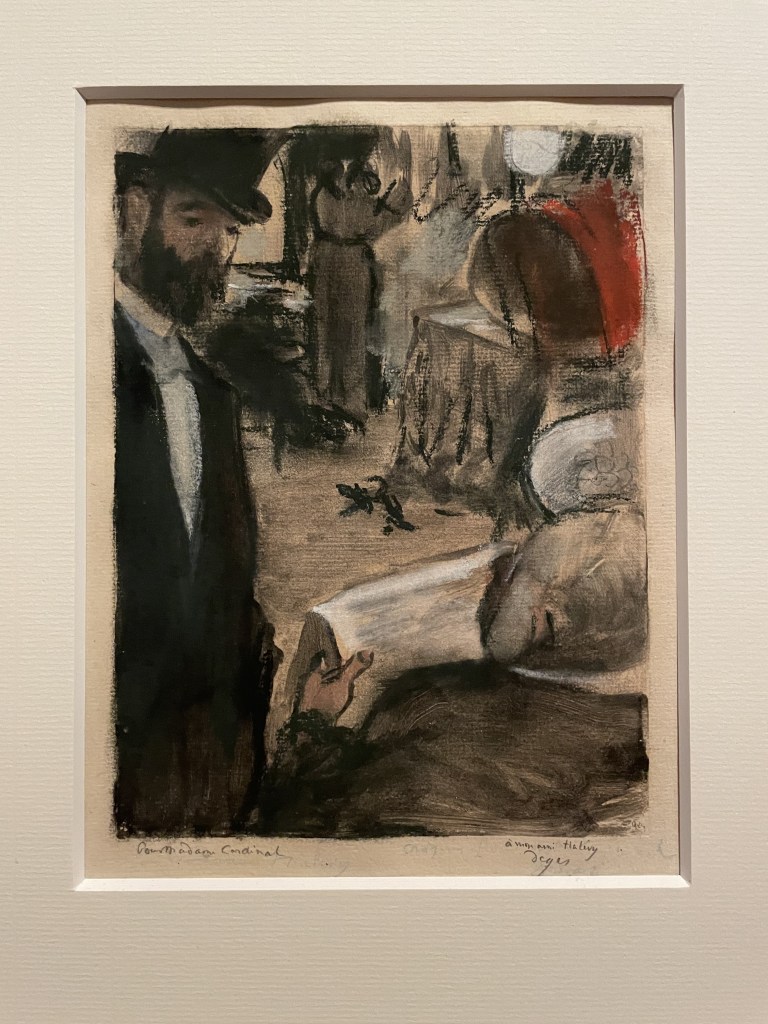
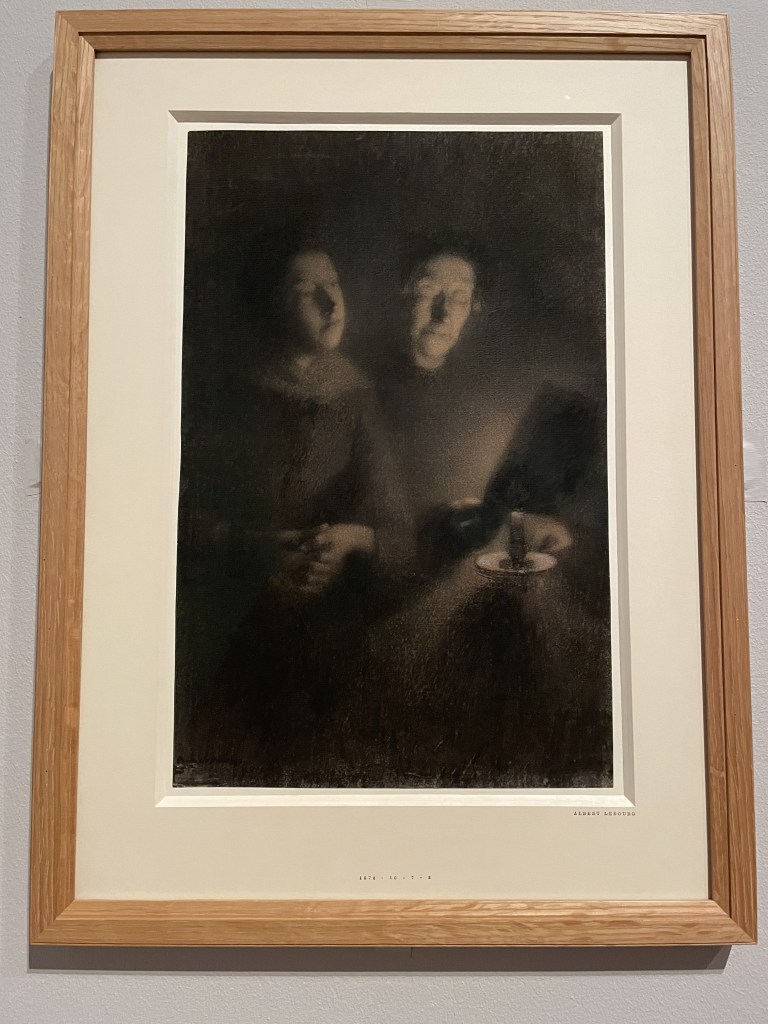
And finally, here’s a mini gallery of other sketches and drawings which caught my eye. There’s so much to see in this show and it’s easy to spend a long time just gazing at the works and enjoying seeing the artist’s hand at work, the smudges, the smoothing, the clear, crisp lines and the atmosphere of the subjects they are capturing. Yes, we’ve all got cameras these days but I don’t think artists will ever stop enjoying the power of the quick sketch. These are a joy to view.

The show is on in the Gabrielle Jungels-Winkler Galleries until 10 March 2024.

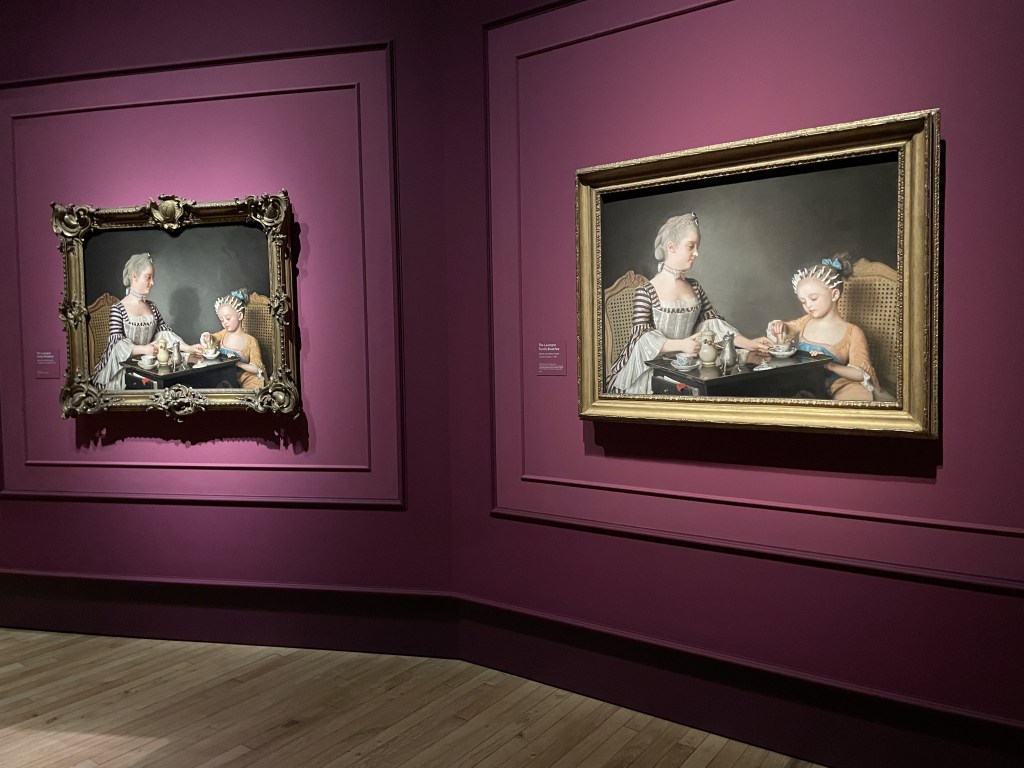
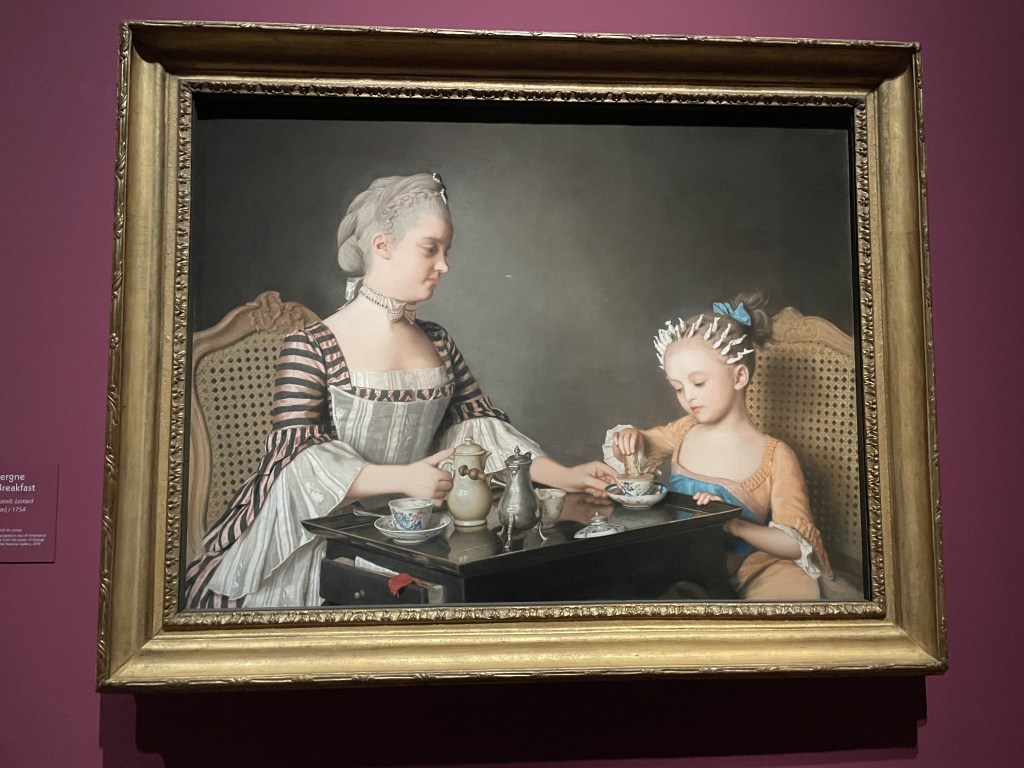
Spot the difference! Is it pastel, or is it oil paint? Both works, entitled The Lavergne Family Breakfast by Jean-Etienne Liotard (1702-1789), are utterly glorious and are now now on show at the National Gallery. This is a rare chance to see these two works side by side.

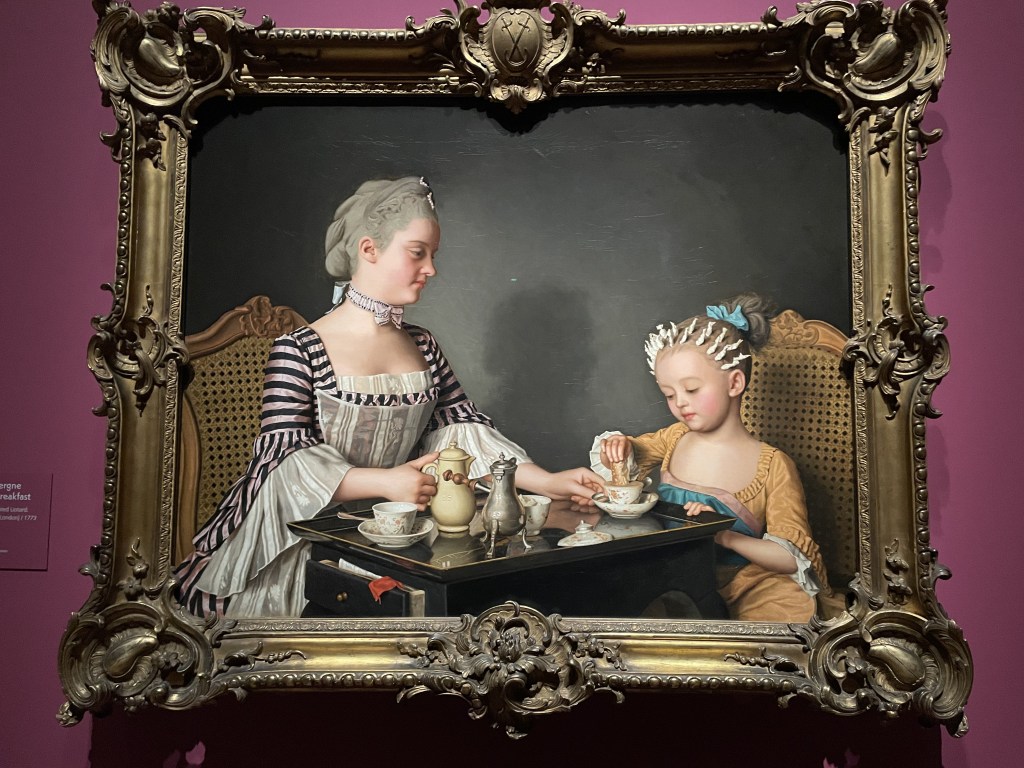
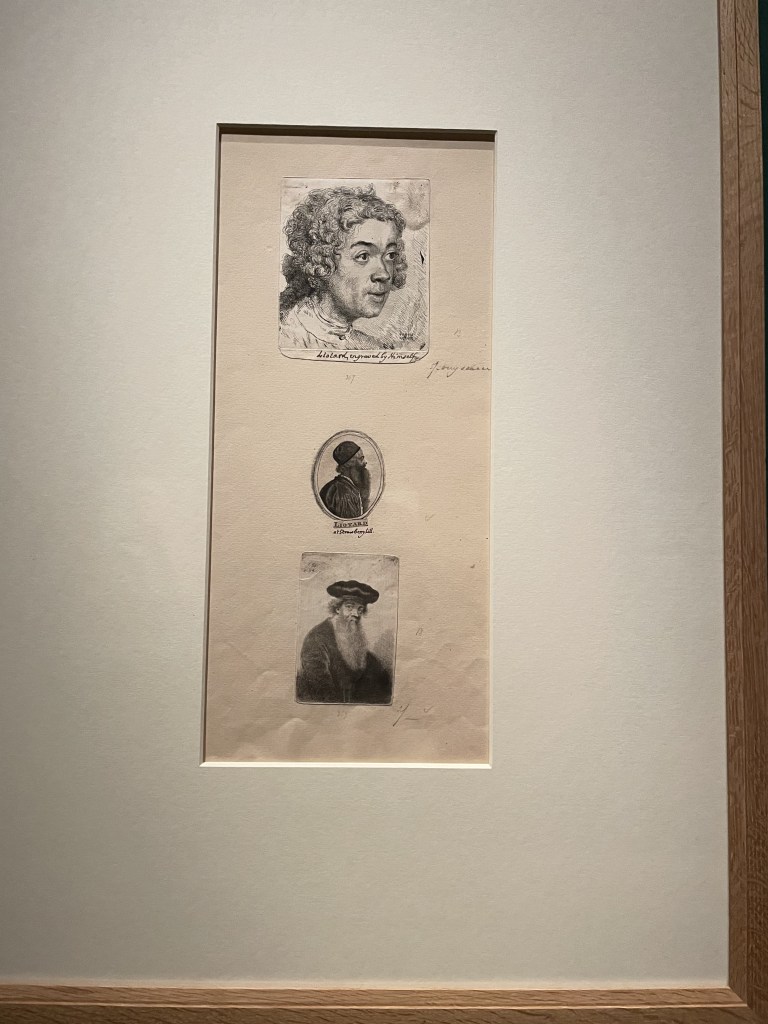
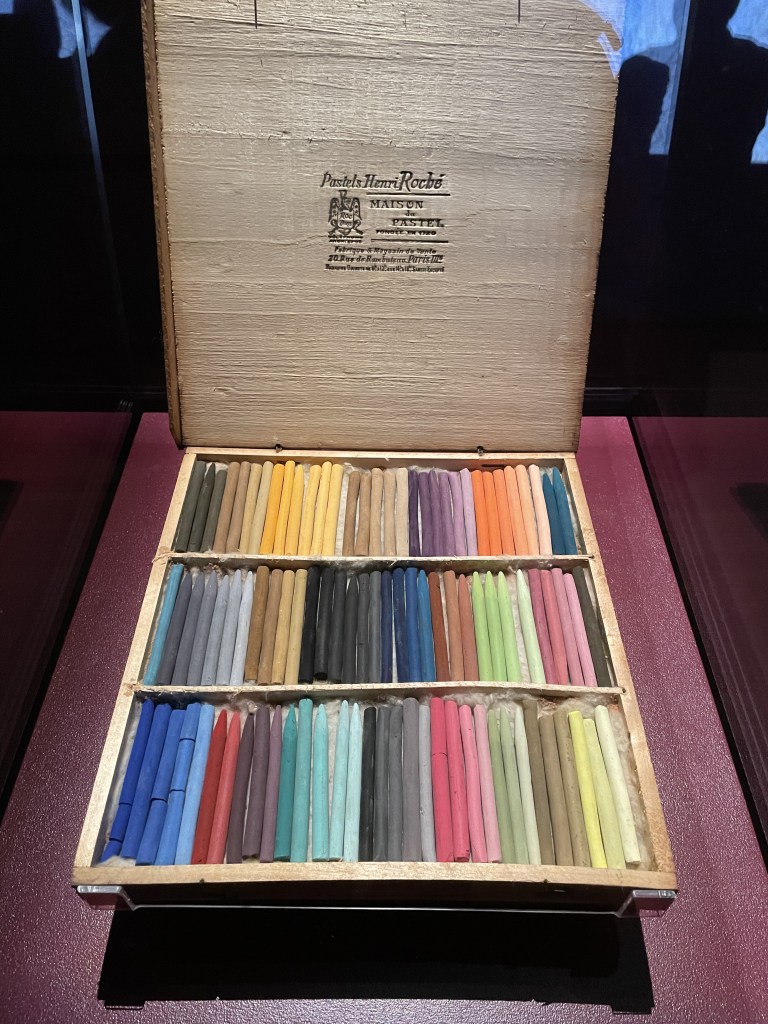
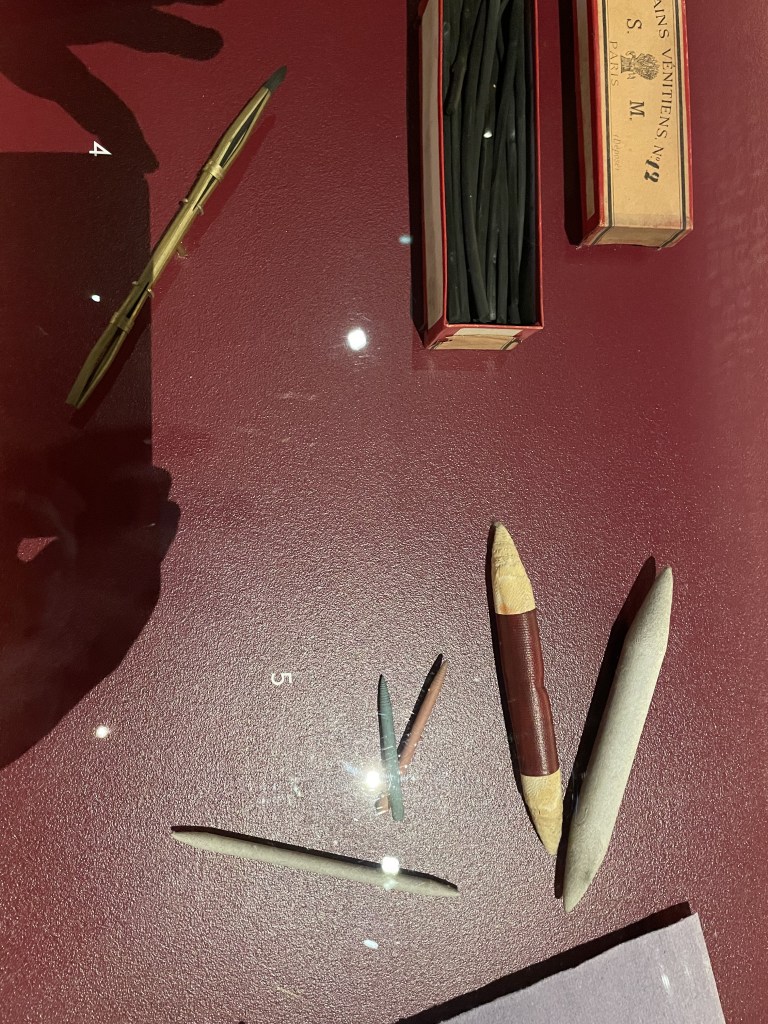
This show is an absolute treat. I was unfamiliar with Liotard before seeing this show. His life filled the span of the 18th century. He was a jobbing artist, a traveller, an engraver and a portraitist. But he became an absolute master of pastels. These were chalk-based dry pastels which he must have sharpened to the most delicate point to use like a fine colour crayon to create the detail. He created the pastel portrait of The Lavergne Family Breakfast in 1754 and sold it to his patron, William Ponsonby, Viscount Duncanon for 200 guineas. He didn’t see the painting for 20 years when he was invited to stay at the Duncanon home. He decided to make a very exact replica in oil paint. It is like seeing double but you can, of course spot the difference.

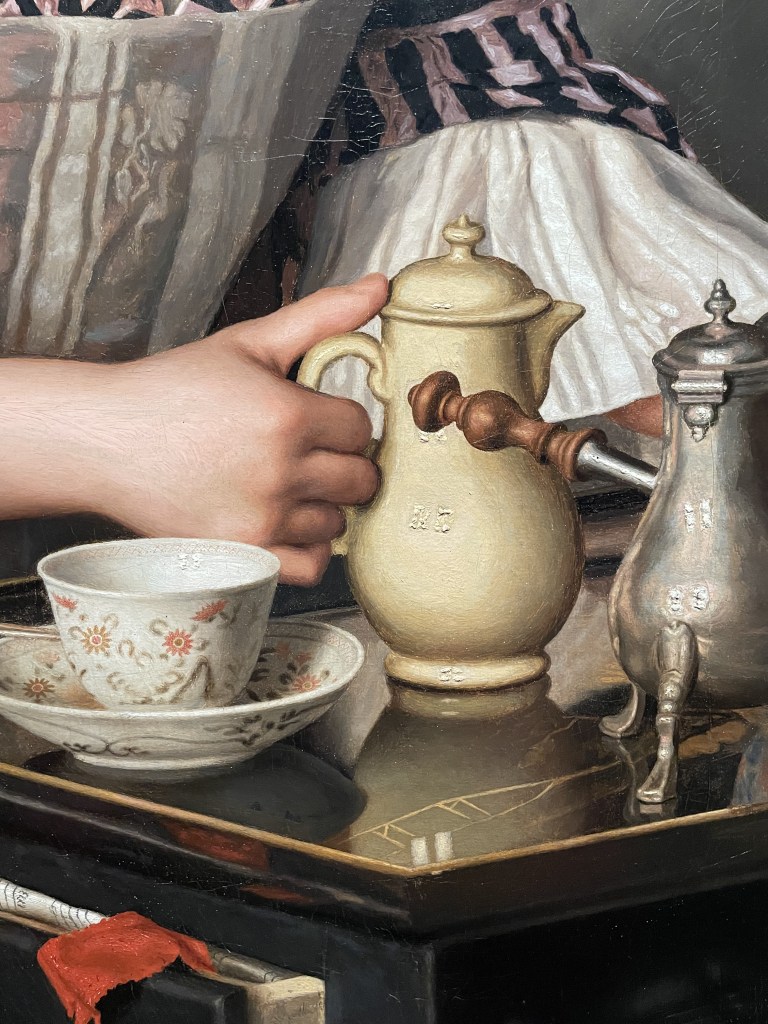
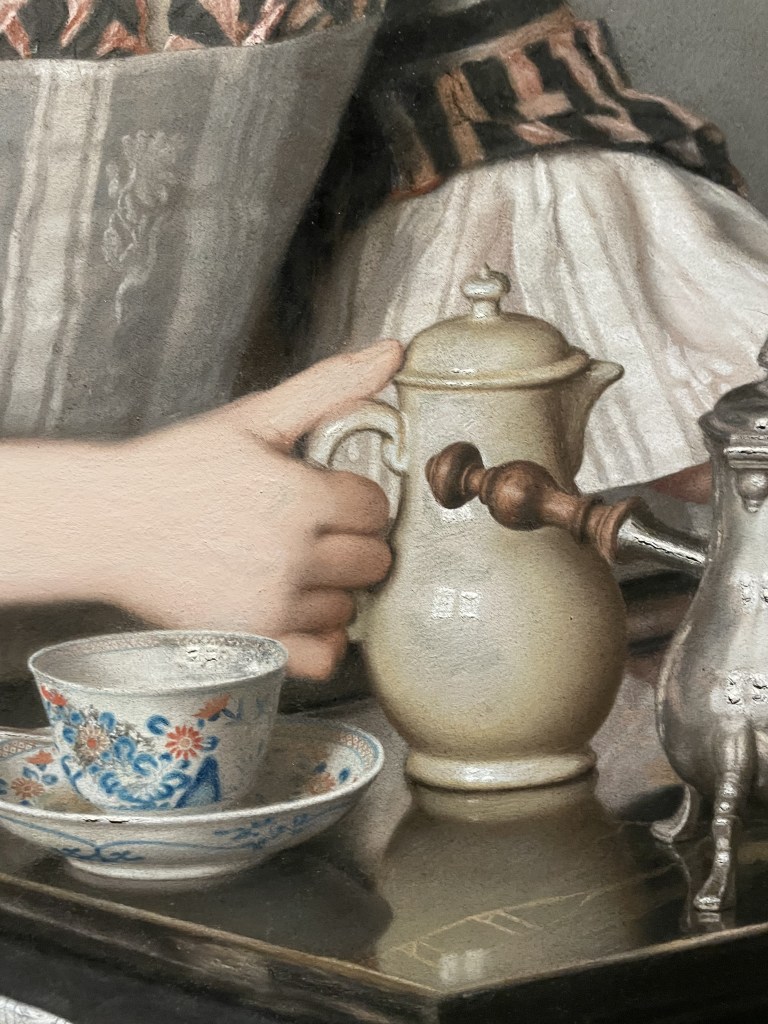
Above, you can see the two paintings side by side. The oil painting is on the left. The colour of the oil paint has faded a little and the blue on the Japanese tea cup is now brown rather than blue, as seen in the original pastel version. There’s a more smoky, soft and delicate feel to the pastel version.

Above, you can see the difference in the close up. Both are so beautifully painted/drawn. But what’s so striking is the attention to detail and the absolute reproduction of the original but in a different medium.

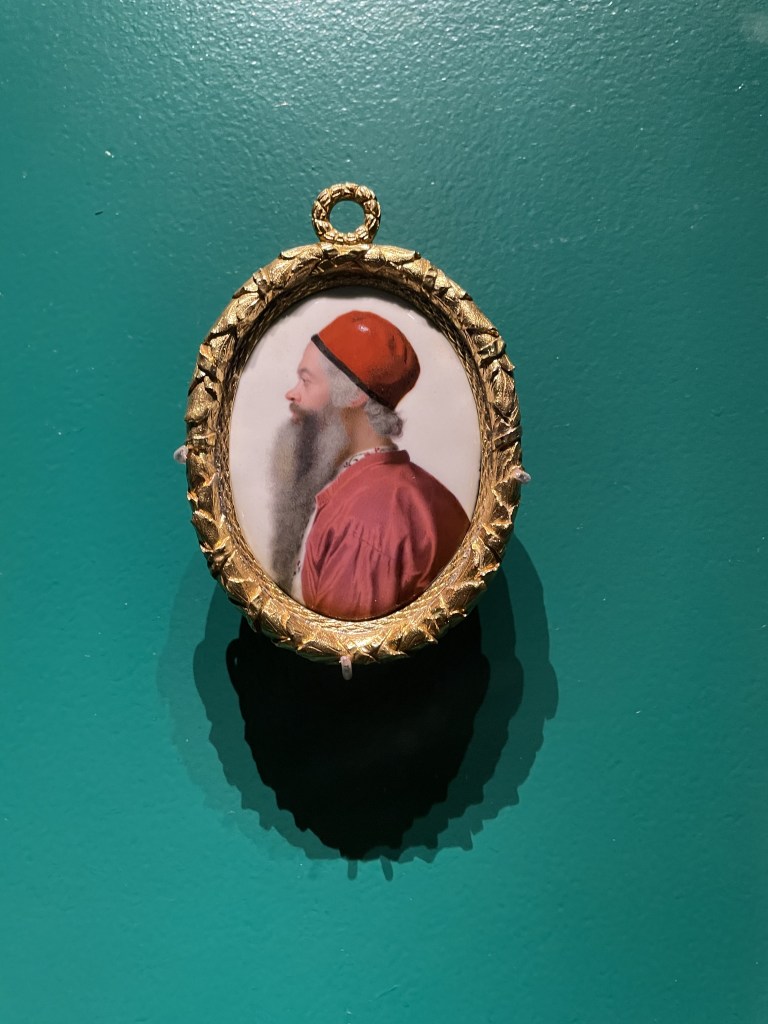
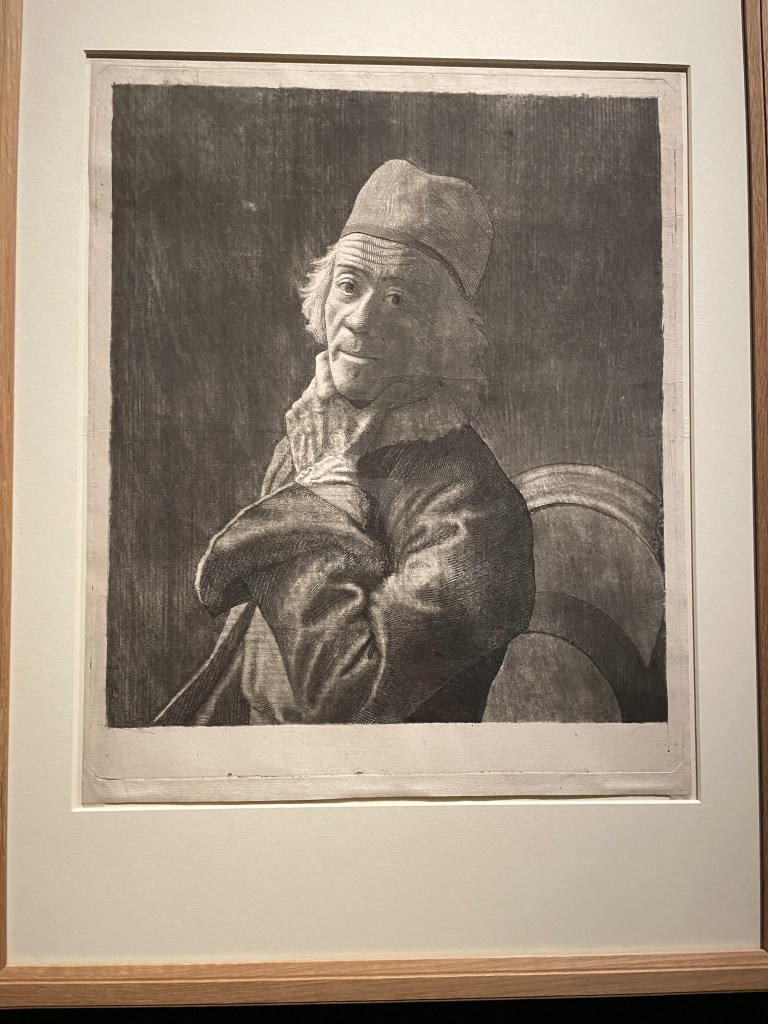
Above are self-portraits by Liotard. When he first appeared on the London social scene he wore a knee-long beard and flounced around in red robes. He must have cut an exotic dash in the salons and drawing rooms of aristocratic homes. And he became hugely successful with commissions coming in from hundreds of wealthy families who shelled out large amounts of money to be depicted in pastel and then in oils.

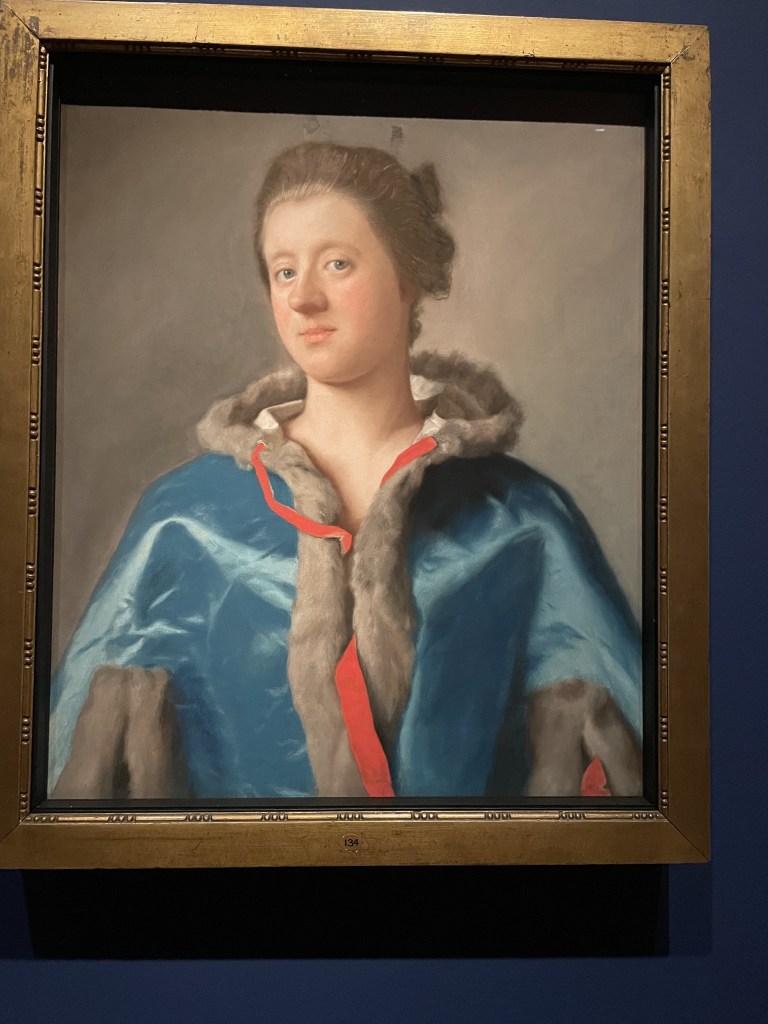
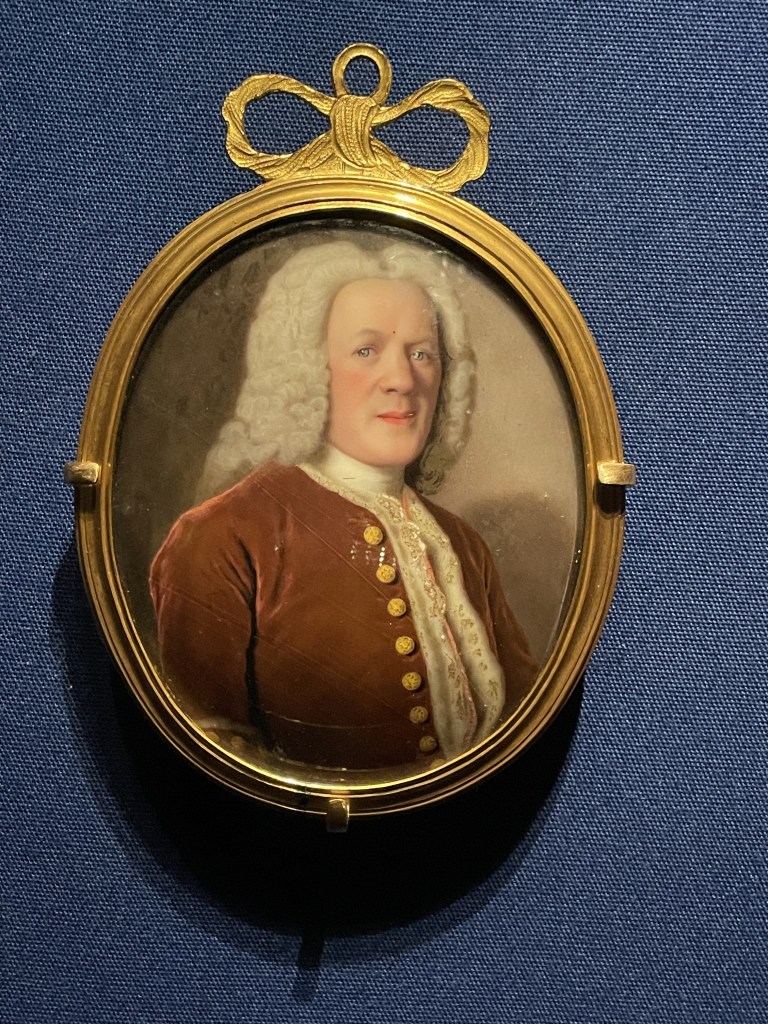
Using the pastels, Liotard managed to create a wonderfully soft surface and luscious fabrics which really flatter the sitter. He was also really good at capturing character.

It’s great to have the chance to see this less well-known artist and relish his talents with a rarely seen medium. It’s on show in the Sunley Room at the National Gallery until 3rd March 2024.

Now, where’s my pastel box!

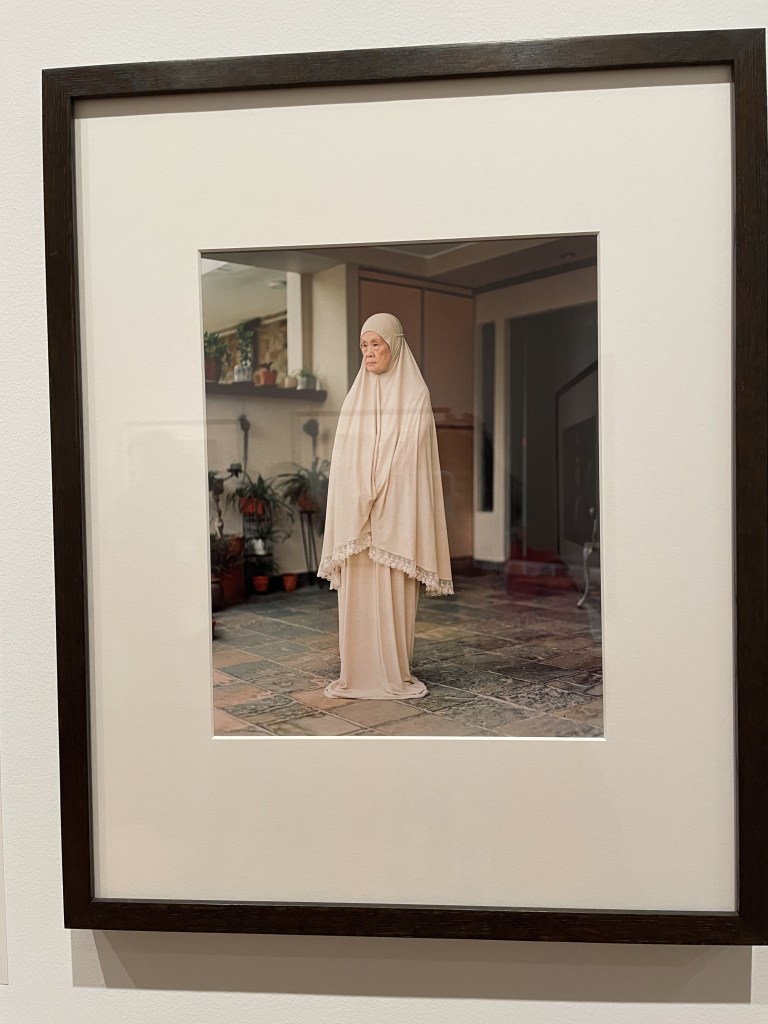
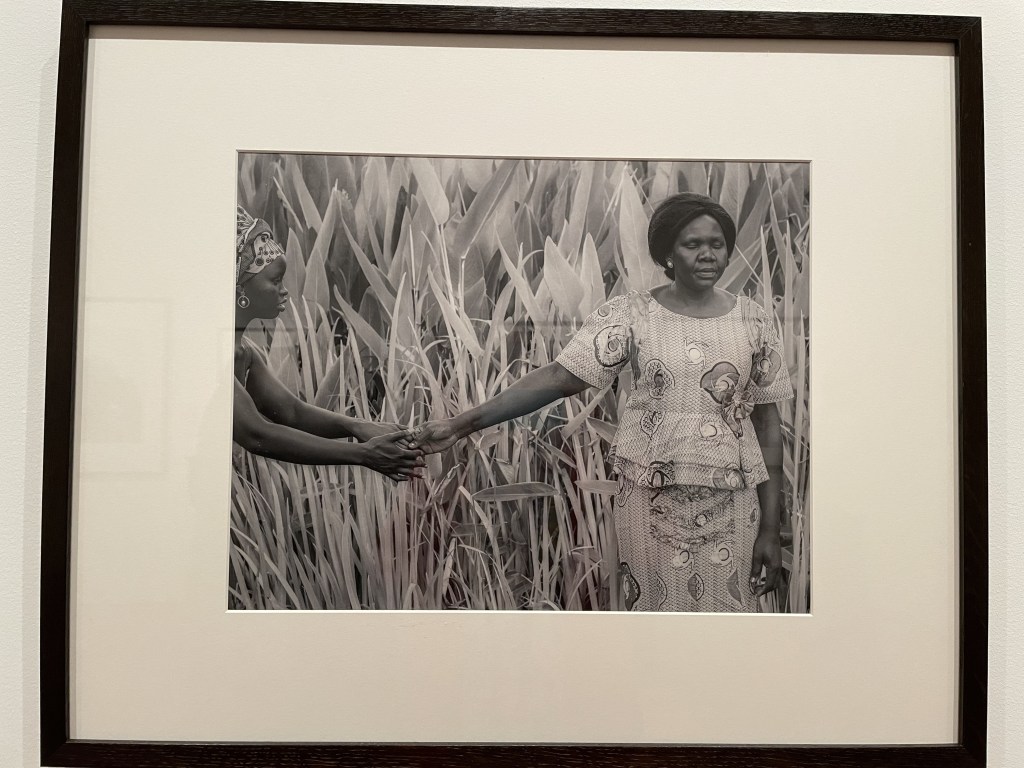
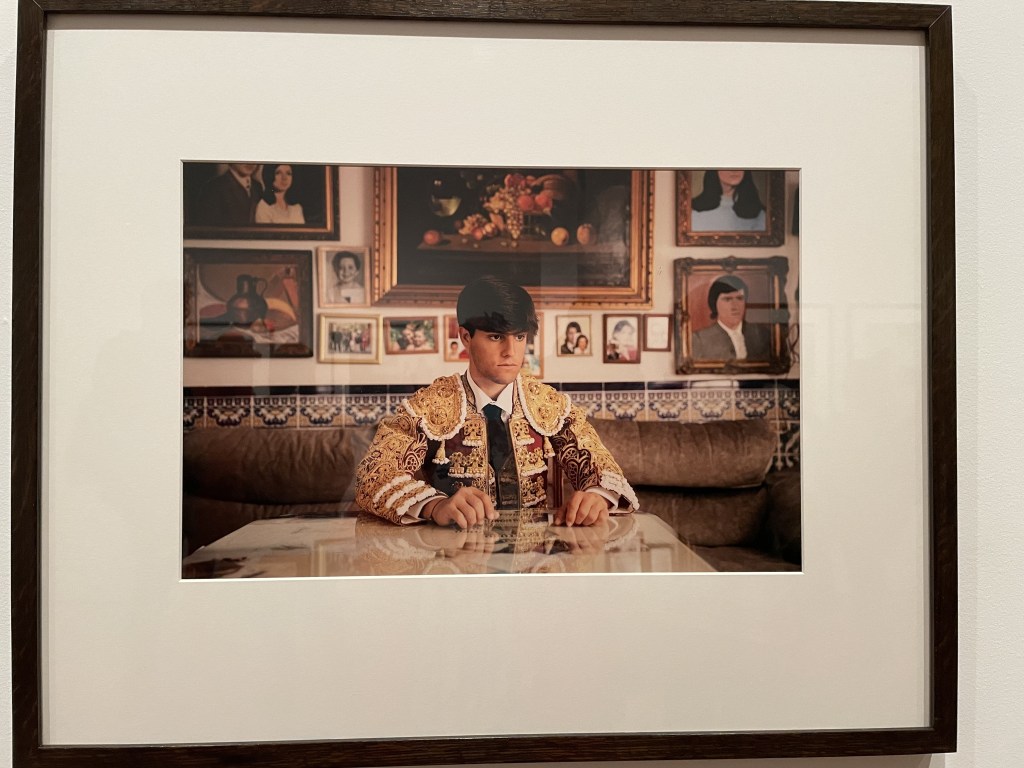
The annual Taylor Wessing photo portrait prize exhibition returns to the National Portrait Gallery after three years with 58 winning photographs of great sensitivity and atmosphere.

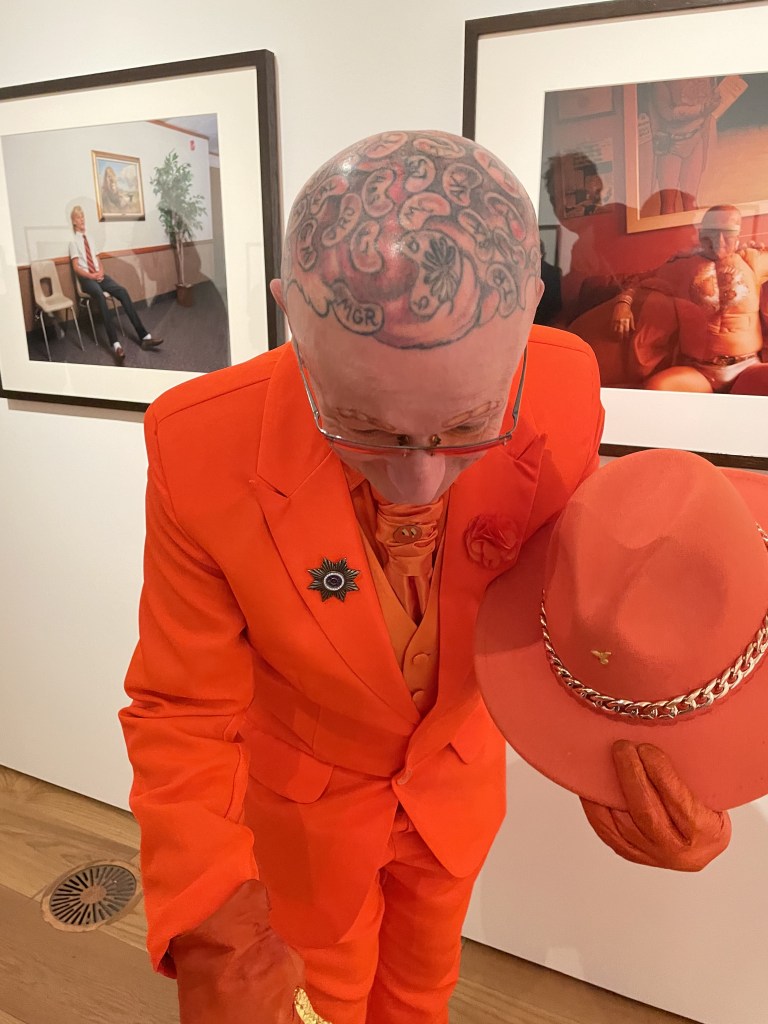
The fun of going to the press preview for this exhibition is the chance to meet the photographers who are there and also some of the subjects. The most striking subject of the morning was Captain Beany taken by Roo Lewis. Barry Kirk, AKA Captain Beany established the world’s only baked bean museum from his council flat in Port Talbot in South Wales. Dressed in very striking orange suit, and with beans tattoo’d on his eyebrows, he cut a spectacular dash next to the photograph taken of him in his Captain Beany outfit, resting at home.

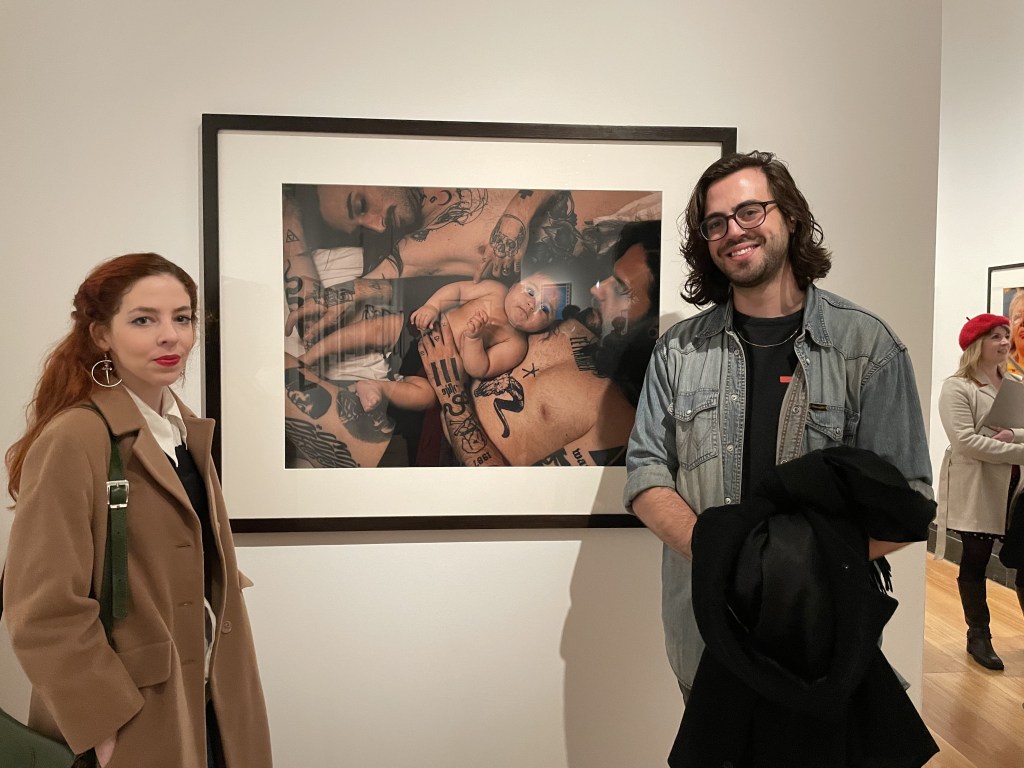
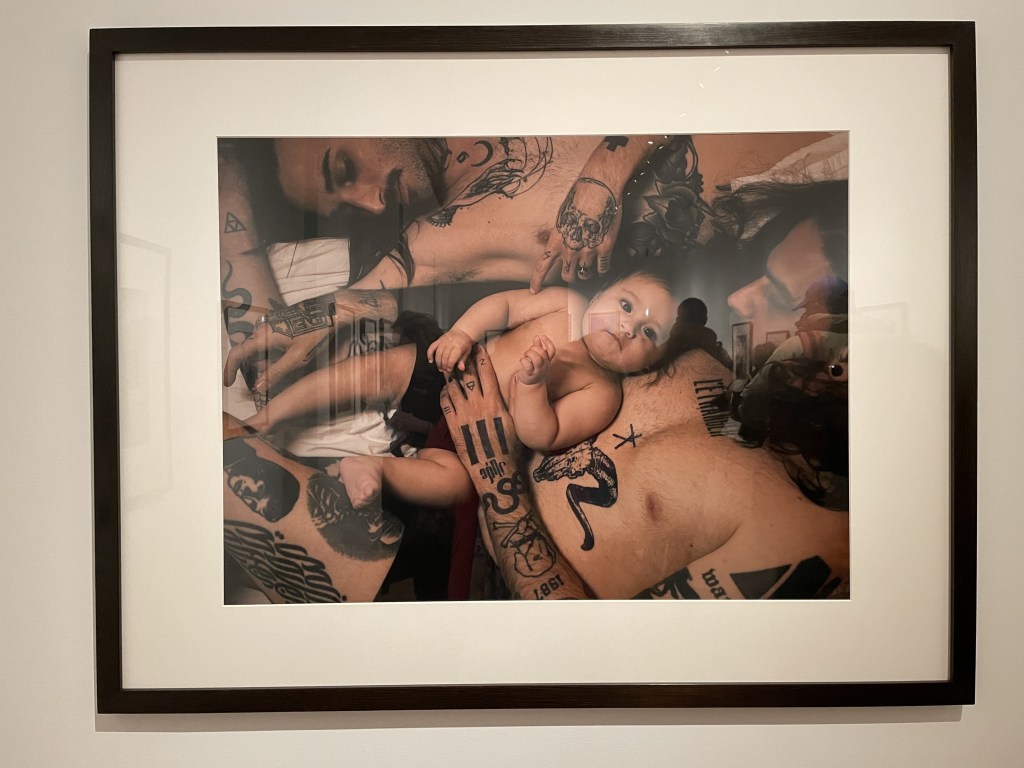
I enjoyed meeting Rona Bar and Afek Aveshalom who specialise in photographing couples in their homes. This shot is of Roy and Josef, both tattoo artists, with their daughter Jude in Tel Aviv. I loved the baby’s direct stare at the lens and the striking language of the tattoo decorations.

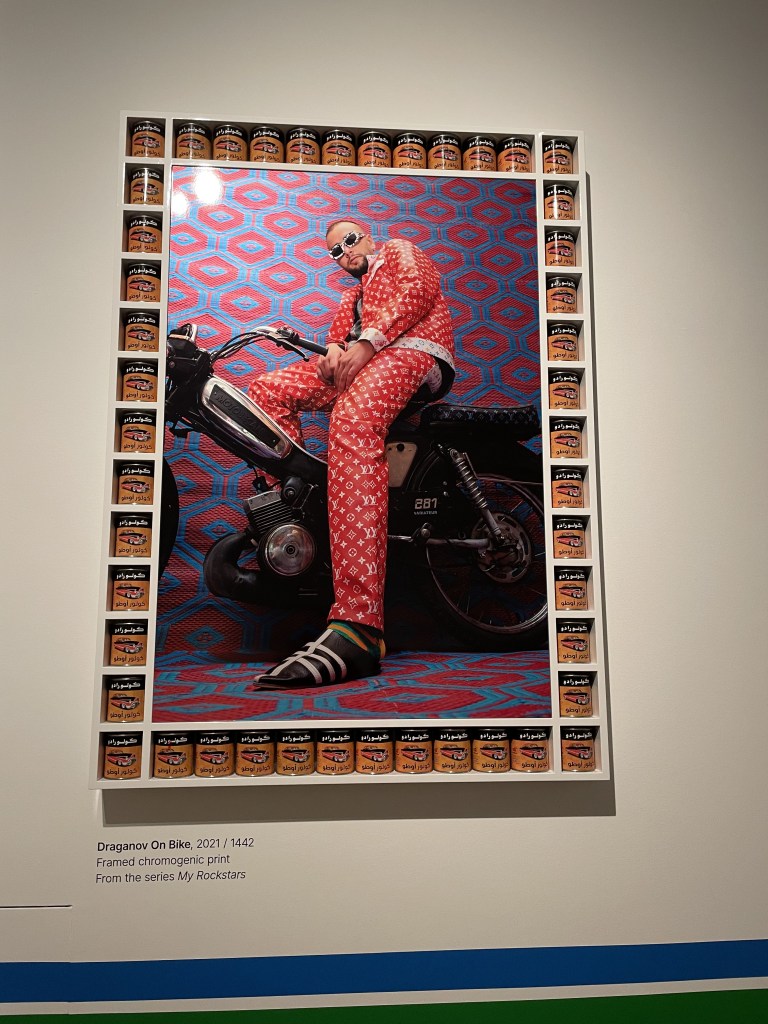
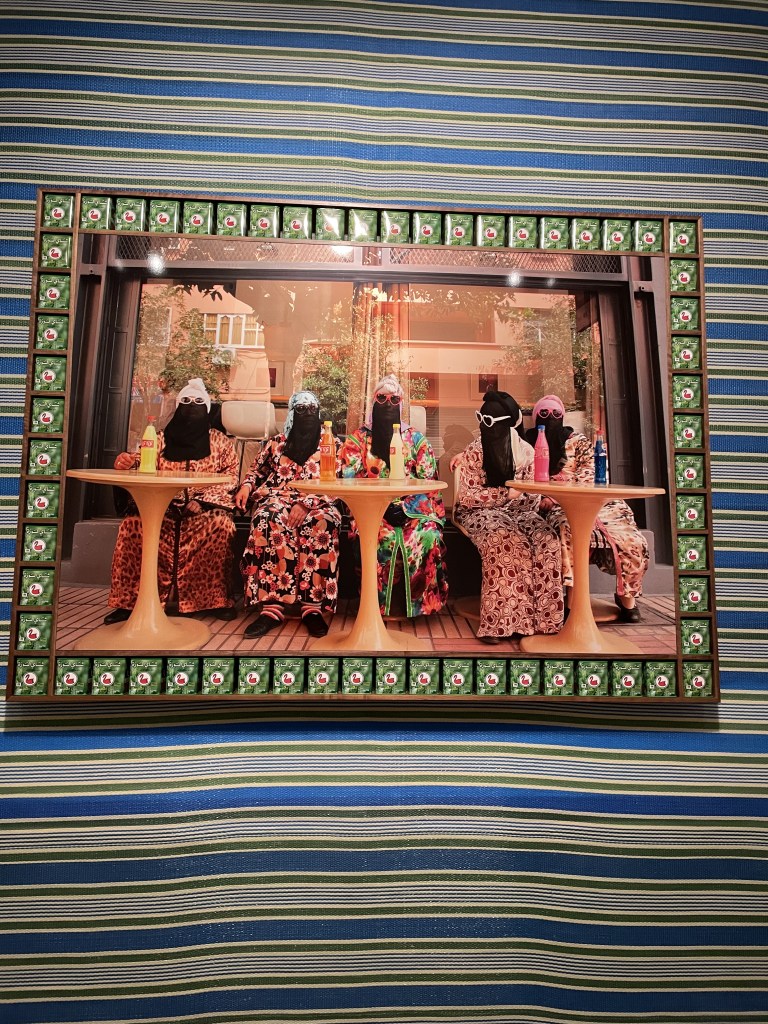
These are just two of the large portraits by Keshmara from the series Vogue: The Arab Issue. Each shot is surrounded by tin cans and create a very eye-catching display at the back of the exhibition.

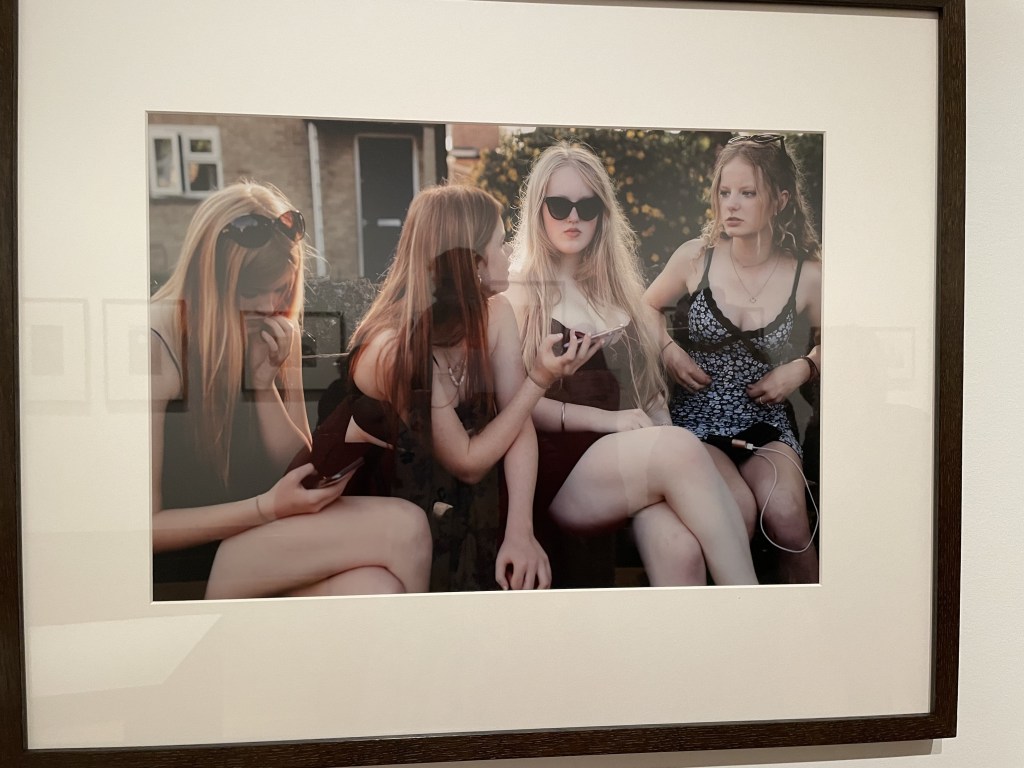
I liked this shot by Philippa James of her daughter, Lucy, in the glasses, and her 14 year old friends as they scroll their phones creating Tik Tok films. Lucy strikes a pose that, as James says in the notes on the wall, might have been learned from viewing other girls on social media.

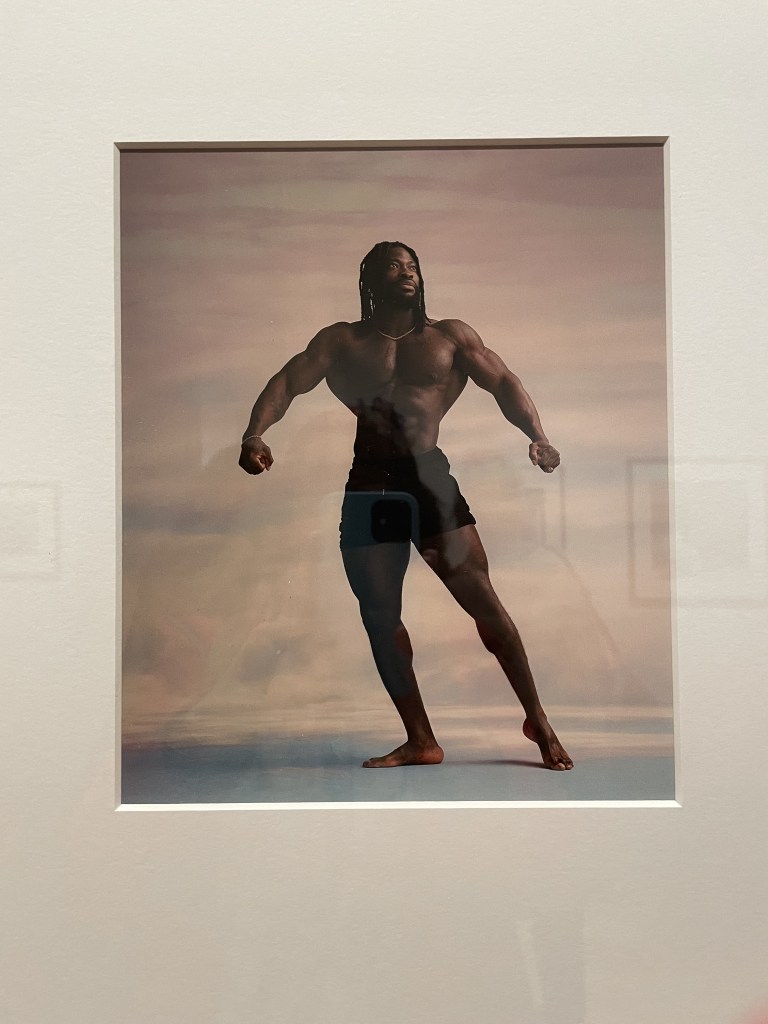
These photos all caught my eye. I think what I like about them is the information we glean from the expression on the subject’s face. You can see that there is a thoughtfulness about all of them. The viewer can imagine the thoughts but the words from the photographer on the wall next to the picture provides a useful context.

The Taylor Wessing exhibition is on show at the National Portrait Gallery until 25th February 2024.

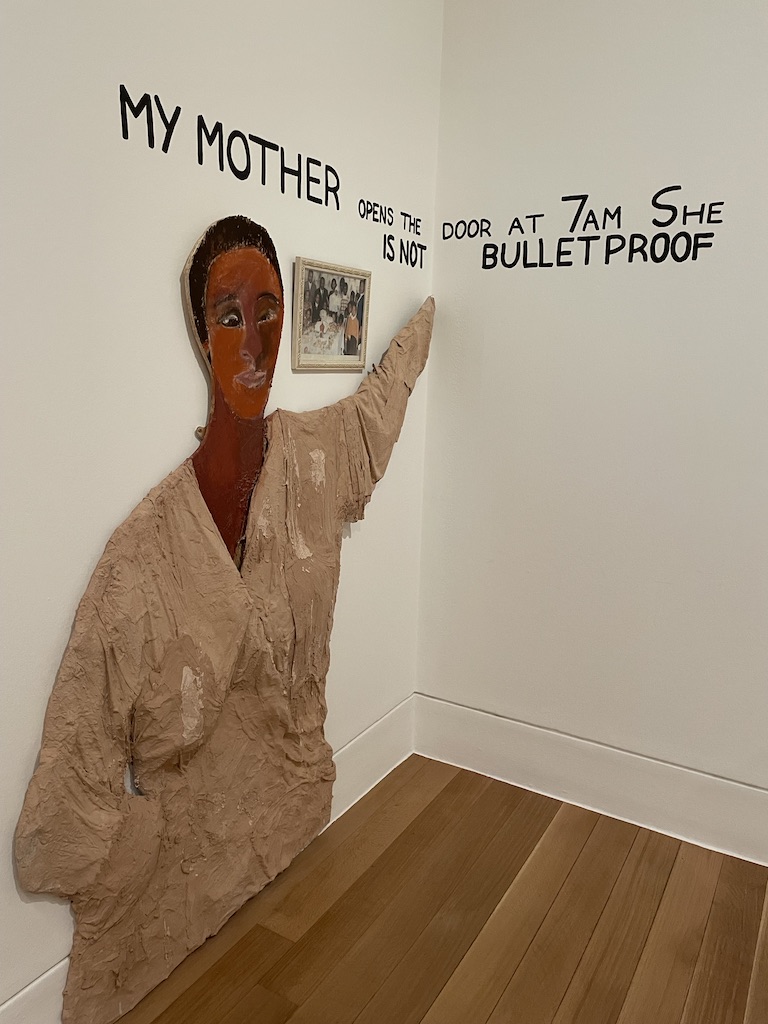
Women in Revolt! Yes, it’s a thing. And Tate Britain has just launched a huge exhibition putting the focus on art and activism in the UK between 1970-1990. Celebrating the early days of women’s liberation, the equal pay legislation and social reforms of the late 20th century there’s a lot to see.

You enter this show and are confronted by a dramatic painting which any mother can relate to. A woman is holding a screaming baby. She looks exhausted but resolute. She will get through this. The painting is by Maureen Scott and was made in oil on board in 1970. That is the year this show begins its trawl through the trials and triumphs of women as the huge social changes took hold in the latter years of the 20th century. Charting the history of feminism is a huge subject to tackle. Imagine doing the same thing with a subject like poverty…. ? There is no ending. And so it feels with women’s rights. Yes, things have changed a great deal and are still changing but it’s still far from perfect.

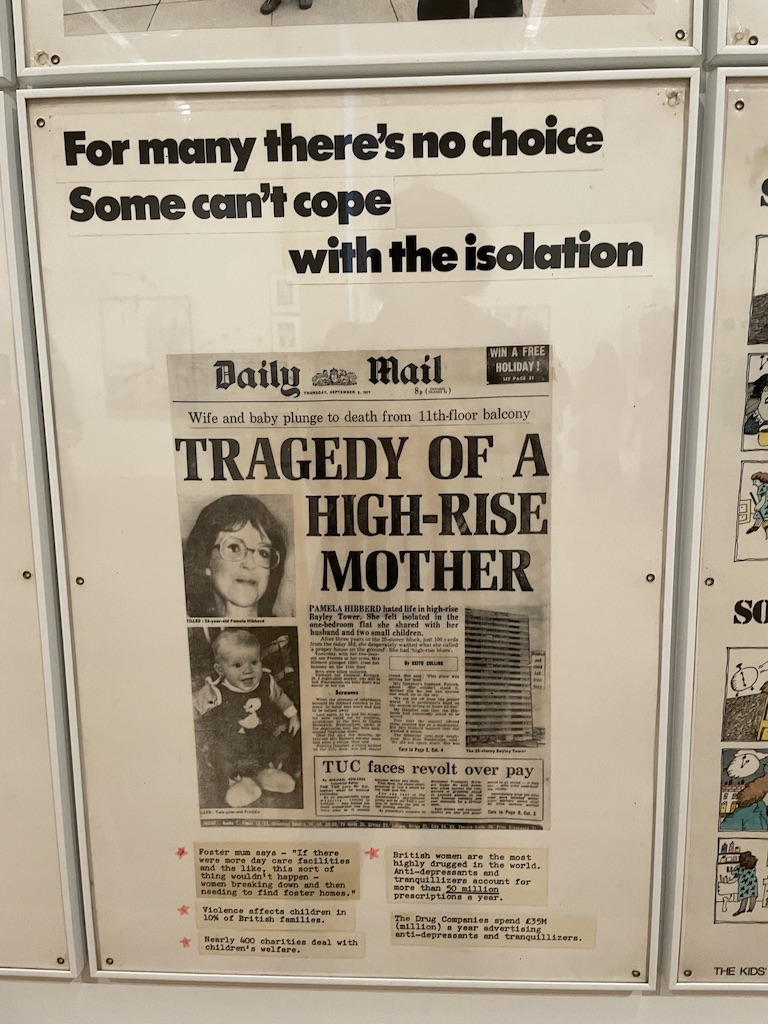
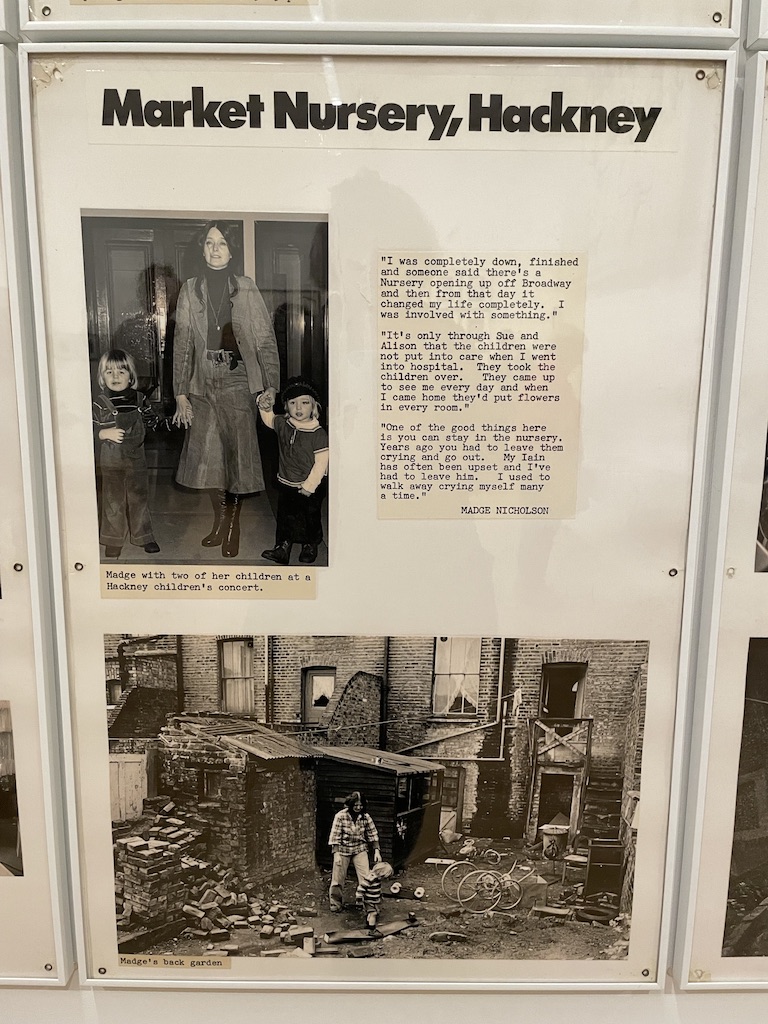
I was very struck by the newspaper cuttings charting the experience of women living in ‘modern’ high rise dwellings in Hackney in the 1980s. I would guess that the architects of these homes were not women. With no space for children to run about and the challenges of dragging everything up and down many flights of stairs when the lift doesn’t work it’s understandable some women reached the end of their tether. But a group of women did find a solution. They took over an old building (at ground level) with outdoor space and set up a nursery. Once a safe place for childcare is established then women can work. It seems so blindingly obvious that you do wonder why designers and planners never thought about such things.

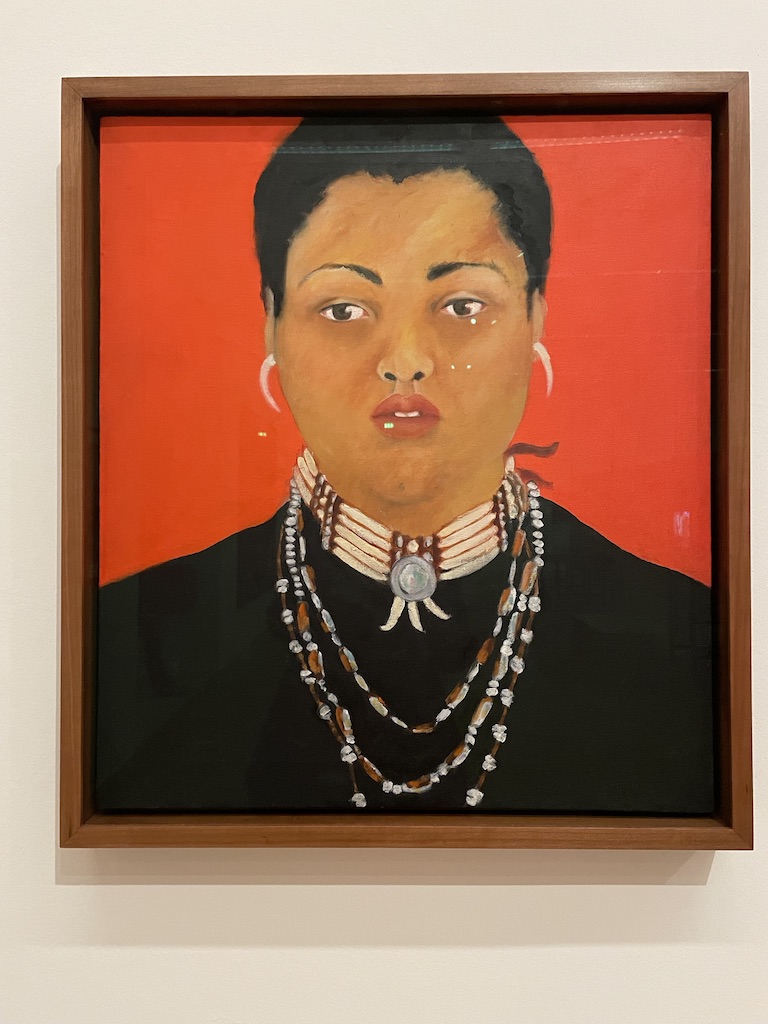
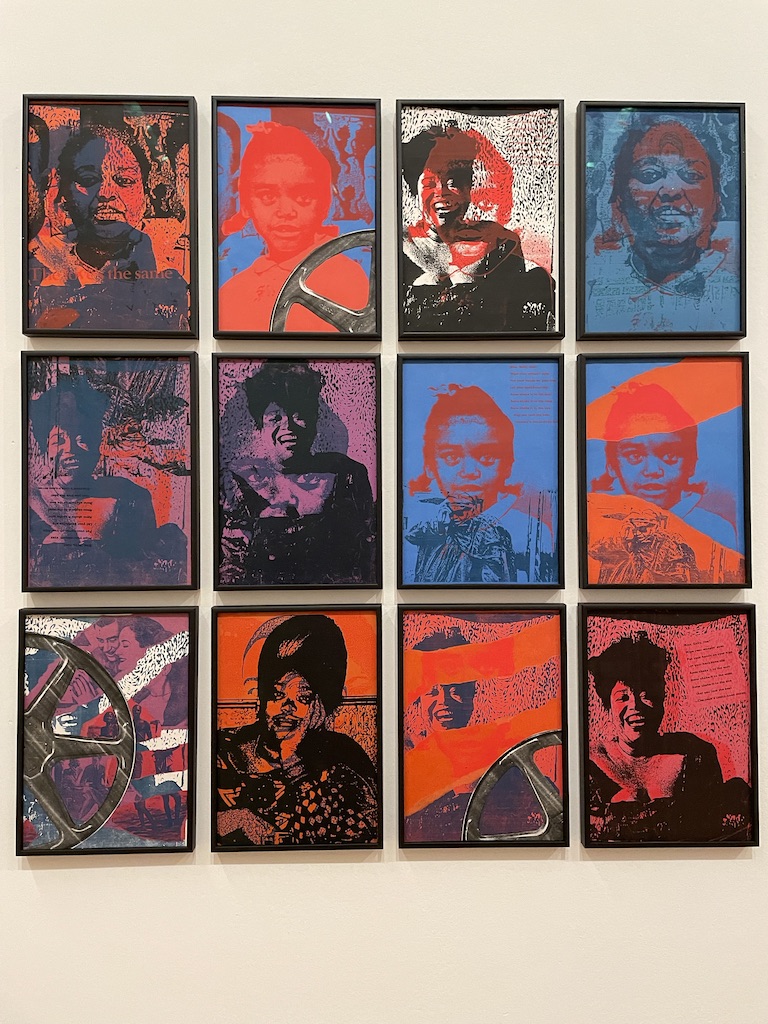
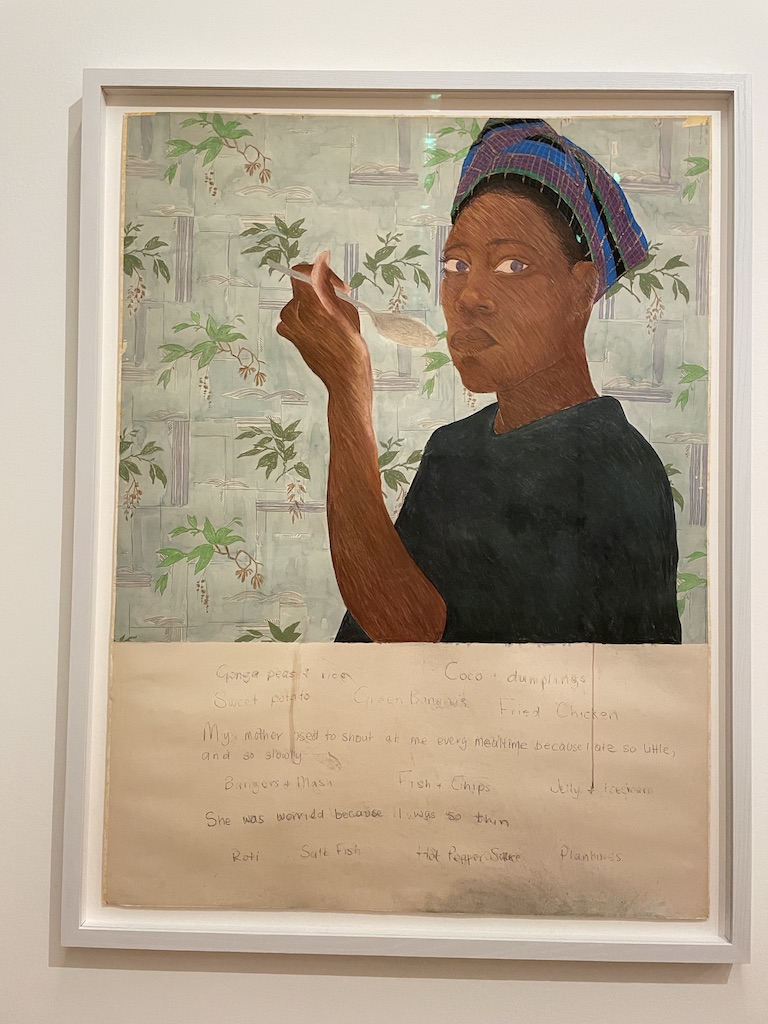
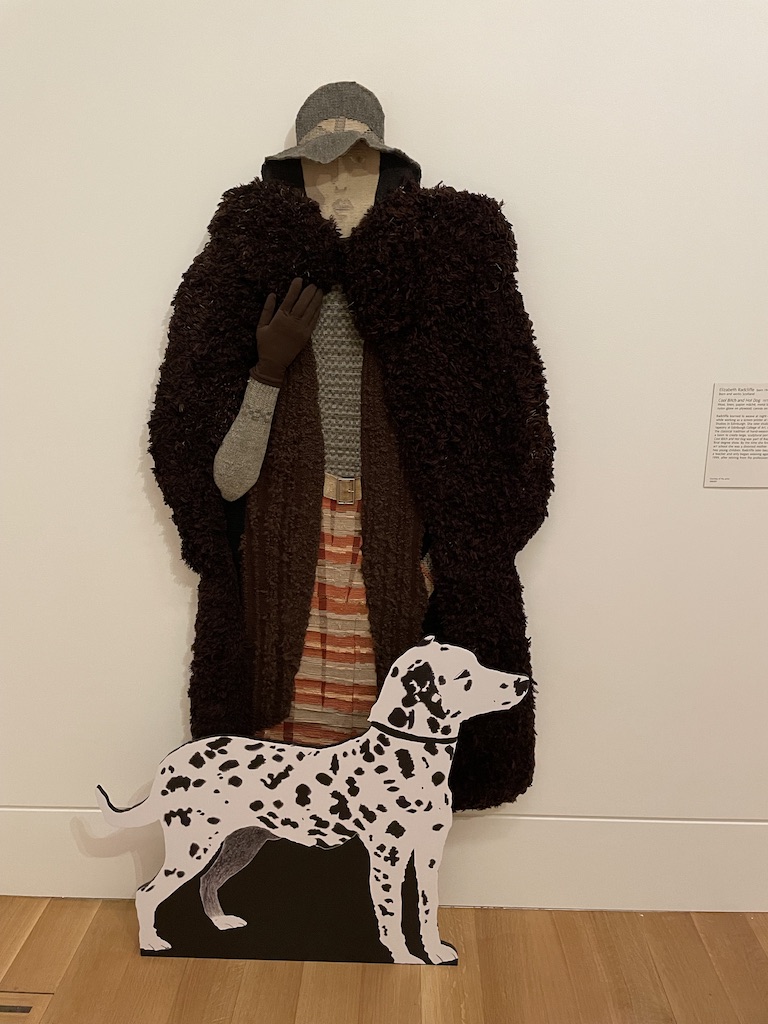
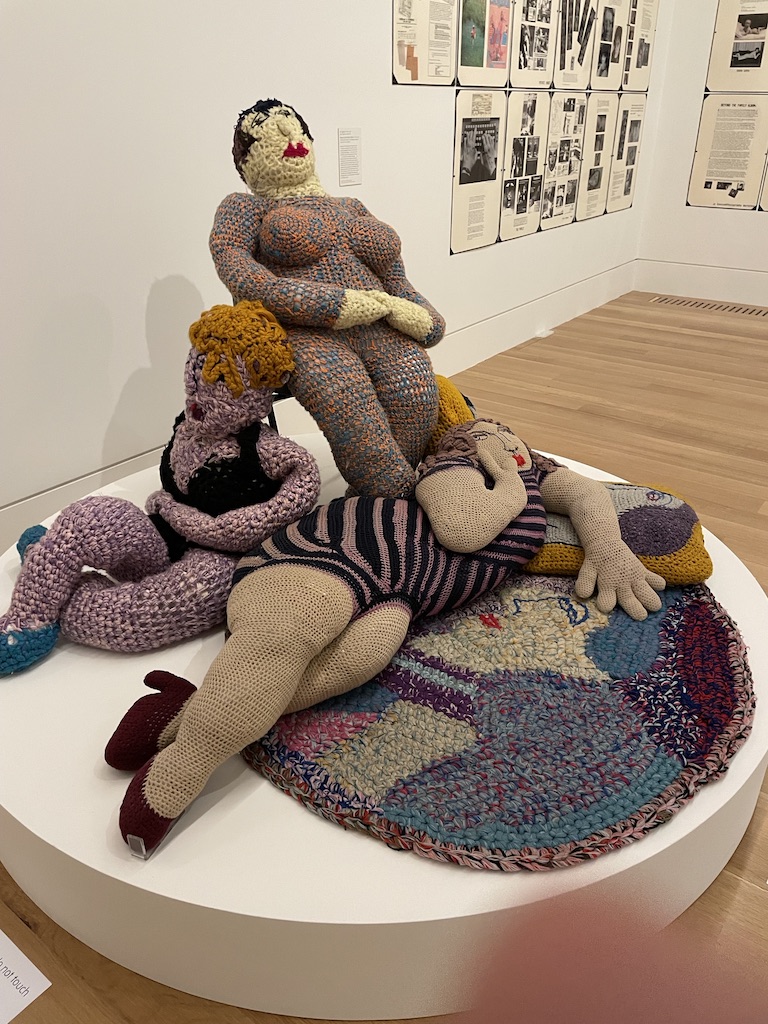
I liked a lot of the portraits and self-portraits on show and also the materials used to create the pieces. Much of the work was done using yarn, wool, cotton, weaving and materials which are not usually ‘valued’ by artists. I’m not sure they told us a huge amount about the social circumstances of the women featured but they are interesting to view.

On balance, I thought there was almost too much to take in within this show I felt exhausted by the breadth and variety of images and the huge range of women’s issues explored. But it’s good that the artwork created by women at the forefront of ‘revolt’ and social change should be collected, displayed and given the credence and authority to take their place within the history of not just protest art, but art.

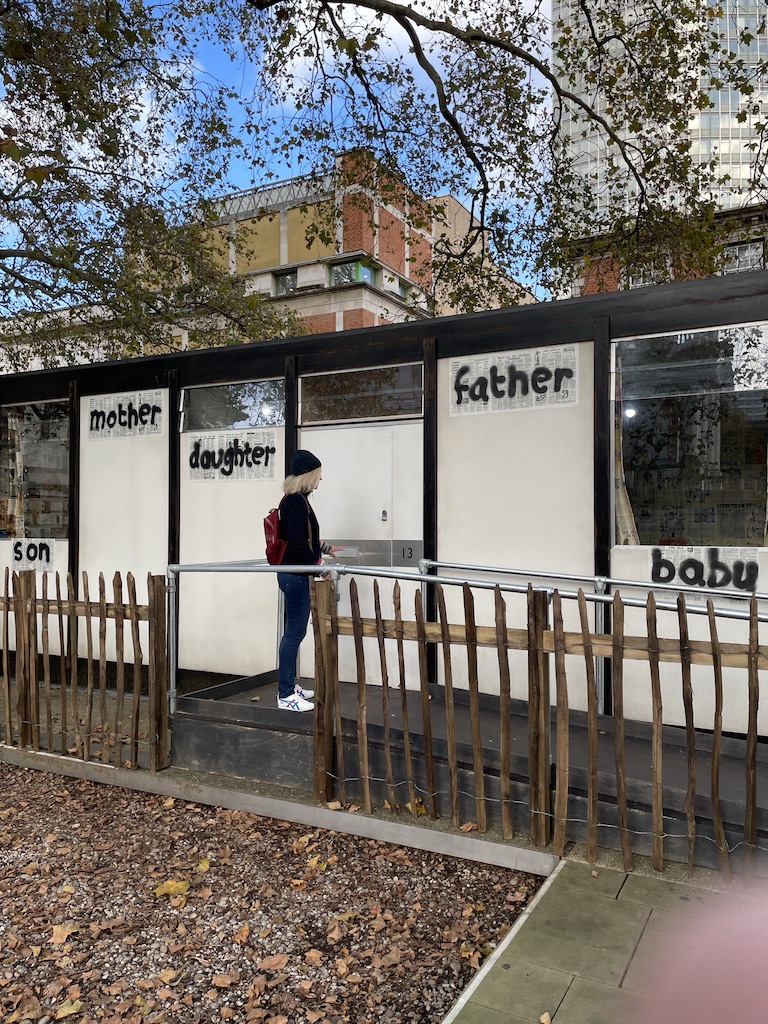
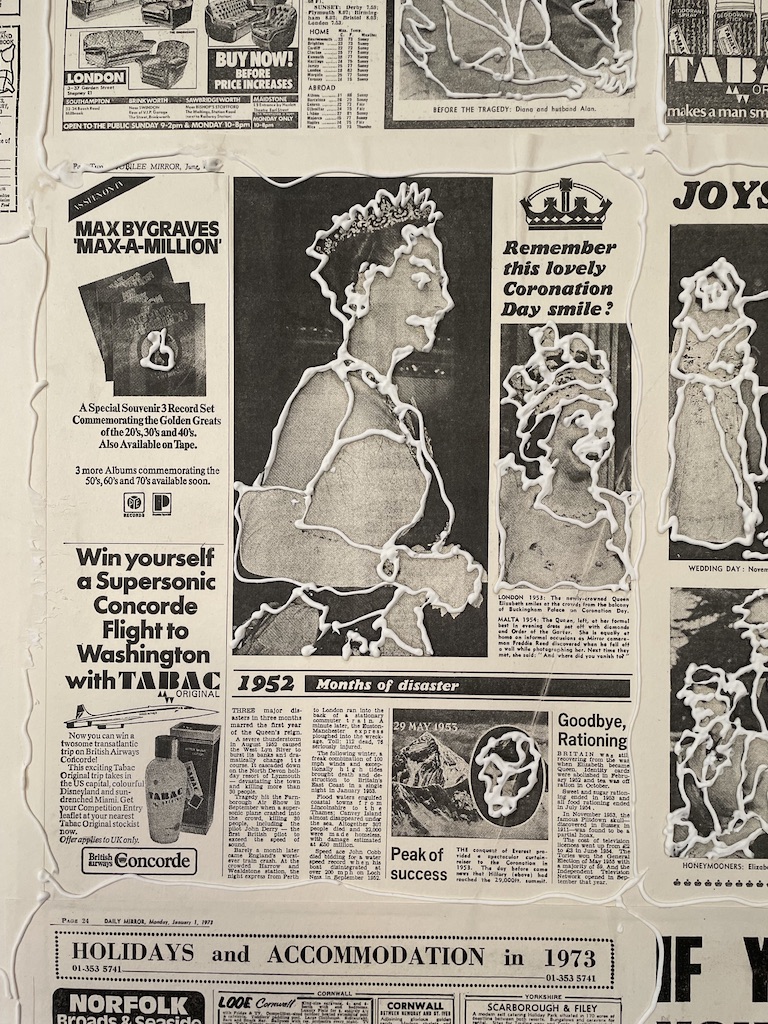
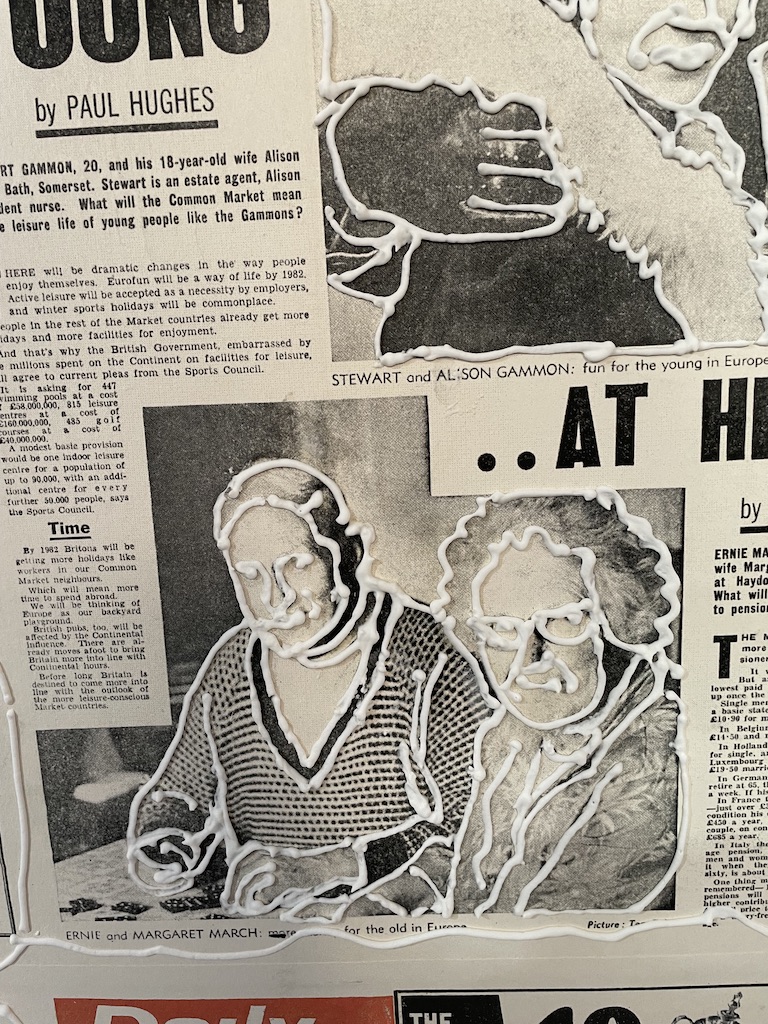
Outside Tate Britain, on the grass to the right of the gallery steps, is a really fascinating installation which is part of the show. It’s an ‘edible artwork’ by Bobby Baker. It’s the re-staging of an artwork entitled An Edible Family in a Mobile Home which was first presented in 1976. You enter a pre-fabricated East London house which has been entirely papered with newspaper and magazine pages. The images have been outlined in icing. The figures within the house are all made of cake and biscuits – a man slumped in a chair, a boy in a bath, a figure on a bed and a baby in a cot. The woman is portrayed by a mannequin with shelves in her abdomen where food is stored. This is a replica of the original work with some updates added by Bobby Baker. But all the food sculptures are edible and, as the exhibition lasts, the cakes and biscuits will be eaten. It’s a very intriguing installation. However, my feet stuck to the floor and on rainy days visitors might find the visit a very, very sticky experience, but it’s huge fun and thought provoking too. I do recommend you pop in if you’re passing Tate Modern.

Women in Revolt! runs from 8th November until 7th April 2024.
It’s always a joy to see David Hockney’s work. He simply never stops pushing his art. And now, at the age of 86 he has added an entire gallery of new portraits to an exhibition at the National Portrait Gallery.

These three portraits, above, are just three of the 30 new paintings which fill the final gallery with breathtaking colour and character. Hockney spent lockdown at his home in France and was not idle. Apart from making landscapes of the area around his farmhouse he made portraits of neighbours, friends and random visitors. You can feel the conversations which went on while the paintings were being made. Hockney works quickly and he works from life. Photos references are not for him. He likes to ‘eyeball’ his subject and commit the impression to paper or canvas as quickly as he can. I really loved the results of this latest series. He’s taken to using a kind of spare ‘pointillist’ style of painting. He’s confident in his use of blobs and brush strokes to employ minimal effort to maximum effect.

It all begins with a selection of his early works. I absolutely adore the paper collage self portrait (with the yellow tie). Apart from seeing how paper can be so well used in the hands of an expert, the likeness is wonderful and the confidence is palpable. I liked the early painting of his parents (and you can see him peeping out of the reflection in the mirror) and the early lithograph shows a young artist who is eager to try all the different creative mediums at his disposal. The one on the right is a lithograph.

Above are three of the many portraits Hockney has made of his friend Celia Birtwell. It’s clear from her pose and the gaze that they are very familiar friends and, between the need to stay still, there were some rich and colourful conversations. Again, there’s a mix of media used. The delicate crayon works, made with Caran d’ache pencils are done with such a light but deft touch.

Hockney’s mother, Laura Hockney, was an early and loyal sitter for Hockney. Again, it’s the spareness of the drawing which makes these works so moving. The one on the left, of Laura wearing the hat, was made after the funeral of her husband, David’s father. All the grief and resignation is there in her eyes but done with such minimal detail.

Portraits of Gregory, Hockney’s lover. A wonderful collection of drawings, watercolours and prints.

And in amongst all the subjects immortalised on canvas and paper are the self-portraits. They come from all stages of his life and, again, in all media. Very fascinating to see the i-Pad portraits which show the actual drawing process of an artist scrutinising his face. It’s a very enjoyable show. On at the National Portrait Gallery until 21st January 2024.

Turn down a narrow street in the ancient area of Southwark in London and you might stumble into a strange and fantastical world. Delight is a new and immersive art exhibition which conjures the spirit of Seoul through mesmerising and immersive created by leading Korean digital artist Gyoungtae Hong.

I didn’t know what to expect but it was certainly a very exciting and different experience to visit Delight in the Borough Yards tunnels in Clink Street. As the daylight recedes you penetrate an extraordinary environment. Follow the path through these hanging lamps change colour constantly and lead you towards a magical mystery tour of digital discovery. From the moment you step into the space you’re both back in time (Victorian tunnels) and given a fast-forward into the future (Korea’s leading digital artists strut their stuff in this space). (Images: courtesy of Delight London)

I’ve never been to Seoul but, from this exhibition, it looks like an exciting and vibrant place full of colour movement and great humour. Apart from standing in front of and surrounded by pulsing images there are the sounds of the busy streets, children shouting, people chatting, traffic and music blaring. It’s quite an assault on the senses.

We also delve into Korean history too. There’s one room where you hear the constant bong of a bell. We are told that a thousand years ago a foundry was having trouble casting a huge bell. Each attempt failed. Then an old man told the foundry men that they would only succeed if a child was cast into the metal. This was at odds with Buddhist beliefs which did not condone human sacrifice. The bell was successfully cast and when it finally rang it seemed to ring out the name of Emile (the child who, reputedly, was sacrificed). I don’t really like that story but the soundscape of the exhibition is very moving.

It was also interesting learn about the Goblins which Koreans believe inhabit our homes. They can be helpful and irritating in equal measure. But you want to stay on the good side of them.

This show was conceived and designed by Seoul-based artist Gyoungtae Hong and Younsook Im. It’s a very intriguing place to visit with so much to see and absorb. You might be wandering through Southwark on a rainy day and suddenly find yourself in Seoul. The show is on until spring 2024.
I loved the new exhibition at The Museum of London Docklands. It’s called Fashion City: How Jewish Londoners shaped global style. And what a contribution it was. From hats to shoes to couture and boutique culture – the fashions of the last two centuries owe a huge amount to the immigrants who brought their skills to London.

I do love The Museum of London Docklands. It occupies a former warehouse building on the water of Canary Wharf and is surrounded by the huge, glassy buildings of this corporate district. There’s always so much to see at the Museum but I do recommend this very charming exhibition which celebrates the huge influence of Jewish immigrants on London’s fashion scene.

Families journeyed across Europe during the 19th and 20th century, avoiding pogroms and persecution, to establish homes and enterprises in London’s East End. Many of these clever makers developed their skills into haute couture and class tailoring.

The image of ‘swinging London’ owes a great deal to the entrepreneurial clothing manufacturers who emerged from these East End families. Think of High Street names like Mates, M&S, Moss Bross and Wallis. They all found ways to make fashion accessible as the young consumers of the 1960s and 70s flocked to shopping areas such as Carnaby Street and the King’s Road in search of stylish but affordable clothes.

And I hadn’t realised that it was Mr Fish who invented the Kipper Tie.

I did love seeing all the hats and shoes and accessories too. And towards the end of the show is the recreation of a kind of boutique where cool kids and dedicated followers of fashion would find their clothes.

The show is on until 14th April 2024.

The Georgians loved any excuse for a bash. Well, that’s the impression you get from a charming exhibition, Georgian Illuminations, at the Sir John Soane Museum in Lincoln’s Inn Fields which opens this week. For a country constantly at war the outbreak of peace in 1814 would have given good cause for celebration. And having a mad monarch in King George III, his recovery to lucidity was worth a party too. On party nights London was bright with fire, fireworks, lights and banners. Those people knew how to party.

Above is a banner depicting the great national hero, Wellington. This image is a rare survivor of the kind of showy offy decorations which a fine house might use in their windows. The banner would be draped onto the inside casement and the room made bright with candles. The idea was that everyone on the street would see the bright decoration and acknowledge the loyalty of the inhabitants.

These banners also displayed worthy messages to be read by observers – assuming they could read. These banners were found in the attic of a home having been folded up and stuffed away about 200 years ago. They are fascinating survivors.

Below is a print depicting the Chinese Bridge illuminated on 1st August 1814. This was part of the huge celebrations in St James’s Park. The Prince Regent commissioned his favourite architect John Nash to build a colourful bridge. It was illuminated by new-fangled gas lighting. Alas, after two hours of impressive illumination the structure caught fire killing the lamplighter trapped on the top and a bystander
You can see the disaster of the burning bridge depicted in this page of dramatic celebrations. August 1st must have been a noisy night filled with pyrotechnics and partying.

Above is an impression of a fine building in Portman Square. How did they create those lights which dangle, like today’s fairy lights down the facade of the fine house? And what a crowd assembled outside to marvel at the spectacle.

The exhibition is filled with other images of fun and festivities in Georgian London. One never tires of seeing images of the famous pleasure gardens at Vauxhall and along the banks of the Thames where people of all classes could assemble, mingle and enjoy music, dancing and excessive eating.

It’s great to have a glimpse of this world from the early 1800s and always a pleasure to visit the Sir John Soane Museum. The Museum is free to visit (open Wednesdays to Sundays) this show, Georgian Illuminations, is there until 7th January 2024.