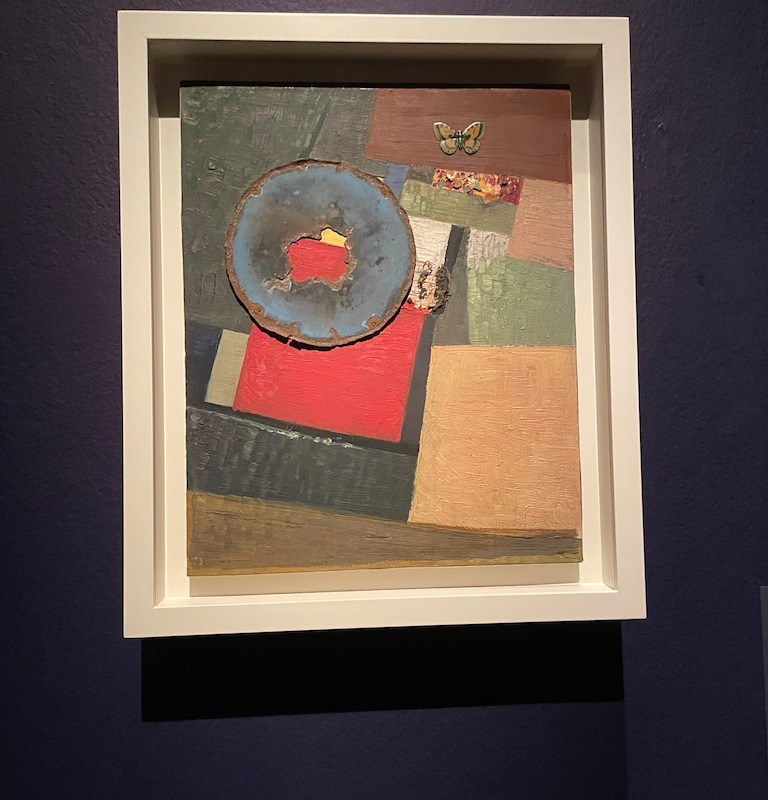
I think it must help if you’re the heir to a fortune and grew up surrounded by great art. But Peggy Guggenheim does seem to have been exceptional in being in the right place at the right time to understand, and be absorbed into, the exciting art movements of the 1930s and 40s.
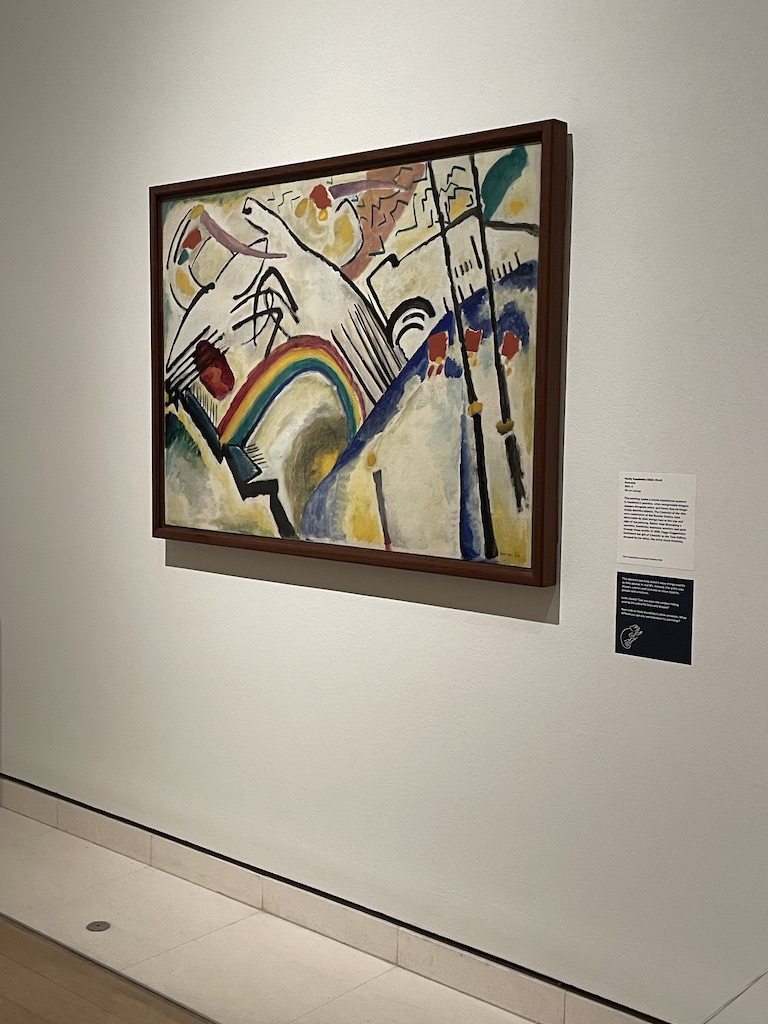
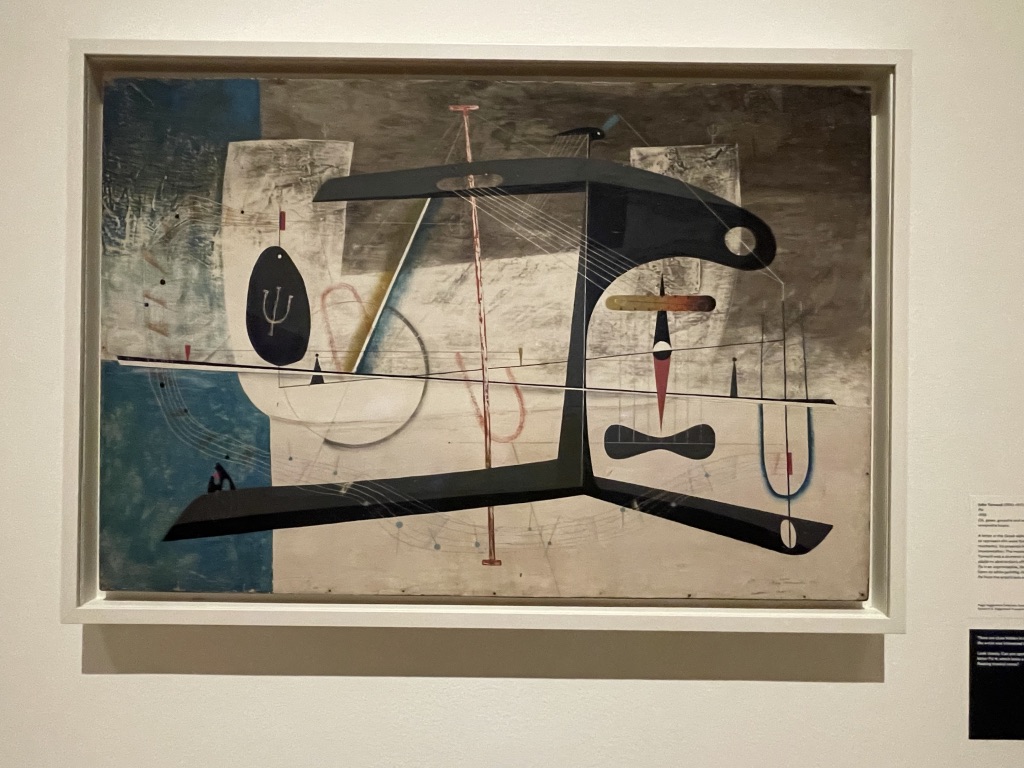
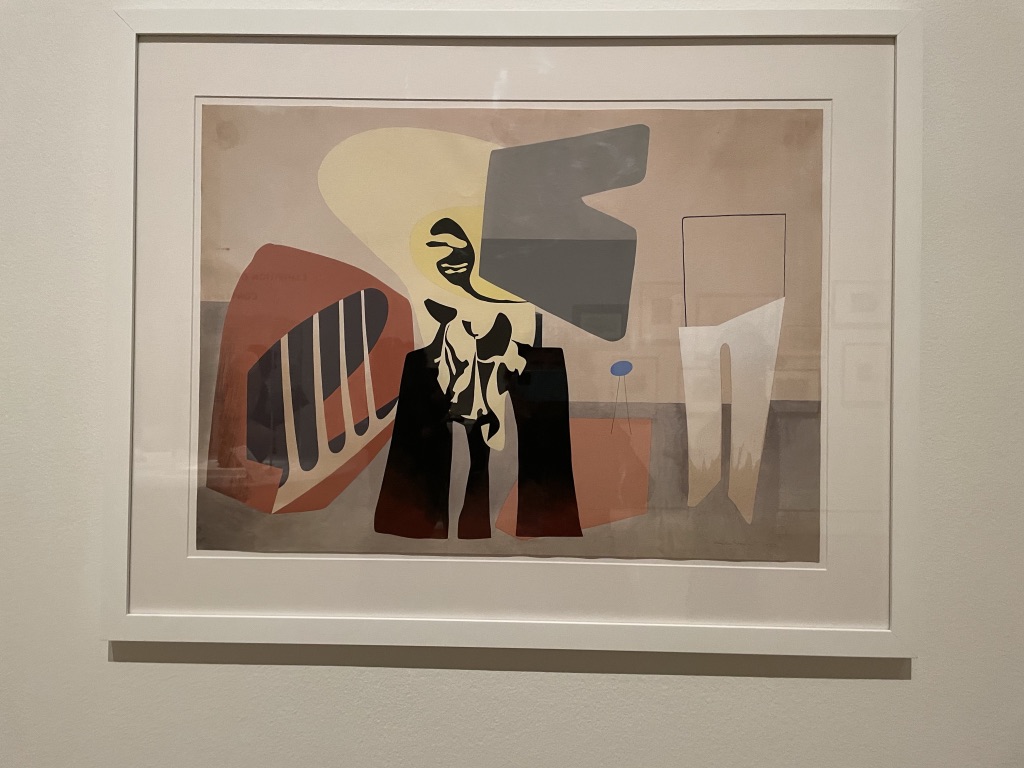
Arriving from New York to London with enough pocket money to cheerfully book a damp space on Cork Street to hold a show was an audacious move for young Peggy Guggenheim. And, having set up a space the next thing was to find the right kind of art to fill it. With the help of advisors and friends she began to understand abstract and surrealist art and got to know the artists creating the work. And so the purchasing began. Above, you can see Kandinsky’s Cossacks (the cavalrymen of the Russian empire), centre is John Tunnard’s Psi from 1938. That little shape in the black ‘egg’ shape is the symbol to represent wave function in quantum physics, and on the right is Charles Houghton Howard’s Elevation from 1939 on paper.
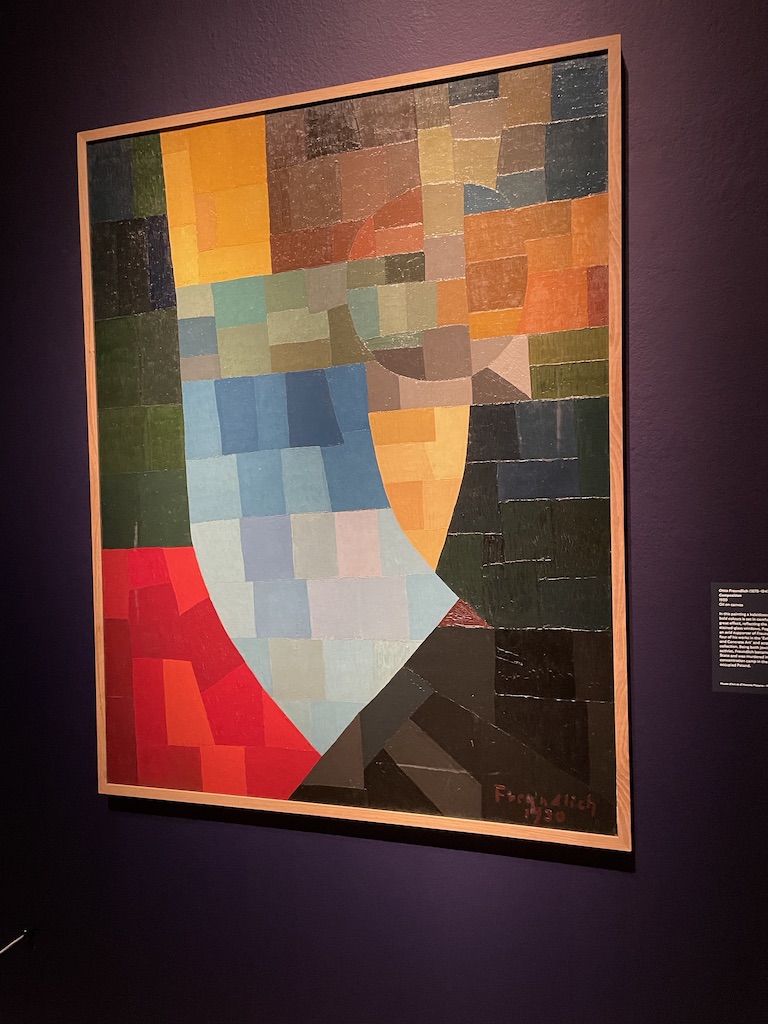
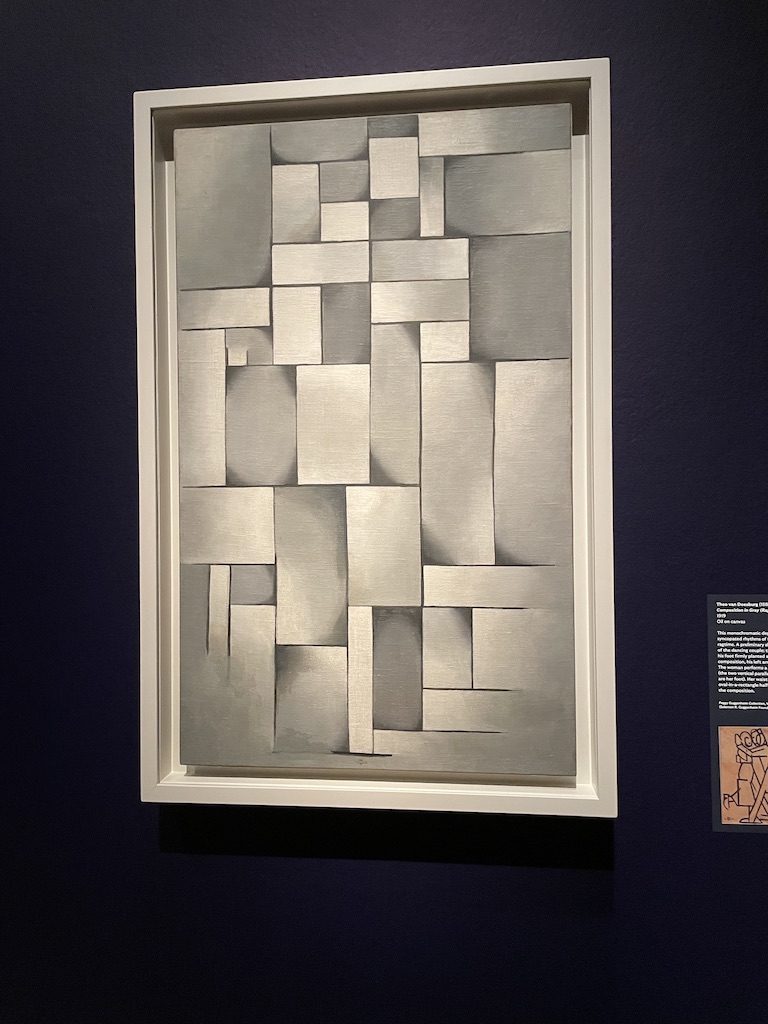
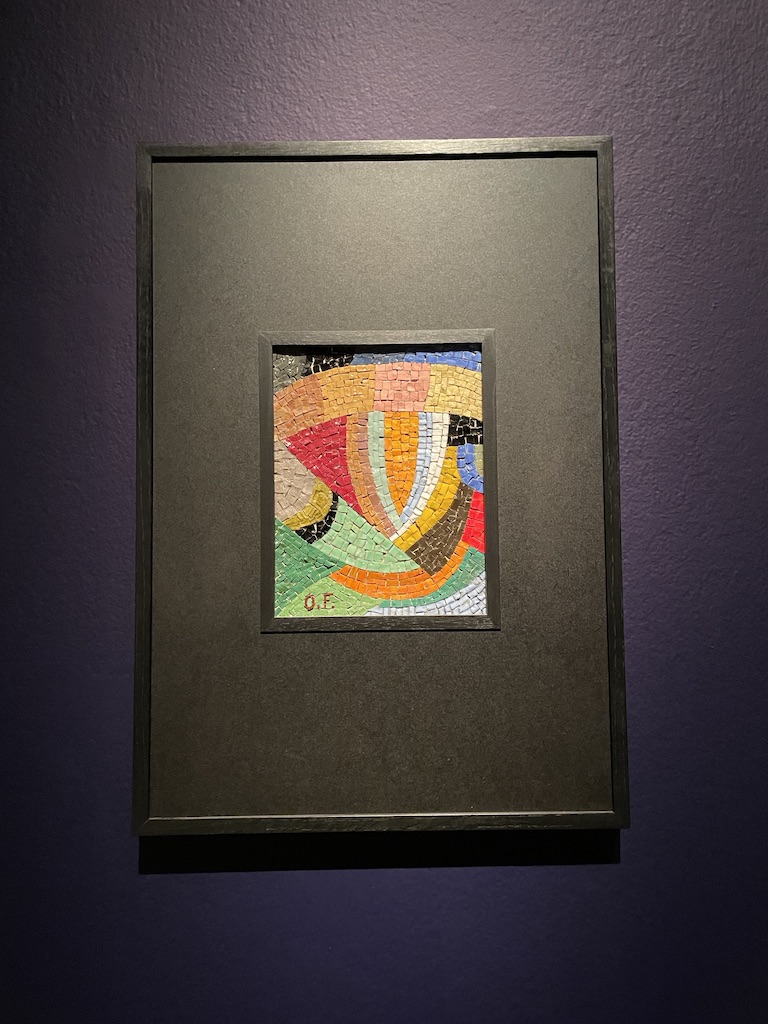
But the exhibition in London was just the starting point. Having gained an understand of ‘new’ art she kept collecting and collecting. She gave herself the challenge of buying a painting a day from other collectors, galleries and the artists themselves. Above you can see Composition by Otto Freundlich from 1930, an arrangement of bold colours in blocks, in the centre is Composition in Gray, from 1919 by Theo van Doesburg which depicts the movements of Ragtime dancing. And on the right is a charming mosaic using glass tesserae also by Otto Freundlich.
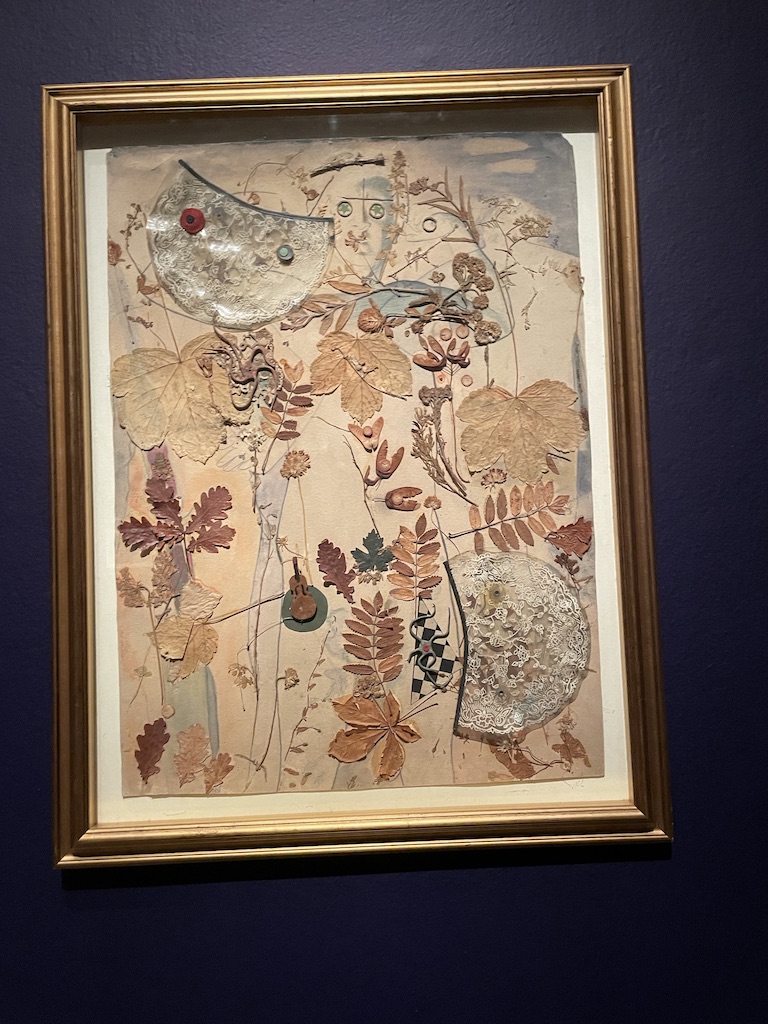
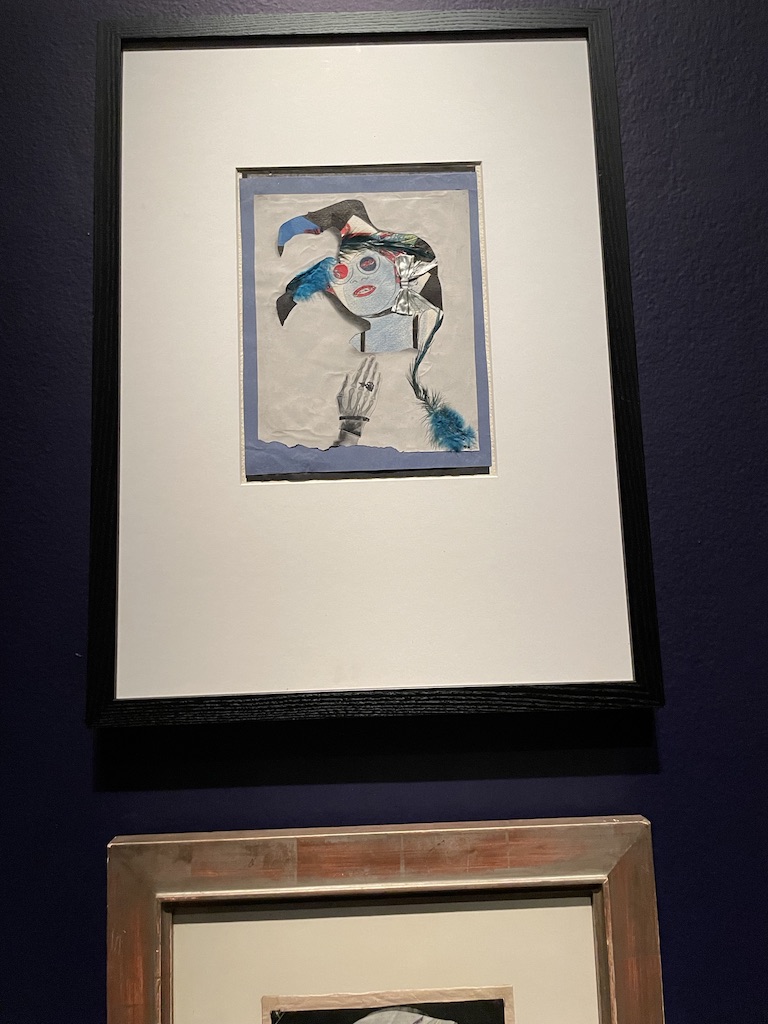
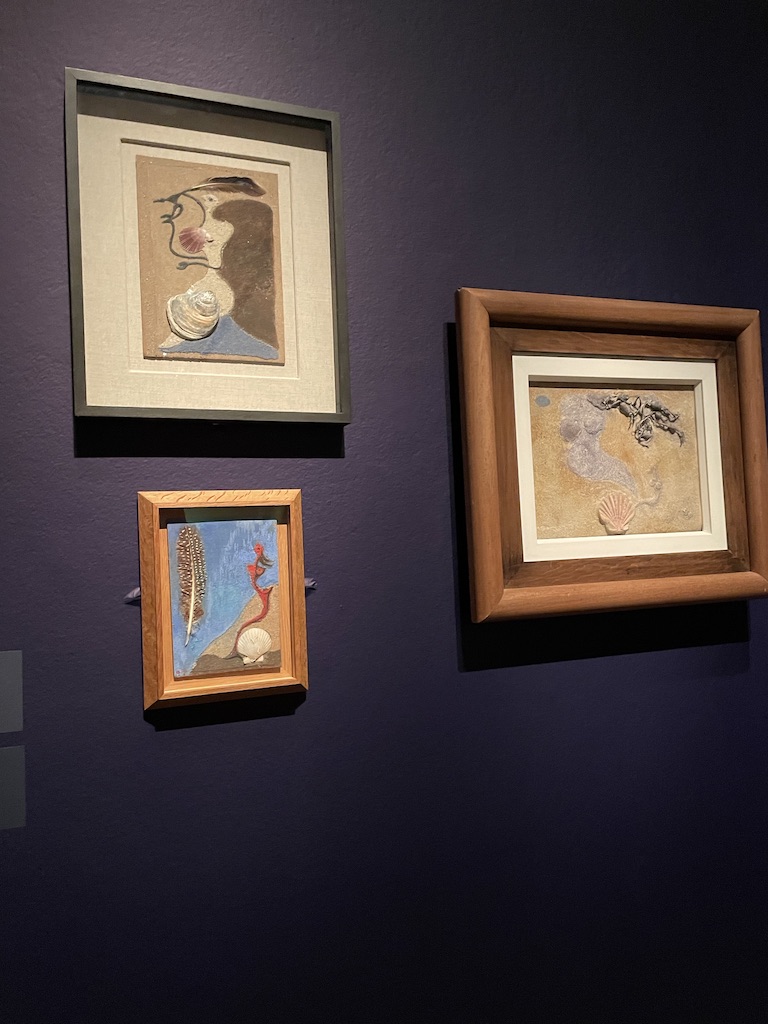
I particularly loved the inclusion of work by collage artists. Here, above, we have some pieces by Eileen Agar made with paper and mixed media. The one on the left is a mass of leaves and petals combined with paper.
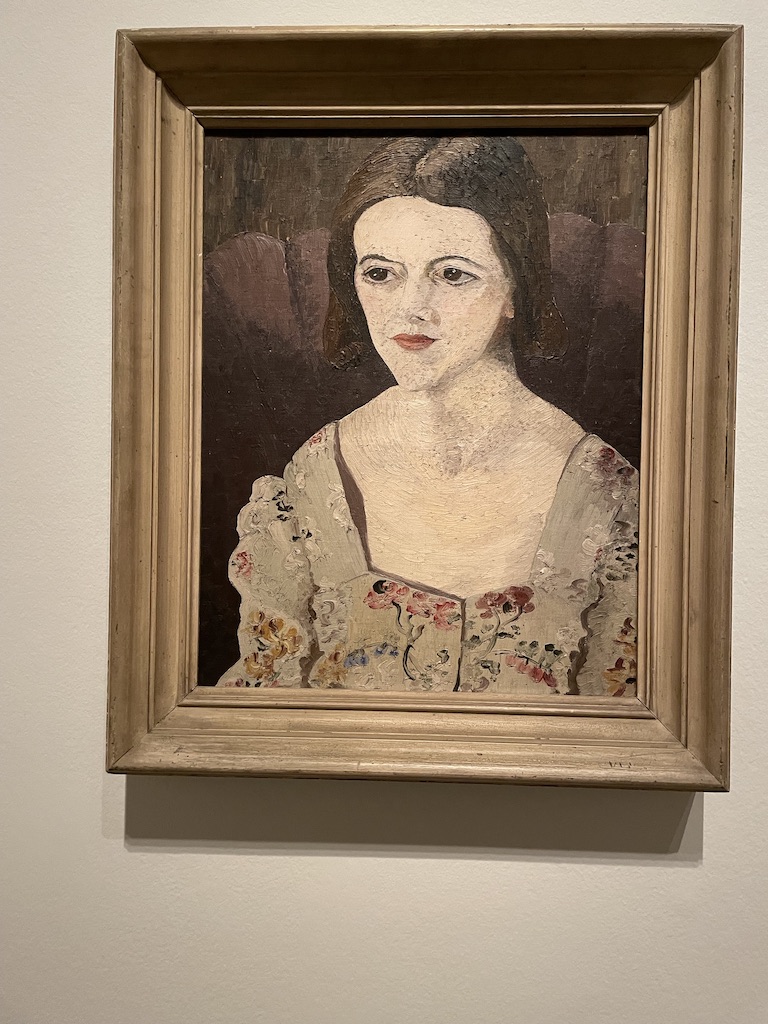
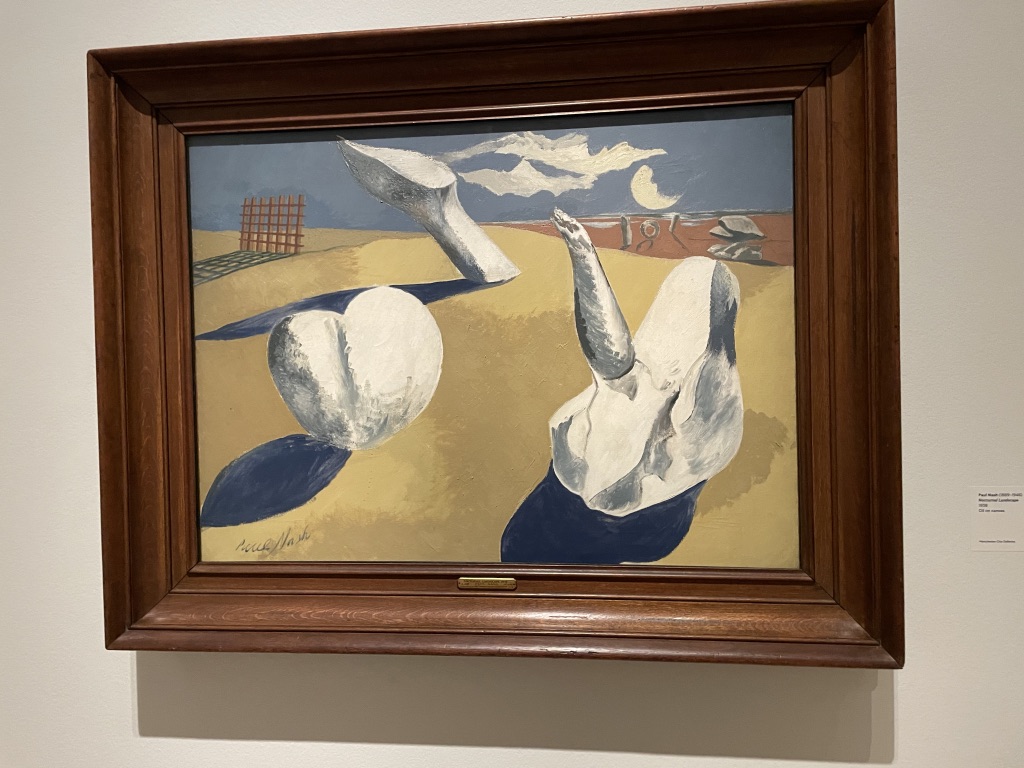
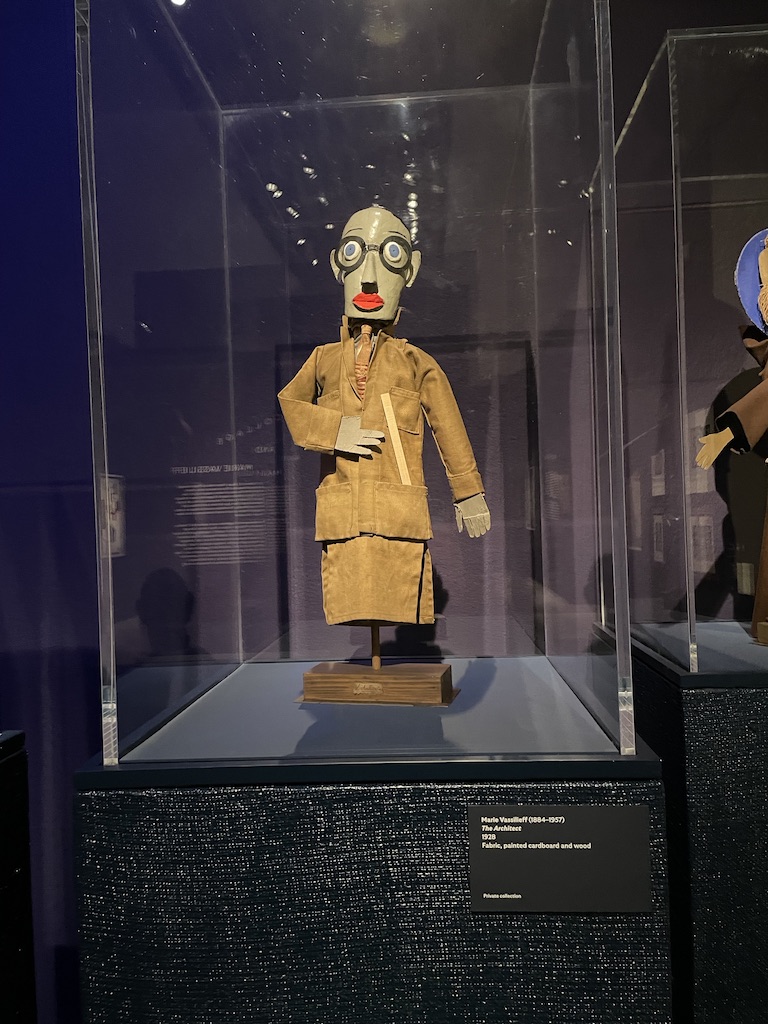
Below is a random selection of works which caught my eye. The portrait, by Cedric Morris is of Barbara Hepworth, 1931. The painting in the middle is Paul Nash’s Nocturnal Landscape, 1938, and on the right is a very curious creation representing ‘The Architect’ by Marie Vassilieff, 1928.
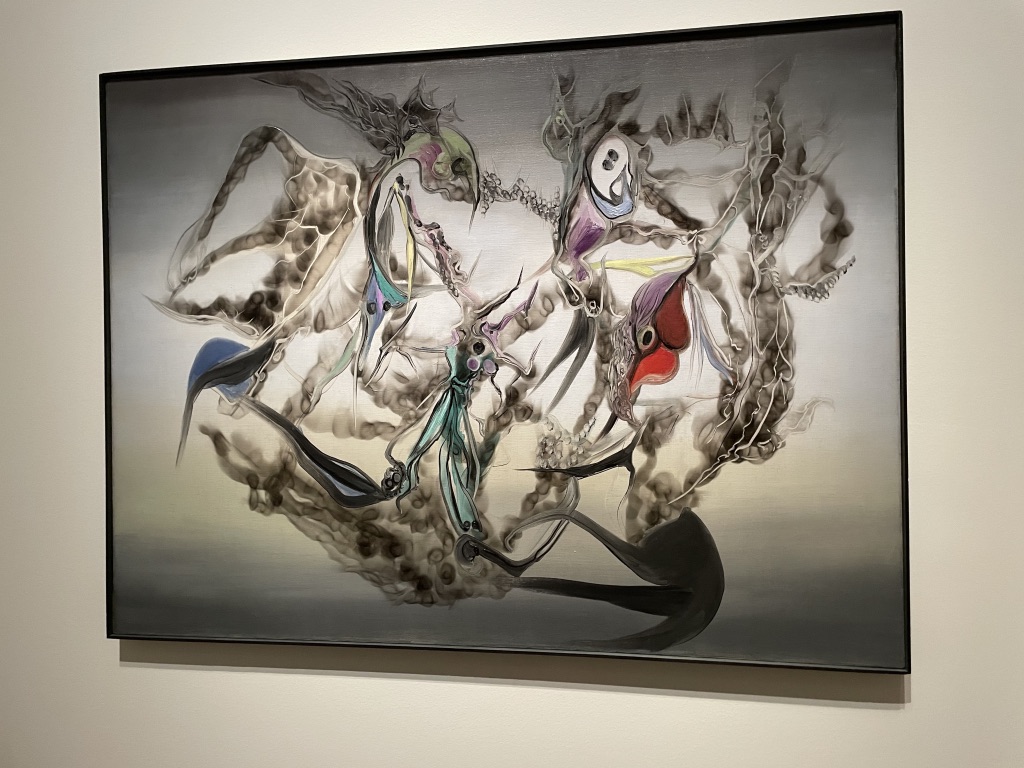
Above is a rather fascinating piece called Octopus Sky by Wolfgang Paalen from 1938. It began when the artist held a lighted candle in front of the canvas to create those smoke patterns and then he worked into the shapes with paint.
The advent of the Second World War put paid to the exhibition in Cork Street but Guggenheim moved to France and continued building her collection. It’s great to see a slice of her amazing choices on show at the Royal Academy. In 1949 Guggenheim moved to Venice where her collection can be seen in her palazzo on the Grand Canal. This show is all about the London venture which kick started appreciation of a wild and wonderful art movement and it’s great to celebrate her contribution to the story of art.

