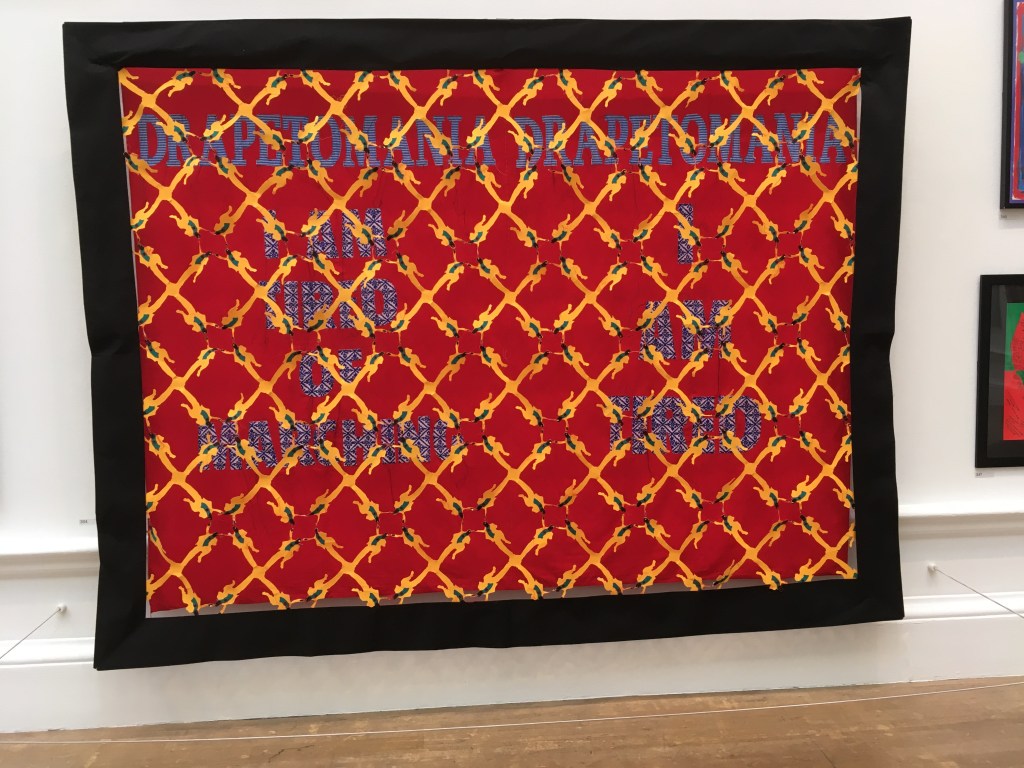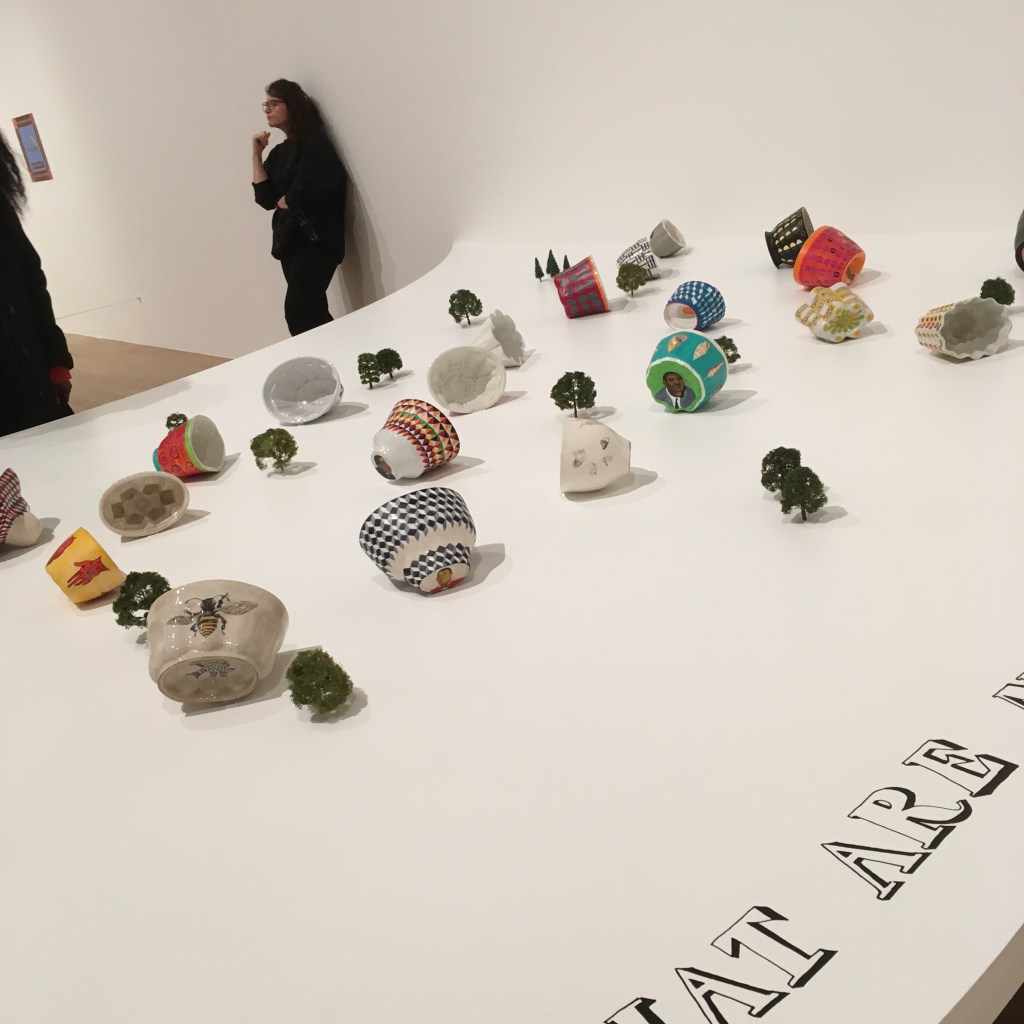
Lubaina Himid creates beguiling and thoughful artworks which surprise the viewer with a very original style and glimpse of an inner life. A new show at Tate Modern shows just how versatile, intriguing and important an artist she is.

Jelly moulds. Yes, they are a thing although I don’t think many of us use them much these days. I loved the thinking behind Lubaina Himid’s installation of antique painted jelly moulds. Her view is that these humble kitchen objects are plain on the outside but full of pattern and potential on the inside. I see that as a splendid metaphor for the creative soul. Generally, you never know what thoughts and intrigue lie within a seemingly plain and inconsequential exterior.
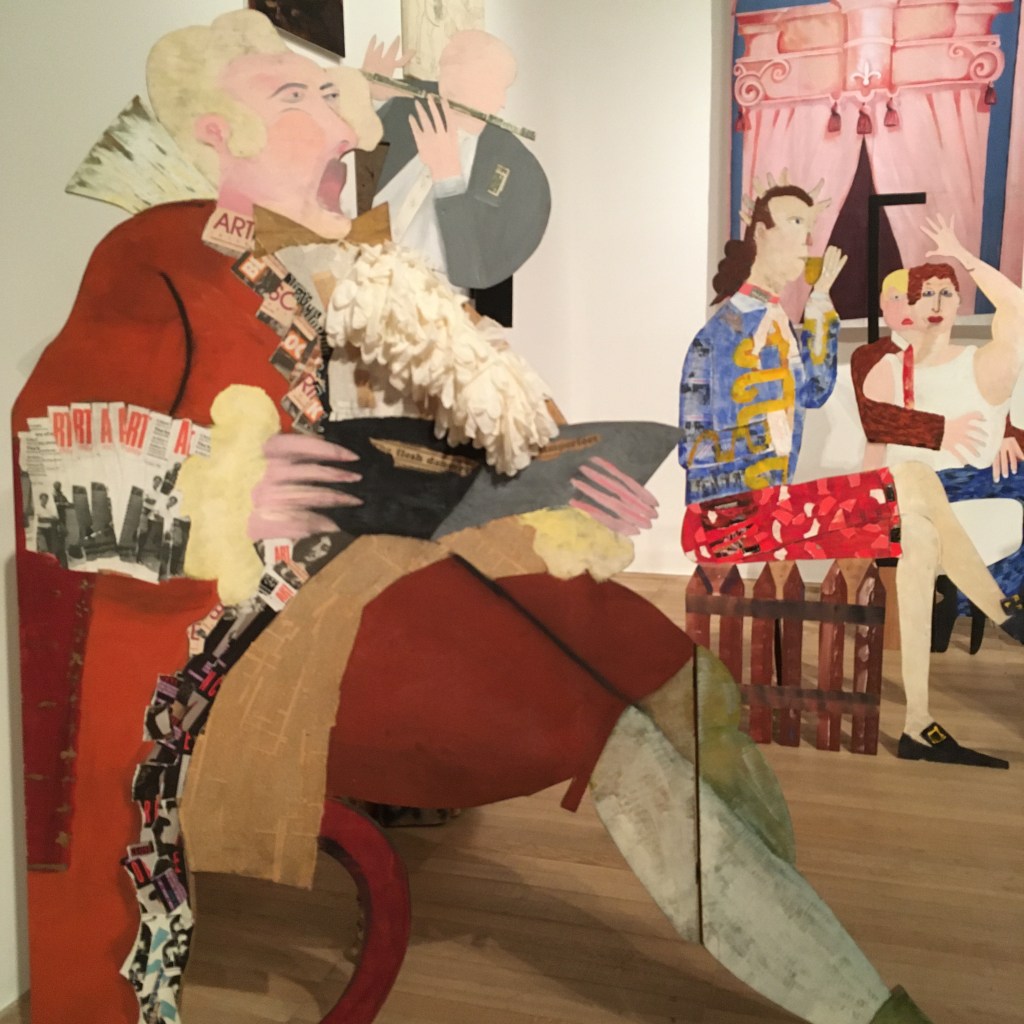
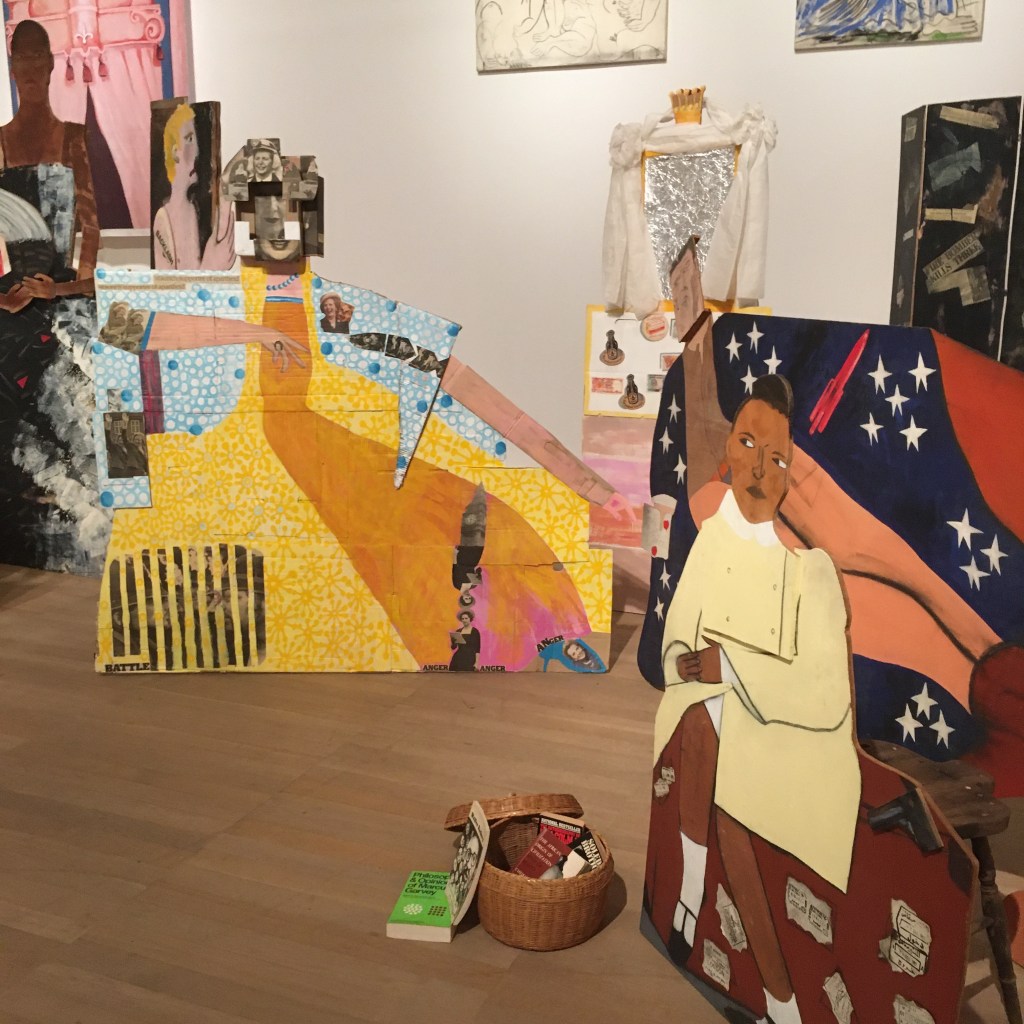
I really liked these lively, contemporary interpretations of Hogarth’s Marriage a la Mode series of paintings. Himid has used a variety of media to create these dreadful characters who destroy each other with their loveless marriage bereft of respect. This male figure’s ruff has been created by surgical gloves. They’re all free standing on wood, hinged and adorned with a mix of paint, paper and other materials.
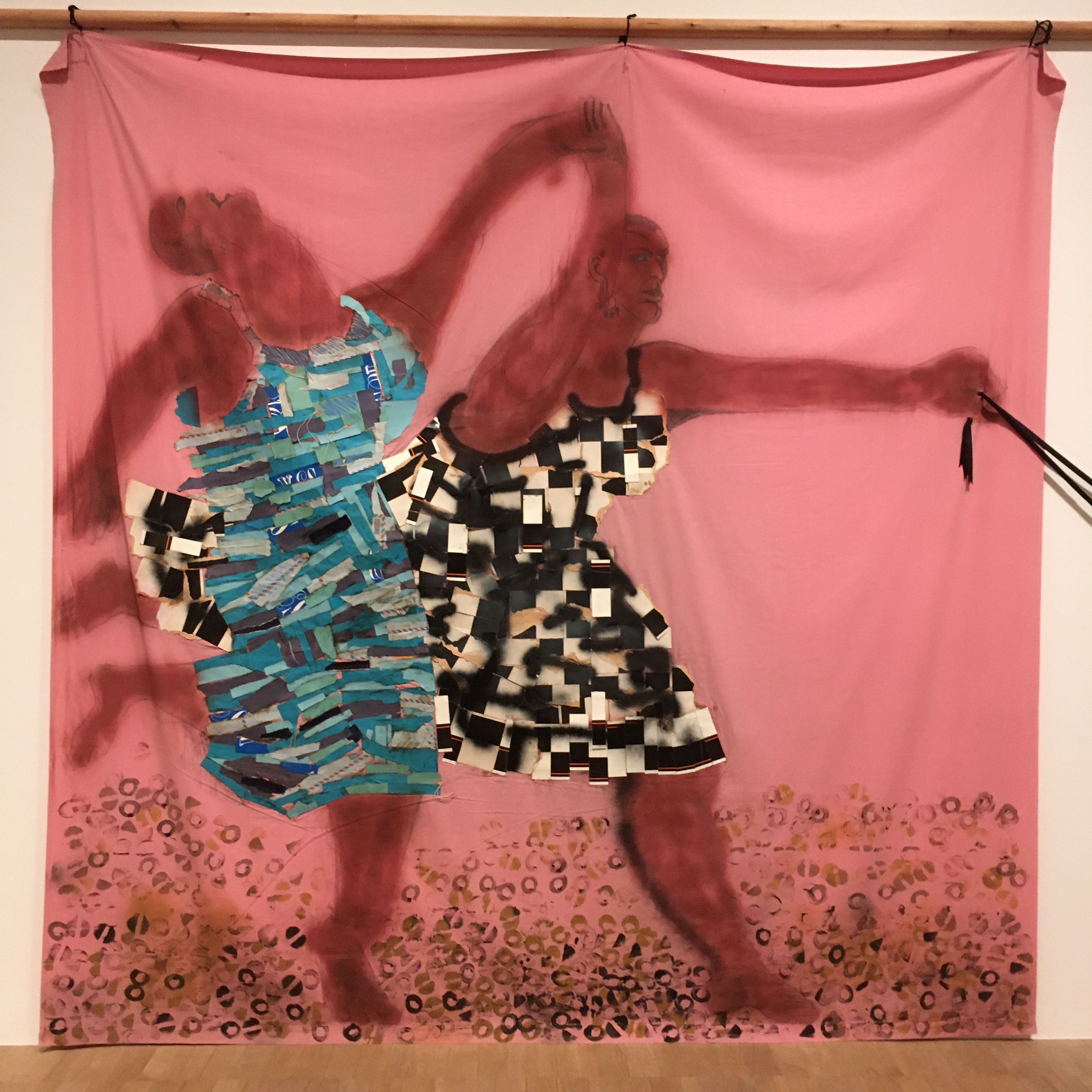
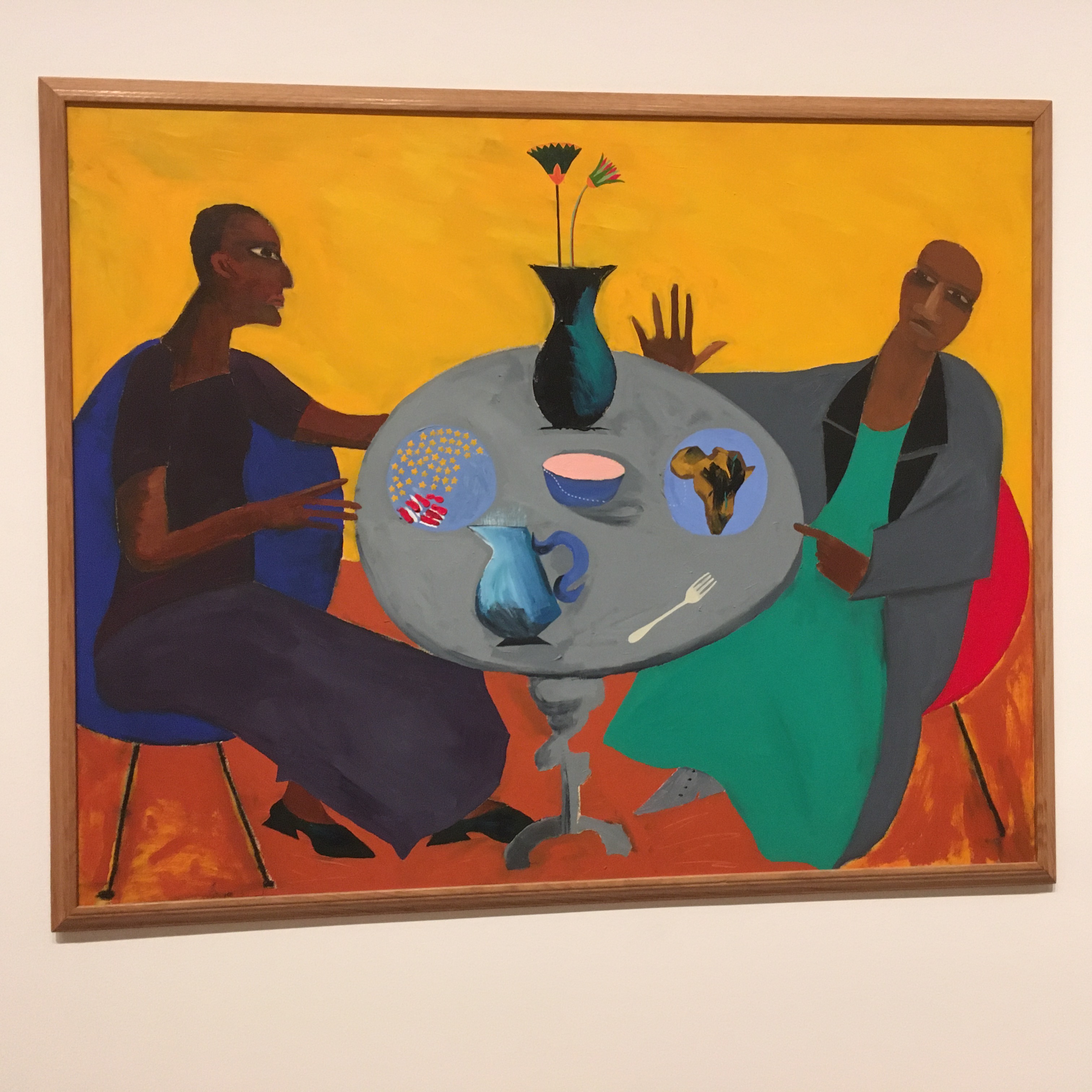
I liked the dancing ladies in Freedom and Change – canvas adorned with collage-style fabric – and the conversational ladies at their table. This is called Five.
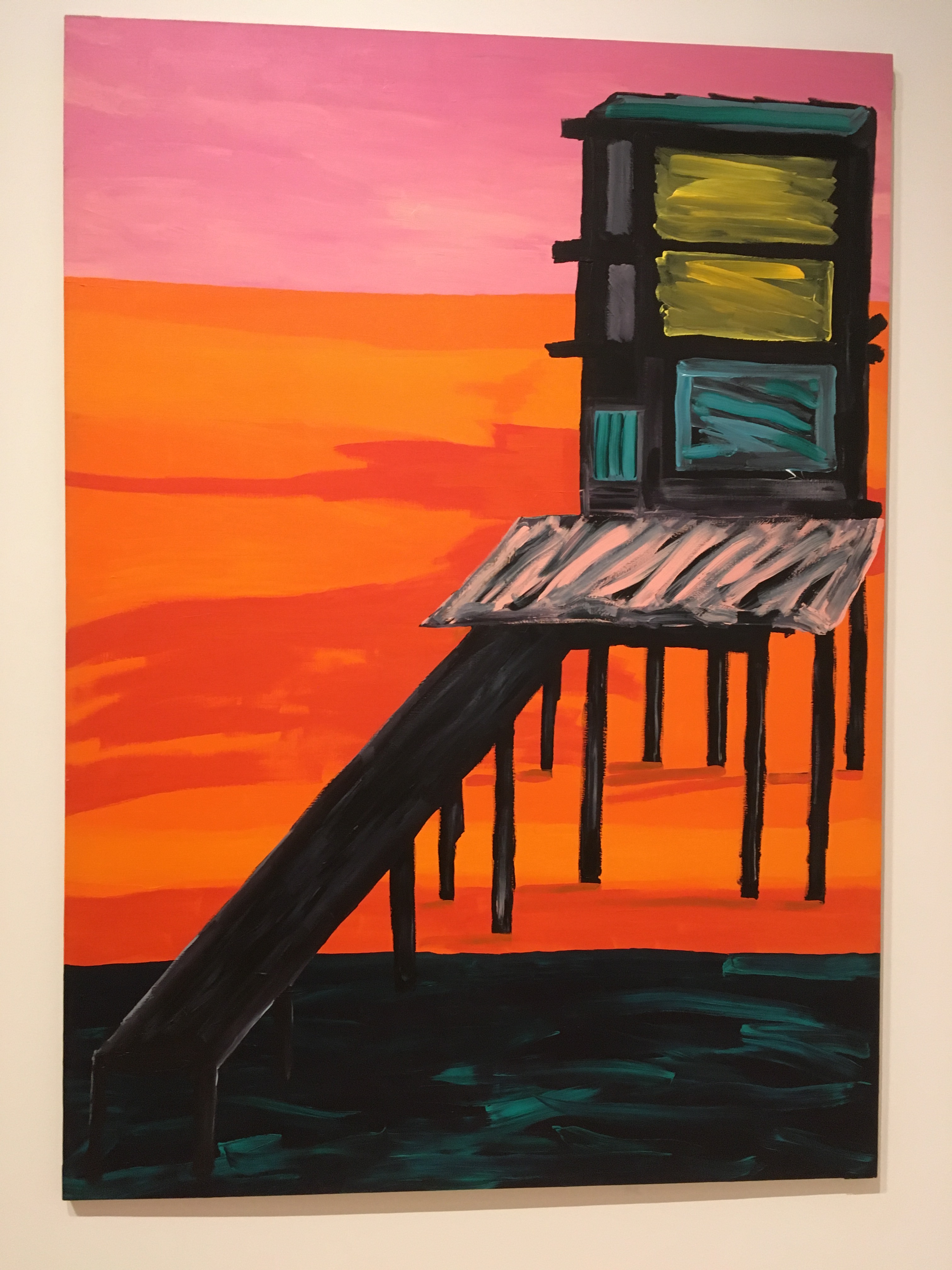
Joyously bright colours, heat and intensity of human life. We don’t really need to know what’s going on but can feel sure that there’s some intriguing narrative behind the composition.

Lubaina Himid is on at Tate Modern until 3rd July 2022.

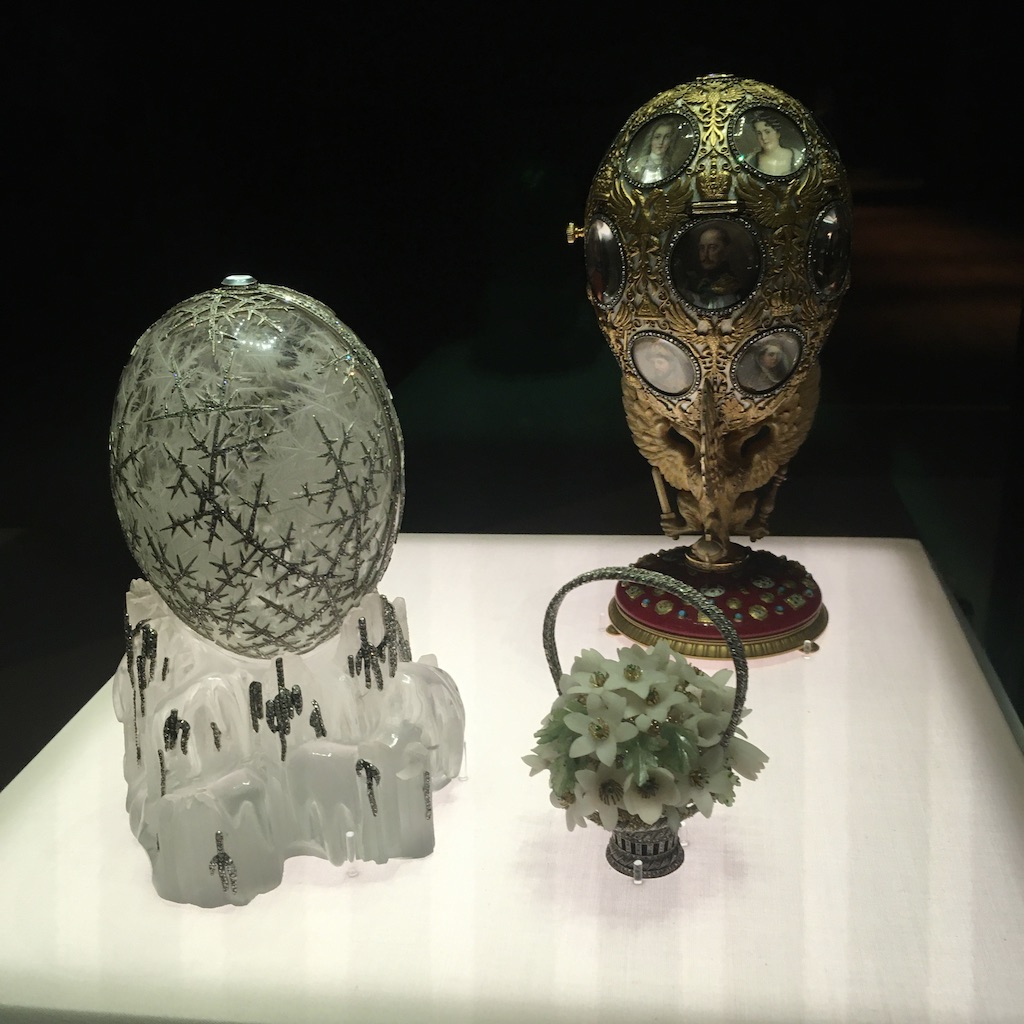
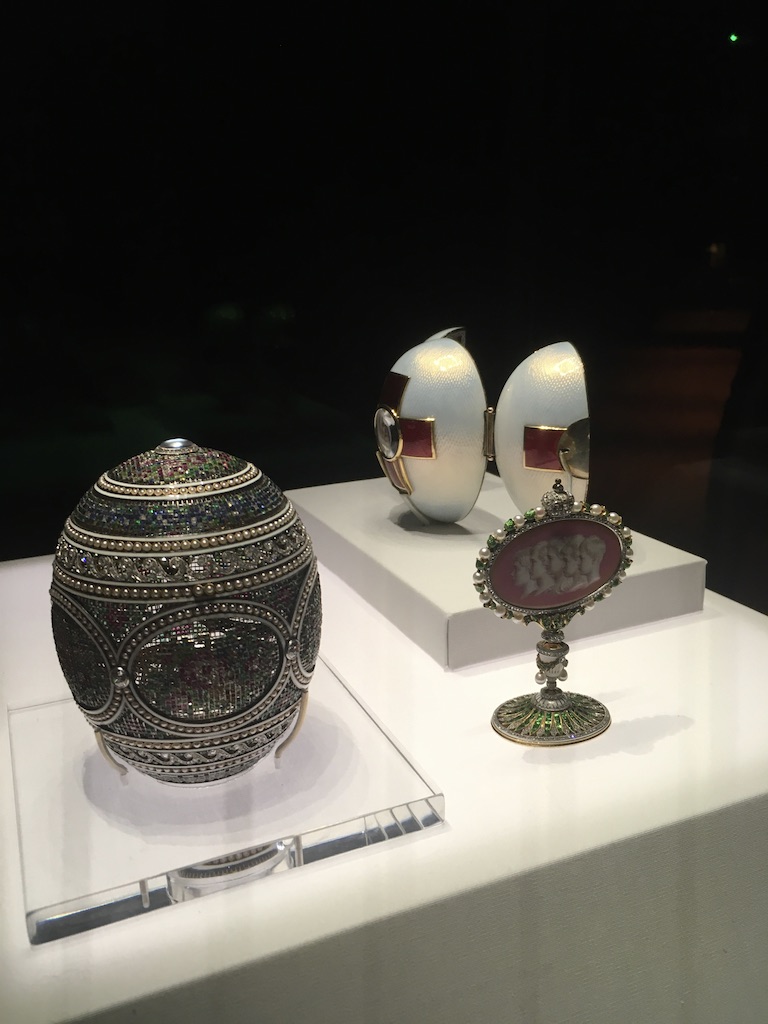
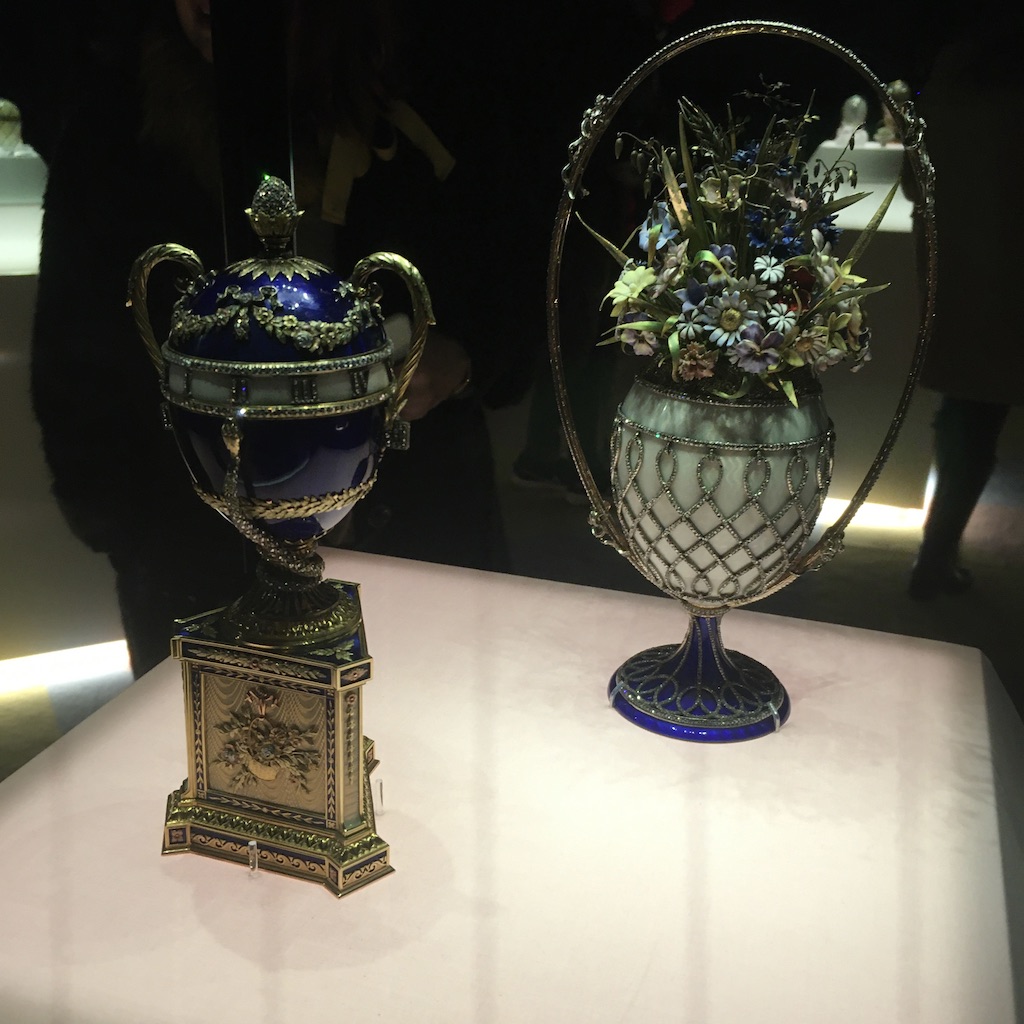
Glorious, gorgeous, exquisite and priceless. The Fabergé in London: Romance to Revolution exhibition at the V&A is stunning. It feels surreal to stare through glass at jewels which are so perfect in design and craftsmanship but also bear witness to a turbulent and tragic time in 20th century history.

Inspired by Russia’s harsh winters this Easter egg was designed by Alma Pihl and features her beautiful frost-inspired designs.

This huge exhibition at the Victoria and Albert Museum has been four years in the making. The curators have managed to secure loans of priceless jewellery and sculptures crafted by Russian designer Fabergé and his team of craftsmen and women from the Queen, museums in Russia and around the world along with private collections. Imagine owning a piece of jewellery so magnificent – would you ever dare handle it, use it, wear it?

Carl Fabergé was a favourite of the Russian royal family and his name is synonymous with those extraordinary Imperial Easter eggs commissioned by Tsar Nicholas II and Empress Alexandra. The exhibition has assembled the largest collection of these eggs and they certainly create an impressive finale.

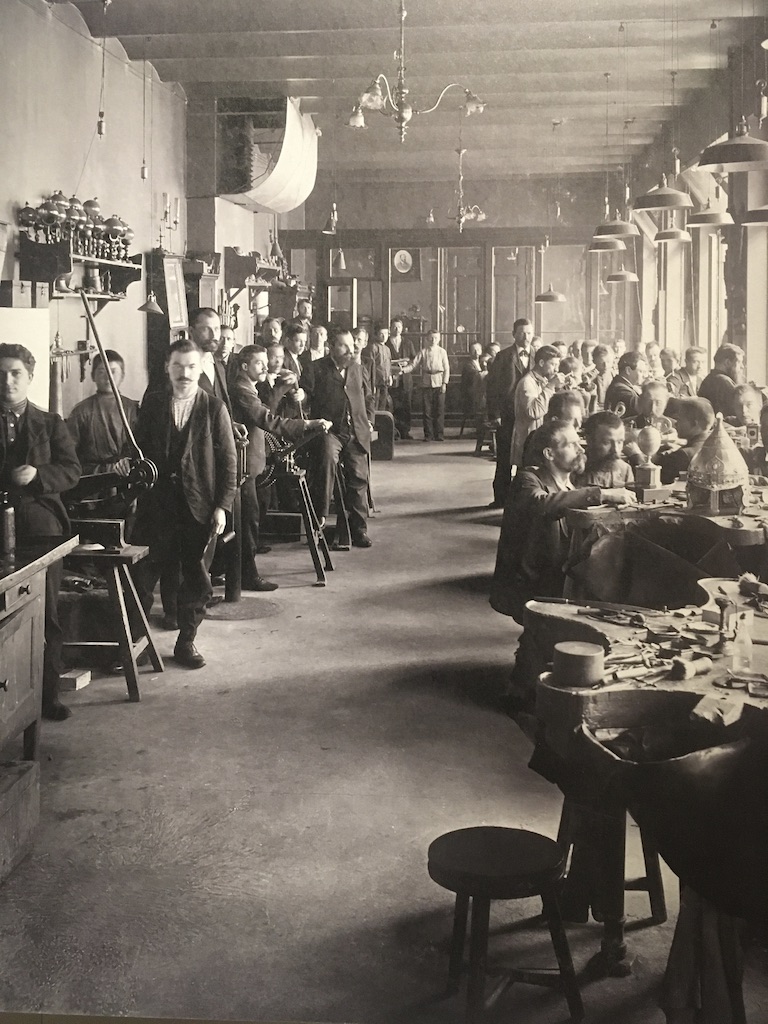
Chief workmaster’s workshop about 1901 in St Petersburg

But it was the earlier pieces which I really enjoyed. Carl Fabergé built up a huge atelier of craftsmen and women in St Petersburg and enjoyed patronage from the Russian royal family until the Russian Revolution in 1917. He then moved to Finland and later to London where he set up a workshop, studio and showroom which attracted Edwardian aristocrats and wealthy patrons from around the world.

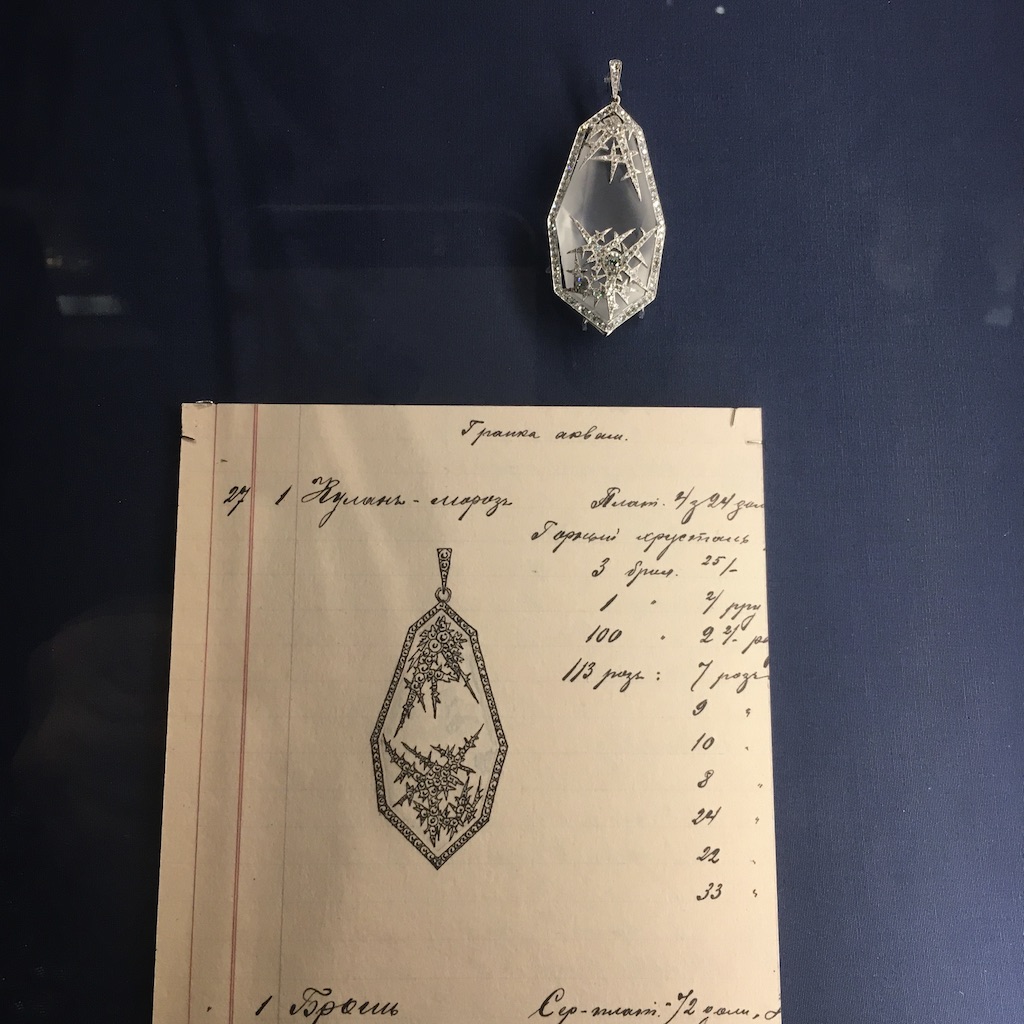
Amongst his team were talented artists and sculptors who found ways to use the most precious stones and metals in extraordinary and radical ways. I was particularly struck by the work of Alma Pihl who created a range of “Winter Jewels”. I loved the pendant made from rock crystal with diamonds and platinum silver which was based on frost patterns she saw on the window of her St Petersburg studio.

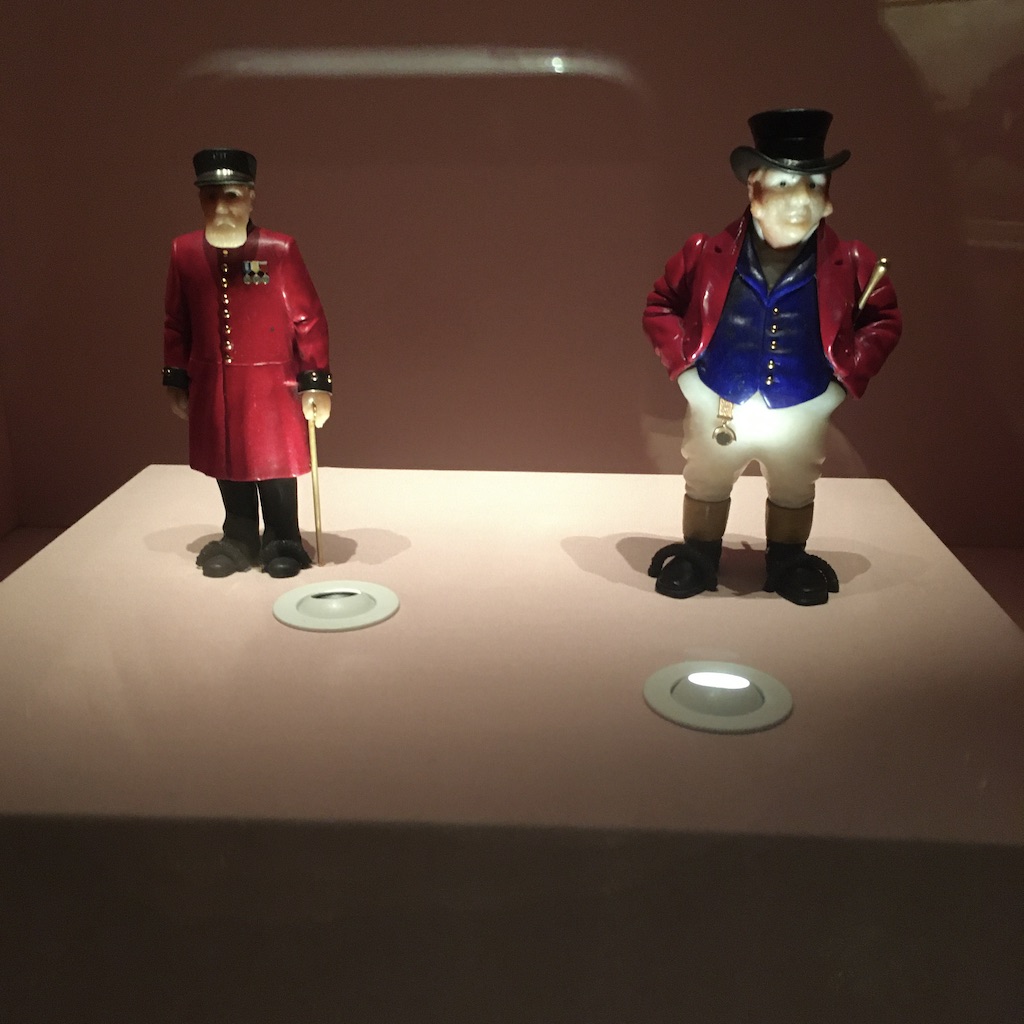
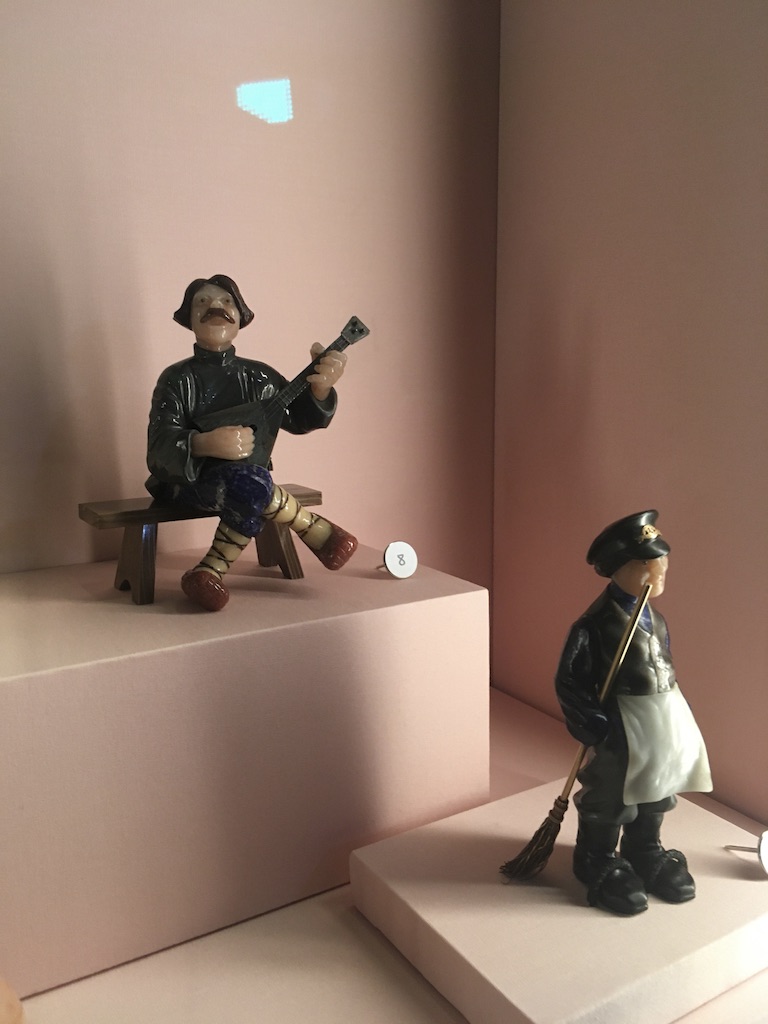
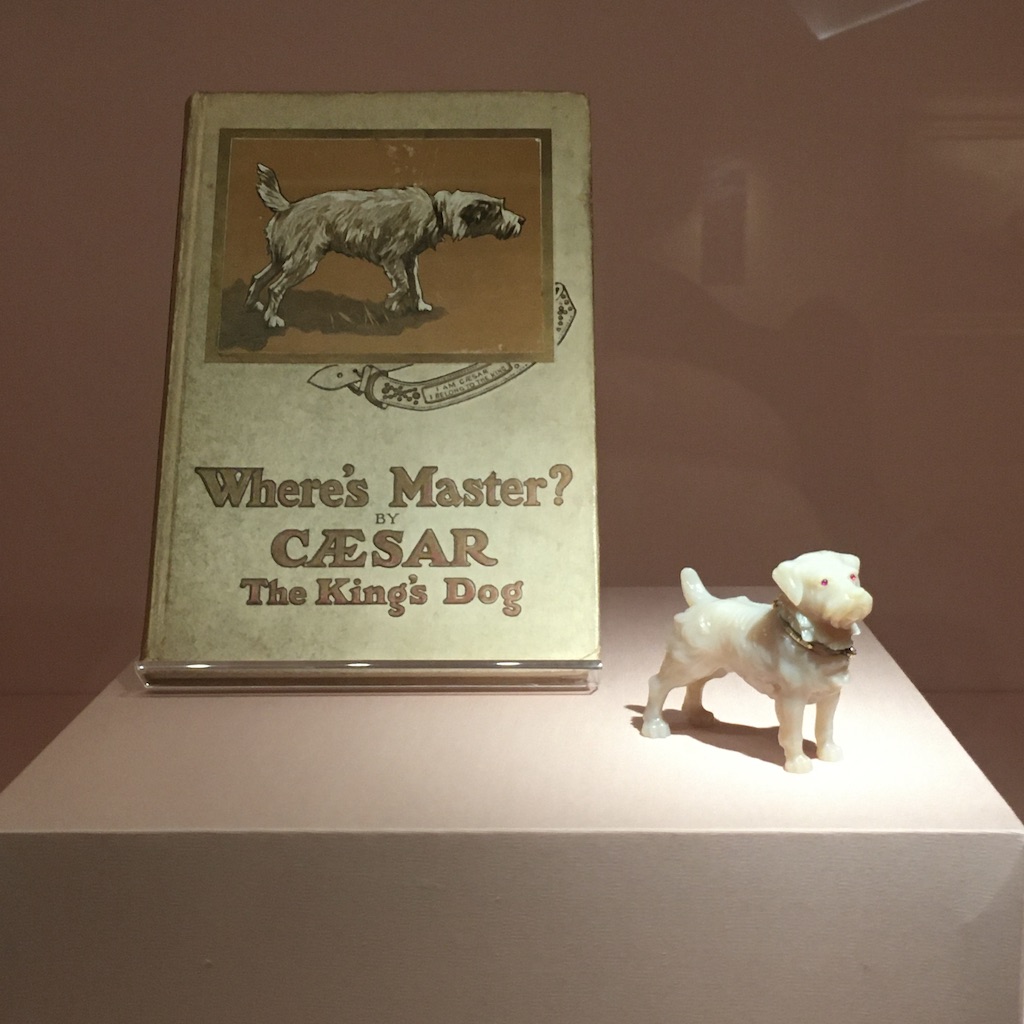
The pieces I was most drawn to were of people and animals. There are some astonishing miniature portraits of Cossack body guards, so detailed, so lifelike. And some more playful ones of characters made for the British royal family as gifts or simply objects for their own collections.

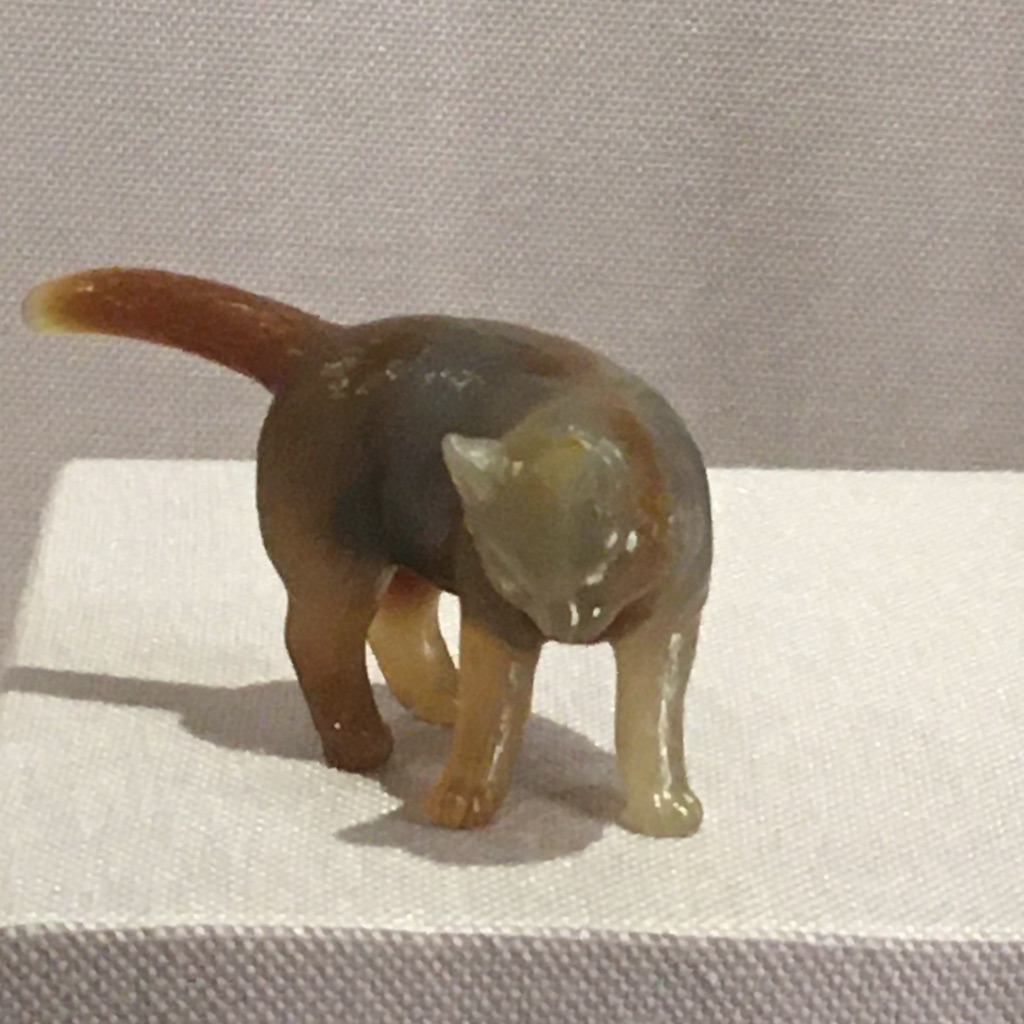
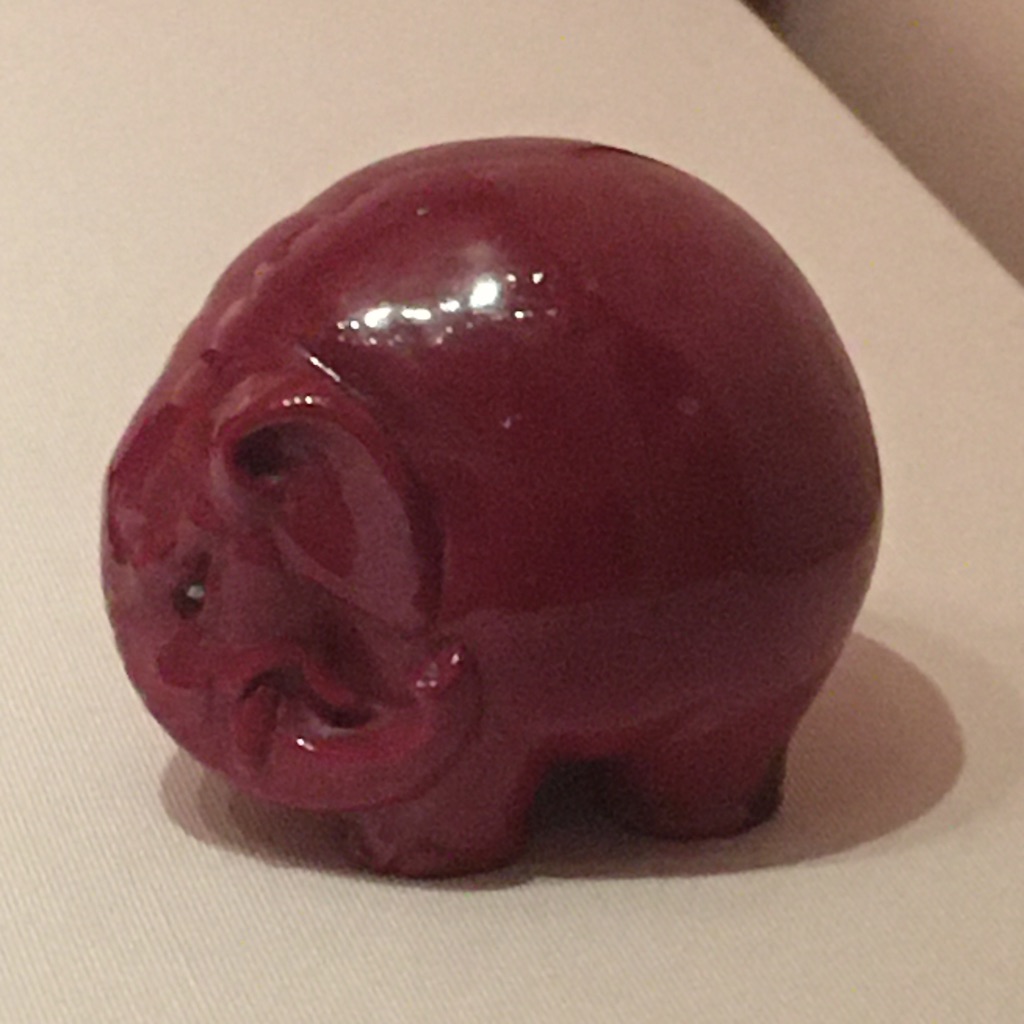
These impressions of animals carved from hardstone are so expressive and charming.

But it’s those Easter eggs which are spectacular to view. In a large gallery, they are arranged on plinths, each with their own bodyguard. I don’t think I’ve ever been in a space filled with so many objects of such value and exquisite beauty!

The show is on at the V&A until 8th May 2022.
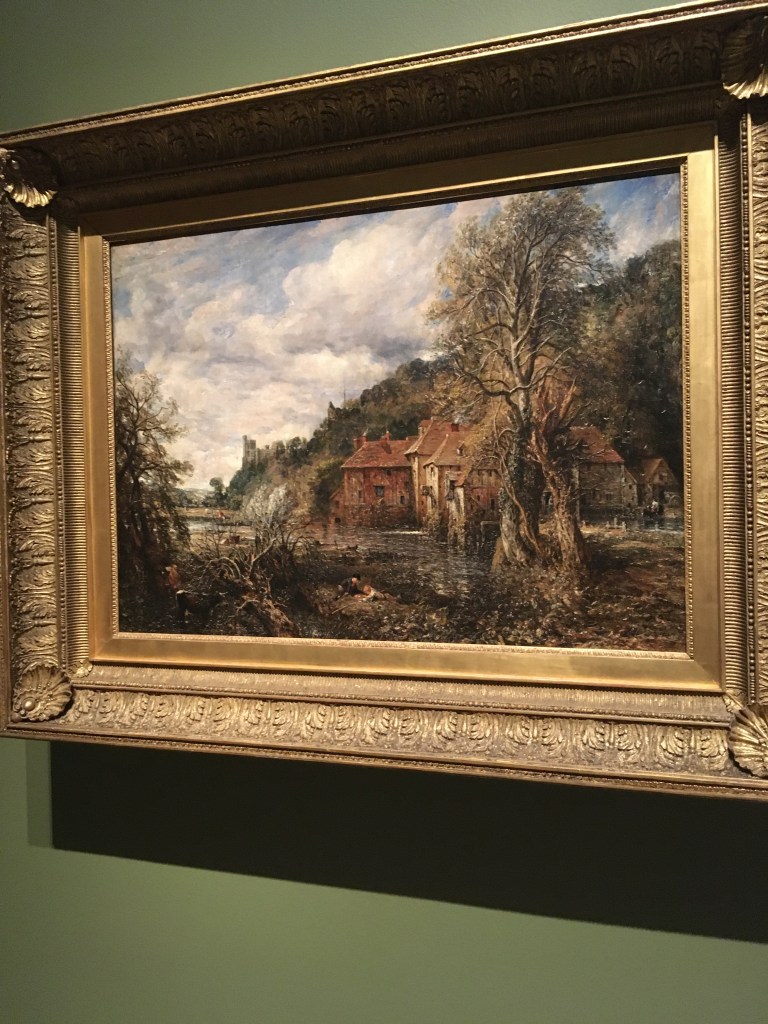
Peru: A Journey in Time at the British Museum. This new exhibition offers a rare opportunity to view objects and artefacts – some made two thousand years ago. The portraits are stunning, the fabrics are beautifully preserved and some of the stories which these objects tell shed light on a long-lost civilisation.

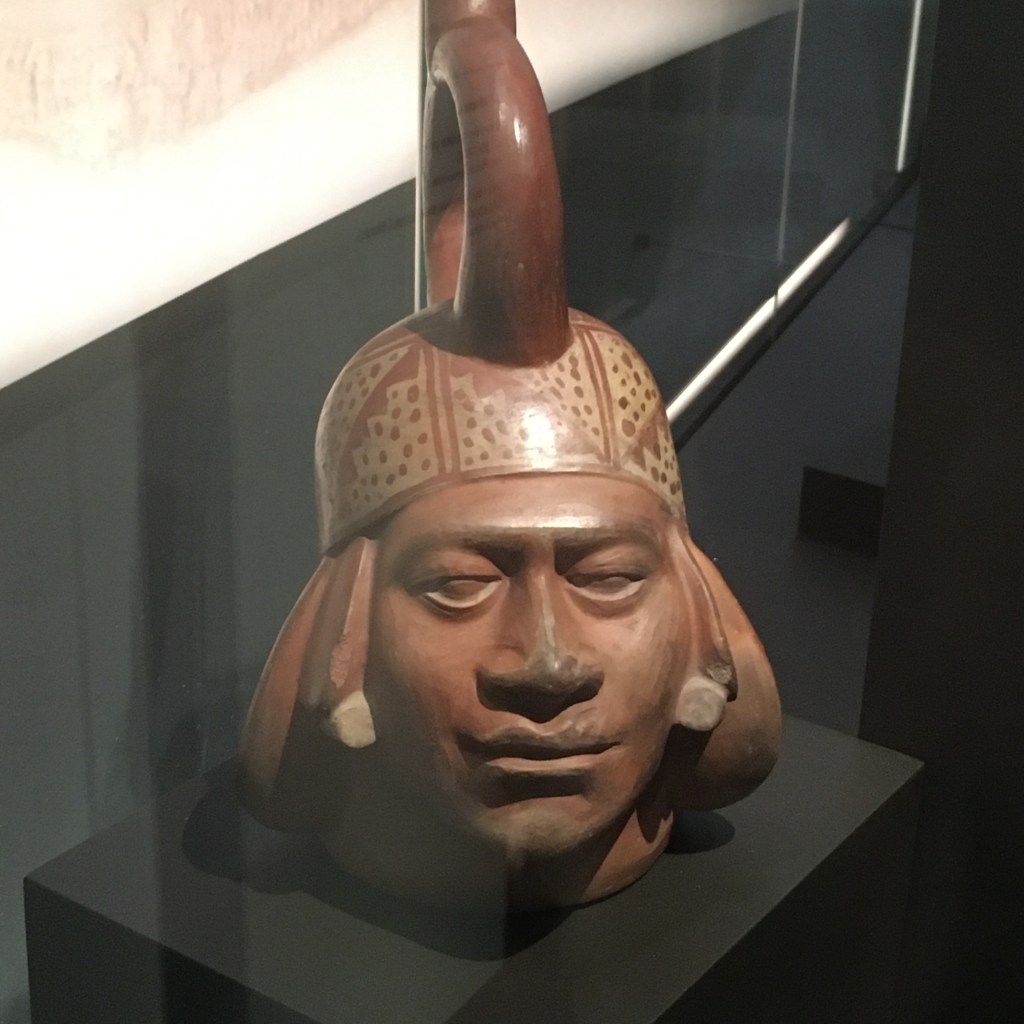
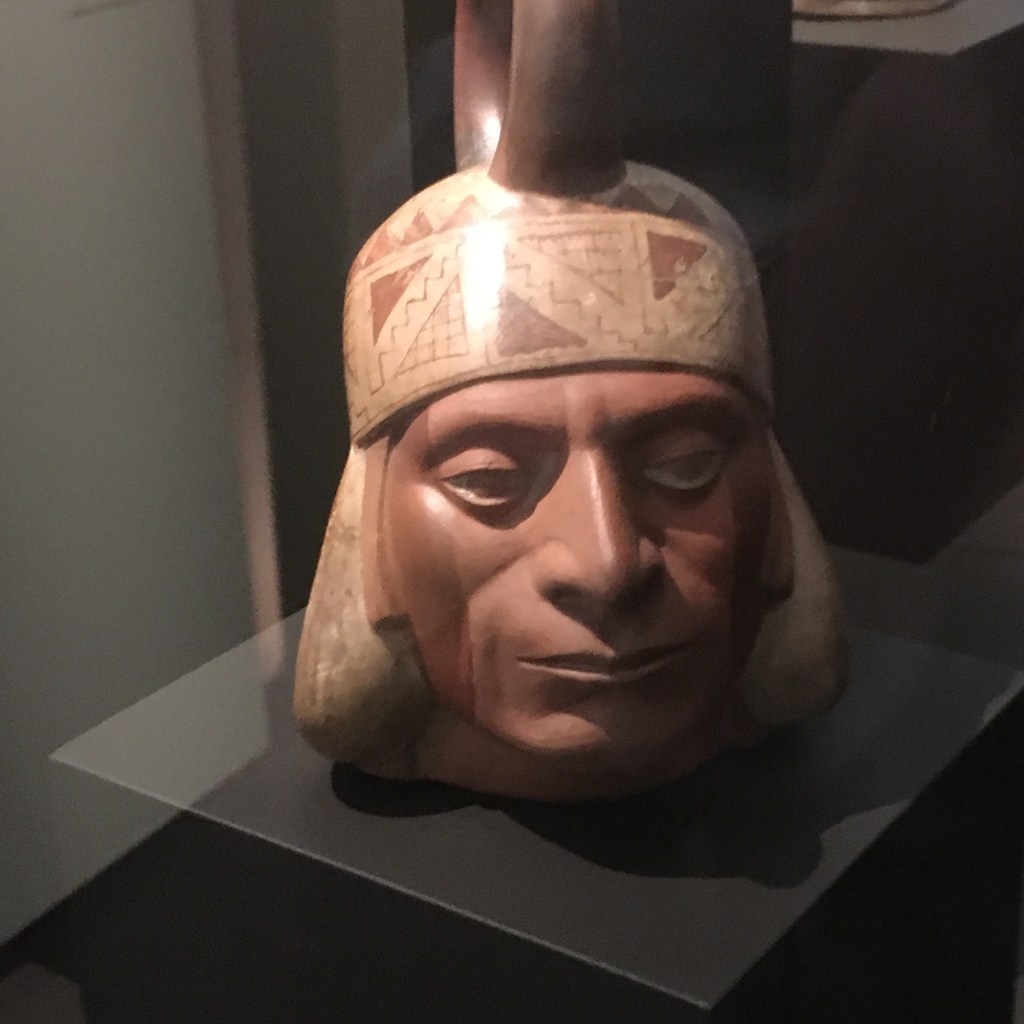
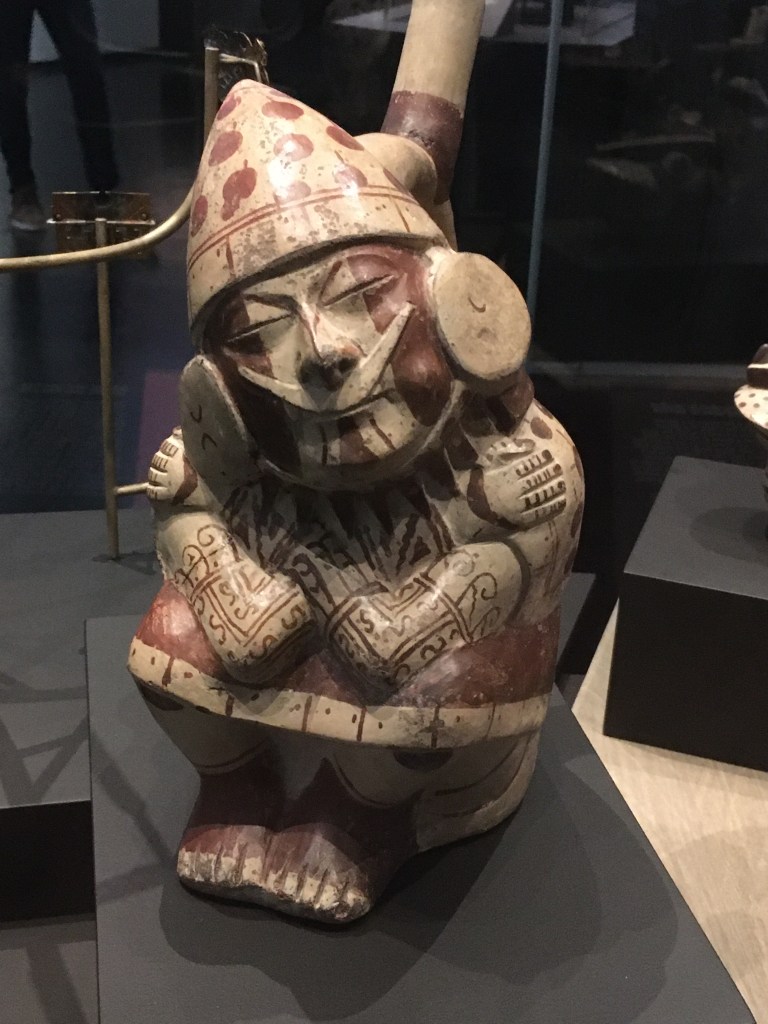
These are human portrait pottery vessels. To me they look like portraits of real people. The artist has really looked at the faces of people around him and I’m entirely prepared to believe that they are of real people, leaders or important figures in the region. They’re dated between 100 – 800 AD. It’s rare to find such early portraits made by artists who have really studied their subject’s faces.

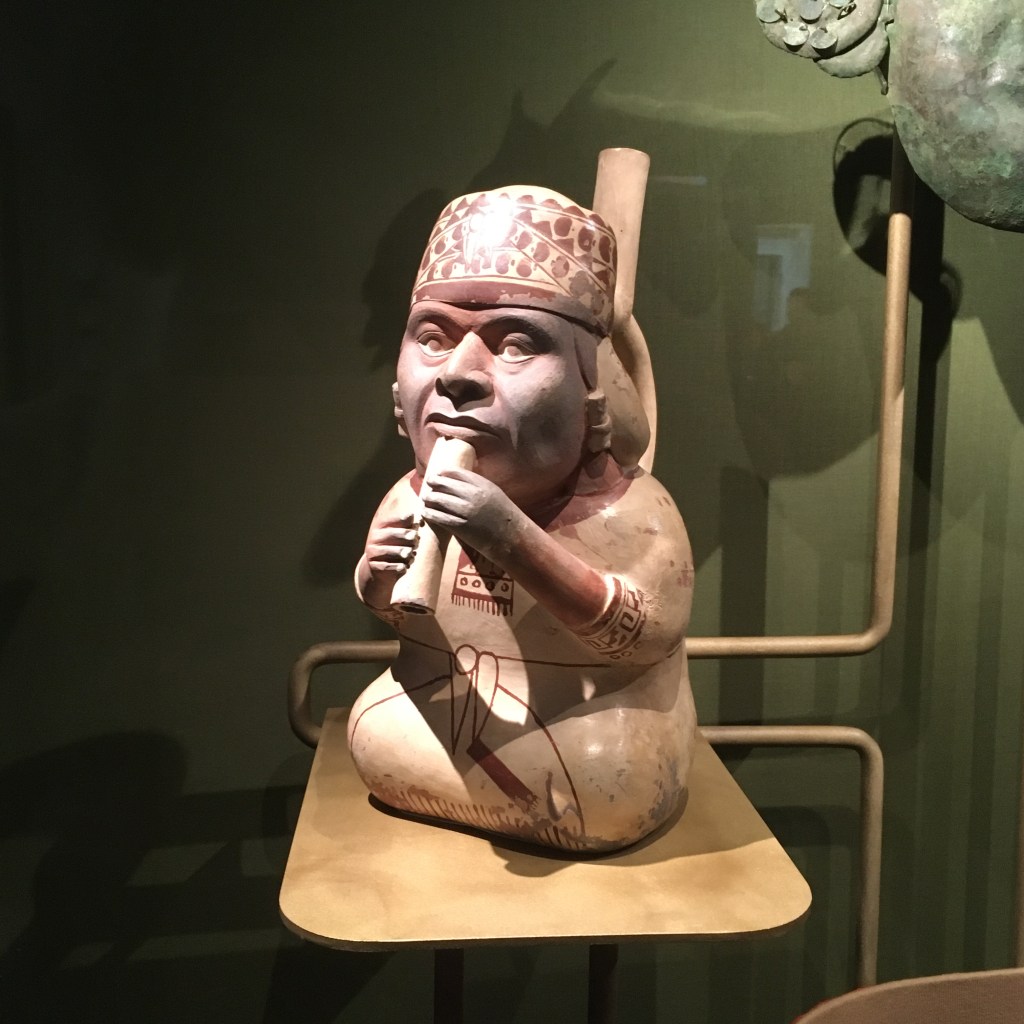
Charming pottery vessels. One is of a sleeping warrior with an elaborate nose ring, the other is a musician playing a flute. Considering they are dated from 100-600 AD I’m amazed by the way they have survived intact and we can see such detailed paintwork on them.

The potters who created these figures are abstract artists and also story-tellers. The terrifying fish vessel on the right is carrying prisoners to the place where they will be sacrificed. There are several examples of sacrifice, sometimes of children, which is very disturbing. The friendly looking deer was believed to have healing and magical properties. And the little figure on the left is a musician.

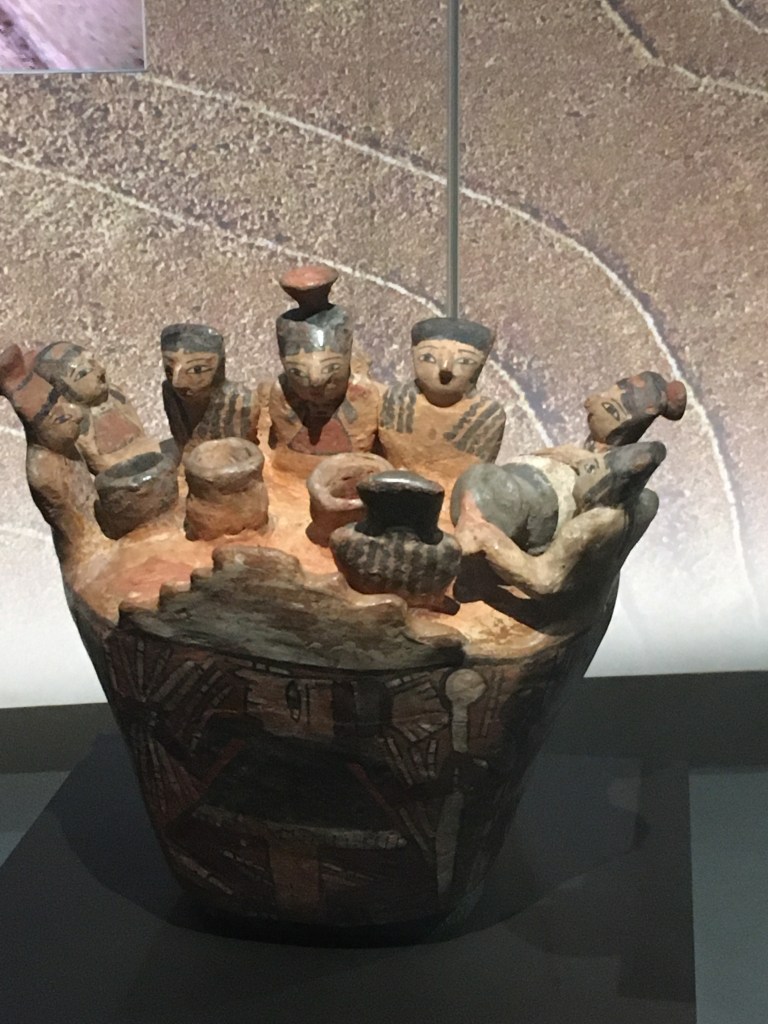
I liked this scene of ritual celebration with music. The figures are women, which is reassuring that they were represented in art as well as the men. It’s also good to see that they are enjoying an alcoholic drink made from fermented purple maize while they make music. This is painted pottery from Nasca, 100BC – AD650.

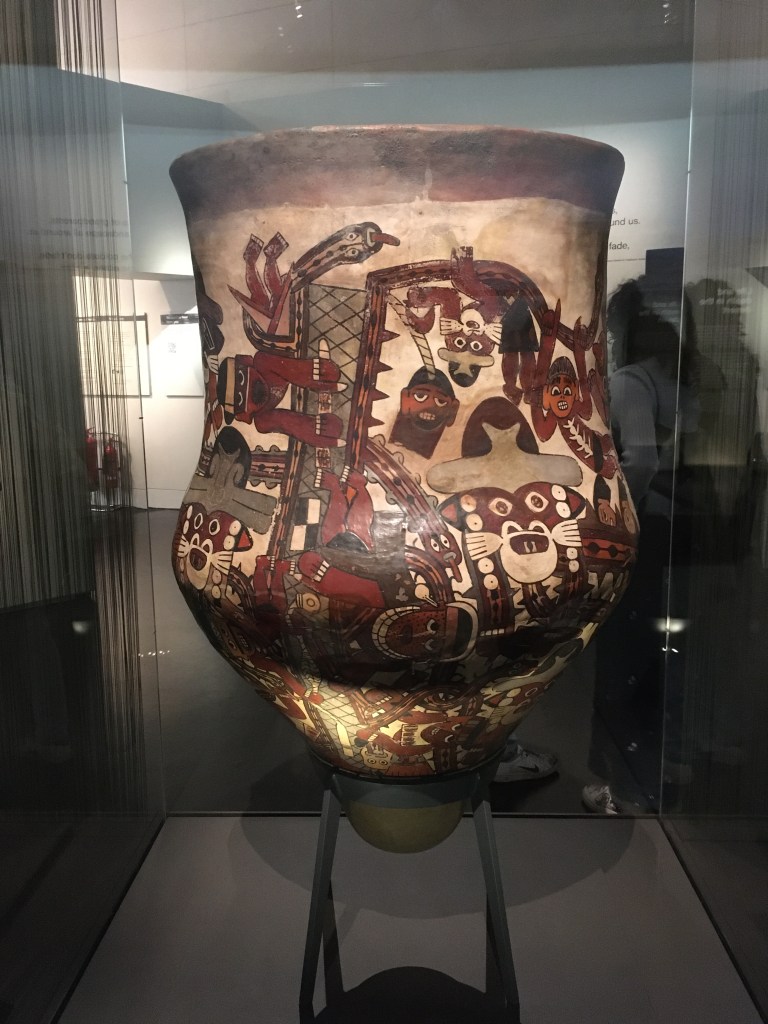
A massive ceremonial pot with mythical scenes. It’s not very pleasant. There’s a corpse, and severed heads along with strange snake-like creatures. Clearly life in Peru two thousand years ago was pretty terrifying and full of warriors you would not want to mess with.

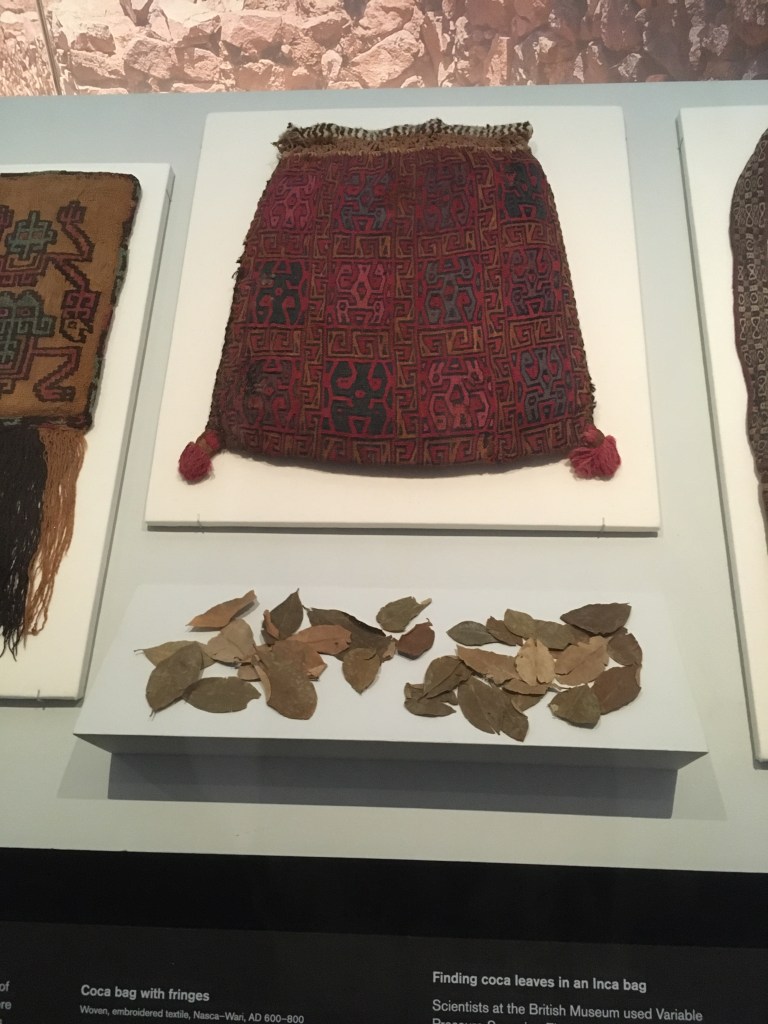
These are coca leaves from Brazil from the 20th century. They were found in a specially woven bag. Chewing coca leaves was a key part of Inca and Wari life. They contain an intoxicant that reduced altitude sickness and were also used as offerings when meeting new people.

Fascinating stuff. Peru: a journey in time is on at the British Museum until 20th February 2022.

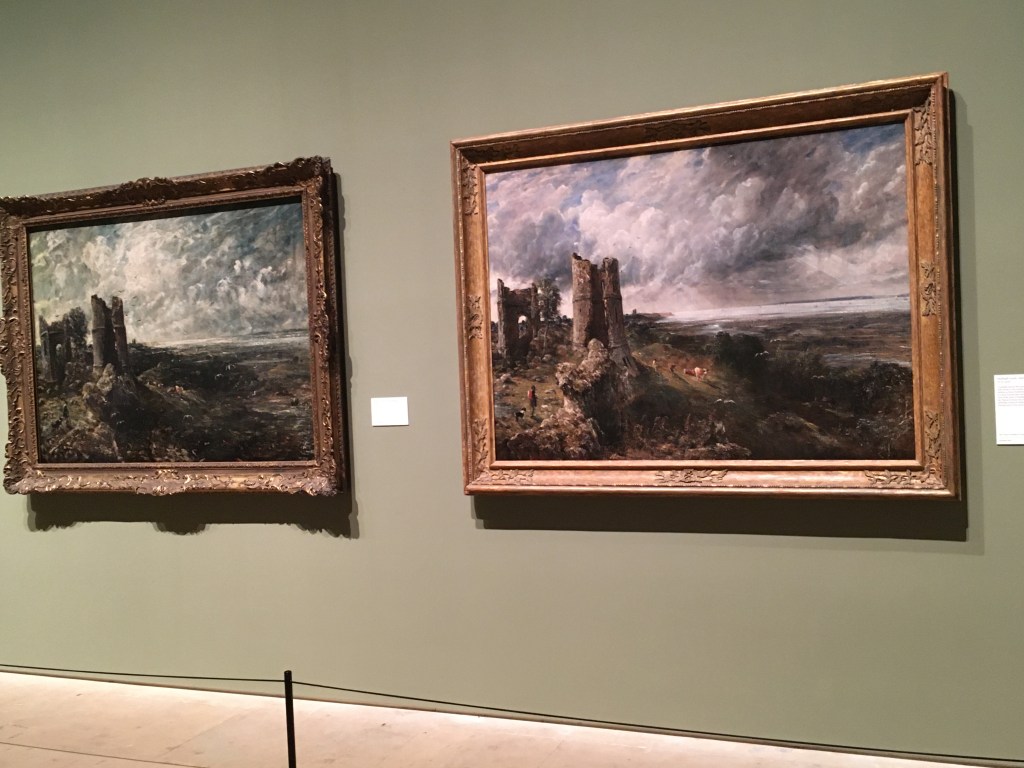
There’s always something new to discover in John Constable’s paintings. An exhibition at the Royal Academy – Late Constable – provides a great opportunity to view works made in the last two decades of his life after he’d become an Academician and his career was established. But it’s clear to see that he still kept pushing his art.

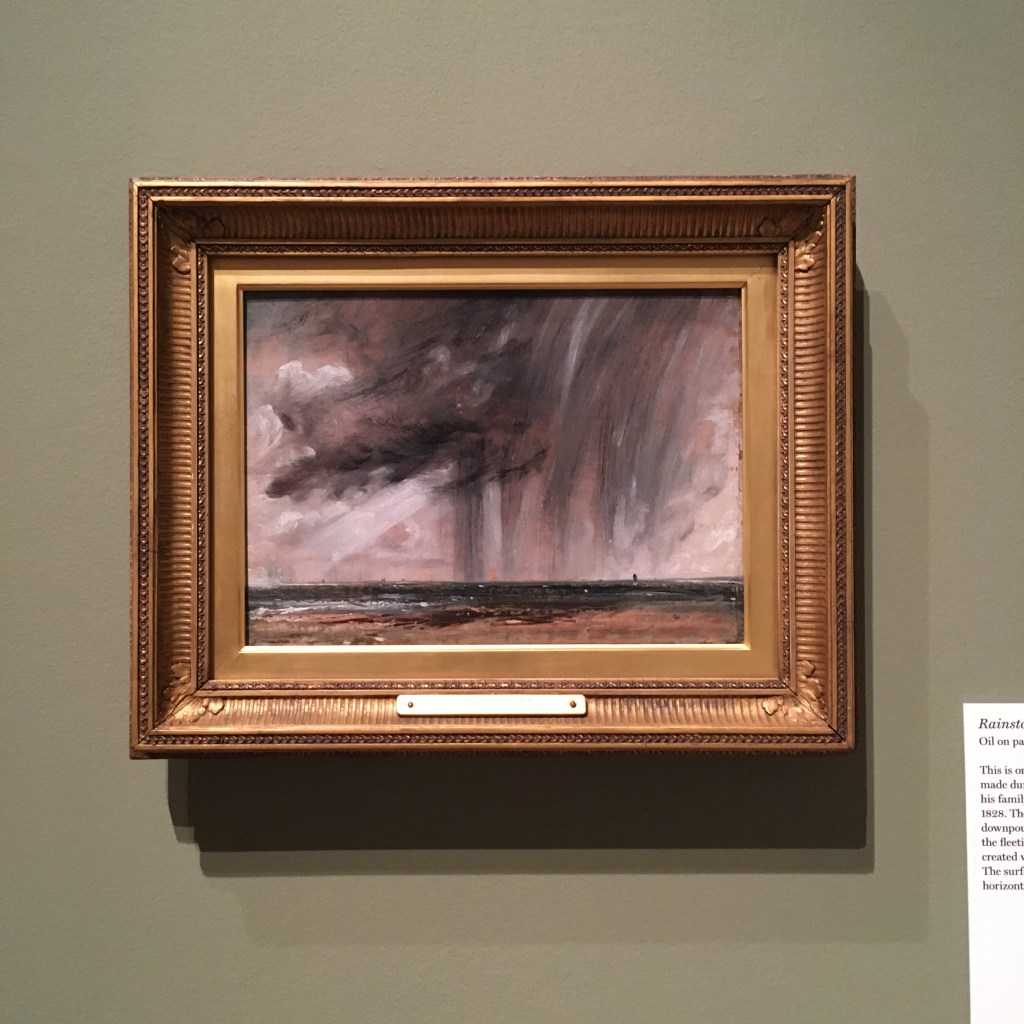
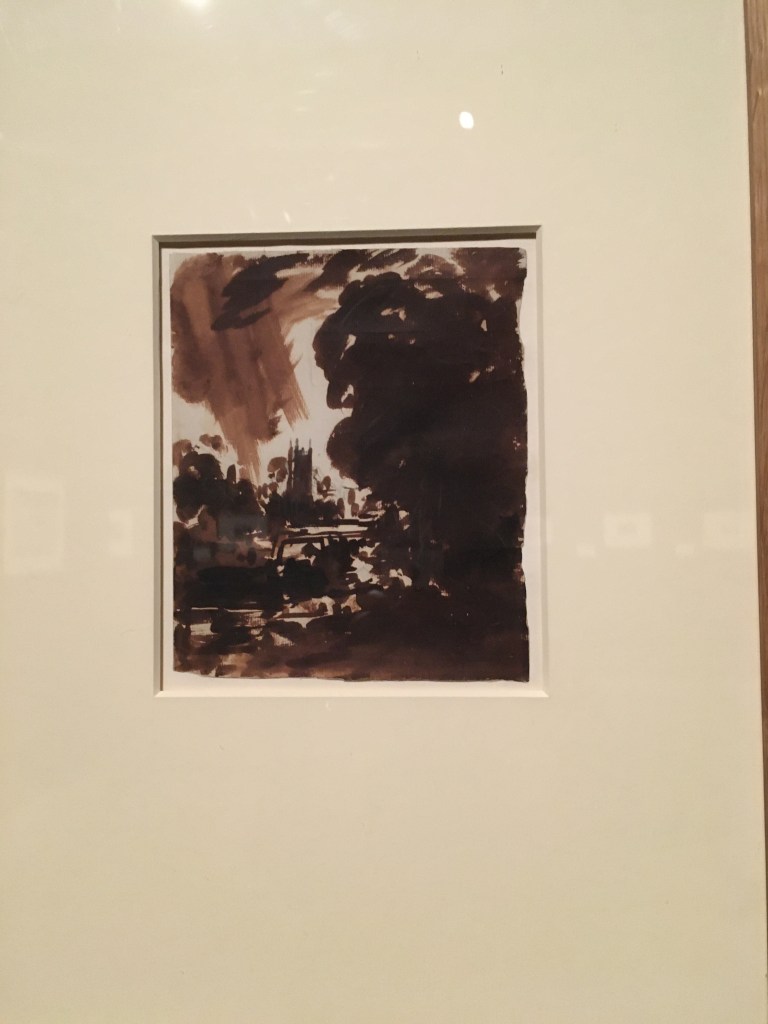
I don’t think I’ll ever tire of looking at this fabulous oil sketch on paper which captures the arrival of a violent storm at sea. The artist’s hand is clear to see in the dynamic down strokes of a brush laden with dry pigment, dragging it over the paler ground, which is slightly damp, and capturing that moment when the wind gets up, the heavens open and the drenching rain starts pouring. I look at it and imagine that he must have painted it in a hurry, seated on the shingle, seeing the approaching storm and quickly capturing the moment before being soaked and rushing back to his home in Brighton.

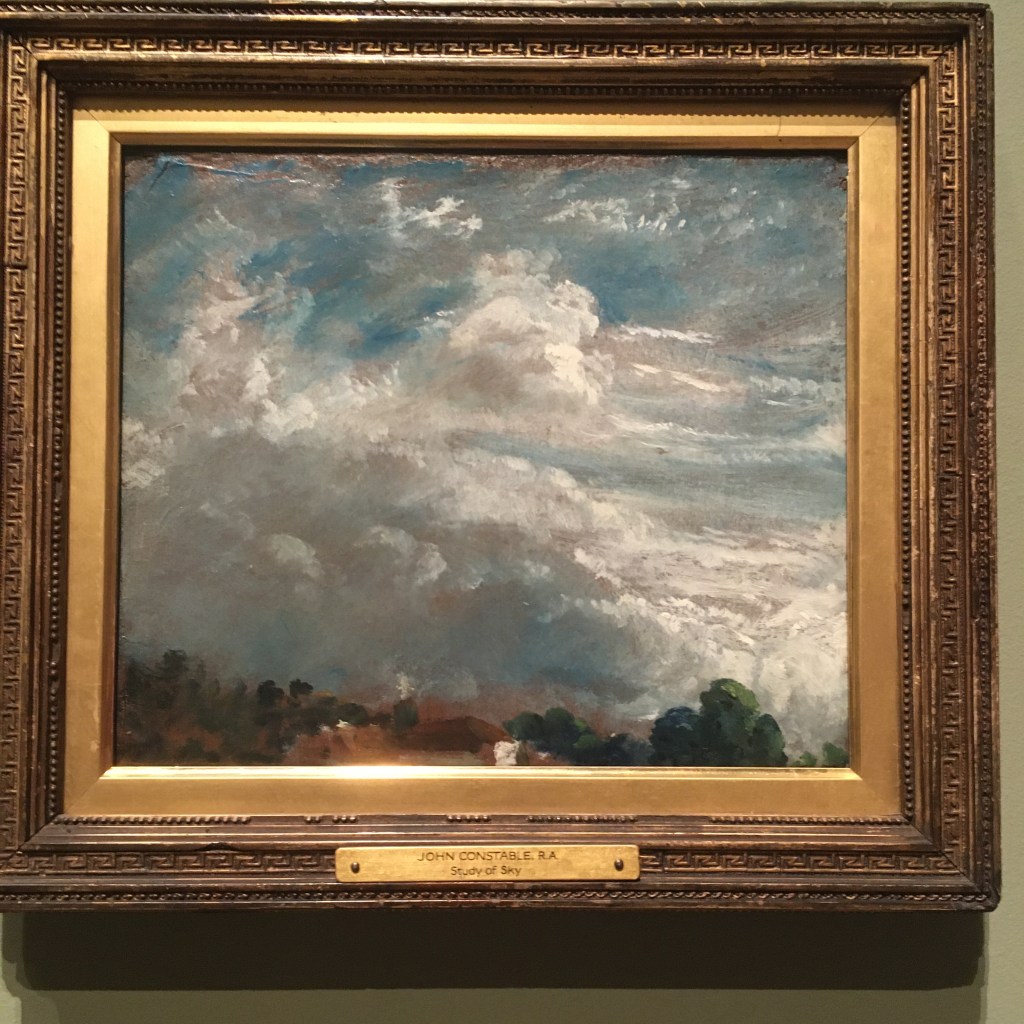
So many of Constable’s most memorable paintings are about the sky. He must have spent hours gazing upwards at the variety of clouds, forever looking for the perfect vantage point and sketching them in oil, watercolour and pencil. I wonder, with this one, whether he thought he was going to concentrate on the view and the landscape in front of him but became totally distracted by the billowing clouds, the gathering wind and the astonishing atmosphere of the sky above him.

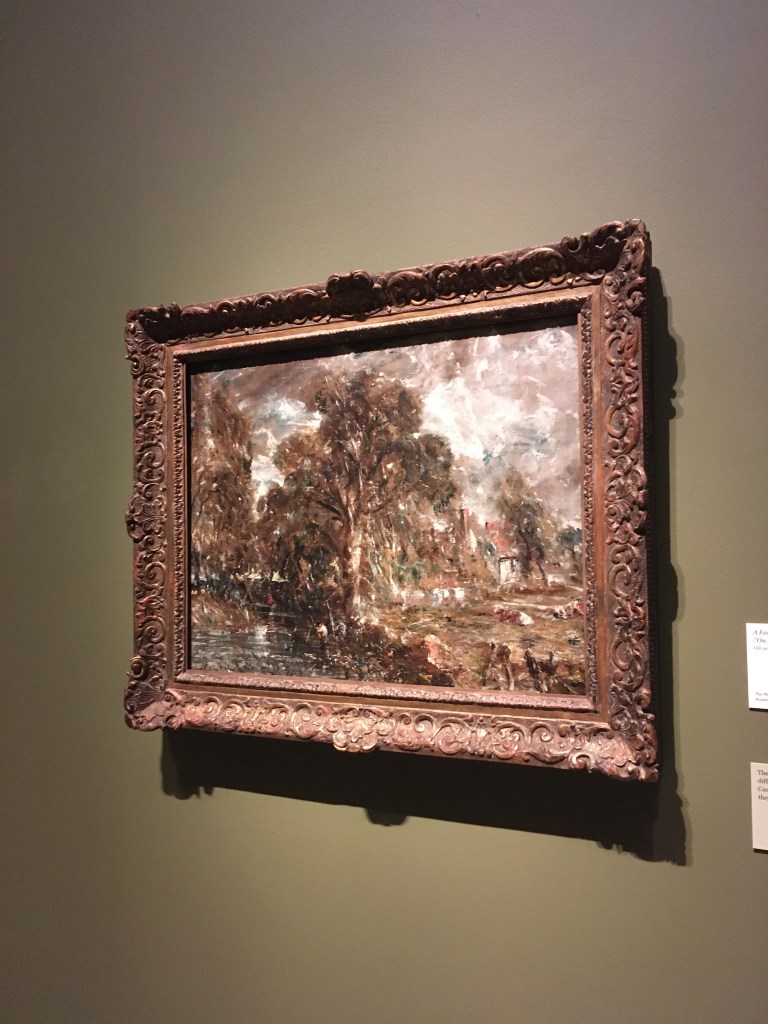
It’s always satisfying to see the ‘finished’ versions of paintings along with the sketches. I haven’t really got any close up images of the paintings, but when you stand in front of these huge pictures it’s the use of white paint, impasto, which is really striking. Once he gets going with brush and the white paint I think he finds it quite hard to stop. Some of the pictures feel a bit ‘overdone’ in comparison with the simple purity of the sketches which preceded them.

These swift sketches convey far more energy than the more worked up and finished paintings. I do wonder, as he got older, whether he felt he dared leave the ordered life of the big studio piece and ‘let himself go’ as a plein air painter, simply capturing what he saw and not reordering everything to suit the conventions of composition and saleability.

Arundel Mill and Castle 1837

This is Constable’s last painting. He’d visited Arundel with his eldest son, John Charles, who suggested he should make a large painting of the view. He was working on this when he died and the family considered it to be sufficiently finished to be sent to the Royal Academy and exhibited posthumously at its new premises on Trafalgar Square, shared with the National Gallery.

#lateconstable On show at the Royal Academy until 13th February 2022

Can we ‘end the waste age’? The Design Museum presents some satisfying, and encouraging solutions to the appalling and polluting impact of plastic and our wasteful approach to living which has endangered the planet.

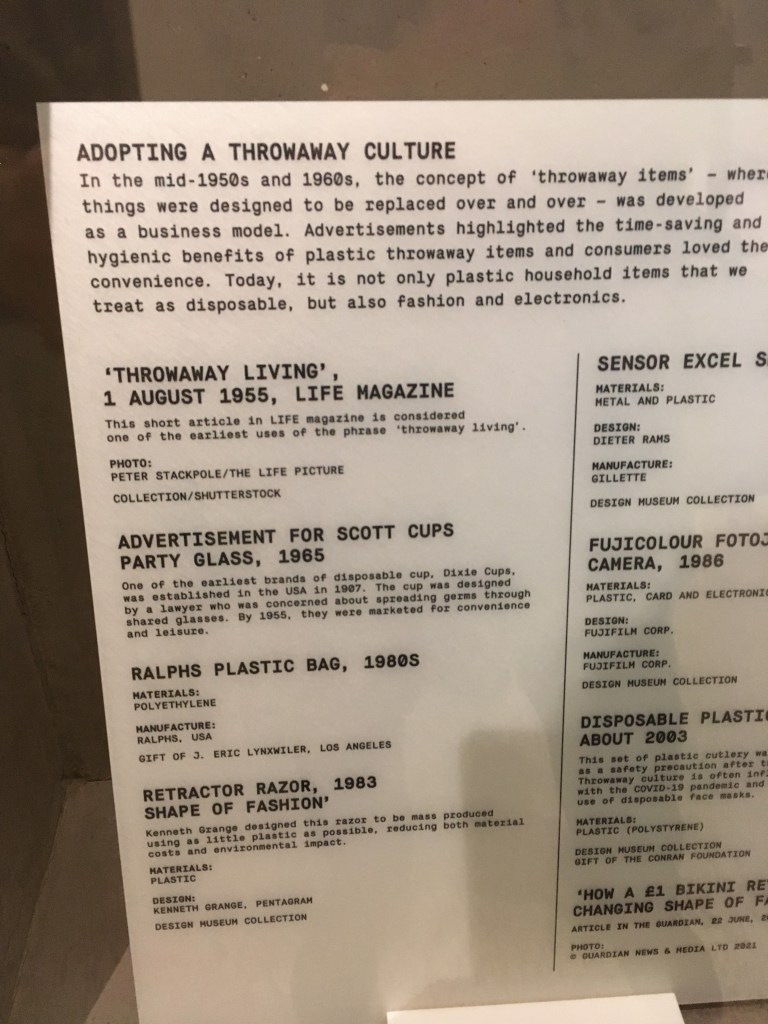
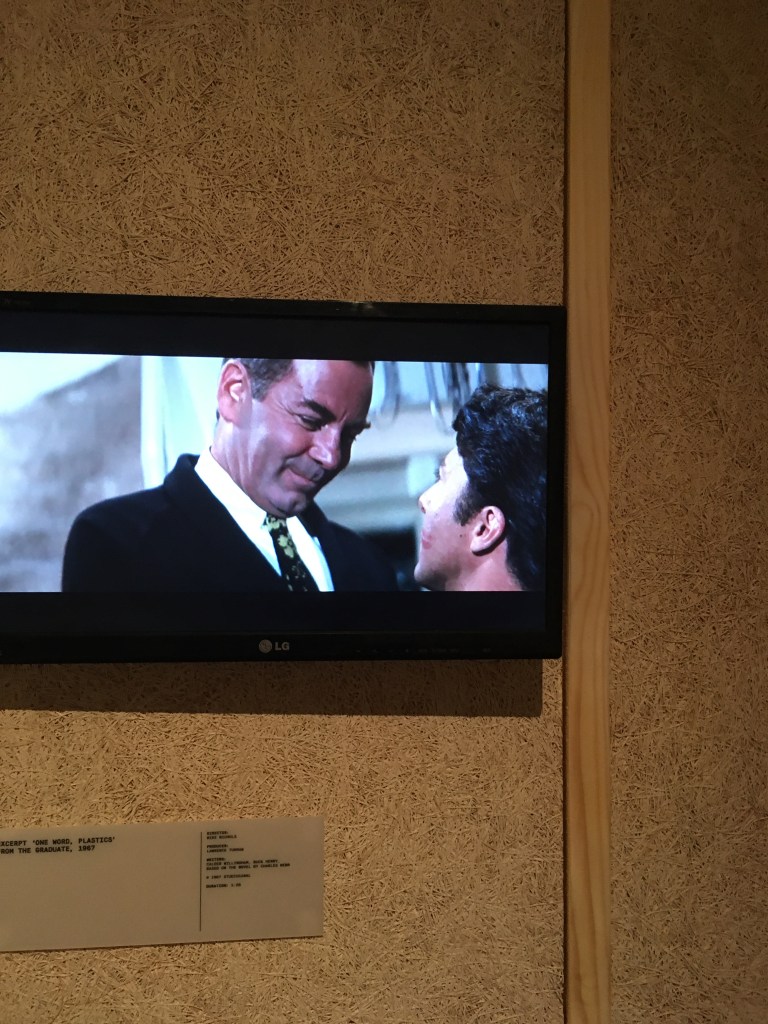
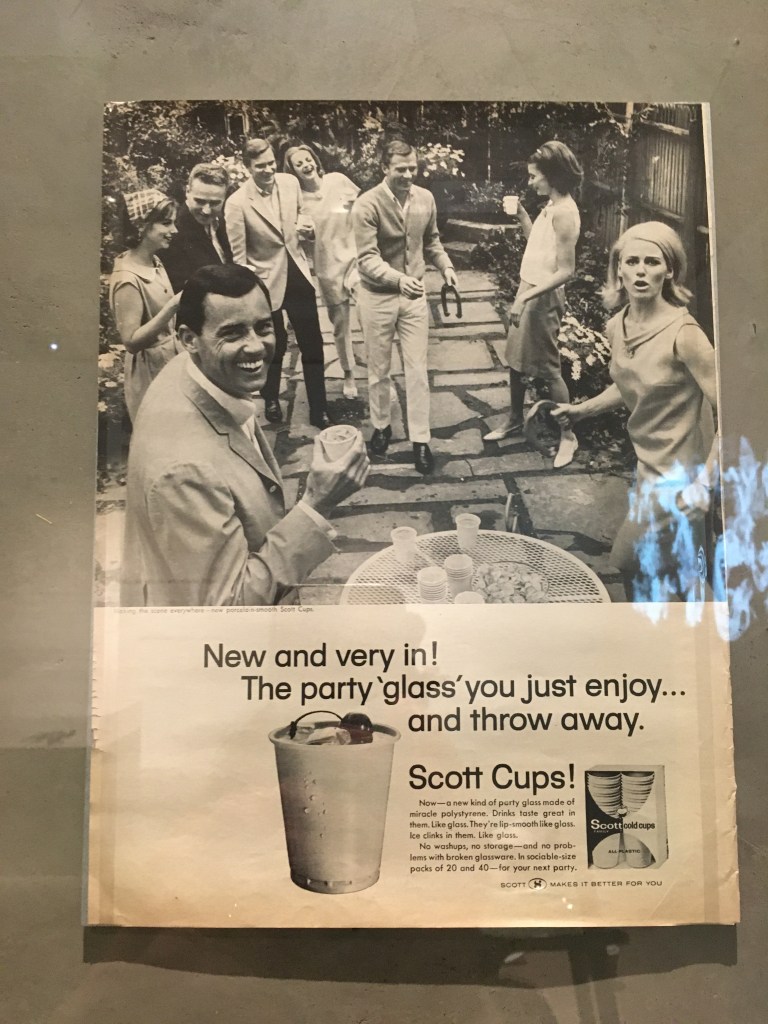
There was a time when plastic was regarded as the answer to everything. Why wash up and put away when you can chuck that glass/plate/dish in the bin and not worry about it. Remember that scene in The Graduate when young Benjamin is told the secret of success in just one word – plastics? We might have chuckled at it decades ago but now we shudder.

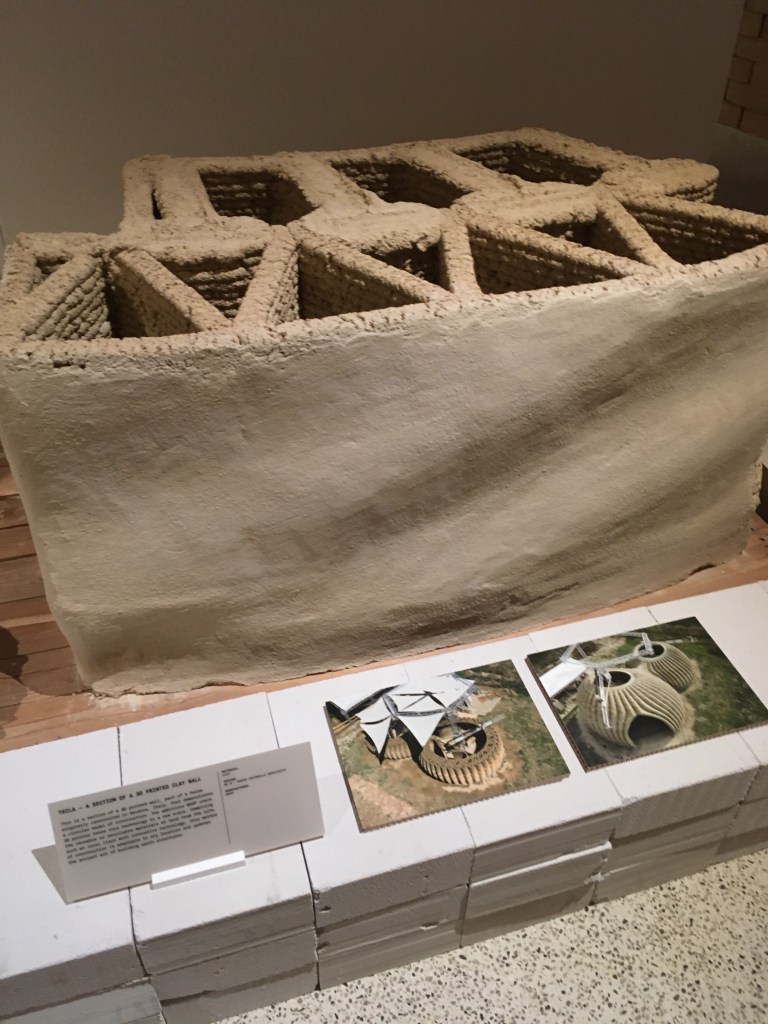
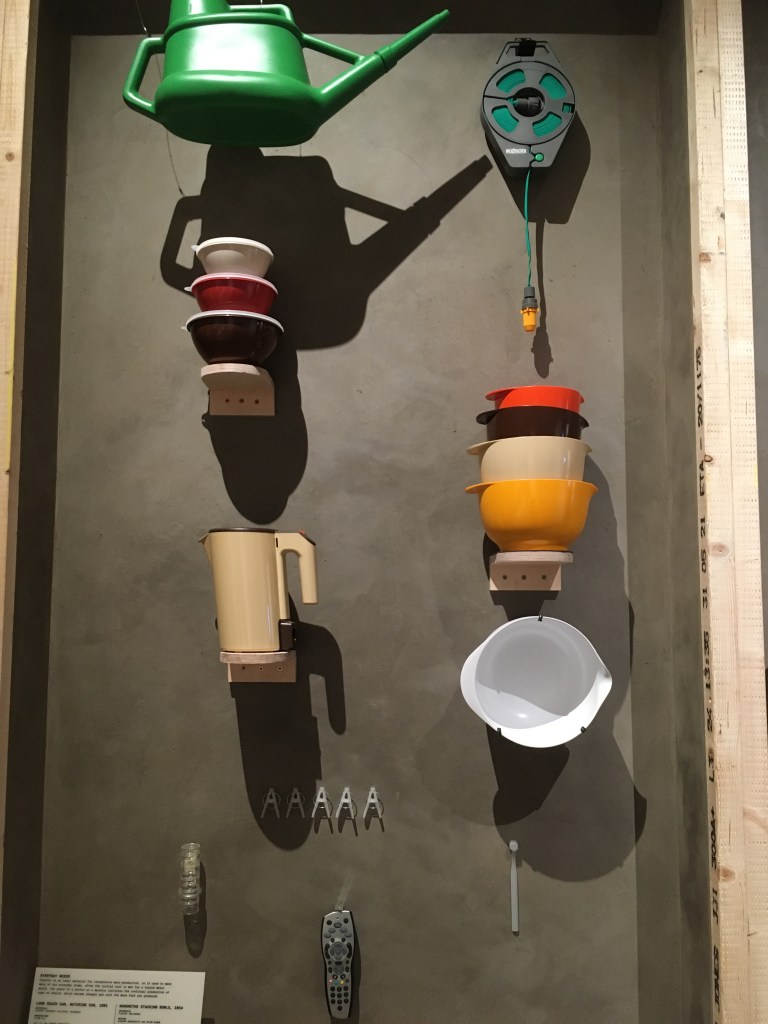
The exhibition, Waste Age: What Design Can Do? at the Design Museum shows us many of the good things which have been made from plastic and still work well for us but oh dear, when you see the images of choked rivers, landfill swelled with plastic rubbish and acres of the world scarred by the careless dumping of waste material. We all hang our heads in shame.

But, the heartening aspect of this exhibition is that designers are coming up with solutions. I enjoyed hearing the optimistic views of creatives and innovators who regard all waste material as an opportunity for creating new uses. “They’re just molecules” And you can use molecules in so many ways.

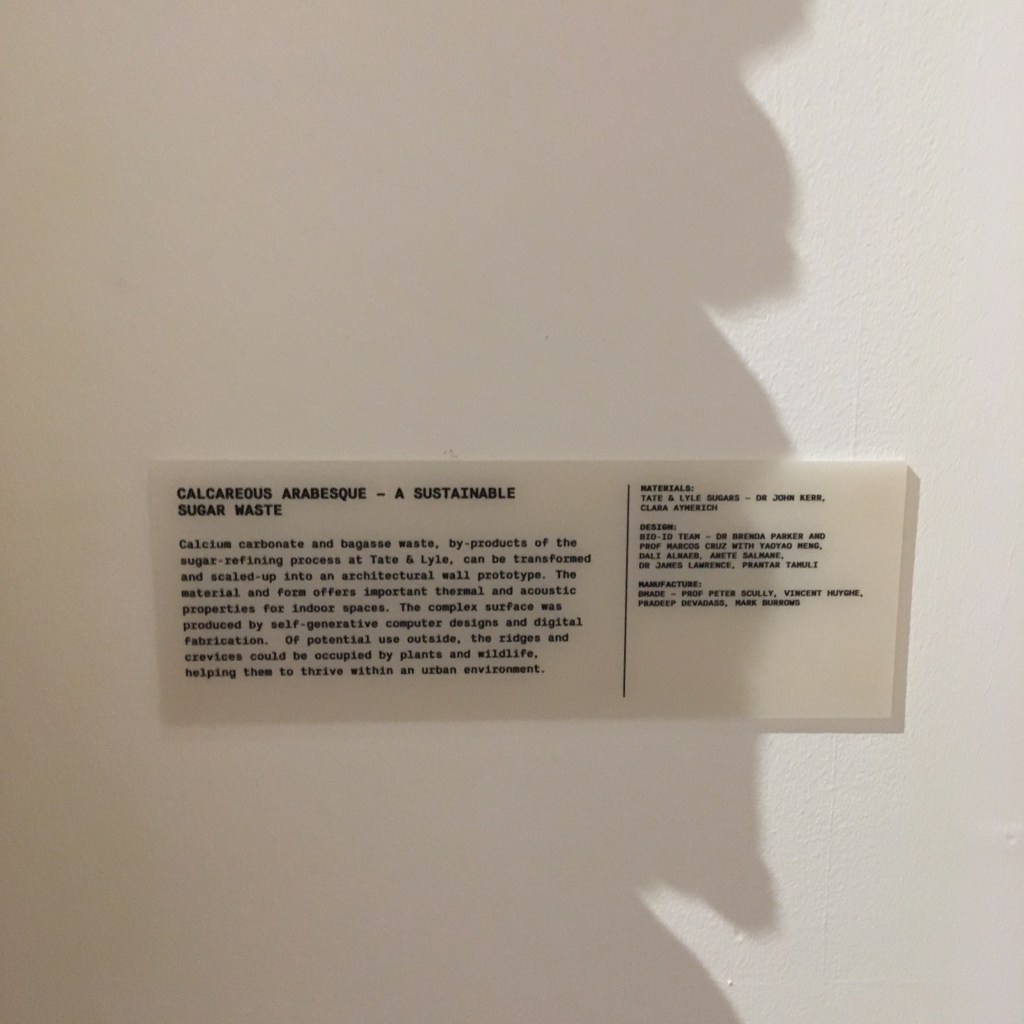
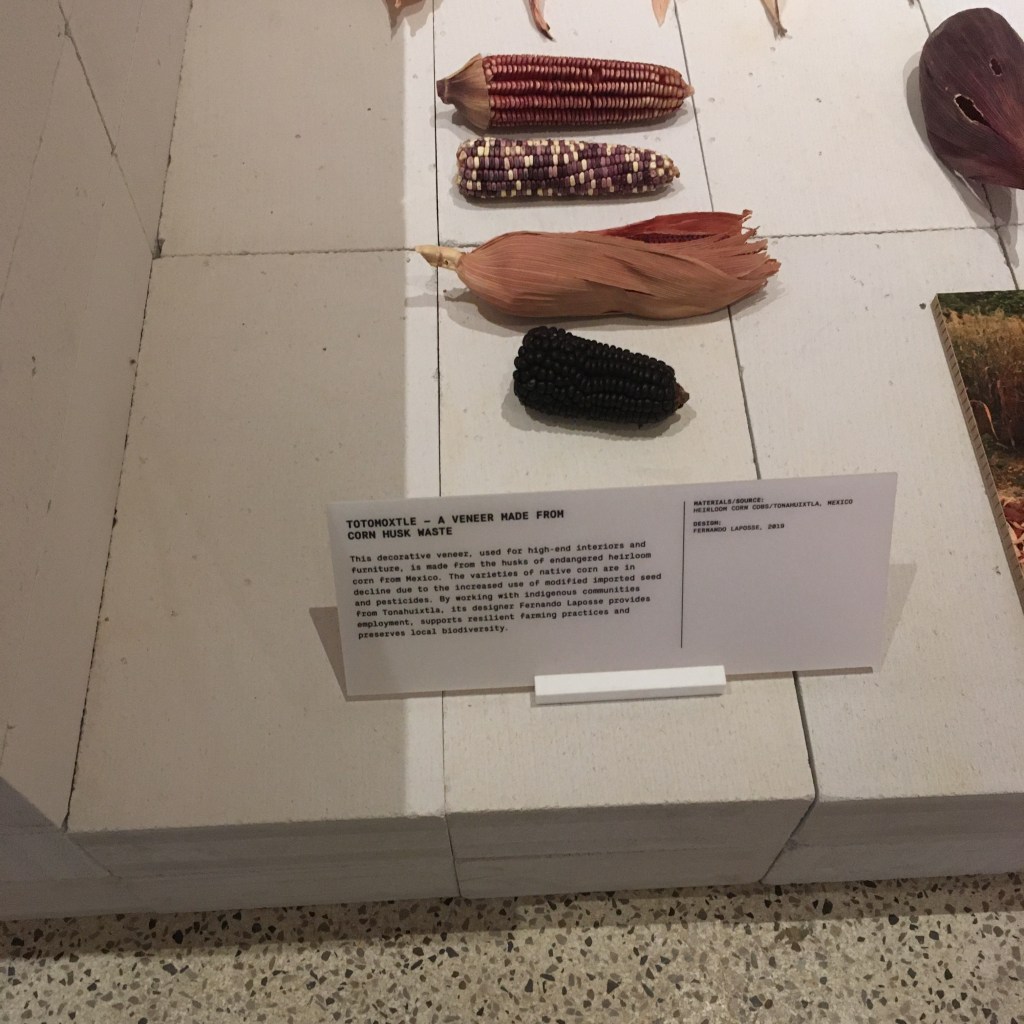
There are some great examples of what can be done too. So, we have waste product from the production of sugar beet being turned into a material which can be used for building. The husks of corn can be made into a kind of wood veneer and there are clever things to be done with fungi and strange mushroom materials which can be grown.

This is good. I felt a lot better coming out of the exhibition than I did in the first half when faced with all that’s wrong about human behaviour. However, no matter how clever the designers and innovators are, their ideas still have to be taken up by the big manufacturers and retails and, as consumers, we’ve got to DEMAND that what we purchase is no longer bound up in plastic wrapping, sealed up in unnecessary layers of packaging and not made with a built in obsolescence to ensure we will need to buy more.

The exhibition is a little bit worthy in places but we need to be bludgeoned into awareness of our wasteful behaviour and, I hope, we’ll all start to use what exists already with more enthusiasm and not constantly demand the shock of the new – perhaps make do for a bit and mend the world.

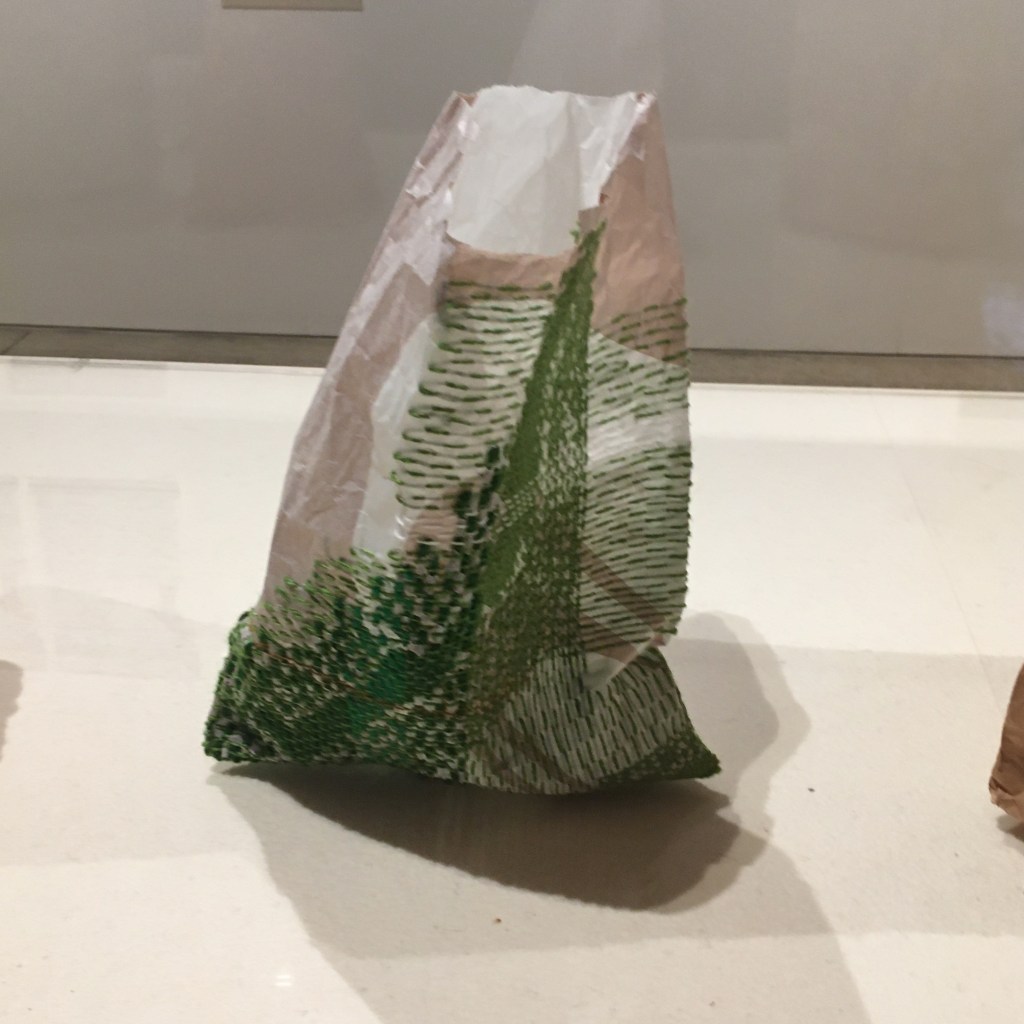
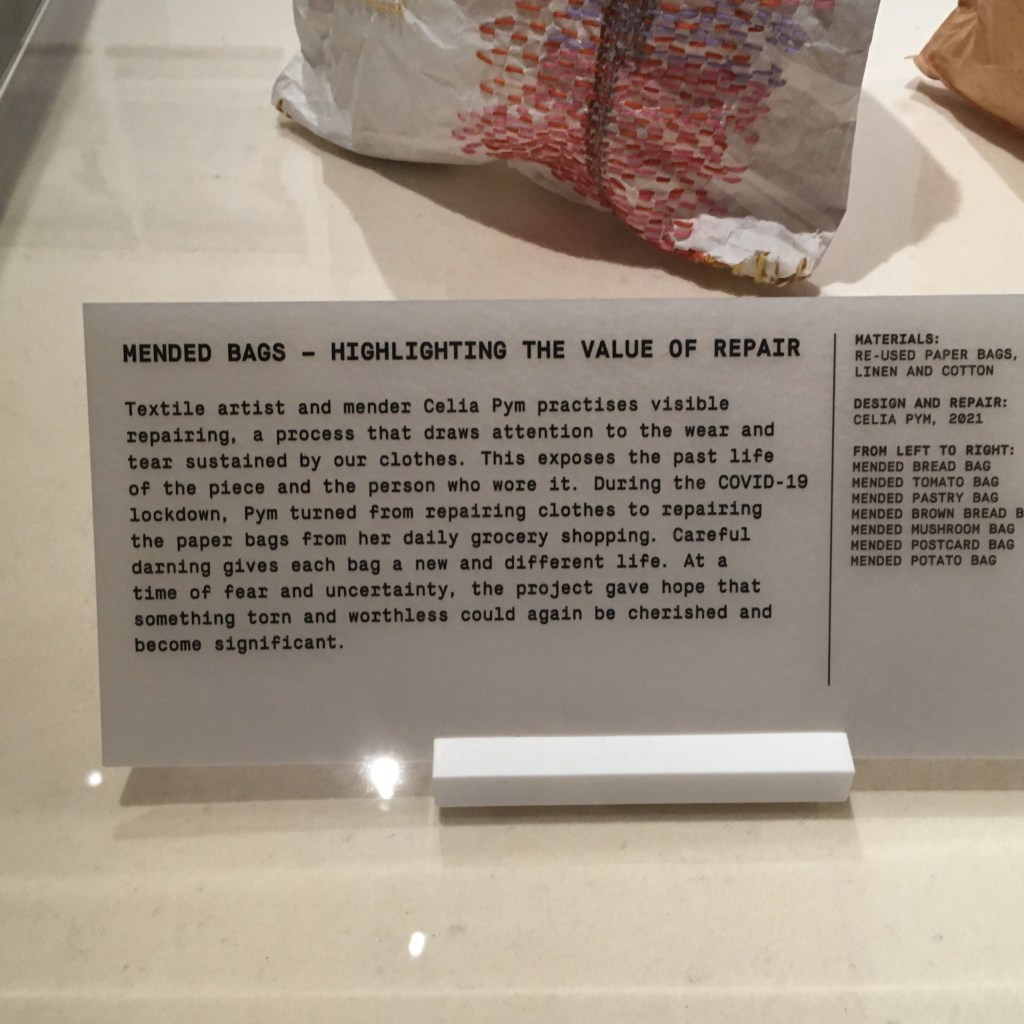
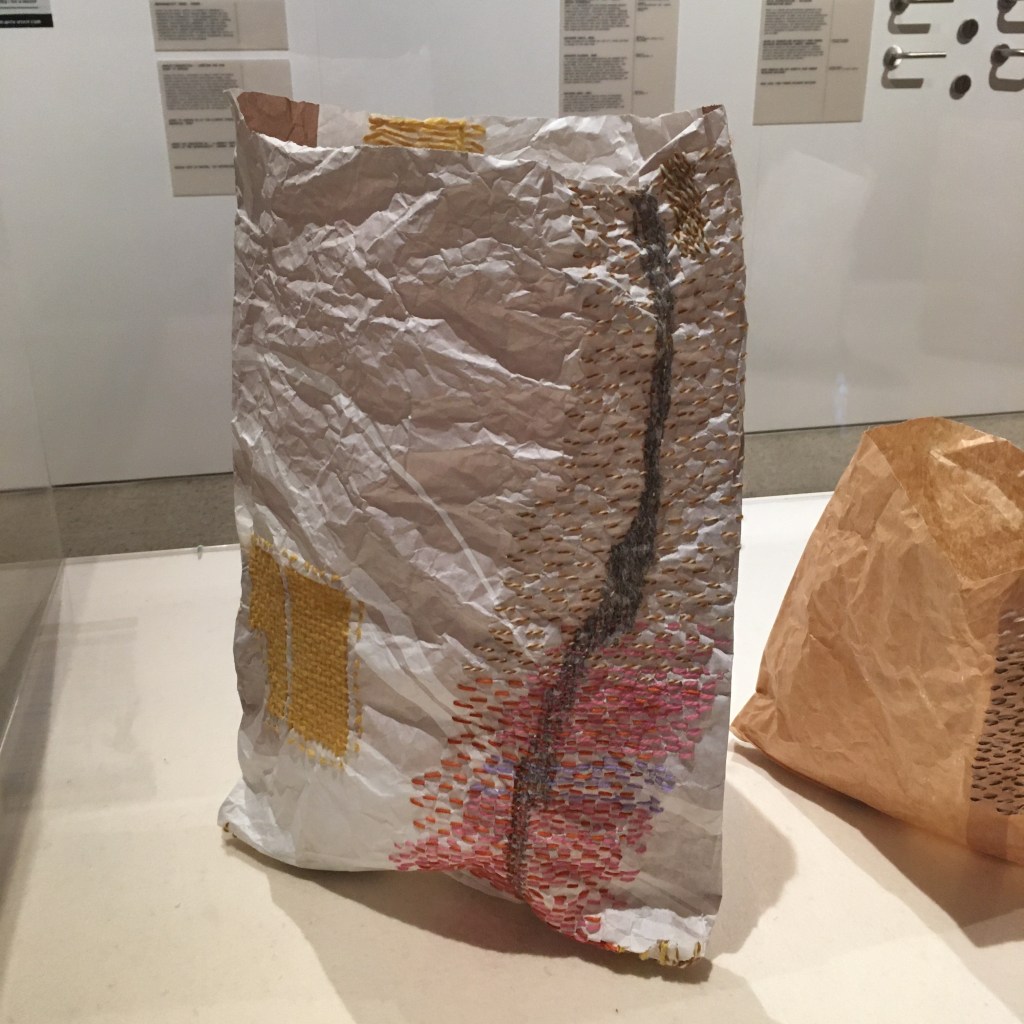
And, as a little postscript, as a paper enthusiast, I did enjoy the stitched paper bags by Celia Pym. She took a variety of paper bags used for her shopping and carefully mended each rip and tear. Lovely stuff!

#EndTheWasteAge is on at @DesignMuseum from 23rd October to 20th February 2022

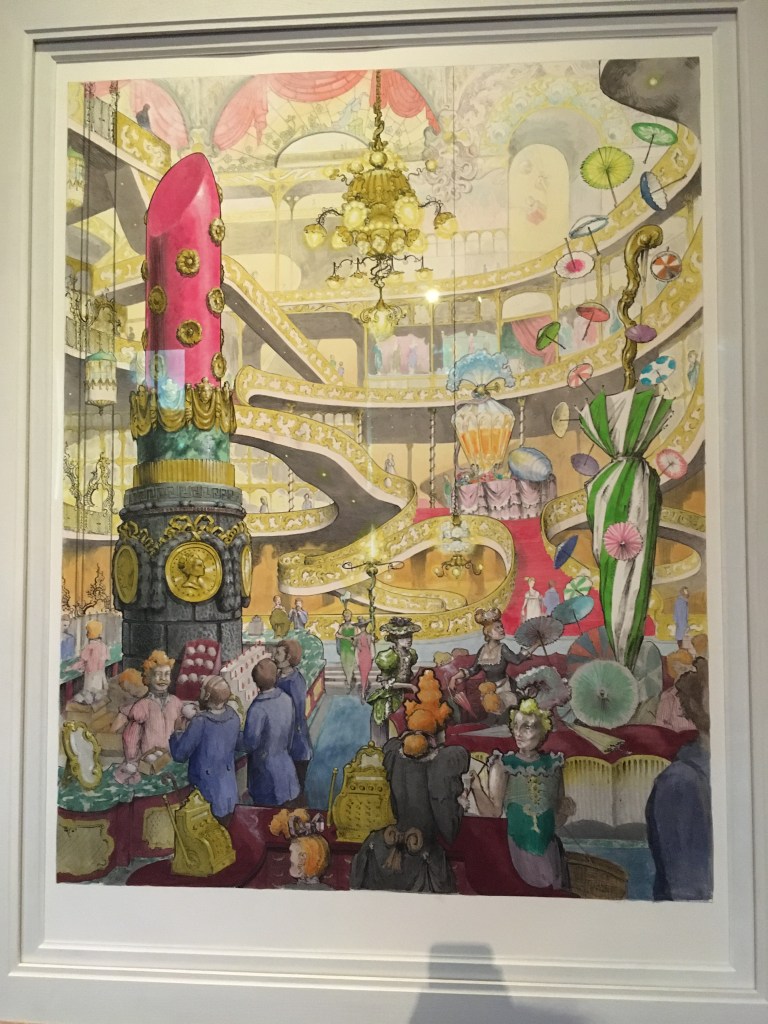
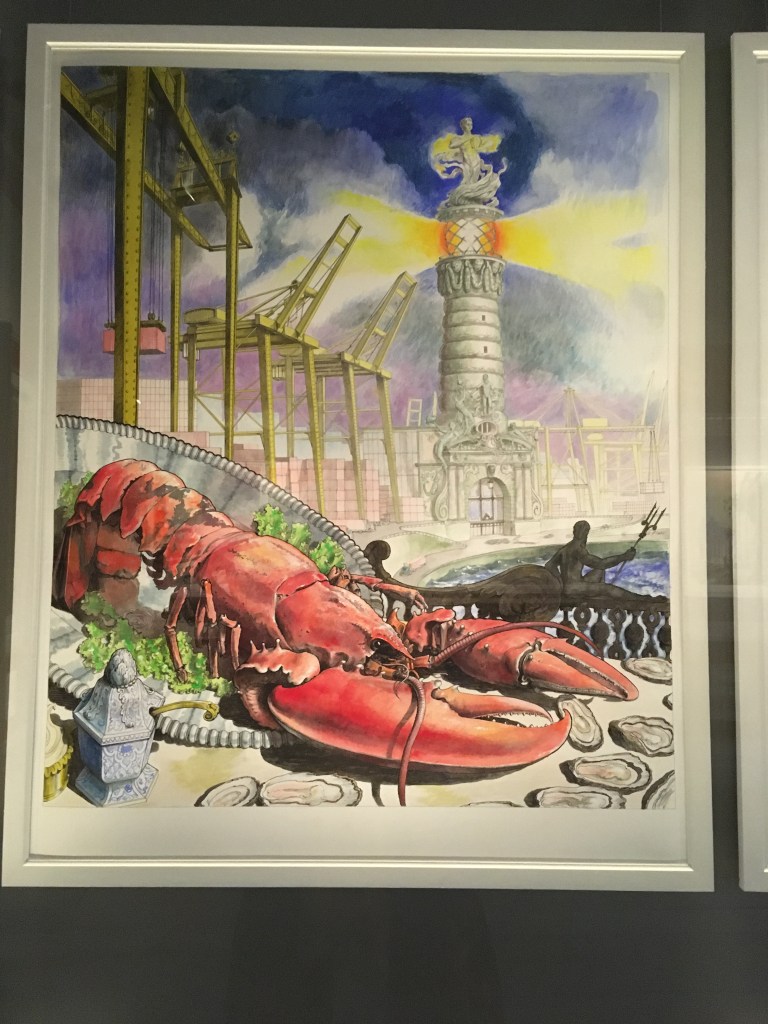
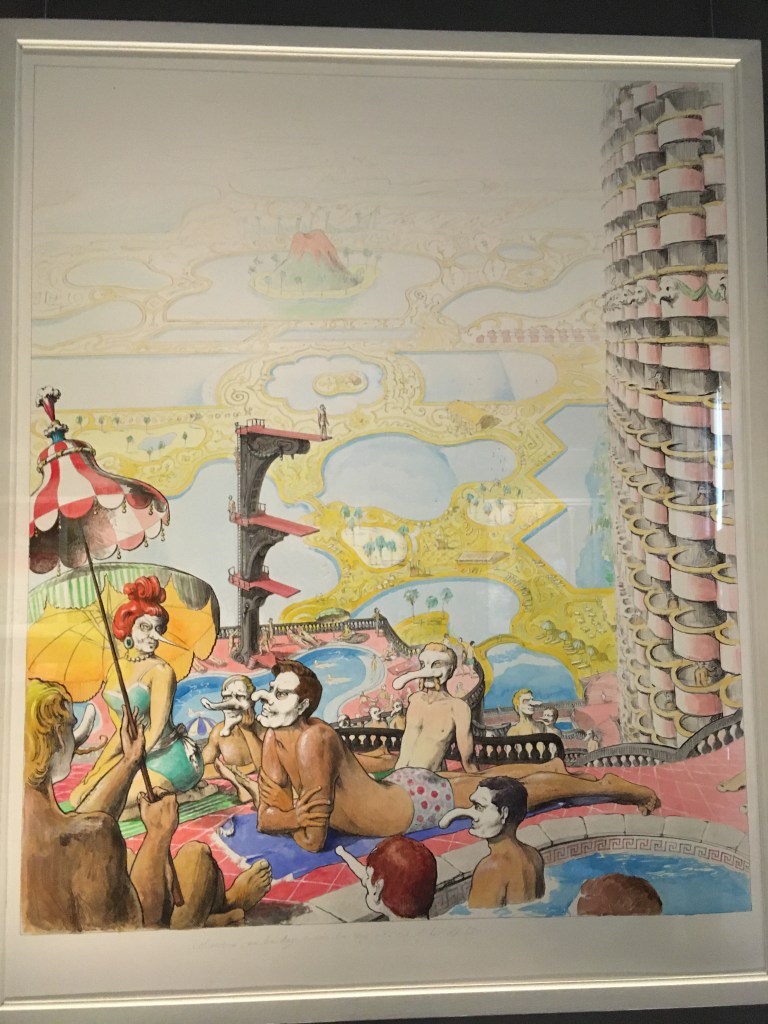
If HELL turns out to be anything like artist Pablo Bronstein’s vision it might be rather a fun place to hang out. Bronstein has produced a series of large watercolour paintings – Hell in its Heyday – now on show at Sir John Soane’s Museum. The show is filled with visions of a cityscape mingling contemporary technology and invention with the design aesthetics of the Baroque and decorative past. The results are beguiling and fun.

If you’ve ever been to Sir John Soane’s Museum in Lincoln’s Inn, Holborn, then you’ll know that you are entering both the mind and the professional world of the man who created the interior. Each room is filled with fascinating artefacts, architectural models, sculptures from the ancient world along with paintings, drawings and sketches collected by this 18th/early 19th century man of culture.

Sir John Soane was an architect steeped in the order of ancient world. He saw cities as the ancient Greeks or Romans might have seen them – meticulously laid out with orderly avenues flanked by gracious buildings built to a rigid sense of classical proportion.

Pablo Bronstein is a contemporary artist who has created his version of HELL with a cycle of 22 large-scale watercolours which are displayed on the first floor of the museum. There is an eclectic range of elements within each picture – 18th century interior design and decoration, early advertising posters, fancy dress, fancy food, playful machines and curious creatures. The familiar is corrupted in surprising and beguiling ways. Buildings loaded with decoration appear to topple, machinery is covered with overblown decorative designs and people wear fantastical clothes. These are some of the ‘noisiest’ paintings you could see! There’s a sense of dazzling excess on show and great fun to view. The meticulously drawn and painted theatrical landscapes draw you into a surreal, fantasy world. The experience is definitely enhanced by seeing them within an already picaresque space.

The collection took two years to create and the exhibition was delayed because of the pandemic but now its timing coincides with the 700th anniversary of the death of Dante, who planted the idea of Hell, or the Inferno, into our minds. It’s free to visit and the show will be there until 2nd January 2022.
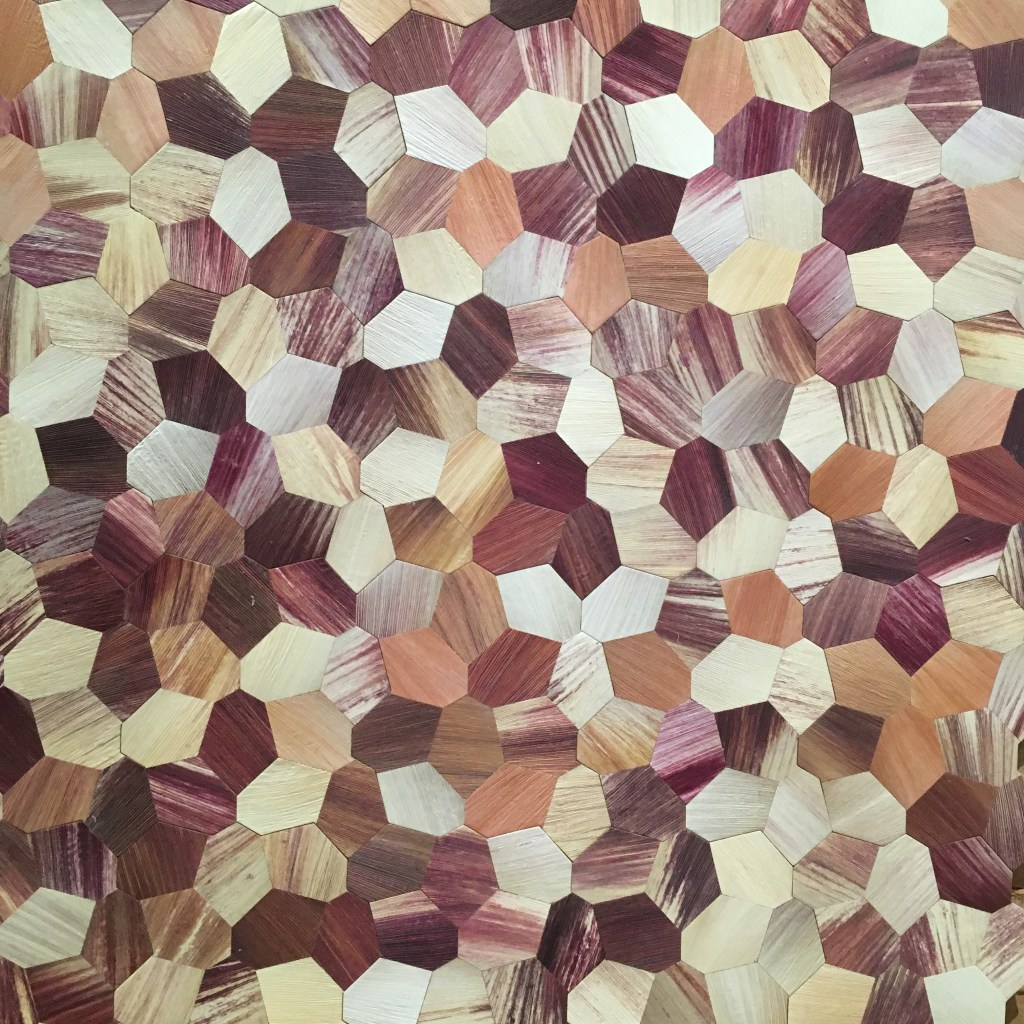
#SoaneMuseum @soanemuseum

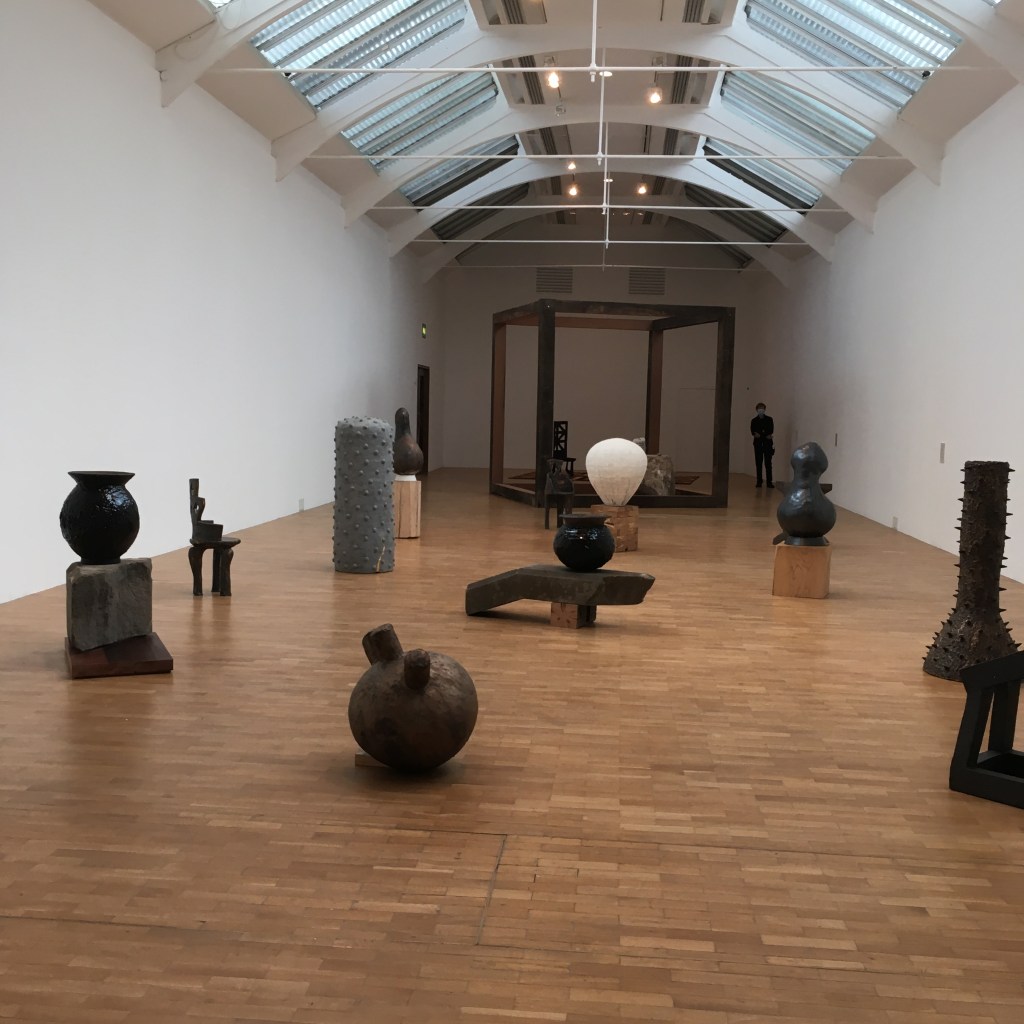
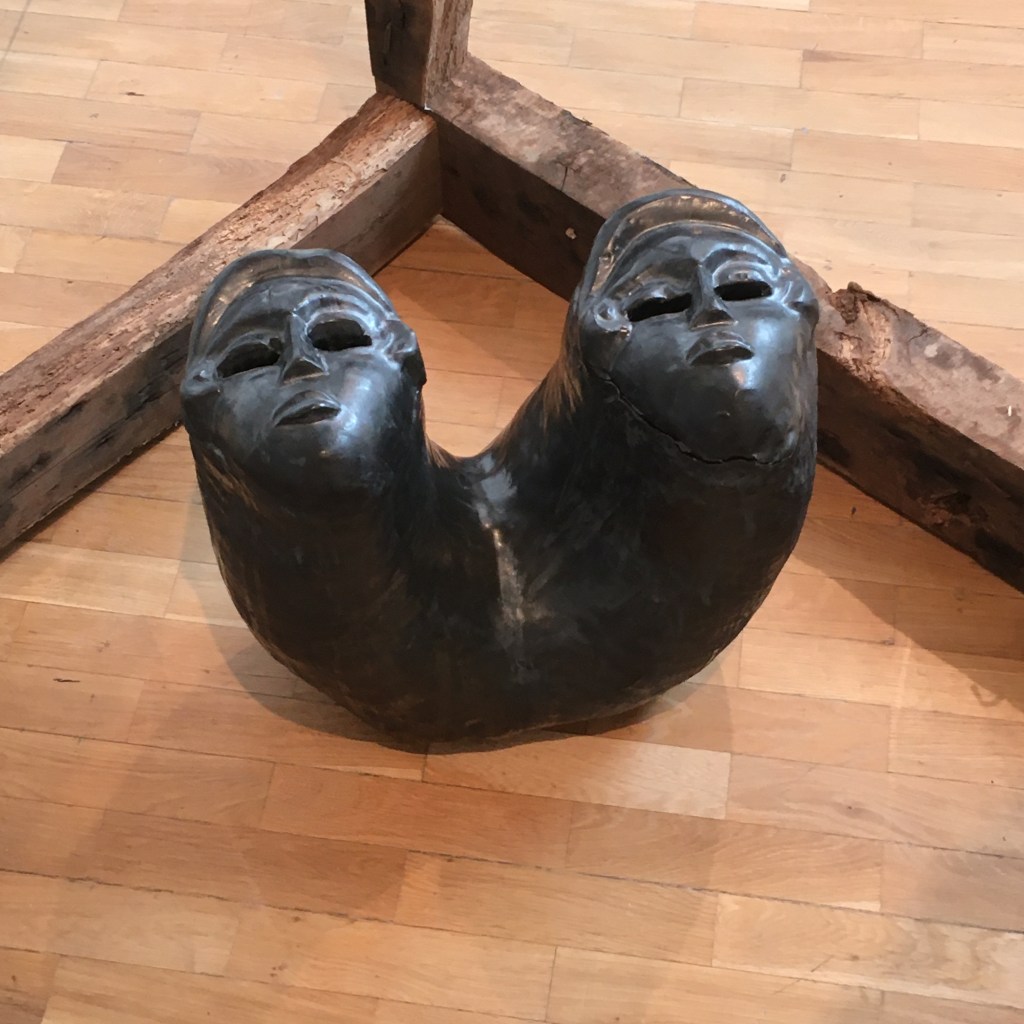
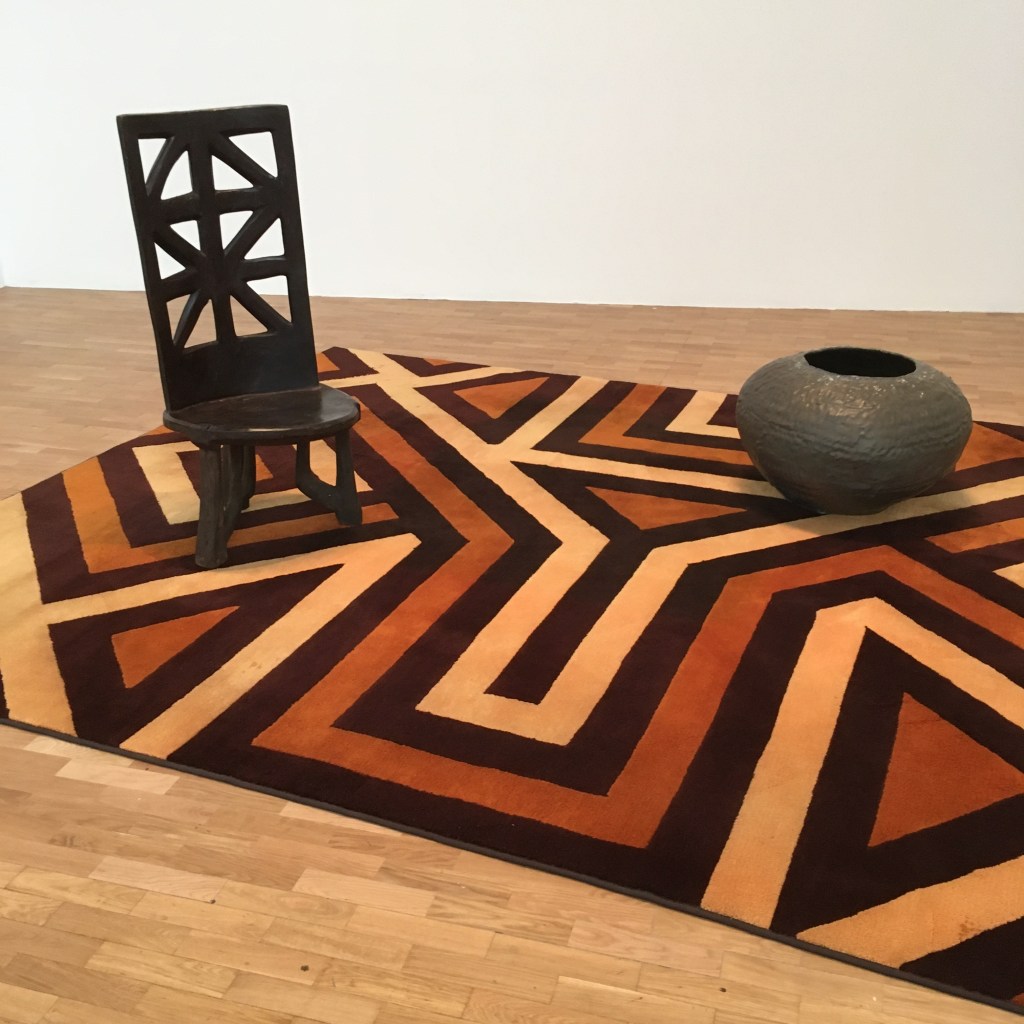
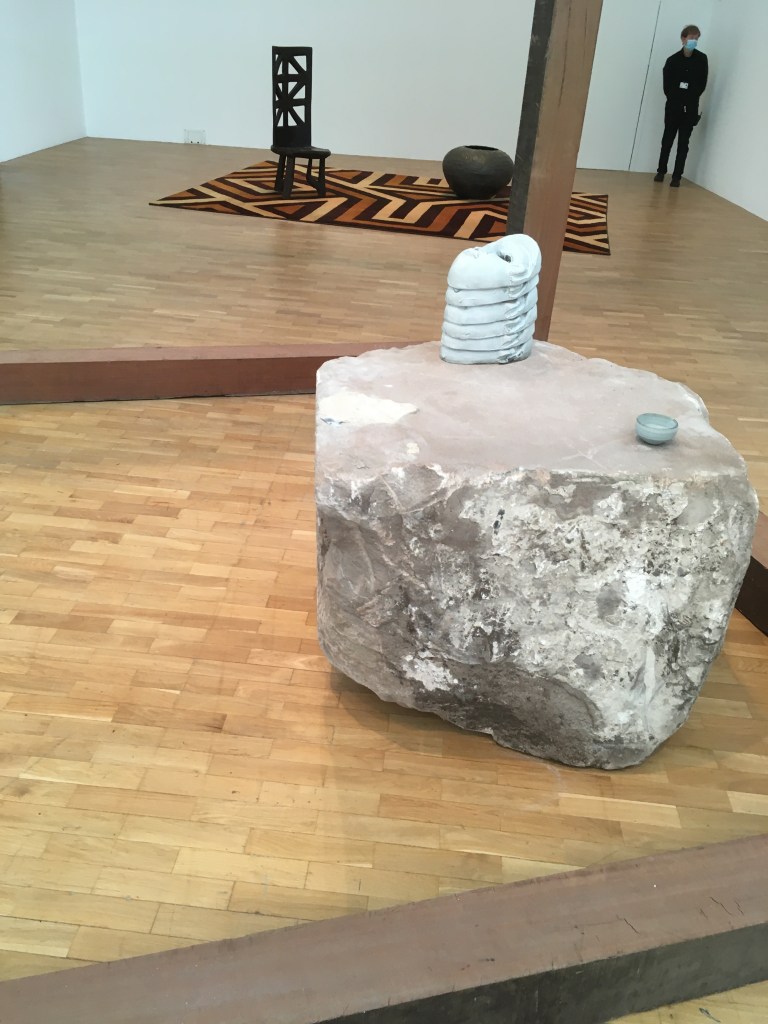
Theaster Gates: A Clay Sermon at the Whitechapel Gallery is a fascinating and thought-provoking exhibition which investigates clay in all its forms. Gates, from Chicago, has collected clay and ceramic objects of all ages, cultures and styles. The pieces on show are challenging, beautiful, uncomfortable and beguiling but always interesting.

Theaster Gates is a man with a powerful presence. This comes across strongly in his film, A Clay Sermon, which visitors to the Whitechapel Gallery can pause to watch between visits to the different rooms. He turns pottery into a performance art with singing, and lingering shots of him slapping clay onto a wheel and carefully shaping a pot with his hands. As he says, “everything begins with clay” – it’s the oldest material which humans have used whether it’s for practical purposes or for creating objects of remarkable delicacy and beauty.

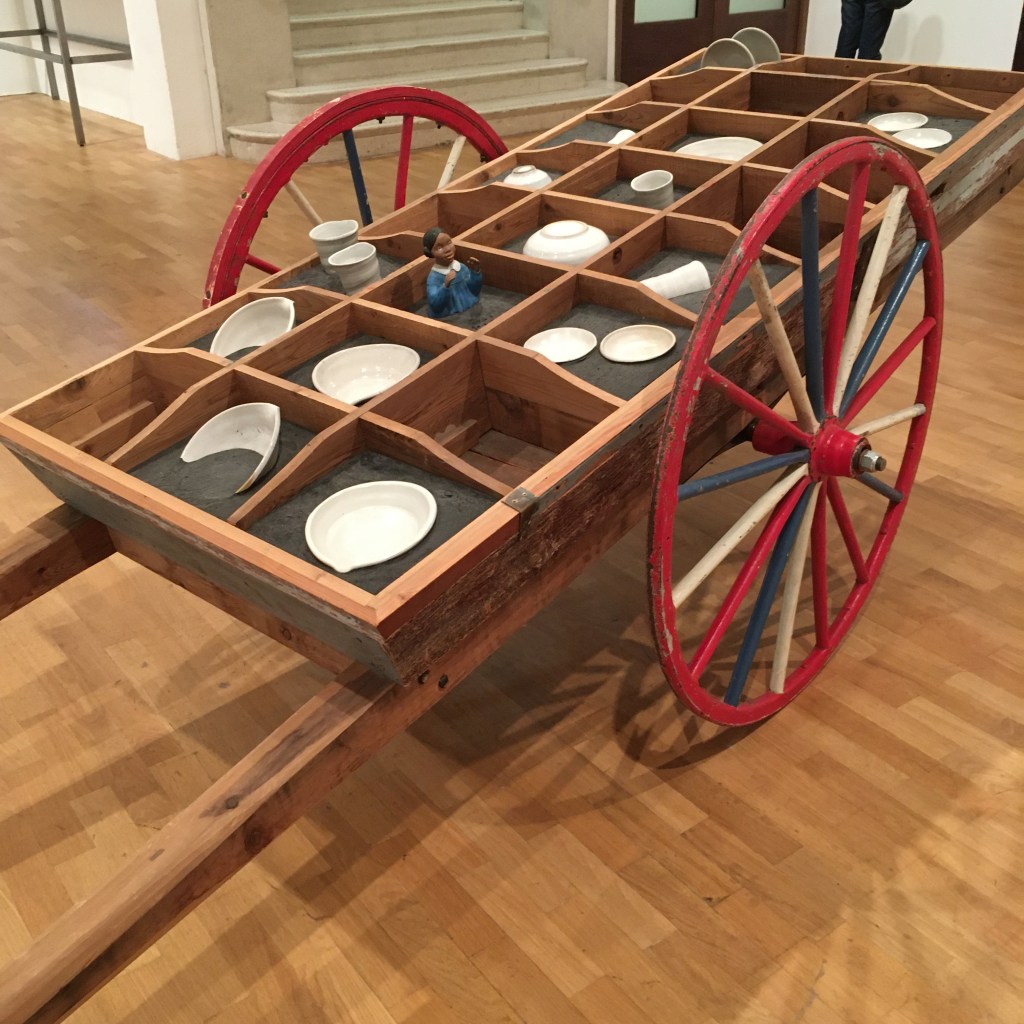
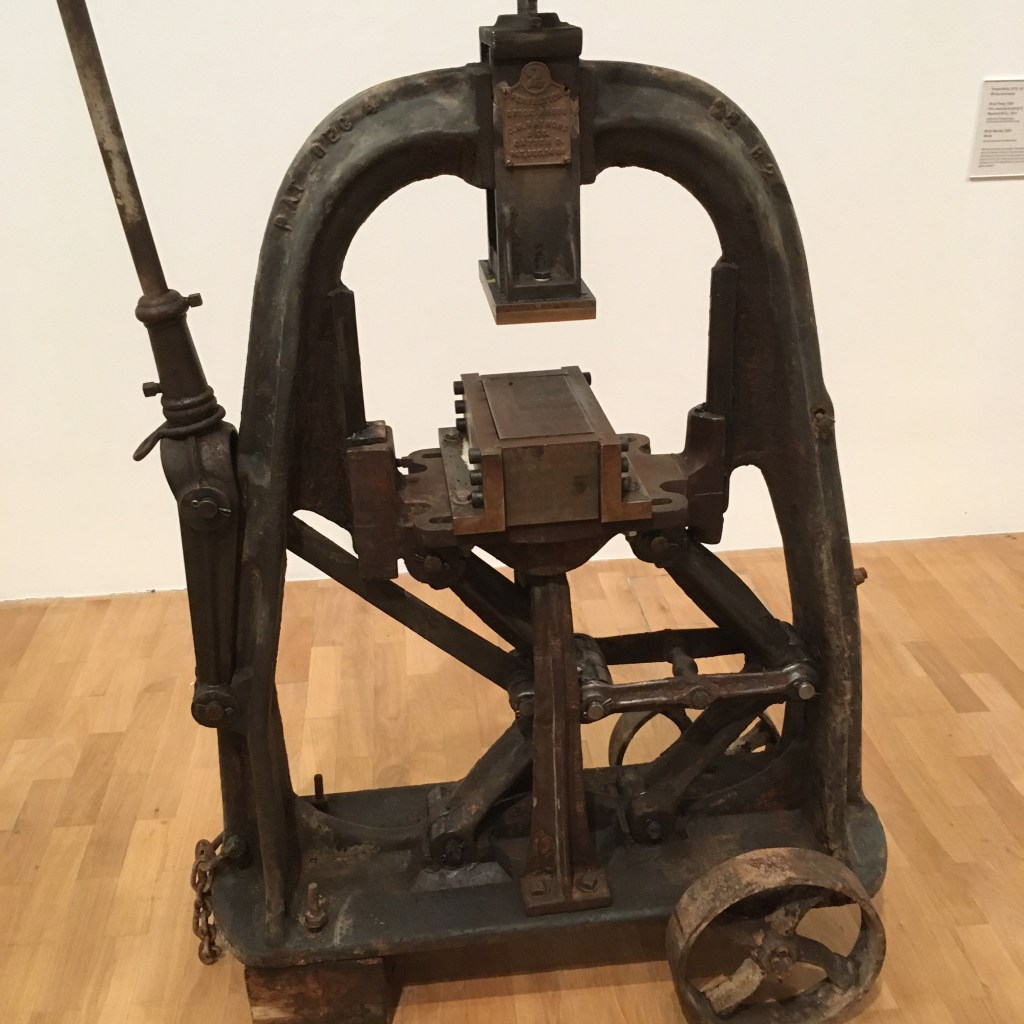
Theaster Gates: Ricksaw for Fossilized Soul Wares 2012, Wood, black cast concrete, clay and plastic

In this exhibition he has assembled examples of the work of potters who have influenced his art and shaped his approach to clay. There’s much to see, including fascinating vitrines of collected pieces.

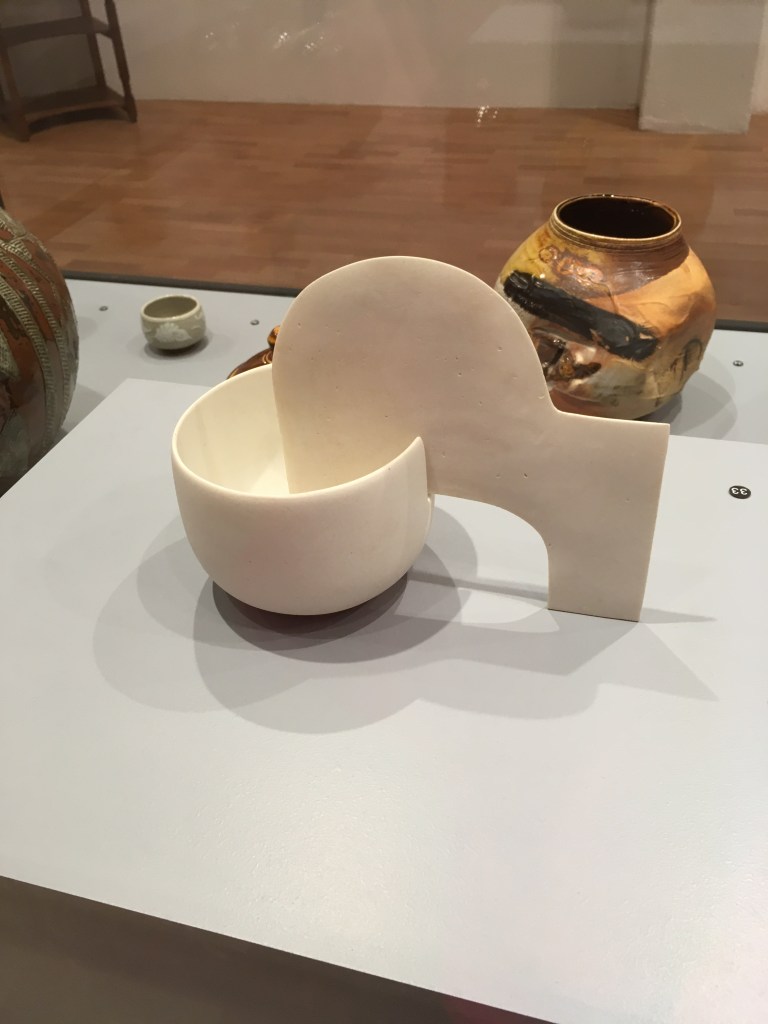
Bowl by Ruth Duckworth (1919-2009

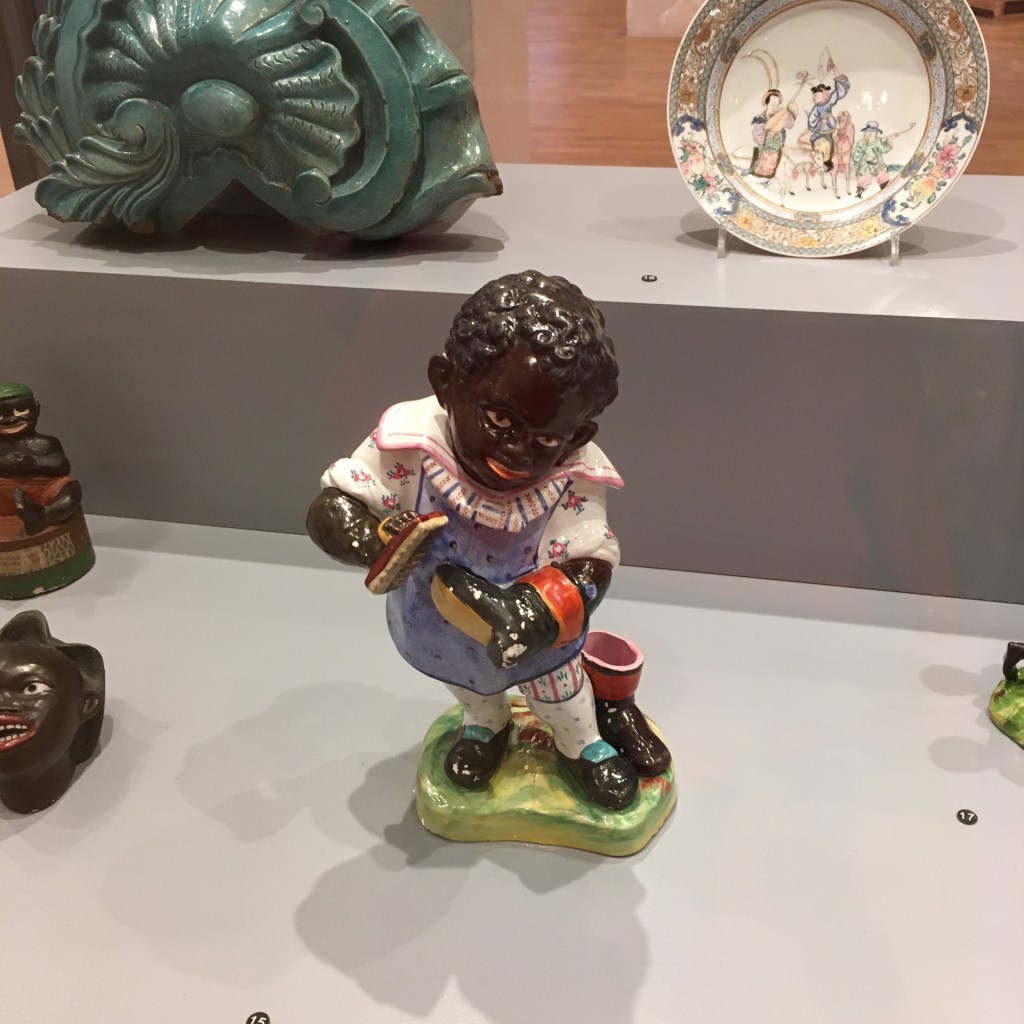
Some of the pieces are unsettling for their racist associations.

I loved the huge clay pots by Peter Voulkos (below) on the ground floor, a mix of slab built and wheel-thrown pieces, which look as though they’ve been smashed and glued together – a thought abstracted by some major disaster in the kiln but handsome in their celebration of process.

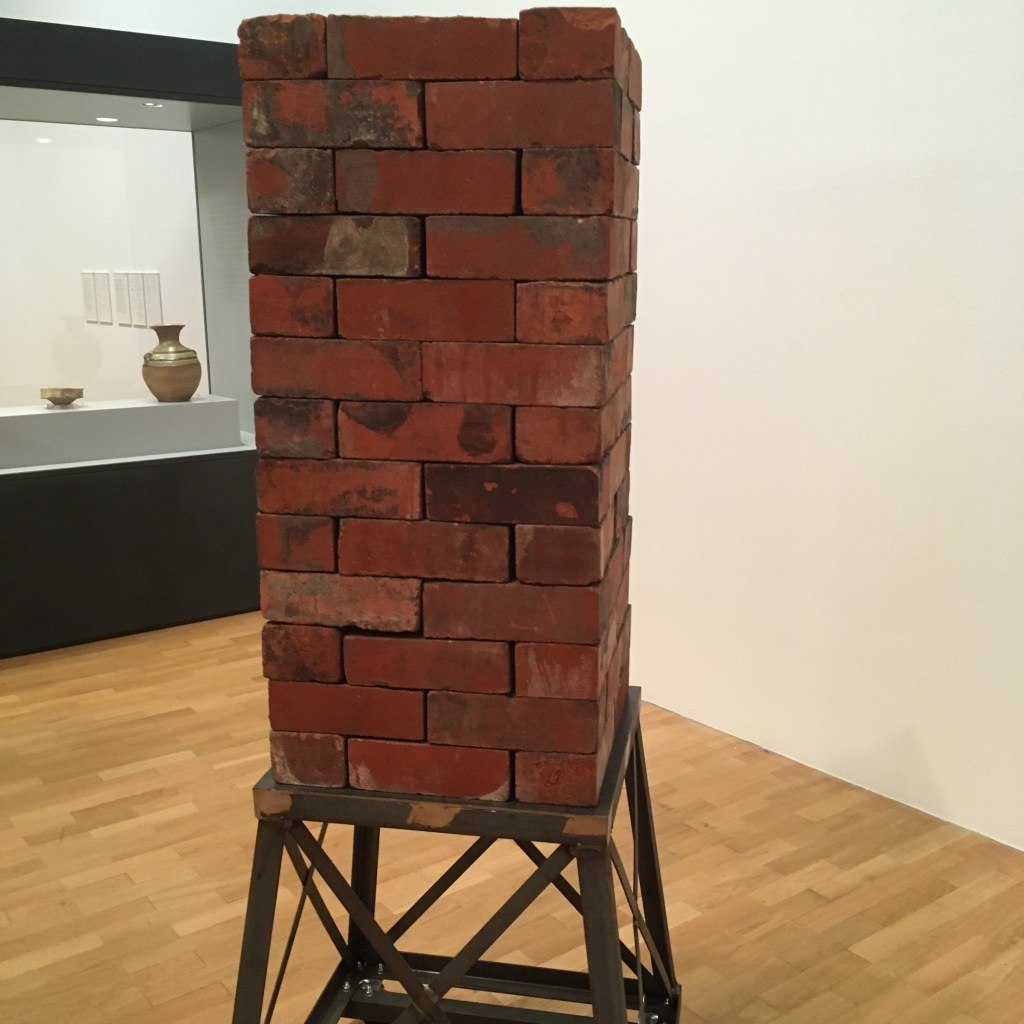
Gates’ father was a builder and bricks were a key part of his trade. You could regard architecture, and buildings made out of clay bricks, as artworks as well as practical structures for human habitation.

On the first floor, where the film is shown, is a collection of impressive pieces by Gates.

The show is on at The Whitechapel Gallery until 9th January 2022. Free entry.
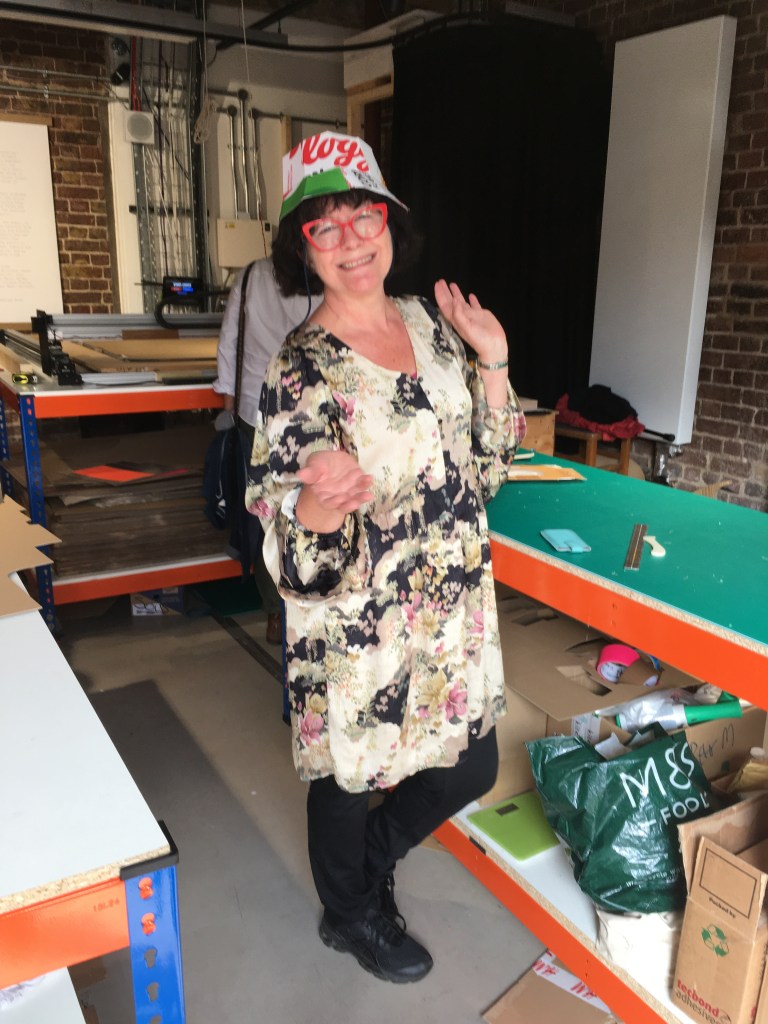
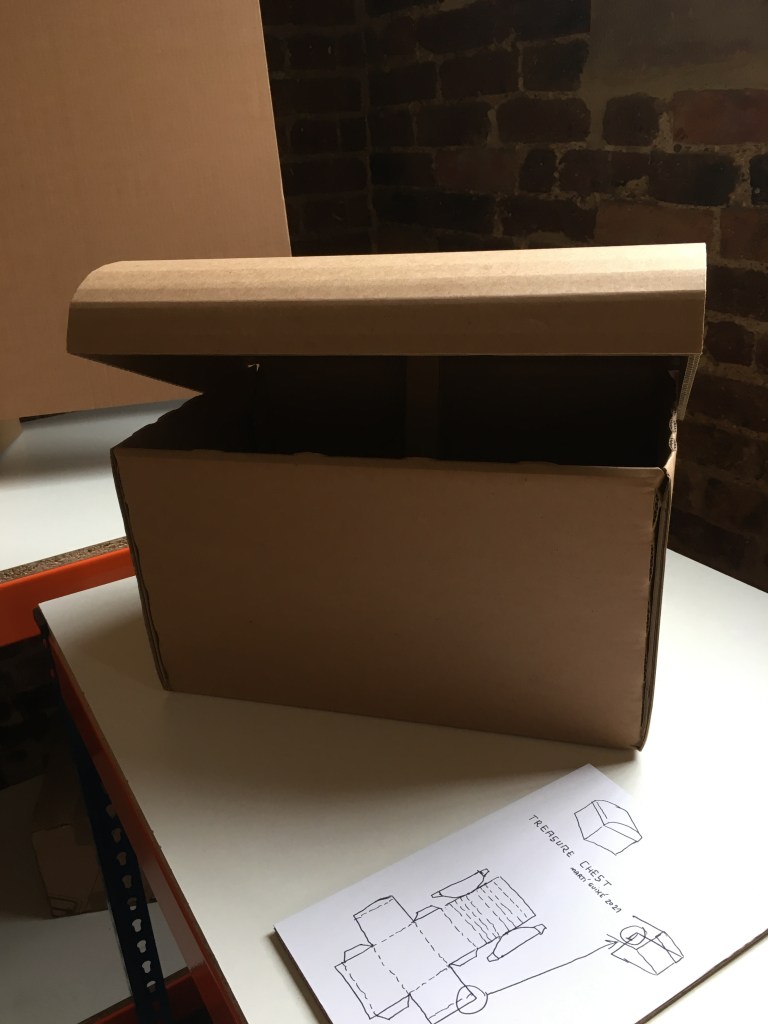
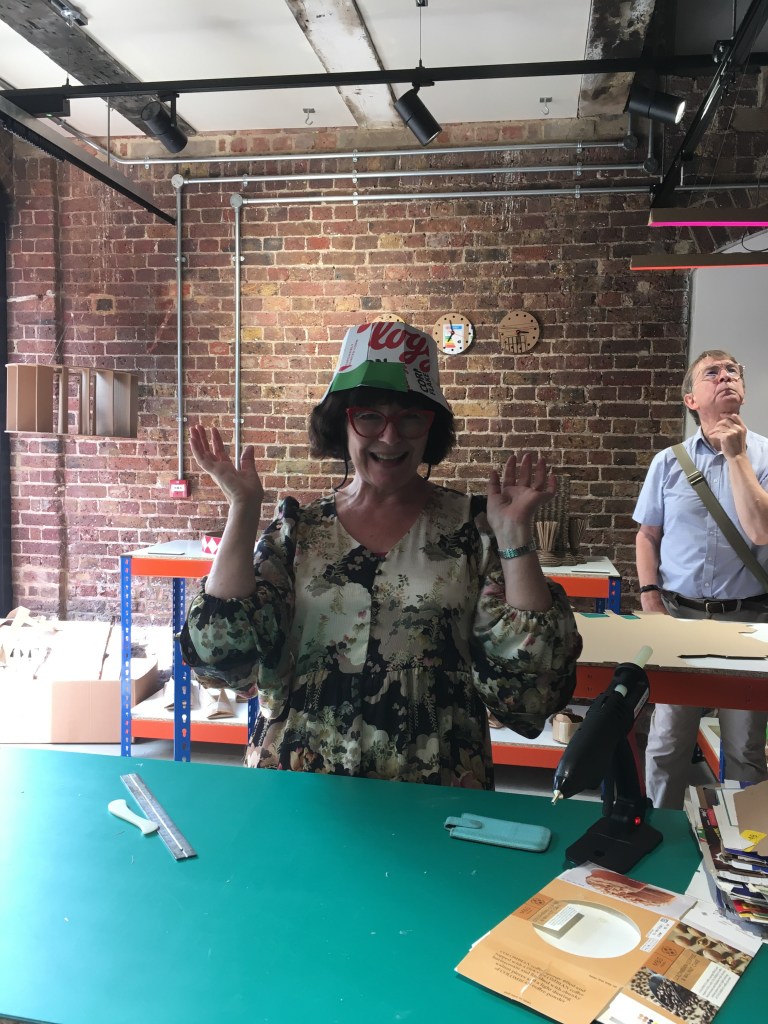
Where’d ya get that hat! At The Unboxing Show by Peter Marigold at Kiosk N1C Coal Drops Yard, Kings Cross. One of the London Design Festival commissions which demonstrates how cardboard can be recycled and turned into new objects. The hat design is by Sebastian Bergne. Brilliant!

Ros wearing the hat created from a Kelloggs Cornflakes box to a design by Sebastian Bergne.

It’s that London Design Festival time of year. And what a relief to see the capital spring to life with lots to see in Design Districts, Design Destinations, Design and Events a whole range of exciting installations at the Victoria and Albert Museum.

Having a passion for paper I was immediate drawn to one of the Festival Commissions: The Unboxing Show organised by Peter Marigold to celebrate the repurposing potential of cardboard and waste paper. Apparently the lockdown – and all those deliveries from Amazon – have caused a world shortage in cardboard. It seems criminal that so much of this precious packaging will be chucked away, albeit in the recycling bins, rather than reused.

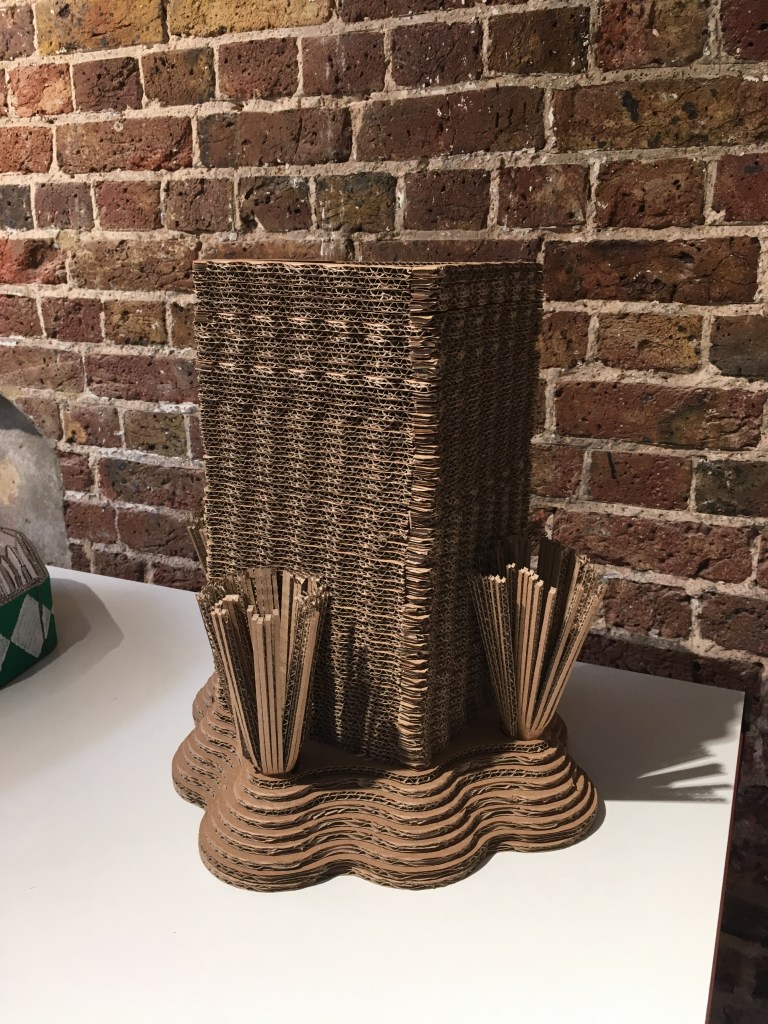
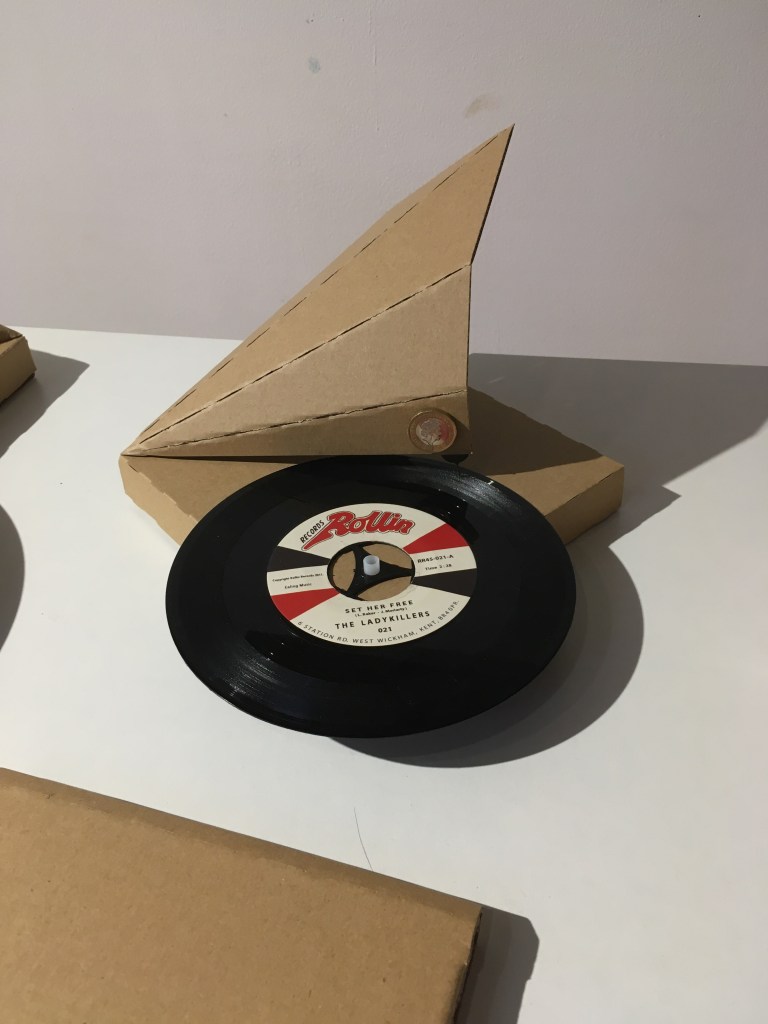
So, at Kiosk N1C in Coal Drops Yard in Kings Cross, Peter and his team have set up a workshop which creates objects by many well-known designers who’ve come up with designs and ideas for creating objects or artefacts from cardboard or stiff card. And it’s great. I loved seeing all the examples of pieces which have been sent to Peter as a design template and then made using his very whizzy cutting machine

Here are some of the pieces on show:

For example, Faye Toogood suggested a stool made from corrugated cardboard. It’s strong and stylish and I covet it.

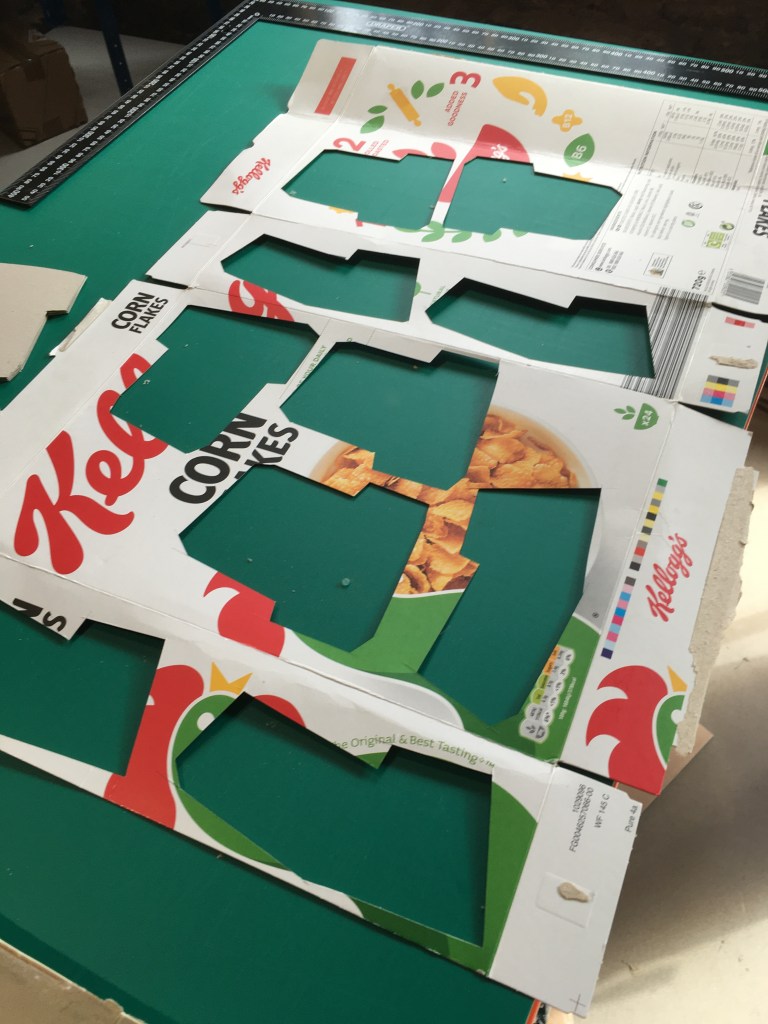
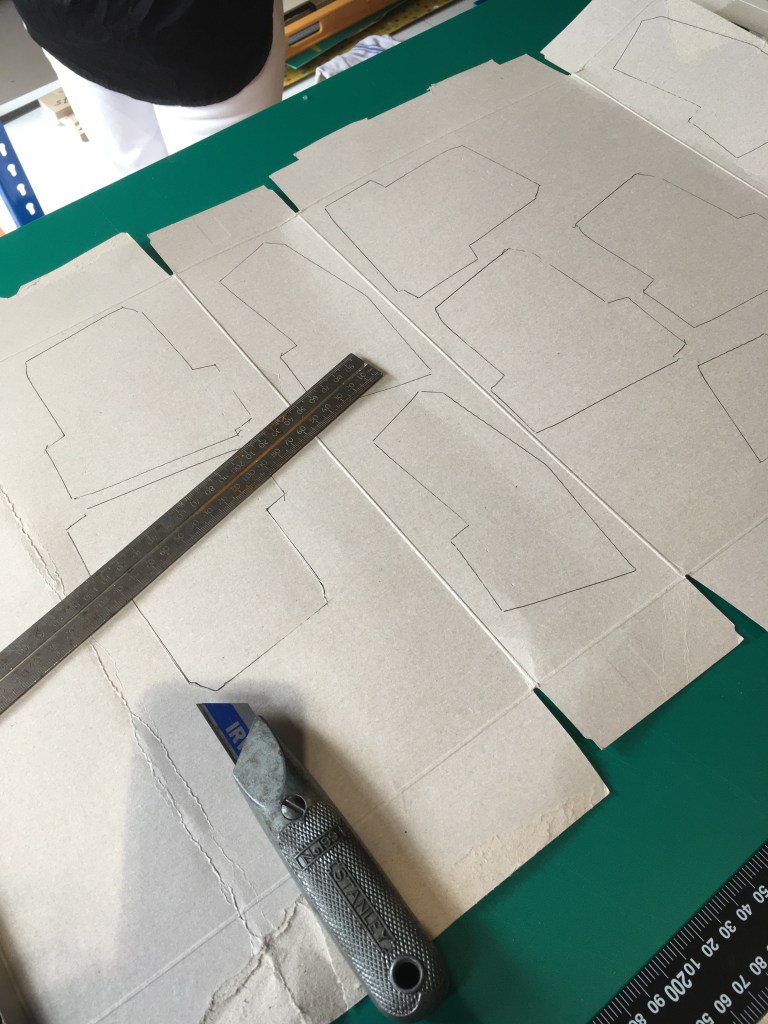
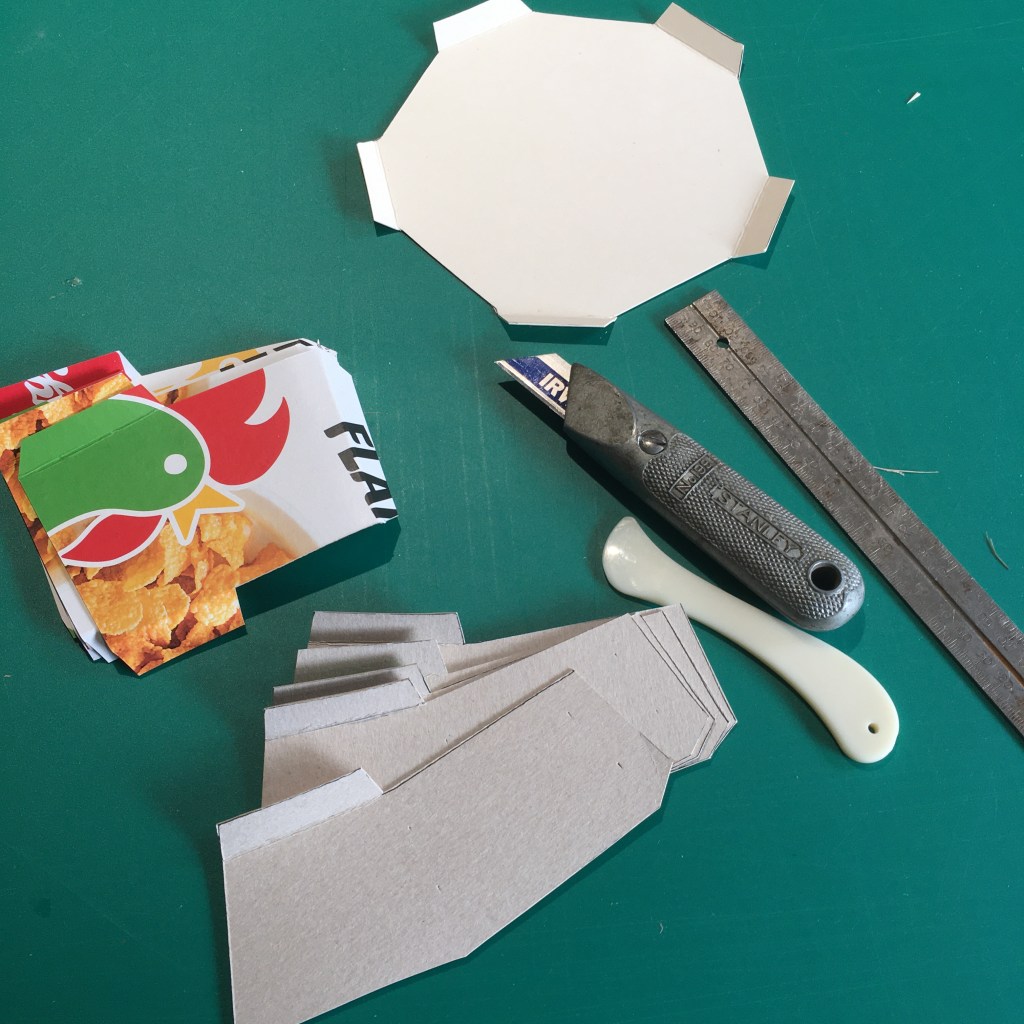
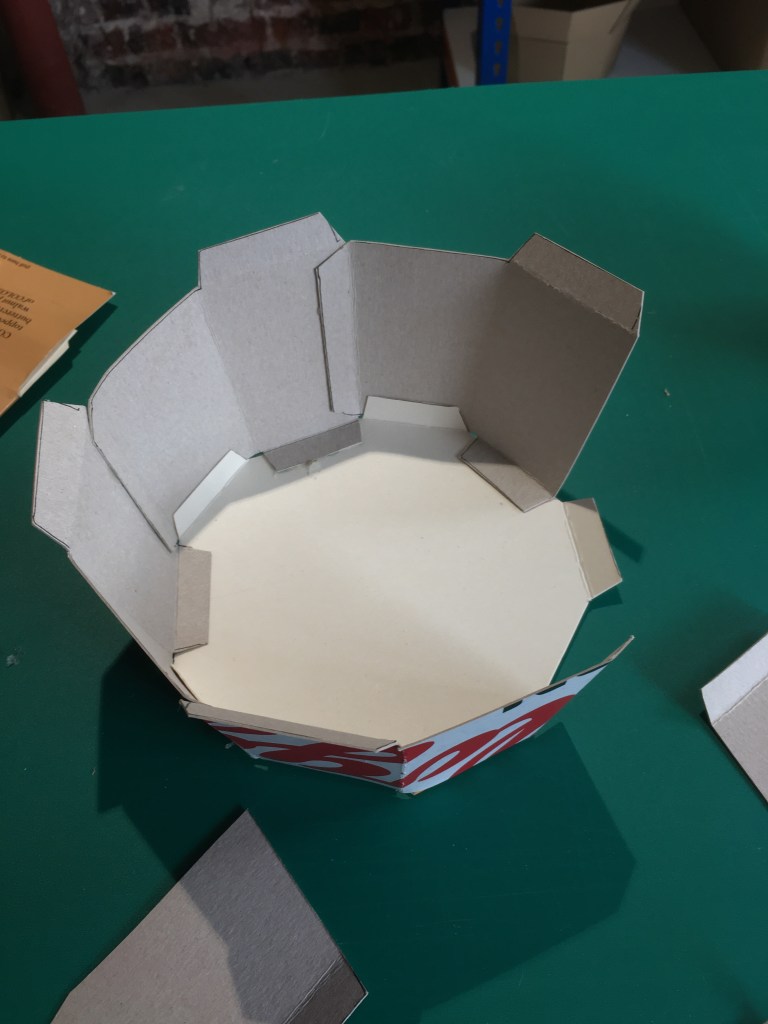
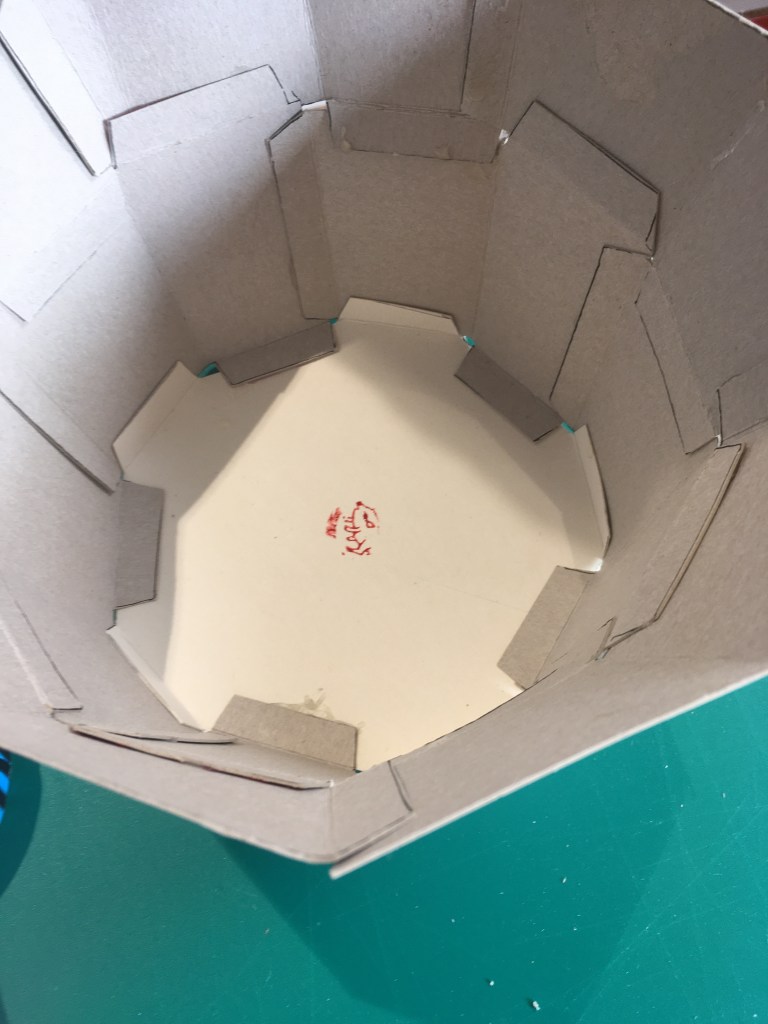
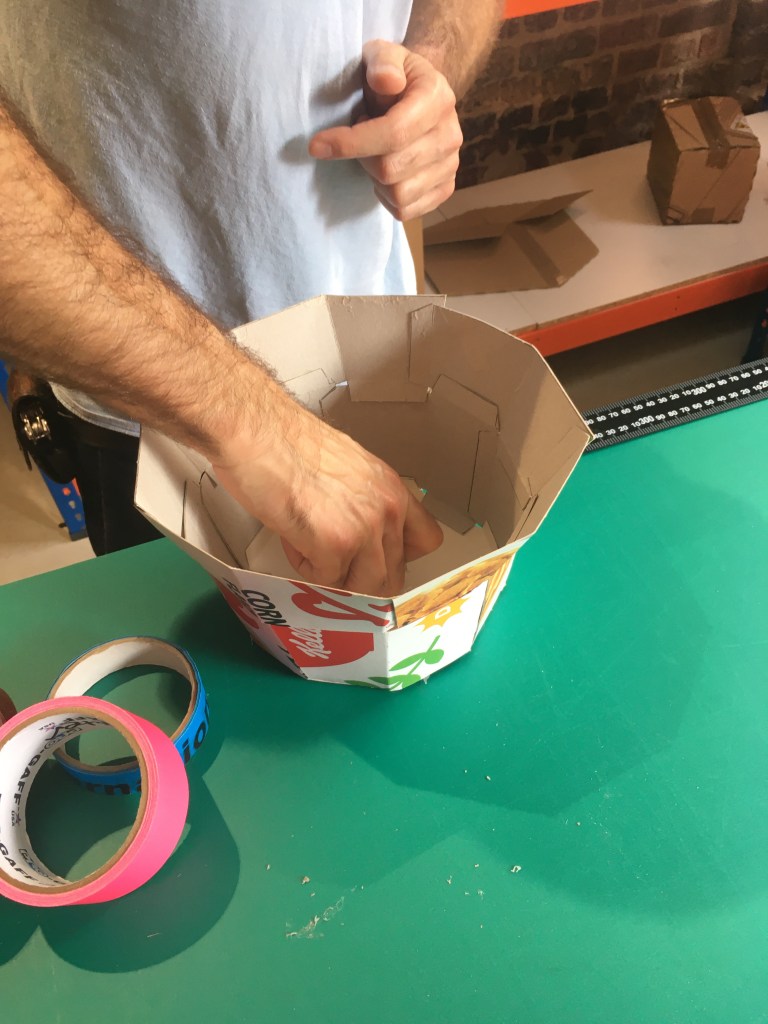
Visitors to the workshop can try their hand at creating various pieces. I chose to make a hat from a Cornflakes box to a template designed by Sebastian Bergne. It’s made with many small pieces and needs careful glueing together but the result is such fun. Here are images of the process:

The knife was satisfyingly sharp and the tool for scoring is a revelation. I must get one!

And the final flourish! I look forward to downloading the template and having a go again. I will never chuck away a cereal box again!

Wearing my Cornflakes hat.

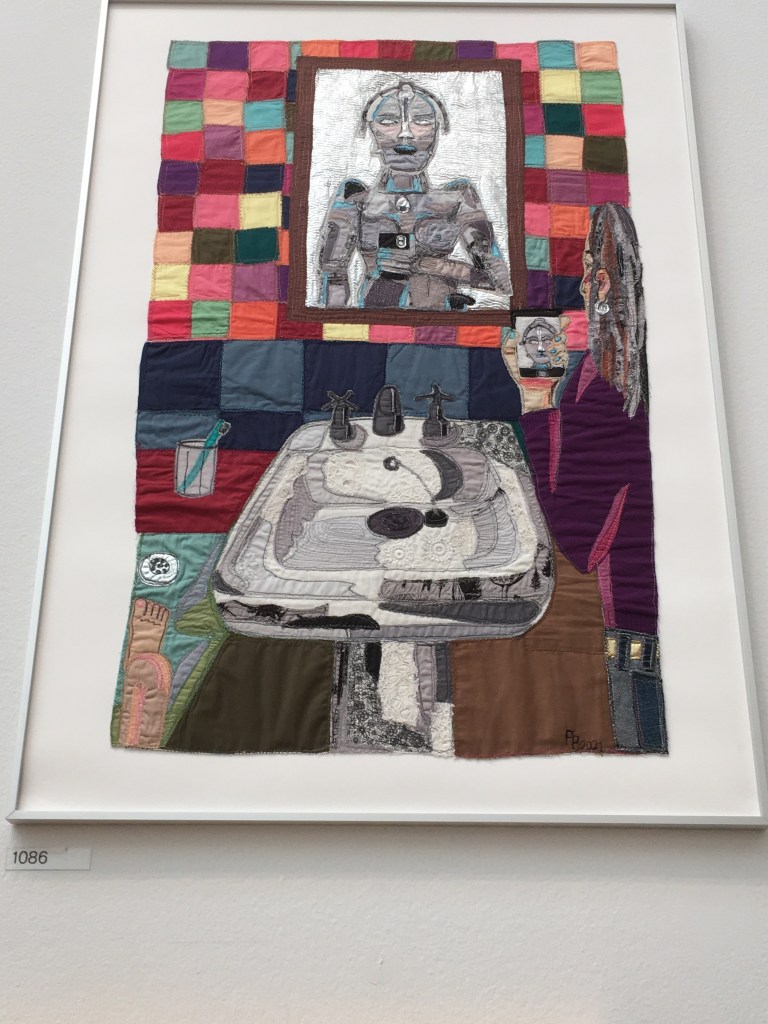
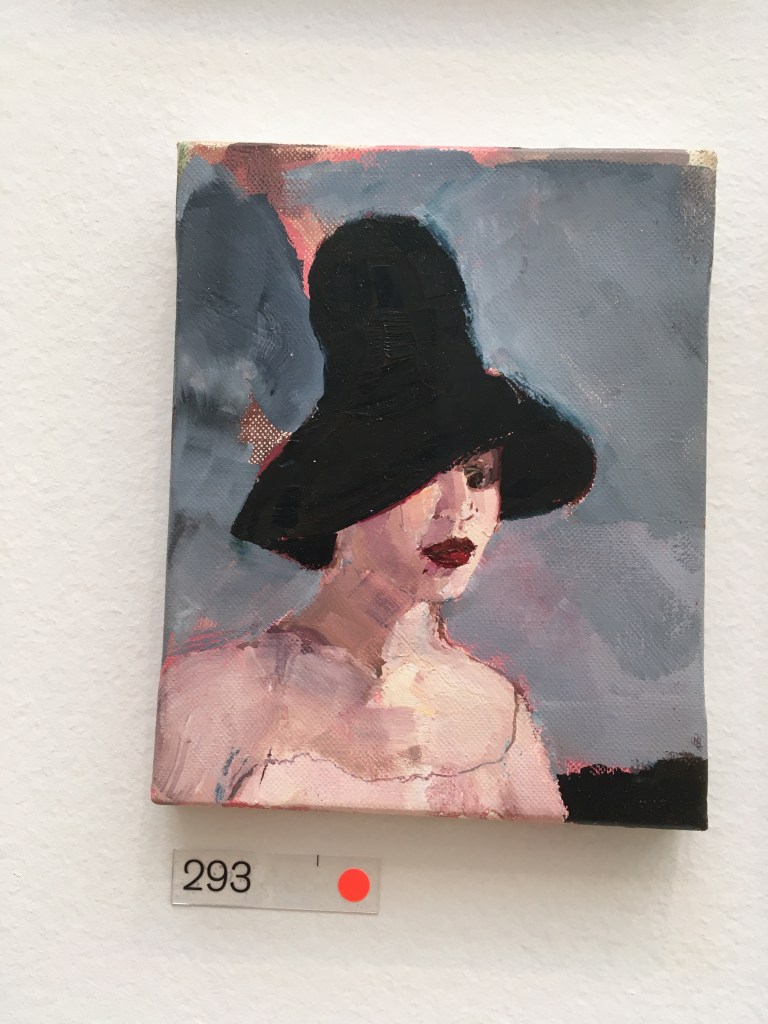
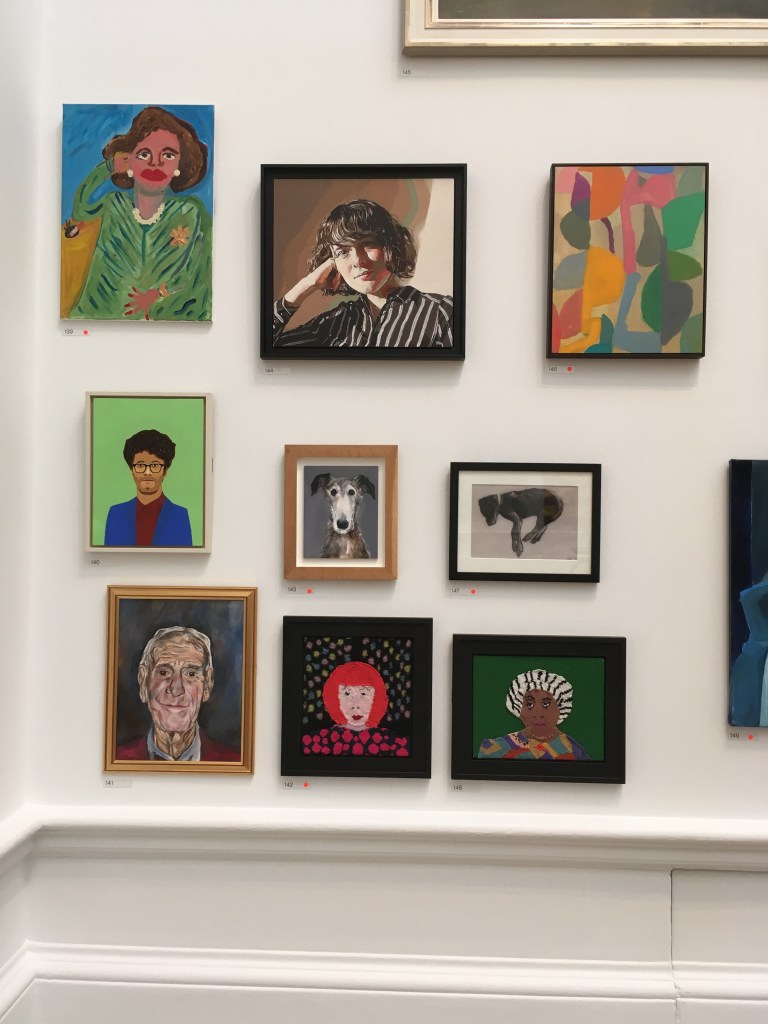
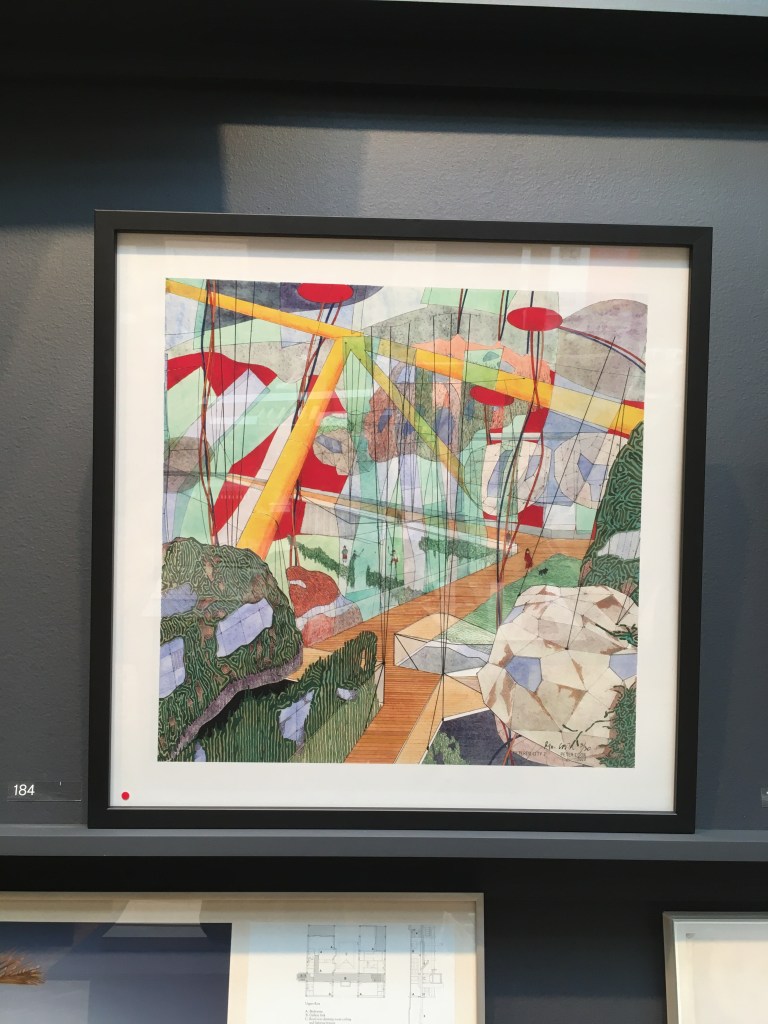
The Summer Exhibition at the Royal Academy in London – what a great show, full of colour, cleverness and wit. A creative tonic for our time.

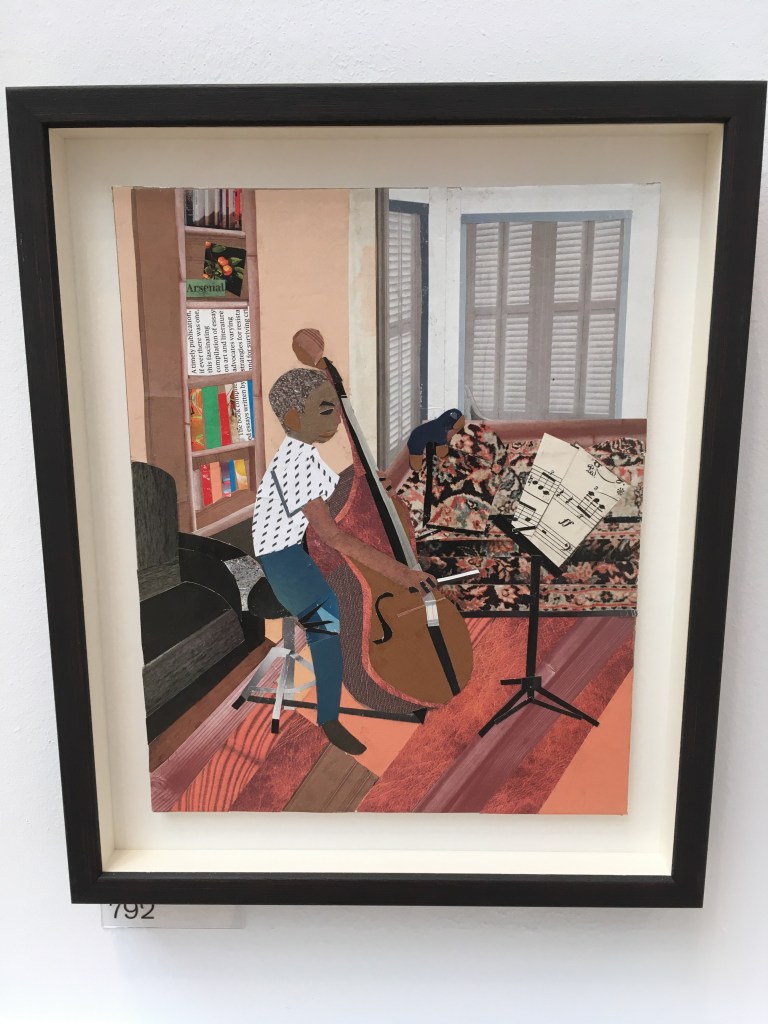
Nathan playing the Double Bass by Jane Rogers, paper collage
Head 1 and Head 1 coloured pencil, Russell Heron

It’s always so encouraging to see paper, whether it’s been used literally to create the art, or is represented. My eye was drawn to these two pieces on the walls of the Royal Academy because of the simple celebration of paper/cardboard and all it can do. The portrait of Nathan is a charming and direct collage made with a blade and the two cardboard portraits by Russell Heron are coloured pencil.

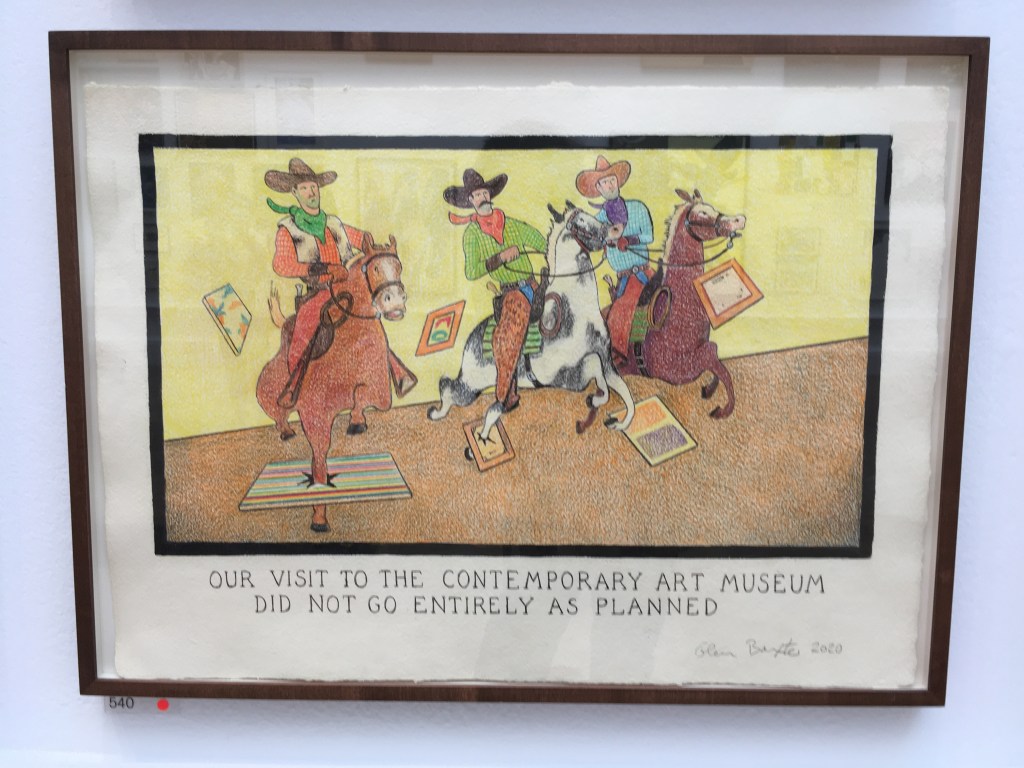
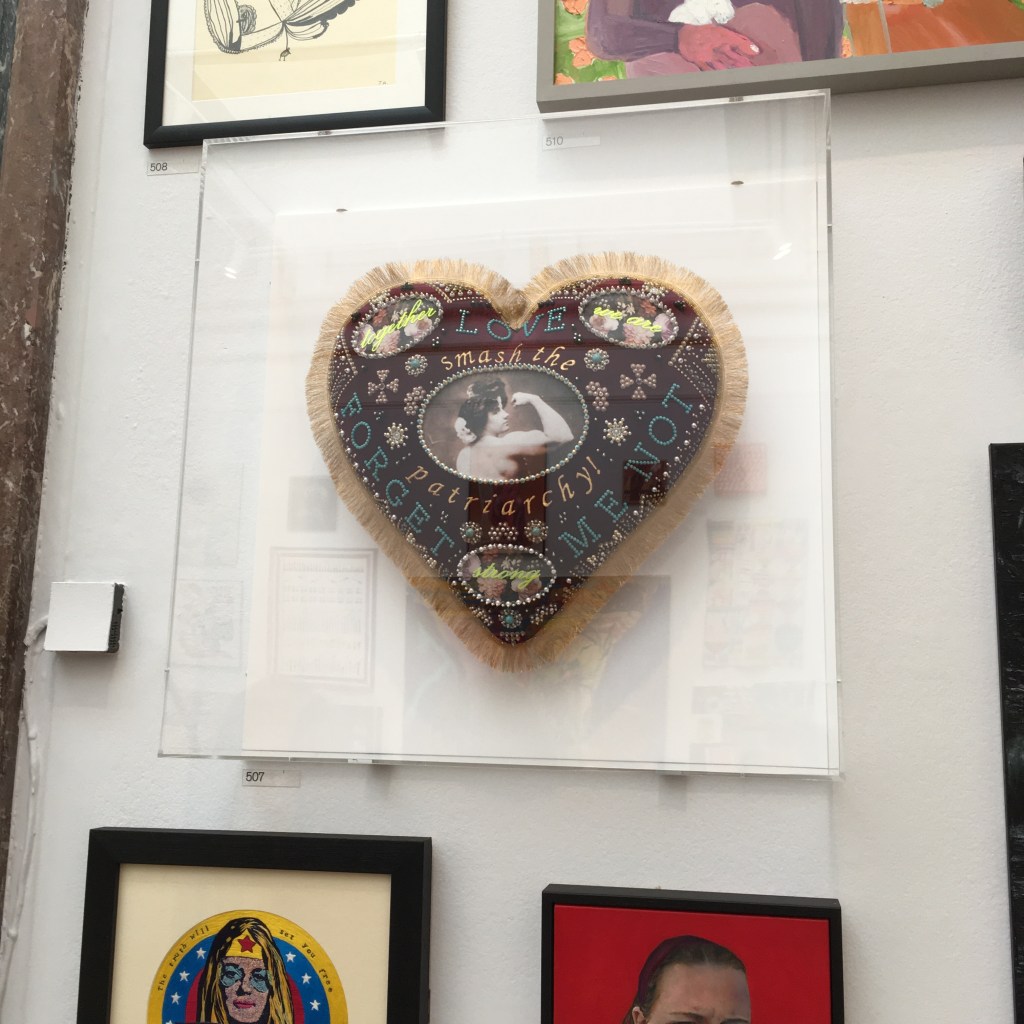
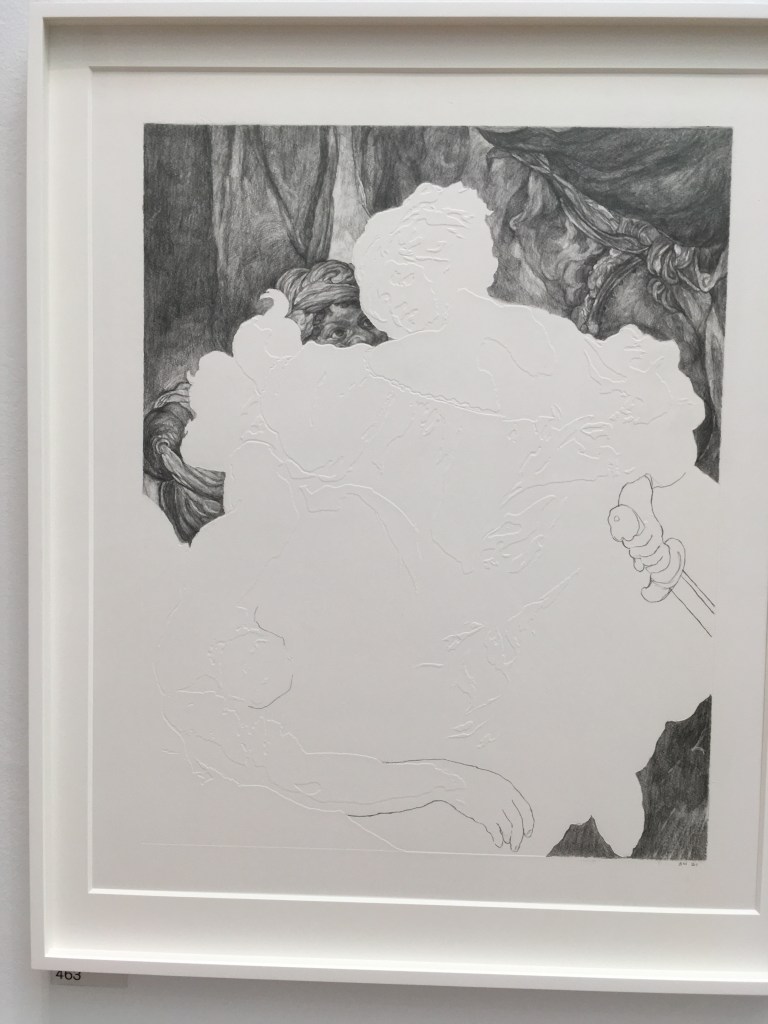
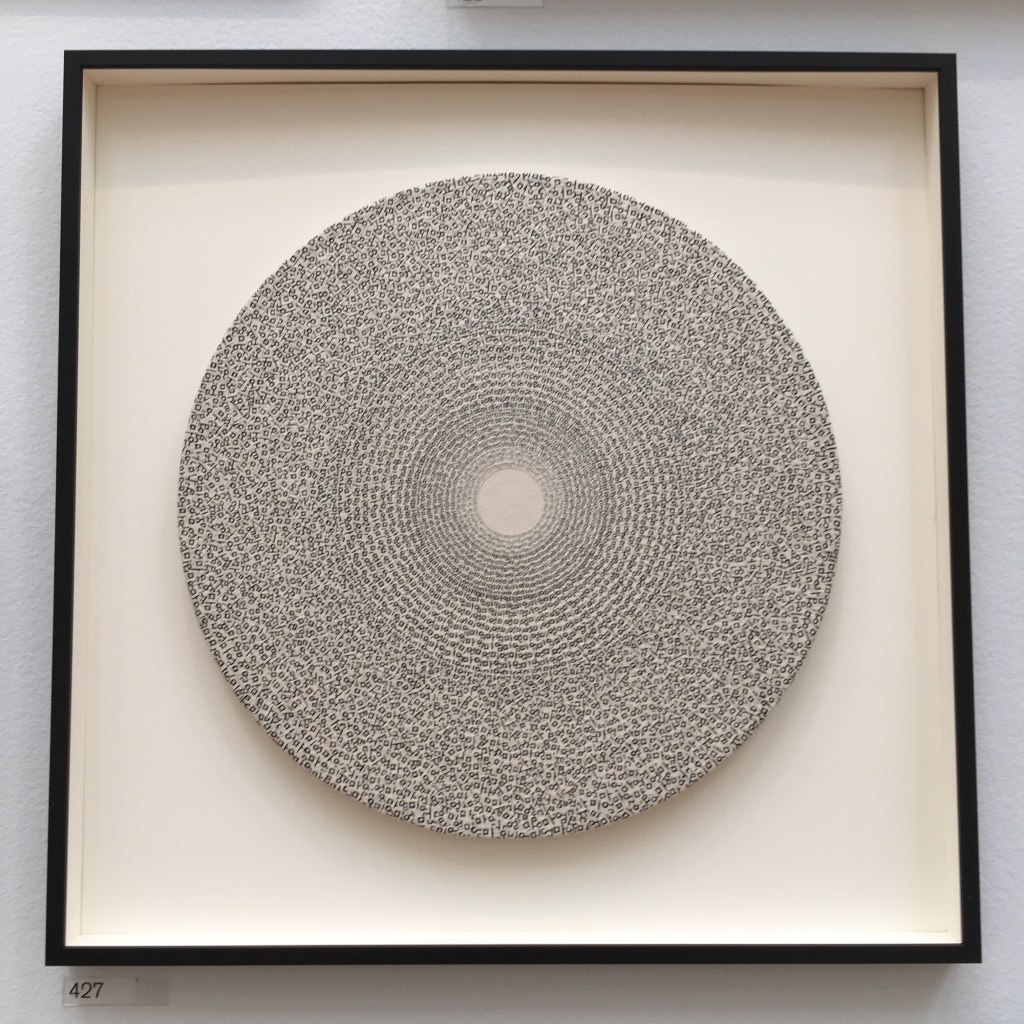
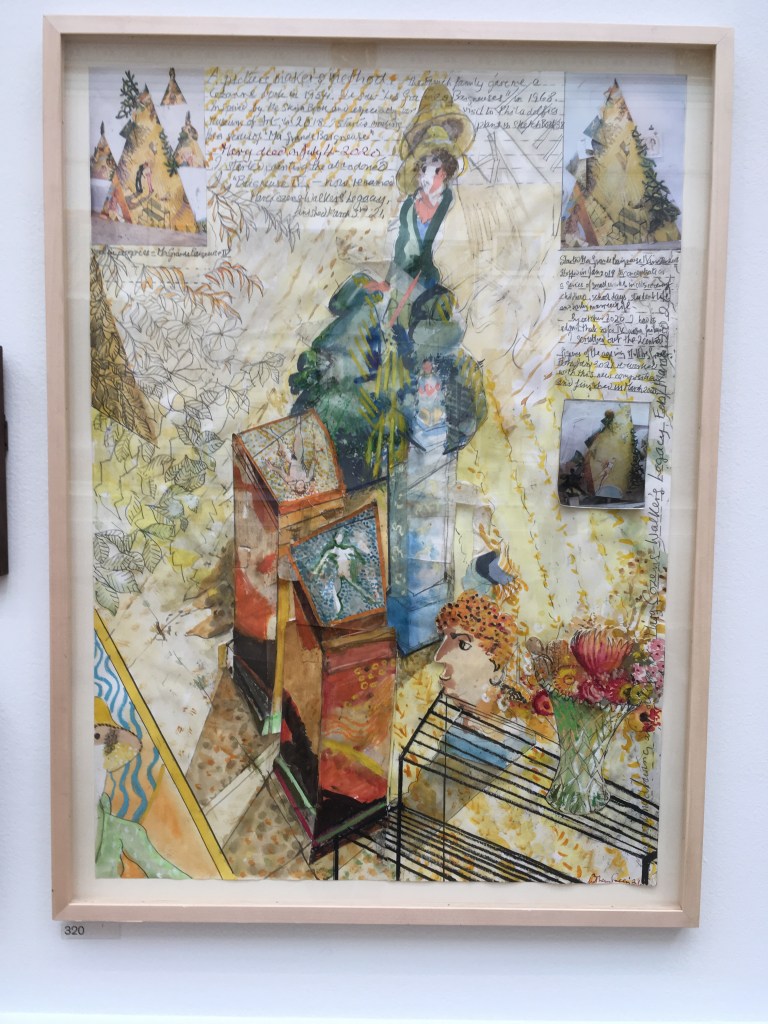
The main takeaway from this year’s ‘summer’ exhibition (which runs from 22nd September to 2nd January 2022) is a great sense of humour, delight in playful images and ideas and a really free approach to the selection of art. Sometimes these shows can feel very ponderous and dark this one absolutely revels in colour and variety and each room dazzles like a variety pack of sweeties as each image vies for your attention.

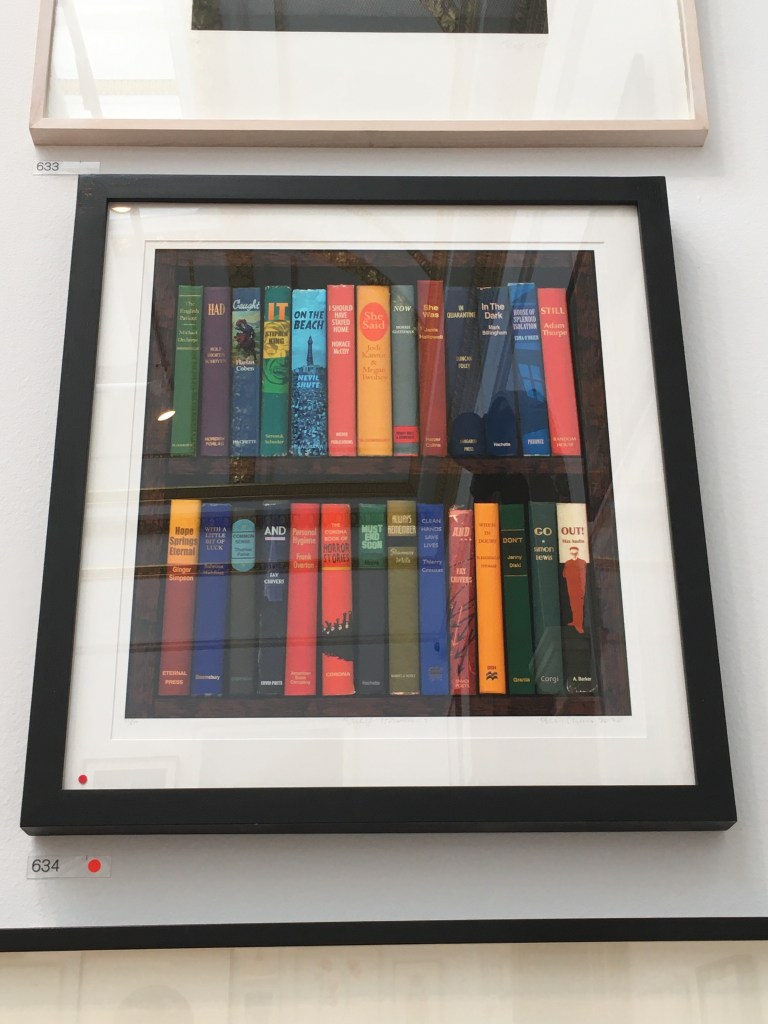
I liked the wittiness of Shelf Isolation by Phil Shaw (below). Just read the titles of the books – you get an entertaining narrative as well as a visual joke.

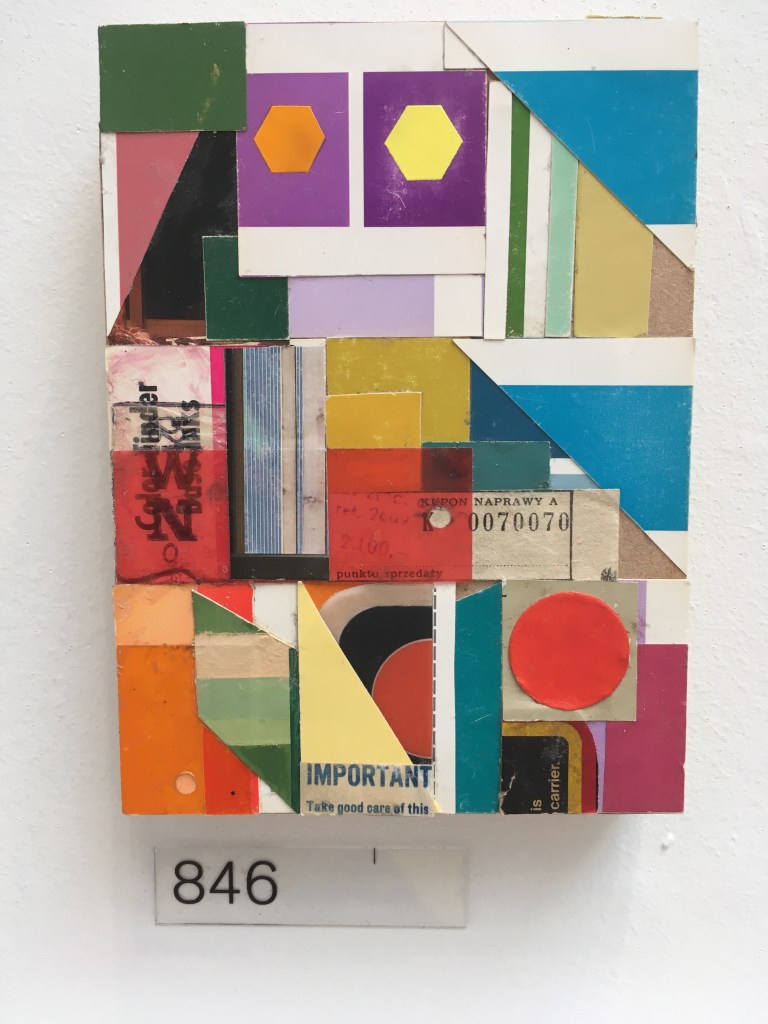
I loved the charming paper collage by Laurence Noga entitled Double Red Filtered Yellow using a variety of paint, paper and vintage papers.

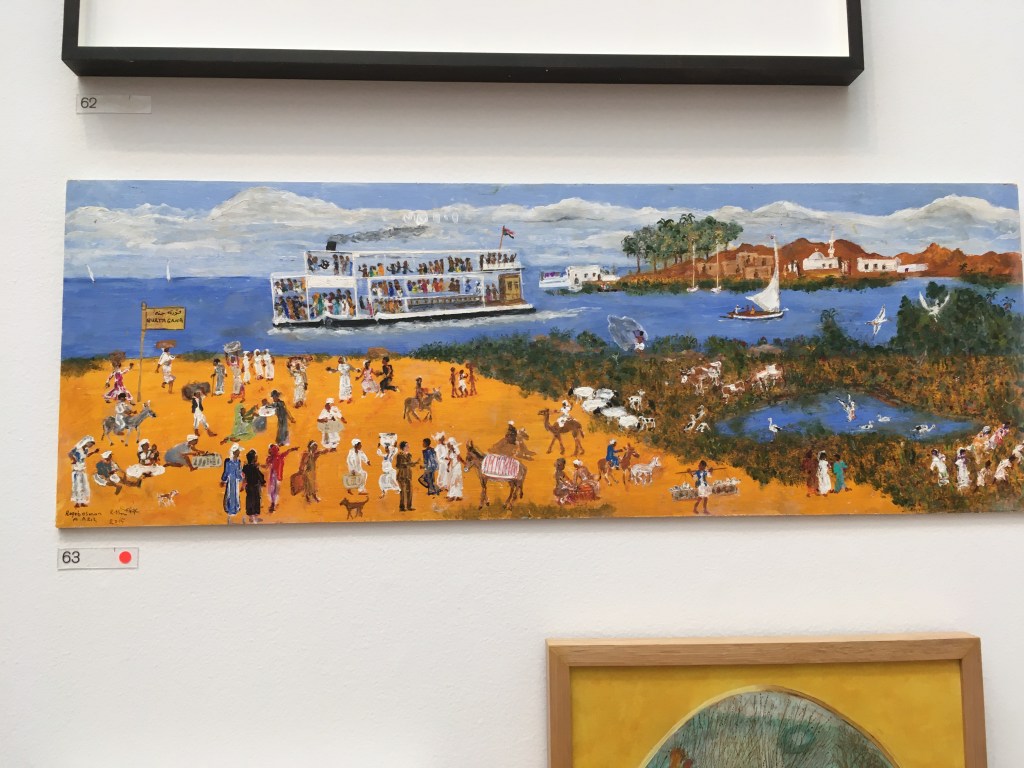
Narrative paintings always appeal to me. This delightful landscape – Nile River Boat by Ragab Osman Abdelaziz – is peopled with so much activity and loaded with stories of life in a busy place.

This one just amused me: entitled Families, Picking Noses by Colin Cameron. Made me smile.

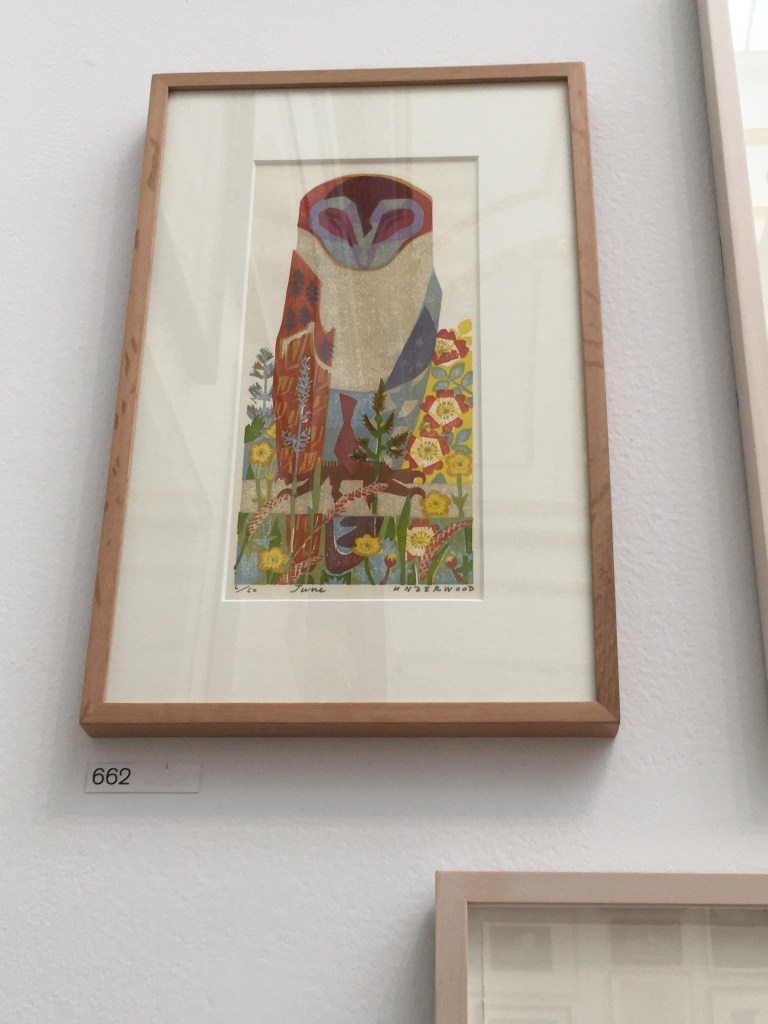
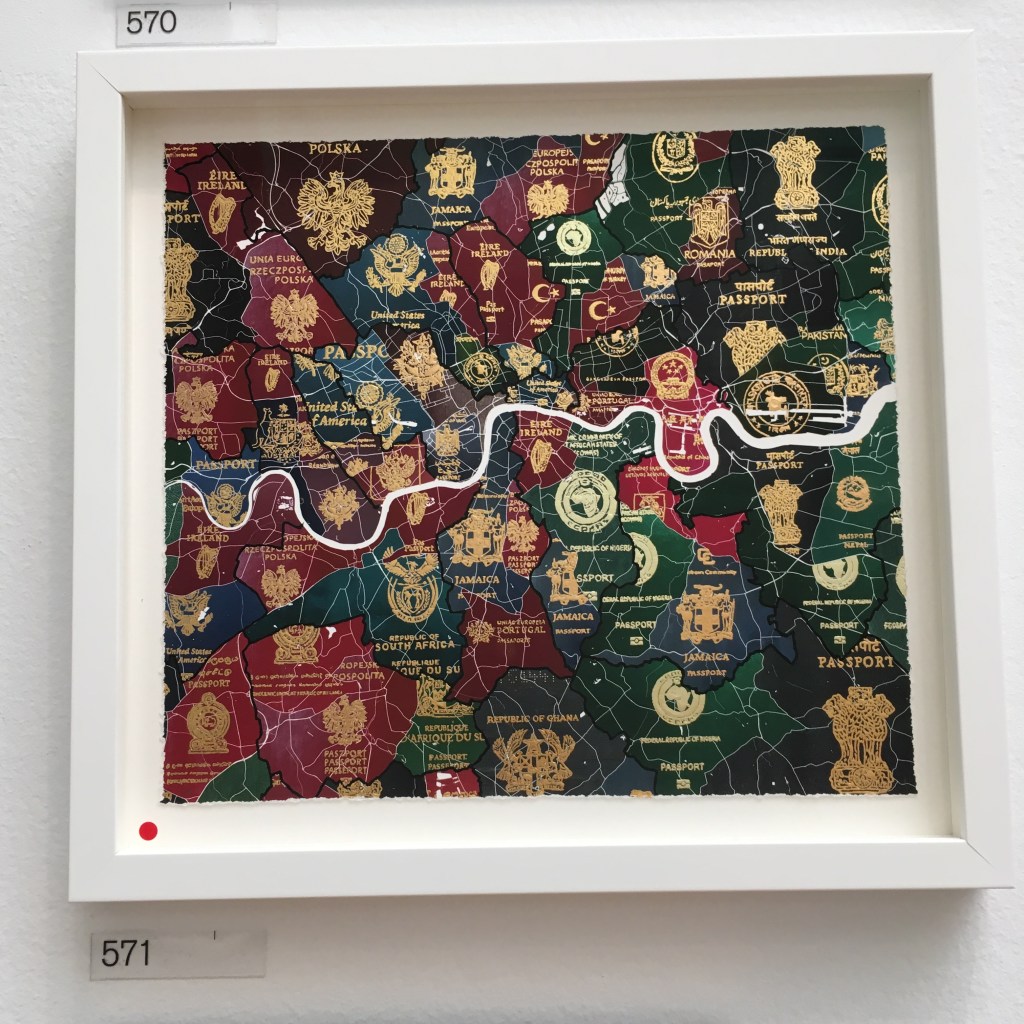
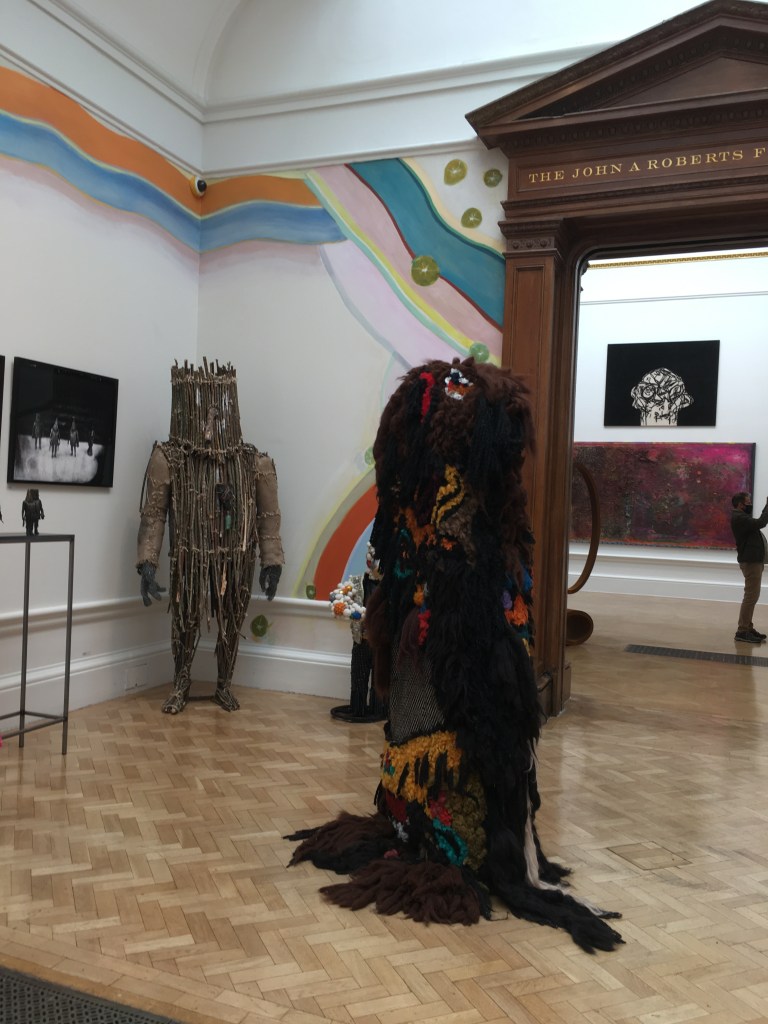
As ever, there is so much to see and much to praise and ponder. I’ll finish my very brief sprint around the galleries with a further gallery of works which I liked. I can’t tell you why I liked them, I just did.

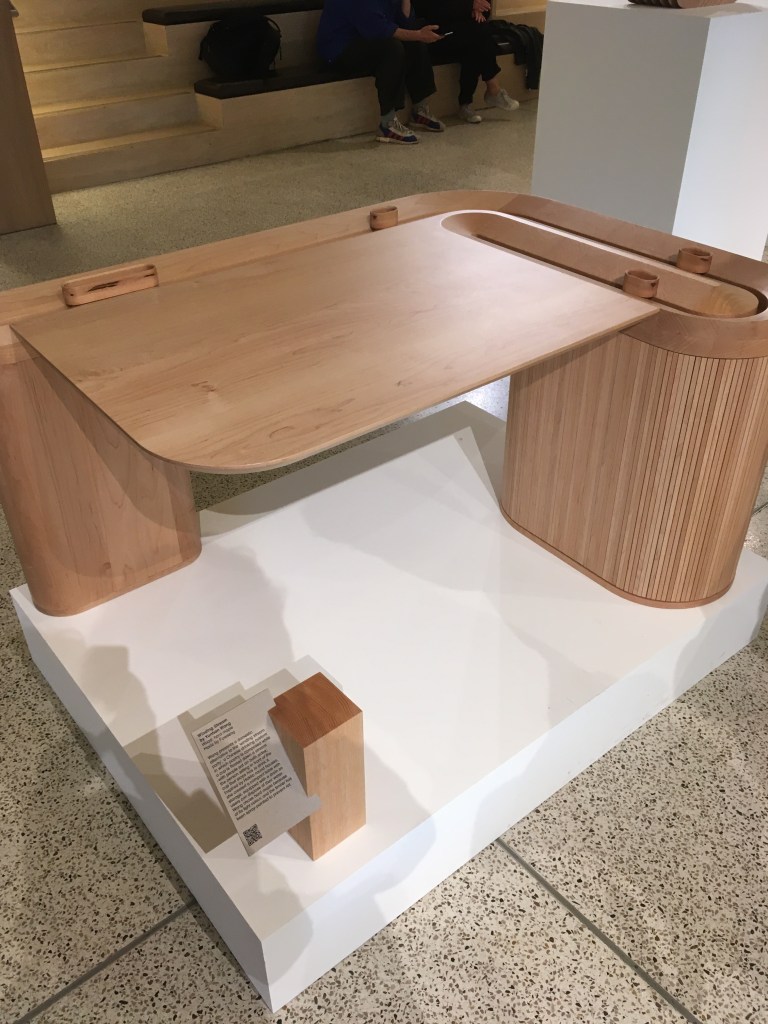
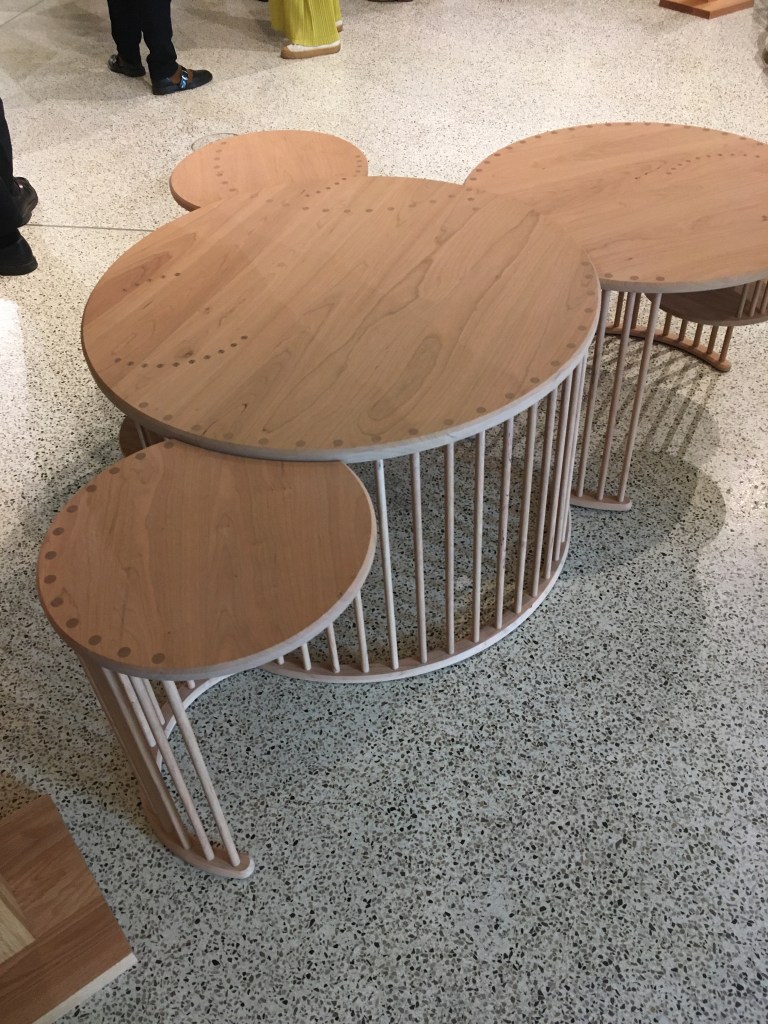
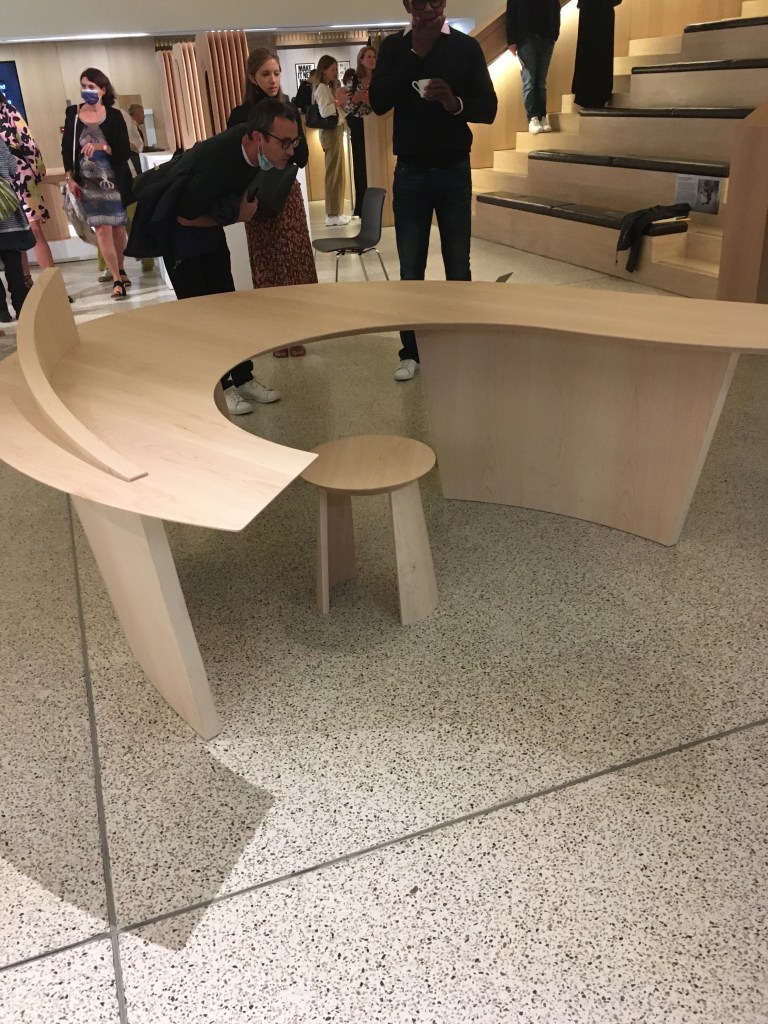
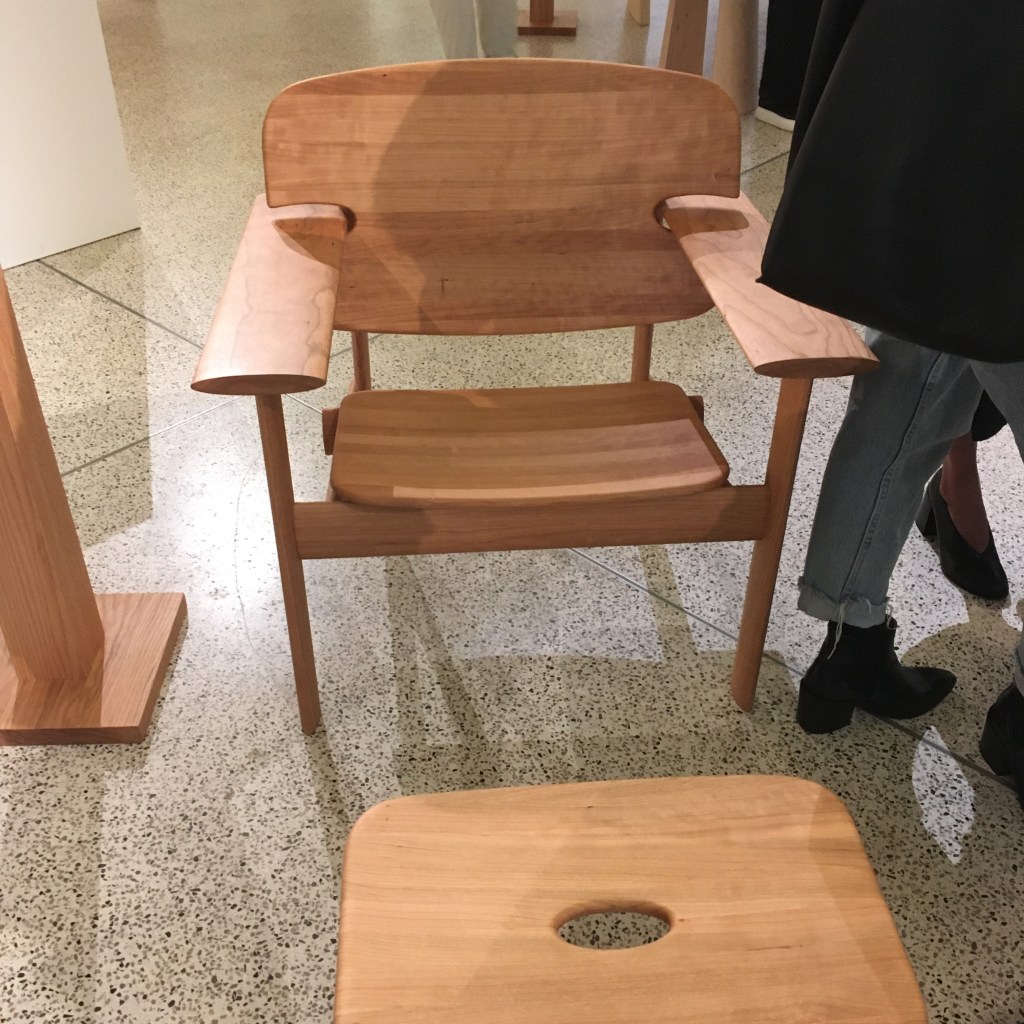
What can designers achieve with wood…? We find out at fascinating exhibition at the Design Museum in London where the experience of isolation during the pandemic has found form, entirely in wood. Wallpaper* and the American Hardwood Export Council (AHEC)invited 20 of the world’s emerging design talents to come up with ideas and now you can see the results.

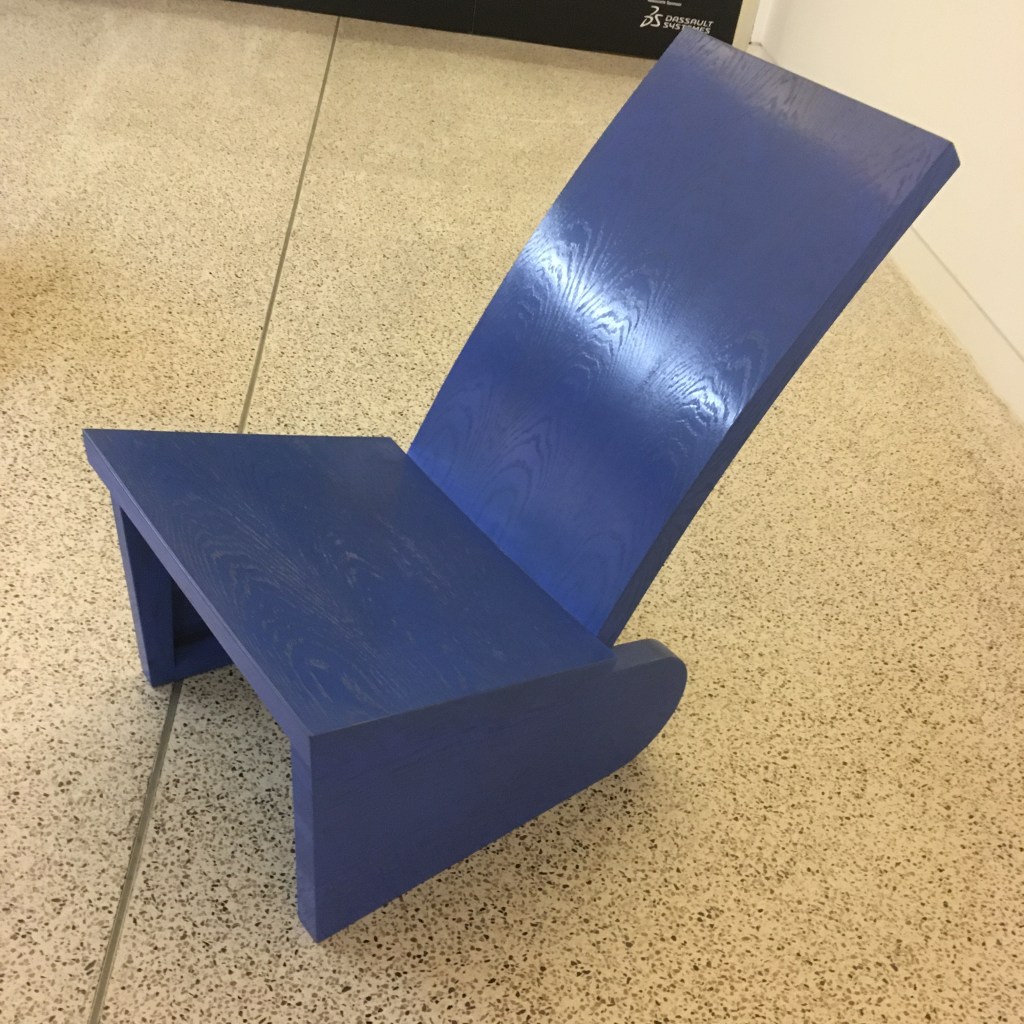
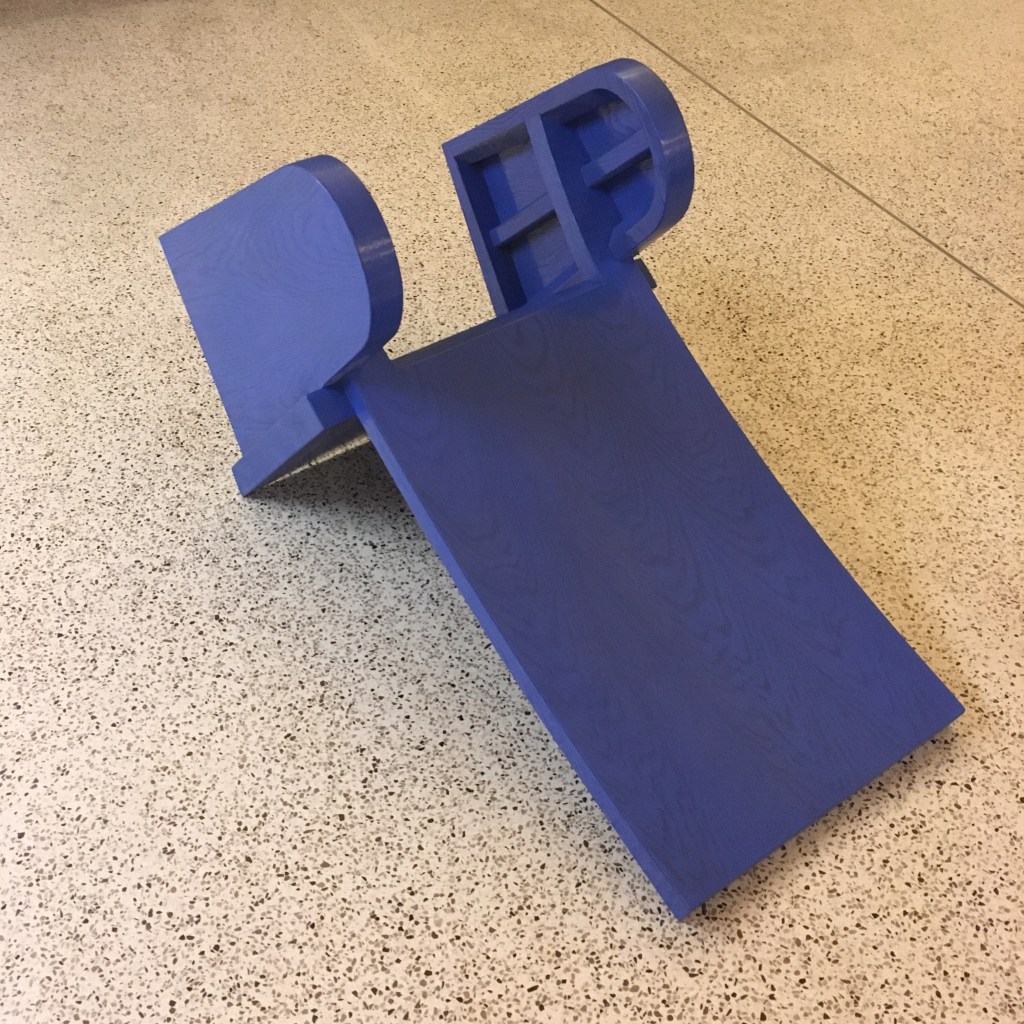
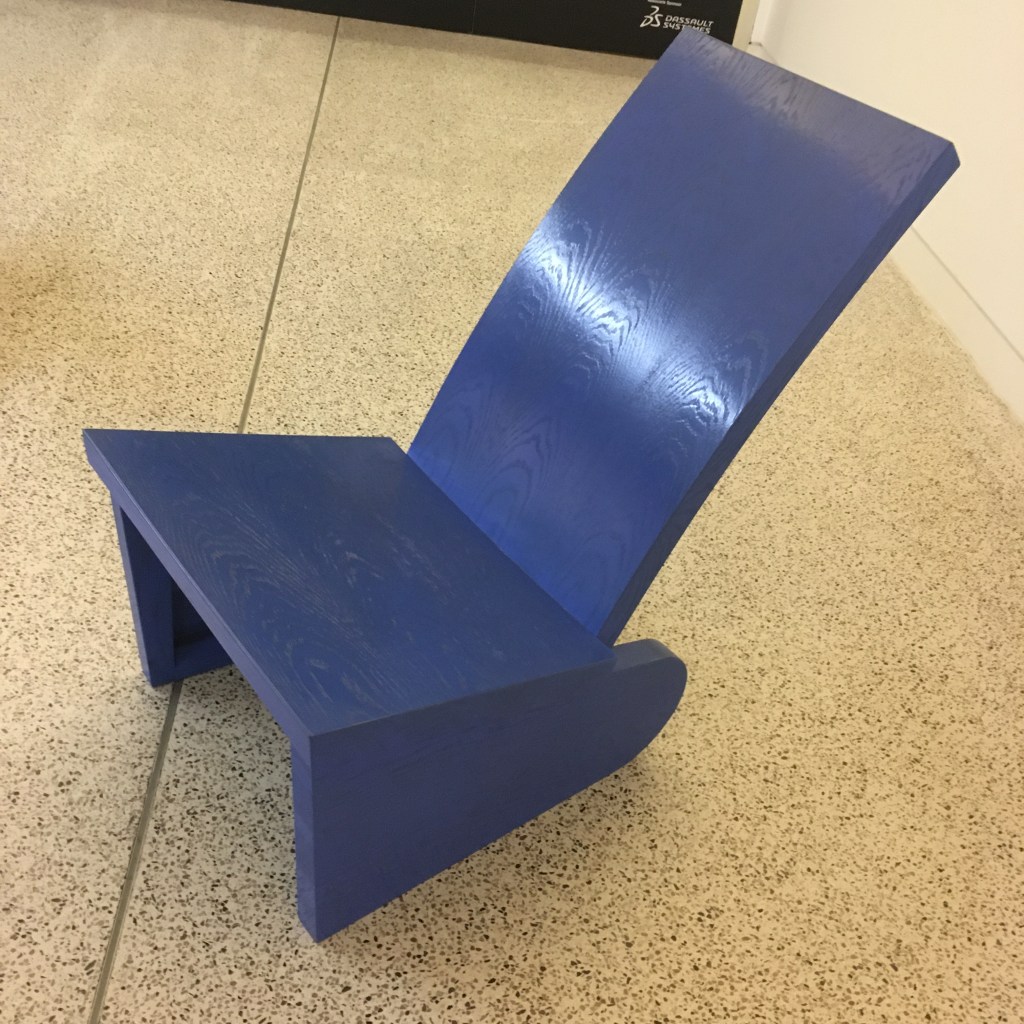
Chair / Child’s Slide by Martin Thübeck from Sweden. Made from American red oak

It’s so great to be out and about again. And it was a treat to go to the press preview for this show at the Design Museum in Kensington and see so much creativity in one place. AHEC and Wallpaper* have collaborated to pick 20 emerging designers from 16 countries charging them with the opportunity to create furniture, objects and sculptural works in wood.

Thought Bubble by Nong Chotipatoomwan from red oak, made by Fowseng

There’s nothing better than talking to an artist or designer about their work. Isolation was a challenge for all of us but these 20 designers have used the experience as an opportunity to think about their work and reflect the impact of the last 18 months in a 3D form, often functional.

Several of the pieces offered multi-functional solutions such as Martin Thübeck creation which could be a chair or a slide for a small child.

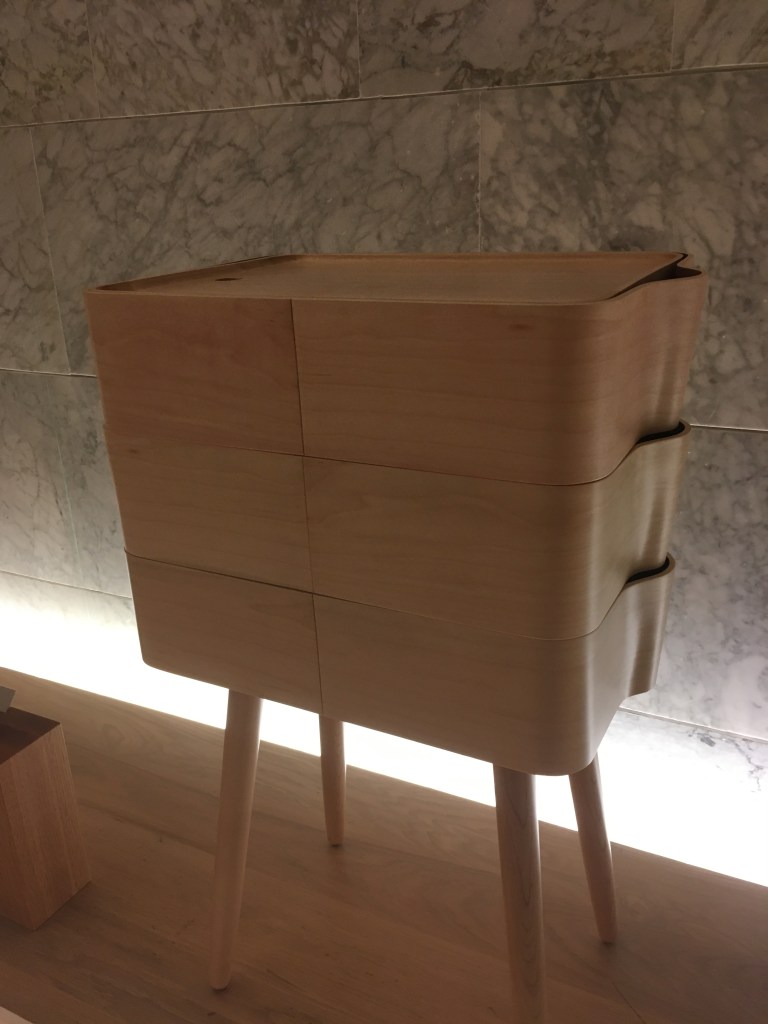
Josh Krute from Finland showed me his intriguing stackable storage system with elegant bent wood. Living in a small space during lockdown certainly concentrated the brain, he said.

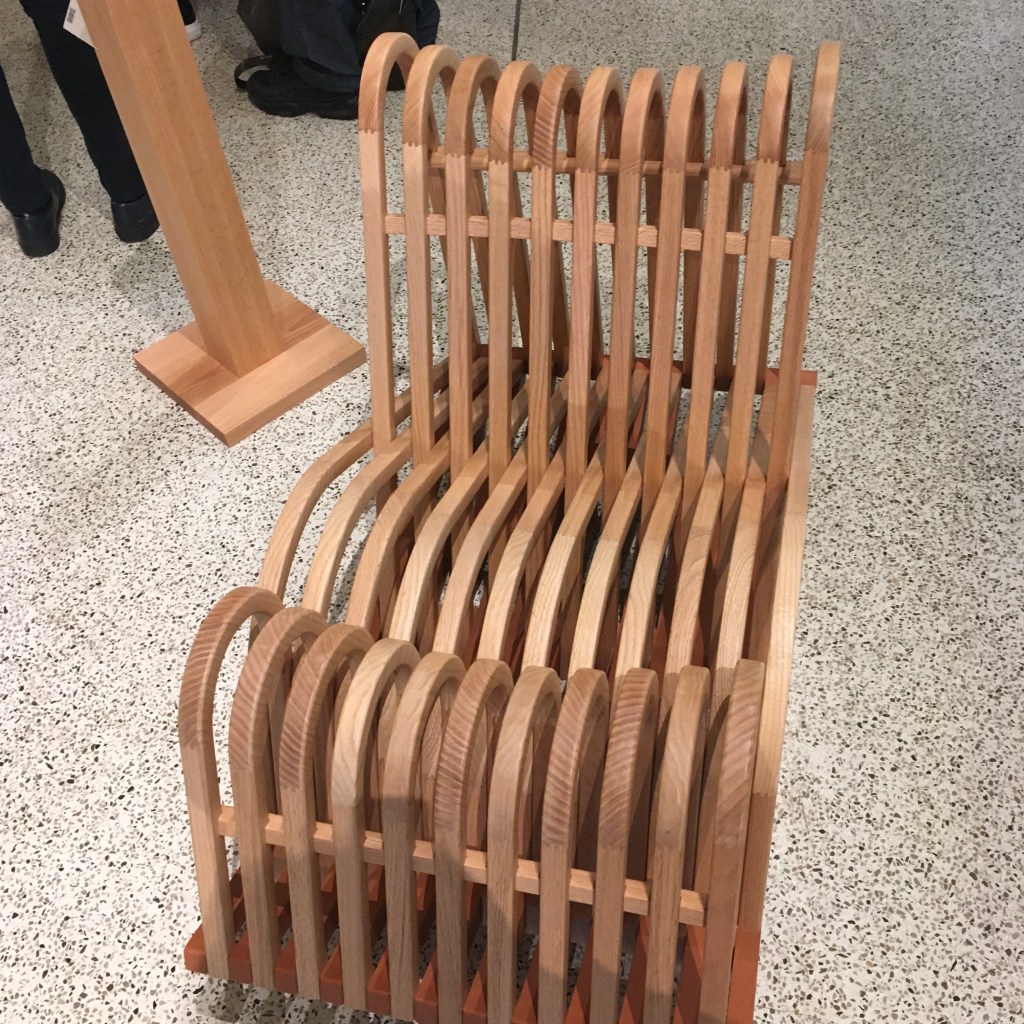
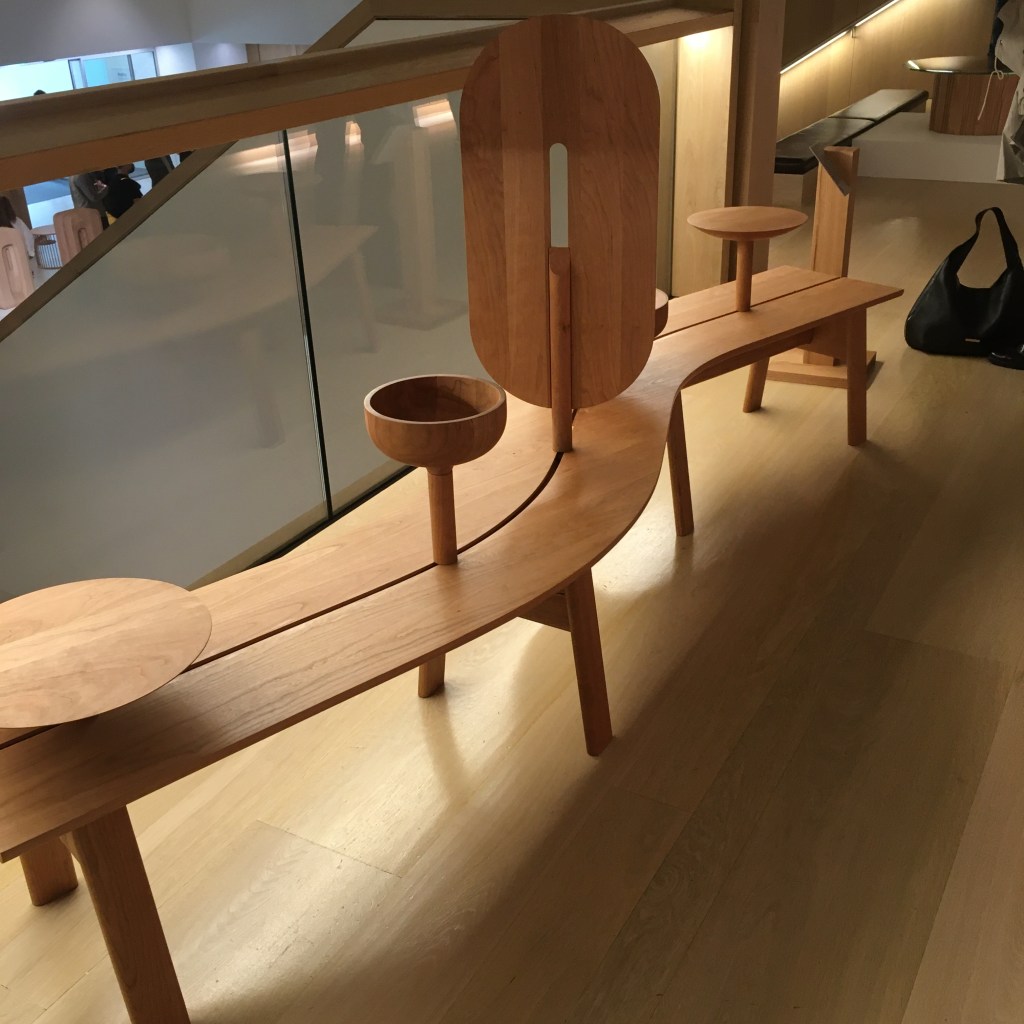
The Riverside Bench by Juan Carlos Franco and Juan Santiago used American Cherry to create a versatile bench which works in the home, at work and has built in containers and surfaces.

#DiscoveredGlobal is on at the Design Museum from 13 September to 10 October 2021. Free entry