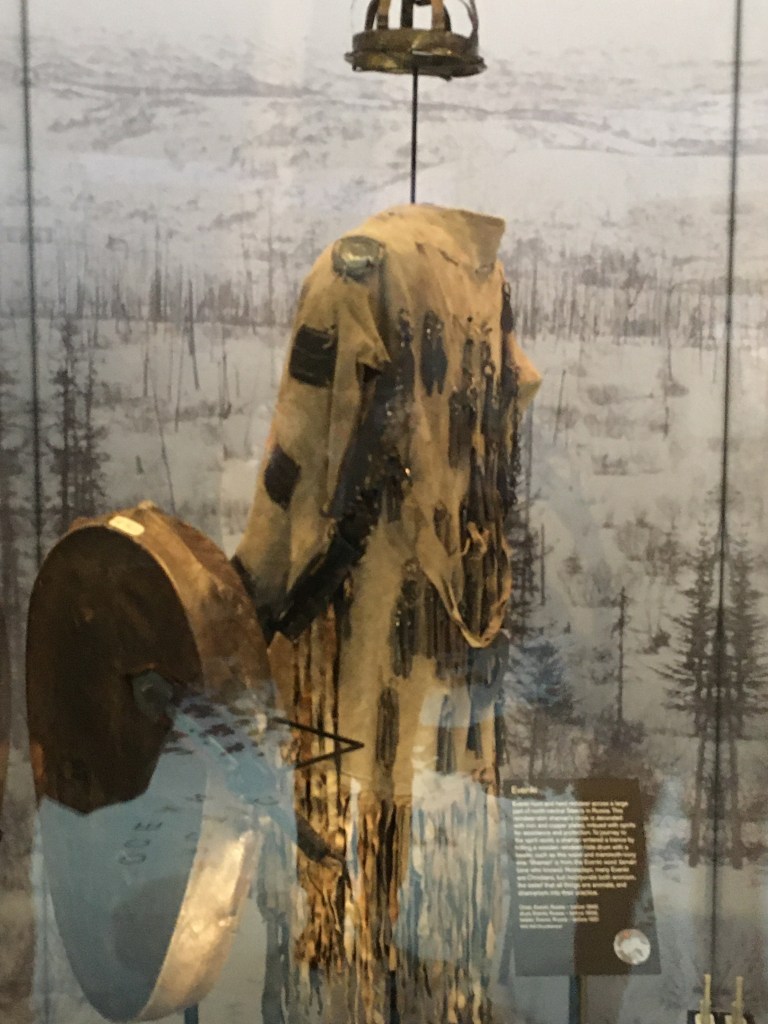
Arctic: culture and climate. A new exhibition at the British Museum shines a fascinating spotlight on the many indigenous Peoples who live, and have lived, in the arctic circle which girdles the northernmost area of the planet. Arctic Peoples have faced so many challenges over the centuries and demonstrate remarkable survival skills and ingenious use of the region’s natural resources .

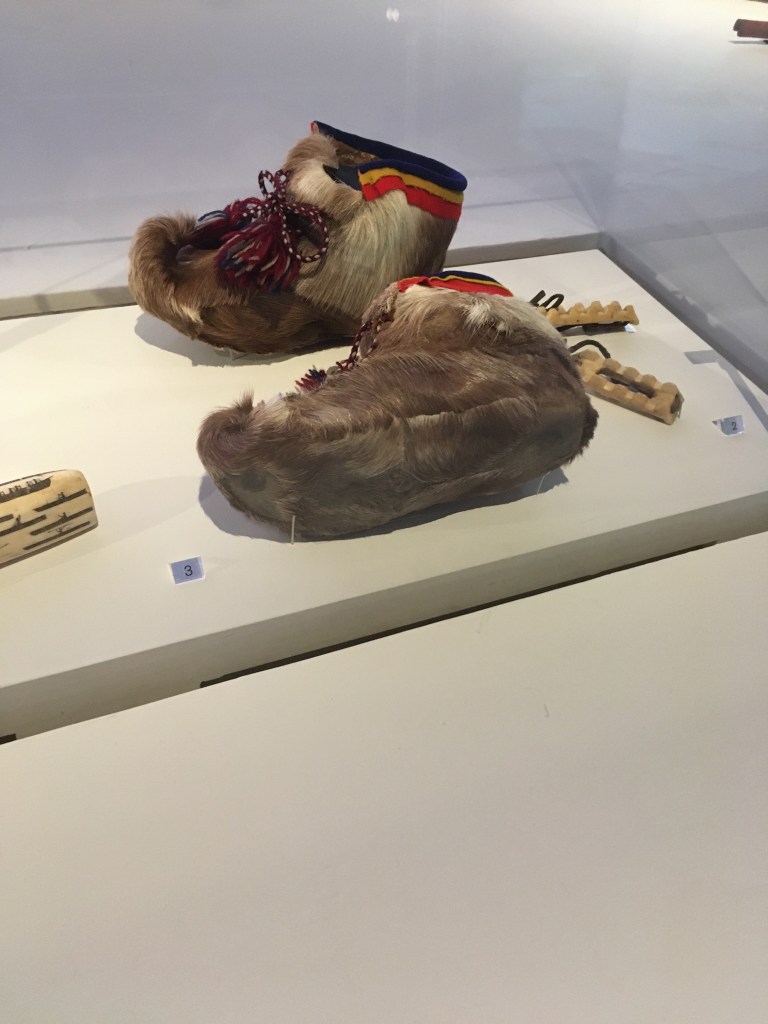
Brrr! The images of snowy terrains bring a shiver to the bones at this intriguing exhibition but the chill is tempered by the warmth of the spirit of the arctic peoples and the exhibits of snug fur coats, cosy mittens and warmly waterproof sealskin moccasins.
The Artic Circle is one of those regions of world which few of us will ever get to visit. We might have a shared folk memory of Eskimo igloos and husky dogs pulling sleds across the snowy Steppes. And yes, those elements are there but what we learn from the show is so much more.

I loved the examples of early artwork, especially by the ‘Dorset People’ who lived over 1000 years ago. Archaeologists believe they died out because of global warming, rising seas and the loss of their lands and livelihoods. But they created beautiful pieces such as the playful carvings showing adults with children on their shoulders.
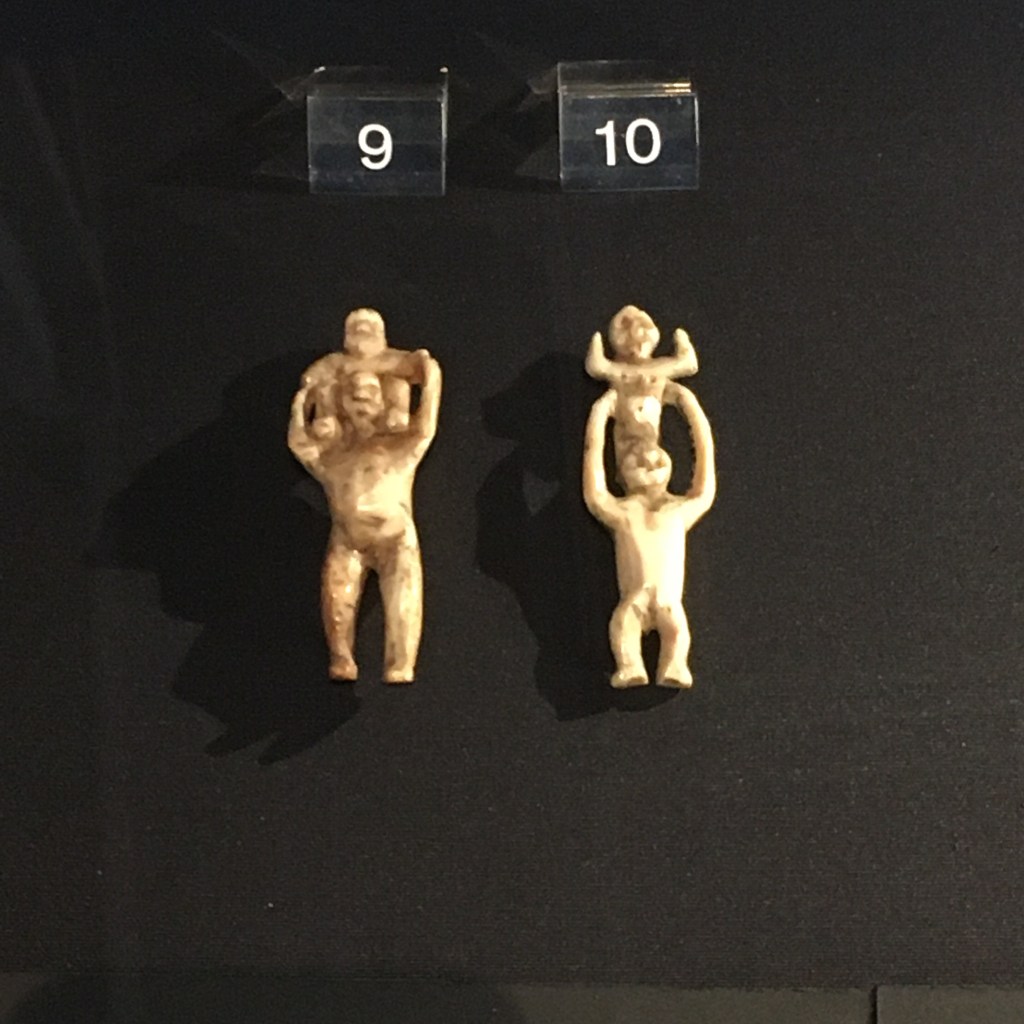
Miniature carvings from 1000 years ago made from wild reindeer antler.

How resourceful and clever the Arctic Peoples are. For example these contemporary sealskin gloves from Greenland have two thumbs so you can pull them onto either hand without wasting valuable time in the cold.

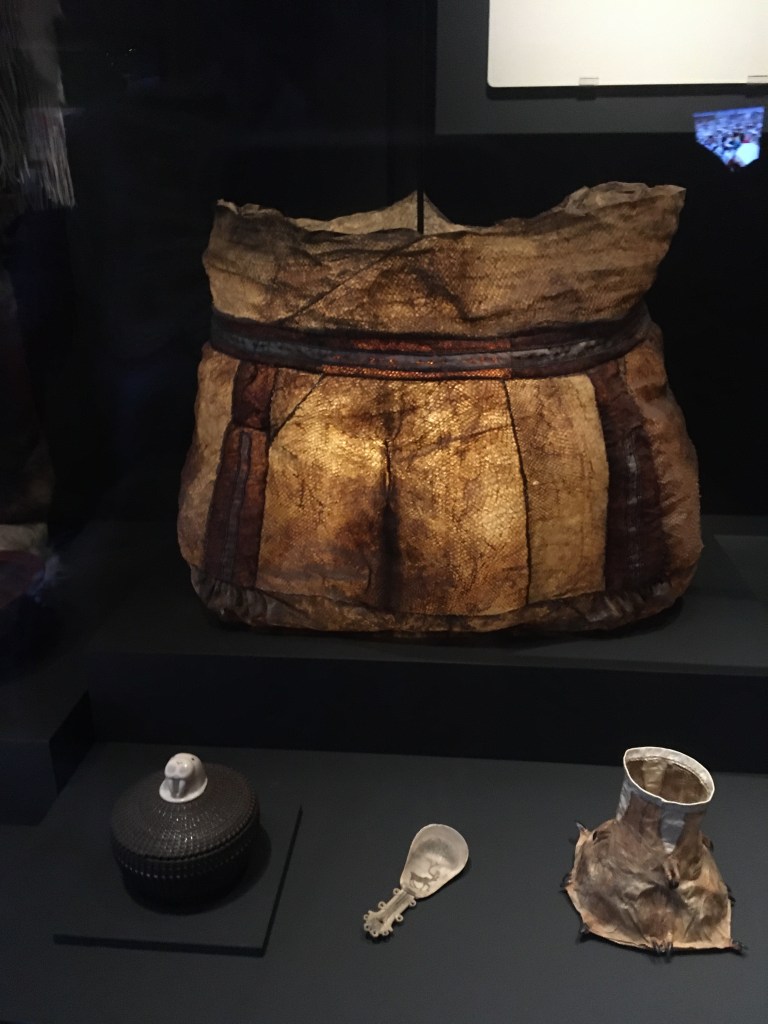
This basket, below, is made from salmon skin – apparently one would be given as a gift to a newly married young Yupit woman. They are waterproof and generally used for storing clothes. The skills for fishskin use are currently being revived as an art form throughout Alaska.
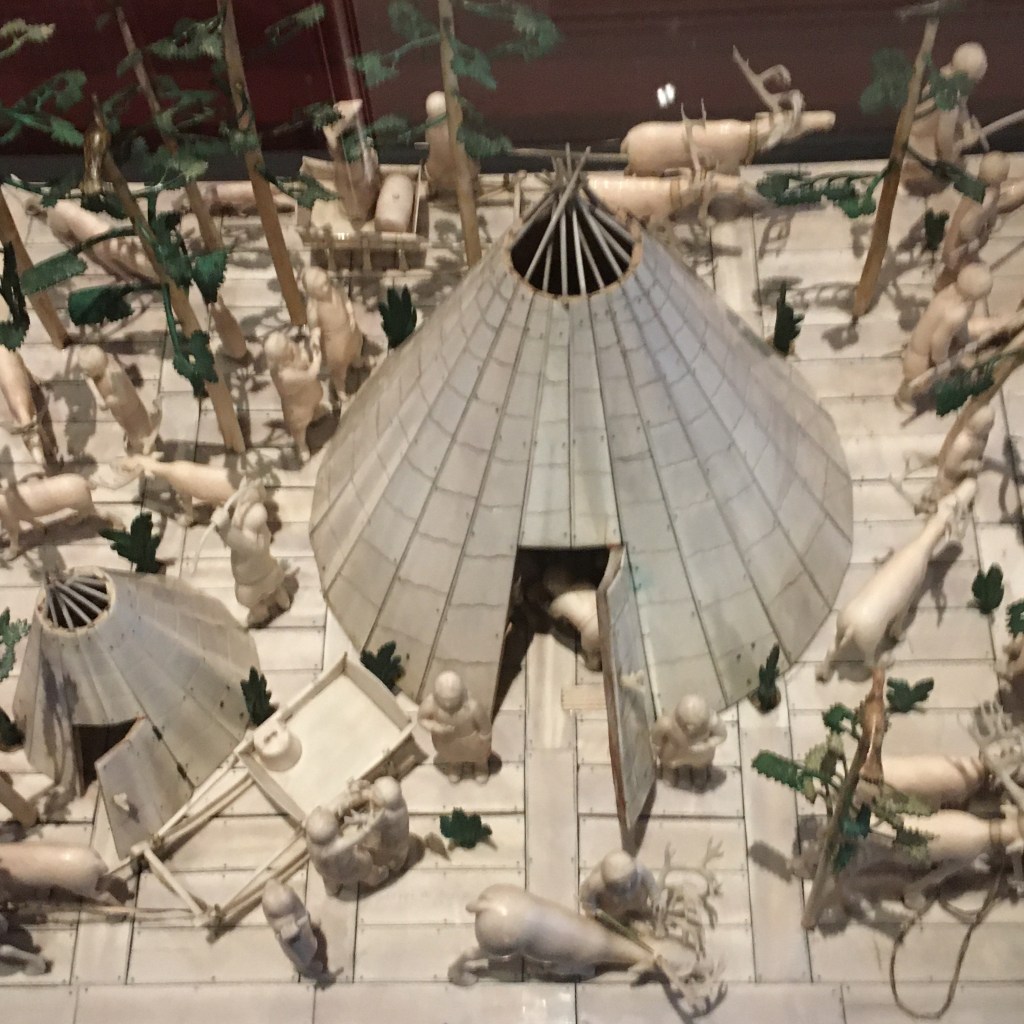
Above is a charming carved display depicting reindeer hoarders of Siberia. It’s carved from mammoth ivory and shows a woman giving birth in the conical tent surrounded by the family, fur traders, dogs and reindeer.

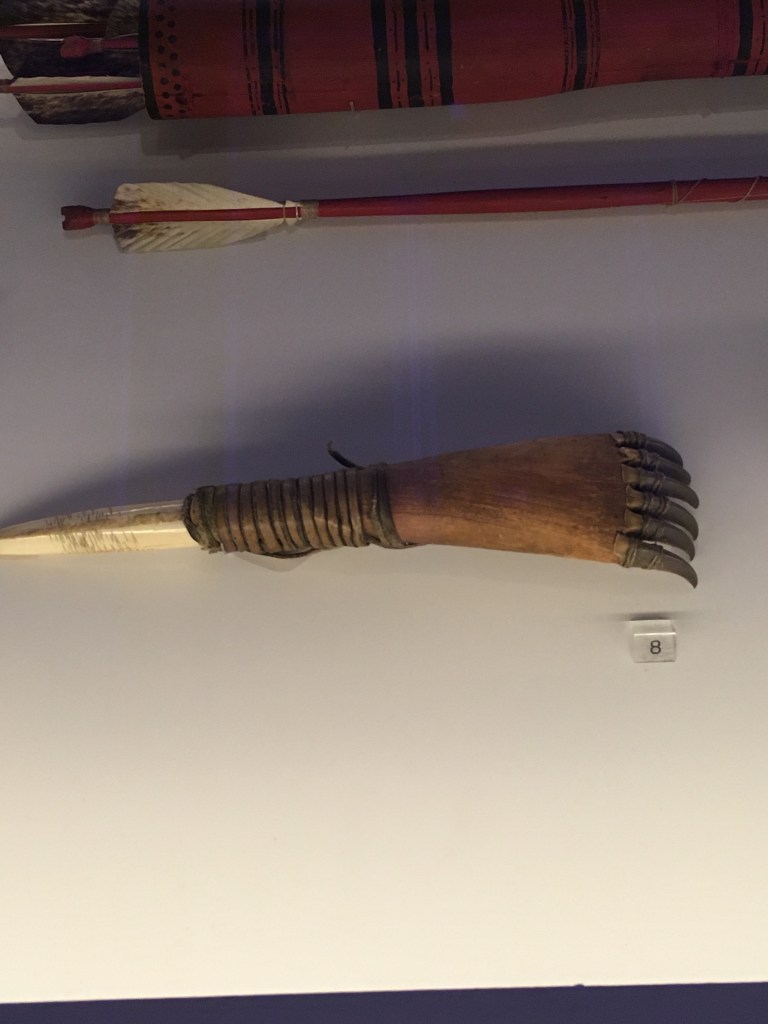
Hunting is a vital aspect of life in the Arctic. Clever strategies for trapping, spearing, harpooning and capturing animals and fish are illustrated in the displays.Rather than using the word hunting, the arctic peoples refer to it as ‘harvesting’. But I really liked the little ‘claw’ created to scrape on the snow and imitate the sound of a seal sunning itself on the ice. The familiar noise would lull the prey into sleepy view making it easier to catch.
There’s a great to enjoy and marvel over at this show. It’s on at the Sainsbury Exhibitions Gallery at the British Museum until 21 February 2021.

SIN – just what is it? We think of the Seven Deadly Sins with troublesome things like gluttony, pride and lust but artists have made more subtle interpretations. A small but perfectly formed show at the National Gallery, London, brings together some of its most famous ‘sin-centred’ paintings along with loans from other galleries. Humans will transgress but what really is a sin? How should it be defined? Intriguing stuff.

This is a small exhibition for such a huge topic. Sin can come in so many forms and can be interpreted in so many ways. Humans are hardwired to spot and disdain human transgression and most of us have a pretty acute sense of what is right and wrong. But being bad is so much more fun than being good! And in terms of art, it makes for better pictures.

So, at this small but very enchanting show at the National Gallery, there’s chance to greet a few ‘old friends’. Without having to tour the whole gallery you may be just a step away from some of the most intriguing and thought-provoking pieces in the collection.

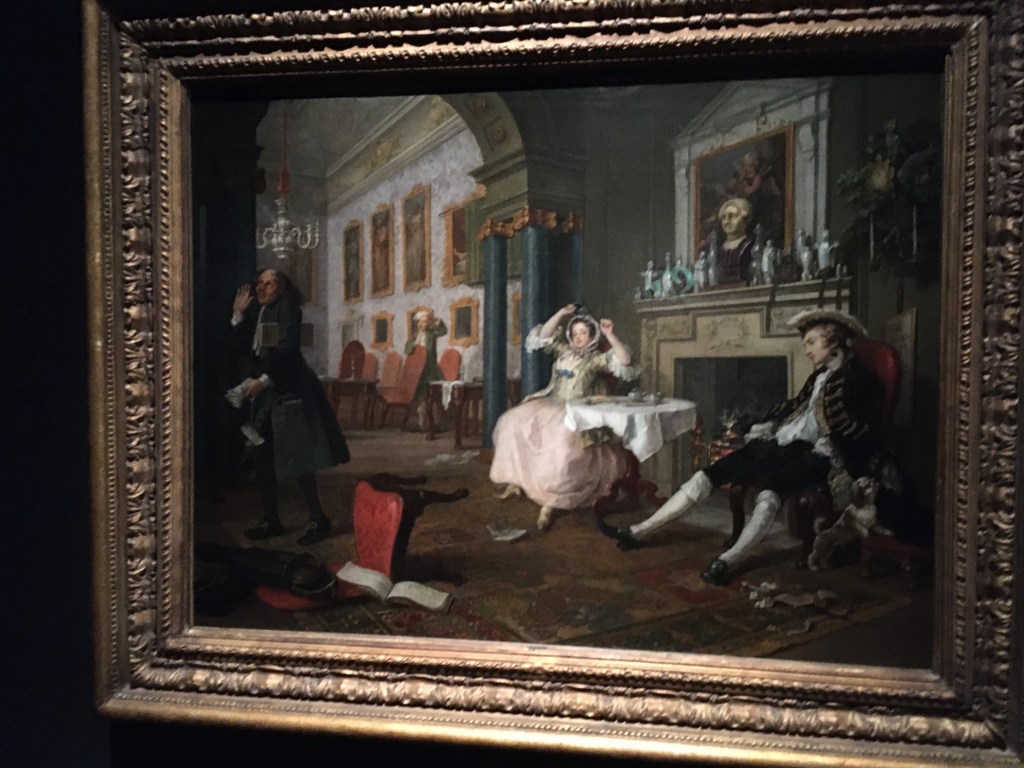
For me it’s always a joy to see Hogarth’s work and here we have the naughty couple at the heart of Marriage a la Mode – both guilty of marital transgression and really not bothered. Hogarth is so brilliant at capturing moments of conversation and drama, not just in the expression of the main players but in the whole set piece. I do like the bust on the mantlepiece which has clearly had his nose broken off and crudely stuck back on.

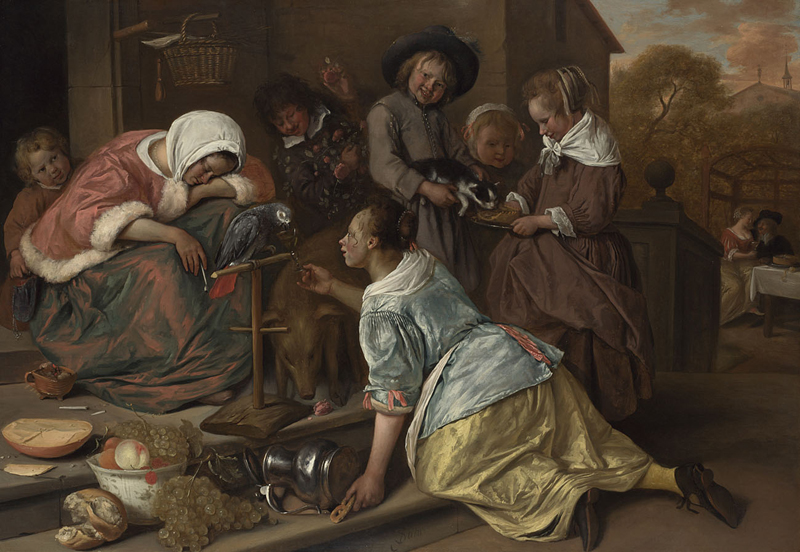
There’s also a painting by Jan Steen called The Effects of Intemperance. Oh dear, mother is drunk again and the children are running riot. It’s a very amusing narrative painting which provides far more visual fun than an perfectly well-behaved family staring politely out of the frame.

Jan Steen The Effects of Intemperance about 1663-5 Oil on wood, 76 x 106.5 cm Bought, 1977 NG6442 https://www.nationalgallery.org.uk/paintings/NG6442

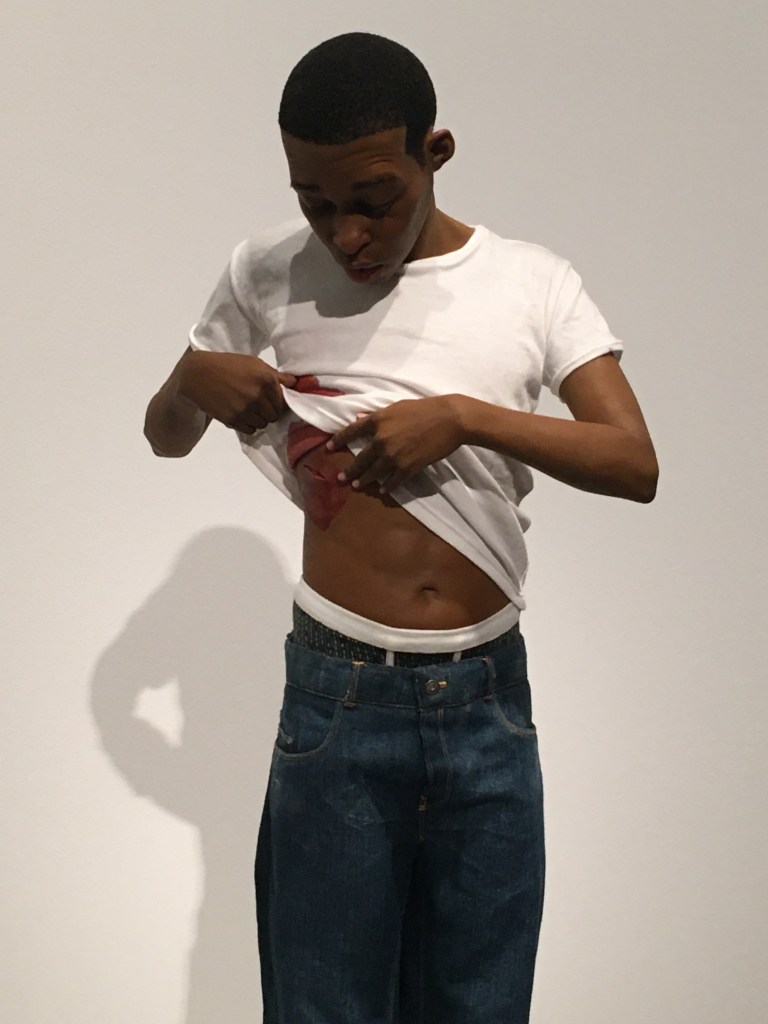
I was intrigued by the small sculpture by Ron Mueck. It’s called Youth and shows a young man examining a bloodied stab wound in his abdomen. Shocking yet strangely calming too. The hyper-realism of the piece is quite mesmerising. Yes, he’s been sinned against – a near death experience – and yet the art is sublime.

A curious but intriguing show. It’s free to see and will be at the National Gallery until 3 January 2021.
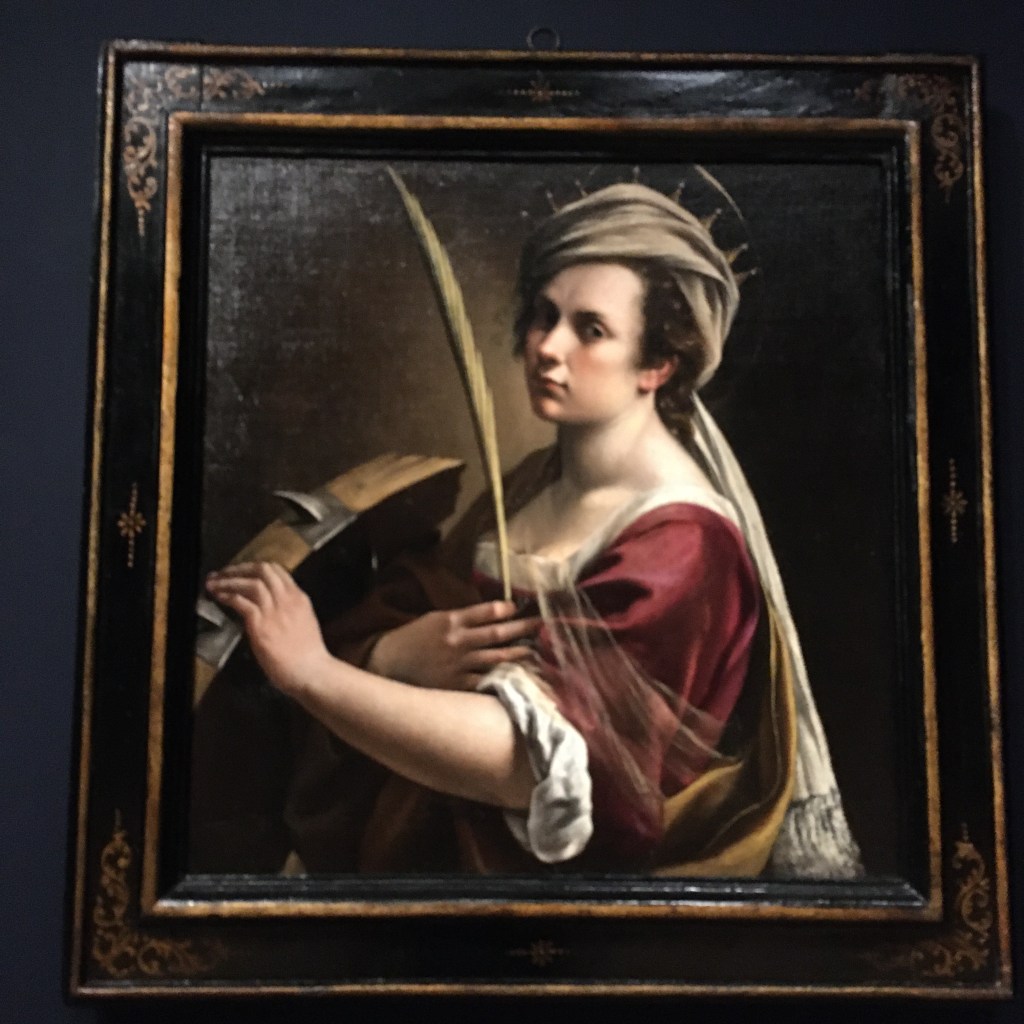
Artemesia at The National Gallery, London, is a sensational show. What an artist, what a woman and how committed Artemesia Gentileschi was in pursuing her art and forging an international reputation. Women artists from the 17th Century are rare enough but she is also remarkable for the fortitude with which she confronted appalling abuse as a young woman and followed her own passions to lead a life of freedom to express her artistic ambitions. Her narrative paintings reflect her scorn of abusive men which finds form in images of grisly violence and vengeance.

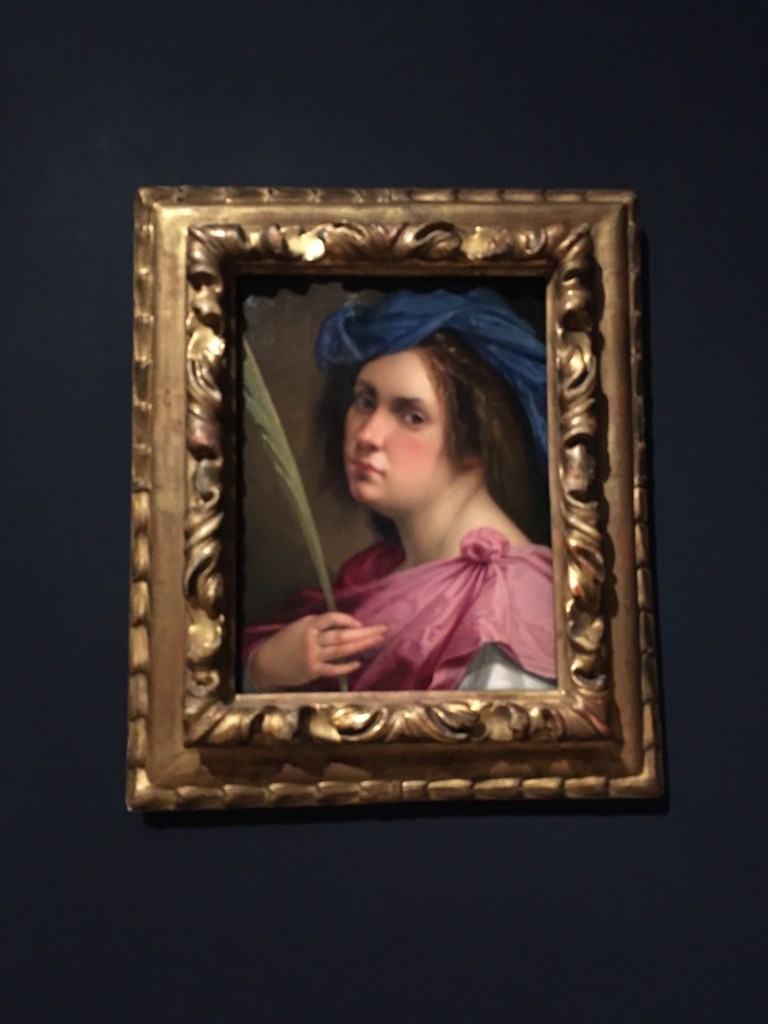
I’ve known about Artemisa Gentileschi for many years and have admired the paintings which are in the collection at the National Gallery but I had no idea how prolific and successful she was. She was clearly a prodigious talent which found focus in art at an early age. She must have been a forceful and confident character who was content to use her own image in paintings representing saints or historical characters, as well as for sensitive self-portraits.

At the age of 17 she was attacked and raped by Agostino Tassi, an artist colleague of her father. She had the astonishing confidence and composure to endure a court case to establish her honour. Her resolve was tested, literally, by torture (cord wrapped tightly around her fingers) to prove the veracity of her accusation. She was adamant: ‘È vero, è’ vero, è vero’ she insisted. It is TRUE.

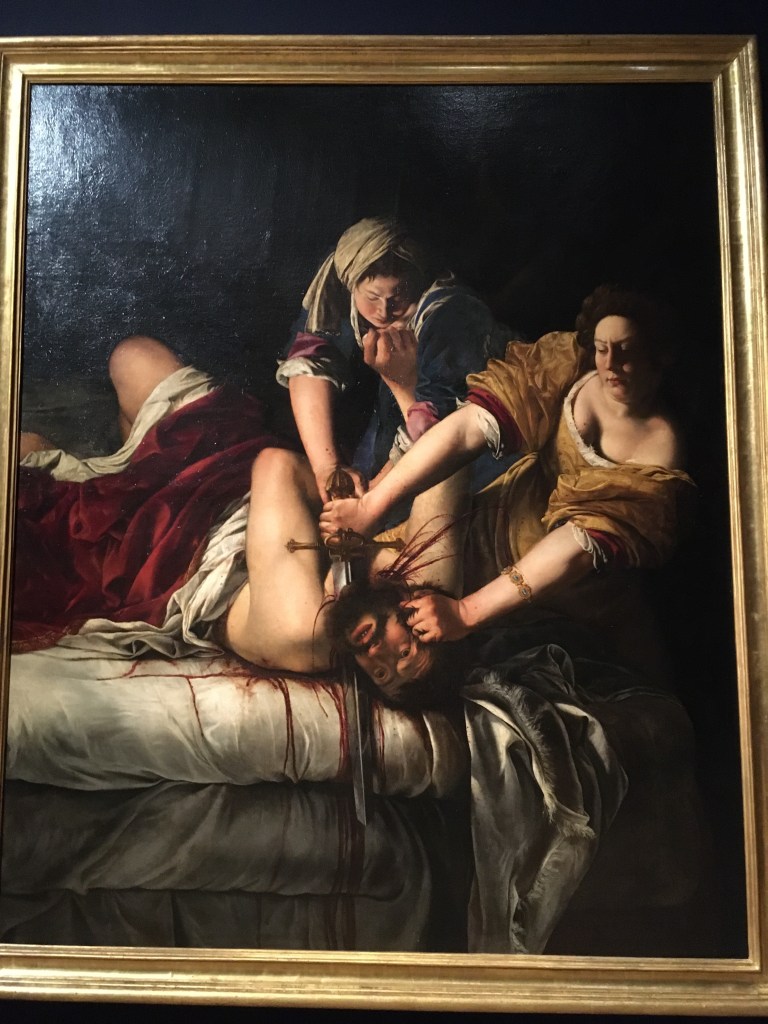
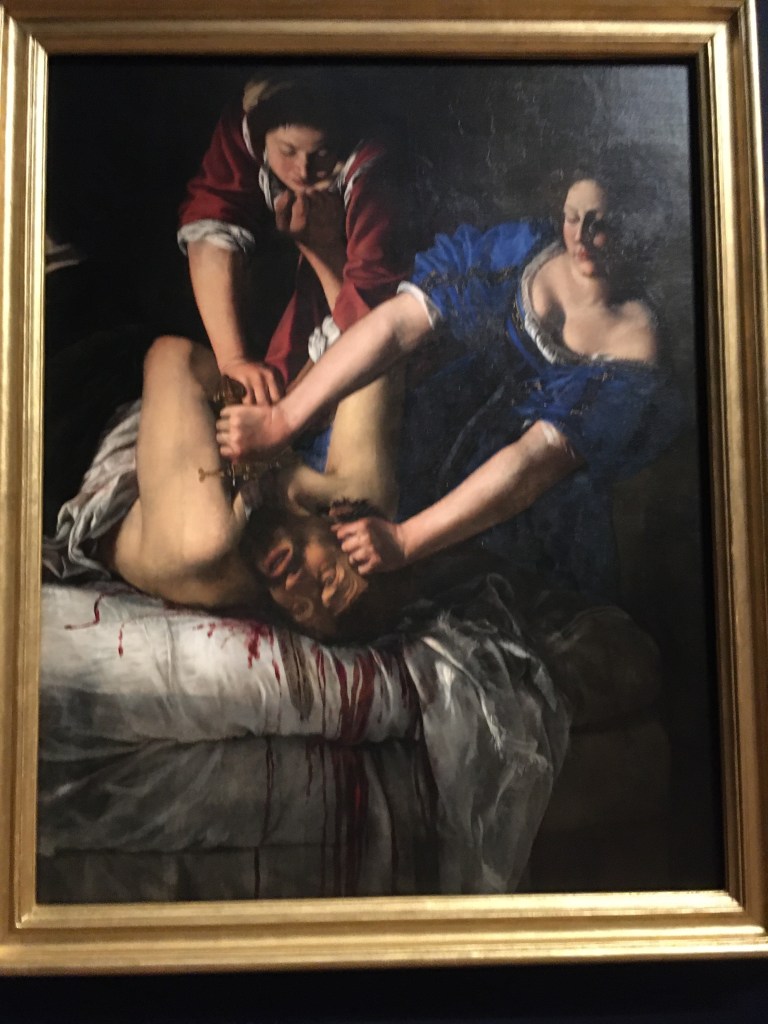
So it’s no surprise that she was attracted to biblical subjects which involve women exacting revenge on evil and abusive men. The most famous, and grisly, of these paintings are the two versions on show of Judith and Holofernes. His eyes are staring open at us, the viewers, as she calmly wields the sword and cuts off his head sending blood gushing in all directions.

Artemisia became a popular portrait painter – though few of these paintings survive, apparently- and her cleverly composed narrative painting were popular amongst patrons in her home town of Rome, Naples, Florence and even London (she was invited to England by Charles I).

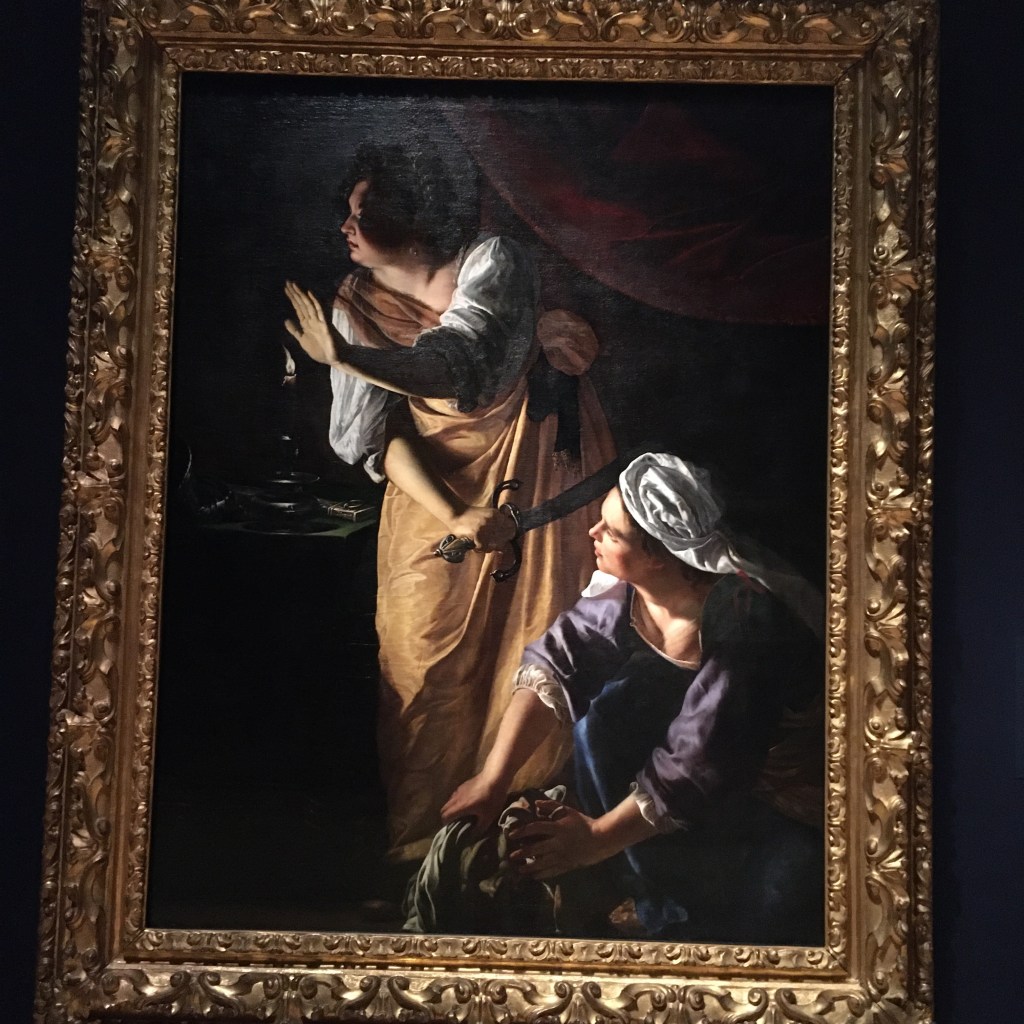
I was particularly struck by a sensational painting of Judith and her Maidservant with the Head of Holofernes (about 1623) It’s illuminated by the light of a single candle showing the anxiety on the faces of the women as they complete their murderous task and bundle the victim’s head into a bag before making their escape. Shades of Caravaggio in this one.

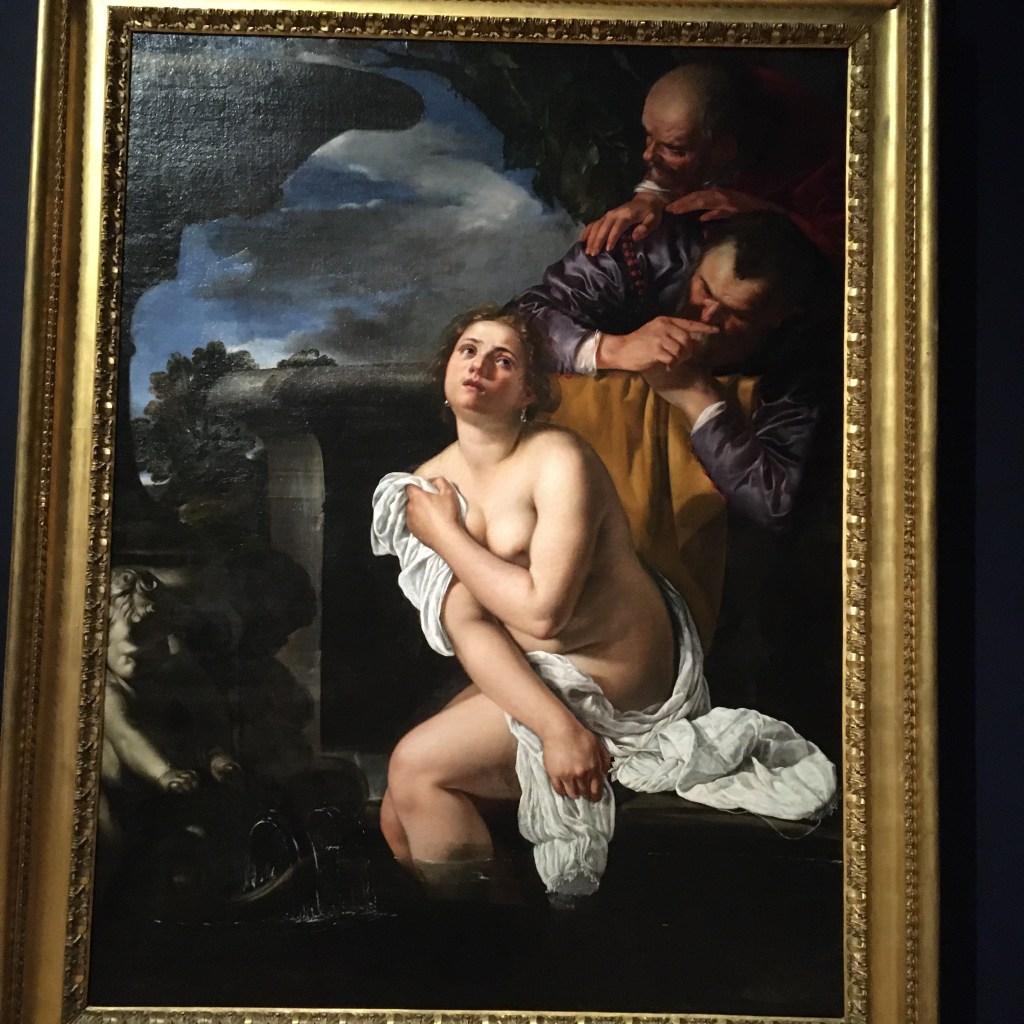
Another abused woman features in her interpretation of Susannah and the Elders. She shows the humiliation of the woman as the leering men gaze upon her naked body.

There is so much to enjoy in this spectacular show and I do recommend it. It was a huge treat to be back at the National Gallery after such a long time and it’s so good for the spirit to be able to see fabulous art like this in a beautifully curated show. It’s on until 24th January 2021.
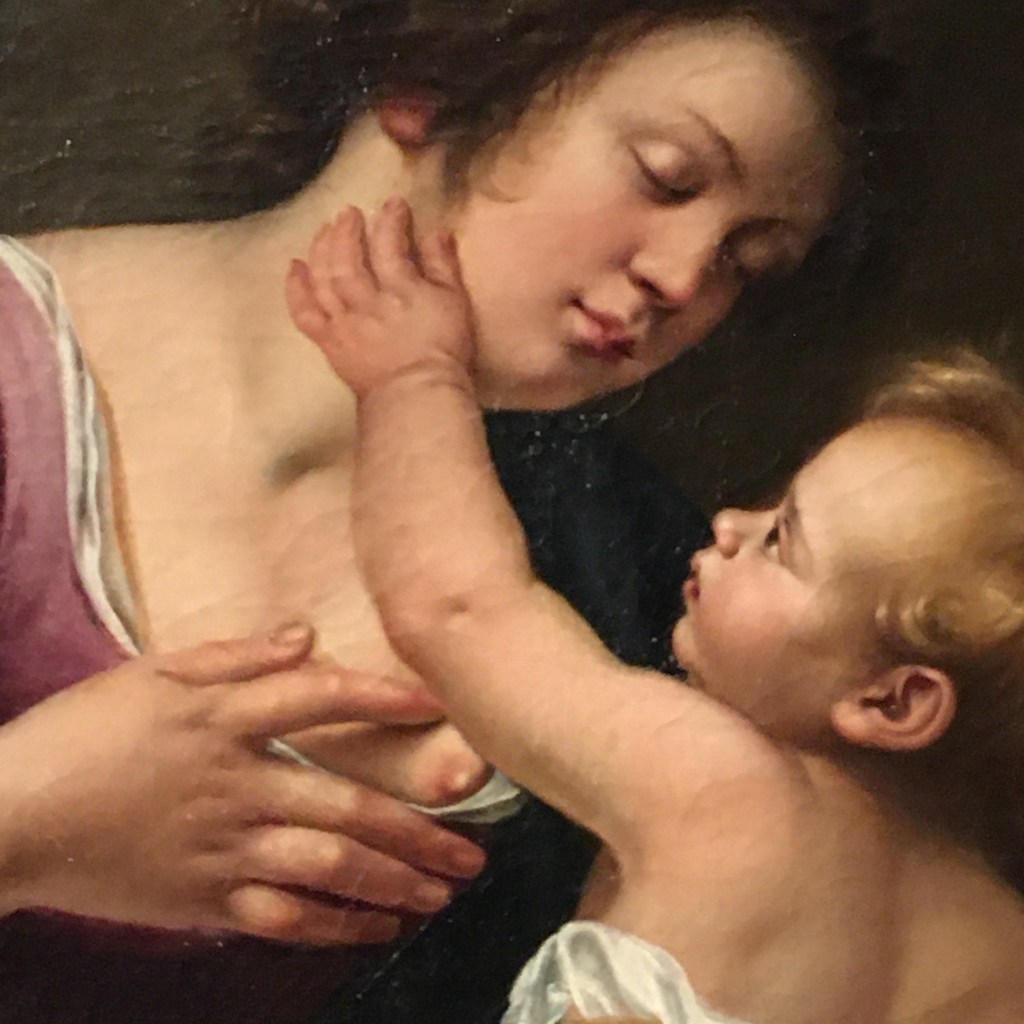
For my ‘and finally’, here’s a detail from an enchanting painting of Madonna and Child. It’s so natural and full of tender affection.

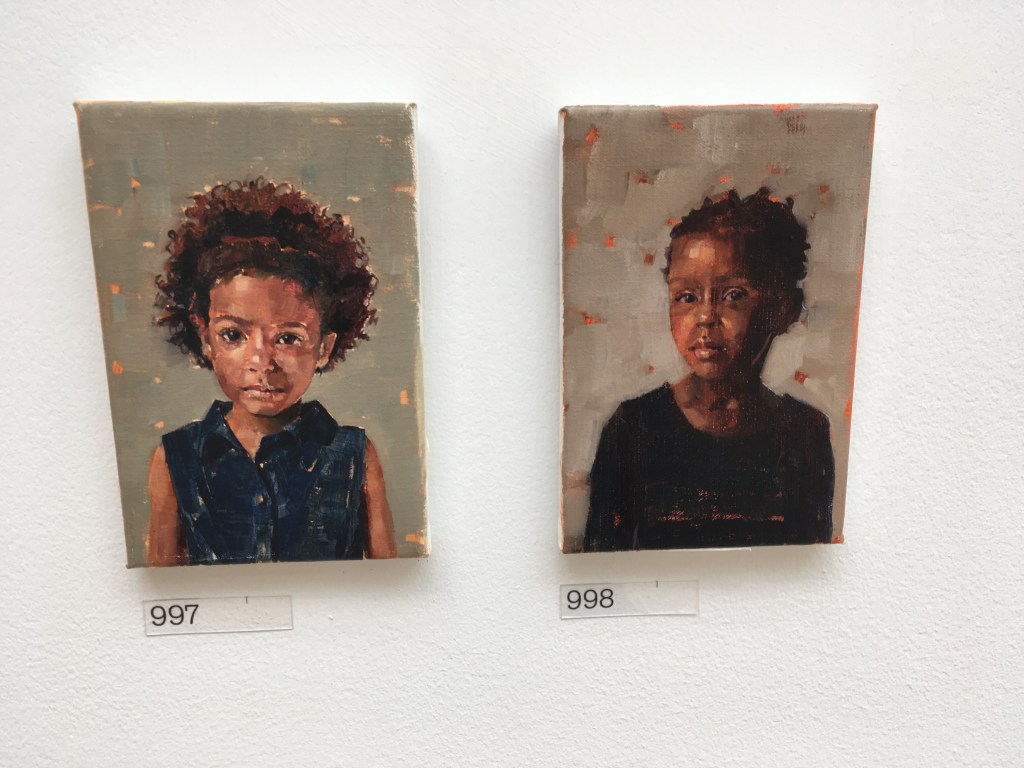
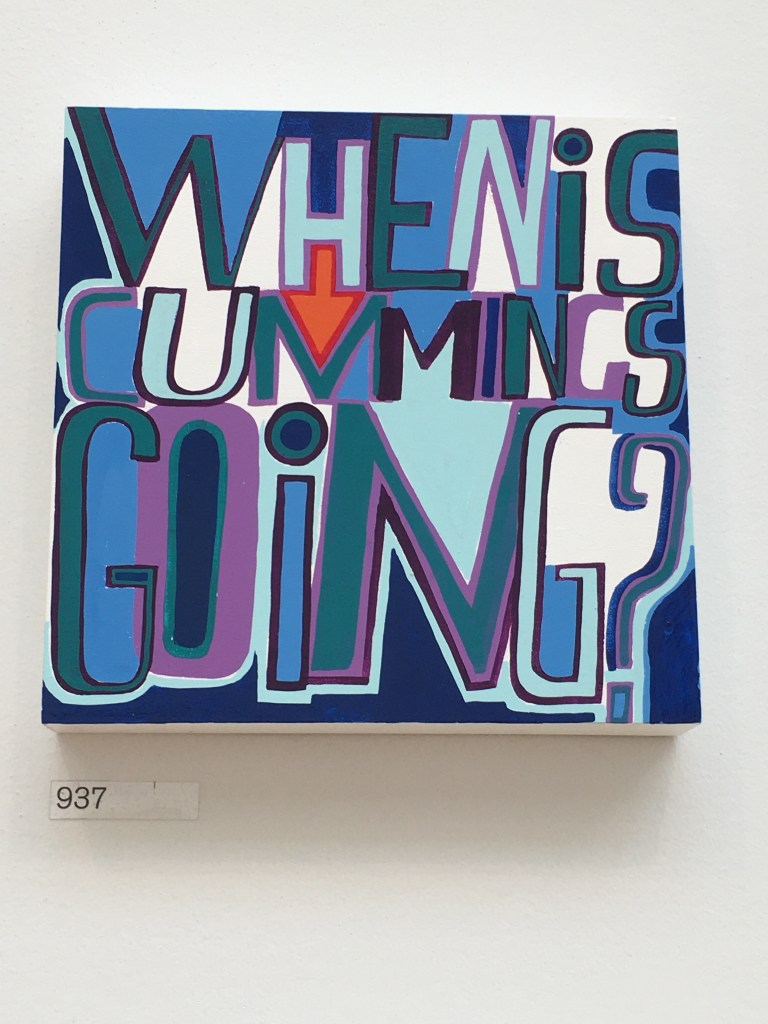
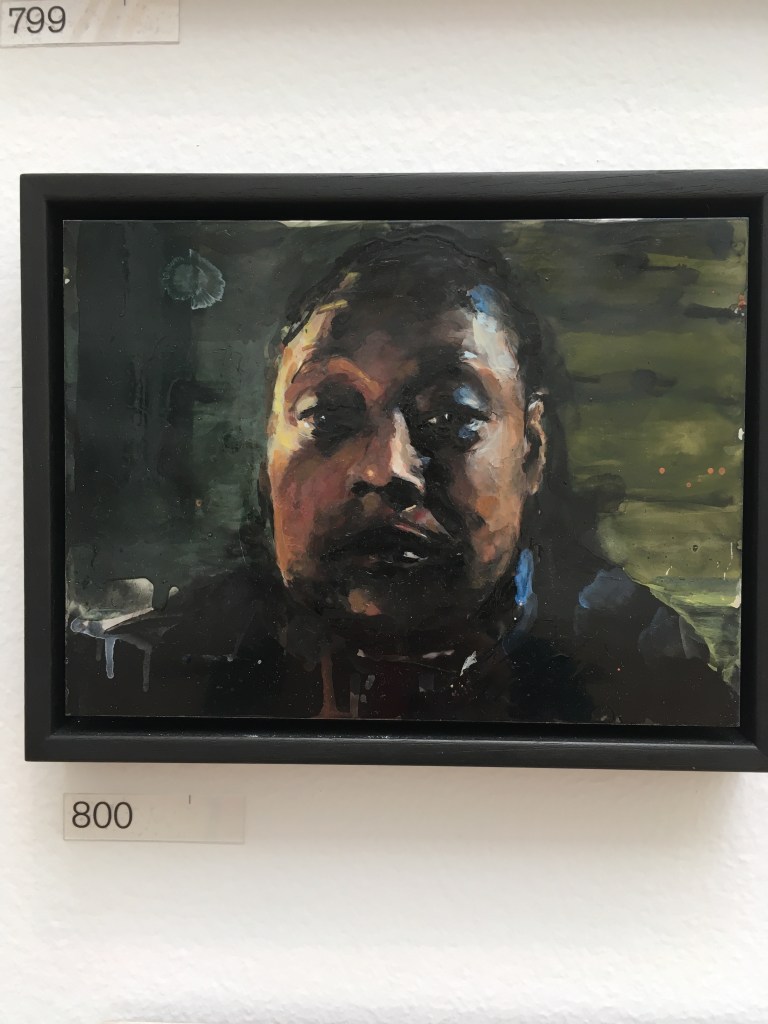
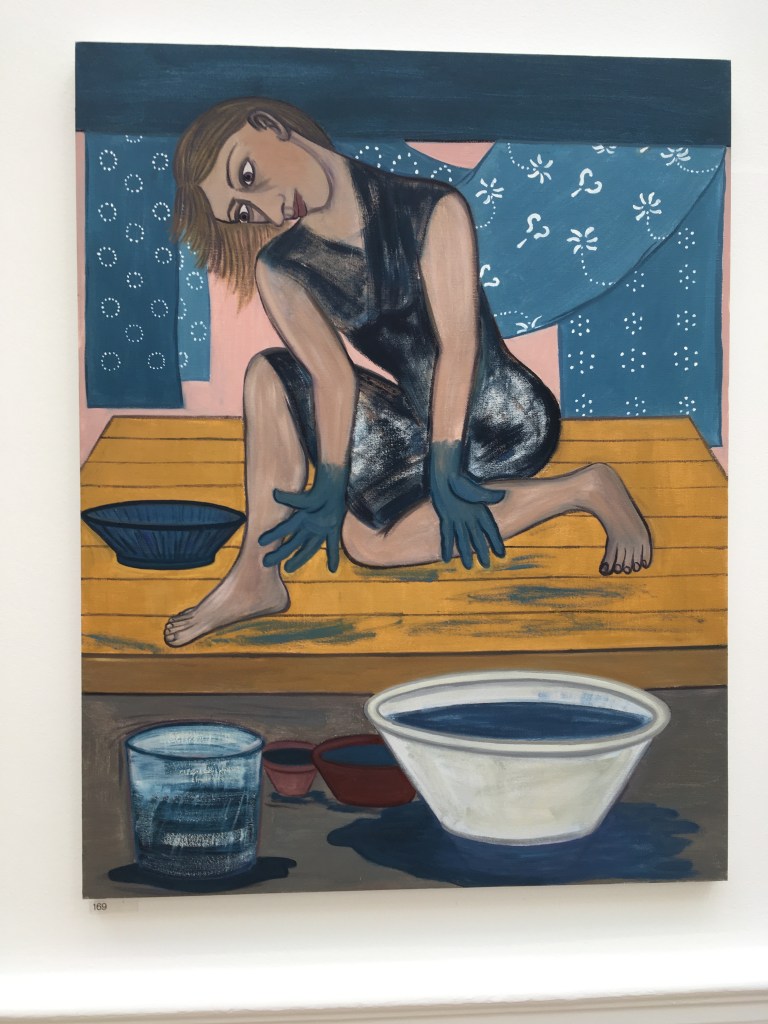
‘Summer’ Exhibition at the Royal Academy 2020. It’s September and time for… yes, The Summer Exhibition at the Royal Academy. Postponed because of the pandemic, this 252nd annual extravaganza of art can finally be viewed. It’s a credit to the dedicated team at the gallery that they have managed to hang the show and present it to the public before the year is done. And what a treat it is to finally view the selected artworks in the the Piccadilly galleries. It’s the usual pick and mix of artworks, some by the great and good from the art world, and others by gifted artists who submitted their work at the start of the year and were lucky enough to be selected for a spot on the wall. Here’s my own pick and mix of the art on show.

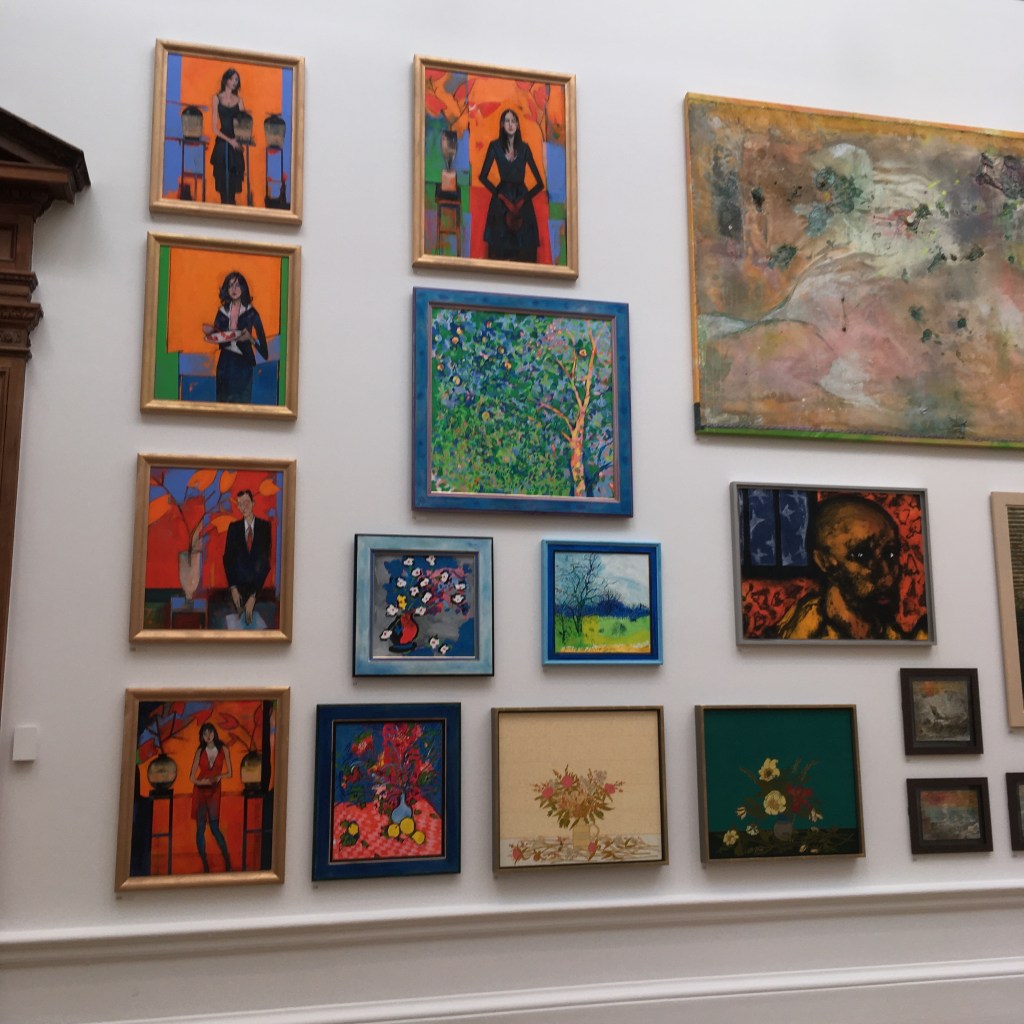
I picked this group, above, because they illustrate the abundance of colour which fills the galleries. I particularly liked the vertical run of acrylic paintings by the late John Wragg RA (on the left).

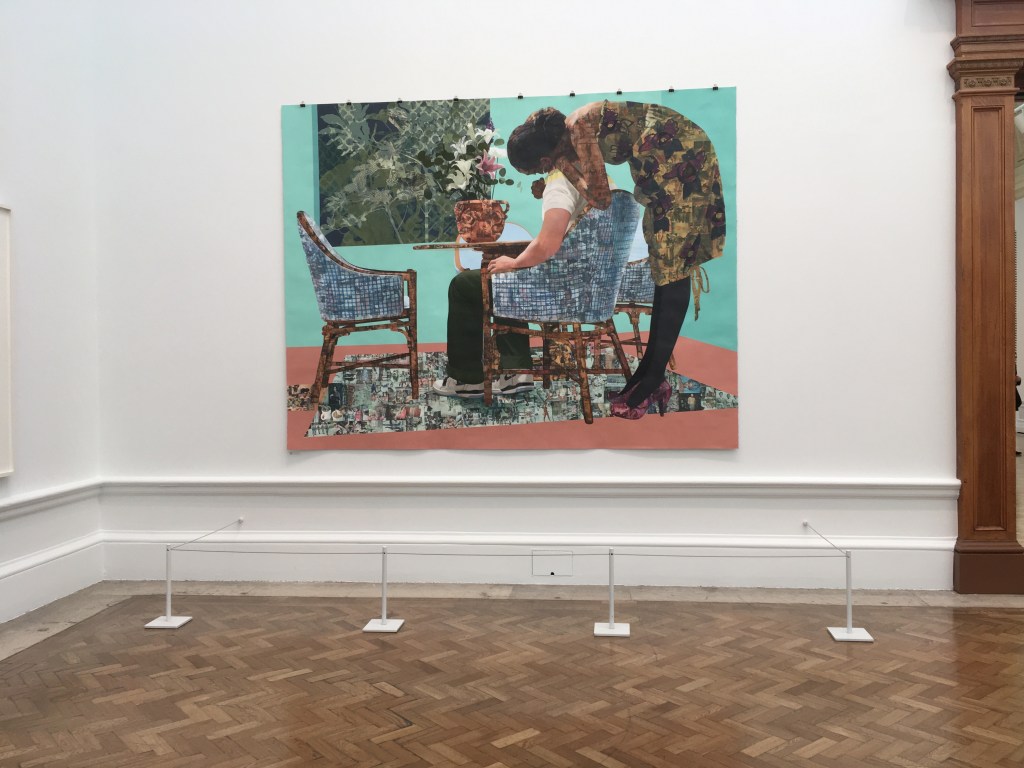
It’s a shame I wasn’t allowed to take a closer look at this painting by Njideka Akunyili Crosby called Blend In-Stand Out. It’s on paper and uses acrylic, colour pencil charcoal and transfer. It’s just the thing I look for in a work – great use of paper (obviously) along with mixed media and really collage feel.

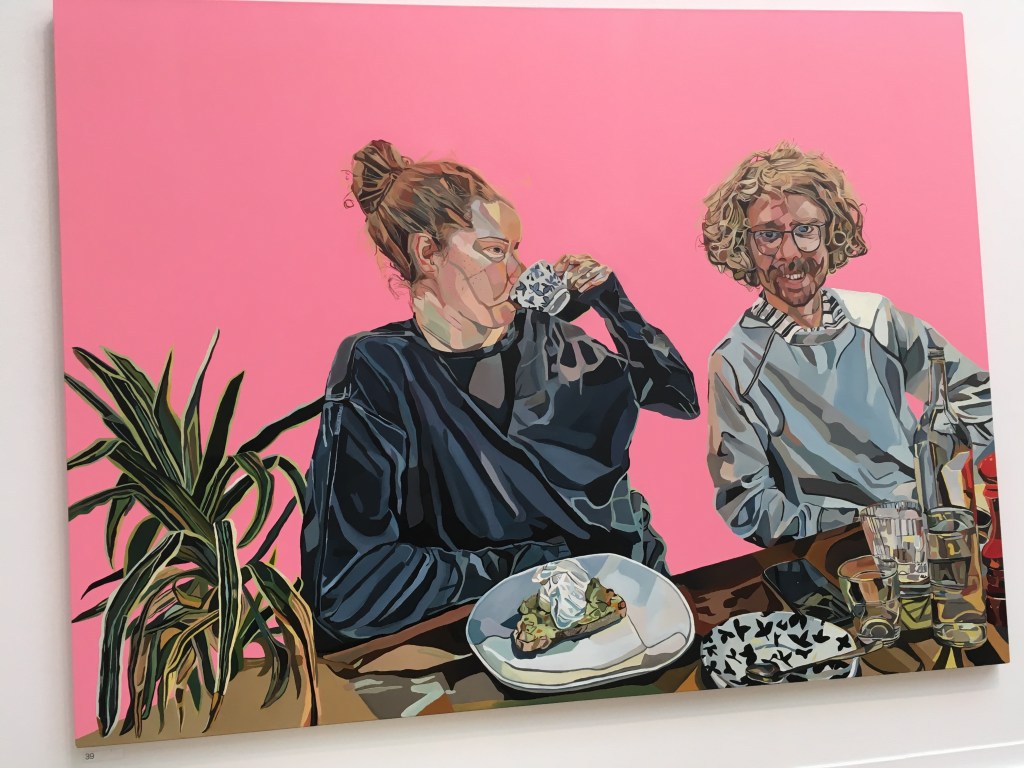
This lively portrait caught my eye and made me smile. It’s called breakfast with Violet and Adam and it’s a large oil painting by Joy Labinjo. A very original and engaging style. I liked the direct gaze of Adam, looking out of the picture.

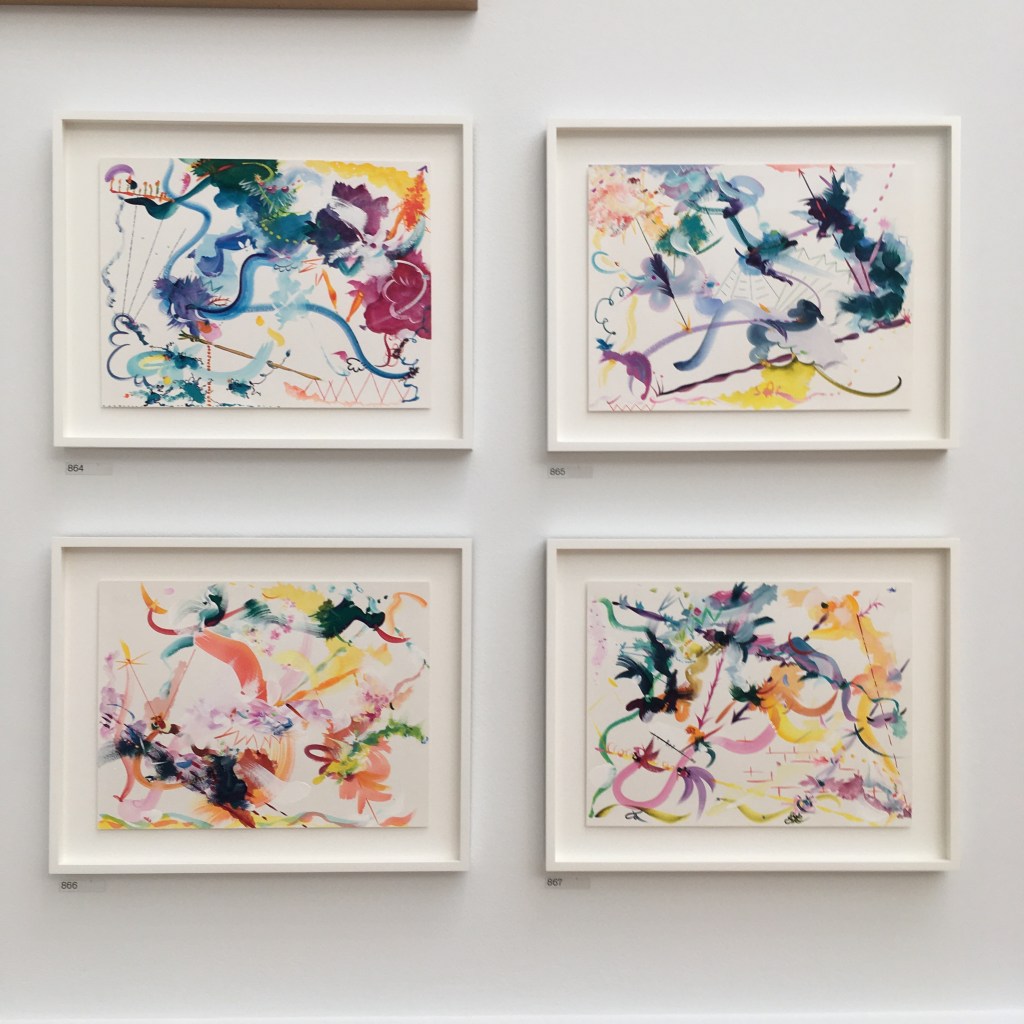
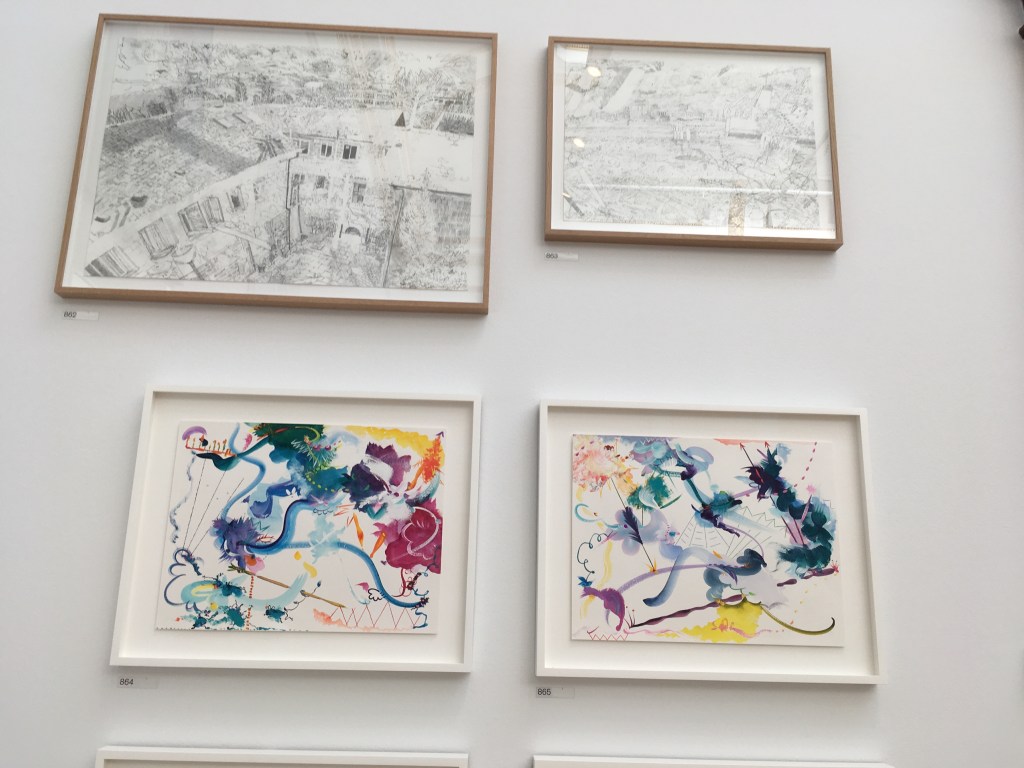
Fional Rae RA presented four Abstract Drawings – gouache and watercolour on paper, which are just lovely to look at, full of movement and joy in the swirl of a brush and colourful mark making.

Above Fiona’s work are two drawings by Alexandra Blum – well, a shameless plug here for Alex who is a magnificent artist and creates drawings of great intensity and detail of places she looks at a lot (from the window of her home). A few years ago I spent a very happy day in Alexandra’s company making drawings, and collages, of Deptford Creek.

This one amused me. It’s a family portrait in watercolour and pencil by Jill Leman. It’s clearly Christmas (check out the paper hats) but each little face has been so sparely yet carefully made in a charming, illustrative style.

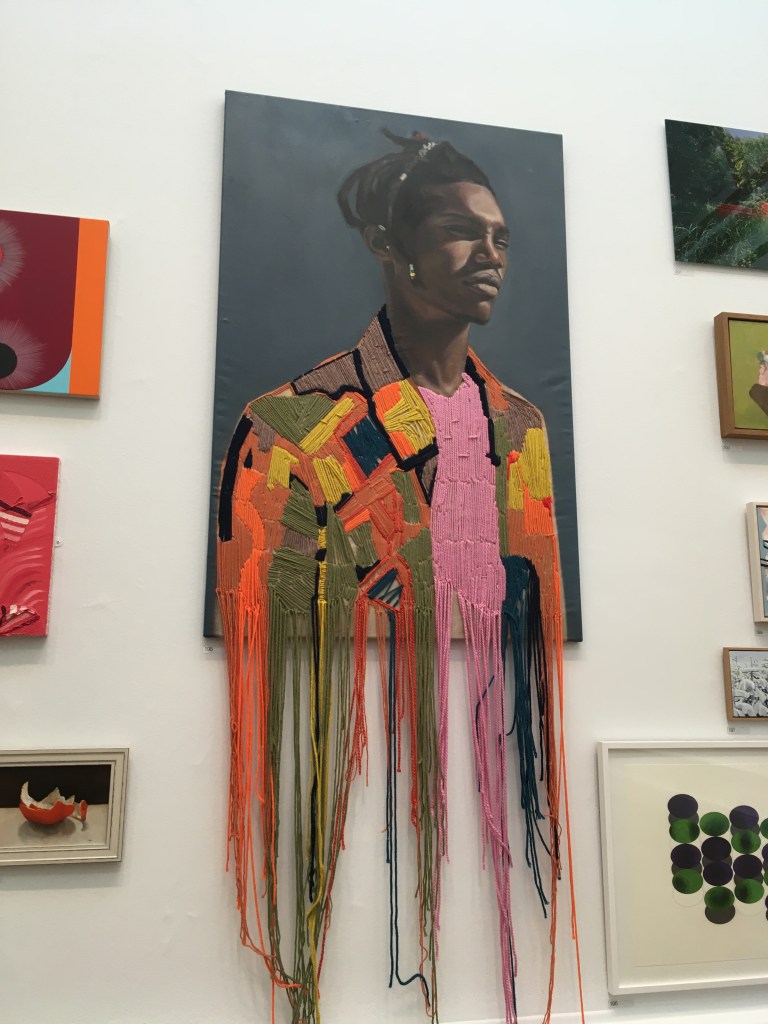
Mixed media – clever and eye-catching. This is by Athena Anastasiou entitled Bringing the Past to New Horizons and made with oil, wood and acrylic yarn.

The exhibition is open to the public ( all the social distancing elements are excellently in place) until 3rd January 2021.

The Tantra exhibition at the British Museum is certainly enlightening! With no idea what to expect I was intrigued by the collection of sculptures, artworks and documents which express this ancient philosophy and religion which has influenced Hinduism and Buddhism and even the counterculture of the 1960s. Apart from the interest in and celebration of sex it’s also a surprisingly violent and bloodthirsty religion. And who knew that Tantric art was the source of the iconic tongue which promoted the Rolling Stones!
No, I had no idea what to expect with this exhibition. Yes, we’ve all heard about tantric sex, beloved of celebrities, but there is far more to this ancient and beguiling religion that we knew.

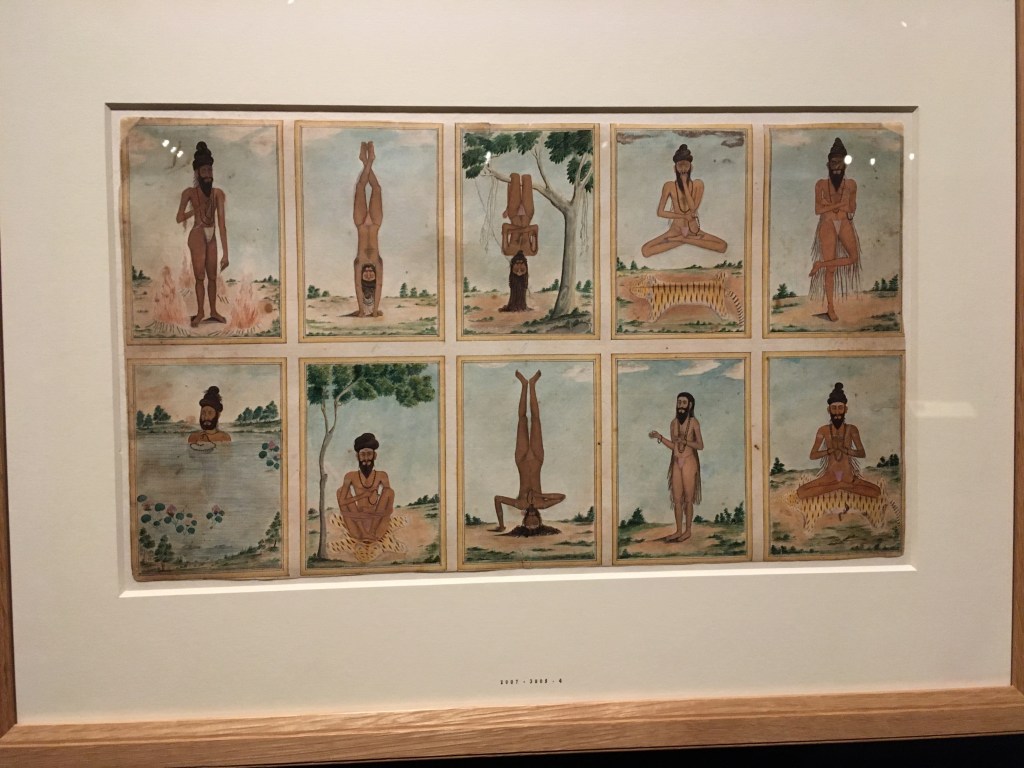
Yogis demonstrating different skills and positions.

The British Museum possesses many fine examples of tantric sculpture and art and it’s great to see these displayed with other pieces from international collections which pull together the meaning and evolution of tantra.

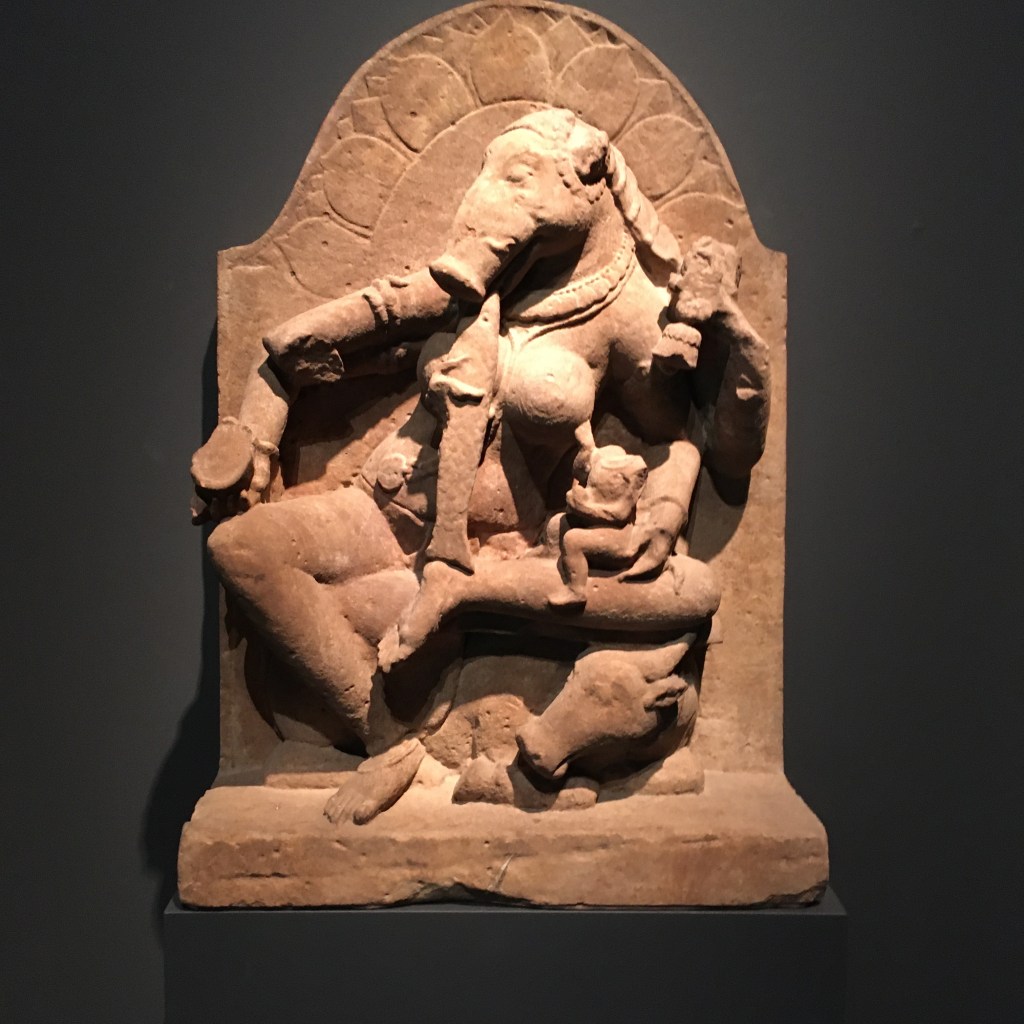
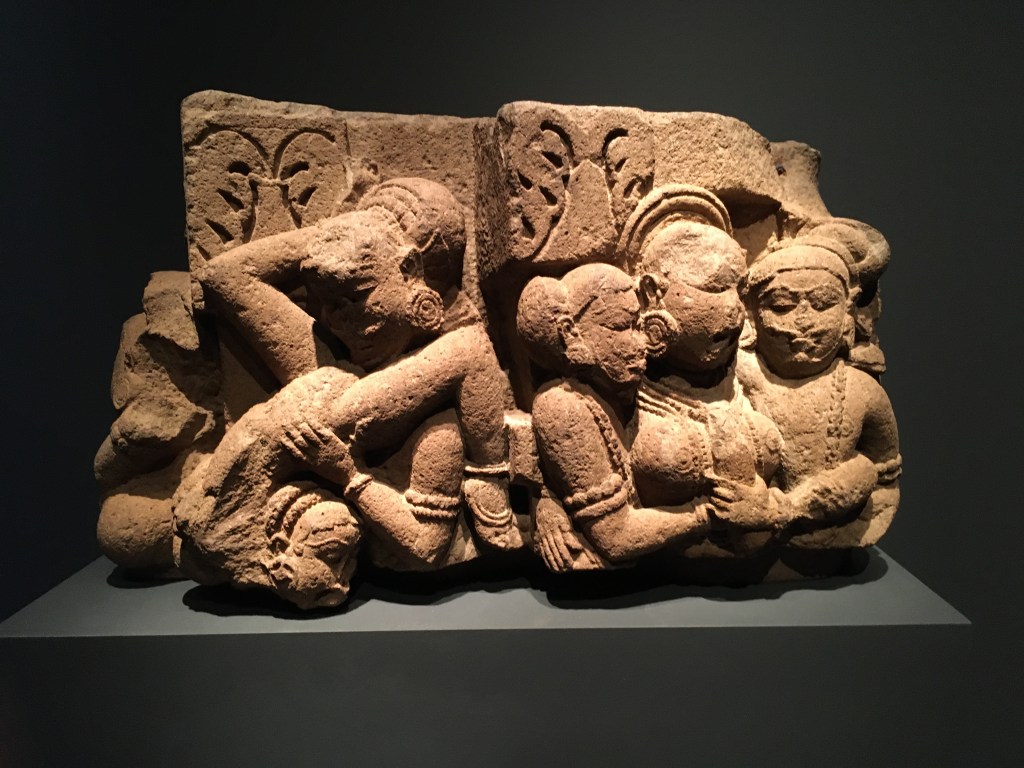
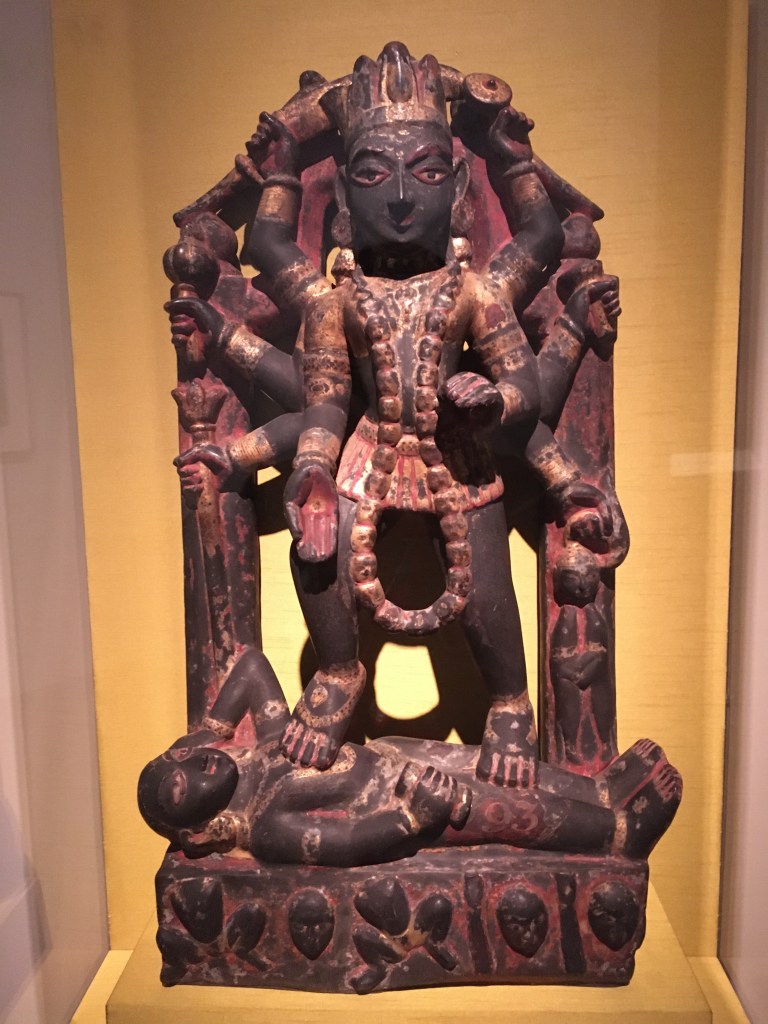
Some of the tantric deities and gods are pretty scary. This is Varahi, a sow-headed goddess who has the power to impose and remove pandemics. We need to stay on the right side of her. Then there are male and female figures entwined to convey the power of human sexual union.

The female form and the goddess were regarded as divine but they sound scary too. In one area we learn how to summon these deities, yoginis – witches who fly around the sky – by attracting their attention through the use of human sacrifice and bodily fluids. If you don’t get the offering right or they take against you it might not end well.

The British in India were bewildered and fascinated by the tantric traditions. Charles Stuart of the East India Company, adopted Hindu practices and collected statues of the deities, which he is said to have worshipped. After his death his collection was shipped to London and were donated to the British Museum.

The last section of the exhibition displays contemporary references to Tantra. It was a surprise to learn that the famous tongue which promoted the Rolling Stones is not just based on Mick Jagger’s tongue, it has its roots in the tantric tradition.

Tantra: enlightenment to revolution is on show at the
British Museum until 24th January 2021

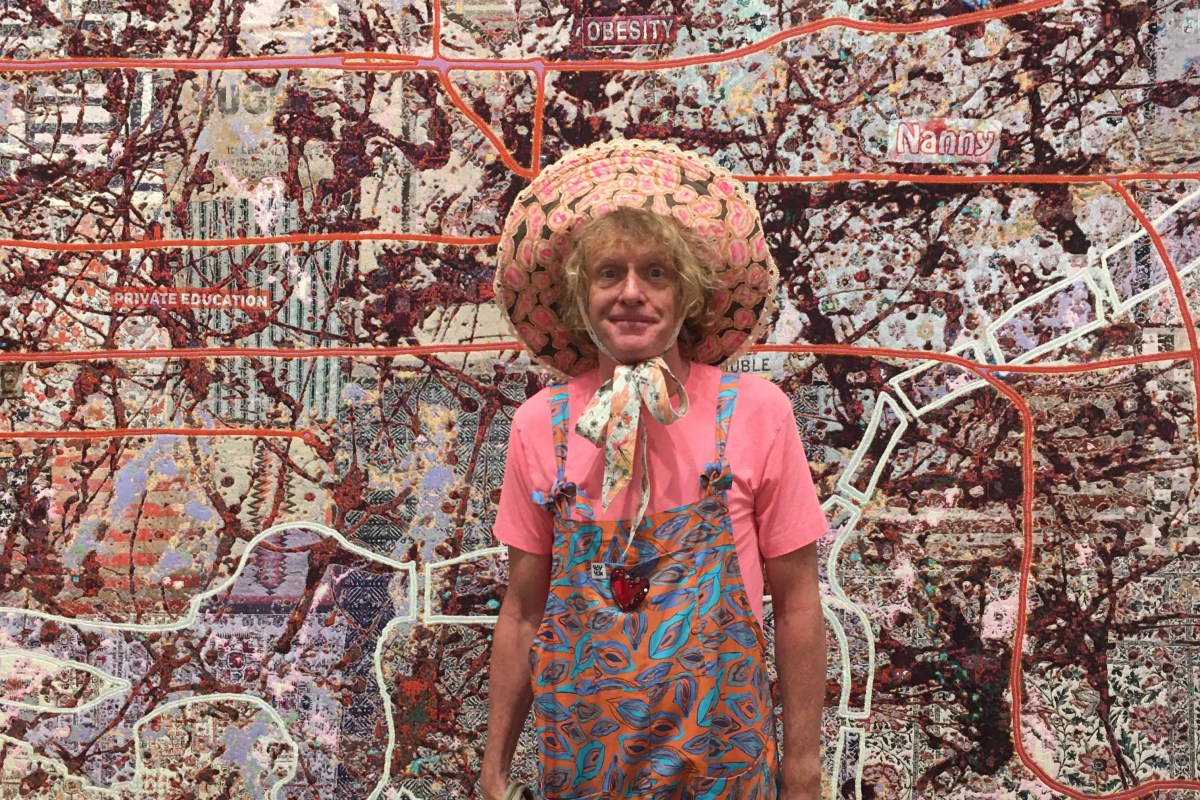
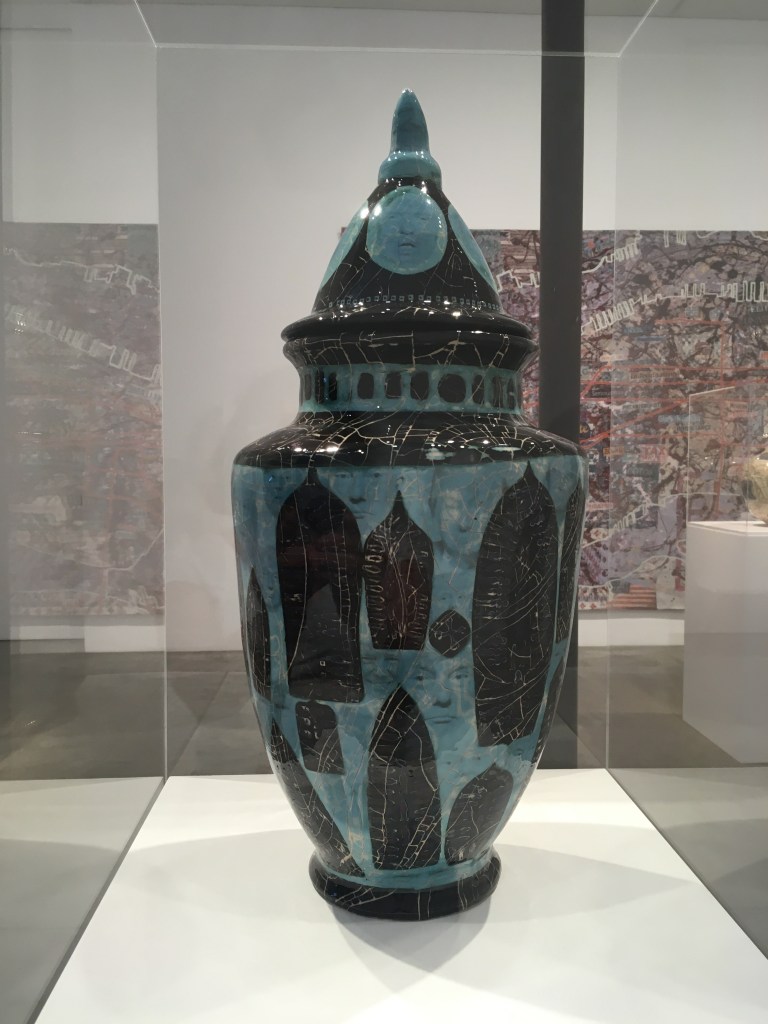
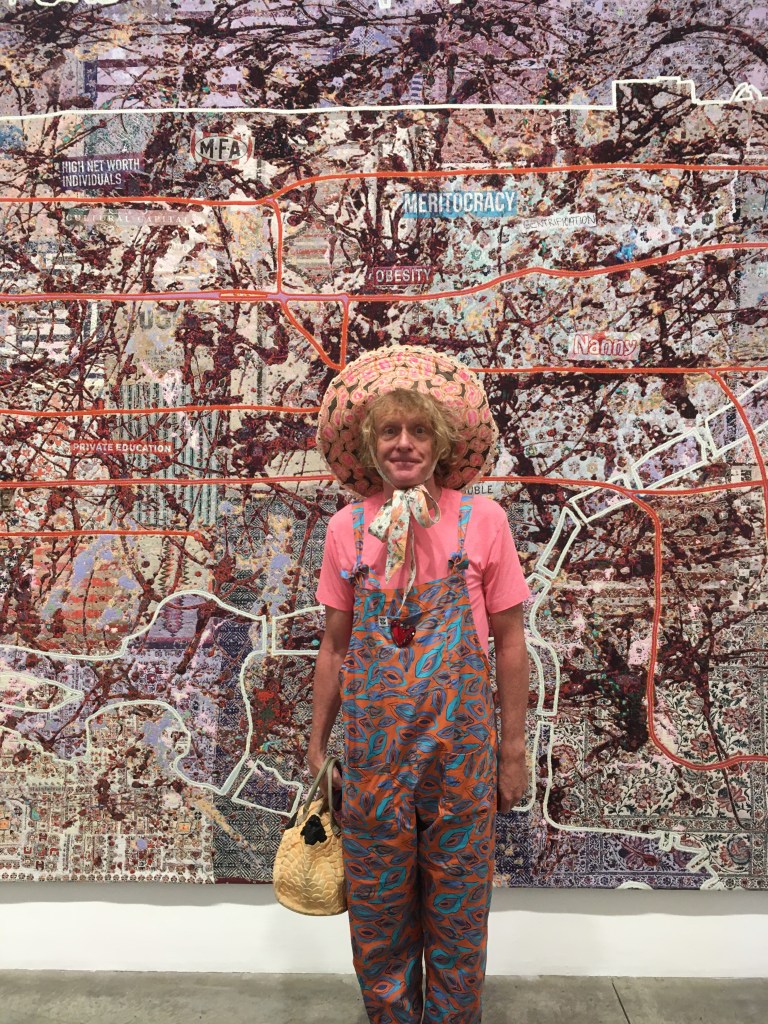
Grayson Perry’s new show opens at Victoria Miro Gallery in Wharf Road with a collection of pots and a vast tapestry inspired by his Great American Roadtrip television series which starts on Channel 4 on 23rd September and reflects ‘The Most Specialest Relationship’ we have with the USA and Americans. The show runs from 15th September – 31st October.

It’s so great to be back in a gallery. All through lockdown, being denied the chance to see real art, close up, felt like a physical pain. However, during lockdown, I found Grayson Perry’s Art Club every Monday evening on Channel 4, was a creative lifeline, a chance to see art being made, being celebrated and seeing other people – celebrities and Real People – showing their work.

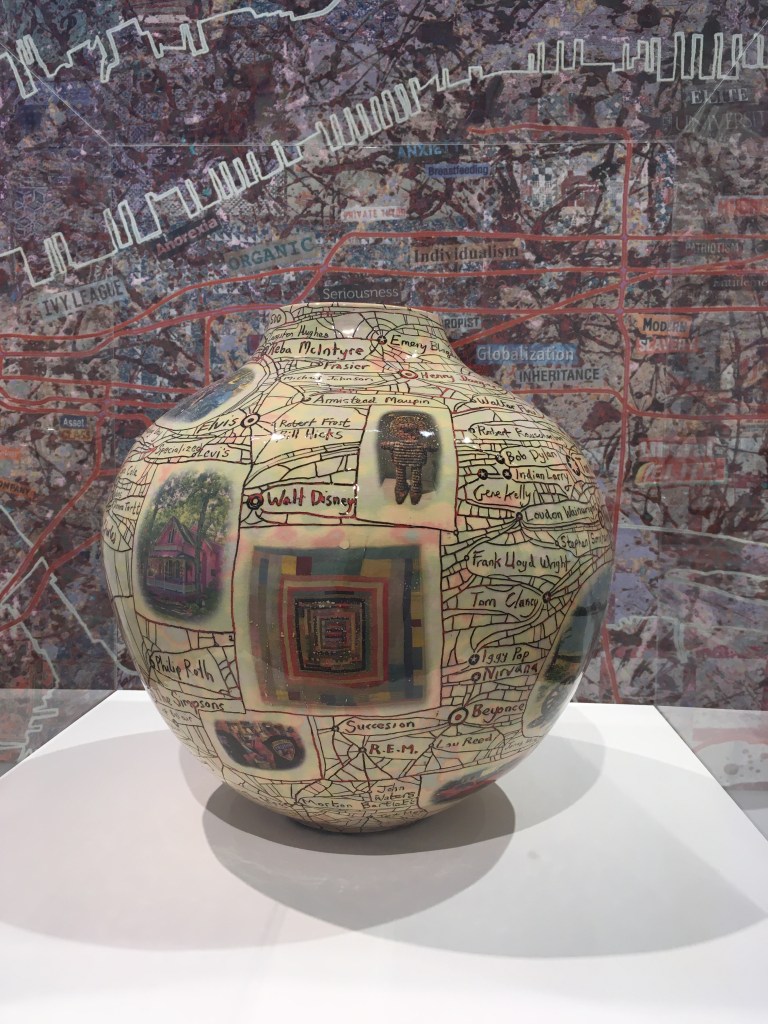
What we didn’t know earlier in the year was that Grayson had spent time in America last year visiting different communities and absorbing their views on identity, race, money and class. Entitled The Most Specialest Relationship at Victoria Miro’s Wharf Road Gallery, Grayson has created a series of pots which capture cultural icons, heroes, superstars which Americans have created and revere.

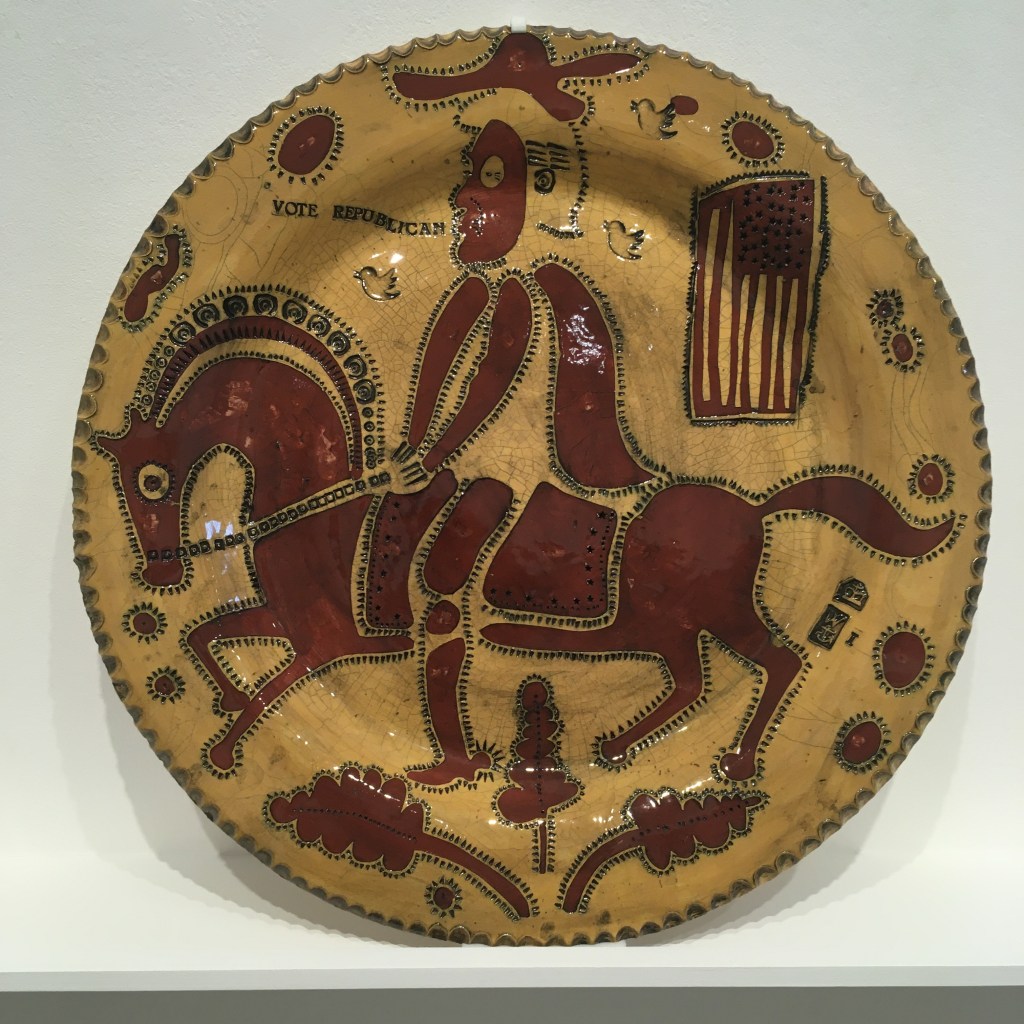
The USA is such a melting pot of history, of immigrant communities and notions of the American dream take many forms. The pots carry images of influences such as Walt Disney, Mark Zuckerberg, film stars and, of course President Trump. He features on a series of plates which resemble early English slipware which might have been produced around the English Civil War. We have Donald Trump on horseback, depicted in the way King Charles 1 would have been. The links between this country’s civil war of the 17th century and the divided society in America are acutely and wittily drawn.

The biggest piece is a vast tapestry depicting Manhatten but layered with images and symbolism and squiggles like a Jackson Pollock.

I was so delighted to have the chance to meet and chat with Grayson towards the end of the press preview at the gallery. I look forward to the Road Trip series which starts next week. And he also mentioned that the Art Club is coming back soon – what joy!

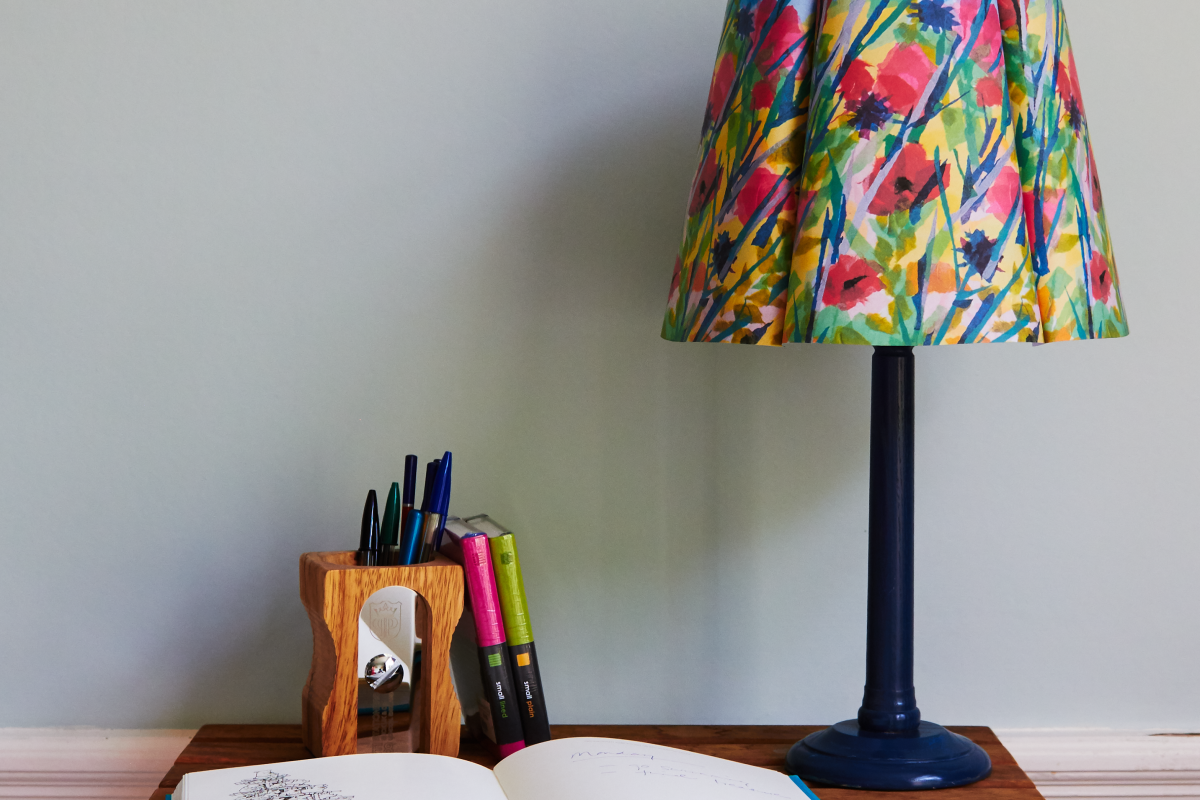
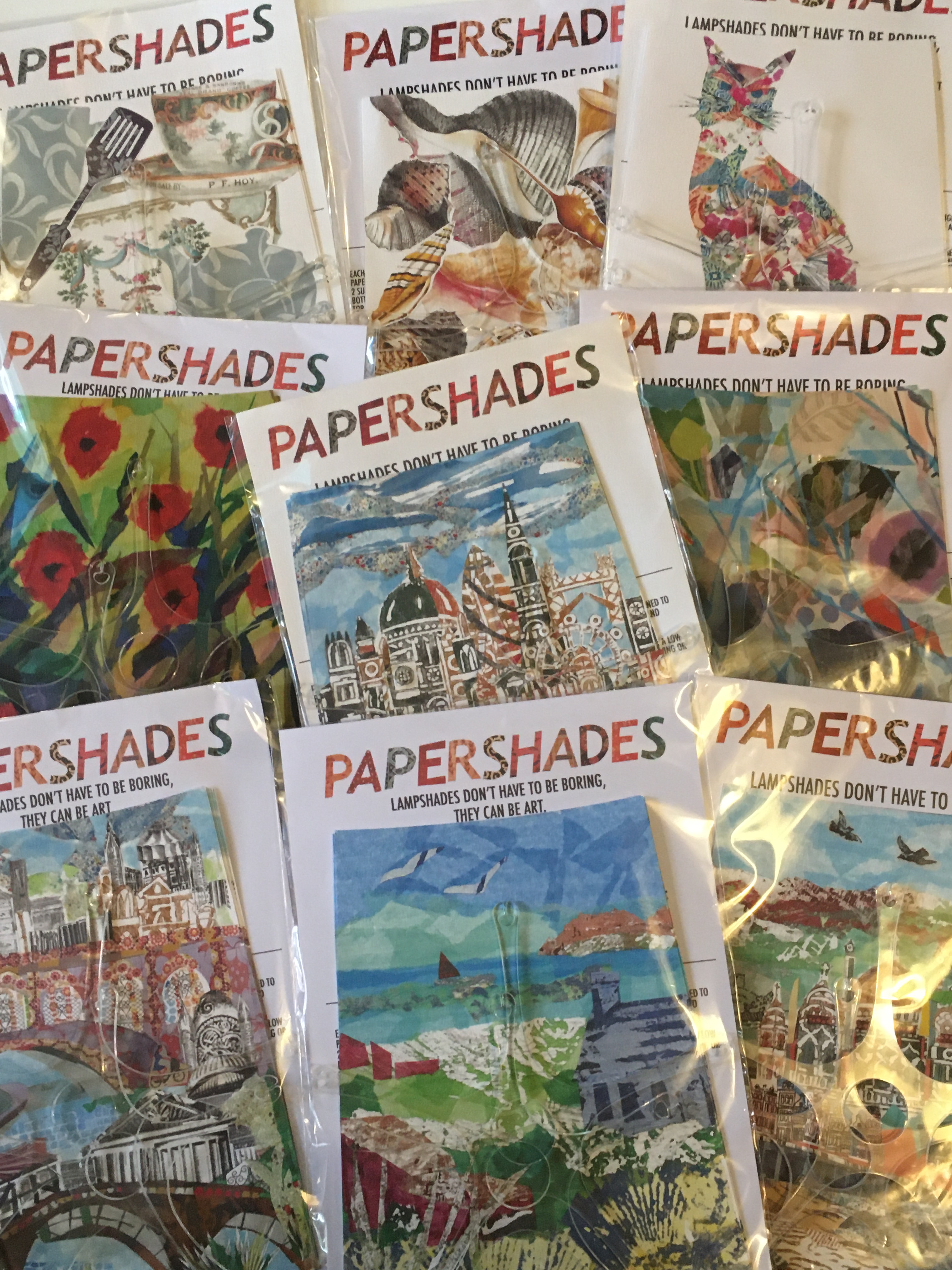
Papershades – paper lampshades designed by artist Ros Freeborn – are now on Notonthehighstreet.com. Very exciting news!

Big news for summer 2020. Papershades is now being sold on the terrific Notonthehighstreet  online shop for unusual and gorgeous things. It’s great affirmation of a brand I conceived about five years ago and poured a lot of energy and love into developing.

Papershades are paper lampshades based on my own paper collage art which you can buy from my website and assemble at home. There are five panels of printed paper and two ‘wheel’s with grips at the end of each spoke to hold the panels in place.

The idea for  Papershades came to me when I wanted to find a different way to use my large paper collage canvases. I’d had a show of big floral works which had sold well – especially since it was just after a really horrible and cold winter and everyone wanted cheerful images of sun-filled gardens and wild-flower meadows. I’d had a look around my own house and thought how boring all the lampshades looked. I wondered: why can’t lampshades be made of paper and why can’t they be art…. my art!?

IMG_1241

I spent a long time in my studio experimenting with paper.  Paper becomes incredibly strong when it’s on the bend and can hold itself up, and bear considerable weight, when it’s curled a bit. Just think how strong a scrolled up newspaper can be.

So, having reinvented the wheel, literally, I created an armature which is just the right size to hold panels of paper printed from A4 sized sheets. I designed one large wheel for the bottom and a smaller one for the top.  But the best part about Papershades is that it’s an opportunity for me to create artwork expressly for paper lampshades.

The first Papershades were launched in 2017. I began with a range of six paper lampshades based on large canvases of tissue paper art I’d created.

I followed up with the Nostalgia Range which presented a mix of vintage paper, old-school kitchen images, fancy teatimes and jolly girls on intrepid outings.


Then I started creating impressions of places for Papershades and have a large range of designs of counties, regions, cities and places. These are really fun to create though all the places do have a slightly ‘Venetian’ look!  I can’t resist a river and bridges and classical buildings.

Above are Papershades impressions of Bath, The Isle of Wight, Brighton and London.

Expansion onto a prestigious site like Notonthehighstreet feels like a huge vote of confidence for a concept which has used a lot of my creative thought and time but has provided me with a fabulous outlet for my passion for paper.


Make a Paper Portrait

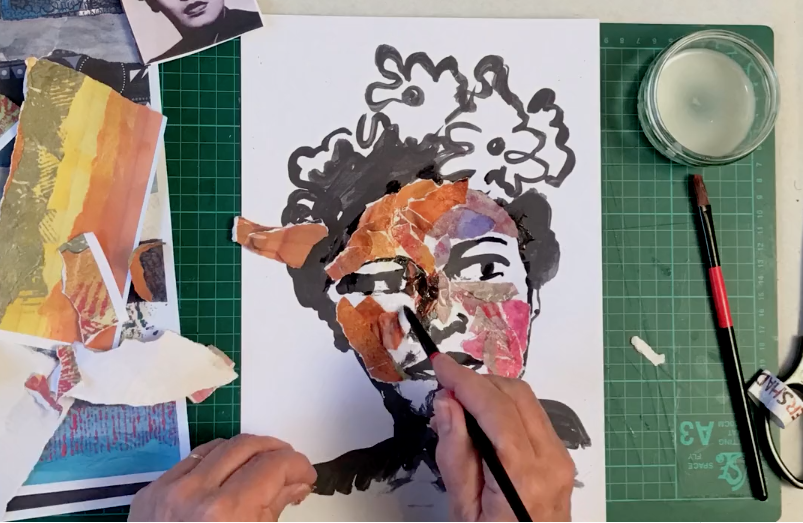
Now we’re in lockdown why not channel your creativity and make a paper portrait?  I’ve made a film about the paper collage art I love doing most.

Ros working on paper portrait of Billie Holiday

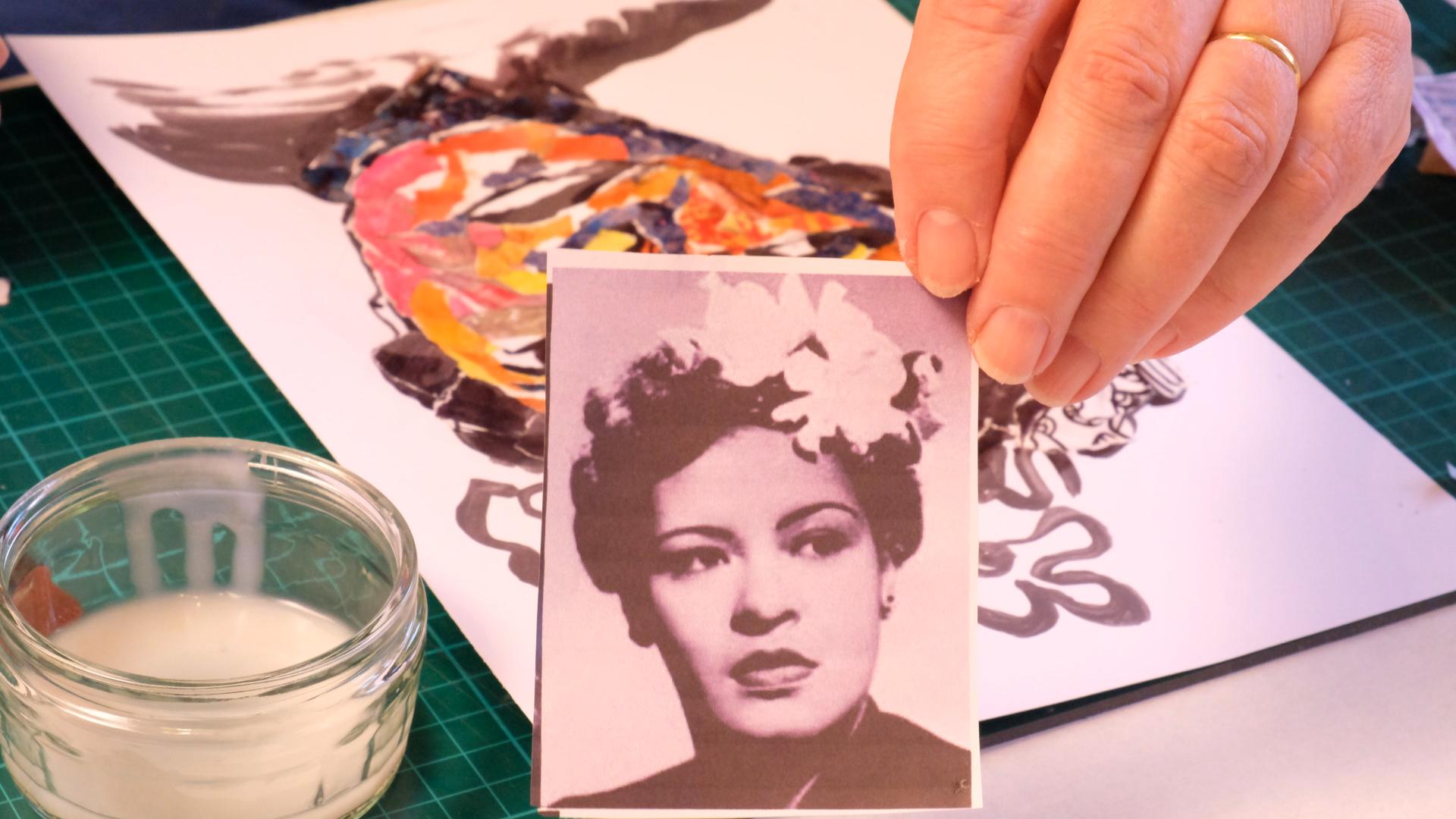
And I although I usually post stories about all the fabulous exhibitions and events which I am lucky enough to see life at home and in my studio is still interesting.  With the help of my my super talented husband, this film will give you an idea of my technique for creating portraits made from paper.  I use the pages of magazines, tissue paper, wrapping paper, packaging…. anything which is available at  home.  And I’ve created a template of my subject, the singer Billie Holiday, which you can download from my website Paperface and print onto A4 card.  There’s also a palette of paper which you can print onto ordinary copier paper and then tear up.

So, I hope you enjoy my film and have a go at ripping and snipping paper. I’ll be setting up a gallery on the website of creations which are sent my way, so please do let me know how you get on with making a paper portrait.   Instagram: Rosalind Freeborn 

Paper collage, pens, paint, iPad, photography …. there is no medium that David Hockney has not experimented with and excelled at. The show of at the National Portrait Gallery in London shows the brilliance and versatility of the UK’s greatest (living) artist and shows the evolution of his style and fascination with all kinds of media, used with impressive effect.

Wow!  I absolutely loved this show.  Yes, portraits are my thing and Hockney is my hero so it’s not surprising that I was blown away by the scale of this show and the wonderful variety of work on show.

IMG_0556

The first image you encounter at the show is a charming self-portrait made from paper collage in 1954.  It’s done with such confidence, delight in the use of torn paper and captures the youthful David Hockney at the start of an illustrious career as an artist.

IMG_0554

What I admire about Hockney is that he’s never stopped pushing his art. OK, it won’t all work and some styles and media might have had variable results but the important thing is that he gives everything a go.  And I loved seeing that progression.


Portraits are so very personal and Hockney has consistently created portraits of a small group of friends.  As a result we have a delightful ‘album’ of images which show the ageing process with so much affection for the subjects.


There are many images of his mother which evoke the strength of their relationship and the tenderness of observation as this much loved woman ages.


We also have a chance to see the drawing process in action with recordings of portraits made on iPads. We had a glimpse of Picasso’s process at the major show over at the Royal Academy and it’s just as fascinating with this, seeing the way the hand shifts and flickers across the screen doodling, colouring, adapting and evolving the portrait.

Error
This video doesn’t exist

One visit was not enough. I must go back before the show ends and revisit all those portraits for a further, deeper view.

IMG_0560

Titian: Love, Desire, Death – a rare chance to see Titian’s epic mythological paintings reunited for the first time in over 400 years. The six narrative paintings – referencing stories from classical mythology – were painted by Titian between 1551 and 1562. The artist had been given free rein to depict any subject he liked by his generous and sympathetic patron, King Philip II of Spain. It’s a joy to see them all in the same space, seen by daylight at the National Gallery in London.

Stepping into the exhibition of Titian’s mythological paintings, known as the poesie, is an immersive experience.   You are surrounded by the full series of paintings which Titian painted, as a mature and successful artist in his 60s, which depict dramatic moments drawn from Roman poet Ovid’s Metamorphoses.  Clearly Titian was inspired by big human emotions – love, loss, lust, distrust, betrayal, shock, angst and revenge.

IMG_0543
Danae (about 1551-3) Wellington Collection, Apsley House, London

He’d been given a the freedom to create the series based on any subject he chose by his generous and wealthy patron, King Philip II of Spain.  The six major works were supposed to be shown in one of the royal palaces but their time as a set was very brief. This is a rare opportunity to see them all in one place, as the artist and patron had intended.

IMG_0551
Venus and Adonis about 1553-4 Museo Nacional del Prado

The paintings have been specially reframed by the National Gallery’s workshop. They are are displayed only in daylight, as had been Titian’s intention.  It’s interesting to see the vivid colours on show – bright blues, and lively pinks – which have benefitted from restoration but some of the colours have faded over time. Apparently Titian used a pigment called smalt, a blue colour which was cheaper than ultramarine – and has degraded on some of the works.

IMG_0547
The Rape of Europa 1559-62 Isabella Stewart Gardner Museum, Boston

The show offers us a chance to review a magnificent collection which demonstrates the very assured work of a mature artist at the peak of his powers. You can stand and stare for a long time and see beyond the narrative and the composition into the psychology and expressive detail of each painting.

IMG_0553

I loved seeing the expressions of the secondary characters – nymphs and cherubs, hand-maidens and servants – and also the animals – eager hounds, fantastical sea monsters and that cool and brutal bull (Jupiter in disguise) who abducts Europa. It’s all riveting stuff and a rare chance to view which is not to be missed.

IMG_0549
Death of Actaeon 1556 – 9 National Gallery

The show is on at London’s National Gallery until 14th June before it moves to the Scottish National Gallery (11July – 27 September), the Prado, Madrid (20 October – 10 January 2021) and the Isabella Stewart Gardner Museum, Boston (11 February – 9 May 2021)