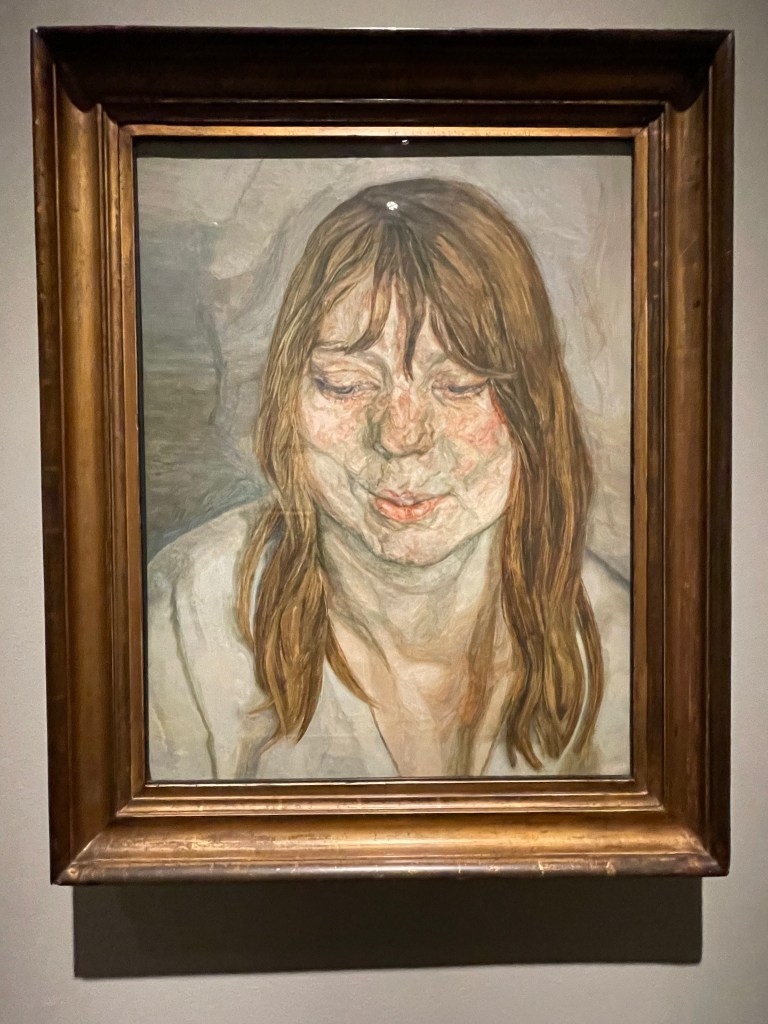
Lucien Freud: Drawing into Painting is a very enjoyable show at the National Portrait Gallery. I’m pretty familiar with Freud’s work but it was very special see works which are rarely exhibited and to see the relationship between his drawing (which was so fundamental to his work) and the painted pieces which followed.

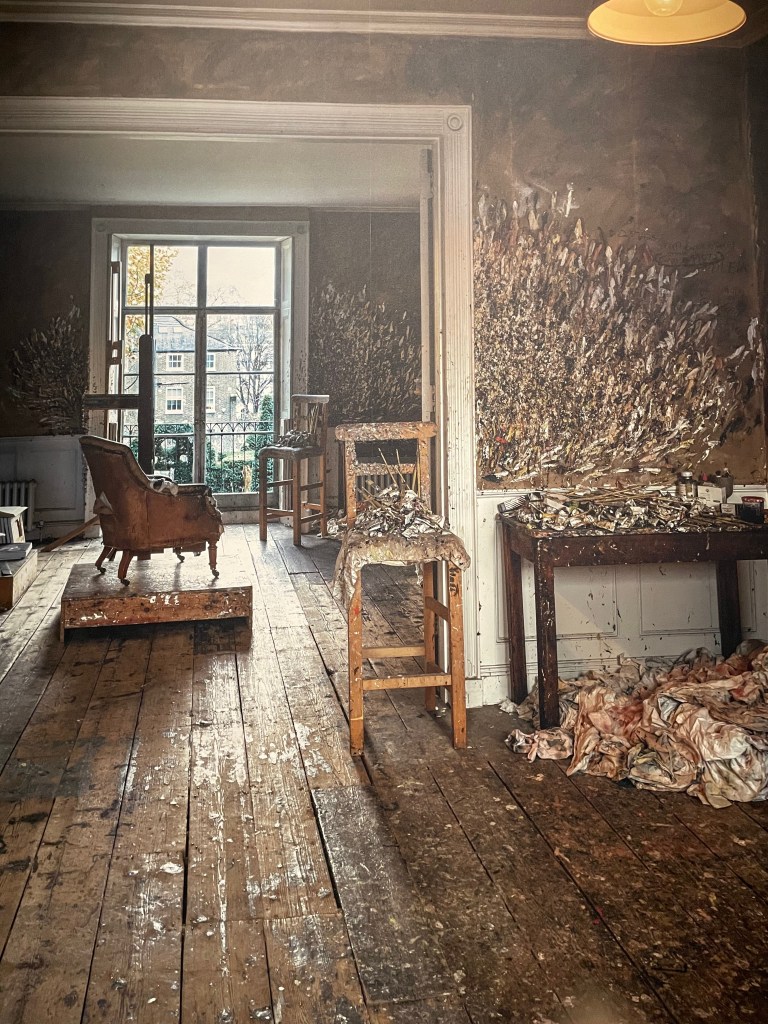
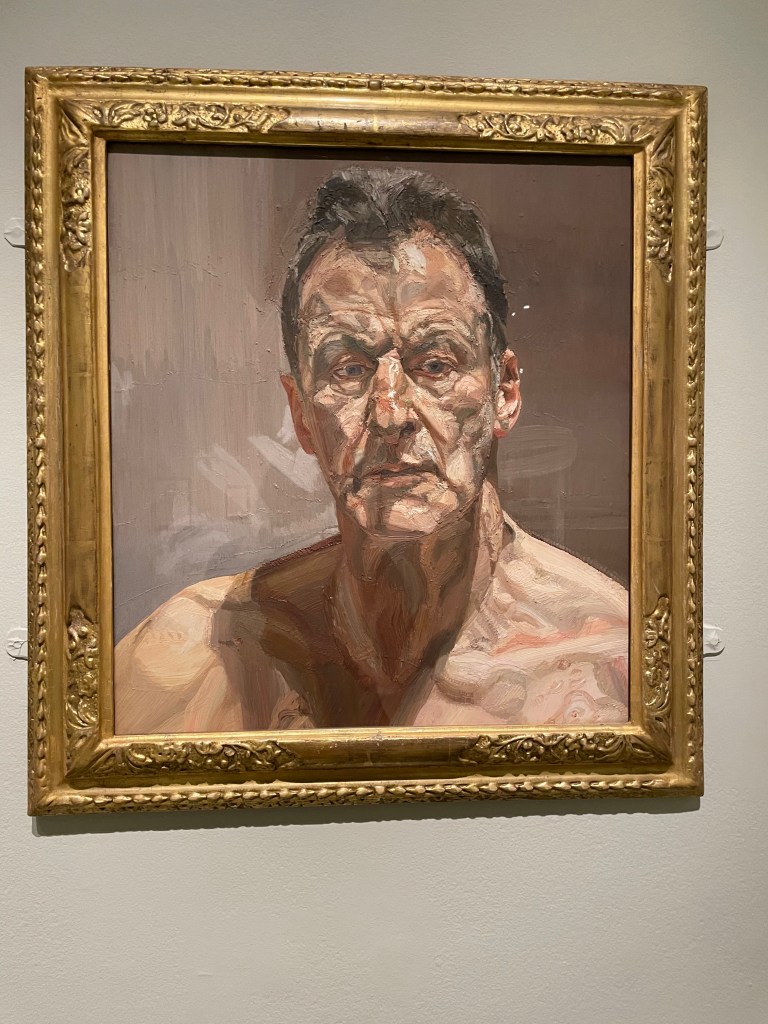
Right at the start of this show we are treated to a huge photograph of Freud’s studio in West London. It has the look and feel of one of his paintings and it’s quite moving to see the way he daubed the walls, furniture and floor with paint. Above is the picture and one of his later self-portraits.
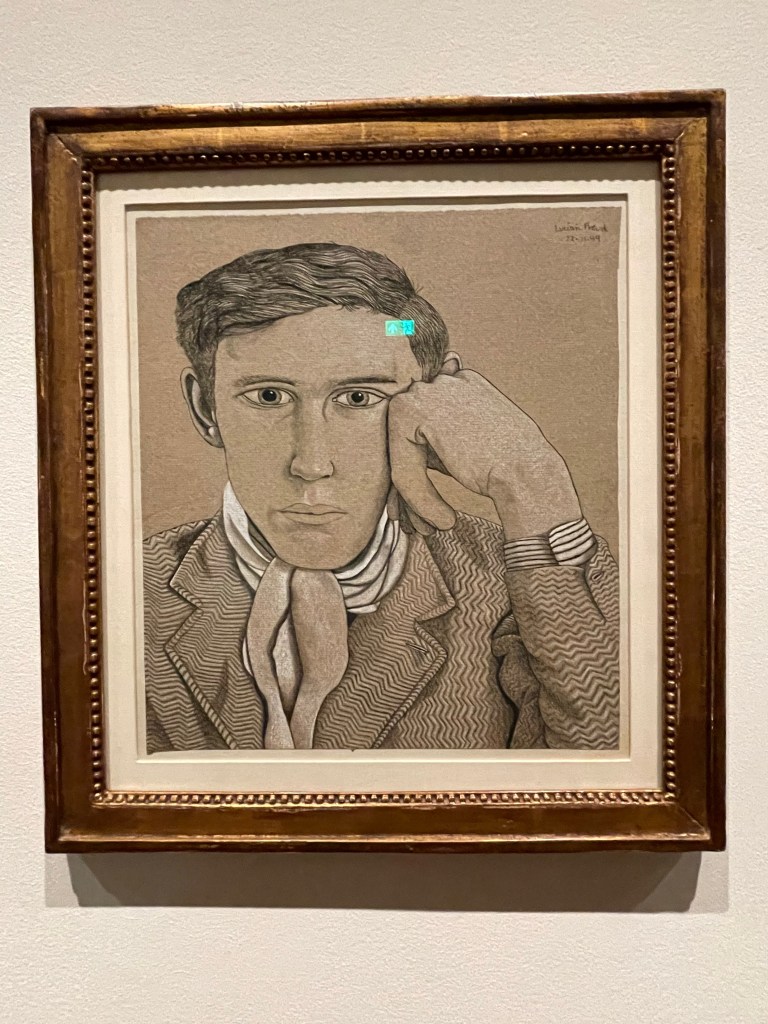
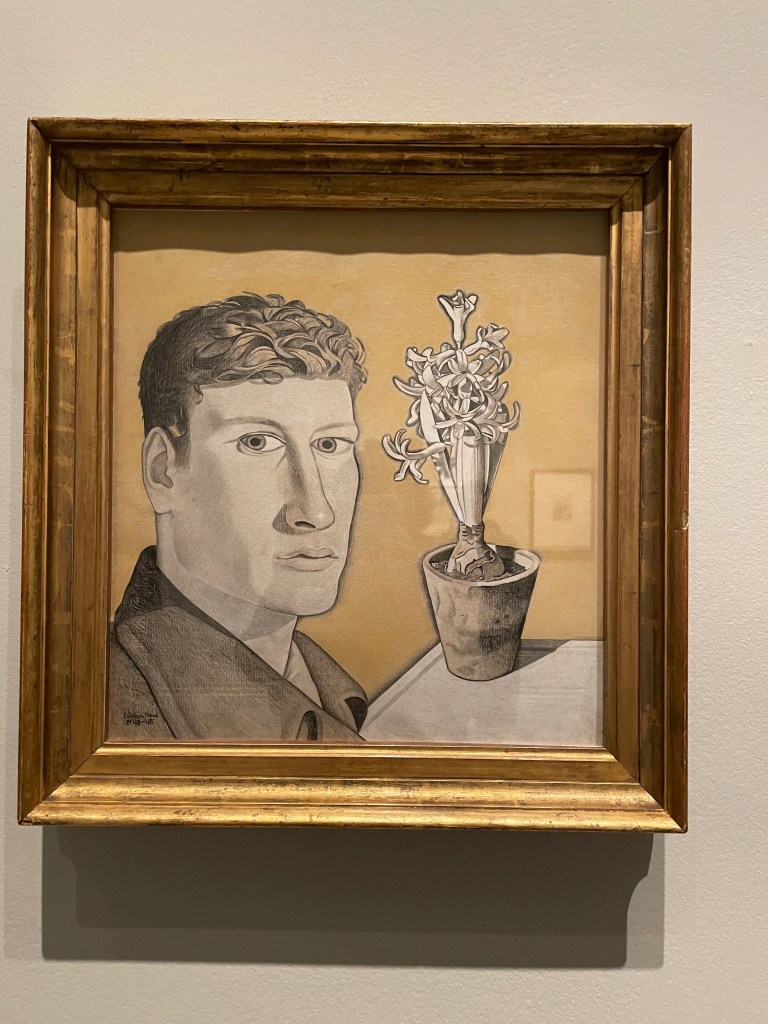
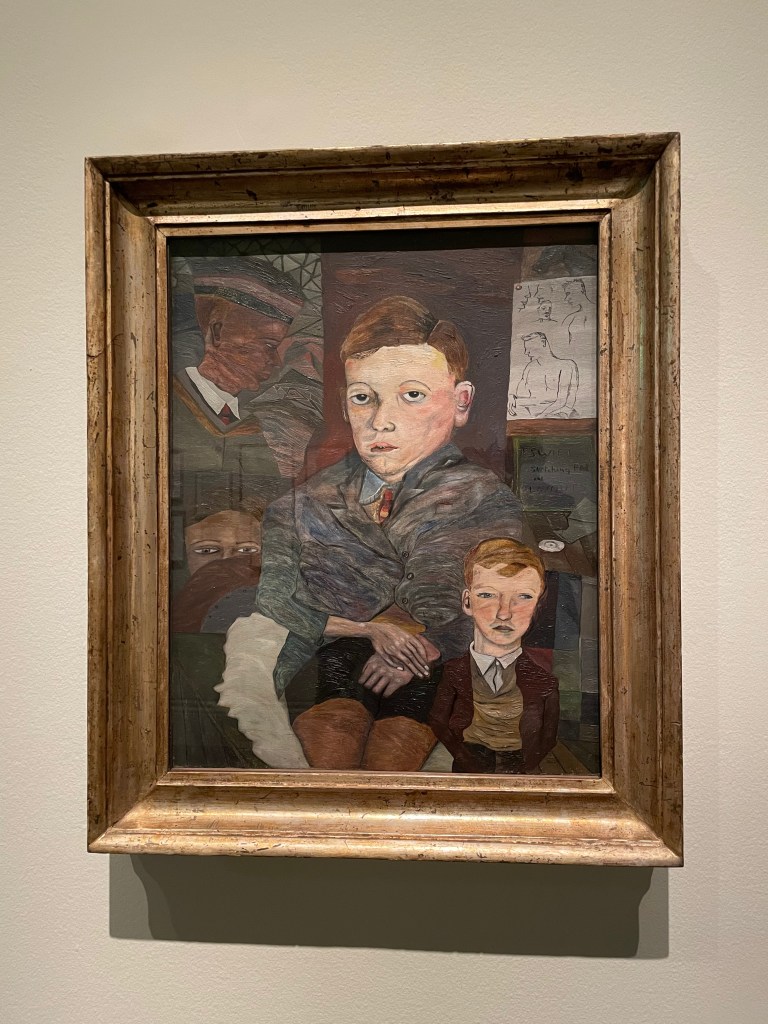
Anyone familiar with Freud’s work will know how he evolved from an artist fascinated by detail and fine lines into a painter who used large, bristle brushes and created his work from bold, expressive brush strokes. I was very intrigued by the early drawings on show. The middle one, above, is a self-portrait with hyacinth drawn with conte crayon on paper. On the left is Portrait of a Young Man and on the right is The Village Boys, which is oil on canvas from 1941 and probably painted when Freud was studying at the East Anglia School.
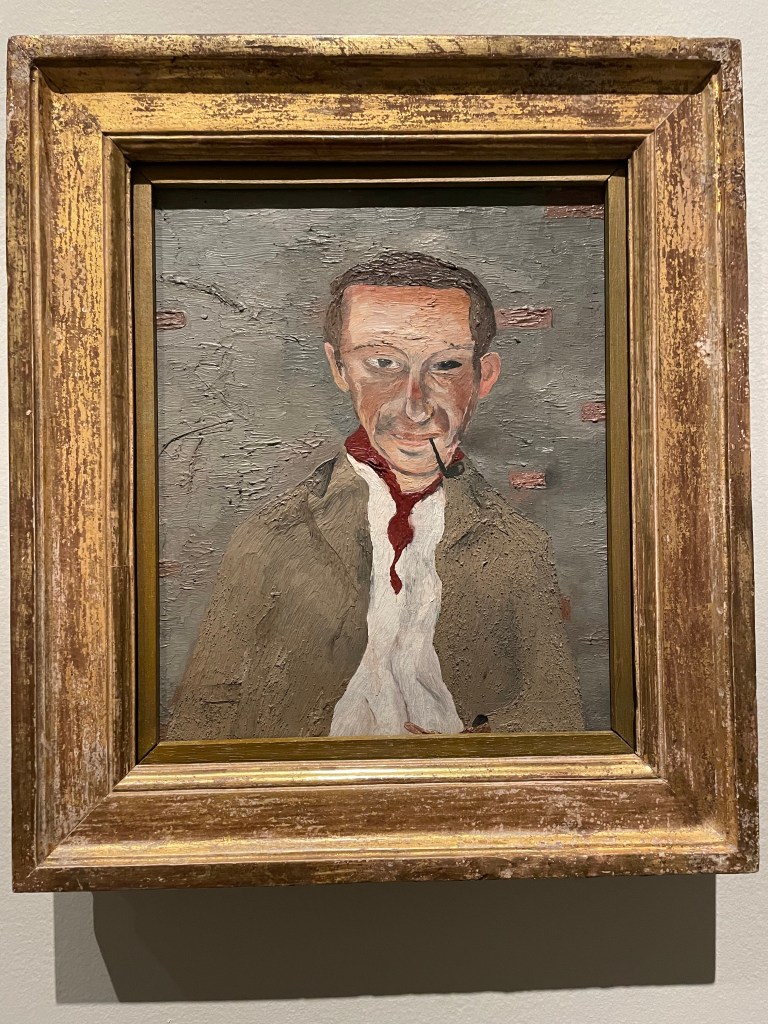
I really liked this portrait of Cedric Morris, Freud’s tutor at the East Anglian School of Painting and Drawing. Made in the summer of 1940 when Freud was only 18. It captures Morris’s character beautifully.
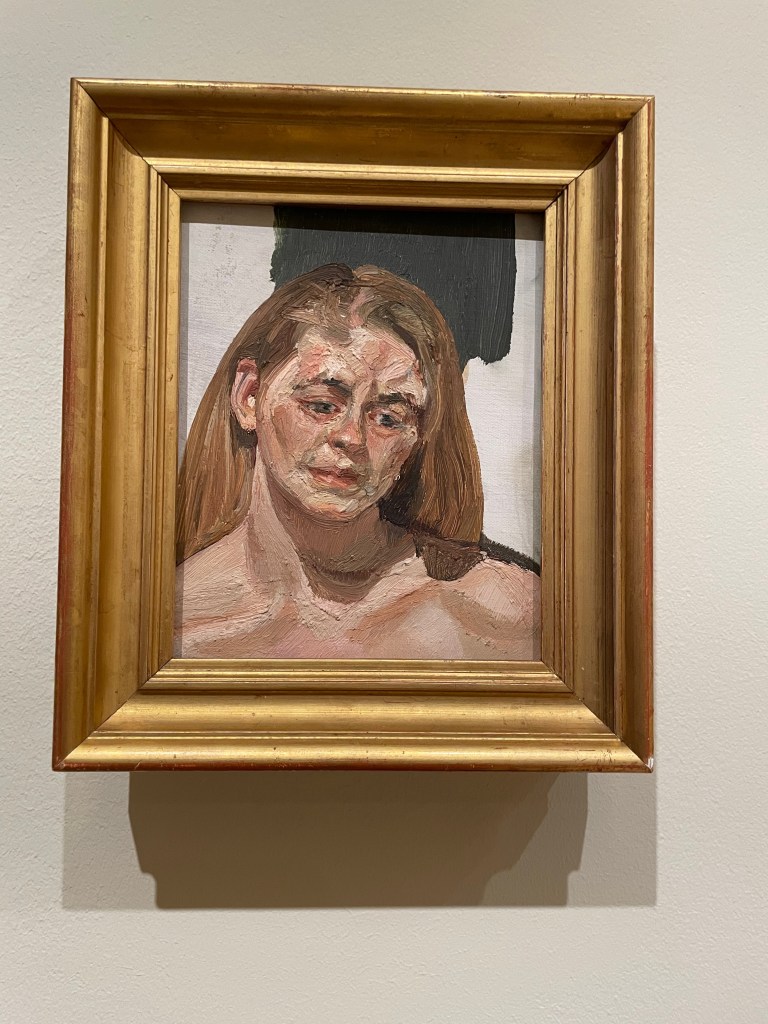
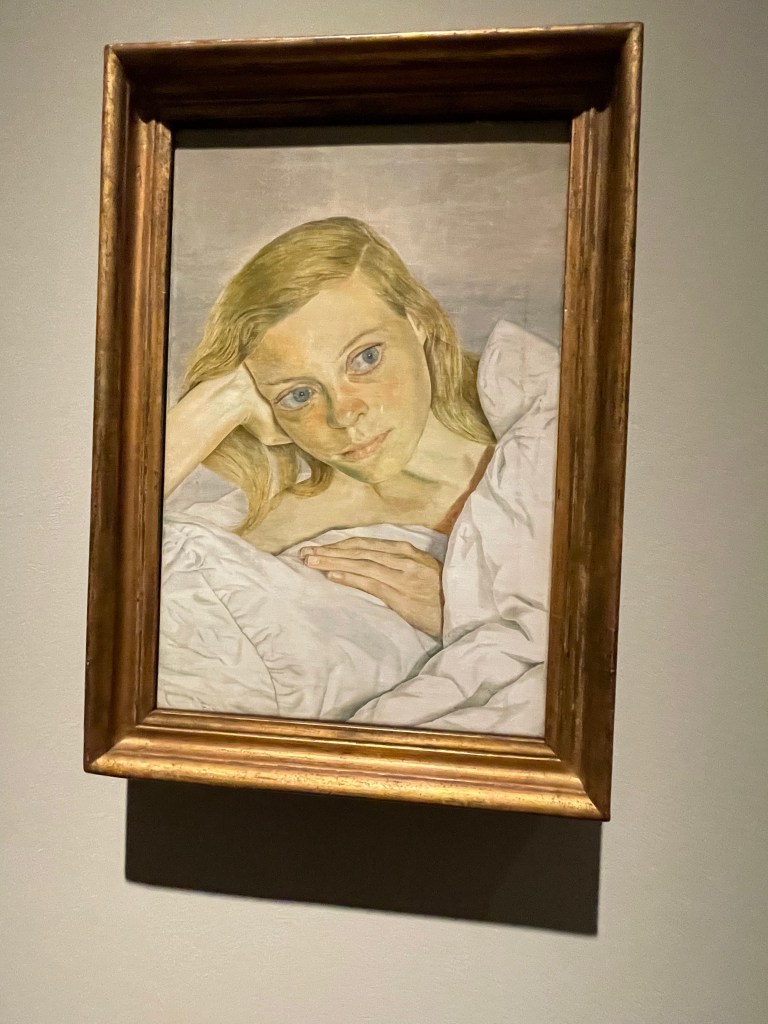
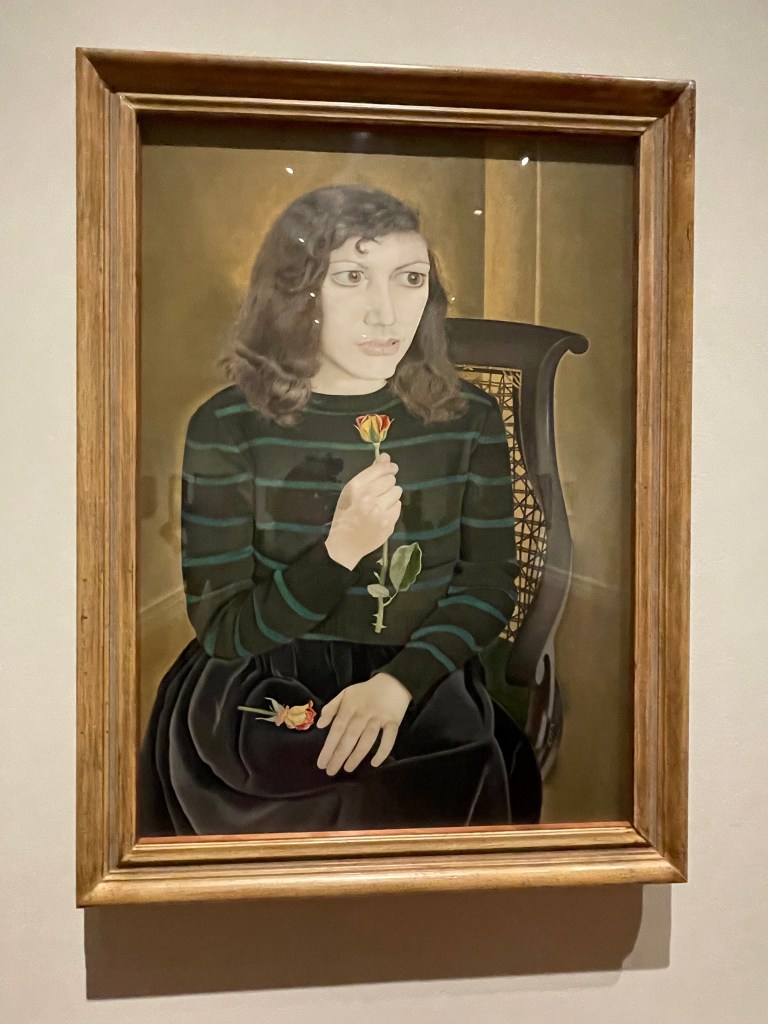
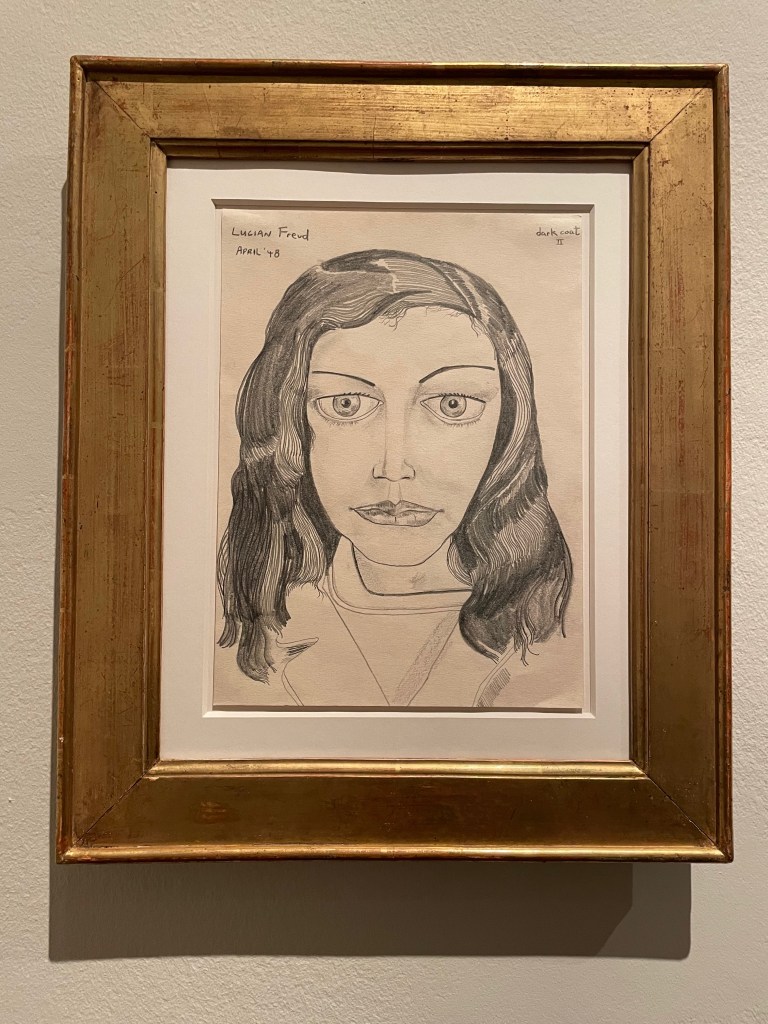
There were a lot of women in Freud’s life. Some were lovers, wives, models or simply friends. Above is a selection of the ones he loved. Above left is Suzy Boyt and centre Caroline Blackwood. One the right and above are two portraits of Kitty Garman. Quite a mixture of drawing and painting – detail and broad brush strokes.
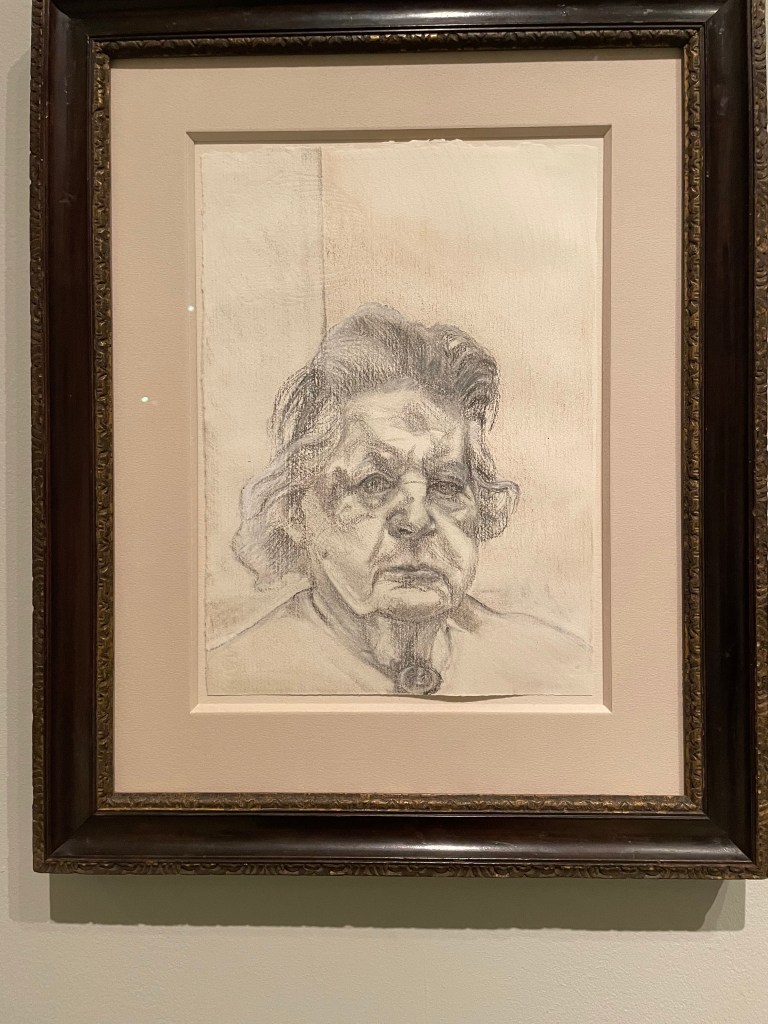
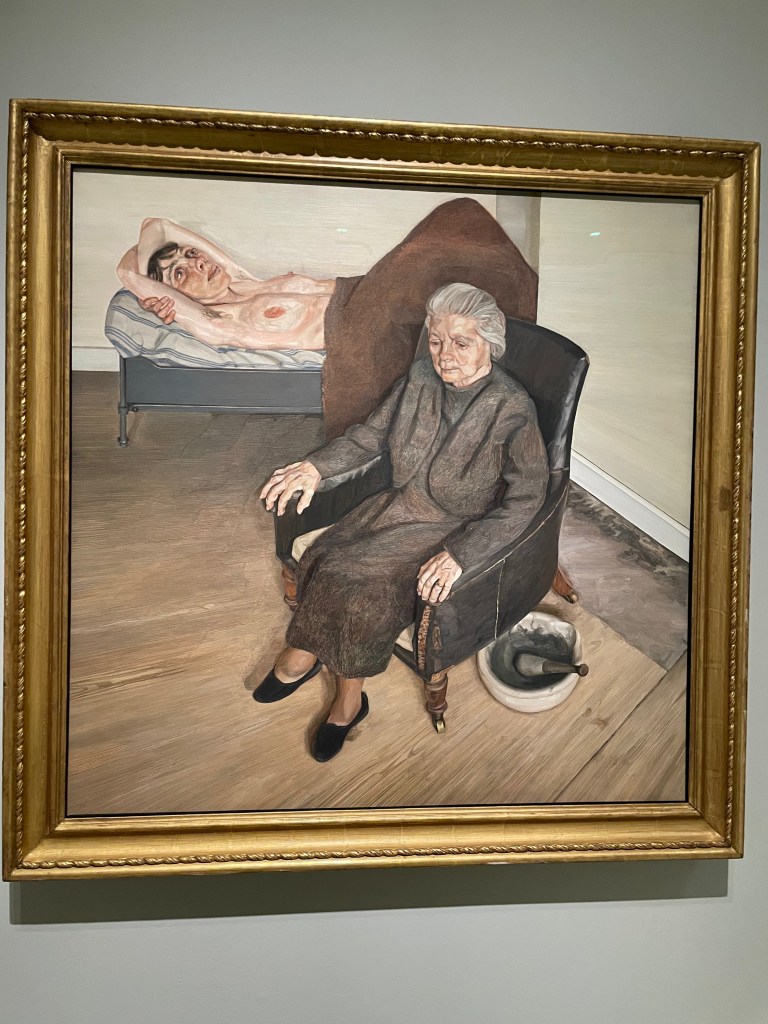
Freud’s mother, Lucie Freud, was also an important model. On the left is a very direct charcoal drawing of her from life and on the right a painting combined with a nude of Jacquetta Eliot.
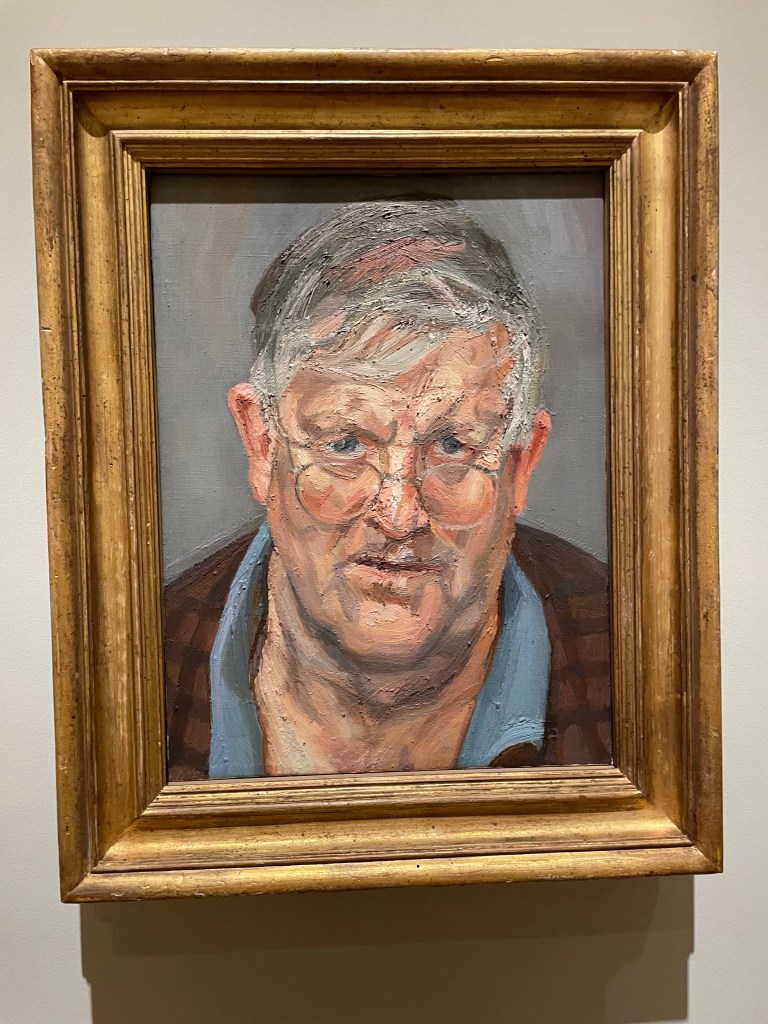
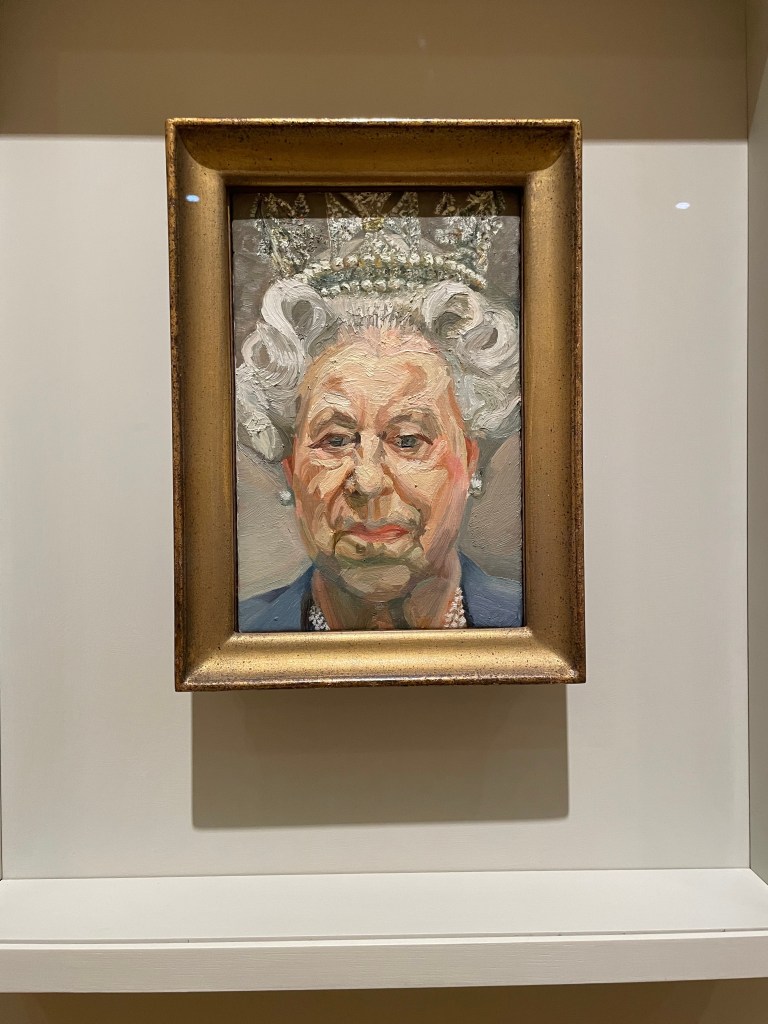
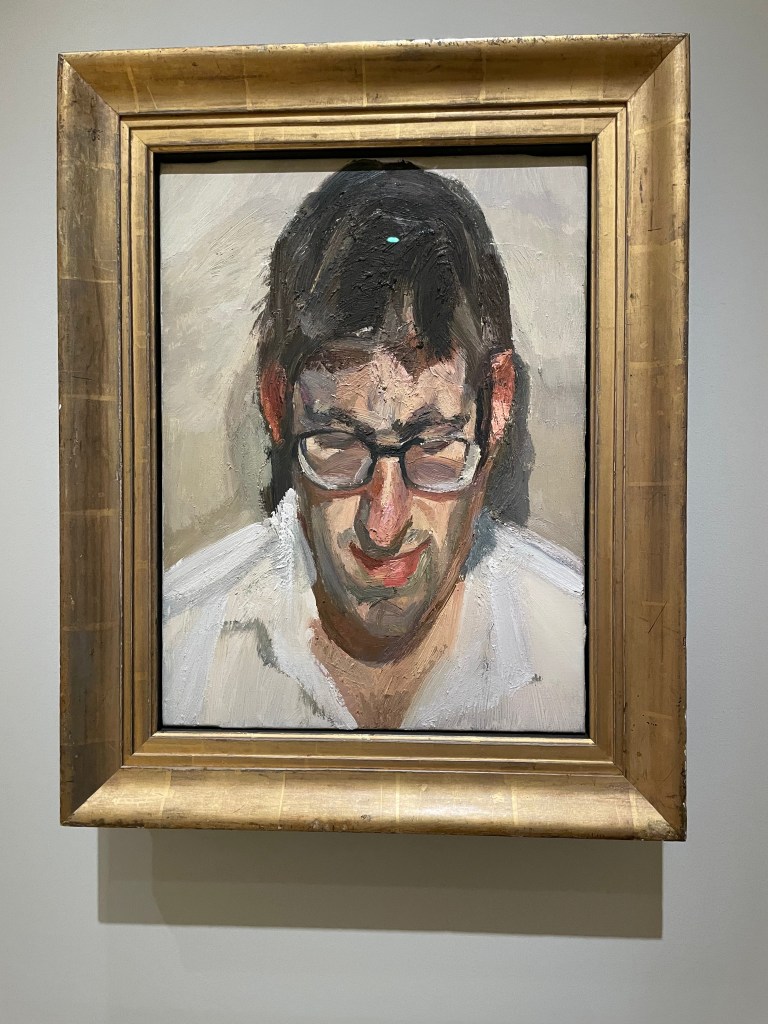
Two faces you may recognise? On the left is David Hockney, centre, the late Queen Elizabeth II and on the right is Frank Paul.
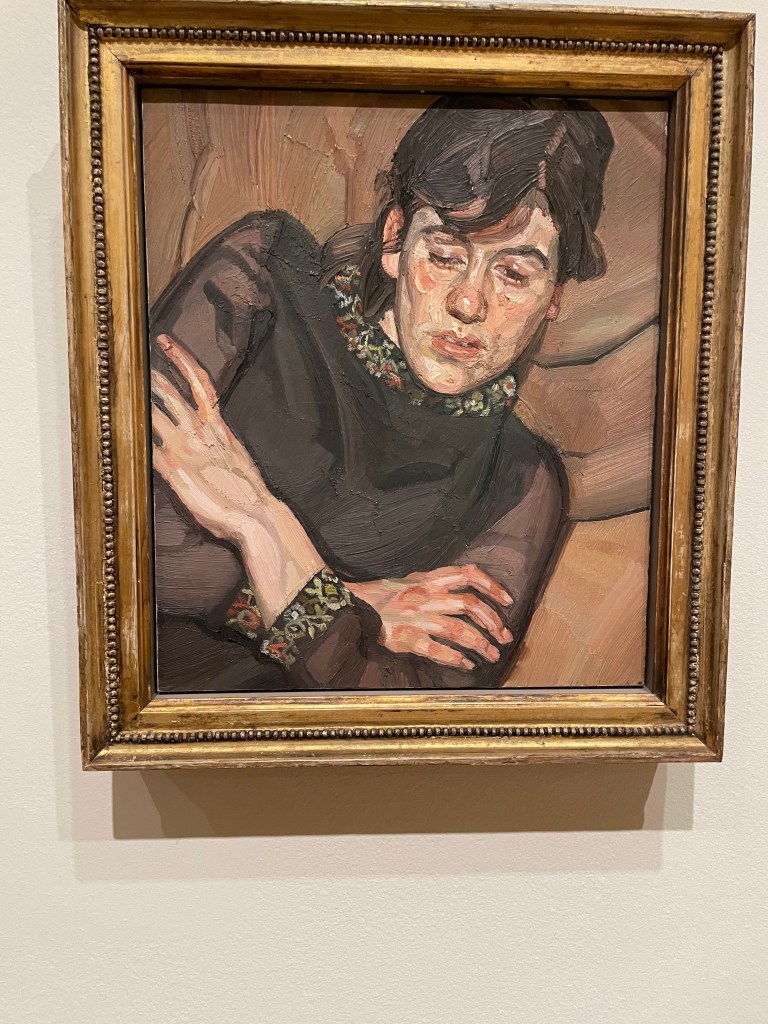
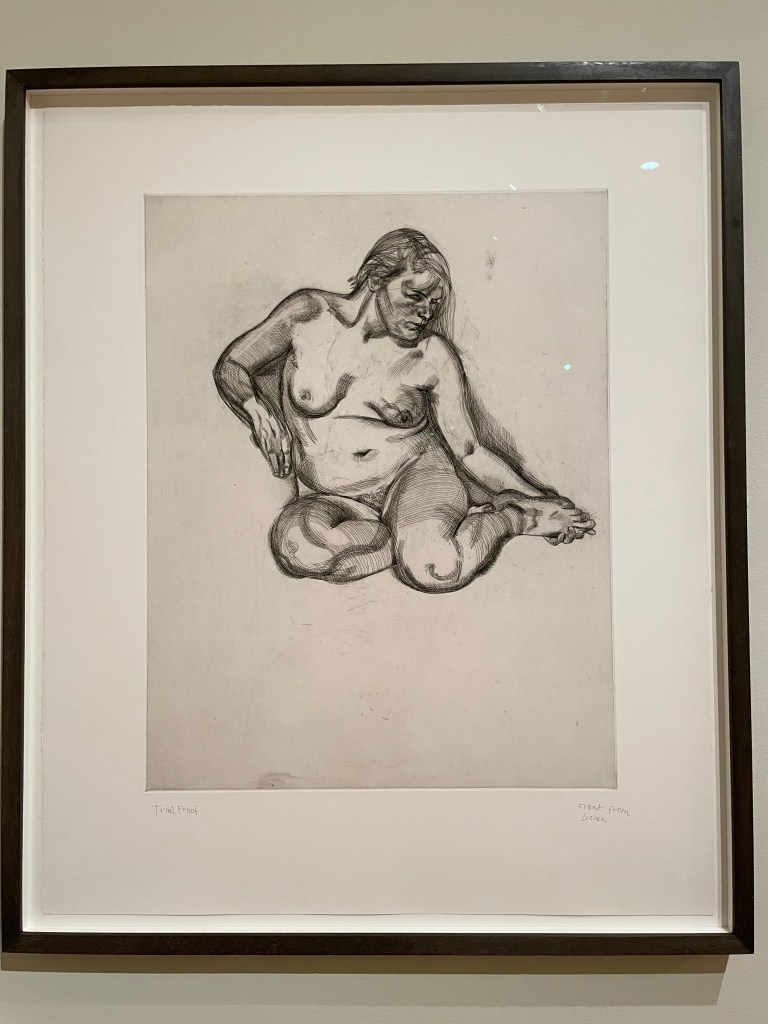
His portraits always seem to capture the sitter’s thoughts. There’s a really contemplative feel to these to portraits. On the left is his daughter Bella Freud, in the centre is a nude etching and on the right is Suzy Boyt – the painting is entitled Girl Smiling.

The show is on at the National Portrait Gallery until 4th May 2026.

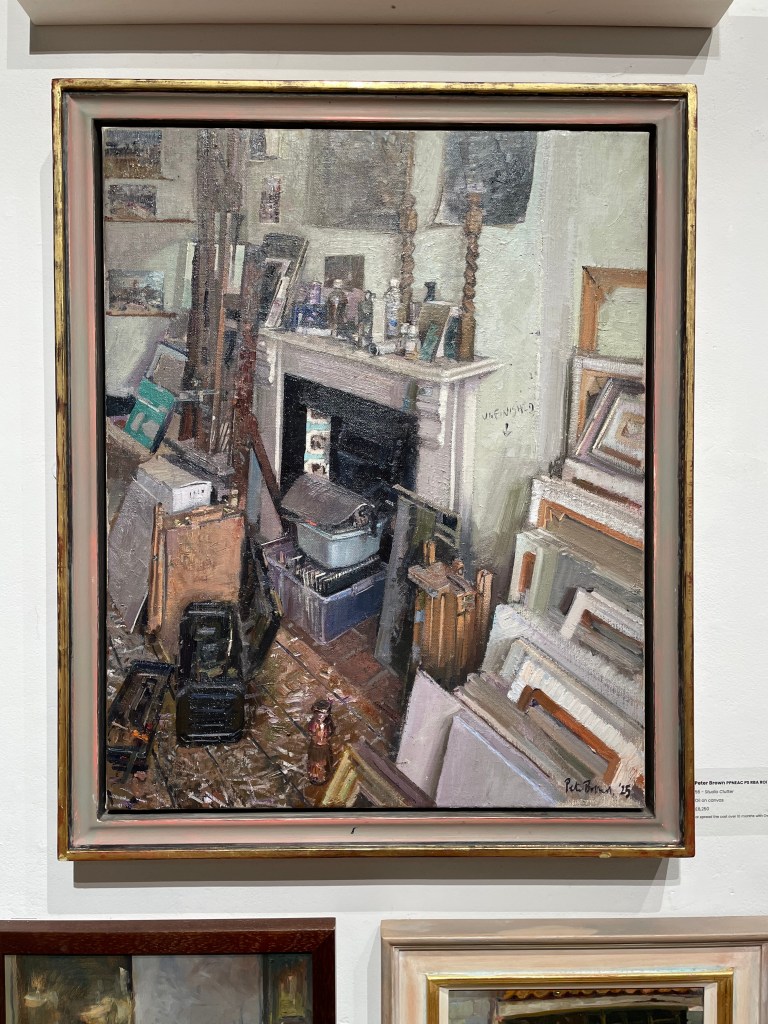
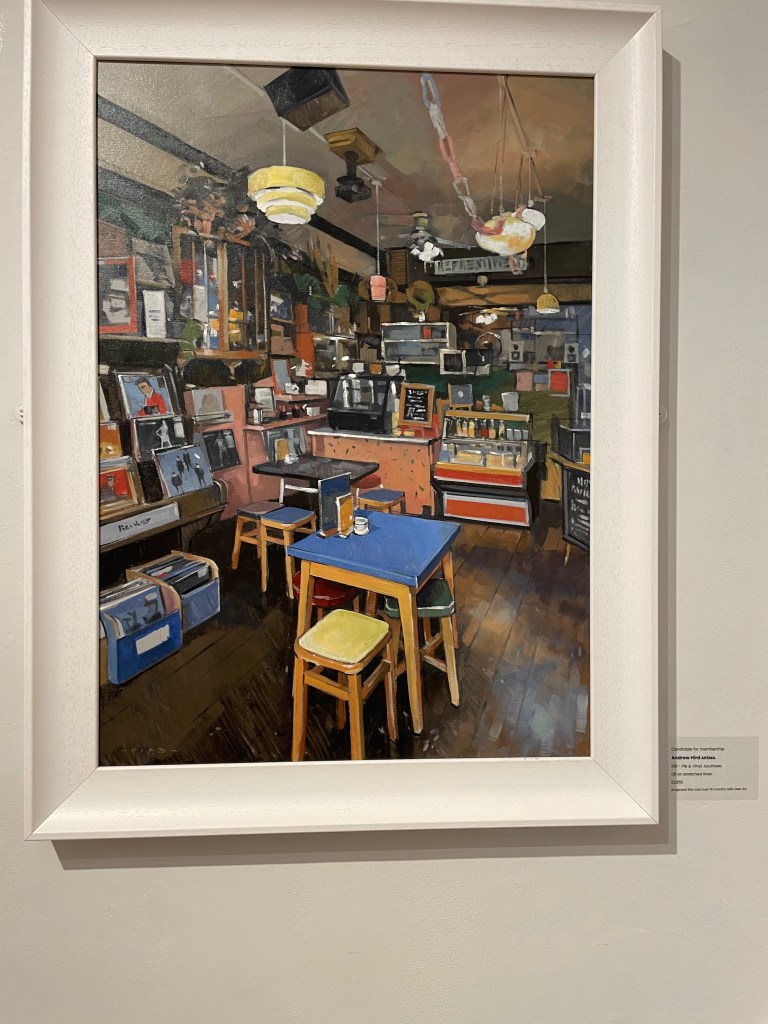
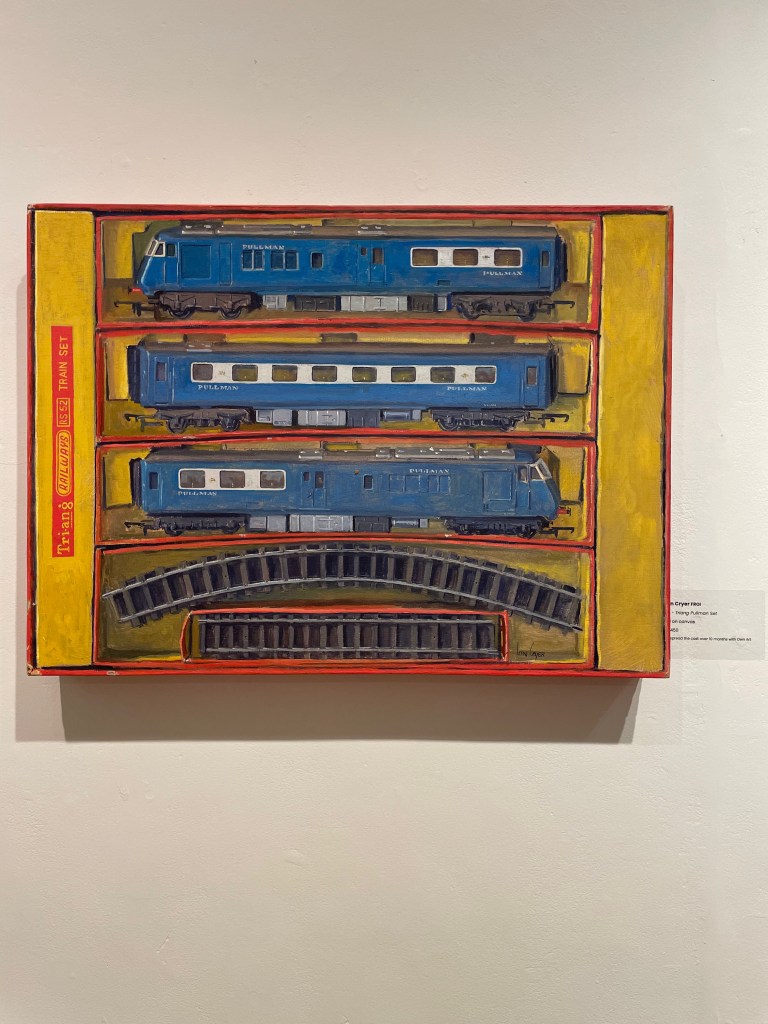
Home: that’s the theme to the annual show at the Mall Galleries of work by members of the Royal Institute of Oil Painters which is on until 13th December. There’s a variety of works on show – some loosely interpreting the theme – but all interesting and very competent. Such talent!

Above is The Copycats by Adebanji Alade showing the comforting chaos of children at home. I liked the very honest picture of the home studio too by Peter Brown.

Andrew Hird made the above picture of a cafe and record store, I really liked the train set in a box by Ian Cryer and the cheery picture of Home by Andrew Farmer.

I rather liked this tender picture of maternity by Kayoon Anderson and a couple of portraits by Tim Benson.

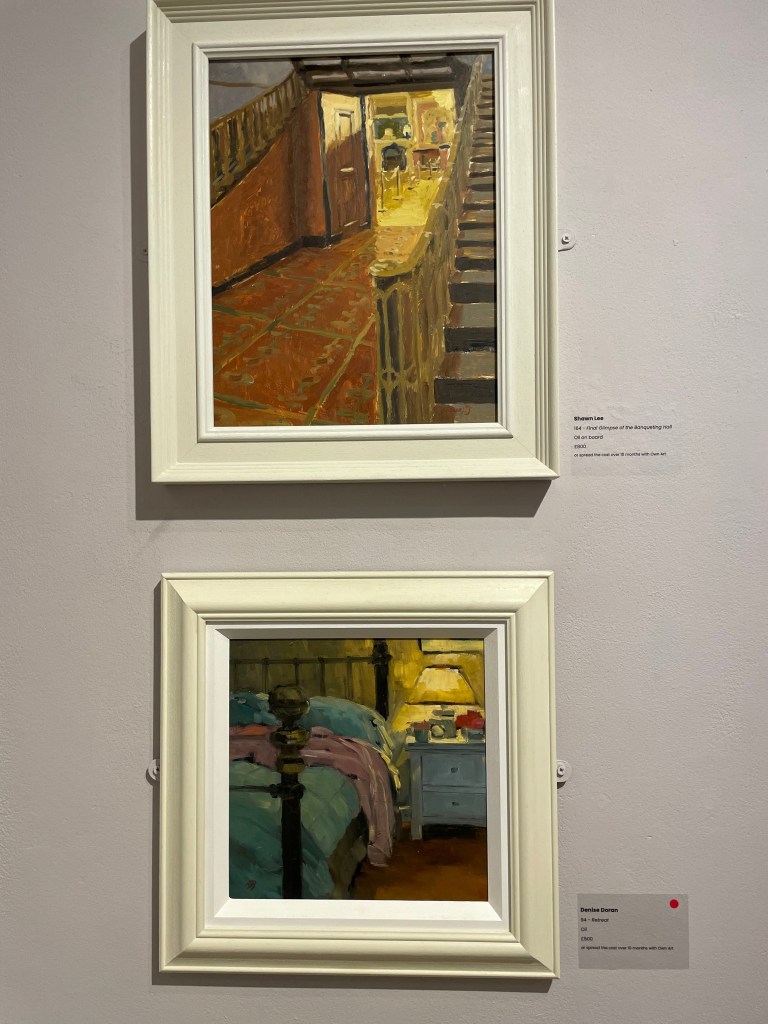
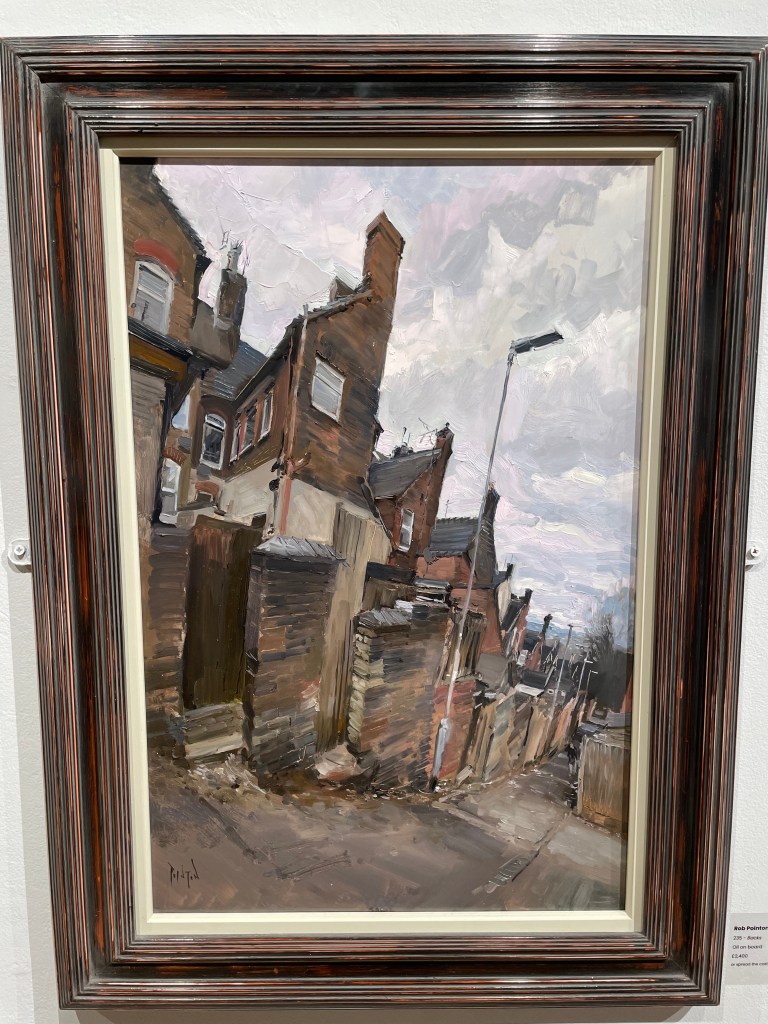
Very interesting viewpoints in this trio of paintings. On the left are works by Shawn Lee and Denise Doran and on the right are two tipsy street views by Rob Pointon.

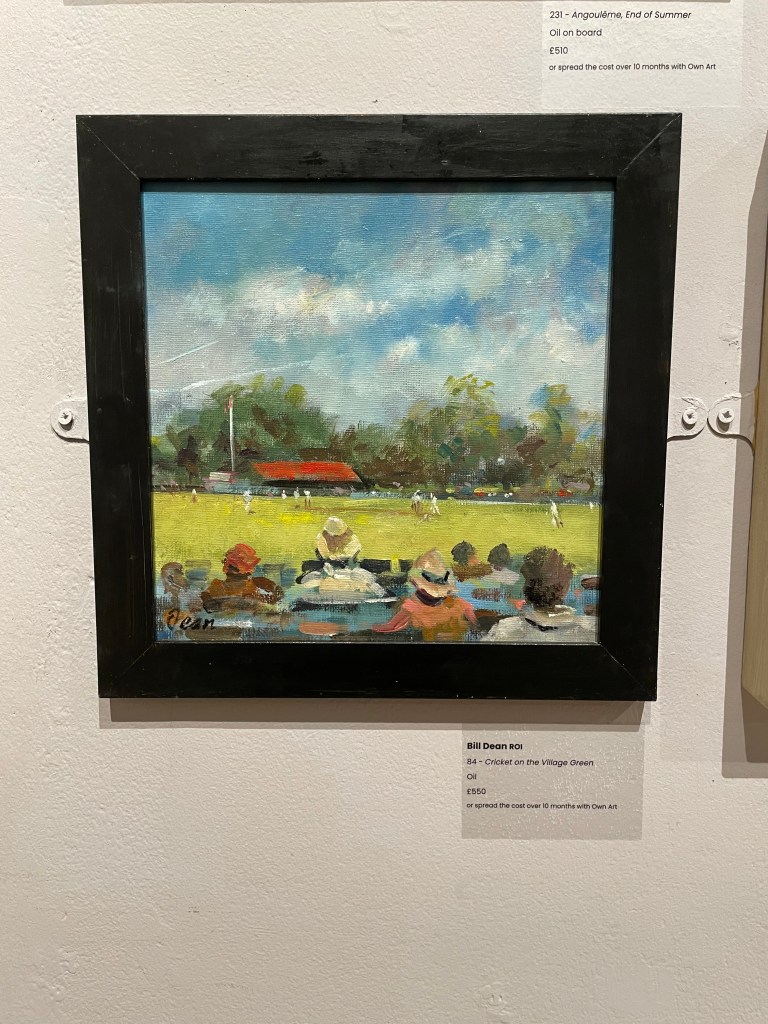
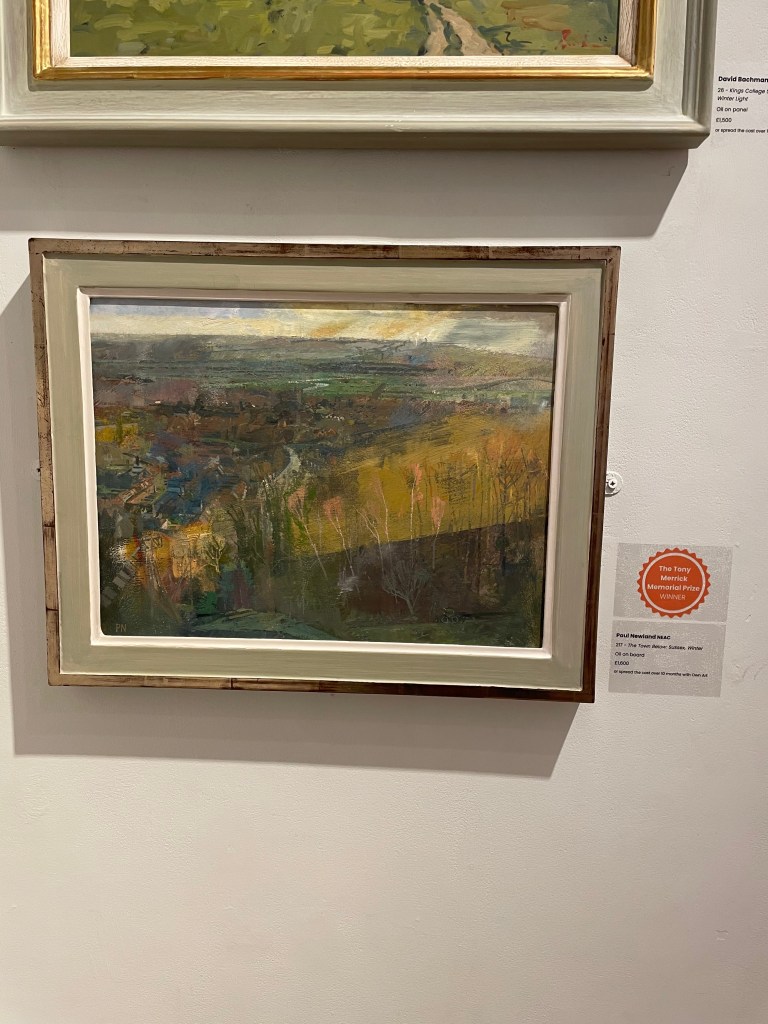
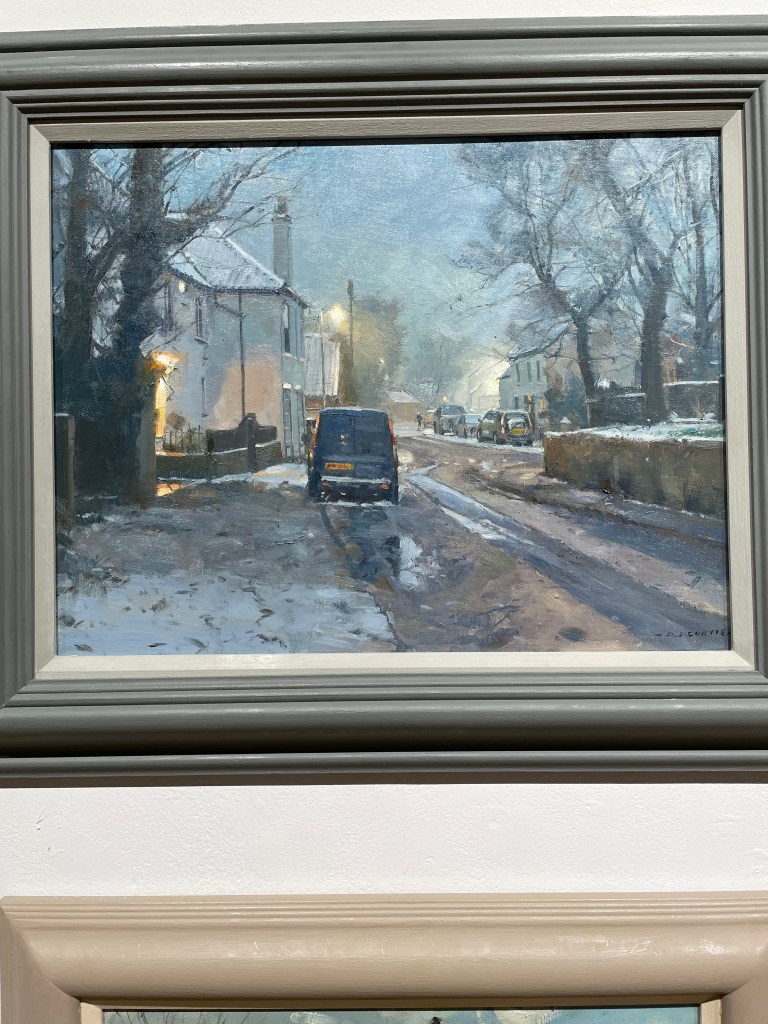
And this trio conjure a few seasons for me. I liked the look of the country cricket match by Bill Dean, the autumn countryside by Paul Newland and the winter street by David Curtis.

All the works are for sale and there was a satisfying scattering of red dots which much please the artists. The world is enhanced by art!

The show is on at the Mall Galleries until 13th December 2025.

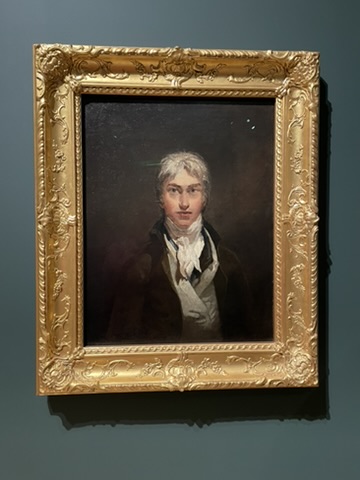
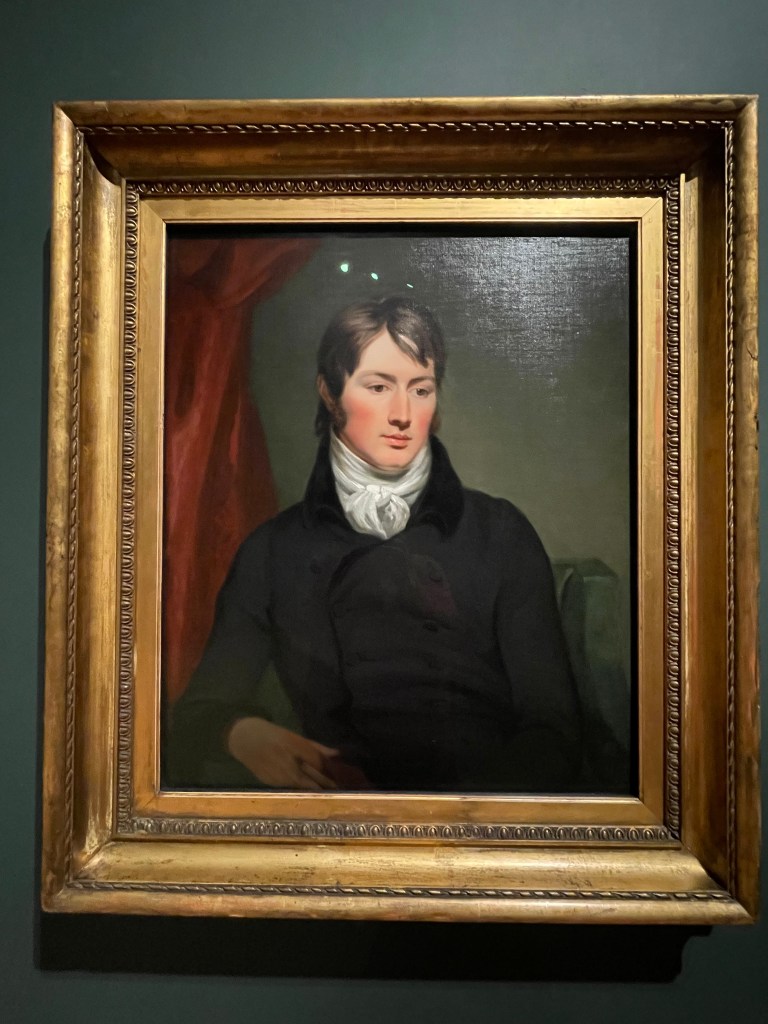
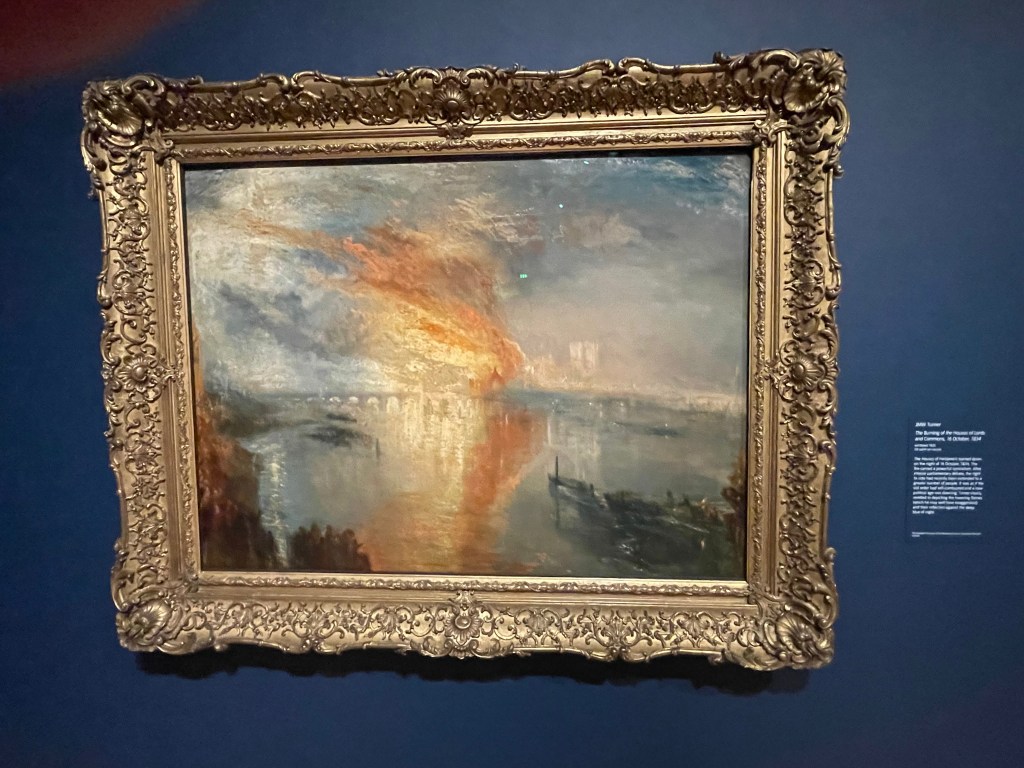
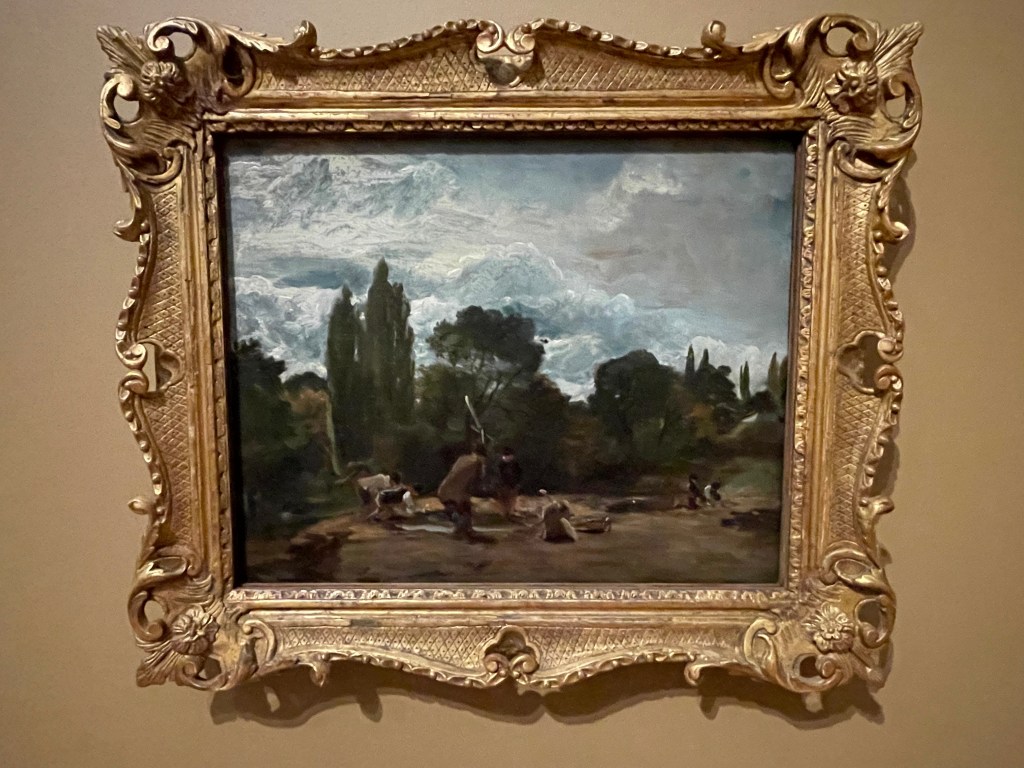
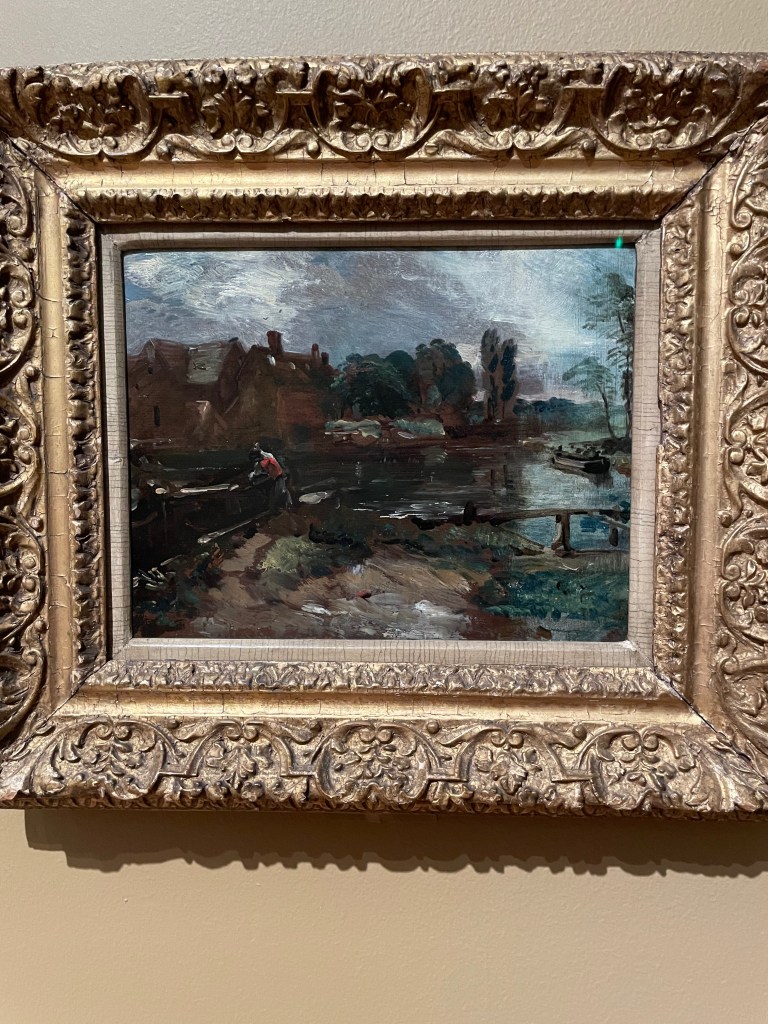
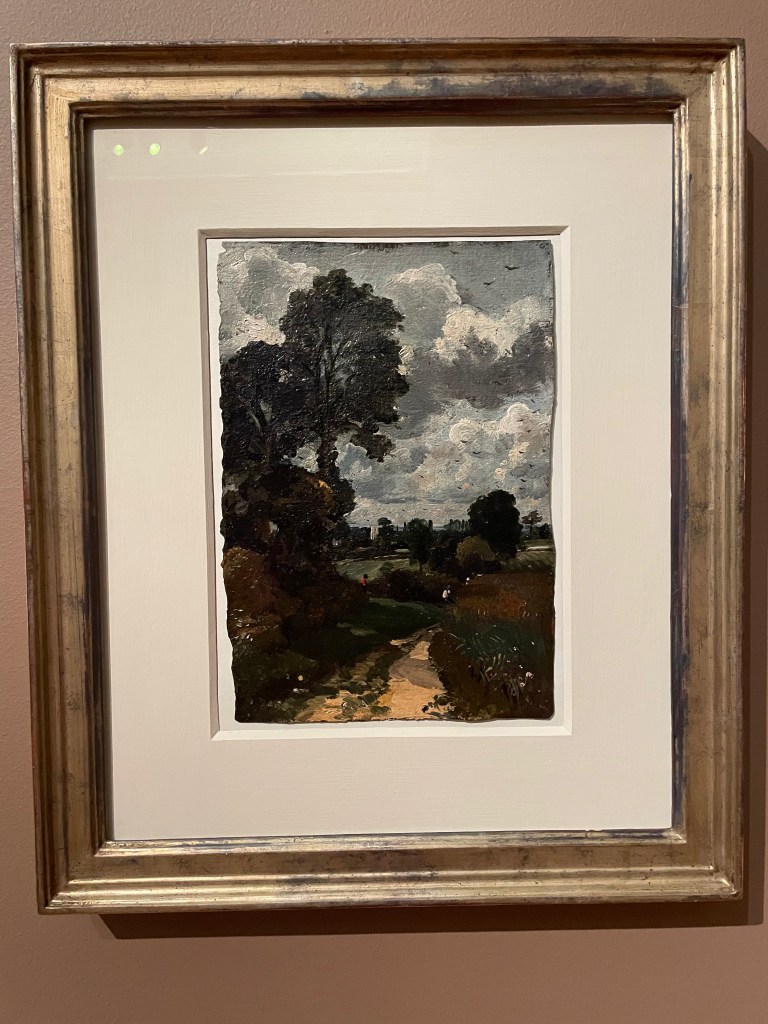
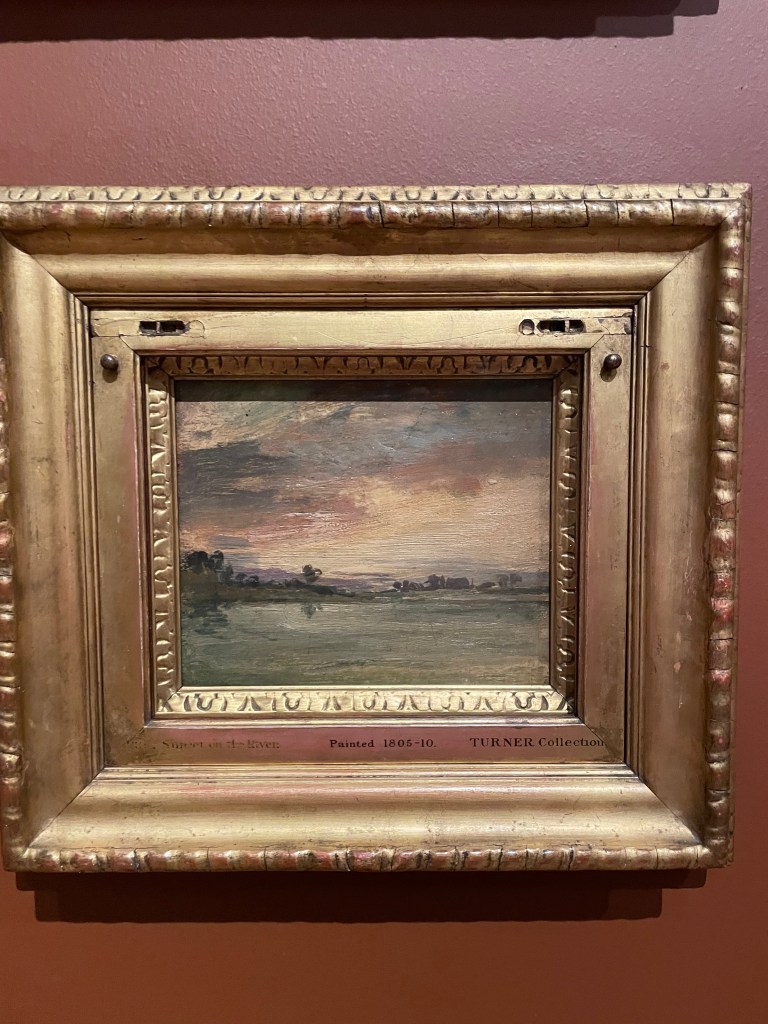
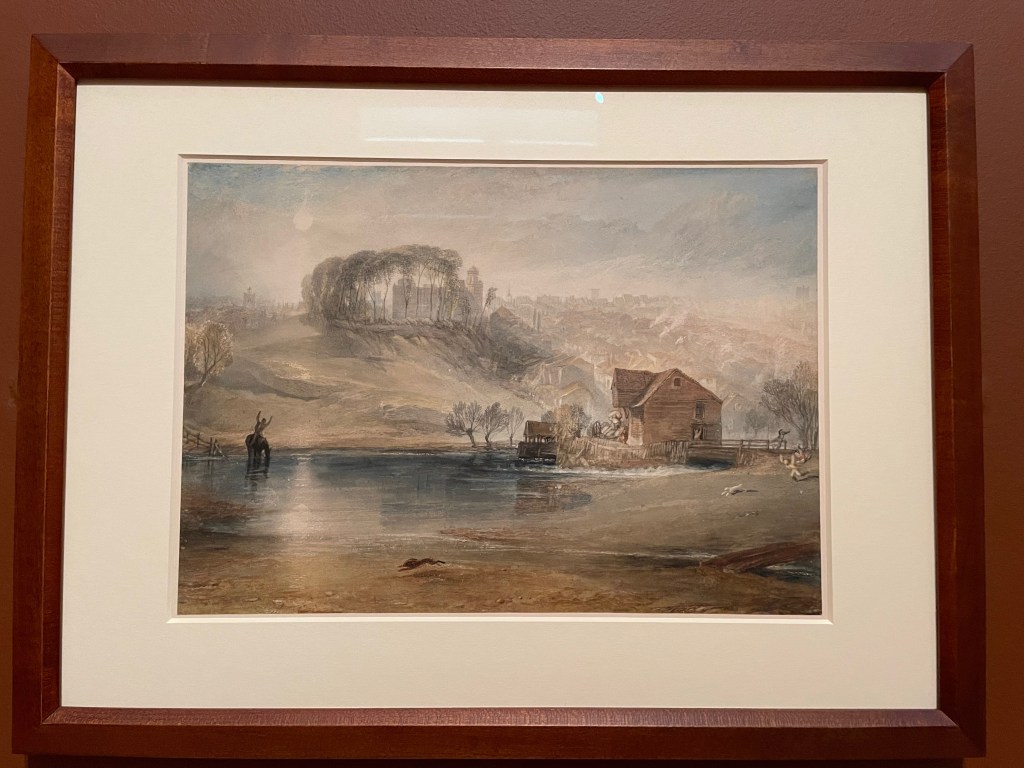
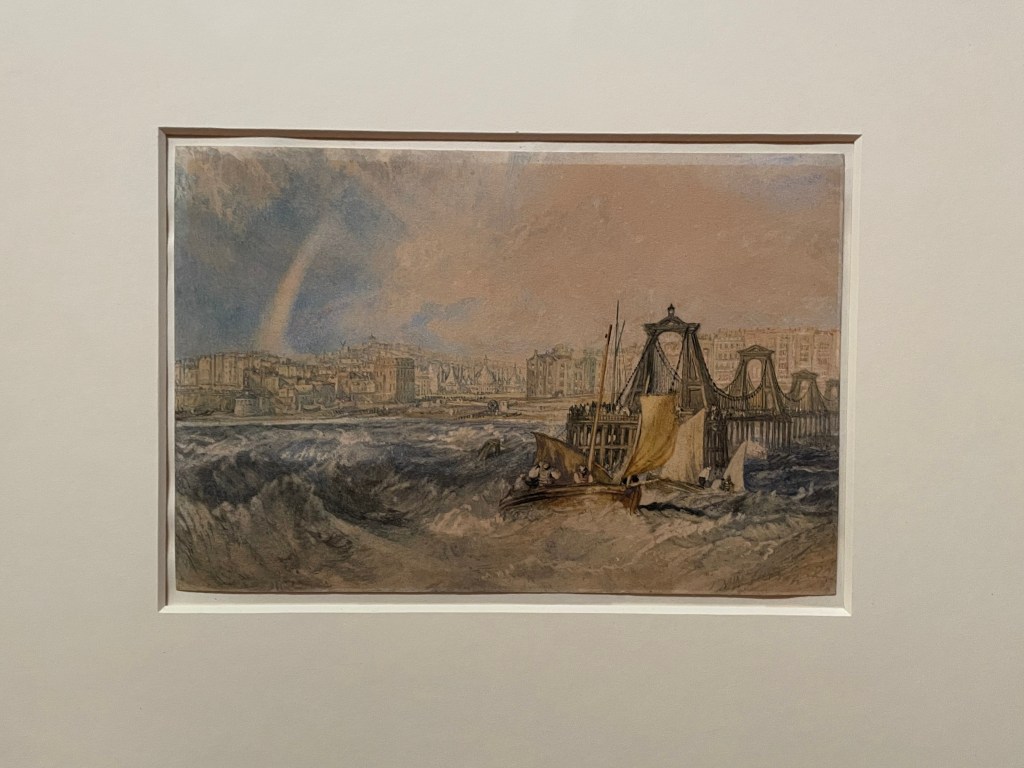
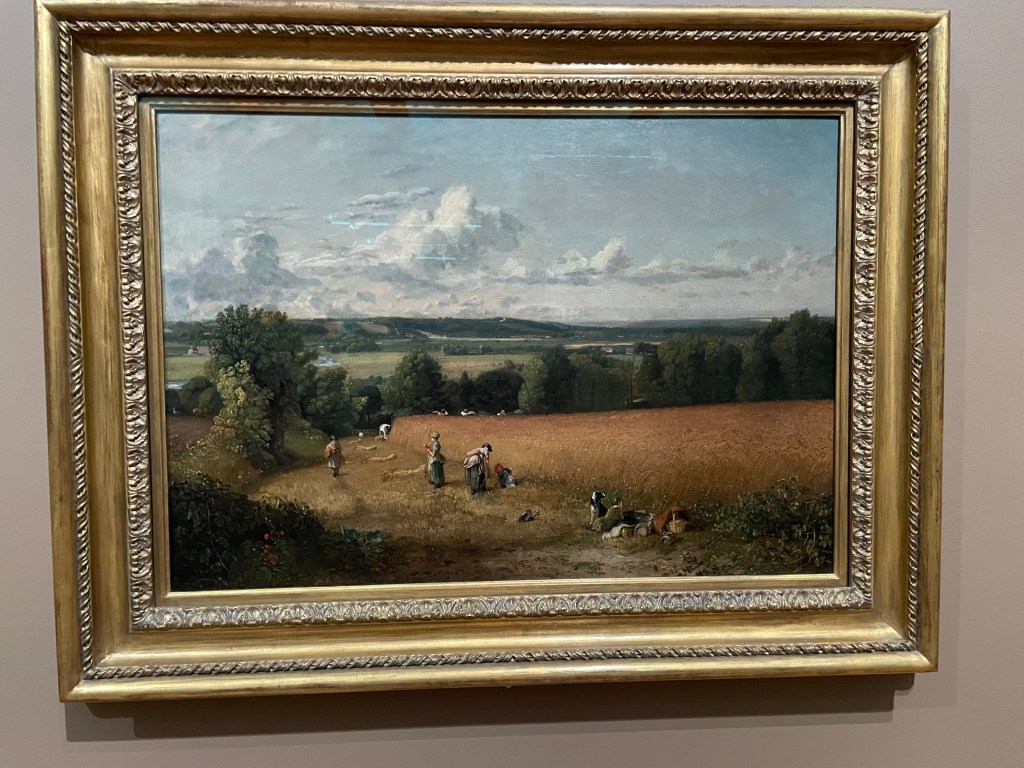
A blockbuster show at Tate Britain celebrates two of the the UK’s most acclaimed artists. Born a year apart, JMW Turner (1775-1851) and John Constable (1776-1837) both pushed their art into entirely new aesthetics and left a lasting legacy in the development of British art, paving the way for the Impressionist’s movement and everything that followed.

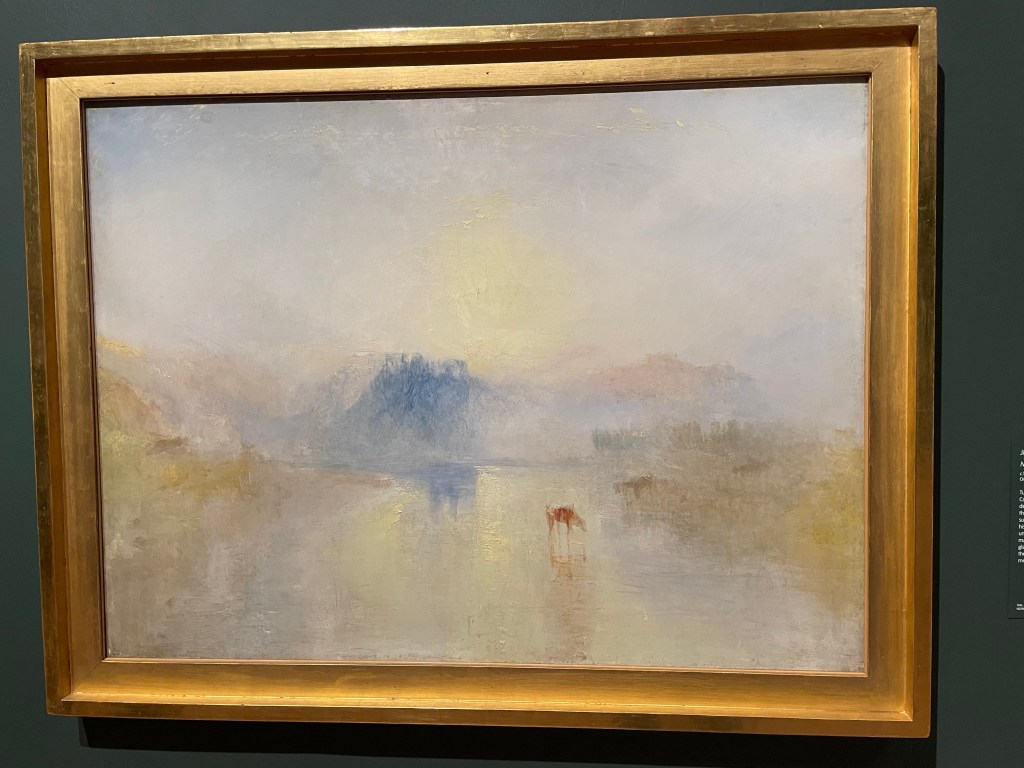
The works of Turner and Constable must be amongst some of the most recognised images in art history. Say the words Flatford Mill or A misty sunset in Venice and most of us will conjure the familiar bucolic image of a Suffolk Mill with a horse and cart or the beauty of Venice seen through a haze of cloud and watery sunshine. These works are amazing. But the history of these two artists is more entwined and their approach more similar than I had realised. This show, entitled Rivals and Originals, charts their artistic development as contemporaries and adversaries.

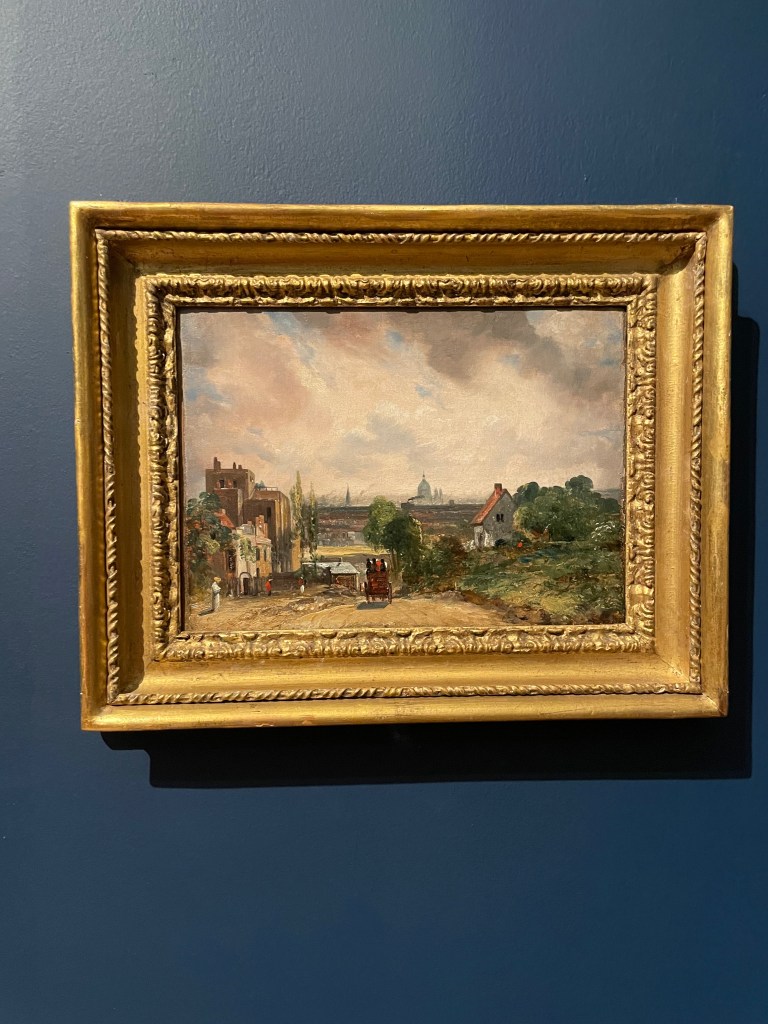
Both Turner and Constable were dedicated to art from an early age. Turner, you could argue, had the more difficult journey – the son of a barber based in Covent Garden, London, he demonstrated his skills at an early age and his father did his best to support his son’s desire to paint but he was not of the class expected to choose art as a career. Constable was born into middle class comfort in Suffolk and had to convince his family that he did not want to follow a conventional profession but devote his life to art. The pair developed their styles through study of Old Masters and a desire to push a narrative element into their art while recording contemporary life.

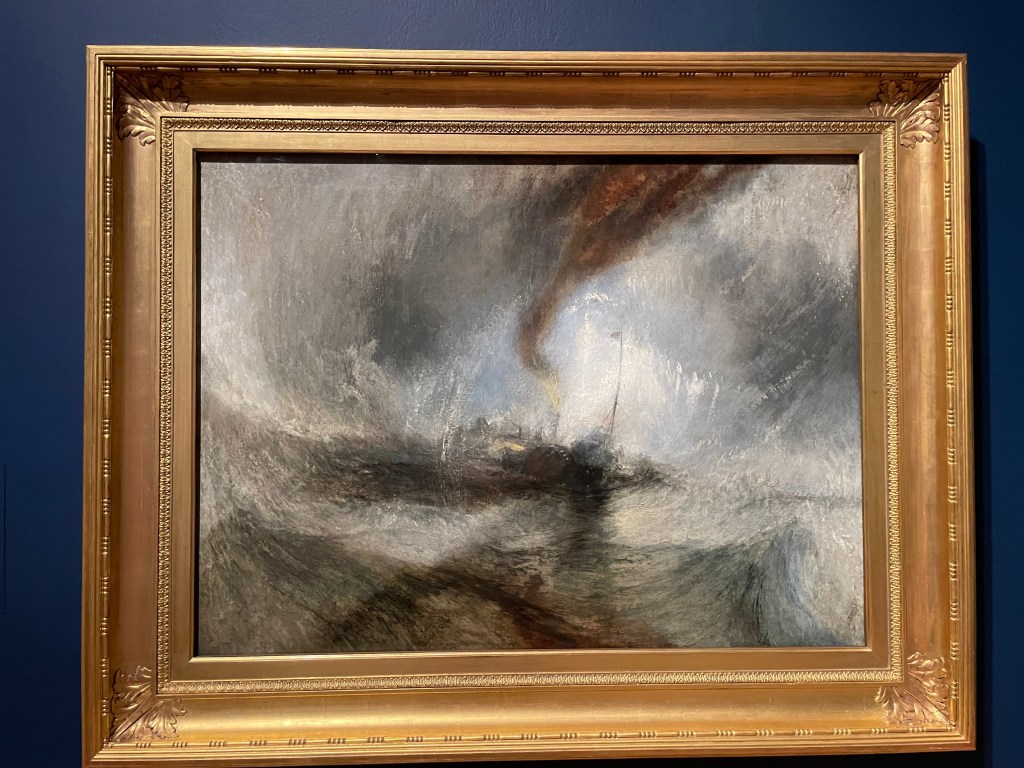
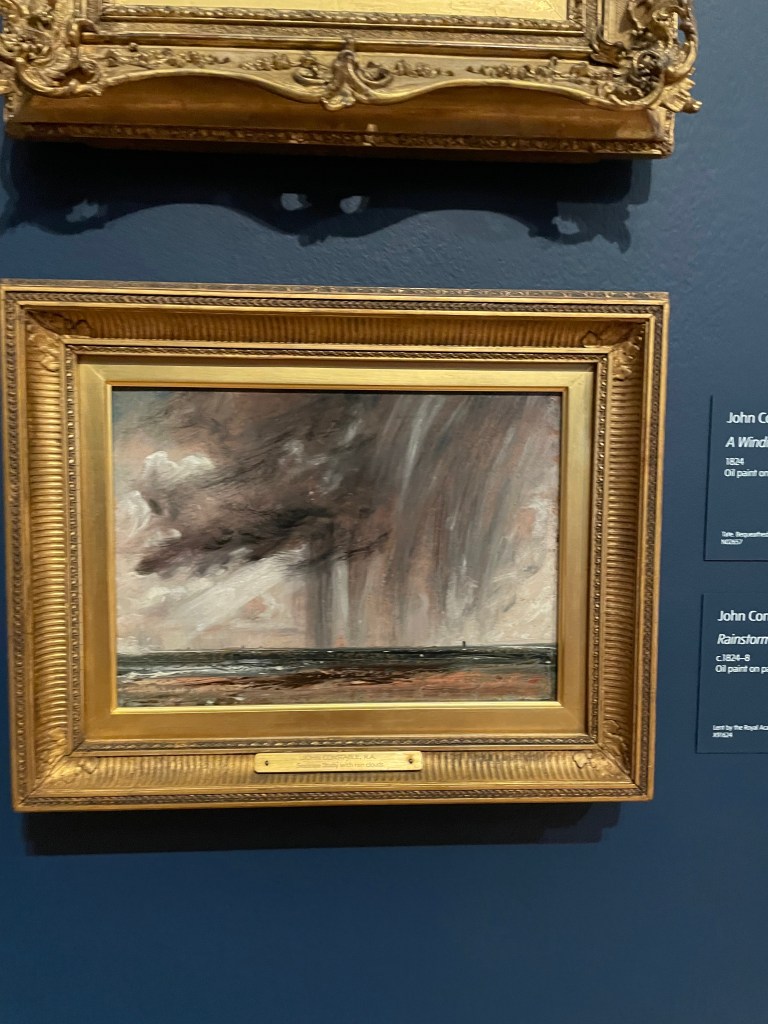
Sometimes it’s hard to differentiate between them – just look at these two, above. On the left is Turner’s Snow Storm – Steam-boat off a Harbour’s Mouth and on the right is Constable’s swift oil sketch called Rainstorm over the Sea. Both of them were fascinated by the power of nature and the constantly changing sky and weather conditions. They spent all their time sketching landscapes and painting the scene directly onto whatever surface they brought with them.

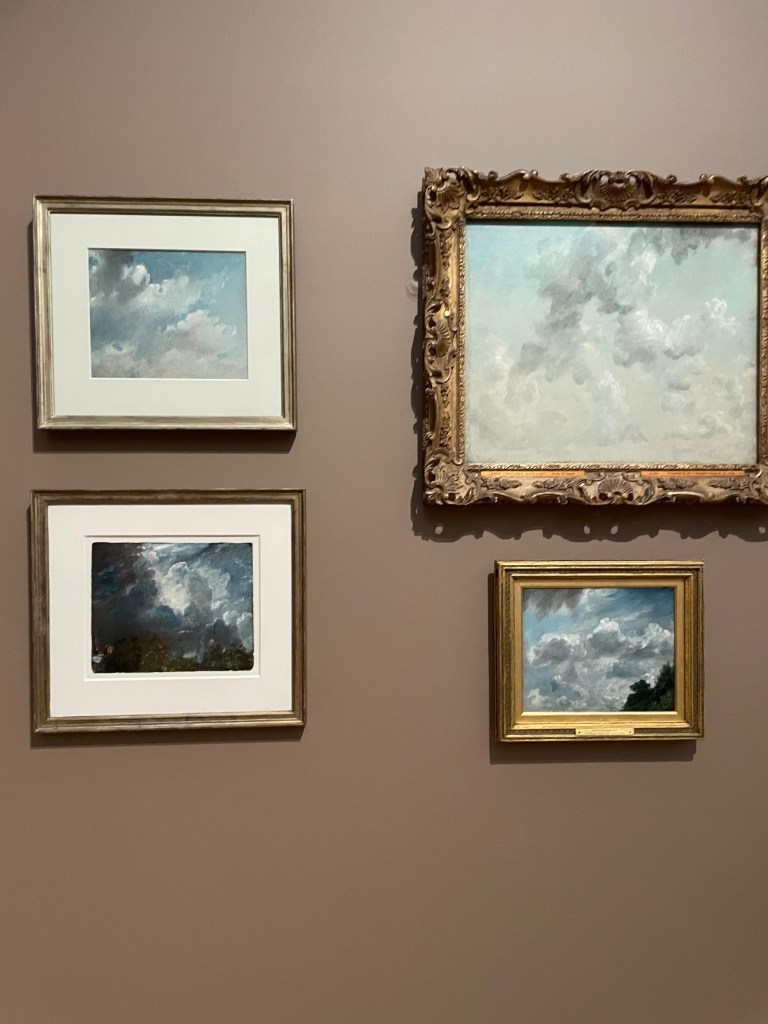
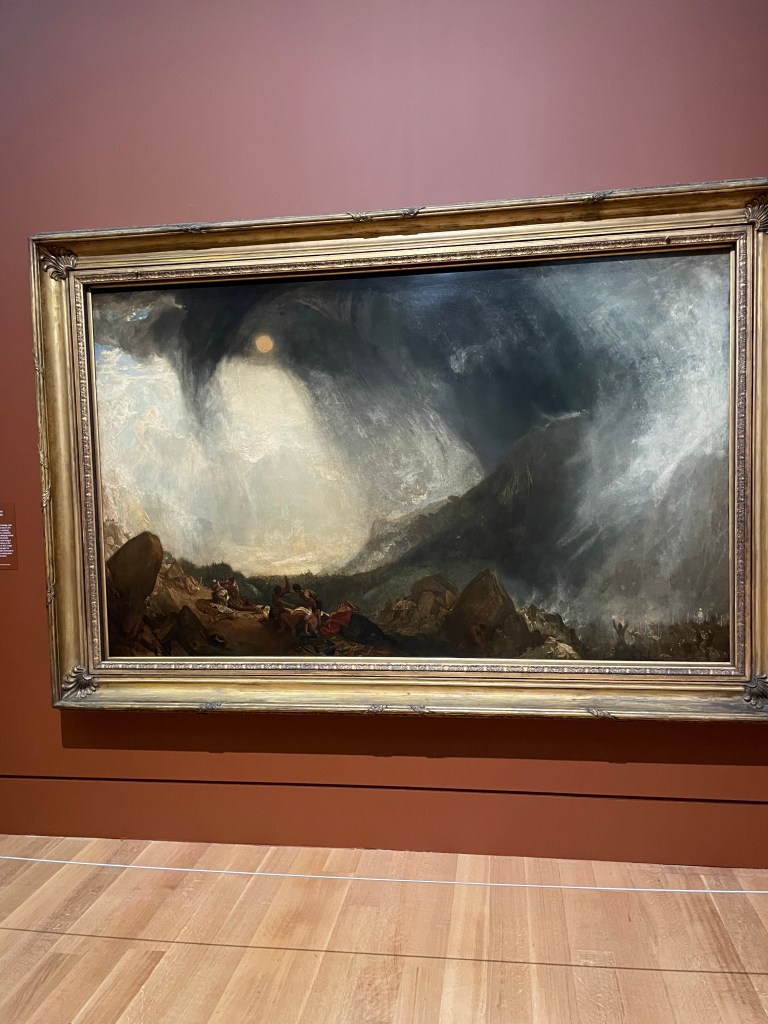
Both must have spent hours observing clouds in their infinite variety and using immediate sketches to dramatic effect. On the left is a selection of cloud studies by Constable and on the right is Turner’s massive painting Snow Storm: Hannibal and his Army Crossing the Alps.

My takeaway from the show, apart from having thoroughly enjoyed it, was the chance to see the evolution of these two artists from detailed work, which might be as literal and accurate as possible, towards a much freer, expressive way of working. Both appear to have created their work at speed, using wonderful gestural swishes of paint or urgent daubs of white and black to denote drama and impact. They are both glorious. This is a wonderful show and well worth seeing.

It’s on at Tate Britain until 12 April 2026.

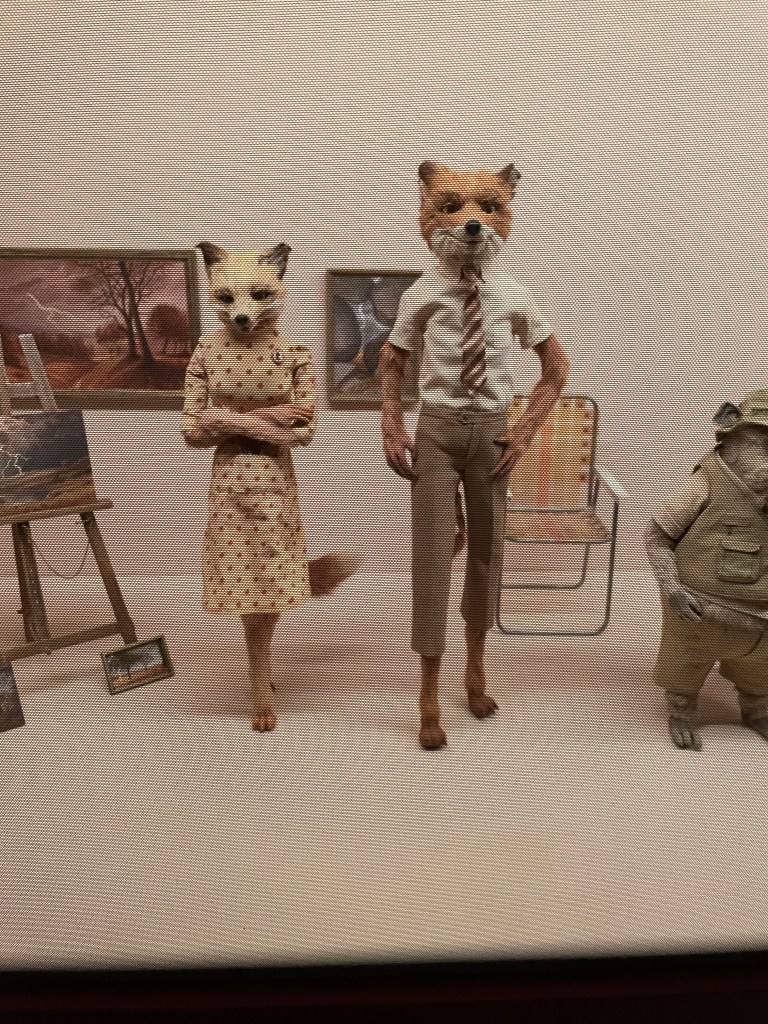
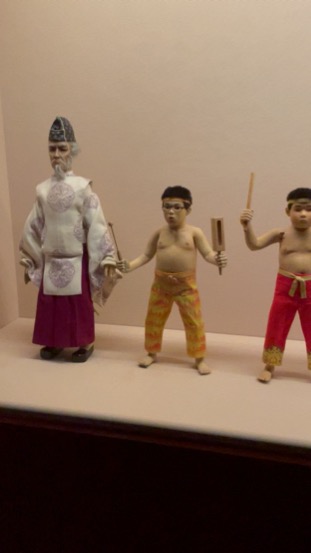
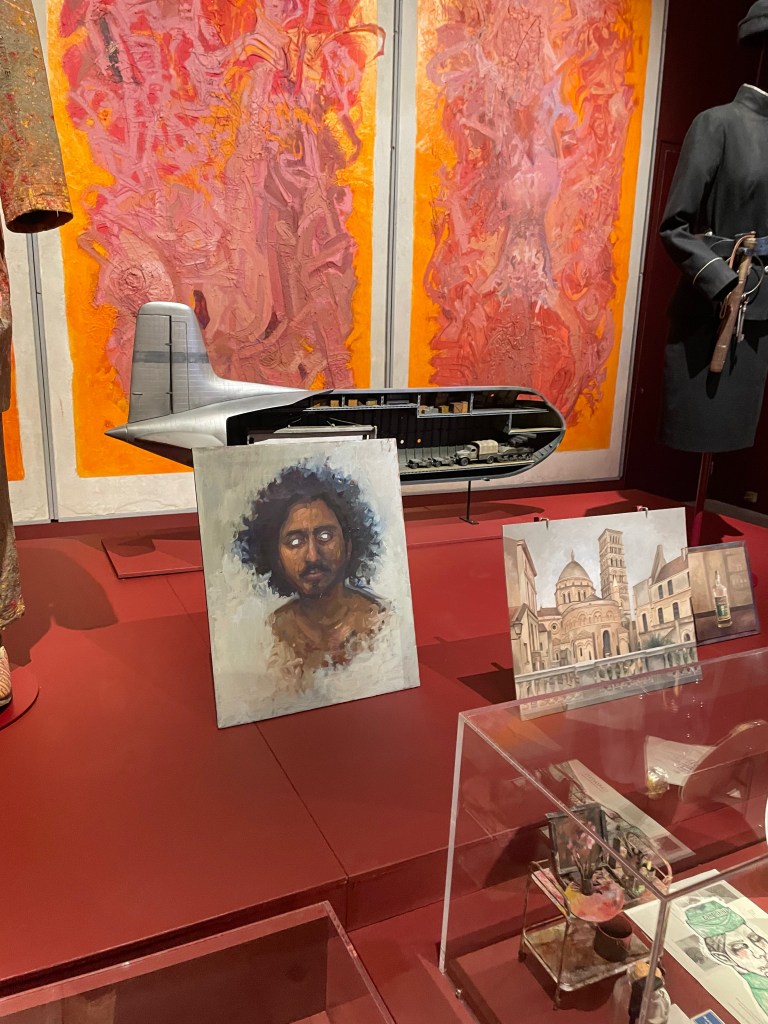
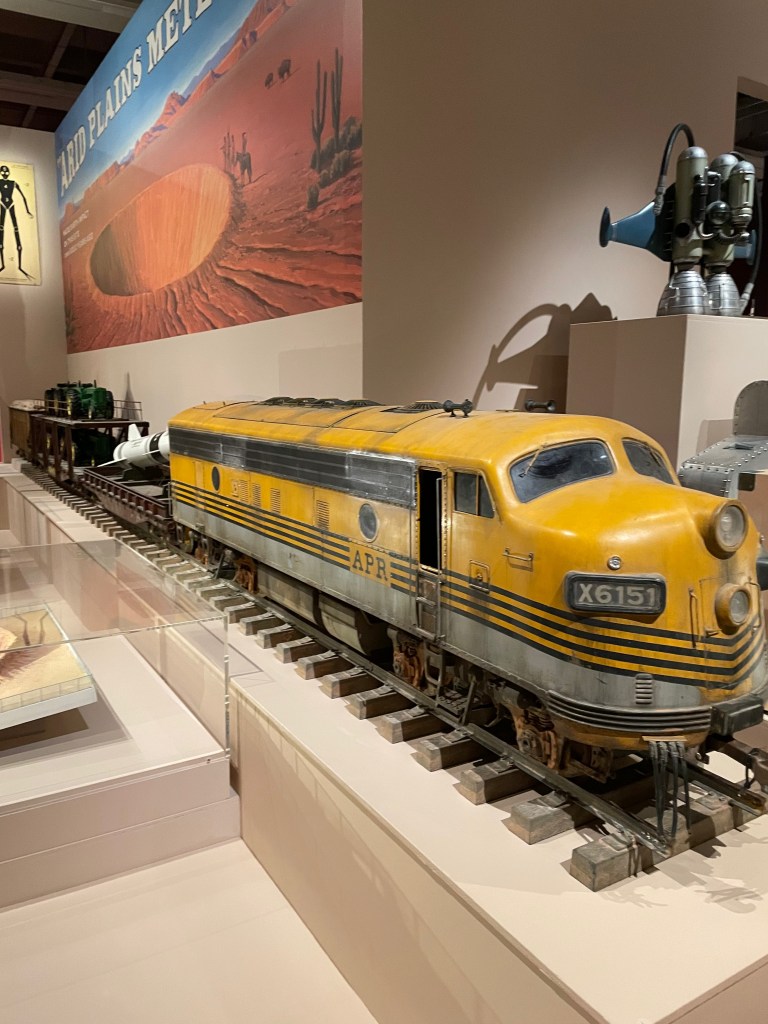
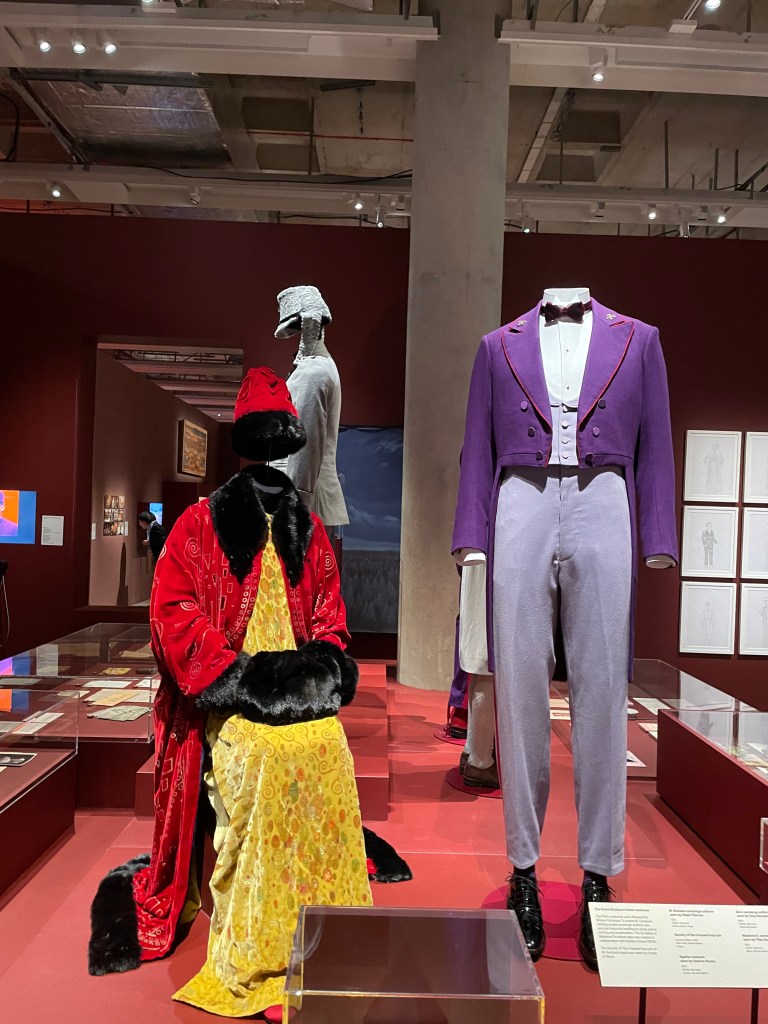
If you’re a fan of Wes Anderson’s films then a trip to the Design Museum in Kensington is a ‘must do’ as a festive treat or a New Year resolution. This retrospective is a cracker of a show – filled with props, costumes, photographs, scripts and fragments of creativity which have gone into his 30-year career making memorable films.

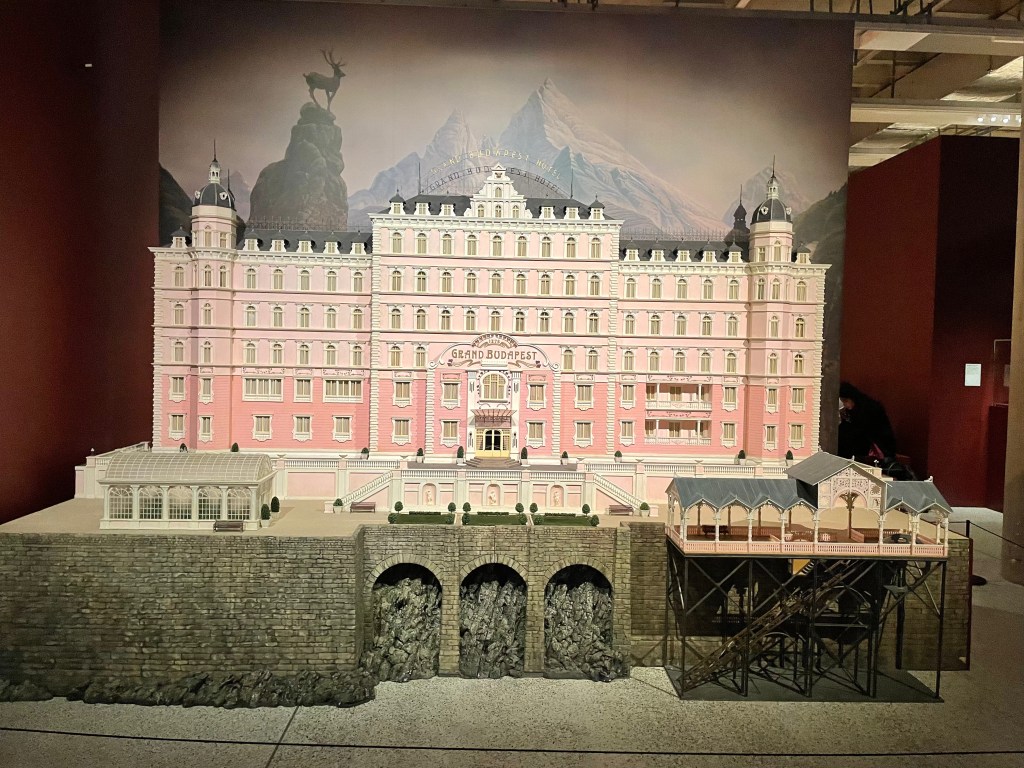
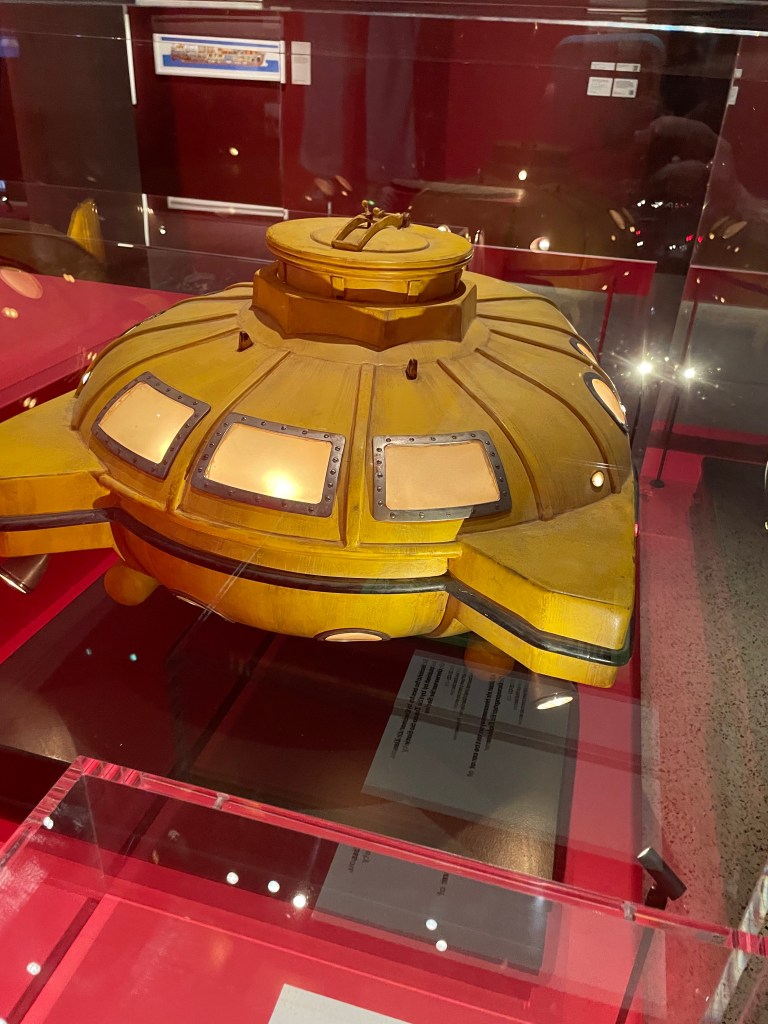
I confess I’ve not seen ALL of Wes Anderson’s films but can attest that the ones I have seen were filled with amazing images and situations which linger in the memory long after the credits have rolled and it’s time to leave the cinema. Above is the spectacular model for the Grand Budapest Hotel which was a gloriously witty, stylised (and Oscar-winning) film.

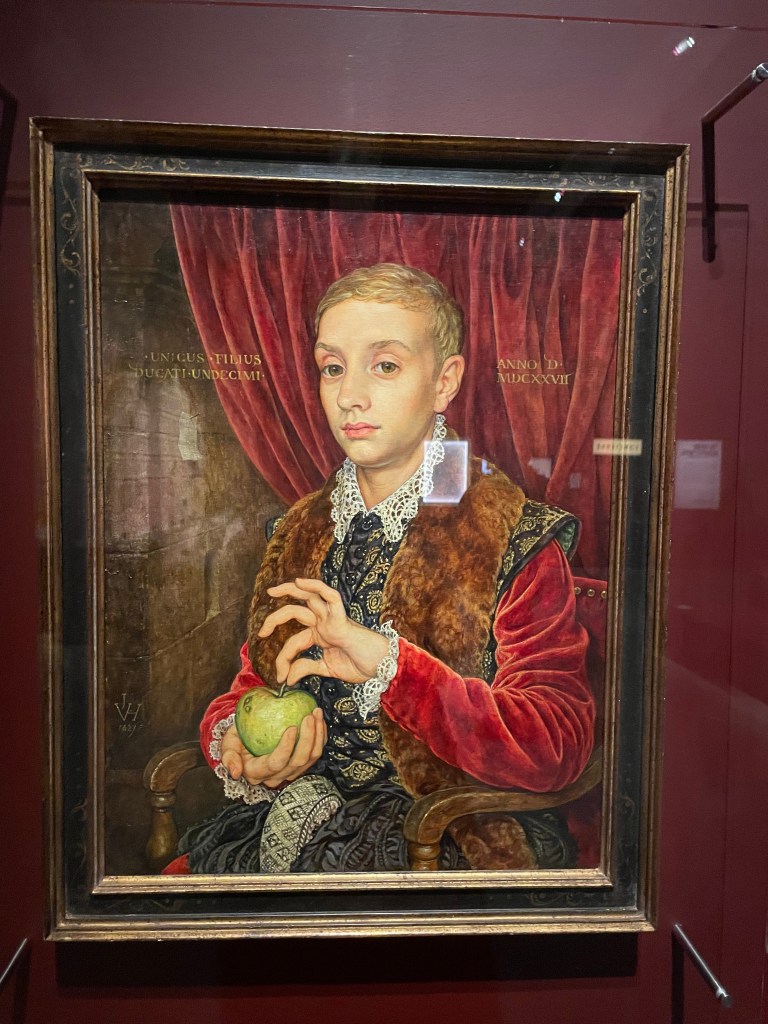
Wes Anderson has hung onto everything. Above is the spectacular painting ‘Boy with Apple’ which channels the best renaissance painting but was created by British artist Michael Taylor specially for the Grand Budapest Hotel.

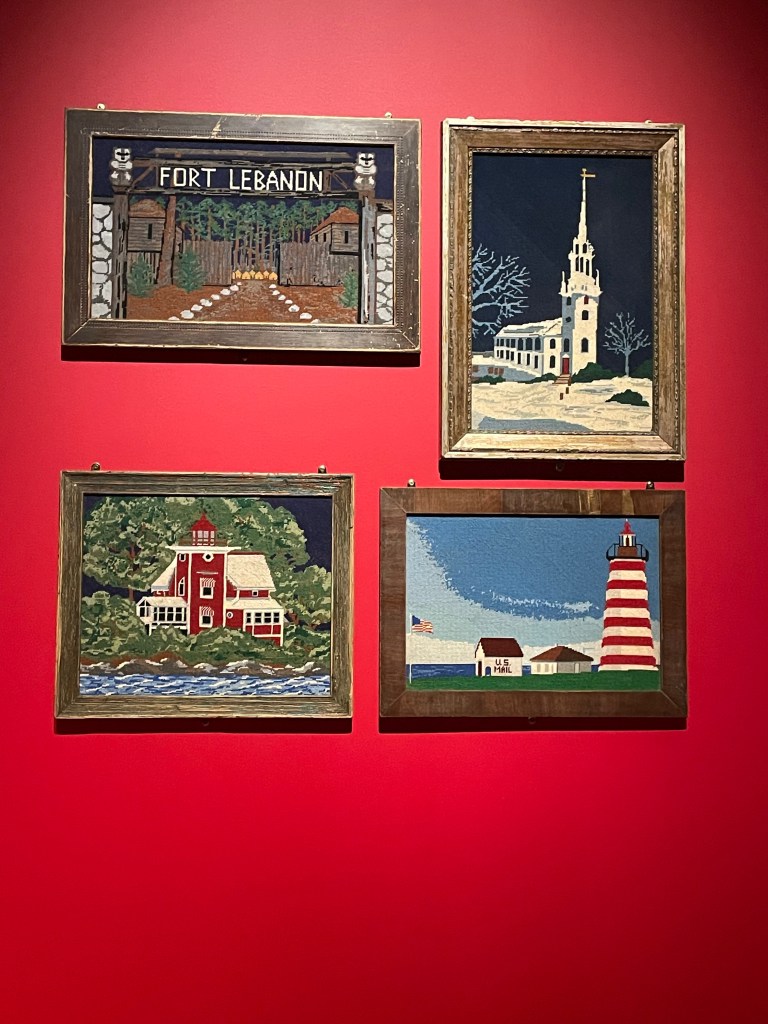
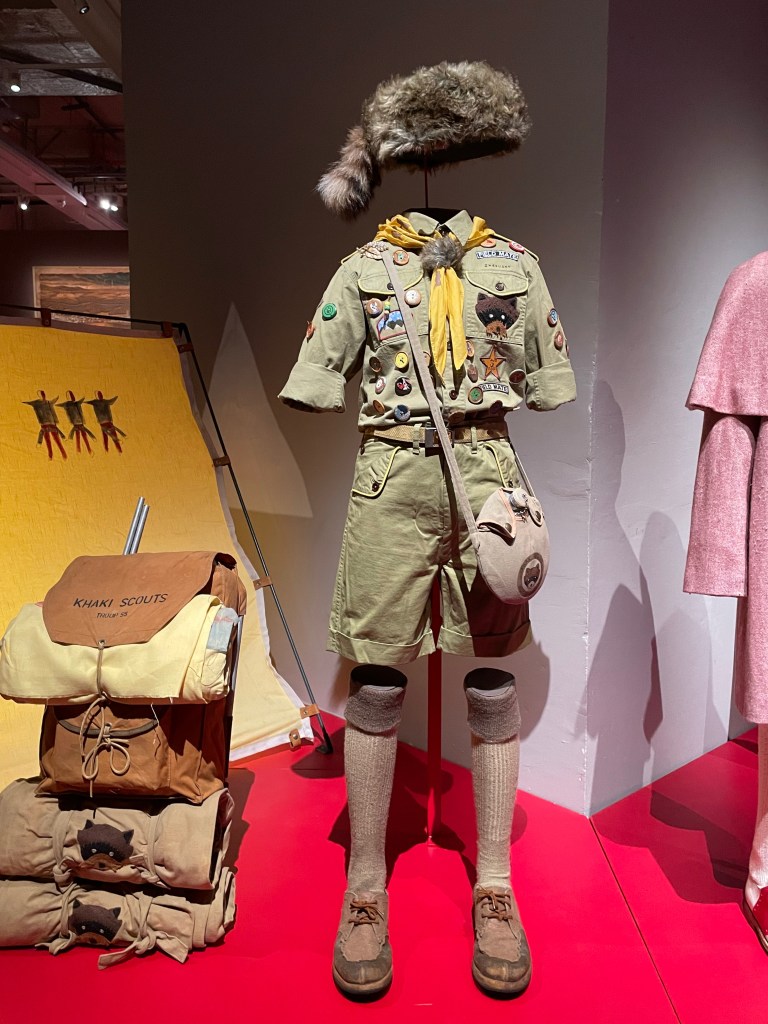
From his very first short film, The Bottle Rocket, (when he discovered that the production company has rights over all the props and costumes) he understood the importance of keeping control over items created for films; and ever since he has kept storyboards, costumes, props and memorabilia from his films. Nearly thirty years’ worth of items have been stored in a vast space in Kent and now they have been removed from boxes and displayed for all to see. The curators of the show have done a great job in presenting everything and clips from films are shown on screens too, giving context to the objects.

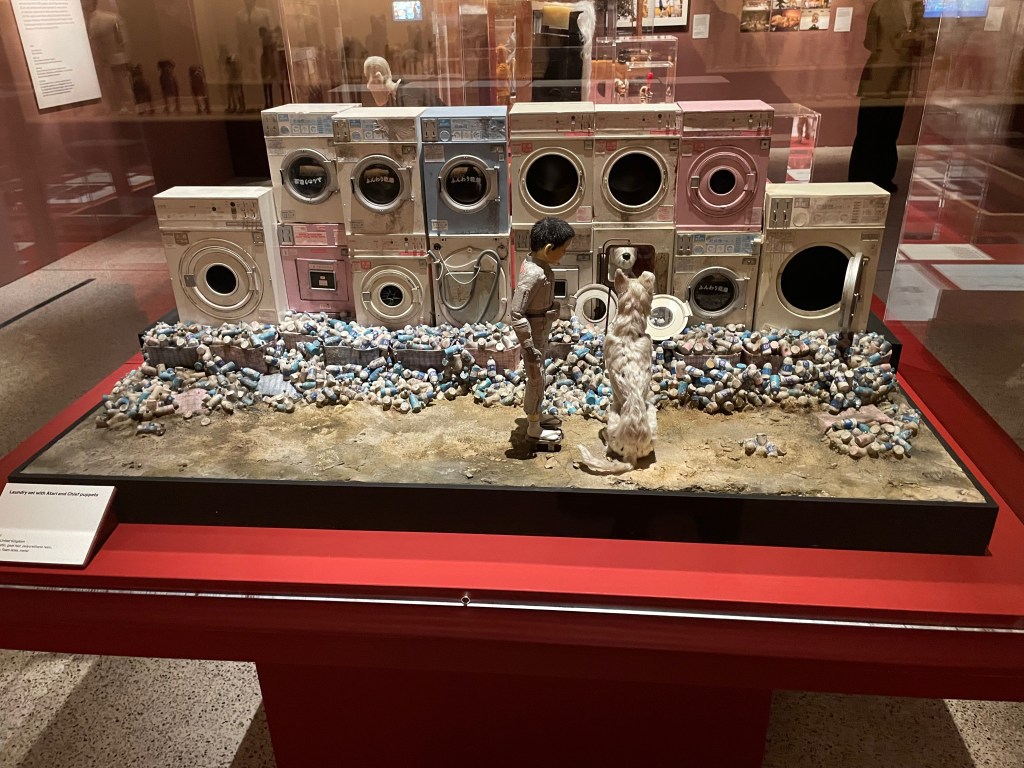
The little puppets and models for his epic stop-motion films, Fantastic Mr Fox (2009) and Isle of Dogs (2018) are glorious to view. Apparently it was the talented puppet makers and craftsmen of the UK which drew Wes to the UK to make these films.

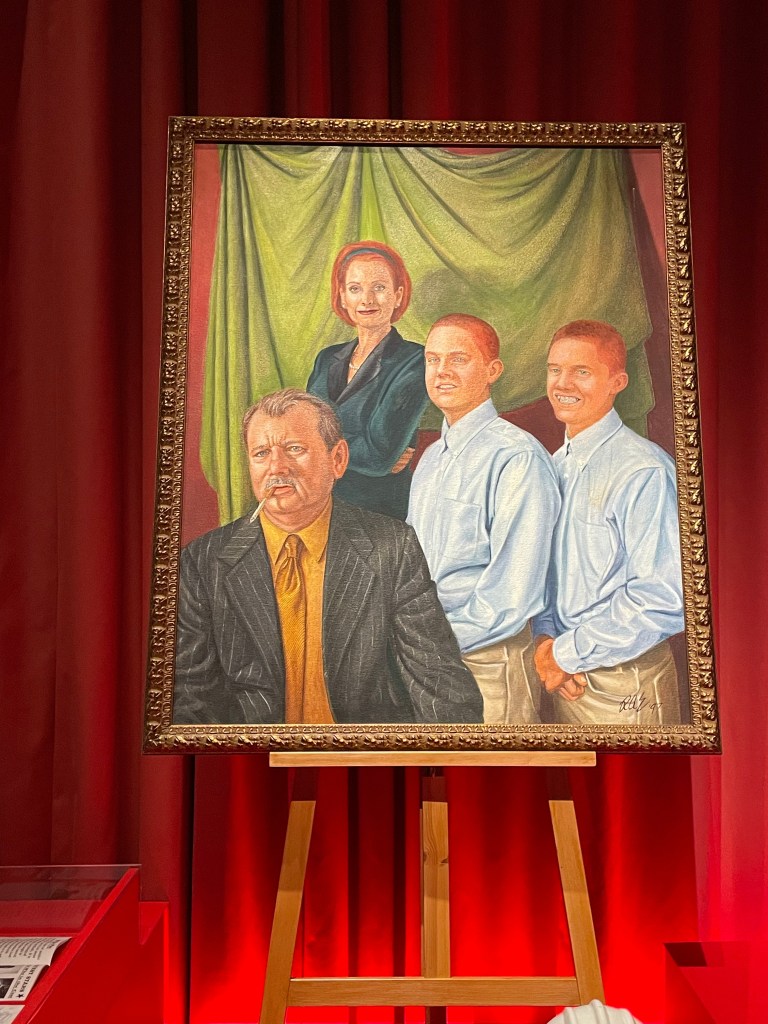
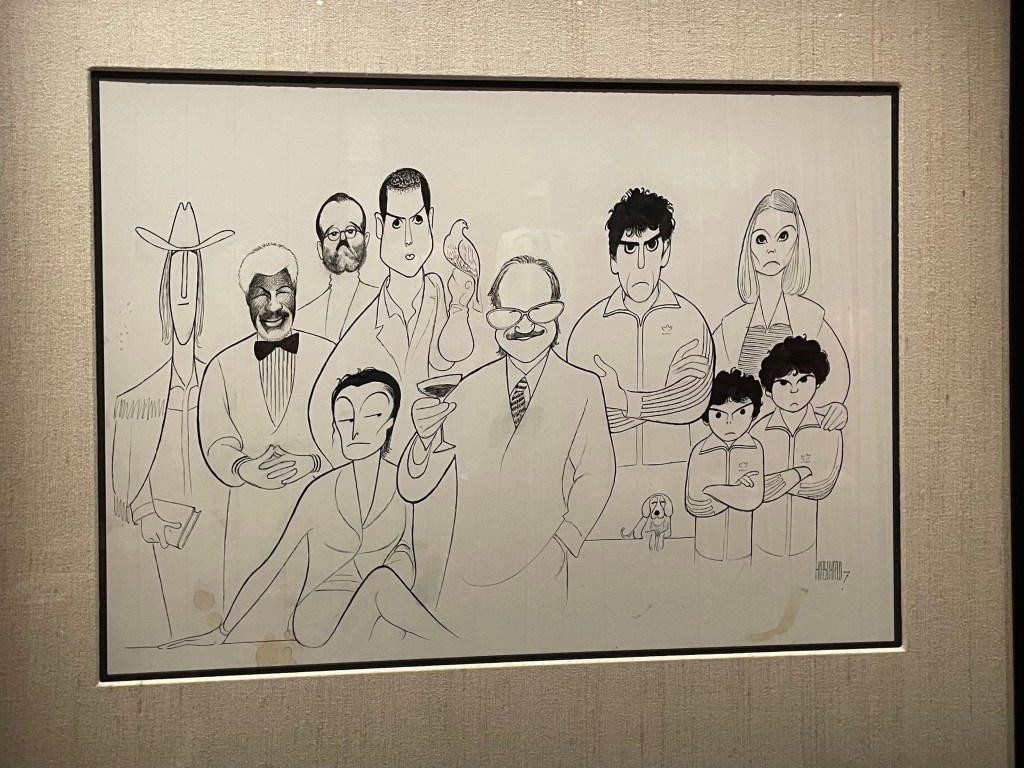
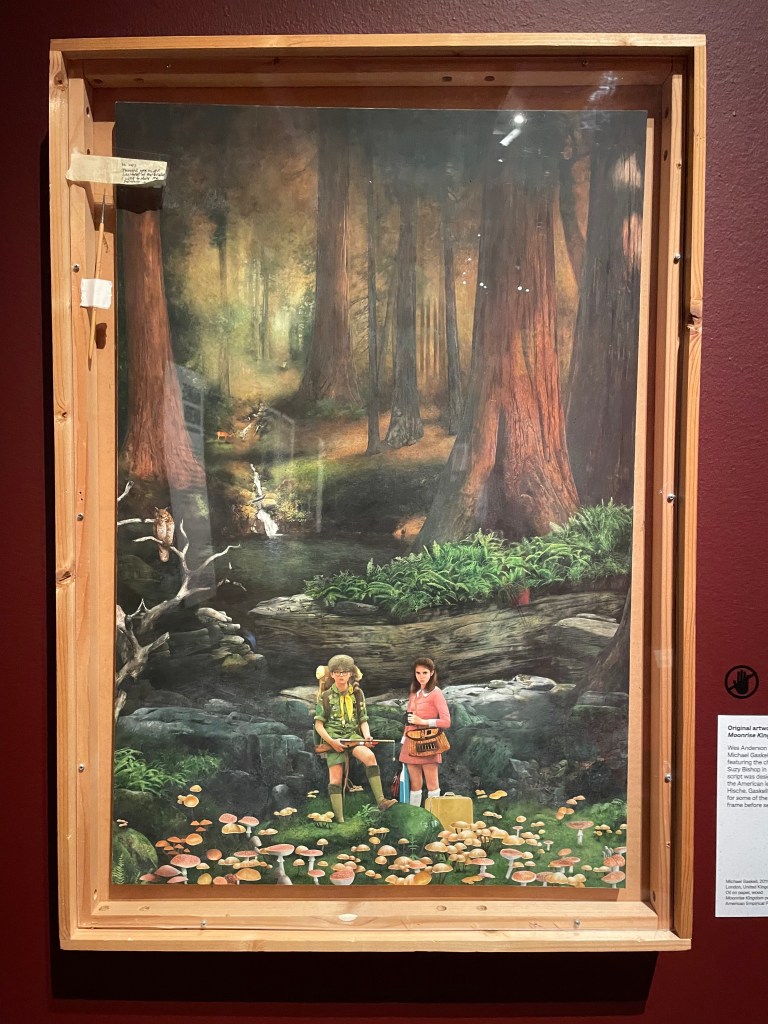
You might recognise, above, the Royal Tenenbaum props and costumes, or artwork from Moonrise Kingdom.

So, my resolution for 2026 is to watch all the Wes Anderson films I’ve not seen and revisit the ones I have. I think, having seen this show, my experience of the films will be all the richer.

The show is on at the Design Museum until 26th July 2026.

By the Dawn’s Early Light – a very charming small exhibition of work by the little-known American artist Edward Austin Abbey. He was an illustrator before taking commissions for huge murals and decoration in significant places such as the Capitol House of Representatives in Washington D.C.

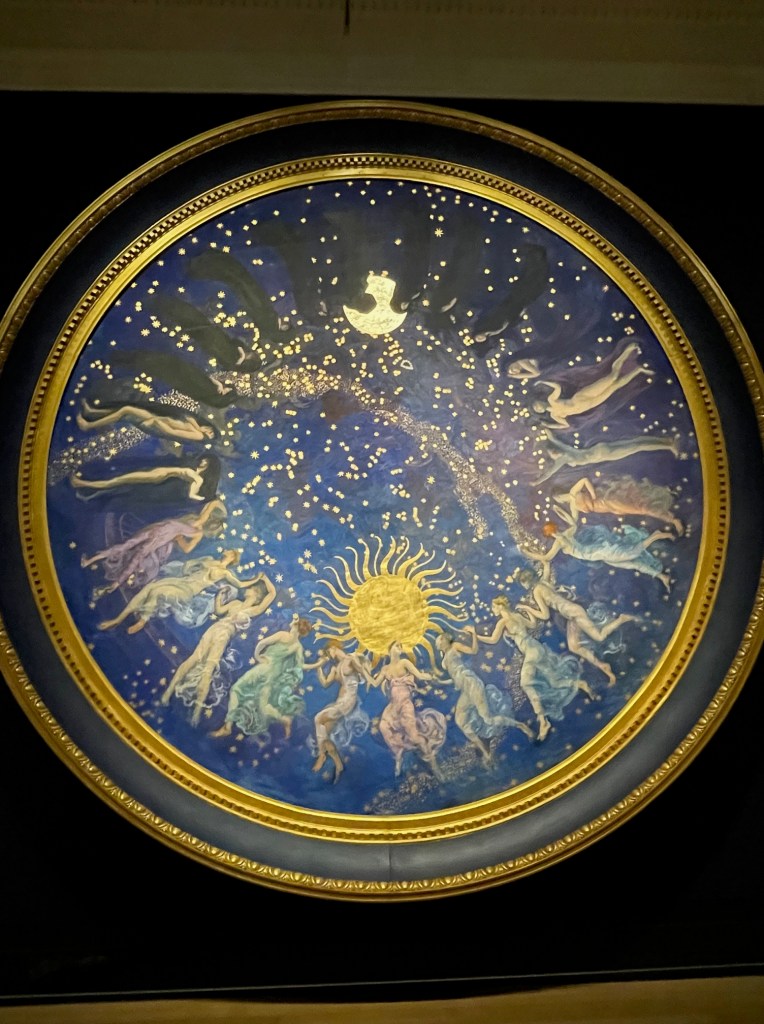
On entering the H J Hyams room (Room 1) of the National Gallery you are faced with an enormous, circular painting depicting the hours of the day. And this is just a half-size maquette of the final painting which was created by Edwin Austin Abbey (1852-1911) to adorn the ceiling dome of the House of Representatives in Capitol building. Created in1809-11, it is playful and decorative and great fun to view – the dancing figures gambol in sunny daylight and then disappear into darkness at night. Alas, Abbey died before he could see the work completed.

I had no knowledge of Edwin Austin Abbey before seeing this small show which shows what a proficient draftsman he was but very imaginative too and used his illustrative training when he moved into fine art and the creation of huge murals.

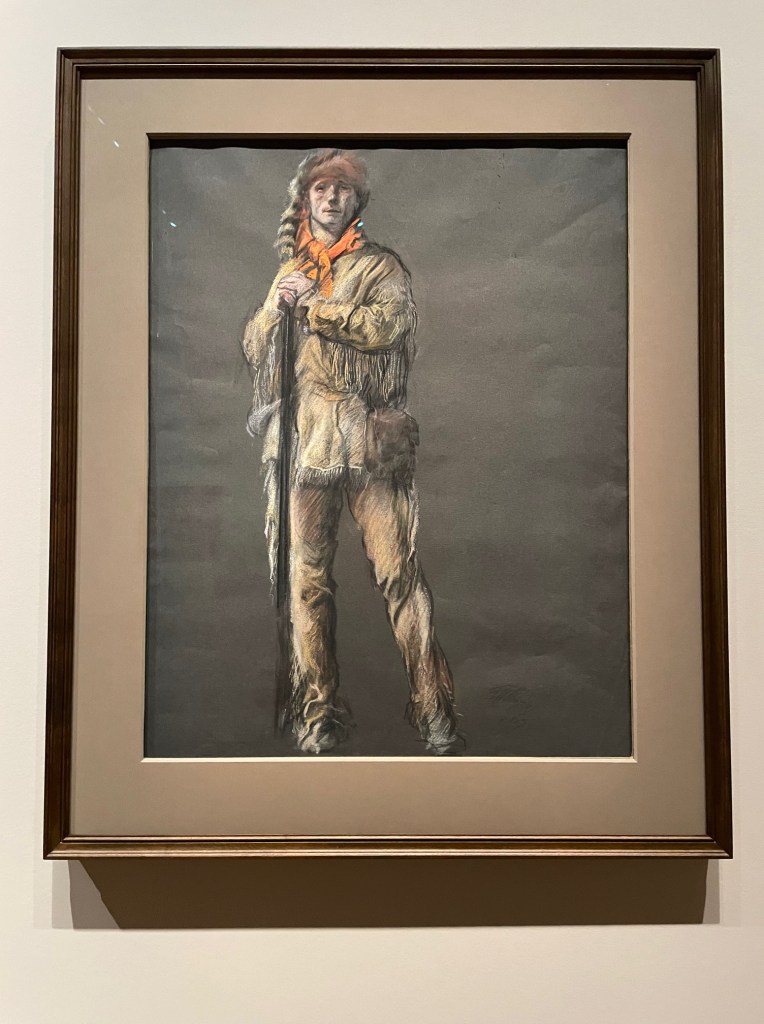
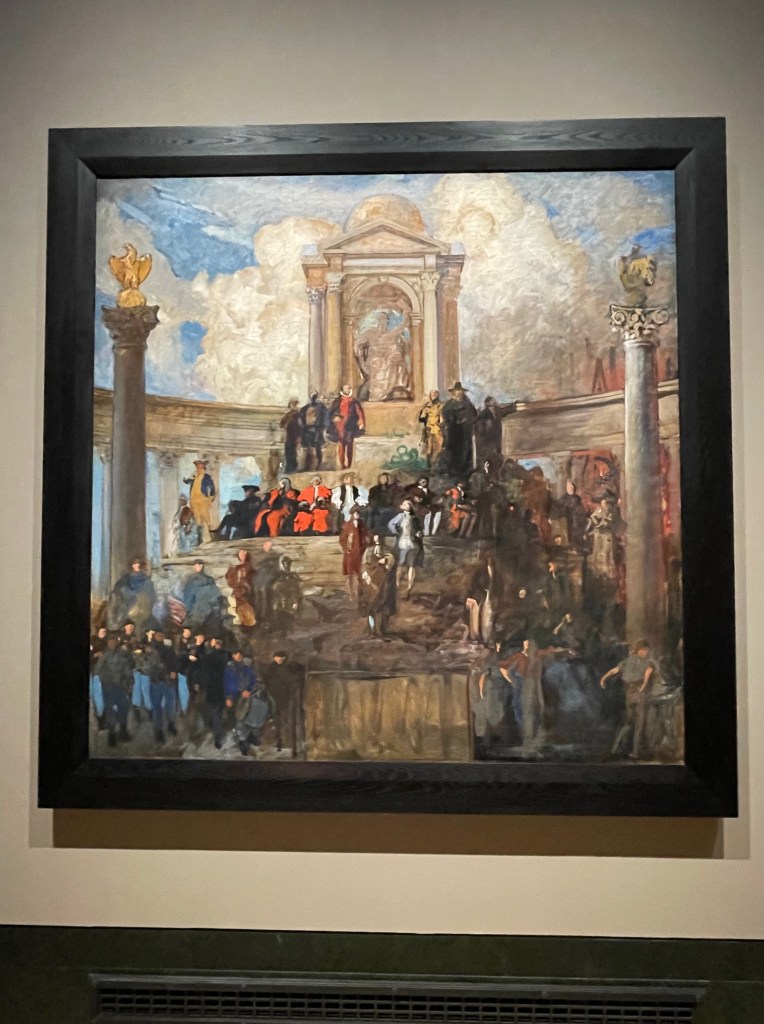
I was very struck by this imagined portrait of the American hero, Daniel Boone, who figures, top right in this outline painting for the state house at Harrisburg. I have a soft spot for this heroic figure. As 9-10 year-old child I lived in California and at school I was fascinated to learn about Daniel Boone exploits as a pioneer into the centre and west of America. I even wrote a poem about him: “Daniel Boone on his way to Kentucky, Got halfway there and thought himself lucky, for buffalo paths and Indian traces, helped the explorers and made happy faces.” OK, it’s early doggerel but I was very pleased to see this sketch of my childhood hero.

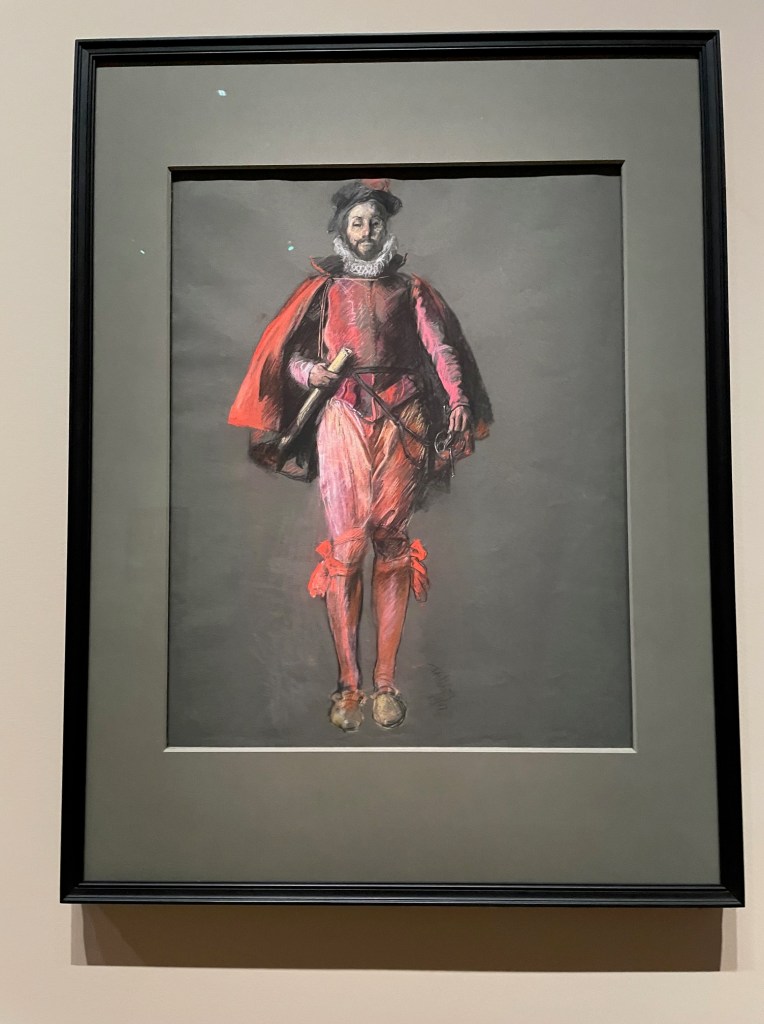
Another of my early heroes also found a place in the epic painting. It’s a very charming glimpse of an artist who deserves greater awareness. The show is on in Room 1 until

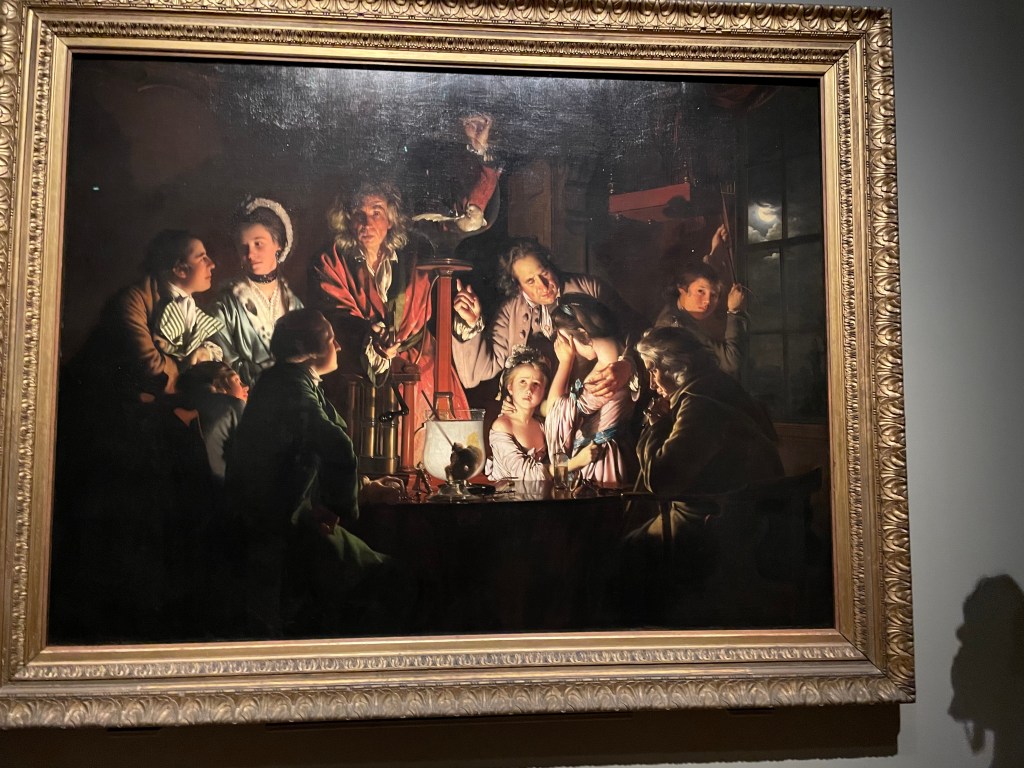
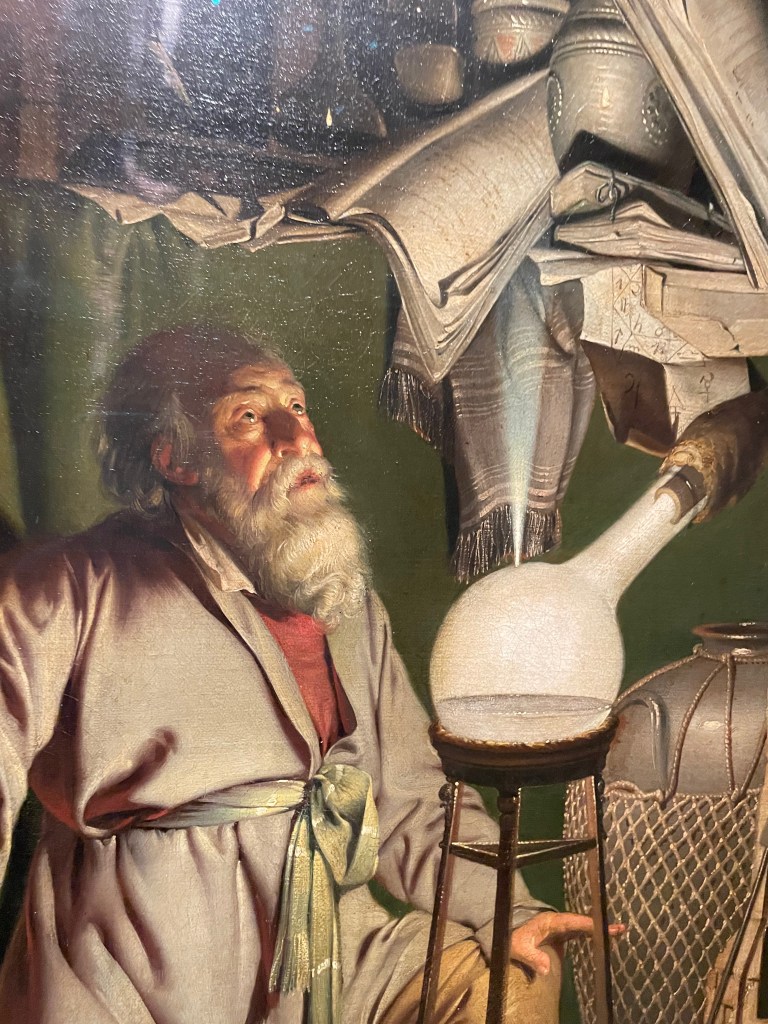
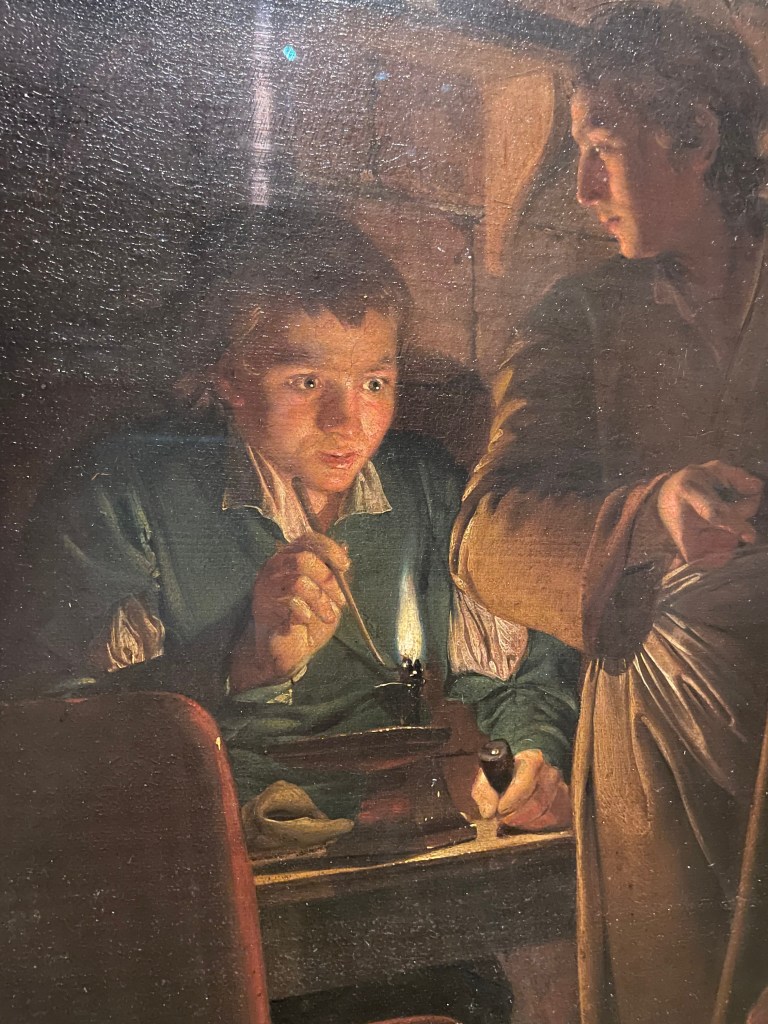
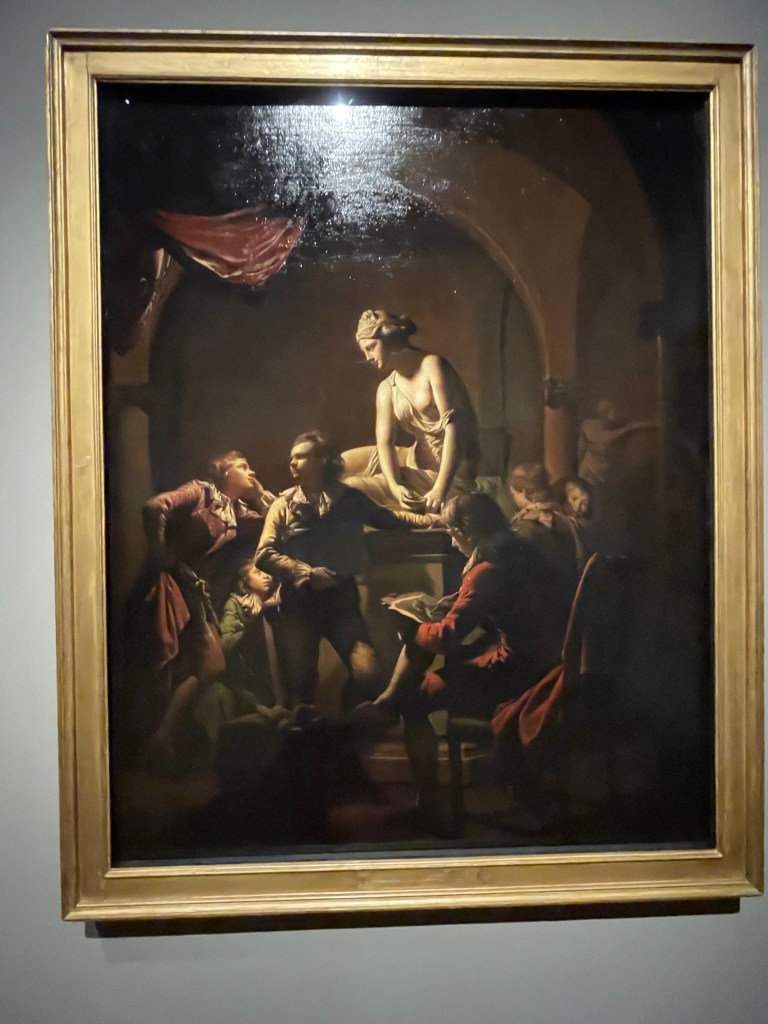
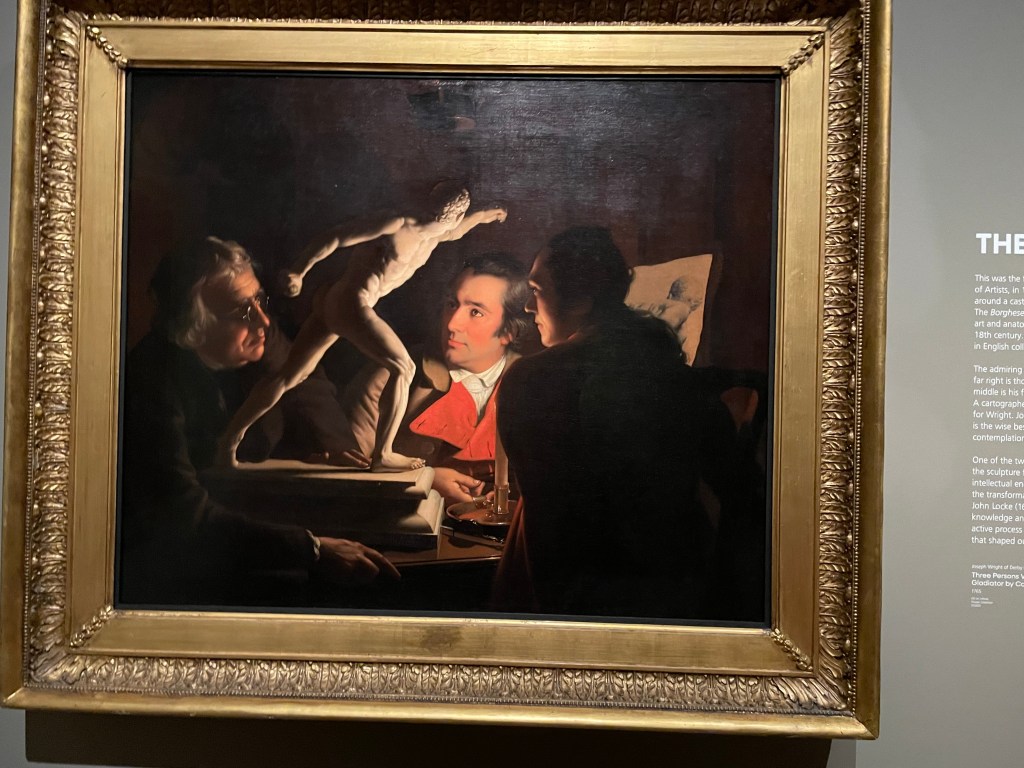
Wright of Derby: From the Shadows. What a terrific show at the National Gallery, London. I’ve long been an admirer of Joseph Wright’s ‘candlelight’ paintings which capture moments of interior drama, both literally and psychologically. Wonderful to see the artist’s work from 1765 – 1773 at the height of his powers.

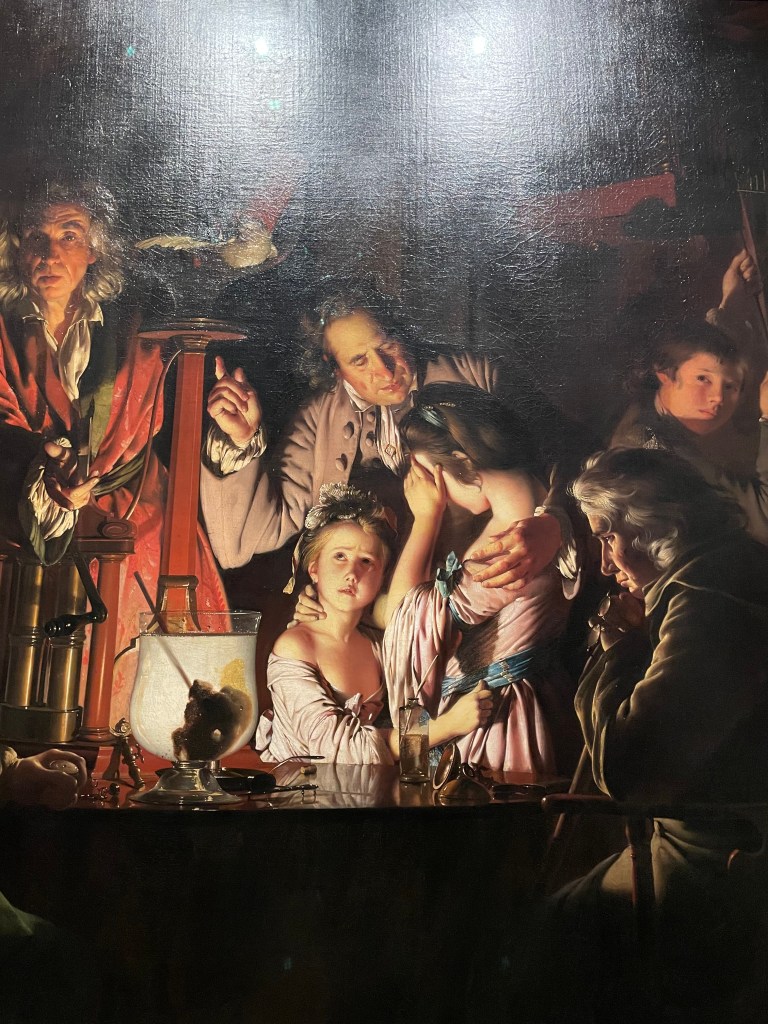
Above is a detail from probably the most famous painting by Joseph Wright, known as Wright of Derby – the town where he was born and worked. The Air Pump shows an audience watching a scientific demonstration. The air is being pumped out of a glass flask and the bird inside is about to suffocate. The girls are clearly distressed, the adults fascinated and the scientist resembles a wizard, in a loose gown, playing God over the life of the hapless bird. There is so much going on in this compelling picture which gives you so many perspectives. But the most striking element is Wright’s ability to capture the lighting of the scene. A single candle, hidden behind a large goblet containing a skull, illuminates the faces and highlights the reactions.

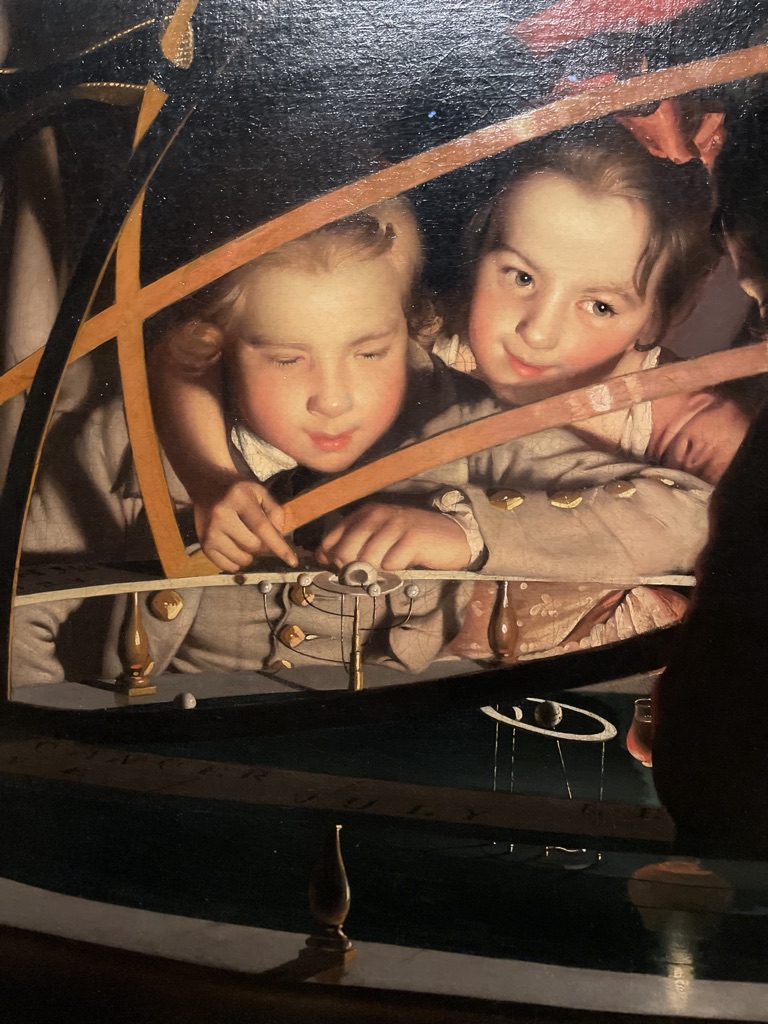
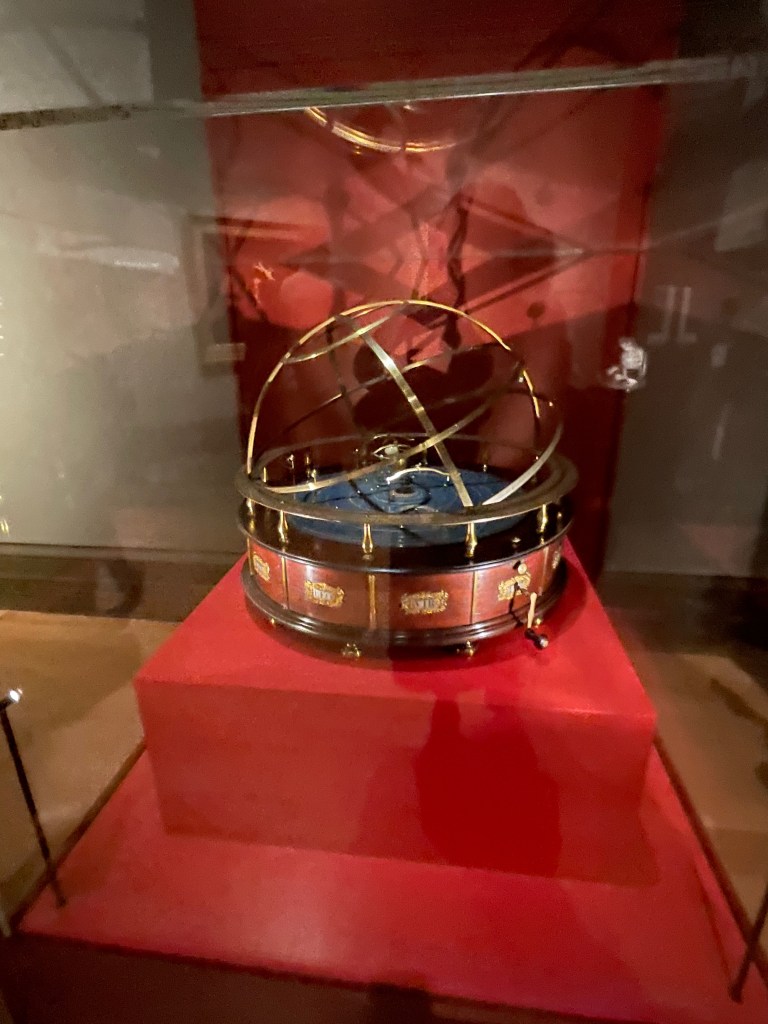
This wonderful exhibition not only brings the best of Joseph Wright’s paintings from the 1760s-70s but also assembles some of the instruments and props which feature in the pictures. For example, below, we see a painting entitled The Orrery which was an extraordinary teaching instrument for demonstrating the movement of the planets and the earth’s place in the heavens. The two boys are transfixed by the tiny orbs which are shown to move around each other.

Tenebrism is the word given to the style of painting associated by Italian artist Caravaggio and describes the use of an extreme form of ‘chiaroscuro’ (meaning light and dark). The drama derived from seeing, and not seeing, objects is brilliantly conveyed in these picture. As a viewer you are drawn to the illuminated faces and the expressions responding to the action but then you wonder what is happening in the shadows? Each picture contains so many questions and invites you to puzzle over the subject as you scan the painting absorbing the story.

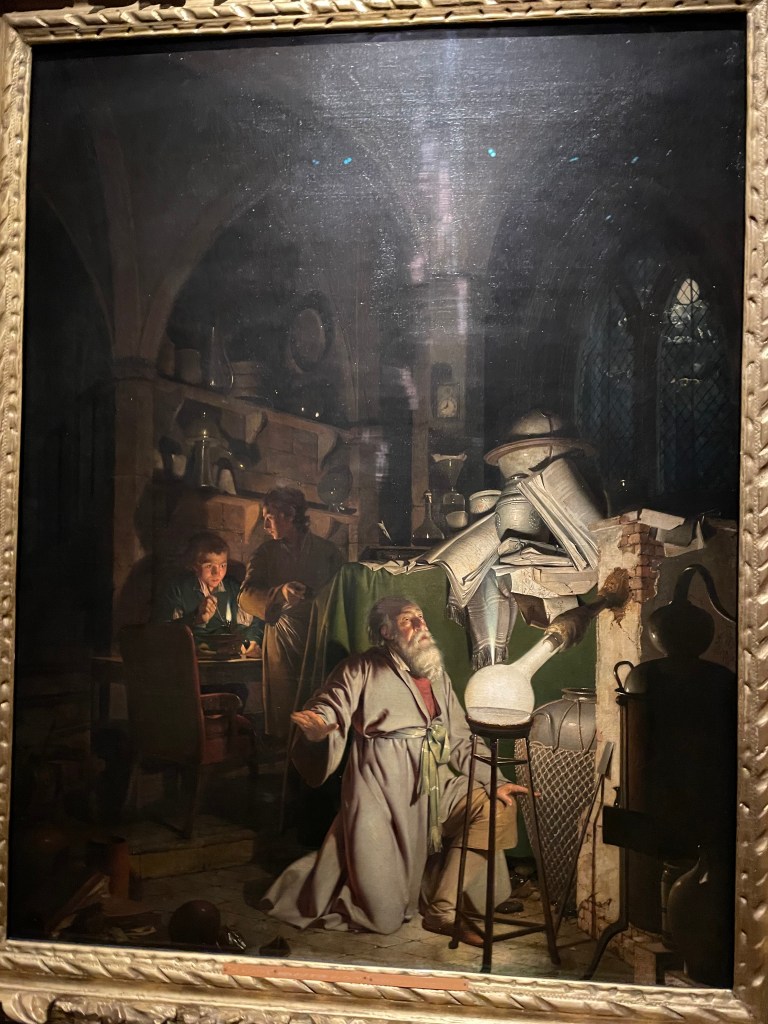
Above is The Alchymist in Search of the Philosopher’s Stone, Discovers Phosphorus, and Prays for the Successful Conclusion of his Operation, as was the Custom of the Ancient Chymical Astrologers. Wow! Quite a title, but what a picture, there’s so much going on. Amazement on the face of the alchemist and bewildered fascination by his helper making notes at the desk by candlelight. And capturing the bright light of phosphorus must have been a huge challenge.

I love this painting of the girl reading the letter. You can’t see the candle but it’s behind the paper, making it transparent, but for the shadowy fold. And is the man leaning over her shoulder about to grab the paper away? What was she reading? Oh, so many questions. This painting is up there with works by Vermeer but with a more rosey hue and earthy atmosphere.

Above are a couple of great examples of ‘tenebrism’ showing not only Wright’s skill at capturing light but depicting the enduring artistic quest to capture form by using light and shadow in the context of the art class.

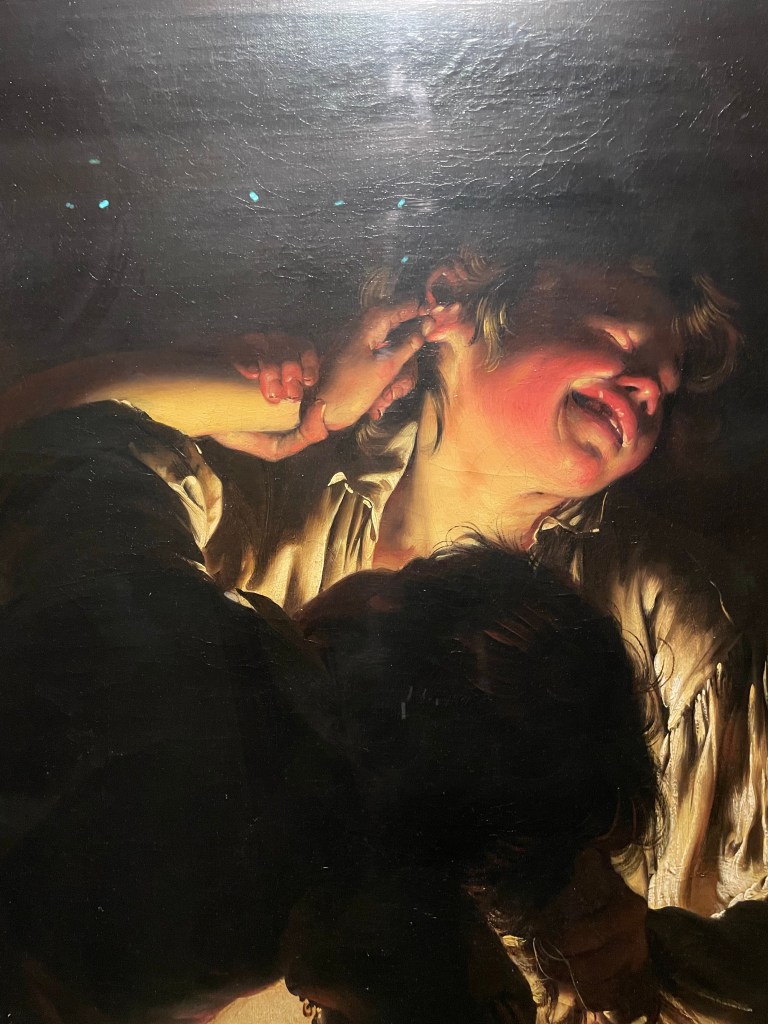
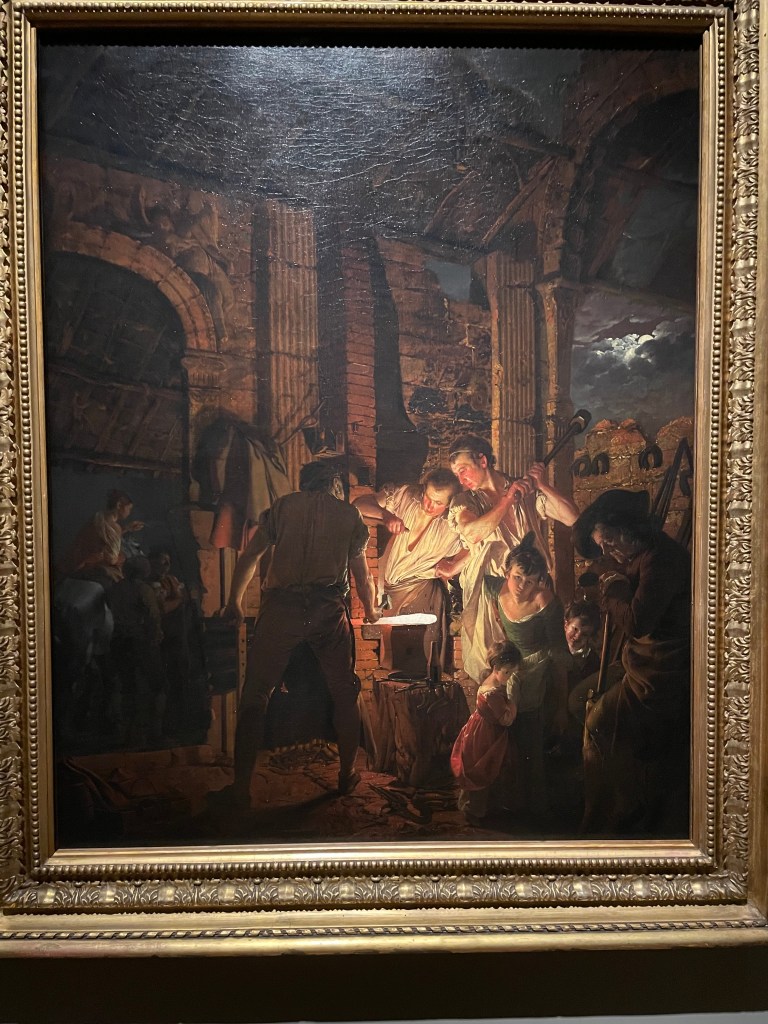
And above is a detail from a painting of two boys fighting. You can see that things are turning violent as one boy’s ear is grabbed and pinched with his assailant in the foreground represented in shadow. And I loved the picture on the right of A Blacksmith’s Shop. Nighttime work, with the moon beyond the clouds and all eyes focused on the action on the anvil. Wonderful.

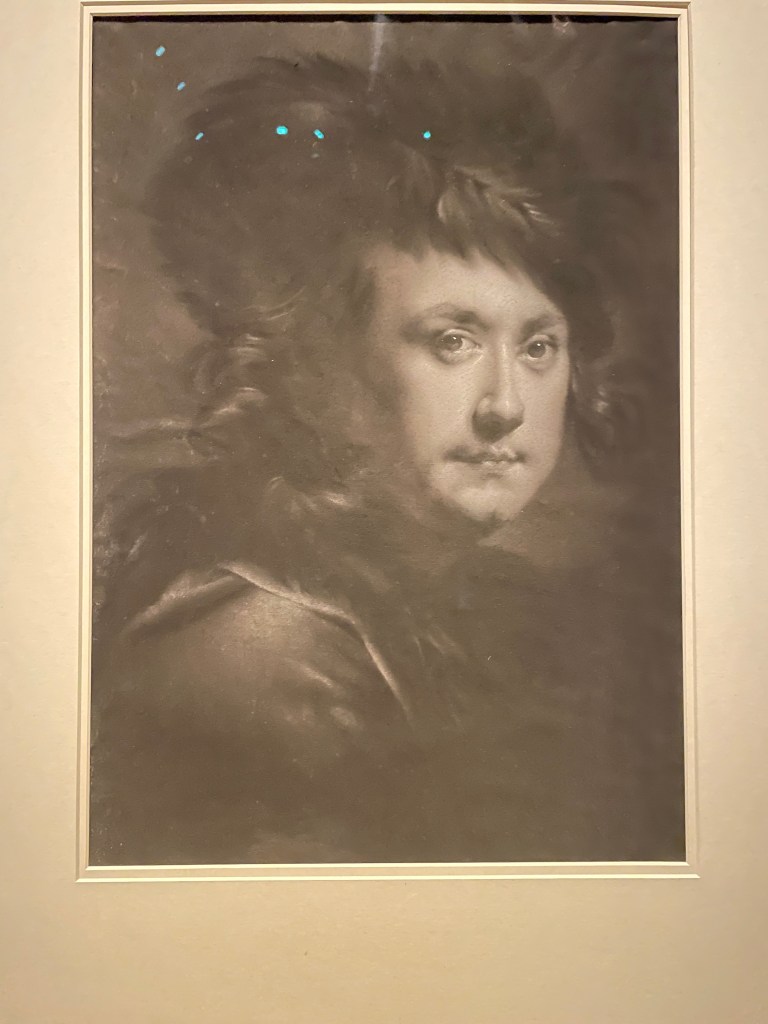
Above is a self-portrait by Joseph Wright of Derby done with pastels early on his career. Clearly he was perfecting his ‘tenebrist’ skills but, quite playfully, representing himself in the style of an ‘Old Master’. What a master of his craft he was. This is a great show. It’s on at the National Gallery until 10th May 2026.
The Story of South Asian Art at the Royal Academy shines a light on the artist Mrinalini Mucherjee, her family and fellow artists. Their work spans the the second half of the twentieth century and shows how Western art was stylistically absorbed into traditional Indian art.

I had no idea what to expect when I attended the press preview for this show. My knowledge of Indian history is scant. For this exhibition we were introduced to the work generated by Benode Behari Mukherjee, his wife, Leela, daughter Mirnalini and students who lived and work an an idyllic-sounding art school established in Santiniketan in 1919. This was a time when Indian artists might look to the West for influence but were determined that their work would be definitively Indian, and reflect their deep-rooted culture.

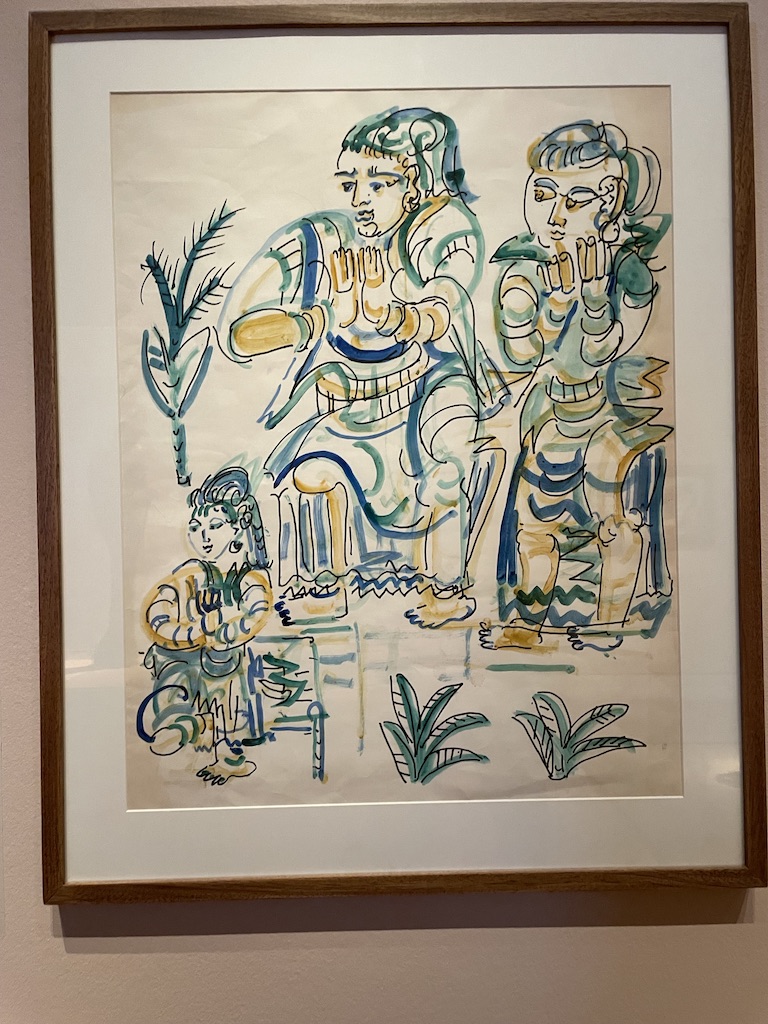
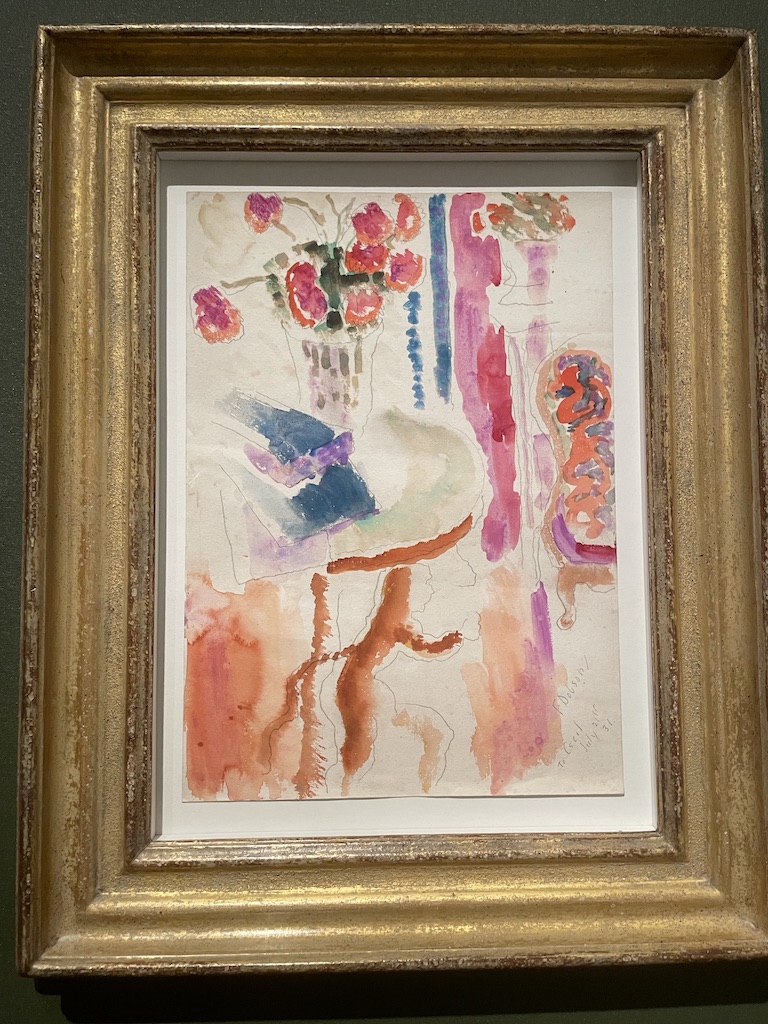
I was impressed by the variety of work and, at times the visceral nature of the imagery. Above is a water colour sketch on paper by Leela Mukherjee demonstrating the influence of Matisse through bold, vigorous brush strokes.

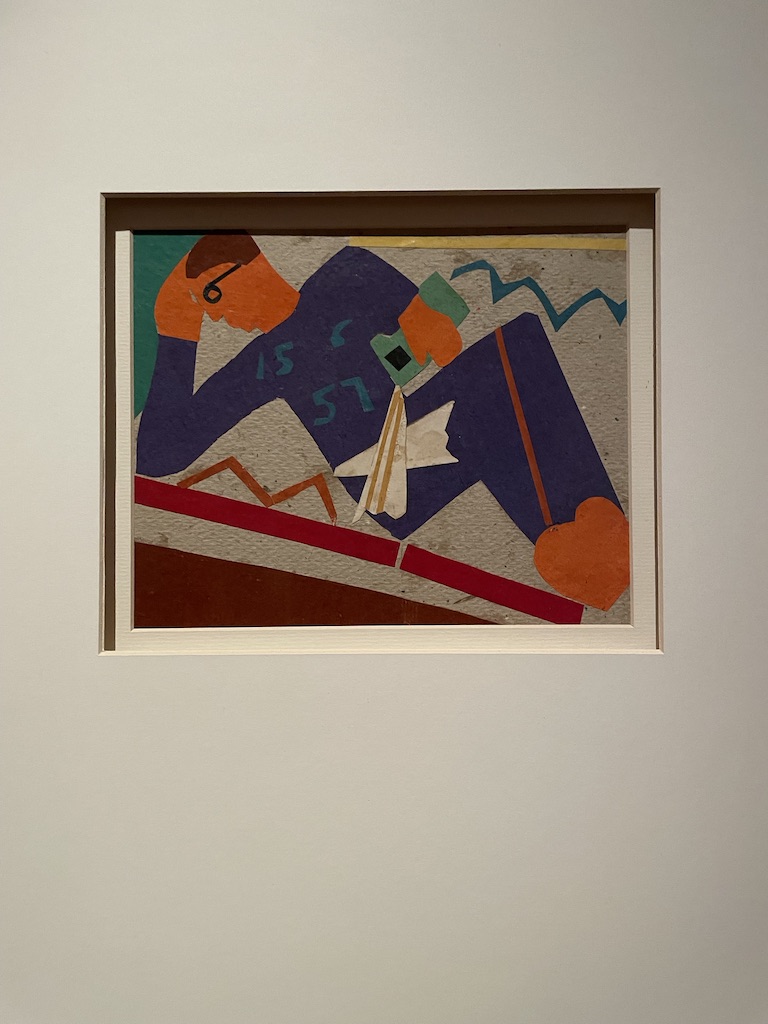
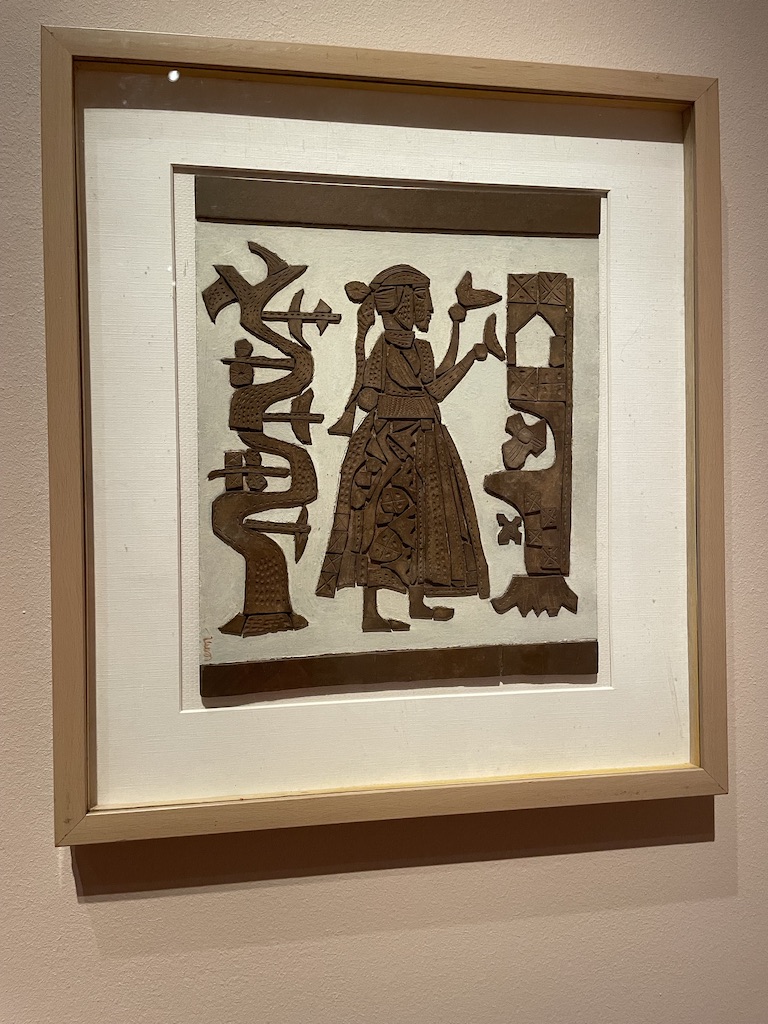
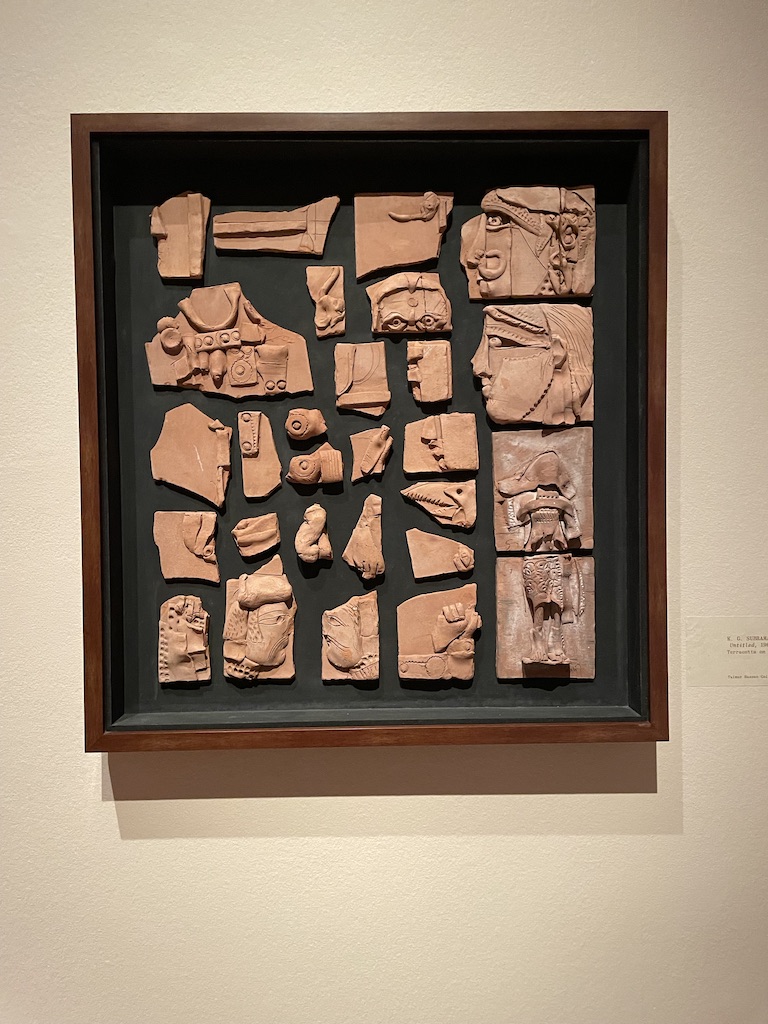
I really liked this trio of work. On the left is a paper collage made with cut outs by Benode Mukherjee. He became blind in his 50s but continued working and teaching. His daughter, Leela, worked closely with him, describing what she could see around them and helping him interpret his art by preparing and cutting up paper for him to collage. He would then, intuitively, ‘feet’ his way into these later works. In the centre is a carved wood mosaic by K G Buramanyan (a student) which relates to a monumental mural commissioned in 1962. The mural stretches some 25 metre and used 13,000 terracotta tiles – examples are shown on the right.

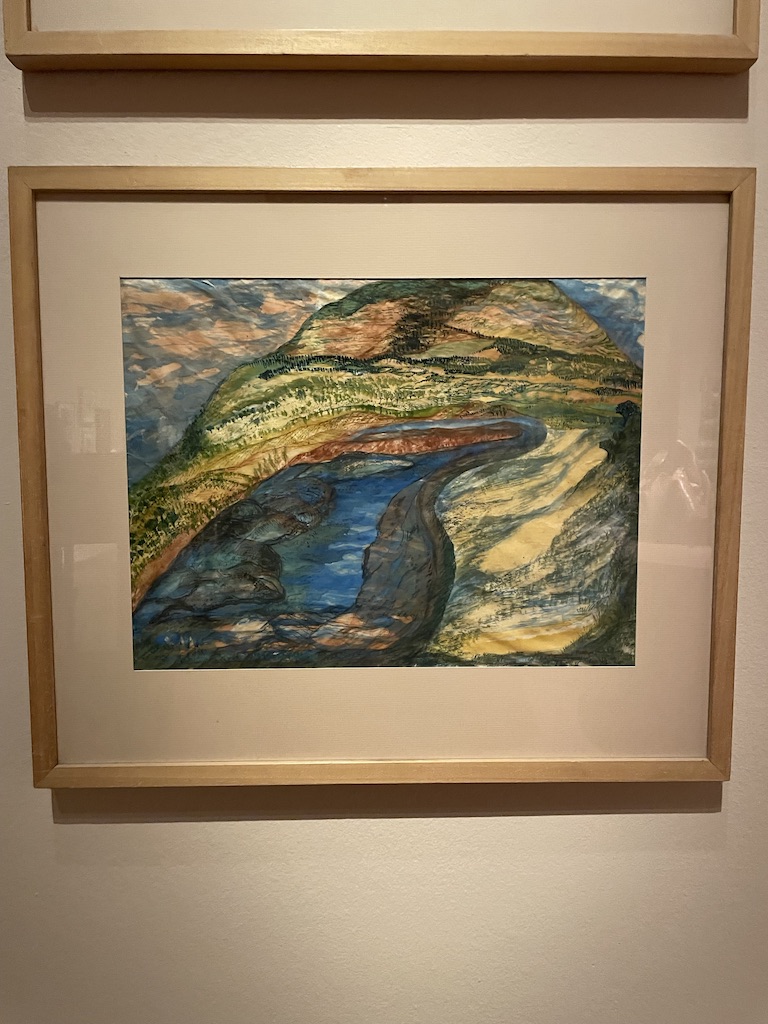
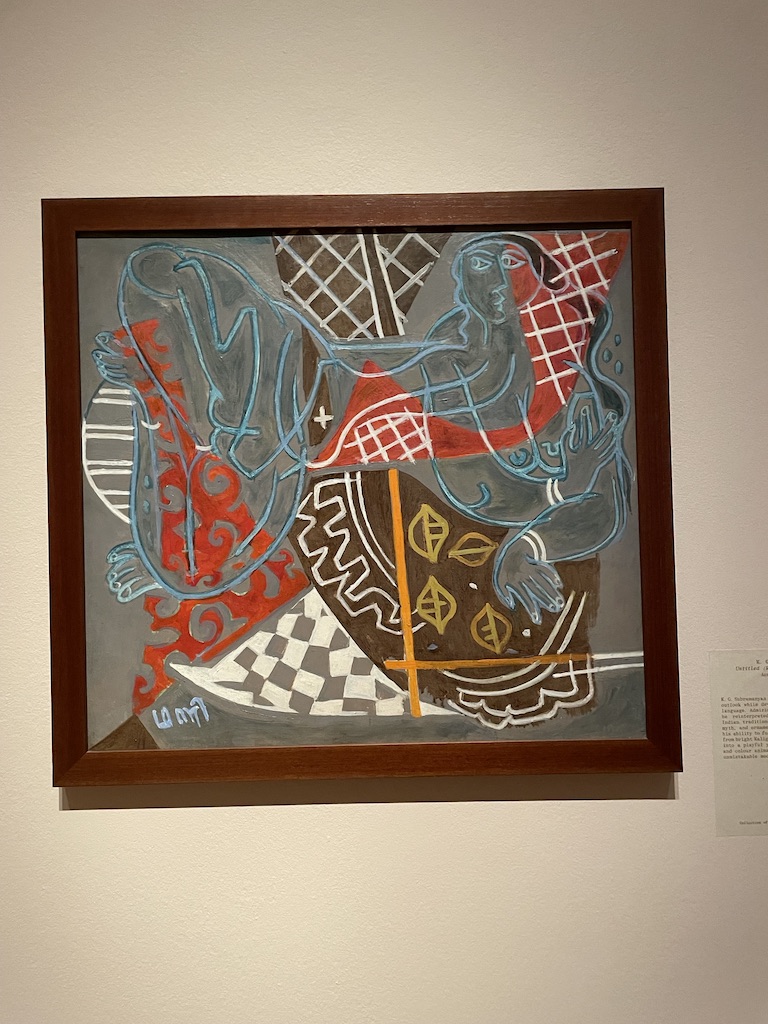
These two paintings caught my eye. On the left is a watercolour by Mrinalini Mukherjee which is like an abstract landscape using great colours. And on the right is a very Matisse and Picasso-inspired ‘Reclining Woman’ by K G Subramanyan.

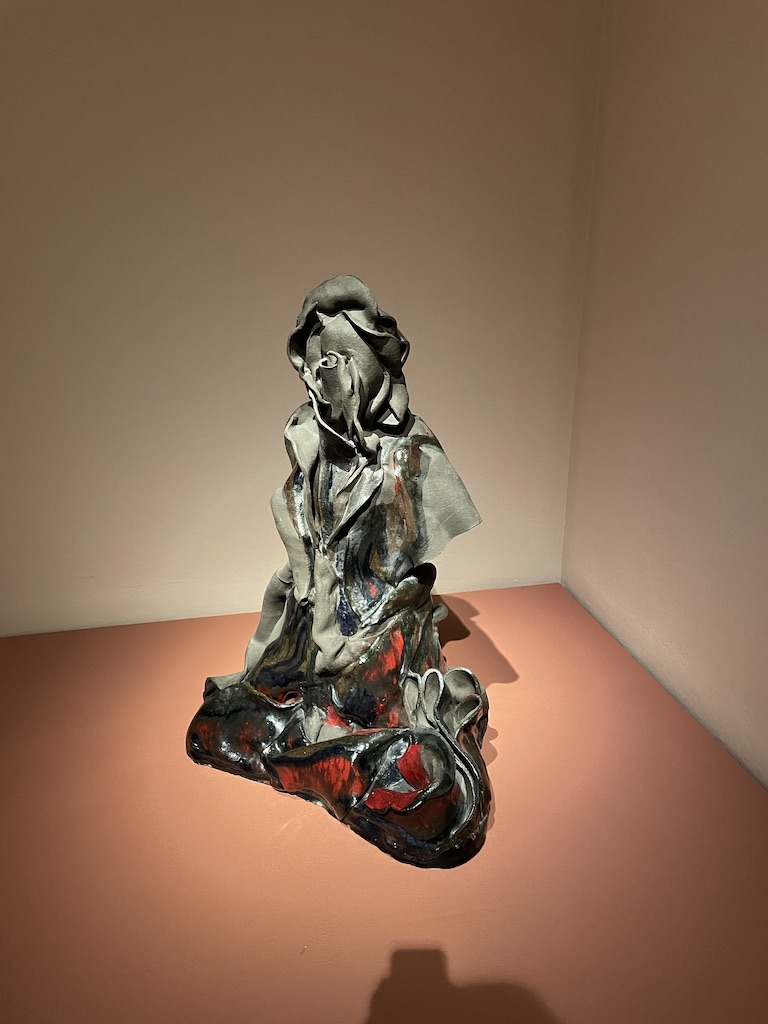
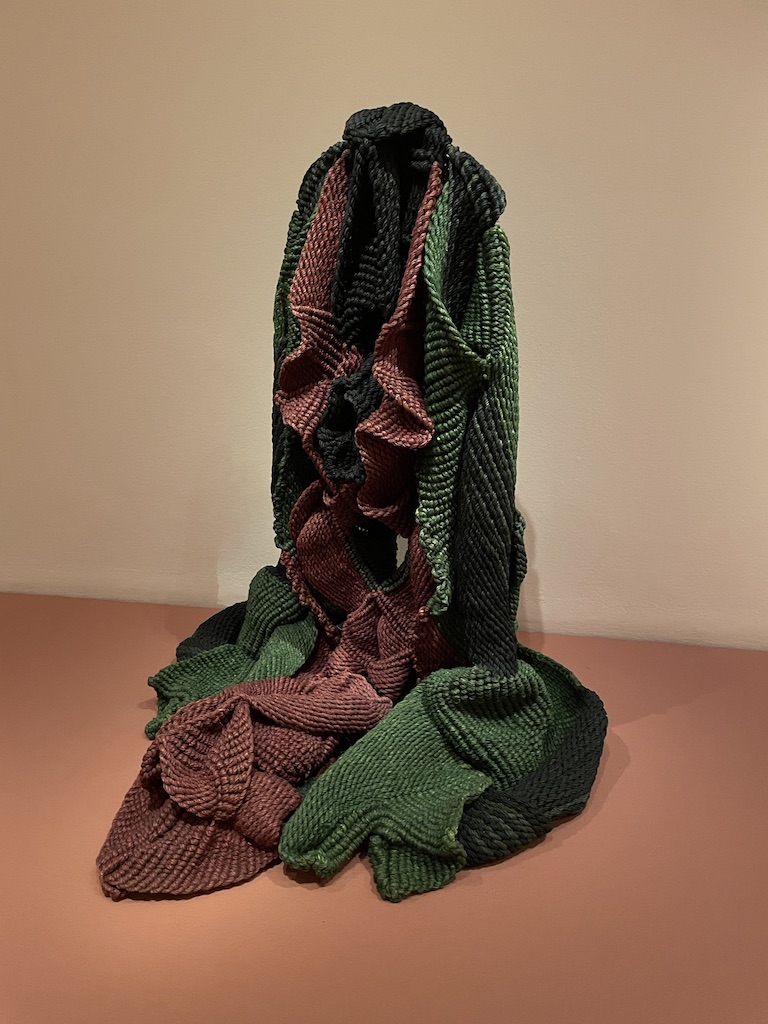
The sculptures are interesting. On the left is Night Bloom II by Mrinalini Mukherjee, a partly-glazed ceramic made with folds of clay which convey the idea of a woman seated in the lotus position. They clay bears impressions of textiles. And on the right is her intriguing sculpture named Jauba, from 2000 made with hemp and steel.

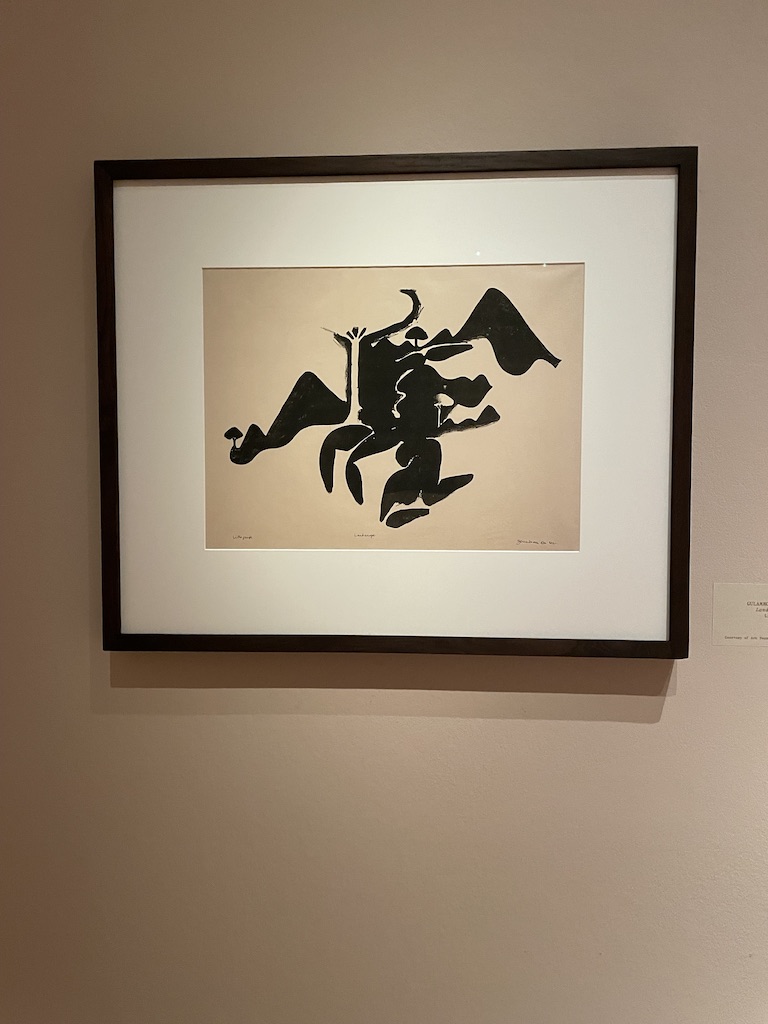
I found this lithograph, Landscape 1968, by Gulammohammed Sheikh quite threatening with intimations of unsettling goings on. And on the right is an etching entitled Riot from 1871 where the violence is evident.

A very intriguing show. It’s on at the Royal Academy until 24 February 2026.

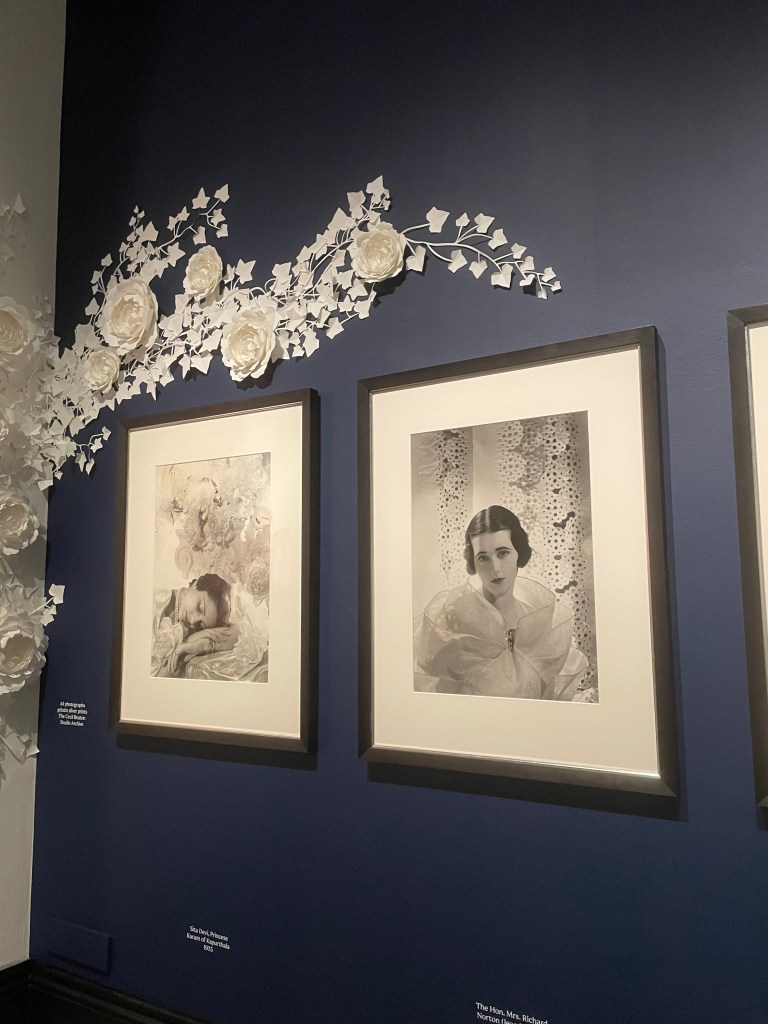
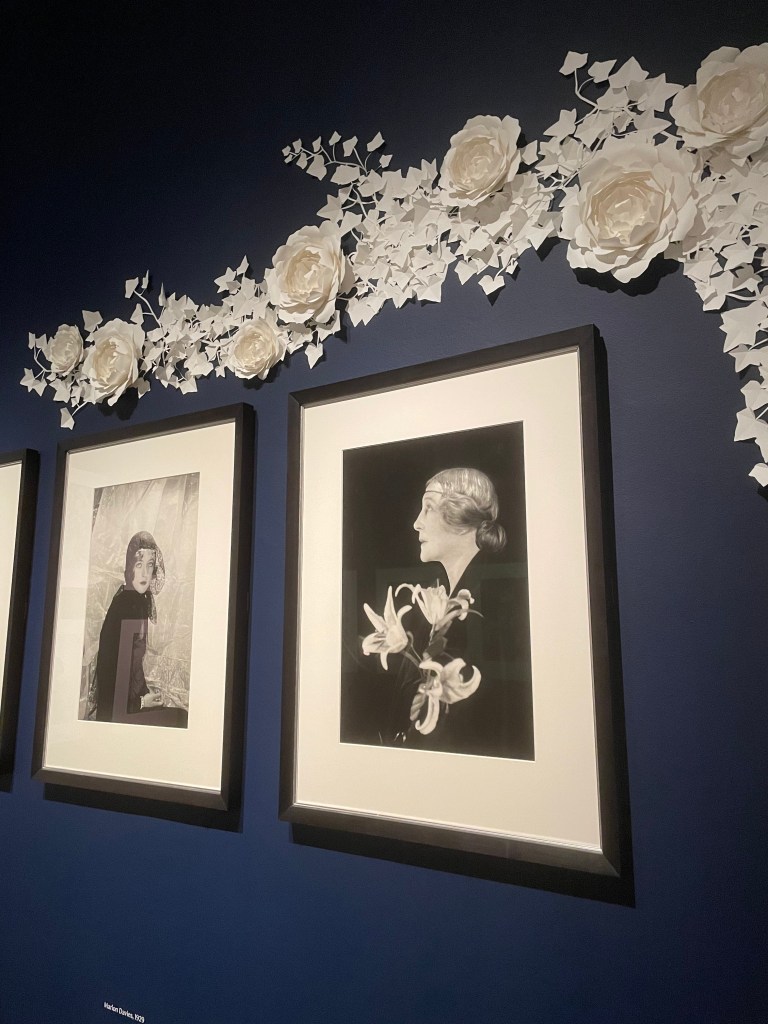
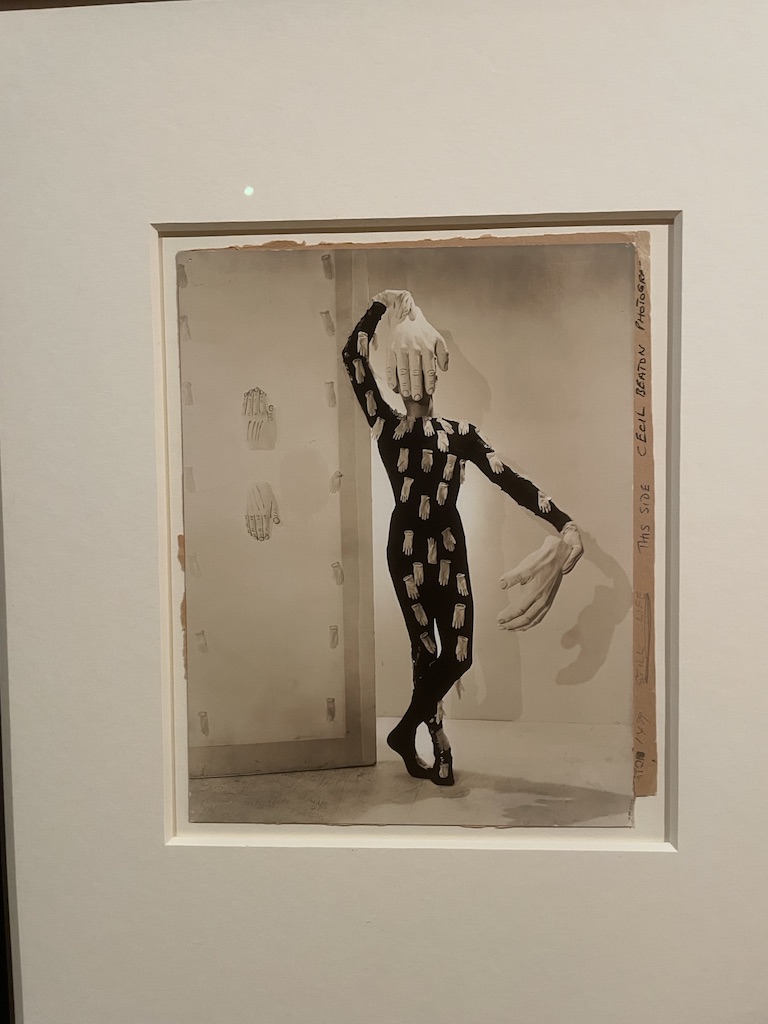
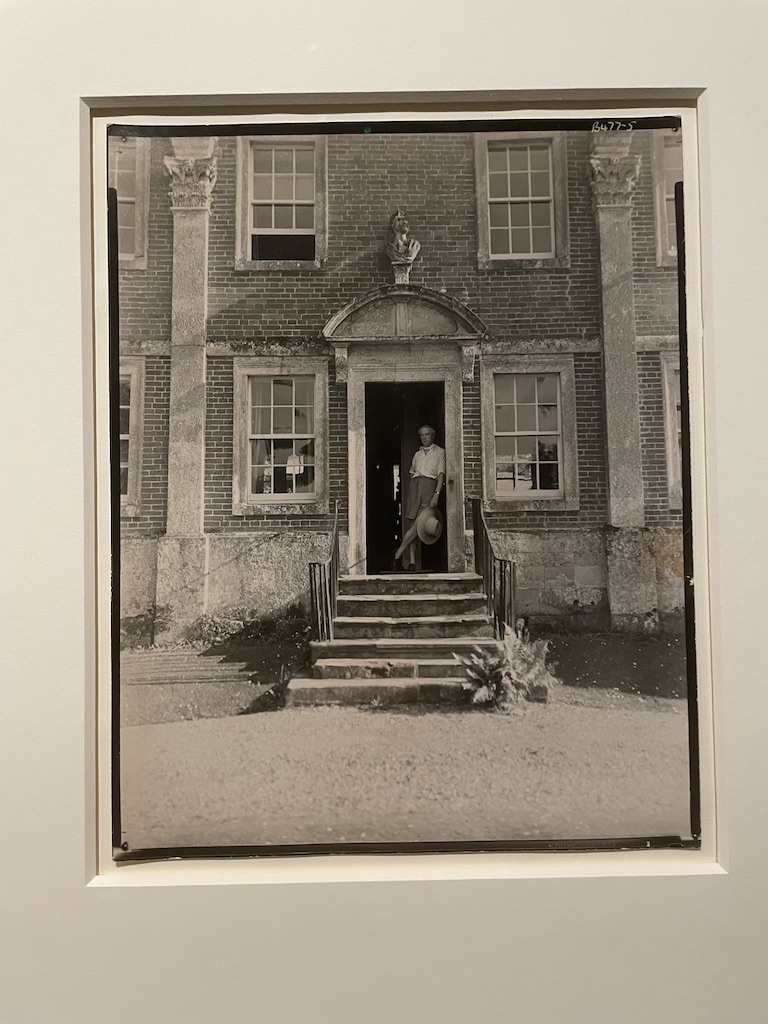
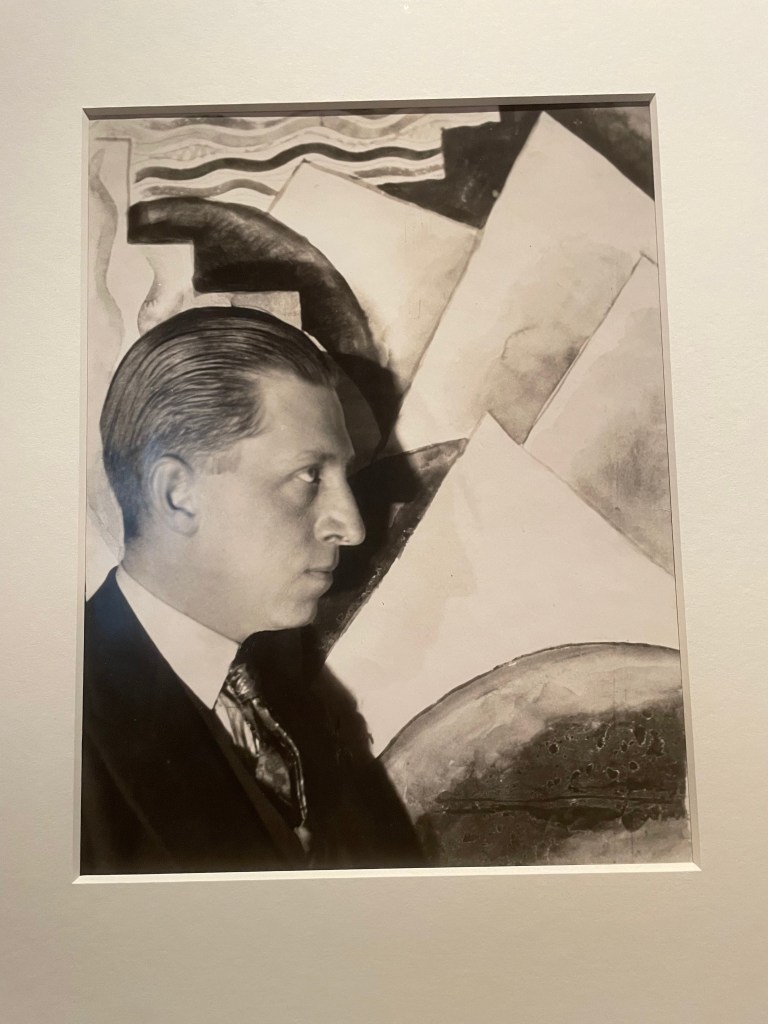
Cecil Beaton’s Fashionable World – well, there is so much more to this show at the National Portrait Gallery than fashion. Glorious to see so many photographs, drawings, illustrations, sketches and creative ideas which demostrate the breadth of this remarkable man’s abilities.
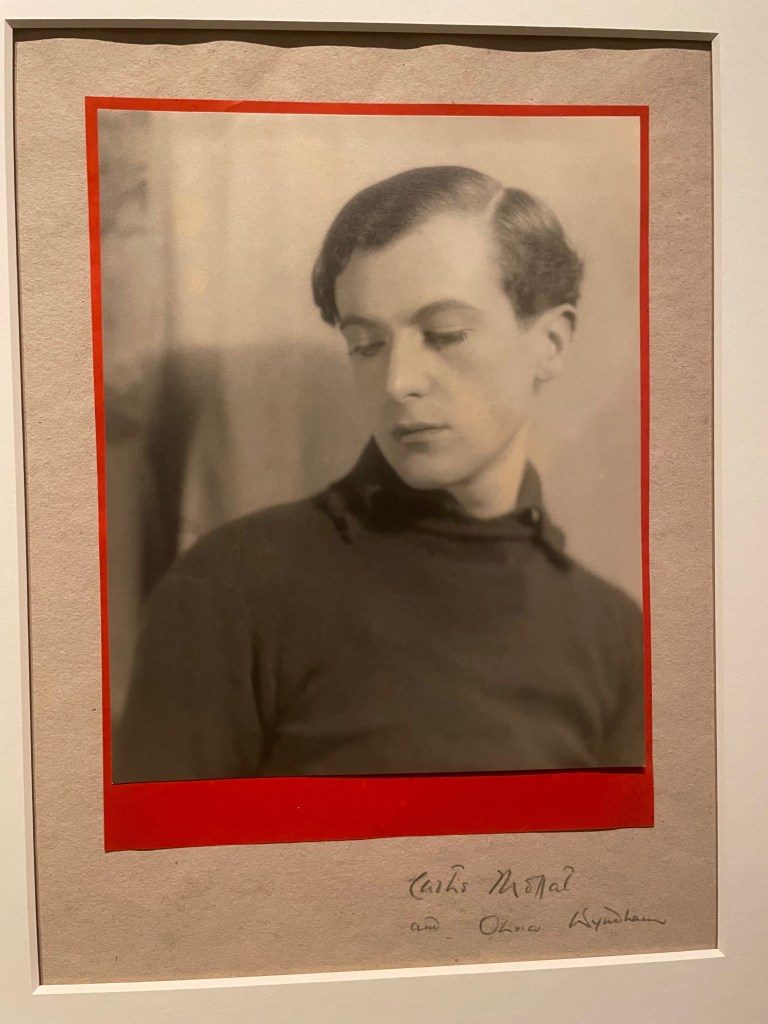
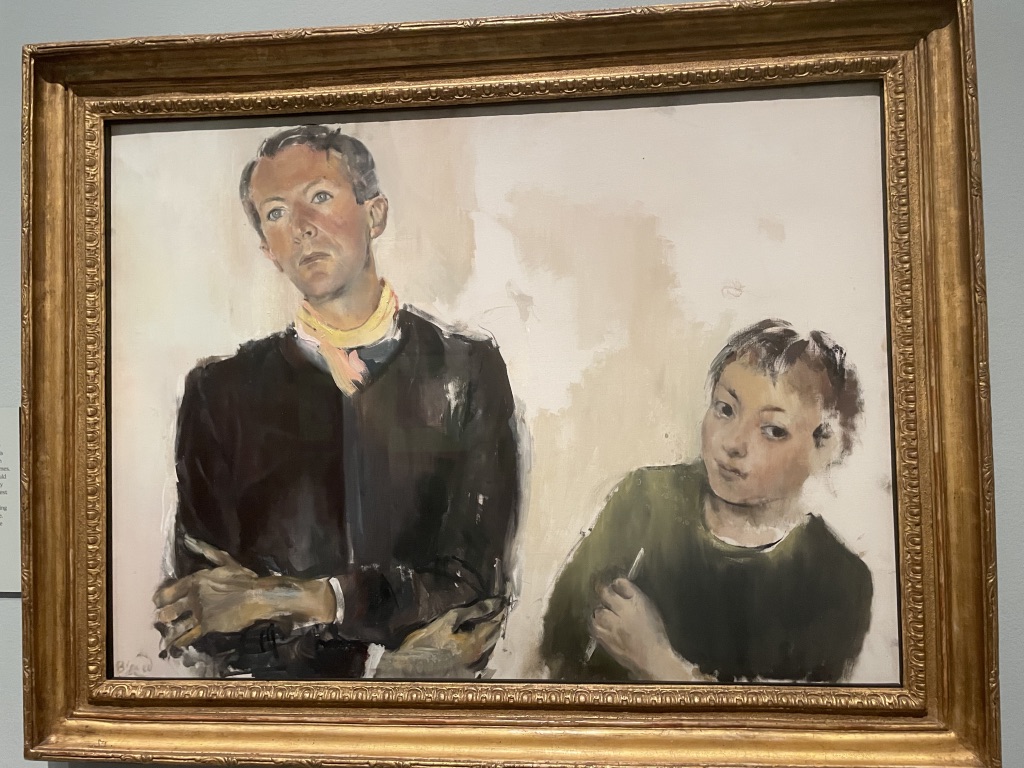
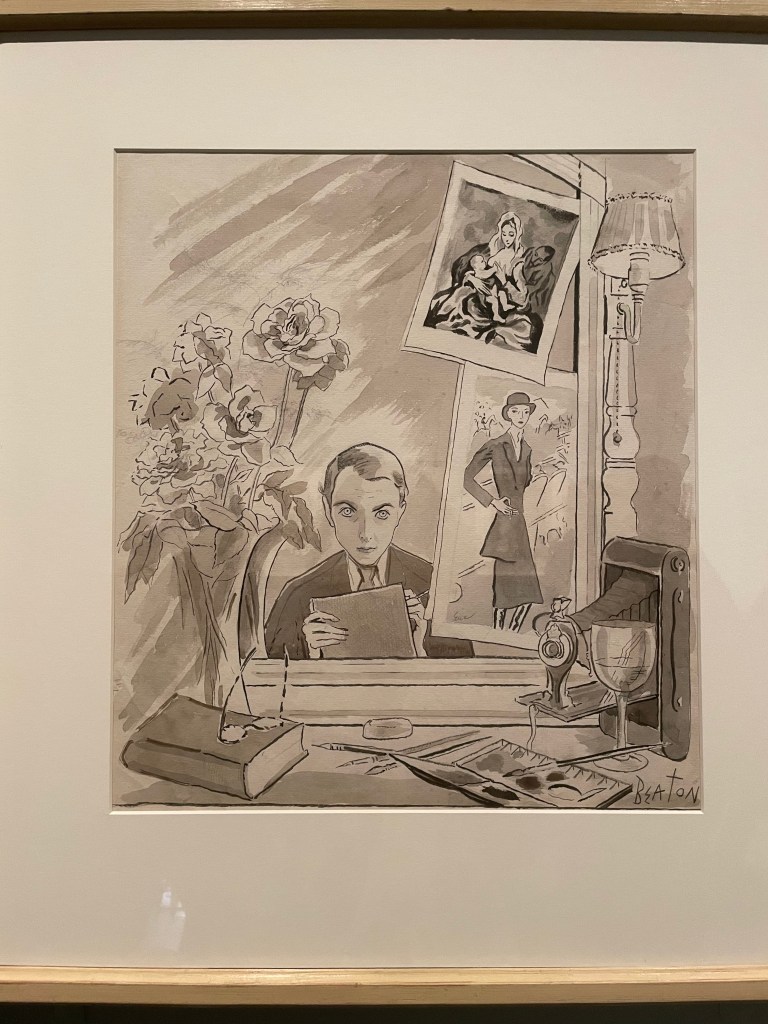
Above are three portraits of Cecil Beaton. On the left is a very posed photograph showing his youthful beauty, in the centre is an impressive oil painting by Christian Bérard, which shows a kind of wistful self-confidence and on the right is a self-portrait in pen, ink, wash and pencil made in a New York hotel room in 1928 – a young man with a focus on his career, complete with camera on the right, behind the wine glass, framed by fashion photos and sketches.

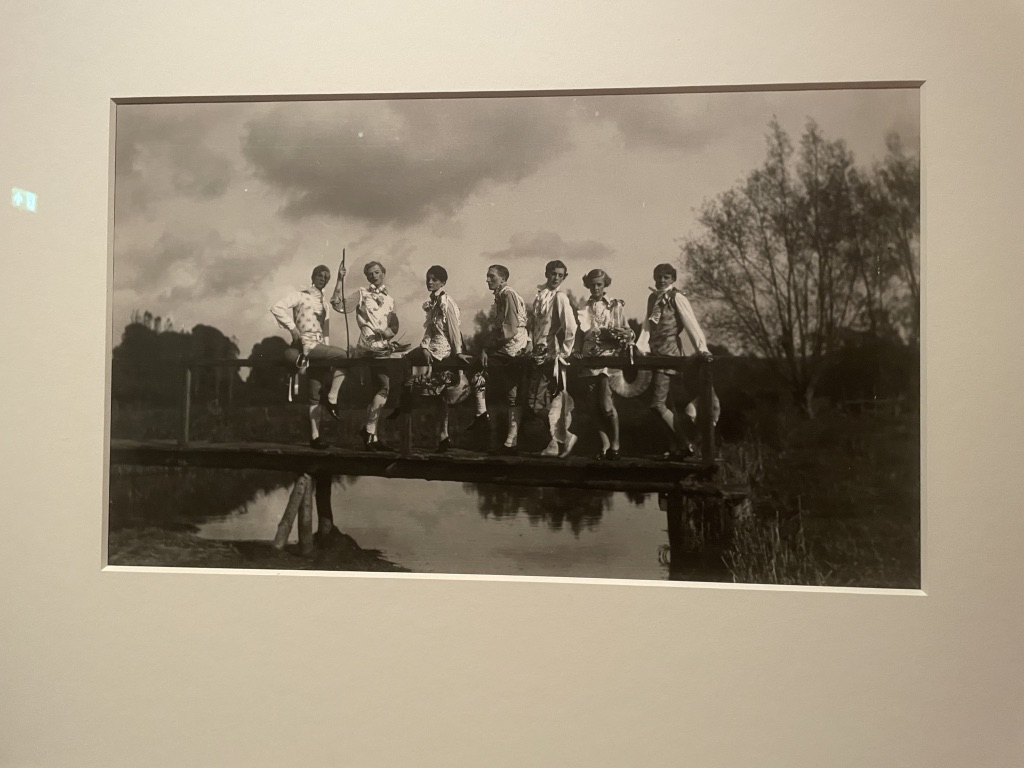
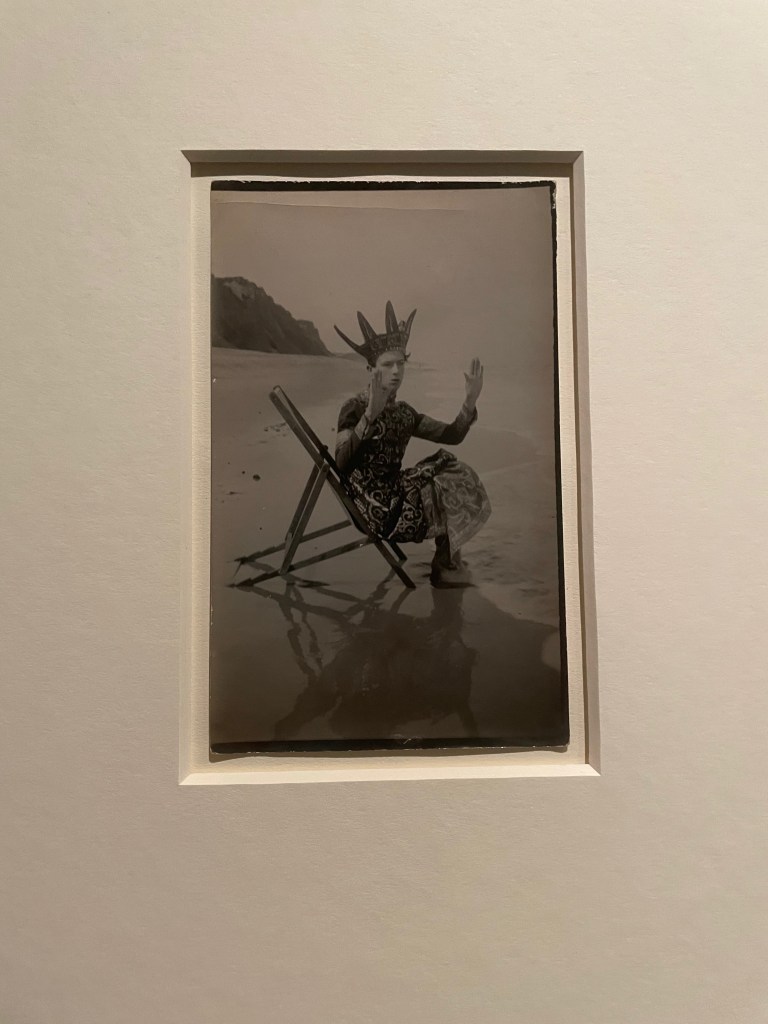
Cecil Beaton was born at just the right time. Coming of age in the early 1920s he was fortunate enough to fall in with a crowd of creative, free-living and very wealthy young people who lived in fine houses and threw wild parties. They look extremely pleased with themselves in the photo above but they are having fun; and, after the horrors of the First World War, which they were too young to take part in but were no doubt affected by, you can see how that whoosh of expressive freedom must have captured these Bright Young Things and propelled them into a creatively brave new world.

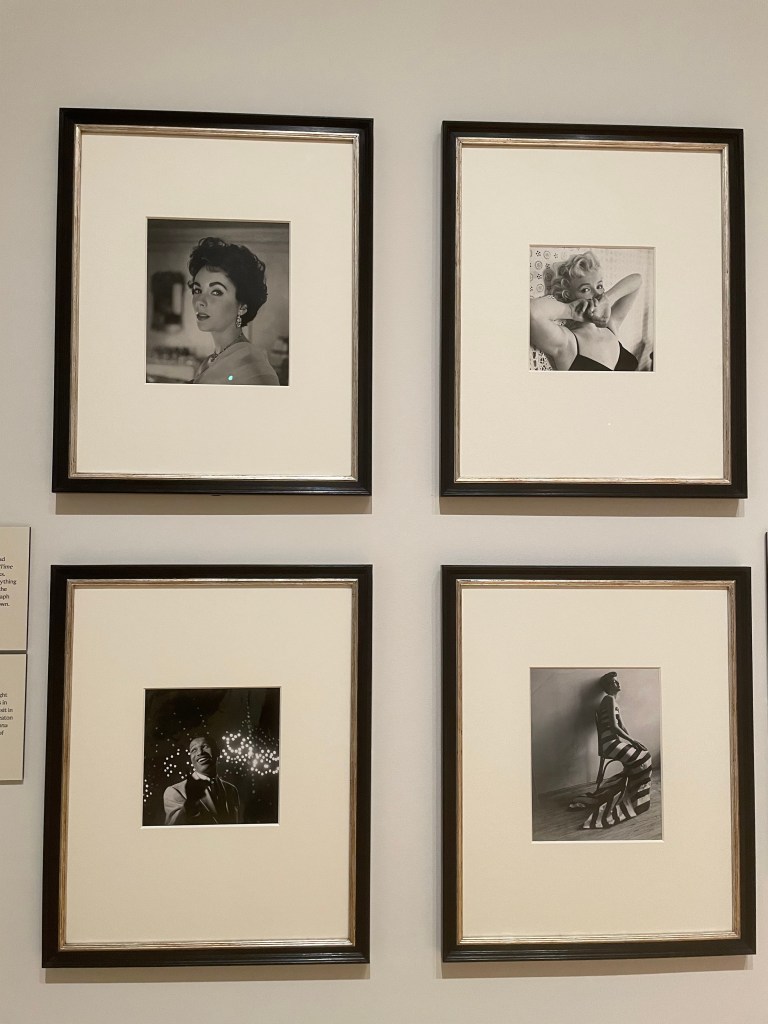
The show begins with Cecil Beaton’s gorgeous photographs of lovely society ladies and celebrities. Who wouldn’t want to have been photographed in a sumptuous gown, surrounded by flowers, frills and frou-frou? What a wonderful record of beautiful youth.

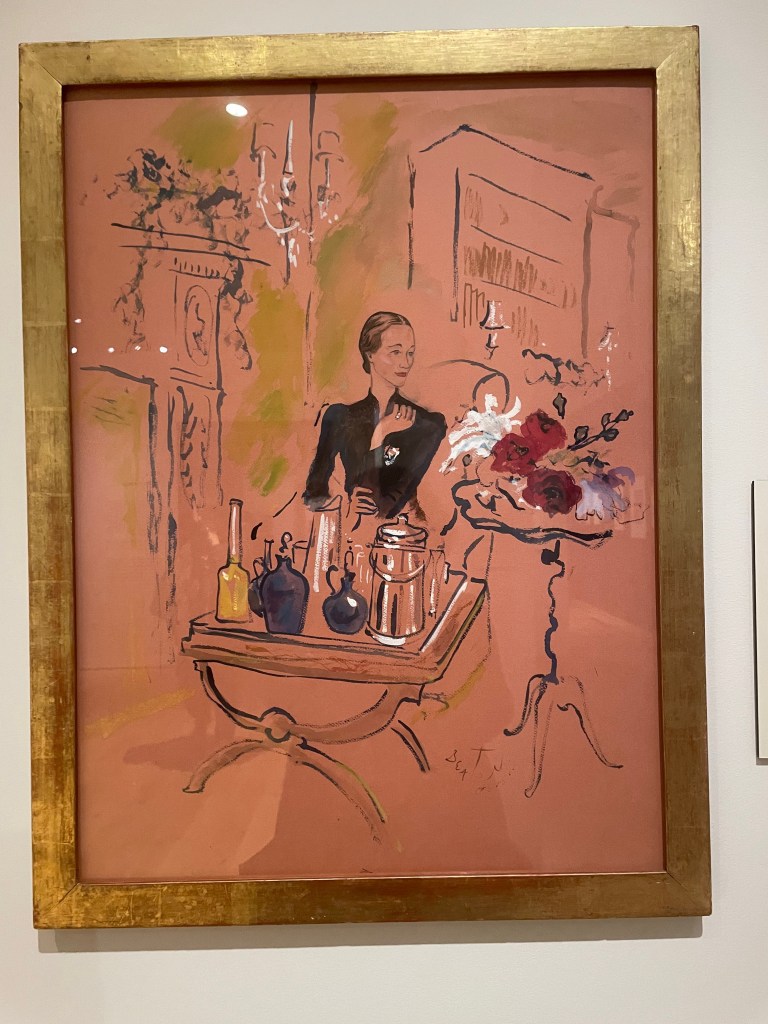
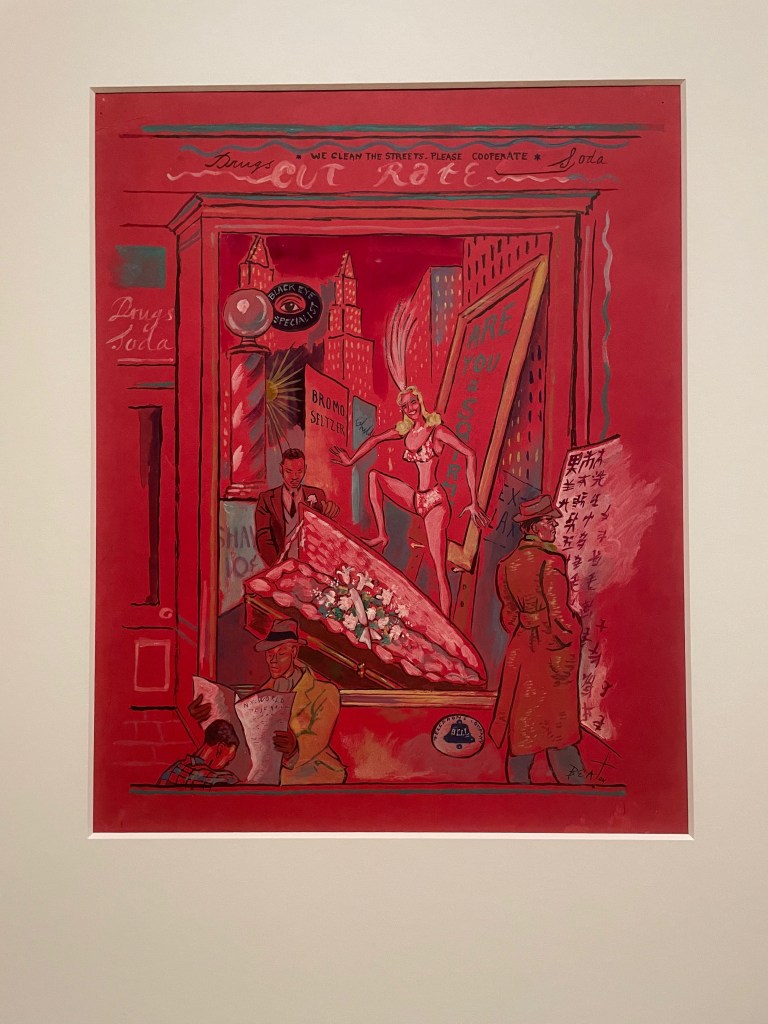
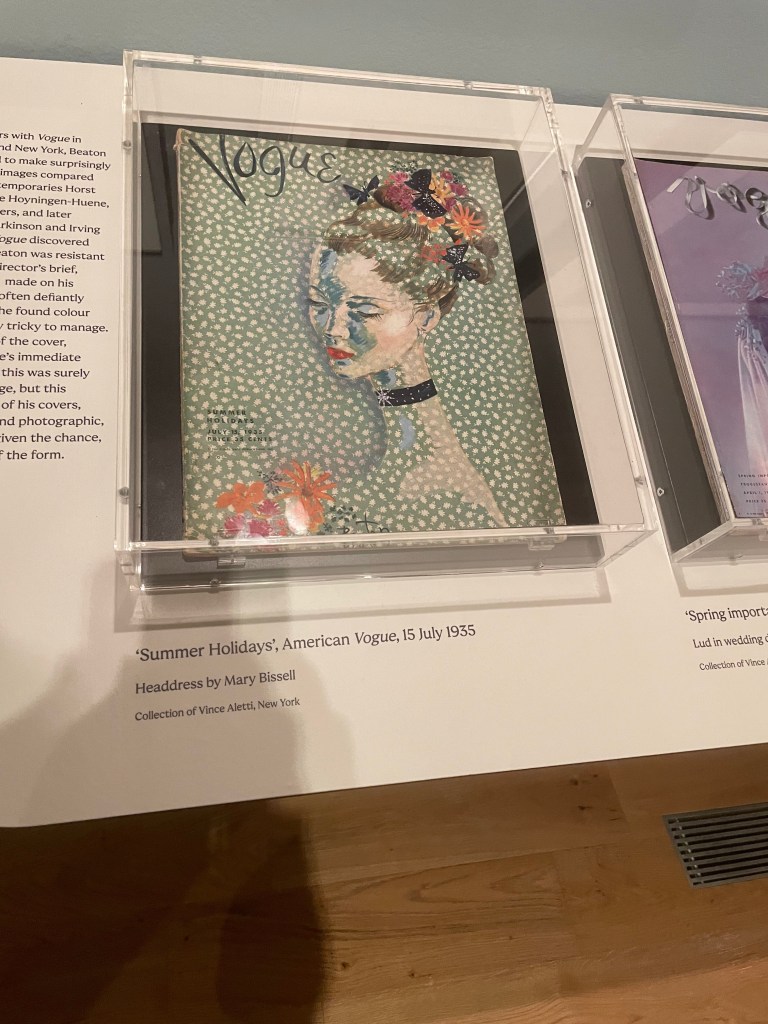
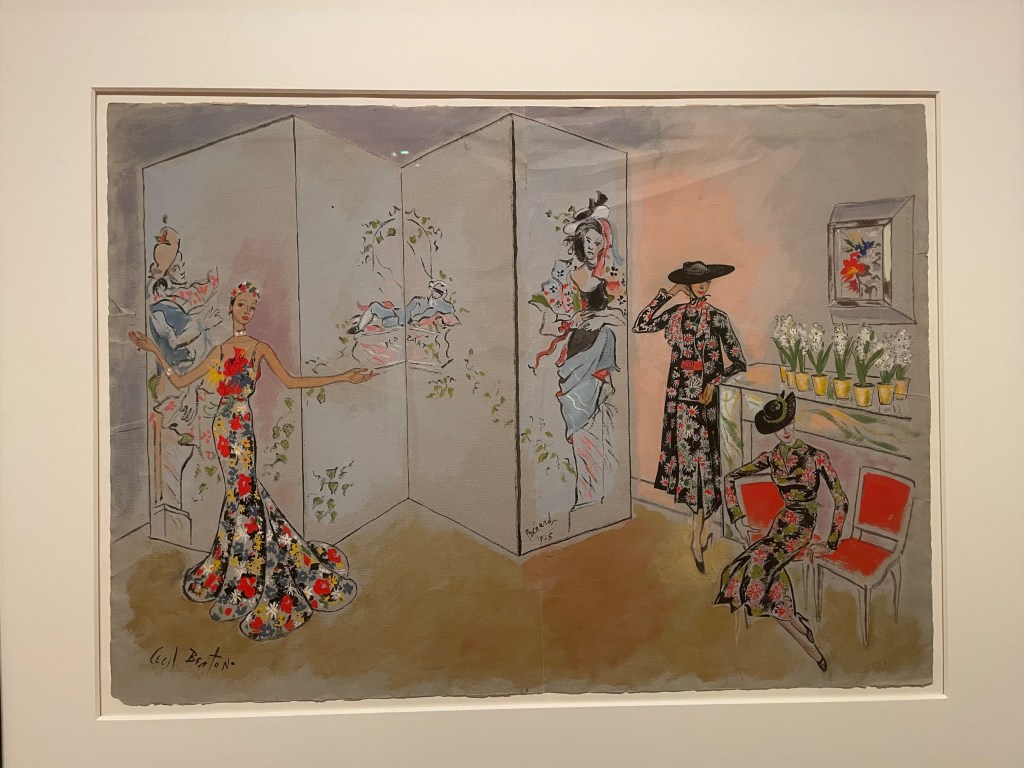
Cecil Beaton was far more than a photographer. He was an artist, designer and fashion designer. I rather liked the swift watercolour sketch he made for Vogue (on the left) of Wallis Simpson. He didn’t like her at first but was impressed by her transformation into ‘all that is elegant’. And on the right is his frontispiece to Cecil Beaton’s New York in 1938. He adored New York and he was a stalwart photographer and front cover designer for Vogue magazine.

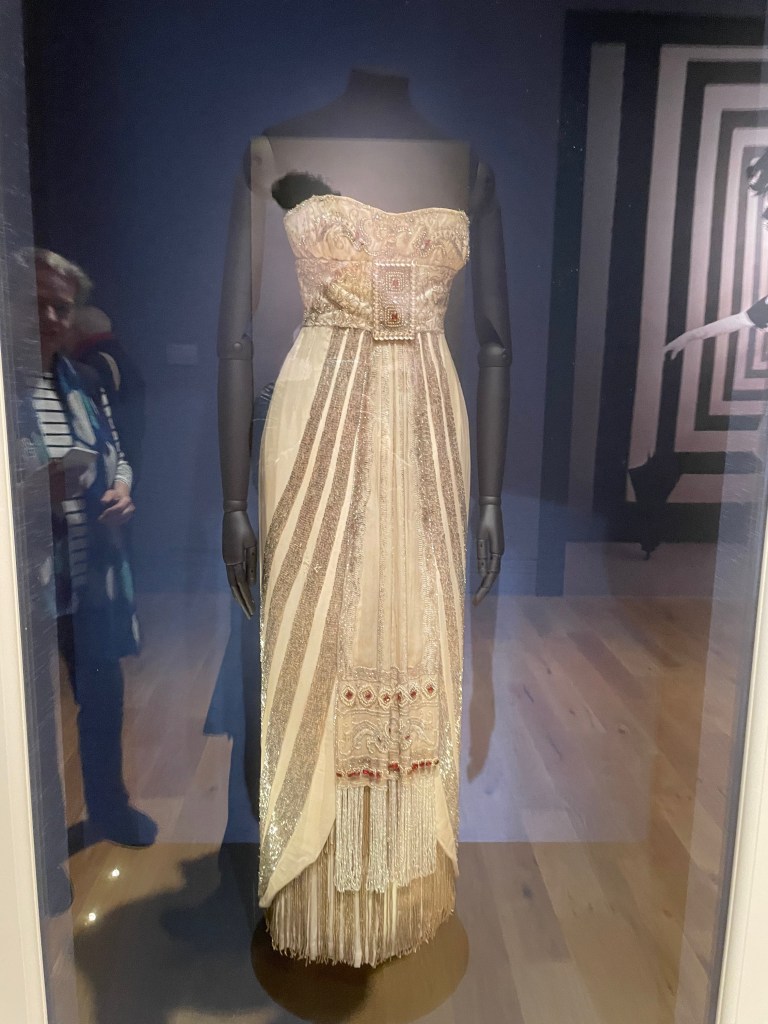
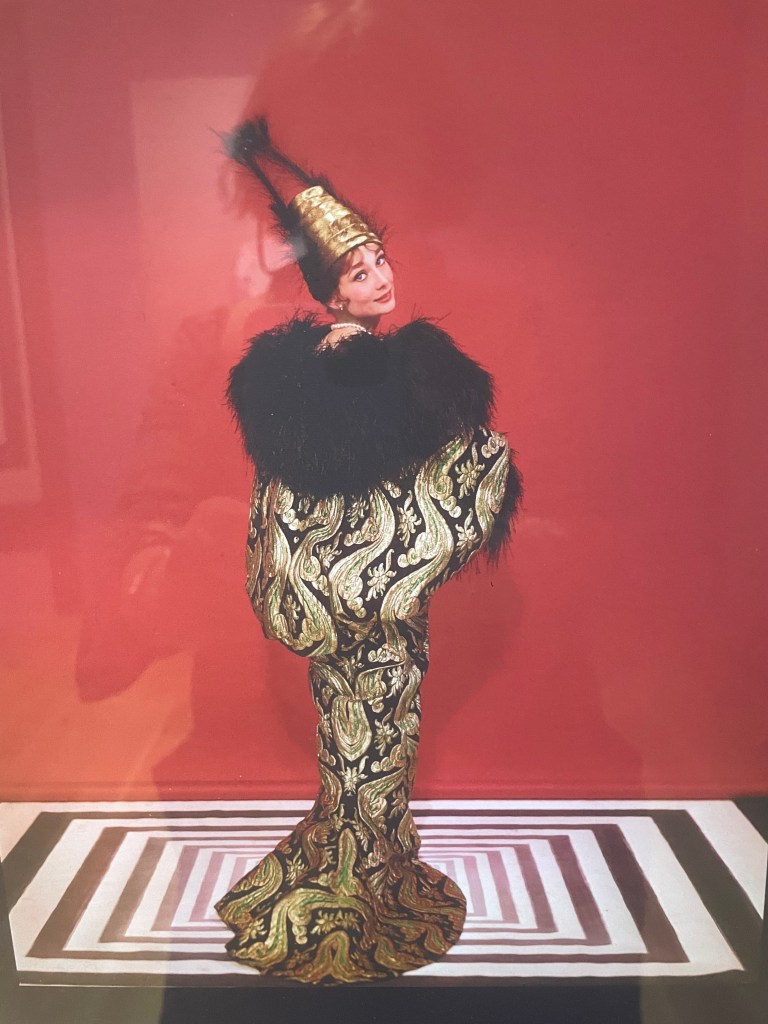
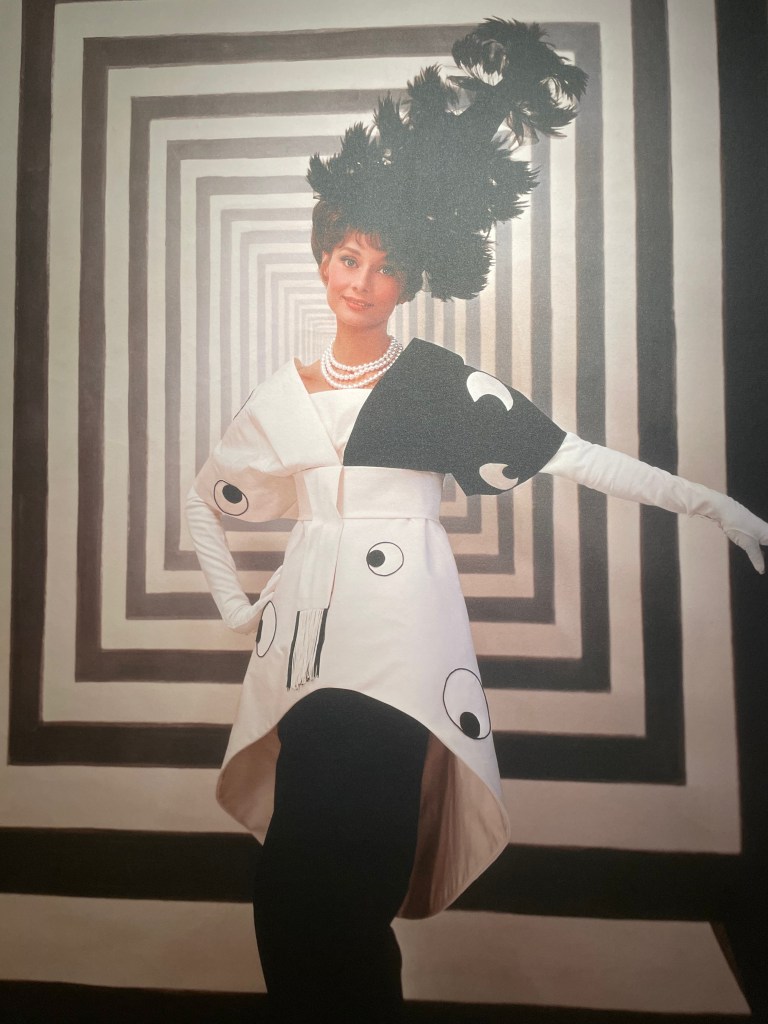
Of course the highlight of Cecil Beaton’s career was his work on the staged musical My Fair Lady. He created all the costumes and set designs for the theatre and, when the musical was filmed in Hollywood in the early 1960s, he won two Oscars for his work. The magnificent evening dress worn by Audrey Hepburn is on display.

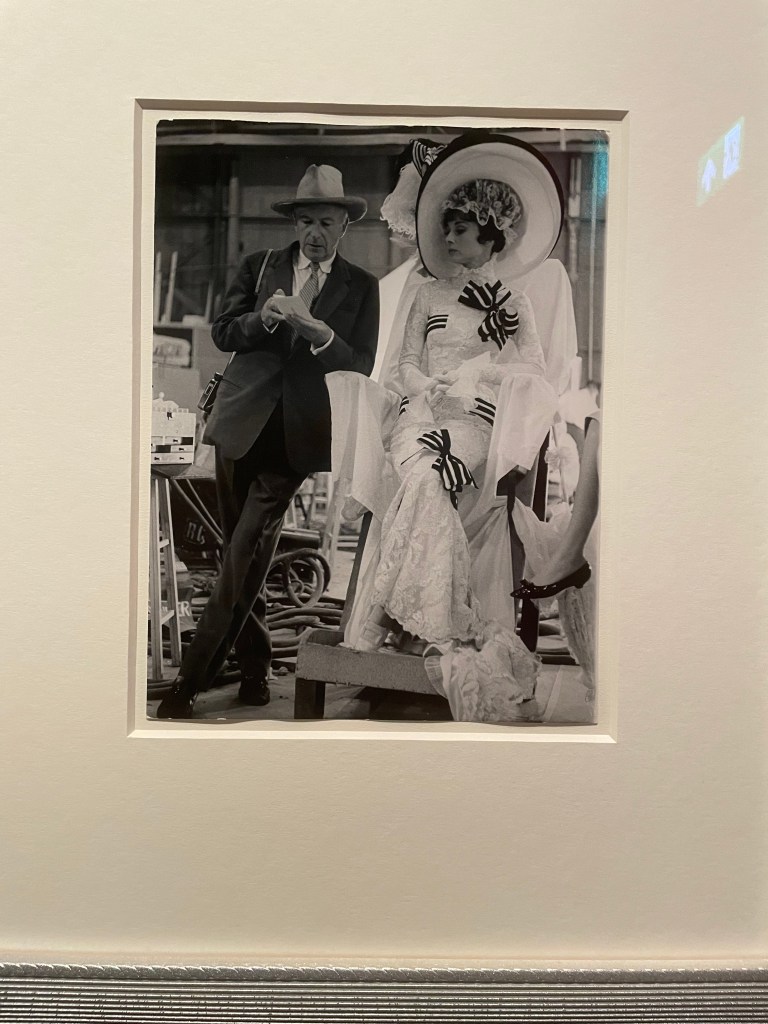
And here he is in a photograph on the set of the film with Audrey Hepburn.

Well, this is a charming exhibition which transports you back to a world of late Edwardian opulence, manners and mores of ‘flapper days’ and the celebration of flattering fashion when women (more than men) could truly dress up for important events. Cecil Beaton’s naturally theatrical style fuelled ‘dressing up’ in its purest sense. What a fun time, and what a fun show.

It’s on at the National Portrait Gallery until 11th January 2026

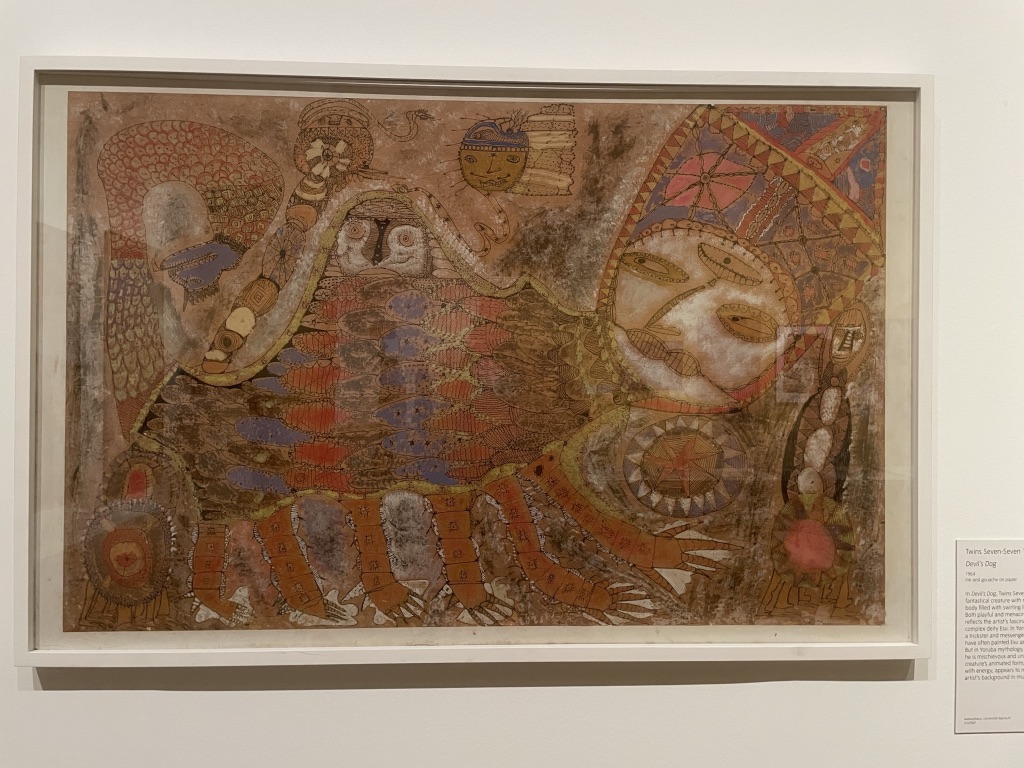
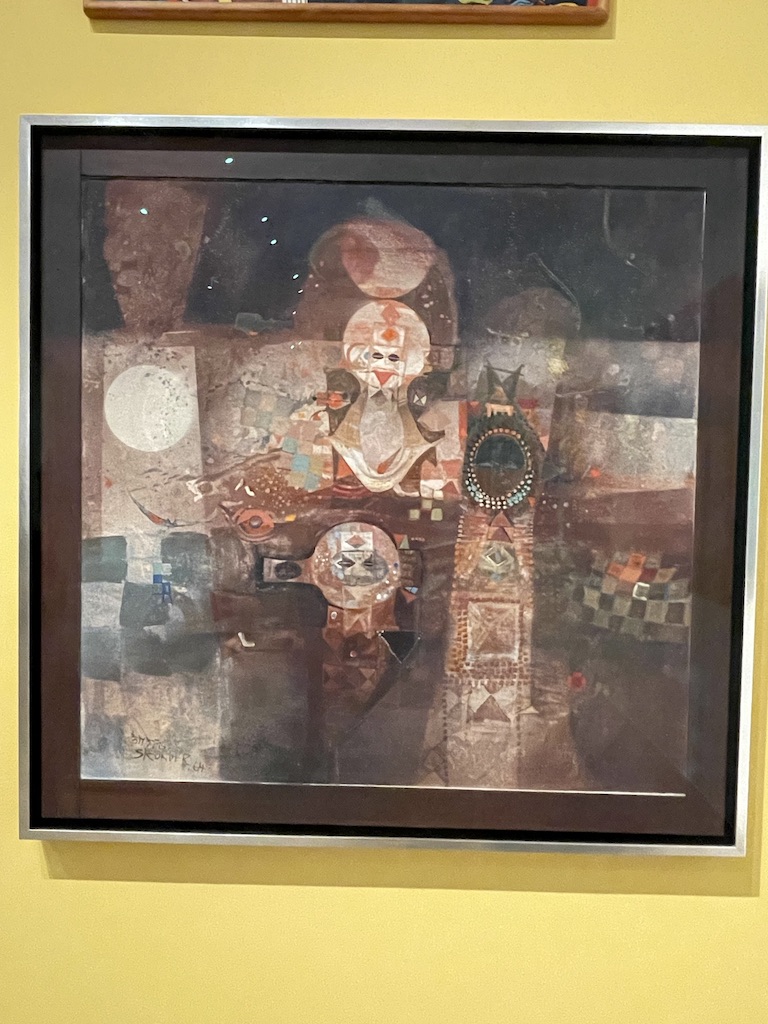
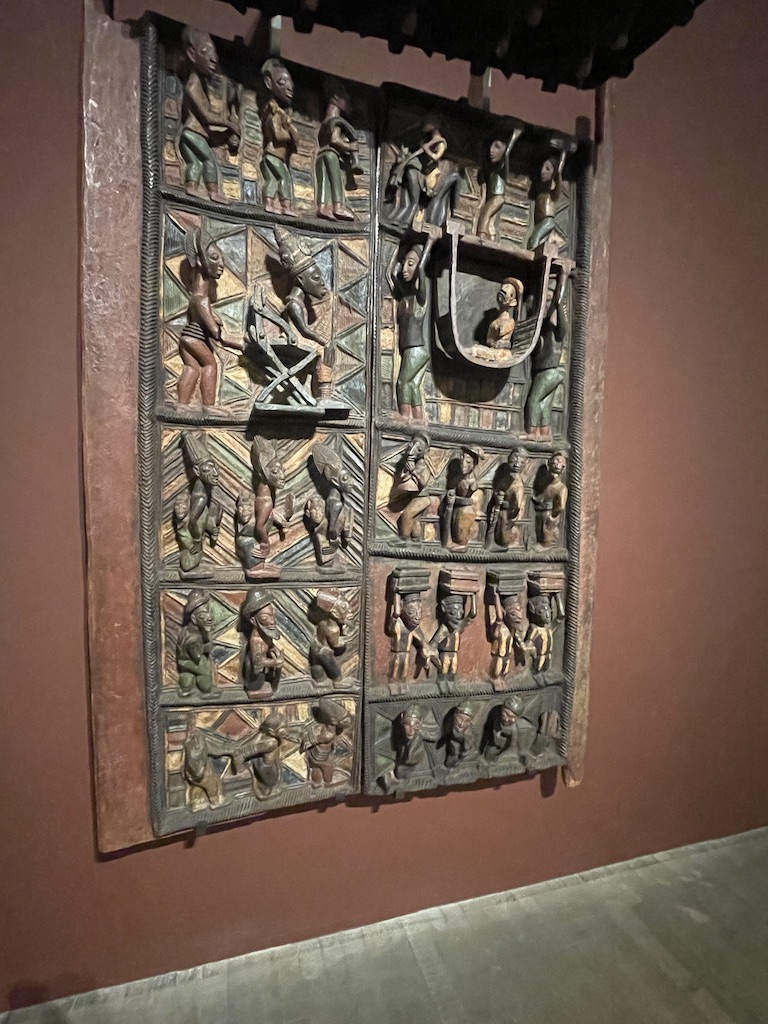
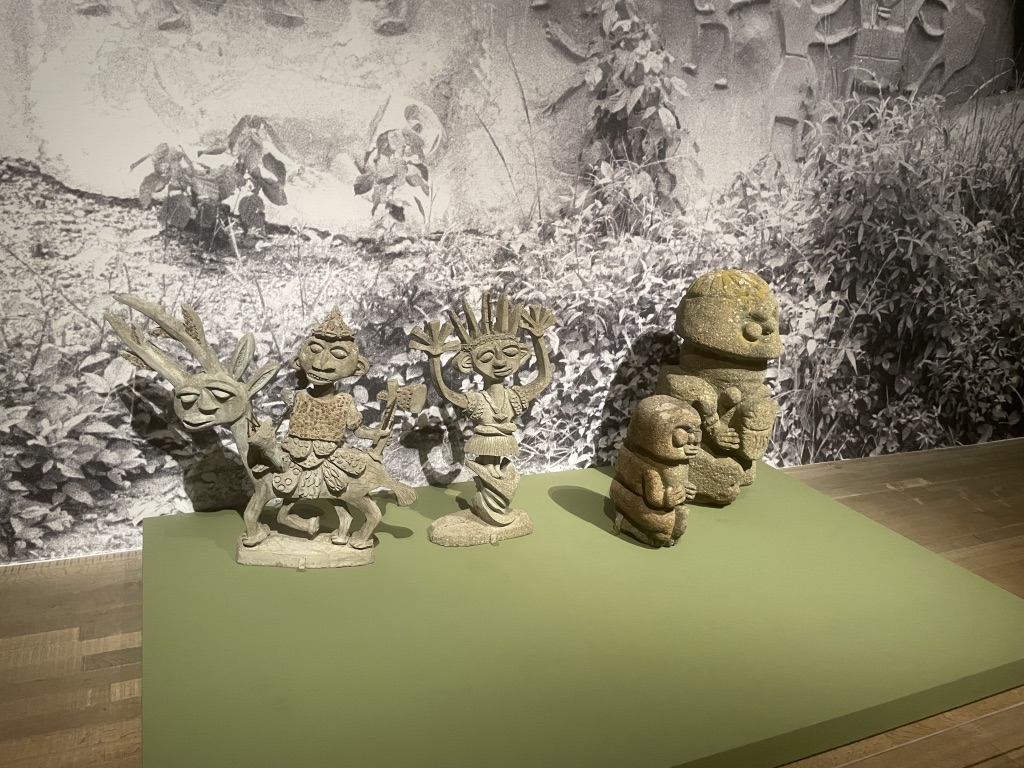
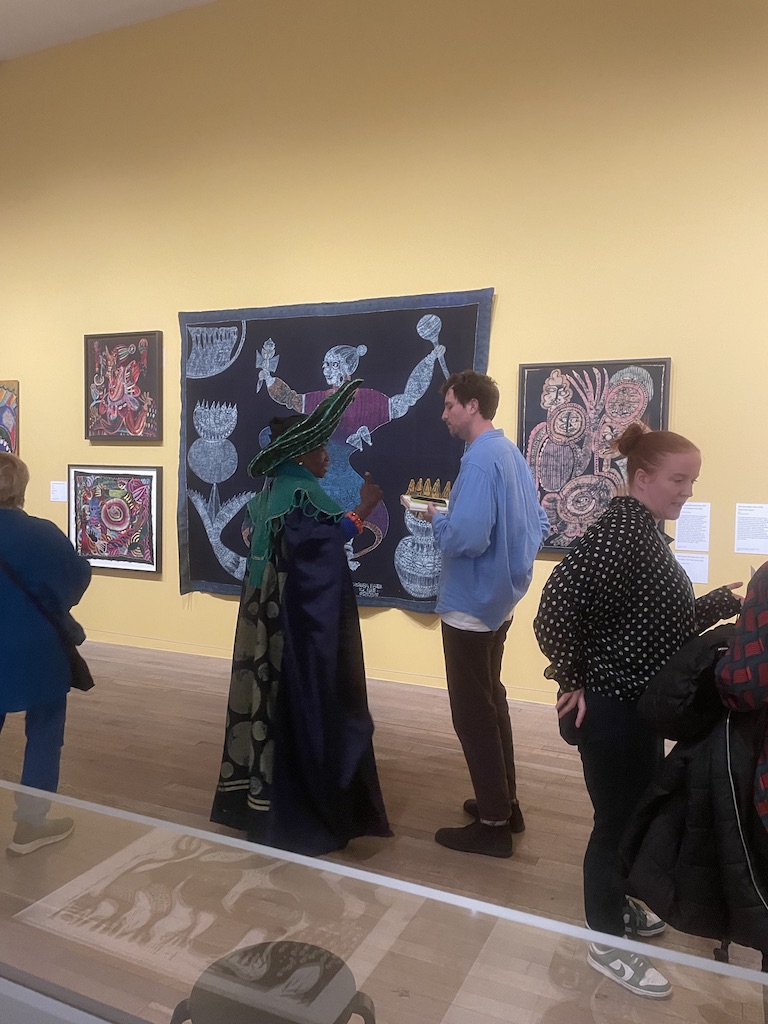
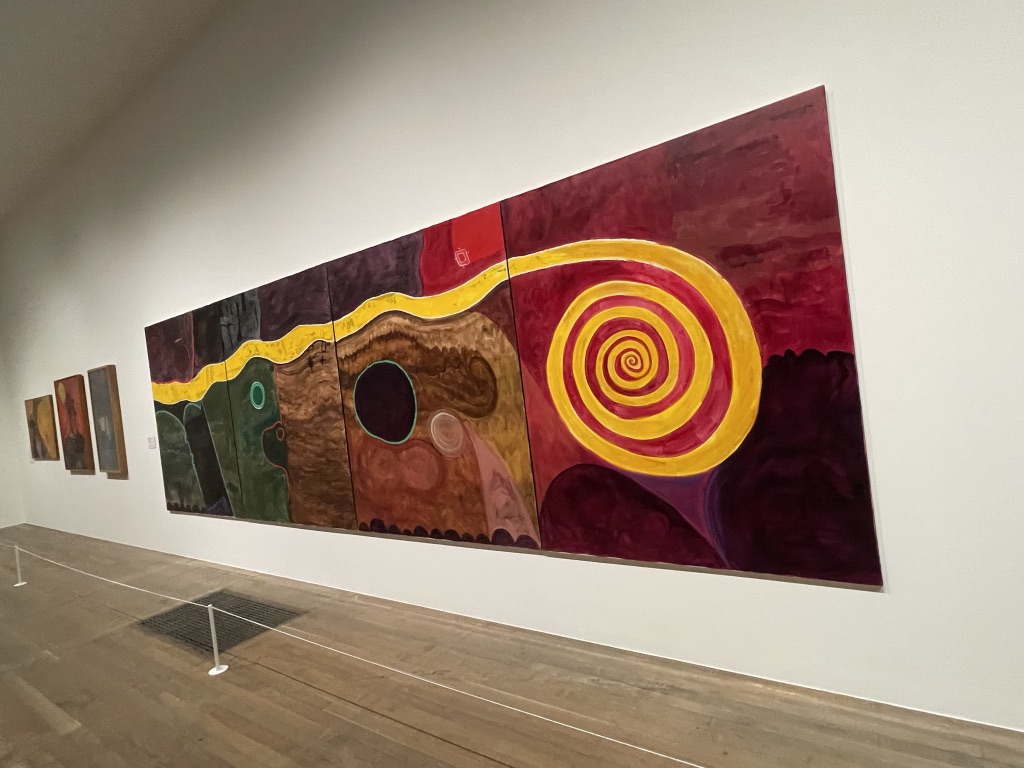
Nigerian Modernism – a stimulating new show at Tate Modern – demonstrates Nigeria’s rich cultural heritage. From the close of colonial rule to the present day, this exhibition explores the work of contemporary and 20th century artists who challenged the assumed values of art, dictated by the west, and reclaimed the essence of African creativity.

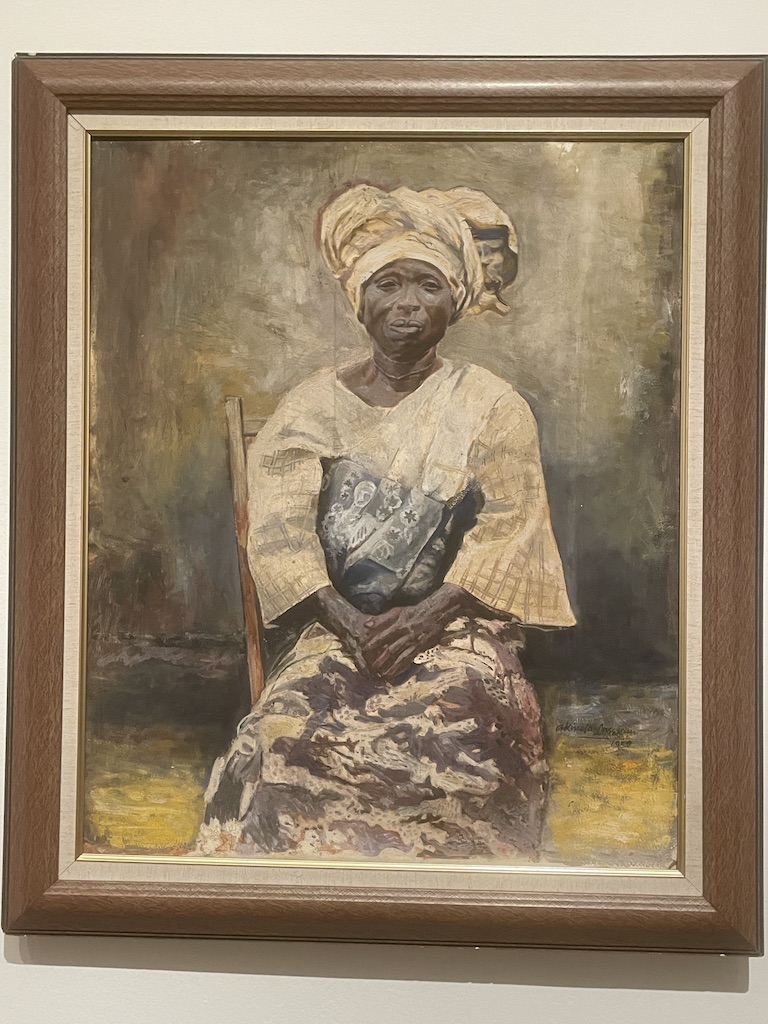
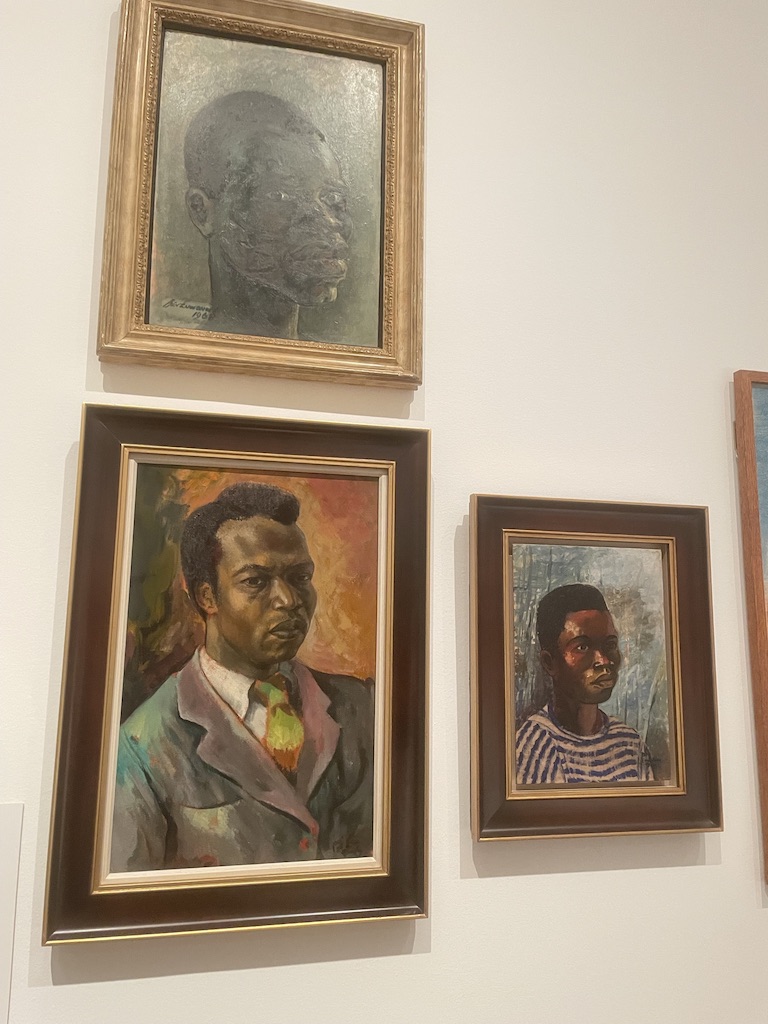
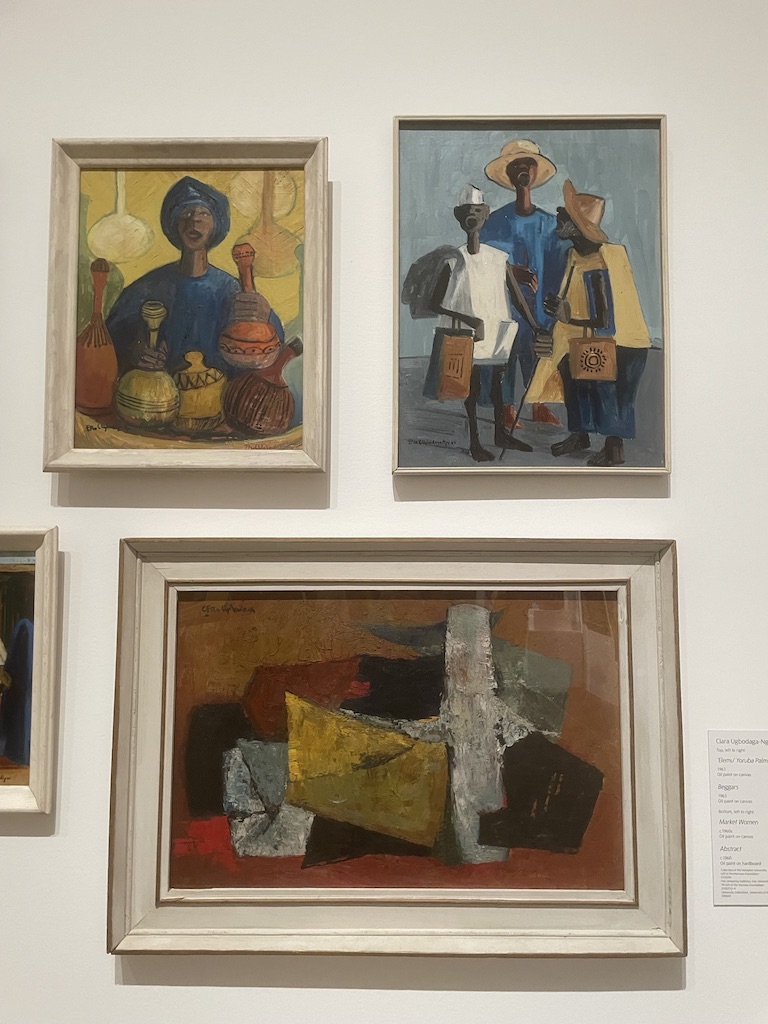
In the beginning, at the turn of the last century, artists in Nigeria looked to the training offered in at London art establishments; they produced figurative works in a very charming way, but the style was western rather than African. Then, gradually, as the country approached independence from Great Britain in 1960, things started changing.

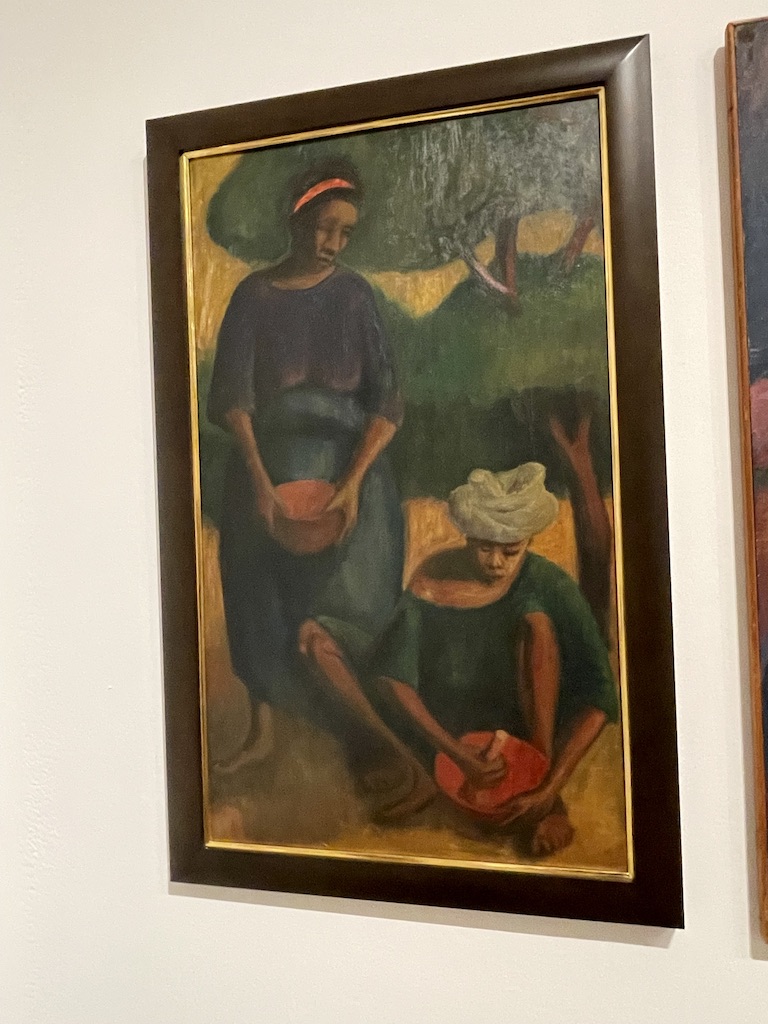
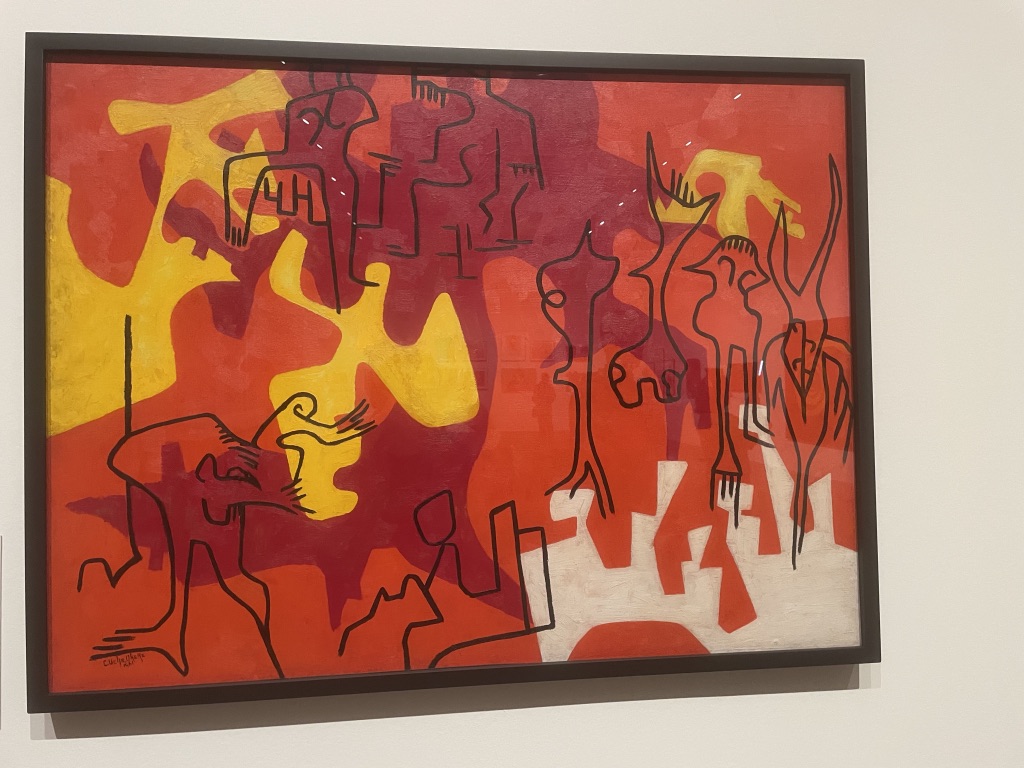
There was a return to the indigenous traditions of African art, a joyful, colourful expressionism which brought a completely new concept to Nigerian artists’ work.

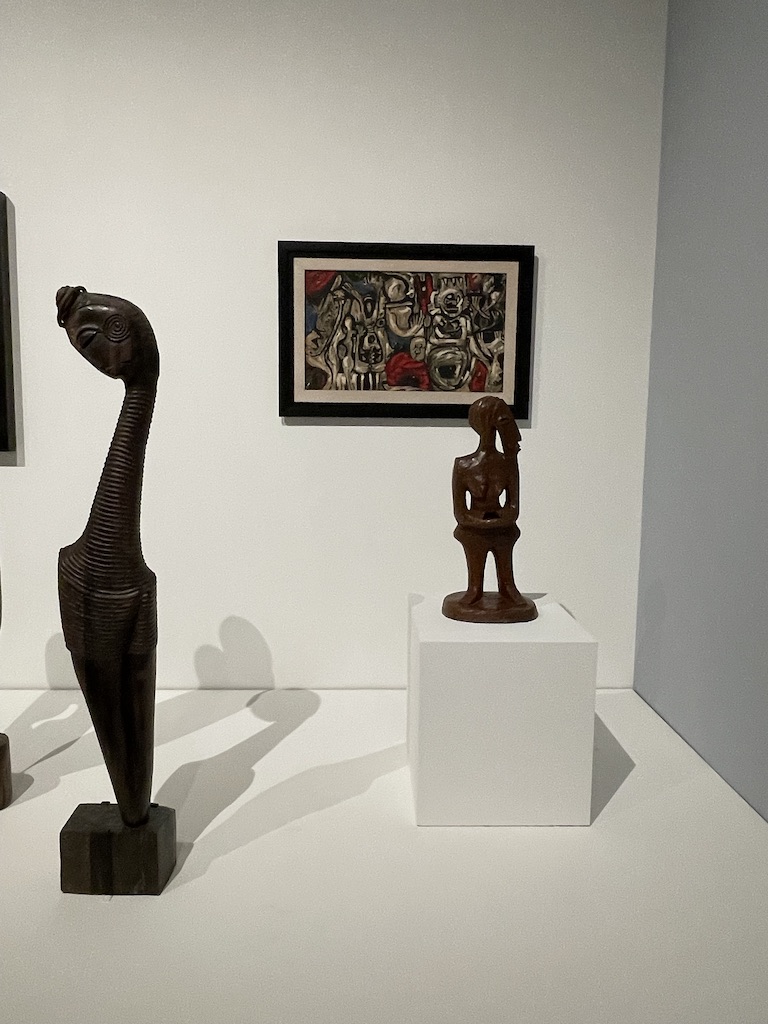
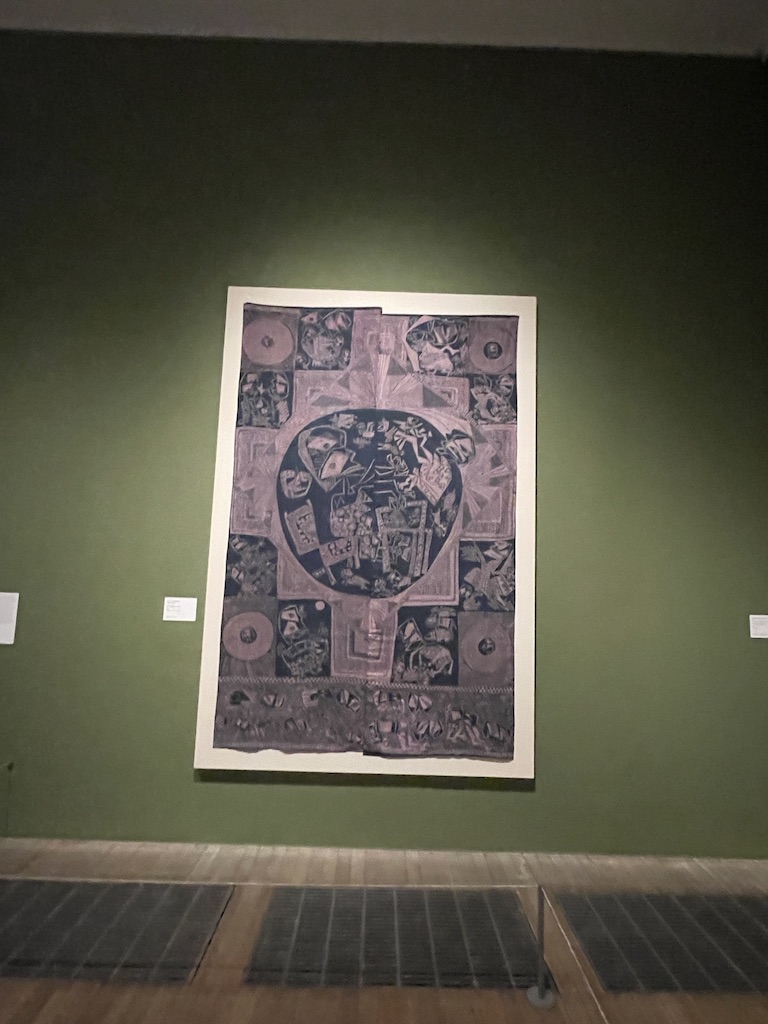
It’s great to see the way abstraction fuses with figurative and decorative art.

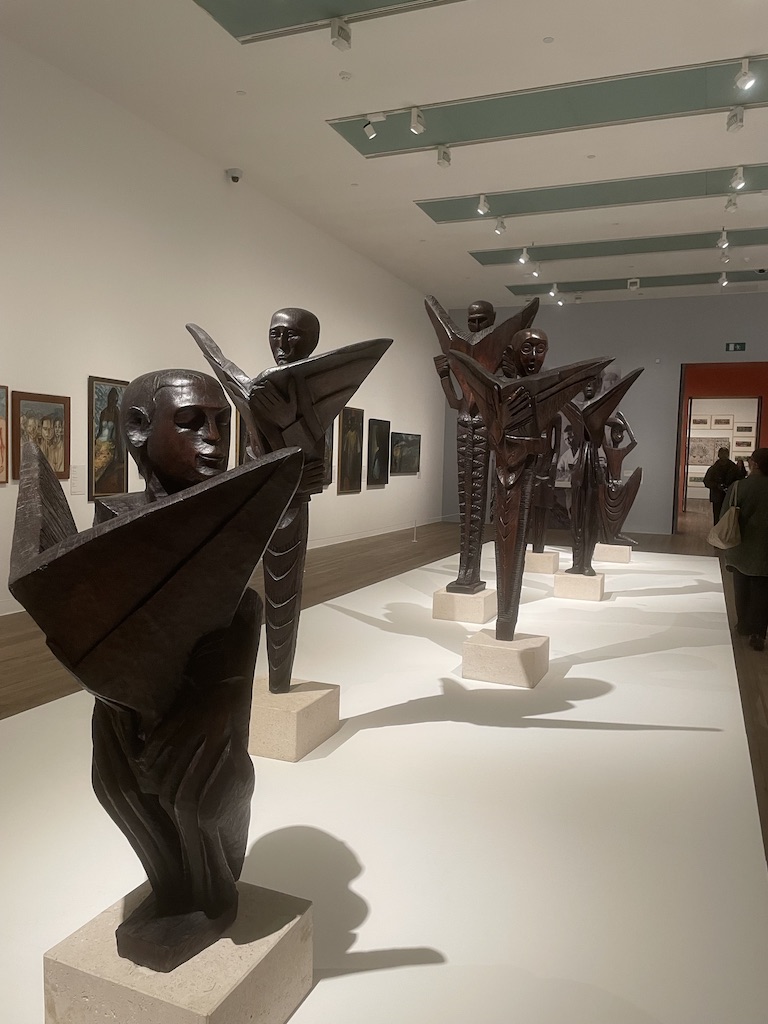
The show has assembled a wide range of sculptures, employing different materials.

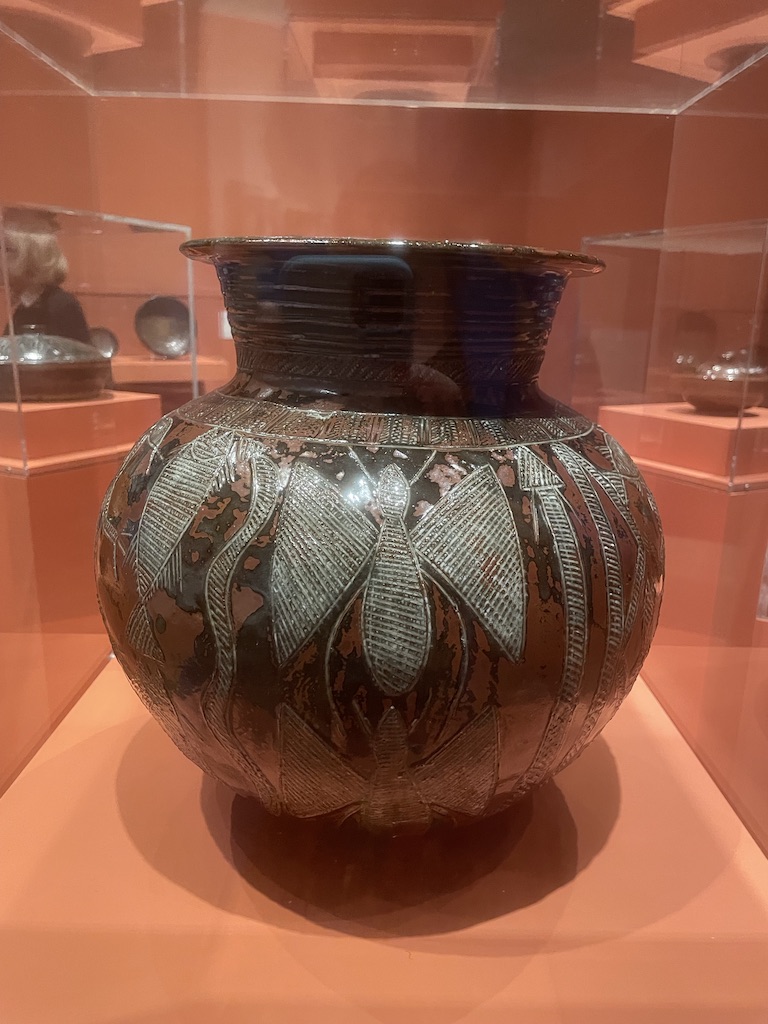
I’ve been a fan of Ladi Kwali for some time – since a wonderful exhibition of African ceramics at Two Temple Place. She was a fantastic ceramic artist who combined her western training in pottery with Nigerian visual arts traditions; there’s a great selection of her beautifully decorated pots within the show.

It’s so refreshing to see a show which is so rich in colour, variety of texture, materials and sheer exuberance at the joy of creating art. And what a refreshing change to see the work of artists who are not preoccupied with likeness or accurate depiction of places, people or objects but who create personal impressions of what is seen and felt within their world.

Nigerian Modernism is on at Tate Modern until 10th May 2026

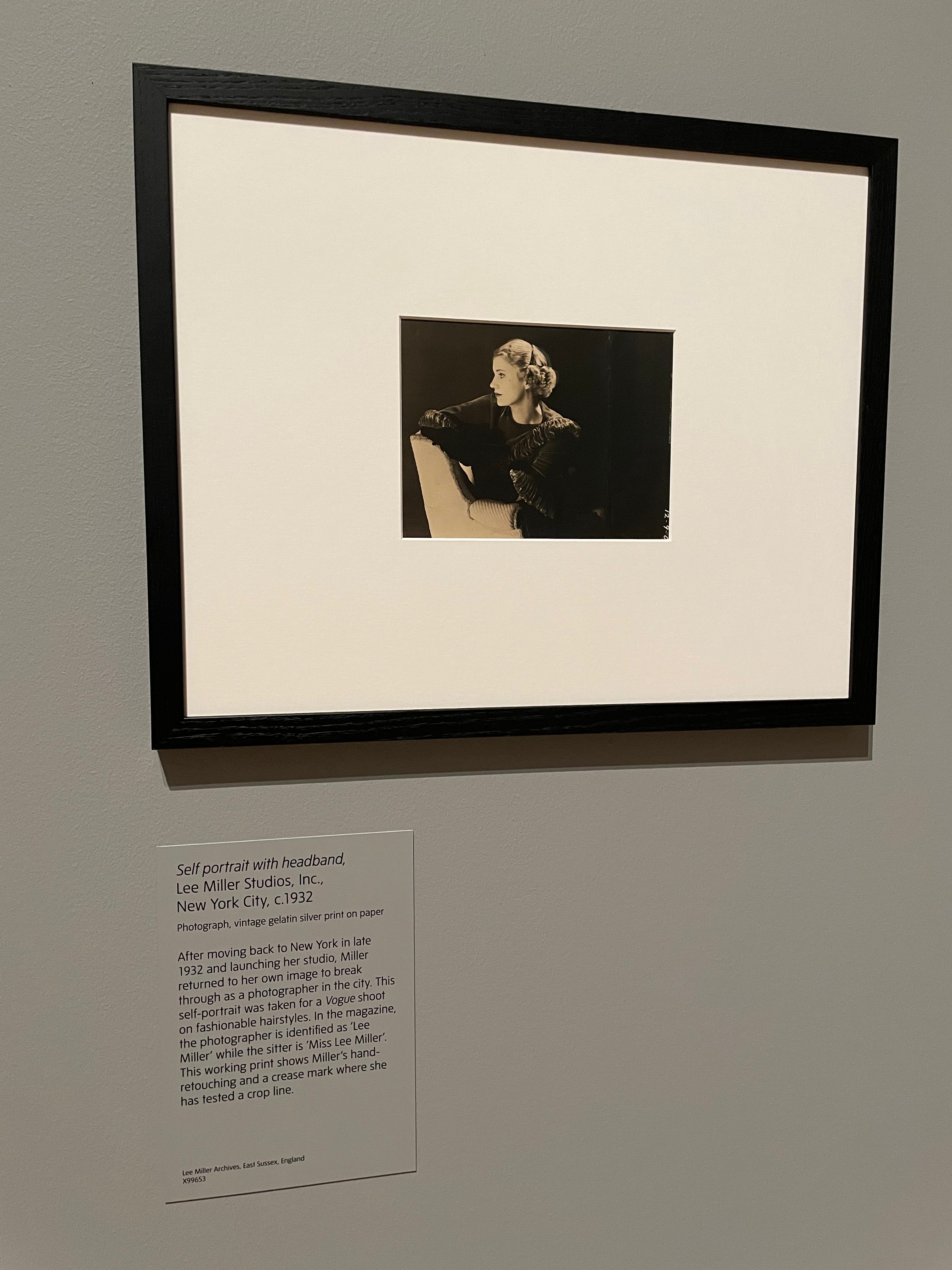
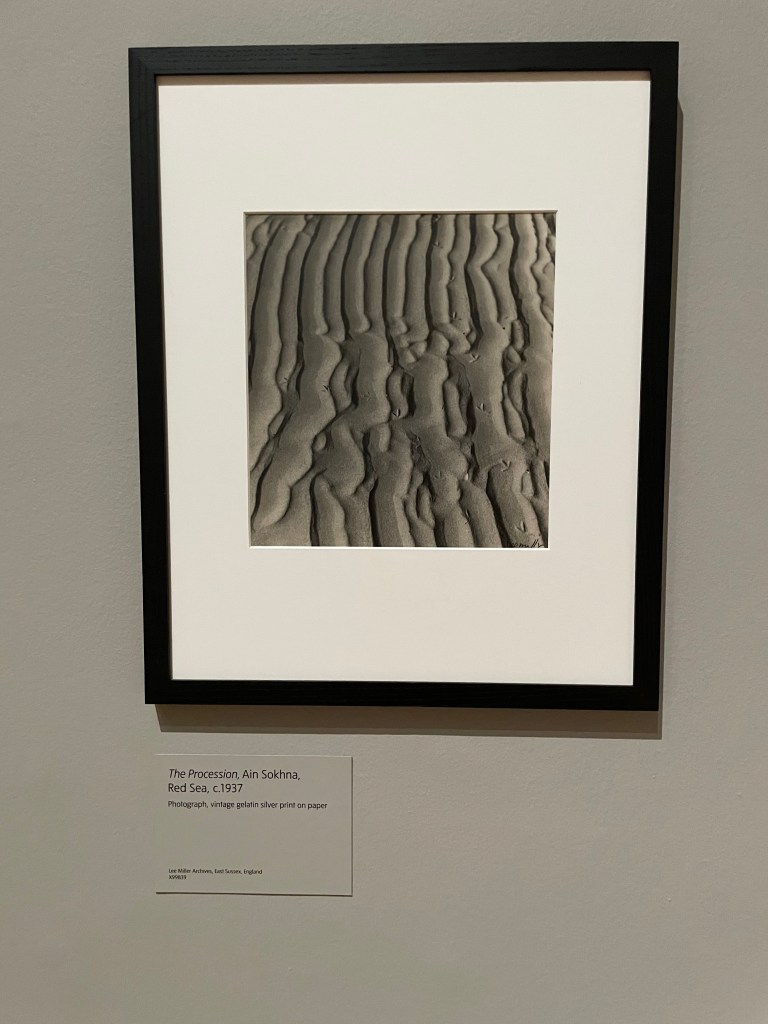
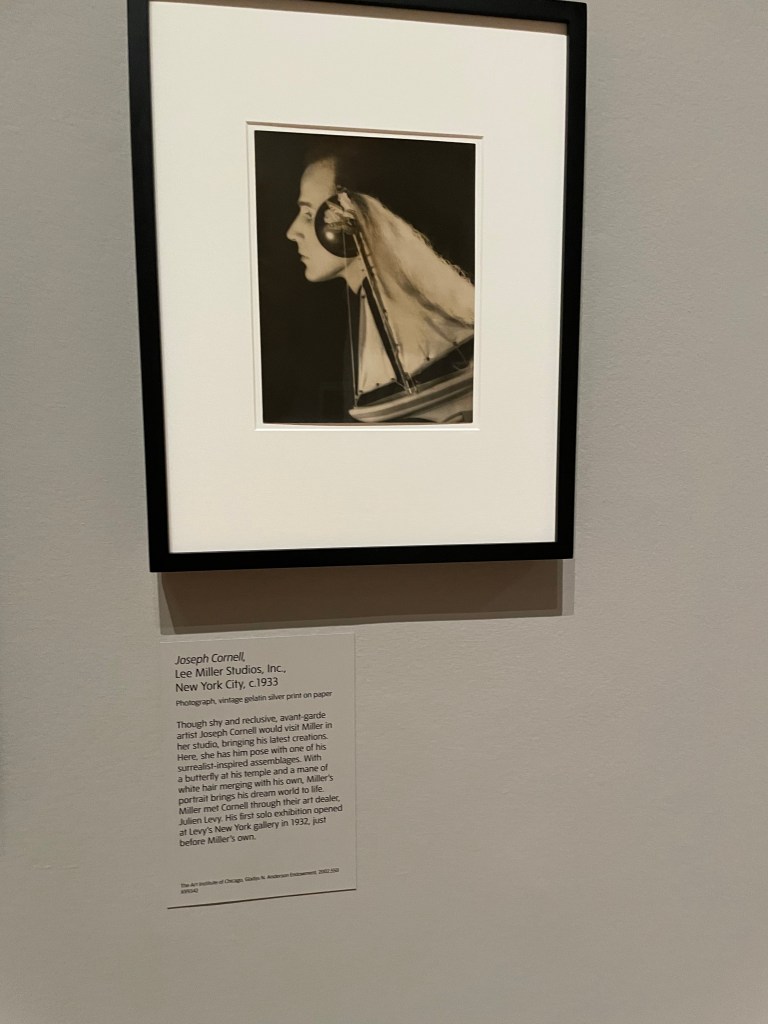
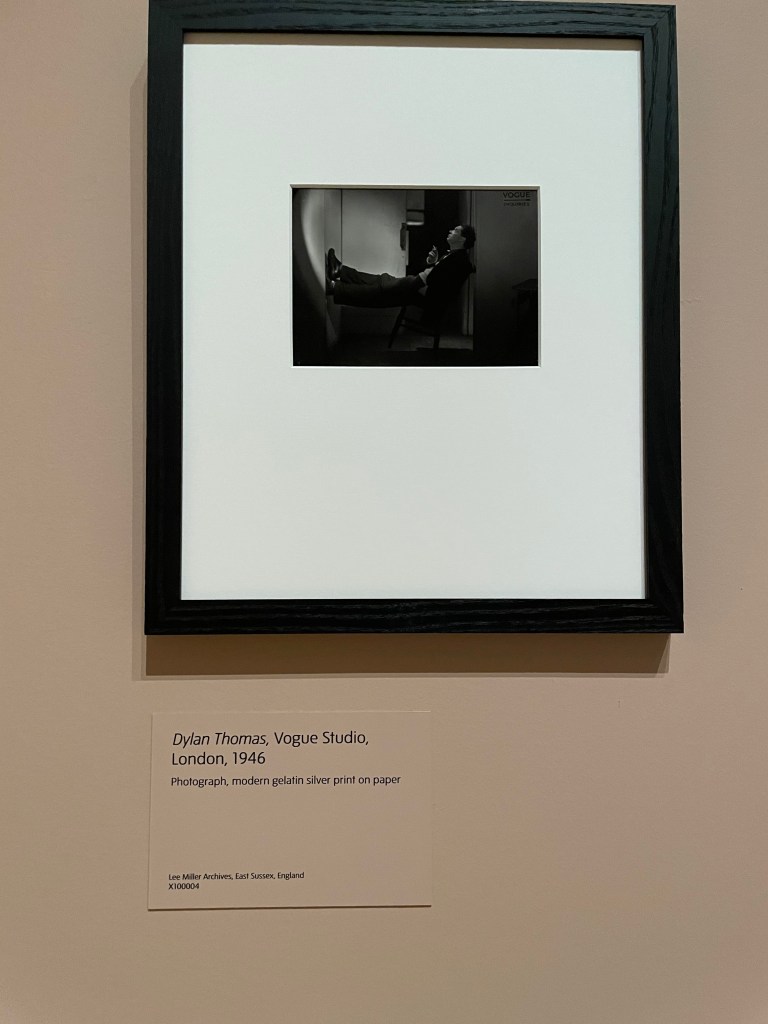
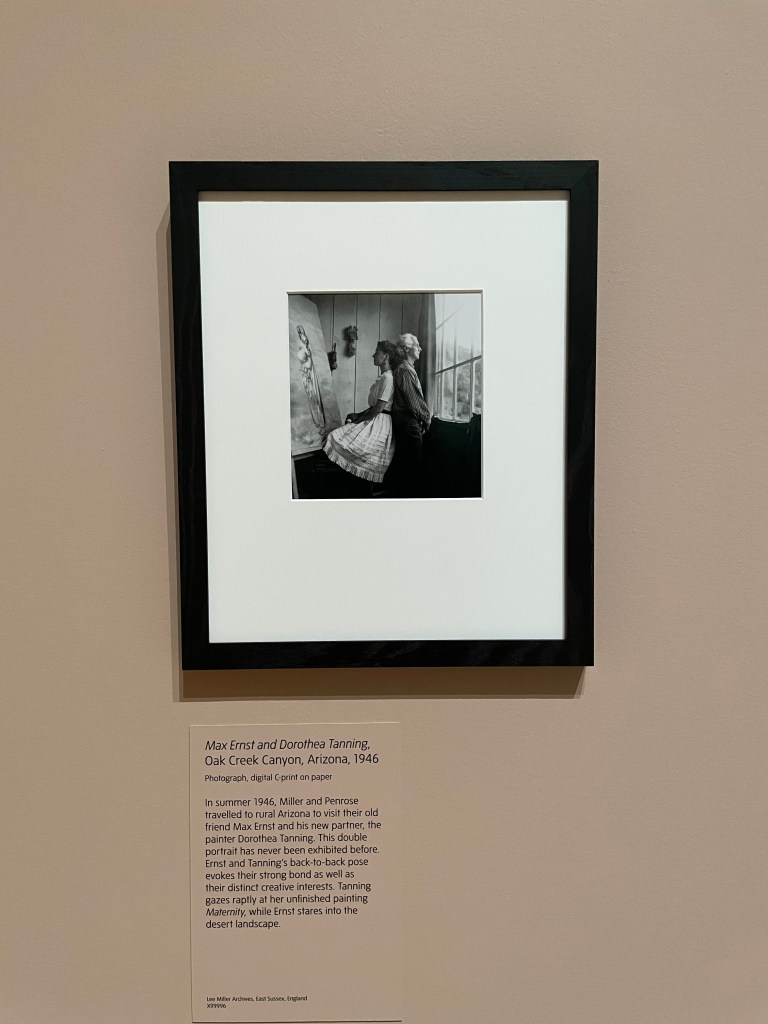
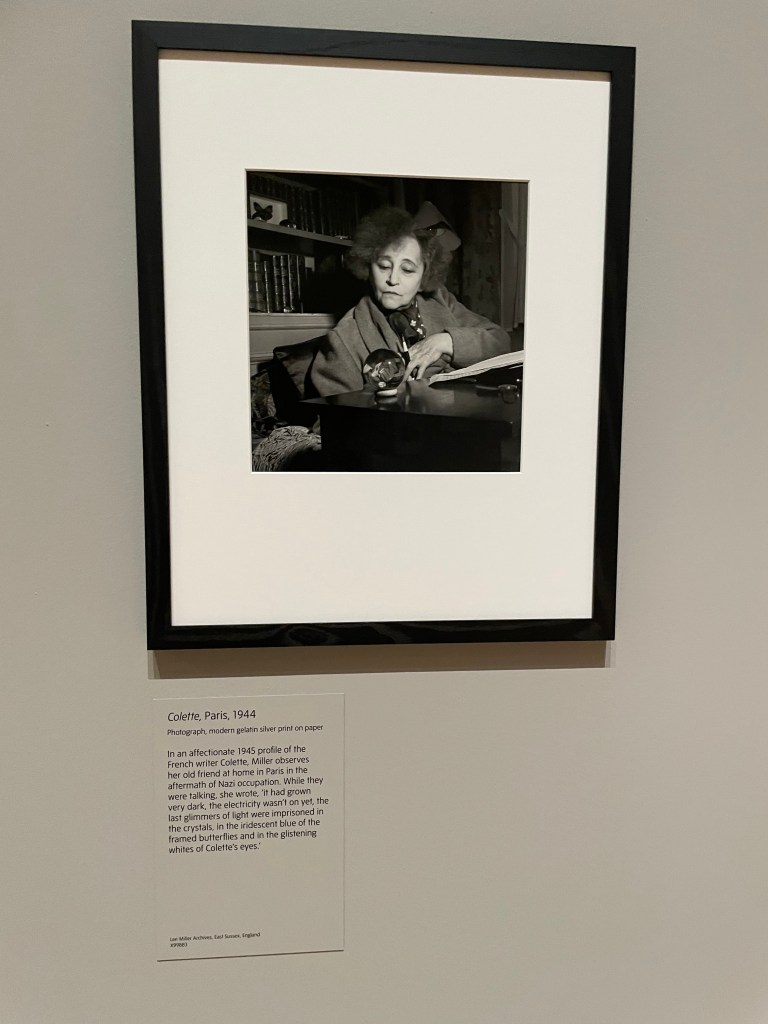
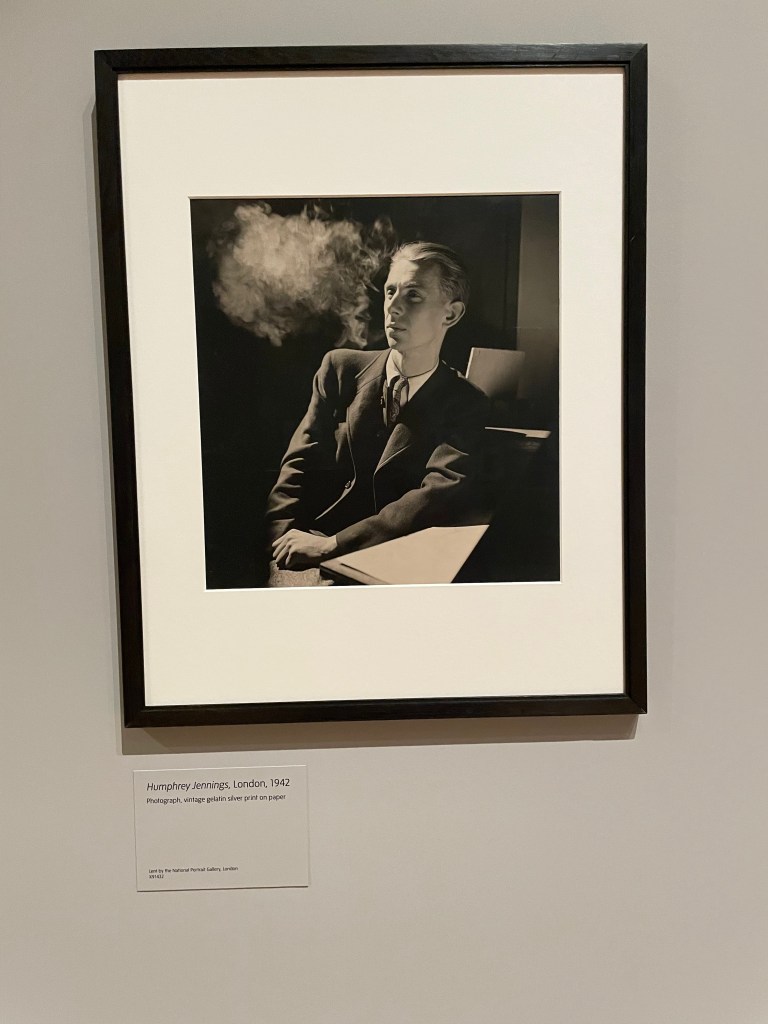
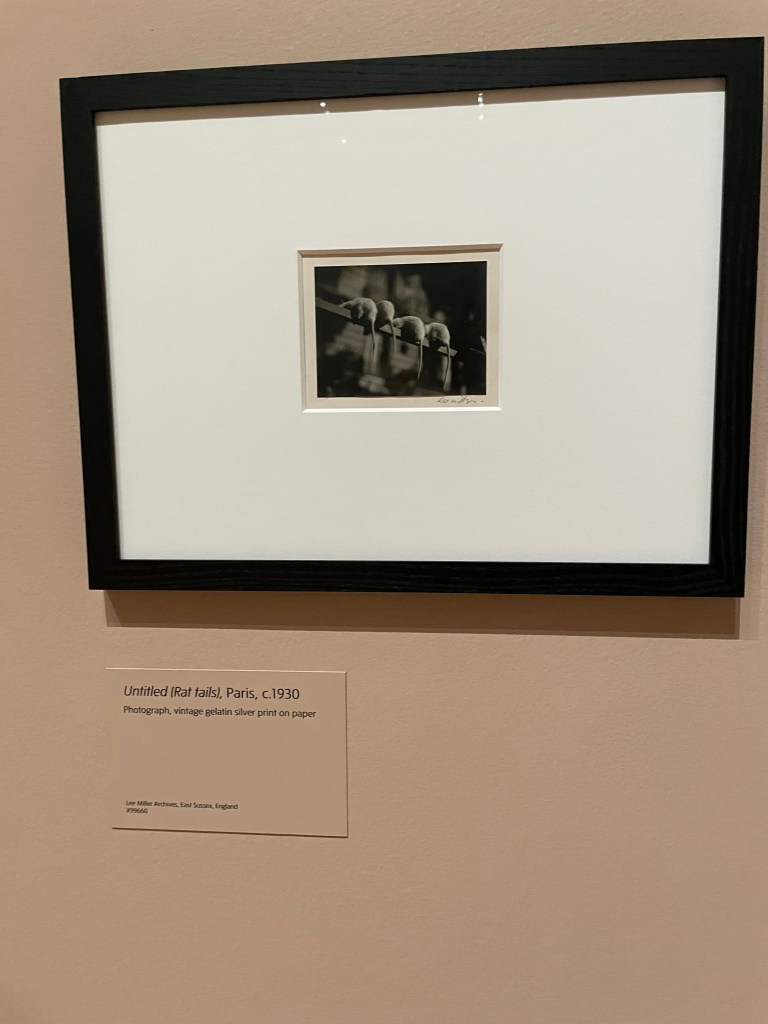
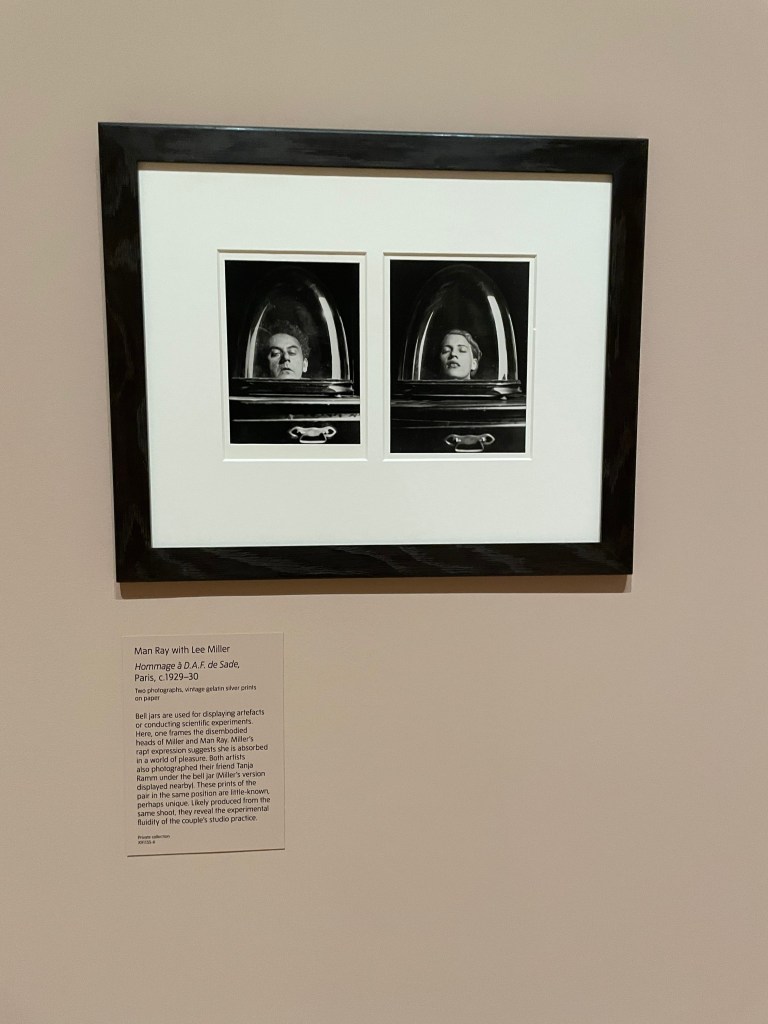
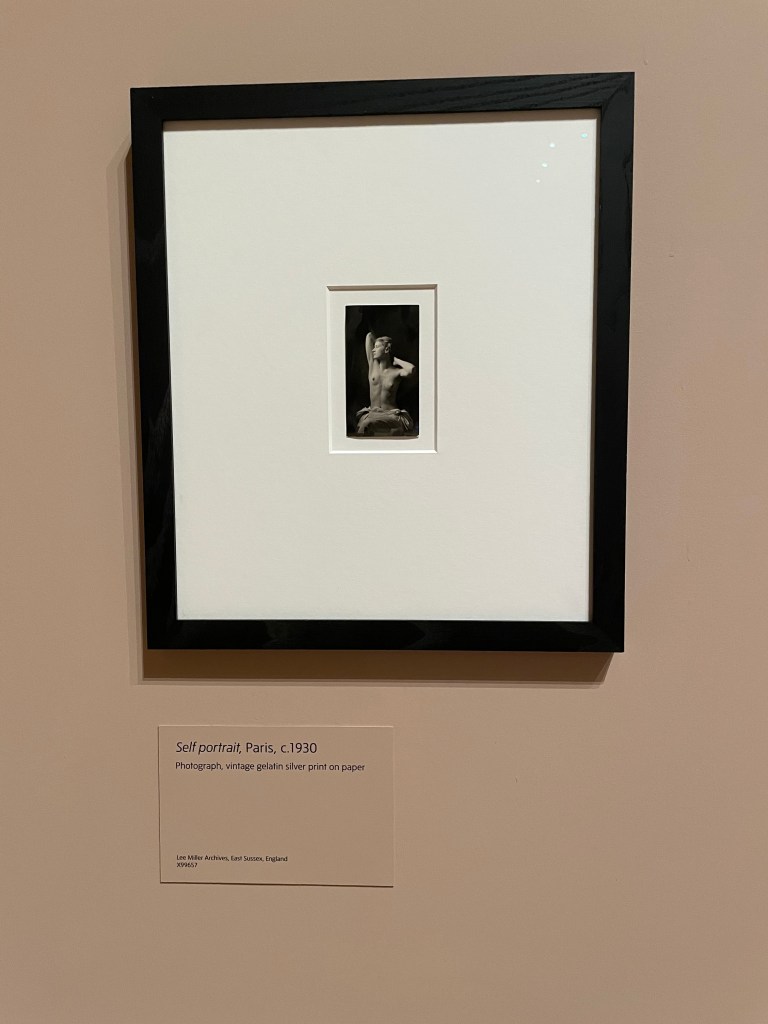
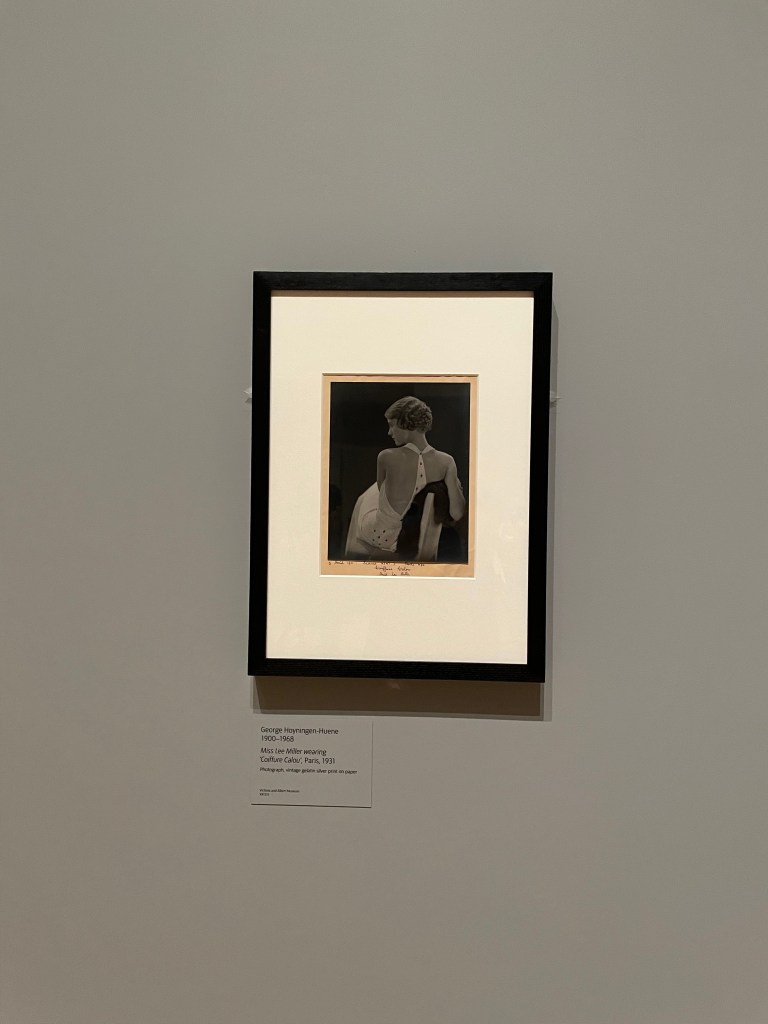
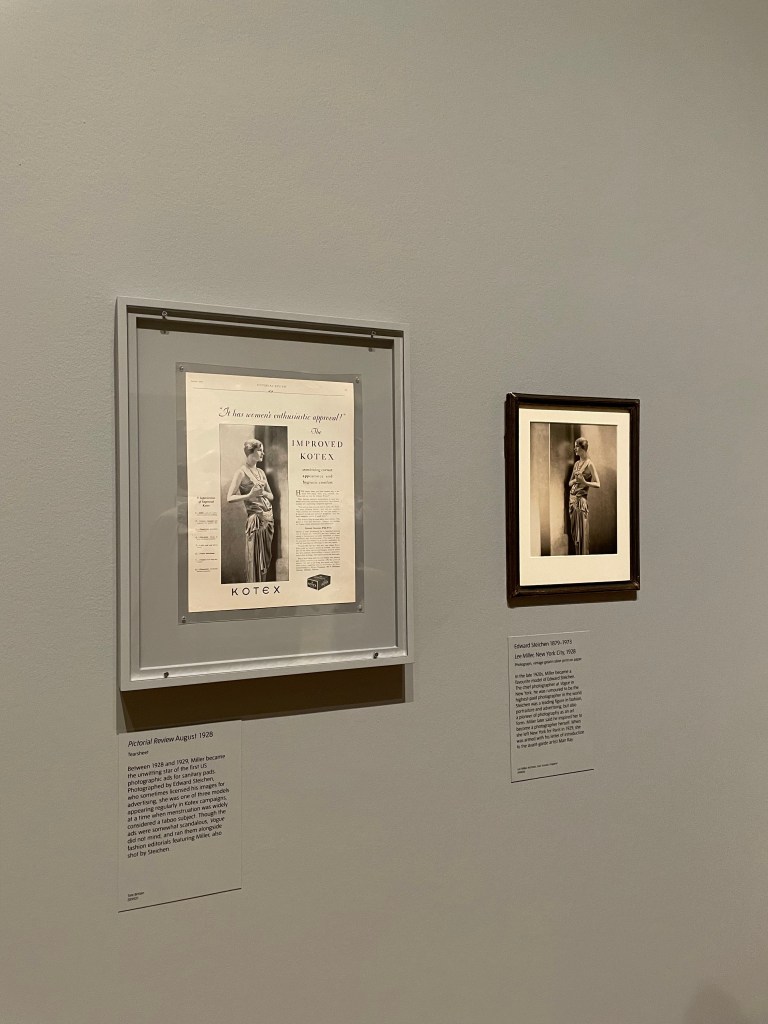
Throught the eyes of Lee Miller – a sensational new retrospective at Tate Britain displays this remarkable woman’s talents as a photographer and chronicler of her time.

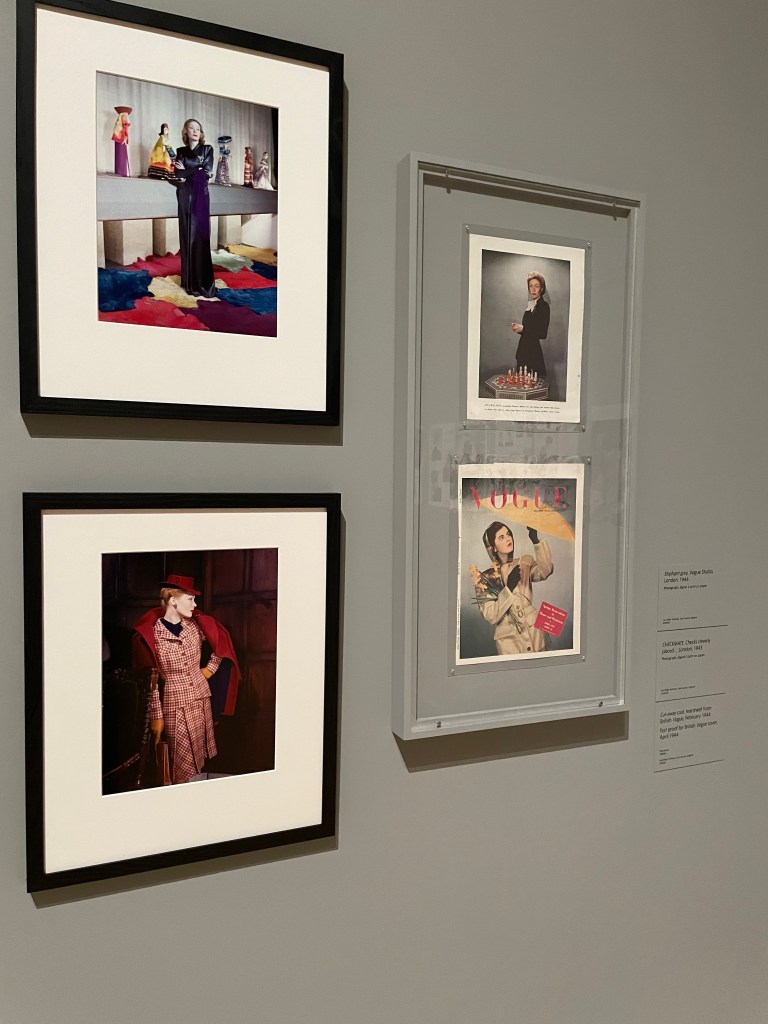
Lee Miller was a very beautiful woman. This sensational retrospective begins with images of her as a model in her early twenties and she is gloriously photogenic. But it didn’t take long for her to grow weary of being the focus of images and to start taking her own photographs.

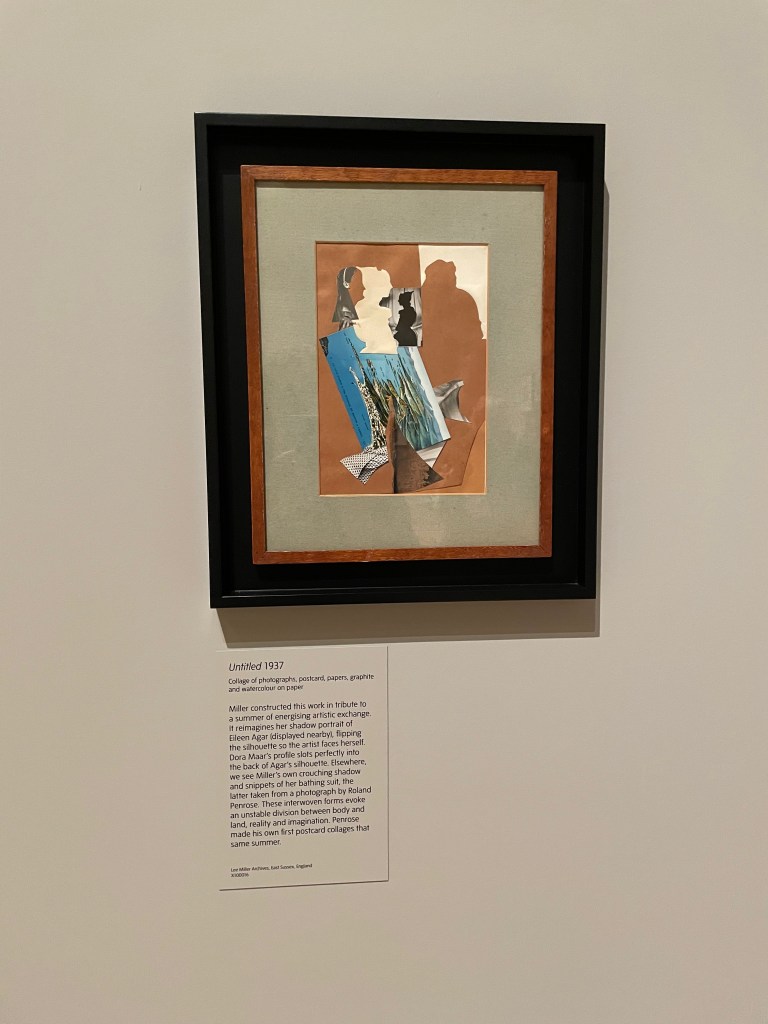
I’m always drawn to a collage, of course! And this work, centre, is fabulous mingling of cutout paper and photographs featuring the surrealist painter Eileen Agar. Lee Miller became friends with many of the surrealist painters, spending time with them in Paris and the South of France.

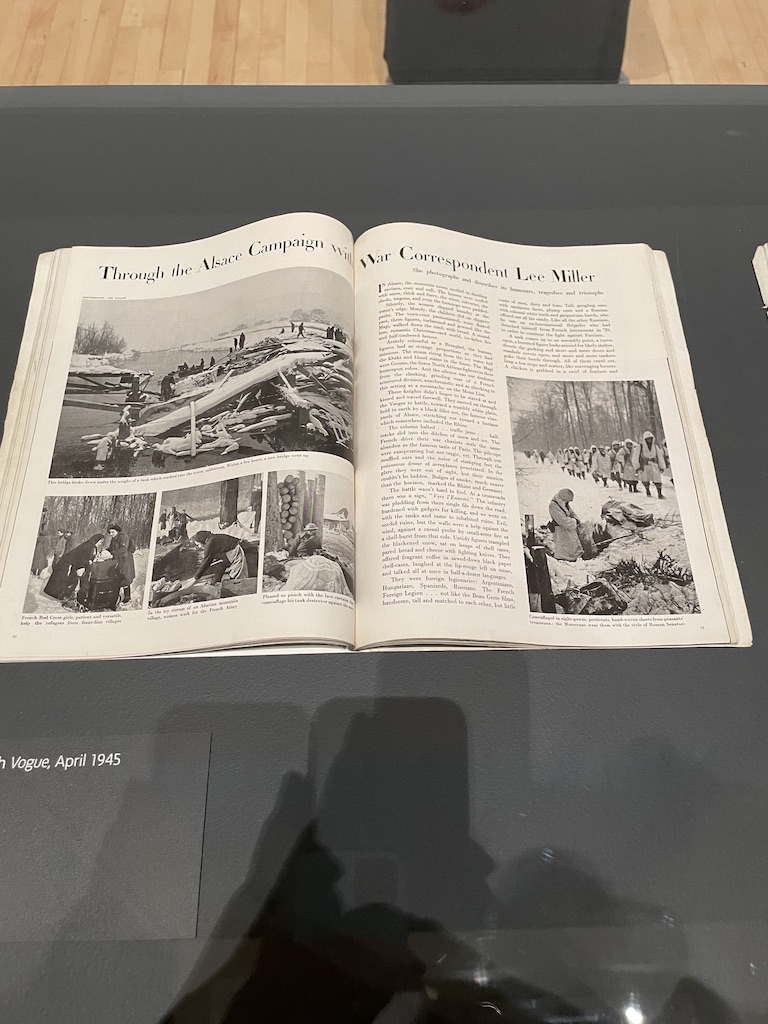
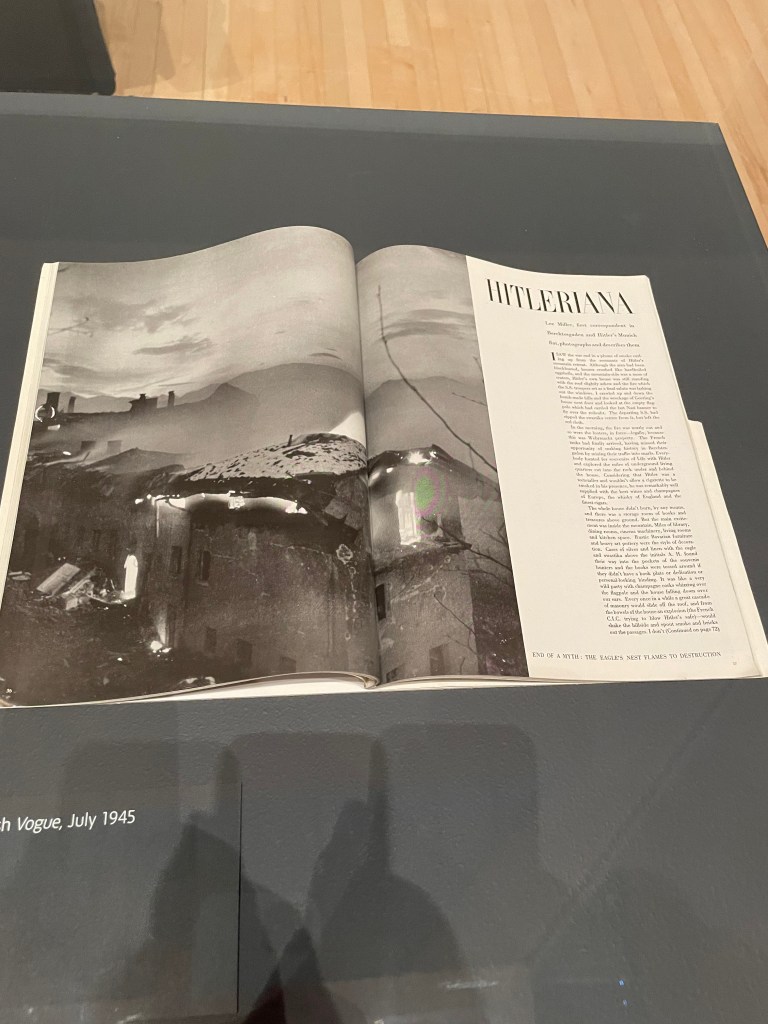
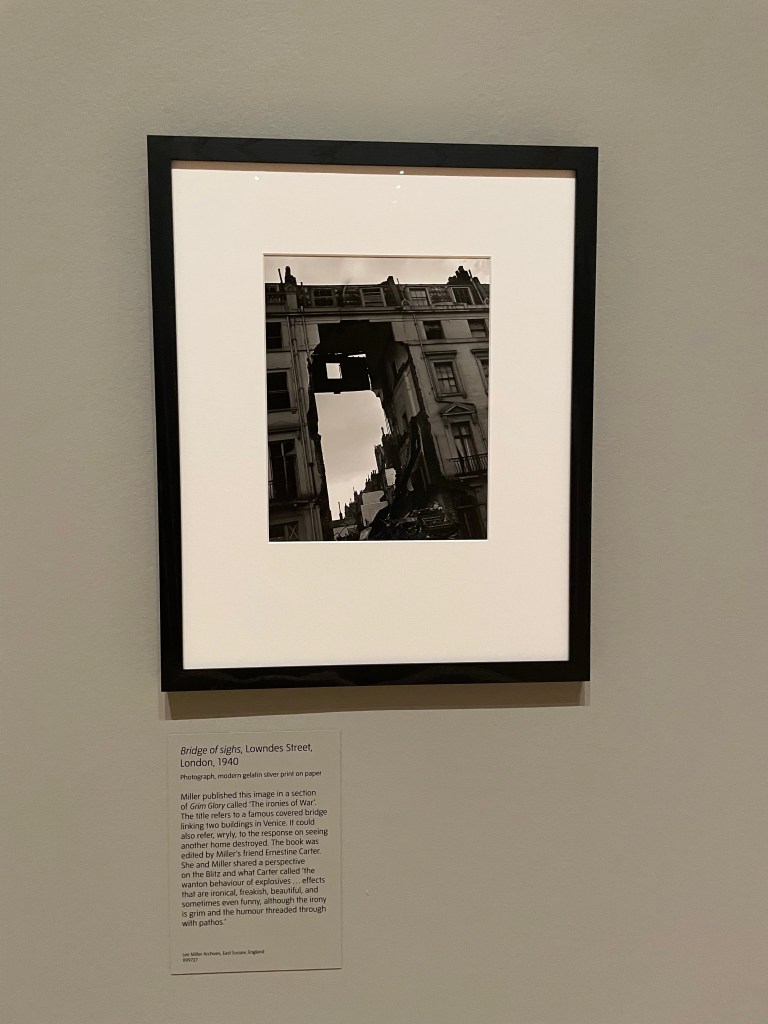
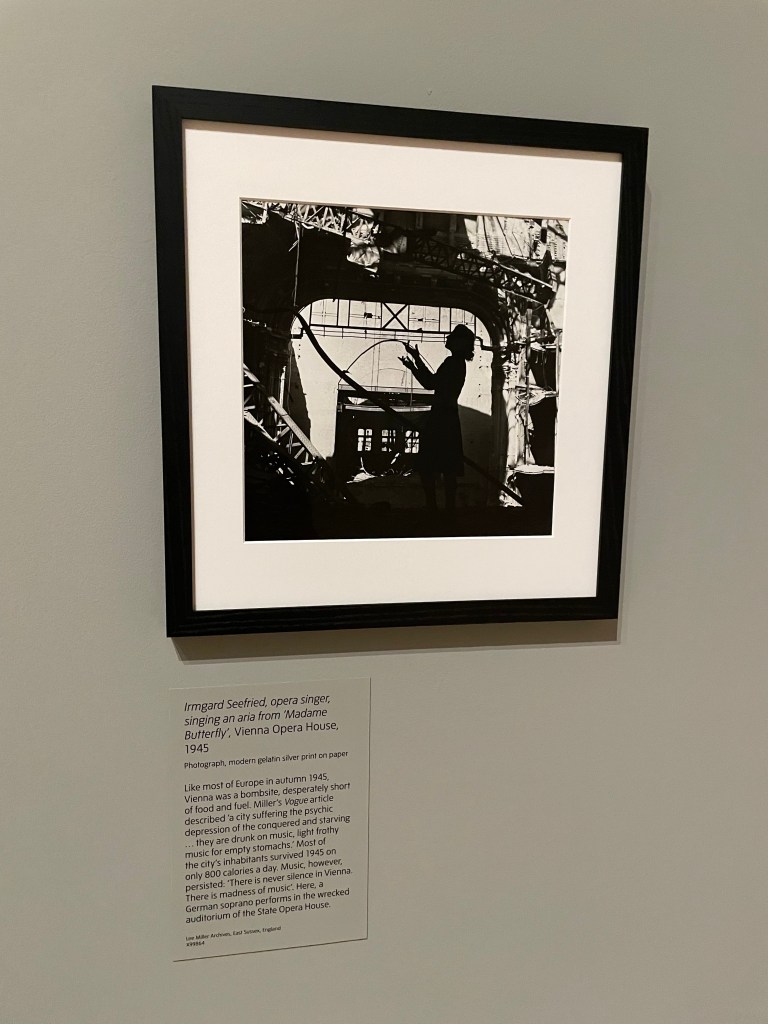
But it’s her work as a War Correspondent in Europe during the Second World War which is so very moving and affecting. She bravely picked her way through war-torn streets, capturing the images of displaced people, injured fighters, hungry children and ruined buildings. She sent her photographs back to Vogue magazine (for whom she worked) but they found many of her images too brutal to publish.

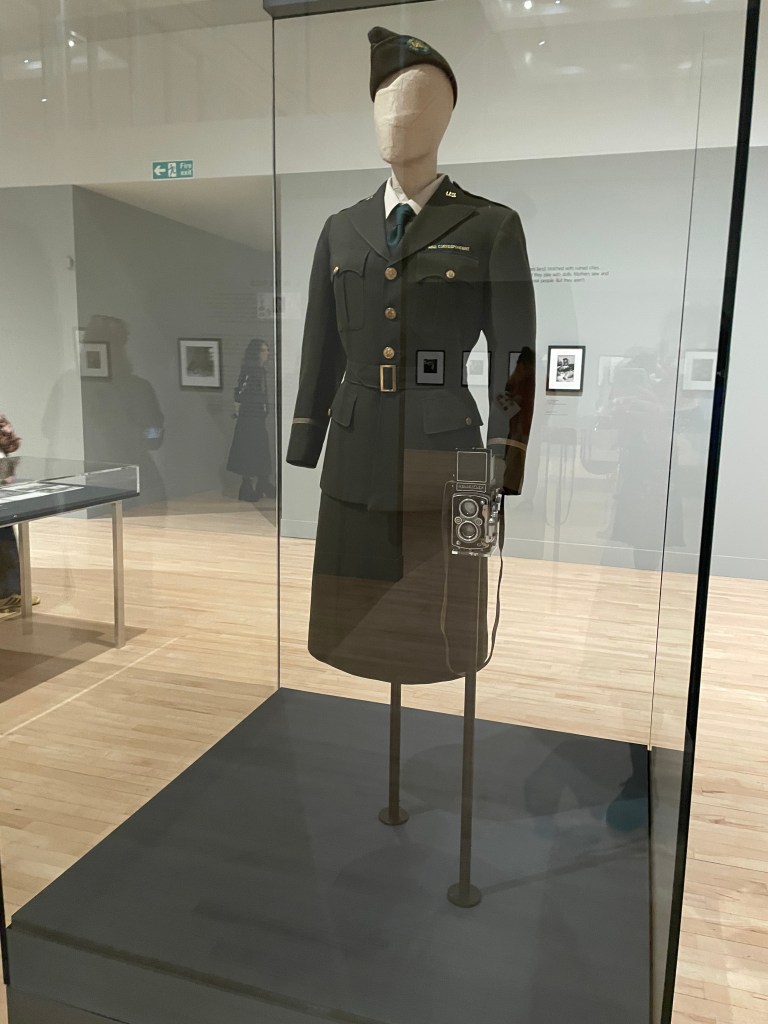
Here’s the uniform she wore and her camera.

The images we were not allowed to photograph at the press preview include the famous shot of Lee Miller in Hitler’s bath in his former apartment in Munich. With her associate, David E. Sherman, they entered his private bathroom after taking pictures of the horrors of Dachau.

So many of the photographs emit a palpable atmosphere which speaks of the time the pictures were taken but also convey Lee Miller’s barely-bottled anger at the places she was seeing, the people she met and the dreadful cruelty that had been inflicted on victims from the concentration camps.

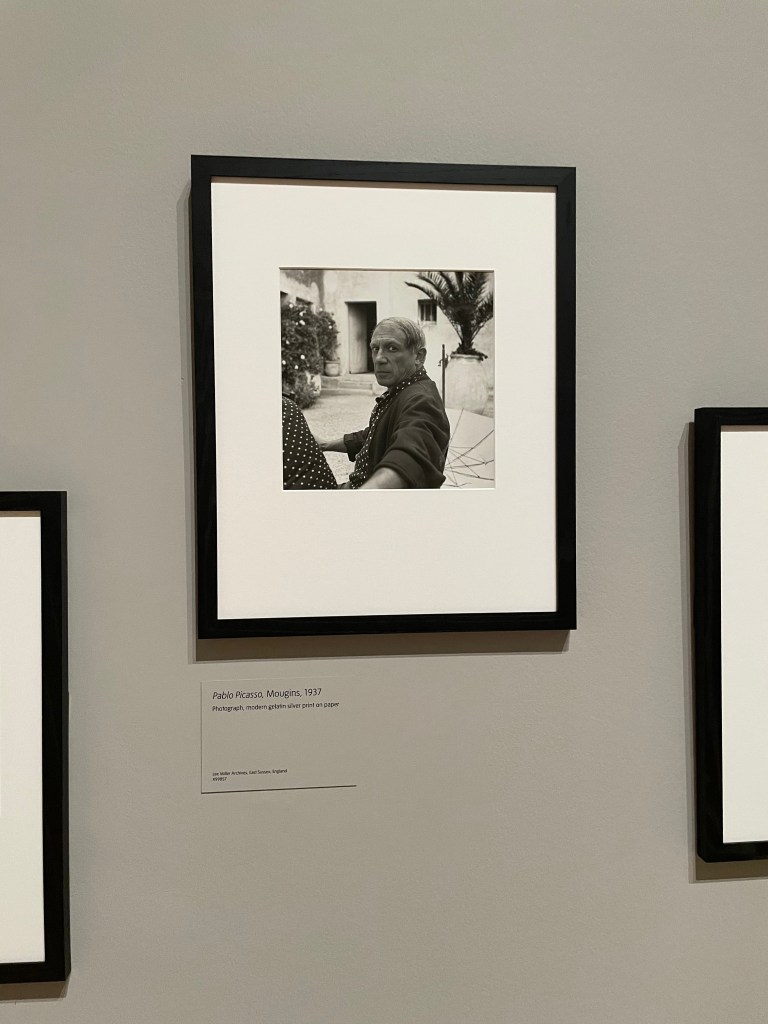
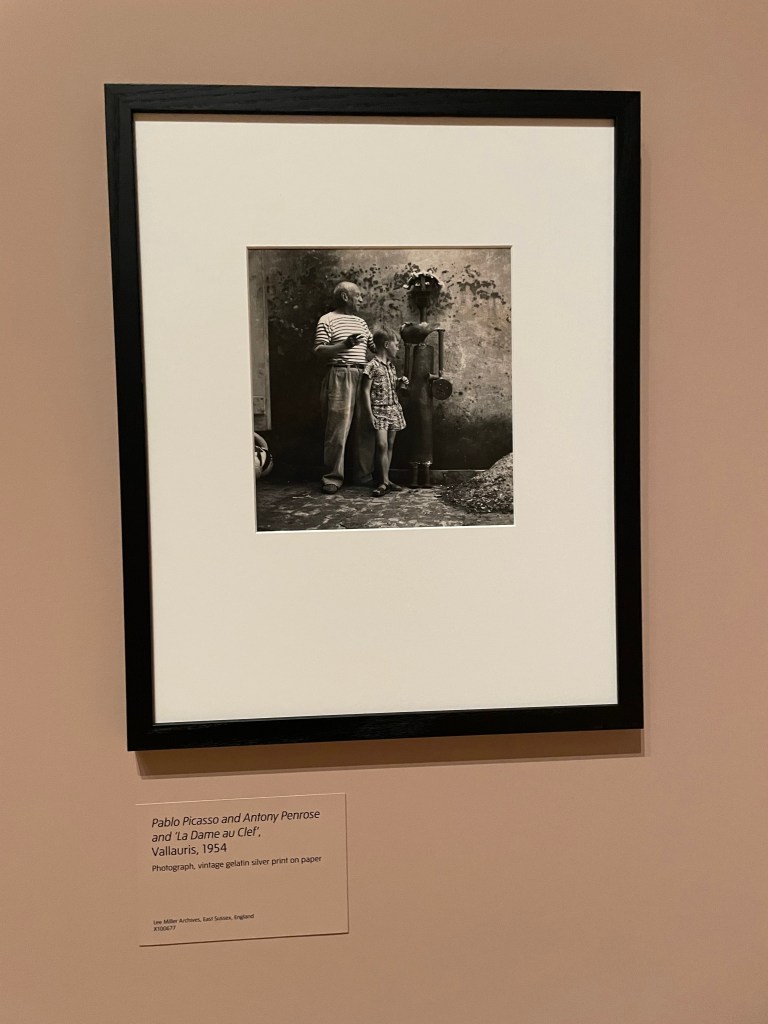
Above is a photograph of Lee Miller’s son, Antony Penrose and Pablo Picasso. Antony knew very little of his mother’s extraordinary past. After her death he uncovered huge boxes of photographs stuffed into the attic of the family home at Farley Farm in Sussex. It is this astonishing archive we are able to see at the exhibition.

The show is on at Tate Britain until 15th February 2026.